Technology Advancements and the Evolving Cyber Security Landscape

Introduction

Our world is undergoing a digital revolution and technology is fundamentally altering the entire digital ecosystem. From the proliferation of internet-connected devices to the rise of artificial intelligence (AI) and the Internet of Things (IoT), the IoT is a vast network of interconnected items that includes wearable technologies, industrial systems, smart appliances, and critical infrastructure. While these advancements offer incredible opportunities for progress, they also create a complex and ever-evolving cyber-security landscape. Cyber-security is the process of defending networks, data, and computer systems against online attacks that jeopardize the privacy, accuracy, and usability of information systems. Cyber-security is a top priority in today’s digital world due to the increasing tech advancements and frequency of cyber-attacks. It is critical for preserving the safety of individuals and businesses that rely heavily on digital technologies. Cyber security is used in a variety of applications, including health care facilities, financial institutions, smart cities, grid systems, government organizations, education, and the military. Cyber security faces a variety of threats from various sources, including hackers, cybercriminals, state actors, terrorists, and insiders (Admass et al., 2024).

A greater emphasis on cyber-security is required as the digital landscape changes due to developing technologies. In order to combat the growing threat of cyber-crime, organizations must place a high priority on protecting their digital assets, intellectual property, and consumer data. Businesses confront additional risks as they adopt digital technology, risks to their operations, company, and customer trust. Cyber-attacks are now more frequent, sophisticated, and have the ability to cause immense damage. Therefore, keeping information private, accessible, and of high quality while safeguarding digital assets has become a critical task in this regard (Mandal et al., 2023).

Technological Advancement: A Digital Dilemma

Rapid technology advancement poses a digital dilemma. While technology presents exciting potential to strengthen cyber-security defenses, these same developments create new vulnerabilities that malicious actors might exploit. Technological advancement, innovation, and scientific growth have long been hailed as drivers of social and economic progress. The last few centuries, particularly in recent decades, have seen incredible advances that have revolutionized digital world. But progress is not without its costs. The potential for exploitation and abuse grows significantly as society become more dependent on technology (Rolenc, 2020).

The emergence of sophisticated technologies poses a challenge to cyber-security. Conventional security methods are slow to adapt because they were created for less complex systems. This vulnerability results from incomplete knowledge of new technologies, a lack of comprehension of software, and insufficient security-related procedures used throughout the development process. In order to effectively combat the constantly changing landscape of cyber-attacks, a multi-layered security approach is essential. To maintain a robust defense, security frameworks must also be continuously monitored and evaluated (Kalra* et al., 2020).

Cyber-security is a major problem that is becoming more and more of an issue for developing countries (Otieno, 2020). These countries are facing challenges in utilizing technology for good while reducing its potential for harm. Several countries are susceptible to data breaches and network attacks because, in contrast to developed nations, they lack a strong cyber-security infrastructure. Cyber-attacks are not limited to individual and businesses in the modern world, but we have examples of disruption of vital national infrastructure, which hinder services and spreads instability. Moreover, anti-state actors may use cyber espionage to steal confidential government information, endangering national security leading to devastating consequences, For that matter, not only spreading awareness about emerging technologies is essential but prioritizing cyber-security by all the stakeholders from all sectors in order to address this threat is needed. Only through collective effort, countries can fully benefit from technological advancement and fortify their cyber-security defenses.

Artificial Intelligence (AI) and Cyber-security

The future of cyber-security is characterized by both impending threats and beneficial developments in the quickly expanding digital world. As artificial intelligence (AI) develops, both revolutionary advancements and new risks for cyber-threats are present. It is essential to develop AI-powered security systems that are capable of recognizing and responding to emerging threats. Moreover, it is imperative to ensure the ethical application of AI in cyber-security protocols, in order to curtail potential exploitation and mitigate adverse consequences of Artificial Intelligence (AI). Transparency and accountability are indeed fundamental in unlocking the true potential of AI for robust cyber-security.

Cyber threats present a variety of issues which require innovative and adaptive solutions that can keep up with the ever-changing landscape of digital risks. Therefore, there are several benefits of integrating artificial intelligence (AI) into cyber-security solutions but it also requires a complex approach due to ethical and privacy concerns. Artificial Intelligence (AI) refers to a variety of sophisticated methods and algorithms including data-driven learning, prediction, and information adaptation. AI-powered systems use machine learning algorithms and powerful data analytics to examine massive volumes of data in real-time. This feature makes it possible to spot unusual trends that can point to possible shortcomings in cyber-security.

Artificial intelligence (AI) has immense potential as a critical technology with unmatched capabilities to strengthen cyber-security defenses. AI can be used for cyber-security because it has great ability to improve threat detection, strengthen defenses, and reduce risks in the digital domain. Through this, AI can help businesses implement proactive defense systems by analyzing prior data and identifying current trends. These systems will help to detect new threats and take countermeasures before they develop into full-fledged cyber-attacks. This approach, facilitated by AI will help to strengthen an overall cyber-security posture (Camacho, 2024).

In addition, Artificial Intelligence is revolutionizing national security strategies and capacities worldwide; nonetheless, its impact on the Global South is more significant. With AI-driven projects like cyber security, autonomous technology, and surveillance, every country is actively seeking to bolster internal security. AI combined with data processing efficiency has opened up new strategic opportunities for countries, allowing them to step up efforts to protect national integrity, sovereignty, and peace. It is because AI can be used to proactively identify threats and advance intelligent surveillance, strong cyber resilience, thorough data analysis, and well-informed decision-making (Srivastava, 2023).

Conclusion

Technological advancements and the ever-evolving cyber security landscape are inextricably linked. These advancements, while offering significant benefits, create new avenues for cybercrime. This dynamic environment necessitates a flexible and responsive approach to security. Businesses must leverage emerging technologies, such as artificial intelligence and automation, to enhance their defenses and stay ahead of increasingly complex threats. Additionally, fostering a culture of cyber security awareness and prioritizing investments in robust security measures are critical for navigating digital landscape. Furthermore, governments should play their vital role in fostering a secure digital environment. This can be achieved through initiatives such as promoting international cooperation on cybercrime, establishing clear regulatory frameworks, and investing in research and development of advanced cyber-security solutions. Only through a collaborative effort, encompassing organizations, individuals, and governments, a secure digital future can be achieved.

Recommendations

• Standardize Cyber-security Frameworks: Moreover, establish common standards and protocols for secure development, deployment, and operation of new technologies. This promotes interoperability and reduces the attack surface across different systems.
• Embrace Regulatory Measures: Introduce clear and comprehensive regulations to address emerging cyber threats. Develop and enforce clear regulator measures for data privacy, breach notification, and security standards for critical infrastructure sectors. This will empower businesses and provide a baseline to operate on.
• Research and National Strategy: Countries must invest in research for cutting-edge security solutions for cyber-security threats and risks. A national cyber-security strategy is needed, outlining critical infrastructure protection and fostering collaboration between government, industry, and other relevant stakeholders.
• Invest in Cyber-security Education: Prioritize investment in research and development of advanced cyber-security solutions to stay ahead of evolving threats Equip the workforce with the skills needed to identify, prevent, and respond to cyber threats in the context of emerging technologies. This includes both technical training and awareness programs for all levels. Furthermore, educate the public on cyber security best practices to empower individuals to protect themselves online.
• Promote International Collaboration: Encourage information sharing and coordinated responses to cyber threats among different countries. This strengthens collective defenses against large-scale cyber-attacks and fosters international cooperation in developing cyber-security solutions.

References

Admass, W.S., Munaye, Y.Y. and Diro, A.A. (2024) ‘Cyber Security: State of the Art, Challenges and Future Directions’. Cyber Security and Applications, 2, p. 100031. DOI: 10.1016/j.csa.2023.100031.
Camacho, N.G. (2024) ‘The Role of AI in Cybersecurity: Addressing Threats in the Digital Age’. Journal of Artificial Intelligence General Science (JAIGS) ISSN:3006-4023, 3(1), pp. 143–154. DOI: 10.60087/jaigs.v3i1.75.
Kalra*, Y., Upadhyay, S. and Patheja, Dr.P.S. (2020) ‘Advancements in Cyber Attacks and Security’. International Journal of Innovative Technology and Exploring Engineering, 9(4), pp. 1520–1528. DOI: 10.35940/ijitee.D1678.029420.
Mandal, D.K., Singhal, D.N. and Tyagi, M.D. (2023) ‘Cybersecurity in the Era of Emerging Technology’.
Otieno, D.O. (2020) ‘Cyber Security Challenges: The Case of Developing Countries’.
Rolenc, J.M. (2020) ‘Technological Change and Innovation as Security Threats’ Kliestik, T. (ed.). SHS Web of Conferences, 74, p. 02015. DOI: 10.1051/shsconf/20207402015.
Srivastava, K. (2023) ‘ARTIFICIAL INTELLIGENCE AND NATIONAL SECURITY: PERSPECTIVE OF THE GLOBAL SOUTH’. International Journal of Law in Changing World, 2(2), pp. 77–87. DOI: 10.54934/ijlcw.v2i2.63.


BrahMos Deal: India and Philippines Forge Defense Ties amid China Tensions

Introduction

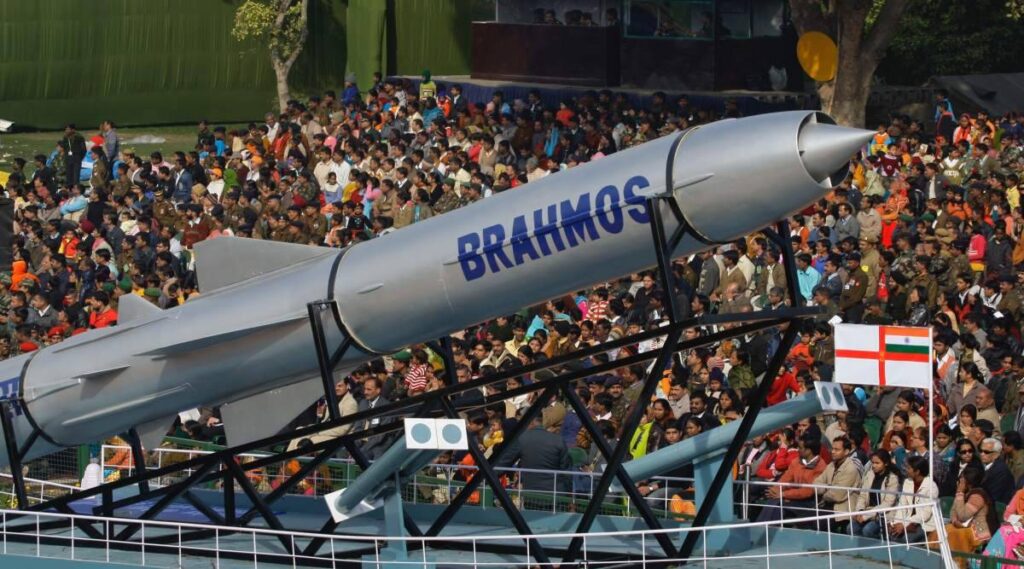
The Philippines and India are strengthening their defense and strategic ties as a result of growing tensions between the East Asian country and China over maritime issues in the South China Sea. To counter China’s growing assertiveness in the South China Sea, India delivered the first batch of BrahMos supersonic cruise missiles to the Philippines on April 19, 2024. The BrahMos missile system’s delivery to the Philippines is a major development in their defense cooperation and demonstrates India’s expanding defense sector and strategic alliance with the Philippines. The $375 million deal, signed in 2022, included not only the missiles but three missile batteries, launchers, and related materiel. This delivery signifies a major boost to the Philippines’ maritime defense capabilities, particularly in the contested South China Sea region.

BrahMos

The BrahMos missile is one of the fastest supersonic cruise missile and is produced by a joint venture of India’s DRDO and Russia’s NPOM. With a speed of 2.8 Mach, the BrahMos missile can be launched from air, sea and land platforms. India’s successful testing and integration of the BrahMos missile system into its military has improved its defense capabilities. The BrahMos missile, with a range of 290 kilometers, combined with supersonic speed and spot-on accuracy, making it a powerful deterrent against potential threats. The missiles will be launched by the Philippine Marines, according to Jonathan Malaya, assistant director general of the Philippine National Security Council.

Strategic Partnership Deepens

This missile transfer underscores the growing strategic partnership between India and the Philippines as both countries share concerns about China’s assertive actions in South China Sea. The past year has seen an increase in tensions between the Philippines and China as Beijing advances its claims to territories inside Manila’s exclusive economic zone. This has resulted in clashes between the coastguards of the two nations and other vessels. China and India have also been engaged in a military standoff over past years along the Line of Actual Control (LAC). Subrahmanyam Jaishankar, the Indian foreign minister reaffirmed India’s support for the Philippines’ national sovereignty during a visit to Manila last month. Enrique Manalo, his counterpart from the Philippines, asserted that both nations have a very deep interest in maintaining a free, open, and inclusive Indo-Pacific Ocean and added that “we are having extensive discussions on defense cooperation, security cooperation on a regular basis in this region.”

A Chinese military WZ-7 Soaring Dragon Drone flew close to the Philippines before to the delivery of Indian BrahMos supersonic cruise missiles to the country. This also occurred prior to the commencement of the “Balikatan 2024” exercises between the United States and the Philippines. The presence of the drone is considered to be China’s potential show of force in response to these events. To maintain stability in the South China Sea, all countries must prioritize de-escalation and commit to peaceful solutions. Establishing a framework for regional security cooperation is crucial for addressing issues and encouraging dialogue in order to prevent tensions from escalating into a larger conflict.


Takeaways from National Human Development Report 2024 on Digital Transformation in Pakistan

Introduction

On April 23, 2024, Pakistan unveiled its National Human Development Report (NHDR) 2024 on Digital Transformation, titled as “Doing Digital for Development – Access, Adopt, Anticipate, Accelerate.” The Federal Minister for Planning, Development & Special Initiatives, Ahsan Iqbal, launched the report by the United Nations Development Programme (UNDP). According to the Global Human Development Report, Pakistan ranks at 164th out of 193 countries, along with a ranking of 135th out of 166 countries in the Gender Inequality Index. Inadequate development outcomes are made worse due to digital divide. In terms of digital development, Pakistan is included in the group of countries whose digital development can be described as moderate. The report examines the crucial role of digitalization and emphasizes the significance of equal and safe access to technology as a means of enhancing human lives.

Digital Divide

Pakistan’s digital divide continues to be a major challenge. The rates of internet access in urban areas are considerably greater than those in rural and remote areas. A significant portion of the Pakistani population does not have access to essential services as a result of this disparity. Digital development does not adequately benefit women. Moreover, lack of digital literacy and digital skills among a large segment of the population further restricts the benefits of digitalization. According to the Doing Digital for Development report, 54.3 percent of the country’s population lacks internet access due to inadequate digital infrastructure and affordability difficulties.

The NHDR 2024 report assessed digital technology access along with additional factors, such as digital usage, digital skills attainment for the first time in Pakistan. The Digital Development Index (DDI) revealed that districts that do better in terms of digital transformation are also among the better performing in terms of human development. The digital development rankings of nearly half of Pakistan’s districts are low. With ‘very high’ digital growth, Islamabad is the only district in the country, other districts with ‘high’ development include Karachi, Lahore, Rawalpindi, Peshawar, Haripur, and Abbottabad. It is imperative that all the societal groups have equal access to digital technology including the internet. Pakistan is ranked 45th out of 52 countries in the World Internet Development Index (2023). Equal access to digital technology, particularly the internet, for all segments of society necessitates a strong focus on two key areas i.e. digital literacy and infrastructure development. By equipping people with the skills to effectively utilize technology and expanding internet reach across the country, Pakistan can bridge the digital divide and empower all its citizens.

Digital Transformation

Without fair access to digital technologies, Pakistan’s human development outcomes will remain inadequate. With 87.35 million internet users and strong mobile connection, Pakistan’s digital transformation opportunity offers a possibility to transcend growth constraints. The Pakistan NHDR 2024 gives a dynamic digital transformation policy framework consisting of four As – Access, Adopt, Anticipate, and Accelerate, investments that can become Pakistan’s quickest path to human development. For digital transformation in Pakistan, it is important to ensure widespread availability of low-cost digital technology such as internet connectivity and devices. It entails improving infrastructure, cutting expenses, and promote initiatives for underserved areas of the country. Encourage responsible use of digital technology and develop appropriate applications for education, healthcare, and economic development. It is necessary to plan forward for the future of digital breakthroughs through research and development on cutting-edge technology, developing a workforce with the skills to adapt to a rapidly changing digital environment, and tackling possible obstacles like cyber-security attacks.
Moreover, data driven policies can help to optimize the beneficial effects of digital technology on development objectives, and efforts should be made for building public-private partnerships, and encouraging innovation.

These measures will unlock the potential of e-learning platforms to bridge the gap in access to quality education, particularly in remote areas. Digitalization can transform healthcare sector by promoting digital health records to improve healthcare delivery and patient outcomes. The role of digital technologies in economic empowerment is important because it promotes entrepreneurship and creates new job opportunities. E-commerce platforms can connect businesses with a wider market, while digital skills training can equip Pakistanis to participate in the digital economy. The potential of digital tools can bridge the gender gap in Pakistan. Online training programs can empower women with skills and knowledge, while digital platforms can facilitate women’s participation in the workforce. By utilizing digital technologies, E-governance initiatives can be launched to streamline service delivery in an efficient manner. But, this all require careful consideration of the ethical implications of digitalization in order to fully harness the potential of digitalization for human development in Pakistan.

Conclusion

The 2024 National Human Development Report highlights opportunities for human development in Pakistan. It portrays digital transformation as an effective tool for empowering people, promoting inclusive development, and improving national productivity in Pakistan. The path forward requires not just technological advancements, but a well-defined strategy that prioritizes equitable access, ethical considerations, and the well-being of all citizens. Pakistan can navigate the challenges and unlock a future of human development for all by embracing a responsible and inclusive approach to digitalization.


Impacts of Climate Change: Unusual Heavy Rains in Pakistan

Introduction

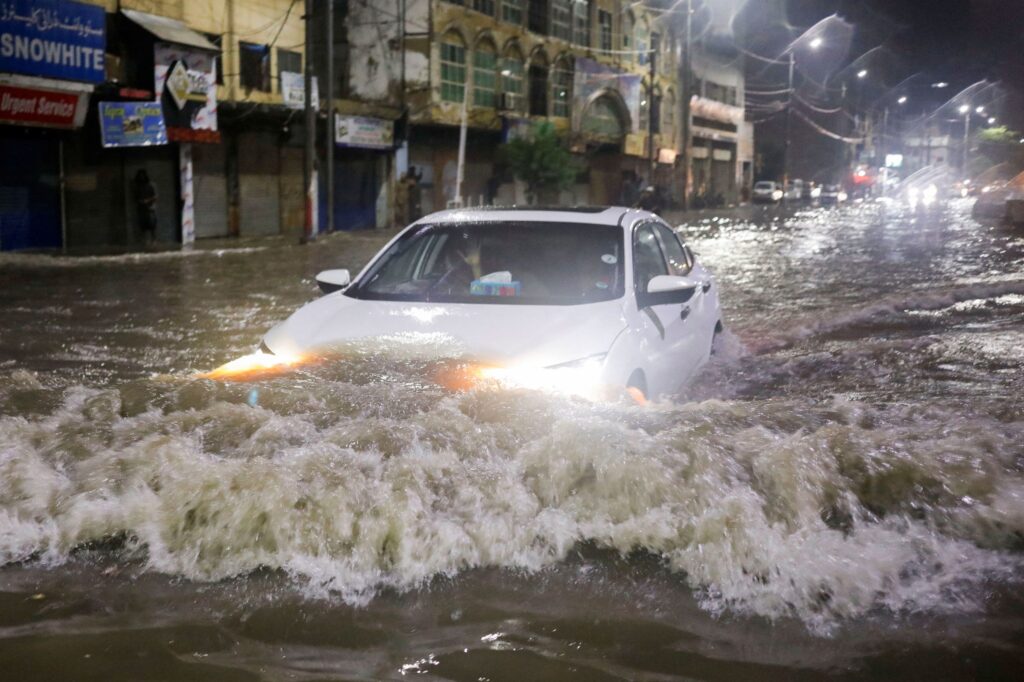
Pakistan has been dealing with the effects of unusual heavy rains and thunderstorms which began on 12th April, 2024. The rate of rainfall in April has been almost twice as high as it has ever recorded. Pakistan normally experiences the monsoon season from June to September, therefore the region’s severe downpours at this time of year are unusual. The relentless downpour resulted in flash floods, causing widespread destruction and loss of life. According to official from National Disaster Management Authority (NDMA), at least 71 people have died and 61 injured in four days in storm-related accidents in Pakistan, including at least 30 people that were killed by lightning. The Northwest Khyber Pakhtunkhwa has seen the highest death toll, with 32 fatalities including 15 children and more than 1,300 houses damaged. The KP provincial government issued a flood emergency declaration in 14 districts in order to provide aid and reestablish water supplies and communication networks. Whereas, in Baluchistan, eight people were killed, eight injured and 22 houses and other structures were damaged. Due to the continuing rainfall, the provincial government declared an urban flood emergency in the Quetta district.

Climate Change: A Growing Challenge for Pakistan

Pakistan is among the countries that are most susceptible to the impacts of climate change, with increasing temperatures, variable rainfall patterns, and an increase in the frequency of extreme weather events. Despite contributing less than 1% of global emissions that cause global warming, Pakistan is among the most climate-vulnerable countries in the world. Pakistan has suffered significantly as the climate catastrophe exacerbates extreme weather and climate conditions, including record heat waves and disastrous floods. In 2022, Pakistan experienced one of the worst floods, affecting 33 million people, taking at least 1,700 lives, and submerging more than one-third of the nation. When U.N. Secretary-General Antonio Guterres visited areas devastated by floods, he said that Pakistanis were “facing a monsoon on steroids the relentless impact of epochal levels of rain and flooding.” With greenhouse gas emissions from the world increasing, Guterres highlighted the lack of efforts regarding climate action. He said, “Let’s quit slumbering as we allow climate change to destroy our planet. It is Pakistan today. It might be your country tomorrow.”

Call for Action

Pakistan is experiencing severe effects from climate change, including altered weather patterns and devastating floods. Unfortunately, these impacts are projected to escalate. The climate issue in Pakistan serves as a clear message for all countries. Developing nations, despite contributing significantly less to greenhouse gas emissions, bear the brunt of its repercussions. Therefore, developed nations should make efforts to reduce emissions and assist underdeveloped countries. Moreover, to enhance resilience and mitigate future disasters, Pakistan urgently requires international assistance and climate financing. This funding would enable the government to establish adaptation measures, enhance infrastructure, and invest in systems capable of protecting its people and dealing with the ever-increasing challenges posed by climate change.


Iran-Israel Conflict Intensifies with Large-Scale Missile Attacks

Introduction

In retaliation for a reported Israeli strike on its consulate in Damascus on April 1, 2024, Iran launched an attack of missiles and drone strikes against Israel on April 13, 2024. The midnight escalation followed more than six months of Israel’s catastrophic war on the Gaza Strip, which has killed over 33,000 Palestinians and brought the worst humanitarian crisis. The Iran-Israel conflict has heightened the regional tensions, spilling over into Lebanon and Syria and drawing long-range fire from Yemen and Iraq at Israeli targets.

Iran’s Unprecedented Direct Attack

With tremendous aerial bombardment, Iran launched its first ever direct attack on Israeli territory from Iranian soil. Iran retaliated against Israel by launching an attack after seven members of the Islamic Revolutionary Guard Corps (IRGC), including two generals in charge of operations in Syria and Lebanon, along with six other people killed in an airstrike on the country’s consulate in Damascus earlier this month. It was a carefully planned operation intended to send a clear message against any invasion by the Zionist state. The Iranian President said, “Iran’s attack brought down the glory of the Zionist regime.” In a speech on Army Day, President Ebrahim Raisi stated that the operation demonstrated the readiness of Iran’s armed forces. The attack has been called Operation True Promise by Iran, and it is said that the objective of operation has been achieved.

Israel April 14, 2024. Photo: REUTERS/Amir Cohen . Courtesy Routers

The United States officials estimate that the attack, which started on April 13th, lasted approximately for five hours. Despite the fact that no serious damage was sustained, the missiles pouring down on Israeli soil has tested the region’s biggest military power. Tel Aviv was among the Israeli cities that heard explosions during the strike. As Israeli forces attempted to fire down the rockets, air raid sirens sounded in over 720 places and explosions were also heard in Jerusalem. According to the Israeli military, the Iran attacked with some 300 killer drones, ballistic missiles, and cruise missiles, but with help from the United States, UK, and French forces, 99 percent of them were intercepted outside the country’s border. The western nations, including the United States, the United Kingdom, the Czech Republic, Denmark, France, Mexico, the Netherlands, and Norway, have condemned Iran’s missile and drone attacks, the US imposed sanctions on Iran. Egypt and Saudi Arabia called for restraint. At Israel’s request, the UN Security Council convened an emergency meeting to review the situation. President Joe Biden conducted a meeting with his national security team at the White House and reaffirmed Washington’s ironclad commitment to its ally’s security during his conversation with Israeli Prime Minister.

Miscalculation Risk

Following the Iranian missile and drone attack, Israeli Prime Minister Benjamin Netanyahu convened multiple war cabinet meetings. Herzi Halevi, the Israeli military’s chief of staff, said his country will fight against Iran’s aggressiveness and pledged a response but did not provide specific details. On the other side, the Islamic Revolutionary Guard Corps (IRGC) of Iran has threatened to destroy Israel’s nuclear sites and could even go nuclear if Israel strikes Iran’s nuclear facilities. A senior commander of the Iranian Revolutionary Guards said, Iran may reconsider its “nuclear doctrine” in response to Israeli threats of retaliation. This might heighten concerns over Tehran’s nuclear program, which it has consistently said is only for peaceful purposes.

Furthermore, Iran showed its military strength as tensions with Israel escalate. On April 17, 2024, Iran’s military paraded to demonstrate its readiness for a counterattack from Israel following an unparalleled strike on its archenemy. The parade featured a variety of military weaponry, including drones and long-range ballistic missiles. There were the Dezful medium-range ballistic missile and the S-300 air defense missile system, along with various versions of the Ababil, Arash, and Mohajer drones. Israel was warned by Raisi that any act of violence would be met with “a fierce and severe response.”

In a recent development, on April 19, 2024, the US officials reported that Israel conducted a military attack and fired missile to target an air base near Isfahan. There have also been reports of explosions in Syria and Iraq. Isfahan has sites involved with Iran’s nuclear program, and it is reported that air defenses are active around the city. However, Iran asserted that its nuclear facilities are totally secure and situation is under control in Isfahan. Iranian military authorities even stated that noise heard overnight in Isfahan was caused by air defense systems targeting a suspicious item. The International Atomic Energy Agency (IAEA), the UN’s nuclear watchdog, stated that no nuclear sites had been damaged and has asked the two countries to avoid attacking nuclear facilities.

Plea from World Leaders

A number of Western governments have urged Israel to prevent the Middle East situation from deteriorating. Along with other international leaders, Israel’s allies have consistently asked Netanyahu to refrain from adopting any measures that would escalate tensions with Iran. Additionally, representatives from Europe visited Israel to call for de-escalation in the wake of the Iranian attack, nonetheless, the foreign secretary of the United Kingdom conceded that an Israeli counterattack appeared likely. Before meeting with Prime Minister Benjamin Netanyahu, British Foreign Secretary David Cameron stated, “It is clear that the Israelis are making a decision to act.”

In conclusion, any direct military action by Israel or Iran on nuclear installations would have disastrous effects on the Middle East and beyond. The likelihood of a military confrontation grows as tensions between the two dominant regional countries build, and Israel demands a swift and forceful response against Iran. The current unpredictable situation has increased the risk of escalation, raising concerns of confrontations and crises. To avoid any miscalculation at regional and global level, immediate diplomatic efforts are required to open lines of communication, de-escalate tensions, and reach agreements to the underlying issues.


AUKUS: UK and Australia’s Nuclear-Powered Submarine Deal

In order to forward the AUKUS nuclear-powered submarines, Australia is committed to further collaborate with the US and the UK. In recent development, Australia pledged $3 billion to help British industry build nuclear-powered submarines, in order to ensure the timely delivery of the country’s new fleet, as announced by the two countries on March 22, 2024. The nuclear-powered submarines will be developed under the historic agreement between the two nations, despite growing concerns about prices, capabilities, and other challenges. The two nations, together with the US have promised to bolster their military might in an effort to thwart China’s rise. As a major component of the AUKUS agreement, defense chiefs disclosed ambitious plans to arm Australia with a fleet of nuclear-powered submarines. By the 2050s, Australia intends to have eight nuclear-powered vessels in the water; these will be a combination of Virginia-class vessels acquired from the US and new AUKUS-class submarines constructed domestically and in the UK. The new nuclear-powered Australian submarines will be able to deploy over great distances without coming to the surface, and they will be quiet and stealth than the country’s current diesel fleet.

The Australian Defense Minister Richard Marles said, “The three governments involved here are working at pace to make this happen. This is going to happen and we need it to happen.” However, the defense minister of the United Kingdom, Grant Shapps, stated that the submarine program was both costly and necessary. After decades of relative peace, Shapps asserted the world is gradually transitioning from a post-war to a pre-war state. He said, “Nuclear-powered submarines are not cheap, but we live in a much more dangerous world where we are seeing a much more assertive region with China, a much more dangerous world all-around with what is happening in the Middle East and Europe.” He added, “Countries need to invest in making sure that adversaries see we are serious about our security, defending freedom of navigation, for example.”

The news of nuclear-powered submarines was made one day after Australia and the United Kingdom signed a defense and security agreement. The defense ministers of both countries stated that in order to tackle contemporary challenges and uphold a global rules-based system, this defense and security cooperation pact was necessary. Following yearly bilateral ministerial defense talks, the treaty was signed by Australian Defense Minister Richard Marles and his U.K. counterpart Grant Shapps.
In response, China has warned that AUKUS and the new nuclear-powered submarines, can result in a dangerous escalation that might trigger an arms race in Asia Pacific while threatening the regional stability. Additionally, China has also increased its military growth, which includes a modernized fleet and greater assertiveness in disputed areas such as Taiwan and the South China Sea. As AUKUS proceeds, tensions between China and the alliance of Australia, the United Kingdom, and the United States are likely to rise.


First Nuclear Energy Summit: Harnessing Nuclear Energy to Mitigate Climate Change

Introduction

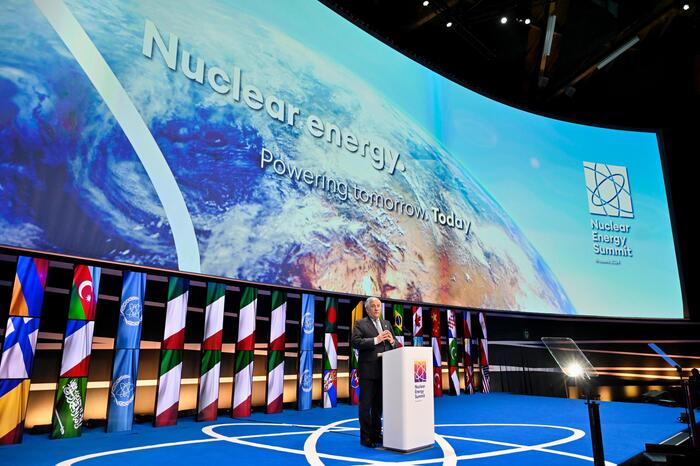
On March 21, 2024, Brussels, Belgium, witnessed a landmark event: the world’s first-ever Nuclear Energy Summit. This high-level gathering, co-chaired by the Belgian Prime Minister Alexander De Croo and the Director General of the International Atomic Energy Agency (IAEA) Dr. Rafael Mariano Grossi, brought together leaders from over 30 countries and the European Union (EU). China, United States, France, Japan as well as Pakistan also participated in the summit. The particular event marked a significant turning point in the global discourse on nuclear energy, to emphasize the importance of nuclear energy in lowering the consumption of fossil fuels, its potential role in dealing with climate change, achieving sustainable development goals, improving energy security, and accelerating economic development. This summit is followed by nuclear energy’s historic prominence at the UN Climate Change Conference (COP28) in December 2023. For the first time, nuclear energy was acknowledged as a viable tool in the fight against climate change. This historic recognition paved the way for the Brussels Summit, providing a platform for world leaders to translate intentions into concrete action plans. It will allow participating countries to discuss their perspectives on nuclear power’s critical role in achieving net zero emissions and develop national strategies to fully realize its potential.

Nuclear Energy Declaration

At the summit over 30 nations adopted a Nuclear Energy Declaration and committed to maximizing nuclear energy’s potential for clean energy, reduced emissions, and a sustainable future. This declaration signifies a global push for nuclear power as a key tool in tackling climate change and solidifying a unified effort to harnessing the power of nuclear energy for a cleaner future. The countries reiterated the importance of nuclear energy as a critical component of the global attempt to reduce greenhouse gases. Moreover, they made a strong commitment and pledged that “We are determined to do our utmost to fulfill this commitment through our active and direct engagement, in particular by enhancing cooperation with countries that opt to develop civil nuclear capacities in order to reduce greenhouse gas emissions in a nationally determined manner, including for transitioning away from fossil fuels in energy systems, in a just, orderly, and equitable manner, accelerating action in this critical decade, so as to achieve net zero by the mid-21st century.”

The Role of IAEA in Nuclear Energy and Climate Change

There are concerns about safety, waste management, and proliferation hazards when it comes to nuclear energy. The summit recognized these issues and aimed to resolve them. Discussions about best practices and international cooperation can be supported by the IAEA, a major participant in promoting nuclear safety and security. Therefore, International Atomic Energy Agency (IAEA) is positioned to play an important role in the nuclear energy landscape. The agency’s experience in safety standards, technical innovation, and nuclear security will be critical in assisting member states in establishing and implementing safe, efficient, and sustainable nuclear programs.

The IAEA launched Atoms4NetZero, an initiative to assist Member States in using nuclear energy to help them achieve net zero emissions, in response to the climate crisis. The Atoms4NetZero is for both nuclear operating and embarking countries that are interested in incorporating nuclear energy into their national energy mix in order to reach net zero targets. The developing countries will receive special consideration. The program offers Member States and stakeholders industry, financial institutions, and international organizations with technical expertise on the possibility of using nuclear energy to reduce the amount of carbon dioxide released into the atmosphere during the production of electricity and different sectors including transportation and industry. The Director General of IAEA at the summit said “Nuclear energy is an extraordinary asset whose full potential we need to untap if we are to keep climate change in check. The narrative that pits nuclear against wind and solar is wrong. It is time for the truth to get through, for leaders to pull the necessary levers and help make the global climate goals achievable.” He added, “the Nuclear Energy Summit must be a turning point for nuclear energy, calling for global investment across all economies. The IAEA, born from a vision of nuclear for peace and prosperity, is here to support this transition.”

Conclusion

The Nuclear Energy Summit signifies a renewed global commitment to leveraging nuclear energy as a key tool in tackling climate change and ensuring energy security. Leaders recognized that innovation is key to unlocking the full potential of nuclear energy and ensuring its long-term sustainability. However, there are still challenges to overcome such as regulatory hurdles as well as building new nuclear plants can be expensive and time-consuming. Additionally, ensuring the safe and secure management of nuclear waste remains a paramount concern. To translate commitments into concrete actions, all the participating countries need to develop robust policy frameworks that incentivize investment in new nuclear plants and streamline the regulatory process. Additionally, increased investment in research and development is also crucial to advance innovative technologies and solutions for climate change and ensure the long-term viability of nuclear energy.


The United States and the Rise of the Shanghai Cooperation Organization

The Shanghai Cooperation Organization (SCO) has grown in importance in the geopolitics of Eurasia. The United States has been cautiously observing the expansion of the Shanghai Cooperation Organization (SCO), especially in light of China’s and Russia’s positions in the organization. The major international powers, including China, Russia, and the US, are attempting to increase their political and economic influence in Central Asia. The Central Asian region’s energy resources, geostrategic value for security, and geographical location at crossroads are the primary drivers of this geopolitical confrontation between the major world powers. The United States’ interest in the region is growing considering the presence of China and Russia. The US’s engagement in the region is seen by both nations as a threat to their interests. These two countries consider the region to be exclusively inside their borders. The current political and economic order among the powers is perceived as being threatened by the United States’ presence in the region. The US is skeptical of their strong collaboration because US suspects that they can undermine US influence and further their own strategic goals.

The B5+1 Plan

The B5+1 concept was developed as an extension of Washington’s political interaction with the five Central Asian governments of Kazakhstan, Kyrgyzstan, Tajikistan, Turkmenistan, and Uzbekistan. The B5 signifies the five Central Asian governments, B in the B5+1 stands for business, and +1 refers for the United governments as a facilitator. The states of Central Asia have expressed their early support for the B5+1 initiative. It is still in the early stages of development, and the support of local and private sector governments will be critical to its long-term viability. The United States may find the B5+1 proposal to be a useful instrument in bolstering its influence in Central Asia and navigating the dynamics of the Shanghai Cooperation Organization (SCO).

This approach can serve to encourage economic integration among the B5 nations, allowing the United States to build a more appealing regional market, potentially competing with the SCO’s economic power. Moreover, the United States has made recommendations to boost transnational trade, including the creation of a standard digital CMR, or contractual documents in an electronic format that allows truck-borne commodities to cross borders smoothly.

The success of the B5+1 plan will most likely determine the United States’ future presence in Central Asia. If it can produce economic benefits, the United States can portray itself as a powerful regional development partner, promoting trade diversification and countering Russia and China’s influence. However, long-term commitment, negotiating regional dynamics, and dealing with challenges such as infrastructure development will be critical for the US to establish a lasting presence in Central Asia.


The Elevating Role of SCO: Opportunities and Challenges for Pakistan

Introduction

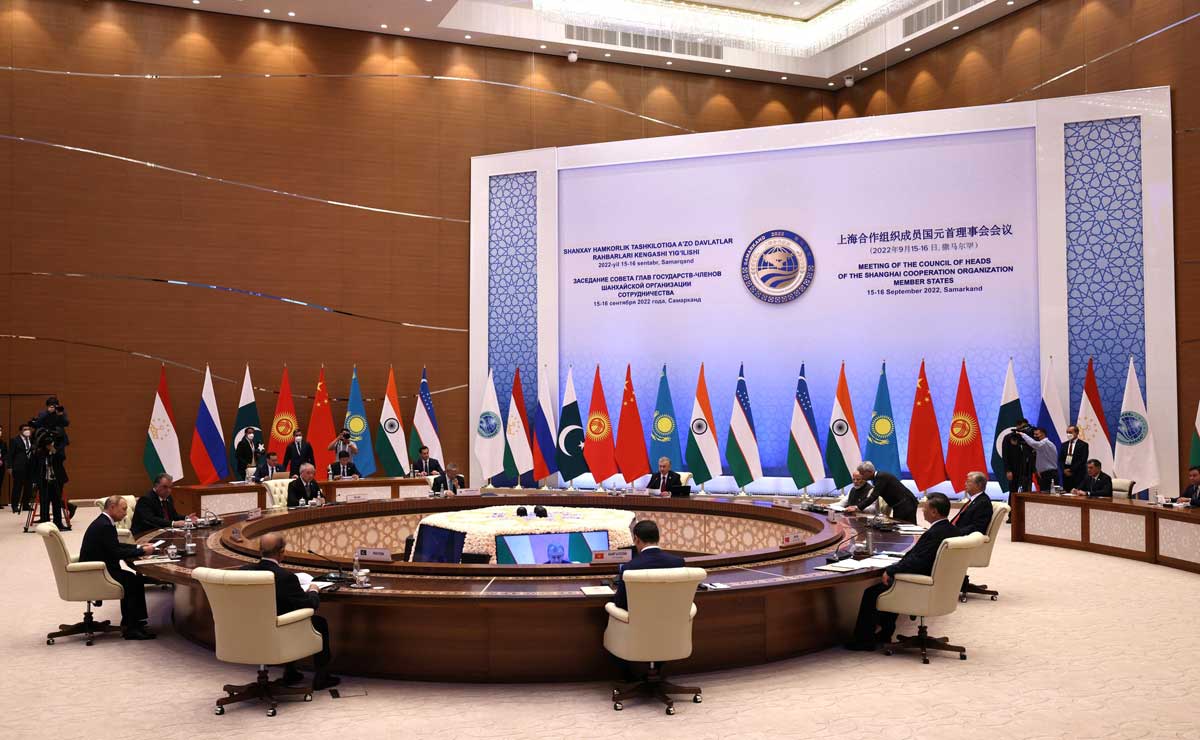
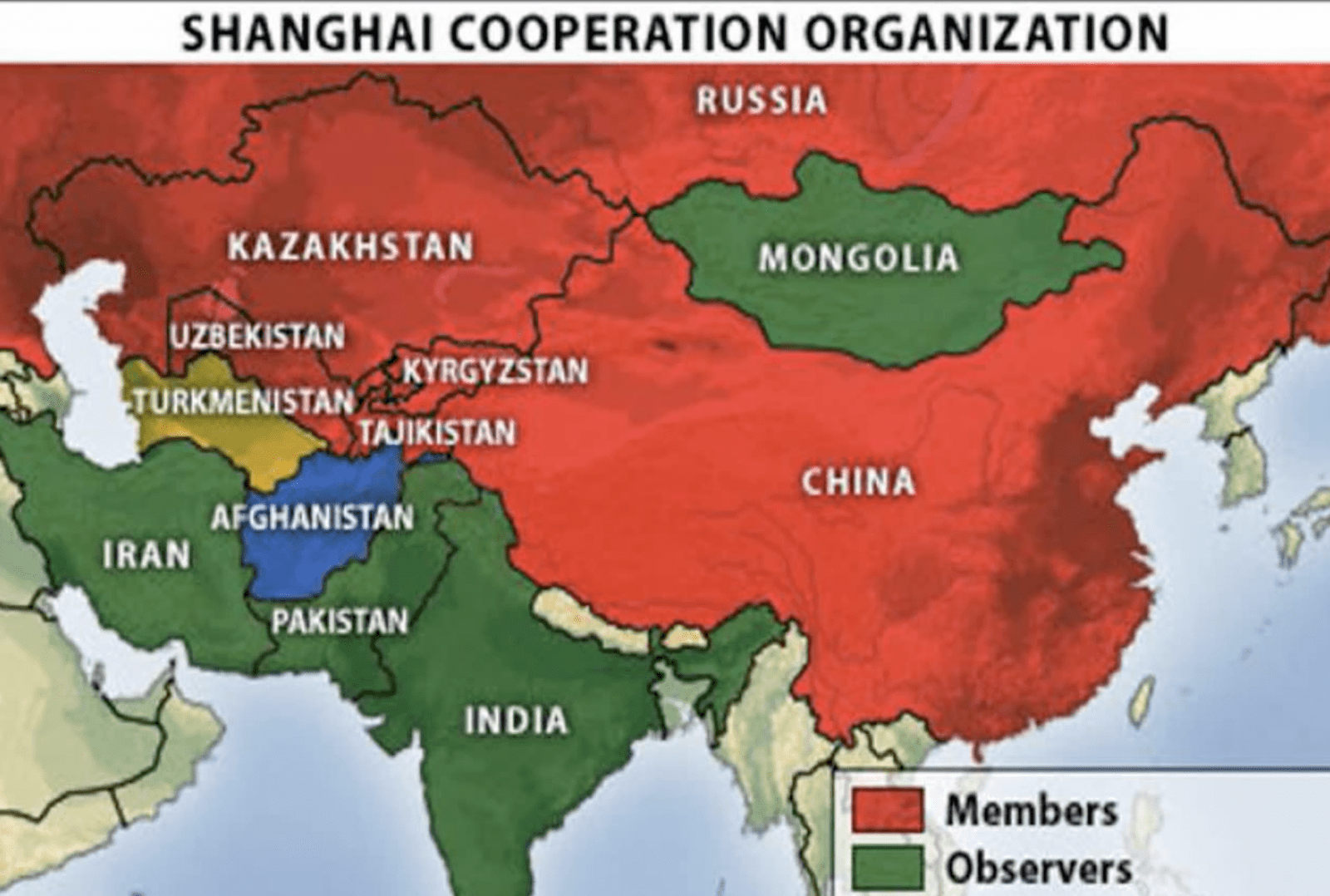
The Shanghai Cooperation Organization (SCO) has become a strategically important organization in the ever-changing world of international relations. The SCO’s activities have gained considerable attention as the organization has advanced significantly and is now a crucial component of the contemporary international political and economic world order. The SCO is demonstrating global aspirations by increasing the number of its members and attempting to exert its influence in regional and global issues. When the SCO was first established in 2001, its members were China, Kazakhstan, Kyrgyzstan, Russia, Tajikistan, and Uzbekistan. Its reach has grown significantly over time, and it currently counts Pakistan, Iran, and India as full members. Afghanistan, Belarus, and Mongolia are also observers, and Armenia, Azerbaijan, Cambodia, Nepal, Sri Lanka, and Turkey are “Dialogue Partners.” The SCO has expanded significantly with the membership of Saudi Arabia and the signing of memorandums with Qatar and Egypt.

Significance of SCO

Collectively, SCO countries cover a sizable portion of Asia, account for almost 30% of the world economy, and 40% of the population of the globe. The SCO has a large membership, which highlights its potential as a strong regional organization and a stabilizing force in the Eurasian continent. The goals of SCO are to advance collaboration, strengthen member state ties, maintain security and stability in the region, and push for a “new, democratic, just, and rational political and economic international order.” Promoting trade and economic cooperation is one of the organization’s main objectives. The primary cause of SCO’s importance in the region is the wealth of its resources. About half of the world’s known uranium deposits, 25% of the world’s oil reserves, more than 50% of the world’s gas reserves, and 35% of the world’s coal reserves are found in the current SCO member states. The region is also highly capable in production of food and technological advancements.

Pakistan and SCO: Opportunities and Challenges

Pakistan joined the SCO in June 2017, before that it benefited from the position of SCO Observer State from 2005 to 2017. Pakistan has had a long-standing relationship with SCO member states due to shared historical, cultural, civilizational, and geographical ties. Pakistan’s active engagement in SCO indicates its strong interest in regional peace, stability, and socioeconomic development.

Economic Cooperation and Connectivity

The SCO provides a venue for Pakistan to strengthen its regional economic linkages and cooperation in critical areas such as trade, investment, energy, innovation, transportation and connectivity. SCO is a key venue for moving Eurasian connectivity forward. Pakistan is location at the crossroads of South Asia, Central Asia, and the Middle East makes it an excellent commerce route. Pakistan can benefit greatly from the SCO in terms of economic development as it will help the country to enhance its trade with member states of the SCO, especially the resource-rich Central Asian countries. With its strategic location, the Gwadar Port has the potential to serve as an essential trade route for these nations, promoting trade and stimulating economic growth in the region. Pakistan is an essential hub between the Eurasian region, the Middle East, South Asia, and the Arabian Sea. The governments of the landlocked Central Asian countries have shown a strong interest to utilize Pakistan’s ports of Gwadar and Karachi for connectivity and trade as part of the CPEC. Besides that, Pakistan can profit from the oil and gas resources in Central Asia, which could eventually help the country meet its own energy needs.

Security Cooperation

In terms of security, Pakistan can benefit from the SCO by collaborating on counterterrorism initiatives with other member states through the Regional Anti-Terrorist Structure (RATS) of the organization. Counter Terrorism Military Exercises (CTMEs) are an essential component of the RATS. Pakistan organized a CMTE in 2021, and has attended all CTMEs hosted by SCO countries except the one hosted by India in 2022. Pakistan can share its experiences regarding counterterrorism and intelligence-based operations with the SCO. In exchange, it can gain advantage from cutting-edge intelligence and surveillance technologies of Russia and China.

Pakistan’s Role in SCO

Pakistan has actively participated in the SCO by hosting key events like the Joint Anti-Terrorism Exercise (JATE) in 2021 and the conference on “Transport Connectivity for Regional Prosperity” in November 2023 and “Leveraging Digital Technologies to Enhance Social Safety Nets in SCO Member States” in December 2023. According to the Ministry of Foreign Affairs, Pakistan has scheduled two high-level meetings for 2024 and other meetings under the mandate of SCO Council of Heads of Government. Additionally, in 2025 and 2026, Pakistan will serve as the head of the SCO Council of Regional Antiterrorism Structure (CRATS). Pakistan will assume the rotational Chair of SCO Council of Heads of State (CHS) and SCO Council of Foreign Ministers (CFM) in 2026-2027.

Afghanistan and India

Following the Taliban’s takeover of Afghanistan in 2021, Pakistan has seen an increase in armed attacks. The instability in Afghanistan has led to an increase in violent extremism and terrorism in Pakistan, causing significant challenges, economic harm and widespread human suffering. The Afghan issue has always been high on the organization’s agenda because the national interests and security of member states are linked to the situation in Afghanistan. Thus, SCO is an excellent platform for Pakistan and other member countries to achieve stability in Afghanistan. This is because all countries agree on the importance of a political and diplomatic solution to the problem. Working together through the SCO, these countries can not only assist Afghanistan in achieving stability, but also benefit from a more secure and stable region.

Another challenge for Pakistanis is to handle its complicated relationship with another SCO member i.e. India. Their long-standing antagonism over issues such as Kashmir may impede cooperation inside the organization and cause tension. Both countries need to find ways in order to deal with these issues and focus on areas of shared interest within the SCO framework. In conclusion, the SCO presents Pakistan with an opportunity to deepen its regional integration and foster stronger relationships with other regional countries. By overcoming challenges and seizing opportunities, Pakistan can leverage this platform to enhance economic growth, security cooperation, and overall regional standing.


Climate Crisis: Impacts of Irregular Monsoon in Pakistan

Introduction

Pakistan, which is ranked as the fifth most vulnerable country to climate change on the Global Climate Risk Index, has numerous pressing environmental problems that have an impact on both its people and economy. Despite producing only 1% of global carbon emissions, Pakistan bears a disproportionate burden of climate change’s wrath. The monsoon, which is critical for the Pakistan’s agricultural and water security, is growing more irregular. Rising temperatures are affecting weather patterns, resulting in unpredictable cycles of heavy rains, severe floods, and long periods of drought. This is resulting in low crops yield, communities’ displacement, and negative economic impacts. According to a United Nations Environment Program (UNEP) report published in November 2023, climate change has raised surface temperatures, which has had a significant impact on traditional weather patterns, particularly monsoon rainfall.

Pakistan Floods 2022 and 2023

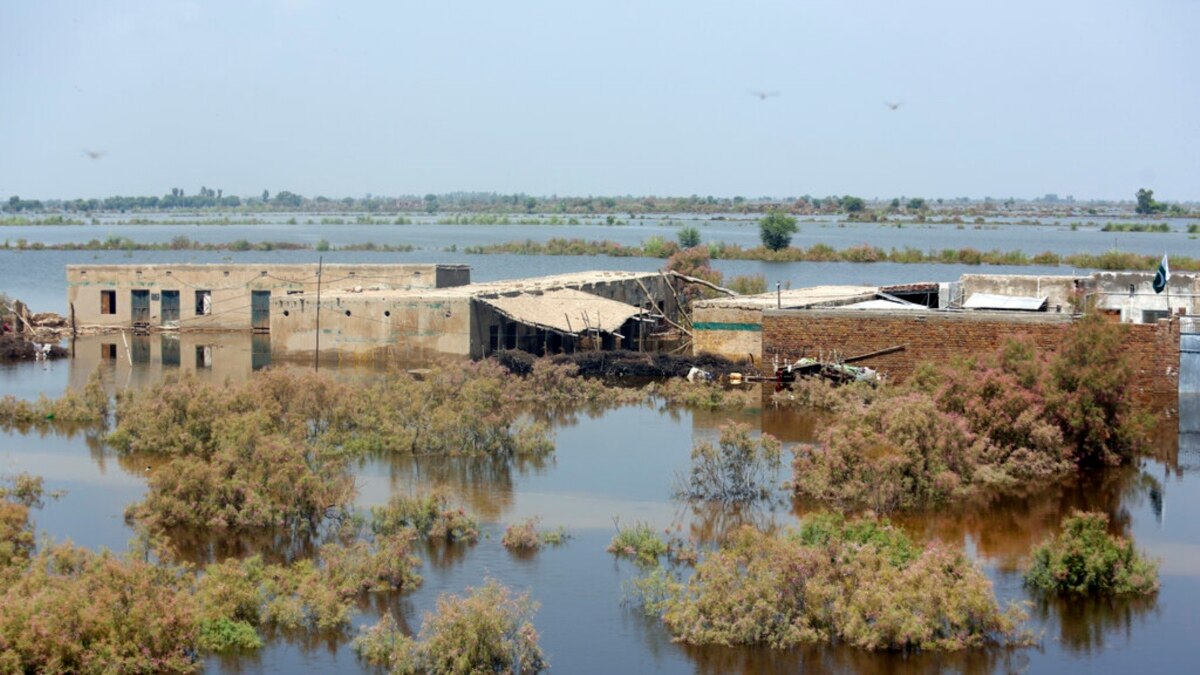
The impact of the climate crisis in Pakistan was brutally demonstrated by the irregular monsoon of 2022. Pakistan experienced unusually heavy rainfall during the monsoon season, over three times higher than the past 30-year average. Millions of people were impacted by the enormous devastation because of severe flooding and landslides that Pakistan has seen as a result of the monsoon rains. This flooding, which has been described as one of the worst in decades, damaged approximately 78,000 square kilometers of farmland, affected over 33 million people (roughly 15% of the country’s population) in 90 districts and caused almost eight million to be displaced. As of November 18, 2022, the Pakistan National Disaster Management Authority (NDMA) announced that the toll amounted to over 1,700 confirmed deaths and over 12,800 injured. Moreover, around one million houses destroyed as a result of the calamity, and the death of over a million animals adds to the serious and widespread effects of the disaster. According to the Government of Pakistan’s Finance Division’s damage assessment report, the damage and loss caused by floods in 2022 estimated to exceed US$14.9 billion, US$15.2 billion in GDP loss, and US$16.3 billion in total rehabilitation costs. The sectors that experienced the most damage of floods were housing ($5.6 billion), agriculture, food, livestock, and fisheries ($3.7 billion), and transportation and communications ($3.3 billion).

The recovery of 2022 floods was slow, and the country was struggling when the monsoon season of 2023 made matters worse. Balochistan and some districts of KP suffered the most destruction from flash floods and severe monsoon rains in July 2023. The disaster had left 283 people injured and 196 people dead in all of the provinces as of August 5, 2023. As a result of the floods, the World Food Program reported that out of 20.6 million individuals in need of humanitarian aid, 14.6 million needed emergency food assistance.

Food Insecurity

In Pakistan, a large portion of the population lacks consistent access to enough food that is both nutritious and sufficient, making food insecurity a serious problem. Pakistan’s food insecurity is largely caused by climate change. According to estimates, climate change will contribute to an 8–10% decline in agricultural productivity until 2040. The country is extremely vulnerable to risks related to climate change, and the country’s changing weather patterns have a negative impact on water availability, natural resources, and agricultural productivity. This is especially true for crops like rice and wheat, which will decline by 15–18% and 6%, respectively. According to the World Bank’s 2021 Climate Risk Country Profile, Pakistan’s yields in numerous essential food and cash crops, including cotton, wheat, sugarcane, maize, and rice, are expected to drop over the next decade.

Climate change has caused irregular monsoon in Pakistan, which has altered rainfall patterns and hampered crop growth, resulting in lower yields and crop failures. Inconsistent rainfall also makes it difficult for farmers to organize their agricultural activities, which reduces overall agricultural production. This has greatly damaged the overall economy, and the 40% of Pakistan’s total labor force that works in agriculture which will probably decline dramatically in coming years.

Conclusion

Pakistan is dealing with a serious climate change crisis. Even with a low carbon footprint, the country is being forced to adjust to a fast changing environment to which it has barely contributed. Developed countries should provide international climate finance to help Pakistan with climate related challenges. Furthermore, to lessen the risks, Pakistan government must build its national capabilities through environmental considerations and integrating climate change into national development plans and objectives. Developing early flood warning systems, managing crops, and upgrading water management systems for efficient storage and distribution are all important steps to take. Pakistan must immediately adjust its infrastructure and activities to the new realities of climate change in order to avert future consequences.