A signal to China: The United States increases support for Taiwan’s Military Training
Introduction

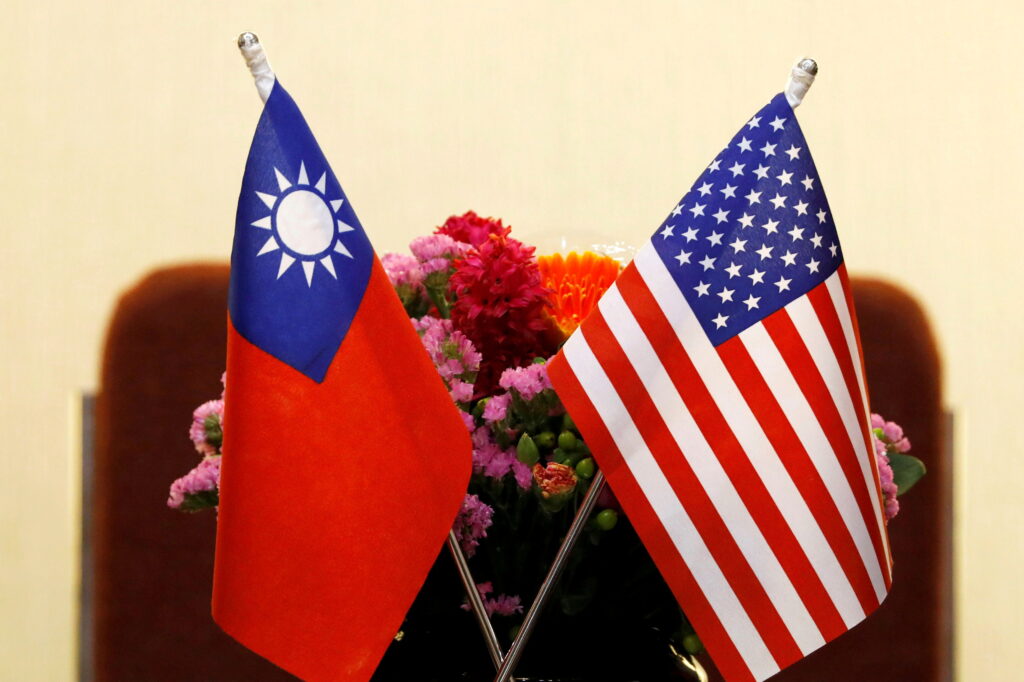
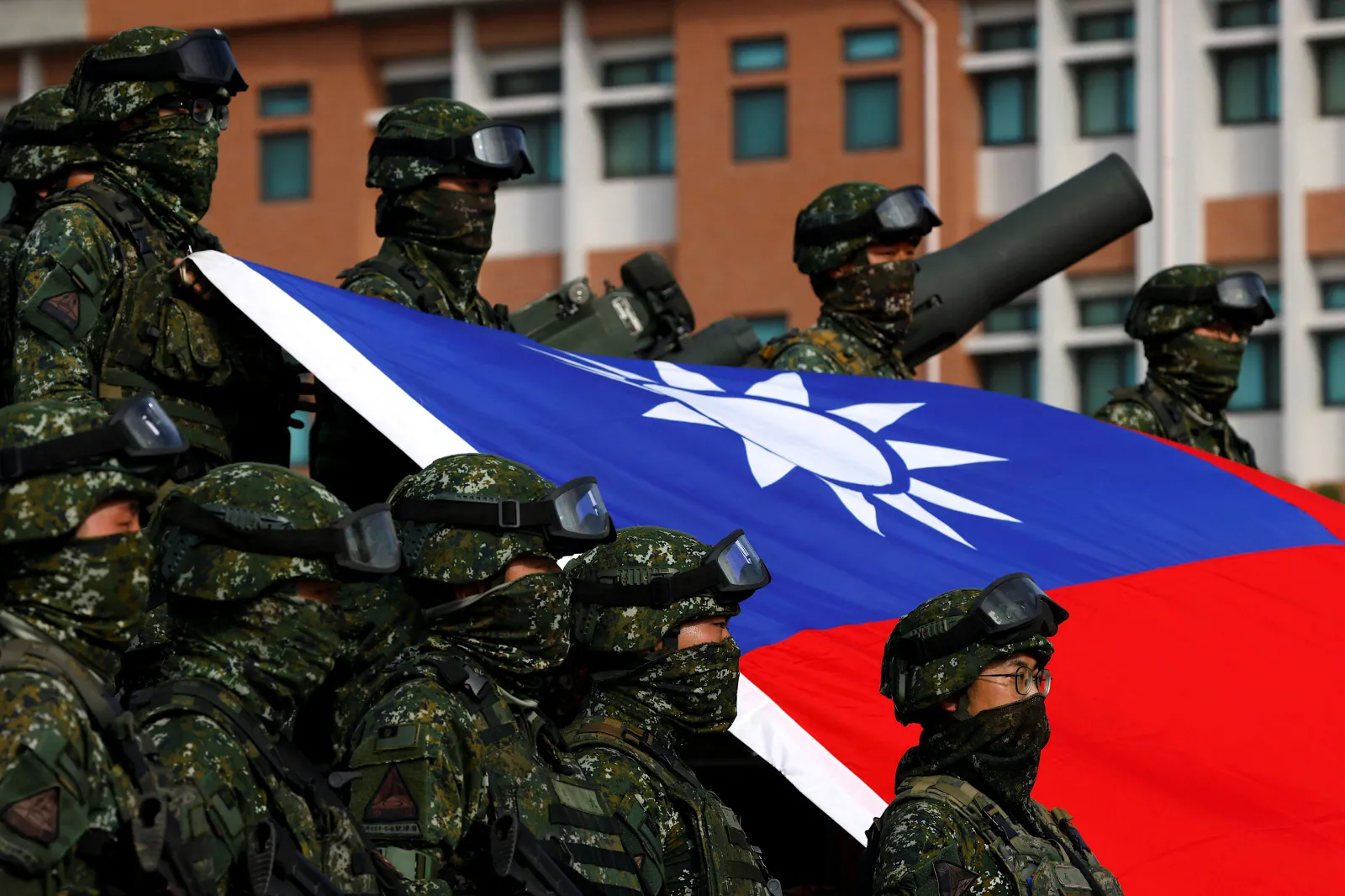
At a time of increased tensions between Washington and Beijing, two U.S. officials announced on February 23, 2023, that the United States is planning to increase the number of troops assisting in training Taiwanese forces. According to U.S., the troops will be charged with instructing Taiwanese forces not only on American weaponry but also on strategic exercises to defend against Chinese invasion at any time. It is said that in response to China’s growing threat, the U.S. is doubling the number of troops stationed in Taiwan, which is more than the current deployed number of troops to support a military training program on the island. In contrast to the 30 troops that were stationed in Taiwan a year ago, the U.S. aims to send between 100 and 200 troops to the island in the upcoming months. According to Pentagon, in an effort to provide Taipei the tools it needs to protect itself without inciting Beijing, the larger force will broaden its training program.
Flashback to Recent U.S.-Beijing’s Tensions

Earlier in February 2023, the United States accused China of launching a spy balloon over its territory. Chinese officials initially refused to respond, but later admitted ownership of the object, describing it as a “civilian airship used for research, primarily meteorological purposes” which was shoot down by the United States Air Force as it was clearly declared as a Chinese spy for intelligence surveillance. The balloon sparked political outrage in Washington, due to which Secretary of State Antony Blinken canceled his trip to Beijing that both countries had hoped to improve the bumpy relations.
A Pentagon spokesman said “We do not have a comment on specific operations, engagements, or training, but I would highlight that our support for, and defense relationship with, Taiwan remains aligned against the current threat posed by the People’s Republic of China.” Also, as per United States officials, the recent move of U.S. to expand troop presence in Taiwan for training against China threat is unrelated to recent tensions between the two countries.
Expansion of Military Training in Taiwan

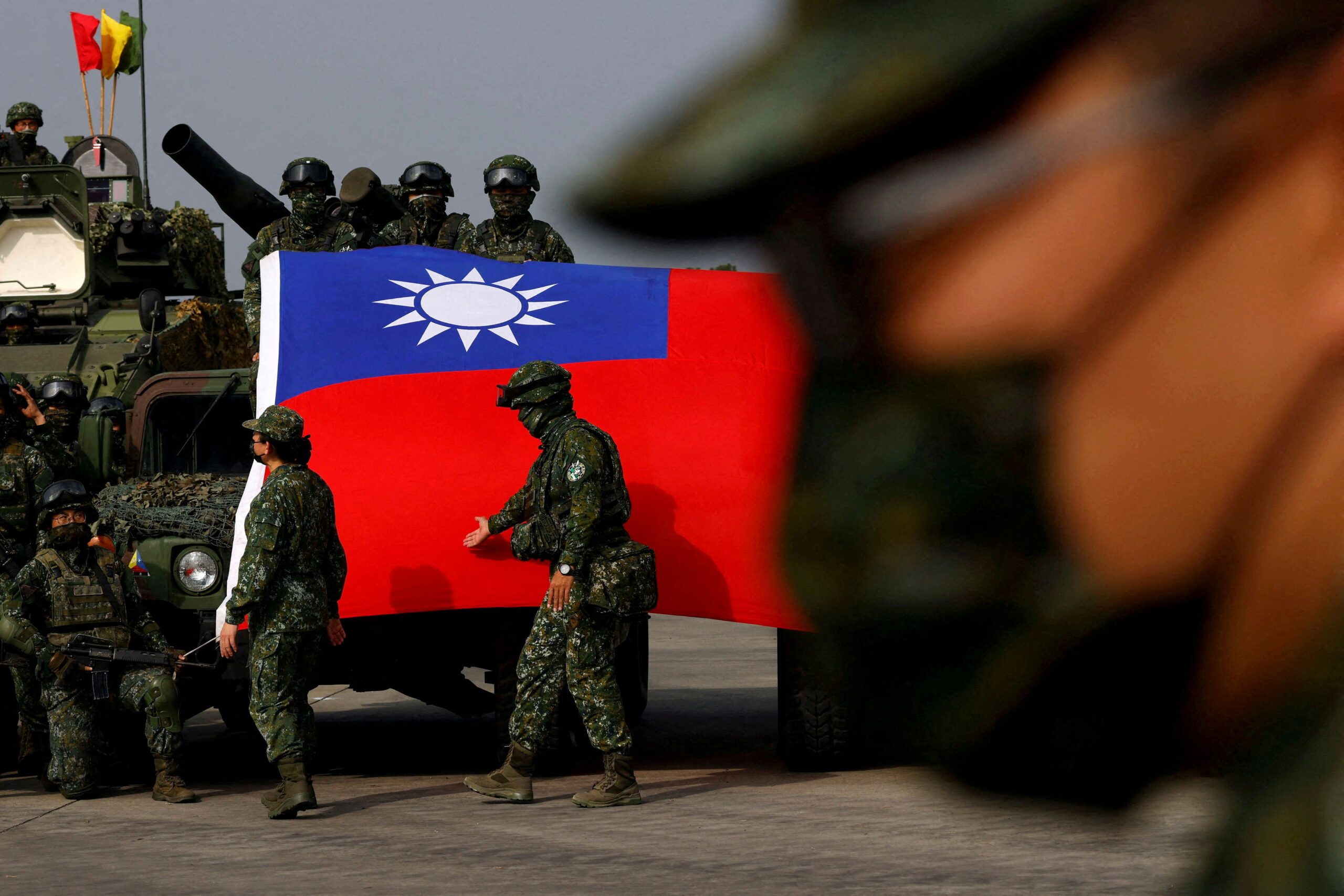
In the fragile relationship between Beijing and Washington, Taiwan is undoubtedly the most critical point. Washington and Beijing are constantly at odds over US military aid to Taiwan, which includes massive sales of cutting-edge weapons worth billions of dollars. Recently, the decision by the United States to bolster its force in Taiwan has raised serious concerns. The U.S. would be deploying more forces on Taiwan than at any other time in recent times, as per the two countries the United States and Taiwan they want to deal with China’s expanding military might around the island. Therefore, according to a statement from Taiwanese President Tsai, it is said that the two militaries will work together “even more closely,” who also announced to “bolster military exchanges.” President Tsai of Taiwan revealed in 2021 that U.S. troops were stationed on the island for training purposes. During annual drills with several nations held at Camp Grayling in northern Michigan, the Michigan National Guard trains Taiwanese military personnel too. In addition, Taiwanese troops took part in the last year’s Northern Strike drill, which was led by the Michigan National Guard. The yearly two-week exercise was staged in August following then house speaker of the U.S. Nancy Pelosi’s visit to Taiwan which sparked China’s enraged response and led to a military display over the island.


Conclusion

With the Ukraine crisis, the United States has boosted its military efforts in Taiwan due to which the conflict in the Indo-Pacific is increasing significantly. China has become enraged by the Biden administration’s expanded military and diplomatic assistance for Taiwan. Now, even a slight increase in the number of troops stationed in Taiwan might heighten the tensions with China, which has been keeping track of the Washington’s recent efforts who has not only enhanced its military presence but also bolstered forces around the island. China is considering the latest development by United States as a source of endangering regional stability and peace. For the foreseeable future, Taiwan will probably continue to play a significant role in US-China relations.
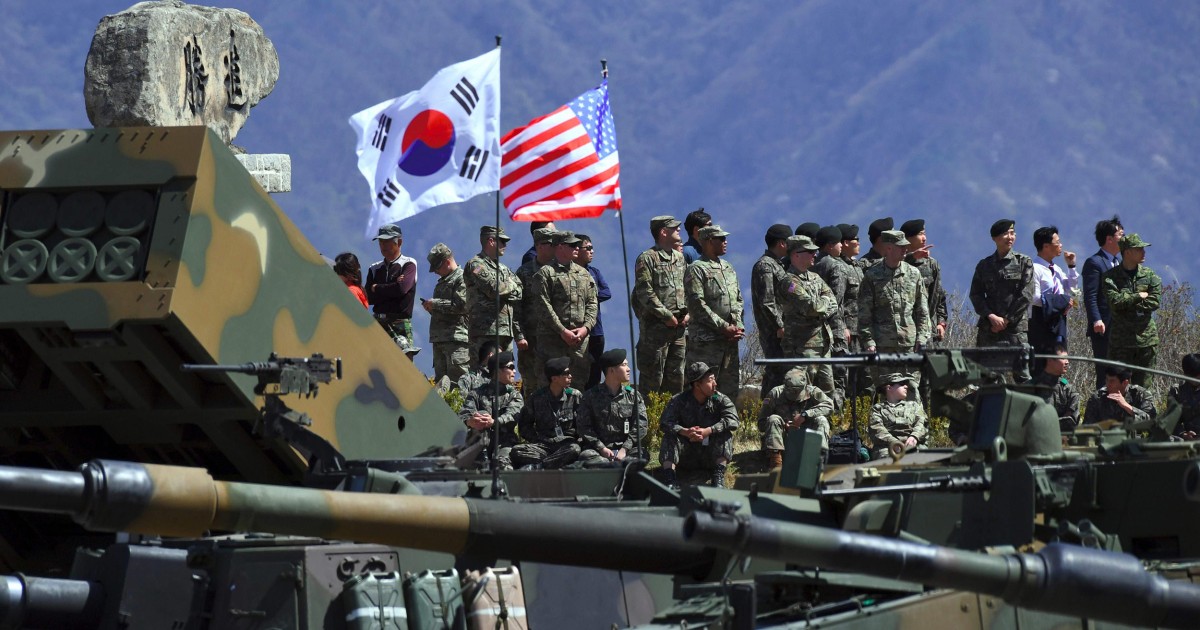


North-Korea’s Response to US-Seoul Joint Military Exercises

Introduction

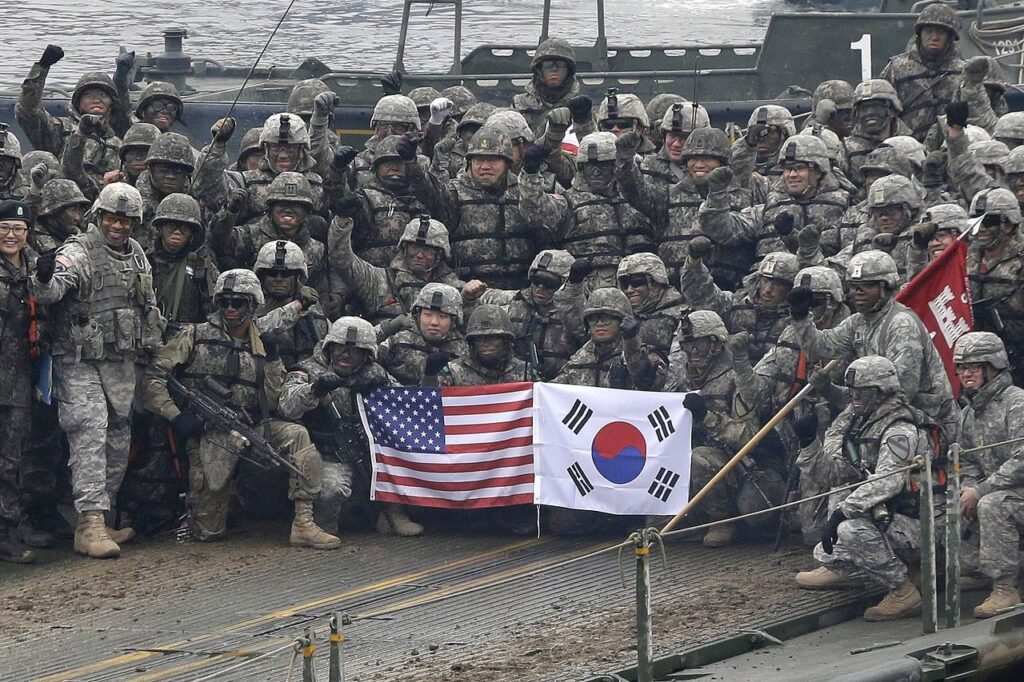
Military tensions on the Korean peninsula have risen considerably since 2022. A day after defense chiefs from both the nations i.e. United States and South Korea decided to enhance joint training due to ongoing threats from North Korea. Therefore, the United States and South Korean air forces conducted their first air drill of the year. As a result of North Korea completing a record-breaking number of weapons tests, including the launch of its most advanced intercontinental ballistic missile last year. According to a news release from the Ministry of National Defense, South Korean F-35A Lightning II stealth fighters practiced over the Yellow Sea alongside American F-35Bs, F-22 Raptors and B-1B Lancer bombers. According to the release, it is said that “the combined air drills held at this time, show the United States’ will and ability to provide strong and reliable extended deterrence in preparation for North Korea’s nuclear and missile threat.” Defense Minister Lee Jong-sup and U.S. Defense Secretary Lloyd Austin met in Seoul the day before the drill. In a news conference, Austin called his discussions with Lee “very productive” and stated that the two had decided to keep conducting military exercises amid “North Korea’s unprecedented number of provocations.”

North-Korea’s Reaction

South Korea and the United States have come under fire from North Korea because of their joint military drills. North Korea asserted that the situation on the Korean peninsula has reached to “extreme red line” and pose a threat of turning the region into a “huge war arsenal and a more critical war zone.” The warning from Pyongyang came as a result of Austin’s visit to Seoul and commitment to increase Washington’s deployment of military assets to the Korean Peninsula. In a statement from North-Korea, it is said that country is ready to respond to any shorter or longer term military challenges from the allies with the “most overwhelming nuclear force.”

United States Response to N-Korea’s Statement

The United States has no hostile intent toward Pyongyang, according to the White House, and dismissed North Korean claims that joint military drills in the area are provocative. White House National Security Council spokeswoman in a statement said, “We have made clear we have no hostile intent toward North Korea and seek serious and sustained diplomacy to address the full range of issues of concern to both countries and the region.”


Environmental Security: Germany Pledged $222 Million To Restore Amazon Rainforest

Introduction

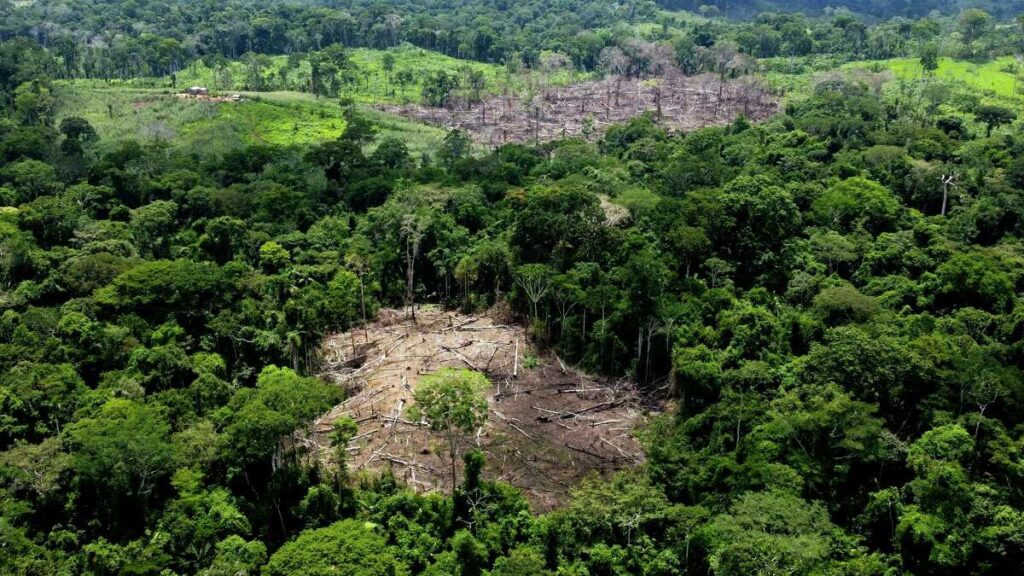
Brazilian Government will get 204 million euros ($222 million) from the German government, according to German Development Minister, Svenja Schulze for environmental initiatives and policies. Schulze stated, “With the new government and the team of President Lula and environment minister Marina Silva, we have a great chance to protect the forest and to offer a new perspective to the people who live there.” According to her, the Amazon Fund will receive $38 million of this amount, the largest international cooperation project to protect the Amazon rainforest is funded primarily by Norway. Amazon, a vital global ecosystem that under former Brazilian President Jair Bolsonaro experienced years of damage, who thought the Amazon, was an internal matter. The steering committee that decides which sustainable initiatives to fund in 2019 was also dismantled by him. As a consequence, Germany and Norway responded by freezing their contributions in fund. However, recently Germany promised to give farmers $87 million in low-interest loans to rebuild degraded areas and $34 million to Amazon states to restore the rainforest.

Background

According to Government statistics, deforestation in the Brazilian rainforest has increased by 150 percent over the previous year in December. The world’s largest rainforest, the Amazon, is crucial to the fight against climate change. There are 47 million people living in the Amazon, including more than 2 million indigenous people, and the WWF estimates that the Amazon Rainforest covers an enormous 6.7 million square kilometers. The Amazon is home to more than 400 indigenous groups than any other place. The President of Brazil, Lula said in a statement “Despite all the difficulties, the increase in deforestation, the land grabbing, the fires, the dire state of the Indigenous populations, we see this as an opportunity to reverse this whole situation.”

Amazon Rainforest can improve Environmental Security

Due to its biodiversity, the Amazon Rainforest is significant on a global scale. It is linked to 20% of the freshwater and 10% of all known plant and animal species on planet Earth. It also plays a significant role in the global carbon cycle and climate change by storing more than 100 billion metric tons of carbon. Because of this, Amazon has a tremendous impact on enhancing global environmental security. Therefore, the role of all the concerned stakeholders is important in global climate governance, international cooperation and regional governance to ensure environmental security and sustainability.


United States Military Alliance with the Philippines to Counter China

Introduction

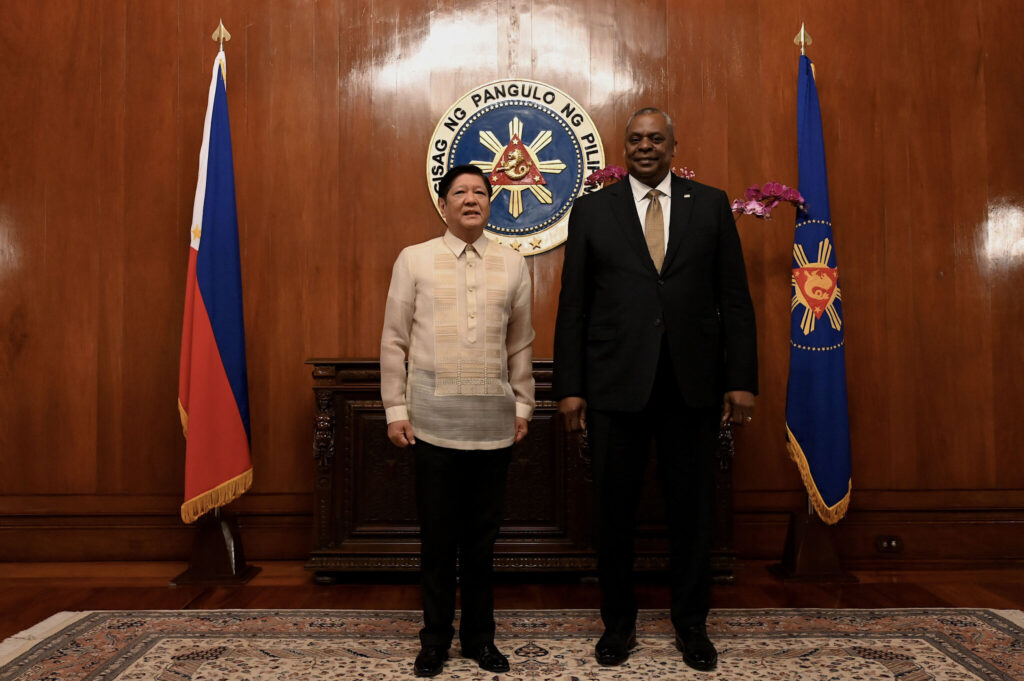
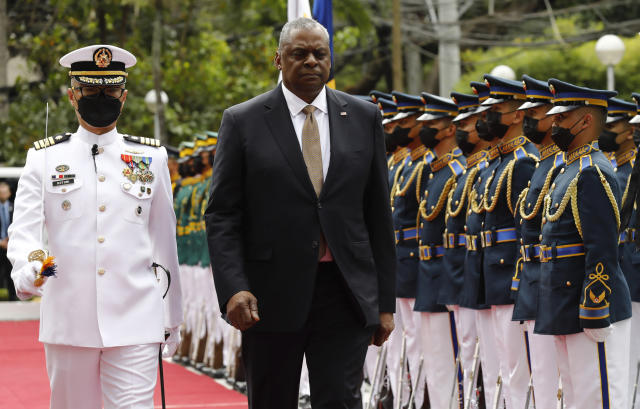
According to a joint statement from the defense departments of the two nations, the Philippines and the United States have agreed to strengthen their defense agreement, giving the United States access to four military bases in the Southeast Asian country, a highest level military presence in decades. It is said in the joint statement, “The Philippines and the United States are proud to announce their plans to accelerate the full implementation of the Enhanced Defense Cooperation Agreement (EDCA), with the agreement to designate four new Agreed Locations in strategic areas of the country and the substantial completion of the projects in the existing five Agreed Locations.” The deal was announced by the United States Defense Secretary Lloyd Austin during his visit to Manila for negotiations with newly elected Philippine President Ferdinand Marcos. Despite the agreement not creating a permanent U.S. military presence, which is against Philippine law, Defense Secretary Lloyd Austin termed it a “big deal.” While rotating in and out of the Philippines, the U.S. soldiers will have a check of two crucial locations, the Taiwan Strait and the South China Sea disputed areas. The United States is increasing its military presence in Asia as part of a series of actions meant to counter Beijing, expand access to military bases near Taiwan and South-China Sea as well as reassure its support to Indo-Pacific allies against Chinese and North Korean threats.

Defense Ties between U.S. and the Philippines

The United States and the Philippines signed the U.S. and Philippines Enhanced Defense Cooperation Agreement (EDCA) in 2014. The EDCA is a component of the U.S. and the Philippines’ long-standing security partnership agreement and permits a higher rotating presence of American personnel to move through five Philippine facilities including those close to contested maritime areas on non-permanent basis. It is because it is against the Constitution of the Philippine for foreign forces to be stationed permanently in the country. Furthermore, the defense agreement permits the U.S. military to keep defense supplies and equipment on certain facilities. Former President Duterte urged for a review of EDCA in 2016 and delayed its implementation in 2018 but the improvement in relationship between the two countries resulted in 2021 with which work related to EDCA also intensified.

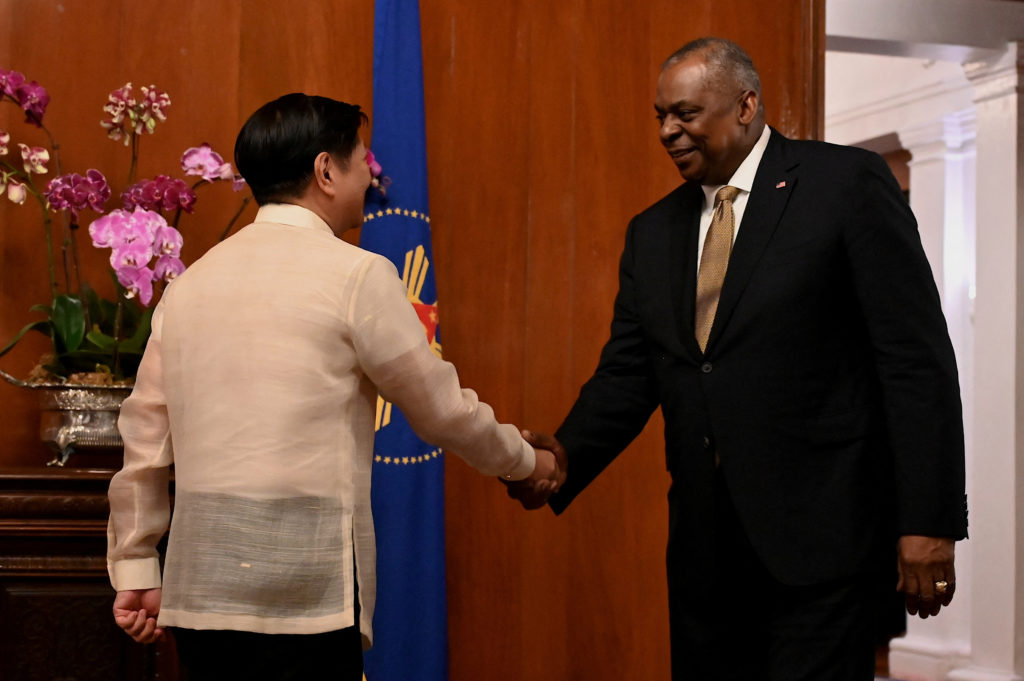
U.S. Defense Secretary Lloyd Austin III shakes hands with Philippines President Ferdinand “Bongbong” Marcos Jr. at the Malacanang presidential palace in Manila, Philippines, February 2, 2023. Jam Sta Rosa/Pool via REUTERS

In accordance with the 1951 Mutual Defense Treaty (MDT), the United States and the Philippines are obliged to help one another against any armed assault. Representatives of the Biden Administration affirmed that MDT is applicable to “any armed attack on the Philippine military.” There is a close relationship exists between the United States and the Republic of the Philippines which is characterized by a bilateral security alliance, military cooperation and a wide range of common strategic and economic objectives and interests. As a close and oldest security ally, the Philippines, located in east of the South China Sea and south of Taiwan have long been significant player in the United States’ Asia policy and a key component of the Biden Administration’s Indo-Pacific strategy. According to the joint statement released on the websites of the United States Department of Defense and on the Philippines’ Department of National Defense it is said that the recent deal will “accelerate upgrading of our joint military capabilities,” and make the partnership between the two nations “stronger and more resilient,”

China’s Response

In the resource-rich South China Sea, China and the Philippines are also engaged in heated territorial and maritime disputes. Although Washington makes no claims in the strategic waterways but it has sent out its warships, fighter jets and surveillance aircraft on patrols that it claims support the rule of law and freedom of navigation, but this has enraged Beijing. Military cooperation between the United States and the Philippines has long been viewed by Beijing as an effort to limit China’s expanding influence in region. As a response to the new deal between the United States and Philippines, China’s Foreign Ministry spokesperson Mao Ning said that the new agreement was “an act that escalates tensions in the region and endangers regional peace and stability,” while accusing the U.S. of pursuing “its selfish agenda” with it. Additionally, she said the United States is increasing its military presence in the region while maintaining a Cold War mentality. To conclude, the U.S.-Philippines agreement is a sign of improving relations following a challenging six-year period between two countries. But, the agreement would have serious strategic consequences and implications if a conflict broke out in Taiwan or the South China Sea.


North American Leaders to Deepen Cooperation on Semiconductors

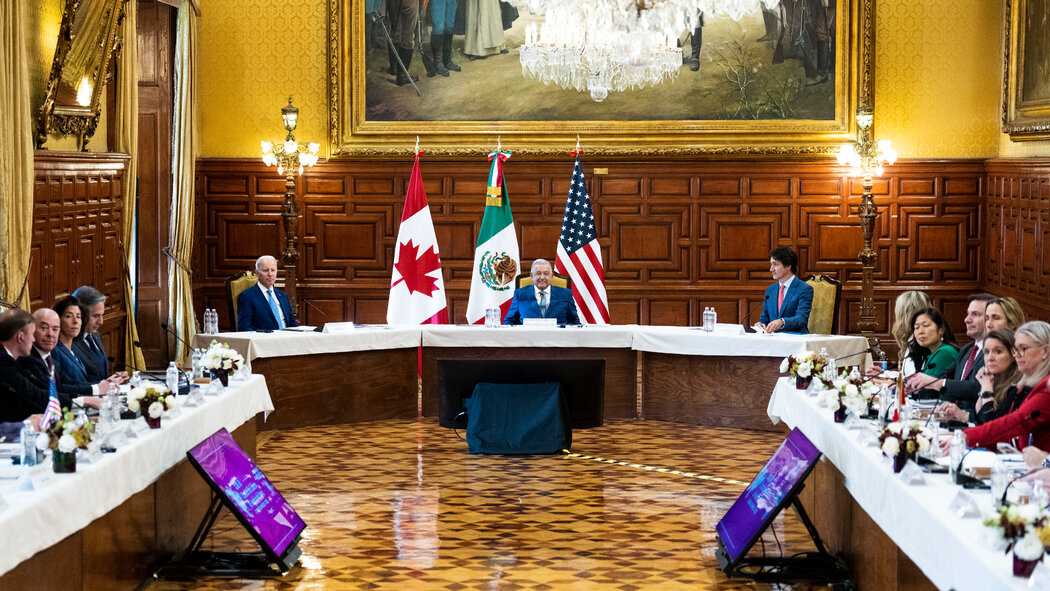
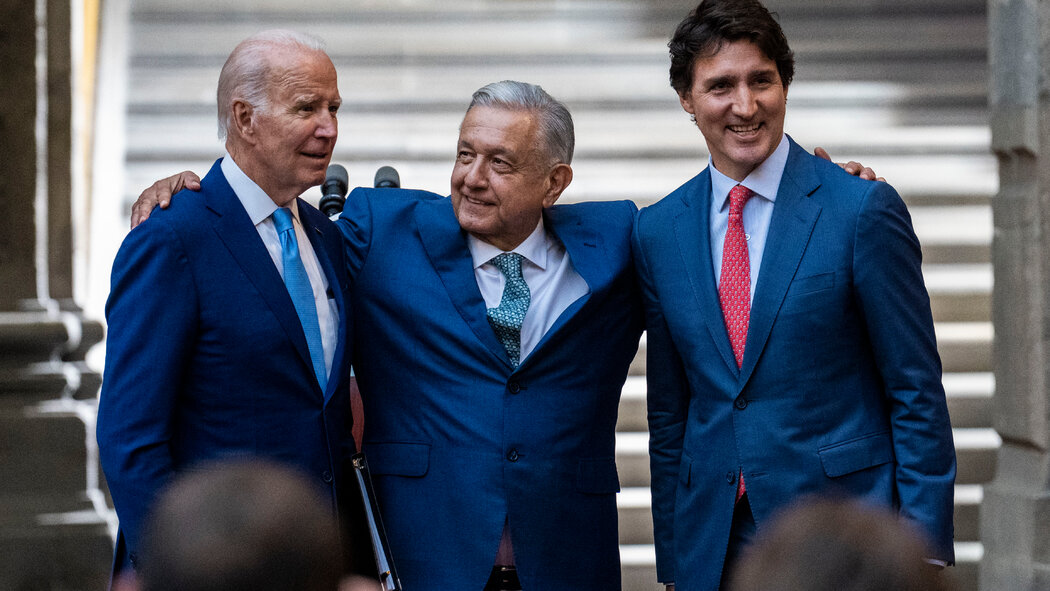
At the 10th North American Leaders Summit, the three leaders including Joe Biden, President of the United States, Canada’s Prime Miniter Justin Trudeau and Lopez Obrador of Mexico decided to cooperate and enhance supply in the semiconductor market, which is largely controlled by Asia, particularly China. The three leaders have made a commitment to collaborate in order to strengthen vital mineral supply chains, expand operations for charging electric vehicle batteries at international borders and create a market for clean hydrogen energy. President Biden said “Now we are working to a future to strengthen our cooperation on supply chains and critical minerals so that we can continue accelerating our efforts to build the technologies of tomorrow right here in North America.” The leaders revealed new three-country projects on a wide range of topics including public health, semiconductors, climate change, human migration, drug trafficking, clean energy, as well as methane and black carbon pollution. Additionally, the three countries also pledged to enhance the mapping of important minerals in North America in order to gather fresh data on resources and reserves. In the public-private partnership paradigm of the decade-old 100K Strong initiative, Canada and Mexico will be added as co-government partners. To exchange data and promote collaboration, the Geological Surveys of each country will host a trilateral workshop. The White House also confirmed in a statement that the three nations would host a first ever trilateral semiconductor forum in early 2023 with an objective of increasing investment in the important strategic semiconductor sector and adjust legislative initiatives for North American semiconductor supply chains.

Due to the widespread use of semiconductors in modern technology and computers, both industrialized and developing nations now recognize the significance of supply chains and therefore they are enhancing investment in particular industry. The strategically significant industry of semiconductors has elevated to a top priority in terms of economic and security for almost every country. As a result of supply-chain challenges in recent years that have sparked concerns about an excessive reliance on Asia, the three countries i.e. United States, Mexico and Canada at the summit agreed to deepen cooperation on semiconductors. Also, a plan will be developed by these countries for operating standards and the placement of EV chargers along international borders in order to facilitate a smooth transition of charging from one nation to the next. To conclude, most of the countries have recognized the importance of semiconductors due to the growing significance of semiconductors industry in economic growth. The Governments throughout the world are subsidizing semiconductor industry to assist the rising demand, strengthen domestic production and reduce their reliance on other nations.


Haiti in Crisis!

Introduction

Haiti, a Caribbean country, is gripped by chronic violence and political instability. The situation has failed to improve during the previous months. Haitians have been dealing with an increase in gang attacks and kidnappings, fuel and electricity shortages, a worsening political deadlock and a lethal cholera outbreak. The political crisis has worsened in the country as Senate terms expired officially which left the country without any democratic institution. The Senate was the last democratically elected institution in Haiti, but due to the country’s failure to organize legislative elections in 2019 to fill vacant seats, its membership has been reduced to just 10 people. Since then, these ten senators were representing a nation of about twelve million people.

 (Photo by Richard Pierrin / AFP) (Photo by RICHARD PIERRIN/AFP via Getty Images)

Background

The country has been suffering electoral and constitutional upheaval ever since President Jovenel Moise was assassinated in 2021. Haiti has not hosted free and fair elections since the 2019 elections and the country has been in instability ever since the 2010 earthquake that have killed up to 300,000 people. In case of political crisis in the country, international intervention in the country has also remained a reality. Currently, the famine is at its worst ever level, 4.7 million people are currently being hungry and facing extreme food crisis in Haiti. The situation is not getting in control after former President of Haiti, Jovenel Moise’s death in July 2021 and a subsequent earthquake. Moise was replaced by Ariel Henry, as an acting president who was viewed as illegitimate for the Government, therefore, he had to suffer legitimacy crisis.

Gang Violence in Haiti

Gang violence is something which is not new in the country but it has increased to new levels after the Moise’s death which increased the political instability and has created a power vacuum in the country. The G9 gang coalition by using different tactics blockaded the main port and fuel terminal when Henry announced a cut in fuel subsidies in September 2022, escalating the crisis and doubling the prices. The blockade caused six weeks of shortage of water and energy across Port-au-Prince, capital of Haiti, including in hospitals trying to treat cholera patients. Each problem aggravated the others, and a United Nations representative warned that Haiti was in danger of a “cholera time bomb” because of the violence and unrest that had cut off entire neighborhood. In order to fill the void left by the lack of a functioning Government, gangs have controlled the situation. Over 100 gangs control various areas of the country, they are in conflict with each other. This has resulted in a terrible war that has killed several civilians and caused numerous kidnappings in the capital of Haiti.

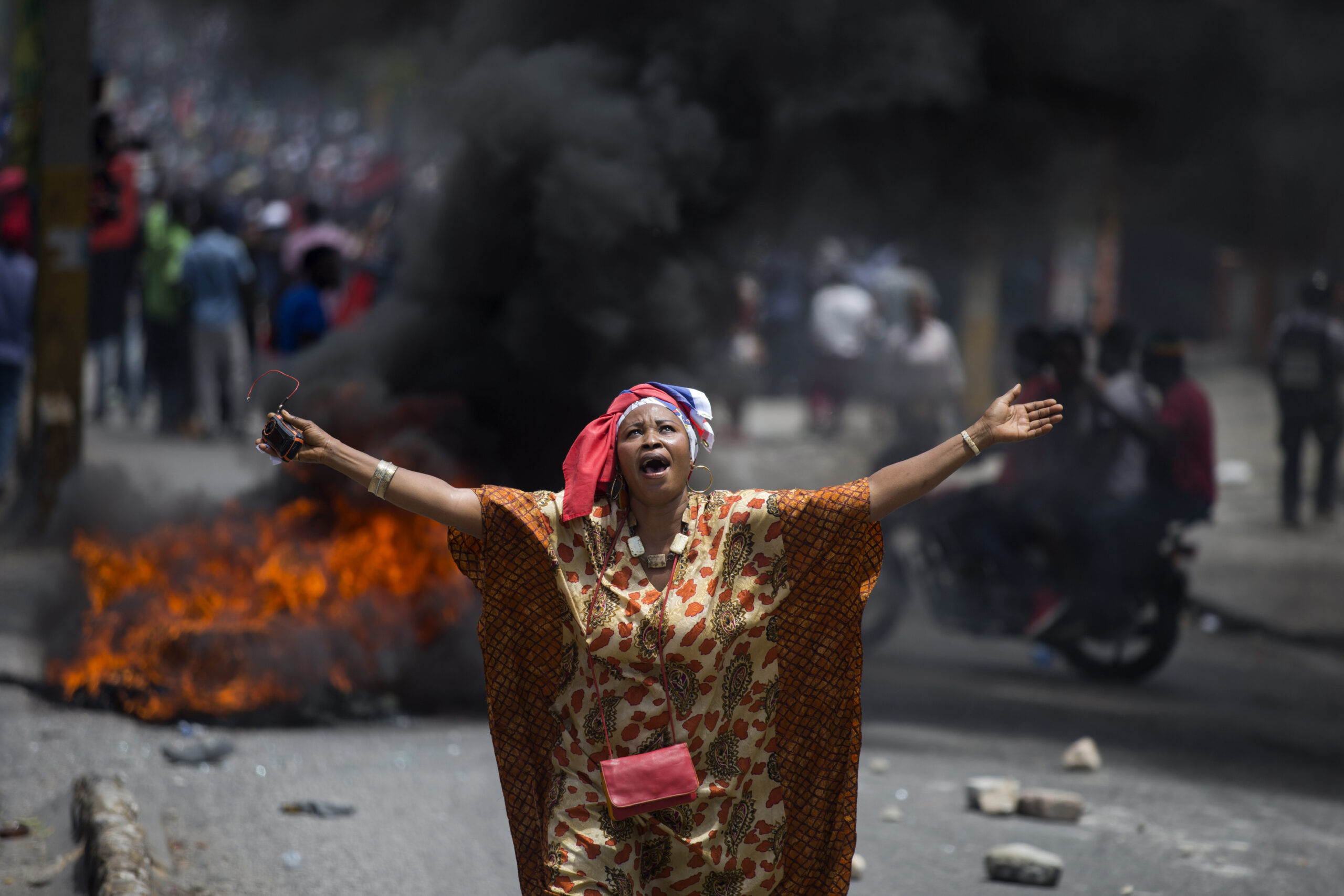
A protester yells anti-government slogans in Port-au-Prince, Haiti,June 9, 2019. Protesters denouncing corruption paralyzed much of the capital as they demanded the removal of President Jovenel Moise. ( Photo/Dieu Nalio Chery)

Latest Development

The Canadian Foreign Ministry said, “Canadian military aircraft made the delivery to the Haitian National Police in the capital of Port-au-Prince. Also, Canada has delivered armored vehicles to Haiti to help combat criminal gangs as the Caribbean nation faces a humanitarian crisis.” Apart from this, Canada has also imposed sanctions on Haitian elites. Additionally, at the North American Leaders Summit (NALS) in Mexico City, Canadian Prime Minister Justin Trudeau and President Joe Biden discussed the ongoing unrest in Haiti. The Prime Minister of Canada, Justin Trudeau said that “We are all very aware that things could get worse in Haiti and that is why Canada and partners, including the United States, are preparing various scenarios if it does start to get worse.” He emphasized that Canada will continue to offer assistance but the Haitian situation must be resolved domestically.

The White House said in a statement “The two leaders are committed to continue coordination with partners on the U.N. Security Council on next steps to support stability to Haiti, including support to the Haitian National Police.” The two leaders discussed the security and humanitarian crisis in the Caribbean nation and highlighted recent coordinated efforts to aid Haitian people, such as the delivery of armored vehicles that the Haitian government had purchased to help the police fight off gangs and the imposition of sanctions to hold those accountable who provoke violence.
The humanitarian situation in Haiti is getting worse at an unprecedented level that is why it requires immediate attention. Gangs have had a significant impact on Haitians’ access to basic necessities and impacted their quality of life. A growing number of Haitians have left the country over the past years in search of safe environment in other parts of Latin America and the United States. To conclude, international organizations and other countries need to step up and consider options that can help Haiti and its people in overcoming challenges and crises.


North American Leaders’ Summit

Introduction

The North American Leaders’ Summit also known as “Three Amigos” Summit was held in Mexico City. At the trilateral summit, the leaders of North America including the United States, Mexico and Canada met in Mexico City and pledged to work together on issues such as trade conflicts, energy regulations and the region’s rising migration flows. President Biden and Mexican President Lopez Obrador met after nearly two years of politically tense interactions between the two countries. The first trip to Mexico by a U.S. president since 2014 was a crucial one with an aim to make efforts to warm up chilly relationship with a significant economic partner and improving the alliance as a mandate of U.S. foreign policy. The three-way meeting’s and summit closed with a joint news conference and with a positive outcome as the three leaders intended to create a regional supply network in North America that is independent of other countries. It is because the COVID-19 pandemic caused interruptions in the global supply chain for goods required in manufacturing which significantly hindered the North American trade.


Background

Following the cancellation of the triangular meeting between the regional partners by his predecessor Donald Trump, Biden resurrected the “Three Amigos” discussions in 2021 in an effort to normalize relations between the three countries. Since the North American Free Trade Agreement was passed in 1994, the three countries have been formally trading partners, becoming an economic giant that accounts for nearly one-third of the world’s GDP. In the first ten months of 2022, the United States traded goods worth more than $3 million each minute with Mexico and Canada. Together, the nations can find solutions to mutual concerns including trade, immigration, human trafficking and other associated problems.

President Biden’s Meeting with Canadian Prime Minister

At the sidelines of the North American Leaders’ Summit, the United States President Joe Biden met with Canada’s Prime Minister Justin Trudeau in Mexico City. A wide variety of bilateral and global topics were discussed by the Prime Minister and the President. President Biden was invited to Canada by Prime Minister Trudeau. In March, the President will travel to Canada, the White House has also confirmed the news. The crucial significance of North American trade, competitiveness and supply chains, particularly essential minerals and semiconductors was discussed by the two leaders. The Prime Minister emphasized the advantages of free trade between Canada and the United States in particular with regards to trade. Moreover, the shared commitment of defense and security of North America also come under the talks.

President Biden’s Meeting with Mexico’s President

In order to improve bilateral ties between the United States and Mexico as well as to build a more economic and secure future for North America, President Biden also met with President Lopez Obrador of Mexico. According to the White House statement, the meeting was based on 200 years of bilateral ties between the United States and Mexico, a strong alliance that the reflection reflection of our shared ideals as well as the ties that bind the two nations familial and cultural bonds. The Bicentennial Framework for Security, Public Health and Safe Communities was reviewed by the two Presidents and highlighted the importance of increasing collaboration to prosecute drug traffickers. The two leaders underlined their commitment to tackle the underlying causes of migration as well as to use effective strategies in order to deal with irregular migration.

Outcomes of the Summit

As per White House release, the three leaders look in to the options that promote a common vision for North America. In order to boost North America’s economic competitiveness and encourage inclusive growth and prosperity, President Biden and other leaders has used North American Leaders’ Summit (NALS) as a great opportunity. The three nations will strengthen their economic ties encourage investment and will support innovation, competition and adaptability in different fields with the help of private sector. Another important thing is, the need for quick, coordinated and ambitious action to create clean energy economies and address the climate issue is acknowledged by the United States, Mexico and Canada. The three leaders made a commitment to address the climate catastrophe at the NALS by devising Climate Action Plan and reducing gas emissions at least 15% by 2030. Additionally, efforts will be made to coordinate policies and activities to combat human, drug and arms trafficking which pose a threat to all three countries and regional peace and security.


China-Ecuador Free Trade Agreement

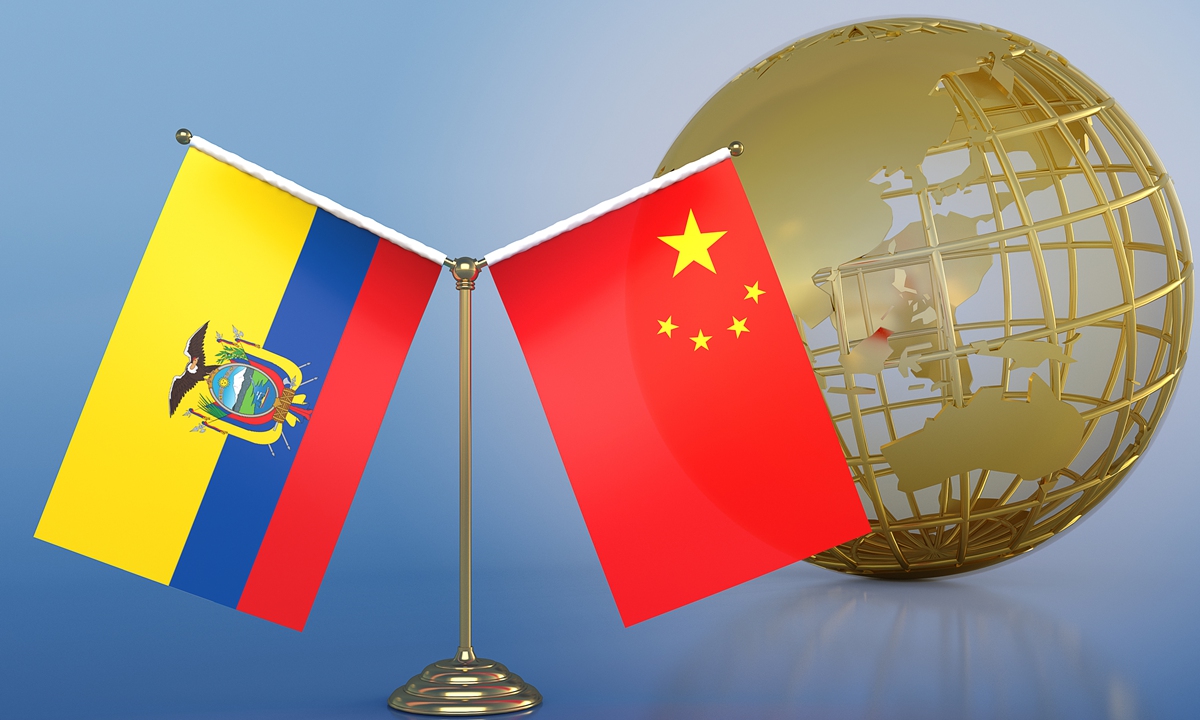
On January 3, 2023, Ecuador’s President Guillermo Lasso announced that a free trade agreement had been reached with China. The deal has reached between the two countries after negotiations of 1 year which started in February, 2022. The Chinese and Ecuadorian delegations were successful in concluding negotiations on a free trade agreement (FTA) after four rounds of negotiations and numerous technical meetings. The current deal is anticipated to improve exports and the industrial sector’s growth in the South American nation. On a social media site, Lasso made announcement “Good news to start 2023. The negotiation between China and Ecuador has been successfully concluded.” According to Lasso, with the agreement, Ecuadorean firms will have cheaper access to machinery and materials as well as preferential access to the largest market of the world i.e. China for the exports. Earlier, Lasso announced in September 2022 that his government had reached a second agreement to reduce interest rates and extend the terms of $4.4 billion in debt held with two Chinese state-affiliated banks which have been providing loans to Ecuador since 2010. The Chinese side has also confirmed the deal and said that the discussions for a bilateral free trade agreement (FTA) between China and Ecuador have gone well.

The Ecuador’s production ministry said in a statement as a response to the deal, “This trade agreement will allow preferential access for 99% of Ecuador’s current exports to China, especially agricultural and agro-industrial products such as shrimp, bananas, roses and flowers, cocoa and coffee.” Through the Free Trade Agreement, Ecuador’s exports will have easier access to a market with more than 1.4 billion consumers, which will not only increase exports, jobs but will also boost economic growth and investment. With estimated annual bilateral commerce of more than $10 billion. Ecuador is an important business partner for China in Latin America. Their collaboration spans a variety of industries, including mining, transportation, energy and electricity. In the first half of 2022, China was Ecuador’s top non-oil trading partner, according to the Ecuador trade ministry. Once the agreement will be signed formally, Ecuador will join Chile, Peru and Costa Rica as the fourth nation in Latin America to establish a free trade agreement with China. The U.S. is alarmed by the improving relations between the two nations and China’s expanding regional influence. Therefore, the U.S. wants to improve ties with Ecuador and is seeking options in Latin America to attain regional influence.


Colombia-Venezuela Ties and the Reopening of Shared Border

Introduction

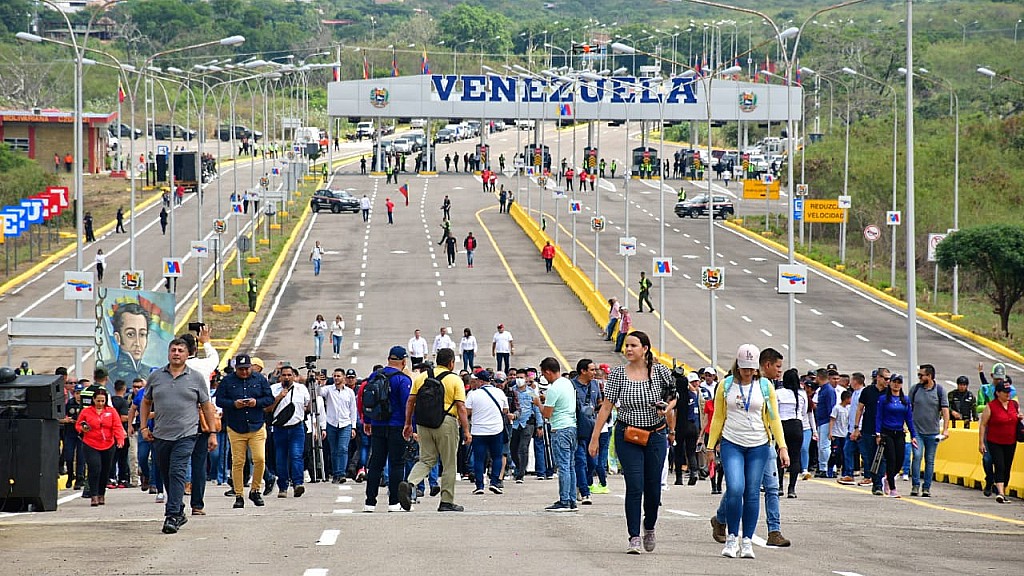
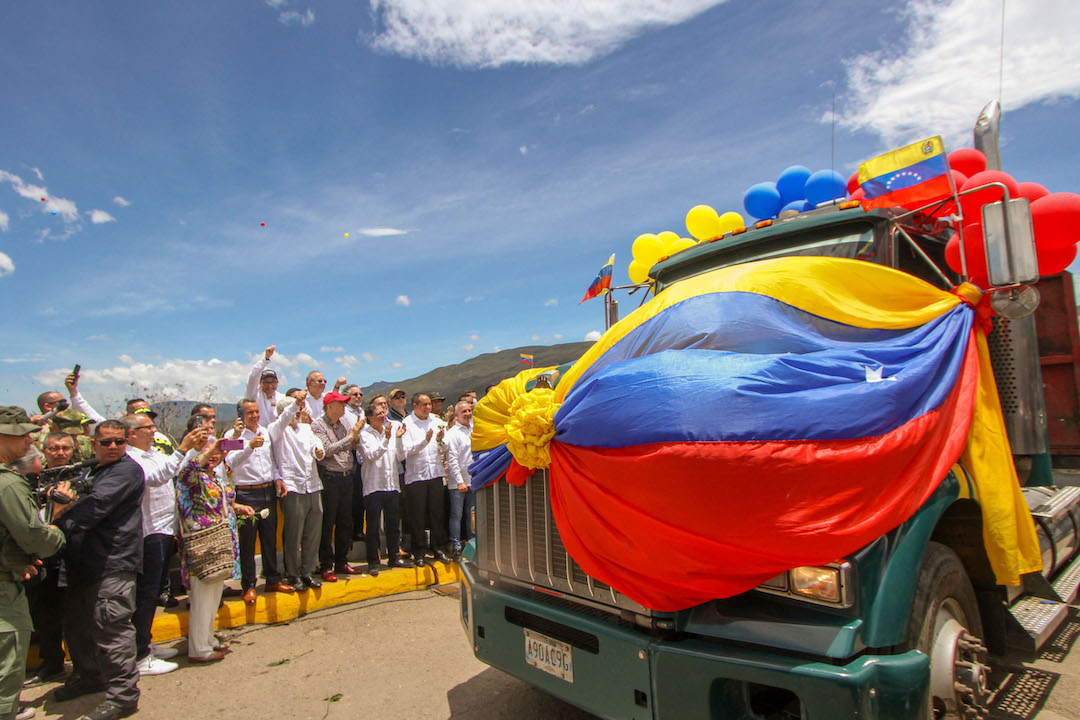
There is a great importance of bilateral relationship between the neighboring countries due to the shared concerns and security challenges. But, the relations between Colombia and Venezuela have remained strained for a number of years due to multiple factors including mutual accusations and an increase in the number of migrants from Venezuela who cross the shared border as a result of socio-economic and political crisis in the country. It is one of the major interstate conflicts in Latin America which resulted in greatest humanitarian crisis along the both sides of Colombia-Venezuela border. With a length of more than 2,000 kilometers, the border between the two countries served as a point for organized crime and guerrilla movements, notably on the Colombian side. Additionally, clashes between armed groups including the National Liberation Army (ELN) and dissidents of the Revolutionary Armed Forces of Colombia (FARC) have also taken place along the border. Recently, the two countries have formally announced to fully reopen the border after a diplomatic conflict of three years.


Background

During the former Colombian President Ivan Duque’s term, the leaders of Colombia and Venezuela have accused one another of involvement and interference across the border to support terrorism and create instability in their respective country. The ties were completely disintegrated between the two countries by Venezuelan President Nicolas Maduro in early 2019. As a response, Venezuela’s President Maduro said in a speech “Patience is exhausted, I cannot bare it anymore, and we cannot keep putting up with Colombian territory being used for attacks against Venezuela. For that reason, I have decided to break all political and diplomatic relations with Colombia’s fascist government.” On the other hand, Colombian diplomatic staff and ambassadors were also asked to leave Venezuela immediately after the announcement.
The ties started to improve when the Colombian President Gustavo Petro assumed office in August 2022, he pledged to rebuild ties with Venezuela and it was witnessed in the same month when two countries agreed to restore full diplomatic relations. Formal border opening was declared and for the first time in 9 years Colombian President made an official visit to Venezuela.

Prospects of Colombia-Venezuela Ties

According to the estimates by the Chamber of Venezuelan-Colombian Economic Integration, the reopening of border to vehicular traffic will result in a major increase in commercial trade, from $406 million last year to $1.2 billion this year. As a result of complete restoration of the border, the Venezuelan government predicts an increase of $4 billion in economic activity within a year. The improved ties will help to attain peace and security along the border which was deteriorated significantly in both the countries, since the diplomatic ties cut in 2019. This resulted in state clashes with armed groups which brought on forced and voluntary displacement of people as well as lucrative trade in people and goods as a consequence of armed groups competition. There is a hope for peace with armed groups along the border, if both countries make serious efforts and deal with the issues at negotiation table for the sake of people, country and regional stability. Until now, approximately seven million Venezuelans have left their country due to the deteriorating economic conditions and the vast majority of them travelled to Colombia. The formal opening of the border will aid in preventing the mistreatment of refugees and migrants. In addition, it will help with the effective management and administration of the migrant issue, enabling people with better economic opportunities in order to improve their livelihoods and wellbeing. Additionally, there will not be any fear of crossing the border illegally, which in the past made people exposed to killing, torture and forced recruitment by the armed groups.

Conclusion

Both Colombia and Venezuela have suffered greatly as a result of broken ties at all levels. Now it is the time that the two neighbors take the opportunity and act quickly to reduce the potential of escalating violence and instability along the border. For that matter, there is a need of greater action to avoid border miscommunications for avoiding fatal consequences. The border should be jointly monitored and controlled by Colombia and Venezuela, it can be done by developing a framework that effectively assist in resolving situations related to the shared border. The international community must take steps to settle the influx of Venezuelan migrants and refugees. In addition, humanitarian relief must be given to the people of two countries as they have suffered greatly because of social, political and economic crisis.


A Step for U.S. Border Security: Biden announced New Immigration Restrictions

Introduction

On January 5th, 2023, President Joe Biden announced that the United States would start immediately deporting individuals from Cuba, Haiti, Nicaragua and Venezuela who attempt to enter the country without authorization along the border with Mexico. President Joe Biden said “these four countries account for most of the people now travelling into Mexico to try to start a new life by crossing the border into the United States of America.” The White House announced that it will grant two year work authorization to 30,000 individuals each month from the three countries including Venezuela if they have sponsors in the United States and can qualify the background checks. Anyone attempting to cross the border illegally will not be eligible for the program and will sent back to Mexico. According to the data, a huge number of migrants from the above mentioned countries have been encountered more than 82,000 times in November only who tried to enter the United States through different means. As a result of the new policy, almost 360,000 individuals from these four countries can enter the United States legally each year. Speaking about the security, Biden told the reporters, “We anticipate that this action is going to substantially reduce the number of people attempting to cross our southwest border without going through a legal process.”


Background

Since March 2020, migrants have been denied the opportunity to apply for asylum 2.5 million times at the U.S.-Mexico border as a result of Title 42 restrictions that President Trump enacted as an urgent health action to stop the COVID-19 outbreak from spreading. Republicans filed a legal action to defend the Title 42 limits against Biden’s motion to eliminate them. For the past few months, asylum seekers have been arriving in greater numbers at the United States’ southern border with Mexico for safe and better life in the United States. This resulted in Republicans call for more action from the Biden administration to secure the border. Biden made efforts to reverse the anti-immigration measures taken by his predecessor Donald Trump.

Biden Administration and Title 42

Biden has suffered a lot politically due to the border security and the immigration chaos. During his presidency, Biden canceled the Trump’s declaration of a national emergency and halted construction on the southern border wall, additionally, the zero-tolerance policy was also abandoned formally. However, the Title 42, in-spite of being controversial, remained in place during Biden administration so that border can be prevented from becoming unmanageable. Despite criticism from rights groups who said the policy puts the lives of asylum seekers in danger, the Biden administration has worked to prevent migrants and refugees from crossing the border and has also defended Title 42 in court. The majority of migrants were sent back by the administration under Title 42 and Title 8 with the help of Border Patrol authorities. Biden is expanding Title 42 and made a legal path for some migrants. Before that, an emergency six-point plan unveiled for the anticipated termination of Title 42 by the Department of Homeland Security. The newly border enforcement actions has been referred by White House as “fair, orderly, and humane immigration system.”

Asylum seeking migrant families with children from Central America take refuge in a makeshift U.S. Customs and Border Protection processing center under the Anzalduas International Bridge after crossing the Rio Grande river into the United States from Mexico in Granjeno, Texas, U.S., March 6, 2021. Picture taken on March 6, 2021. REUTERS/Adrees Latif

New Policy to Curb Illegal Immigration

The new measures will not only curb illegal immigration but will make it simpler for border authorities to swiftly deport immigrants who enter the country outside of authorized crossing points. Another action is the restoration of bilateral accords that require asylum seekers who enter the country through a third country to provide evidence that they have not received protections before requesting asylum at the US-Mexico border. However, under the humanitarian parole authority which is already being utilized to accept some refugees from countries like Afghanistan and Ukraine, anyone from the four mentioned countries will be able to apply for legal immigration to the United States. The expanded humanitarian parole program for the nationals of these countries is welcomed by Amnesty International U.S. This program will permit the people to enter the United States but does not give them a permanent status. The strategy is a part of a larger initiative to stop record numbers of border crossers and manage with the political and humanitarian challenges posed by mass migration. It is recommended that implementation of new enforcement measures for border security must be implemented considering a humanitarian perspective.