Winter Storm Hits America: Extreme Weather Is A “New Normal”
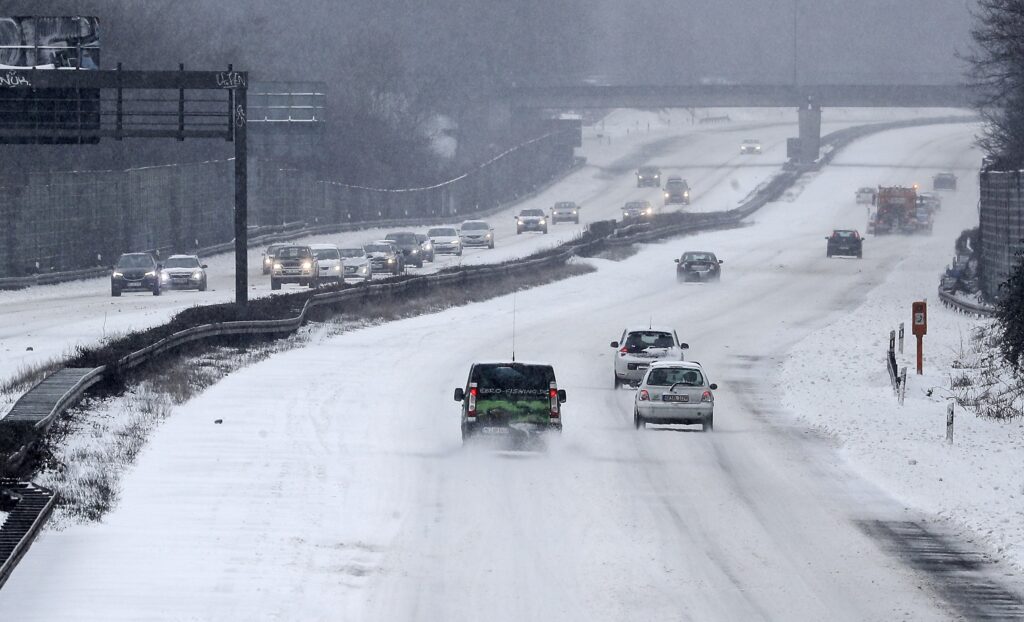
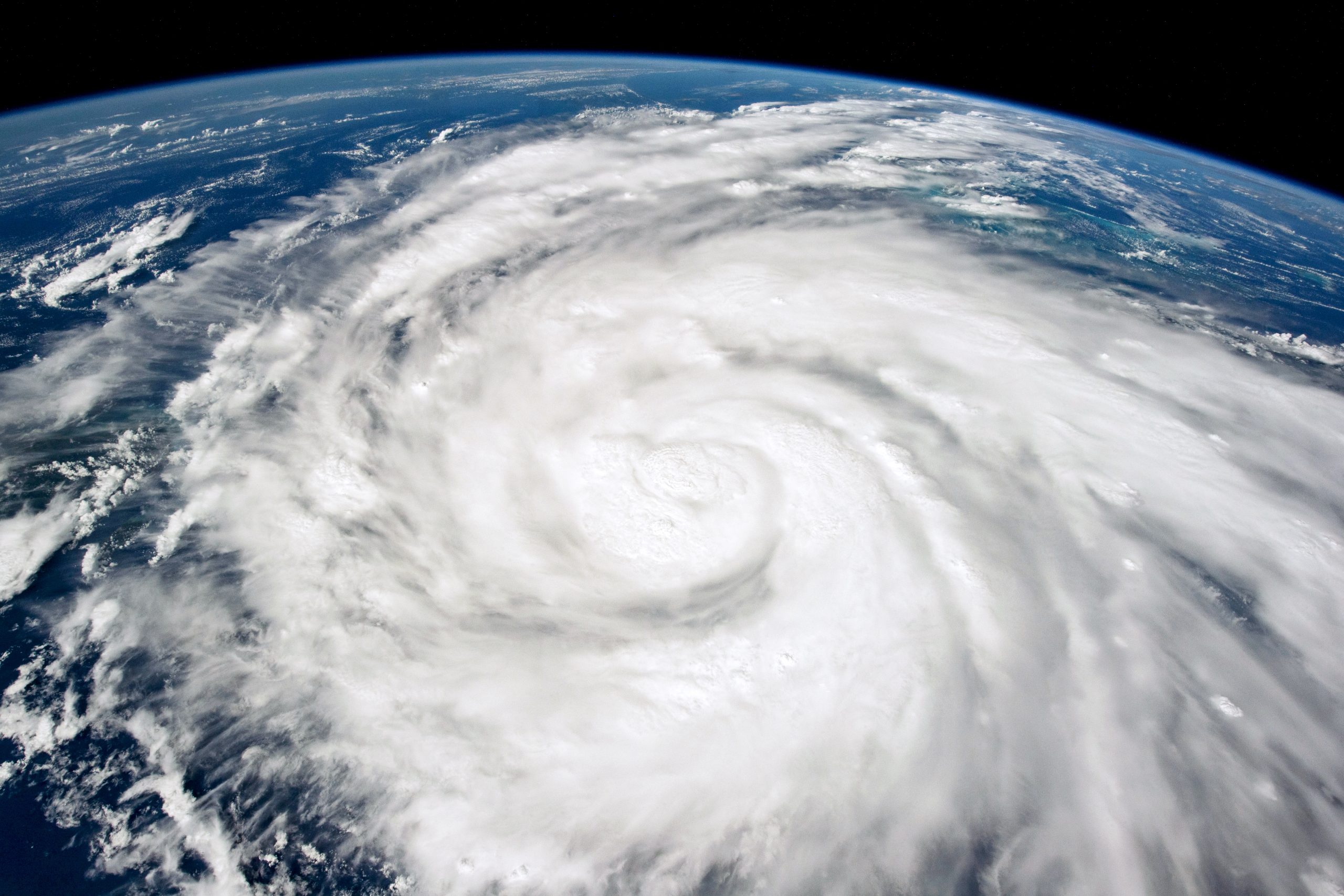
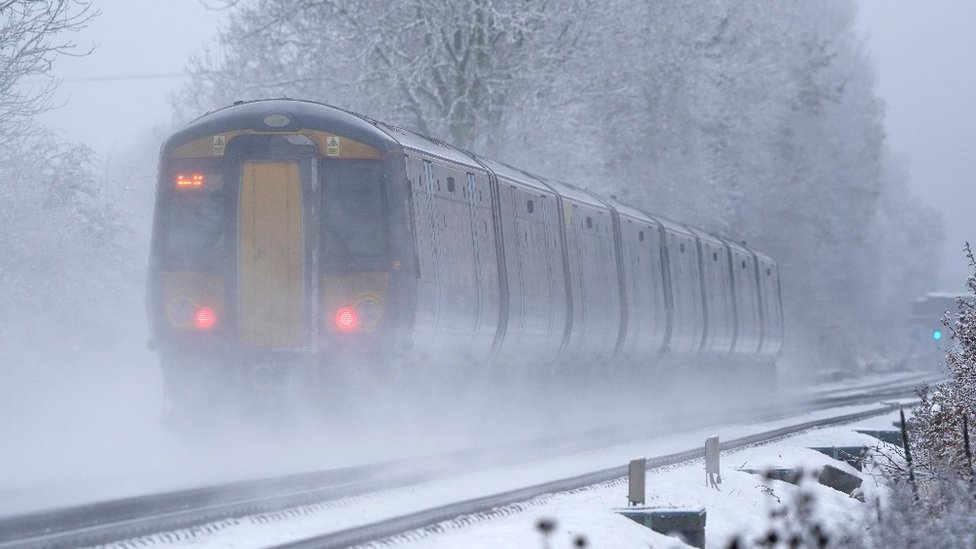
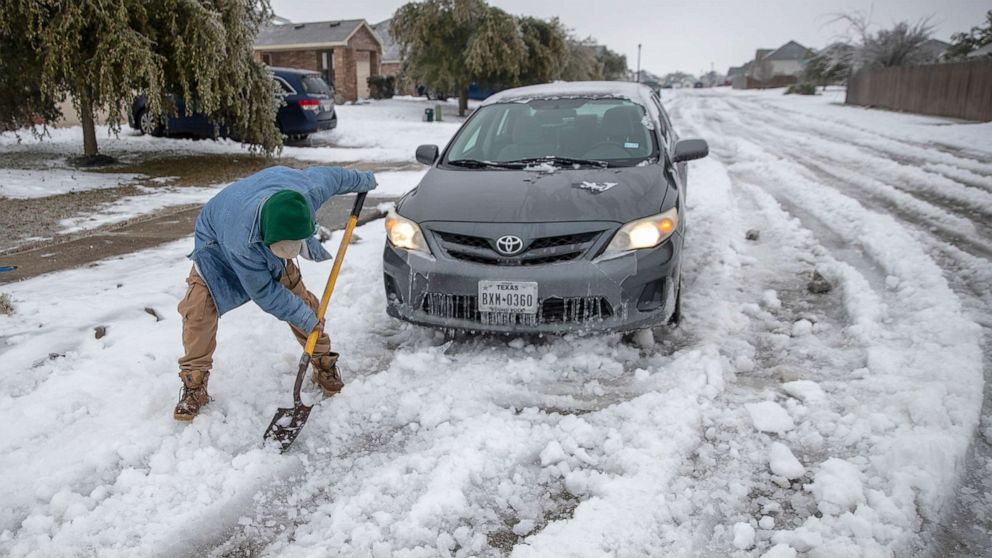
Due to impacts of climate change, the year 2022 has experienced devastating weather events in the form of a terrible flood that drowned a third of Pakistan, one of the three costliest hurricanes to ever hit the United States, severe droughts in Europe and China, a famine in Africa brought on by a drought, and fatal heat waves around the world. The year is ending and the world once again witnessed an extreme weather i.e. deadly winter storm in North America which took lives of dozens of people. Forecasters referred to the icy winter storm that hit the United States as a “bomb cyclone” and it produced travel chaos, life-threatening flooding, flash freezing, and blizzard conditions in many parts of the country. Thousands of homes and businesses across the United States lost power due to the increased demand as a result of “bomb cyclone” storm, which is being considered as one of the most violent in recent decades. It has caused fatal car accidents on frozen roads and exposure to extreme storm, thousands of US flights were also cancelled, according to the data. In “one of the greatest extents of winter weather warnings and advisories ever” the National Weather Service (NWS) reported that more than 200 million people were under some type of winter alert.
It is anticipated that the prolonged extreme cold, blizzards and catastrophic winter storm conditions that have affected most of the United States, Canada, and even spread down to northern Mexico, will be an expensive event for many years. Given the wide geographic footprint of the cold and storm, which spread from Canada down to as far as northern Mexico, the overall effects and costs of the extreme winter weather event are anticipated to be relatively significant. At this point, it is far too early to conclude any precise estimates of losses, but according to some sources, this could be one of the most expensive winter weather outbreaks in the past ten years. The weather conditions have become unprecedented which are influencing people and their well-being at highest levels. Undoubtedly, climate change and global warming has played their role in it, but the fact of human activities in climate change cannot be denied. The climate change, a non-traditional threat, has impacted human security on a global scale. The situation of weather events and climate change demands attention from authorities at local, national and international level. In addition, result-oriented approaches and policies are needed in order to deal with climate crisis efficiently as humanity cannot tolerate and adapt to the extreme weather conditions as a new normal.
Appointment of Spain’s Ambassador to Venezuela: A new era of Diplomatic Relations

Introduction

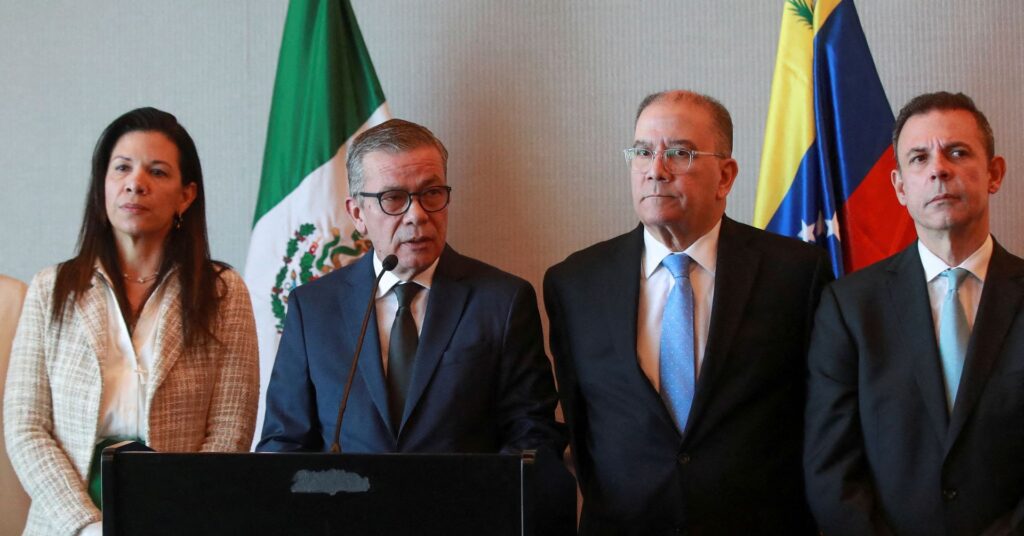
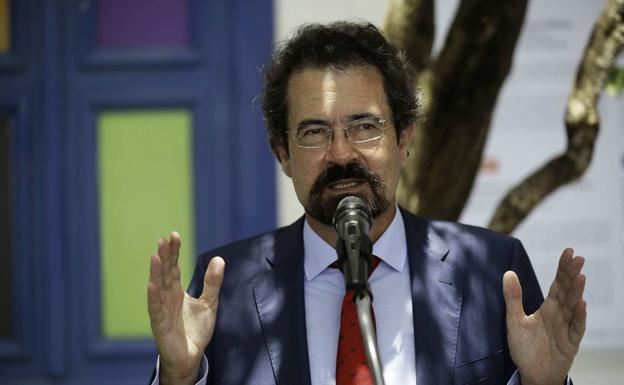
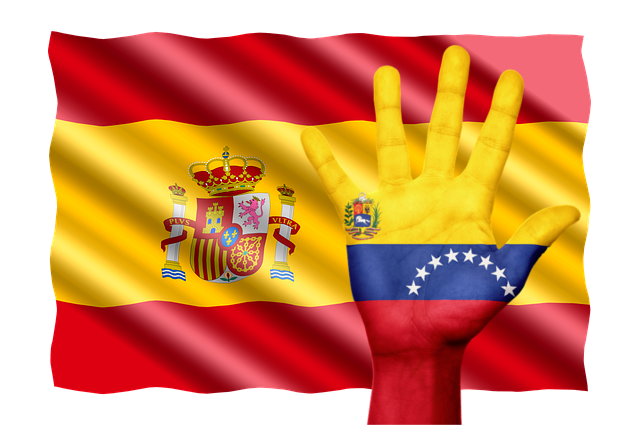
Spain has made a significant step toward improving relations with Venezuela with the appointment of a new ambassador on 28th December, 2022. Since the tensions between two nations erupted in 2020, Ramon Santos has been named as the first ambassador to the Spanish mission in Venezuela, which depicts a new era of bilateral and diplomatic ties between the two countries. Spanish Foreign Minister José Manuel Abares emphasized the significance of Spain’s ties with the Latin American nation in his remarks regarding the decision, claiming that Spanish representation in Venezuela is unquestionably required. The hint was already given for the appointment of the ambassador at the start of November when the talks between the nations improved.


Background

Spain and Venezuela have maintained bilateral relationships and diplomatic ties ever since the Treaty of Peace and Friendship was signed in 1845, the year the South American nation gained its independence. The two nations’ unique connection has been maintained consistently despite going through numerous significant crises as a result of a number of political disputes that seriously threatened common interests and understanding. However, the relations deteriorated in context of the generally regarded as fake elections in November 2020 that also caused extreme poverty. To protest, Spain withdrew its former ambassador, Jess Silva. But now, Santos, who has served as the acting head for diplomatic mission in Caracas since November 2021, is appointed as the newest ambassador two years later. A foreign ministry spokesperson has said in a statement that the government of Spain’s Prime Minister Pedro Sanchez wants to ensure that the upcoming 2024 presidential election in Venezuela is “more democratic and allows the opposition to play the role it was unable to exercise at the time.”

Crisis in Venezuela

For more than ten years, Venezuela has been gripped by a serious national crisis. Hugo Chavez’s “economic war” that actually began in 2010 evolved under Nicolas Maduro’s leadership into a political, socioeconomic, and humanitarian crisis of unexpected magnitude in 2020. Due to this, the once prosperous Latin American nation suffered from hyperinflation, famine, shortages of essential goods, widespread emigration, high crime and death rates. The international community is actively participating in Venezuela’s development of peace and prosperity. The European Union (EU), which carefully assessed the dire situation and made every effort to advance peace and democracy in Venezuela. Spain, a member of the EU, is particularly concerned about the situation in Venezuela as the Venezuelan crisis has affected the internal politics of Spain. Apart from this, the Venezuelan community is the fourth largest ethnic group in Spain, the presence of migrants in Spain is one of the major concerns of the Government. The appointment of a new ambassador by Spain is a positive step but in order to ensure sustainable peace process in Venezuela, both the countries should make efforts and play their due role that is required for good relations, political stability and economic prosperity.


U.S. approved $180 Million arms sale: The Conflict between US-China over Taiwan Continues

Introduction

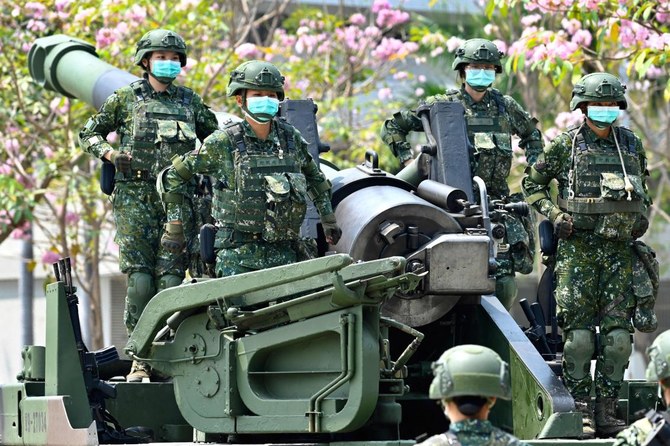
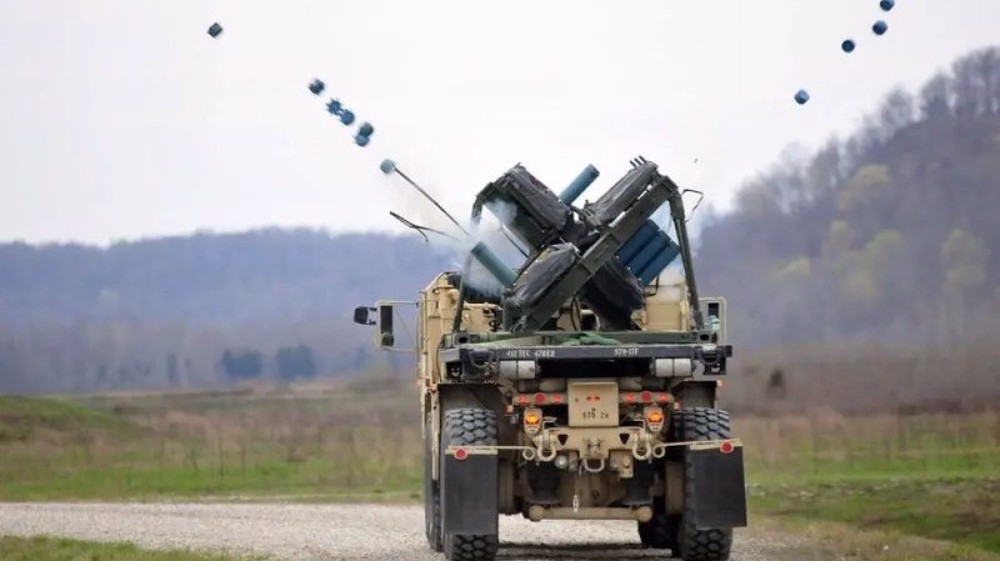
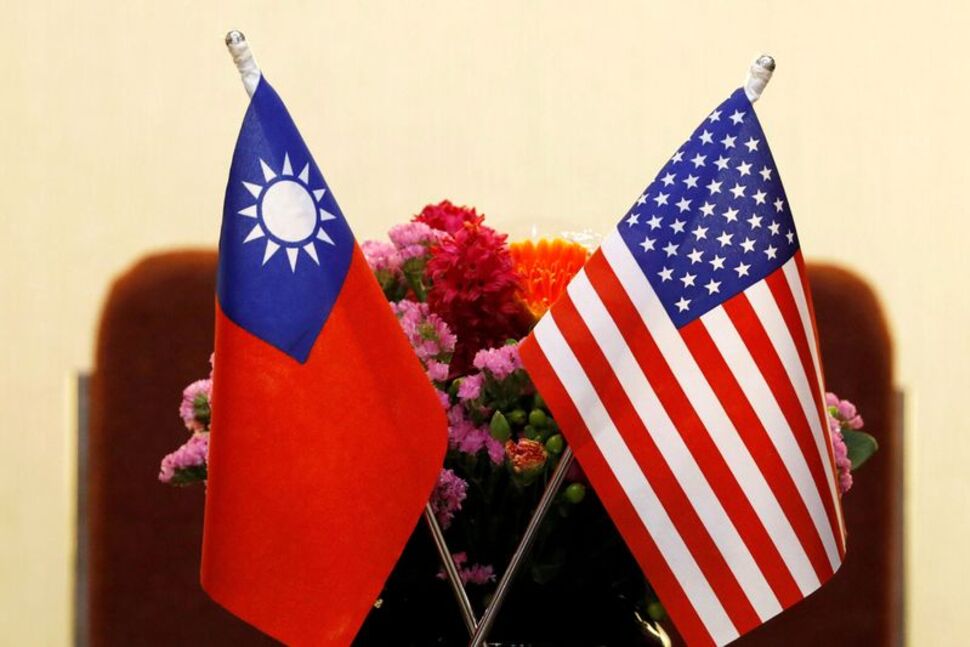
The State Department announced on 28th December, 2022, that the Biden administration has approved a potential $180 million arms sale to Taiwan amid the continued hostilities between Taiwan and Beijing. The administration informed Congress that Taipei Economic and Cultural Representative Office, Taiwan’s diplomatic mission in the United States get a clearance for a potential sale of vehicle-launched anti-tank munitions-laying systems and the myriad of associated equipment and services. According to the State Department statement, “This proposed sale serves the US national, economic, and security interests by supporting the recipient’s continuing efforts to modernize its armed forces and to maintain a credible defensive capability, the proposed sale will help improve the security of the recipient and assist in maintaining political stability, military balance, and economic progress in the region.”


Background

Under the provisions of the Taiwan Relations Act, Washington has traditionally provided the island with arms, and bipartisan support also exists for doing so currently. Following Nancy Pelosi, the speaker of the US House, visit to Taiwan in early August 2022, resulted in the highest level of tensions in many years between the two countries, China and the US. The following month, in September, the administration approved the largest arms sale to Taiwan during President Joe Biden’s presidency of more than $1.1 billion worth of weapons, including up to 60 anti-ship missiles and up to 100 air-to-air missiles. The most recent US defense spending bill that includes up to $10 billion in military aid to Taiwan was signed into law by the US President Joe Biden on 23rd December, 2022. In order to support Taiwan from 2023 to 2027, the bill will provide up to $2 billion assistance annually. Beijing has strongly disagreed with the aspects of a new US defense law in view of the content related to China and urged Washington to give up its Cold War mindset and biases. Additionally, China has made it clear that the country will take “resolute and forceful actions” to firmly preserve its sovereignty, security and development interests.

U.S-China Relations in 2022

Undoubtedly the most volatile and revolutionary year for US-China relations was 2022. China was regarded by the US as a superpower challenge. The Biden administration named China as its greatest security threat in the October release of the U.S. National Security Strategy. To give the US-China relationship some stability, Biden and Xi met in Bali during the G20 conference in November 2022 for their first talks since the former became president. Taiwan, remained a major bone of contention among the two countries. After the visit of Nancy Pelsoi to Taiwan, China increased its military pressure on Taipei and conducted military exercises around the island for a week. The increase in the military from Taiwan was also noticed which increased the possibility of encounter between the militaries of two countries. When Taiwan is seen as the main flashpoint between the United States and China, it puts Taiwan’s security in greater jeopardy because every action is viewed as a win or loss for one side or the other. Taipei would be under more pressure to choose an ally between the United States and China as long as Taiwan is drawn into becoming the primary flashpoint of major powers’ conflict. In the era of US-Chinese rivalry, Taiwan represents the highest risk of a great power war with unclear escalation dynamics in terms of both geographic expansion and use of weapons. The whole situation has not only put the two countries relations at the lowest point in 50 years but now the world peace and security are also at stake.


Conclusion

In the coming years, the relationship between the United States and China are considered to remain tense and a real crisis like Taiwan will continue to destabilize politics and people of the two nations. The competition for global influence and tensions between the two superpowers over economic policies, territorial conflicts in the South China Sea, and Taiwanese independence has increased, that is why war is not an option to deal with the conflicting issue. It requires efficient measures, negotiations and policy execution by both the US and China, as this will not only influence the relations between US-China but will also determine the political situation in the Strait of Taiwan in coming years.


Renewed Peace Talks between Colombia and ELN Rebels

Introduction

The ELN, also known as National Liberation Army, is a leftist and an anti-government group of more than 2000 fighters and militias which is based in the countryside of Colombia. The group has become a serious threat for Colombia that is why it is considered as terrorist group by Colombian and a number of other governments including European Union and the United States. The current President of Colombia, Petro, who assumed office in August, has pledged to negotiate with rebels in order to restore “total peace” to Colombia. The first significant step in President Gustavo Petro’s efforts to put an end to nearly 60 years of violence has been the beginning of new peace talks between the Colombian government and the leftist National Liberation Army (ELN) guerrilla group.


Background

As a result of the ELN’s refusal to end hostilities and the bombing that resulted in the deaths of 22 police cadets, talks between the ELN and then President Santo’s government began in Ecuador in 2017 and eventually moved to Cuba. However, Santos’s successor, Iván, cancelled the peace talks abruptly in 2019 because of a vehicle bomb incident in Bogota that left 22 people dead and 68 injured. The day after his inauguration, on August 8, Petro declared the resumption of talks with the ELN. The ELN leaders and the Petro government agreed to restart the negotiations on October 4. Additionally, they decided to resume agreements and developments made prior to the suspension of negotiations. President of Venezuela agreed when Petro requested him in September 2022 to mediate in the peace negotiations with the ELN. Recently, the talks has been initiated between the two parties as a part of the “total peace” agenda since January 2019.

First Round of “Successful Talks”

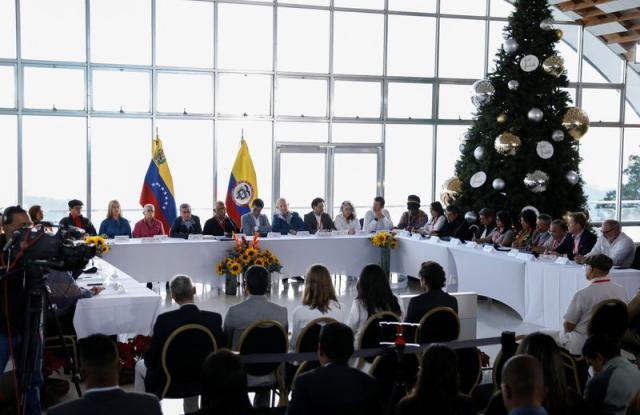
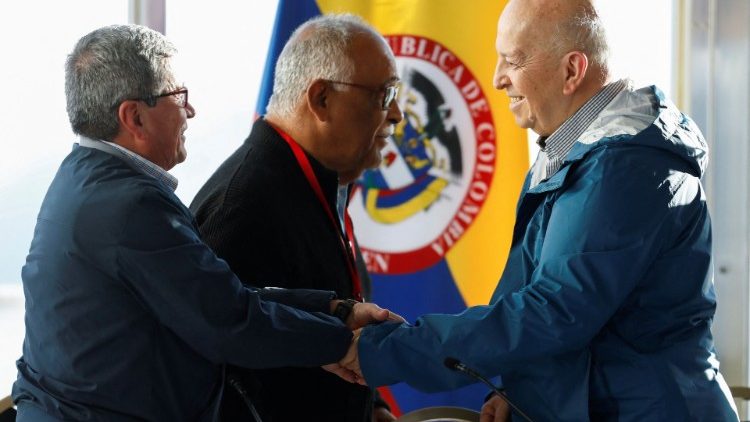
The Colombian government and the National Liberation Army have finished their initial round of peace negotiations. Representatives for Bogota and the ELN announced in a joint statement on December 12, 2022 that the talks, which took place in Caracas, Venezuela has “ended successfully” and served as “a beacon of hope in a world immersed in war and destructive tension.” The two sides agreed to “implement a partial agreement for emergency care” to start in January in the most violent areas, even though a ceasefire has not yet been achieved. The Mexican ambassador in Caracas, announced that the country had agreed to serve as an official guarantor for the peace talks and that the next round of negotiations would begin the following month in Mexico.


Impacts of Climate Change in North America

Introduction

North America, the third-largest continent is suffering multiple challenges due to climate change. According to macro-trends, in 2022, North America’s population was recorded at 376,870,696, with an increase of 0.42% from 2021. A large number of people are at a risk because of the ongoing climate change situation in the region. If essential actions are not implemented, the region will continue to endure a wide range of climate change-related consequences of greater intensity. It is a fact that North America will be negatively impacted by climate change but it is also true that that this region has historically produced more greenhouse gas emissions than any other continent and is still actively contributing in global warming and climate change. The United States is mostly responsible for this as it is one the region’s largest single emitter of greenhouse gases due to human activities. Just behind China, the United States is currently the second-largest emitter of greenhouse gases worldwide. Changes in rainfall patterns and a sharp increase in the warming of the region are depicting how climate change is already influencing North America.


Trends of Climate Change in North America

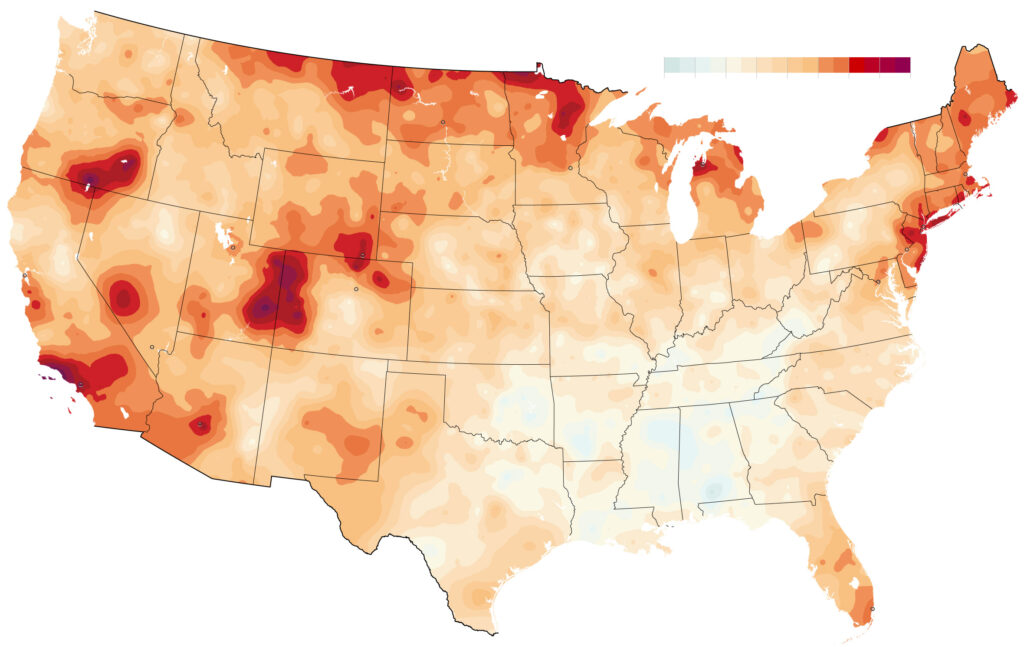
In North America, numerous impacts of climate change are being seen, since 1995 the average air temperature is increasing with the majority of the warming occurring in Alaska, northwest Canada, and the interior of the continent as a result of human-related activities and natural factors. Additionally, the majority of North America’s yearly precipitation of rain and snow has increased. North America has warmed by around 0.7°C over the previous century. If the emissions are low, the warming of the region could stay at 1-3°C over the next century. On the other hand, if emissions are greater, they temperature could rise by as much as 3.5-7.5°C. Accordingly, by the middle of the century, major dangers to North America are anticipated to increase quickly if the overall global warming exceeds 1.5°C. These dangers will have a negative impact on the environment and will cause changes to ecosystems, increased damage to houses and infrastructure, stress on the economy, disruption of livelihoods and well-being of the individuals as well as severe health issues and disorders.

North American Summer 2022

Extreme temperatures were experienced by several countries in the summer of 2022, numerous temperature records at the local, state, and regional levels have been broken due to a series of early heat waves that occurred around the world. Hundreds of millions of people have been impacted by the effects of these heat waves, which have had a particular impact on natural ecosystems, food supplies, energy prices and demand. It is because the agro-ecosystem of North-America has negatively impacted due to climate change and extreme weather patterns in the region. North-America in particular Texas’ temperature was unusually high in May 2022. After a “heat dome” that affected an estimated 100 million people settled in the area, the area saw another warm spell in the middle of June. In spring, the temperature was higher than average in certain areas of Mexico. The heat waves in summer 2022 proved to be the worst, when compared with the average temperature between 1991 and 2020. This demonstrates that during the past few years, climate change impacts have increased in frequency and intensity across North America.


Climatic Facts of North America

According to projections, climate change will affect North America as a whole, which will create specific problems for risk management and adaptation. These climatic changes in the region grow more evident with rising greenhouse gas emissions and increased levels global warming. The majority of the region is constantly influencing due to greater than average temperature changes which are attributed to human impact. In future, these temperatures are expected to increase at extreme levels in any way. Most coasts are expected to see an increase in relative sea level rise, which is related to more frequent coastal flooding and erosion. Both marine heat waves and ocean acidification are expected to get worse. In a warming planet, there are already losses in glaciers and snow cover and the trend will continue to do so because of the weather patterns affected by global warming. Extreme tropical cyclones, powerful storms and dust storms are anticipated in following areas i.e. Caribbean, USA Gulf Coast, East Coast, Northern and Southern Central America.

Conclusion

To conclude, there is a need to understand the importance of adaptation in North American region. For climate change, Governments has a crucial role to play. Through decision-making process, Governments can involve professionals, policy makers, international institutions, organizations and all other concerned stakeholders, in this way it is possible to mainstream climate adaptation. Furthermore, taking into account the role of private-sector can support adaptation efforts through new and innovative ideas. Planning with equitable solutions, efficient management and effective implementation of the policies along with integrated approaches and coordination are much needed as they will not only recognize the climate risks, challenges and issues but will also help to address them.


Bicentennial Anniversary of US-Mexico Diplomatic Relations

Introduction

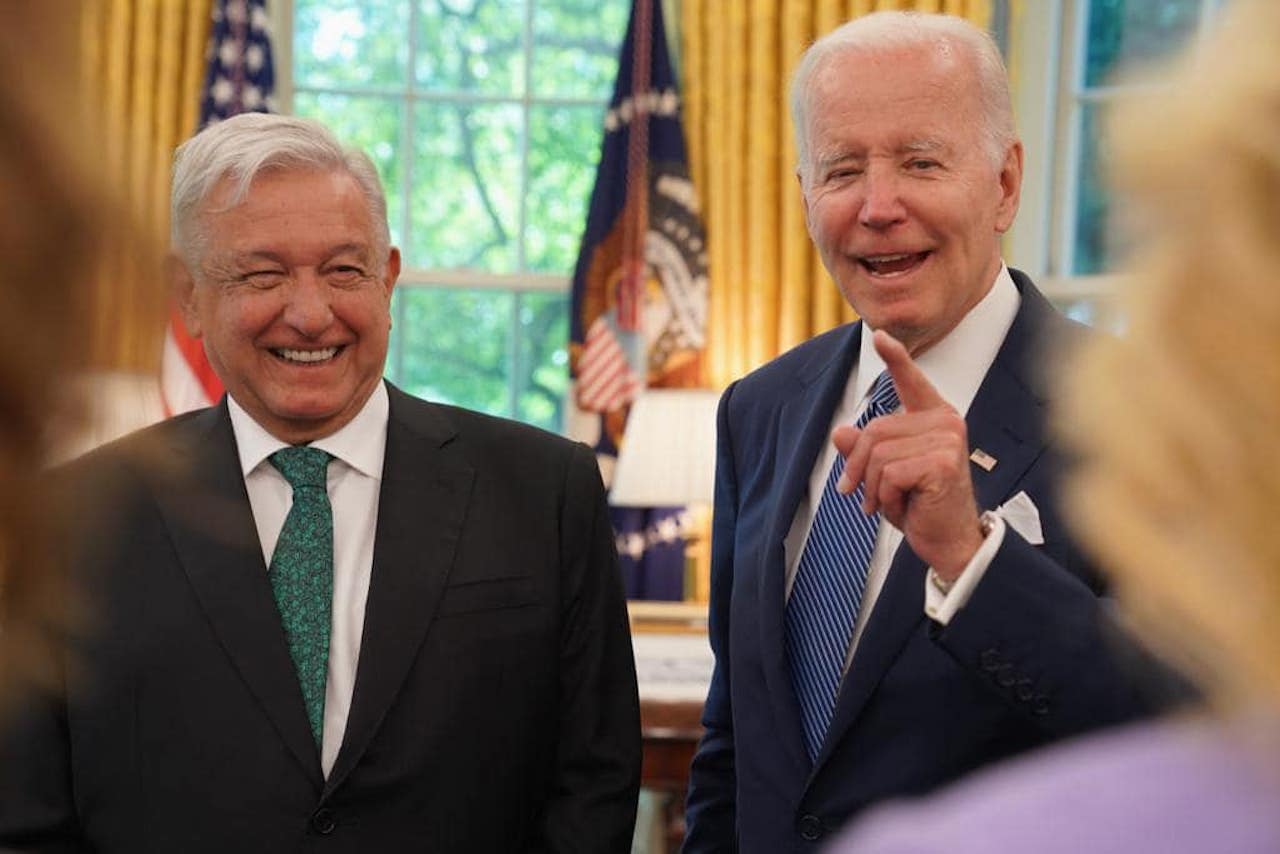
The diplomatic relations between the United States and Mexico marks the 200th anniversary. Over the years, the two countries have experienced ups and downs in their relationship, apart from conflicts on issues like migration, trade and border confrontations, they have managed to develop strong cultural, political and economic ties. Considering the major obstacles, Mexico and the United States have worked together on important bilateral matters, such as supply chain flow and border management. Unlike Donald Trump, who frequently emphasized his ambitions to construct a border wall and threatened tariffs if Mexico did not make efforts to deter migrants from trying to cross. There are greater chances for economic integration and stronger political connections under the new Biden government.


President Biden’s Statement on Bicentennial Anniversary

The President Biden’s statement was released by White House on December 12, 2022 for the 200th anniversary of Mexico and United States diplomatic relations. It is said by the President “the United States and Mexico celebrate 200 years of bilateral relations. As the closest of neighbors and friends, we share a set of values that form the root of our strength. We share an enduring commitment to freedom, democracy, and rule of law. And we share a strong and deepening economic and security partnership that has made North America the most competitive and dynamic region in the world.” Additionally, he said “Over the course of our shared history, Mexico and the United States have demonstrated that we are stronger and safer when we stand together. Our futures are irrevocably connected. And today, as we embark on the next century of our partnership with mutual respect and commitment to our shared aspirations, we remember that nothing is beyond our reach if we continue to work together.”

Flashback of U.S. and Mexico Ties

The two countries have long-standing economic, cultural, and historical ties, but the bilateral relationship between the United States and Mexico is among the most complicated one. Mexico has a population of 110 million people and is the 15th largest economy in the world. Mexico is one of the main economic partners of the United States and a significant source of energy for the country, in addition to sharing a border with it that spans almost 2,000 miles. However, since 1830s, migration has remained the one of the major points of contention between the United States and Mexico.

Diplomatic Relations after Biden Administration
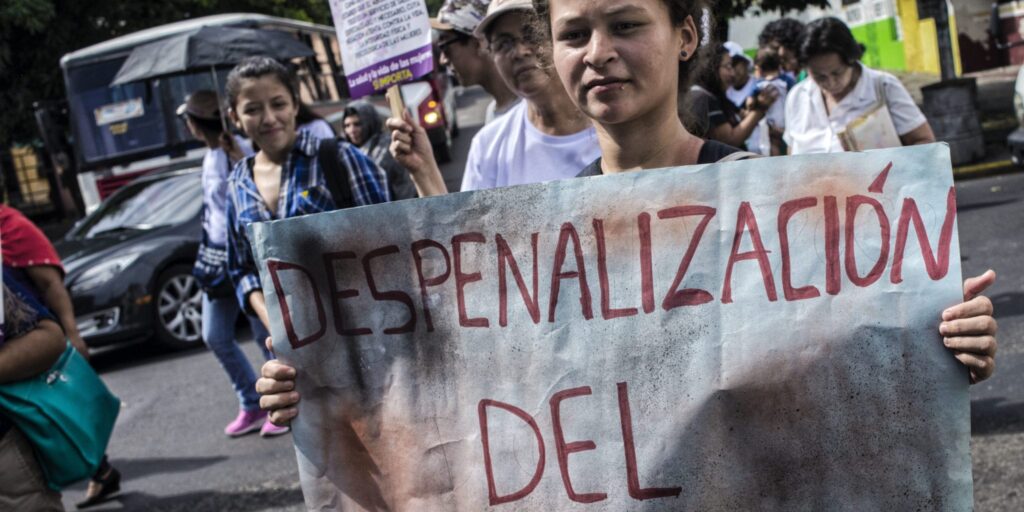
Building a stronger institutional foundation for the two-way partnership has been a priority for the Biden administration. Despite disagreements over topics including labour rights, the energy industry, climate change, and investor protections, collaboration between the U.S. and Mexican governments has increased in a variety of areas, including the economy, security, and migration. The beginning of 2021 saw a number of difficult problems between the Mexican and American governments on the economic front. The trade conflicts and the uncertainty in the energy sector appeared to result in a tense relationship between the two nations. However, the Biden Administration collaborated with its Mexican counterparts throughout the year to rebuild economic ties. The United States-Mexico-Canada Agreement (USMCA) and the first North American Leaders Summit (NALS) in first in five years, both made headlines on both sides of the border. But during the first year of the Biden Administration, the High-Level Economic Dialogue (HLED) was revived, which has been considered a major accomplishment.

Conclusion

The Biden and Mexican administrations continue to encounter a number of difficulties as they manage the bilateral relationship after one year. Cross-border ties are on a trial because of number of complex issues including energy, the environment, investor relations, and the humane treatment of migrants. All of these topics are conflicting in both countries, but the Biden team has collaborated with its Mexican counterparts to design strategies and options that ties the two governments together and creates predictable patterns of interaction and areas for the discussion and negotiation on major conflicts. To improve the bilateral relations, there is need that both the countries make efforts to combat cross-border crime, improve law enforcement cooperation,, address human rights challenges, strengthen rule of law and implement the policies particularly for irregular immigration and border management in order to resolve major trans-boundary issues.


The Global Humanitarian Overview: Latin America and the Caribbean

In a report of the United Nations titled as “Global Humanitarian Overview 2023”, it is reported that the region of Latin America and the Caribbean would have 29.2 million people in need by 2023. Critical humanitarian assistance is now needed by one million more individuals in Northern Central America than the previous year. There are 300,000 more people in need in Haiti than there was in 2022. In 2023, it is expected that several vulnerabilities, interconnected protection risks, and humanitarian needs will persist and perhaps even get worse. Food insecurity, recurrent natural catastrophes exacerbated by climate change, internal and external migration, and persistent conflict will continue to exacerbate demands for food access, nutrition, safety, water, sanitation and hygiene (WASH) and health. According to UNICEF, 16.5 million children in Latin America and the Caribbean will need humanitarian assistance in 2023 amid rising migration flows, violence, and climate risks. As a result, UNICEF is attempting to raise US$723 million to provide vital aid to children and families throughout the region.

Additionally, the region is also experiencing economic woes, Latin America is seeing worse annual growth rate since 1980s. According to Jose Manuel Salazar-Xirinachs, the new head of the UN Economic Commission on Latin America and the Caribbean (ECLAC) “the stagnation of the last ten years contrasts not only with the 5.9% annual growth of the 1970s but also with the 2% achieved in the 1980s, a turbulent decade for Latin America marked by a wave of debt crises.” He also added “weak investment, low productivity and inadequate education have condemned Latin America to a period of economic failure even worse than the “lost decade” of the 1980s.” In order to deal with the issue and increase the productivity of Latin America which is flattening since the 1970s, Salazar-Xirinachs said “In the past, regional integration was seen as an alternative to insertion in the world economy, now it is clear that it is more complementary. For Latin America to successfully become part of global value chains, it needs regional chains of production.”

The region is in the state of complex humanitarian issues, it is crucial to realize the urgency of the situation and therefore strengthen the international cooperation and coordination among all the stakeholders as well as implement strong frameworks and policies to meet the humanitarian needs.


Political Crisis in Peru

Introduction

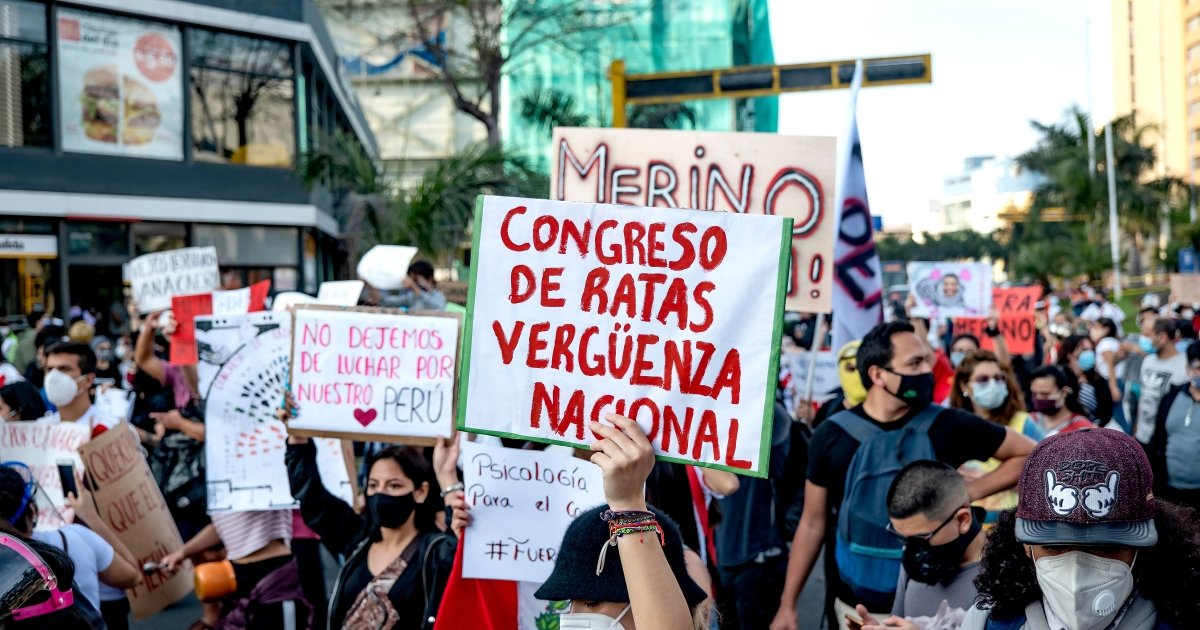
Over the past 30 years, Peru has seen a number of presidents ousted from power and put in prison on corruption-related charges. In Lima, hundreds of anti-government protesters have taken to the streets to demand for President Pedro Castillo’s resignation. Peru’s Congress decided to impeach President Pedro Castillo for the third time since he took office last year in July 2021. On Wednesday, 7th December, 2022, Pedro Castillo has been impeached, detained while en-route to Mexico’s embassy to request asylum. The President managed to survive two impeachment votes before ultimately being voted out on account of dissolving Congress leading to accusations of a coup attempt. Earlier, Castillo won a tough election campaign with a significant support from voters of the rural and marginalized areas of the country, but his popularity swiftly declined as a result of opposition from a disjointed Congress and charges of “moral incompetence.”

Background

Current Situation

Peru is the second-largest producer of copper in the world and has one of the fastest expanding economies in the region South-America, but political unrest has hampered the country’s prospects. Due to the prolonged political crisis, the nation is experiencing political, social, and economic difficulties. In an effort to combat persistently high inflation, the central bank of copper-producing Peru raised its benchmark interest rate by 25 basis points to 7.5%, making it the country’s 17th straight increase. Since August 2021, the bank has increased the rate several times to counteract growing inflation, which peaked in November at 8.45% annually. According to the central bank of Peru, the outlook for the majority of important economic indicators and expectations is still negative, and there is ongoing concern that external forces are driving up the cost of food and energy. Therefore, there are tensions that food crisis can emerge amid soaring prices. Not long ago, the United Nation’s Food and Agriculture Organization (FAO) said that Peru has become the most food-insecure country in South-America. According to the World Bank, Peru is an upper-middle income country having an ability to grow necessary food for fulfilling the needs of the people. But still, more than half of the population, or 16.6 million people, have not regular access to enough, safe and healthy food. There are multiple reasons behind the ongoing crisis, poverty rate was recorded 25%, and the annual inflation rate in 2022 has remained above 8%, which is the highest level in 24 years.
The inflation brought on by the Ukraine crisis weighs hard on recovery prospects that were already worse due to the post-COVID decline. Before being ousted, Castro stated that Peru is facing price increases as a result of various global phenomena, particularly the rise in fuel prices and supply which is also a result of the war in Ukraine. There is no doubt that in addition to the increases in the price of food and energy, the country has reached this disastrous point as a result of the government’s poor management and political instability.

Conclusion

Political stability and economic growth are deeply interconnected because political unpredictability can slow down investment and the rate of economic development in a country. Considering the Peru’s political situation, it seems not to be resolving soon. The newly elected President, Dina Bolurate may run into problems with congress and country can witness calls for elections soon, making the future of country uncertain. There is the need of a resilient political system that can deal with the crises within and outside the country as well as ensure that people of Peru can live better, fair and safe life.


Energy Security: Qatar and Germany’s Gas Deal

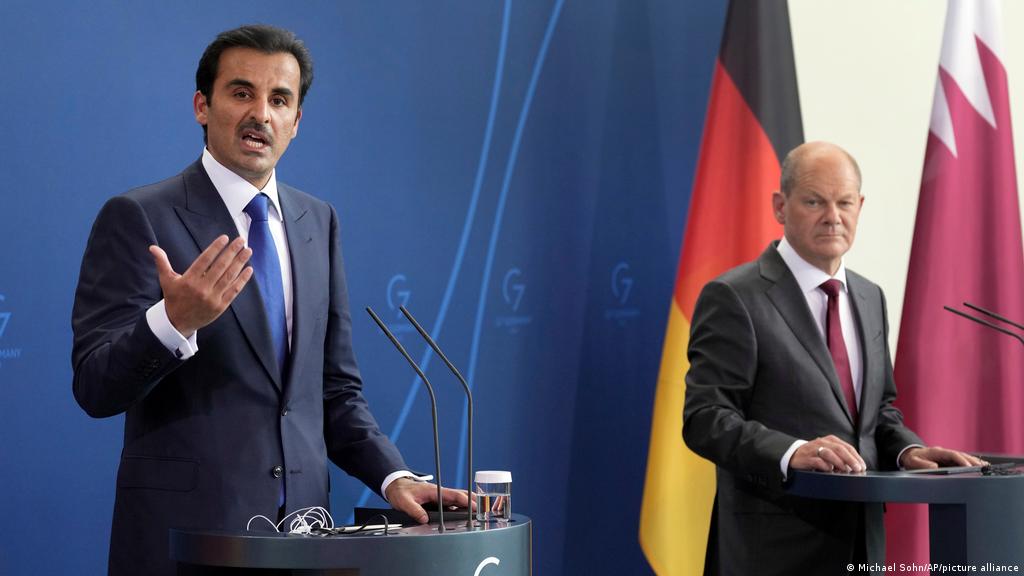
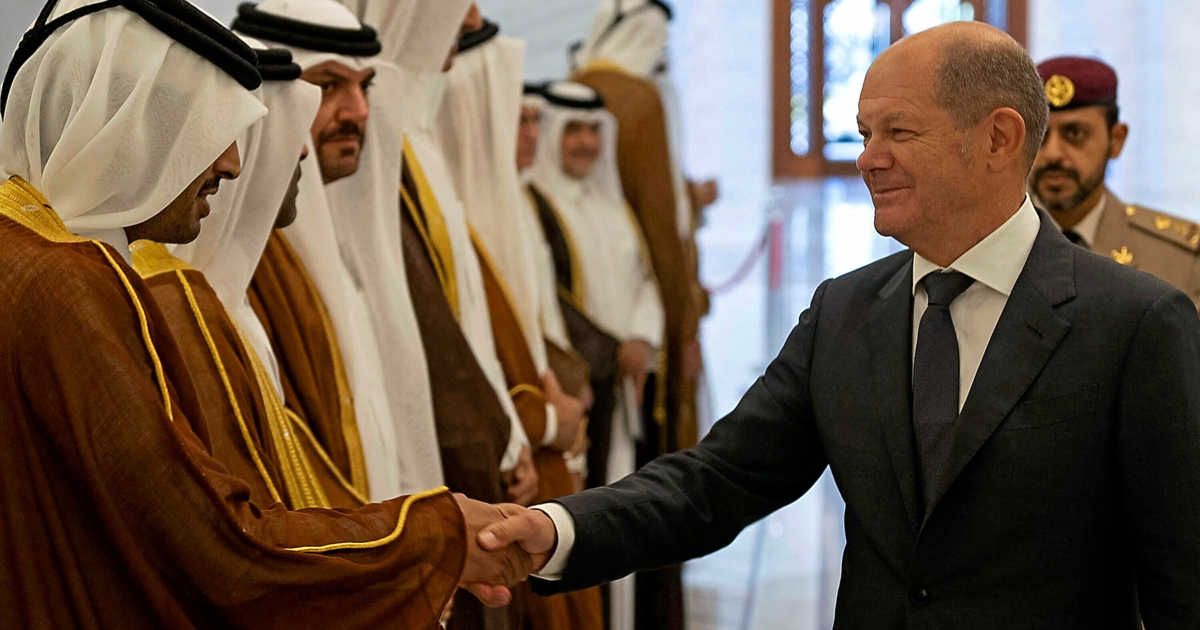
In order to supply Germany with liquefied natural gas as the Europe attempts to find alternatives to Russian energy sources, Qatar announced the signing of its first major LNG agreement on November 29, 2022. The energy minister for Qatar, Saad Sherida al-Kaabi, announced that up to two million tonnes of gas would be transported yearly beginning in 2026 for a minimum of 15 years. The state-run QatarEnergy was looking for other possible deals for the largest economy in Europe. He added, Qatar will sell the gas to ConocoPhillips of the United States, who will subsequently transport it to the LNG facility in Brunsbuttel. To unload liquid gas, Germany is constructing four temporary emergency floating LNG facilities. Permanent terminal work that was about to begin but was delayed by planning is finally moving forward, increasing Germany’s capacity to diversify its energy supplies away from Russian pipelines. Additionally, according to the QatarEnergy CEO, there are not enough negotiators to meet the demand for natural gas from so many countries in Europe and Asia. The new deal’s negotiations dragged on for several months because Germany resisted signing the lengthy contracts that Qatar typically requires to support its large investment in the sector.

German Chancellor, Olaf Scholz welcomed a new agreement for liquefied natural gas (LNG) from Qatar as a “building block” towards that country’s energy security and as evidence that Berlin had access to gas supplies from various nations. For a number of reasons, Germany has remained critical of Qatar but the country has made the agreement to fulfill the country’s needs, as said by the economics minister and Green party member Robert Habeck “Germany must obtain its energy from a variety of sources in order to disassociate itself off of Russian gas supplies.” Habeck travelled to Doha in March, but disagreements about the contract’s duration prevented an agreement from being reached. One of the biggest LNG exporters in the world is Qatar, after Russia and Iran, the emirate possesses the third-largest gas reserves in the world. The deal between Qatar and Germany has the potential to prove as a building block in Germany’s energy security as this will help to avoid energy shortages in coming winters and ensure energy security that was threatened and has pressurized the German government to find new sources of energy as a result of Russia’s invasion in Ukraine.


New Sanctions imposed on North Korea by US and Asian Allies

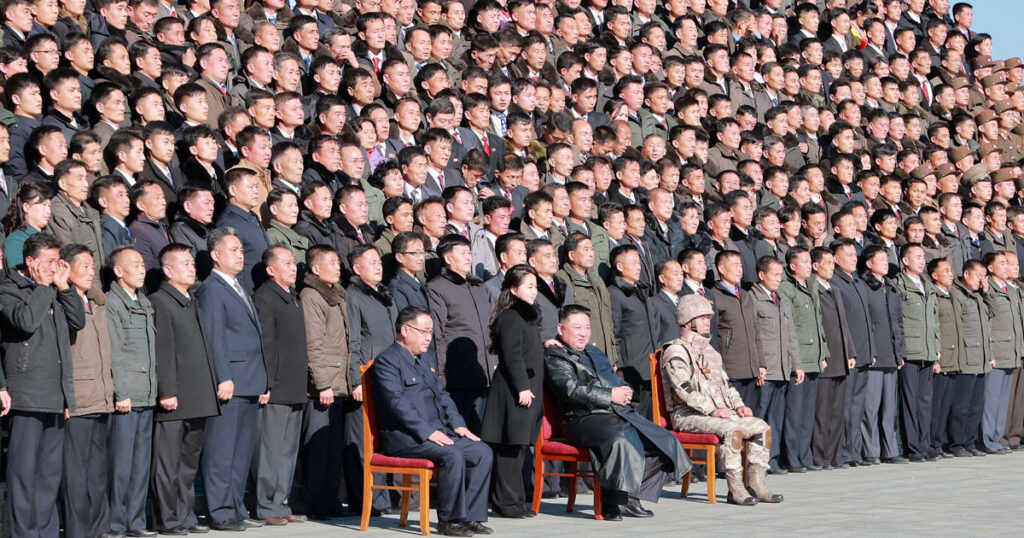
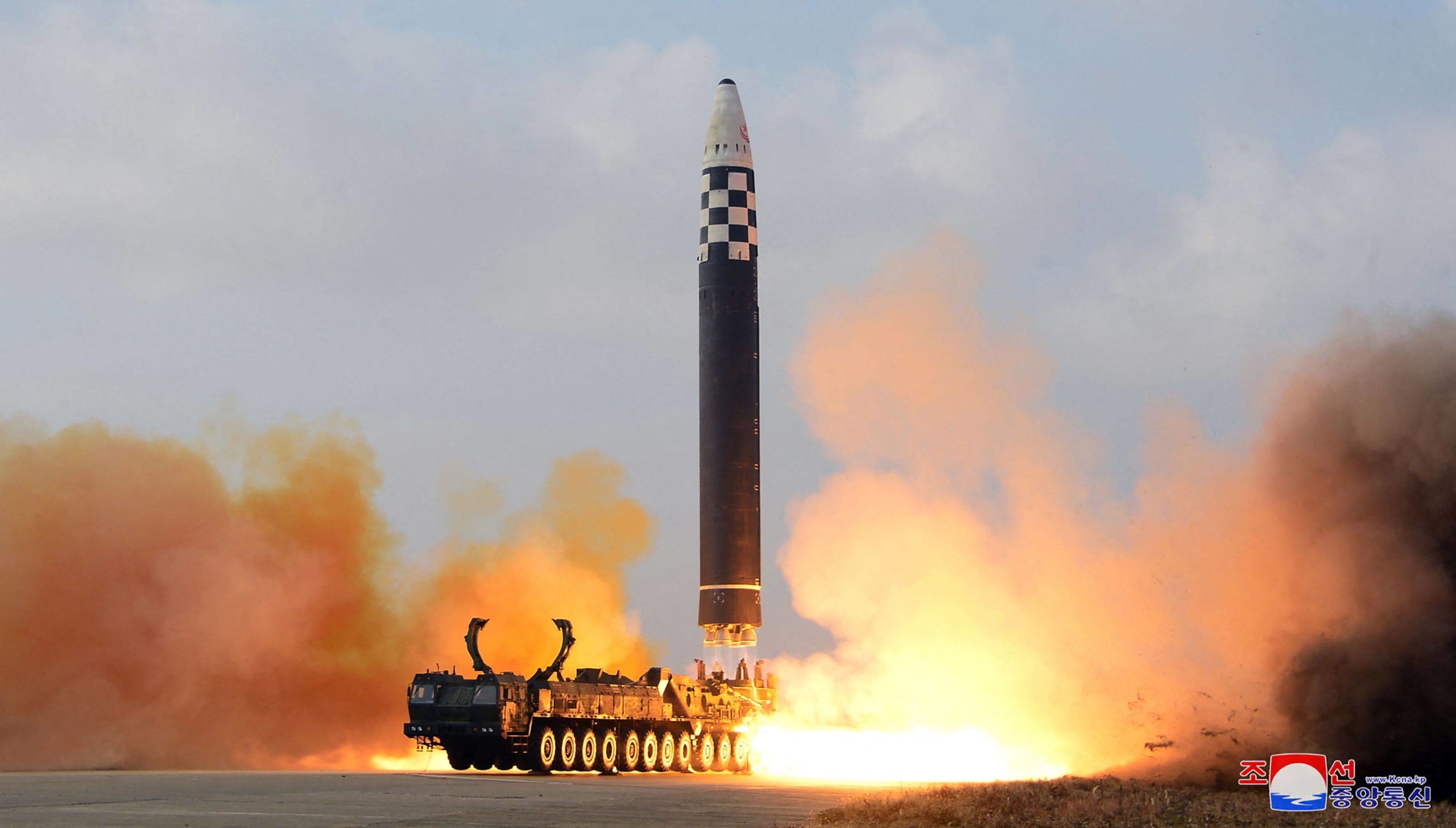
After Pyongyang’s most recent and largest intercontinental ballistic missile launch (ICBM) last month, the United States, South Korea, and Japan placed fresh sanctions on North Korean officials involved in the country’s nuclear weapons programs. The most recent sanctions come after North Korea conducted an intercontinental ballistic missile test on November 18 as part of a record-breaking string of over 60 missile launches this year, and amid worries that it may soon begin nuclear weapons testing, which has been halted since 2017. The US Treasury Department named the individuals that are already under sanctions by European Union since April. Sanctions against eight entities and seven additional people, including a Singaporean and a Taiwanese, were announced by South Korea’s foreign ministry. According to the ministry, all are already subject to US sanctions that were put in place between January 2018 and October 2022. According to the foreign ministry of Japan, three entities and a person were also designated for fresh sanctions. The penalties freeze the blacklisted persons’ American-based assets and prohibit American citizens from transacting with them.

This picture taken on November 18, 2022 and released from North Korea’s official Korean Central News Agency (KCNA) 

On the other hand, China and Russia have obstructed recent attempts to apply additional UN sanctions, arguing that they should be reduced in order to jump-start discussions and prevent humanitarian harm. After this, Washington is concentrating on trilateral cooperation with South Korea, Japan, and European allies. Between 2006 and 2017, Pyongyang carried out six nuclear tests, concerns have also grown that Pyongyang may conduct its first nuclear test since September 2017 which will be its seventh nuclear test that too in the not so distant future. Additionally, it is being claimed that North Korea is enhancing its conventional military capabilities and short-range missile arsenal. In the statement, the U.S. Department of the Treasury under-secretary for terrorism and financial intelligence, Brian Nelson, “The treasury is taking action against officials who have played key roles in the Democratic People’s Republic of Korea (DPRK)’s illegal WMD and ballistic missile programs in close trilateral coordination with the Republic of Korea and Japan.” To conclude, it is the time to understand that sanctions by different countries have not helped to change the North Korea’s behavior and have failed to make a real impact, therefore, all the stakeholders should consider the options i.e. initiation of talks that can actually help to deal with the situation.