The UK-China Relations and End of “Golden Era”
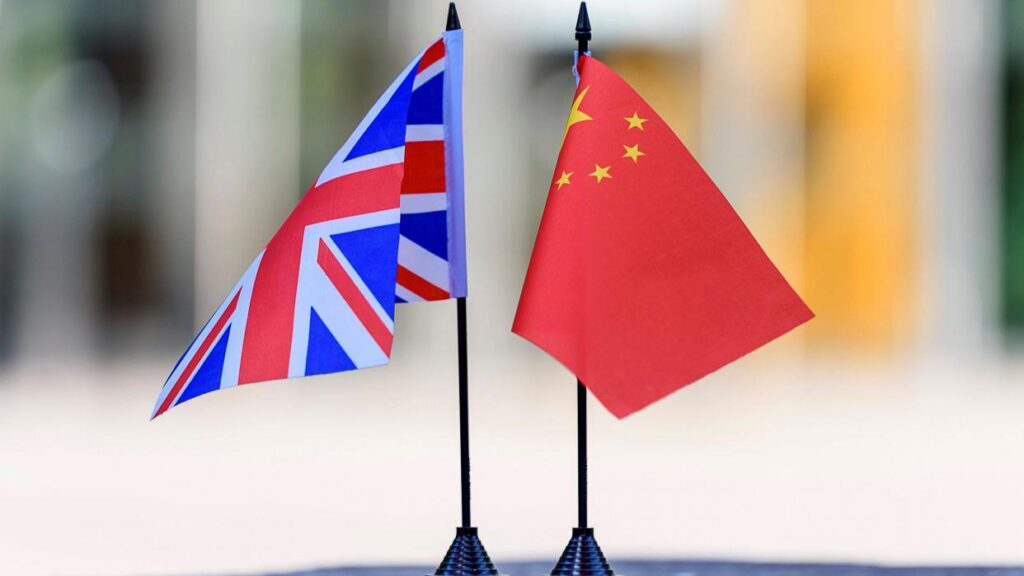
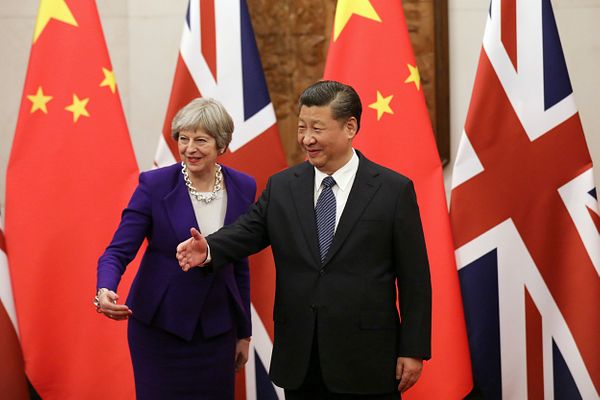
On 28th November, 2022, while delivering his first foreign policy speech British Prime Minister Rishi Sunak announced that “the ‘golden era’ of UK-China relations is over, along with the naive idea that trade would automatically lead to social and political reform.” The relationship between the two countries is currently at a critical point as it is said by the British Prime Minister that China presents a threat to the United Kingdom’s aspirations. He stated, “We recognize China poses a systemic risk to our values and interests, a challenge that grows more acute as it moves towards even greater authoritarianism.” He also added that the Government of UK will make efforts to deepen trade and security ties with Indo-Pacific allies as “economies and security are indivisible” in the particular region. He has also asserted to head an international alliance against Chinese cyber-threats and support British universities and companies in the fight against Chinese espionage. China’s policies for Xinjiang region and the Special Administrative Region (SAR) of Hong Kong were condemned by Rishi Sunak and it was acknowledged by him that Western nations could not ignore China’s impact on world affairs and its capacity to assist with shared concerns like economic stability and climate change. In response, representative for the Chinese Embassy in the UK said, the UK should not meddle in China’s internal matters and comments by UK on Hong Kong and Xinjiang are unacceptable.

Prior to Sunak’s speech, the UK prohibited Chinese made security cameras in sensitive government buildings. Sunak has previously pledged to shut down all Confucius Institutes, which support Chinese culture and language while receiving partial funding from the Chinese government, this will adversely affect the two countries and will take ties to a critical juncture. On contrary to this, in 2015, the former British Prime Minister, David Cameron, eyed China as the “best partner” for UK’s development with a promising “golden era” in relations. However, in his recent speech, Sunak referred to the last decade’s closer economic connections between UK and China as “naive.” Currently, China is Britain’s third biggest trading partner and trade ties have doubled in a decade but the current situation can negatively affect the economies. According to data from the UK Office for National Statistics, China is currently one of the countries from which the UK imports the most goods, accounting for 13.3 percent of total imports worth of 63.6 billion pounds ($76.6 million).
The aftermath of the British Prime Minister Rishi Sunak’s speech is that UK is pushing Beijing out of a nuclear project. According to an official announcement, the UK will control 50% of the stakes in the country’s new nuclear project and seek additional outside investment to finance its construction and operation as this will help to keep China out of the development of the project. In accordance with the declaration, the UK will provide £700 million ($842 million) to the Sizewell C nuclear power station in southeast England. China General Nuclear (CGN), which sold its 20% development investment in the project, will be excluded from it as a result of the arrangement with the British integrated energy business. British Finance Minister Jeremy Hunt stated in a statement that once finished, the “mega project” will supply clean and affordable domestic energy to millions of homes for many years to come.
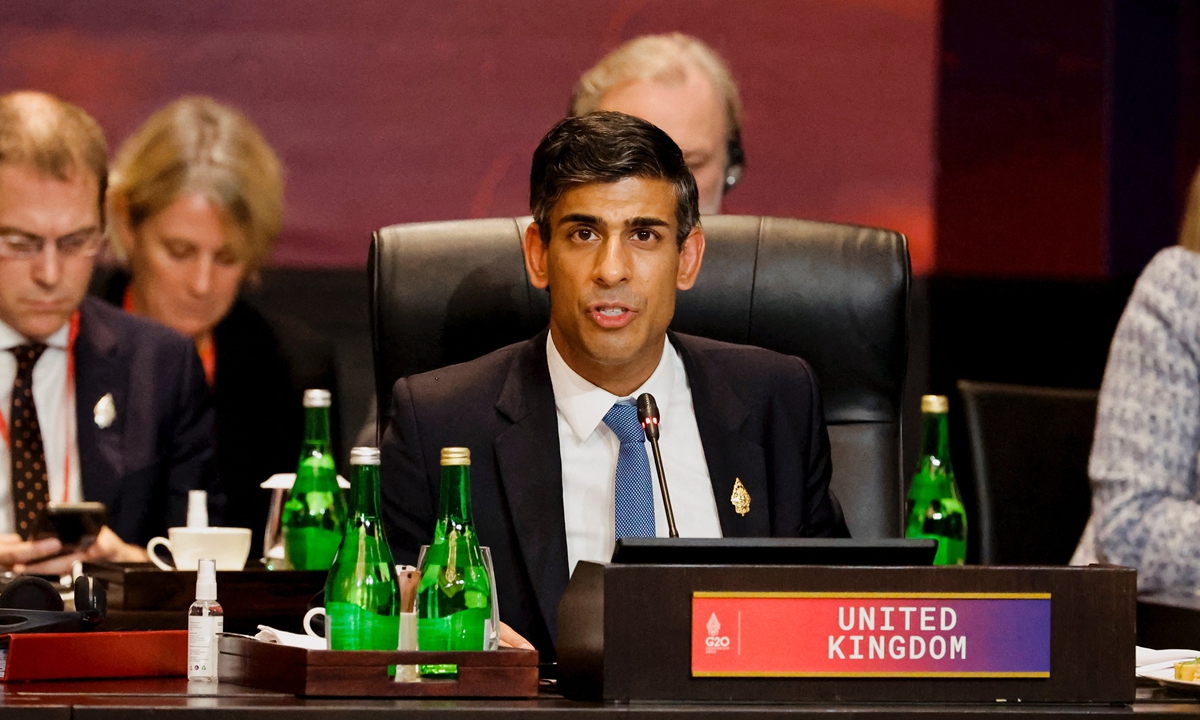
British Prime Minister Sunak and Chinese President Xi Jinping were supposed to meet for the first time at the G20 summit earlier this month in Indonesia, however, the meeting was canceled. A major international gathering like the G20 conference would have been the ideal time to enhance communication between the two countries. The opportunity for a constructive conversation between the two countries seemed to have been lost. If the two countries want to have any chance of improving bilateral ties, they must ultimately stop engaging in provocative behavior when it comes to issues that directly impact another country. This ongoing state of affairs has placed UK-China ties at a crossroads and the future of relationship among two countries is uncertain. Therefore, serious efforts should be made by China and particularly UK considering the geopolitical situation, else, there is no hope of improvement in ties.


Israel-Jordan make headway with “Water for Energy Deal”

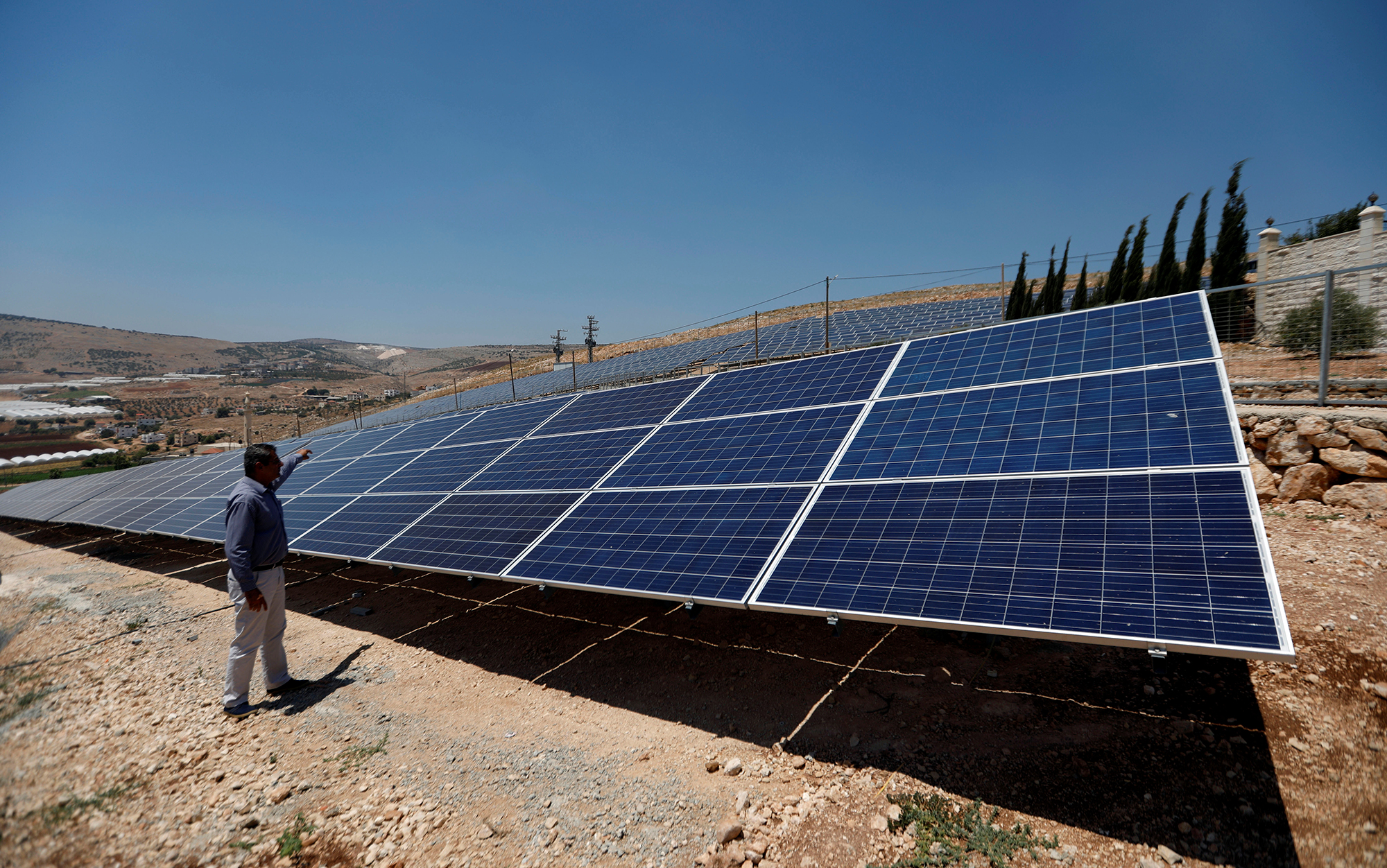
After an early analysis of the project revealed its viability, Israel and Jordan signed a memorandum of understanding (MOU) to proceed with a water-for-energy deal. Jordan is supposed to develop 600 megawatts of solar power generating capacity that would be transferred to Israel, according to the plan, which was first revealed a year ago. Israel would give Jordan 200 million cubic meters of desalinated water in exchange for Jordan’s water. The United Arab Emirates, which in 2020 became the first Gulf state to normalize relations with Israel and has been a partner in the project, held an event during the COP27 climate summit in Egypt where the MOU was signed. This will be the first time that the nations have worked together on such a project. The Middle East is particularly sensitive to climate change. Considered one of the largest energy projects between Jordan and Israel since the Wadi Araba Treaty was signed in 1994, the recently proposed “water-for-energy” agreement is a significant energy project between Jordan and Israel. Through this agreement, regional collaboration on environmental issues could be strengthened.

Although political institutions signed the pact, Ecopeace Middle East, an environmental NGO that operates in Palestine, Israel, and Jordan, is the organization that came up with the proposal. According to the director of Ecopeace Jordan, “in 2020, we produced the Green Blue Deal for the Middle East report which included exchanging renewable energy and desalinated sea water between Jordan, Israel and Palestine.” The parties have agreed to carry out feasibility studies related to the development of the solar power plant and the necessary infrastructure in Israel to desalinate water from the Mediterranean Sea and transport it to Jordan, as per the declaration of intent (DOI), which was finalized last year in Dubai. According to the director of Ecopeace Jordan, “Jordan has the potential to become a regional powerhouse for creating renewable energy, while Israel possesses an advanced desalination technology.” As climate change and population growth are likely to exacerbate water scarcity in the region, the likelihood of conflicts may also rise. “The main benefit of this project is that it enables the parties to meet their carbon reduction commitments and to secure extra quantities of water and renewable energy at relatively cheap prices.” The new proposed deal is supposed to capitalize on the natural resources of each country. According to UNICEF, Jordan’s agricultural output could be seriously hampered by reduced water availability, lower crop yields, and possibly crop failures. Although it only makes up about 5% of Jordan’s GDP, agriculture uses more than 50% of the country’s freshwater. The demand for water is rising as Jordan experiences rapid urbanization and an influx of immigrants and refugees. Water is a resource that spans across sectors and necessitates cooperation from different stakeholders. In this situation, the subsidy and tariff system, whose implementation should be gradual, can be proved helpful. In the meanwhile, it is crucial to encourage the adoption of water-efficient methods and technology, notably in agriculture sector.

Historically, war and unemployment drive more migration within MENA than water-related events such as drought. But in the region, political conflicts over water resources have a long history. These are more the outcome of a lack of collaboration over unequally distributed common resources than a true dearth of water in the area. Jordan, a downstream nation, depends substantially on collaboration with its upstream neighbors because it receives 40% of its water from trans-boundary basins. Effective cooperation over shared water resources remains difficult despite years of discussion. However, creative initiatives could pave the road for increased collaboration, such as the water-energy accord between Jordan and Israel. Jordan has yearly renewable water resource availability per person of fewer than 100 cubic meters, which is already far below the 500 cubic meters mark of “absolute water scarcity.” Without strong actions, the situation is likely to get worse as Jordan’s water resources are rapidly running out. If the “water for energy” deal between Israel and Jordan is successfully implemented, it may assist to alleviate some of the problems with water and energy security brought on by climate change in Middle East, as well as to promote the renewable energy sources, sustainable water supply and stability in the region.


Alliance for International Drought Resilience

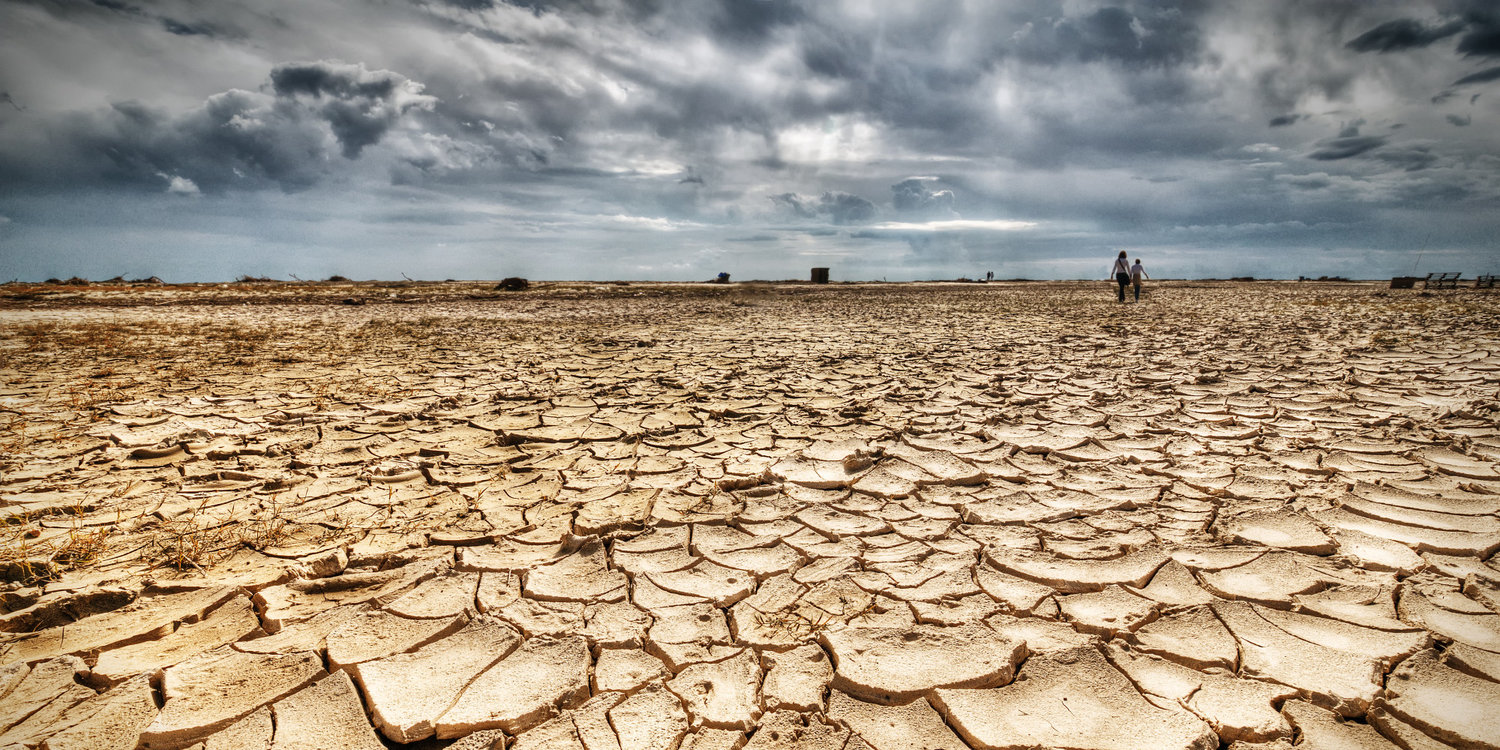
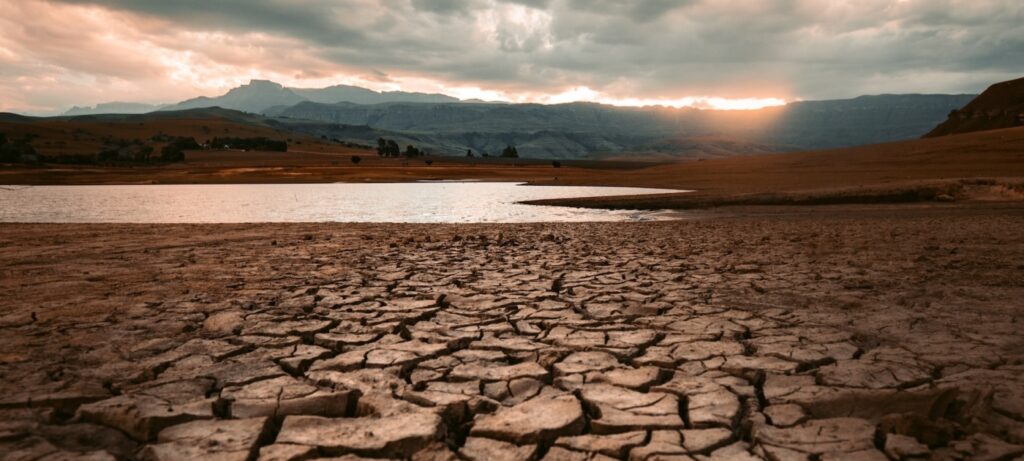
Almost every country is impacted by drought, including its implications on energy, food and water security as well as forced migration and resource based conflicts. In addition to the loss of life and human suffering between 1998 and 2017, drought resulted in economic losses of almost 124 billion US dollars. These extreme droughts have a big influence on human health, agriculture, energy, transportation, and tourism. The 2022 droughts in Europe, United States, Australia, Chile and southern Africa, showed that no country or region is immune to their impacts. While considering the drought situation, leaders from around the world agreed that there is need for an international platform for cooperation with the highest degree of political engagement, and a network to deal with the challenges associated to drought. It is projected by the Intergovernmental Panel on Climate Change (IPCC) droughts are expected to occur more frequently and last longer in the near future as a result of climate change. By 2050, according to the IPCC, three out of every four people on earth would be residing in drier, water-scarce environments. Worldwide, 2.7 billion people were affected by droughts between 1900 and 2019, and 11.7 million people died as a result. By 2050, up to 216 million people may be compelled to migrate, mostly as a result of drought combined with other issues like water scarcity, declining food production, sea-level rise and overpopulation.

Drought is a typical element of the climate, despite the perception that it occurs infrequently and without warning. Drought has a substantial impact on both developed and developing countries, while the effects vary greatly depending on the circumstances of each situation. In response to drought, Spain was the first country to announce the International Drought Resilience Alliance during the 77th UN General Assembly in September 2022, and it was decided to present formally in November 2022 at the 27th session of the Conference of Parties. For COP27, world leaders, delegates and policymakers gathered in Egypt. The International Drought Resilience Alliance (IDRA) was established on November 7, 2022 at the 27th COP to the United Nations Framework Convention on Climate Change (UNFCC) by Spain and Senegal led 30 countries and 20 organizations. The alliance is meant to serve as a forum for collaboration that will aid in igniting political action and momentum in support of countries, towns, and communities. By promoting effective and efficient preparation and adaptive measures, it attempts to go beyond disaster response to minimize the countries and the communities’ vulnerability to drought. According to the UN Convention to Combat Desertification’s executive secretary “Drought is a natural hazard but does not have to lead to human disaster. The solutions are available, and we can create a drought-resilient world by increasing our ambition, harnessing the political will, and joining forces to act together.” The Alliance will get benefit from the recent political pledges, such as the seed funding of 5 million euros made by Spain to support the alliance’s activities and launch a process to gather more resources for this objective. One of the alliance’s key objectives is to assist the integration of the regional initiatives so that technology can be transferred, innovations can be shared, and resources can be mobilized swiftly. The International Drought Resilience Alliance (IDRA) urges decision makers to give drought resilience the highest priority in national cooperation and development, particularly through strengthening participation of concerned stakeholders.

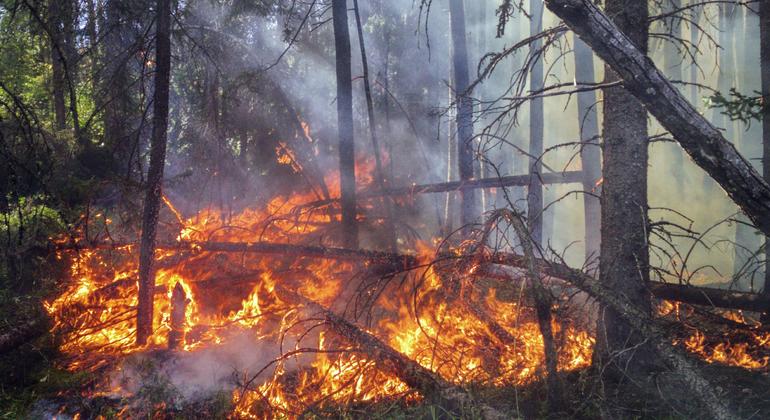
Drought

In order to control the risk of a drought and gain political support, effective policies and proper governance is of utmost importance. The role of policy makers is significant regarding this situation, they should consider drought risk assessments which can help to develop coping mechanisms and management strategies. There is a need of strong political commitment, community participation, and consideration of local realities and indigenous knowledge. The coordination of efforts, the dissemination of knowledge, the support for implementation of the projects and the facilitation of efficient and affordable practices are all key roles that the regional and international communities are required to play. All the countries should work to increase awareness of the drought and manage knowledge to lay the groundwork for a society that reduces the danger of drought and builds resilient communities. As a result of climate change, droughts are becoming a greater threat to societies. They have enormous impact on a significant population and a large territory. In addition to resulting in financial losses, droughts have the potential to damage ecosystems and jeopardize food security in countries that are most vulnerable. Additionally, in order to lessen the potential negative consequences of drought, it is essential to develop efficient drought mitigation and preparedness strategies and shift from policies to practices.


Revitalization of China-Pakistan Economic Corridor (CPEC)

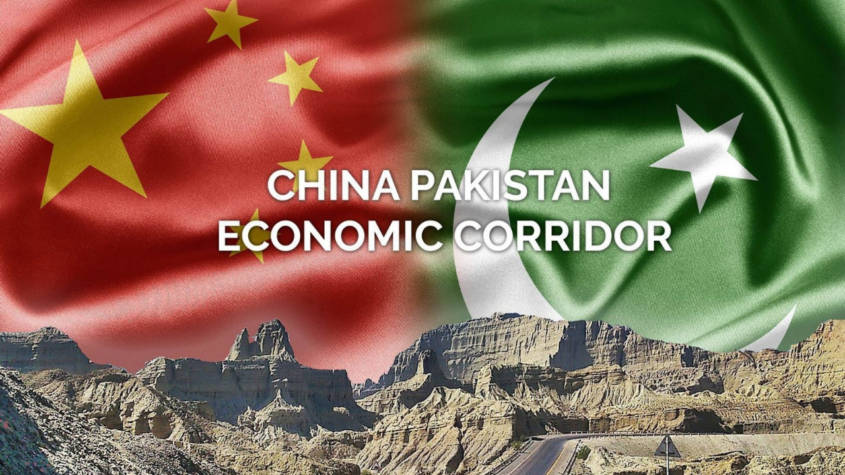
The Prime Minister of Pakistan, Shabaz Sharif visited china for two days 1st and 2nd November 2022, it is his first visit to China since taking office in April this year. But it is the second meeting with Chinese President Xi Jinping as both the leaders met earlier on the sidelines of the Shanghai Cooperation Organization (SCO) summit in Samarkand, Uzbekistan, last month. During the recent meeting the leadership of Pakistan and China reviewed their all-weather strategic alliance and discussed regional and global developments. Despite changes to the world politics, Beijing and Islamabad have always provided mutual understanding, trust, and support since the two nations’ diplomatic relations were established more than 70 years ago. China and Pakistan have advanced together in recent years in response to changes in the global arena. They have worked together to address issues brought on by Covid-19 and significant natural disasters, promoted cooperation within the China-Pakistan Economic Corridor (CPEC), enhanced interactions and collaboration at all levels as well as improved coordination in global and regional affairs.

Shehbaz Sharif, the Prime Minister of Pakistan, and Xi Jinping, the President of China reached an understanding to advance multilateral cooperation in a number of sectors, including the China-Pakistan Economic Corridor and strategic alliance. In a joint statement, both countries agreed to broaden and speed up CPEC. It is said in the statement “Recognizing that ML-1 is a project of key significance under the CPEC framework and of importance to Pakistan’s socio-economic development, the two sides agreed to build upon the leadership consensus and to advance the process of its earliest implementation. Additionally, they decided to make swift progress on the Karachi Circular Railway, which was crucial for Pakistan’s largest metropolis. The ML-1 cost has increased significantly from the initial $6.6 billion to $10 billion as a result of several delays that have affected it for a very long time. The visit was successful because three major projects worth nearly $12 billion were approved for inclusion in the multibillion-dollar China-Pakistan Economic Corridor (CPEC) in back-to-back meetings of various forums. The both sides also decided to look for options for enhancing bilateral trade volume. Additionally, a long-standing demand by Chinese investors for escrow accounts for the automatic payment of their dues against electricity supply was resolved. The historical alliance between China and Pakistan serves the interests of both nations. The Pakistani side emphasized that the connection between Pakistan and China is the foundation of its foreign strategy and also the Pakistani side reaffirmed its support for the One-China Policy. The Chinese side reaffirmed that its foreign policy will always place a high priority on relations with Pakistan.


Arab League Summit in Algeria

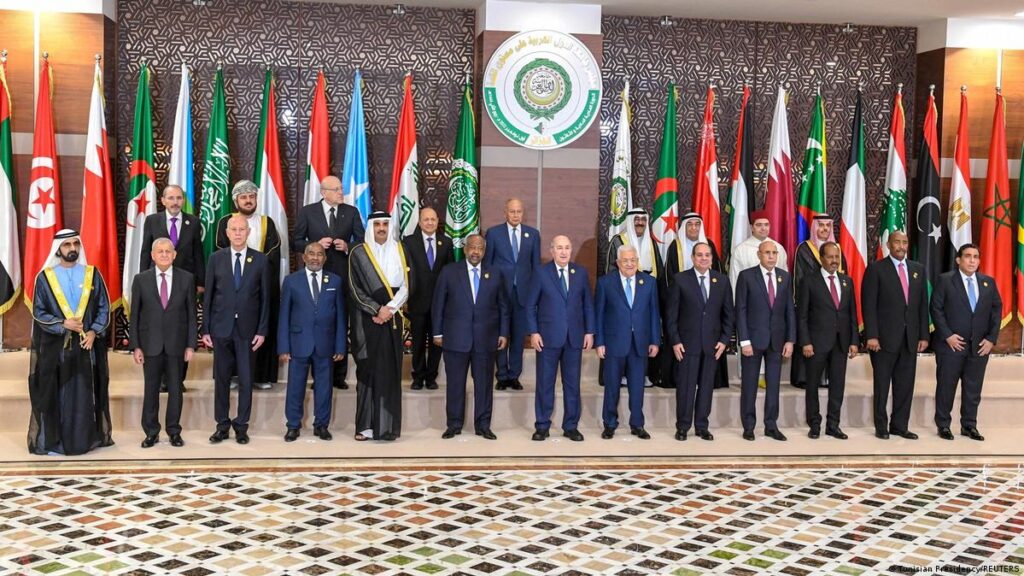
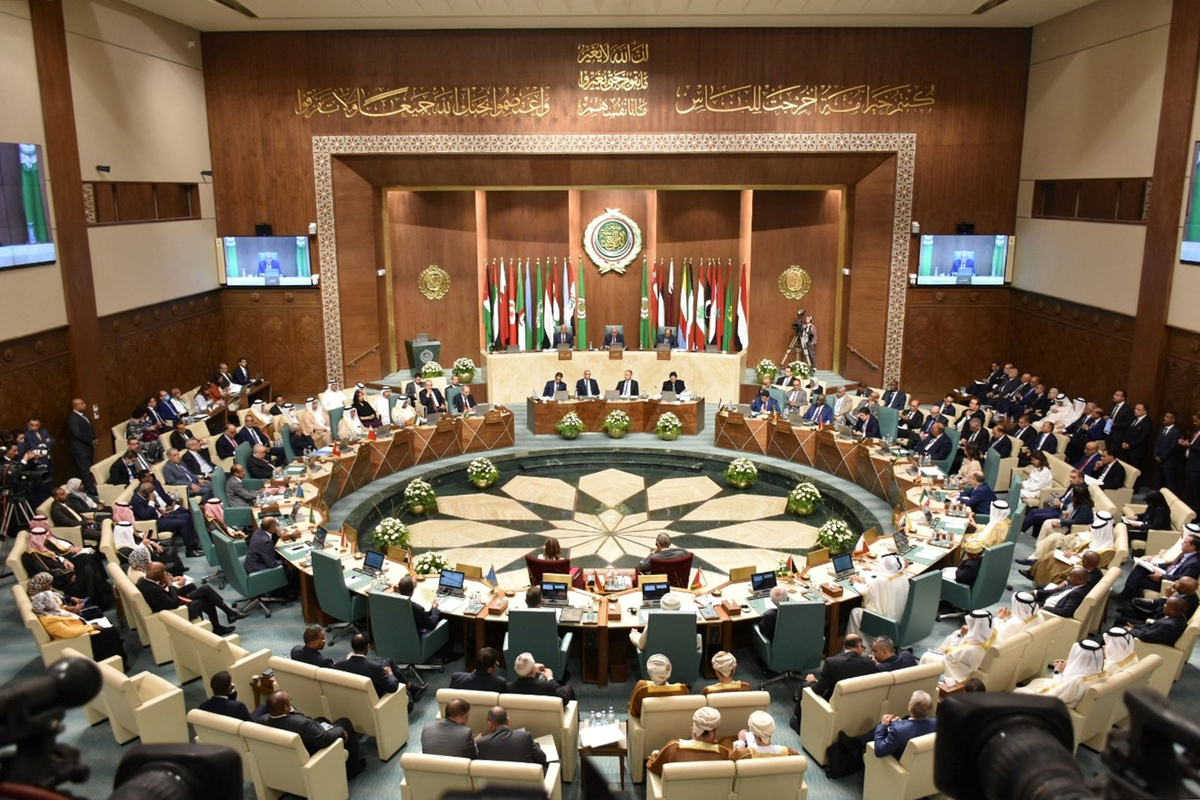
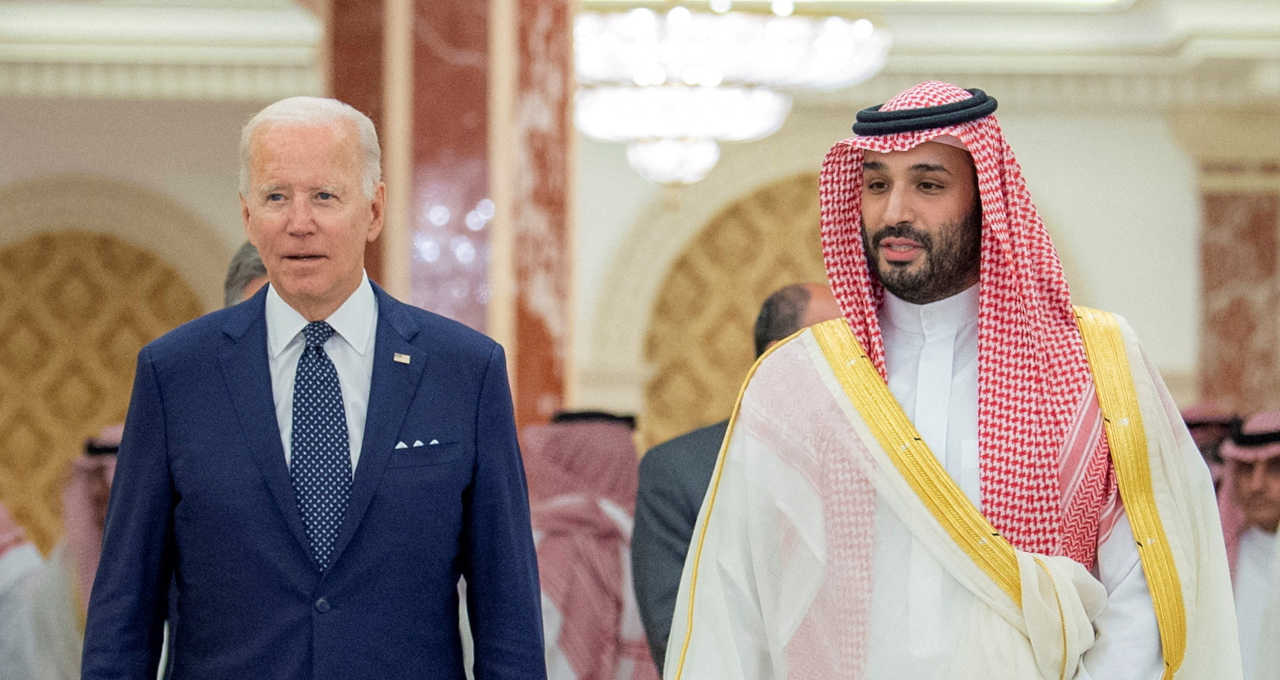
For their first summit since the region became divided over a series of normalization agreements with Israel, Arab leaders have gathered in the capital city of Algeria. Before the coronavirus pandemic began in 2019, the 22-member Arab League last met for a summit. The establishing of diplomatic relations between Israel and four Arab League nations including the United Arab Emirates, Bahrain, Morocco and Sudan, the effects of the conflict in Ukraine have significantly changed the regional agenda in the past years. In his opening remarks to the first Arab League summit in three years, Algeria’s president urged Arab unity in the face of rising “tensions and crises.” In his opening remarks, Abdelmadjid Tebboune stated, “Our main and first cause, the mother of all causes, the Palestinian issue, will be at the heart of our concerns and our main priority.” Additionally, the president of Algeria issued a warning that “extraordinary global conditions are fostering divisiveness, which is affecting our food security.”

Image Courtesy: GettyImages

The Arab League was established in 1945 with an objective to foster unity, has been harmed in recent years by widening divides. The leauge has remained committed to create Palestine as an independent state for many years, but its efforts have been hampered by factors such as Iran’s influence, the Syrian civil war, and certain members’ decisions to normalize relations with Israel. However, the Arab League summit two days came to a conclusion with a statement that reaffirmed the organization’s support for the establishment of a Palestinian state, protection of the holy sites of Jerusalem against Israel’s violations and denounced both Israel’s use of force and blockade of Gaza. Prince Faisal bin Farhan, the Foreign Minister of Saudi Arabia, urged calls for unity, “We must intensify coordination and consultation and reject our internal differences and prioritize our common interests.” He added, “We stress the importance of continuous coordination among our Arab countries to enhance our national and regional security and renew our total rejection and response to the approach of expansion and domination at the expense of others.


Egypt’s Initiative for Climate Change Monitoring in Africa

On November 3rd, 2022, at a conference on Egypt’s efforts to develop space capabilities was held where the Chairman of the concerned space committee, Dr. Muhandes Ahmed Faraj has said “Egypt will soon launch two new satellites, one of them is an African development satellite that will monitor climate changes in Africa, and the second is a plasma satellite that will monitor the climate properties in the upper layers of the atmosphere.” He added that the conference’s purpose was to “determine the role of satellites in monitoring climate changes and temperature differences, using specialized satellites with sensors capable of providing details of climate change in the coming years.” The first ever satellite specifically made to detect the climate change across Africa will be launched, as per the plan revealed by the Egyptian Syndicate of Engineers’ Space Committee in collaboration with China. The choice to launch this satellite coincides with the COP27 UN Climate Change Conference, which will start officially on November 6th, 2022. In order to better control the repercussions before they become too harmful, the satellite will monitor the effects of the climate crisis across the African continent including erosion, sea levels, and desertification. This is an important step in addressing climate issues, especially in the countries that are most vulnerable to the adverse effects of climate change. During the meeting, the head of the Egyptian Syndicate of Engineers’ Space Committee announced that a prototype of the satellite would be on exhibit during COP27 in order to disclose the plans and the objectives of the new project.

Prior to the announcement, the Egyptian Space Committee of the Syndicate of Engineers conducted a conference on October 22nd, 2022, to talk about the country’s efforts to build its space capabilities for combating climate change and assuring Egypt’s sustainable development. In order to provide an update on Egypt’s space and satellite development initiatives aimed at combating climate change and success stories from the country’s current space initiatives, the conference with the theme “Space Science and Technology for Climate Actions” brought together key personnel within the space science and technology space. The conference mentioned that Egypt will launch a second satellite in 2023 to measure the amount of plasma in the upper atmosphere using specialized sensors and high-quality thermal cameras. This satellite would also be sent to Mars to carry out a number of tasks, including measuring infrared and violet rays, figuring out how much water is present on Mars and determining whether life could possibly exist there. He continued by saying that one of the goals of the General Syndicate of Engineers’ Space Committee is to promote the field of space science and technology research in order to counteract the unfavorable weather conditions that are currently occurring and are expected in the future due to climate change.
One of the most important concerns facing us in the future decades is climate change. There is an urgent need for coordinated measures because the disastrous effects of climate change, including longer droughts, more frequent wildfires, loss of sea ice and an increase in the frequency, duration, and intensity of tropical storms, are being felt on a global scale. Cyclones that ravaged Malawi, Mozambique, and Zimbabwe in Southern Africa in March and April 2019 claimed hundreds of lives while hurting thousands more and uprooting tens of thousands of people. Over 1.9 million people across the region were impacted by the natural disaster, according to the UN Office for the Coordination of Humanitarian Affairs (OCHA). Climate Change is one of the biggest human and environmental crises of the twenty-first century being faced by Africans, their governments, and the African Union (AU). It has been stated that intense conflicts are a direct result of climate change, making it crucial to develop a thorough understanding of the phenomena throughout Africa.

The initiative taken by Egypt will help to monitor the effects of climate change that are being felt in the form of more climate variability, shifting rainfall patterns, higher temperatures and increasing sea levels, which are resulting in negative impacts on a large portion of the regional population. When the satellite will be launched it will assist gather information about Africa’s climate system. The satellite will contribute to the provision of precise measurements of the atmosphere and land temperature, so that necessary steps can be taken. According to a report, using satellites to monitor changes in water, land, construction, and vegetation can possibly transform economies and generate more than $2 billion in benefits annually for Africa alone. This satellite initiative can be proved as one of Africa’s most significant assets, that can help to address issues like food security, deforestation, water scarcity and other problems associated with climate catastrophe in the region.


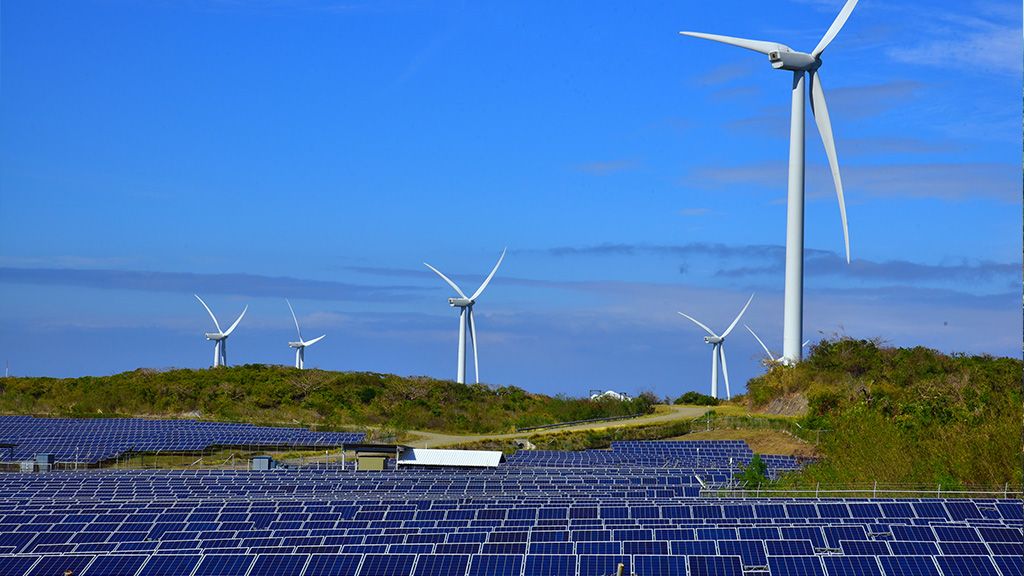
Clean Energy Partnership between UAE and the U.S

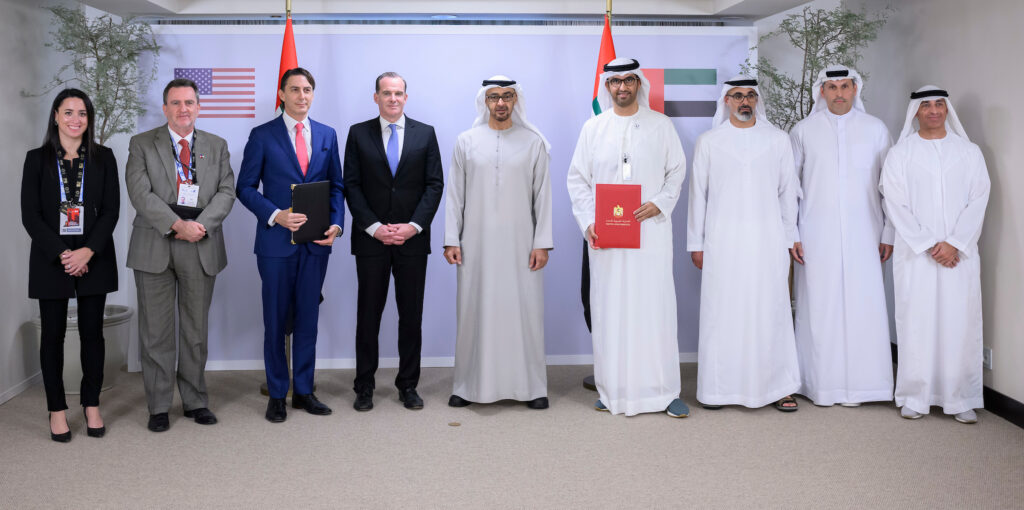
The United States and the United Arab Emirates (UAE) on November 1st, 2022 have signed a major agreement for energy transition in Abu Dhabi. Through the US-UAE Partnership for Accelerating Clean Energy (PACE), $100 billion financial support will be made available for clean energy projects in the UAE, the US and other countries across the world. This framework aims to produce 100 additional gigawatts of energy by 2035 globally. The UAE’s Minister of Industry and Advanced Technology said in a statement “In line with the vision of the wise leadership to unify and join efforts to enhance global energy security, we are pleased to conclude this agreement, which is an essential possibility to achieve this goal, advance climate action efforts, and provide sustainable energy supplies at reasonable prices in each of the UAE, the USA and around the globe.”

The United States and UAE will concentrate on scalable development and specifically on four areas including supply chains, clean energy innovation, carbon and methane management, decarbonization in industrial and transport sectors. The comprehensive Memorandum of Understanding (MoU) was signed by the President of the UAE and Amos Hochstein, the Special Presidential Coordinator for the United States. “The close and strategic alliance between the United States and the United Arab Emirates will now join forces to drive the global energy transition to a cleaner and more sustainable future,” said Amos Hochstein, the U.S. presidential coordinator, at the MoU ceremony. He added that the agreement is an evidence of the shared commitment of the two countries for addressing the climate change crisis urgently. The PACE will contribute to ensure a reliable and secure global energy system that would be able to sustainably and effectively power the planet Earth in coming years.

The United States and the United Arab Emirates also emphasized on closing the energy transition gap between developed and emerging economies. The press secretary for the White House stressed on the need of “robust commercial investment and other support for the emerging economies whose clean development is both underfunded and essential to the global climate effort”. The two countries want to achieve climate action goals by pursuing and encouraging investment in renewable energy in under developed countries. It is visible from the Partnership for Accelerating Clean Energy (PACE) that the United States and the United Arab Emirates are well aware of the need to reduce the disparity between developed and developing countries investments and importance of use of clean energy in order to reduce carbon emissions. They intend to work together to assist the countries through financial and technical help.

The PACE calls for the creation of energy systems that support sustainable development and the serious consideration of energy security, as well as medium and long-term integrated energy planning strategies, decarbonization goals as well as fundamental legislative and regulatory changes. It is also the appropriate time to move from fossil fuels to renewable energy in order to reduce carbon footprint for the sake of problems related to climate change. To enable the integration of renewable energy sources, promote connection and trade between worldwide power grids, and further reduce costs through economies of scale, steps should also be taken to build regional energy markets. Additionally, efforts should be made to create regional energy markets in order to facilitate the integration of renewable energy sources, promote connection and trade amongst global power grids, and making it affordable for all economies. To conclude, US-UAE clean energy partnership seems promising, but its implementation is importance in order to attain the intended objectives and goals.


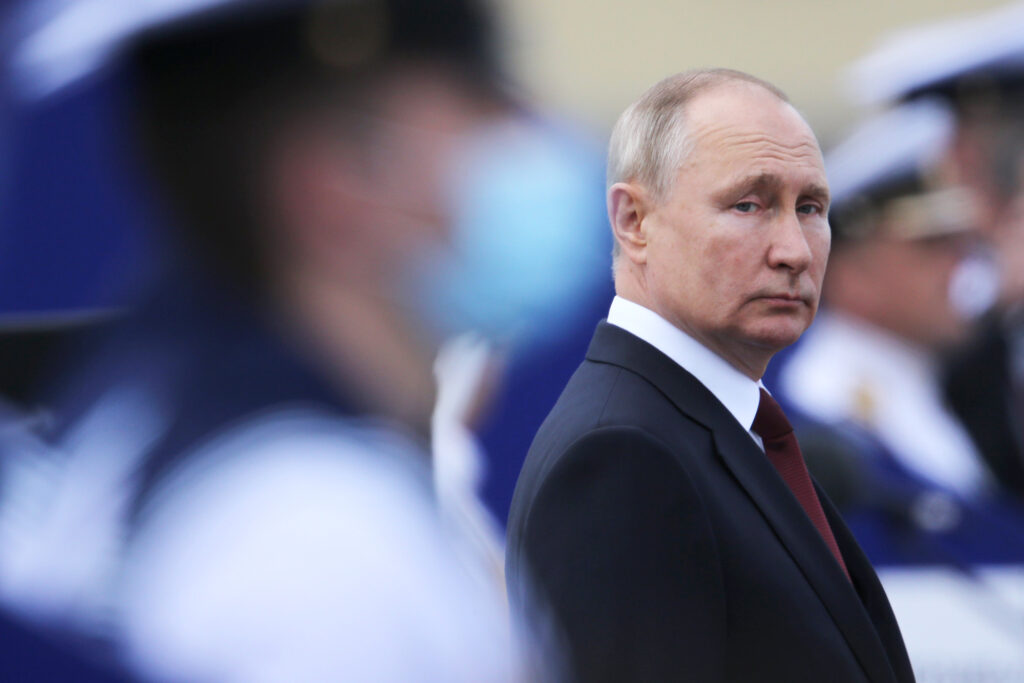
World Facing Dangerous Decade, Says Putin

The globe is in the midst of the most dangerous decade since World War II, according to President Vladimir Putin, as Western elites, American and its allies are fighting to for its power dominance over the world. In one of the recent speeches since sending soldiers into Ukraine, Putin indicated he had no regrets about what he termed “a special operation” and accused the West of inciting the conflict. Russia has strongly opposed to Ukraine joining NATO and the North Atlantic Treaty Organization’s (NATO) policy of expansion to the east. The Russian President said that the next decade is likely to be the most hazardous, unexpected, and significant decade since the end of WWII, he added that “we are standing at a historical frontier.” According to Vladimir Lenin, a Russian revolutionary and politician, “There are decades where nothing happens, and there are weeks where decades happen.” One such decade is currently taking place in the world as a rapid breakdown in global order is being seen, similar to historical times. But considering the magnitude of recent problems when compared to the historical problems, the deterioration poses a major threat than ever before. It is because, the globe is currently witnessing a resurgence of the elements of conventional geopolitics, including rivalry between major powers, imperial ambitions, and conflict over resources.

Due to the fact that they do not have anything to exchange that could enable peace negotiations to end the war, Russia and Ukraine have left little space in present policy discussions for the consideration of a peace process. Ukrainian and Russian forces have been preparing for what may be one of the most important confrontations, since the largest confrontation with the West during the 1962 Cuban Missile Crisis, when the Soviet Union and the United States came the closest to nuclear war. Putin and other officials have regularly threatened to use nuclear weapons to defend Russia’s claimed annexation of areas of Ukraine.

Whereas, the West and the United States has also made it clear that there will be no hindrance in using power against Russia in case of any escalation. The world cannot afford nuclear collision by any state, the United States should keep its involvement in the crisis to minimum in order to prevent further escalation. The international community needs to make efforts to expand and broaden the scope of peace process. To end the conflict in Ukraine before it worsens, all the stakeholders should be involved in the talks including NATO, Europe, and the United States, in addition to Russia and Ukraine so that everyone can put their grievances on the front including sanctions imposed on Russia, global economic recession and Europe’s energy crisis in order to negotiate and find solutions to prevent future conflicts.


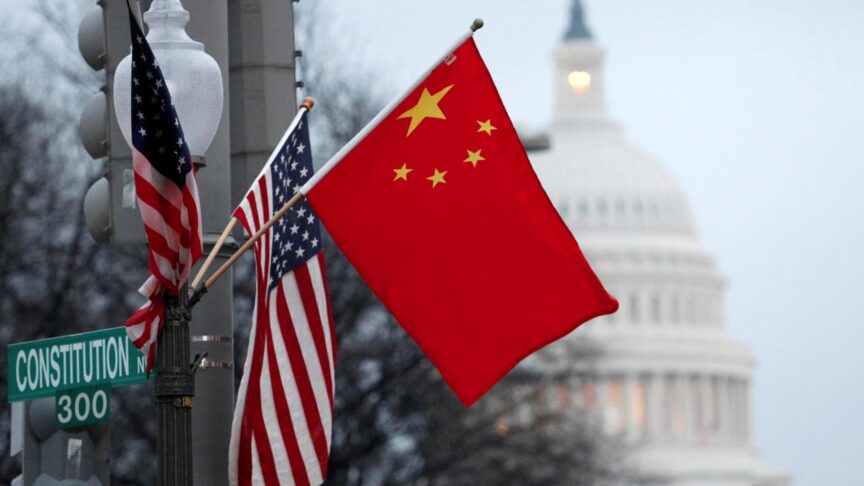
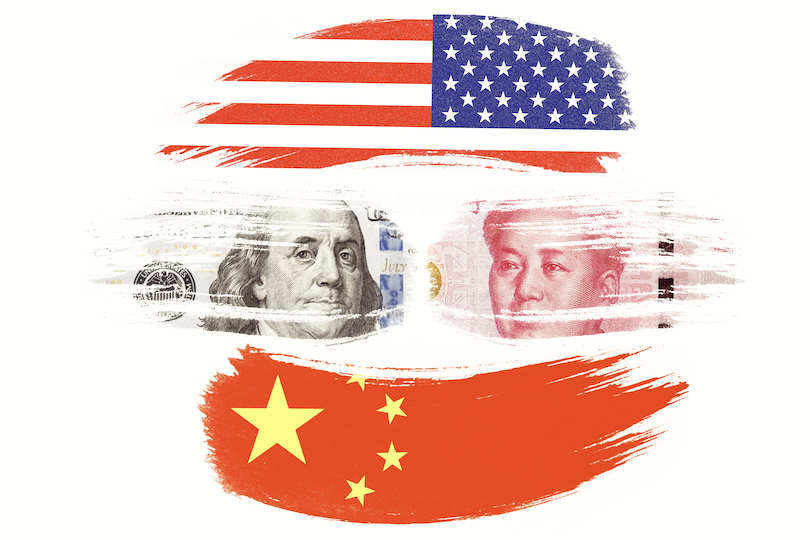
China-U.S. Relations In The Wake Of U.S. National Defense Strategy 2022

The Pentagon finally unveiled its anticipated 2022 National Defense Strategy (NDS) along with the Nuclear Posture Review (NPR) and Missile Defense Review (MDR) on October 27, 2022. According to the Pentagon’s announced National Defense Strategy, China continues to pose the biggest threat to American national security interests while Russia continues to pose an “acute” threat as a result of the war in Ukraine. Currently, the People’s Republic of China (PRC) is the United States “most relevant strategic competitor for the future decades,” according to the National Defense Strategy. The NDS report is prepared every four years, to identify threats to the U.S. so that the Department of Defense has a long-term direction regarding the challenges. Four top-level defense priorities are made in the 2022 National Defense Strategy for the United States to pursue in order to improve deterrence including, deterring strategic attacks against the United States, Allies, and partners. Secondly, Washington will defend the homeland in view of growing multi-domain threat posed by the People’s Republic of China (PRC). Thirdly, deterring aggression while being ready to win out in conflict when necessary, prioritizing the PRC challenge in the Indo-Pacific region over the Russian challenge in Europe. Lastly, the U.S. will build a resilient Joint Force and defense ecosystem.

The NDS assessment came out two weeks after the White House published a National Security Strategy of a similar nature that also characterized China as “the only competitor with both the intent to reshape the international order and, increasingly, the economic, diplomatic, military, and technological power to do it.” Beijing criticized the U.S. strategy for relations with China in response to the National Security Strategy released earlier, urging Washington to embrace “win-win collaboration.” It is being said that hard talk on China may result in a strong response from Beijing and will have practical repercussions. In past years, both the countries have adopted the policies to counter each other’s influence in the world politics. The relations between Beijing and Washington have deteriorated recently due to a number of causes of contention, such as trade disputes, Taiwan’s legal status, territorial disputes in the South China Sea, and the US ongoing concerns against China’s expanding influence in the Indo-Pacific. Most recently, the export restrictions on Chinese tech firms by Washington, Beijing’s did not denounce Russia’s conflict in Ukraine, and military tensions in the Taiwan as a result of Nancy Pelosi’s visit to Taipei are some other factors that have contributed in strained ties. The Biden administration views China as the “most consequential geopolitical challenge”. The power competition between the two super will define the international order in coming decade. Despite Russia’s involvement in the Ukraine conflict, China poses the biggest security threat to the U.S., how the United States will respond to the situation in the future will depend on the nature of threat.
On the other hand, in his first statement to the United States following the historic election of his third term as the leader of China, Chinese President Xi Jinping stated that China is prepared to find the “right way” to cooperate with the U.S. and that he wants to see bilateral relations resume “sound and steady development.” In his statement, Xi expressed his hope that “the National Committee and all those who care about and support China-US relations will continue to play an active role and assist restore the bilateral relations back to the course of sound and steady growth.” According to Biden, both the nations have a crucial role to play in resolving the challenges of the twenty-first century. He said “These challenges know no boundaries and will require the broader international community to come together and for each of us to do our part in building a safe, peaceful and resilient future.” This statement coming from Biden is a good move that needs to be followed. Therefore, both the presidents of the United States and China should understand the significance of communication, improving relations and collaboration between the two nations which will allow coordination on shared challenges. Also, the two countries should consider the severity and seriousness of the Ukraine war and play their part in order to protect humanity and the world from nuclear collision. By doing so, the two countries will bring stability and decrease the current state of chaos in the world which has resulted in numerous fatalities, economic crisis, instability, and the disturbance of international peace.


The Earth Is Moving Towards Climate Catastrophe

The 13th edition of the annual Emissions Gap report was published by the UN Environment Program (UNEP) titled as “The Closing Window: Climate crisis calls for rapid transformation of societies” suggesting that present commitments made by the countries to curb the rise of the global temperature are “woefully inadequate”. On October 27, 2022, the UN Environment Program (UNEP) report revealed that the international community is still falling behind the Paris Agreement targets, as there is no credible roadmap to limit global warming to 1.5°C, the worsening climate impacts throughout the globe is urging the countries that efforts should be made in order to decline greenhouse gas emissions swiftly. It is highlighted in the report that enough progress has not been accomplished despite the decision by all nations to strengthen Nationally Determined Contributions (NDCs) at the 2021 climate summit in Glasgow, UK (COP26). In advance of the COP27 session, the next international climate summit in November will be held in Egypt. Prior to the summit, the UNEP issued its report which has given the statistics on how far the globe is from fulfilling its emissions targets. The Director of UNEP said in a statement “We are sliding from climate crisis to climate disaster. This report is sending us a very, very clear message. If we are serious about climate change, we need to kick start a system-wide transformation now. We need a root and branch redesign of the electricity sector, of the transport sector, of the building sector, and food systems.”

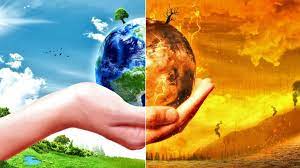
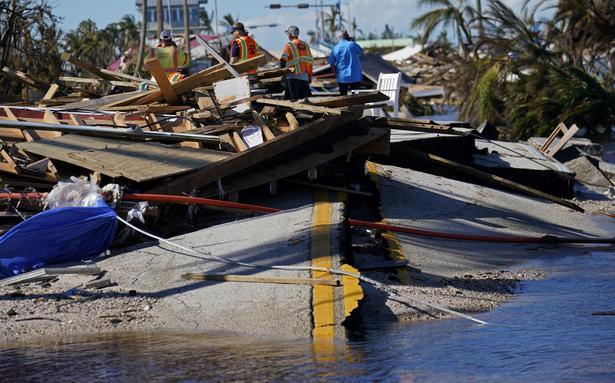
The greatest existential threat to our world is climate change. The effects of rising global temperatures will have catastrophic effects on all species living on planet Earth if the measures are not taken to restrict the greenhouse gas emissions caused by the combustion of fossil fuels. Due to the large increase in global temperature, changes in weather patterns have been noticed in the form of extreme weather events like droughts, hurricanes and floods which were not only more intense but also more unpredictable than ever before. This year has seen the worst extreme weather occurrences on record, a third of the country drowned due to massive floods in Pakistan, the warmest summer was witnessed in Europe in 500 years. The Philippines suffered greatly, Cuba went completely dark because of the disruptions caused by a hurricane. Hurricane Ian has brutally affected the United States, it is reminder for all the developed countries that the climate crisis affects everyone despite of the size of an economy. It is alarming that the United Nations has warned that the world is on the verge of a “climate catastrophe”, as the UNEP report showed how countries are far behind schedule in reducing global warming emissions. China is currently the world’s largest emitter of greenhouse gases, producing about three times more than the United States, which is in second place, and more than four times as much as India and the European Union. Despite having the largest population and per capita greenhouse gas emissions that are around 40% bigger than those of Europe and four times larger than India, China’s emissions are still roughly a third lower than those of the United States. It is good to see that world leaders are talking about climate change and considering different options to deal with the issue in order to avoid the worst consequences.

The newly clinched deal between Lebanon and Israel has been applauded by the UN Security Council and the member states. In a press statement issued in a response to the agreement between Lebanon and Israel the members appreciated each side for ending the long running dispute of maritime boundary. The UN Security Council said “the deal is a major step, which would contribute to the stability, security, and prosperity of the region. The agreement will benefit both the countries and their people and will allow them to benefit equitably from energy resources in the eastern Mediterranean.” Meanwhile, the President of the United States, Joe Biden hailed the agreement and congratulated heads of Lebanon and Israel separately.