The U.S. “confident” in Pakistan’s Ability to Protect Nuclear Arsenal
Introduction

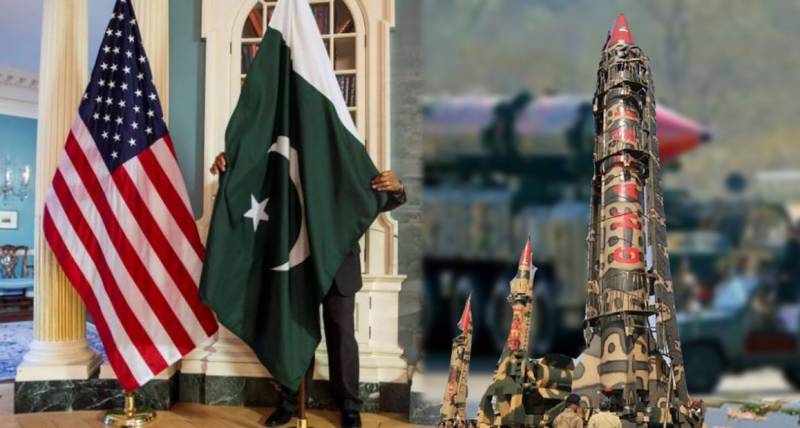
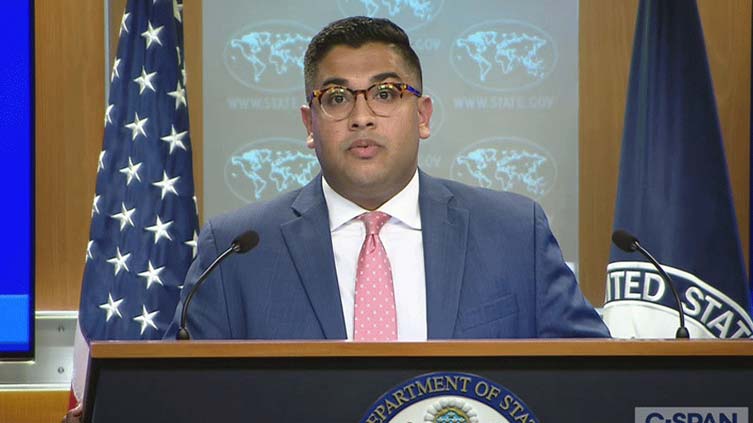
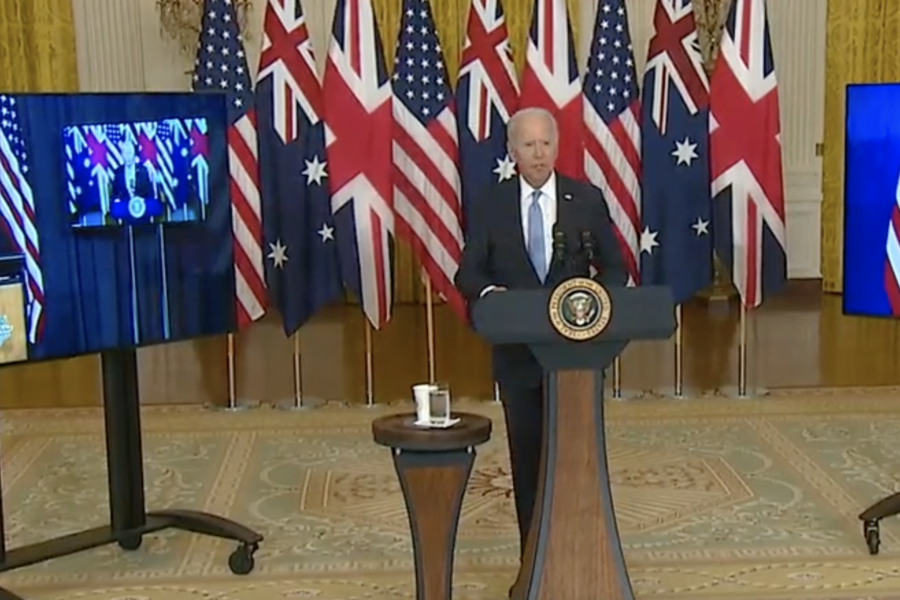
While addressing the Democratic Congressional Campaign Committee on 13th October 2022, Joe Biden, the President of the United States, gave remarks that Pakistan may be “one of the most dangerous countries in the world” as the country has “nuclear weapons without any cohesion.” This episode highlighted when the White House released the transcript on 15th October. The President Joe Biden’s statement prompted Pakistan to summon the United States’ ambassador for Biden’s unnecessary remarks. President Biden’s statement triggered concerns and response from the Government officials and all other political parties. Following this, the States Department spokesperson, Vedant stated “United States has always seen Pakistan as a secure and prosperous country as important to US interests. The U.S. feels confident in Pakistan’s commitment and ability to protect its nuclear assets.” He added that Washington looks forward to work closely with Pakistan to counter both global and regional terrorism.
Pakistan’s Reaction to Joe Biden’s Statement

In reaction to Biden’s comments, Pakistan’s Prime Minister Shehbaz Sharif tweeted that Pakistan was a “responsible nuclear state” and that it took safety procedures “with the utmost seriousness”. Additionally, Pakistan’s Foreign Minister, Bilawal Bhutto Zardari said “We are completely capable of safeguarding our nuclear weapons, and they meet every international standard in accordance with the IAEA (International Atomic Energy Agency) as far as security and safety are concerned.” During a Corps Commander’s Conference on 18th October 2022, the military leadership expressed great confidence in Pakistan’s nuclear command and control system and security procedures for protecting the nation’s strategic assets. It is also added, “As a responsible nuclear weapon state, Pakistan has taken all essential efforts to reinforce its nuclear security regime, at line with international best practices.” On 19th October 2022, at UNGA debate on weapon of mass destruction, the ambassador for Pakistan assured the world that country had a reliable command and control system and that its nuclear weapons are perfectly secure. Pakistan, however, issued a warning to the world, saying that “nuclear hazards are increasing and the prospects of a nuclear war are once again within the realm of possibility.”
Conclusion

In past years, China has remained the prominent regional ally of Pakistan having mutual cooperation on multiple themes including defense and economic cooperation, which was a major concern for Washington. But in last few months, senior officials from Pakistan and the United States have gradually increased their communication and official visits, which were being contemplated as an improvement towards bilateral ties between Pakistan and the United States. Pakistan was not mentioned by the U.S. in its new “National Security Strategy 2022,” it implies that Pakistan is not in the United States security calculations. Additionally, the military establishment and foreign policy circles in Pakistan have legitimate concerns about the recent remark made by President Joe Biden against Pakistan. Therefore, a strategy should be formulated that can help the U.S. and Pakistan to fulfill their distinctive wide-ranging interests in different areas, considering the geopolitical environment which is rapidly evolving.




The Historic Lebanon-Israel Maritime Border Agreement

Introduction

The long-disputed issue between Lebanon and Israel over the maritime border and gas fields has finally reached a landmark decision. It has been decided by both Governments to make a permanent maritime border as well as uplift the production of natural gas in the Mediterranean.
After years of stalled negotiations, the deal has been brokered by the United States Department of State’s energy envy. This is being considered as a diplomatic achievement, the Prime Minister of Israel, Yair Lapid called it a “historic agreement” as the two nations was in a state of disagreement since 1948. The Israeli Prime Minister emphasized the importance of the new accord which will not only aid the economy but will also help strengthen Israel’s security and bring stability for the northern border. On the other hand, the office of Lebanese President, Michel Aoun issued a statement that the newest agreement “satisfies Lebanon, meets its demands, and preserves its rights to its natural resources.” It means that it will become a key source of income for the country’s crippled economy.

Flashback

The territorial dispute among Lebanon and Israel have seen many highs and lows, the conflict flared up badly in 2010, when massive deposits of gas found near the Israel’s northern border. The two sides claimed the 330 square miles region covering the Qana and Karish gas fields and submitted the proposals of border claims to the United Nations in 2011. The United Nations started the round of negotiations for the division maritime border in 2020, later on it turned into a stalemate. But when the gas extraction process started in Karish field by Israel in 2017, the situation worsened as the treat of military escalation emerged significantly and gas field talks reached a knife-edge in July 2022. The recent talks of October 2022 and the finalized deal, sponsored by the United Nations and mediated by the U.S., represent a rare compromise between the rival neighbors. Lebanon and Israel has reiterated the groundbreaking agreement is made not for the normalization of ties but only for paving the way for offshore oil production that could help the economy of each country which means that Lebanon and Israel is still technically at war.

Reaction to the Maritime Border Agreement

The newly clinched deal between Lebanon and Israel has been applauded by the UN Security Council and the member states. In a press statement issued in a response to the agreement between Lebanon and Israel the members appreciated each side for ending the long running dispute of maritime boundary. The UN Security Council said “the deal is a major step, which would contribute to the stability, security, and prosperity of the region. The agreement will benefit both the countries and their people and will allow them to benefit equitably from energy resources in the eastern Mediterranean.” Meanwhile, the President of the United States, Joe Biden hailed the agreement and congratulated heads of Lebanon and Israel separately.

Analysis

The role of the United States remained prominent in an agreement between Lebanon-Israel for demarcating a disputed border in the Mediterranean that has massive deposits of oil and natural gas. Recently, the west is struggling due to limited gas flows and sky-rocketing gas prices because of crunched global supply as a result Russia-Ukraine war. This has forced Europe to look for alternatives to Russian oil and gas as it has remained heavily dependent on the Russian energy sector. Europe is facing the worst “Energy Crisis” ever, as Russia has cut the gas supply because of the sanctions imposed by EU and the United States. Later on, the crisis was exacerbated as a consequence of Europe’s main source of Russian gas i.e. Nord Stream leaks which completely halted the gas supply.
Following previous failed attempts, US mediation efforts are being considered to help Israel and Lebanon reach a maritime agreement. Israel is an important ally of Washington, the maritime border agreement is mutually beneficial for both stakeholders. It is because the greatest supply cut since the COVID-19 pandemic was announced by the oil cartel OPEC+, which is led by Saudi Arabia and Russia. The reduction in oil production increased the pressure on Biden administration. According to Israel, it would start extracting gas and oil from its Karish field at earliest possible and export it to Europe within a few weeks. Therefore, the United States and Israel’s western allies appreciated the development, even though the reservoirs of Karish field are relatively minor in terms of global oil production but it will support EU energy needs. Parallel to the agreement, it is reported that Israeli President Lapid was successful in attaining number of economic and security guarantees from the United States. The prospects of the agreement in terms of regional stability have to be seen yet as security threats are not eliminated completely.


The Global Economy Is On The Brink Of Recession

The one week (10th Oct-16th Oct 2022) “Annual Meetings” of the International Monetary Fund (IMF) and the World Bank held in Washington DC amid the multiple crises and challenges due to the Ukraine war. In a meeting on 11th Oct, 2022, IMF highlighted the Global Economic Outlook and warned that “the worst is yet to come” for global economy. According to the International Monetary Fund, growth will be 3.2% this year and 2.9% in the next. It is predicted that more than a third of the global economy will shrink in 2023 as the world is already suffering from the highest inflation in decades, by 2026 the economic growth will be lower by $ 4 trillion. According to the IMF managing director, the world’s economy has been transitioning from a setting with low-interest rates and low inflation to one that is “more volatile and more fragile.” At the meeting World Bank, the International Monetary Fund and other leading economists identified a number of causes for the global economic downturn. They emphasized that the likelihood of a recession has been increased by the war in Ukraine, the COVID-19 pandemic, strong dollar, inflation, China’s slow growth and climate change.

The IMF has projected that most of the problems will rise in the financial system’s that have more fragile markets, such as in developing countries. But it is also concerning that less secure lenders like the major Western banks and financial services could also experience a crisis. The IMF report is the most recent distinctive alert that the global financial system is not only having the risk of recession but also of a financial meltdown. To combat inflation and the growing demands for greater wages, almost all the central banks around the world are increasing interest rates at serious levels. Many central banks throughout the world are tightening monetary policy, similar to how the Federal Reserve raised interest rates in the United States. Although the tightening of monetary policy is not a mistake, but was done too late that is causing greater economic harm than the benefit. The United Nations Conference on Trade and Development (UNCTAD) urged the central banks to make decisions in order to prevent a global recession, warning that financial tightening ran the risk of sending the world into a prolonged period of stagnation. The IMF predicts that despite concerted efforts by central banks to bring it under control, global inflation will peak late this year and “stay elevated for longer than previously predicted.”

The inflation and recession needs wide ranging demand and supply side policies, policymakers should consider the measures that can help to follow a path during the challenging times. Monetary policy must be constantly applied to the demand side in order to quickly restore price stability. Medium-term debt sustainability must be given top priority in fiscal policy, along with providing special assistance to the most vulnerable ones. Policymakers must be prepared to handle any potential repercussions of the simultaneous worldwide removal of growth-promoting policies. On the supply side, steps must be put in place to loosen the restrictions on trade networks, energy markets and labor markets.

Since the beginning of the year, there has been discussion about the risk of a worldwide recession due to a sharp decline in growth forecasts, rising prices, and tightening financial conditions. Inflation is lowering living standards around the globe and Europe in particular. The world is struggling price increases that are mostly due to the catastrophic shocks of COVID-19, followed by the trade disruptions brought on by Russia’s invasion of Ukraine. Food and energy security have gotten worse due to the disruptions in global supply chains and people are now experiencing food and energy insecurity. This has brought an urgent need for countries to move swiftly in order to fix their problems, safeguard their economies and take advantage of their ability for recovery. To support economic growth while reforming economies to manage risks and become more resilient, sustainable, diversified and inclusive, it requires innovative governance that accelerates structural reforms. Through public and private investments in the economy, climate change, technology and social infrastructure, Governments of respective countries should put their attention on reducing global supply shortages. These investments will keep the macroeconomic environment stable while increasing employment and increased productivity. All the countries should consider the urgency of the situation from which global economy is passing and make serious and extensive efforts that can help to avert the global recession.


A Joint Maritime Security Center by Maritime Neighbors

Introduction

The Iranian Navy Commander Rear Admiral Shahram Irani, while addressing a ceremony held on the occasion of World Maritime Day, revealed a plan to build a joint maritime security center in collaboration with Oman and Pakistan. At this event, the commander also discussed about Iran’s efforts to maintain security in international waterways, he said that five combat flotillas of the Iranian Navy are presently conducting security missions in the Indian Ocean at the same time which depicts the progress of Iran’s naval industry.

Naval Exercises

In recent years, Iran has held several joint naval exercises with the naval forces of both the maritime neighbors i.e. Pakistan and Oman. Last year, a combined naval exercise was organized in Persian Gulf and Sea of Oman by Iran and Pakistan. The spokesperson of the joint exercise said “the major goal of the exercise was to highlight the naval power and synergy as well as to build constructive and dynamic interaction for lasting peace and security in the region, improving combat capability and exchanging information between the naval forces of Pakistan and Iran”. Oman and Pakistan also made efforts for bilateral maritime security cooperation to promote naval cooperation. Since 1990, naval exercises are being conducted regularly between the Pakistan Navy and the Royal Navy of Oman. In the year 2021, the two countries took part in the naval exercise which included participation of surface and air units, besides Special Operations Forces from both navies with an aim to eradicate illegal sea activities.

Significance of Indian Ocean and Joint Maritime Security Center

The Indian Ocean will be the center’s primary focus, additionally, the communication between all the maritime security centers at global level will be conducted by the joint maritime security center of Iran, Oman, and Pakistan, according to the commander of Iranian Navy. The Indian Ocean region is heavily rich in natural resources with almost 16.8% of the world’s oil reserves and 27.9% of natural gas reserves. Meanwhile, the region is significant because of its sea routes that connect Middle East, Africa and East Asia with Europe and America by promoting maritime trade, carrying sea-borne oil and hosting top 23 container ports of the world.
This joint partnership is a great initiative between Pakistan, Iran and Oman for joint maritime security center as it will help to preserve and maintain the maritime order of Indian Ocean. In addition, it will assist the three countries to consider the options and opportunities that will increase the connectivity of these states with each other, within the region, and to strengthen ties with external partners through maritime trade individually and collectively. Furthermore, despite the complex problems related to the domain of maritime security, the challenges will be addressed efficiently by working together.


Tensions Escalated Again between North Korea and Japan

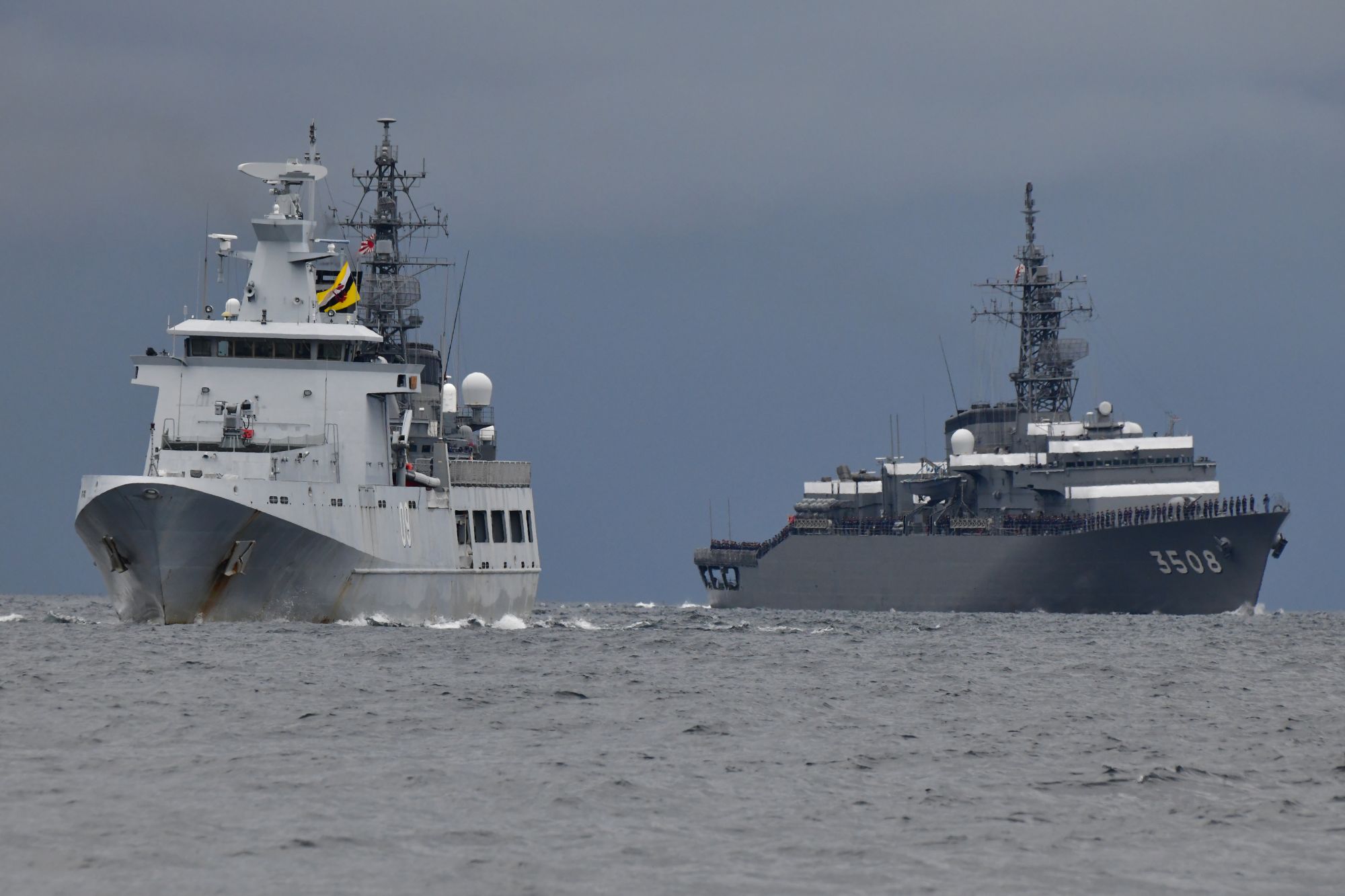
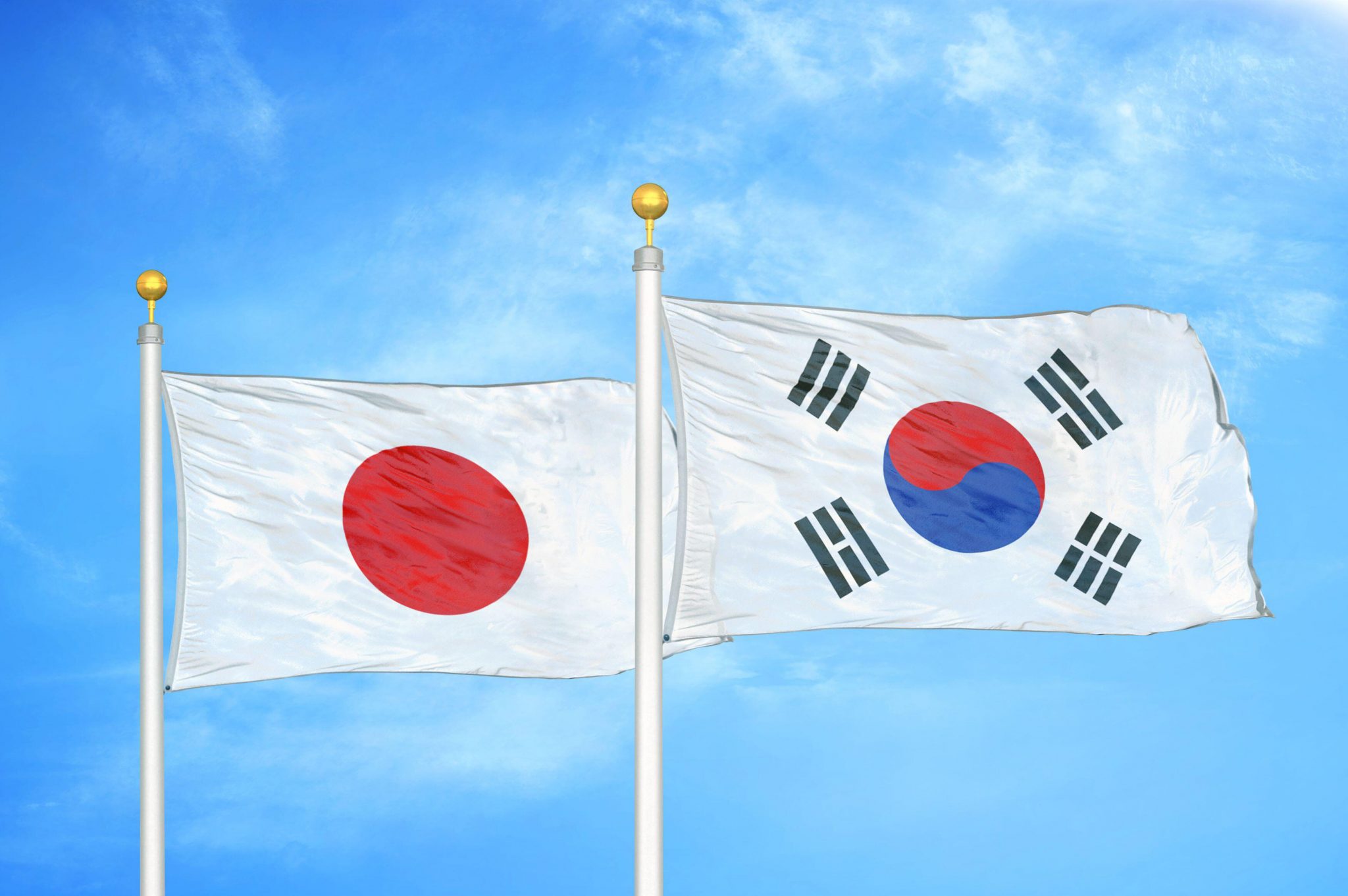
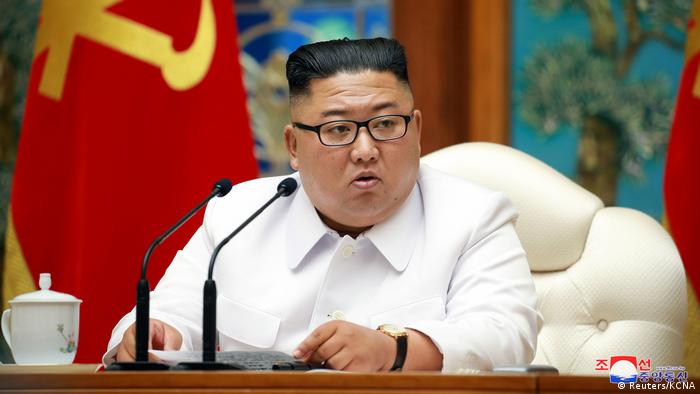
From the beginning of the month of October 2022, North Korea has fired multiple ballistic missiles of different ranges over Japan from Pyongyang area, as per South Korean and Japanese officials. The most recent, first launch since 2017, came at a time when trilateral anti-submarine exercises staged by the fleets of South Korea, the US, and Japan for the first time in five years. In the meantime, it was noted that missile launches occurred both before and after US Vice President Kamala Harris’ visit to South Korea, during which she emphasized the United States “ironclad” commitment to the security of its Asian allies. According to the United States, National Security Advisor and Secretary of State Antony Blinken spoke with their counterparts in South Korea and Japan, and that country strongly denounced the “dangerous and reckless” decision to fire a missile over Japan. Blinken reaffirmed the United States’ commitment to Seoul and Tokyo in terms of defense.

North Korea is prohibited by the UN Security Council from conducting nuclear tests and launching ballistic missiles. Even still, North Korea has tested more weapons than ever this year, and analysts believe that the rise in nuclear activity is a result of the country’s desire to develop its ballistic weapons capability in a time when the world is preoccupied with the Ukraine conflict and other issues. After the firing of ballistic missile, the vice Minister of Defense for Japan stated that North Korea’s ongoing provocations are “persistently escalating.” In addition, the chief Cabinet secretary, Hirokazu Matsuno, said in a statement while briefing a news conference “North Korea’s series of actions, including its repeated ballistic missile launches, threaten the peace and security of Japan, the region and the international community and poses a serious challenge to the entire international community, including Japan,”

The President of countries Japan and South called an emergency meeting of their National Security Councils (NSC) in order to deal with the ongoing situation. The respective NSCs clarified that none of the provocations are acceptable in any case and will be dealt with strictly through deterrence measures and by imposing tightened sanctions. In response, eight US and South Korean jets practiced hitting a target in the Yellow Sea in reaction to the missile. In what it described as a show of precision strike capability against the source of North Korean provocations, the South Korean military deployed four F-15K fighter aircraft and launched two guided bombs on a target off its west coast. The US also sent four F-16 fighter jets to the exercises. It is a serious situation which is not only destructive but also inhumane. Therefore, all the stakeholders should recognize the sensitivity of the situation in order to prevent the catastrophic devastation to the globe by adopting the path of dialogue, committing serious and prolonged diplomacy and by avoiding nuclear activities at all levels for the sake of people, global peace and security.


The Future of Food Security in Middle East

Before COVID-19, UN agencies predicted that more than 55 million of the 456.7 million people living in MENA countries were undernourished. Food insecurity is still prevalent due to the pandemic, extended conflict, and other circumstances. In contrast to its 6% share of the world’s population, MENA had a 20% percentage of those who were severely food insecure in 2020. The ongoing conflict in Ukraine has made the situation worse now. While approving a new food shock borrowing window for vulnerable nations, managing director of the International Monetary Fund (IMF), Kristalina Georgieva, stated in Riyadh that more than 141 million people in the Arab world are at risk of food insecurity. As a result of Russia’s invasion of Ukraine, she continued, crop supplies are being choked off in 48 nations around the world, which has made them particularly vulnerable to the food crisis.

In September 2022, the secretary general of the League of Arab States, Ahmed Aboul Gheit, urged for the activation of integrated management of the Arab region’s issues regarding food, water and energy security, he warned that food security in particular is “deteriorating” alarmingly which requires a holistic approach for building national capacities in particular areas. After the statement of secretary general a positive development was observed when the agriculture ministers of Jordan, Lebanon, Iraq and Syria have decided to support a regional effort to boost food security in the region amid the ongoing complex global events. The ministers also endorsed the recommendation from the World Food Program (WFP) to look into the establishment of a regional center for food security in Jordan. According to a statement, they also decided to establish partnerships in agricultural marketing and to improve interstate cooperation and integration in the food production sector. That plan will also support to forge agreements, support unconventional agriculture as well as the exchange of goods.

There are numerous threats to the Middle East’s food security, it is extremely complicated because of the region’s stability and development. Large-scale hunger is becoming more likely as a result of conflicts that are hurting agricultural productivity in several Middle-Eastern countries. In addition, the area’s low agricultural output is caused by a lack of agricultural land, lack of water and climate-related shocks. More than half of the people in the area struggle to pay for nutritious food. Food systems are pressurized as a result of high food import levels, food quality and wastage, economic shocks, global food crises, and fluctuating oil costs. If government funding and other policies on agriculture are reviewed, the situation can be addressed by employing digital technologies in the agriculture sector which will also attract private investment. Interventions in development are required to help farmers adopt more sustainable, productive systems that are resistant to threats like drought and flooding. Apart from the mentioned factors, there is extreme food reliance on other countries for basic commodities. According to reports, the Middle East will continue to be one of the most “import-dependent regions in the world,” with over 50% of its food coming from other countries. The Middle East can play a significant role in providing its population with a sustainable, affordable, nutritious, and inclusive food system by making serious efforts and working with international players to bring up the necessary changes for the current situation of food insecurity.


Currently, the wide-ranging impacts of Russia’s invasion of Ukraine on food prices and food supplies around the world are being experienced. Domestic food price inflation was significant at the beginning of October 2022, with low-income nations experiencing an increase of 88.2%, lower-middle-income countries experiencing an increase of 91.1%, and upper-middle-income countries experiencing an increase of 93%. About 82.1% of high-income nations now have high food price inflation, a sharp rise in the proportion of high-income countries with high inflation. If this situation continues and gets worse, it might have disastrous repercussions for a region like Middle-East. Countries in the Middle East will have many difficulties in responding and dealing to the escalating food insecurity, as the United Nations have asserted that the global food crisis might endure for a longer time if it is not handled. To conclude, Middle Eastern countries should reconsider their development strategies and start economic and social reforms to ensure food security in the region while considering the needs of the people and the food systems in the context of world’s rapidly changing and escalating problems.


Repercussions of OPEC’s Decision: Major Supply Cut to Oil Production

Introduction

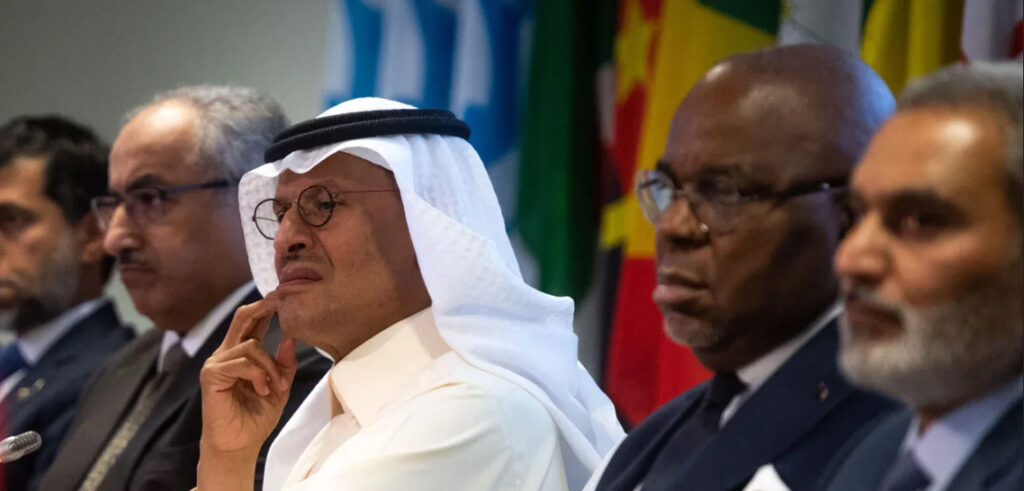
The OPEC+ group of countries have agreed upon largest cut to oil output, since the beginning of coronavirus outbreak in 2020, limiting oil supplies in a market that is already strained, despite of the pressure from the United States and others to produce more oil. The world’s oil producing nations said in a statement that they would produce 2 million fewer barrels per day following at 33rd Organization of the Petroleum Exporting Countries (OPEC) meeting held in Vienna on 5th October, 2022. It has raised the concerns over skyrocketing inflation which is likely to increase as the world’s oil supply is expected to tighten. The action is taken before Russian energy economic sanctions by the European Union due to the ongoing war in Ukraine. Following the meeting, Prince Abdulaziz bin Salman, the Saudi Arabian energy minister, claimed that OPEC+ was acting in response to warnings of a global economic slowdown that may reduce demand for oil and drive down the prices.

US’ Disappointment at the Decision

In recent months, as Russia tightened its grip on Europe’s energy supply, natural gas prices skyrocketed, plunging Europe and much of the world into a severe energy crisis that resulted in unrest and compelled Governments to declare emergencies and make efforts to stabilize markets. For this reason, three months ago, when President Biden visited the Middle East he asked the Crown Prince Mohammed Bin Salman, to increase the oil production because Saudi Arabia controls nearly one-third of OPEC’s oil reserves. After the decision made by OPEC, it seems like the President Joe Biden’s advice for taking measures to increase oil production have been ignored. Quickly after the decision was made, the White House criticized it as “shortsighted” and charged the oil cartel as for suporting Russia. The United States’ Secretary of State Antony Blinken stated after OPEC’s statement that his Government was working “to ensure that energy is available on the market and the costs are kept low.” This was also quoted by the US National Security Advisor and Director of the National Economic Council (NEC), they said in a statement “At a time when maintaining a global supply of energy is of paramount importance, this decision will have the most negative impact on lower and middle income countries that are already reeling from elevated energy prices.” According to some analysts, in order to counteract what OPEC’s recent decision, the US may try to release part of its oil reserves. In order to increase American energy output and weaken OPEC’s grip over energy prices, Biden urged his administration and Congress to look into possible solutions. The White House added that Biden has requested another 10 million barrels oil release from the American Strategic Petroleum Reserve in an effort to bring down oil costs and ensure energy security. Moreover, in light of recent development, the White House accused “it was obvious that OPEC+ was aligning with Russia.” Following the establishment of OPEC+ oil output agreement in 2016 and Saudi King Salman bin Abdulaziz historic trip to Moscow in October 2017, Moscow’s relations with Saudi Arabia and other Gulf Cooperation Council (GCC) members have progressively improved. It is once again in the highlights, because of the OPEC’s deal, it is being said that Saudi Arabia is favoring Russia.

Response by the Organization of the Petroleum Exporting Countries (OPEC)

The accusations made by the United States have been rejected by saying that the decision is technical not a political one which was purely made for the global economy and the energy market. In response, the Organization of the Petroleum Exporting Countries (OPEC) energy ministers dismissed claims of the US that the most recent oil output cut was “endangering the global energy market” and contributing to “energy poverty in the West.” The output cut by OPEC+ was also supported by the OPEC Secretary General Haitham Al Ghais, who claims that the decision aims to give the energy market “security and stability.”


The blame game is persisted for energy weaponization, as the West accused Russia to spark a crisis in Europe that might lead to gas and power shortages this winter. In contrast, Moscow accused the West of turning the dollar and financial systems into weapons as a reaction to the Ukraine war initiated in February. The global humanitarian and economic effects of the Ukraine war are being felt at all levels, the energy sector is the most vulnerable which has put Europe in a difficult situation too. The state of global economy is already not good, high inflation is one of the biggest challenges that the world is facing. A possible recession is on the horizon as a result of the recent OPEC oil cut decision, therefore, it needs to be dealt in a responsible and responsive way to avoid any devastating situation that people and Governments cannot handle.


Hurricane Ian: A Story Of Disaster

Introduction

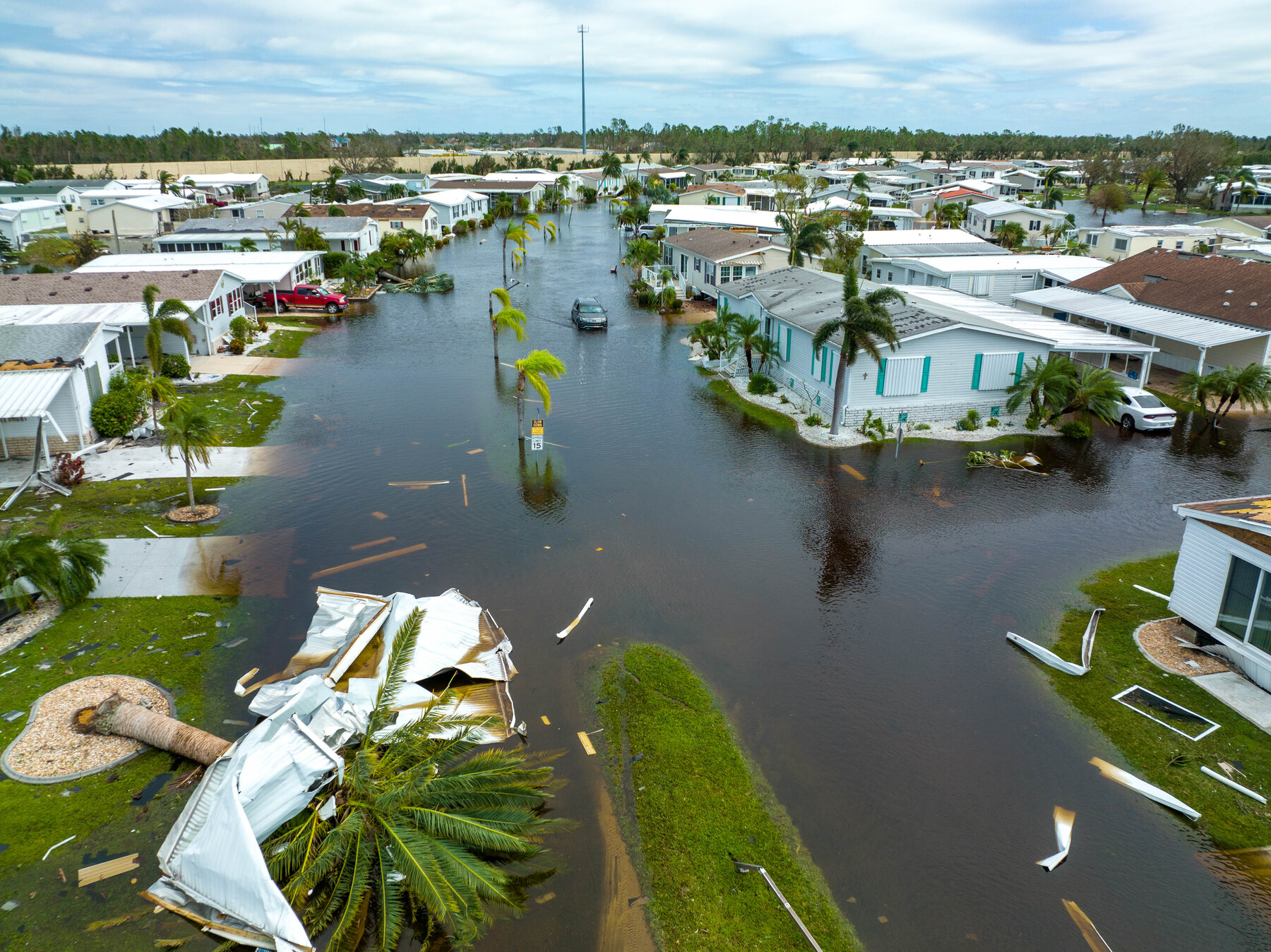
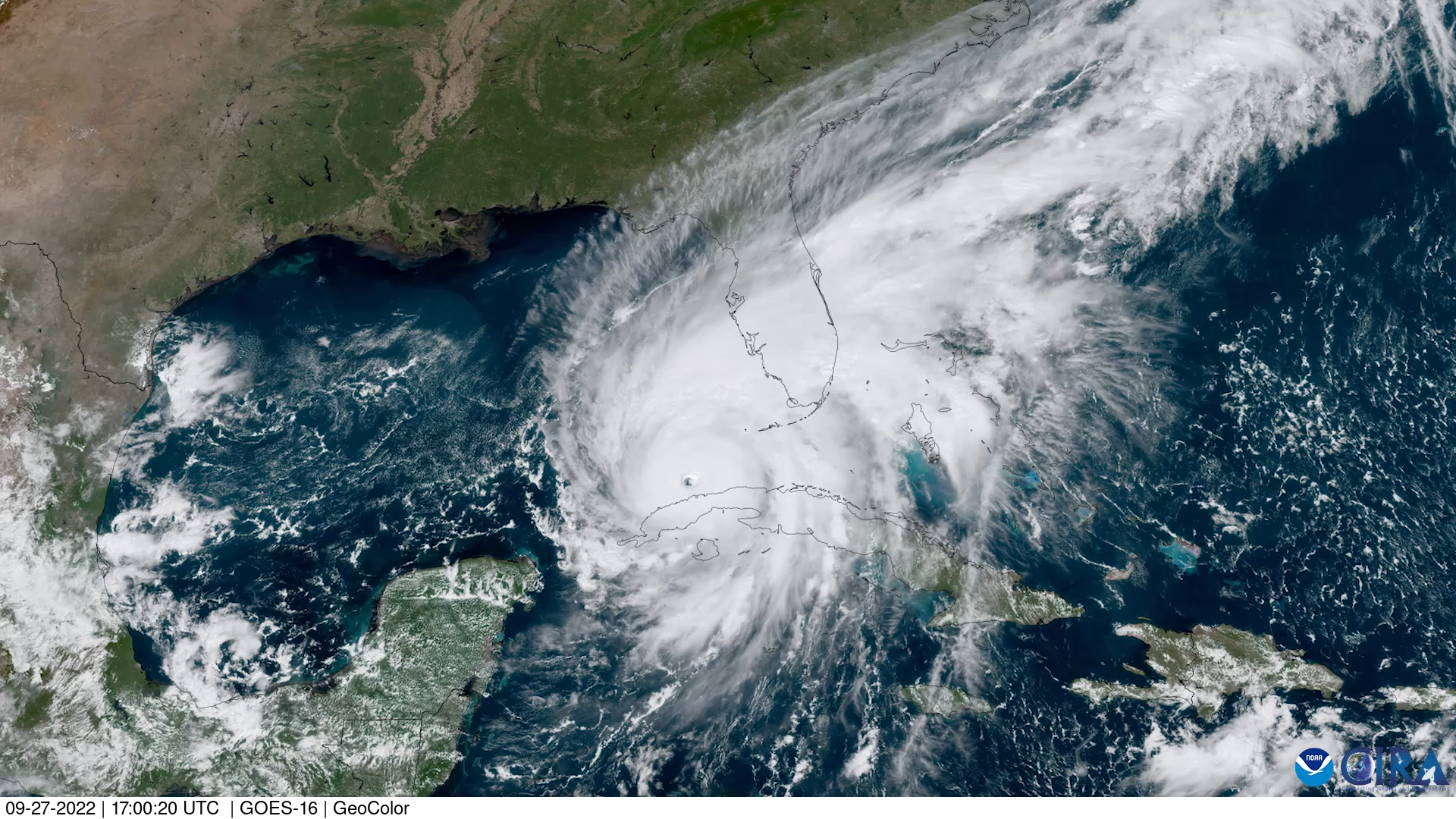
Southwest Florida witnessed the landfall of Hurricane Ian, a Category 4 hurricane with winds of up to 155 mph (250 kms per hour). As a result, it ranks among the five strongest storms to ever affect the United States as a whole and the state of Florida. Over 2 million individuals lacked access to electricity throughout the state. Hurricane Ian is the type of storm that weather experts have long warned about that a hurricane may impact Florida’s western coast, where construction and population growth have taken place despite the greater risk of hurricane in recent years. There are chances that a significant area can be destroyed by catastrophic winds, severe rainfall, and storm surge caused by low pressure systems that force ocean water barriers offshore. Hurricane impacts in the United States are getting stronger due to multiple factors including climate change and human involvement through industrial carbon pollution which are making weather events more intense and weather patterns more complicated. Scientists are now unsure of whether the frequency of storms will change or not, but they are convinced that hurricanes strength and severity will keep on rising. Due to these tendencies, storms are becoming stressful in terms of material losses and human casualties.

The situation on the Ground

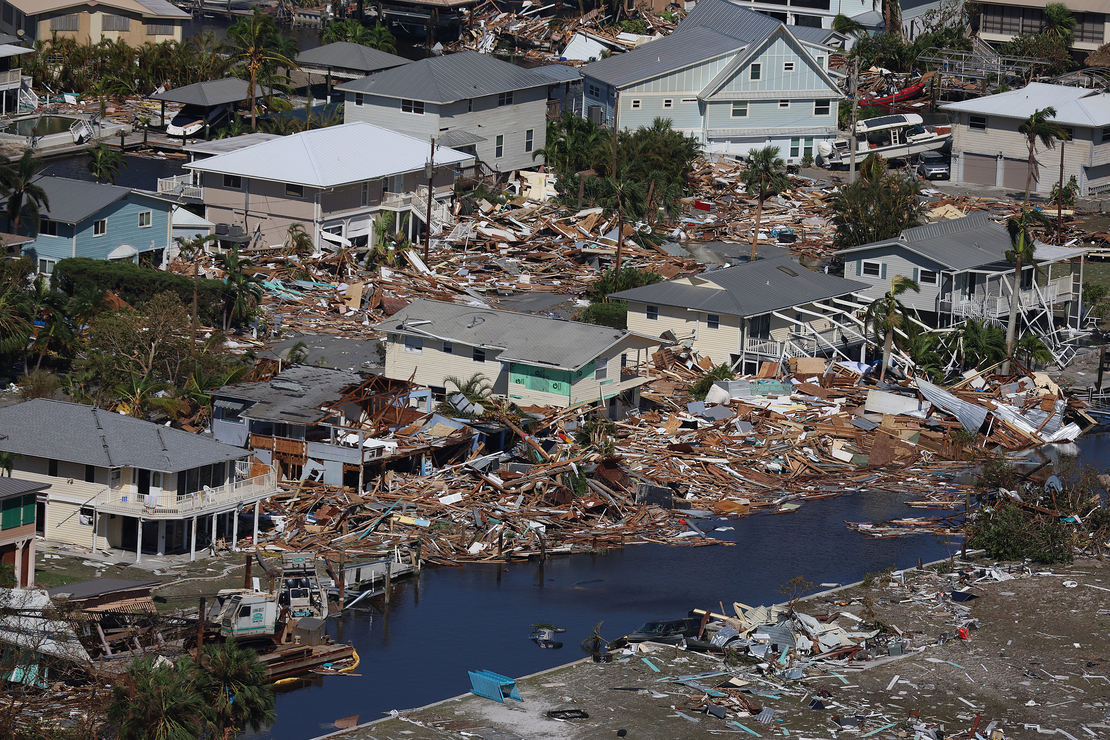
According to National Oceanic and Atmospheric Administration (NOAA) tidal gauge data, sea levels in the areas of South Florida have already increased by nearly eight inches since 1950. As a result, the water base level is higher, allowing hurricane surge to extend a few inches higher and cover a larger area. As polar ice sheets melt more quickly due to warmer temperatures, researchers anticipate an acceleration of sea level rise in future. Hurricane Ian has claimed the lives of more than 100 people. In addition to human casualties, infrastructure has been severely damaged and the recovery is anticipated to cost insurers a heavy amount and $67 billion damage as per Bloomberg reports, which would make it the most expensive since Hurricane Andrew in 1992. While authorities in South Carolina started evaluating the damage from Hurricane Ian’s impact, rescuers looked for survivors among the wreckage of Florida’s homes that had been flooded. According to President Joe Biden, Hurricane Ian could end up being the deadliest hurricane in Florida history and may have caused “substantial loss of life.” In addition to causing damage to the area, hurricanes undermine public health, transportation, energy, water and sewer systems, as well as structures for manage flooding. The provision of vital services to communities and the maintenance of business continuity depend on these systems which are completely halted due to frequency and occurrence of hurricanes while affecting different dimensions of human security.

Factors Affecting Hurricanes

There is a consensus that storms like Ian have already been impacted by the sea level rise and increased temperatures over the past century, and that this impact may persist in the future. Weather that is hotter causes oceans to get warmer and strengthens hurricanes. The temperature of oceans is rising because of climate change, in addition to this greenhouse gases released into the atmosphere, as well as other factors such as excessive levels of physical air pollution can be attributed to human activities that have resulted in extreme weather conditions. Rapid intensification, which occurs when a storm’s highest wind speeds increase by 35 mph or more in a single day, is one of the most destructive characteristics of hurricanes. Early studies suggest climate change has already made rapid intensification more common. According to an IPCC study from 2021, “during the past four decades, the global frequency of fast intensification occurrences has probably increased.” Furthermore, despite the fact that hurricanes occur less frequently nowadays, but climate change has increased their intensity about 25% since 1979 as per NOAA report of 2020.


A threat from climate change originally appeared far off which is not true anymore. We are all too familiar with its appearance now. Every hurricane, intense downpour, flood, heat wave, wildfire, and drought demonstrates it more vigorously. Even the daily weather reflects climate change situation. The oceans and air are getting warmer, there is more water vapor in the atmosphere, and sea levels are higher as a result of climate disruption. These changes have altered the background conditions in which all weather happens. Here, Ian Hurricane is a good example. In order to lower the probability of the strongest hurricanes in the future, it is imperative to make immediate reductions in greenhouse gas emissions with an aim of halting global warming. Therefore, it has become crucial than ever before to develop resiliency and adapt to the changes that are unavoidable while also taking all reasonable precautions to save our globe from the disastrous effects of climate change resulting in bigger and destructive events.


Nord Stream Attacks Could Create A Gas Crisis For Europe This Winter

Introduction

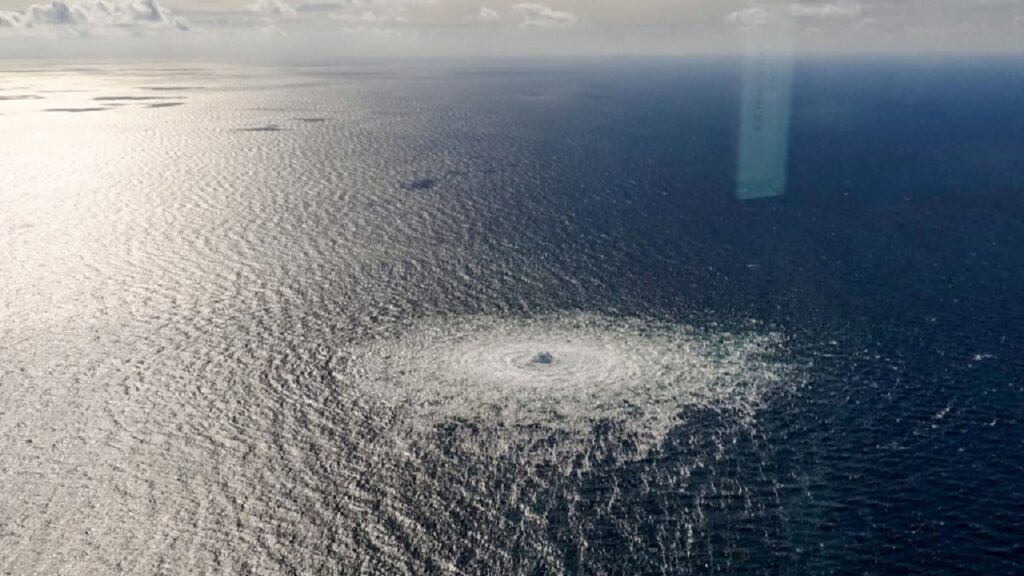
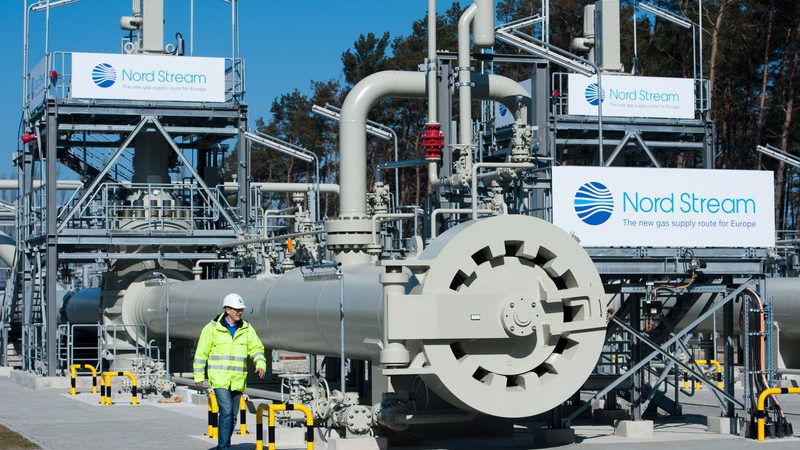
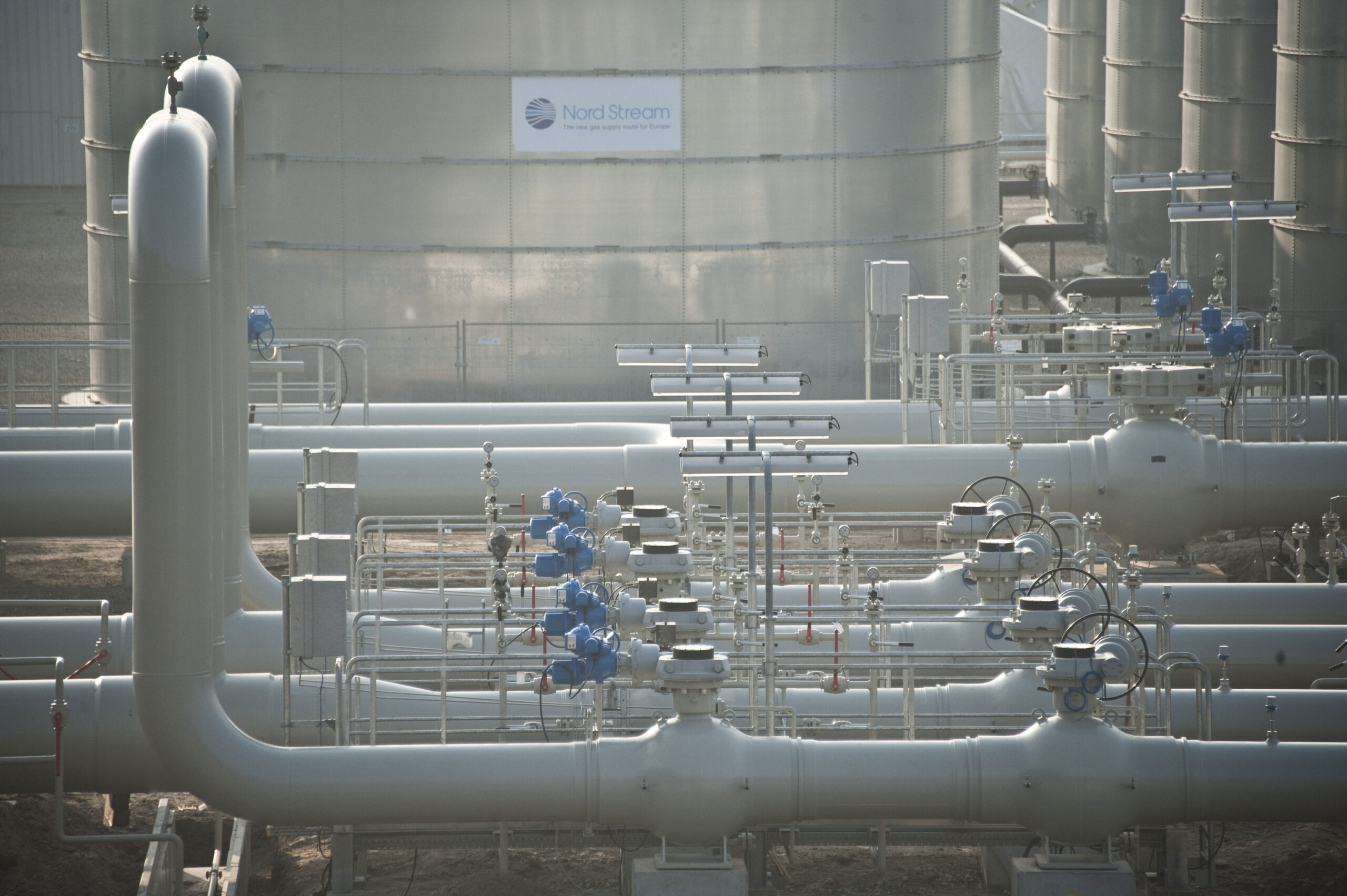
The Nord Stream gas pipelines, which cross the Baltic Sea from Russia to Europe, experienced a heavy leakage due to pipeline explosions. The size of a leak poses a serious risk not only to public safety but also can be proved catastrophic for the environment. A significant debate was sparked by the explosions that tore through the Nord Stream 1 and Nord Stream 2 pipelines across all platforms. Off the coast of Denmark, multiple under sea explosions were observed by Swedish seismologists. Following the attacks, pressure dropped in the Nord Stream 1 as well as Nord Stream 2 pipeline by 94%, according to German pipeline monitoring administration. However, because of the dispute between Russia and European Union erupted as a result of Ukraine war, the two pipelines were not operational but they still had main component of natural gas i.e. methane. As shipments in Nord Stream 1 were stopped in September by Russia and Nord Stream 2 was halted as a result of cancellation of certification procedure by Germany. In only one day, three distinct leaks occurred in the pipelines that transport Russian natural gas to German consumers. As per reports, it is statistically not possible to have three explosions on the same day, which makes sabotage appear certain that also resulted in accusations. The causes of explosions were not certain, when the leaders of Denmark and Poland, indicated sabotage the most likely cause in a joint letter sent to the UN Security Council.

Dueling Accusations: West vs. Russia

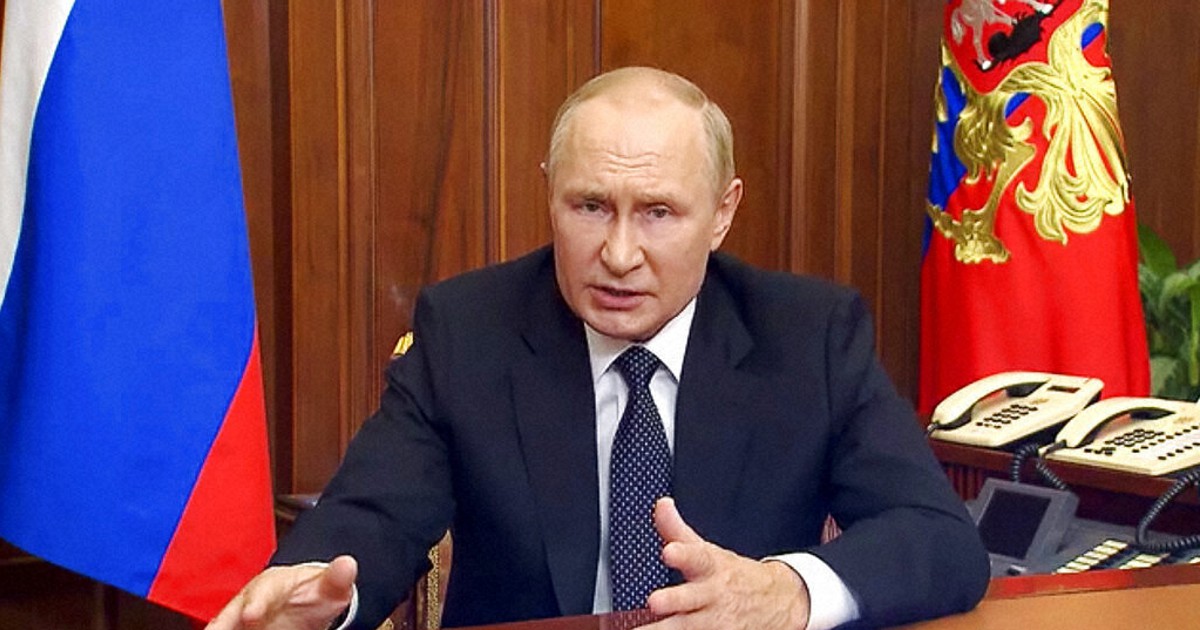
It is not obvious who might be responsible of any sabotage of the Nord Stream pipelines that Russia and European allies spent billions of dollars in constructing while gas leaked out under the Baltic Sea for a week after it was first reported. Europe, the U.S. and Russia are trading accusations about leaks on the Nord Stream gas pipelines. NATO accuses Moscow of sabotage and warned of a military response, despite Moscow’s denial of any involvement. NATO, the European Union, and officials like Fatih Birol, director of the International Energy Agency are not holding back on identifying the responsible of the incident, and on September 29 he said that “It is very obvious who was behind this issue.” At the same time, Russian authorities have blamed the West and called for a meeting of the UN Security Council to discuss the situation. Russian officials called accusations baseless and claimed Washington has a motive to increase its sale of liquefied natural gas (LNG) to Europe. President Vladimir Putin said that the United States and its allies had destroyed Nord Stream. He asserted that the Anglo-Saxons turned to sabotage since the sanctions were insufficient for them, it was an attempt to destroy Europe’s energy infrastructure. On the other hand, the White House rejected the statement and President of the United States Joe Biden said that sabotage was intentionally used rather than a technical issue to affect Nord Stream. According to European leaders, oil and gas security across Europe is at risk as a result of the Nord Stream pipeline leaks which will further increase the economic burden as Europe is already struggling with high energy and gas prices.

Unprecedented Winter In Europe

The Nord Stream pipelines are thought to be unlikely to transport any gas to Europe this winter due to the degree of damage occurred to gas pipelines. This winter, Europe will likely experience its worst energy crisis due to record low oil and gas reserves. For the normal usage, households will only have a little supply of gas. Europeans relied significantly on Russian energy for its 40% needs. Because of the conflict in Ukraine, Russia is subject to sanctions from the West, and Moscow is using its energy as a response. In September 2022, Russia completely halted its energy supply and the current Nord Stream attack will further escalate the crisis. It will be the Europeans who will be most affected by rising energy prices and depleting energy supplies. Moreover, European economies are already suffering severe economic losses as a result of the interruption of Russian gas deliveries, which could eventually outweigh the effects of the global financial crisis. A tough winter is approaching not only for households but also for chemical makers, steel factories and auto manufacturers that have joined consumers in raising concerns about skyrocketing energy costs. With a continent-wide recession now appearing to be imminent, these industries are suffering for vital raw materials. It is being highlighted by sabotage of Germany’s main gas pipeline from Russia that Europe will have to survive by without any large Russian shipments and gas supply in coming winter. This incident may result in increased finger-pointing between Russia, Europe and the West, escalating already high tensions over the war in Ukraine.


Japan-Russia Relations: Allegations of Espionage

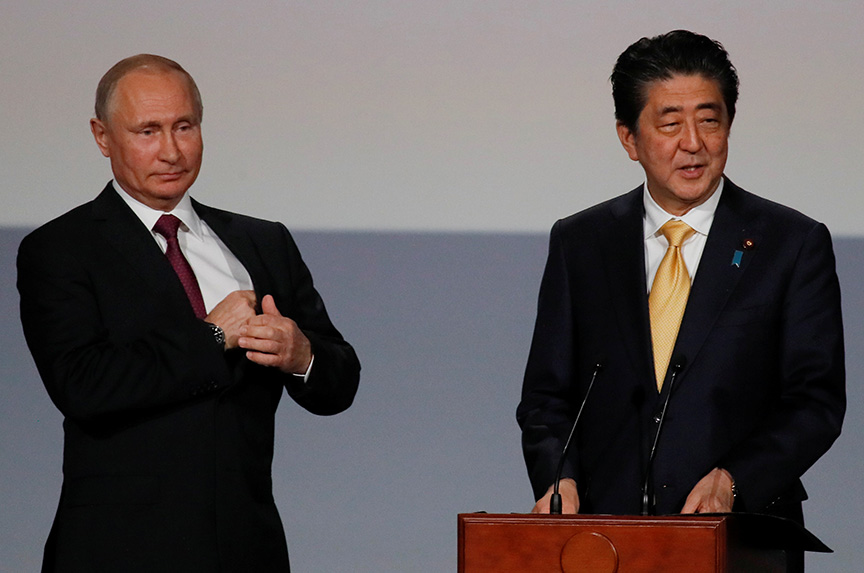
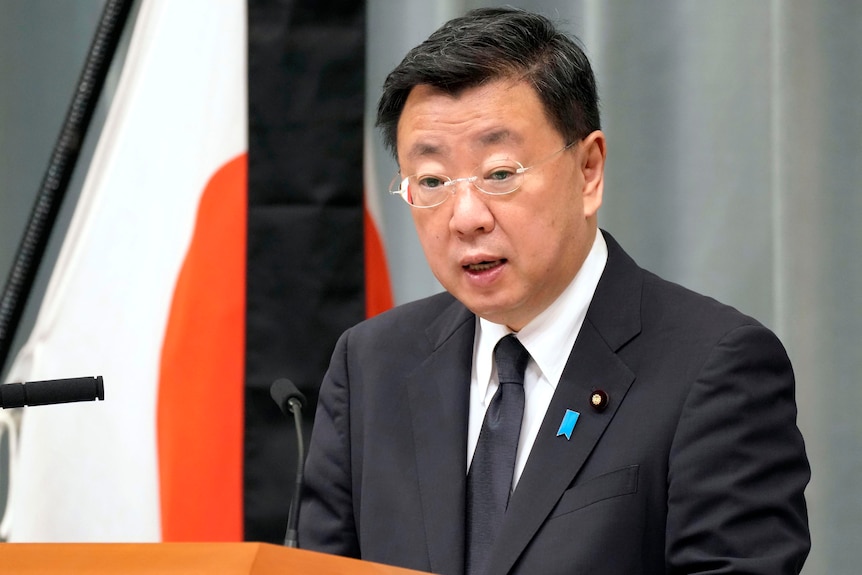
A Japanese diplomat was detained and deported from Vladivostok in eastern Russia, according to the Federal Security Service (FSB), after the consul allegedly request for limited information. In exchange for monetary reward, the diplomat was allegedly discovered looking for information regarding the economic effects of Western sanctions. In a statement to the public, the FSB stated “A Japanese diplomat was detained red-handed while receiving, in exchange for financial reward, restricted information about Russia’s cooperation with another country in the Asia-Pacific region”. The expulsion occurred after Fumio Kishida, the Prime Minister of Japan, backed international sanctions on Russia for its invasion of Ukraine in March 2022. In response to expulsion of diplomat, Japan demanded an apology from Russia for what it viewed as the unjust imprisonment of one of its diplomats in Vladivostok, who Tokyo claimed was physically restrained and blindfolded after the Kremlin made wrong accusations of espionage. According to Japan Government spokesman Hirokazu Matsuno, Russia breached international agreements by holding the diplomat even he had not engaged in any criminal conduct.

Russia and Japan are technically at war as two countries not ratified a formal peace treaty for a long time. In the days of World War II, the Soviet Union seized four small islands that are located between Japan and Russia, preventing the two countries from formally ending hostilities since 1945 which is still causing tension between the two sides. Since then, bilateral relations have faced ups and downs, which further deteriorated much in March 2022. It is because Russia declared it would suspend peace negotiations with Tokyo in response of imposing economic sanctions on Moscow for Ukraine war. In addition, the tensions between Russia and the G-7 nations, including Japan have spilled over into bilateral relations, the ongoing Russian aggression in Ukraine has severely harmed ties with Japan. Russia’s obstruction of the Nuclear Non-Proliferation (NPT) Review Conference and ongoing diplomatic and military tensions in the southern Kurils, which Japan claims as northern territory, remained points of contention in past months.

Even though the situation between Japan and Russia has gotten worse, there are still chances of maintaining ties with each other. Japan kept contact with Russia, Tokyo restricted the import of Russian coal but continued to buy Russian oil and natural gas to fulfill the country’s need. On 3rd October, 2022, Japanese Prime Minister Kishida in a statement said that “Due to the situation in Ukraine, Russian-Japanese relations are in a difficult position, but we strongly adhere to the direction of resolving territorial issues and concluding a peace treaty.” Japan is aware that strengthening relations with Russia are the only way to settle their long-standing territorial issue and open the path for a peace treaty.