The EU-Israel Summit After A Decade
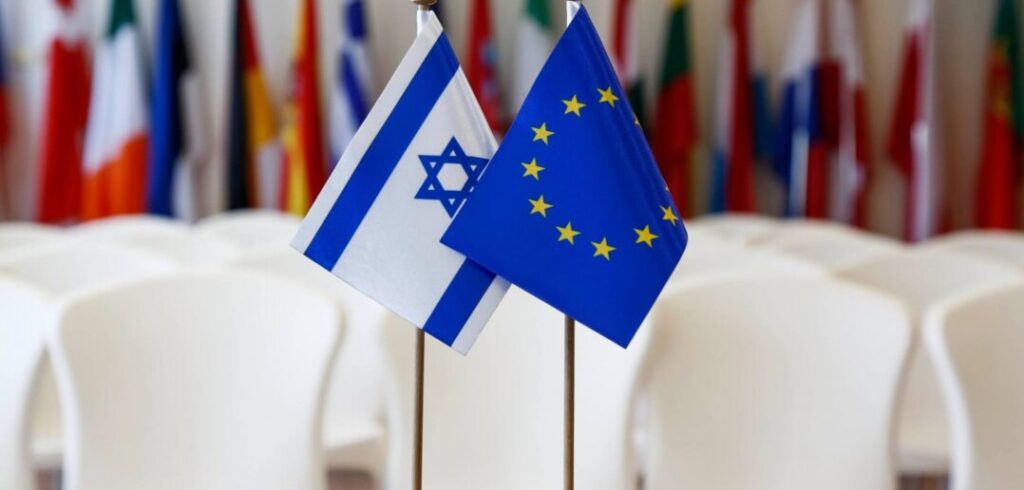
At the meeting, the first between the two countries since 2012, the EU hopes to restore its ties with Israel, it is because EU needs to diversify its energy sources in the wake of the Russia-Ukraine conflict. Israel and the EU were supposed to meet annually to discuss issues of shared interest in the Association Council but Israel cancelled the conference, formally known as the EU-Israel Association Council, in 2013, after the EU issued a statement for Israel’s expansion in West Bank. It was asserted that Israel colonies in the occupied Palestinian territories would not be included in any future accords with Israel. The EU-Israel conference has been denounced by global human rights organizations as it is being considered for serving mainly to legitimize the continued “apartheid” against Palestinians. Amnesty International in a statement cautioned that “Israel is committing the crime of apartheid against Palestinians and that any cooperation must focus on dismantling Israel’s terrible system of oppression and domination.”
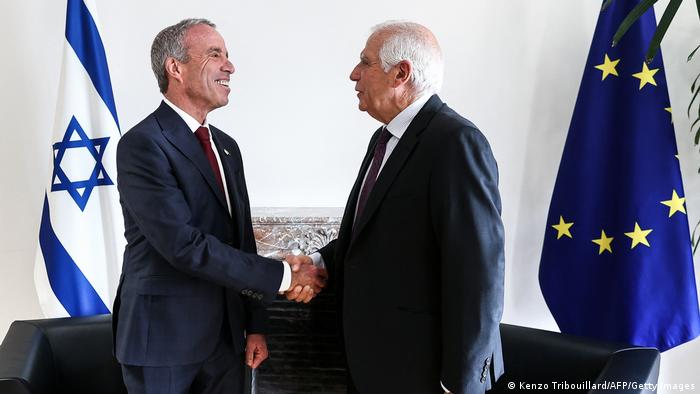
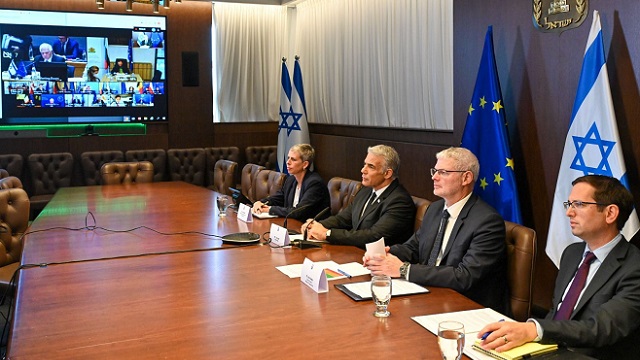
Despite warnings from human rights organizations and European parliamentarians regarding Israel’s treatment of Palestinians in violation of their human rights, talks between the EU and Israel were held in Brussels. Josep Borrell, High Representative for Foreign Affairs and Security Policy for the EU led the trip, while Elazar Stern, the minister of intelligence, led Israeli delegation in the absence of Yair Lapid due to domestic commitments, but the prime minister of Israel, attended the meeting online. Borrell concentrated on the Israeli-Palestinian conflict prior to the conference. He referred a recent UN report that said it was “very worrisome” that this year had seen the most Palestinians killed since 2007. During the discussions with the Israeli delegation, he intended to concentrate on this matter and the rising tensions in the West Bank.
Borrell stressed the significance of resuming this high-level political conversation between Israel and the European Union during the meeting. As per him, it is the most effective means to discuss a variety of topics that concern both parties, especially the Middle East Peace Process and the stability of the larger Middle East area. The meeting’s agenda included talks on the conflict in Ukraine, the global energy crisis, and food insecurity. In the meantime, Lapid suggested that the EU may and ought to participate in the Abraham Accords and the Negev Forum in a message to the European leadership. He emphasized that Israel has been cooperating with the Palestinian Authority and reiterated his commitment to the two-state solution. However, addressing the UN General Assembly in September 2022, Palestinian President Mahmoud Abbas stated that “our trust in attaining a peace based on justice and international law is dwindling as a result of Israel’s occupation tactics.” Following Lipid’s speech in which he advocated a two-state solution and urged Muslim countries to recognize and make peace with Israel. To conclude, despite the rhetoric, human rights advocates and EU parliamentarians who warned that Israel has not altered its policy toward the Palestinians yet the EU-Israel summit was held. EU is looking towards Israel to attain its interests but European Union must consider the situation of Palestine with respect to human rights violations by Israel against humanity.


Sri Lanka’s Economic Integration and India’s Security Concerns

Introduction

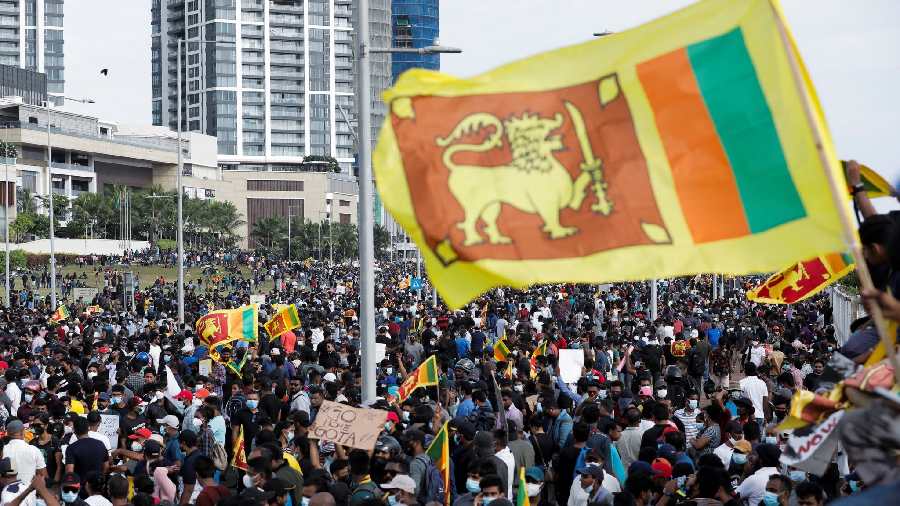
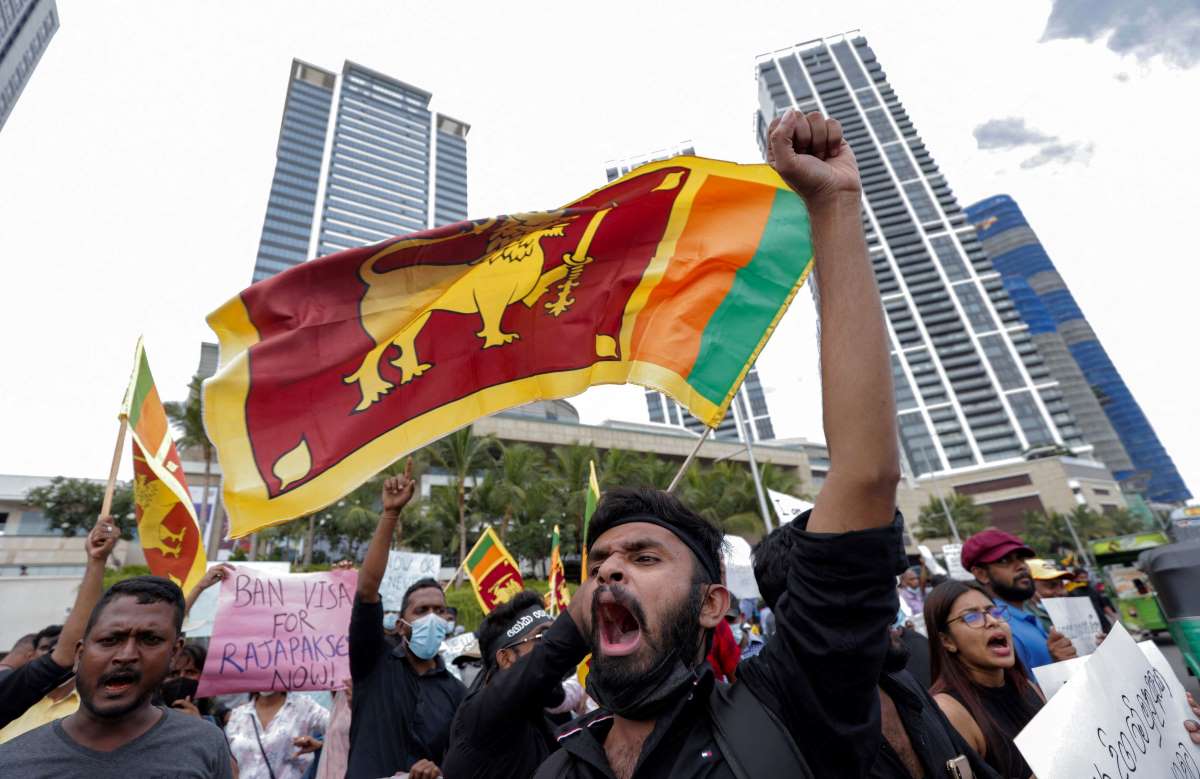
According to the statistics department, consumer inflation in Sri Lanka, which is experiencing its worst economic crisis in decades, increased to 70.2% in August. According to the Department of Census and Statistics, the National Consumer Price Index (NCPI) increased by 70.2 percent from a year earlier in August after increasing by 66.7 percent in July. Prices of non-food items increased by 57.1 percent, while food prices increased by 84.6 percent in the 22 million-person South Asian nation that depends heavily on tourism. In August, the Central Bank of Sri Lanka (CBSL) predicted that the country’s inflation rate, which peaked at over 70% as the economy slowed, will decline. Due to severe dollar shortages brought by poor economic management and the COVID-19 pandemic, Sri Lanka is currently unable to import basic goods including food, fuel, fertilizer, and medication. Earlier in September, Sri Lanka and the International Monetary Fund (IMF) came to a preliminary agreement for a loan of $2.9 billion, subject to the guarantees from official creditors and completion of talks with private creditors.

Economic Integration with India despite Security Concerns

Ranil Wickremesinghe, the president of Sri Lanka, has made it clear that his country wants to break away from China and merge its economy with that of India. Asserting that India and the West need not be concerned that the Chinese built and operated Hambantota port will be utilized for military reasons, the President took care to particularly assure India that Sri Lanka is aware of India’s security concerns. Colombo and New Delhi believe there is a potential to grow India-Lanka relations in the wake of the Rajapaksas’ departure. After reassurance, on September 20, 2022, India announced that it had started talks with Sri Lanka about restructuring its debt and pledged to support the neighboring country in crisis, primarily through long-term investments, after providing nearly $4 billion in financial aid. New Delhi would keep assisting Colombo, according to the Indian High Commission, in all possible ways, particularly by encouraging long-term investments from India in important economic sectors.

India and Sri Lanka both agree that Hambantota must not be considered a hurdle in the relationship between the two countries, which has been on lease for nearly 99 years and Chinese owned the port. Since there is great potential for Sri Lanka and India to come together and look at various areas including logistics, renewable energy, tourism, trade and IT as well as cooperation for long-term energy security, therefore both the countries are making serious efforts to develop bilateral relations using arrangements for trade, connectivity, investment, and security as it will help the devastated economy of Sri Lanka to flourish again.


A New Chapter of Turkey-Israel Diplomatic Ties

Turkey was the first Muslim country to recognize Israel in 1949. But under Erdogan leadership, since 2003 ties between Turkey and Israel have deteriorated. The last meeting Turkey held with an Israeli Prime Minister was in 2008. In 2010, an Israeli strike on the Turkish Mavi Marmara ship resulted in death of ten Turkish civilians which caused a severe deterioration in relations. Turkey withdrew its ambassador from Israel in 2018 and gave the Israeli envoy the order to do the same in retaliation for Israel’s killing of several Palestinians during demonstrations near the Gaza border. After a four-year break, Turkey and Israel decided to fully resume diplomatic relations in August and re-appoint ambassadors and consuls general. Following years of harsh relations, both countries have recently increased bilateral cooperation and diplomatic efforts.

Israeli Prime Minister Yair Lapid and Turkish President Recep Tayyip Erdogan met in New York on the sidelines of the 77th session of the UN General Assembly. It is a first high-level exchange in 14 years since the two countries restored ties officially. This is the latest indication of improving relations between the two regional countries. Mevlut Cavusoglu, the foreign minister of Turkey, stated in a statement to the media following the meeting that both bilateral and regional concerns were discussed while taking into account all facets of the relations between the two nations. On the other hand, the Israeli Prime Minister’s office issued a statement saying that Lapid brought up the problem of missing and prisoner Israelis and the urgency of returning them home. Additionally, the Prime Minister expressed worries about Iran, Israel’s longtime adversary, and “thanked President Erdogan for intelligence collaboration.” The statement also added that the leaders addressed energy cooperation. Erdogan has stated a preference for Turkey to access Israel’s Mediterranean offshore natural gas reserves.

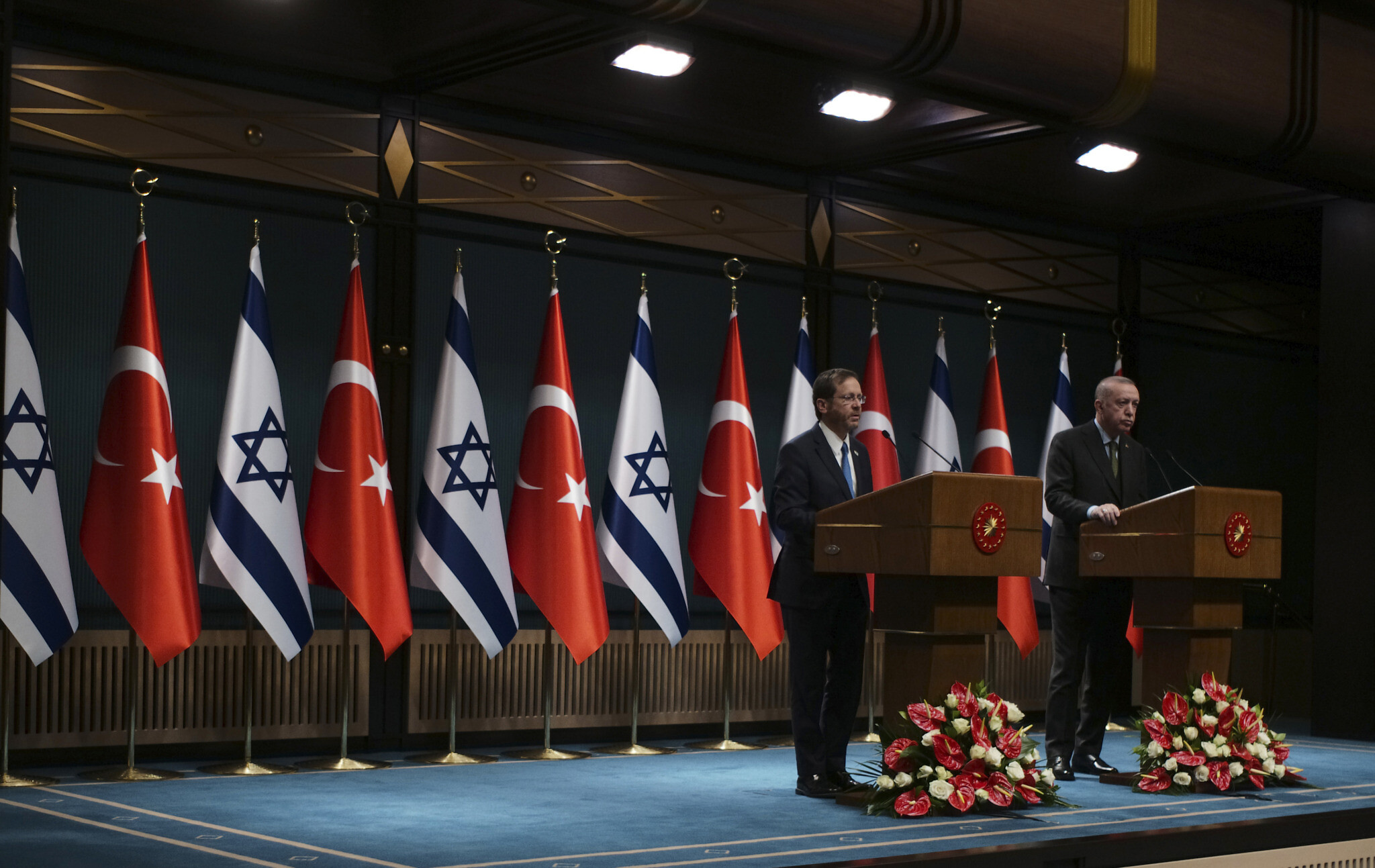
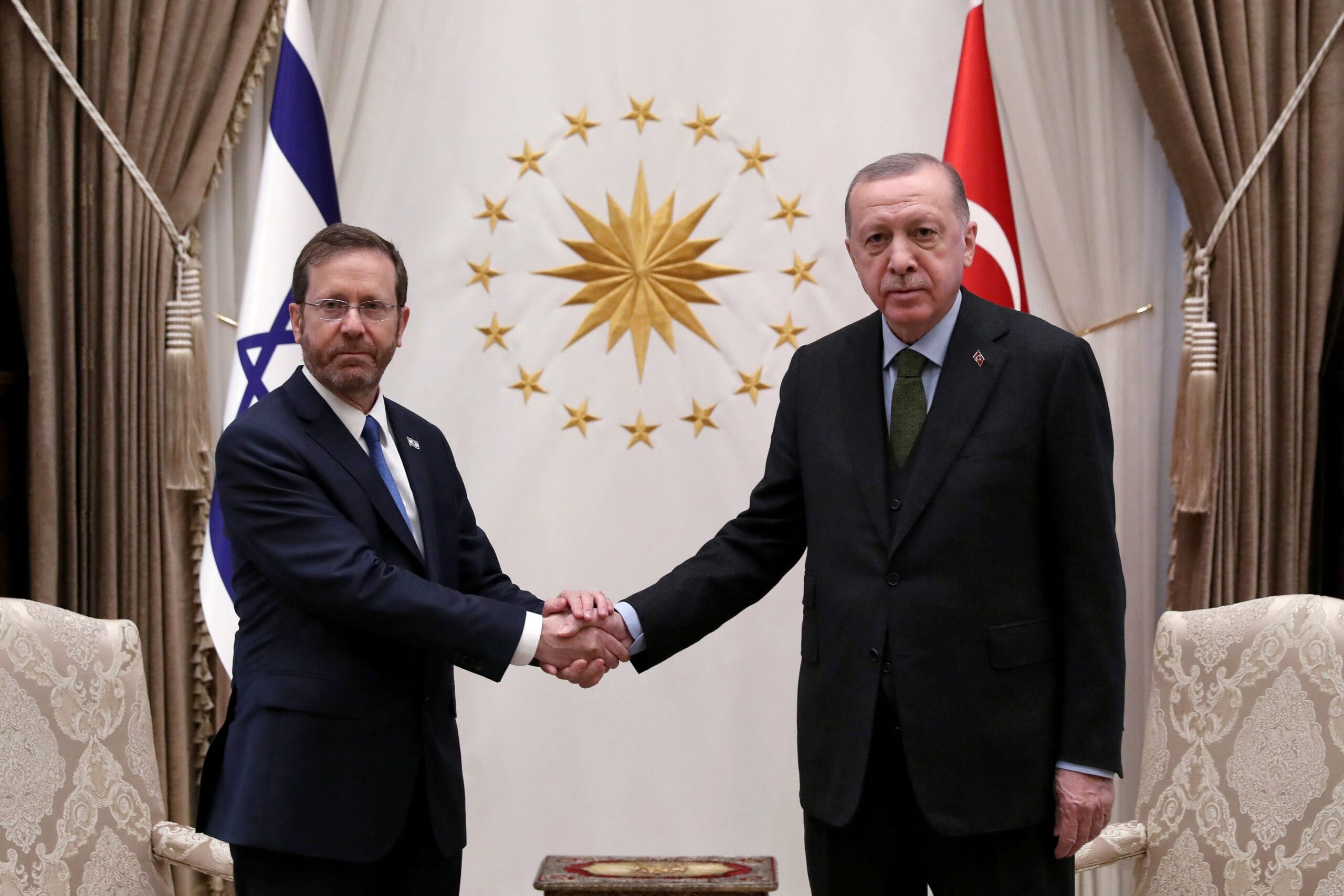
Turkish President Recep Tayyip Erdogan, right, and Israel’s President Isaac Herzog speak to the media after their talks, in Ankara, Turkey, Wednesday, March 9, 2022. Israeli President Isaac Herzog arrived in Turkey Wednesday for talks with President Recep Tayyip Erdogan, becoming the first leader from Israel to visit in 14 years as the two countries move to turn a new page in their troubled relationship.(AP Photo/Burhan Ozbilici)

Turkish President Erdogan reiterated calls for the creation of a Palestinian state with East Jerusalem as its capital in his speech to the UN General Assembly. He did, however, add that Turkey is committed to continue develop relations with Israel for the future, peace and stability of not just the region but also of Israel, the Palestinian people and ours. Marking the most recent step in improving relations between the two nations after a prolonged rift, Israel will have an ambassador in Turkey for the first time in four years, an important development to be considered. The ambassador will be Irit Lillian, a senior diplomat who has overseen the Israeli embassy in Ankara for the past two years, according to Israel’s foreign ministry.
The restart of relations took place as Turkey is facing diplomatic and economic challenges. Even now, there are still many areas where Israel and Turkey share interests. Both nations share the goal of maintaining Gaza’s stability, and natural gas production is still a possibility. It remains to be seen whether Israeli views against Turkish President and disagreements between the two nations over Syria’s future and the Israeli-Palestinian conflict will keep relations cold. Ankara recognized relations with Israel as an opportunity to strengthen its role as a route for energy to Europe while also gaining commercial advantages from a gas pipeline linking Israel’s gas reserves to its pipeline network. This could help to subtle the financial crisis in Turkey because of the President Recep Tayyip Erdoan’s monetary policy and a sharp drop in tourism as a result of the coronavirus outbreak as well as aid the Europe’s energy needs. On the other hand, due to Turkey’s position as a regional power, Israel has continuously shown a willingness to forge positive relations with it. Turkey is one of the three largest Middle Eastern countries and has the second-largest NATO military behind the United States. Turkey’s location halfway between Europe and Asia is strategically important. Turkish industry is excellent, and the country’s economy is among the top 20 in the world. Relationship building with non-Arab nations in and around the Middle East has long been crucial for Israel, both for economic and security reasons. The Israelis want a stronger relationship with Turkey for exerting pressure on Hamas. Also, Israel’s security depends on Turkey in part because it enables closer Israeli intelligence monitoring of Iran. The relationship between the two countries has enormous potential in order to counter other regional alliances and axis of power, normalizing relations between Turkey and Israel is anticipated. Depending on the circumstances, both parties would aim to maximize their gains and benefits either independently or bilaterally.


Key takeaways from 77th Session of UNGA

Introduction

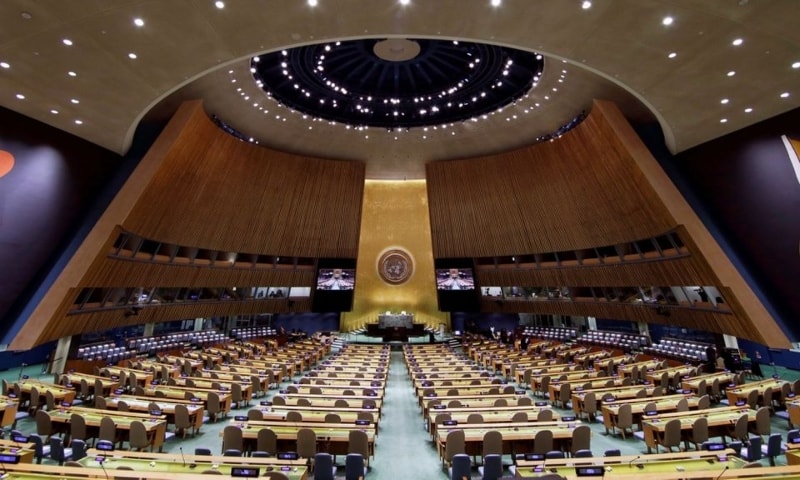
The United Nation’s primary policy making body is the UN General Assembly (UNGA). The UN General Assembly provides a platform for international cooperation to address the most important issues the world confronting today. The 77th UNGA and High-Level Week initiated from September 19-23. The greatest annual meeting of world leaders rescheduled in person to a globe torn apart by numerous crises, the most pressing of which is the conflict ongoing in Ukraine. The 77th session of the UN General Assembly, which began on September 20, 2022, was forewarned by UN Secretary-General Antonio Guterres that the world is in “great peril and paralyzed”. The theme for this year is “A watershed moment: transformative solutions to interlocking challenges,” which recognizes the shared causes of crises like COVID-19, climate change, and conflict and the necessity for solutions that increase global sustainability and resilience.

Ukraine Remained in Focus at 77th UNGA

World leaders at the 77th UNGA in New York discussed Russia’s invasion of Ukraine and a worldwide food crisis exacerbated by the war. As the United States and its allies in the West fight with Russia for diplomatic influence, geopolitical divisions that have been resulted because of the conflict, therefore, at the UN General Assembly, the Russian invasion of Ukraine has taken center stage. Russia and Ukraine are key exporters of grains and fertilizers, the UN and other countries are trying to manage the food crisis from getting worse, which was already fueled by climate change and the COVID-19 epidemic by playing significant and due role in the situation. Along with a COVID-19 global action plan meeting and a replenishment conference for the Global Fund to Fight AIDS, Tuberculosis, and Malaria, the United States will co-host a food security summit alongside the European Union and the African Union on the sideline of the UNGA event. Meantime, Germany and France have denounced Russian President Vladimir Putin’s and condemned the war launched by Russia, while Qatar, Senegal, and Turkey have called for immediate peace talks and Lithuania has called for the creation of a war crimes tribunal for accountability. According to US Secretary of State Antony Blinken, Washington will keep helping Ukraine defend itself. In Russia’s War, France and Turkey presented themselves as key mediators in the ongoing conflict. During his speech to the 77th U.N. General Assembly on the first day, French President Macron referred to Russia’s war as a return to “imperialism”, and asked other countries to play their part for resolution of crisis between Russia and Ukraine. Whereas the President of Turkey stated “We need to find a dignified way out of this situation through a diplomatic process that is reasonable, fair and applicable.”

Russia at UN General Assembly

Ukraine has dominated debates at the UN. Russia’s Foreign Minister, Sergei Lavrov, claimed that Ukraine is posing challenges to Russian security and “brazenly trampling” on the rights of Russians and Russian speakers in Ukraine. However, a key development has been witnessed i.e. on September 21, Russia and Ukraine carried out an unexpected prisoner swap involving around 300 prisoner of war, the largest since the start of the war. Ukraine said that 215 Russian servicemen had been freed, including soldiers who had commanded the defence of the Azovstal steelworks in Mariupol. Viktor Medvedchuk, a former Ukrainian politician and Putin loyalist, was among the 55 inmates that Kyiv handed over to Russia in exchange.
UN Secretary-General Antonio Guterres did not perceive an immediate light at the end of the tunnel with regards to putting an end to the war, according to a statement from UN spokesman Stephane Dujarric. However, United Nations believe that there are ways to lessen suffering in Ukraine, and the UN is quite active with humanitarian support in Ukraine, as well as considering ways to manage the effects of the war at regional and global level particularly in the form of food and energy crisis experiencing by number of countries and Europe.


Border-Conflict Boils between Kyrgyzstan and Tajikistan

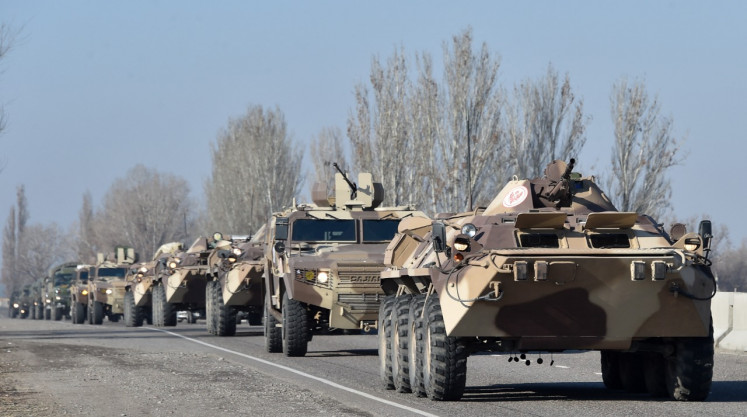
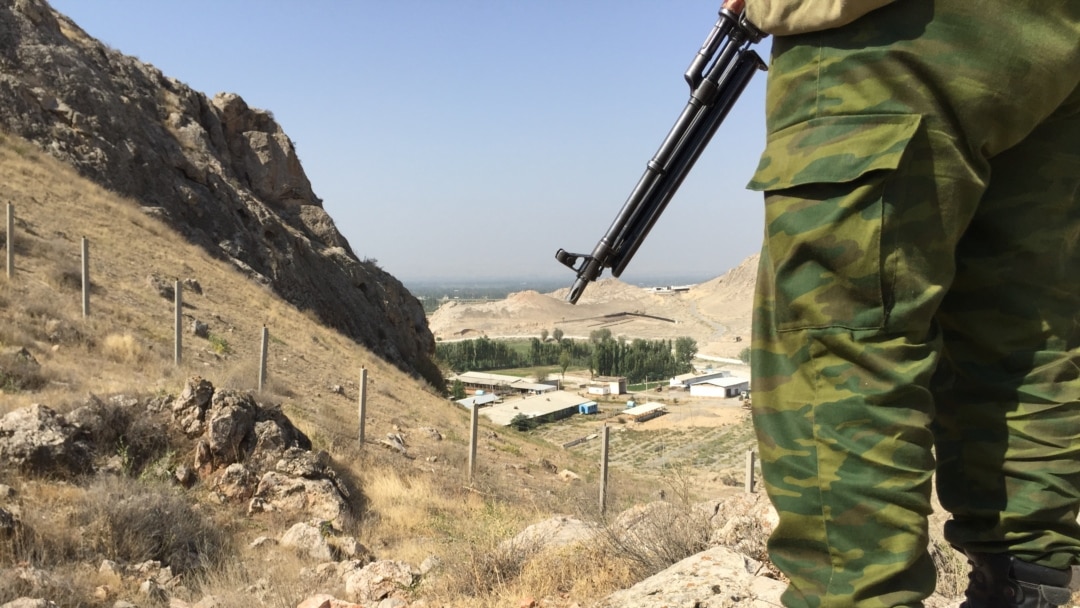
On September 14th, 2022, border guards from Kyrgyzstan and Tajikistan exchanged fire during a border dispute, according to officials on both sides, with more than one-third of the 1,000 km that is about 600 miles border between the two Central Asian countries which leads to a dispute every time. Since the fighting started, at least three people have died and 27 have been injured in the increasing border dispute between Kyrgyzstan and Tajikistan. Both countries have accused one another of employing heavy weapons like tanks and mortars along the border. Kyrgyz border guards have accused the Tajiks of firing several posts and setting up camp at a section of the border that had not yet been marked. Tajikistan, in response has claimed that Kyrgyz troops had deployed heavy weaponry to shell seven of its villages and one of its outposts to which casualties were also observed.

The clashes took place on the eve of a regional security meeting, and during the times when leaders and country heads are in Central-Asia for the Shanghai Cooperation Organization (SCO) summit from eight member states including Pakistan, China, India, Kazakhstan, Kyrgyzstan, Russia, Tajikistan and Uzbekistan; three observer states i.e. Belarus, Iran and Mongolia and dialogue-partner countries Armenia, Azerbaijan, Turkey and Turkmenistan. However, the leaders of Kyrgyzstan and Tajikistan have joined Russian President Vladimir Putin and Chinese President Xi Jinping for SCO summit in Uzbekistan, along with other international leaders. The conflict is also of importance as it erupts against the backdrop of clashes between Russia and Ukraine and Azerbaijan and Armenia. Despite the fact that Kyrgyzstan and Tajikistan are both allies of Russia and host Russian military installations, border disputes between the two former Soviet republics frequently result in fighting, last year it was nearly ended into a full-scale dispute over irrigation water between Kyrgyzstan and Tajikistan led to violence that soon expanded throughout the border, killing more than 40 people and forcing 30,000 Kyrgyz residents to flee.. According to press sources citing a foreign ministry source, Russia has asked its Central Asian allies to take immediate action to regain control of the situation on the two countries’ border.

The security officials from both nations could not agree more on anything in the meantime than the fact that a clash had taken place. On Friday, September 16, 2022, an agreement was reached between the heads of the national security committees of Tajikistan and Kyrgyzstan. It is crucial now more than ever that regional countries play their active role to seek long-term solution to the dispute between Kyrgyzstan-Tajikistan and resolve the conflict over resources, borders and mistrust that lie at the root of the outbreaks for maintaining Central-Asia’s peace and stability.


Azerbaijan-Armenia Clashes over Nagorno-Karabakh

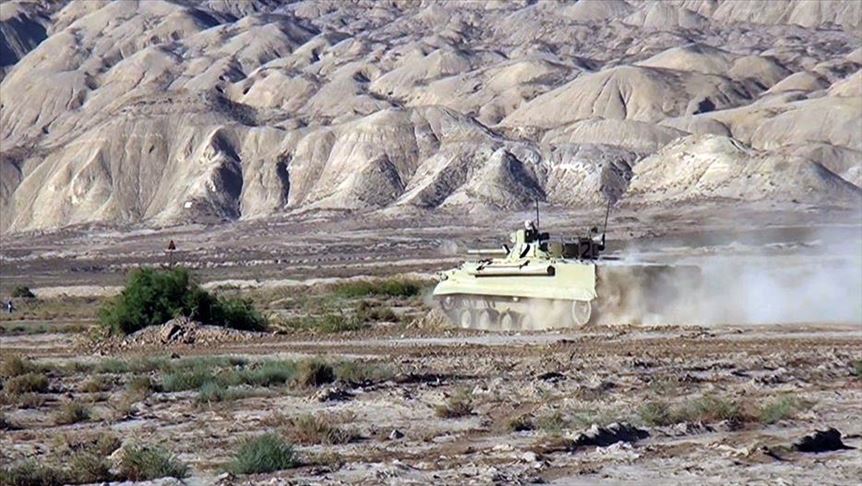
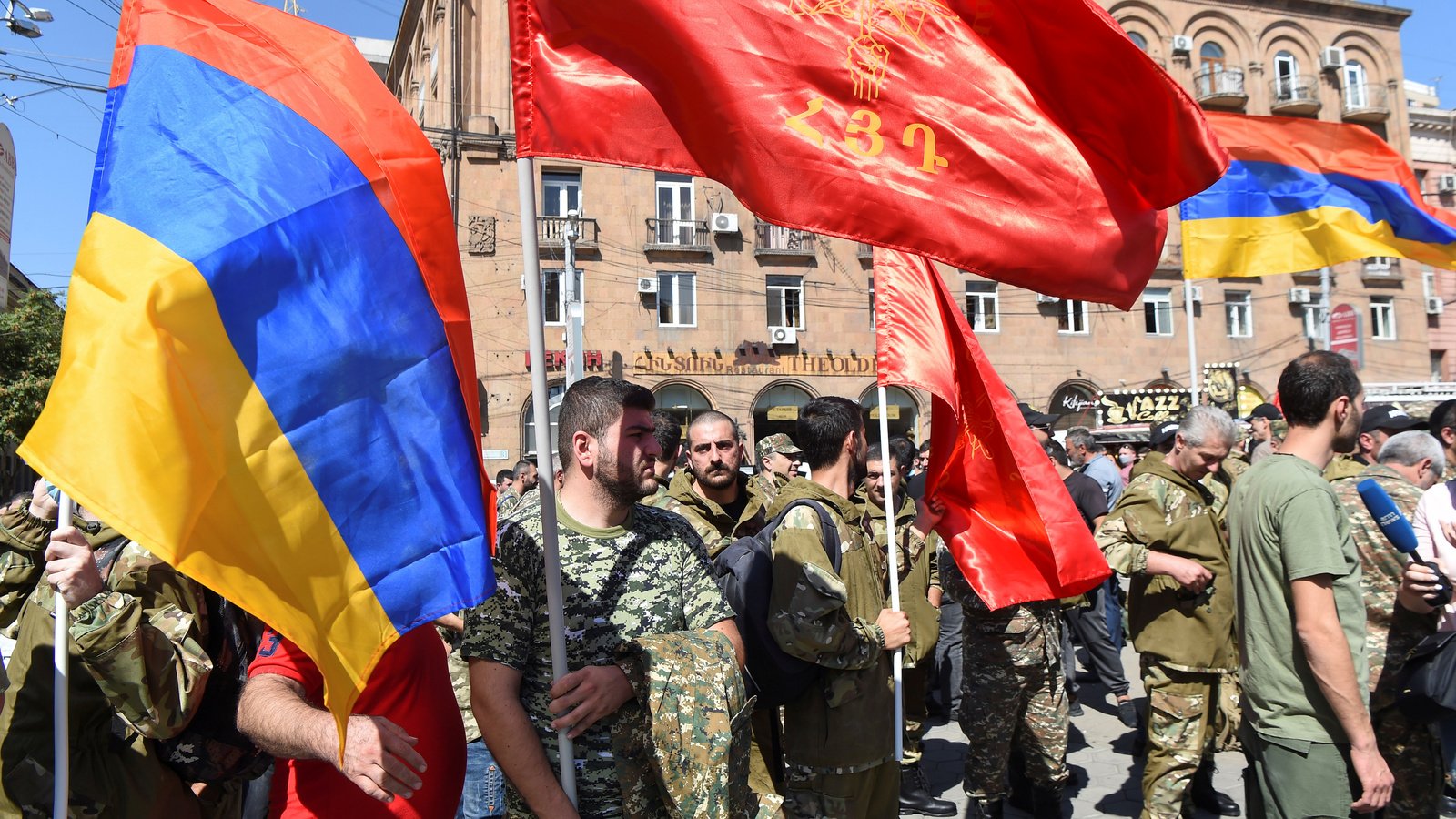
Azerbaijan and Armenia have been engaged in a protracted military conflict over the disputed territory of Nagorno-Karabakh in the South Caucasus, and fighting has recently broken out once more between the two countries. Russia might potentially get involved in another war close to its borders as a result of the confrontations. The conflict that erupted along the border earlier on September 13th, 2022, for the renewed clashes both the countries Azerbaijan and Armenia has blamed each other. It was the largest escalation of hostilities between the two nations since a conflict over Nagorno-Karabakh in 2020 which was ended after extensive deadliest fighting between the both countries’ forces because of a cease-fire mediated by Russia. Although Nagorno-Karabakh is recognized by the international community as a part of Azerbaijan, but it not only claims independence but also maintains close ties with Armenia.

Nikol Pashinyan, the Prime Minister of Armenia, connected the recent incidents to the long-running, dispute over the status of Nagorno-Karabakh and claimed that the Azeri Government refused to engage in negotiations regarding the enclave, which is located inside Azerbaijan but is primarily populated by Armenians. The Azerbaijani military launched cross-border attacks using artillery, mortars, drones, and large-caliber weapons, according to the Defense Ministry of Armenia, which claimed that at least 105 Armenian soldiers were killed. Also, the Ministry added that the strikes have targeted both military and civilian facilities in and around many cities and villages, which requires a response back. As opposed to this, Azerbaijan asserted that its troops had retaliated to large-scale provocations by the Armenian military and denied initiation of the conflict. It is reported by Azerbaijan that after stockpiling weapons along the border and making an attempt to mine Azerbaijani positions, Armenian forces attacked on Azerbaijani military positions in several places, causing casualties that were not stated as well as damage to military equipment. Almost 71 military personnel were killed, according to the Defense Ministry of Azerbaijan, during overnight fighting with Armenia.

Armenia claims there is a chance that violent confrontations with Azerbaijan could turn into war and is pleading international community to pay more attention to a serious situation that could result in yet another devastating catastrophe. The tensions in both the Caucasus and Central Asian former Soviet republics have reached a breaking point at a time when global tensions are already quite high. A confrontation in the South Caucasus, which is located at the crossroads of Europe, Asia and the Middle East, threatens to involve Russia which is Armenia’s ally and Turkey who is supporting Azerbaijan. This might draw two nations in major conflict while jeopardizing the pipelines that transport Caspian oil and gas to the west. Following the start of hostilities and new tensions along the Armenian-Azerbaijani border, Russia, the United States and France have urged both the sides to maintain peace for the sake of humanity.


Health Security of Flood Victims in Pakistan is at Risk!

Introduction

The primary threat to global health security has historically been regarded to humanitarian catastrophes, which include conflicts, natural and man-made disasters and different complex situations of emergency. The relationship between the natural environment and human health has been postulated for centuries. It is evident today in Pakistan, where a large number of people are experiencing health insecurity as a result of the extreme floods that nation has never witnessed before. In a world, which is experiencing global warming at the fastest rate, due to which flooding has grown more frequent with rising negative effects on human health. Every aspect of flooding is disastrous, including the destruction of property and infrastructure, the loss of lives and broader effects on health and well-being of the people.

Situation in Pakistan

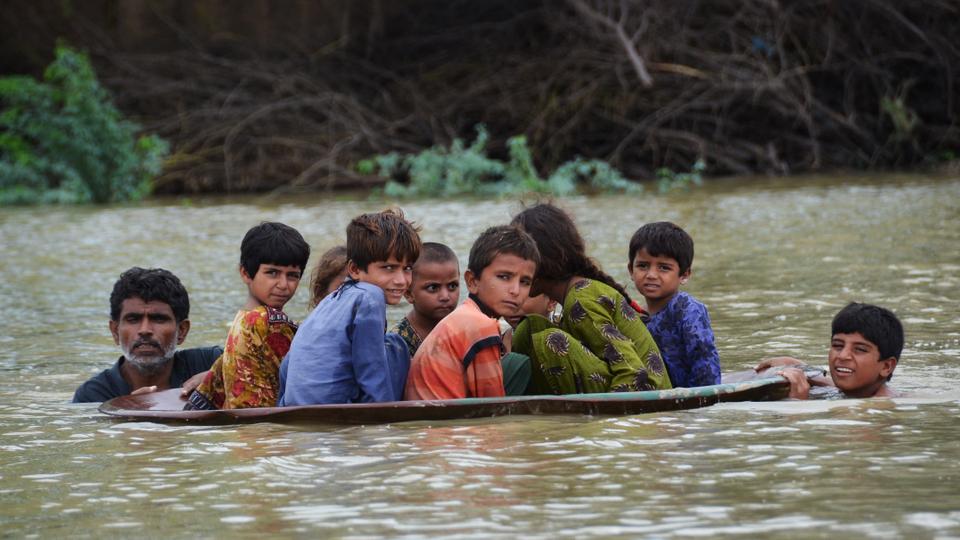
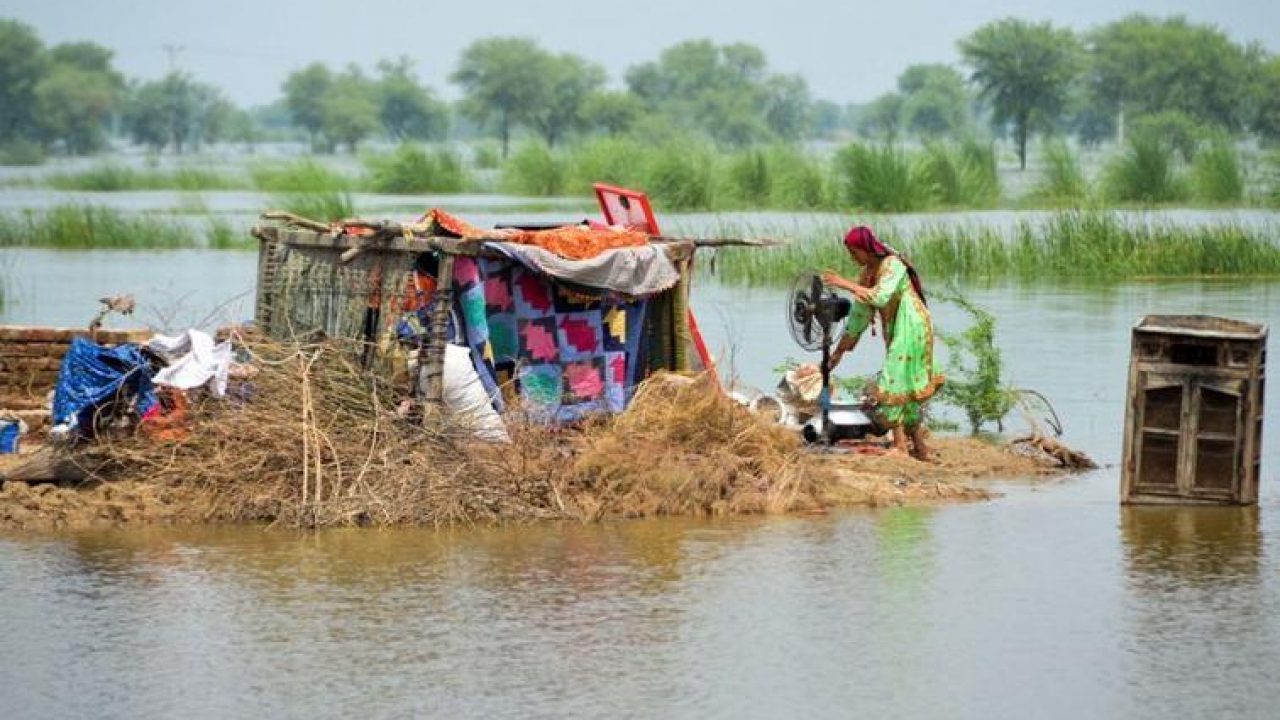
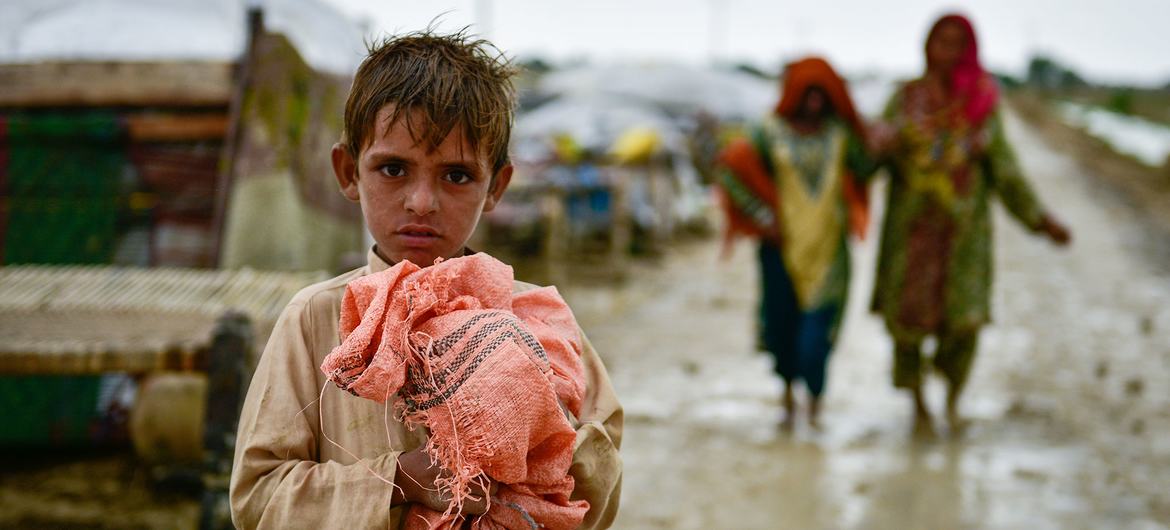
Disasters can worsen the rate of diseases and mortality linked to infectious and chronic diseases by affecting the health overall care system. Acute illness, physical and emotional trauma are all direct effects of disasters on population health. In Pakistan, more than 33 million people and 75 percent of all districts have been impacted by flooding brought on by monsoon rains, due to which the Government of Pakistan proclaimed a state of emergency. The World Health Organization (WHO) reported that at least 1,000 people have died and 1,500 have been injured. In the entire nation, damage to healthcare facilities is close to 900, with 180 of those facilities being destroyed. Access to medical care and treatment has been limited to millions of people. A WHO emergency fund has been released of $10 million to help the people with the response to the current situation. Millions of people are now homeless, number of additional people in camps have increased to over 161,000 after the monsoons flooded one-fifth of Pakistan, necessitating massive relief efforts that have yet to reach the severely devastated areas. There are several ways that flooding affects human health, and medical experts can take a variety of actions to safeguard the impacted health of the people.

Conclusion

More people are going to experience floods and its destruction, including its detrimental effects on health security, as climate change makes the planet more vulnerable to extreme weather events. At national level, the federal Government and Provincial Governments should collaborate and work together for providing relief of the victims. The United Nations’ Secretary-General António Guterres said in a statement “Let’s stop sleepwalking towards the destruction of our world by climate change.” He urged the countries by saying “Today, it is Pakistan. Tomorrow, it could be your country”. Therefore, it is a high time for all the countries around the world to look upon their actions regarding carbon emissions and to adopt policies that can save the humanity and mitigate the existing conditions of climate change.


The United States’ $5 Billion Ballistic Missile Defense Contract

Introduction

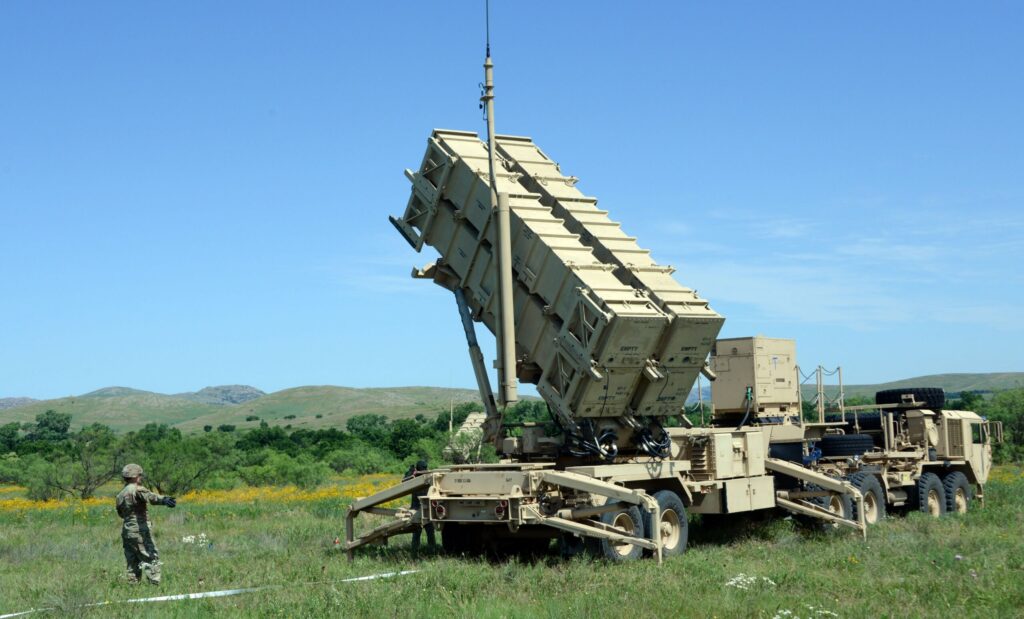
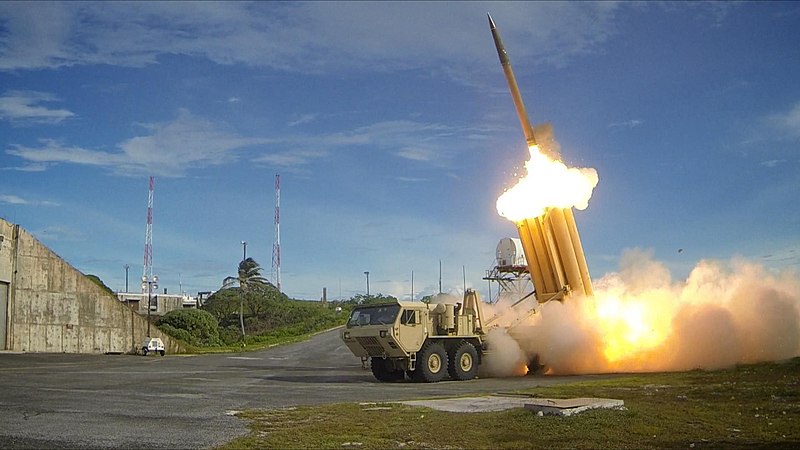
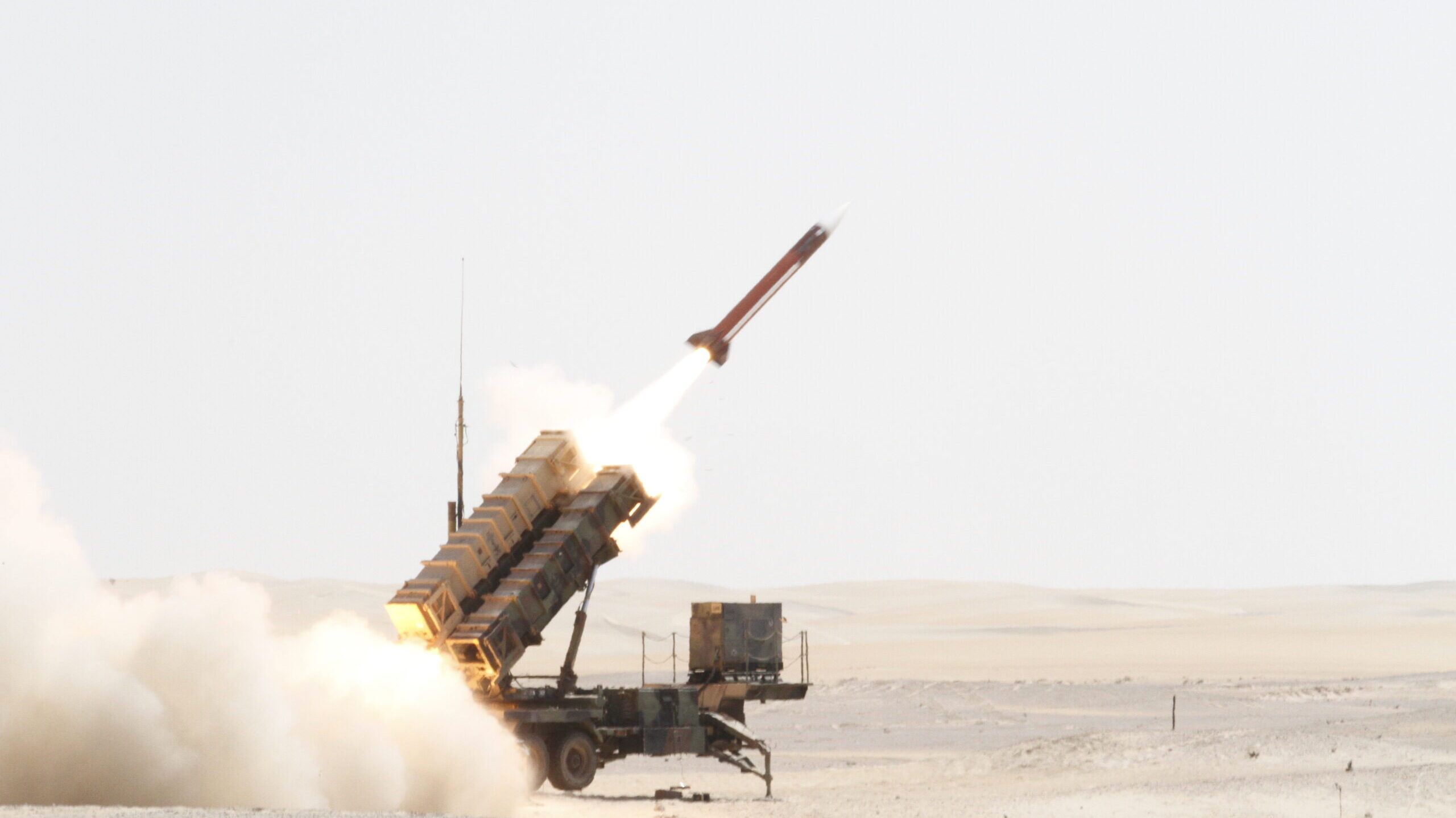
Boeing has been awarded a contract by the U.S. Missile Defense Agency for its anti-ballistic missile program. The Boeing is the largest aerospace and military company based in America. According to defense related revenue from 2011, it is one of the biggest global aircraft manufacturers and the second-largest aerospace and defense contractor globally. Recently, Boeing has received a $5 billion contract to maintain the US Defense system. For that, the company will carry out the engineering, physical integration, and logistical integration of Ground-based Midcourse Defense (GMD) components into the nation’s missile defense system. The project aims to ensure the system’s readiness to defend the US homeland from threats posed by intermediate and long range ballistic missiles.

Defense Spending of the United States

The United States currently spends more on defense than the nine countries combined, including China, India, the United Kingdom and Russia. The United States’ defense spending increased by $22 billion between 2020 and 2021, which exceeds the growth in other countries spending. In April 2022, President Joe Biden approved a massive $29 billion spending increase fiscal year 2022 national defense budget. The overall budget package for 2022 includes $782 billion for national defense, which represents a 5.6 percent increase over the 2021 expenditures and a 3.9 percent increase over the administration’s proposal for 2022. This increase was also accompanied by the approval of an additional $13.6 billion in emergency military aid for as a result of Russia’s war launched in Ukraine. The defense funding bill allots $5.1 billion for the building and ongoing research and development of a fleet of 12 ballistic missile submarines of the Columbia class. This represents a rise of roughly $7 million over the approved sum and a rise of $145 million over Biden’s requested budget. The budget hike, which also included many bills related to Taiwan with the objective of bolstering relations between the US and Taiwan island, was justified by US lawmakers by citing dangers from Russia and China.

Military and Defense Spending: A Critical Issue

Investment in peace building, conflict resolution and development lags significantly behind military spending which continues to increase excessively. As a result of the increased instability of the world after the end of the Cold War, militarism has been developing, further escalating tensions and conflict among countries. Armed conflicts have developed into both the root cause and a response to this rising militarism, together with the ongoing danger of war or terrorism. By this trend, infrastructure is being destroyed, citizens and their well-being is affected and a culture of continual fear, violence, and instability is resulting all over the world as countries continue to win the defense competition by enhancing military spending.


Significance Of Blue Economy For Pakistan And The Role Of CPEC

Introduction

In reaction to the shifts in the international environment and the desire to pursue greater economic and geopolitical aspirations, the world is progressively moving towards a maritime order. In this way, the evolving global maritime order finds its epicenter in the Blue Economy. Pakistan is considering options that can expand its economic development and growth footprint as a result of the global shift to maritime sector and blue economy. Unfortunately, the Governments in Pakistan previously ignored and neglected the enormous potential of the ocean economy while leaving its maritime resources untapped and unexplored. However, the recent shift toward a Sino-Pak “blue partnership” under the CPEC project will enhance the economic activity in Pakistan and would serve as the primary driver to investigate the blue economy’s potential in the country.

Significance of CPEC

It cannot be disputed that the oceans will rule the future. The maritime industry is more than a single industry; it is a parallel economy that connects all other industries. Despite having a huge oceanic region at its disposal, Pakistan has not fully utilized it. But the dream of utilizing the Pakistan’s blue economy for a sustainable growth can now come true with the launch of CPEC and the building of Gwadar port. The China Pakistan Economic Corridor (CPEC) will be a breakthrough for Pakistan’s blue economy as well as a lifeline for the country’s traditional economy. CPEC, which is a multi-sector direct Chinese investment in Pakistan and not simply a single road project, has sparked growth in a number of economic sectors. Along with improving regional connectivity, the CPEC’s strengthened maritime connection between China and Pakistan can guarantee long-term economic progress for Pakistan and regional stability as a whole. Pakistan has already chosen the route of Blue development by adopting Agenda 2030 and is following different targets of Sustainable Development Goals (SDG-14) to attain the desired objectives. However, Pakistan may transform its relationship with China on the basis of the “Blue Partnership” under the framework of CPEC in addition to learning from China’s maritime development. The best alternative for Pakistan to manage its unstable economy is through the development of blue economy and through the exploitation of the marine resources which are offered by the country’s geography and its extensive maritime sovereignty. For that matter, the building of the Gwadar Port under the China’s Belt and Road Initiative (BRI), is being contemplated as a turning point for Pakistan because the maritime sector is constantly changing due to technical improvements and shifting geopolitical realities.

Analysis

Pakistan’s unique geostrategic position presents both opportunities and challenges. In the development of marine trade and ports, geographic location, investment and timely implementation of policies are crucial factors for the success of blue economy in Pakistan. The China-Pakistan Economic Corridor (CPEC) roads and rail networks have the potential to increase economic activity for Pakistan and its neighboring countries, and the ports along the Arabian Sea will provide access to markets across the major regions of the world. Trade operations in Pakistan’s waters and specifically Gwadar port will result in an increase in workload for the shipping and shipbuilding industries. Growing in each of these areas will help Pakistan’s economy and open the way to financial independence. The GDP of Pakistan will increase as a result of this sector’s contribution and self-sufficiency will result from the expansion of the ship and shipbuilding industries, through which reasonable foreign exchange savings will be possible. Additionally, maritime tourism can produce $1 to 2 billion in domestic and international tourism revenue each year and bring employment opportunities for the residents of coastal communities. The blue economy is one of the main pillars of the economic system, and it needs a suitable regulatory authority to monitor and evaluate the functioning of the activities that are necessary for economy. It will have a major effect on how Pakistan’s economy develops. A number of the challenges this sector is now dealing with including inadequate institutional capabilities, poor governance and lack of proper investment. To improve the ship fleet and boost GDP, the government must play a significant role. To conclude, the maritime sector requires well-considered government policies that make it easy to conduct businesses for all the stakeholders and promote blue economy in Pakistan.


Russia’s Joint Military Exercises with China and India

Introduction

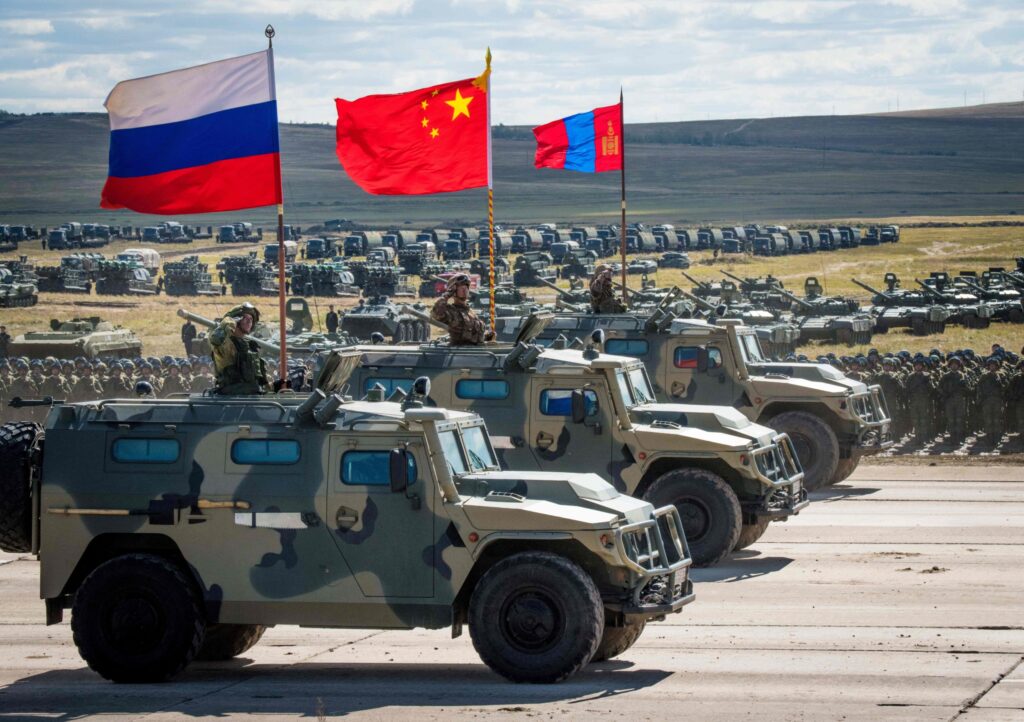
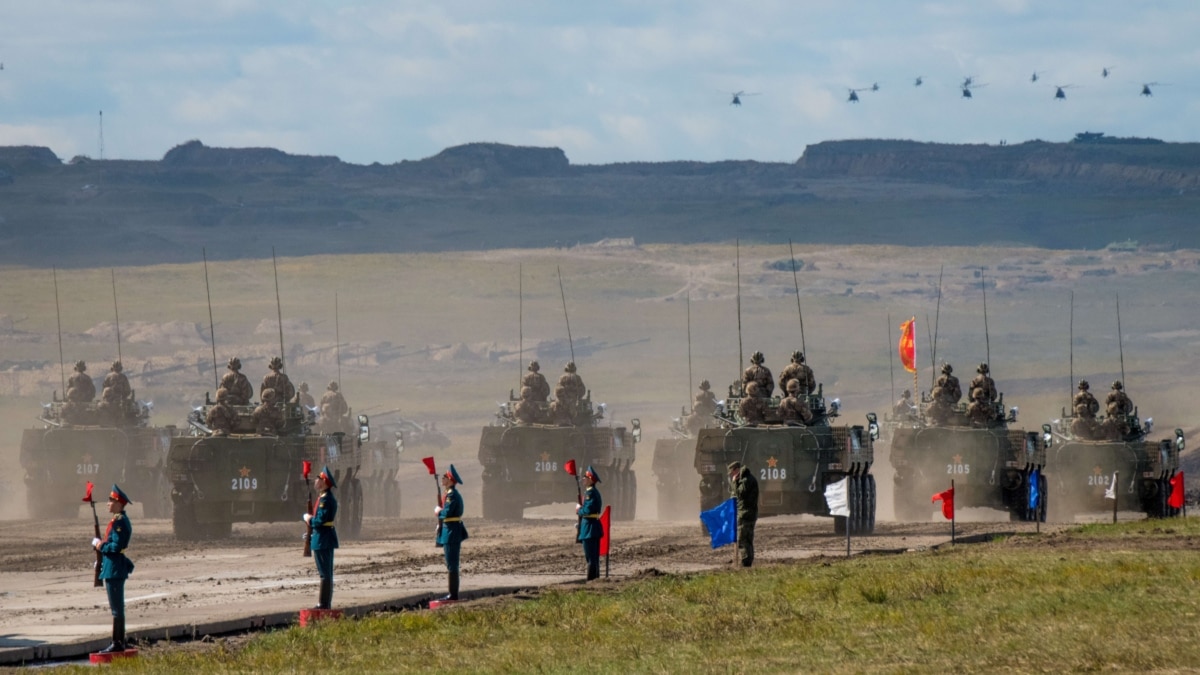
Amid the tensions between Moscow and Beijing with the United States, Russia has launced a week long joint military exercises involving forces from different countries. The Vostok exercises are the second joint military drills this year including forces from both Chinese and Russian side. The Vostok 2022 exercise, which runs until September 7, will show the expanding ties and defense cooperation between Russia and the other countries, including China and India. The exercise includes more than 50,000 soldiers and 5,000 weaponry units, including 140 planes and 60 warships which will take place at seven shooting ranges in Russia’s Far East and the Sea of Japan according to the Russian Defense Ministry. Apart from this, the Defense Ministry also announced that in the Sea of Japan, the Russian and Chinese navies will practice coordinated operations to secure maritime communications, regions of marine economic activity and aid for ground troops in the coastal areas.

China’s Participation

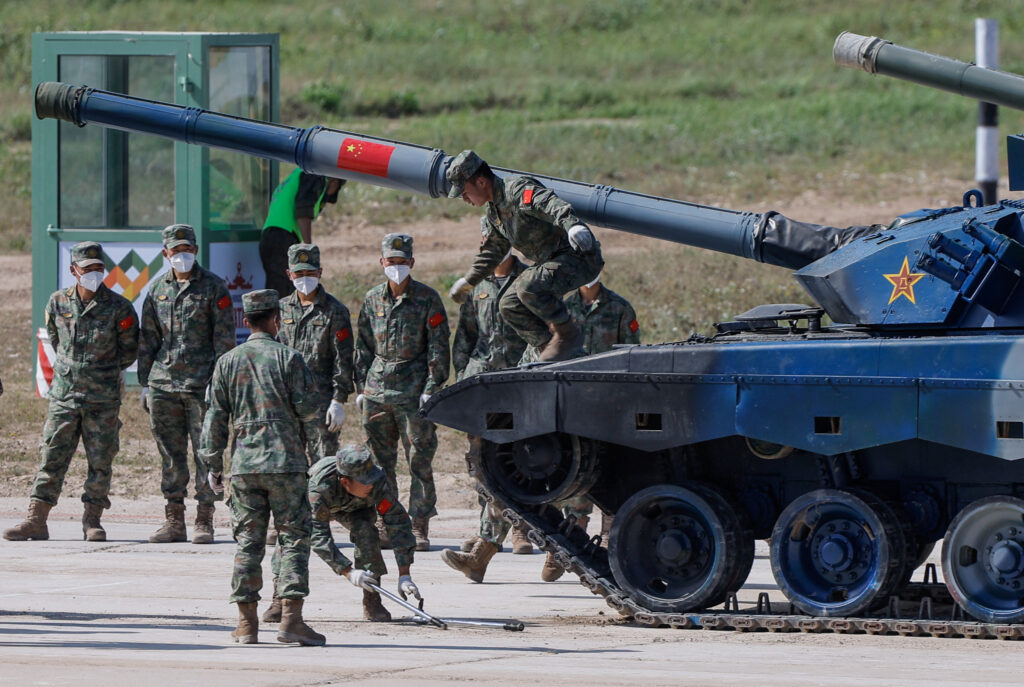
According to a statement from the Chinese Defense Ministry, it is said that China’s participation in drills “aims to deepen pragmatic and friendly cooperation between the militaries of the participating countries, increase the level of strategic cooperation among all participating parties, and enhance the ability to jointly respond to various security threats.” As per Chinese media, Beijing sent around 2,000 troops, 300 military vehicles, 21 combat planes, and three vessels to participate in the drills. The joint drills are a significant event where the first time China dispatched forces from three branches of its military i.e. army, air and naval forces to participate in a single Russian drill, demonstrating the breadth and depth of China-Russia military cooperation and mutual trust. The United States has served as the common factor for the Russian President Vladimir Putin and Chinese President Xi Jinping to forge close personal ties and strengthen a “strategic partnership” in order to respond US threats. Putin has stated that a military alliance between Beijing and Moscow cannot be ruled out, despite Moscow and Beijing previously rejected the idea. Additionally, he pointed out that China and Russia are working on sensitive military technologies, which will considerably boost the country’s defense capacity. In a round of increasingly aggressive actions against the two countries’ alliance, the West has stepped up and claimed that China and Russia’s military cooperation is a direct threat to regional stability. The Chinese Ambassador to Russia has stated that the military cooperation between the two countries does not target any third party and will not be subjected to any outside forces. Over the past ten years, the two nations have developed closer relationships and accomplished a number of ground-breaking, innovative, and institutional results despite the West’s hostile actions against China-Russian relations and partnership.

India’s Participation

India participated in international military exercises in Russia in September 2021, where a group of Indian forces took part in the Zapad military drills. It is being considered that India’s participation in the ongoing Vostok-2022 military drills during Russia’s invasion of Ukraine is a reaffirmation of New Delhi’s good relations with Moscow despite a strong strategic cooperation with the United States. Prior to the drill, when asked about India’s participation, White House press secretary stated that the US is concerned about India’s plans to participate in the joint military exercises with Russia. In contrast, New Delhi has made it clear that it will continue to uphold the independent stance that was adopted in the wake of the Ukraine crisis and will maintain its neutrality towards both the United States and Russia. . India has not joined Western sanctions against Moscow and has refrained from denouncing Russia’s invasion of Ukraine. Oil imports from Moscow have increased significantly this year as India takes advantage of heavy discounts and justifies its oil purchases as required for an energy-scarce developing nation like India. This trend shows that India has prioritized its national interests. As tensions between the United States and Russia increase, it is unclear how India will continue to manage the middle-ground between the two powers.

Conclusion

In spite of the ongoing military standoff between the two neighboring countries along the Line of Actual Control (LAC) in eastern Ladakh, Indian soldiers are participating alongside the Chinese People’s Liberation Army (PLA) counterparts in the Vostok drills. It is because India and China both have interests in maintaining ties with Moscow, both the countries buy Russian oil and heavily rely on Russian arms sales, which include fighter jets and modern weapons. Therefore, the ongoing drills are significant since China has gotten closer to Moscow as a result of its conflict with the United States and the exercises illustrate the growing defense relations between Moscow and Beijing, which have intensified since the beginning of the Ukraine War. The other key player i.e. India, one of Washington’s most important allies, adopted a neutral stance regarding Russia’s invasion of Ukraine. India is too crucial to the U.S. strategy against China, to push back too strongly since it would weaken U.S. policy toward the other. Despite having serious reservations about drills, the US has avoided direct opposition of India participating in the joint exercises.