UK £150bn Package For Energy Security!

Liz Truss, the newly elected UK prime minister, proposed an estimated £150 billion program to protect Britain from rising energy bills. However, businesses will only get six months of coverage, compared to households’ coverage of two years. Along with state intervention, it has been decided to boost domestic oil and gas production as well as restructure the energy sector. The major objectives of the new plan of action are to help businesses and people to deal with skyrocketing energy costs while simultaneously working to increase domestic energy supplies. As per the recently elected Government, it is one of the most challenging sets of difficulties for a new leader in post-war history, including rising energy costs, an impending recession, and industrial conflict. The Prime Minister, Truss has pledged to take rapid action in order to address the underlying causes of these issues to prevent a recurrence of the same situation in future.

One of the main features of the energy plan is an energy price guarantee that will limit the price suppliers can charge customers for a unit of gas, resulting in an annual energy bill for the average household of no more than £2,500. A six-month program will be introduced for companies, nonprofit organizations and employers in the public sector such as schools. In accordance with this, the state will reimburse energy suppliers for any discrepancy between the new cap and the prices that energy merchants would otherwise charge the clients. The government will make a transition from the company scheme to a more targeted approach for vulnerable industries after six months. To speed up the production of domestic energy, drilling will be approved and more North Sea licenses will be issued.

The expected cost of the package is £150 billion, although the actual price will depend on changes in the gas market. Ministers assert that the plan will reduce inflation and reduce debt payments that cost billions. However, the plan is being criticized for not being efficient and for providing a long-term vision of clean, green and inexpensive energy. The country should adopt sustainable alternatives for the ongoing energy issue as it will not only fulfill the national demand of oil and gas but will also help to reduce its dependence on any other country. The stakeholders believe that without any compliance framework and policies, millions of pounds will not be of any help to resolve the current energy security crisis.


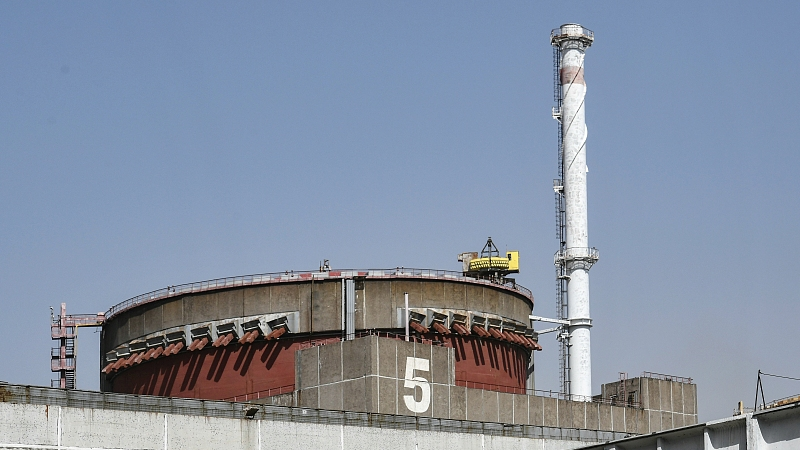
IAEA urges for Establishment of Security Zone around Zaporizhzhia Nuclear Power Plant in Ukraine

Introduction

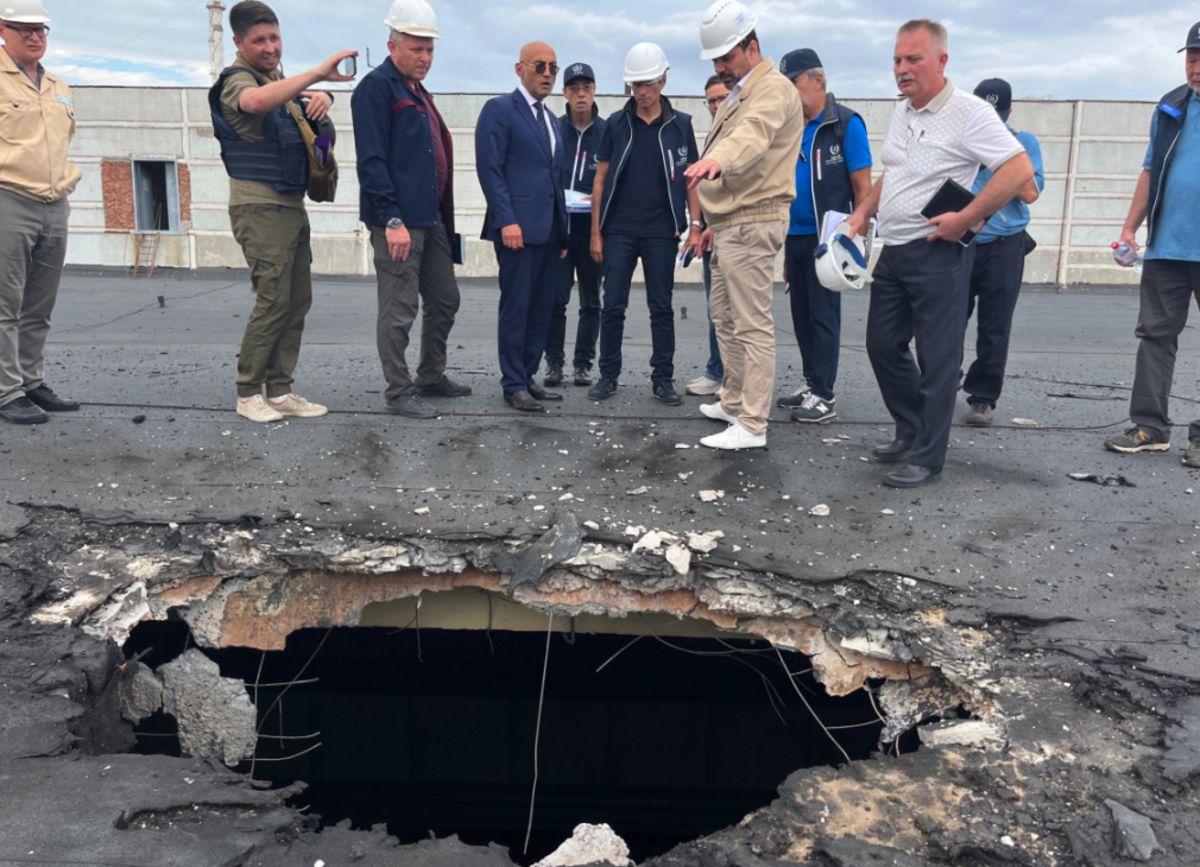
The Zaporizhzhia Nuclear Power Plant (NPP) lies on the south bank of the Dnieper River, across from Ukrainian occupied areas and has been attacked multiple times since Russia took control of it in March during their invasion of Ukraine, but it is still run by Ukrainian staff under the Russian possession of the plant. The largest nuclear power plant in Europe, which also produced more than half of the electricity of Ukraine in 2021, is under occupation. The both sides in the Russia-Ukraine war trade accusations for shelling the facility, therefore, the worries of a nuclear calamity have been raised. However, the International Atomic Energy Agency (IAEA) of the UN avoided putting blame on any side. Following a site visit by investigators, the IAEA issued a report on September 6 detailing the terrible conditions at the plant. Active shelling was also witnessed by observers when the team was at the plant. The four power lines from Ukraine’s electrical grid to the plant have been cut off, leaving Zaporizhzhia with just one emergency backup line, a nearby thermal plant that can pump essential cooling water around the reactor. Only one of the six reactors at the plant is currently operational. A meltdown might occur if the active reactor is not supplied with this coolant continuously.

The inspection visit’s leader and IAEA Director-General Rafael Grossi briefed the UN Security Council on the IAEA Support and Assistance Mission in Zaporizhzhya (ISAMZ) findings. For the sake of preventing further harm to the plant and related facilities, the IAEA advises that shelling at the location and the surrounding area must be stopped at earliest. Immediate and necessary actions are urgently required to stop a nuclear accident from developing any harm brought on by armed force. In light of recent shelling, the UN nuclear watchdog, IAEA has urged the establishment of a security zone around the Russian-occupied Zaporizhzhia site in order to make sure that the physical integrity of the plant is not compromised. United Nations’ Secretary-General António Guterres, has requested both the countries, to stop any military operations near the plant. IAEA is looking forward to discuss the actions required to establish the security zone with Russia and Ukraine.

Even if the ongoing shelling has not yet caused a nuclear emergency, but still it continues to pose a threat to nuclear safety and security since it might affect vital safety mechanisms and have a substantial impact on the plant safety which can result in unavoidable and serious consequences.


Conflict between Turkey and Greece

Introduction

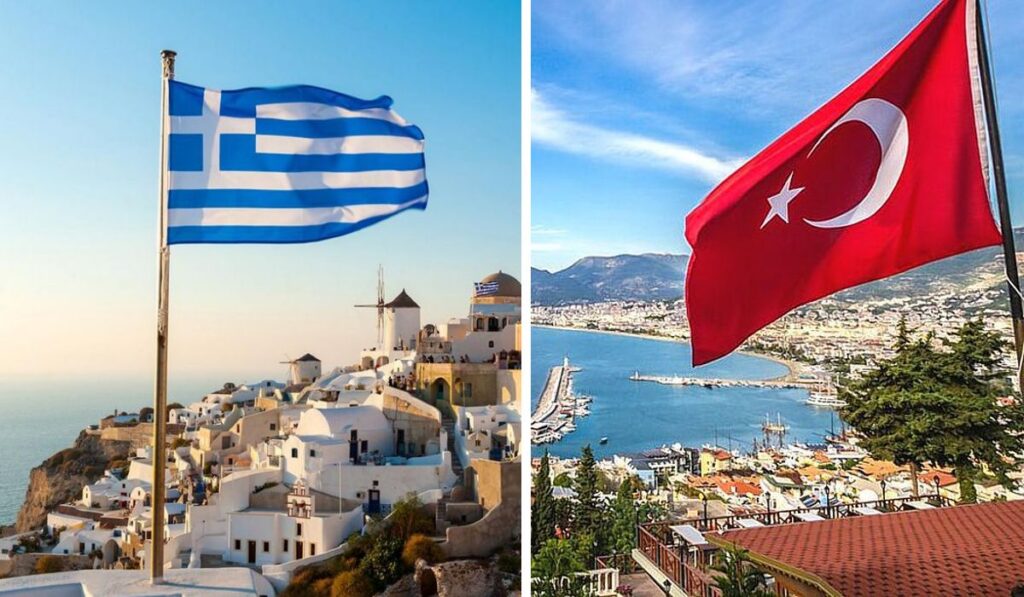
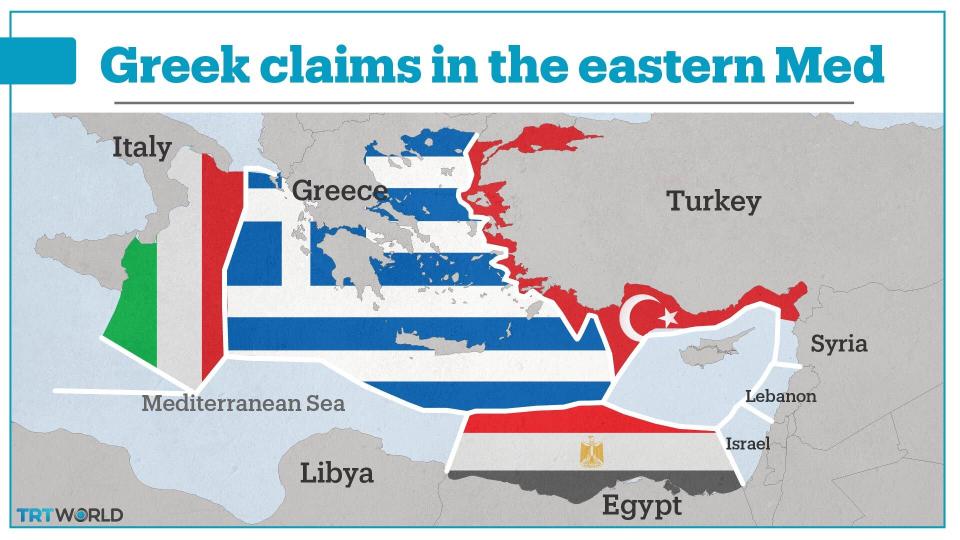
Greek and Turkish claims coexist on islands in the Eastern Mediterranean and Aegean. Concerning this issue, the two NATO members are at odds over islands in the Aegean Sea. One particular issue that Turkey takes with is Greece’s militarization of various islands. The Turkish ambassador to Greece claims that Greece and Turkey disagree on a number of matters pertaining to the Aegean Sea, such as the size of territorial seas, the definition of the continental shelf, the demilitarization of islands, and the length of airspace. Even though all of the issues are related, Greece only acknowledges the continental shelf dispute. From the Greece perspective, Turkey is asserting things that neither the current situation nor international law justify. Given the numerous Greek islands and people that reside there, Greece views the Aegean Sea as an integral part of its territory. The Aegean Sea, together with the Black Sea, serves as Europe’s southern border with the Middle East and Asia, giving it significant geopolitical and strategic importance for Greece.

Turkey Warned Greece

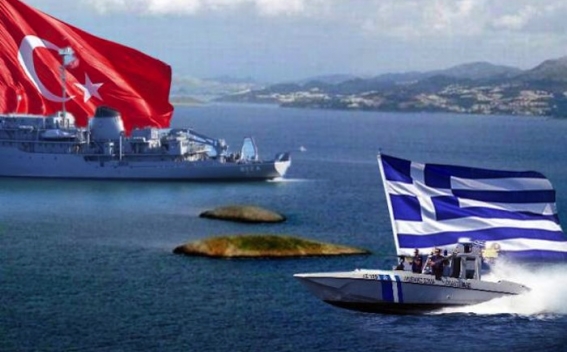
The long-standing territorial disputes between Turkey and Greece are being affected by the conflict in Ukraine. In response to Germany’s diplomatic actions, Turkey has taken a more hostile position towards Greece as a result conflicts over the eastern Mediterranean islands are frequently turning violent. It involves opposing claims to maritime borders, energy disputes and resources like oil and gas. The two nations resumed their consultative talks in 2021 after a five-year break in order to find diplomatic solutions to their differences. But recently, the tensions have been escalated among the two countries. According to experts, Turkey’s interpretation consequently presents a complicated scenario with regard to sovereign rights in the East Aegean. Legally speaking, the status of the Aegean islands in relation to their demilitarization is a complicated matter, and the two sides have quite different interpretations of the duties resulting from these treaties. It is challenging to see how a bilateral dialogue can be reached and will be successful in the atmosphere of mistrust existing. Recently, Recep Tayyip Erdogan the President of Turkey, warned Greece earlier this month over what Ankara described as recent “harassment” of Turkish fighter jets in the Aegean and eastern Mediterranean. Greece is allegedly breaking international treaties by maintaining a military presence on islands close to the Turkish shore in the Aegean Sea, according to Ankara. Additionally, during NATO exercises over the eastern Mediterranean, it has claimed that Greek air defenses closed on to Turkish fighter jets. He asserted that occupying the islands does not bind us. We will do what is necessary when the time comes.


Greece is looking toward its Allies

Greece is urging its partners to denounce Turkey for its recent provocative rhetoric, in which Turkish President Recep Tayyip Erdogan has suggested that tensions between the two nations may escalate to an open battle. Greek Foreign Minister Nikos Dendias has addressed letters to NATO, EU, and the UN urging them to condemn Ankara for Erdogan’s remarks. Dendias, who appeared to be alluding to the crisis in Ukraine, stated that allowing Turkey to continue to threaten Greece would increase the likelihood of yet another battle in Europe. The top Greek diplomat said in a letter to NATO Secretary General Jens Stoltenberg that Turkey’s position is a destabilizing element for NATO’s unity and cohesiveness, undermining the southern flank of the alliance at a time of crisis. Greece has modernized its armed forces and arming islands close to Turkish coastline.

Conclusion

Greece and Ankara have been able to stay out of war for decades despite having serious disagreements over a number of issues. A military war in the region would also have a negative impact on Turkey and Greece politically and economically due to the uncertainty brought on by the conflict in Ukraine. Domestic problems in both countries, nevertheless, might compel political leaders to take bold actions and make serious decisions. Not only is war between Greece and Turkey is possible, but it can also happen at any point with serious implications. Therefore, both the countries should handle the concerns diplomatically and learn from the continuing Ukraine conflict by considering that the possibility of war cannot be underestimated.


Albania Terminated Diplomatic Relations With Iran Over Cyber-Attack

Introduction

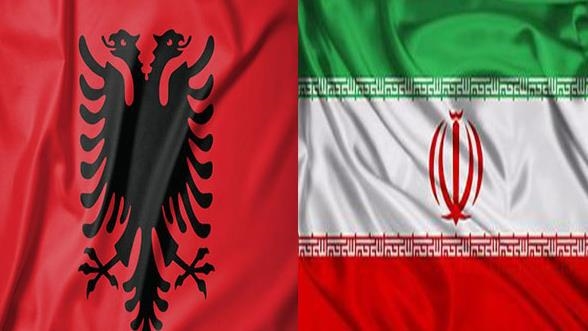
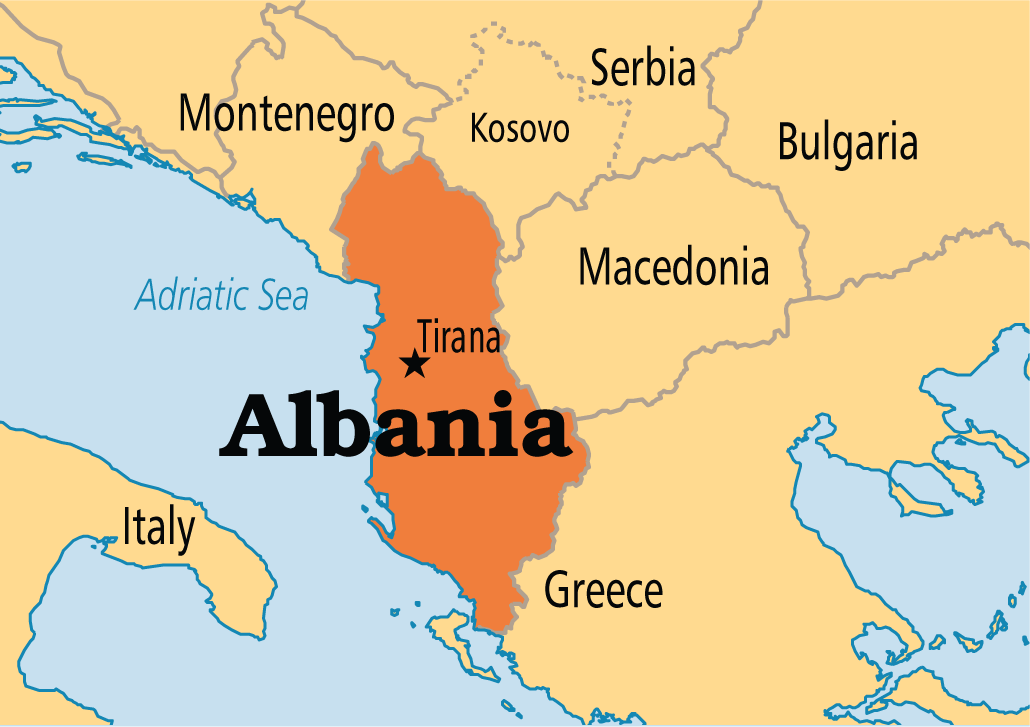
Albania and Iran have had tense relations ever since Albania accepted over 3,000 members of the Iranian opposition group People’s Mujahideen Organization, also known as Mujahideen-e-Khalq in Farsi, who had set up camp outside Durres, the country’s major port, in 2014. Recently, the tensions have further escalated between the two countries over a cyber-attack as Albania claims that the country has evidence which reflects the direct involvement of Iran behind the cyber-attack. The Albanian Government has experienced a significant cyber-attack on July 15, as per reports hackers destroyed the data, shut down the government service e-portal and exposed information about the Prime Minister and Ministry of Foreign Affairs. In a video statement, Prime Minister of Albania Edi Rama stated that the Government has made the decision to sever diplomatic ties with the Islamic Republic of Iran, to be effective immediately. He continued by saying that the hacking group’s objective was the damage of the Republic of Albania’s Government’s digital infrastructure, as well as the theft of data and electronic communications from networks base on Government level.

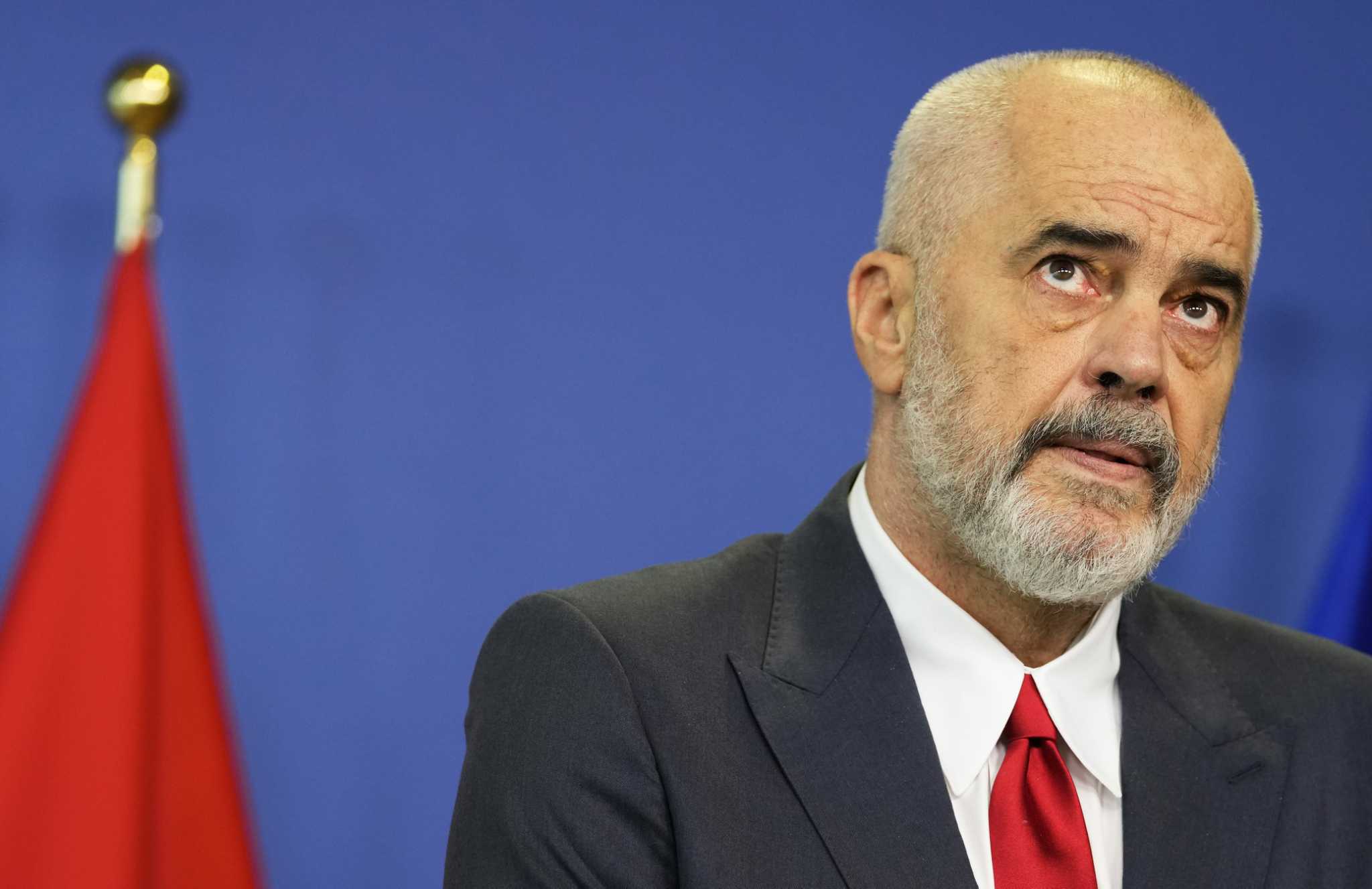
FILE – Albanian Prime Minister Edi Rama pauses before speaking as he addresses a media conference at EU headquarters in Brussels, Tuesday, July 19, 2022. Albania cut diplomatic ties with Iran and expelled the country’s embassy staff over a major cyberattack nearly two months ago that was allegedly carried out by Tehran on Albanian government websites, Prime Minister Rama said Wednesday, Sept. 7, 2022. (AP Photo/Virginia Mayo, File)

UK And The United States Support To Albania

In contemporary times, NATO member Albania is the first Government to be known to have terminated diplomatic ties with another country in reaction to a cyber-attack and gave the diplomats, security officers, and employees of the embassy in Tirana 24 hours to leave the country. The decision to expel its ambassadors was criticized as being “anti-Iranian”, and a statement made in response hinted that “third parties” may have been involved in the charges which points the U.S. indirectly. Albania’s action was backed by a number of countries, including the United States and the United Kingdom. However, Albania’s decision to sever diplomatic ties with Iran was strongly opposed by Tehran, according to the Iranian Foreign Ministry, Albania’s justifications have been rejected while considering them as baseless allegations. The hackers, which had ties to Iran, carried out a cyber-attack using malicious data-wiping software targeting Iranian opposition group, according to Mandiant, a U.S. cyber-security company that first reported the hacking activity. The attack was carried out by one or more threat actors who have acted in support of Iranian objectives, as per Mandiant, which stated it had reached this conclusion with confidence. After weeks of inquiry, the United States claimed it had come to the conclusion that Iran was responsible for conducting a reckless attack. In order to hold Iran responsible for activities that endanger the security of a U.S. ally and create unfavorable precedent for cyberspace, the United States will take additional measures has said by U.S. National Security Council in a White House statement. This could result in creating more tensions between the U.S. and Iran as the United States firmly denounced the cyber-attack on a NATO ally and vowed to hold Iran responsible for any actions that endangered Albania’s security.

Conclusion

The history shows that there have been major cyber incidents occurring for many years which caused threat to high tech, defense and government. Today, a number of actors have access to cyberspace for geopolitical influence or financial advantage as a result of the proliferation and commodification of cyber offensive capabilities. Countries have interfered in elections, halted public services, infiltrated IT infrastructure with malware, and even disrupted adversary security systems during the past few years. The capability of technology and the reach of the internet, along with creative thinking, have altered how nations engage in warfare. It is alarming, if the nation-states use offensive cyber-attacks whether against one another directly or by enlisting the help of cybercriminals, it will leave people vulnerable and complicate the existing complex cyber threat scenario. It is a time when the internet is relied upon for both domestic and international benefits. Many experts predict that over the coming years, cyber warfare will both expand and become more complex. Global cyber security threats have become a serious challenge, and every government needs to take greater action in the area of cyber security and maintain a specialized unit to combat cybercrime by performing their fair share and positive part to prevent, identify, and lessen the impacts of cyber-attacks through cyberspace governance and investing in the appropriate strategies.


Ukraine War: The Blame Game Continues

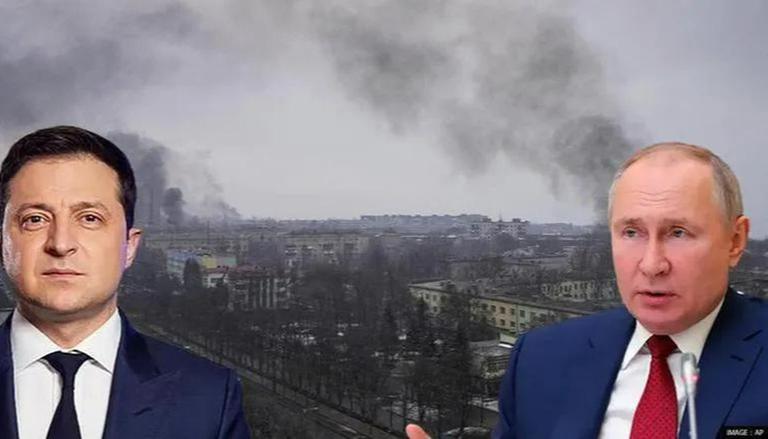
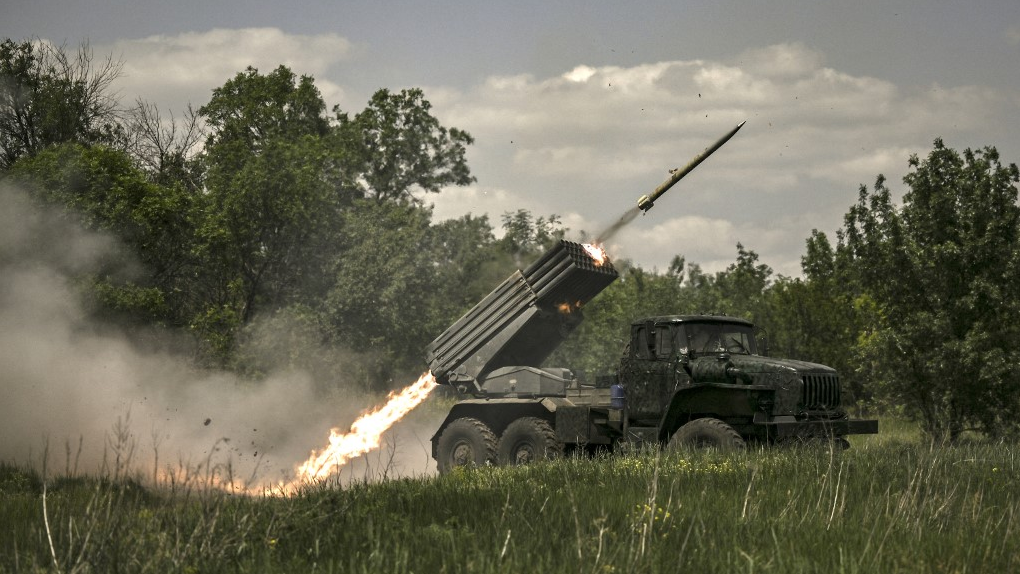
Right after the war initiated in Ukraine, the US’ Secretary of State, Antony Blinken in March 2022 accused Russia of committing war crimes in Ukraine which were denied by Russia. The United States is the key player in the ongoing crisis in Ukraine and its actions are of significant importance since it is a major super power. For Russia, security is the main concern, which is why Russia has accused the White House of providing targeting data used by Kyiv to launch long-range missile strikes, the role of American intelligence in the war in Ukraine is being closely examined. After the launch of war by Russia in February, the Biden administration has provided more than $8 billion in security assistance to Ukraine, despite strongly denying any involvement in the conflict or war with Russia. Moreover, the Biden administration recently announced on August 8, 2022, that it was sending $1 billion aid in the form of rockets, ammunition, and other material to Ukraine from Defense Department stockpiles as part of its largest direct delivery of weapons to that nation yet as it gets ready for a potentially decisive counteroffensive in the south against Russia. Russian Defense ministry in a statement said, Washington is “directly involved” in the conflict that had resulted in “mass fatalities of civilians”. It is added by the ministry, that Washington is directly involved in the fighting in Ukraine, contrary to allegations made by the White House and Pentagon.

There are different narratives of each country regarding current Ukraine war depending upon their interests. According to the Chinese envoy to Moscow, the “main instigator” of the war in Ukraine is United States of America who has already warned to destroy Russia. The US, according to Ambassador Zhang Hanhui, backed forces aiming to link Ukraine with the European Union rather than Moscow and repeatedly expanded the NATO defense alliance. US have imposed unprecedented sweeping sanctions on Russia while continuing to provide Ukraine with armaments and military hardware as the primary and starter of the Ukrainian issue as per Chinese Envoy in an interview which was reported by TASS, a Russian state news agency. This statement came after the visit of Nancy Pelosi to Taiwan, before this China warned US of severe consequences, but Pelosi made a visit and as a result China halted military ties with the United States. The issue with the Ukraine war is that the country is not able to control its own destiny, even though it is an independent entity but it is being treated as an object by the major powers of the world. Therefore, it is likely that external powers rather than the Ukrainian government will define the conditions of the conflict’s resolution in coming time. The involved countries and the major powers should allow Ukraine to decide its future by playing a positive role instead of blaming and fulfilling their own interests. The situation in Ukraine has intensified into a significant economic and political standoff between Russia and the West, which is being experienced by all the countries, and if it does not stop it will have a lasting effect on world peace, security and stability.


Our Common Agenda: The Path for Sustainable Development

What is “Our Common Agenda?”

The world leaders urged the Secretary-General Guterres to outline a vision, for future international cooperation and suggest ways to revitalize multilateralism in order to address the interlinked challenges of the ongoing century. Following a recommendation in the September 2020 declaration on the celebration of the UN’s 75th anniversary, the Secretary-General released Our Common Agenda in September 2021. About 90 recommendations and solutions are included in the report and are said to be “a beginning point for collaborative efforts to build global governance together on foundations of trust, solidarity, and human rights”. The Secretary General’s vision for the future of international cooperation and the revitalization of inclusive and successful multilateralism is reflected in the “Our Common Agenda” report, which looks ahead 25 years for sustainable development. It was launched in a time when humanity needed it the most during COVID-19 pandemic, the report outlines a course for the future built around a renewal of social contract and increased solidarity with youth and future generations. An inclusive approach has been adopted among the network of partners from all regions. Moreover, 12 areas of action have been decided by the member states to accelerate the functioning of SDGs in order to attain sustainable development for future generations and leaving no one behind.

Sustainable Development Goals (SDGs)

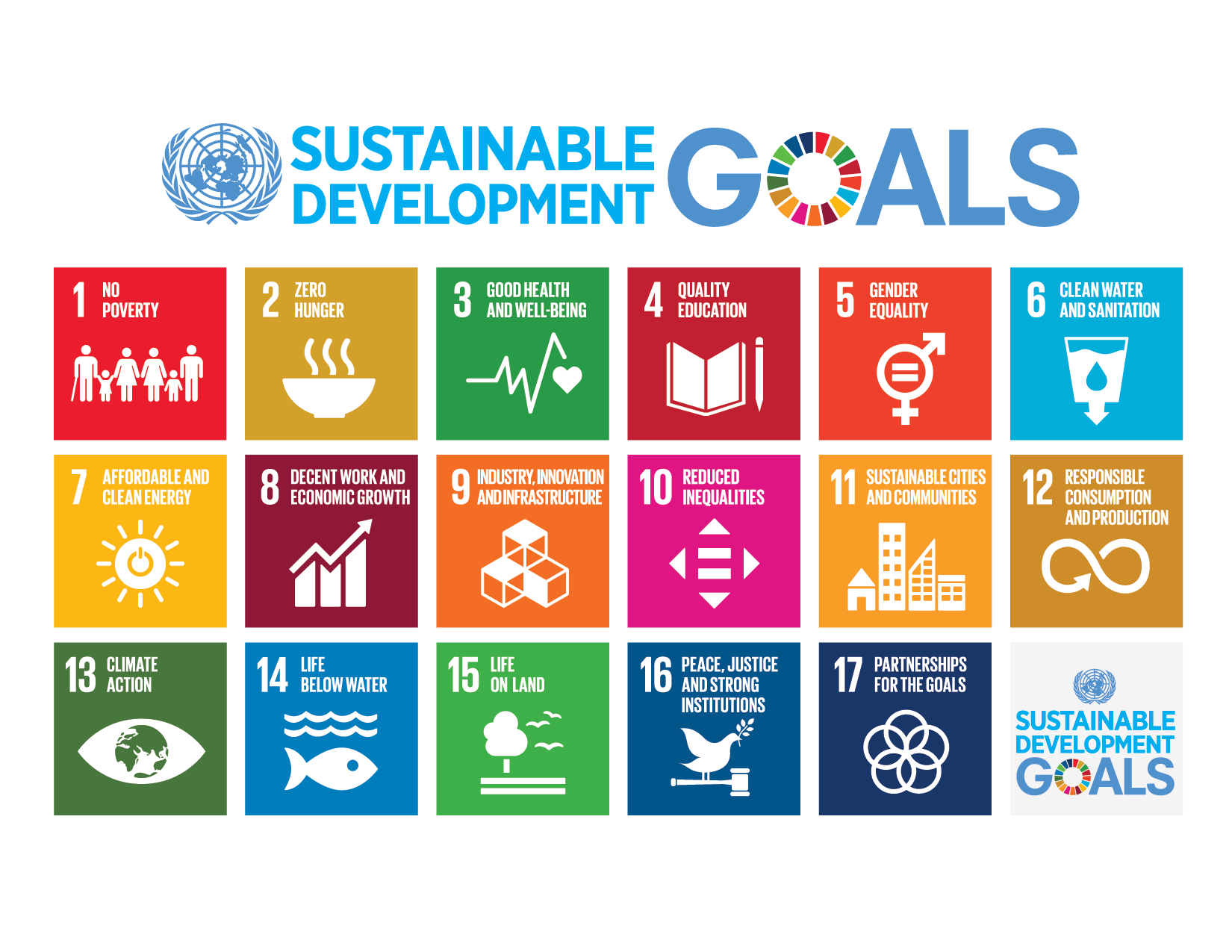
In recent years, alarms have been raised that if rapid and worldwide progress is not achieved on a variety of sustainability fronts, future generations could confront a future with inequalities and environmental catastrophes. Therefore, the Sustainable Development Goals (SDGs), also referred as Global Goals, were enacted by the United Nations in 2015 as a global call to for all by the year 2030, it also known as the Agenda 2030. The framework for achieving a better, more sustainable future for everybody is the main objective of the Sustainable Development Goals.. It is believed by many that sustainable development is a worldwide concern that should be on agenda, however it can be challenging to incorporate this global agenda into governmental policies. It is because of the challenges such as poverty, inequality, climate change, environmental degradation, peace, and justice, that humanity is experiencing which have created hurdles for achieving Agenda 2030 and particularly in developing countries.

UN General Assembly Consultation

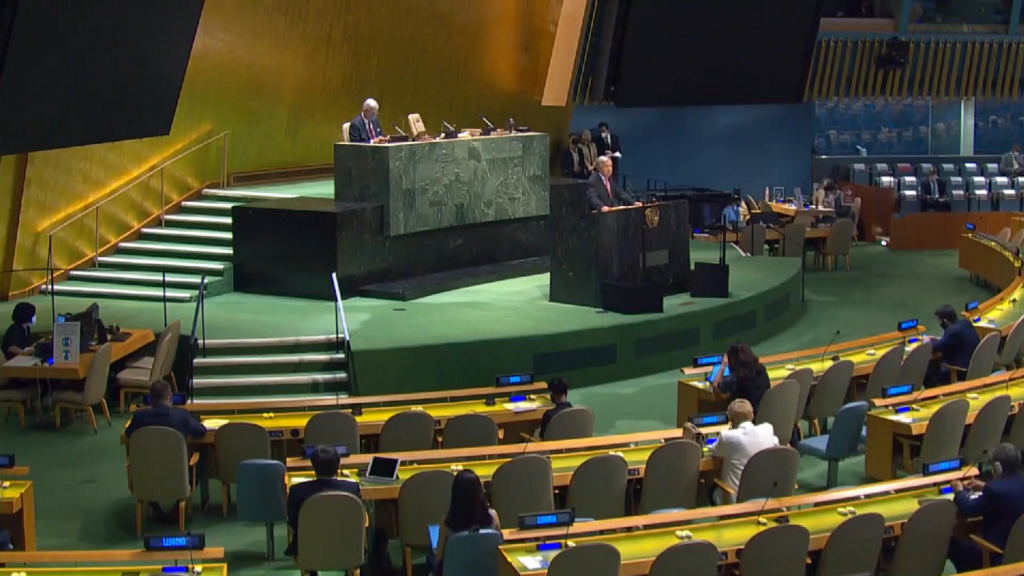
The UN General Assembly (UNGA) held a consultation on “Our Common Agenda” in the first week of August 2022. During his briefing, the Secretary-General stated that summits on future, sustainable development goals are the ‘last best chance’ to manage and address global challenges. Additionally, he gave Member States an update on how far the report’s recommendations had been put into practice. According to the Secretary-General, the second SDG Summit in 2023 and the proposed Summit of the Future are “twin summits” with the shared goal of creating conditions for a sustainable, equitable, and inclusive future. He also outlined the connections between the Summit of the Future and the SDG Summit. The latter, he said, will take place in 2023, “at the midway of implementation of the 2030 Agenda,” to review progress on the SDGs, recommend policies, and undertake measures to save the Global Goals.

Sustainable Development: Need of the Hour

Sustainable development aims to achieve equilibrium and harmony between environmental sustainability, economic sustainability, and socio-political sustainability. It is defined as development that fulfills present demands without affecting the capacity of future generations to satisfy their needs. To achieve these objectives, “Our Common Agenda” is a good initiative, because of this member states will make serious efforts to speed up the processes necessary for achieving sustainability at all levels. The SDG Summit will help to track the progress of the countries regarding SDGs to achieve sustainable development and growth. In today’s world, the sustainable development is important than ever before, to maintain a balance between social, economic and environmental demands so that both current and future generations can prosper in healthy way. By embracing sustainable practices, sustainable development promotes resource conservation. Countries should take into account measures and regulations that help to address the basic necessities of the citizens including jobs, food, energy, water, and sanitation. A sustainable population level is undoubtedly necessary. In order to ensure that developing and under developing economies expand at a level with those of industrialized countries. Therefore, sustainability should be encouraged for development and growth. It will support social advancement, equality, environmental preservation, resource conservation, and steady economic growth that will fulfill the existing and future demands as well as needs in sustainable manner.


New Zealand’s Effort for Environmental Security

Massive harm as a result of climate change problems associated with global warming is being experienced by New Zealand. In order to address these issues, New Zealand has formulated its first six-year national action plan, as more extreme storms, flooding and wild fires are brought on by climate change. James Shaw, New Zealand’s minister for climate change, stated that extreme weather events that had previously thought unimaginable are today happening at a rate and an intensity that we have never witnessed before. It is also the first long-term plan to assist New Zealand in strengthening its resilience and adaptability to a fast changing environment. The evacuation of 70,000 homes near coastal areas will be contemplated as a possible solution to the increasing sea levels. The key idea behind the action plan is to make country ready for negative outcomes in advance rather than after they happen. The plan can be considered as a great effort by New Zealand to ensure environmental security. Before moving forward, it is important to understand the importance of environmental security, as the current discourse on security has been shifted from traditional security to non-traditional security threats such as climate change, human security, food security, environmental security etc. but unfortunately it is not getting enough attention. Environmental security is the condition of safeguarding the important interests of the individuals, society, and natural environment against risks brought on by anthropogenic and natural events. The dynamics and connections between people and natural resources make environmental security essential to national security paradigm. Thus, environment is the subject matter and maintaining its protection is crucial for maintaining peace, national security, and human rights.

The natural environment of New Zealand is an important component of its culture and a driving force behind the country’s tourism industry that help economy. The natural resources of New Zealand, which make up a sizable portion of its exports, are very important to the country’s economy. These natural resources must be thoughtfully managed for the benefit of current and future generations in order to achieve sustainable economic growth. The items like dairy, beef, timber, fruit, vegetables, and fish assist the food security of countries like China, Australia and the United States that receive these products, are maintained by the natural environment. Therefore, it is crucial for New Zealand to implement the National Adaptation Plan on urgent basis in order to preserve its environmental sustainability and economic growth. It can be done enhancing environmental governance and management, also by strengthening collaboration among all the stakeholders in order to make sure significant engagement with communities at local level to adapt and mitigate the effects of climate change in the country.


Biden Administration Approved $5.3 Billion Arms Sale to UAE and Saudi Arabia

On 2nd August, 2022, the US State Department approved $5 Billion arms deal with Saudi Arabia and United Arab Emirates (UAE). The deal includes the sale of Patriot missile to the Kingdom of Saudi Arabia of worth $3.05 billion and the Terminal High Altitude Area Defense (THAAD) systems to UAE having worth of $2.25 billion. The Pentagon said that the sale of 300 MIM-104E Guidance Enhanced Missile-Tactical Ballistic Missiles (GEM-T) for the Patriot missile defense system, as well as supporting equipment, replacement parts, and technical support to the Kingdom of Saudi Arabia, has been approved by the U.S. State Department. Furthermore, it has been authorized to sell 96 THAAD missile defense system interceptors to the United Arab Emirates, along with spare parts and technical support. The State Department in a statement has said “These missiles are used to defend Saudi Arabia’s borders from recurrent cross-border attacks by the Houthis on civilian and critical infrastructure using unmanned aerial systems and ballistic missiles”.

The deal came after Biden administration suspended arms sale to Saudi Arabia and UAE in February 2021 because of the two country’s involvement in Yemen war. Earlier, Donald Trump agreed upon the arms sales, defense equipment and transfers as a step to normalize relations with key Middle–East partners as part of “Abraham Accords”. Recently, it was in news that US is considering policy change towards Riyadh regarding weapons sale. Biden’s trip to Middle-East and Saudi Arabia in July has made it clear in the form of current announcement for massive arms sale. The aim of the US is to promote relations with Gulf States amid of Ukraine war for the sake of reducing dependency on Russian oil and gas, because these states can be proved a potential alternative to Russia. On the other hand, the latest development between the three countries is being seen as a measure to counter and defend against Iran. Few months back, US-led missile defense pact between Israel and several Arab countries known as Middle-East Air Defense Alliance (MEAD) has also been established. Under this arrangement, sensors and shooters from several countries will be connected together to counter threat from Iran. Considering the whole scenario, any defense deals such as US to resupply Saudi and UAE missile defense systems that are moving into the region are important to note. It is because Middle East has multiple existing challenges such as conflict within governments, civil wars, and serious humanitarian crises, undermining the regional order. Iran has remained a prominent actor in shaping up the region’s politics that is why Israel and the Arab nations pushed closer together more quickly considering Iran’s nuclear expansion as a common threat. The United States is also actively playing its role in Middle-East that is changing the dynamics of strategic and political landscape as well as threatening the already sensitive situation of security in the region.


India-Maldives Relations: Security and Strategic Partnership

Introduction

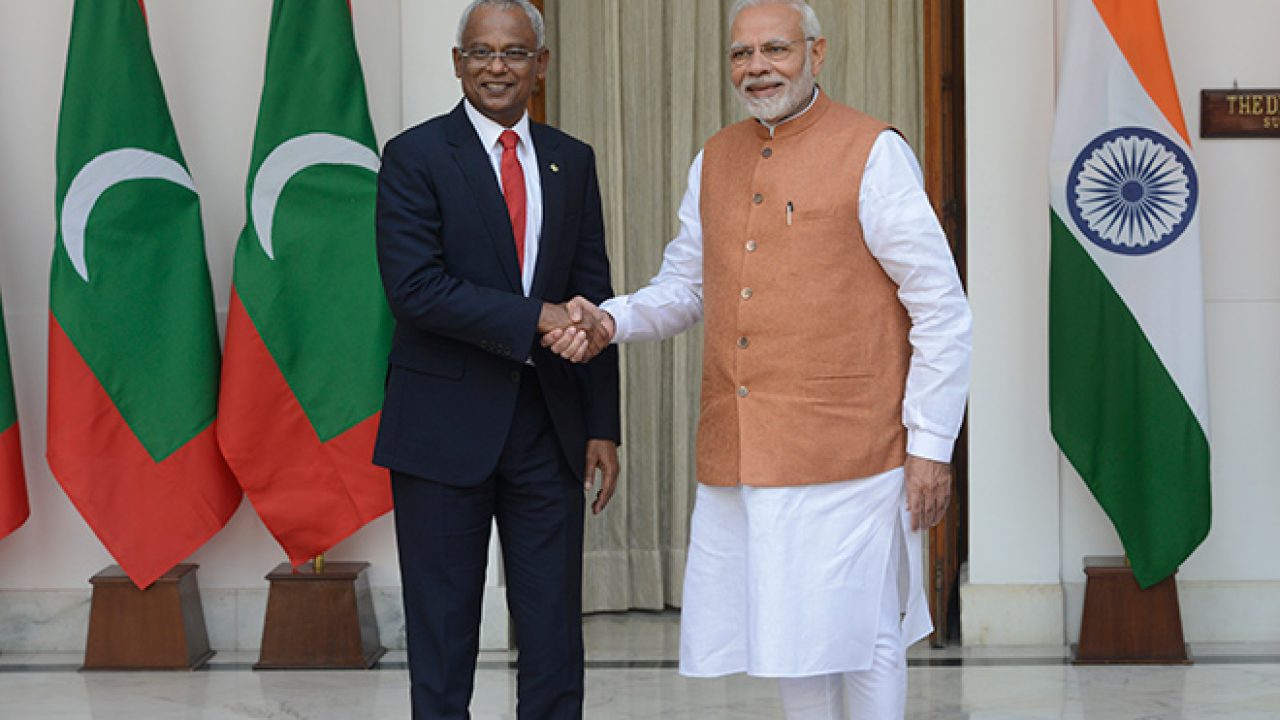
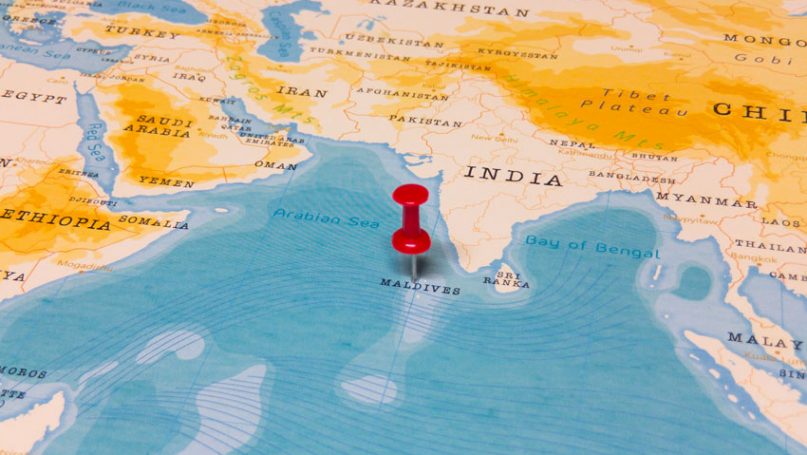
The Maldives’s location in the Indian Ocean makes country strategically important to India as part of the “Neighborhood First” policy. The Maldives is “a valued partner in the Indian Ocean neighborhood”, according to India’s Prime Minister Narendra Modi. He said that India and the Maldives ties are built on a very strong foundation, the boundaries of these ties can be defined by shared strategic, security, economic, and developmental goals. India and its neighbor to the north, the Maldives have long-standing ties in terms of ethnicity, language, culture, religion, and trade. The diplomatic ties were formally established in 1965, bilateral relations have been nurtured and strengthened between two countries by regular contacts at the highest levels. Despite the long-standing friendship and diversity of the relationship between India and the Maldives, the country’s recent regime instability has posed serious challenges, particularly in the political and strategic areas. The greatest concern for New Delhi has been how the political unrest in the neighborhood will affect its security and growth.

Trade and Economic Support

A pact for trade between India and the Maldives was formed in 1981 to allow export and imports of the goods. Indian exports to the Maldives include food items and a range of engineering and industrial products, while Indian imports from the Maldives mostly consist of scrap metals. India has become the second-largest trading partner of Maldives, previously in the year of 2021, India was the third-largest trading partner. In 2021, trade between India and the Maldives reached a record-breaking $ 323.29 million, the first time it had ever surpassed $300 million. The Maldives depend heavily on tourism for its economy, and one of the priority destinations for Indian tourists. Outside of trade connections, India continues to be the Maldives major source market for tourism. India, which accounts for 14.7% of the market, is the top-ranking tourism market in July 2022.

India-Maldives Security and Strategic Partnership

Maldives is a small island nation in the middle of the Indian Ocean. Despite having barely 500,000 residents, its position in Indian Ocean gives it significant strategic importance. The rising competition between China and India has brought the Maldives to the attention of the world in recent years. Considering, India-Maldives relations, support and resistance have frequently alternated in the Maldives’ relationship with India. Last year, the “India Out” campaign was started by those who opposed having Indian troops stationed in the Maldives which ignited the protests by Progressive Party of Maldives (PPM) and the People’s National Congress (PNC) in Malé, the capital of the Maldives. President Solih of the Maldives responded by issuing an order that discouraged the campaign to reaffirm the country’s “India First” policy. Also, stated that India is the closest ally and trusted neighbor of the country. India has significantly increased its aid to the Maldives since 2018 in response to the concerns raised over China’s expanding influence during the previous Government. Therefore, India is also supporting country’s infrastructure, Greater Male Connectivity Project (GMCP) of worth $500 million, an agreement for financial support and building the largest infrastructure in the Maldives, was announced last year. This project will help Male, the capital of Maldives to connect with three Islands.

Recent Developments

President Solih came to India for his four-day (1-4 August) visit for a stronger India-Maldives partnership, both sides reviewed existing projects and set targets for new projects. Six high-level agreements including disaster management, women’s empowerment, cyber-security, police infrastructure, and social housing have been signed. Before that, in the month of July, the signing of a Memorandum of Understanding between India and the Maldives was observed for judicial collaboration to enhance court digitalization and improve opportunities for IT start-ups in both nations. Even though the Maldives is a small country, but several developed and developing countries are considering its importance due to the Maldives’ strategic importance in relation to important international shipping lanes (ISLs). It is a vital route for world in terms of energy and economic flows around the Indian Ocean. The Strait of Hormuz and the Gulf of Aden in the western Indian Ocean, on the one hand, and the Strait of Malacca in the eastern Indian Ocean, on the other, are both choke points for shipping in the Indian Ocean. Geographically, the Maldives is situated in between these two choke points. Other than that, in China’s “String of Pearls” strategy in South Asia, the Maldives has become a significant part. India is worried about China’s expanding strategic presence in the Maldives. Therefore, India is promoting good relations with Maldives and making serious efforts for political stability and security of Maldives in Indian Ocean to ensure safety of Indian trade and investments. Also, initiatives are being contemplated by Indian Government for maritime security in view of growing influence of China.


The Unexplored Blue Economy of Pakistan

Introduction

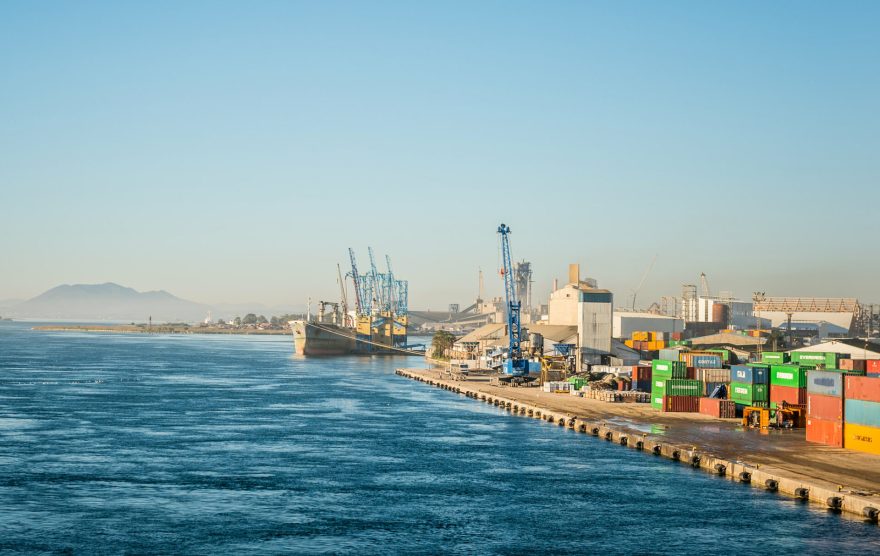
Pakistan is a significant coastal state with an about 1050 km long coastal line, a 240 000 sq. km Exclusive Economic Zone (EEZ), and an additional 50,000 km continental shelf. Due to Pakistan’s unique geostrategic location, its ports have a special relevance for maritime trade. Additionally, the development of Gwadar as a port for trans-shipment and transit as part of CPEC has increased Pakistan’s marine potential as a significant player in the Indian Ocean region. With the help of Blue Economy, Pakistan’s needs for food, transportation, and energy can be met via investments in coastal and different marine resource areas. This is significant because of Pakistan’s recent strained economic development, financial instability, investment volatility, and steadily rising unemployment rates. Pakistan needs to explore beyond conventional land-based investment opportunities in order to diversify its economy, particularly Blue Economy.
Blue Economy: Emerging Paradigm in Pakistan

The Blue Economy is described by the World Bank as “Sustainable use of ocean resources for economic growth, improved livelihoods, and jobs while preserving the health of oceanic ecosystem”. The Rio+20 Conference of the United Nations on Sustainable Development and Growth is where the phrase “Blue Economy” first coined. The blue economy has been regarded as the solution to all of the economic issues of less developed coastal nations due to the abundance of oceanic resources. It simply means utilizing coastal and marine resources for commercial gain, with a focus on environmental friendly growth and sustainable development. Through SDG 14, the United Nations 2030 Agenda for Sustainable Development clearly connects the Blue Economy and sustainable economic growth. In 2020, the Ministry of Maritime Affairs led the initiative of Blue Economy in Pakistan and then Prime Minister, Imran Khan declared 2020 as the year of Blue Economy but the coronavirus pandemic prevented its official launch. In Pakistan, blue economy concepts cover a wide range of industries, including waste management, ports, shipping firms, energy and renewable energy, fisheries, maritime transportation, tourism, and climate change. The Marine Food Processing Chain, Exploitation of EEZ, LPG Terminal, LNG Terminal, Silk Route and BRI, Coastal Development, and Shipping Industry are few of the potential investment prospects by the Blue Economy sector.
Importance of Blue Economy

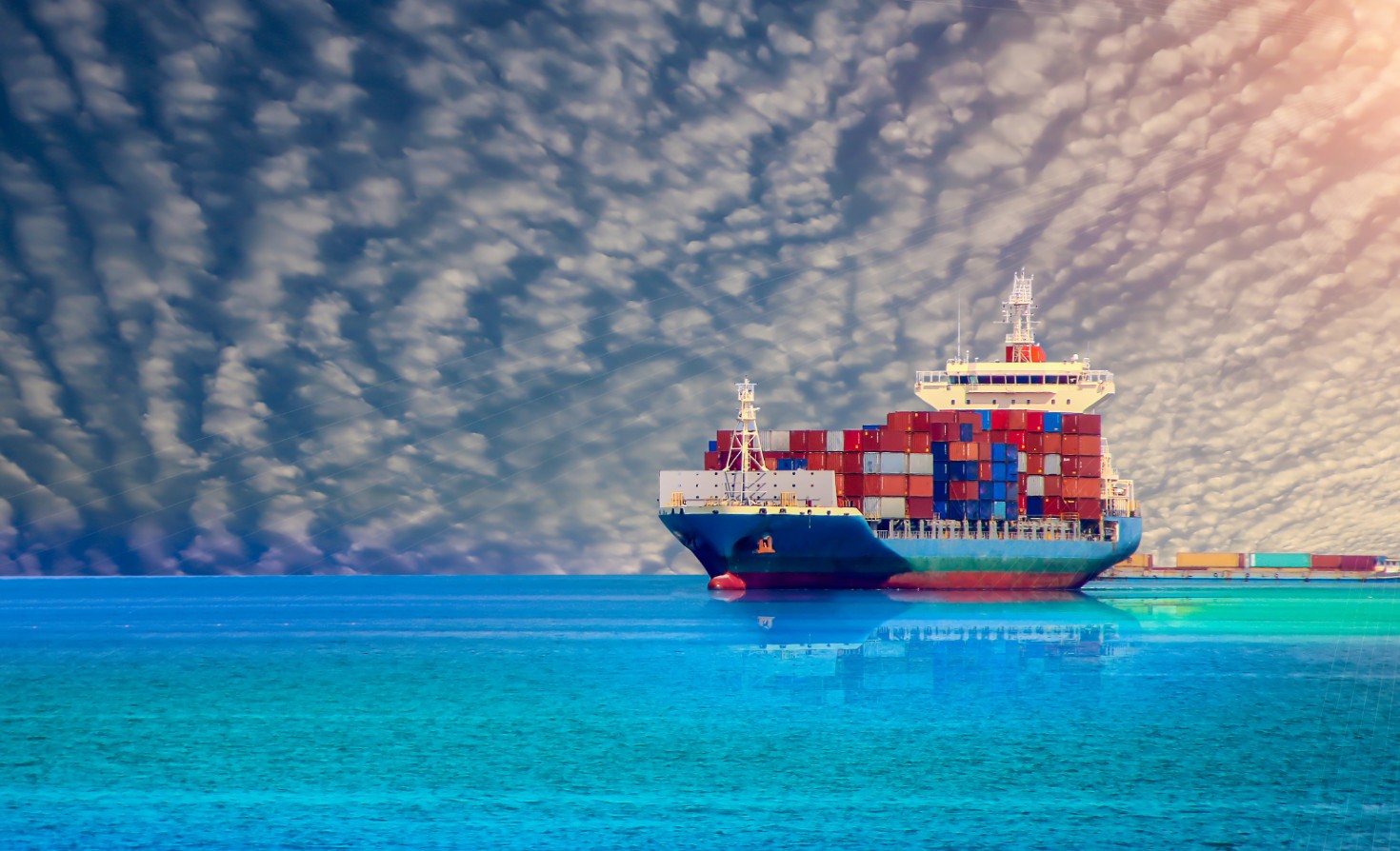
Any country’s economic development and growth can be greatly influenced by its access to maritime resources, and states with seashores have an advantage over states without access to the sea or any coastline lines. Every maritime state recognizes the value of its maritime resources and makes the best use of them. Despite having a direct route to the ocean, Pakistan has not been able to fully exploit the water and its resources, primarily because of a lack of knowledge about the blue economy. By using the untapped potential of blue economy, Pakistan can improve its economy and overall GDP. In addition, it can be proved a potential source in enhancing the following areas:

Fishery and Aqua-Culture:

One of the key export sectors of the Blue economy is fishing. It is crucial for improving a nation’s food and agricultural needs. The coastal regions of Pakistan have a variety of key fish species. Currently, Pakistan exports fish for $250–300 million annually. However, the sector has the potential to increase to $2 billion annually by using the right techniques for fish catching and adhering to the required packaging protocols. Additionally, 400,000 people in Pakistan are associated with the fishing sector, therefore by improving the sector, there would be additional job prospects and opportunities for employment. Moreover, Pakistan has a lot of potential for raising freshwater and saltwater aquatic populations in well-managed aquaculture settings along its coastline.

Boat and Shipping Industry in Pakistan:

By volume, the sea accounts for more than 90% of Pakistan’s trade. However, the results are disappointing when compared to regional nations like Bangladesh, India, and Sri Lanka given Pakistan’s fleet size with no general cargo and containership. In today’s globalized world, where 80% of trade takes place on the sea, the shipping industry is of utmost importance to any economy. Pakistan should therefore think about possibilities while including various stakeholders that could support Pakistan’s maritime and boating industries.

Blue Tourism:

Pakistan is ranked 121 out of 140 countries worldwide and is one of the least competitive nations in south Asia for tourism, as per World Economic Forum report. For this cause, Pakistan can follow the model of regional country like Maldives who is getting benefits from tourism industry by capitalizing blue economy. It is done by making efficient use ocean resources. Pakistan have a long coastal area of 1050 km having diverse range of landforms including sand beaches, rock cliffs, headlands, bays, lagoons, deltas, islands that offer the backdrop to a variety of maritime and recreational activities must be utilized efficiently. In addition, Pakistan’s beaches needs to update existing hotels and restaurants etc.
To conclude, sea blindness in Pakistan has increased the burden on Pakistan’s traditional economy, but blue economy can help it to recover. Pakistan has a huge maritime potential, to unlock its total benefits, Government should formulate comprehensive policy and ensure its implementation. Besides, engagement of multiple international, national and local stakeholders, public-private partnerships must be considered for promoting sustainable growth and Blue Economy in Pakistan.