North Korea’s Nuclear Threat to US and South Korea
Background

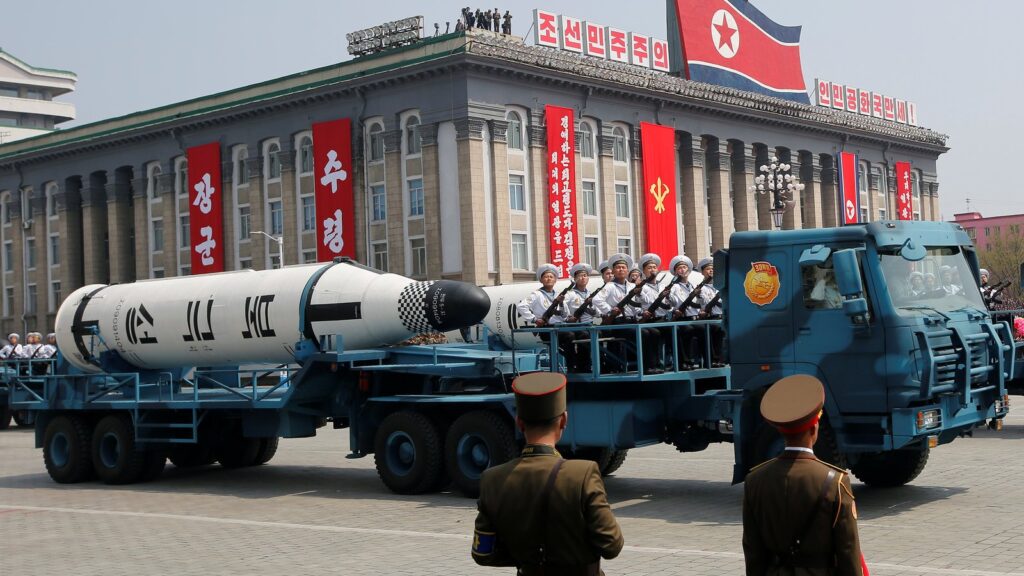
The Korean War of the early 1950s took place in the early stages of the Cold War. The United States’ support forces in the southern part of the peninsula against communist forces in the north that received military assistance from China and the Soviet Union is the origin of American military involvement in the Korean peninsula. According to the terms of the Mutual Defense Treaty between the United States and the Republic of Korea, the United States is now committed to defend South Korea, for that the US has about 29,000 troops deployed on the Korean peninsula. Along with U.S. personnel, the Demilitarized Zone (DMZ) is one of the most heavily armed borders in the world, it has a large number troops including of South Korean 630,000 soldiers and North Korea’s 1.2 million military personnel. Every other day, one country threatens the other with nuclear deterrence while neglecting the consequences and its implications for the world’s peace, security and stability.
Kim Jong-un Statement

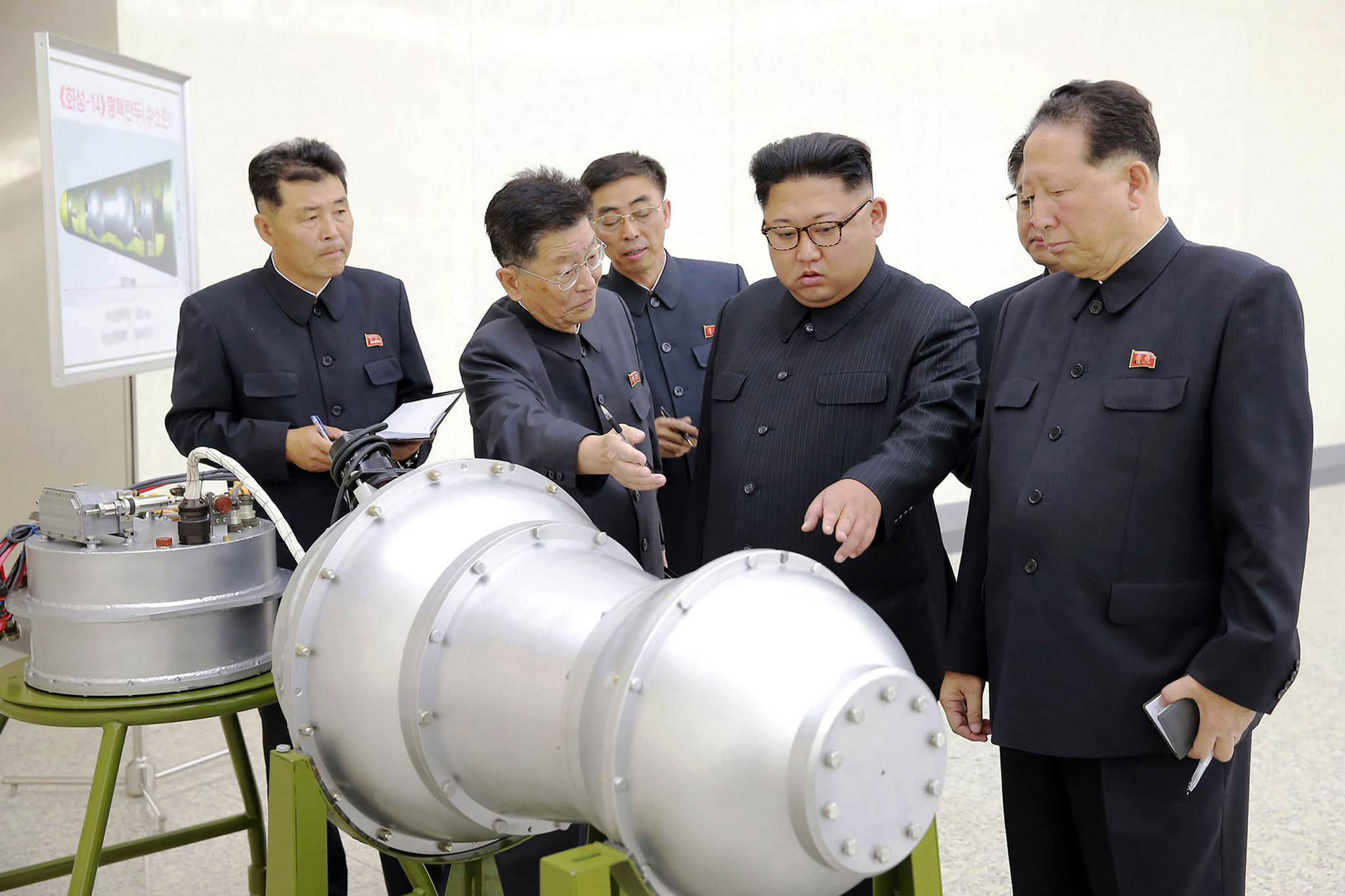
At the Korean War anniversary, Kim Jong-un in a statement has said that North Korea is ready to mobilize nuclear forces and also ready for a nuclear deterrent and military confrontation with the United States. The statement came when US has warned of a seventh nuclear test that Pyongyang could conduct at any time. Earlier, South Korean President Yoon has outlined a new more robust defense policy since taking office. Yoon has said, if it is felt that Pyongyang is about to launch a nuclear attack on it, it would allow South Korean forces to strike the North before Pyongyang could. In response to this, Mr. Kim also responded that South Korean President Yoon Suk-yeol’s Government and military would be devastated into pieces if he launched any strike before North Korea. It is really unsettling to hear warnings from both the sides of the Korean peninsula and it seems like Korea is on the verge of war.
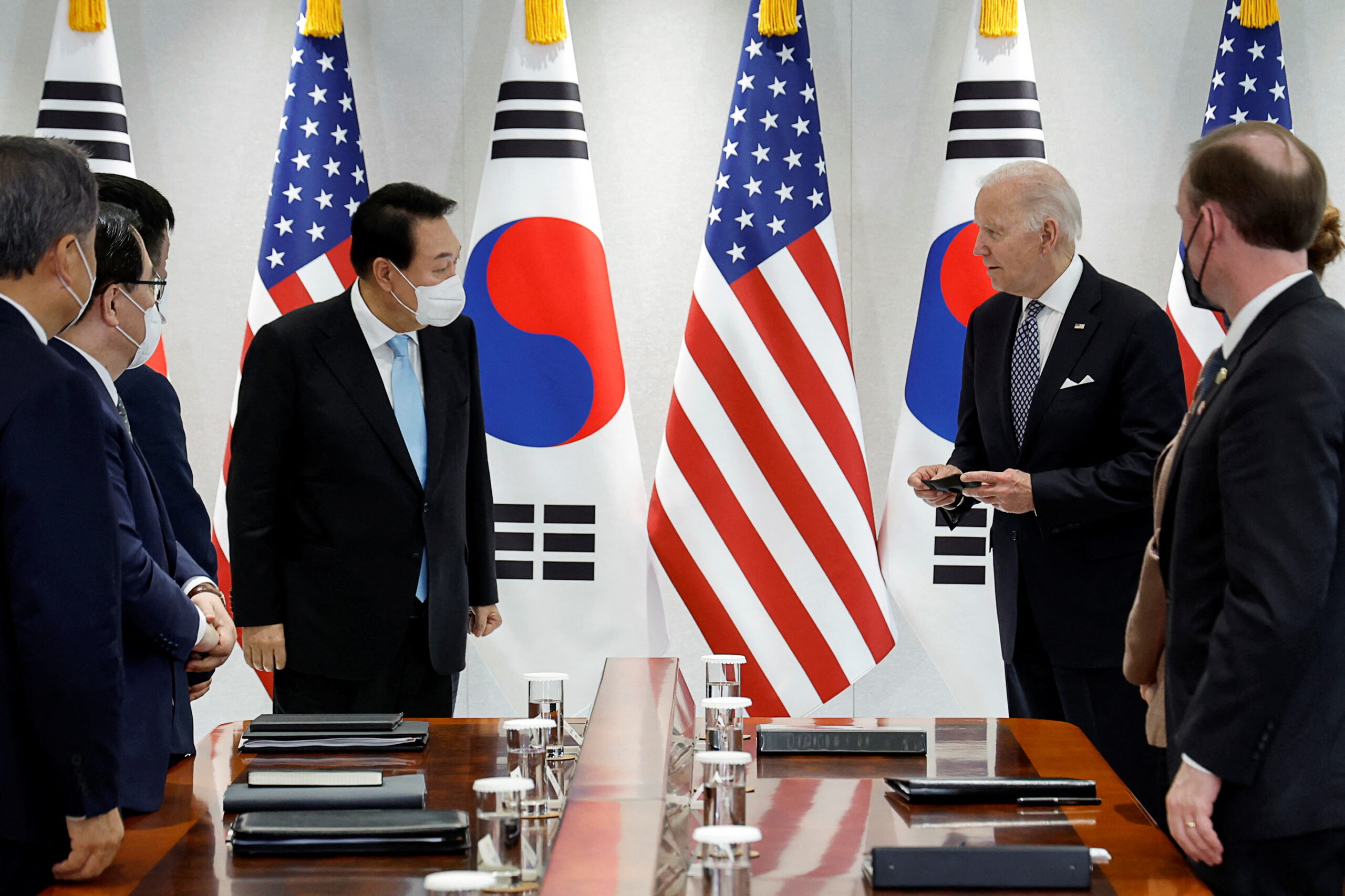
U.S. President Joe Biden interacts with South Korean President Yoon Suk-youl during a bilateral meeting at the People’s House in Seoul, South Korea, May 21, 2022. REUTERS/Jonathan Ernst

However, North Korean rhetoric has remained quite aggressive especially around the important anniversaries and even in normal days. There is the responsibility of the heads of each side to consider the issue seriously as it is not going to be a regular conflict between the states. It will be a nuclear war fought with nuclear weapons and other weapons of mass destruction which will affect the whole world. To achieve a diplomatic reconciliation, North and South Korea should cooperate with each other. Otherwise, threats of full-scale military deployment and cyber provocations pose serious concerns because occurrence of each of these events has the potential to escalate further and resulting into uncontrollable circumstances.


Central Asia: A Zone of Peace

Introduction

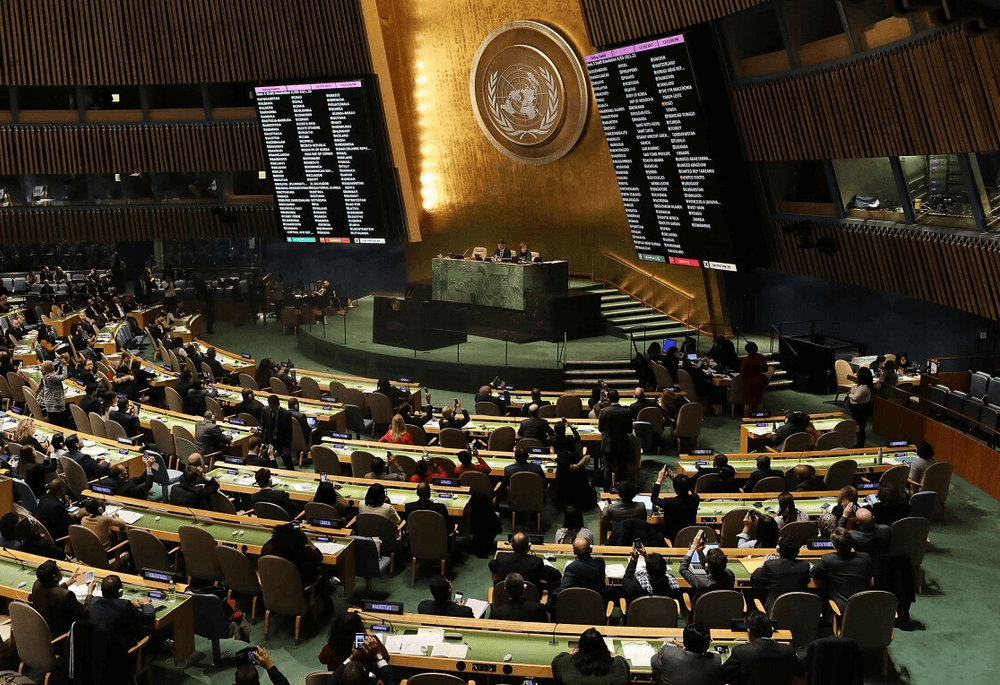
On 28th July 2022, a resolution was introduced by the ambassador of Turkmenistan on behalf of other central Asian countries. The United Nations General Assembly has adopted the resolution and declared Central Asia as a zone of peace, trust and cooperation. It is said that the all the five countries of the region including Turkmenistan, Kazakhstan, Kyrgyzstan, Tajikistan and Uzbekistan have a great potential for development. Pakistan’s UN ambassador also supported the resolution and its objectives while considering it a timely step. He said that Pakistan is dedicated to increase connectivity and collaboration with its Central Asian neighbors in trade, business, transport, energy and other sectors. The region is of utmost importance geographically and in terms of transnational cooperation as it is rich in natural resources as well as gas and oil resources making it as a prominent player in the regional and global markets. As the world is going through Russia-Ukraine crisis, the United States and European countries are the one which are most impacted due to the existing war. United States has welcomed the resolution and expanded warm wishes to the five Central Asian countries on the adoption of resolution. Central Asia is a region which could help the US and EU in terms of energy supplies and can work as an alternative to Russia’s dependency for oil and gas. This will also benefit the region while bringing investments, infrastructure development and growth opportunities in Central Asia. The resolution has also emphasized on the greater cooperation among the Governments for a peaceful and prosperous society, sustainable development, peace, security, human rights and the rule of law. United States consider this resolution to maintain security within the region and promote international peace and security.

CARs Summit

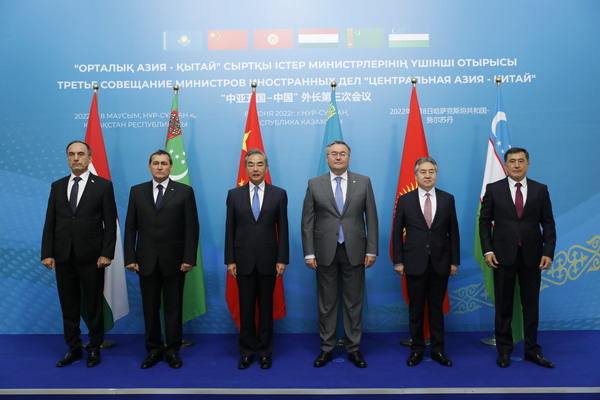
Recently, the heads of Central Asian countries attended the CARs (Central Asian Republics’) Summit in Kyrgyzstan in order to explore the opportunities and potential prospects of the cooperation among the Republics. The leaders seek to make independent foreign policy choices and to take governance measures without any involvement of external powers which is a positive step towards to deal with the political and economic risks. The summit was exclusively held for regional discussions, regional problems and their solutions. This shows the commitment of all five countries for strengthening peace and security as well as to promote socio-economic development in the region. The fourth Consultative meeting of CARs summit is a depiction of a collective regional approach toward multilateral cooperation. The meeting’s outcome was an agreement between the participants to establish shared Border Trade Zones with uniform regulations and straightforward processes to promote domestic manufacturing and import competition. With the CARs having significant potential and a population of roughly 80 million, there is a strong desire to look for opportunities for combined trade and economic development. All parties also urged to start a Concrete Action Plan for Green Development and Forum of the Regions in view of the growing risk of climate change. Additionally, all parties agreed to encourage science and technology collaboration, tourism, and culture. Also, the five countries have decided to provide humanitarian aid to Afghanistan as part of efforts to foster good relations with the neighboring country. The development of a new principle has been included in the meeting which means that the Central Asian republics are attempting to communicate their shared position in case of foreign and external threats. The recommendations and key decisions made in the meeting show the efforts of Central Asian countries to emerge as significant player without the involvement of any foreign actor.

Recent Economic Development

China has been focused on transport connection with Central Asia and seeks to deepen cooperation of connectivity, this highlights Central Asia’s importance for China. Shanghai’s China-Europe freight train service was discontinued due to the COVID-19 pandemic, but it has continued in response to a significant increase in demand from trade businesses. The First China-Europe freight train from Shanghai to Central Asia is launched on 28th July 2022. According to Shanghai Customs, a China-Europe freight train loaded with more than 980 tons of cargo left Shanghai for Almaty, Kazakhstan. To conclude, the latest developments such declaration of Central Asia as a peace zone has further increased the importance of the region internationally and particularly for major powers. The collective approach, regional cooperation, and strong partnership demonstrated in the fourth consultative meeting by all the heads of Central Asian Republics (CARs) show their common goals in the region and the measures are being taken individually for the country and collectively for the region’s prosperity.


Europe Energy Crisis: Ties with GCC and Saudi Arabia

Introduction

Amid of Ukraine war, the energy crisis in Europe is worsening. European Union is of opinion that Russia is using natural gas as a political and economic weapon while influencing the energy security of the region as the prices of electricity and gas are skyrocketing. In addition to that, the deadly war between Russia and Ukraine has affected the energy markets at a large scale and has disrupted energy security at the global level. To deal with the ongoing crisis, member states of the European Union are making efforts to limit actually to end their reliance on Russian gas in order to fulfill the needs of consumers and the country. In March 2022, the Task Force on European Energy Security has been established to take necessary steps for reducing the demand of Russian gas and to find new ways which can diversify energy supply technologies. Apart from that, Gulf countries are being considered as the potential solution for the existing energy problem in Europe. The spokesperson of the European Union for foreign affairs and security policy, Peter Stano in a statement has said “EU seeks to enhance relations with GCC and Saudi Arabia because it is will be helpful for the people of all the countries”. He added, “the development of our relationship and our cooperation is something that the European Union, Saudi Arabia, and all of the Gulf Cooperation Council nations are interested in”. That is why, earlier this year European Union and Gulf Council Cooperation (GCC) made a joint action program for a period of (2022-2027) five years.

GCC-EU Joint Action Program

The program was brought in a sense of emergency among the foreign ministers of GCC and EU that was coming in the form of the Ukraine war. The instability of energy supplies and pricing were negatively impacted Europe’s energy dependence, which also constrained its options for handling crucial foreign policy issues with other members. The current joint action program is a wide-ranging partnership of the stakeholders on the basis of energy which was initiated three days before the Ukraine war in February 2022. The cooperation between GCC-EU started in 1989 for several joint ventures including energy programs because Gulf countries can be proved as a source of diversification in Europe’s trade and energy issues. The GCC and European Union are working together for enhanced cooperation in terms of economy, climate action, environment, and energy programs.

The EU-Saudi Ties

Earlier this month, the President of United States Joe Biden visited Saudi Arabia. After Biden’s visit, Saudi Crown Prince Muhammad Bin Salman is now on his first visit to Europe since the Ukraine war erupted. In his visit to European Union member states, the first stop was Greece. The deal was made by the two countries for multiple bilateral projects including security, military and digital economy. A Memorandum of Understanding (MOU) has also signed between Greek Foreign Minister and Crown Prince for cooperation in the energy sector, particularly renewable energy efficiency, oil, gas and petrochemical industry. The ruler of Saudi Arabia announced on his visit that the country would use a power connection to connect Riyadh with Greece in order to supply far cheaper green energy to Europe.
After completing visit to Greece, Muhammad Bin Salman met President of France Emmanuel Macron in France on 28th July 20222. The meeting’s top priority was to discuss energy ties and energy supplies as worries about potential power shortages has been intensified as a result of Russia’s invasion of Ukraine. Russia reinforced its hold on the Europe’s energy supplies further endangering the economy, important supplies and the European energy market prices which are rising continuously. Europe is suffering Ukraine war effects militarily and implications in terms of geopolitical factors. Other than that it is paying through energy and economic crisis, therefore, Europe is shifting towards Gulf countries in order to fulfill energy needs and reduce its dependence on Russia. Energy security became the key issue for EU member countries, to deal with the problem European countries approached GCC countries that are oil rich to cover the aspects of energy crisis. Initially, GCC member countries were reluctant to increase exports to Europe because of certain production constraints and already exports commitment with Asian countries. The US and its allies including UK, EU member countries sent representatives to major hydrocarbon producer countries to reach an agreement for increasing energy supplies. The current visit of Europe by Saudi Prince and his announcement of providing Europe with cheaper energy can be considered as the result of continued efforts in order to ensure Europe’s Energy Security.


US-Japan Economic Security Dialogue

Economic Security

As per United Nation’s Department of Economic and Social Affairs, economic security is the key element for maintaining well-being and livelihoods of the people. The overall dynamics in terms of the state security has changed. In the new security paradigm, economic security has significant importance for the sake of protecting national security interests. The powerful economies including United States, European countries as well as China have taken economic security on the forefront making it synonymous with national security. This is why countries are working together and at country level to achieve the objectives of economic security and for a strong economy which have improved industrial infrastructure and technological breakthroughs that ensures service delivery to the public.

US-Japan Talks

During a virtual meeting in January, US President Joe Biden and Japanese Prime Minister Fumio Kishida decided to establish an economic framework. In the presence of China’s expanding financial influence, the priority of the two countries will be on increasing economic security such as through creating robust supply chains for essential commodities like semiconductors. On July 29, in Washington, the foreign and industry ministers of the United States and Japan will engage in their first economic discussion, according to a representative of the U.S. Commerce Department. According to deputy assistant secretary for Asia at the Commerce Department, the meeting is timely because both countries are struggling right now with the reality that economic security is national security, in the wake of supply chain disruptions caused by the Russia’s conflict in Ukraine.

Japan’s Economic Security Law

In view of the constantly shifting global security environment, Japan intends to gradually implement its new law for enhancing economic security at the start of August. The schedule is a part of the government’s proposed law implementation strategy, which the administration received permission for at a meeting of the task force on economic security. To promote economic activity, the government of Japan has determined priority based 20 technological disciplines in order to give preference while providing funds including biotechnology, Artificial Intelligence (AI) and quantum information science. The government will make an effort to ensure supplies of strategically significant products like semiconductors and will assist the development of critical technologies in an integrated way.
To conclude, the upcoming meeting, officially known as the “U.S-Japan Economic Policy Consultative Committee” will be used to find solutions for promoting economic growth and addressing threats to the global economic order, improving economic security and resilience in the intensely competitive global market. It is appreciable that Japan has realized the economic vulnerabilities and is making efforts through different measures and by implementing new laws at national level and is also engaging with other countries for the promotion of economic security.


Tehran Summit: Turkey’s New Operation in Syria

Historical Background

Syria has been in a civil war since 2011 which has devastated the country. The militant group ISIS took the hold of Syria’s majority ethnic group i.e. Kurds territory who located in the northern part of Syria. It happened in 2013 as a result of power vacuum left by protests emerged against authoritarian Government. However, Kurdish militant groups (SDF) in north Syria managed to push back ISIS with the help of the United States support which also resulted in the expansion of Kurdish-led territory. By 2019, US started patrolling across the Syrian-Turkish border. The rise of Kurds in Syria is viewed as a threat by Turkey. It is because of Kurdistan Worker’s Party (PKK) group in Turkey fighting for more than a decade with an objective of self-autonomy. The conflict between Kurds and Turkish Government has taken lives of thousands of people. Turkey is of opinion that PKK is aligned with Syrian Democratic Forces (SDF) which comprises Kurdish and non-Kurdish militant groups in Syria and can trigger formation of illegitimate zone in Turkey. Therefore, Turkey has launched at least four military operations between 2016 and 2021 with an ultimate goal to establish “safe zone” in north-Syria.

Involvement of Different Stakeholders

Russia, Iran and Turkey along with other countries such as US, UK, France, Israel as well as Gulf states have remained prominent stakeholders since the start of Syrian war. Russia and Iran is supporting Syria’s Government whereas Turkey is a significant ally of the opposition. The focus of Turkey remained on deploying rebel groups to restrain the dominant Kurdish YPG militia in Turkey which is considered identical to SDF and is banned Kurdish rebel group in Turkey. In order to prevent the forces from launching an attack on Idlib which is the final stronghold of the opposition, Turkish troops and rebel allies have taken control of large areas along Syria’s northern border.

New Operation

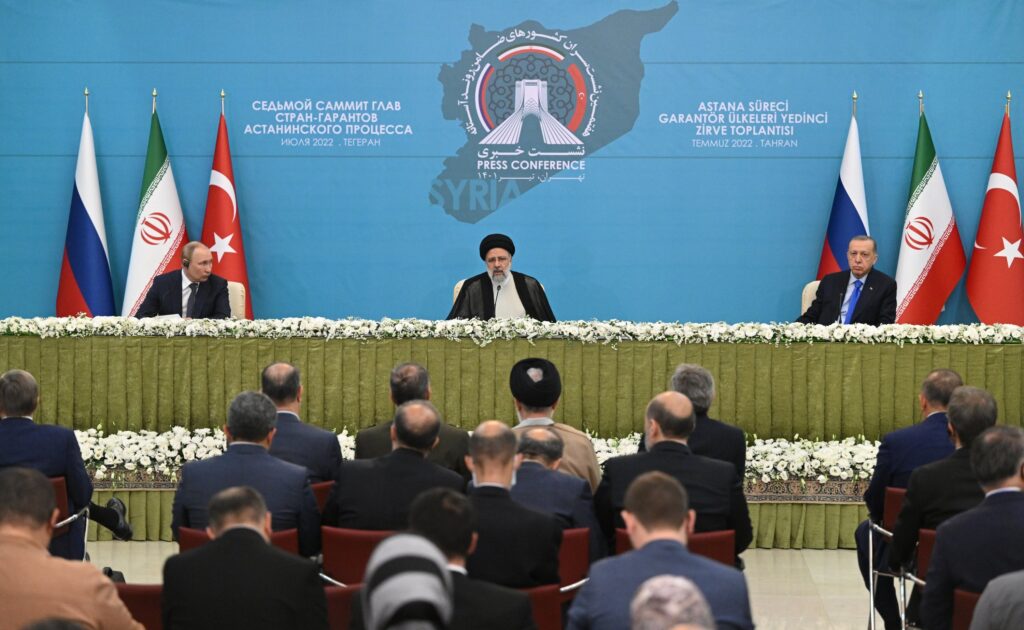
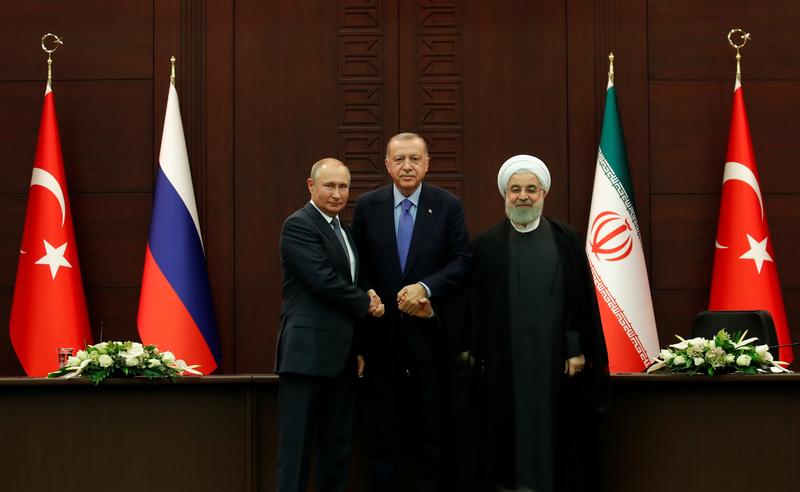
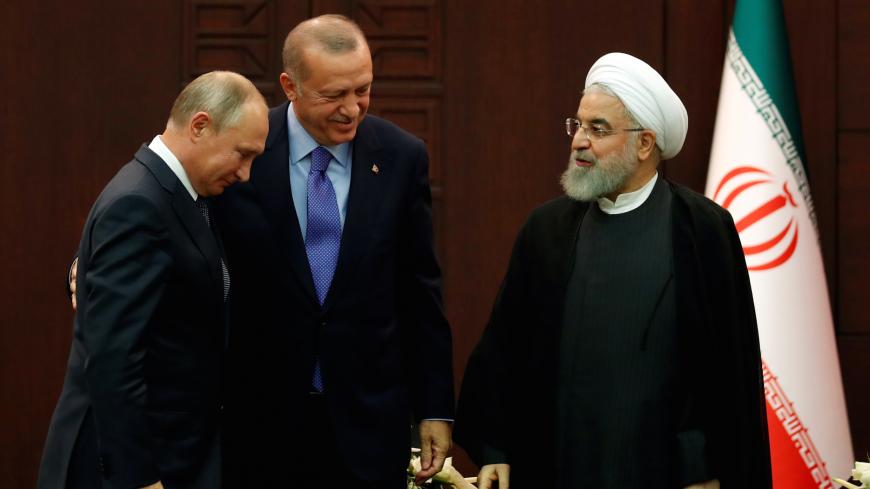
Recently, the leaders of Russia, Iran and Turkey met for a tri-lateral summit in Tehran over Syrian issue where three vowed to continue cooperation. Turkish President Tayyip Erdogan has said “Turkey would continue its plans for a new military attack in neighboring Syria until its security concerns are resolved”. On 19th July, 2022, Erdogan met with his Russian and Iranian counterparts in Tehran to discuss Syria after announcing earlier this year that Turkey will conduct a new offensive operation against the Kurdish People’s Protection Units (YPG) in northeast Syria. On the other hand, United States is opposing the idea of operation in view of ISIS as a threat to United States’ stability and interests. This could escalate the tensions between both the countries and military options can be contemplated by both the sides. In any case, Syria has to suffer the most because it will weaken the security situation in northern Syria and would impact a large number of vulnerable groups living in the country which are already suffering due to numerous issues such as health, economic and security crisis.


NATO Membership of Sweden and Finland is in Limbo

Introduction

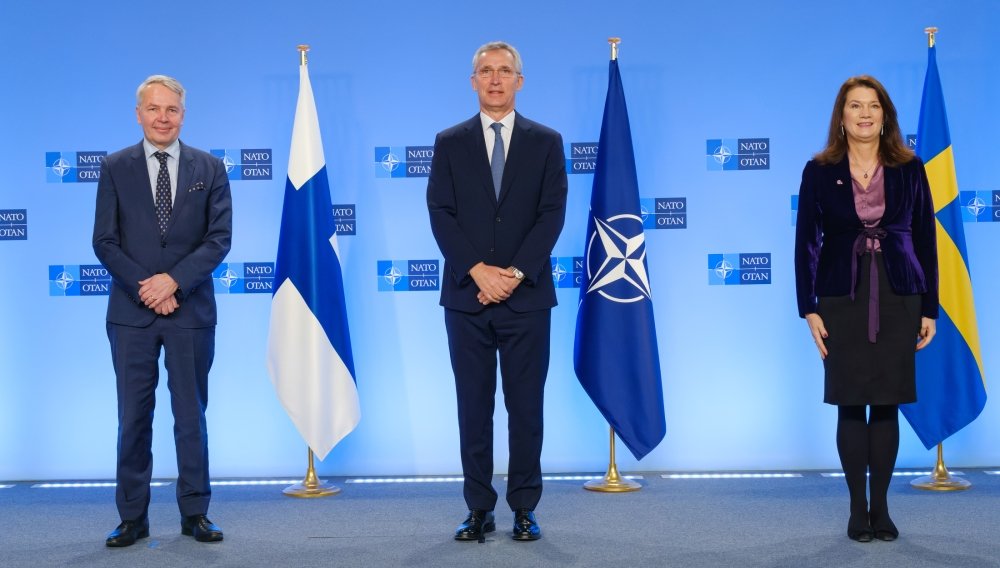
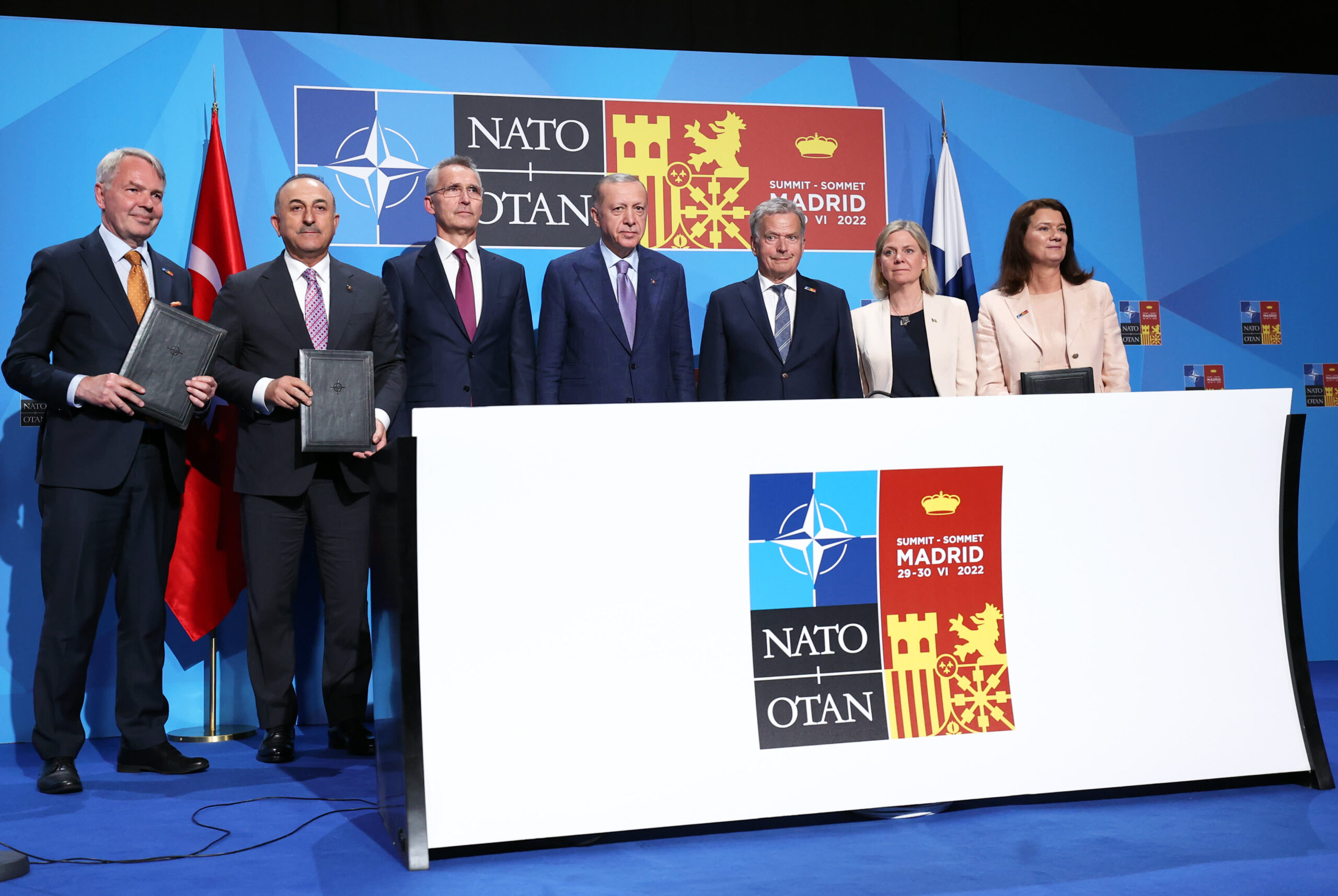
Last month, in the presence of NATO’s Secretary General Jens Stoltenberg in a summit, President Biden announced a historic increase in military assistance along Europe’s eastern flank. As NATO agreed to the largest reinforcement of its deterrents since the Cold War in reaction to Russia’s invasion of Ukraine, the United States pledged additional American soldiers, bombers, and cruisers for Europe. Biden said that the bold military announcements are meant to send a clear message that NATO is united against Russia’s increasing hostilities. Biden welcomed Finland and Sweden as soon-to-be members and promised to defend every inch of NATO territory. It happened after Turkey removed its veto against the two countries agreement. Because of Turkey’s allegations that the two nations supported a Kurdish force in northern Syria, Turkish President Endogen has vowed to veto their bids. Sweden and Finland consented to refrain from supporting militant Kurdish organizations as part of the agreement. Amid of the Ukraine war, Turkey’s inclination towards Russia, its refusal to join sanctions against Russia and to veto Sweden and Finland over its alignment with NATO fueled the debate whether Turkey is moving away from the West. But somehow the agreement managed to reach by Turkey, Sweden and Finland to open the door for the Nordic nations to join NATO. The deal was interpreted as Turkey’s alignment with its Western allies in response to Russian aggression. However, recently the Turkish President met the Russian President Putin which depicts the opposite scenario. Also, Recep Tayyip Erdogan has threatened to halt the process of Sweden and Finland membership as a response of not deporting the accused militant organization (PKK).

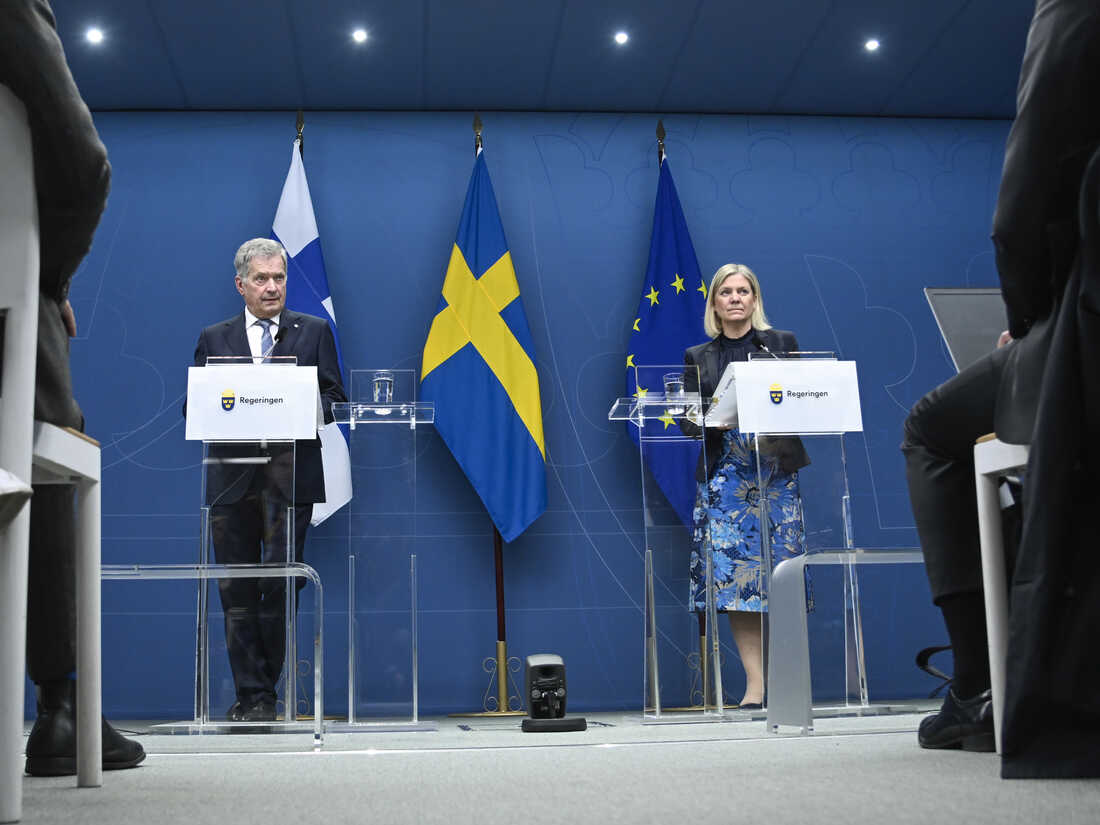
President of Finland Sauli Niinisto, left, and Swedish Prime Minister Magdalena Andersson attend a joint news conference in Stockholm, Tuesday May 17, 2022. (Anders Wiklund/TT News Agency via AP)

Monitoring Committee

After the decision was made, a monitoring committee under NATO was formulated. The three countries i.e. Turkey, Finland and Sweden will meet to check the progress of the agreement that took place last month. Turkey which is a 70 years old NATO member has made it clear to block the membership bids of both Finland and Sweden if the requirements of the deal are not fulfilled. Turkey has remained of the opinion that both the countries have actively participated with the militant organization i.e. Kurdistan Workers Party (PKK) against the country. As a part of the deal, Finland and Sweden has pledged to not only consider PKK as a terrorist organization as already listed by the United States and European Union. But they will also ensure the prevention of PKK’s activities, all other terrorist groups and their offshoots, as well as of those individuals who are a part of associated networks or groups that are connected to Kurdistan Workers Party (PKK) in any way. According to experts, when it comes to the definition of terrorism, Sweden, Finland and Turkey are not in agreement, Turkey may face resistance to its request for the extradition of those it considers as terrorists Sweden and Finland may not view certain individuals as terrorists. The Turkish Foreign Minister reiterated in an interview that Turkey will not approve the accession agreement if these nations do not implement the issues outlined in the memorandum signed earlier.

Turkey Urges Support of NATO Allies

The rising threat has been underlined by skyrocketing summer temperatures, with 100 million Americans currently under extreme heat warnings and devastatingly hot circumstances affecting anguish across the Europe has resulted in Joe Biden’s revival of Climate Agenda. On 20th July, while announcing a total of $2.3 billion to assist develop US infrastructure that can resist global disasters, Mr. Joe Biden said “the health of our citizens and our communities is literally at stake, our national security is at stake and our economy is at risk. So we have to act”. He added “Climate change is literally, not figuratively, a clear and present danger”.


The Scorching Europe!

Introduction

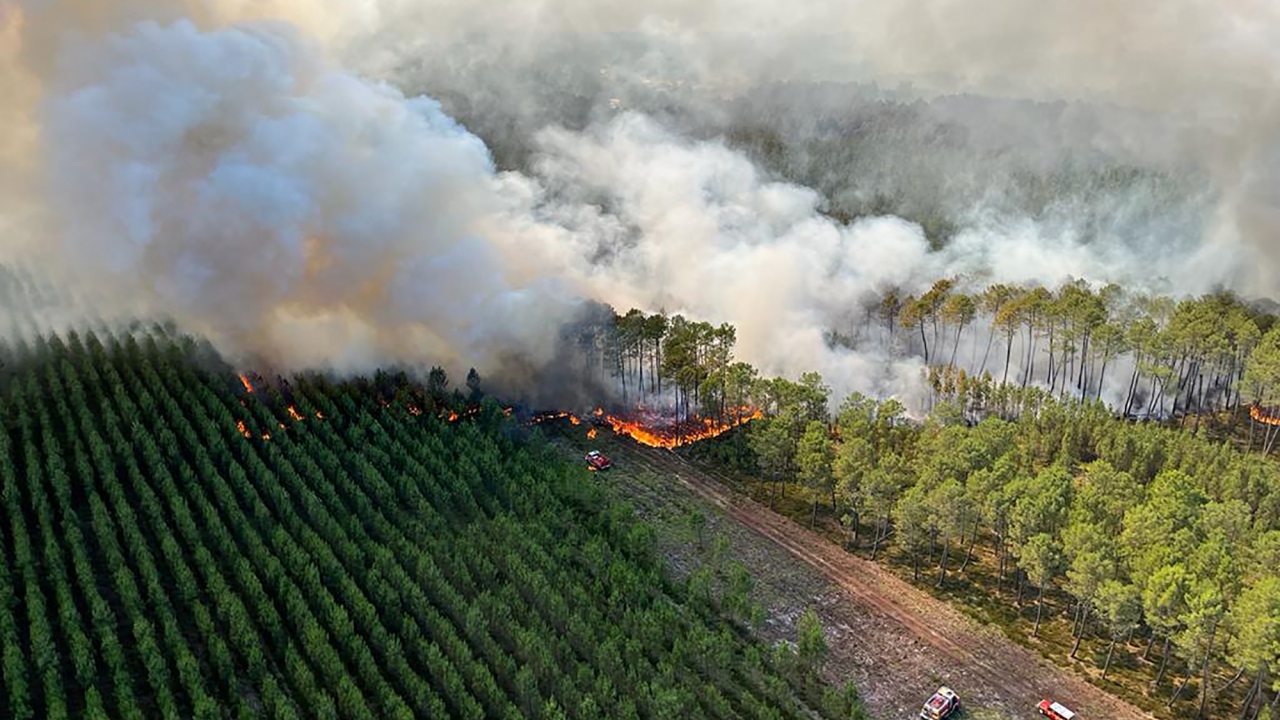
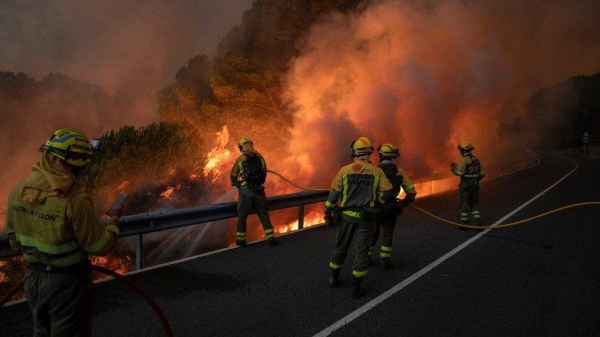
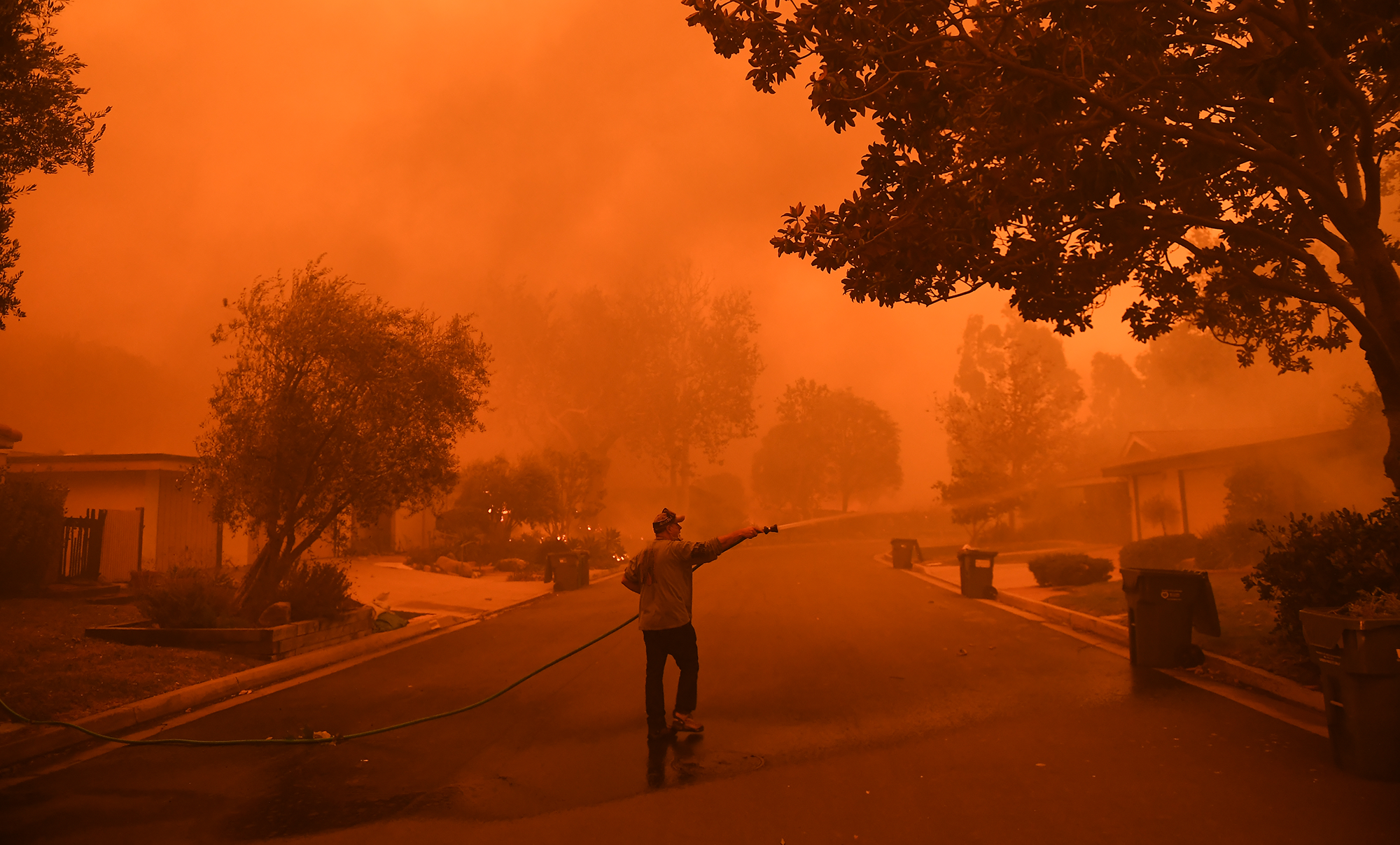
Europe is witnessing extreme heat waves for the very first time which has clutched the whole region by an intense increased temperature. The record breaking temperature has triggered wildfires that have spread over a vast area of nearly 27,000 acres due to which authorities are struggling to control the situation. Almost 19 European countries are still in extreme danger of forest or wildfires forecasted by European Forest Fire Information System. The railway and the transit systems have been destroyed badly in most parts of the region. The heat waves are increasing significantly more than ever in Europe and the negative trend is said to be continued by 2060 as per stated by the United Nations. Recently, in June, major countries of Europe like France and Portugal experienced drought and now the region is in severe crisis again. More than 31,000 people have been evacuated in France and 659 deaths have been reported in Portugal within a week, and alone in Spain, more than 500 people have died as a consequence of existing calamity. The rapidly changing global weather patterns in the form of current heat waves have not only affected Europe but also the United States and parts of China. The United States referred heat waves as the deadliest disaster and almost 600 people died as a result per year from 1999 to 2009. This year China observed highest temperature over 42 degrees Celsius causing death causalities. The spurring death toll is alarming and demands effective measures for the safety and protection of the people.

Climate Change and Heat Waves

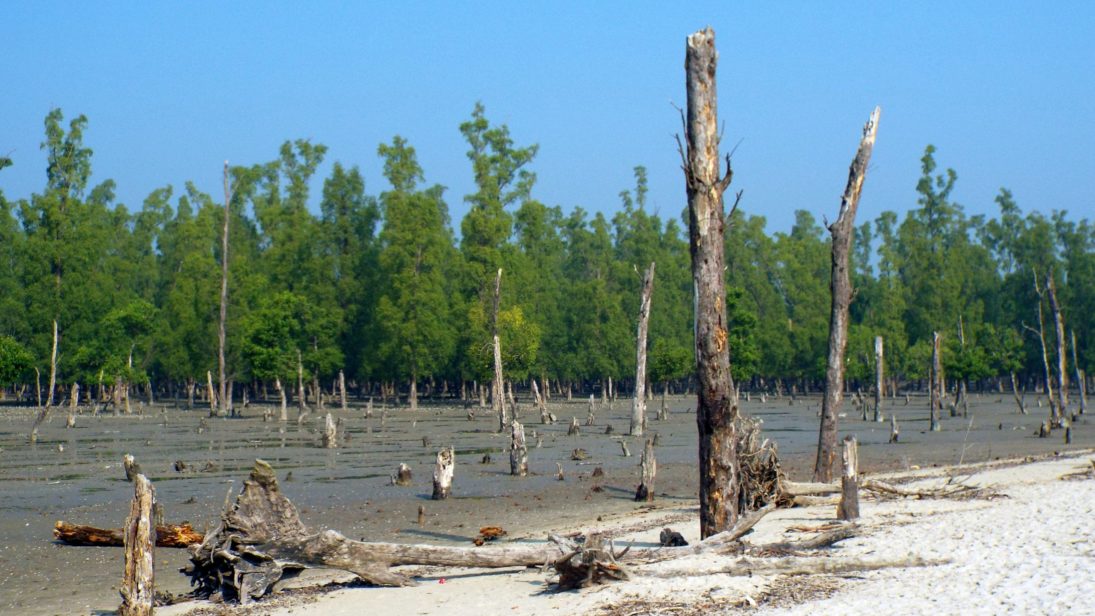
Climate change is being contemplated as the root cause of the crisis and is a major driving force behind record-breaking and extreme heat waves. Heat waves are becoming more frequent and hotter due to climate change. The United Nations international panel i.e. Intergovernmental Panel on Climate Change (IPCC) has concluded that this is the case for the majority of the regions. Experts have also attributed raged heat waves in Europe to uncheck human activities, since the start of industrialization, greenhouse gas emissions have increased global temperatures by around 1.2 degrees Celsius. It means that the average temperature of the Earth is increasing with the passing time which can create more worsening circumstances in the future in comparison with what all the regions are going through now. Since the base is getting warmer, extreme heat events can reach further higher temperatures and exacerbating dry conditions. Heat waves can have impacts on the livelihoods of people specifically marginalized sectors of society. Also, it will increase poverty, political instability and social tensions as well as food security will also be threatened as it have witnessed from South-Asian countries including Pakistan and India. But unfortunately, it is a dilemma that heat waves are not getting due attention of the concerned and responsible stakeholders to deal with the issue.

President Joe Biden’s Plan for Climate Change

The rising threat has been underlined by skyrocketing summer temperatures, with 100 million Americans currently under extreme heat warnings and devastatingly hot circumstances affecting anguish across the Europe has resulted in Joe Biden’s revival of Climate Agenda. On 20th July, while announcing a total of $2.3 billion to assist develop US infrastructure that can resist global disasters, Mr. Joe Biden said “the health of our citizens and our communities is literally at stake, our national security is at stake and our economy is at risk. So we have to act”. He added “Climate change is literally, not figuratively, a clear and present danger”.

Conclusion

Climate change is such an important issue that it should be identified as a concern of national security. The statement by President Biden shows the importance of climate change which is posing serious threats to a country’s traditional and non-traditional security. The climate has changed and will continue to change; there is a need of taking serious steps to deal with the concerned issue. It can be done by creating innovation in the existing course of action for adaptation, to reduce greenhouse gas emissions and tackle with the issues of global warming in an efficient manner at local, national, and international levels. Here the role of developed nations and the international community is crucial in terms of developing countries, as they are more vulnerable to the effects of climate change, policies must be designed in a way that proves a source of relief for them. The current situation of Europe should be considered as a wake-up call by all the countries and stakeholders to make an effort not only to safeguard planet Earth but the people of planet Earth as humanity comes first and should be the top priority.


President Joe Biden’s Security Commitment to Israel

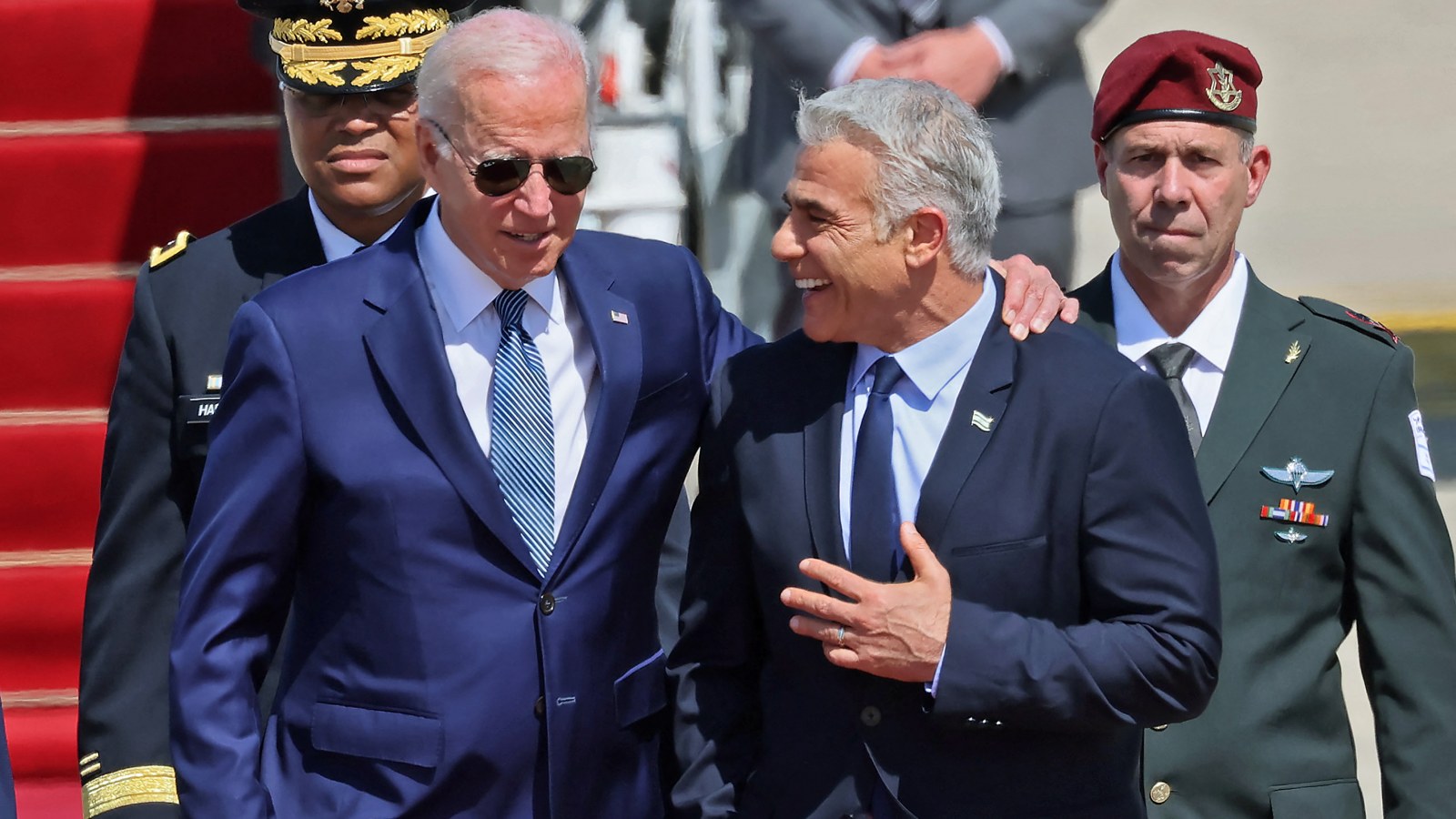
The President of United States of America Joe Biden is on a four day (13-16 July) regional trip to Middle-East, it is the first visit since he took the charge of President Office last year. His visit’s initial stop was Israel and after that he will be going to Saudi Arabia for Gulf Cooperation Council Summit in Jeddah. On 13th July, Biden landed in Israel and welcomed by Israeli President and caretaker Prime Minister. During his arrival ceremony at Ben Gurion Airport, he said “The connection between the Israeli and American people is bone deep. I am proud to say that US relations with Israel are deeper and stronger than they have ever been.” He also added “United States is committed to Israel’s security”. This statement was given in the context of US-Iran Nuclear Deal talks. A comprehensive joint statement known as the “Jerusalem Declaration” was released on the 14th July for strategic cooperation between the two countries. The declaration, according to Israeli authorities, is intended to reaffirm the relationship between the two nations as well as the United States ongoing commitment to Israel’s security. It is also to highlight the shared principles, common interests and friendship that serve as the cornerstones of the strategic US-Israeli cooperation.

The United States and Israel’s other key commitments include the values shared by the two nations, strong dedication to democracy, the rule of law, and the working for the betterment of the world. The Israeli prime minister said after the meeting with President Biden that they also discussed the “Iranian threat” to Israel. Following meetings in Israel, Biden planned to meet Palestinian Authorities and will back two-state as a solution (which is not near) to the conflict between Israel and Palestine. As Biden travels to the West Bank, the US announced $316 million for Palestinians with an objective to mend strained ties between Washington and Jerusalem and make new efforts for the Israeli-Palestinian peace process.

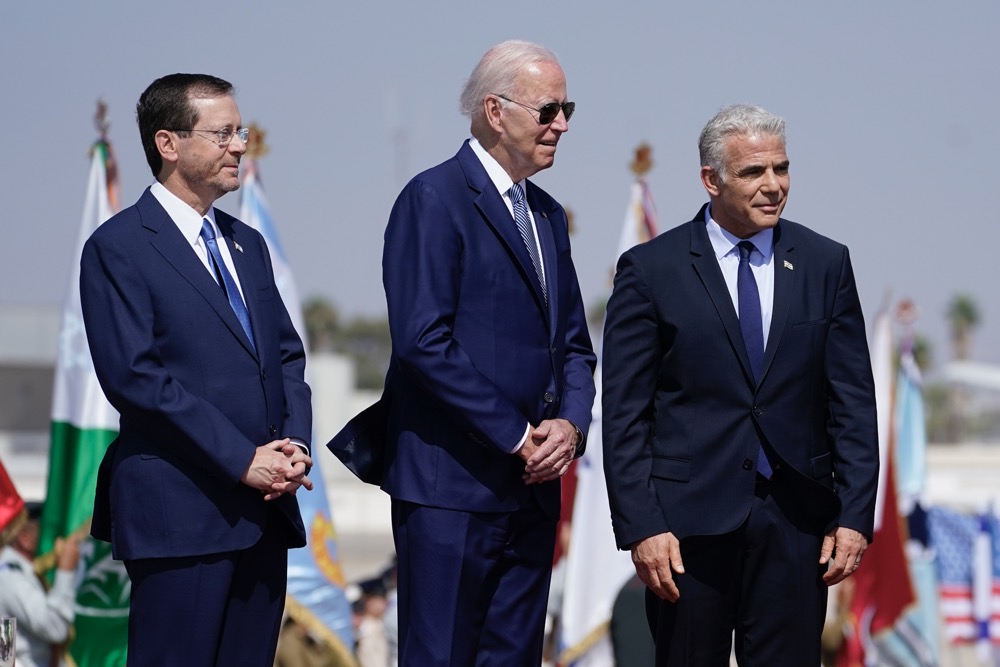
President Joe Biden stands with Israeli Prime Minister Yair Lapid, right, and President Isaac Herzog, left, after arriving at Ben Gurion Airport, Wednesday, July 13, 2022, in Tel Aviv. (AP Photo/Evan Vucci)

After completing trip to Israel and Palestine, Biden will fly directly to Jeddah, experts see this development as a clear indication of Saudi Arabia’s growing acceptance of Israel following decades of boycotting Israel in support of the Palestinians. Prime Minister Yair Lapid said that we are sending a message of peace to Saudis through President Biden. Along with President Biden his secretary of state, Antony Blinken will attend a regional summit in Saudi Arabia. Biden defended his statement against Saudi Arabia given in 2019, by aiming to “reorient but not rupture relations with Riyadh”. There are reports that the US will try to reach an agreement on increased defense cooperation between Israel and various Arab countries in order to counter the threat posed by Iran. Also, amid increased prices because of the Ukraine war, it is expected that discussions will be made for oil and energy as Saudi Arabia is one of the world’s largest oil producers. The efforts which are being made by Biden with Arab countries for Israel represent his commitment to Israel’s security, but this could enhance the existing tensions between the regional countries particularly Iran while influencing the region’s stability and security.


Climate Change: A Non-Traditional Security Threat

Introduction

Climate change is one of the most significant global issues which are being faced by almost each country in the world. It is clearer than ever that the Earth’s climate is changing quickly. As per evidence based on various reports, the changes in climatic patterns can result into catastrophic effects on individuals all around the world. Whether a country is developed or underdeveloped, the impacts of climate change are already being seen in practically all the countries. It has posed a challenge as the sea levels are rising as a consequence of glaciers melt. Extreme weather events and rainfall are growing more common, while extreme heat waves and droughts are also becoming more regular. Developing countries are more at risk because of climate change and these effects are projected to worsen in the coming years. South-Asian countries and particularly Pakistan and India are facing major issues due to climate change. In 2015, due to heat waves, 2500 deaths were reported in the subcontinent out of which 1300 people died in Pakistan. Among the countries that are most vulnerable to climate change, Pakistan stands at 8th whereas India is at 7th number. Both the countries experienced deadly heat waves this year associated which reduced overall food production, particularly wheat yield at the national and regional levels while affecting food security.

Implications of Climate Change in Pakistan

Pakistan’s geographical location makes it more prone to the adverse effects of the climate change phenomenon. It has brought social, environmental, and economic implications for the country. Climate-related natural hazards have become recurrent in the form of heat waves, droughts, land sliding, and floods which is anticipated to intensify with passing time. Pakistan has endured an economic loss of $4 billion and more than 10,000 lives due to climatic hazards. According to a study, Pakistan has some of the highest disaster risk levels in the world and is ranked 18 out of 191 countries by the 2020 Inform Risk Index. Also, Pakistan’s average temperature will be significantly higher than the global average with a potential rise by the year 2090. On the other hand, 20 million people lost their houses, suffered injuries, or went missing as a result of the 2010 floods, according to statistics, which show the devastation they caused. In 2012, there was yet another similar flood situation that created havoc in Pakistan.

Urban Flooding in Major Cities

Since the last ten years, flooding has been a problem in many areas of Pakistan. It is because climate change has resulted in extreme weather conditions, and monsoon rains have devastated the major cities of the country. In August 2020, Karachi had record-breaking rainfalls in a century that resulted in urban flooding which stopped the normal functioning of activities in the city. In addition to that, it caused heavy property and human life loss as 40 people died as a result of particular event. In 2021, Islamabad received heavy monsoon rains which triggered urban flooding in the city and caused 2 deaths; this situation has never been experienced before by the capital. But in the current ongoing year, a similar situation is happening again i.e. urban flooding in both prominent cities of the country and at least 26 people died in Karachi till now. This depicts the sorry state of human security, which is basically the form of non-traditional security, in country. The basic unit of non-traditional security is an “individual being”. It also means to make sure human security and safeguard people from threats that challenge their survival on planet Earth. The human security is correlated with climate change as it has a direct impact on people’s well-being due to the physical effects of climatic extremes. These extremes can be defined by an increase in surface temperatures also by frequent floods, droughts and changes in natural ecosystems.

Conclusion

Apart from climate change, there is incompetency at the end of concerned Governments at federal as well as provincial level. It is because issues like uncontrolled growth, poor urban development method, solid waste management and lack of adequate flood protection infrastructure are not receiving due attention by the responsible authorities. Urban areas have significantly changed their dynamics and moving towards more complexities because of increased population density. It is the duty of the responsible stakeholders to deal with both the aspects vigilantly. For climate change mitigation and adaptation, it entails taking steps to prepare for and adjust to both current and expected future effects of climate change by assisting provincial and municipal governments as well as corporate sector for adapting climate change. There is a shift in security paradigm from traditional to non-traditional security; the primary component of non-traditional security is “human being”. A country will be called safe and developed, if its individuals are secure. Therefore, effective policies are the necessity of the time levels for the sake people’s security. It can be achieved through implementing policies efficiently and collaboration among different stakeholders at all levels in order to deal with the severe effects of climate change as well as management and governance issues.


The Troubled Relations between Pakistan and India

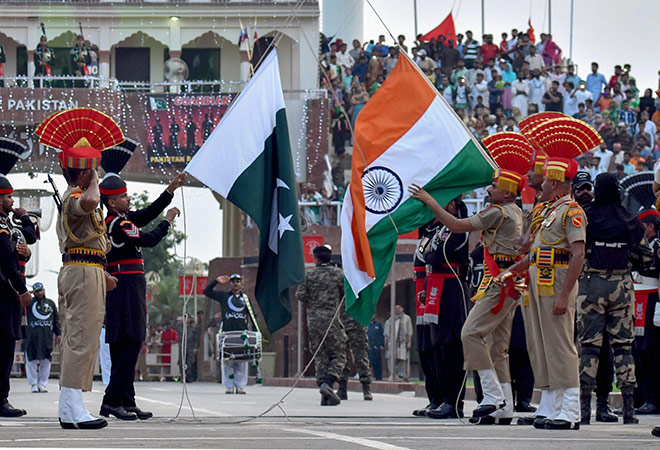
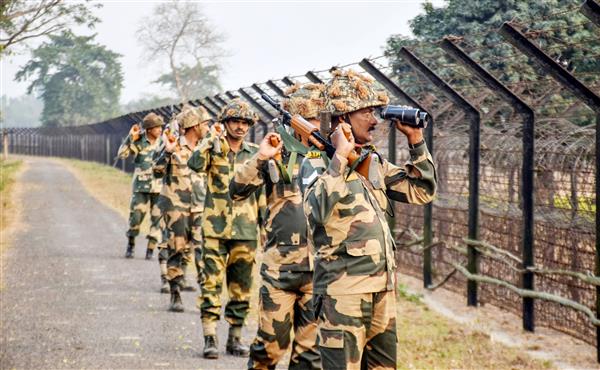
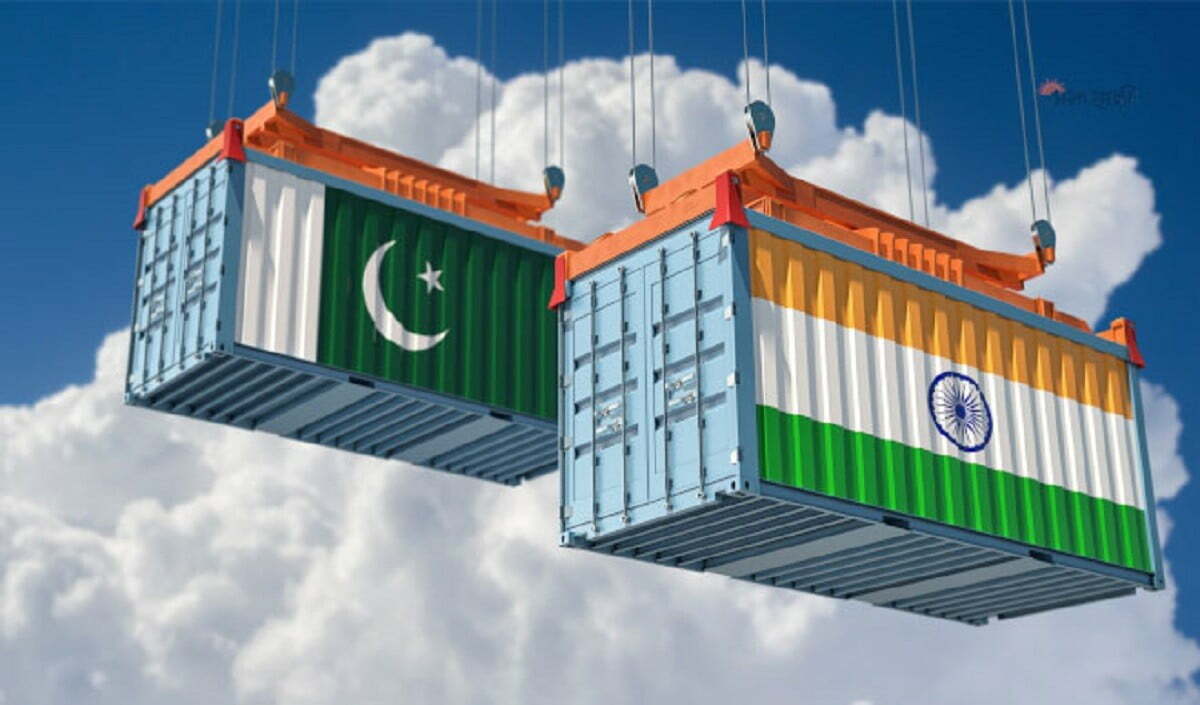
After New Delhi abolished the special status granted to Jammu and Kashmir under Article 370 on August 5, 2019, relations between India and Pakistan took a severe hit. Pakistan responded strongly to India’s move by cutting diplomatic ties and expelling the Indian ambassador. According to several Indian media channels that cited a 33-page dossier from the Indian Army, which allegedly accused Pakistan for helping militants cross the border for “terrorist actions”. The Indian Army made “baseless allegations”, according to the Foreign Office (FO) and denied the accusations against Pakistan by Indian media. The foreign office spokesperson released a statement said “We categorically reject the false and fabricated so-called dossier, the reported contents of which were created not only using false information, assertions and accusations in an effort to draw attention away from India’s own blatant and well documented campaign of state terrorism and the prevalent human rights violations in the Indian Occupied Kashmir (IOK)”.

The Foreign Office (FO) commented on the fact that India, rather than upholding its obligations under international law and ensuring that the people of IIOJK are granted their fundamental right to self-determination in accordance with the relevant UNSC resolutions and in terms of expectations, has chosen to focus on fictional accounts in order to distract from its own failings. The representative suggested India do introspection in order to organize its own affairs. The Indian attempts to pose as a victim of terrorism and make unfounded accusations against Pakistan over terrorism stand completely exposed. Pakistan’s new Government was making efforts to re-establish the troubled and tensed relations; Prime Minister Shahbaz Sharif indicated a desire for “meaningful interaction” and a diplomatic resolution to the Kashmir conflict. Also, Foreign Minister of Pakistan, Bilawal Bhutto Zardari said that making peace between the two states is the solution to constrained relations and parting ways is not in the interest of any side. He emphasized the disengagement would not serve the purpose of Pakistan as well as India, for that economic diplomacy can be considered.

Pakistan’s foreign policy must be progressive and open to quickly changing global circumstances but it does not mean to sacrifice on ideals because the country is in a difficult neighborhood and is dealing with numerous external and internal issues. In this context, Pakistan should remain focused on its foreign policy objectives according to the ongoing situation. India and Pakistan should be considerate of the fact that to resolve the Kashmir issue, the arch rivalry due to this issue has resulted in security concerns at state and regional level which pose serious implications. Since the Kashmir dispute is a political one, it calls for a political strategy based on consistent negotiations. With the goal of permanently resolving the Kashmir dispute, both the states of India and Pakistan must sit down at the negotiating table. Bilateral, trilateral, and multilateral negotiations are among the available ways, but it is unlikely that they would succeed if one or more parties refuse to participate in the peace process.