China’s Strengthening Ties with Afghanistan
Introduction

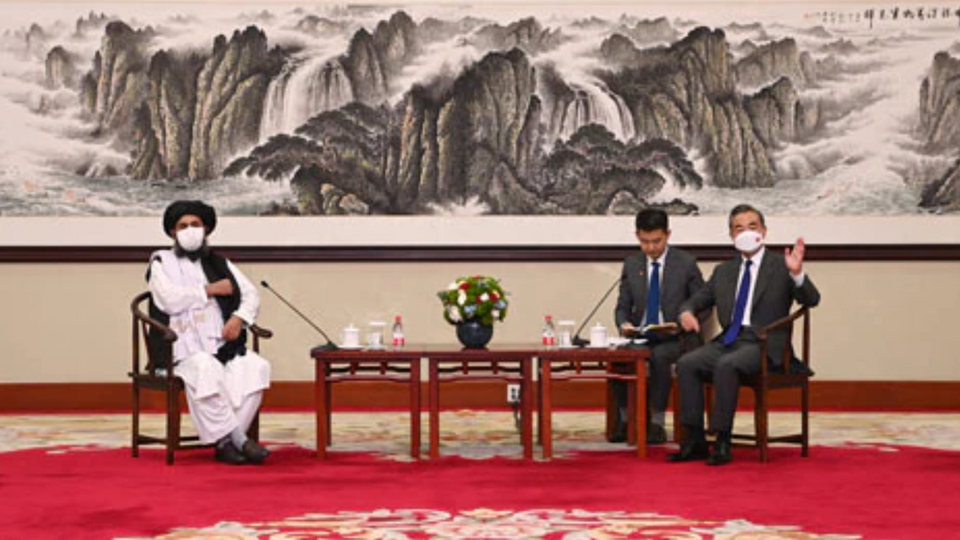
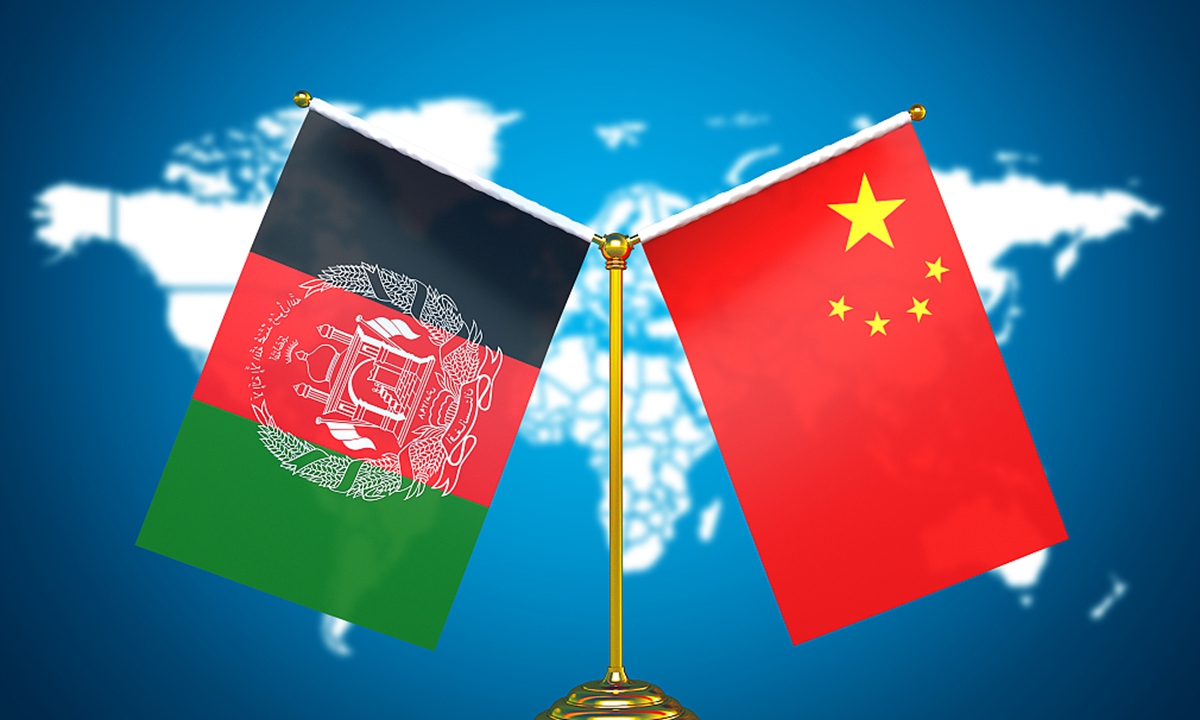
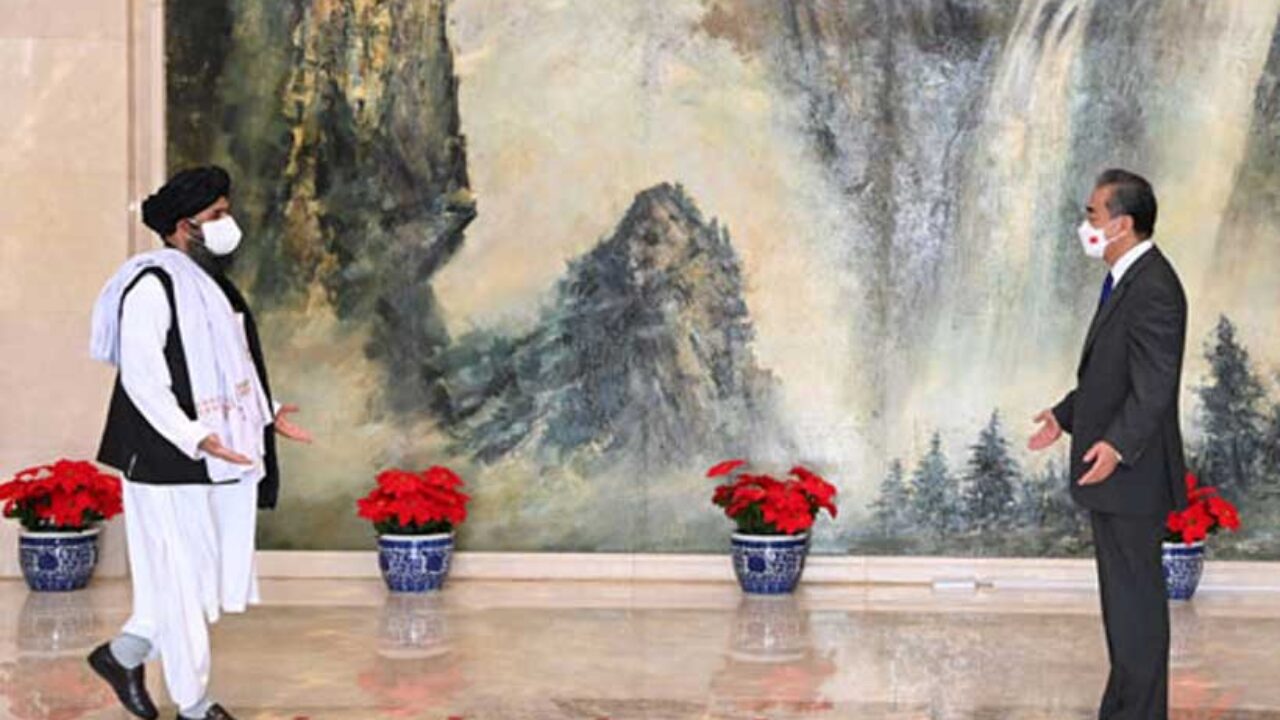
The Taliban have been attempting to reassure neighboring nations that Afghanistan is open for business and that they can protect investment ever since seizing control of Kabul last summer. The Taliban have retained power in Afghanistan for almost a year now. The nation is severely cut off from the West, but neighboring nations, particularly China, have welcomed the Taliban with great enthusiasm. A Chinese diplomat, Wang Yi, spoke about the developments in Afghanistan in March 2022, praising “the Taliban’s enormous efforts to calm the situation and their attempts to offer public goods, some of which have been successful”. This early achievement displays definite Chinese influences. The People’s Republic of China (PRC) established a bilateral working group with the Taliban in December 2021 as part of the consolidation of its leadership. The discussions included humanitarian assistance and economic reconstruction, the export of Afghan goods to the PRC, the sharing of lessons learned from Chinese economic development with the Taliban, Beijing’s support for the restart of mining in Afghanistan, the realization of Afghanistan’s connectivity potential, and other topics. China is also utilizing its positive relationships with neighboring countries to forge a regional consensus and convince all of them to back the Taliban in Afghanistan. Chinese government representatives have participated actively in all regional discussions on Afghanistan since 2021 and actively participated in the cause of Afghanistan issue.
China’s Relief Aid

After an earthquake brought to light the negative humanitarian effects of Western sanctions, China’s ambassador endorsed trade and investment plans for Afghanistan in a statement. Ambassador Wang Yu presented $8 million in aid for relief from the June 22 earthquake that killed more than 1,000 people during a press appearance alongside the acting minister for disaster management for the Taliban government. Wang Yu visited the Afghan Red Crescent Society in Kabul to deliver relief amid recent natural disasters that have exacerbated an ongoing humanitarian calamity in Afghanistan.

Trade and Investment

Officials within the Taliban government, including the group’s supreme leader, have stated that the nation needs to become less dependent on aid and promote the business as well as investment in a speech given in July 2022. In addition to immediate humanitarian relief, Wang Yu said “we also have long-term economic reconstruction plans after the earthquake and the political changes last year. Trade would be given first priority, followed by investment and agriculture”. This step can be seen as a responsive measure to the Taliban Government’s statement which is taken by China for trade and investment in Afghanistan. Two significant mining projects, notably Mes Aynak, a copper mine in southern Afghanistan that a Chinese state-owned corporation that was arranged with the previous Afghan government, are currently the focus of negotiations. Large concentrations of iron ore and copper can be found in Afghanistan’s mineral resources, which are virtually unexplored. In addition, Wang stated that China “always believes that money belongs to the Afghan people” when referring to Afghan reserves locked in Western banks. China has consistently requested that the cash be released from the international community; this money will provide aid to a country in order to improve the lives of the people of Afghanistan.

China which has a massive Belt and Road initiative program which also influences its neighbors has repeatedly urged for the lifting of sanctions even it has a remote border with Afghanistan. As Beijing is eager to push for the extension of the China-Pakistan Economic Corridor (CPEC) to Afghanistan and welcomed Afghanistan’s active involvement in the Belt and Road Initiative. Nearly all of Afghanistan’s neighbors support the idea of Taliban rule over the long term. Isolating the Taliban leadership will not help to achieve those objectives in Afghanistan, even while it is critical to constantly draw attention to the issues with human rights and the threats posed by terrorism that are connected to the leadership. Instead, Western isolation of Afghanistan has driven the country’s leadership toward China and alienated neighboring nations who were hoping to use Afghanistan’s potential as a hub for Central Asia and South Asia connections.
Conclusion

Many people anticipated Beijing would immediately intervene in Afghanistan’s political system to recognize and legitimize the Taliban leadership in the wake of the U.S. pullout from the country. In addition, it was anticipated that China will start investing in Afghanistan’s undeveloped natural resources immediately, on contrast China’s strategy has remained deliberate and slow initially. But now China’s policy towards Afghanistan has changed and shifted to take on a reasonably active role in a regional crisis that might negatively impact its entrenched interests. China’s attitude and actions in the region have shifted as a result of the Taliban’s dominance over Afghanistan. It remains to be seen how China would safeguard CPEC, stop transnational terrorism and handle the new issues posed by Afghanistan outside of its boundaries.



Importance of Cyber Security

Introduction

The methods used to safeguard computers, networks, programs, and data from unwanted access or attacks intended for exploitation are known as cyber security. In today’s world the users of technological devices have increased significantly, people are more dependent on technology than ever before. No doubt, technology has brought us so much good and it makes difficult to believe and understand the potential risks hide behind this technology. Nevertheless, despite how positively society views current advancements, cyber security concerns posed by contemporary technology can result in serious hazard to society and the state. As the world is going digital, the cyber security threats have also emerged at global level. The government and private players in Pakistan have transitioned to digital services as a result of better internet connectivity; notable innovations include mobile banking and online banking transactions. New methods of committing crimes have emerged alongside digitization. Global cyber security threats have been a challenge, and every government needs a specialized unit to combat cybercrime.

Cyber Security: Future Risks

The pandemic, cryptocurrencies and the expansion of remote work are all contributing factors to the development of an environment for criminals to take advantage of the crisis situation and usual circumstances. Forbes predicted that the year 2022 will bring a variety of alarming cyber security concerns, including supply chain disruption, and greater dangers from smart devices which will result in lack of cyber security experts due to the high level and increased number of threats. By 2025, cybercrime will cost the world $10.5 trillion annually, as per Cybercrime Magazine. In addition, during the coming four years, costs associated with cybercrime are expected to increase globally by about 15% annually.

Cyber Security in Pakistan

The National Centre for Cyber Security (NCCS) was formed by the Pakistani government in 2018 in collaboration with Planning Commission and Higher Education Commission with a focus on network security, smart devices, and cybercrime forensics. PTA has formulated a cyber security framework with the help of cyber security and IT experts. The framework will enable public and private enterprises and individuals to better manage and mitigate cyber security risks. It is being considered as a key step toward enhancing the security environment in the telecom industry of Pakistan. Apart from that, a policy on cyber security has also been introduced in order to deal with crimes associated with electronic systems. This policy was much needed and a useful measure in the time when we examine the position of Pakistan on the Global Cyber Security Index. With the policy, Pakistan will make serious efforts to improve its ranking and as the country will have a policy, all the stakeholders will have to follow it and those who does not abide by it will bear the consequences. This will improve the overall situation and help to promote digitization in a safe way. To conclude, Government should take all the steps that are necessary for the implementation of the policy for effective and efficient outcomes.


Pak-Iran Trade Ties

Introduction

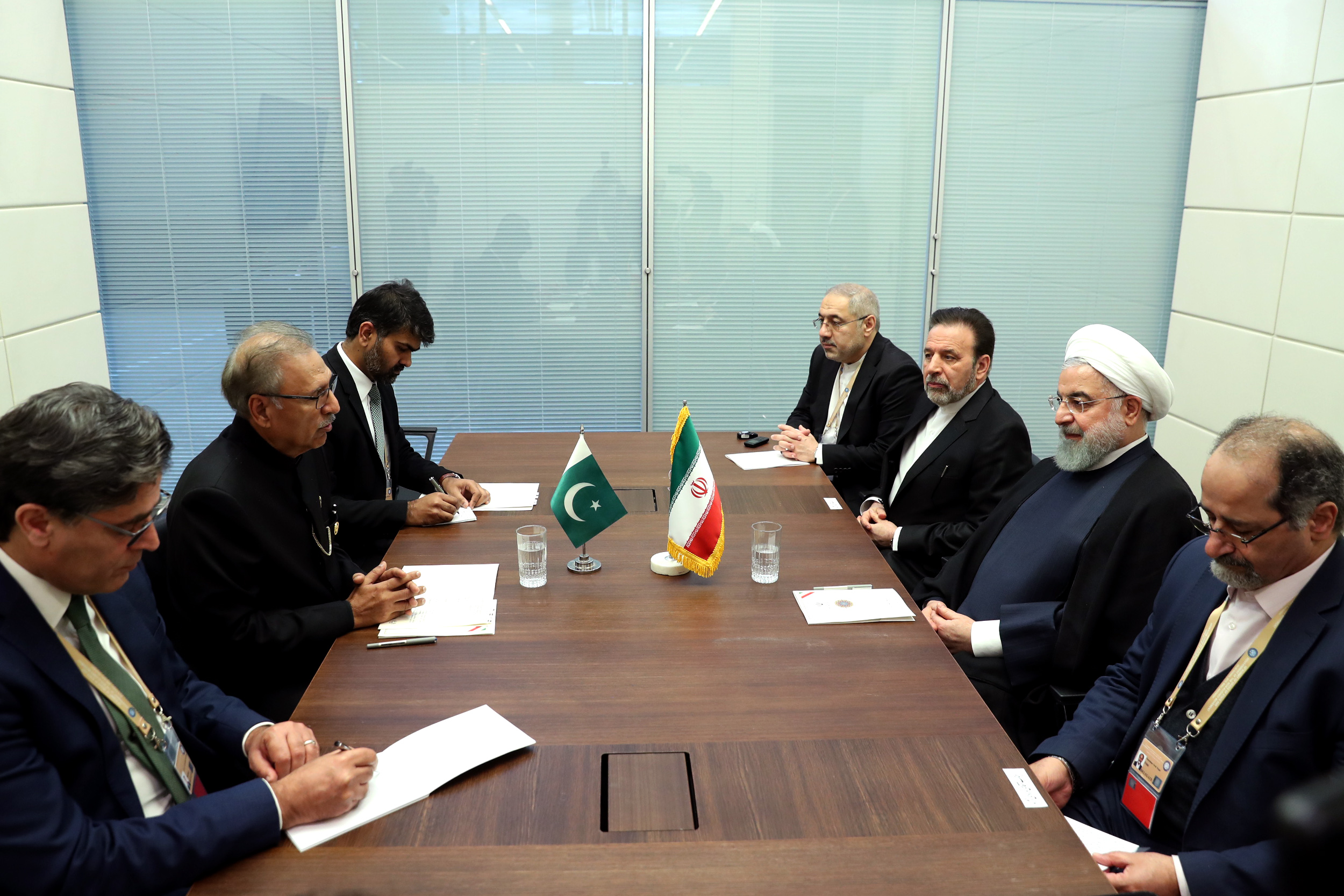
Pakistan’s relations with Iran are not only based on historic, geography, religious aspects but also on the basis of economic and cooperative linkages. Both the countries have positive relations largely, despite having good bilateral relations; the trade level between the two countries is below the full potential which trade ties can offer. However, now Pakistan and Iran are working together to enhance trade and improve the current trade status. It can be considered as the transformative phase which is undergoing as the efforts are being made by leadership of both the countries. The previous Government of PTI worked to re-engage and promote political relations, for that then Foreign Minister Shah Mehmood Qureshi visited Iran multiple times. Former Prime Minister Imran Khan also visited Iran at the invitation of then President Dr. Hasan Rouhani. This visit was successful in different areas of the political, economic, and security issues. The aftermath of the visit was a Declaration for Cooperation in Health Sector, commencement of releasing Pakistani prisoners, initiation of bilateral treaties, and new crossing points. Both side also appreciated continuing support for the Kashmir dispute and the issue of the Joint Comprehensive Plan of Action (JCPOA).

Latest Developments

The current sitting Government is exploring new options to deepen the relations between Pakistan and Iran. Since the new Government came into power in April 2022, official visits have been made to Iran by Pakistan’s Foreign Minister Bilawal Bhutto Zardari. The meetings were held between the two counterparts, in May, Foreign Minister of Pakistan emphasized upon the necessity of formalizing cross-border trade by enabling new border crossings. The two parties in a meeting demonstrated their common commitment i.e. to offer prospects for improved economic and commercial operations by promoting trade through border marketplaces which will ultimately help to improve the livelihood of the people in the border region.

Last month, in June 2022, Foreign Minister went to Iran for two day official visit. In this visit, not only bilateral aspects were the major part of the talks but trade and economic determinants were also discussed. In a joint statement, the two Ministers announced that operationalizing the barter trade mechanism has brought the two countries closer to resolve one of the primary hurdles in the way of bilateral trade expansion. The need of holding the Joint Economic Commission (JEC) subsequent session in August 2022 was again highlighted by the foreign minister of Pakistan. The security challenges were reviewed in context of Afghanistan’s situation and Indian Occupied Kashmir (IOK).

The recent development is an announcement made on 6th July, 2022 by Federal Minister for Finance and Revenue Miftah Ismail who said “Pakistan is taking measures to improve trade with Iran”. In order to significantly increase the volume of bilateral trade with Iran, Pakistan is dedicated to make every effort for addressing the obstacles. According to the press release by Finance Ministy, Iranian Ambassador to Pakistan Seyed Mohammad Ali Hosseini and Federal Minister for Finance and Revenue Miftah Ismail both underlined the desire to increase cooperation in multiple sectors of mutual interest. The Iranian ambassador appreciated Pakistan’s economic initiatives and asserted that trade and other areas of cooperation between the two nations have good prospects and collective efforts will be made to enhance the relations.

Conclusion

These developments are welcoming and there is a need to work on them at the earliest for the benefit of each side. As in past, the relations have been affected and have witnessed ups and downs due to different factors such as sectarian violence in the country and due to external factors in the form of American influence. America’s sanctions on Iran remained a prominent obstacle in maintaining relations with Iran not only for Pakistan but also for other countries. The implementation of “Free Trade Agreement” between Pakistan and Iran devised in 2017 got delayed after sanctions were imposed on Iran in 2018. But now the attitude of America has changed after Ukraine war and talks for JCPOA or nuclear deal has also been initiated.

Both Iran and Pakistan need to work on enabling an environment for economic and regional cooperation. With the help of trade ties, there will be the expansion in mutual benefits, improvement of living conditions, and promotion of economic relations between the two countries and other economies of the region too. It is important that the two sides maintain relations and recognize potential for the sake of their country’s interests and economic development which will prove a beneficial measure for Iran and Pakistan in future ventures.


US-China talks over Taiwan Issue at “Shangri-La Dialogue”

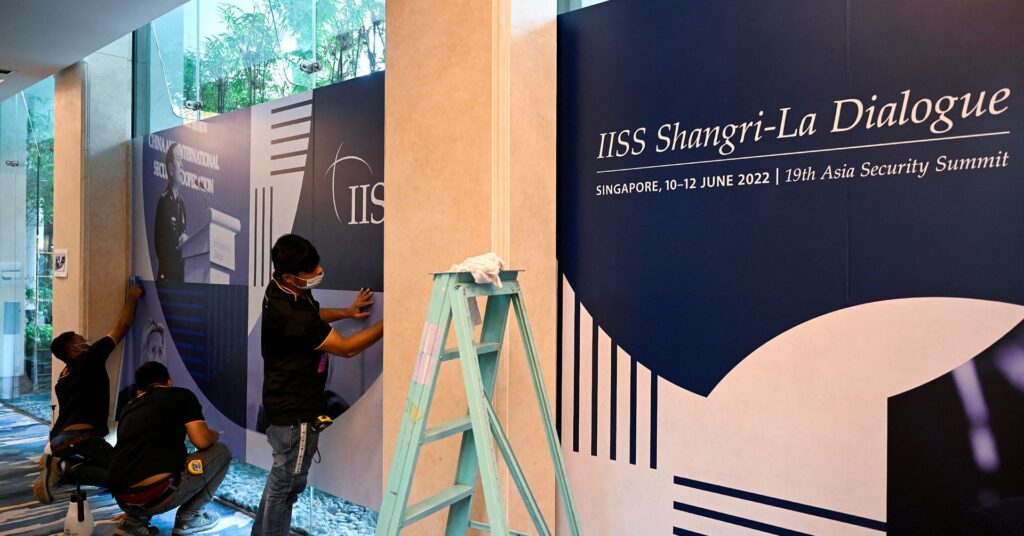
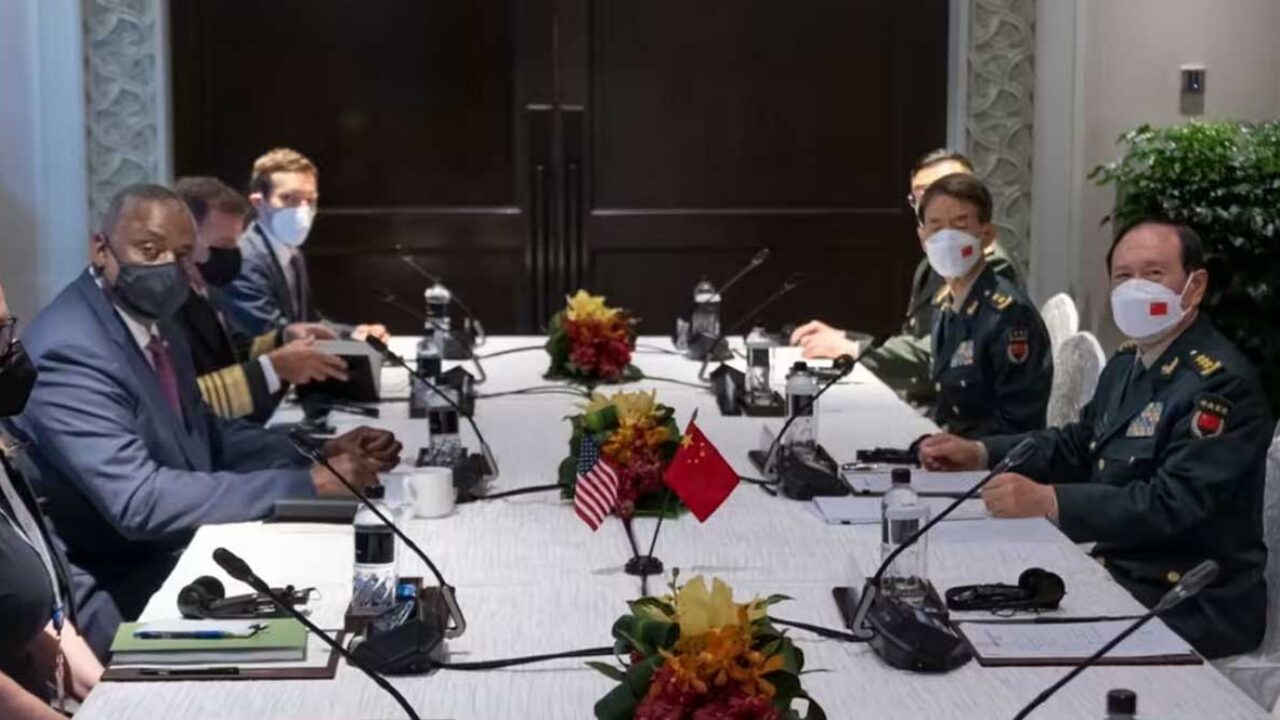
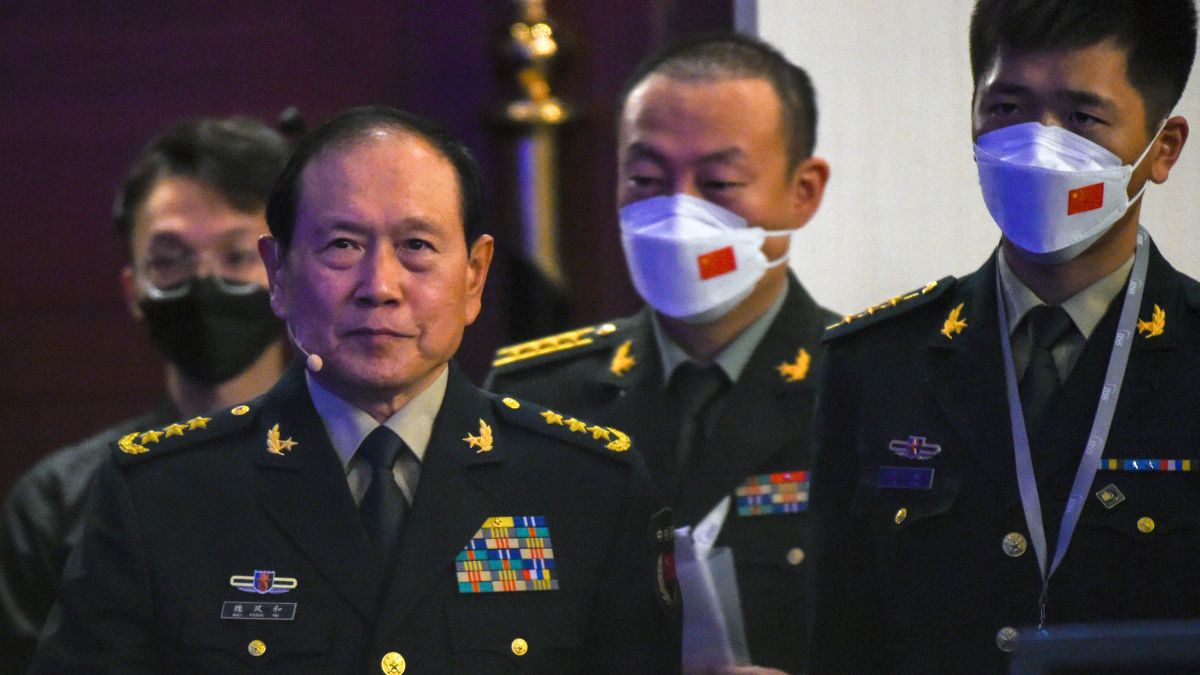
The most significant source of conflict between the US and China is Taiwan. Biden has stated on multiple occasions that the US would intervene militarily to defend Taiwan if Beijing launched an invasion. In recent years, China has increased its military presence near Taiwan. Since the President Joe Biden held the office, it is for the first time that the military leaders, General Wei Fenghe Chinese Minister of National Defense and US Defense Secretary Lloyd Austin met to talk about the Taiwan conflict at “Shangri-La Dialogue” held in Singapore from 10th-12th June 2022. In a statement released by Pentagon it is said that the two leaders discussed ties and regional security challenges, including North Korea’s nuclear programs and Russia’s invasion of Ukraine. Concerning the Ukraine crisis, Wei stated that China adheres to the principles of impartiality and fairness at all times and is working to promote peace and dialogue. If someone tries to use the Ukraine conflict to undermine China’s interests, China will respond with countermeasures. The officials of both the countries met before for a meeting in March 2022, where US National Security Adviser Jake Sullivan warns Chinese Foreign Minister Yang that China will have to suffer severe consequences, if China provides Russia with military or other assistance. China rejected accusations which are being spread by the US media that Moscow had asked for arms and financial assistance.

China claims democratic and self-governing Taiwan as part of its territory and has vowed to annex it by force if needed. There are several points of contention exist between the two sides. Beijing’s claims to nearly the whole South China Sea, as well as its recent military show of power towards Taiwan and military might in Asia, have raised alarmed for the United States. Although the Biden administration has repeated the United States’ long-held “one China” policy, it has signaled it will defend Taiwan militarily if China acts. As China’s military has grown to become the world’s second-largest, with a fleet that matches America’s in size, and Beijing is not so happy with the US military presence across Asia, this is the reason that the potential of confrontation has increased. This is why, it is being said that as the rivalry and concerns are growing between the two countries, any miscalculation might lead to a serious crisis.

China has remained consistent over the stance that it wants “peaceful reunification” with Taiwan. Also, both the countries are reluctant to indulge into a costly military conflict as they cannot afford it being major powers of the world. There is a need that countries in the region, including ASEAN members, ought to assume their due part and mutually create alliances to keep up with harmony in South China for the resolution of the contention, security, and stability of the region. Shangri-La Dialogue is a positive sign, as it implied that the two sides are willing to sit down and talk it out and come to a consensus and it can only be done by building a patchwork of agreements and communication lines to avoid misunderstandings and crisis.
North-Korean Missile Test

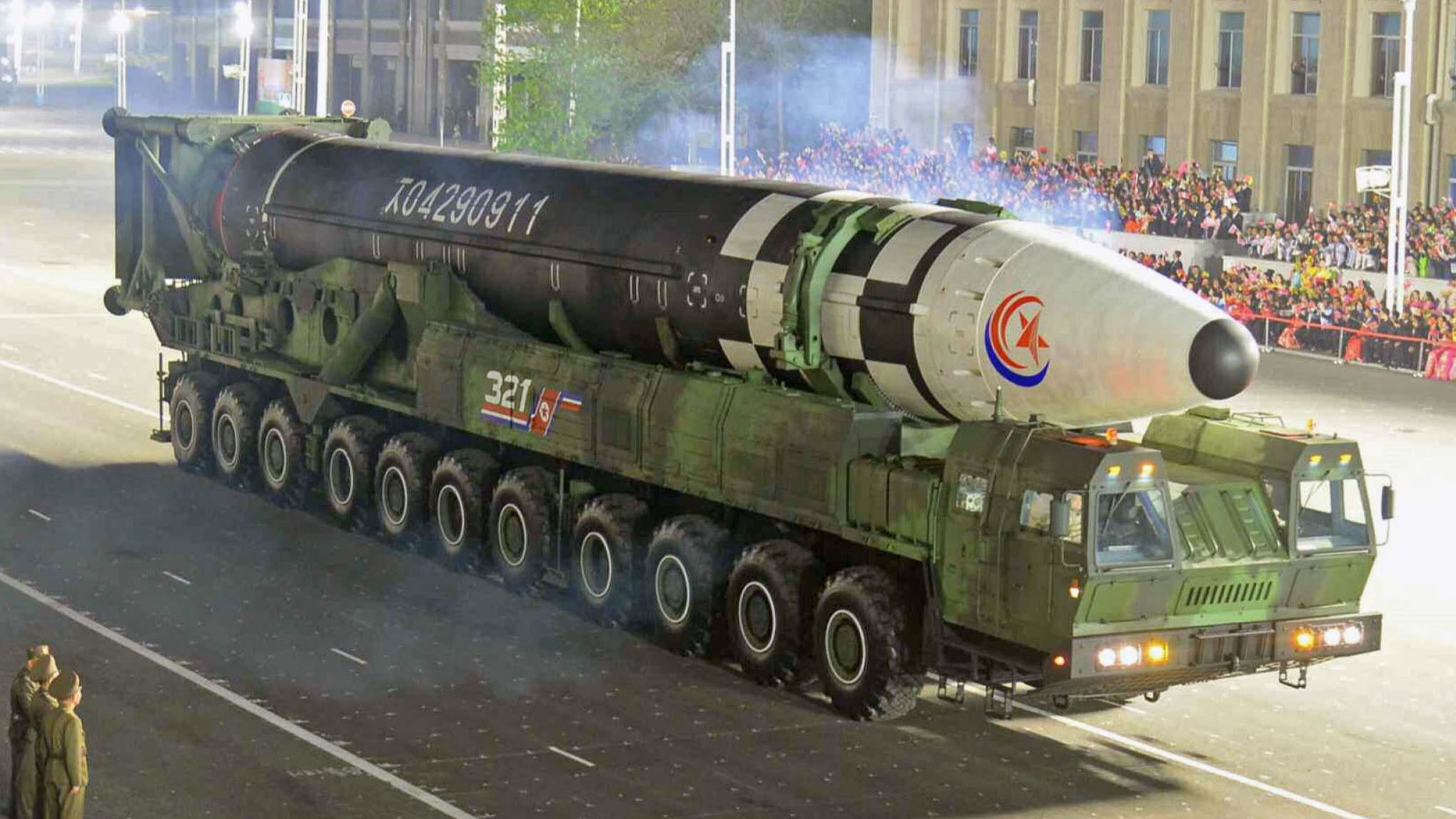
North Korea fired three test missiles, one of which was a suspected ICBM (intercontinental ballistic missile), just hours after President Biden returned from his five-day tour to South Korea and Japan. North Korea fired another eight short-range missiles on June 5, the most it has fired in a single day. According to the United States ambassador to the United Nations, North Korea has already conducted 31 missile tests in 2022 and is prepared to perform a nuclear test; it is a high number of test missiles as compared to the previous year. Nuclear negotiations between the U.S. and North Korea have stalled since 2019. North Korea has long criticized the allies’ joint military exercises as invasion rehearsals, countering with short-range missile tests in 2016 and 2017 that simulated nuclear attacks on South Korean ports and US military bases in Japan. As Washington observes North Korean arrangements for a possible nuclear test explosion that foreign authorities fear it could happen in near future, President Joe Biden’s special envoy for North Korea said the US is ready for all possibilities in close coordination with its South Korean and Japanese allies.

After months of growing tensions including missile testing and Pyongyang’s rejection of efforts from President Joe Biden’s administration, the US and South Korea warned that North Korea could test its first nuclear weapon at any time. If North Korea performs a nuclear test, the two partners warned of a quick response including US military “adjustments”, but still offered negotiations as a way out one more time. Since March, signs of nuclear test preparation have become seen via satellite at Punggye-ri, which Pyongyang shut down in front of foreign journalists invited to witness its dismantlement in 2018. A United States based think-tank has conducted a new analysis and stated that commercial satellite imagery obtained on June 14 revealed “minor new activity” indicating that the construction work carried out over the previous four months is essentially completed now, and the tunnel is now ready for the speculated seventh nuclear test since 2006 and first since 2017.

North Korea appears to be expanding building operations into a second tunnel at its Punggye-ri, a Nuclear Test Facility, which has nearly completed all the restoration work. This is resulting in escalating tensions between the neighboring countries. North Korea’s other regional neighbors are also feeling the pressure, as depicted with Japanese Defense Minister Nobuo Kishi statement stating emphatically that Japan is “on the front lines” as its neighbor attempt to defy international rules. There are no easy solutions for the US and South Korea to stop North Korea’s missile program from progressing further. Despite the Biden administration’s invitation to meet “without preconditions”, North Korea has shown no interest in speaking with the US in recent months and is likely to avoid talks in the future. This type of reorientation is becoming increasingly critical as North Korea gets closer to being able to overwhelm US national missile defenses. Pragmatically, this needs a potential nuclear diplomacy roadmaps as long as North Korea refuses to negotiate with the US.


CPEC and Pak-China “Strategic Partnership” Despite Challenges

Introduction

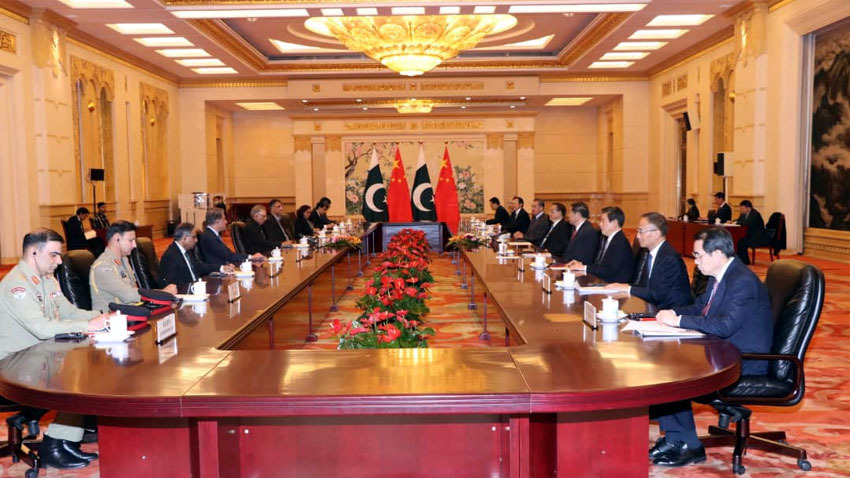
A high-level delegation of all the armed forces i.e. army, navy, and air force of Pakistan visited China for a three-day meeting of the Pakistan China Joint Military Cooperation Committee (PCJMCC) from 9th-12th June 2022. The Chief of Army Staff (COAS) General Qamar Javed Bajwa also joined the meeting along with tri-service delegation and Chinese Generals followed by an apex committee which is the highest military cooperation body. The committee is comprised of two sub-committees, including Joint Cooperation Military Affairs (JCMA) and Joint Cooperation Military Equipment and training (JCMET). In a statement released by Innter Services Public Relations (ISPR), it is said that the tri-service delegation had discussions with the Chinese military and other governmental departments on various topics. By maintaining their “strategic partnership in difficult times, both the countries China and Pakistan have decided to increase their defense cooperation. In apex committee, as per the statement “Both countries discussed their perspectives on the international and regional security situation and expressed satisfaction on defense cooperation between the two countries”. The two sides also committed to improve tri-service level training, technology, and counter-terrorism cooperation.

Flashback

In April 2022, three Chinese were targeted and killed in Karachi because of a bombing attack, an ethnic separatist organization claimed the responsibility of this attack who is operating in Baluchistan. The aim of the militant group is to eliminate the economic and diplomatic footprints from the region. Not only that, the insurgent group also targeted CPEC infrastructure projects, such as gas pipelines and electricity towers. Since the start of China Pakistan Economic Corridor (CPEC) in 2015, there is an increase in attacks on Chinese nationals which concerns the China’s Government. Therefore, demands are being made to intensify strict regulations and security standard operating procedures for Chinese nationals. On Chinese requests, Islamabad Police established a foreign security cell at the Central Police Office (CPO).

CPEC and Pak-China Relations despite Challenges

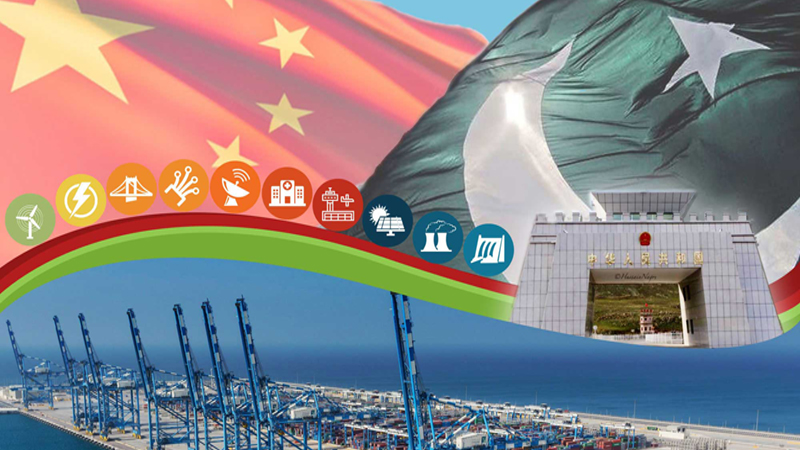
India and other western sponsors did negative propaganda regarding CPEC using media outlets to create unrest between the relations of two countries. But all these rumors were rejected as the new Government has announced the budget for fiscal year 2022-2023, Rs 800 billion has been allocated to Public Sector Development Program (PSDP) with a focus on CPEC. The reactivation of CPEC and related projects for interprovincial and regional connectivity as well as special economic zones (SEZs) to encourage commerce, industrialization and job creation are key features that are mentioned in the PSDP. Concessional finance deal for a multi-billion dollar ML-1 project under CPEC is expected to be finalized in the second quarter of the fiscal year, according to the annual plan 2022-23. Following that, arrangement will be made for the implementation of other projects under CPEC. Six energy projects with a total installed capacity of roughly 3,284MW are now under construction, in the fourth quarter of FY2021-22 it is expected that 11050MW will be completed. In addition, in 2022-23, the following projects are anticipated to begin:

  1.  Construction of Breakwater.
  2.  Dredging of Breathing areas and Channels.
  3.  Gwadar Smart Environment Sanitation System and Landfill project for Gwadar.
  4.  Construction of Boat making industry on Gwadar West Bay.
  5.  MGD Desalination Plant in Gwadar.

Regardless of the challenging times, last month after the attack on three Chinese teachers and their Pakistani driver, Foreign Minister Bilawal Bhutto Zardari visited China at the invitation of his counterpart Wang Yi. The two sides condemned the incident and pledged to strengthen counterterrorism and security cooperation, also they urged other regional countries and the international community to collaborate and fight together against terrorism in all its forms and shapes. Meanwhile, the tensions between China and the West are deepening. West is pressurizing Pakistan for its stance on the Russia-Ukraine war but Pakistan has maintained a balanced approach till now. Both China and Pakistan are of the view to remain alert during the ongoing crisis and emphasized the use of diplomacy and dialogue to overcome differences and disputes.

The importance of China-Pakistan strategic relations has assumed even greater significance” due to recent “profound regional and international changes. Pakistan must take special measures for CPEC projects through the integrated mechanisms, approval and allocation of funds, and better “security arrangements” for the smooth functioning of public-private partnerships in the country. There is a need to improve governance, rule of law and security arrangements not only to ensure the security of Chinese nationals and to complete CPEC projects but also to maintain good relations and friendly ties with China. It is important for Pakistan’s economic and political stability, and “strategic partnership” between the two countries. Regular exchange of perspectives on issues of mutual interests is a true example of Pak-China friendship which is also evident from the current apex meeting where China and Pakistan vowed to support each other’s core interests.



Iran Nuclear Deal: A Final Blow?

The United States, Britain, Germany and France have submitted a draft resolution to the UN nuclear monitoring body (IAEA) criticizing Iran for failing to fully answer the issues of monitoring uranium traces at undeclared sites, a move that is likely to receive Iran’s backlash. In coming days it will be discussed, debated and voted on at the quarterly meeting of the 35-nation Board of Governors of the International Atomic Energy Agency. The draft resolution submitted states that the Board “expresses deep concern that the security issues related to the undeclared sites are still open despite numerous interactions with the Agency due to insufficient cooperation by Iran”. The deal is likely to happen easily and could lead to further undermine the already stalled talks on saving the 2015 nuclear deal with Iran. On the other hand, Iran responded and denounced the resolution and called it as “political” and “unconstructive”. Iran’s Atomic Energy Organization insisted on strict adherence to the safeguard agreement with the IAEA. Foreign Ministry of Iran has said “Iran condemns the adoption of the resolution presented by the United States, Britain, France and Germany at the Board of Governors meeting of the International Atomic Energy Agency as a political, unconstructive and incorrect action that is adopted by UN nuclear watchdog”.

Background

The IAEA, located in Vienna, expressed concern over traces of enriched uranium previously discovered at three facilities in Tehran that had not been acknowledged as having conducted nuclear activity. Turquzabad, a Tehran neighborhood, was previously identified by Israel as a suspected site of secret atomic activity. On 3rd Jun 2022, Israeli officials met with UN’s nuclear watchdog envoy and said that Israel is all ready to use it “right to defense” against Iran to ward off the country from nuclear weapons. Israel also put an emphasis on the mobilization of the international community to prevent Iran from achieving a nuclear deal and weapons.

Present Situation

The United States and its European allies have submitted a resolution to the IAEA board. In response, Iran has turned off a number of global nuclear watchdog cameras after Western powers introduced a resolution to censure it. According to the head of the UN’s nuclear watchdog, Iran has removed basically all of the additional monitoring equipment installed under the 2015 nuclear deal. As per IAEA, Iran also plans to build two additional cascades of centrifuges, more precisely 6 centrifuges that will allow it to enrich more uranium more quickly in less time. No doubt, this situation will result in serious consequences that will have to be faced by Iran. The United States has already threatened Iran of imposing sanctions that will not affect Iran economically but it will lead to political isolation as well. Such steps will create more tensions in relations between the countries and the stakeholders involved in it. The crisis in form of conduct and implementation of nuclear talks will erupt and deepen the complications in efforts that were made to restore the nuclear deal and stability of the middle-east.


Enhancement of China and Central Asia’s Alliance

Flashback

In the thirty years after Central Asia’s independence from the Soviet Union in 1991, China’s connections with the former Soviet Central Asian Republics (CARs), especially Kazakhstan, Uzbekistan, Turkmenistan, Kyrgyzstan, and Tajikistan have grown significantly. Following the disintegration of the Soviet Union and the independence of Kazakhstan, Kyrgyzstan, and Tajikistan, China moved fast to restrict its borders with these three Central Asian countries, as well as with Russia. Following the completion of this task, the Shanghai Five were formed in 1996 to foster increased collaboration between these countries. With the admission of Uzbekistan in 2002, it became the Shanghai Cooperation Organization (SCO). One of the primary motivations for China’s desire to demarcate its borders with Central Asian countries was to ensure peace in East Turkestan, which it dubbed Xinjiang (New Territory). When the People’s Republic of China was created in 1949, China seized this territory with the support of the Soviet Union.

Silk Route Trade

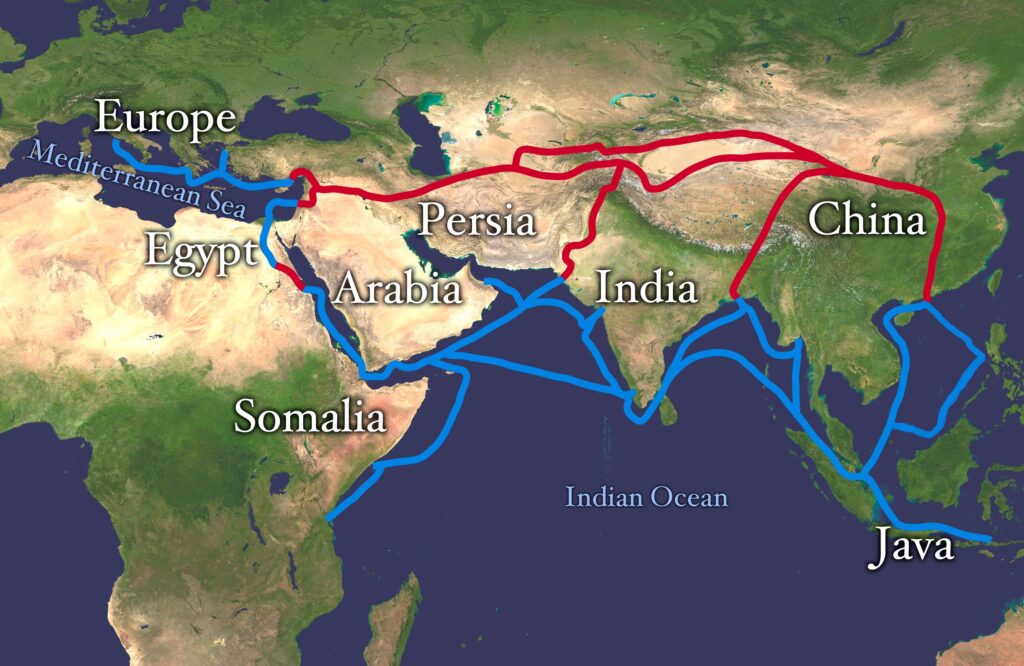
Great developments have occurred in China over the past forty years of reform and adoption of the open economy policy. With China’s high level of global commitment, it became evident that the government was not separating itself from global events. The quick development of new concepts and practices in Chinese diplomacy was founded in the rapid rise of the Chinese economy and the country’s developing relations with the rest of the globe. The “two fronts and one circle” strategy characterizes China’s great diplomacy today. The “two fronts” are a new type of great power relationship with countries like the United States, Russia, India, and major European nations, as well as the Belt and Road Initiative (BRI), which focuses on developing countries. As a result, the “one circle” refers to China’s peripheral diplomacy, which is primarily focused on its Asian neighbors. The statement by Chinese President Xi Jinping on September 7, 2013, in Astana, Kazakhstan, of the rebirth of the old Silk Road underscores the central importance of Central Asian countries for China. President Xi Jinping proposed working closely with Central Asian nations to jointly establish the New Silk Road Economic Belt during his first visit to the region (NSREB). President Xi stated that China-Central Asia will work to improve rail and road connections by building strong networks of highways, airfields, and bridges to create a strategic regional thoroughfare from the Pacific to the Baltic Sea, and gradually work toward the establishment of a transportation network connecting East, West and South Asia regions.

Recent Developments

This year highlights the 30th anniversary of China and Central Asian countries establishing diplomatic relations. Because of the ongoing pandemic, the West was engaged in a “diplomatic boycott” earlier this year, and key leaders did not attend the event. The five presidents of Central Asia, on the other hand, all attended the Beijing Winter Olympics, which began in the Chinese capital. “A rising, affluent, stable, and vibrant Central Asia is in the common interest of China and other nations in the region”, Wang Yi, the People’s Republic of China’s Foreign Minister, said later in a statement. According to him, China will continue to follow the principles of mutual respect, good neighborly friendship, solidarity, and mutual benefit in difficult times so that it can work with Central Asian countries to forge a strategic partnership with rich substance, fruitful results, and lasting friendship, as well as to build a Sino-Central Asian community with a shared future. On June 7, 2022, Chinese Foreign Minister Wang Yi arrived in Nur-Sultan, Kazakhstan’s capital, for the third summit of the China-Central Asia Foreign Ministers (C+C5) to consider new potential.

Conclusion

China’s relations with Central Asia reflect the country’s rising willingness to safeguard the region’s broader economic and security interests. Maintaining peace and stability in the region is one of China’s key concerns in order to preserve its own border security. In terms of geo-politics and geo-economics, China’s significant position in Central Asia is understandable. Because most routes from China to Europe travel through Central Asia, which is strategically placed at the crossroads of Europe and Asia, the New Silk Road Initiative is advantageous. It will aid China’s economic expansion into Europe. The parties at the C+C5 meeting decided to work toward a summit of heads of state, with the goal of “post-pandemic recovery”, and regional transport corridors, particularly the China-Kyrgyzstan-Uzbekistan railway project, were once again discussed. The proposal is critical for the countries involved, particularly Kyrgyzstan, whose leaders have pushed for the long-debated railway route to be built. China is, and will continue to be, Central Asia’s greatest investor; it is the only country in the region mobilizing significant capital. To summarize, Central Asia is a battleground where the world’s major countries, such as China, are vying for influence and support. There are mutual benefits and economic interests of China and the Central Asian countries; therefore, they have decided to expand cooperation in the areas of production capacity, energy, agriculture, humanity, digital economy and green development.


Strategic Security Agreement between UAE and US

Flashback:

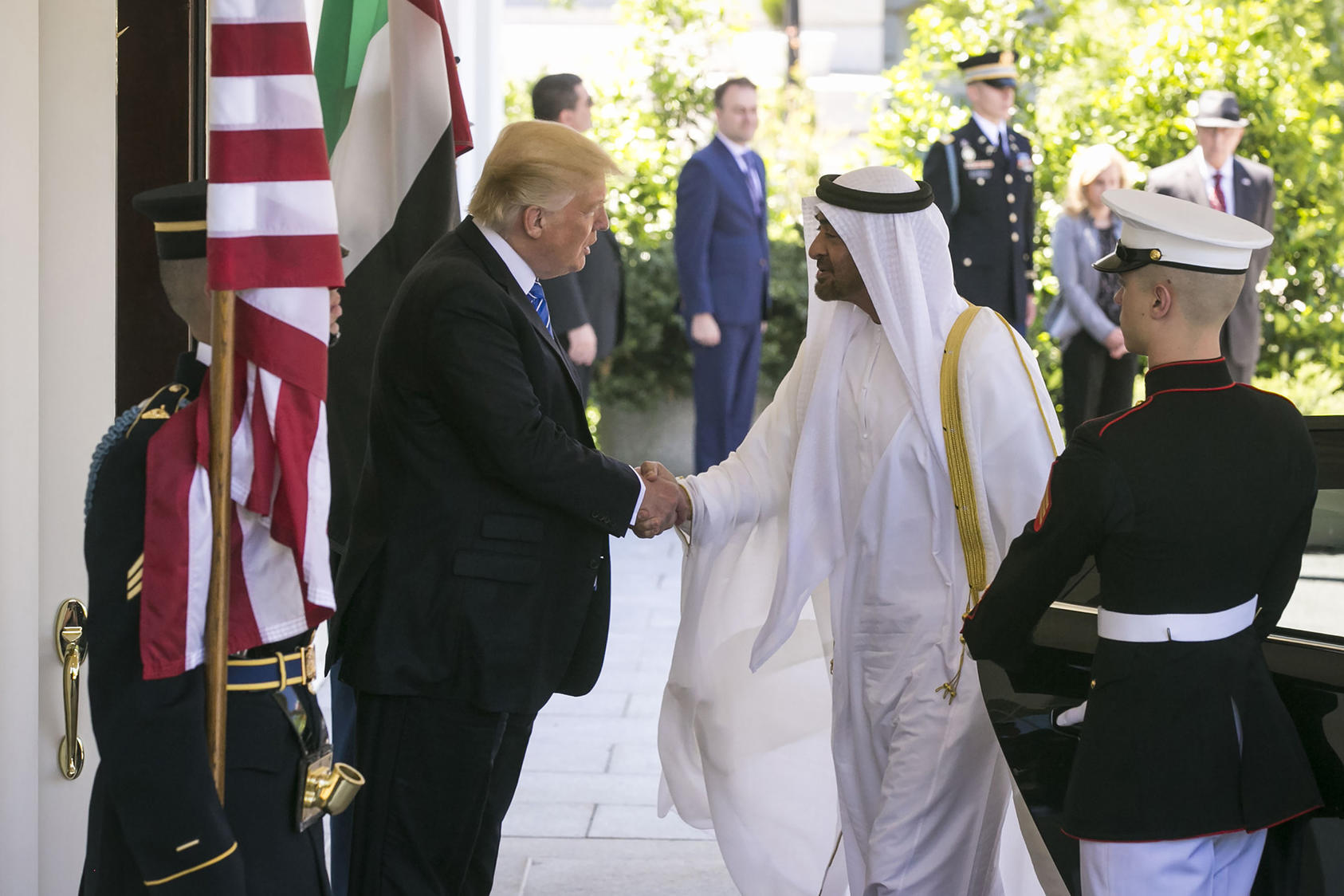
Since the Gulf War in 1990, bilateral security cooperation has grown dramatically. In 1994, the UAE and the US inked a formal defense cooperation agreement, which included joint training and exercises, the prepositioning of US military assets in the UAE, and the transfer of modern weapons systems, recognizing common strategic objectives and priorities. In May 2019, a revised defense cooperation agreement went into effect.

(Al Drago/The New York Times)

The United Arab Emirates and the United States are committed to maintaining security and stability in the Middle East and also around the world. From the First Gulf War to Kosovo, Afghanistan, Libya, and the battle against ISIS, UAE and US armed troops have collaborated on six military coalition engagements over the last three decades. The US-UAE Strategic Dialogue, a new strategic dialogue framework for collaboration and discussion on topics ranging from trade to security was inaugurated in October 2020 by the two governments. This expands on the Defense Cooperation Agreement (DCA) between the UAE and the US, which was signed for better coordination and advancement of a strong military, political and economic ties between the two countries. The United Arab Emirates is a vital US partner in the Middle East, providing vital support for US troops, aircraft, and naval vessels. At Al Dhafra Air Base located outside of Abu Dhabi, the UAE accommodates 5,000 US military personnel.

Recently, the Biden administration is in talks with the United Arab Emirates about a possible strategic agreement that would provide the Gulf country with specific security guarantees from the United States. The talks began in November of last year, but they grew more serious once tensions between the UAE and the Biden administration were eased in late March. Relations had been tense since the Emiratis perceived the US response to the Houthi missile and drone assaults on Abu Dhabi in January as delayed and inadequate. Now it matters most as both the countries the UAE and the Biden administration is talking about a “Strategic Framework Agreement”. The two countries have mutual interests and benefits in this agreement on the basis of security and economic ties. The United States provides very little foreign aid to the UAE but what it does is the provision of large-scale training for UAE officials in counterterrorism, border security and anti-proliferation activities. On the other hand, after Russia’s conflict with Ukraine, oil prices have significantly increased worldwide. UAE could help in this case by producing and supplying the oil which will reduce the dependency on Russian oil. It will help to serve the economic interests of US and security as well as the economic interests of the United Arab Emirates. It is being said that the Biden administration is willing to make some guarantees to the UAE as part of a deal, but it is uncertain how far the United States will go. The talks are expected to continue in the following weeks, but the final agreement is yet to be seen.


Saudi Arabia and Israel: New Security Arrangement

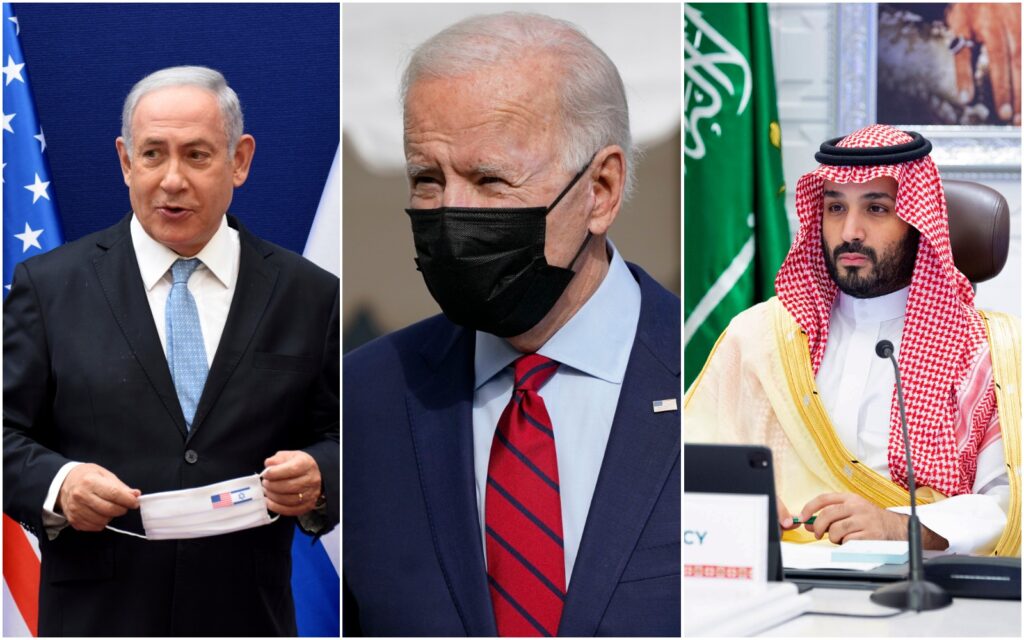
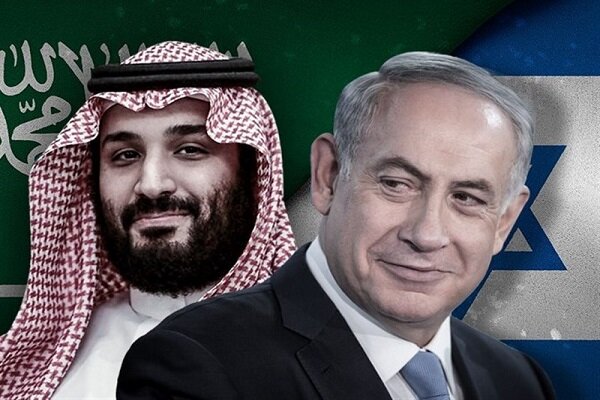
US President Joe Biden is anticipated to announce that Israel has agreed to new security arrangements that will allow Egypt to hand over management of two islands in the Tiran Straits to Saudi Arabia. A multinational force is now stationed on the islands of Tiran and Sanafir, which Saudi Arabia does not want once the islands are under their authority. Israel will agree to post its military on what will remain Egyptian soil, several kilometers distant, in a soon-to-be-announced accord. As Middle Eastern countries reposition themselves to face a new potential threats, a major new alliance, long thought unlikely, appears to be forming with this security agreement between Israel and Saudi Arabia.

Background:

Egypt announced the handover of two strategic islands Tiran and Sanafir in the Red Sea to Saudi Arabia in April 2016. While the Egyptian Parliament and Supreme Court have approved the transfer of the islands to Riyadh, Israeli consent is also necessary under the 1979 Israeli-Egyptian peace deal. No advancements on the islands are permitted without Israel’s agreement, according to Israel’s peace pact with Egypt. Fearing that Israel would capture the islands, Riyadh handed them to Egypt in 1950. Israel conquered the islands for a few months in 1956. After the Six-Day War in 1967, when Egypt disrupted Israeli traffic routes, Israel seized the islands. After a few years, a peace accord was signed in 1982, and the islands, as well as half of the Sinai Peninsula, were handed back.

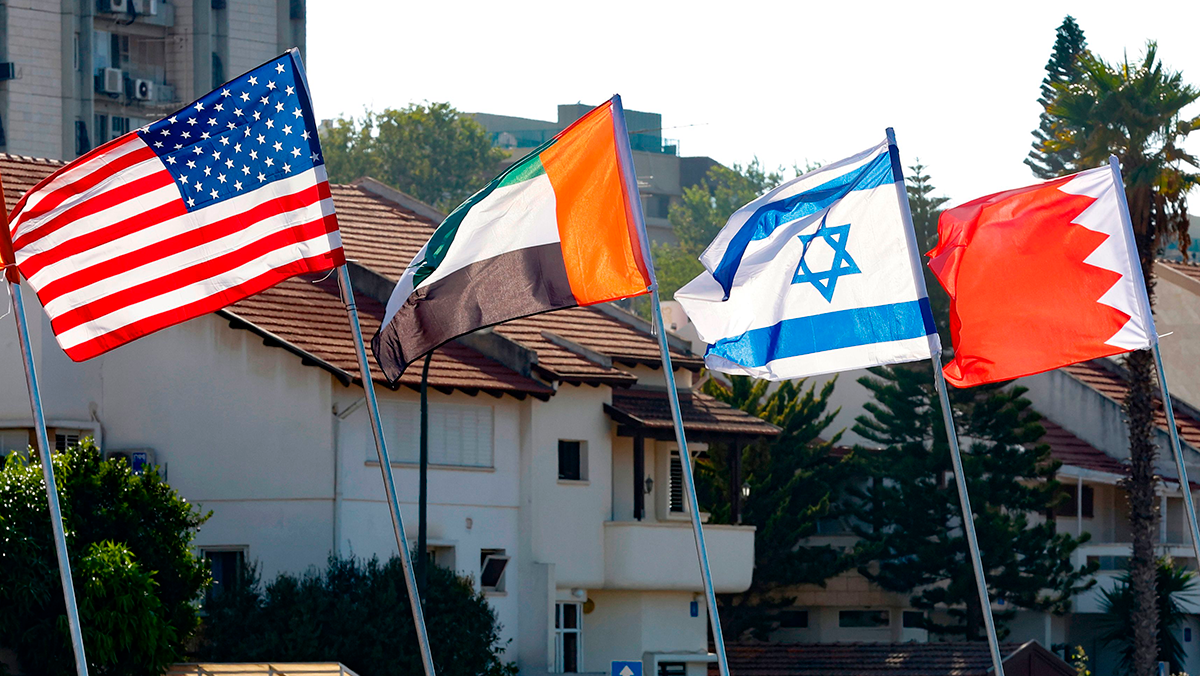
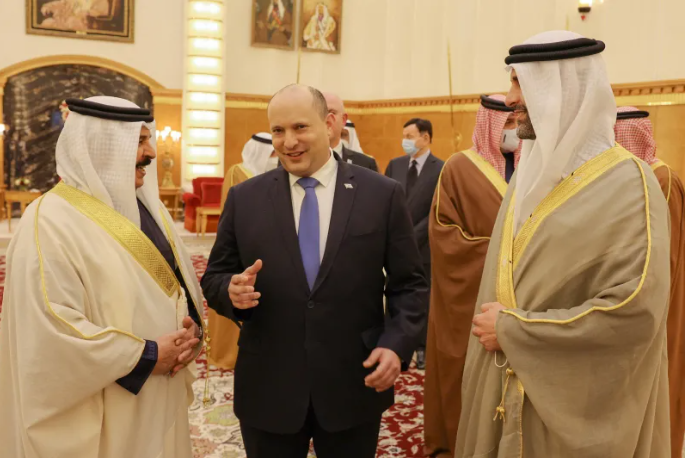
The Biden administration believes that concluding an agreement will increase confidence between the two countries and pave the way for cordial relations between Israel and Saudi Arabia. It would be the most major US Middle East foreign policy victory since the Abraham Accords which were arranged by the Trump administration and resulted in normalization agreements between Israel, the UAE, Bahrain and Morocco. Official diplomatic relations between Israel and Saudi Arabia do not exist, but informal ties have grown in recent years as Saudi Crown Prince Mohammad bin Salman has reportedly considered Israel as a crucial partner in the fight against Iranian dominance in the area. As per reports, after getting a special visa, Saudi Arabia is allowing Israeli businesspeople to enter the country with their Israeli passports.

According to a Globes report, a number of Israeli IT entrepreneurs and executives recently travelled to Saudi Arabia for advanced talks about Saudi investments in Israeli companies and investment funds. With this agreement, Israel is concerned about the safety of shipping lines that run through the islands. Saudi Arabia has pledged to respect the routes and to retain the islands demilitarized by ensuring full freedom of navigation for all ships, but it wanted the international observers to leave the islands. Also, Saudi Arabia will allow Israeli planes to operate across its airspace in exchange. Only Israeli flights to the United Arab Emirates and Bahrain, as well as Air India flights to and from Israel, can currently fly over Saudi Arabia. Both the countries are stressing over the agreement because of the economic benefits and security interests at stake. If the agreement is reached, it will also be a major foreign policy success for the Biden administration in the Middle East. The official announcement is said to be made by US President Joe Biden who is expected to visit Israel and Saudi Arabia this month.