Water Scarcity: Revival of Indus Water Talks

Introduction

Water Security refers to the sustainable usage of water and securing water systems in a country. It also means that to ensure sustainable development of water resources and accessibility of water for all the individuals as a basic human right. Water crisis is a serious issue and surprisingly very little attention is being paid to the particular problem. Once a water abundant country is now water-stressed which is leading towards a major crisis as the water profile of Pakistan does not show a satisfactory situation, it is an emergency state in terms of water resources. According to a report of Pakistan Council of Water Research (PCWR), Pakistan is at the risk of an absolute water crisis by 2025. Not only that, it will also impact the agriculture sector for food production, energy sector for generation of electricity and healthy environment that is necessary for growth of socio-economic measures and sustainable development. The demand for water is rising in the country because of various factors such as urbanization, rapid population growth. This has completely changed the consumption patterns of water, but the available supply of water is very limited and is at risk because of climate change.
Background

Pakistan and India share rivers on the basis of Indus Water Treaty (IWT) which is traced back to 1960, when both the countries signed the treaty under the supervision of World Bank. This treaty defined the principle of water sharing. Now, the water demand has increased in two countries, due to which on and off disagreements appeared on water sharing issues. Water nationalism has risen in recent years as the supply-demand mismatch for water has widened in India and Pakistan, which has been exacerbated by rising tensions between the two nations. But, somehow IWT has always managed to avoid any serious water conflicts despite of the political tensions between Islamabad and New Delhi.
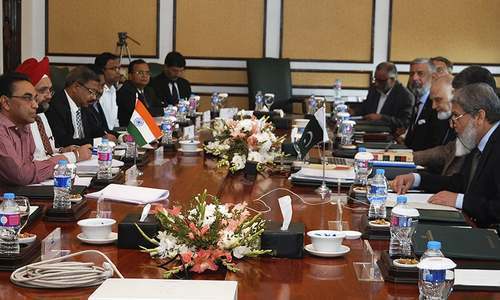
Pakistan, it is on the verge of a water crisis by 2025 that is forecasted by experts. Water security is an emerging paradigm which requires recognition at all levels. South Asia has immediate and long-term difficulties from climate change, including glacier melt, sea-level rise, groundwater depletion, extreme weather events and an increase in the frequency of natural disasters, all of which are expected to worsen in the next decades. The analysis cautions that pre-existing vulnerabilities i.e. high poverty, poor governance, and restricted access to basic services and resources enhance the region’s climate risks, with potentially catastrophic consequences if warming continues at the same rate. Crop yields have declined and production losses have occurred in the region as a result of the extraordinary events of climate change. For the past few months, the warning bells are ringing about the water shortage in Pakistan. It is being said that Pakistan’s water crisis will deepen with the climate change. One of the direct results of climate change is rising temperatures and recently, the country is experiencing highest temperature in March and April. It is not only the case of Pakistan; a severe heat wave is also sweeping through India. Moreover, forecasts predictions have suggested further temperature increase in coming weeks. This will trigger already pressurized food as well as water security in Pakistan and India. Both the countries already fall in the category of top ten countries that are most vulnerable to climate change, at this time the revival of suspended Indus water talks is a good step. On 30th May 2022, a five member delegation of Pakistan went to New Delhi for 118 bilateral meeting on IWT. The two day talks ended on a positive note, but there is a need that the present crisis should be considered as a wake-up call for authorities in two countries.

It is important that India and Pakistan should make efforts for development and to promote cooperation between the two sides for the smooth functioning of water systems. Also, they must reiterate their commitment towards the treaty and its implementation in literal meanings for the benefit of both countries and to avoid serious consequences due to their own negligence in future. India threatens Pakistan with diversion of rivers flowing in Pakistan, this attitude in condemnable and needed to be stopped. On the other hand, it is necessary for Pakistan to adopt a holistic approach and efficient governance system for water sector. It can be done with improvement in technology, using innovative strategies, implementing SDGs, upgrading existing and developing new infrastructure which will help to mitigate the issue. If this catastrophe will not be addressed quickly and timely, the country may suffer complete water scarcity before even realizing the seriousness of the ongoing crisis.


Iran and European Union (EU): A New Partnership?

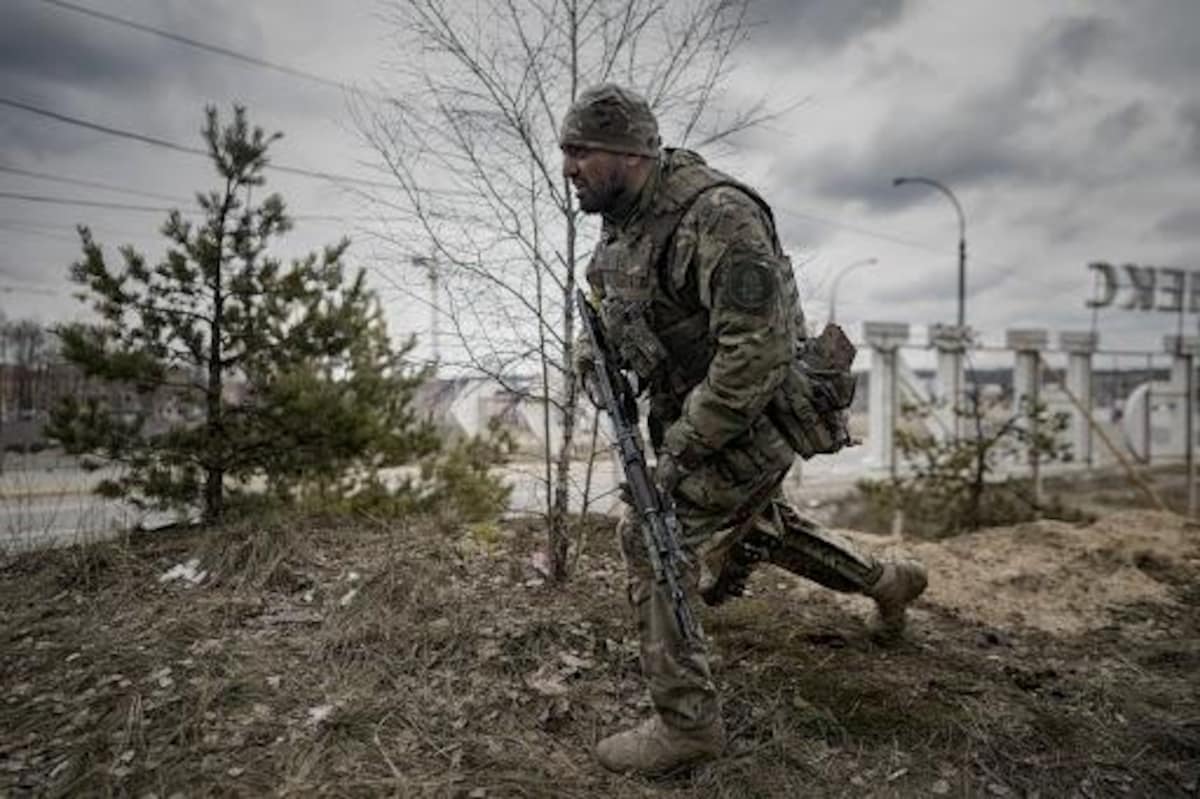
The Russian invasion of Ukraine was a turning point for many countries on different levels. Across western Eurasia, the existing systems such as political, economic, energy and transportation networks are being impacted. Countries are attempting to mitigate the war’s negative effects while forming new trade synergies at a quick pace. For instance, Germany and Qatar have signed a long-term energy deal to export Qatari natural gas, as the Germans seek to lessen their reliance on Russian supplies. For the past 30 years, United States and European Union has kept Iran marginalized systematically from energy trade and multiple projects that connect Middle East with European Union. European countries are highly dependent on Russia; almost 38% of the natural gas is being imported. For that reason, Europe is striving to find new options and end the dependency on Russian gas.

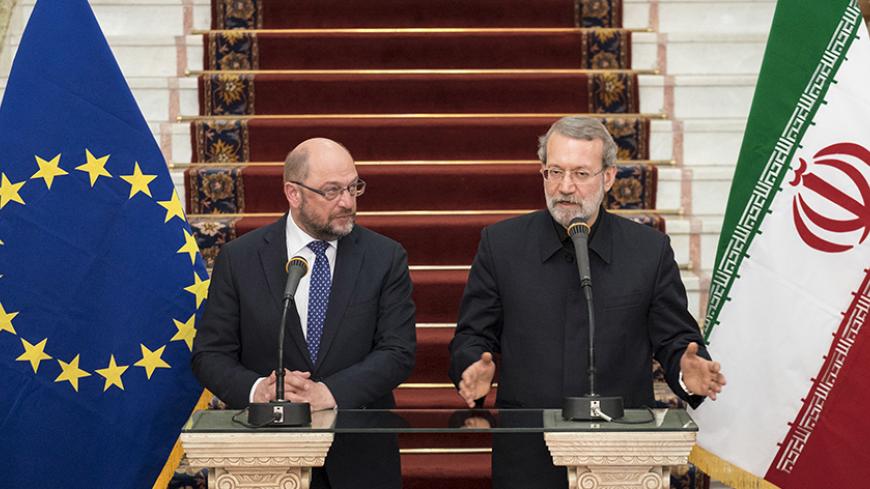
Despite of imposing sanctions on Iran for a huge time period, the intensity of the invasion and new economic sanctions on Russia has pushed US and EU to review Iran’s economic exclusion. For that, Iran also has to think about the Iran and European Union relationship for energy and transit projects. After suffering various sanctions, it seems like Iranian administration is harnessing new economic opportunities that has emerged due to the Ukraine war as well as Russia’s isolation. Therefore, and seriously looking upon European-Iranian partnership for its own benefits which is quite evident. On 15th May 2022, it is said by the Iran’s oil ministry official that Iran is considering gas exports to Europe. The idea was contemplated because of the rocketing prices due to ongoing war.

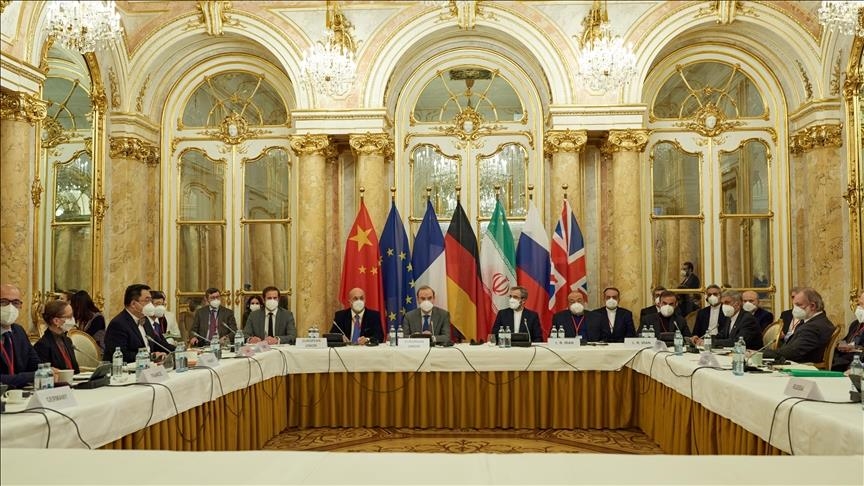
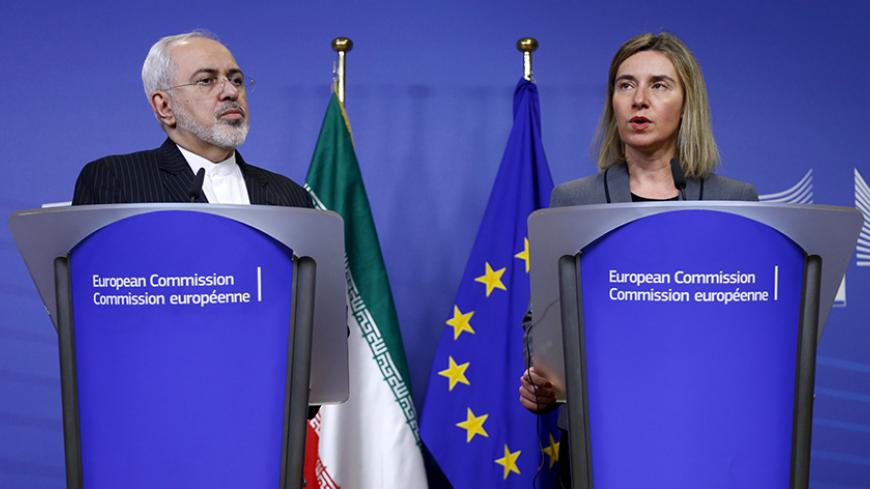
On the other hand, talks between Iran and US are being held to revive 2015 nuclear deal. Currently, the talks are in a state of deadlock but the EU is making efforts and a last ditch-attempt to save the nuclear deal. The EU policy Chief Josep Borrell has said in a statement: “EU will do everything possible to bring Iran nuclear talks back on track and ensure full compliance with the treaty”. With this we can analyze that a new partnership is budding between the two, on the basis of mutual interests. It will help Iran grow economically in both the cases, even if Iran exports gas to EU or the Iran nuclear deal revive as the sanctions will be removed. Whereas, European Union’s dependency on Russian gas can be reduced having Iran as a new partner.


Delay, Risks and Israeli Stance: New Iran Nuclear Deal

In 2015, Iran signed a Joint Comprehensive Plan of Action (JCPOA) agreement, which is commonly known as “Iran Nuclear Deal”. The deal was signed between five permanent members of United Nations Security Council (UNSC), Germany (P5+1) countries and Iran. When Donald Trump came into power in 2018, a unilateral American withdrawal from nuclear deal was observed. Whereas, in 2021, Joe Biden administration decided to revive the deal in April 2021 on which Iran also agreed and talks started. In February 2022, the participants of the deal said “the deal was on the verge of being finalized after a year of discussions”. At the times when United States and Iran talks advanced, Ukraine-Russia war erupted in the form of a new issue due to which the renewed deal process was delayed. Now, another main point of contention is Iran’s demand of removing Islamic Revolutionary Guard Corps (IRGC) be taken off from U.S list of Foreign Terrorists Organization (FTO). They were placed in 2019 on the list after Trump’s maximum pressure campaign after unilateral withdrawal of nuclear deal. The Vienna discussions on deal seem to be crossing the line between a breaking point and a breakthrough. The U.S still considers the deal in its national interests as said by the Secretary of State, Tony Blinken.

However, the ongoing deal has set off alarm bells in Israel; the leaders have condemned the deal at various platforms as they are of opinion it will not prevent Iran from developing nuclear weapons. With a signed agreement, Iran will be more confident in its actions and will have more resources. Israel fears that sanctions will be removed and billions of dollars in frozen assets would be released, causing Iran to spend more on its regional proxies. Israel’s Prime Minister Naftali Bennett in a statement has said that “the emerging deal, as it seems, is highly likely to create a more violent and more volatile Middle-East”. Also, he repeated his threat that Israel is not bound to attack Iran. According to United States Ambassador to Israel, Israeli’s hands are not tied if America has a deal with Iran. It can take any action against Iran to protect Israel. Prime Minister has expressed his concerns to secretary of state that afterwards risks of deal will affect the region and Israel. Recently, Bennett has invited Joe Biden to visit Israel which has been accepted. Despite this, Israel’s remarks alluded to points of contention. Israel has warned Biden to not delist IRGC for the security of state. Israeli media is also reporting the chances of nuclear deal are “slim to none”.

If an agreement is made, Tehran has also asked to access the frozen $7 billion and oil exports, the sanctions will be lifted from Iran. As a result, Iran, the United States and the rest of the globe would benefit economically. With Iran being able to sell oil around the world, it may be able to help down the sky-high energy prices caused by Ukraine war. The deal is in limbo; on the other hand, Israel is ramping up the pressure on Biden administration, but it has to be seen yet that U.S will delist the IRGC and will result in a historical “Iran Nuclear Deal” or not.


ISIS attacks in Iraq and Afghanistan: What needs to be done?

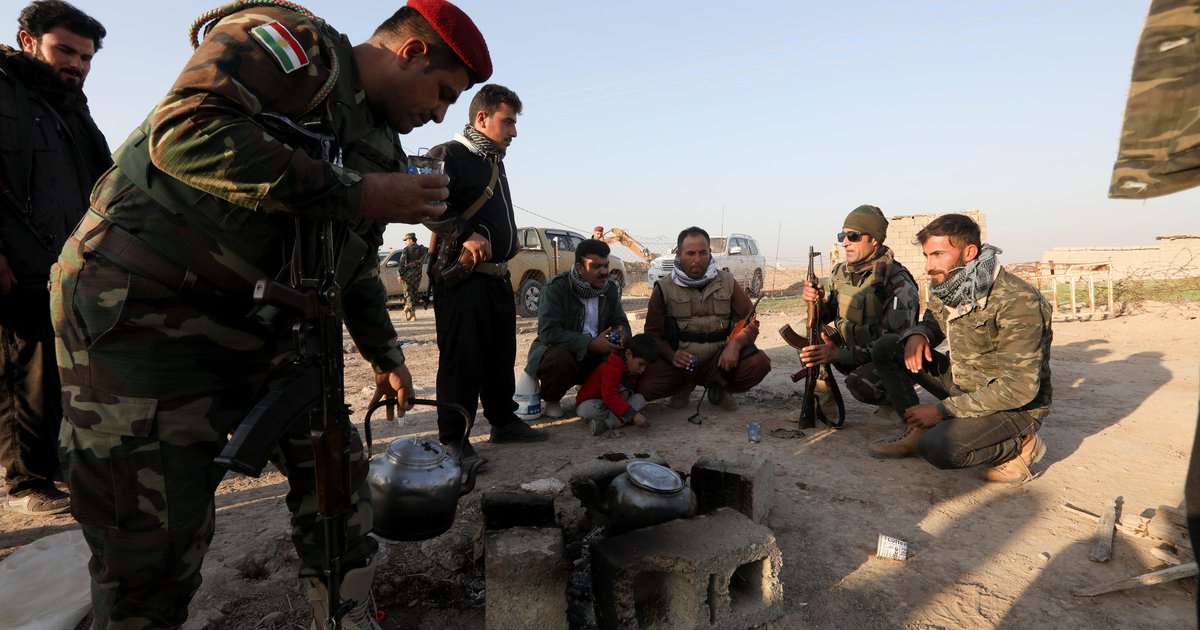
Earlier this year, in January 2022, ISIS initiated the biggest attack in Syria since the fall of it caliph three years ago. During the past few months, Islamic State of Iraq and al-Sham (ISIS) is the news headline of international media. After years of waging a low-level insurgency in Iraq and Syria, the current aggressive strikes indicate that militants have been re-energized. A years-long US-backed campaign destroyed the group’s territorial control in Iraq and Syria, but its fighters continued to kill scores of Iraqis and Syrians in recent months through sleeper cells. After Baghdadi’s death in 2019, Abu Ibrahim al-Hashimi al-Qurayshi was elevated to the position of Islamic State’s (IS) “caliph”. The US military launched an airstrike on a residential building in a town in northern Syria in response to which the Islamic State’s leader perished. According to US sources, as a result of the raid, a senior deputy of the terror group has also been killed. Beyond the psychological impact, it is unclear whether the removal of the figurehead will make any effect, because a new leader has been selected already by the armed group. The US’s strike neither affected group’s network nor its activities, which is explicit from the ISIS attacks in Iraq and Afghanistan.

Since the Afghan Taliban Government in Afghanistan, various attacks have been reported including to which ISIS has claimed the responsibility. Over the past seven years, even before the current Taliban’s Government, the Islamic State (IS) has been targeting scores of schools, mosques, hospitals, and other sites of Shia community. It has a potential to create a conflict between Taliban Government and the people of Shia sect in Afghanistan. The striking increase in attacks in Afghanistan highlights the growing security challenge facing Afghanistan’s Taliban rulers as they have pledged to not let Afghanistan’s soil against any other country. To contrary, ISIS and militant groups while operating in Afghanistan expanding their activities to neighboring country like Pakistan, as the spate of attacks in country was claimed by the armed groups.

ISIS is widely spreading violence and extreme groups across the region. It has evolved into a global terrorist organization which will have implications around the globe. The group is a key security challenge not only for Iraq or Afghanistan but for the whole region’s security, stability and peace. The persistent presence of ISIS in Syria, Iraq, Afghanistan and other countries including Africa proves that assassinating leaders is not a viable long-term approach for combating armed groups. ISIS’s leaders were killed in two US attacks in 2019 and 2021, but nothing was done to address the underlying conditions that allowed the organization once again to develop its influence and support. ISIS is still active and inflicting havoc around the globe. It is the time for political and military leaders at national and international level to play their due role. It is necessary to acknowledge that the only way to completely eliminate the group is pursuing long-term international peace and development policies rather than launching strategic military operations.


Why NATO did not intervene in Ukraine war?

As the Russian-Ukraine war continues, there are questions arising about NATO’s intervention in the conflict. If we look at the landscape, member states of NATO are bordered with Ukraine but officially it is not a member ally. Russia has one demand on the table that is non-negotiable which is Ukraine cannot be a part of the organization. However, Ukraine wants to join NATO as a member country and whenever it has floated the idea, internal strife erupt because of the presence of pro-Russian supporters in the Donbas region. Also, Russia has warned of political and military consequences as Putin did in the case of Finland and Sweden’s potential alliance membership. It is not the case that NATO is not intervening in the Ukrainian territory because of the country’s membership, there are some other reasons, as we have seen NATO involving in countries issues that are not its members.

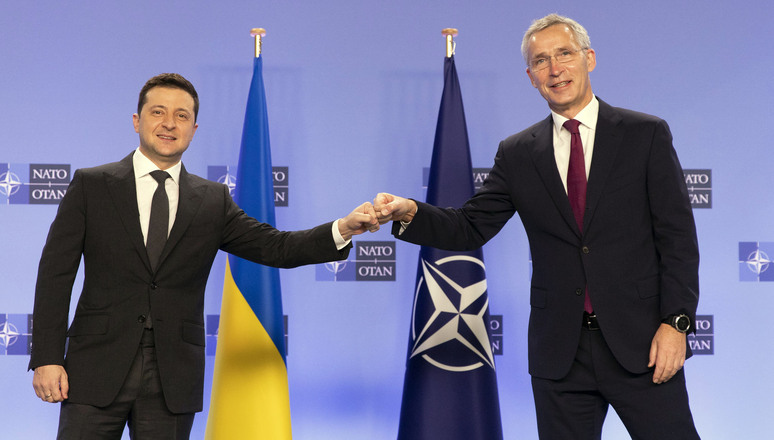
NATO Secretary General Jens Stoltenberg and the President of Ukraine Volodymyr Zelenskyy

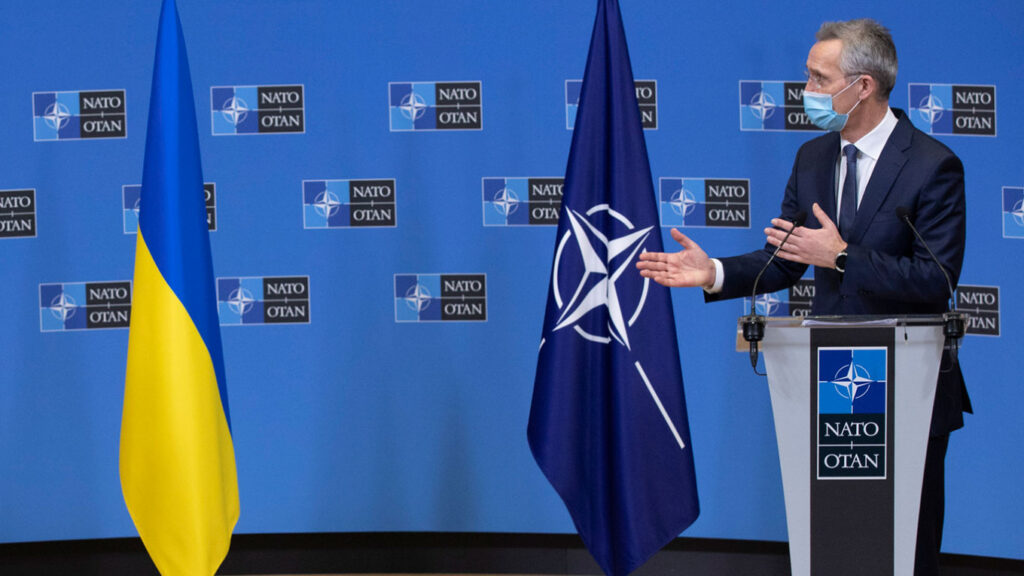
Ukraine is seeking NATO’s help but the foreign ministers rejected any possibility of intervening against Russian forces in Ukraine, whether on the ground or in the air, as stated by Jens Stoltenberg the secretary general of NATO alliances. He has also said that “Allies are agreed upon the fact that we should not have NATO planes operating over Ukrainian airspace or NATO troops operating in Ukrainian territory”. Ukrainian leaders have called for a no-fly zone above Ukraine’s airspace, but NATO is opposed to the idea, fearing that engagement may lead to a confrontation with Russia and might result in a full-fledged war in Europe which will involve many more countries and causing far more damages. Therefore, the stance of NATO is explicit that it will not intervene but will offer assistance while remaining neutral in the conflict.

On the other hand, President Joe Biden of the United States has stated repeatedly that the Western alliance will remain neutral in the war between the two countries as long as Russia does not strike NATO territory. Last month, a summit was held where member countries participated, the Russia-Ukraine issue was discussed in response to which new sanctions against Russia were issued but no military option was mentioned. A British officer has also warned that NATO is not prepared for a conflict with Russia. Since Russia’s invasion began, the Alliance countries have provided weaponry and financial aid to Ukraine, but they have been careful not to engage in any activities that could pull them into the conflict. The other justification for not intervening is that, US has faced the consequences because of war on terror in Afghanistan. It is not going to be popular politically for United States and European countries to enter Ukraine with the help of military forces.

It is clear that NATO is not planning to intervene and sending troops to Ukraine. But it needs strong advocacy and diplomacy and it is more likely that it will continue with weapons supplies, providing diplomatic as well as political support to Ukraine in the ongoing war.


Return of Daesh in Afghanistan: Security Implications for Pakistan

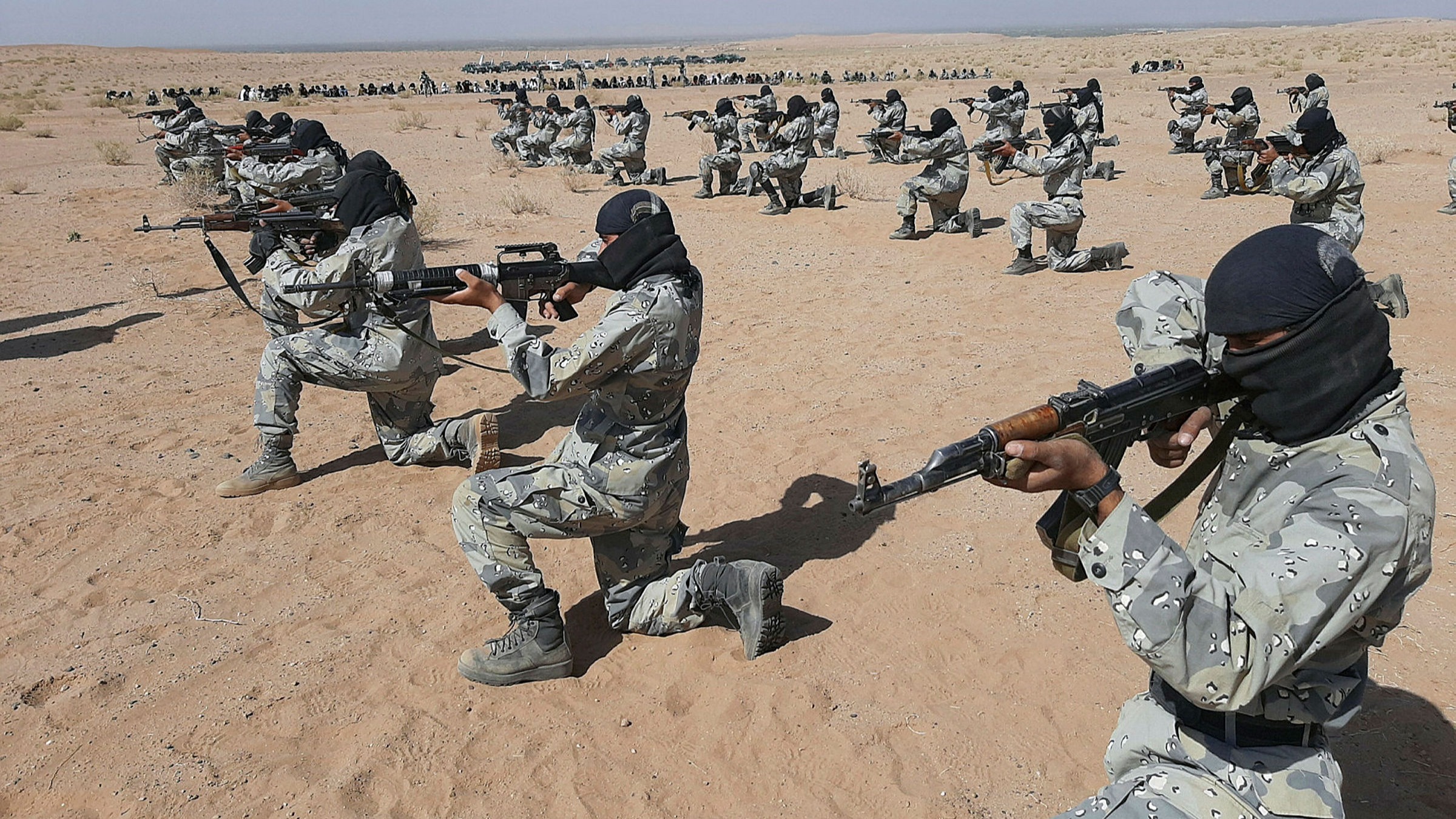
Last year in August 2021, the United States in accordance with Afghan peace deal withdrew its forces from Afghanistan after 20 years. After which Taliban formed a new Government in Kabul. Pakistan has played an important role in making the deal possible as Pakistan has suffered hugely in form of terrorism due to war in Afghanistan. Pakistan has made rigorous efforts to combat terrorism from country through military operations which helped to down terrorist’s threats, improve security and achieve peace. Now, as Taliban walked back in Kabul and took control of Afghanistan once again, there is increasing concern of Pakistan’s Government over security in Afghanistan and its implications for Pakistan. The developing security situation in Afghanistan is becoming a point of central attention not only for Pakistan but for other regional states.

US intelligence and officials have suggested the presence of militant groups including Daesh in Kabul. Moreover, various reports including United Nations Security Council pointed out the active status of almost two dozen militant groups. This has posed a serious threat to region stability and particularly Pakistan’s security. Pakistan is needed to work in a specified way for threat across the border that is extended to its own territory. This is a worrisome situation regarding security as these groups might reorganize themselves against Pakistan and can bring a surge in terrorists and other activities as:
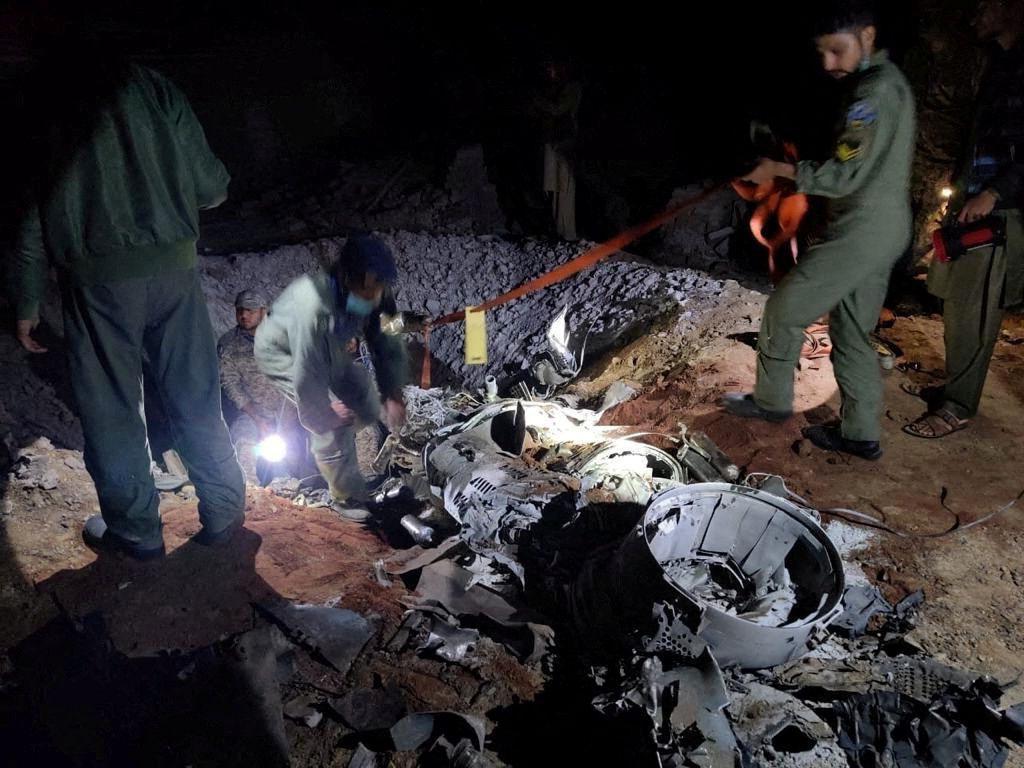
Sectarianism: Tahrik-e-Taliban Pakistan (TTP) escalated insurgencies have already observed in Pakistan after Taliban’s takeover in Afghanistan. TTP and Daesh both have political and ideological interests, so, Daesh can create spillover effect in Pakistan in a way that TTP may collaborate or gain support of militant organization. Radicalization of Jihadist narrative, extremist ideas and narratives is possible to which young minds may fell prey. Besides this traditional challenges to internal security can also occur in kind of ethno-political, religious and sectarianism. The recent Peshawar suicide bombing inside a Shia mosque is an evidence of sectarian violence to which Daesh claimed the responsibility.

Cross-border infiltration: Cross-border illegal activities with the return of Daesh cannot be neglected. There is a possibility of illegal cross-border activities such as drug trafficking, exchange of illegal weapons between the non-state actors, and cross-border terrorism. Furthermore, refugee crisis can also be created with the return of Daesh in Afghanistan. Afghanistan may face security issues because of the Daesh and this will lead to the migration of Afghan population to Pakistan.

Indian-factor: Indian non-state actors can also use Daesh against Pakistan. Last year in 2021, Pakistan Army in a statement mentioned that with India’s support and RAW, the terrorist group Daesh is operating in Afghanistan against Pakistan. Also, Pakistan’s foreign Minister said that Pakistan has evidence of five Daesh training camps operating in India. This can result in grouping of Indians and Daesh against Pakistan for their vested interests.

To conclude: Afghan Taliban authorities must address security concerns of neighboring countries like Pakistan and do not let anyone use its soil for malicious purposes in order to ensure national interests of states and regional stability.


Indian Missile launch into Pakistan

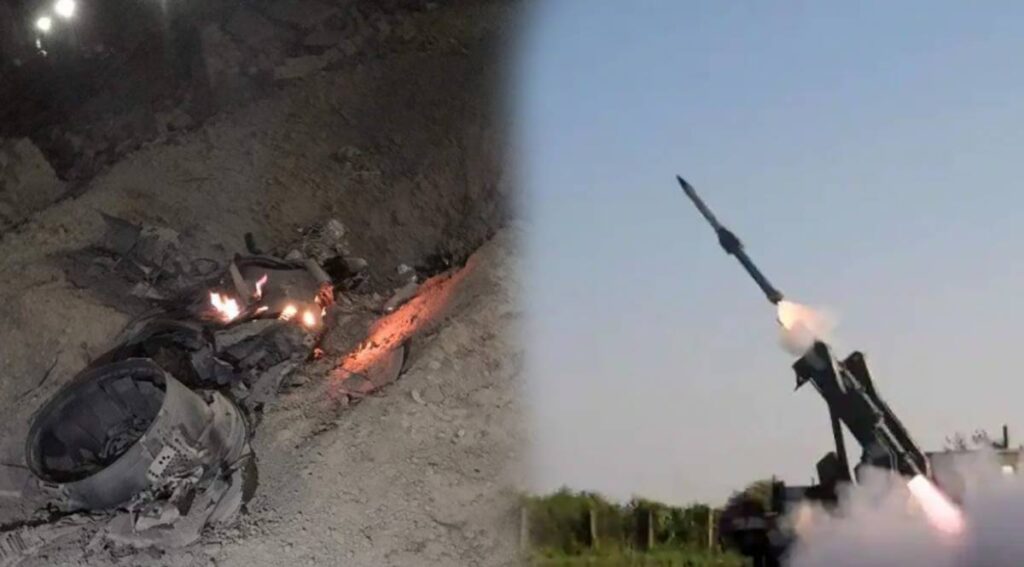
Earlier this month, on 9th March, Indian missile misadventure happened which was a clear violation of Pakistan’s air space. It is not for the first time that India did an airstrike attack on Pakistani soil. Before that, in 2016 and 2019, India launched surgical strikes in Azad Jammu Kashmir and Balakot. India admitted the landing of the missile and called it an accident which occurred due to a technical malfunction. In response to this, Pakistan’s Foreign Ministry condemned the issue and warned India of unimaginable consequences. Also, the foreign minister urged India to give information regarding the specification, route and trajectory of the missile. Silence of India over the issue until Pakistan demanded an answer has been pointed out, adding that the aftermath of this scenario had all the potential to initiate a full-fledged nuclear war between the world’s two most volatile nuclear adversaries right now. According to ISPR’s statement, “Such dangerous incidents can act as a trigger and seriously endanger regional peace and strategic stability”. Therefore, Pakistan has asked for a “joint probe” and demanded clarification from India over the safety mechanism and security protocols of missile launches in a nuclearized environment.

It is reported by Bloomberg, that dozens of national and international flights indicated busy activity in Pakistani and Indian airspace on the same day, the jets narrowly missed through the direct trajectory of the missile. If the missile had hit a commercial plane, it would have resulted in unpleasant repercussions in view of endangering a populous area, lives and property damage. In this regard, Pakistan has approached international community and raised the issue with United Nations Secretary General. Pakistan has asked relevant international forums to address the situation by investigating the safety and security protocols of Indian nuclear assets, because implications of the particular event expand beyond the security of neighboring countries and the region. In a letter to UNSC President for March, Ambassador Lana Zaki Nusseibeh (UAE) and Secretary-General Antonio Guterres, Foreign Minister Shah Mahmood Qureshi asked that Pakistan strongly condemns this blatant violation of its airspace in the presence of international aviation safety regulations. Also, while addressing the two-day Islamabad Security Dialogue 2022, Army Chief has given remarks “We expect India to provide evidence to assure Pakistan and the world that their weapons are safe and secure. Unlike other incidents involving strategic weapons systems, this is the first time in history that a supersonic cruise missile from one nuclear-armed nation has landed in another”.

It is important to note that, this event will result in escalating the already tensed relations between India and Pakistan after Indian pilot case in 2019. Missile launch is an episode that had the potential to prove disastrous for both the countries. It must be dealt with seriousness that it deserves and proper investigation must be undertaken in order to avoid any similar incidents in future which could have catastrophic results. Fortunately, this time the issue was met with a cautious response from the Pakistani military, which avoided military confrontation between two countries.


Ukraine Crisis: A threat to Global Food Security

Introduction:

During the past two years, Covid-19 outbreak has brought negative implications for global food security. Now, the ongoing conflict between Russia and Ukraine has further increased the existing challenges to food security. Russia and Ukraine both the countries play a fundamental role in ensuring the global food production as well as food supply. Russia is the world’s largest and Ukraine is the fourth largest exporter of wheat respectively, official figures suggest that, together they are responsible for 29% of wheat trade, 19% of barley supply, 4% of maize and 52% of the sunflower oil globally. In addition to that, they are also major suppliers of rapeseed oil collectively; also the global fertilizers supply is concentrated with Russia as a lead producer. Central Asian and some European countries rely on Russia for the sake of 50% of their fertilizer supply. Almost fifty countries that belong to Middle-East, Northern Africa and Asia and are under developed with struggling economies or considered as food-deficit are dependent on Ukraine and Russia for 30% wheat supply. For that reason, Russia and Ukraine are of utmost importance for many countries in view of food security at national and global level.

Current Situation:

Food prices were already on the rise since the second half of 2020 due to coronavirus pandemic but now food and fuel prices have reached an all-time high in February 2022 and still skyrocketing. The intensity and duration of the conflict is still unknown, it has disrupted the agricultural activities for both the major exporters of staple commodities and could exacerbate global food insecurity at a time when international food and input prices are already uncertain. It is reported by Food and Agriculture Organization’s (FAO) Food Price Index that there is an upsurge in global wheat prices within two weeks because of Russia’s full scale war over Ukraine. The United Nations Food (U.N. Food) chief has said, “The war in Ukraine will have a global impact beyond anything we’ve seen since World War II”, as food prices have risen at alarming levels. Ukraine was the UN’s World Food Program’s second-largest wheat supplier last year. World Food Program (WFP) has warned that the current crisis and hike in prices will affect local food prices and ultimately access to food due to which net-food importing nations will suffer the most.

Impacts of the crisis on Food Security:
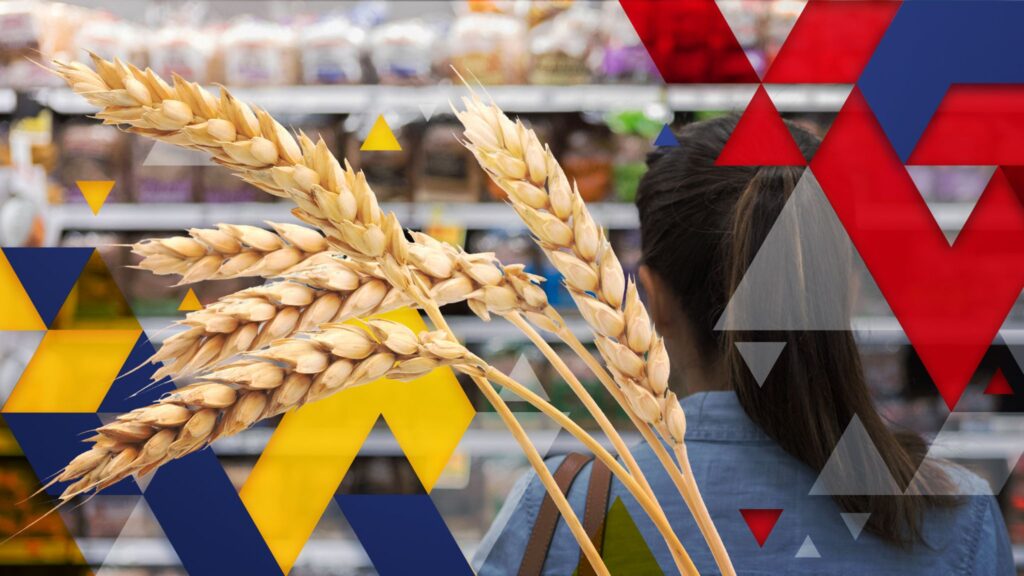
According to reports, agriculture firms in Ukraine have suspended their activities; the ongoing conflict has halted trade from Ukraine’s ports with several of the country’s ports shuttered and vessel movement stopped in the Sea of Azov. If Ukraine maintained its inland transportation infrastructure, it would be impossible to operate due to lack of a system. On the other hand, case of Russia is that the international community has reacted strongly to the war, with the European Union, United Kingdom, Japan, and the United States imposed economic sanctions on Russia. These sanctions on Russia have resulted in a significant depreciation, which, if sustained, might hinder productivity and growth ultimately raising agricultural production costs. Russia is a prominent player in the global energy market, accounting for 18% of world’s coal exports, 11% of oil exports, and 10% of gas exports. Agriculture necessitates the use of energy in the form of gasoline, gas, electricity, fertilizers, pesticides etc. Energy prices have risen as a result of the present conflict, with significant effects for agriculture; it will eventually impact food production and supply.

Wheat is a staple food for more than 35% of the world’s population, and the current conflict may result in sharp declining trends for wheat exports from both Russia and Ukraine. Both Ukraine and Russia have imposed export restrictions in the face of strained domestic supply. As a consequence of the conflict, many dependent countries including South-Asia is suffering, in the first week of March eight shipments were not delivered to Asia because of fighting continues around the Black Sea which is the main route for imports shipment. Total of 55% of Asia’s wheat is imported from Ukraine. When we look at Pakistan it relies on both the countries for wheat supply, 39% of Pakistan’s wheat comes from Ukraine alone. Despite of the crisis, Pakistan announced to import 2 million metric tons of wheat to fulfill the country’s nutritional needs. Furthermore, nations that rely on Russia and Ukraine for wheat imports, particularly those in the Middle East and North Africa (MENA) which already had been experiencing food shortages owing to higher import costs and fiscal deficits will face an additional difficulty because they are the most vulnerable countries and will experience most acute effects on food security.

Conclusion:

The conflict between Russia and Ukraine has rattled commodity markets and jeopardized global food security. It is expected that food oil and shipping costs to rise as a result in the next months, there will be less food available and higher prices. With the historic rise in energy and food prices, global inflation will soar, as the price of commodities rises, so will humanitarian needs and political threats. Food export restrictions are already in place in a number of countries to protect their own supplies that is increasing challenges for the most vulnerable countries. Efforts should be made by international community and institutions to safeguard the food production and supply chains that are necessary to ensure global food security and to avoid any catastrophic situation in future.


Negev Summit: Israel’s elevated relations with Arab Allies

Introduction:

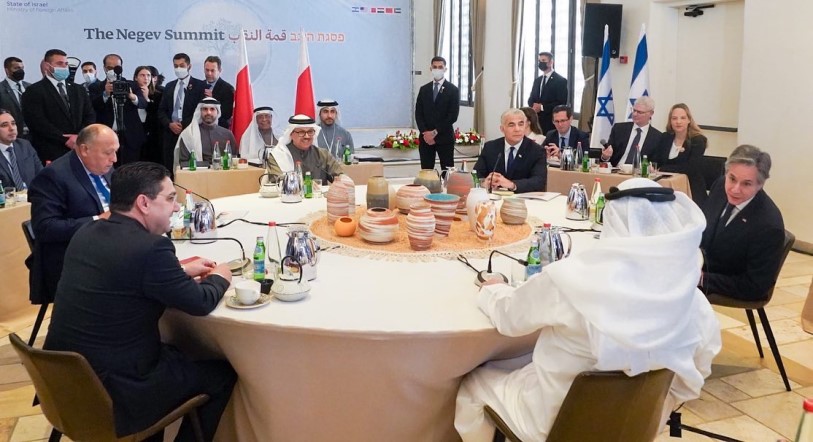
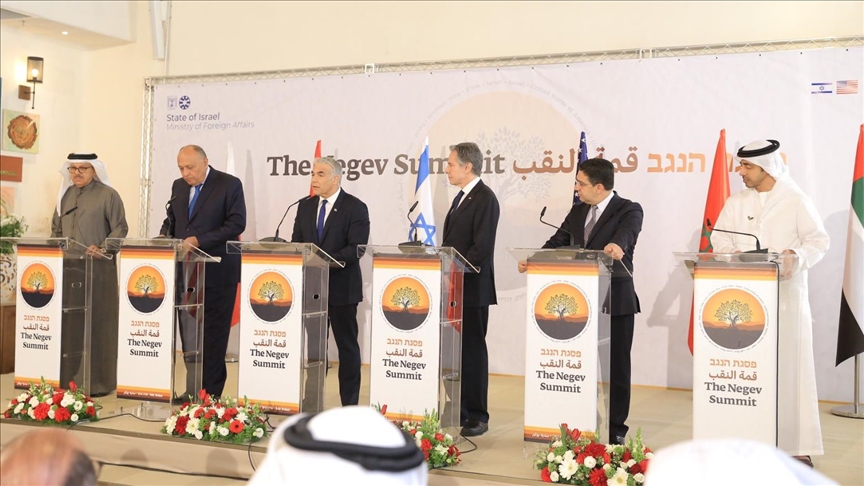
After being isolated by most of the Arab world for years, Israel is now cooperating with Arab nations who have some common goals that go beyond Iran i.e. to boost Israel’s role in regional matters. Last month, on March 27th, Foreign Ministers from the United Arab Emirates, Morocco, Bahrain and Egypt arrived in Israel for a two-day Negev-Summit. The Trump administration brokered the 2020 Abraham Accords, which began the normalization of Arab-Israeli relations. Since then, this process has subsequently been operationalized at a rapid pace. Despite little almost no progress on a solution to the Israeli-Palestinian conflict, Arabs have improvised relations with Israel through US mediated negotiations. At the event, the Arab delegates met with Israeli Foreign Minister Yair Lapid and also with US Secretary of State Antony Blinken. The Negev-Summit is the first in Israel’s history to host officials from four Arab countries. This summit has signaled a major shift in Middle Eastern politics where Israel seeks to build up its position. Negev-Summit had decided to turn into an annual forum and that the six countries will focus on to work together for economic cooperation as well as in different sectors such as security, energy, education, health, food and water security.

Implications of Arab-Israel Rapprochement:

With the development in the form of the Negev-Summit, Israel not only elevated relations with Arabs but it has also emerged as an integrated player in Middle East. Israel’s diplomatic place in the region has strengthened after 55 years of the Khartoum Arab League Summit held in 1996, where “three no’s” (no recognition of Israel, no negotiations with Israel and no peace with Israel) resolution was adopted by eight Arab heads of state. Israel has been accepted by Arab states including signatories of the Abraham accords and participants of Negev Summit, but still there are Arab countries who have not yet formalized their ties with Israel.

This summit looks forward to enhance regional-economic cooperation, expanded tourism and business exchanges among the Arabs and Israel for long-term partnership. Israel has long been a global player, dominant in the worlds of technology, cyber surveillance and military equipment; therefore, Arab states also want to boost their ties with Israel for economic and security interests. It is evident by Israel’s bilateral agreements with their counterparts in Bahrain and Morocco, to make it easier for the three countries to exchange military equipment and military coordination which was announced by Israeli Defense Ministry. Apart from that, UAE also signed a peace agreement in 2020 which was viewed as a huge surprise; it was meant to foster cordial and productive relations. According to reports, trade between Israel and the U.A.E. increased in 2021 to about $1 billion, roughly 20 times as much as in 2020. This suggests that the relationship between Israel and its Middle East partners is about to enter a new phase. For Israel, relations go beyond economic partnership because Iran is its biggest challenge in the region, as Israel wants to stop Iran from developing nuclear weapons. The Negev-Summit was held in the time when new Iran Nuclear Deal with US efforts reached at a certain point. In response, Israel showed its concerns along with other participants and Israel’s Foreign minister also said that “This new architecture, the shared capabilities we are building intimidates and deters our common enemies, first and foremost Iran and its proxies”. The establishment of regional framework and axis formed against Iran between Israel, U.S and four Sunni-Arab states may result in regional instability.

Aftermath of the Ukraine war highlighted the common goals of Arab-Israel ties; Arab leaders may seek Israel’s help over domestic tensions for high food prices. Because of ongoing conflict, Middle Eastern countries are suffering the most due to a spike in commodity prices. Much of the region can fall to food insecurity in view of its dependency over wheat exports from Ukraine and Russia. On the other hand, it is true that the Ukraine crisis has increased the significance of Middle East as it can work as an alternative to Russia’s oil and gas supply for Europe. Middle Eastern countries’ role will be of utmost importance in this situation as it will serve regional and national interests time ahead. In more than last 5 decades Palestine’s occupation remained a central point for Arab-Israel relations. But in the summit, there was not representation of Palestine. The entire normalization process has been a great disappointment for them as said by Palestine’s prime minister, “Unless the occupation ends, Arab normalization meetings are nothing but an illusion and free reward for Israel”. The future of the Palestinians appear to be becoming less important to Arab states than the menace of Iran and the prospects of improved trade and military ties with Israel. To conclude, Arab states must look at their growing ties with Israel while considering the Palestine question, regional peace and stability to avoid any conflicts particularly sect-based for long term prospects of Arab-Israel ties as well as to ensure prosperity of the Middle-East region.


Is there an emergence of a “New World Order”?

Introduction:

As the war in Ukraine intensifies, it is influencing how the world powers will deal with the existing and future threats and conflicts. There is a multinational response on the new European war and it has been described as a turning moment in human history to reorganize the current world order. Since the inception of Russia-Ukraine war, there is a debate ongoing that the invasion as well as the political turmoil that has surrounded it, will disturb the global order that has been consistent since the end of the Cold War. In an era of globalization, the world is reliant on an economic model which has also made the countries increasingly dependent on one another.

Present Scenario:

The world has suffered a lot because of Covid-19 and currently the Ukraine war is another test. It has experienced major bottlenecks in production and supply chains due to the pandemic and now it has further because of Ukraine crisis. The war has threatened the globe as well as relations between different states that have never been to such a serious point as a result of political or economic disagreement. Russia’s war in Ukraine has sparked more fears of interruptions, threatening everything from energy supply to wheat and raw material exports. Russia is the world’s top wheat exporter and is among the five largest wheat producers. As a consequence of Ukraine war, MENA (Middle-East and North African) countries are most vulnerable to food insecurity because of their highly dependence on both, Russia and Ukraine for wheat, gas, oil and other imports. According to the International Energy Agency, Russia is the world’s top oil exporter to global markets not only that its 40% of natural gas powers the European economy. Russia’s invasion of Ukraine has rattled energy markets and geopolitics driving up oil and gas prices to highest levels has urged political leaders to reconsider their energy strategies and plans.
Moreover, western countries have imposed sanctions on Russia in the wake of war. So far, western sanctions have targeted Russian banks and enterprises while oil and gas is unaffected. These resources are still being imported from Moscow to Western countries that have condemned Ukraine invasion and imposed sanctions on Russia, this depicts European’s dependency over Russia. As said by the EU (European Union) economics chief “Russia’s war with Ukraine will cause a reduction in growth this year, the EU’s current growth target projection of 4% in 2022 is needed to be revised again”. The Russian invasion of Ukraine is undoubtedly a watershed moment in NATO and the West’s relations with Moscow, both of which are of utmost importance. It is being proposed that the current dispute has already had an impact on the global economy and fears are spreading that the conflict will strangle investment and trade, leading to a withdrawal from interdependence. As a result, Russia will make new efforts and develop closer economic ties with China as harbingers of a new world order. The growing alliance between China and Russia is worrying for Europe. This is the reason EU has called many countries including Pakistan and China to condemn Russia’s war over Ukraine, whereas, countries have opted policy of neutrality. Below mentioned are the key developments till now:

China-EU Summit:

At the start of the month, on 1st April, the China-EU summit was held amid tense relations over Taiwan, but both the parties decided to cooperate in trying to resolve Russia’s invasion of Ukraine. According to the European Commission’s chief, the EU has received no formal assurances from China on the issue. China has been strengthening its security and economic relations with Russia while refusing to condemn Ukraine invasion. China and Russia pledged a “no-limits” strategic relationship before the inception of war on 24th Feb, 2022. No clear commitment has been made by China officially, President Xi Jinping, who has a close ties with Russian President Putin told EU leaders that China will work for peace in “its own way,” President Xi Jinping said he hoped the EU would take an “independent” approach.

Russia and China:

Before the China-EU summit, Foreign Ministers of Beijing and Moscow met in China. Russian Foreign Minister in his video message released by ministry said that “China and Russia are moving toward creating a new “just, democratic world order”. The meeting ended with the signs of encouragement where both look forward to closer ties. Russian Minister has also planned to visit India that has not yet given any response on the war.

Joe Biden’s “New World Order”:

In the past month, on 21st March, 2022 Joe Biden while addressing a meeting has stated that “There will be a new world order, and we must be at the forefront of it. Also, we have to do it by uniting with the rest of the free world”. While discussing international changes resulting from the Russia-Ukraine conflict, he also stated that the world’s response to the Russian invasion gives “huge potential to make some serious changes and that the world is at an inflection point”.

Conclusion:

Ukraine has been regarded as a challenge for the survival of a 75-year-old idea of American liberal democracy, military might and free trade that can bring peace and prosperity to the world. Ukraine could stand as the crucible of a new world order, radical upheaval’s spark and trigger. It has created a new geopolitical dialect that spells forth a very different future. The China-Russia relations are inconvertible; on the other hand, with already contentious issue with west i.e. Taiwan Strait, US have warned China of consequences in case of providing material support to Russia that can further strain relations. The Ukraine war is a chance for China to reduce its dependence on US dollar, the financial decoupling is accelerating and China will continue to build foundations for the future. While considering all the things, West v/s Russia and China will define the paradigm shift as well as the new world order.