India’s Uranium Theft Series: Role of IAEA
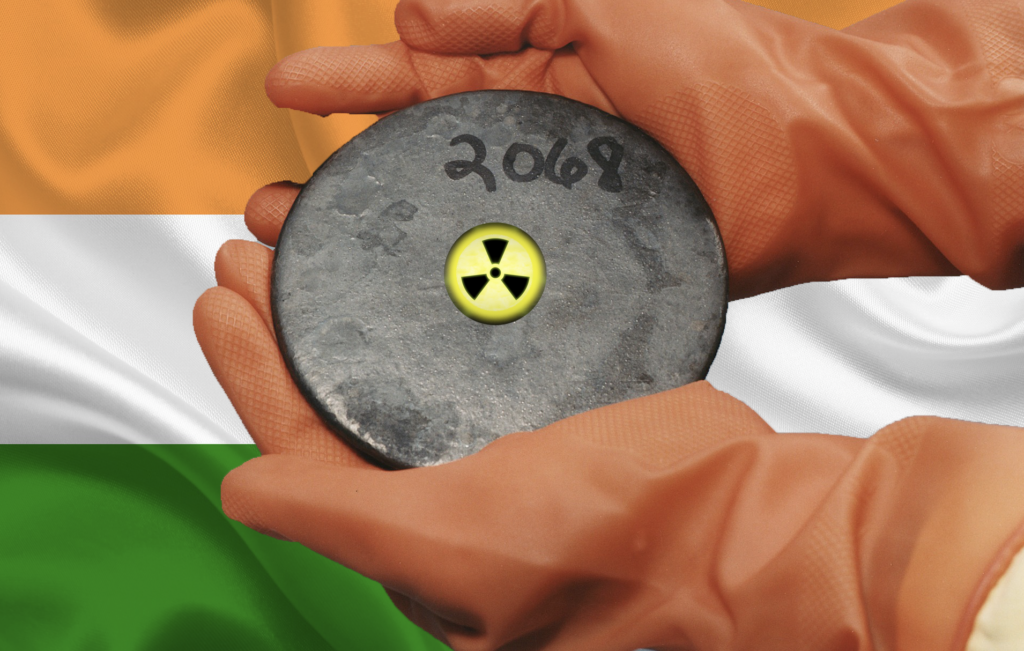
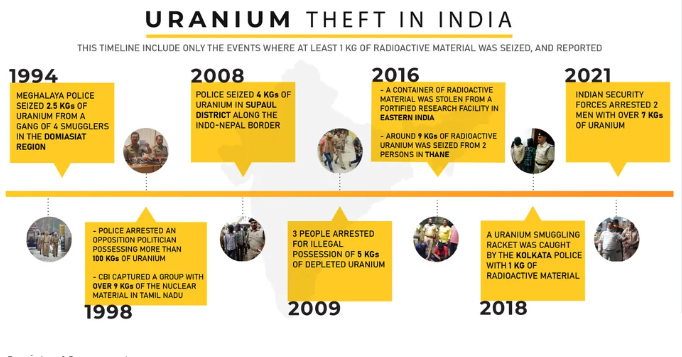
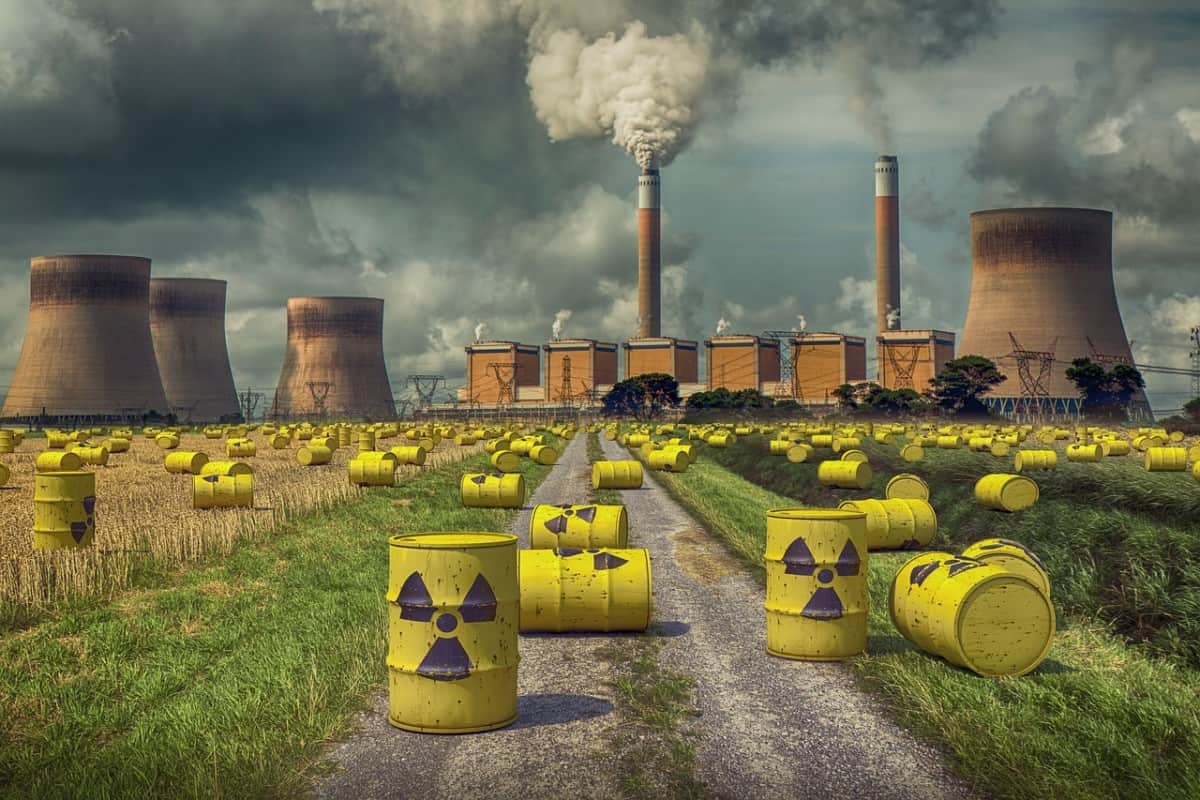
With the increase in trend of acquisition of nuclear weapons by states, the nuclear theft has become a serious threat to regional and global security. In February 2022, two Indians among eight has arrested by Nepal police for illegal trade of Uranium, last year two similar cases of the same nature were disclosed. It is not something new, since 1994; there are a number of cases that have been reported in which India found of stealing and smuggling radioactive material like Uranium. During the past two decades, an alarming amount over 200 kilograms of uranium have been stolen from Indian facilities. India has appeared as a potential spot of illegal trade of nuclear material and technology for state and non-state actors. It poses serious risks of nuclear terrorism and concerns for state security.
Pakistan and China share borders with India have raised their concerns regarding recurring incidents of nuclear material theft in India. China has requested all the countries to work together for non-proliferation that focus nuclear safety. Pakistan has called out international community for rigorous investigation to guarantee nuclear safety and security. The trafficking and theft of Uranium can lead to manufacturing of improvised nuclear and exposure devices as well as nuclear proliferation. India is a member state of United Nations Security Council and International Atomic Energy Agency (IAEA), their core objective is to make states abide by the measures for the prevention of nuclear materials falling into wrong hands. The nuclear facilities in India are not following strict security standards and are vulnerable to black marketing. It is because there are not regulations within the country to acquire nuclear material for any puposes. In addition to that, India is not complying with IAEA requirements to secure its nuclear materials and reserves. The nuclear safeguard analysts have urged the agency to consider a strict monitoring system for radioactive materials in India.
 India is also a major beneficiary of Nuclear Suppliers Group (NSG) and by intimation New Delhi must ensure a strong surveillance system over nuclear safety. Despite of the fact that India has failed to comply with the conditions, there is western silence over the issue which is dissatisfying. The role of the IAEA is of significant importance to play in India’s poor mechanism and the existence of a black market for nuclear materials within India. Nuclear security is a national issue but nuclear threats and the possible effects of nuclear terrorism can go beyond borders and also can be used by non-state actors for terrorism and harmful intentions. Therefore, IAEA must consider the grievances of India’s neighboring countries and respond to the occurrence of back to back India’s Uranium theft incidents. An accounting system must be implemented that maintains a check on Uranium exports for greater interests of global and nuclear security. International Atomic Energy Agency (IAEA) should follow its standards independently and a regulatory framework can be instigated for scrutinizing India’s nuclear activities in order to fulfill the gaps of nuclear safety and security.
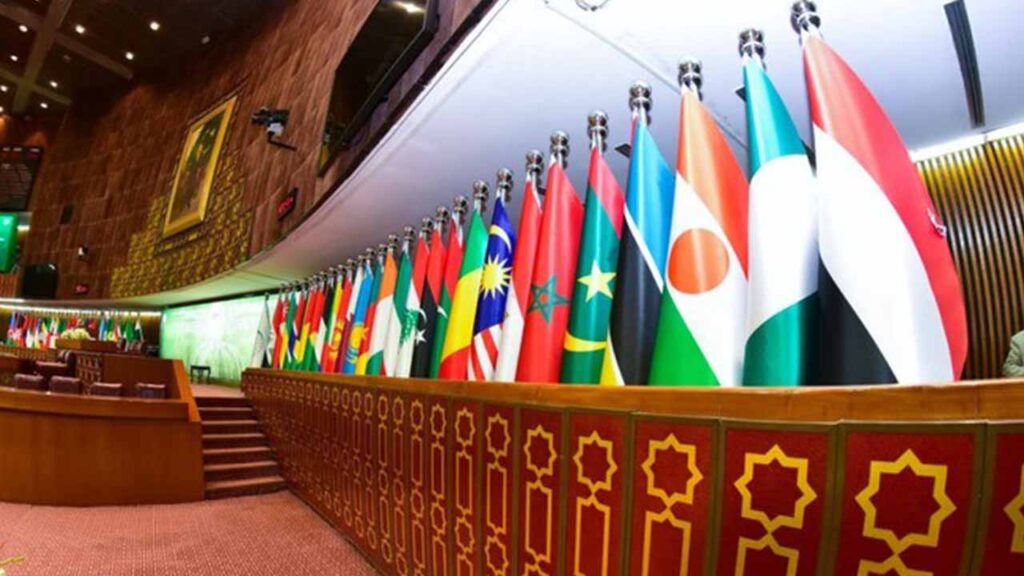
 Kashmir will be the part of extensive agenda, ahead of the 48th session; Pakistan has drafted a resolution seeking adoption with the goal of directing its anti-India rhetoric at Kashmir. Hurriyat Conference members are also invited at the conference that will highlight the humanitarian challenges and will remind the world to look upon the stance of Kashmiris. The last OIC’s summit which held in Pakistan, ended with the establishment of the OIC-led Humanitarian Trust Fund for Afghanistan to channel aid, as well as the designation of the OIC Secretary General’s Special Envoy to work alongside the UN in the war-torn country. Moreover, the members will review the previous decisions on Afghanistan in this session.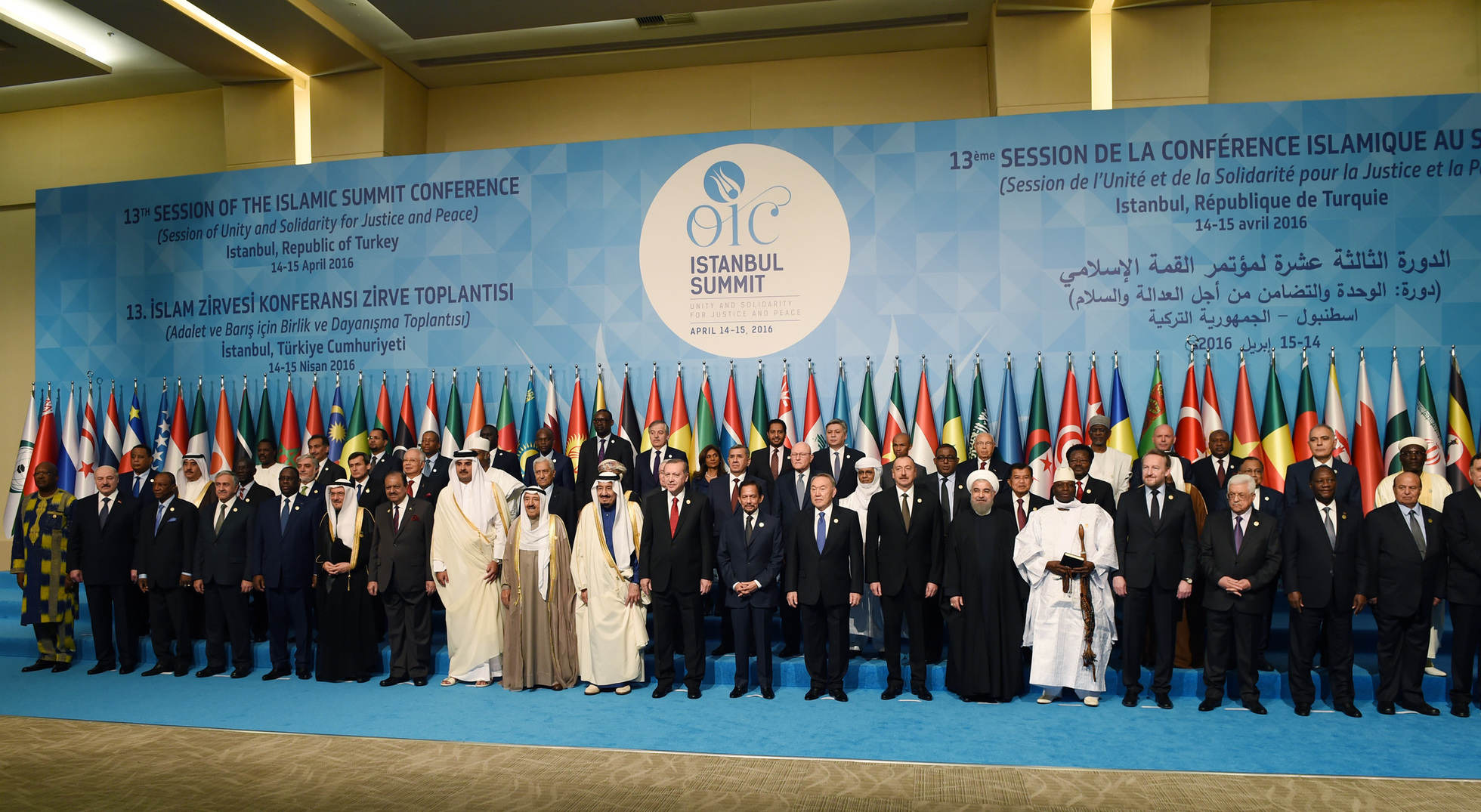

 Till 2014, “Two Track Diplomacy” was followed by the major powers as they encouraged Iran for diplomatic negotiations, at the same time sanctions were being imposed on Iran’s energy and finance sectors. All these events led to the nuclear deal, a landmark accord reached in 2015 which brought together the permanent members of UN Security Council and the European Union for a shared commitment. Under the deal, Iran dismantled much of its nuclear program and opened the nuclear sites for inspection, in return sanctions were lifted and Iran was allowed to make economic relations with the international community. Iran agreed to restrain nuclear activities and it was assured by US that no new sanctions will be imposed.
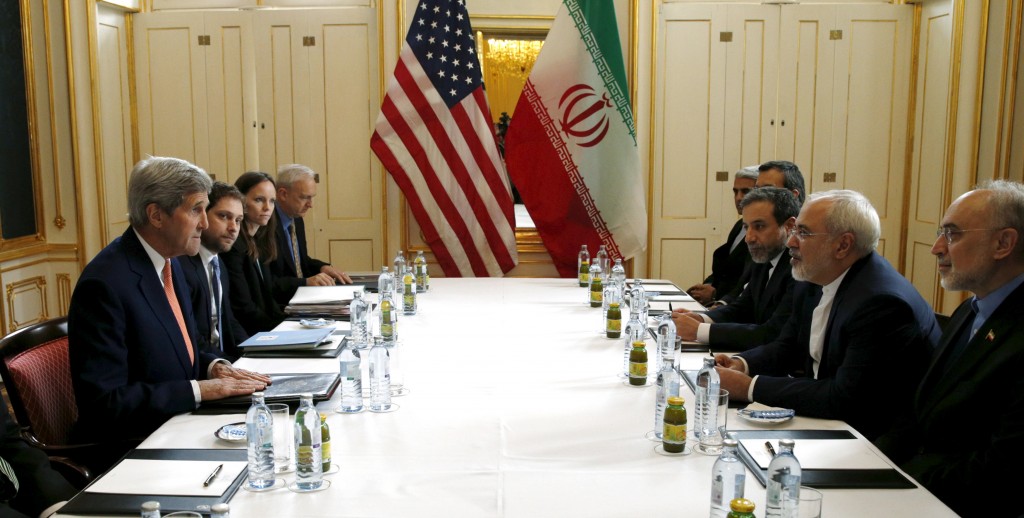 The Joe Biden administration after coming to power in 2021 pledged to revive the nuclear deal to which Iran also agreed on a condition of indirect involvement, talks resumed in November in Vienna. Last month on 23rd Feb 2022, a European Union representative to talks said “We are nearing the end” over the success or failure of renewed Iran nuclear deal. The next day Russia-Ukraine crisis erupted, for the UK, US and EU have imposed sanctions on Russia’s oil, gas and financial sector, trade and travel restrictions also made, in response to that Russia has also banned exports. According to the participants of talks, the deal was on the verge of being finalized after a year of discussions. But, last-minute demands from Russia, one of the deal’s signatories, have threatened to undermine the efforts to revive JCPOA. Russia has said it wants assurance that Western sanctions imposed on Moscow will not prohibit Russia from doing business and military cooperation with Iran. The outcome of the current intensive discussions in Vienna aimed at restoring Iran’s 2015 nuclear deal with world powers and Iran’s relationship with Russia now has to be foreseen in coming days.
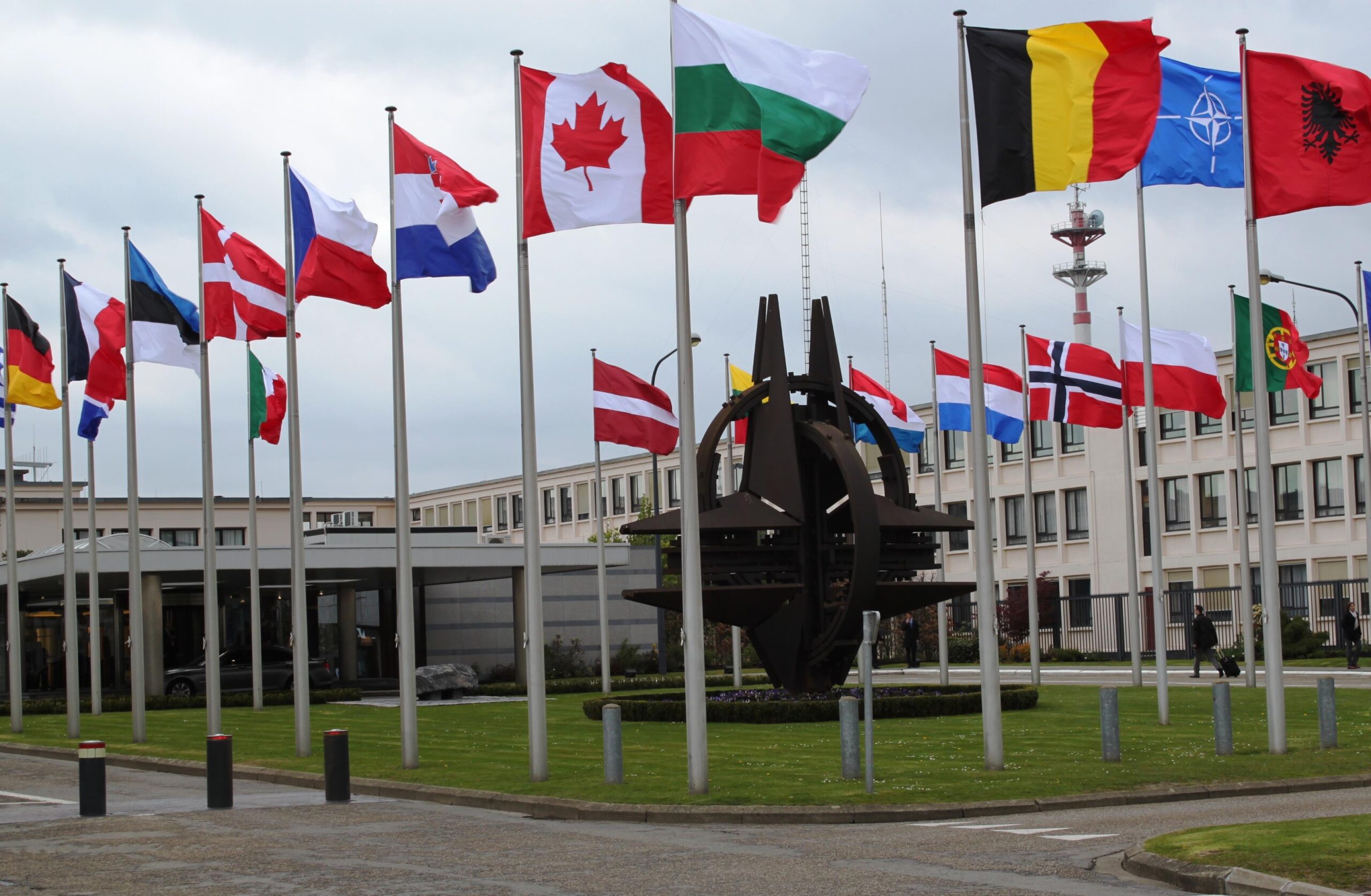 Beijing’s policy towards Taipei is of deterrence, the goal is to stop Taiwan from formal independence, western support for Taiwan, and particularly US intervention. US policy towards Taipei is of “strategic ambiguity” in case of Beijing’s attack. Taiwan, a small island, yet it is of the utmost importance for China as well as the United States. On the basis of the geostrategic location of Taiwan in the Indo-Pacific region and to restrain the rise of China in global politics, strengthened military posture and influence in East Asia has shifted strategic objectives of US. The United States has been playing the “Taiwan Card” for the strategic rivalry with China. Apart from strategic, US have expanding economic as well as ideological objectives. Taiwan is the world’s largest chip manufacturer and the 10th biggest trading partner of Washington in the high-tech industry and semi-conductor production while supporting US economy with $600 Billion. Another strategic factor is that, when Taiwan will be under the jurisdiction of China, it would extend its missile ranges eastward by around 150 nautical miles. As a result, China would become the dominating force in the East China Sea, making it easier for Beijing to attack its rivals. US-China strategic competition and cross-strait relations are resulting in strong alignments among US and Taiwan.
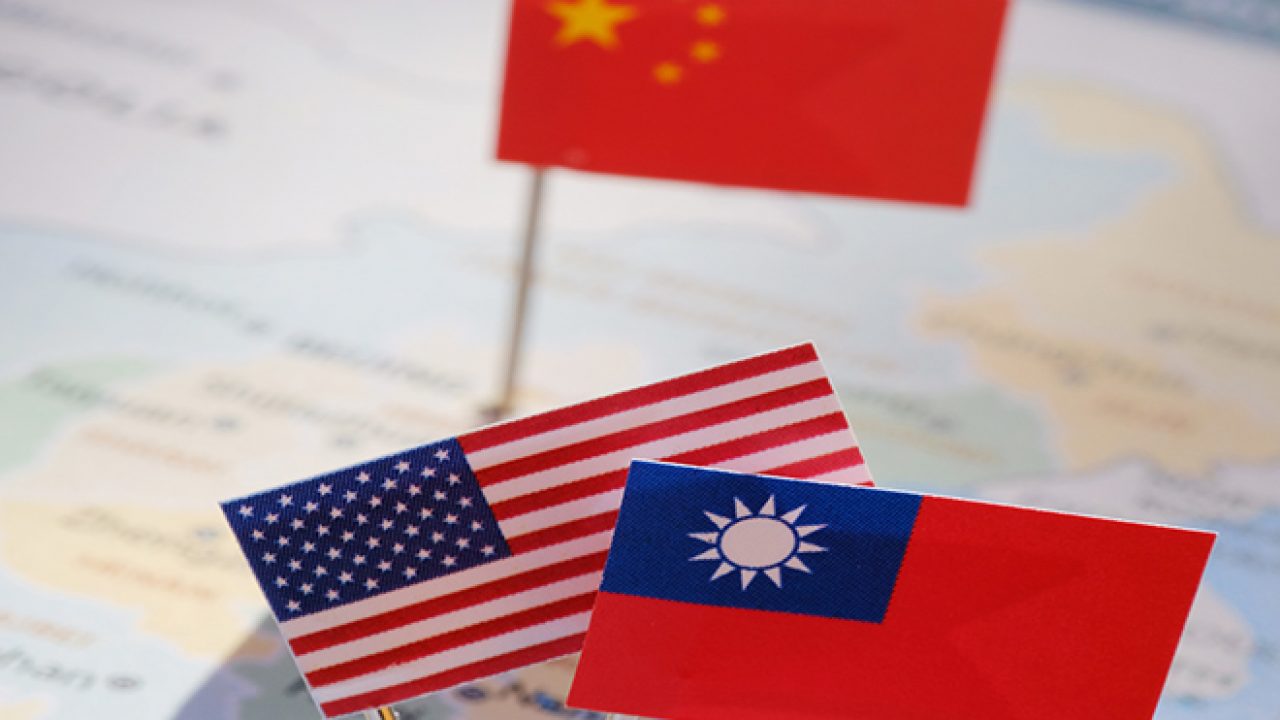 All the actors involved in the conflict have different perspectives over Taiwan depending upon their interests. When we look at the NATO’s objectives in China and Taiwan conflict, the European member countries of NATO have economic objectives that could be disrupted because of a military confrontation. US along with these NATO members has underscored the importance of Taiwan in terms of peace and stability in a joint statement. In opinion of China, Washington has destabilized the region with provision of weapons to Taiwan. Therefore, demands are being made by Beijing to withdraw its deployed troops in Taiwan while US has asked the former to stop proactive military activities in Taipei. This has increased the magnitude of rivalry between two states. Also, the tensions between Taiwan and China has reached the highest levels in past few years especially after 2016, when Taiwanese President held the office and rejected the Chinese territorial claim of Taiwan. Both China and America have potential to ignite military and economic war over the issue of Taiwan. For unification of Taiwan and “Greater China”, Beijing has a political strategy which involves a military component and US analysts see invasion as the only military option which pose a great risk of military confrontation. The international order will be in jeopardy after Taiwan war. If the war begins at Taiwan Strait, it is more likely that Taiwan would be a battlefront for the world’s two countries with most powerful military forces and will become Sino-America war than China vs. Taiwan. The conflict will affect the overall region that may turn into a war zone. Impacts will also be seen on global supply chains, financial and transportation links.
 The current ongoing war launched between Russia and Ukraine can also have an influence on China over Taiwan. Earlier, US intelligence chief stated; ‘’China’s interpretation of western reaction is being observed by Washington’’. Some experts have suggested that Ukraine crisis might encourage China to take military action against Taiwan, if it becomes necessary. President of US, Joe Biden has sent an extraordinary delegation of officials in wake of Ukraine-Russia war to warn China and declared Washington’s strong support for Taiwan. Meanwhile, the Chinese ambassador to Washington has also alerted US of military confrontation risk over Taiwan. The increasing tensions between Sino-US relations and cross-strait relations can be a flashpoint of military confrontation.