Russia-China’s Joint Nuclear Power Plant Project on Moon
Introduction

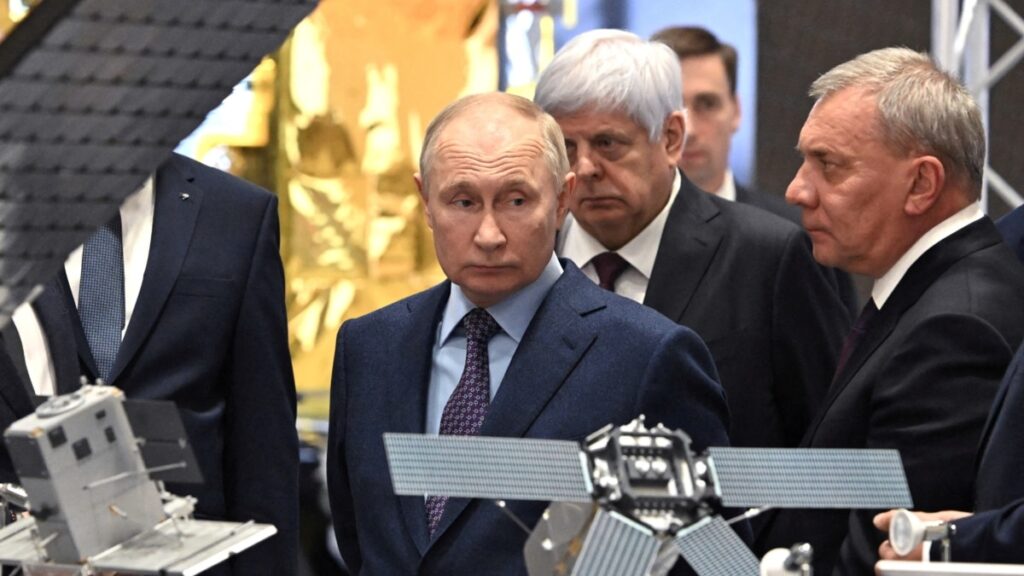
According to Yuri Borisov, the head of Russia’s space agency Roscosmos, Russia and China are contemplating building a nuclear power plant on the moon between 2033 and 2035. This may potentially pave the way for the construction of lunar settlements in the future, as there are concerns over the limitations of solar panels in fulfilling the need. Borisov, a former deputy defense minister, said “Today we are seriously considering a project, somewhere at the turn of 2033-2035 to deliver and install a power unit on the lunar surface together with our Chinese colleagues.” He added, Russia and China have been working together on a lunar program, and that Moscow will offer its nuclear space energy knowledge for the joint project. Earlier, Beijing and Moscow inked a deal in March 2021 to construct an international lunar research outpost. An unmanned Chang’e-6 probe is scheduled to launch in May 2024 as part of China’s lunar exploration mission to gather lunar material. Moreover, Chinese scientists unveiled plans in 2022 to create a nuclear energy system to suit the long-term energy needs of a lunar base.

Competition for Space Supremacy

The announcement of Russia-China’s joint nuclear power plant project on Moon came at a time when space exploration is becoming more competitive. In this new frontier, the United States, China, Russia, and other countries including India and France are also fighting it out for space supremacy. The U.S. will assess the development related to China-Russia joint venture closely given it has long concentrated on using solar power for its space missions. The U.S. space agency NASA has also proposed using nuclear reactors to power future lunar settlements. NASA said in 2022 that they will be selecting concept proposals for a nuclear power system that might be prepared for launch by the end of the decade, in collaboration with the U.S. Department of Energy as a result contracts were given to three companies.

According to some reports, the United States has concerns that Moscow is working on a space nuclear weapon, the explosion of which could destroy the satellites supporting vital U.S. infrastructure, such as mobile phone services and military communications. Borisov denied the charges and backed with President Vladimir Putin, stating that Russia is against deploying nuclear weapons in space. In February 2024, the Russian President rejected the American charges, claiming that it is an attempt to force Russia to enter armament talks on the terms set up by the West. To conclude, the race for space dominance among the United States, Russia, and China is expected to intensify further. Each country has unique strengths and constraints in space development. As the competition unfolds, international cooperation is critical in navigating this complicated landscape, responsible resource management and ensuring peaceful exploration.


India-France Bilateral Dialogue: Discussions on AI Development in Military Sector

On March 4, 2024, India and France conducted a bilateral dialogue in New Delhi. According to a statement from the Indian Foreign Ministry, “The two countries discussed about developments in disarmament and non-proliferation relating to the nuclear, chemical, and biological domains, as well as outer space security, conventional weapons including AI in the military domain and Lethal Autonomous Weapons Systems, and multilateral export control regimes.”

India-France Relations

France has been India’s trusted Western partner. France and India agreed to form a strategic alliance in 1998, focusing on defense, space collaboration, and civil nuclear cooperation. India and France have cordial and friendly ties, the two countries celebrated 25 years of strategic partnership in 2023. The Indian Embassy in Paris said that for the first time, the entire value of trade for the fiscal year 2022–2023 crossed $13 billion, with exports from India surpassing $7 billion.

The two countries have a strong and long-standing defense alliance that is a fundamental component of their strategic partnership. Over the last decade, France has emerged as India’s second major arms supplier after Russia, while simultaneously officially backing India’s bid for permanent membership in the Security Council and UN reforms. In 2021, India accounted for around half of France’s total arms exports, while France provided for about 47% of India’s arms imports. In January 2024, following talks between the French President and the Prime Minister of India, the two countries signed various accords, including a “defense industrial roadmap” to collaborate on defense production, military weapons design, and space cooperation.

Conclusion

The defense and strategic relationship between France and India is expected to strengthen further. As India and France look into AI for military uses, they should prioritize responsible development being key actors in the global arms race. AI is rapidly making changes in many industries, and militaries around the world are actively researching its possible applications. AI has the potential to change warfare by improving battlefield logistics and intelligence collection, as well as developing autonomous weapon systems. For that matter, international cooperation in this particular area is important to establish regulations and prevent an uncontrolled arms race. It is true that artificial intelligence has the potential to revolutionize the military domain but it is critical to examine ethical considerations, transparency and precautions surrounding AI-powered weaponry in order to avoid unforeseen outcomes and promote responsible development..


Australia-ASEAN Summit and the South China Sea Dispute

Introduction

ASEAN-Australia Joint Maritime Cooperation

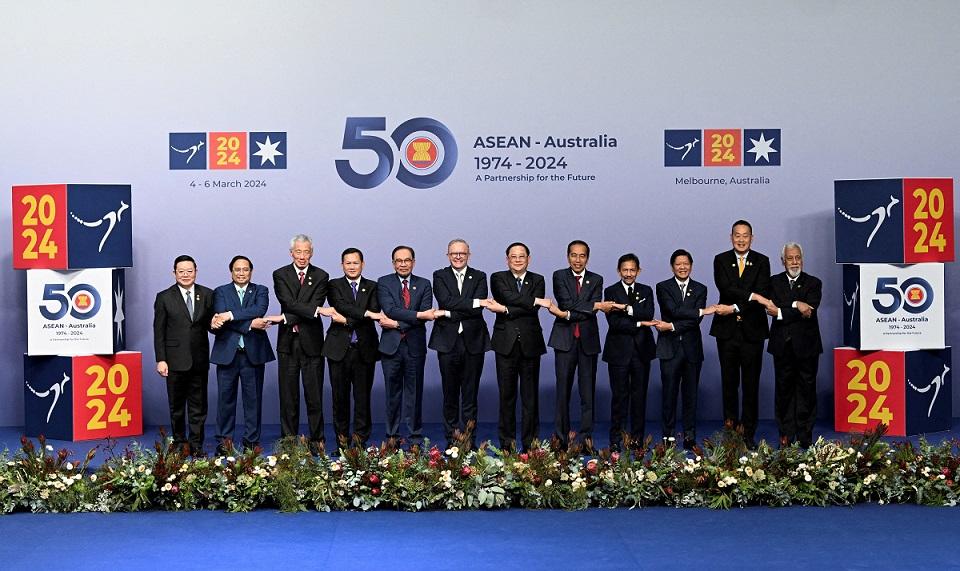
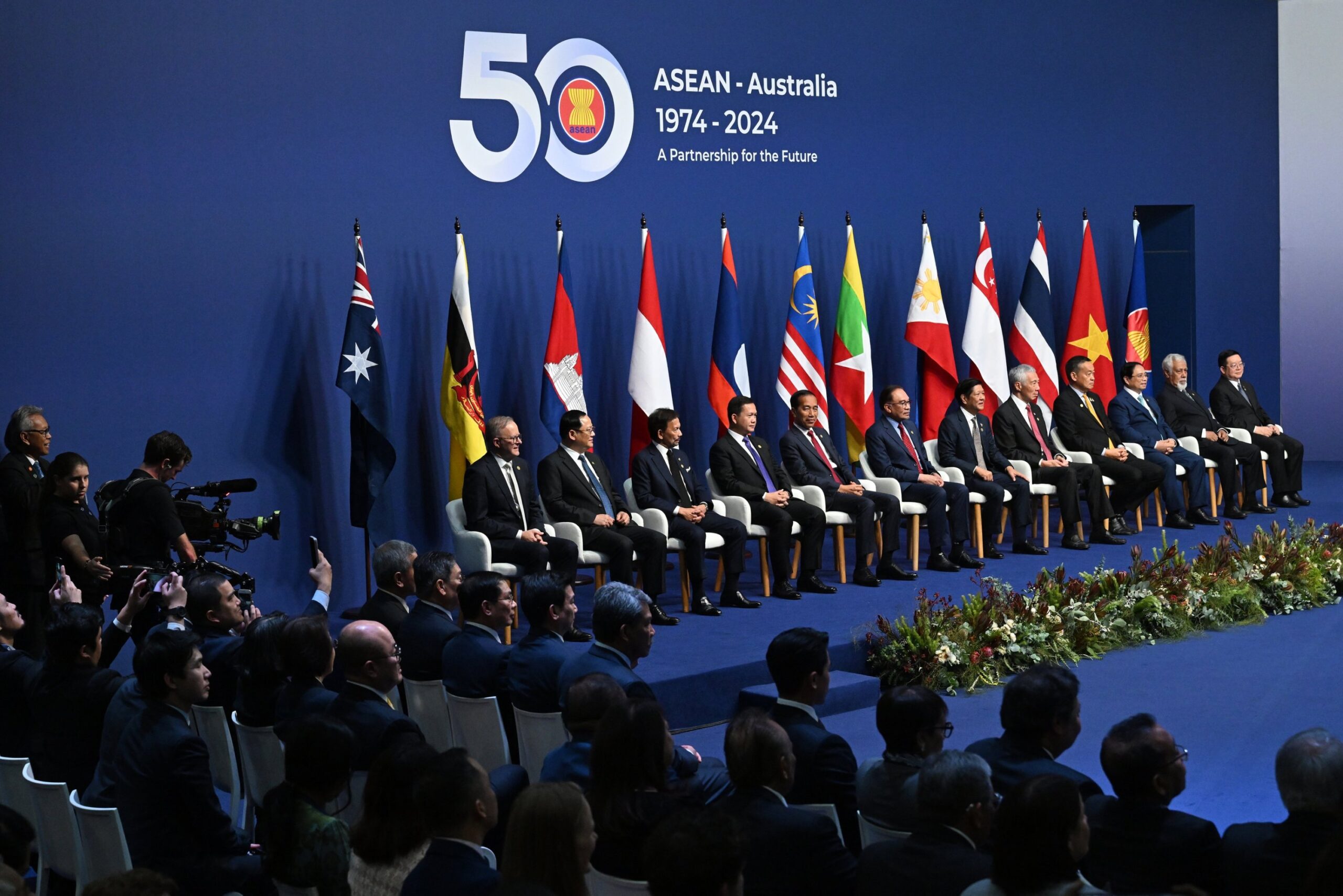
On the first day of the summit, Australia’s Foreign Minister Penny Wong announced funding of 64 million Australian dollars ($41.8 million) for maritime security and to strengthen Australia’s direct support for regional peace, stability, and capacity-building. In her speech to a forum on maritime cooperation, Wong said, “The countries of our region rely on oceans, seas, and rivers for livelihoods and commerce, including free and open sea lanes in the South China Sea.” According to Wong, “Australia is working closely with Southeast Asian partners to respond to shared maritime challenges and uphold international law.”

South China Sea is an enormous maritime region which is rich in resources and strategically significant for shipping. Despite competing claims from Malaysia, Vietnam, and the Philippines, China claims sovereignty over the entire of the South China Sea. In a joint statement, the leaders of Australia and ASEAN called for rules-based order in Indo-Pacific region, and to avoid unilateral actions that can endanger stability and peace in the region. In response, a spokesperson of China’s foreign ministry said that China’s stance on the disputed region is clear and consistent, and that the situation in the South China Sea is stable. In addition, “We will properly manage differences with the countries concerned and fully and effectively implement them with ASEAN countries.”

South China Sea Dispute: Philippines v/s China

The Philippines and China have a longstanding territorial dispute in the South China Sea. In recent months, the tensions between the two countries have risen significantly as both sides have accused of provocation and made harsh statements against each other. The Philippines has accused China of becoming more aggressive over the past year, claiming that Chinese fishing boats and Chinese Coast Guard (CCG) vessels have harassed and hindered Philippines ships on multiple occasions, especially when they were trying to resupply a small garrison located on Second Thomas Shoal, an important location in the Philippines’ Exclusive Economic Zone (EEZ). Following a Chinese Coast Guard vessel’s attack with water cannons, a Philippines cargo ship suffered serious engine damage in December 2023, for that matter Philippines has lodged diplomatic protests with Beijing. But, according to the Chinese Coast Guard, the Philippine boat disregarded repeated warnings and intentionally collided with the Chinese vessel.

The exchanged accusations increased the possibility that an escalation might result in a major confrontation involving other regional actors, including the treaty ally of the Philippines, the United States. China accused the United States of using the Philippines as a pawn. Foreign Ministry spokesperson Mao Ning stated, “China urges the United States not to use the Philippines as a pawn to stir up trouble in the South China Sea.” This situation will not only disrupt critical trade routes but will also have a disastrous impact on regional stability.

In a speech to the Australian Parliament, Philippine President Ferdinand Marcos Jr. reaffirmed his nation’s stance on the South China Sea, in spite of growing strains with Beijing over competing claims. He said “I will not allow any attempt by any foreign power to take even one square inch of our sovereign territory.”

Conclusion

The summit between Australia and ASEAN showed a commitment to regional collaboration, which is essential for preserving peace and promoting economic growth. Within ASEAN, there is division over relations with China. While the Philippines and Singapore have had tense relations with China, Cambodia, Laos, and Myanmar have close ties to Beijing. However, the involvement of the United States has made the situation in the South China Sea very complex by pursuing Indo-Pacific Strategy and strengthening its alliances and partnerships i.e. Five Eyes Alliance, Quadrilateral Security Dialogue (QUAD) and AUKUS. Australia’s adoption of the AUKUS and China’s economic sanctions caused a significant shift in the two countries’ relationship. In spite of this, the two nations took action last year to have bilateral talks, improve trade relations, and strike a balance between geopolitical and economic realities. China and the ASEAN nations, particularly the Philippines, should accelerate South China Sea negotiations process and work together to maintain peace and stability in the region. Furthermore, all stakeholders involved need to cooperate to resolve their differences peacefully through dialogue, in order to reduce the risk of miscalculation and prevent serious conflict.


European Union’s 13th Package of Sanctions against Russia

Introduction

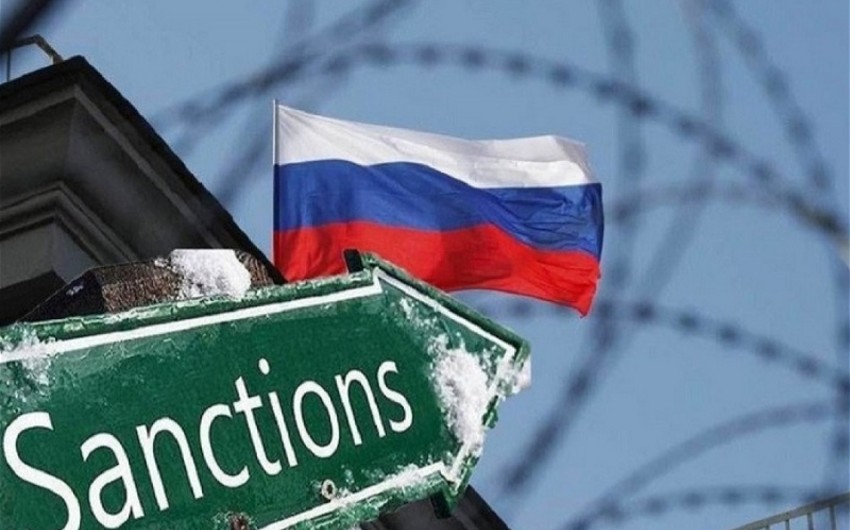
On February 23, 2024, the European Union released its 13th package of sanctions against Russia, which amended and expanded existing targeted and trade measures. The new sanctions package went into effect on February 24, 2024, which brought 27 more entities to the list of more than 600 that were facing EU restrictions over alleged financial support to Russia. The latest sanctions are intended to further restrict Russia’s access to military technologies and are directed towards the Russian military and defense sector. The new measures include adding new people and entities to the list of partner countries for the import restrictions on iron and steel, as well as imposing additional export restrictions on advanced technologies and goods that could help Russia increase its industrial capacity. To further counter the Russia-Ukraine confrontation, the United States has imposed sanctions on over 500 Russian-affiliated targets. According to US President Joe Biden, Washington has also taken steps to further cut down on Russia’s energy income and placed additional export restrictions on almost 100 organizations that have supported Russia.

Sanctions on Chinese and Indian Companies

The EU has adopted new sanctions against Russia, the first of which particularly targets Chinese and Indian enterprises suspected of assisting Moscow. The European Union released a comprehensive list including 17 new Russian entities and 10 non-Russian entities. There are allegations that foreign firms supplied dual-use equipment to Russia for use in its conflict against Ukraine led to the imposition of sanctions against them. The recently added non-Russian enterprises trade electronic components, and some of them have also been involved in violating trade prohibitions by bringing in products that are illegal in parallel to Russia and engaging in other similar actions. Non-Russian entities include one each in Kazakhstan, India, Sri Lanka, Thailand, Turkey, and Kazakhstan, as well as four in China. The designations stipulate that EU state authorities prohibit shipments of dual-use and sophisticated technology goods to the covered entities unless there are exceptional circumstances. Technology, satellites, and drones are examples of dual-use items that can be used for both military and civilian objectives.

The EU and its G7 allies are attempting to limit Russia’s use of third countries and transit routes to bypass current sanctions aimed at affecting Russia’s economy. The EU sanctioned Chinese and Indian companies for Russian links. Foreign countries are referred to as third countries under EU regulation. Brussels had abandoned plans to fine mainland Chinese enterprises due to lobbying by member states, particularly Germany, which were concerned about offending Beijing. Despite enormous Western trade sanctions, Russia’s persistent ability to produce vast quantities of drones, missiles, tanks, and other armaments has spurred G7 capitals to further increase its efforts and operations against these countries.

Russia’ Response

In response to the most recent round of sanctions imposed by the European Union, Russia’s foreign ministry announced on Friday that it has added a considerable number of officials and politicians to its list of banned individuals. The Russian foreign ministry said in a statement, “The European Union is continuing its fruitless attempts to put pressure on Russia through unilateral restrictive measures.” The statement added, “In response to these unfriendly actions, the Russian side has significantly expanded the list of representatives of European institutions and EU member states, who are prohibited from entering the territory of our state.” As per Russia, representatives of European institutions involved in the prosecution of Russian officials, law enforcement agency and commercial organization representatives who gave military assistance to Ukraine, and individuals who gathered evidence in favor of seizing Russian state property were among those on the stop list.

Conclusion

Despite sanctions and restrictions, in 2023 the Russian economy grew at a faster rate than that of the US and Europe, rising by 3.6% in spite of being isolated from important international markets and subject to a wide range of harsh economic sanctions. India and China both maintain cordial relations with Russia. China’s relationship with Russia has remained solid despite their caution about severing ties with the West. While maintaining strong ties with the West, India also retains considerable engagement with Russia, especially in the areas of energy and defense. The strategic and economic collaboration between China, Russia, and India is expected to continue. While the West wants to isolate Russia, these countries see prospects for increased trade and diplomatic cooperation driven by a combination of similar economic interests and geopolitical considerations.


Pakistan and Saudi Arabia: Strengthening Military Capabilities and Economic Ties

Pakistan Army and Royal Saudi Land Forces Conduct Joint Exercises

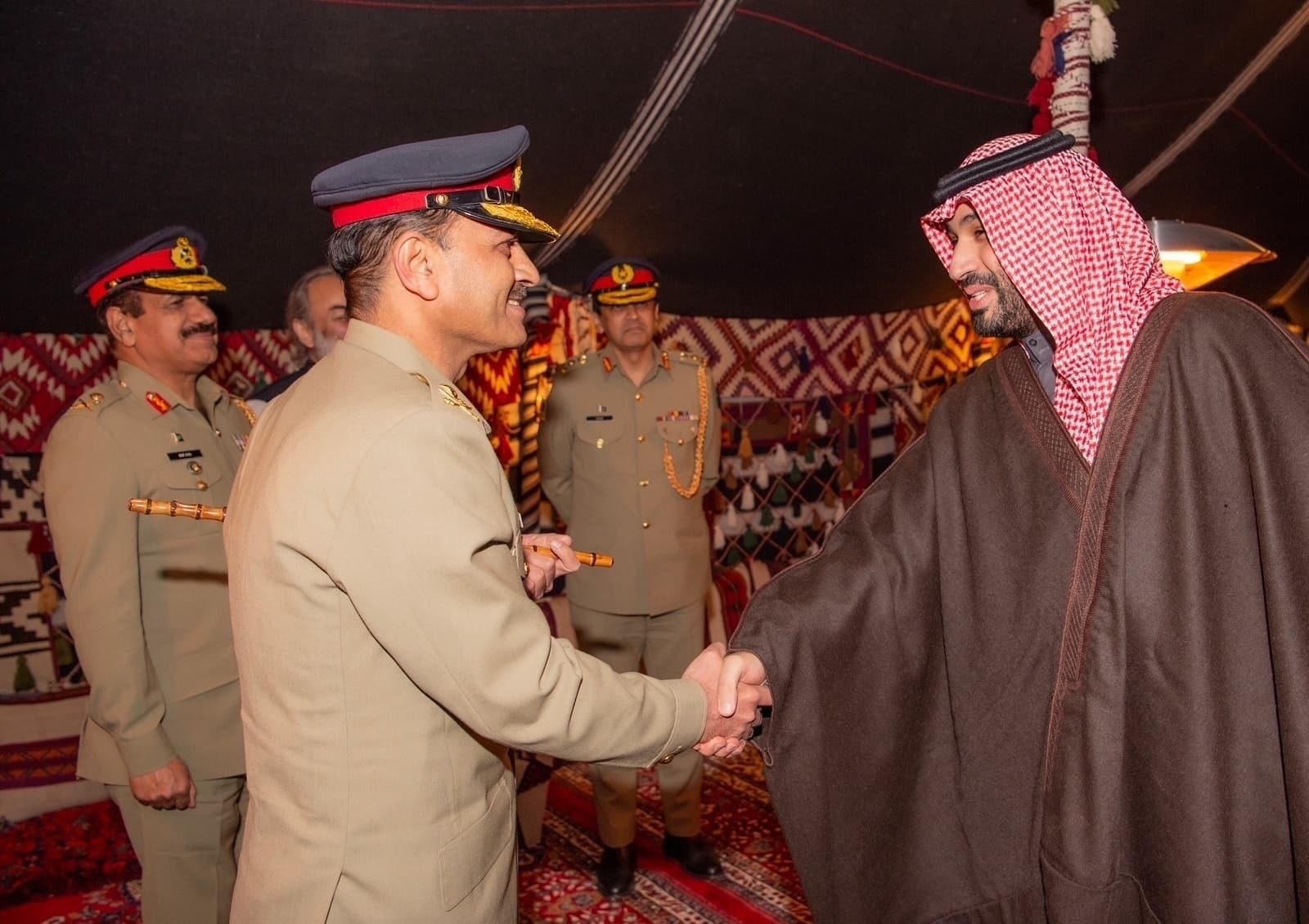
On 20th February, 2024, the Pakistan Army and Royal Saudi Land Forces conducted a combined military drill at Muzaffargarh. Both forces participated in the drills, which included Combined Battle PT, small scale operations, room clearance, close marksmanship, firing and repelling. Cobra helicopters were also a part of these exercises. The troops received intense training to master helicopter mounting and dismounting in view of terrorism. The joint exercises provided both countries’ armed forces with an opportunity to exchange knowledge and experiment to strengthen their military capabilities.

Saudi-Pakistani Business Forum

Apart from Pakistan and Saudi Arabia’s close defense ties and cooperative bilateral security measures, the two countries share cordial ties and economic relations. In order to explore expanding bilateral cooperation and collaborations across all domains, a joint defense forum between Saudi Arabia and Pakistan convened last month. On 21st February, 2024, the Saudi-Pakistani Business Forum commenced in Riyadh which was attended by prominent Saudi and Pakistani representatives. Pakistan’s Minister of Commerce, Gohar Ejaz, expressed his commitment to improve the business environment, and support the private sector in order to boost bilateral trade and investment between the two nations. This is particularly important since Pakistan offers Saudi investors a sizable market and opportunity. In addition, Saudi Arabia is home to roughly 2.7 million Pakistani expats, making it the leading remittance destination for Pakistan.

To conclude, Pakistan and Saudi Arabia have strong economic and security relations, which bodes well for their future. The joint military exercises strengthen their military cooperation and strategic partnership, whereas investments and worker remittances drive economic growth. Despite some differences, both countries have a bright future because of their commitment to stability and shared interests.


Amidst Regional Turmoil, Iran Unveils New Air Defense Systems

Introduction

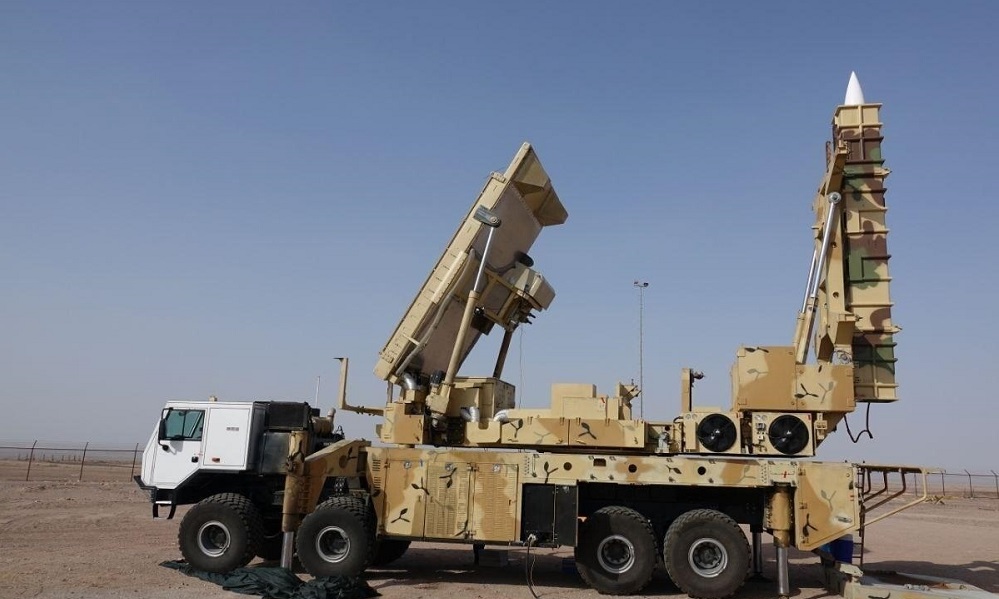
On February 17th, 2024, amidst simmering tensions in the Middle East, Iran unveiled two new missile systems during a ceremony attended by Defense Minister Brigadier General Mohammad Reza Ashtiani. This announcement comes at a critical time, marked by escalating conflicts in Yemen and the ongoing nuclear deal negotiations between Iran and world powers. While Iran maintains these advancements are solely for defensive purposes, the international community expresses concerns about their potential implications for regional stability.

New Air Defense Systems

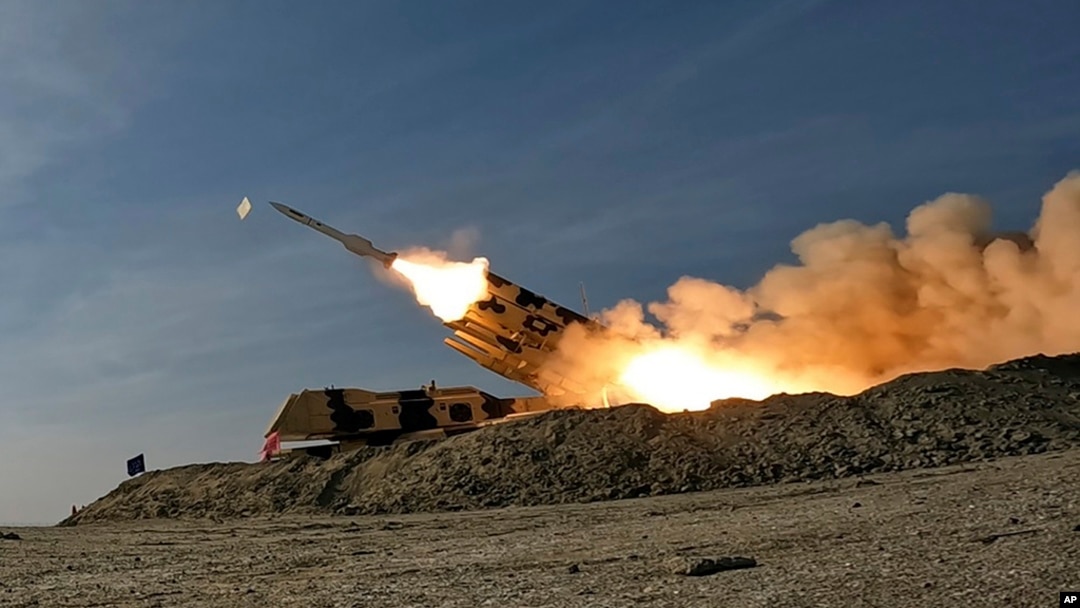
The two new systems include the Arman, an anti-ballistic missile system, and the Azarakhsh, a low-altitude air defense system. According to Iranian officials, the Arman boasts the capability to simultaneously engage six targets at distances ranging from 120 to 180 kilometers. The Azarakhsh, on the other hand, can identify and destroy targets within a 50-kilometer radius and possesses four missiles that are ready to fire.

In addition, over the past ten years, Iran has imported aircraft and drone engine parts worth at least $236 million from Turkey, the United Arab Emirates, Germany, the Ukraine, and the United States, despite international sanctions. Data from the Islamic Republic’s customs agency, examined by Iran International, indicates that in just eight months of the current Iranian year the import of goods valued at about $26 million were observed, which are prohibited by the US Treasury’s sanctions against Iran.

Iran’s Stance

Iran maintains that these advancements are solely intended to bolster its defensive capabilities and deter potential aggressors. They emphasize their right to develop their own defense systems and cite the ongoing threats they perceive from different actors. According to officials, Iran launched Fattah in June 2023, its first hypersonic ballistic missile produced domestically with a 1,400 km range. As per Iran, its ballistic missiles are a means of retaliation and deterrence against Israel, the United States, and other possible adversaries in the region. Additionally, Iran highlights its adherence to the Non-Proliferation Treaty (NPT) and its commitment to peaceful nuclear activities. The 2015 nuclear agreement, from which the United States withdrew in 2018, limited Iran’s nuclear program and extended the time required for Tehran to build nuclear material for weapons.

International Concerns

Despite Iran’s assurances, the international community has raised concerns about the potential destabilization these new systems could bring to the already volatile region. International community is of opinion that such advancements could encourage Iran and escalate regional tensions. The United States and European Union have imposed sanctions on Iran. Despite the sanctions, Iran’s nuclear program is expanding. According to data released by the International Atomic Energy Agency (IAEA) in November 2023, Iran has greatly increased the scope of its nuclear program since September 2023. The country has increased its stocks of enriched uranium to a number of levels, including those that are critical for the development of nuclear weapons. The international community is likely to closely monitor Iran’s development and deployment of these new systems which can lead to increased scrutiny and sanctions.

Geopolitical Context

The unveiling of these new air defense systems coincides with several critical developments in the region:

  • Iran’s announcement coincides with rising tensions in the Middle East as the Yemen-based group Houthi rebels continue to target ships in the Red Sea and Gulf of Aden. The United States has accused Iran of supporting Houthi rebels and its involvement in these attacks. But, Iran has dismissed US allegations that it is directly involved in Houthi rebel strikes against commercial ships in the Red Sea.
  • The ongoing negotiations between Iran and world powers to revive the 2015 nuclear deal remain stalled, with disagreements persisting on key issues like sanctions relief and uranium enrichment levels. This lack of progress further exacerbates tensions and contributes to an environment of uncertainty. Amidst stalled nuclear talks, this new development could complicate the already fragile diplomatic process. It could harden stances on both sides and make it difficult to reach a mutually agreeable solution.
  • Israel, which views Iran as its primary regional threat, has consistently expressed concerns about its nuclear program and missile development activities. The unveiling of these new systems is likely to further fuel Israeli anxieties and influence their strategic calculations.

Conclusion

The unveiling of new missile systems by Iran is a significant development. While Iran maintains its peaceful intentions, the international community expresses concerns about the potential for these advancements to destabilize the region and complicate ongoing diplomatic efforts. As the situation in the Middle East remains tense, it is crucial for all parties involved to engage in constructive dialogue and de-escalate tensions to prevent further conflict and ensure regional peace and stability.


UK and Japan Faces Economic Downturn: Recession Follows Period of Stagnation

The United Kingdom

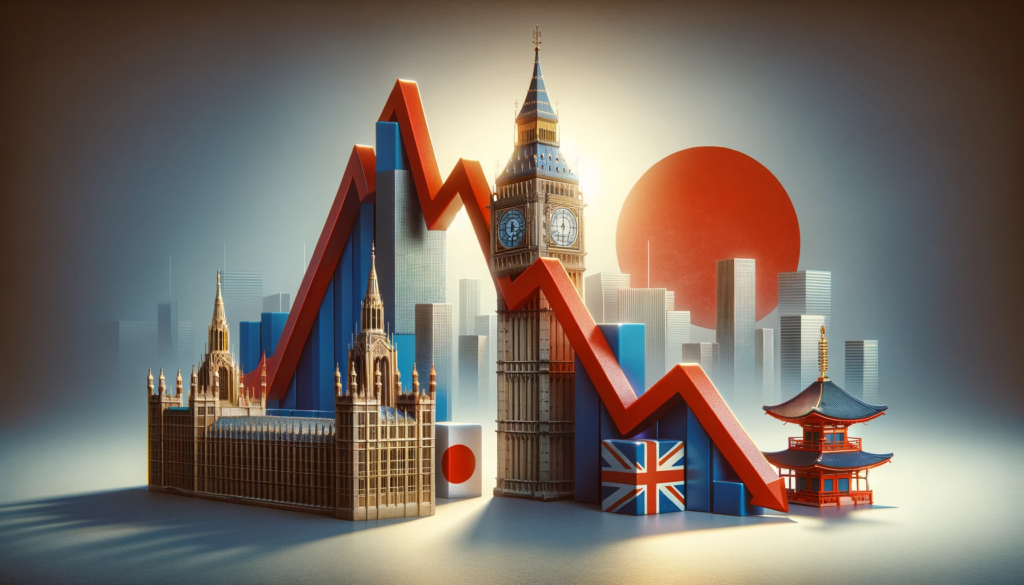
According to data from the Office for National Statistics (ONS), the UK economy entered a technical recession in the second half of 2023. Following a period of weak growth and rising costs, this is a significant setback for the economy. The GDP decreased by 0.3% in the fourth quarter of 2023, following a 0.1% decline in the previous quarter. The two consecutive quarters of economic contraction are typically used to characterize a technical recession. There are multiple reasons behind the current economic downturn. An uncertain economic environment has been brought about by the impacts of COVID-19, the ongoing conflict in Ukraine, and interruptions to the world’s supply chains. The UK’s exit from the European Union, is still looming large, with regulatory obstacles and ongoing trade conflicts compounding the uncertainties.

While the recession normally increases unemployment, the UK’s recession is more of a signal of the pressures that individuals and businesses are facing, as well as an obstacle to the government’s promises to stimulate economic recovery. The announcement comes as a setback to Prime Minister Rishi Sunak, who faces a general election later this year and promised to prioritize economic growth to voters. The UK’s recession requires a multifaceted approach, including immediate relief through targeted fiscal support and long-term investments in multiple sectors to control inflation and prevent recession. Structural reforms and international cooperation are essential for sustainable recovery.

Japan

The decrease in domestic consumption has caused Japan’s economy to suddenly decline, entering a recession and losing its ranking as the third largest economy in the world to Germany. The Cabinet Office reported that the gross domestic product (GDP) decreased in the last three months of 2023 at an annualized pace of 0.4%, following an annualized 3.3% contraction in the previous quarter of the year. Among the currencies used by the Group of 10 industrialized nations, the yen has performed poorly, falling 6.6% against the US dollar since the beginning of the year. The weakening of the Japanese yen relative to the dollar is being considered as the major cause of Japan’s economic downturn. Gita Gopinath, the deputy chief of the IMF, at a press conference in Tokyo in February 2024 also said, “An important reason for Japan potentially slipping in the rankings was the yen falling by about 9% against the US dollar last year.” Therefore, if the yen strengthens, the nation might regain its position.


Green Economies for Sustainable Development: A Pathway for Developing Countries

Introduction

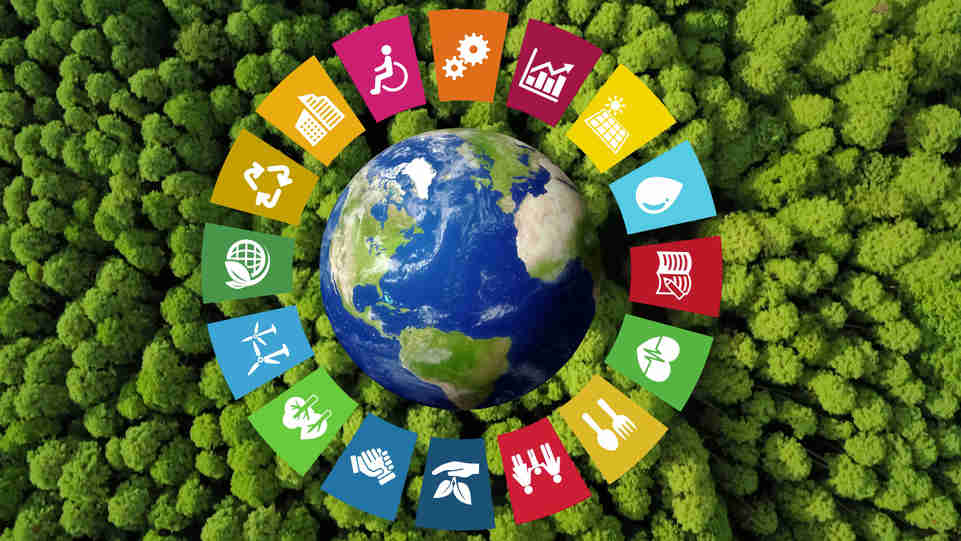
The call for a global shift towards a green economy has gained momentum in recent years, highlighting the unsustainable trajectory of our current development model. According to the United Nations Environment Program (UNEP), the green economy is defined as low-carbon, resource efficient and socially inclusive. In a green economy, growth in employment and income are driven by public and private investment into such economic activities, infrastructure and assets that allow reduced carbon emissions and pollution, enhanced energy and resource efficiency, and prevention of the loss of biodiversity and ecosystem services. The current economic model of countries heavily relies on fossil fuels and unsustainable resource extraction which poses an existential threat to planet Earth. However, green transition holds particular significance for developing countries, faced with the dual challenge of economic growth and environmental protection. Embracing a green economy is not just an option, but a necessity for sustainable development.

Importance of Green Economy for Developing Nations

Developing countries bear disproportionate consequences of environmental degradation on their economies, despite contributing less to climate change. These countries are often vulnerable to climate change impacts like rising sea levels, extreme weather events, and resource scarcity, threatening food security, infrastructure, and overall development. Reliance on resource-intensive industries causes economic dependence and vulnerability to market fluctuations. Additionally, rich natural resources can be found in many developing countries. But with little future benefit, the extractive methods that are being used will eventually result in depletion of these resources. Using a green approach ensures that resources are managed sustainably, promote economic growth and benefit future generations.

Opportunities

Transitioning to a green economy presents a unique opportunity for developing nations to break the traditional cycle. Embracing renewable energy sources like solar and wind power can enhance energy security, reduce dependence on fossil fuels, and create new jobs in the clean energy sector. Investing in sustainable agriculture practices can boost food security, protect biodiversity, and adapt to changing climate conditions. Overall, adopting the green economy is not only an environmental requirement but a strategic measure for developing nations to attain sustainable development, economic success, and social well-being.

Challenges and the Need for Support

Despite the benefits, the green transition poses significant challenges for developing countries. Limited financial resources, lack of technological infrastructure, and inadequate institutional capacity can hinder green investments and implementation. Moreover, ensuring a just transition that protects vulnerable communities and workers affected by this shift is crucial.
Green economy has the potential to improve adaptability and resilience through international support and technology transfer. With this, developing countries will be able to steer toward a more promising future by developing climate-smart infrastructure and technologies that will assist in managing extreme weather events, sea level rise, and water scarcity. Additionally, this will enable developing countries to protect livelihoods and guarantee long-term economic prosperity by preserving ecosystems and practicing sustainable resource management.

International Collaboration and Shared Responsibility

Developed countries have an important role to play in supporting developing countries in their green transition. The transition to a green economy presents numerous challenges for developing countries, the most significant of which are fiscal limits. Large upfront investments are required for the deployment of green technologies and infrastructure. Developed countries must step forward swiftly and provide financial support, particularly loans with favorable terms and conditions. Collaborative efforts on research and development in clean technologies can accelerate progress and ensure affordability. Trade agreements promoting sustainable practices and fair market access for green products can further incentivize the transition.

Furthermore, it is important that governments of developing countries set ambitious goals, formulate supportive policies and work efficiently to attract green investments from international and regional stakeholder to accelerate progress. Private sector can play a significant role in developing and deploying green technologies, investing in sustainable practices, and promoting responsible consumption. Civil society should also contribute by raising awareness, fostering community engagement, and holding governments and businesses accountable.

Conclusion

For developing countries, this transition offers a path towards achieving the Sustainable Development Goals, building resilience, and creating a future where prosperity and environmental sustainability go hand in hand. By embracing this opportunity with international support and collaboration, developing countries can collectively pave the way for a more just, equitable, and sustainable future for all nations.


Middle Income Countries Unite: Accelerating the SDGs for Inclusive and Sustainable Development by 2030

Introduction

In order to address the development issues that middle-income countries (MICs) face in the contemporary global economy, Morocco’s Ministry of Foreign Affairs hosted a high-level ministerial conference on Middle Income Countries (MICs) on 5-6 February, 2024. The conference’s theme was “Addressing Development Challenges in Middle-Income Countries in a Changing World.” The meeting in collaboration with the United Nations Development Program (UNDP) and the United Nations Economic Commission for Africa was attended by 32 countries, 23 UN development agencies, and other international and regional institutions. The MICs still face a number of challenges, such as high rates of poverty, various forms of inequality and obstacles in attaining sustainable development. Therefore, the goal of this high-level ministerial conference was to come up with actionable solutions and innovative approaches to enhance cooperation among the countries.

Importance of Middle-Income Countries

The World Bank defines middle-income countries as economies with gross national incomes (GNI) per capita ranging from $1,136 to $13,845. MICs are comprised of both upper- and lower-middle-income nations. The MICs account for around one-third of the world’s GDP and play important role in global growth. Moreover, the world’s middle-income countries contain 75% of the total population and 62% of poor people, making them a diversified group in terms of size, population, and income level. For that matter, it is crucial to accelerate the efforts for SDGSs in order to achieve sustainable development and to tackle the inequalities by 2030. For the world economy to continue growing and being stable, MICs are essential. Sustainable growth and development in MICs particularly in areas like international trade, sustainable energy development, food and water security, poverty reduction, and global cross-border concerns like climate change will have a positive global influence. At the “Addressing Development Challenges in Middle-Income Countries in a Changing World” coference, the MICS have reaffirmed their commitment to promoting collective interests and providing realistic, inventive, and effective solutions to the challenges faced by Middle-Income Countries in attaining sustainable development.

Economic Growth: MICs represent a significant portion of the global population and its economic influence is also growing. As they achieve sustainable development, their economies will become more stable and contribute to global economic growth. This translates to increased trade i.e. rise in demand of goods and services, stronger partnerships and a diversified global market. This will benefit people at large scale by opening up new options for both developing and developed countries.

Social Progress and Stability: Focusing on sustainable development will result in more empowered and healthier communities, which will contribute to the overall stability. By formulating and implementing strong social policies for healthcare and education, and improving economic possibilities within MICs will lead to social change and a cross-border ripple effect. Furthermore, a more just and inclusive society will emerge from addressing poverty and inequality in MICs, leading to positive global trends.

Climate Resilience: Many MICs are rich in natural resources and biodiversity but they necessitate responsible management. It is important that MICs adopt sustainable practices and build a strong foundation to withstand the challenges of climate change in order to ensure a sustainable and prosperous future. In addition to safeguarding their own populations and economies, MICs by prioritizing climate resilience will also support international efforts to mitigate climate change.

Conclusion

The MICS has urged development partners, international financial institutions, Multilateral Development Banks, and stakeholders to improve the fiscal space of developing and middle-income countries. As a result, these countries will be able to secure concessional and non-concessional finance in an efficient manner. The Middle-income countries contribute significantly to global GDP and other trends, but they also face considerable problems. Current frameworks and tools are inadequate for meeting the needs of the people of these countries. Therefore, coherent and consistent policies at both the national and international levels are critical, that also align with the unique demands specifically in areas like human development and climate change, to effectively handle the effects of existing crises and ensure long-term sustainability in Middle-income countries. By working together, MICs can accelerate progress towards sustainable development through knowledge sharing platforms, cooperative initiatives on common challenges, capacity building programs, and data-driven policy making.


Israel War on Gaza: Blinken’s Fifth Regional Visit to Middle-East

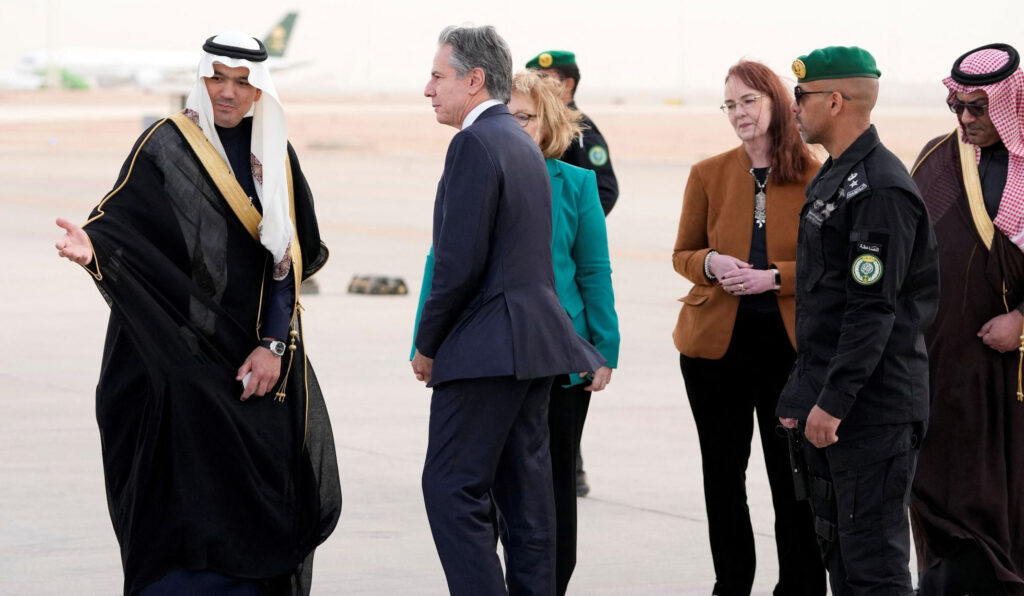
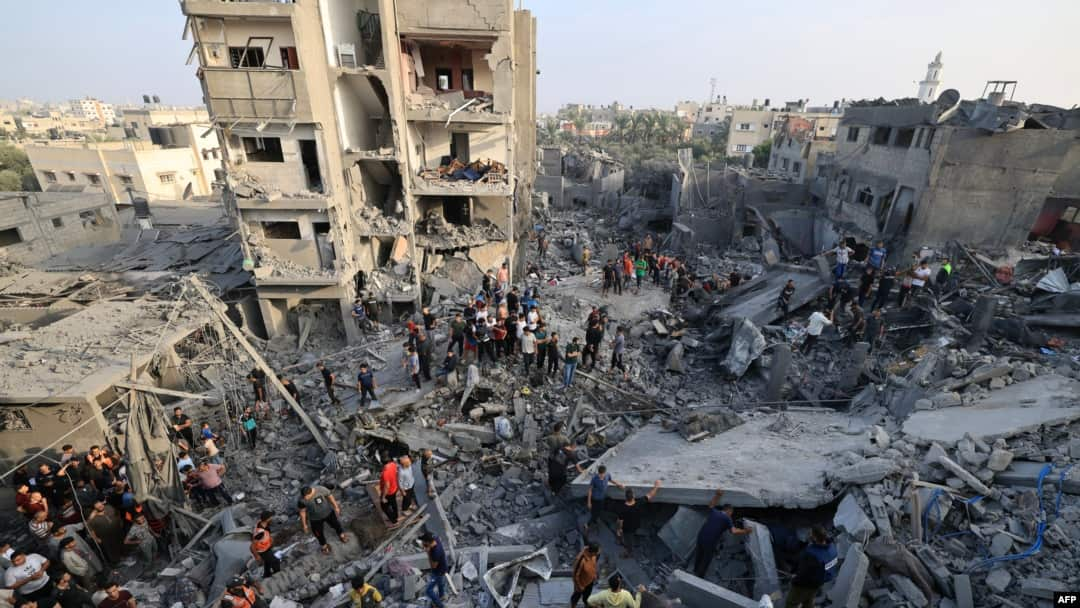
In an attempt to mediate a new ceasefire in Israel’s war on Gaza, which has persisted despite a ceasefire proposal, the United States Secretary of State Antony Blinken arrived in Saudi Arabia on February 5, 2024 at the first spot of his fifth visit to the Middle-East since Israel launched its deadly war on Gaza. The United Nations reports that 60% of Gaza’s infrastructure has been damaged or destroyed and that 85% of the population is internally displaced due to the war, which is also causing severe shortages of basic necessities including food, drinking water and medical supplies.

According to the United States Department of State, “The US Secretary will continue diplomatic efforts to reach an agreement that includes a humanitarian pause that will allow for sustained, increased delivery of humanitarian assistance to civilians in Gaza.” In reality, over 28,000 Palestinians have been killed by Israel’s relentless bombing, the most of them being women and children. It is unfortunate that the United States has not openly condemned the ongoing genocide against the Palestinian people. The United Stated and its allies in the West are actually still unwilling to demand a ceasefire. It is important to understand that the situation in Gaza is not just a humanitarian crisis, but peace and stability in the region are also at risk. This will have an impact not only on the Middle East, but also for world geopolitics.

The ongoing Israeli war has exacerbated the position of Arab countries, as several countries have renewed diplomatic relations with Israel. At first, the majority of these nations reacted carefully, refraining from condemning Israel’s invasion. However, public outrage has put pressure on the governments, leading to a noticeable shift in their stance. Saudi Arabia’s Foreign Minister Prince Faisal bin Farhan called a meeting in Riyadh with the foreign ministers of Qatar, Egypt, Jordan, and the United Arab Emirates, as well as Hussein al-Sheikh, the Secretary-General of the Executive Committee of the Palestine Liberation Organization (PLO), after Blinken’s Middle East regional visit. According to Saudi state news agency SPA, the Arab ministers stressed “the importance of taking irreversible steps to implement the two-state solution, referring to Israeli recognition of a Palestinian state” and the necessity of an immediate and total ceasefire in Gaza. To conclude, the regional countries should abandon their biased support, demand a complete cease-fire in Gaza and begin advocating for a solution that reduces the sufferings caused by Israel. The international community, which positions itself as the champion of human rights, should call for an end to the Israel’s hostilities and acts of aggression and brutality in Gaza.