Vietnam and Philippines Boost Maritime Cooperation in South China Sea
Introduction

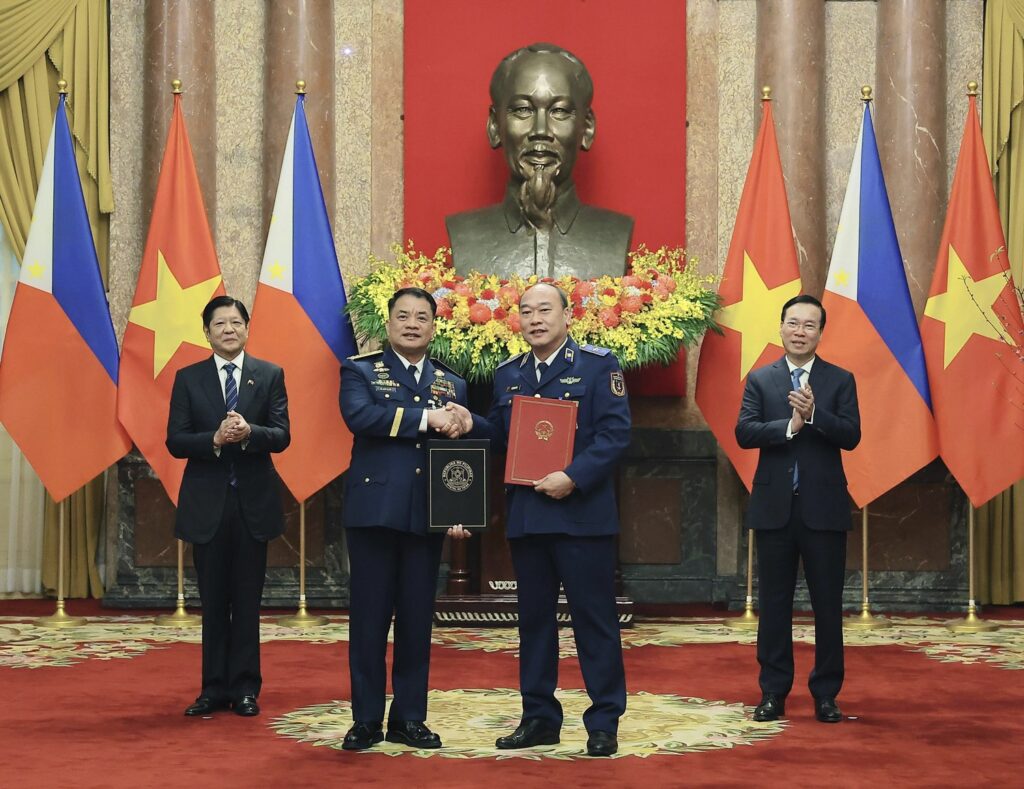
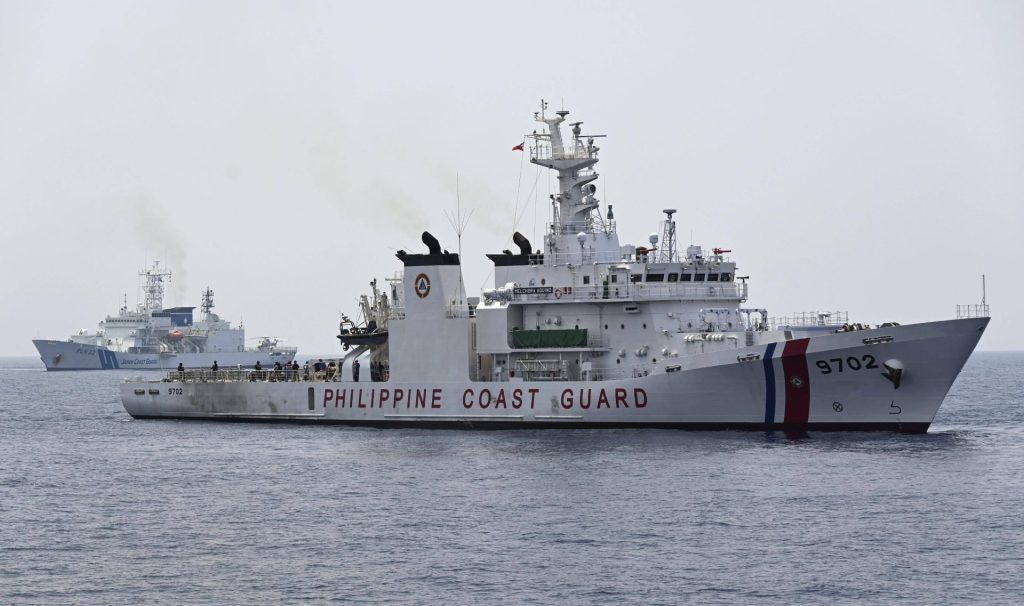
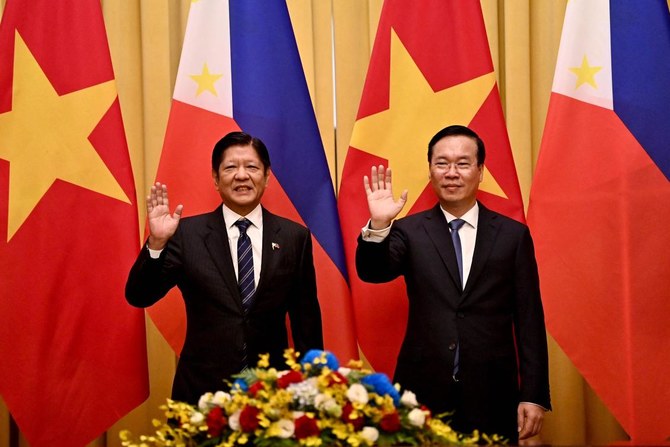
On January 30, 2024, the Philippines President Ferdinand Marcos Jr. signed two significant agreements with Vietnamese officials intended to boost maritime security cooperation in the South China Sea, while on a state visit to Hanoi, Vietnam. The agreement between Vietnam and the Philippines came at a time when Beijing and the Philippines have been engaged in tense standoffs in the disputed seas in recent months, and Chinese ships fired water cannons at Philippine vessels. The agreement is being recognized as a pillar of maritime security and deepening of the strategic cooperation between Vietnam and Philippines. This will also support the joint efforts of the coastguards of the two nations to manage and prevent incidents in the disputed waters. Moreover, this partnership seeks to create guidelines for handling future conflicts, avoid misconceptions, and mitigate tense situations. However, tensions are still high along the strategically important waterway, with over $3 trillion in yearly ship commerce. China claims nearly the whole South China Sea, whereas Philippines, Vietnam, Indonesia, Malaysia, and Brunei have also competing claims to different islands and reefs.
Philippines Military Modernization

The Philippine government has approved ‘Re-Horizon 3,’ a new plan for military modernization that could cost up to two trillion pesos ($35 billion) over ten years. The Re-Horizon 3, which was signed by President Ferdinand Marcos Jr., is the result of a modernization project that was started in 2013 and was divided into three phases due to China’s presence in the South China Sea. The adoption of the Re-Horizon 3 plan is being considered as a significant move in the Philippines’ national security. The acquisition of modern weapons and equipment will help to counter threats, particularly that are emerging in the South China Sea. The primary objective of the strategy is to enhance the country’s capabilities in critical areas such as domain awareness, connectivity, surveillance, reconnaissance, and intelligence gathering.

The Philippines aims to improve its monitoring of territorial waters and airspace to better respond to any threats. Improved links will allow for better communication and coordination among all the forces, while surveillance and reconnaissance technologies will give real-time intelligence. The Re-Horizon 3 plan is an important step towards strengthening the Philippine defense system, but it is only one part of a larger effort due to the complex and evolving geopolitical landscape.
International Cooperation

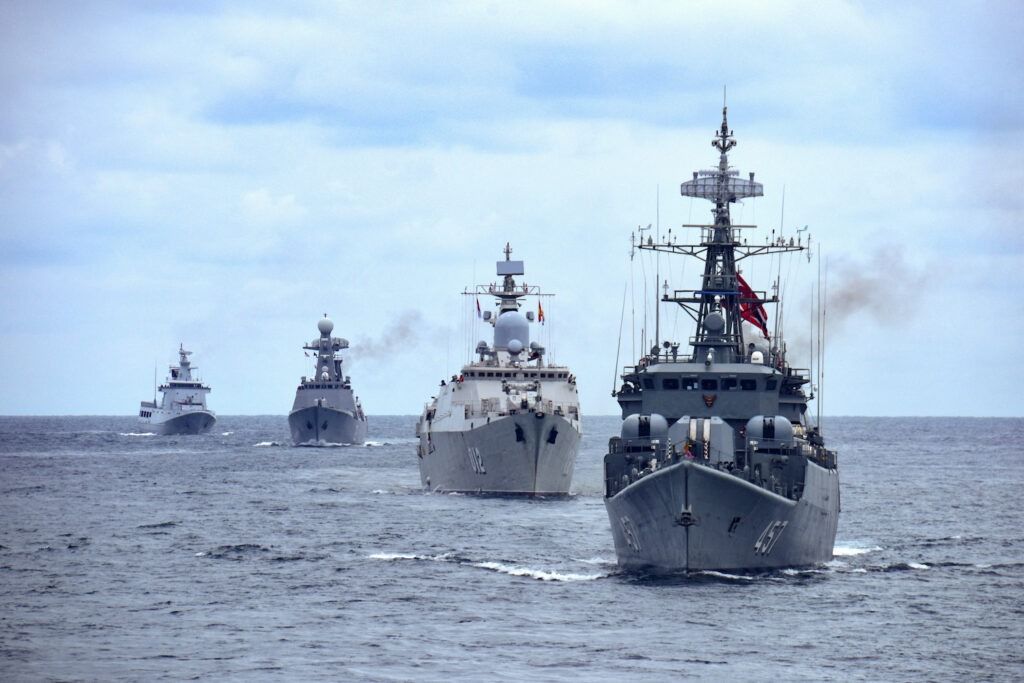
In January 2024, a major advancement in the United States and the Philippines military cooperation was made when the two nations carried out their second joint patrol in the South China Sea. As a Maritime Cooperative Activity (MCA), the joint patrol comprised four Philippine Navy ships and four U.S. Navy ships, USS Carl Vinson (CVN-70), USS Princeton (CG-59), USS Kidd (DDG-100), and USS Sterett (DDG-104). During their combined drills in the South China Sea, two destroyers of the Chinese People’s Liberation Army Navy monitored Philippine and American ships. The United States and the Philippines’ activities were denounced by Chinese Foreign Affairs Spokesman Wang Wenbin as “muscle-flexing, provocative military activities” after the MCA, calling on both nations to stop acting irresponsibly and to respect regional countries to maintain peace and stability in the South China Sea. Despite China’s objections, the Philippines is open to wider international cooperation for patrols in the disputed South China Sea. They have previously collaborated with the United States and Australia, and further partnerships are planned with Japan, New Zealand, the United Kingdom, Canada, and France. While China accuses them of meddling, the Philippines counters that China’s own actions pose the real threat to regional stability.

Conclusion

The South China Sea issue between China and the Philippines continues to escalate due to tough rhetoric. In response to recent incidents, such as the reported collision of Philippine and Chinese vessels on Second Thomas Shoal, both countries responded strongly. China’s official media issued a warning against provocations, and China was accused of manipulating information by the Philippines. Despite similar issues with China, Vietnam is developing security agreements with the Philippines, which could further exacerbate tensions. In January 2024, China held military drills in the South China Sea, while the United States and the Philippines also conducted joint exercises in the same waters. The high-seas clashes are raising worries of a wider conflict. Therefore, in this complicated geopolitical situation it is crucial to reach a peaceful resolution through dialogue and diplomacy with continued efforts and dedication from all sides to avoid and unintentional escalation and miscalculations in future.


EU Forges Landmark Agreement on World’s First AI Act

Introduction

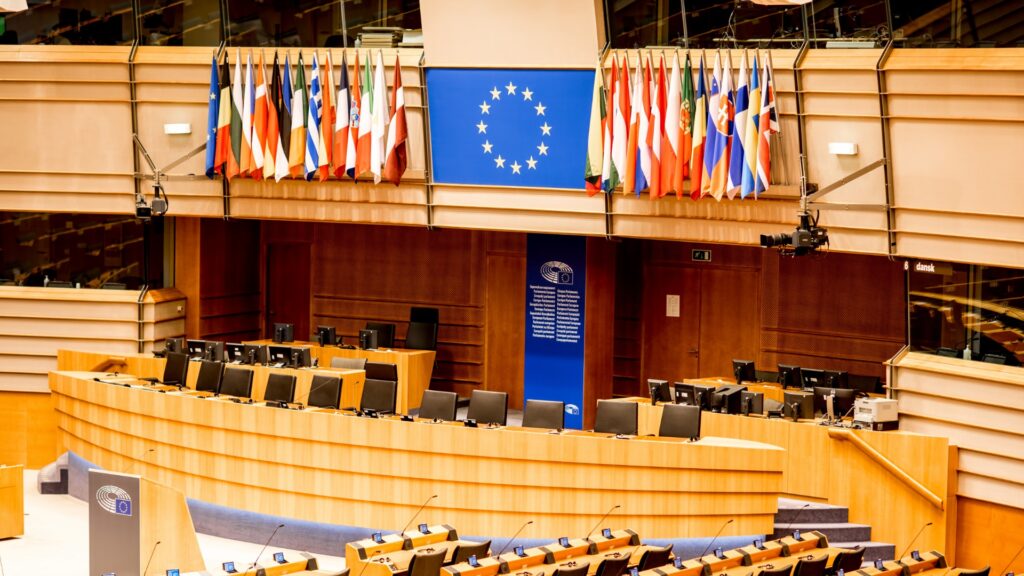
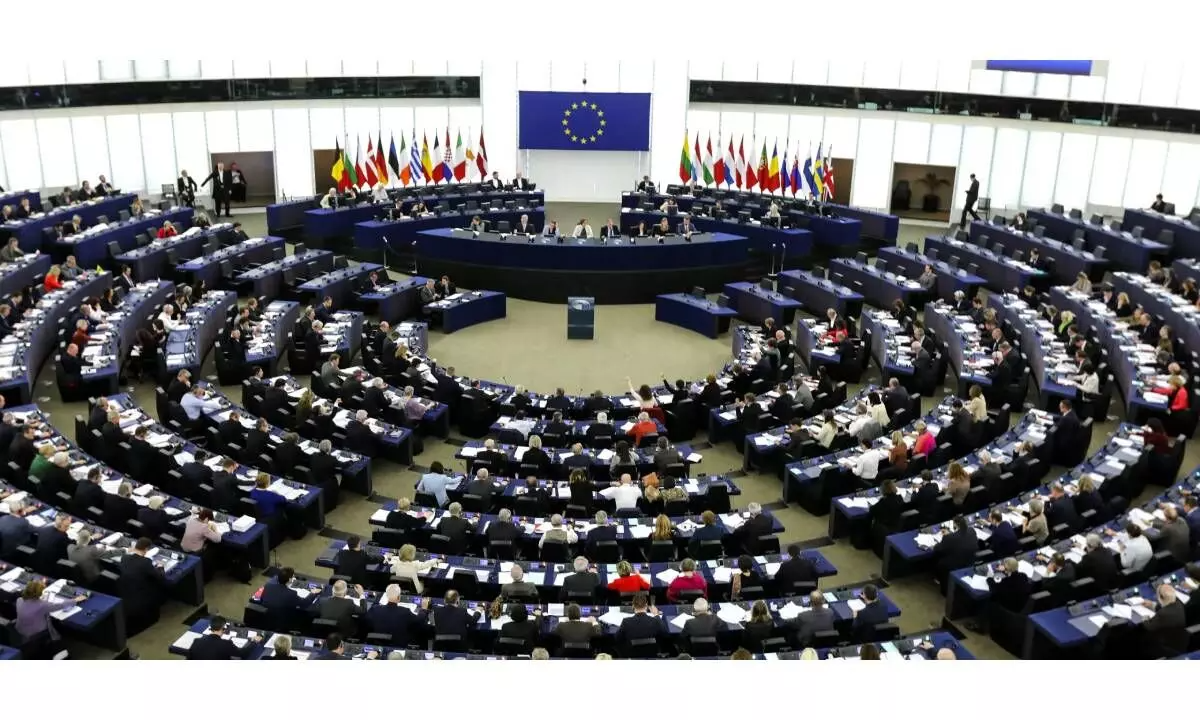
The European Union (EU) has taken a groundbreaking step in regulating artificial intelligence (AI) with the EU AI Act 2023. This landmark legislation, provisionally agreed upon on 9th December 2023, aims to ensure the safe and ethical development and deployment of AI. The European Parliament and Council negotiators came to a provisional agreement on the EU AI Act after three days of intensive talks. This legislation creates a world-class regulatory framework to guarantee the safety, legality, reliability, and respect for fundamental rights within AI systems, making it the first act of its own kind specifically for artificial intelligence (AI).

Significance of the AI Act

The EU AI Act is a significant step forward in regulating AI and setting global standards for responsible development. It aims to ensure that AI benefits society while mitigating potential risks and protecting fundamental rights. The AI Act would prohibit uses which pose an unacceptable risk and mitigate harm in sectors including public services, healthcare, education, border monitoring, and other sectors where deploying AI poses the greatest risk to basic rights. The AI Act seeks to promote AI innovation within the EU in addition to governance and enforcement regarding AI. In keeping with the EU’s coordinated plan on artificial intelligence, which contains rules to promote a unified market for AI applications, it also aims to stimulate investment in AI throughout Europe.

The legislation is being considered as a global standard for governments seeking to use AI’s potential advantages while mitigating the threats associated with it. Amid a highly fragmented landscape of rules and regulations worldwide, the EU bill is regarded as the most comprehensive attempt to date to regulate AI.

A Look at Major Countries AI Regulation Efforts
In October 2023, President of the United States, Joe Biden issued an executive order titled as “Executive Order on the Safe, Secure, and Trustworthy Development and Use of Artificial Intelligence.” This order addressed the possible advantages and disadvantages of artificial intelligence, with a specific focus on two areas i.e. discrimination and national security. To ensure that all relevant agencies are working together to leverage AI for national security effectively.

China has been rapidly establishing AI regulations, among them are regulations governing recommendation algorithms, which are the most widely used type of artificial intelligence on the internet. But it is necessary to promote AI development which is consistent with China’s political and social values. Among others, China’s three most significant and practical legislation pertaining to algorithms and artificial intelligence are the recommendation algorithms regulation from 2021, the deep synthesis for synthetically generated content regulations from 2022, and the generative AI draft regulations from 2023. The AI governance framework that is being structured by China will help country to have more profound insights on how the technology is developed and used domestically as well as internationally.

France has taken a broad approach to AI policy, emphasizing innovation, ethics, and regulation. announced a major AI investment. The French government in July 2023, announced €500 million to support the creation of AI champions. This project is a symbol of France’s ambition to play a significant role in the global AI landscape. The French government also passed a new artificial intelligence law in 2021, which lays out the guidelines for the country’s AI regulations. Before that, the government unveiled a national AI strategy in 2018 that plans to dominate the world in AI by 2030.

Regulations and frameworks focusing on particular aspects of AI, such as data privacy and consumer protection, have also been adopted by countries like the UK and Japan. In 2021, the United Kingdom unveiled its National AI Strategy, which outlined objectives for the development of ethical and responsible AI. Whereas, Japan supports AI development and economic progress. The country actively participates in international discussions on AI regulation and aims to harmonize with global standards.

Conclusion

Unlike the fragmented approaches adopted by many other countries, the EU’s AI Act offers a comprehensive framework addressing various aspects of AI development and deployment. It covers issues like transparency, fairness, accountability, and risk mitigation categorized into four levels ranging from minimal or no risks to unacceptable risks. Other countries including developing countries should consider AI regulation and can learn from the EU’s Act. Countries can create strong and efficient AI governance frameworks depending upon their needs and requirements that support ethical AI development. This is not just a technological race, it is a race for a better world, and every country has a stake in it. It is because artificial intelligence (AI) has the potential to become a powerful engine of innovation, driving advancements across diverse sectors. By embracing AI responsibly, investing in its development, and addressing ethical concerns collaboratively, countries can unlock its potential to create a more prosperous, sustainable, and equitable world for all.


North Korea’s Space Program Advances with Spy Satellite Launch

Introduction

North Korea claims to have successfully launched a reconnaissance satellite into orbit on November 22, 2023 and stated that Kim was looking over pictures of US military facilities on Guam in a within hours of the launch. North Korea has successfully launched its first spy satellite into orbit, defying international condemnation froms US and its allies. The North Korean government has said that the recent satellite will help the country to better monitor its neighbor and that it is essential for dealing with perceived threats from South Korea and the US.

Condemnation of North Korea’s Satellite Launch

The United States, Japan, and South Korea have all criticized the launch and urged North Korea to follow UN resolutions. North Korea is prohibited by UN Security Council resolutions from launching ballistic missiles or employing space launch vehicles. The launch by North Korea using ballistic missile technology is strongly condemned by the G7 Foreign Ministers, and said that it poses a serious danger to regional and international peace and security. Any launch that makes use of ballistic missile technology is blatantly in violation of the United Nations Security Council Resolutions, regardless of whether it has been classified as a military reconnaissance satellite. As a result of launch, Seoul partially suspending and Pyongyang entirely suspending the 2018 joint military agreement that was meant to stabilize cross-border relations, has further escalated tensions on the peninsula.

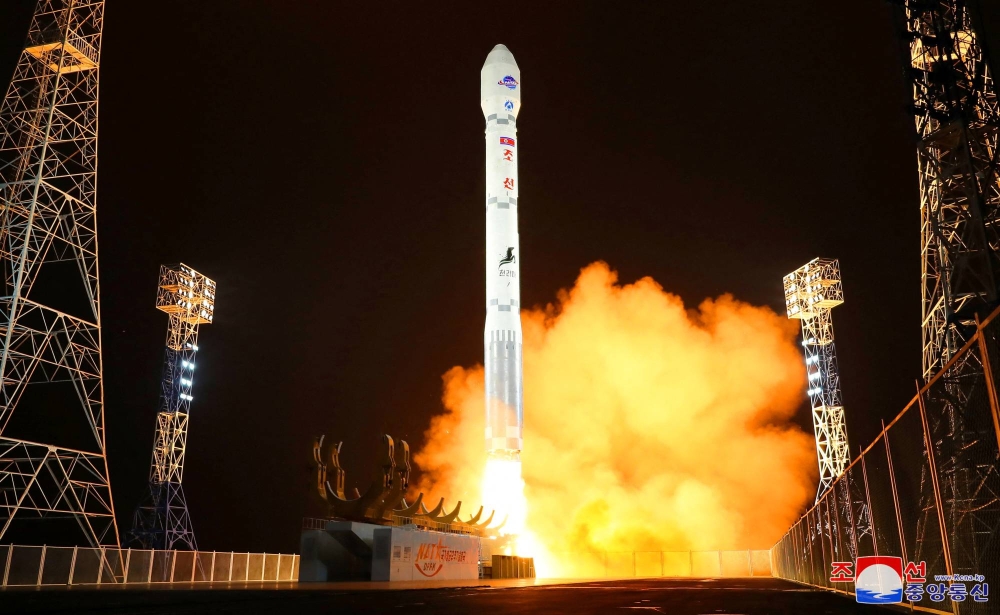
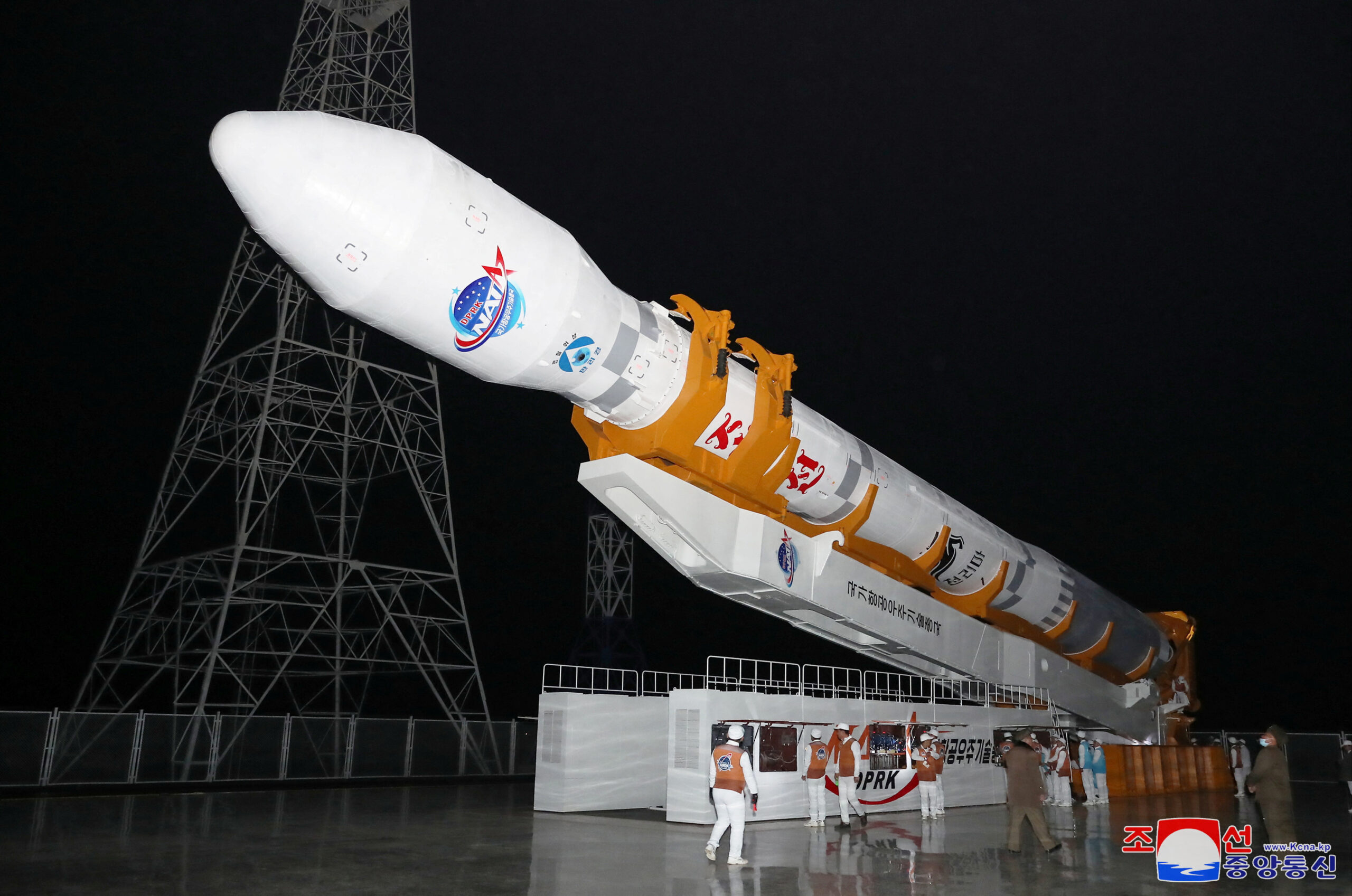
A rocket carrying a spy satellite Malligyong-1 is prepared to be launched, as North Korean government claims, in a location given as North Gyeongsang Province, North Korea in this handout picture obtained by Reuters on November 21, 2023. KCNA via REUTERS

North Korea’s Response

After North Korea launched its first-ever military spy satellite, the country’s leader, Kim Jong Un, welcomed a “new era of a space power.” For North Korea’s space program, the successful launch of the Malligyong-1 satellite marks an important milestone. It shows that North Korea is able to design and launch satellites with potential military applications. Concerns are also raised by the launch regarding North Korea’s possible use of its space program to create advanced weapons like intercontinental ballistic missiles (ICBMs). The Malligyong-1 satellite’s launch coincides with heightened tensions on the Korean Peninsula. North Korea has conducted a series of missile tests in recent months, raising fears that it is preparing for a nuclear test. According to Korean Central News Agency (KCNA), the space agency plans to launch several spy satellites soon to ensure that it can monitor South Korea and other areas that the North Korean military finds interesting. Moreover, as per KCNA, Kim stated during a visit to the national space agency that the launch was a full-fledged exercise of the right to self-defense.


BRICS Unites in Condemning Israel’s War on Gaza

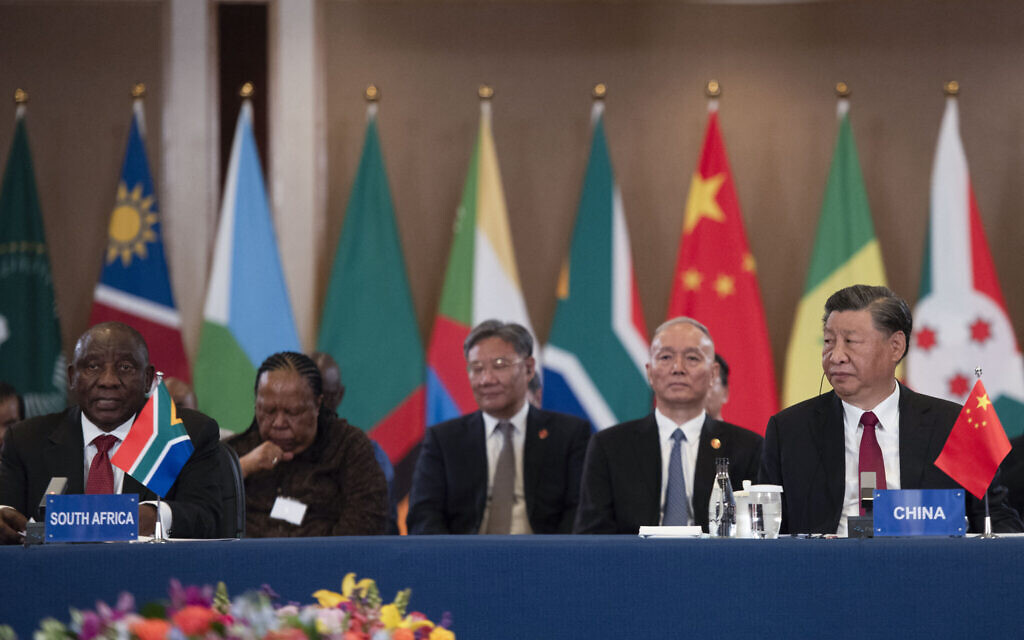
The BRICS leaders held a meeting virtually on November 21, 2023 and demanded for an end to Israel’s war on Gaza. BRICS is an intergovernmental organization comprising Brazil, Russia, India, China, and South Africa. However, this summit was not limited to the BRICS countries alone. The organization had earlier this year made a decision to expand its membership and decided to include Egypt, Ethiopia, Argentina, Saudi Arabia, the United Arab Emirates, and Iran among its new members starting in 2024. Thus, the heads of these six nations attended the summit in addition to the BRICS nations. Antonio Guterres, the UN Secretary-General, also attended the meeting.Cyril Ramaphosa, the President of South Africa and the current chair of BRICS, chaired the meeting. President Ramaphosa of South Africa opened the meeting by declaring that Israel’s actions are clearly against international law and that Israel’s collective punishment of Palestinian civilians is a war crime that amounts to genocide. The majority of the leaders in meeting called for an urgent humanitarian ceasefire and referred to Israel’s targeting of civilians in Gaza as war crimes. The government media office reports that since Israel’s attack on Gaza began on October 7, the number of Palestinian deaths has increased to 14,532, including almost 6,000 children.

Many member states, including as Brazil and Russia, have expressed disapproval of Israel’s constant bombardment and ground invasion of the Gaza Strip. For its part, China welcomed a delegation of Muslim nations, leaders, and organizations among them the Palestinian Authority (PA) in an effort to broker a ceasefire. The delegation of Arab-Islamic nations demanded for a long-term resolution to the conflict and for an end to the Israeli war in Gaza. Rejecting Israeli claims of self-defense, the delegation demanded the immediate cessation of hostilities in Gaza, the lifting of Israeli restrictions on Palestinian territory, the immediate release of all Palestinian detainees, and the start of diplomatic negotiations toward the creation of an independent Palestinian state. In addition, China is maintaining communication on the Palestinian-Israeli problem with other permanent members of the UN Security Council and Arab-Islamic nations. During the visit of Arab-Islamic countries delegation to China, top Chinese diplomat Wang Yi also said that China demanded an immediate cease-fire in the Gaza Strip, stated opposition to any forced relocation or displacement of Palestinian residents, and underlined that any agreement pertaining to the future and destiny of the Palestinian people must have their approval.


Russia and Myanmar Conducted Maritime Exercises in Andaman Sea

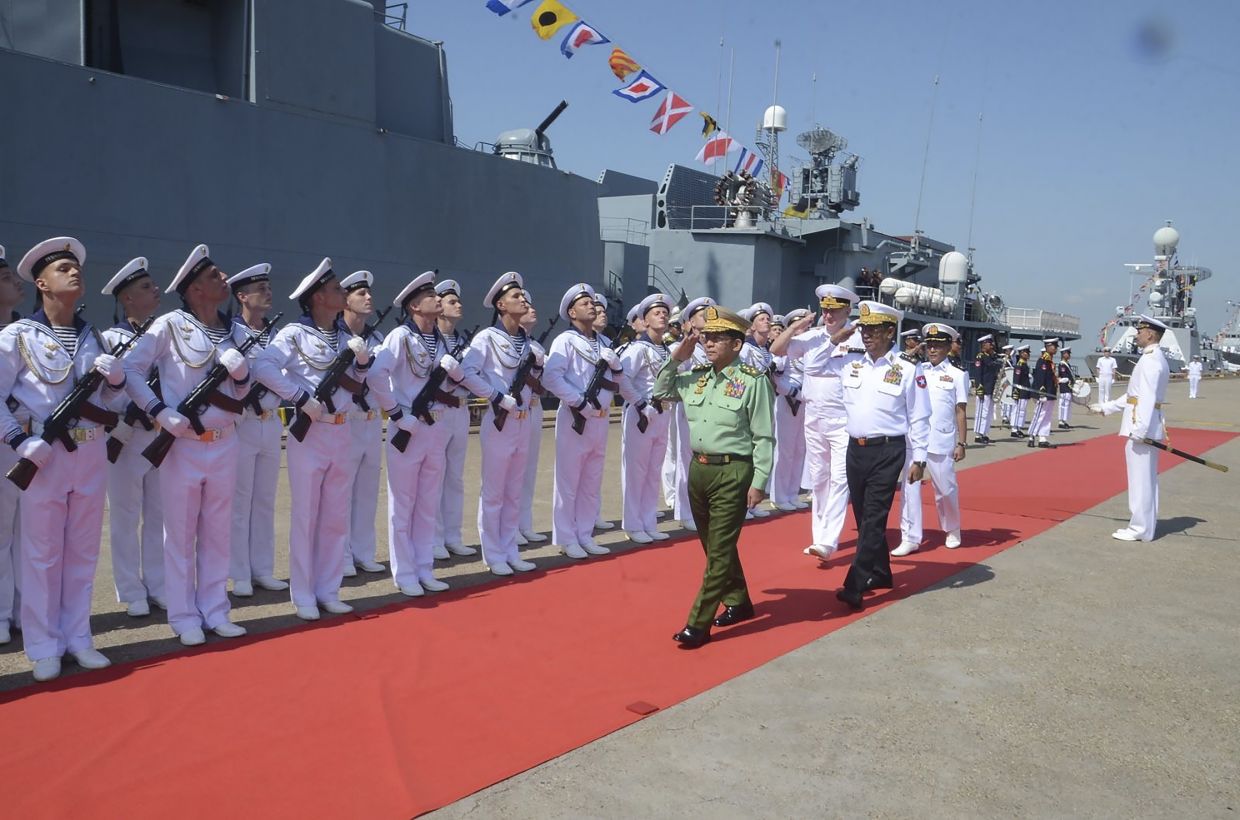
The first Myanmar-Russia Maritime Security Exercise (MARUMEX), which comprised ships and planes, took place in waters 85 nautical miles (157 km) west of Myeik from 7-9 November, 2023 in the Andaman Sea. The Andaman Sea is a strategic waterway that connects the Indian Ocean to the Bay of Bengal, and it is important for both trade and security. The focus of the exercises is on defending against threats from air, sea, and land, as well as other maritime security measures. The exercises are a sign of the growing ties between Russia and Myanmar. Russia has become a key ally of Myanmar, providing it with weapons and diplomatic support. Russia is a significant ally and weaponry supplier to Myanmar’s military regime, which was established in February 2021 after the army overthrew Aung San Suu Kyi’s democratic administration.

Russia is expanding its naval presence in the Andaman Sea, and conducting joint military exercises with Myanmar and other countries in the region. The Andaman Sea is located at the crossroads of the Indian Ocean and the Pacific Ocean. It is also close to the Strait of Malacca, one of the busiest shipping lanes in the world. This makes the Andaman Sea a strategically important location for both trade and military purposes. Moreover, the Andaman Sea is a vital shipping lane for oil, gas, and other goods. Russia is a major exporter of oil and gas, and the Andaman Sea provides a direct route to markets in Asia and the Middle East. The Andaman Sea is a crucial component of Russia’s strategy to increase its influence in the Indo-Pacific region. In the upcoming years, Russia’s foreign policy is probably going to place a greater emphasis on the Andaman Sea.

In this photo released from the The Military True News Information Team on Nov. 6, 2023, Senior Gen. Min Aung Hlaing, center, leader of ruling military council, salute while inspect guard of honor from Russian Navy during opening ceremony of first Myanmar Russia Maritime Security Exercise at Thilawa port in Yangon, Myanmar. (The Military True News Information Team via AP)

The maritime exercises are being considered as an indication of Russia’s growing military presence in Asia. Russia has been expanding its naval presence in the region in recent years, and the exercises with Myanmar depicts that Russia is interested in strengthening its ties with different countries in the region. Military-ruled Myanmar relies on Russia for diplomatic support and military assistance. Whereas, Myanmar is a strategically important location in Indo-Pacific region for Russia. Although the military regime in Myanmar remains internationally isolated, relations between two countries will remain close in the future due to their individual and collective interests.


Critical Levels of Air Pollution: A Growing Problem in Pakistan and India

Air pollution in Pakistan and India recorded at critical levels during the month of November 2023, with many cities in both countries experiencing hazardous air quality due to smog. In Pakistan and India, smog is a serious environmental concern which is caused by the combination of number of factors. The main contributors to air pollution include vehicle emissions, industrial emissions, and dust. Burning crops is a major factor in this situation, in order to prepare the land for the next crop, farmers in Pakistan and India frequently burn crop leftovers after harvest. This causes a significant emission of smoke and particle matter into the atmosphere. The problem is exacerbated in the winter months, when cooler temperatures trap pollutants closer to the ground.

According to the World Air Quality Index, Lahore, Pakistan is currently the most polluted city in the world. Other major cities in Pakistan are also experiencing severe air pollution. The Punjab government in Pakistan declared a smog emergency and closed schools and markets for four days in an effort to reduce air pollution. The government has also banned crop burning and ordered factories to reduce their emissions. However, air quality levels in Lahore and other major cities in Punjab remain at hazardous levels.

Governments in both Pakistan and India are taking steps to address the problem of air pollution. NASA satellite images reveal smog blanketing northern India, with Delhi at epicenter of looming air pollution crisis. The Delhi government ordered the closure of schools and restricted the use of private vehicles for a week in an effort to reduce air pollution. In addition, the government banned construction activities and ordered industries to reduce emissions. The consequences of this concerning phenomenon go beyond Delhi, as a number of cities in North India are facing declining air quality, raising the possibility of a more serious environmental crisis.

The severe air pollution in both the countries is having a significant impact on environment and human beings. The air pollution situation in Pakistan and India is a serious public health concern. Exposure to air pollution can cause respiratory problems, heart disease, cancer, and other health problems. It can also reduce visibility on roads leading to accidents. Both governments need to take more aggressive action to reduce emissions and improve air quality by reducing vehicle emissions, financing public transportation, and supporting renewable energy sources.


Strategic Tour of French President to Strengthen Ties with Central Asia

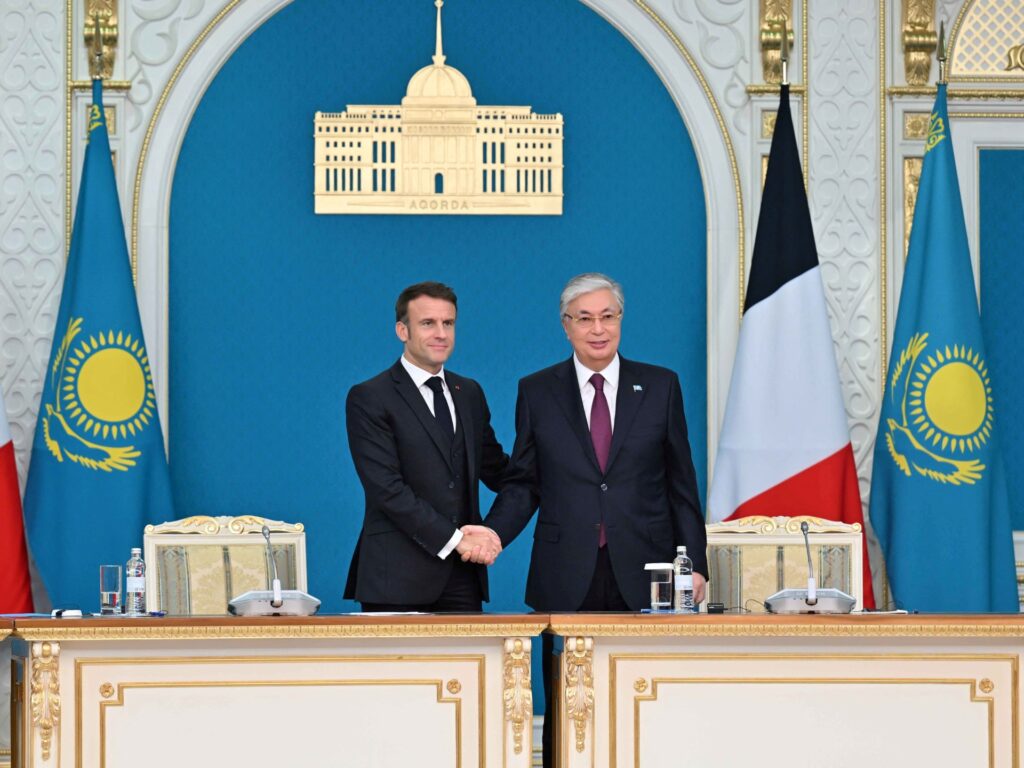
French President Emmanuel Macron visited Kazakhstan on November 1, 2023, as part of a two-day tour of Central Asia. The visit is seen as a strategic move by Macron to strengthen France’s ties in the region, which has become increasingly important due to Ukraine crisis. During his visit to Kazakhstan, Macron met with President Kassym-Jomart Tokayev and signed a number of agreements to accelerate cooperation covering economic sectors, including critical minerals important for clean energy technologies, pharmaceuticals, and aerospace. Tokayev referred to France as a significant and reliable partner in the European Union and pledged to work toward bolstering the partnership. Whereas, Macron said, “The strength of our partnership demonstrates the good strategic direction that has been taken and the need to complement and accelerate it.”

France ranks as the fifth-largest foreign investor in Kazakhstan, with a long history of economic cooperation that includes the Kashagan oilfield project, a joint venture with TotalEnergies, and a uranium mine operated by Orano, whose head was accompanying Macron on his visit. Macron’s visit to Central Asia is a sign of the growing interest of Western powers in the region. Central Asia is rich in natural resources, including oil, gas, and minerals, and it is also strategically located between Russia and China. As China’s influence in the region grows, Western powers are eager to strengthen their ties with Central Asian countries. The visit is also a sign of France’s desire to play a more active role in global affairs. The country has traditionally been seen as a power focused on Europe and Africa, but Macron has made it clear that he wants France to be a global leader, his visit to Central Asia is a step in that direction.

Following a visit to Kazakhstan, French President Macron arrived in Uzbekistan, the first visit by a French president since 1994. As the two nations discussed agricultural and uranium projects, President Emmanuel Macron announced that France and Uzbekistan would establish what he called a strategic cooperation. “We have agreed with the President, Shavkar Mirziyoyev, to build a strategic partnership,” stated Macron. To conclude, the ties between France and the Central Asian countries has reached a major point with President Macron’s visit. Along with chances for countries to exploit potential in a variety of fields and sectors, the inked agreements and investment pledges establish the foundation for increased collaboration.


Bolivia Becomes First Latin American Country to Cut Ties with Israel over Gaza

Introduction

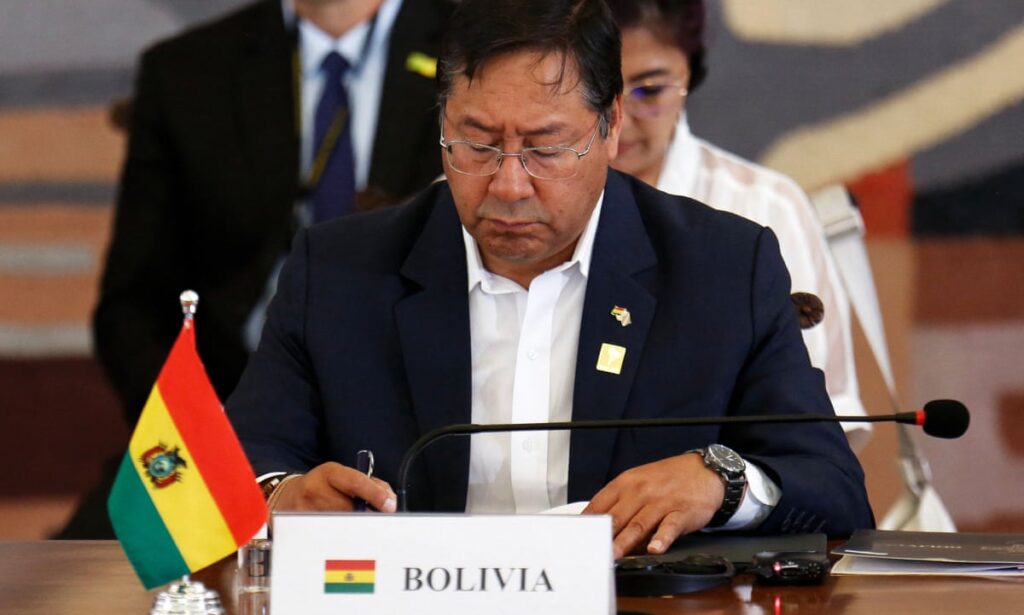
Due to Israel’s war in Gaza, Bolivia became one of the first countries to sever diplomatic ties with it. Deputy Foreign Minister Freddy Mamani stated, “Bolivia decided to break diplomatic relations with the Israeli state in repudiation and condemnation of the aggressive and disproportionate Israeli military offensive taking place in the Gaza Strip.” Moreover, Maria Nela Prada, the minister of the presidency, also announced that the country will provide Gaza with humanitarian aid. She said, “We demand an end to the attacks in the Gaza Strip which have so far caused thousands of civilian deaths and the forced displacement of Palestinians.” Prior to this, Bolivia severed diplomatic ties with Israel in 2009 during the socialist President Evo Morales’ administration over Israel’s actions in Gaza. But in 2020, ties were re-established under the administration of right-wing acting President Jeanine Anez.
Bolivia’s action was criticized by Israel. On the other hand, Hamas applauded Bolivia, stating that it respects it and calling on other Arab nations that have normalized ties with Israel to do the same.

Response of Other Latin American Countries

In protest of Israel’s unacceptable violations of international humanitarian law, Chile, which has the largest Palestinian population outside of the Arab world, recalled its ambassador to Israel. Whereas, the leaders of Chile and Colombia also condemned Israeli attack against the Gazan people. Colombian President Gustavo Petro posted on social media, “I have decided to recall our ambassador to Israel, Margarita Manjarrez, for consultation. If Israel does not stop the massacre of the Palestinian people, we cannot be there.” A ceasefire has also been demanded by nations in Latin America, including Brazil and Mexico. Brazilian President Luiz Inacio Lula da Silva said, “What we have now is the insanity of Israel’s Prime Minister, who wants to wipe out the Gaza Strip.”

Current Situation in Gaza

Israeli military has surrounded Gaza City and is moving forward. With Israel’s ongoing deadly airstrikes on Gaza, the number of Palestinian enclave deaths has surpassed 9,000 as of 3rd November, 2023. An operation conducted by Israel in the occupied West Bank has also claimed the lives of at least four Palestinians. A representative of the Israeli military added that despite international pressure, a ceasefire is not on the table. Yet, United Nations experts said, “The time for action is now” and have demanded a humanitarian ceasefire in Gaza, stating that the Palestinian people are running out of time as they face a “grave risk of genocide.”


The Dire Humanitarian Situation in Gaza Needs Urgent Action

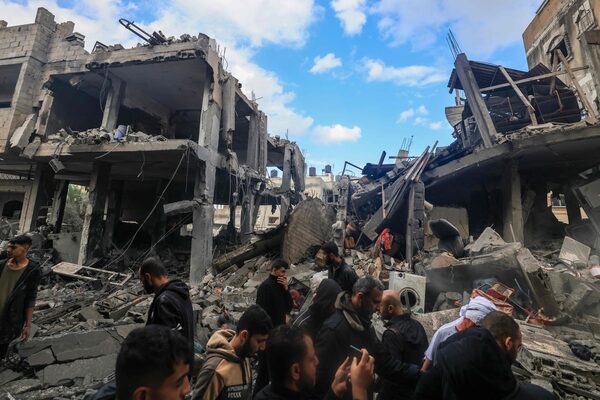
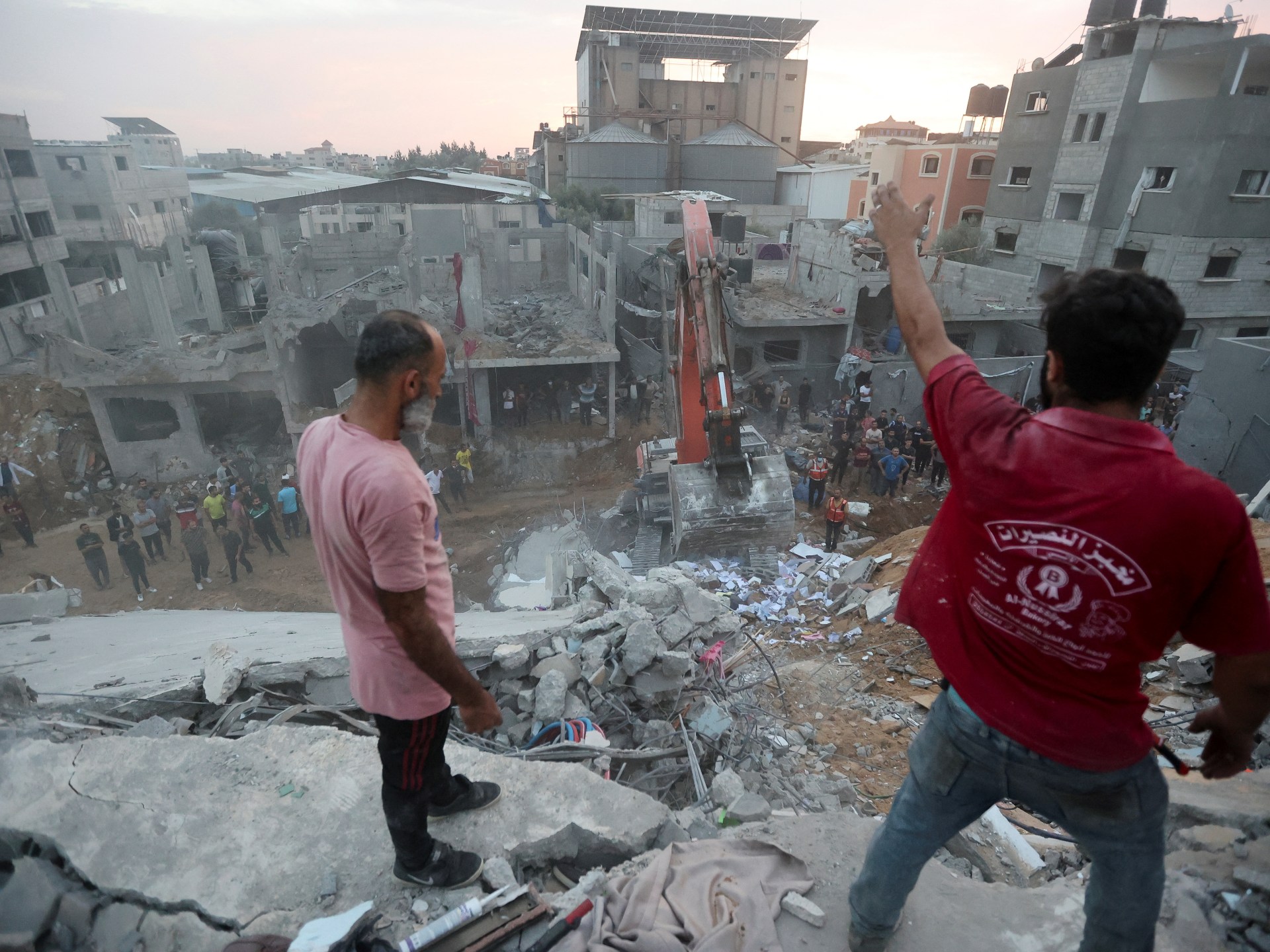
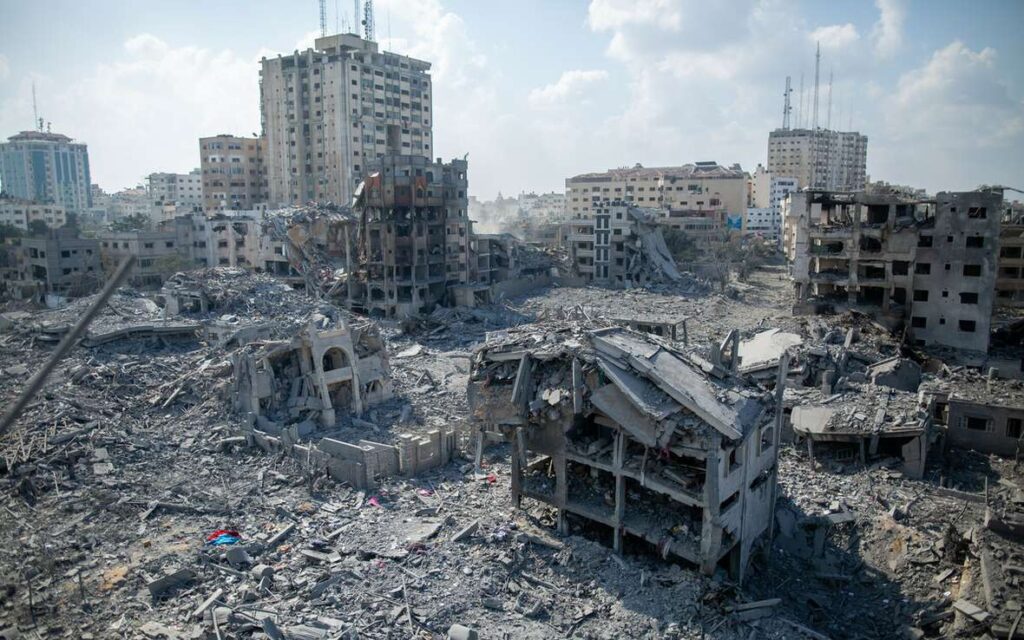
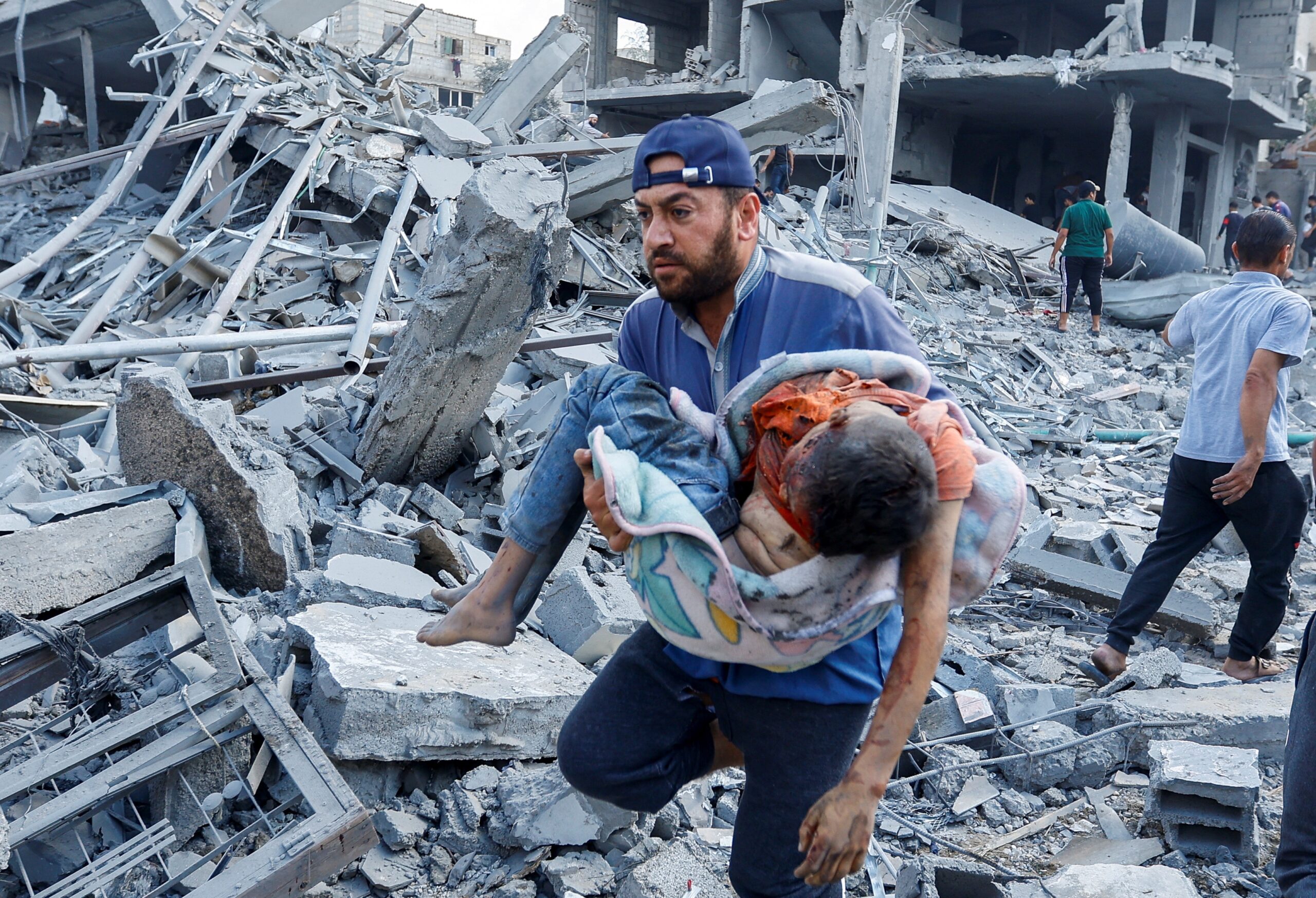
After Israel extensive destruction of houses, schools and hospitals, forcing over a million people to flee their homes, Aid organizations are warning of a catastrophic shortage of medical supplies. The steadily increasing number of civilian casualties, the complete devastation of neighborhoods, and the Israeli military’s unrelenting bombardment of Gaza are extremely concerning. According to the Ministry of Public Works and dwelling in Gaza, since the start of hostilities, at least 43% of all dwelling units in the Gaza have been either destroyed or damaged. According to the United Nations, over 1.4 million of the 2.2 million Palestinians who live in the Gaza have been forced to flee their homes. Since the beginning of Israeli attacks, Palestinians do not have access to food and water, about half a million people have been denied access to food rations because their food distribution centers have been closed, according to the United Nations Relief and Works Agency for Palestine Refugees in the Near East (UNRWA).

According to Gaza’s Ministry of Health, after three weeks of continuous bombing, the death toll in the Gaza Strip has risen to almost 7000, with at least 3000 of those deaths being children. In a statement, the UN representative for Palestine affirmed that “3,000 children have been killed by Israel since the attacks it launched on Oct. 7, almost 1,600 Palestinians are still buried under the rubble.” Additionally, it is unfortunate that Israel is targeting humanitarian workers, the Israeli bombing of Gaza resulted in the deaths of at least 35 UNRWA employees. The Secretary-General of the United Nations stated, “Middle East situation is growing more dire by the hour. The region is in danger of spiraling out of control due to the ongoing conflict in Gaza. In addition, he urged all sides to protect civilians during military operations, honor and preserve hospitals, and recognize the inviolability of UN buildings that currently house over 600,000 Palestinians. These demands were made in accordance with international humanitarian law.”


The intense bombing that the people of Gaza are currently experiencing is not only wreaking physical havoc but also denying their right of living and access of basic necessities like electricity, water, food, and life-saving medical care. In this conflict, the international community and the Arab countries need to play their role and insist that international humanitarian law must be followed, especially with regard to protection of civilians, provision of humanitarian aid and paving the way for a lasting ceasefire.


Saudi Arabia and South Korea Deepen Cooperation with Series of Agreements

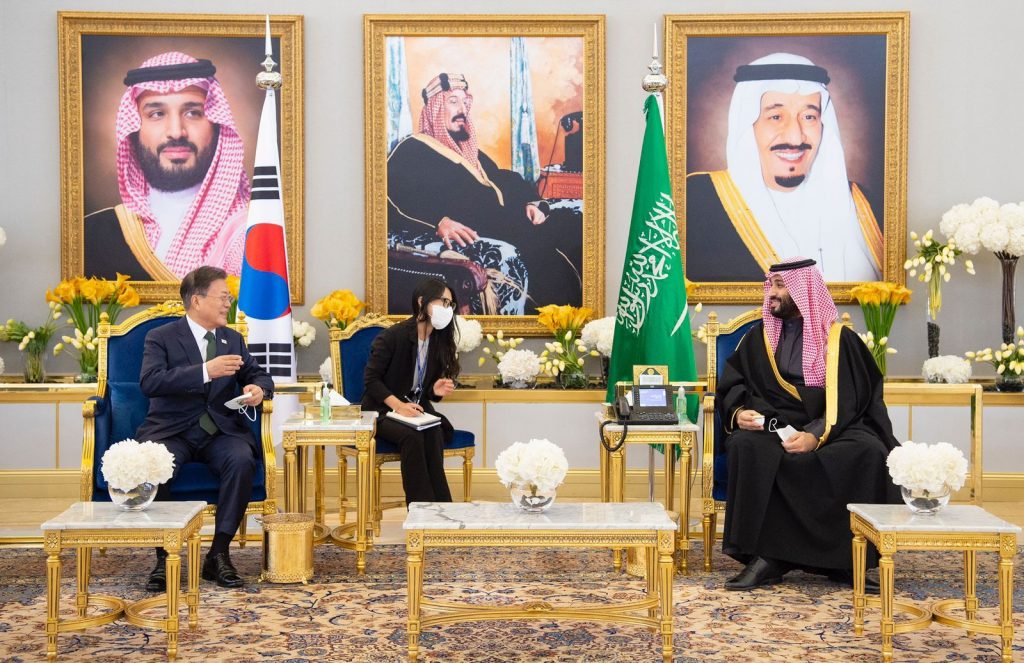
South Korean President Yoon Suk Yeol and Saudi Crown Prince Mohammed bin Salman met on October 23, 2023 in Riyadh, Saudi Arabia. The meeting was part of Yoon’s state visit to the Kingdom, which was the first by a South Korean leader. About a year prior to President Yoon’s visit, the Saudi crown prince had visited South Korea to discuss defense, energy, and infrastructure development cooperation. He also signed $30 billion worth of investment agreements with Korean companies. In the recent meeting, the two leaders discussed a wide range of issues, including bilateral cooperation in energy, defense, infrastructure, investment, and exchanged views on regional and international developments. President Yoon Suk Yeol’s state visit to Saudi Arabia resulted in 46 agreements and memorandums of understanding (MOUs) between South Korean companies and their Saudi Arabian counterparts. The meeting was seen as a positive sign of the growing relationship between South Korea and Saudi Arabia.

The establishment of a Strategic Partnership Council, the Hydrogen Oasis Initiative to advance green hydrogen cooperation, visa exemption for holders of diplomatic passports, joint statistical cooperation between respective statistical authorities, and a memorandum of understanding to improve cooperation in the fields of food and medical products were among the bilateral agreements that the two countries concluded during their meeting. In addition, a deal for a joint oil storage business was signed by Korea National Oil and Saudi Aramco. The two countries have close economic and security ties, and the meeting is expected to further strengthen their cooperation in a variety of areas.

In line with Saudi Arabia’s “Vision 2030” strategy, which seeks to diversify the country’s economy and lessen its reliance on oil, the deals cover a range of areas, including infrastructure, new industries, and energy sector. The two countries will strengthen their defense cooperation, including joint military exercises and training programs. Moreover, the two countries agreed to explore new opportunities for cooperation in the energy sector, including renewable energy and hydrogen. In an effort to gain collaboration in similar technologies, Riyadh has positioned South Korea and Japan as potential sources of clean energy in the future. Saudi Arabia and South Korea have several mutual interests, including economic cooperation, energy security, and regional stability. These common interests are expected to drive close relationships between the two countries in the future.