Tripartite Outrage: South Korea, U.S. and Japan Condemn North Korea’s Alleged Arms Transfer to Russia

Introduction

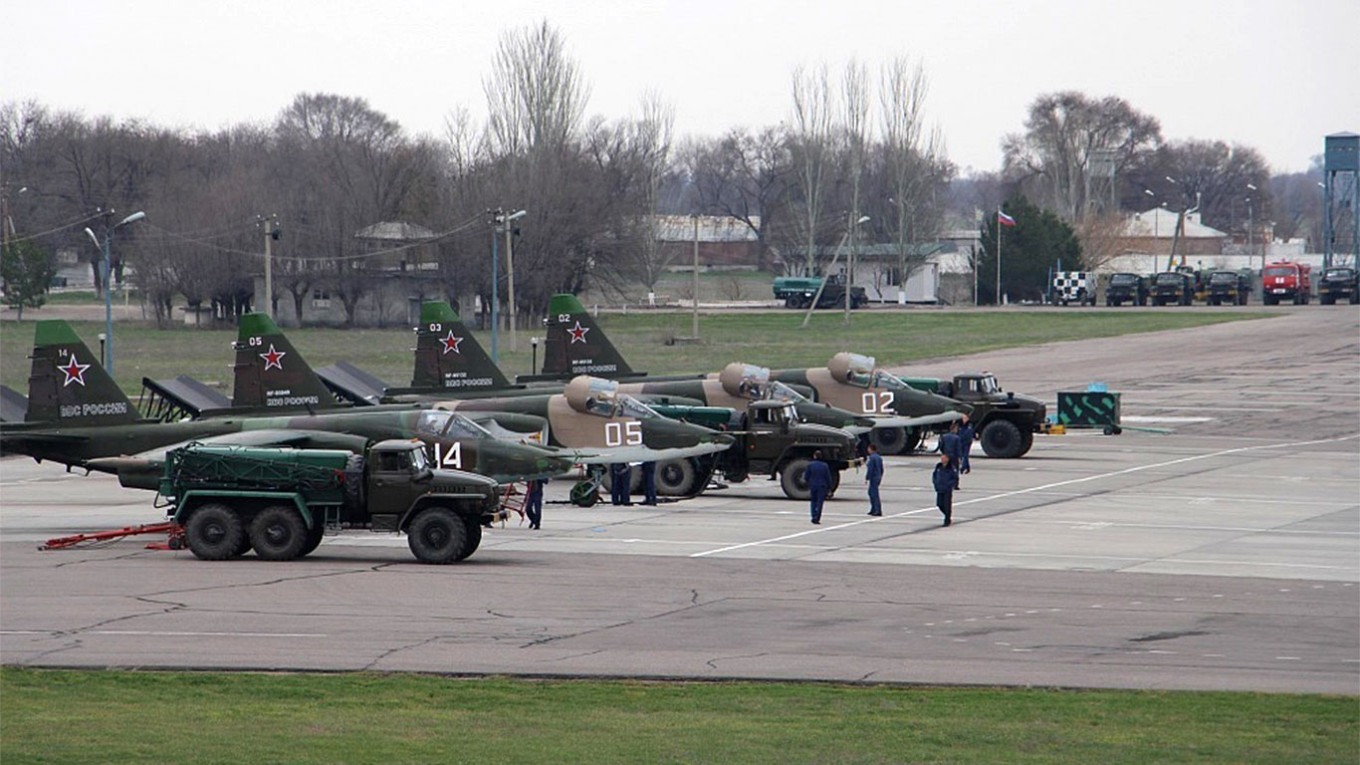
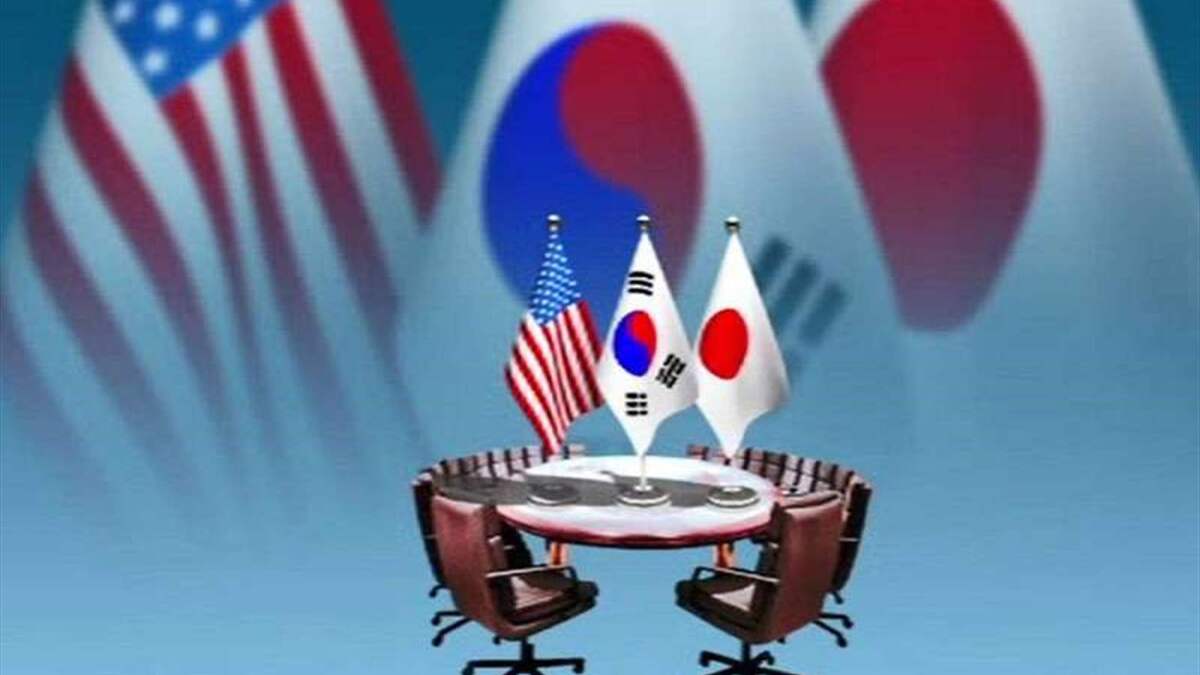
South Korea, Japan, and the United States strongly condemned North Korea’s alleged supply of arms and military equipment to Russia on October 26, 2023. The three countries issued a joint statement saying that they had confirmed several deliveries of such weapons and that these deliveries would significantly increase the human toll in Russia-Ukraine crisis. The statement also said that North Korea’s arms deliveries to Russia violated United Nations Security Council resolutions. North Korea is already under a number of sanctions for its nuclear and ballistic missile programs, and the United States has warned that it will impose additional sanctions if North Korea continues to supply arms to Russia. The condemnation from South Korea, Japan, and the United States is the latest sign of growing international concern about North Korea’s relationship with Russia. The two countries have been strengthening their military ties in recent months. The three countries called on the international community to work together to hold North Korea accountable for its arms deliveries to Russia and to prevent future such deliveries.

The Reaction of North Korea and Russia

North Korea has categorically rejected the allegations, calling them false and politically driven. The Russian spokesperson Dmitry Peskov, on the other side, rejected claims that Washington has not provided sufficient evidence to support its accusation that Russia received weapons from North Korea. He added “North Korea is our neighbor and we continue and will continue to develop close relations in all areas.” When asked if there had been any weapon deliveries, he responded, “We don’t comment on this in any way.”

When Russian Foreign Minister Sergey Lavrov visited North Korea on October 18, 2023, he expressed gratitude for North Korea’s unwavering support in the Ukraine issue during his remarks at the reception. Following his visit, Lavrov also rejected the American allegations regarding North Korea’s arms transfers, stating, “The U.S. keep accusing everyone.”

Conclusion

The United States and South Korea have increased their regular military drills and have resumed trilateral training with Japan. On October 22, 2023, the three countries conducted their first-ever trilateral aircraft exercise near the Korean Peninsula. At the same time, North Korea and Russia, both involved in separate disputes with the United States and its allies, are taking steps to strengthen their military ties in response to U.S. and its allies. This is leading to a competition where each side is actively investing in new weaponry and technologies in order to improve the size and capabilities of their forces, resulting in increased militarization of the region. This militarization can increase the risk of escalation and misinterpretation of the other side’s intentions, posing a severe threat to regional security and stability.


Chinese and Philippine Vessels Collide in Disputed South China Sea

Introduction

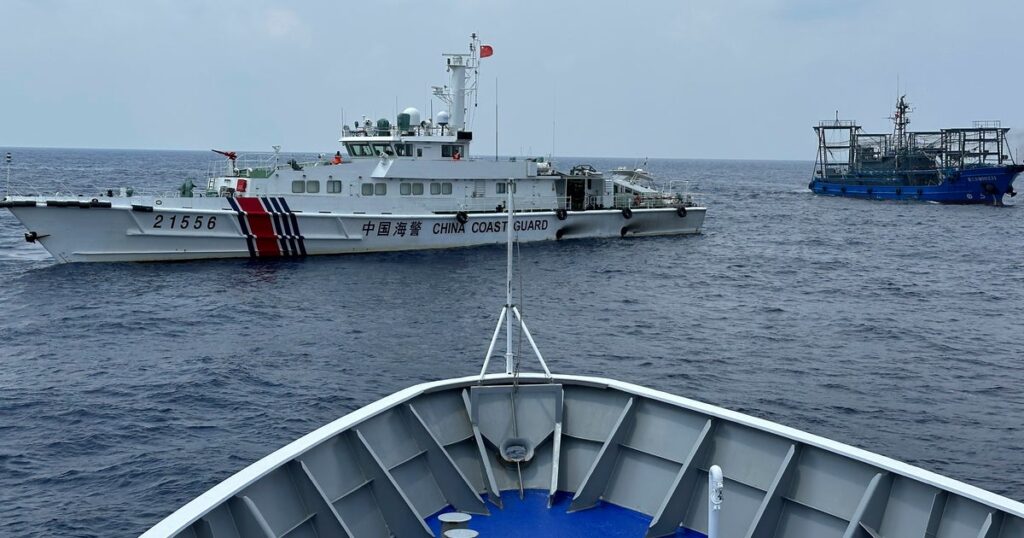
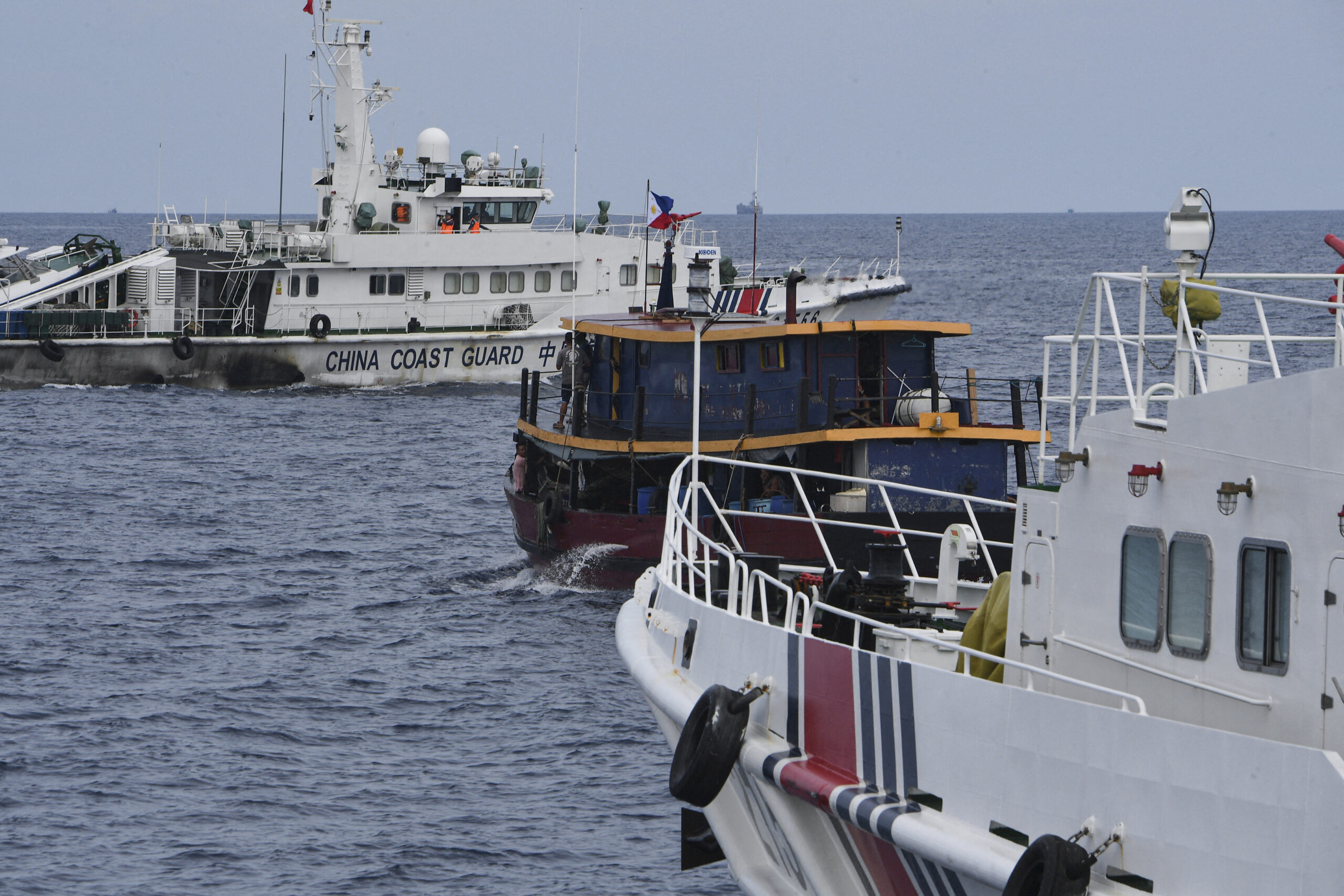
Chinese and Philippine vessels collided twice on Sunday, October 23, 2023, in the South China Sea. The first collision involved a Chinese Coast Guard vessel and a Philippines-contracted resupply boat. The second collision involved a Chinese maritime militia boat and a Philippine coast guard ship. The collisions took place near Second Thomas Shoal, which is located within the Philippines’ Exclusive Economic Zone (EEZ). The Philippines was trying to resupply sailors on the Sierra Madre, a ship it grounded there in 1999 to assert its sovereignty over the shoal. There are regular maritime incidents between the two countries involving coast guard, military, and supply vessels, and both sides assert sovereignty over certain areas of the South China Sea.

Importance of South China Sea

The South China Sea is a vital shipping route and is believed to contain rich oil and gas reserves. It is also a strategically important region, located near major air and sea lanes The recent collisions are the latest in a series of incidents that have raised concerns about China’s growing assertiveness in the South China Sea. China has claimed sovereignty over nearly the entire sea, despite competing claims from other countries, including the Philippines, Vietnam, Malaysia, and Brunei.

Accusations by China and the Philippines

China and the Philippines each charged one another for escalating tensions. The Philippines has accused China of engaging in “dangerous and provocative actions” and of violating its sovereignty. The defense minister of the Philippines stated that the country will increase its multilateral efforts, including freedom of navigation patrols in the South China Sea, and expressed the hope that other nations would join the fight. China, on the other hand, accused the Philippine vessel of “deliberately” causing difficulty by reversing in a “premeditated manner” into a Chinese fishing vessel.

(FILES)  (Photo by Ted ALJIBE / AFP)

China’s Response to the United States

The U.S. Department of State said “The U.S. stands with Philippine allies in the face of the People’s Republic of China (PRC) Coast Guard and maritime militia’s dangerous and unlawful actions.” Furthermore, the U.S. President Joe Biden said, “Any attack on the Filipino aircraft, vessels, or armed forces will invoke our Mutual Defense Treaty with the Philippines,” at a joint press conference with the prime minister of Australia.

In response, the Chinese Foreign Ministry said in a statement, the U.S. has no business interfering in disputes between China and the Philippines. “The U.S. is not party to the South China Sea issue, it has no right to get involved in a problem between China and the Philippines.” To conclude, it is uncertain how the China-Philippine conflict will develop in light of U.S. involvement. China and the Philippines have become more assertive in the South China Sea, with neither country willing to back down from their claims, fueling competition for resources and maritime influence in the region.


WMO Report Highlights Growing Threat of Hydrological Cycle Imbalance: A Serious Threat to Global Water Security

The hydrological cycle, also known as water cycle which is the continuous movement of water within the Earth and atmosphere, is spinning out of balance as a result of climate change and human activities, according to a new report from the World Meteorological Organization (WMO). The report, titled “State of the Global Water Resources 2023”, provides an extensive assessment of global water resources and the challenges they face. Prof. Petteri Taalas, Secretary-General of the WMO, said “This report offers a comprehensive, and consistent overview of water resources worldwide, highlighting the influence of climate, environmental, and societal changes.” The report finds that climate change is already having a significant impact on the hydrological cycle, leading to more extreme weather events, such as floods and droughts. These events can cause widespread damage to infrastructure and crops, and can displace millions of people.

Water is essential for life and for economic development. The report has emphasized on the lack of easily accessible, accurate hydrological data. Particularly, there is not enough of observational data for Asia, the Middle East, and Africa. There is a need that all the stakeholders collaborate in order to address the challenges to global water security and make investments in monitoring and data exchange. This will require a concerted effort investing in water infrastructure, improving water management practices, such as water conservation and efficiency measures for sustainable use of the water resources and to ensure global water security.


Russia and Kyrgyzstan: A New Air Defense Alliance

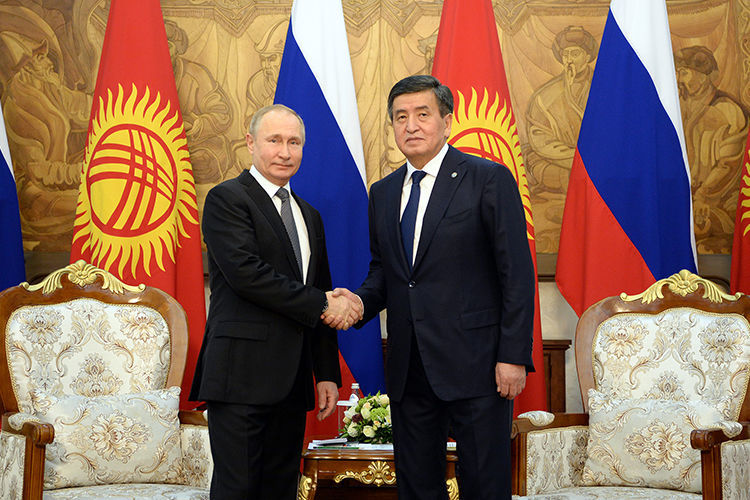
On October 11, 2023, Kyrgyzstan’s parliament ratified an agreement with Russia to create a joint air defense system, which is valid for five years and can be renewed. Just one day before the Russian President Vladimir Putin visit to the Central Asian country, the deal was made but later it was announced that Putin’s visit has been delayed. Russia is a significant political and economic powerhouse in Central Asia, and is a key partner for Kyrgyzstan. The two nations work together on a variety of issues, and share close economic and security relationship. As a result of the new air defense alliance, the Kyrgyz parliament said, “Lawmakers examined and adopted the bill on the ratification of the agreement between the Kyrgyz Republic and the Russian Federation for the creation of a Joint Regional Air Defence System.” The deal allocates a five-hectare land at the Russian military post in Kyrgyzstan called Kant for the new joint initiative. The agreement will allow Russia to deploy its air defense systems in Kyrgyzstan and to train Kyrgyz personnel on how to use them. The two countries will also share intelligence on air threats. The Kyrgyz government has said that alliance will protect the country from air threats and has the potential to deter external aggression.

Russia and Central Asian countries share a common interest in the region’s stability and security. The creation of a joint air defense system between Russia and Kyrgyzstan is part of a broader trend of Russia’s growing importance in Central Asia. Russia has similar agreements with other Central Asian countries, including Kazakhstan, Belarus, and Tajikistan which shows the security collaboration among the countries of Central Asia. The latest development is a unified regional air defense system, a component of the larger air defense system of the Commonwealth of Independent States (CIS), through which Central Asian countries are cooperating to improve their air defense capabilities. Russia will be coordinating combined military operations with the forces of other regional air defense systems of CIS member states as well as within the recent unified regional air defense system of Russia and Kyrgyzstan. It remains to be seen how the joint air defense alliance will impact the security situation in region. But, in the years to come, Russia’s influence in Central Asia is likely to grow and remain strong.


Iraq-Turkey Oil Pipeline Resumes After Six-Month Shutdown

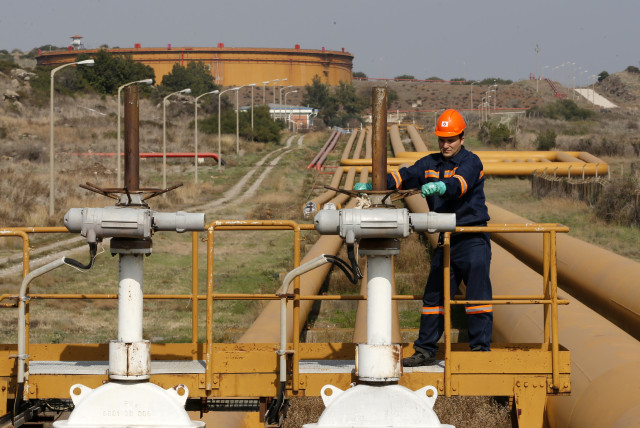
The Iraq-Turkey Pipeline resumed operations on October 2, 2023, after being shut down for six months due to a payment dispute between Ankara and Baghdad. Following an arbitration decision by International Chamber of Commerce (ICC) ordering Ankara to pay Baghdad penalties for unauthorized exports between 2014 and 2018, Turkey has suspended flows on the pipeline, Iraq’s northern oil export route. Later, Ankara began performing maintenance on the pipeline that supplies 0.5% of the world’s petroleum. The two nations decided to continue their legal dispute over arbitration rulings while delaying restarting flows until a maintenance assessment of the pipeline was finished. Since late June, discussions over how and when to resume pipeline have been going on between Turkey and Iraq.

The oil pipeline connecting Iraq and Turkey is crucial for both countries as well as for the world oil market. The line serves as a crucial link for the Kurdistan region’s crude exports, which are essential to the region’s economy, and it is also a major supplier of sour oil to refineries serving the Mediterranean market. Much of the output in the Kurdish region has been halted as a result of the export ban and shutdown. The pipeline ensures that the global economy has access to a consistent and reasonable supply of oil. Oil from Iraq is transported through pipeline to the Mediterranean coast, where it is loaded onto tankers and sent to refineries all over the world. The pipeline also contributes to the control of oil prices by assisting in limiting the rise in oil prices by giving the world market an additional source of oil supply.

The pipeline transports crude oil from Kirkuk and the Kurdish Blend Test to the port of Ceyhan. It carries around 450,000 barrels of oil per day from northern Iraq to the Mediterranean coast, and is a key export route for Iraqi oil. It is also an important source of revenue for Turkey. Alpaslan Bayraktar, the Minister of Energy for Turkey, announced the reactivation of the pipeline at the ADIPEC summit in Abu Dhabi. He also said in an interview, “We informed the other side that the route is ready for operations as of 4 October, 2023, that there are no obstacles to oil shipments or to storing oil in Ceyhan and sending it to global markets.” The pipeline’s resumption of operations is a positive development for Iraq and Turkey, as it will help to boost oil exports and generate much-needed revenue for both countries.


Australia’s Commitment to Global Climate Action: Rejoins Green Climate Fund After 5-Years

Australia announced on October 5, 2023 that it will rejoin the Green Climate Fund (GCF), a United Nations-backed fund that helps developing countries reduce their greenhouse gas emissions and adapt to the effects of climate change. The landmark 2015 Paris Agreement on Climate Change resulted in the establishment of the largest Green Climate Fund (GCF), which has approved projects of worth $13 billion in 128 nations. The decision by Australia to rejoin the GCF reverses the previous government’s decision to withdraw from the fund in 2018. The Morrison administration cited governance and efficiency concerns, while many critics accused the government of breaking its international climate pledges. Therefore, Australia’s decision to rejoin the GCF has been welcomed by many climate experts and developing countries, the decision came ahead of a GCF donor conference in the German city of Bonn. The GCF is a vital source of funding for climate projects in developing countries, and Australia’s contribution will help to support these efforts.

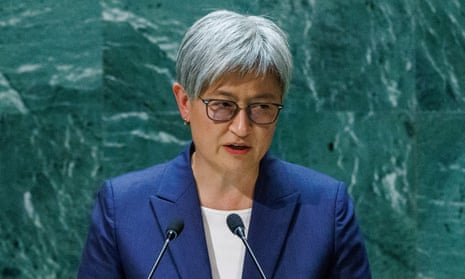
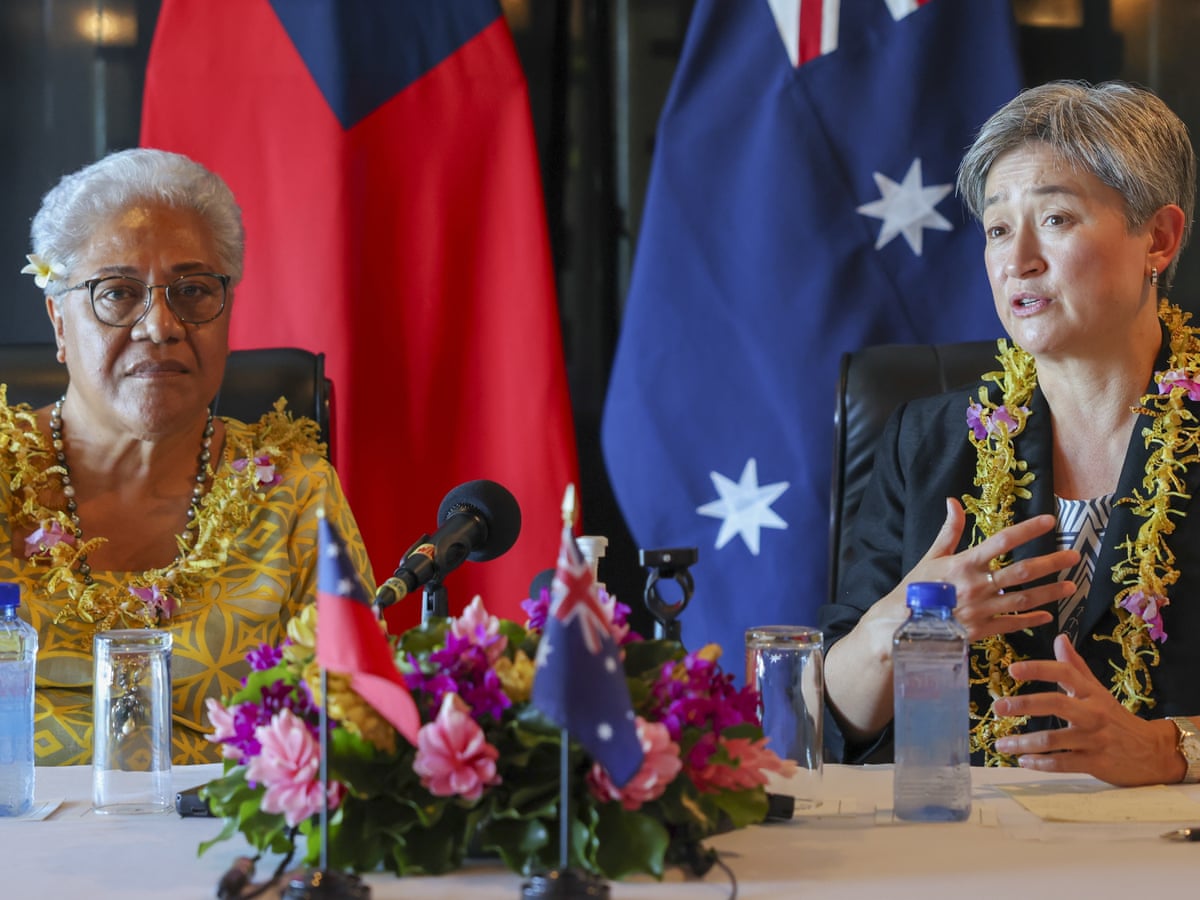
The new Australian government, led by Prime Minister Anthony Albanese, has pledged to take stronger action on climate change. Rejoining the GCF is seen as a key step in restoring Australia’s position as a prominent player in climate action. The Foreign Minister Penny Wong has said that the government will make a modest contribution by the end of the year, although it is not yet clear how much Australia will contribute to the GCF. In addition, Penny Wong asserts that Australia is a lifeline for the Pacific island nations, Australia is assisting the Pacific’s transition to renewable energy and will continue to increase funding to the region directly. Moreover, it was stated, “We have taken into consideration suggestions from our partners in the Pacific on the best methods to focus our efforts on climate financing and ensuring that all aspects deliver for Pacific goals. Due to increasing sea levels and the more frequent and severe storms that have accompanied increased global temperatures, the Pacific islands are among the most susceptible to climate change.”

To conclude, financing is one of the key concerns in global climate diplomacy. In order to promote climate mitigation, adaptation, and capacity building as well as to meet the needs of the most vulnerable countries. It is critical that developed countries address the issue of climate finance by establishing clear and transparent structures for climate finance implementation.

Historic Defense Agreement between Israel and Germany

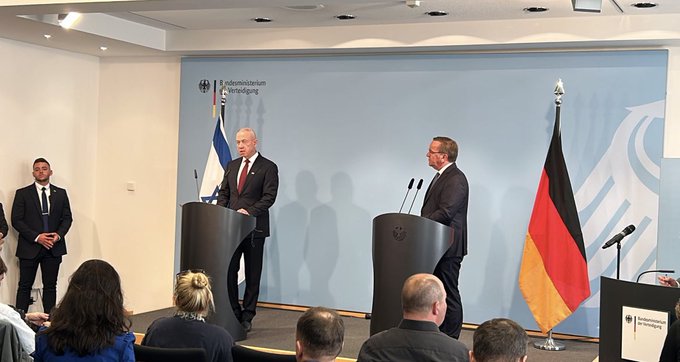
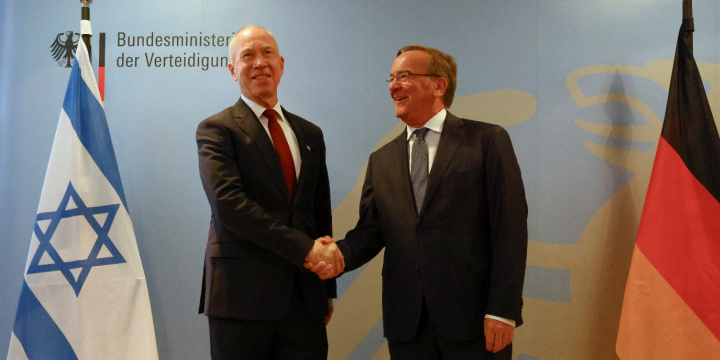
Israel and Germany signed a $3.5 billion deal for Israel to sell its Arrow 3 hypersonic missile defense system to Germany. This is the largest defense deal between the two countries to date. The Arrow 3 is a missile defense system that is designed to intercept and destroy ballistic missiles outside the earth’s atmosphere. It is considered to be one of the most effective missile defense systems in the world. The Arrow 3 missile defense system is a powerful shield that will protect Germany from the threat of ballistic missiles. It is a testament to the strength of the relationship between Israel and Germany that they have partnered on this important defense project. According to Brig. Gen. (res.) Eyal Zamir, director general of the Defense Ministry, the “landmark deal, the largest defense export agreement in our country’s history, will propel Israeli defense exports to a new record, following last year’s remarkable achievement of $12.5 billion.”

Israel has utilized the system to defend itself against attacks from Iran and Syria since its initial deployment at an Israeli air force facility in 2017. The Arrow 3 system will provide Germany with a much-needed boost to its air defense capabilities. The deal is also a sign of the deepening defense ties between Israel and Germany. The two countries have been cooperating on defense matters for many years, but their cooperation has intensified in recent years due to shared concerns about terrorism. The Arrow 3 deal is a major win for Israel’s defense industry. The deal, which is estimated to be worth $3.5 billion (3.3 billion euros), is the largest ever for Israel’s defense sector. It is also a sign of the country’s growing status as a global leader in missile defense technology.

The jointly created Arrow 3 missile defense system will be exported to Germany by the United States government, marking the largest-ever single defense contract for Israel. In a statement, the Defense Ministry said that the United States Department of State informed Defense Minister Yoav Gallant and other senior ministry officials that the United States government had approved the sale of the defense system, which had been developed jointly by the Israel Missile Defense Organization and the United States Missile Defense Agency and manufactured by Israel Aerospace Industries. Germany has stated that it anticipates receiving the Arrow 3 system in the final quarter of 2025. To conclude, increasing Israeli-German cooperation and the current deal will boost relations and security between the two countries.


European Companies’ Toxic Ship Breaking at the Cost of Bangladeshi Lives and the Environment

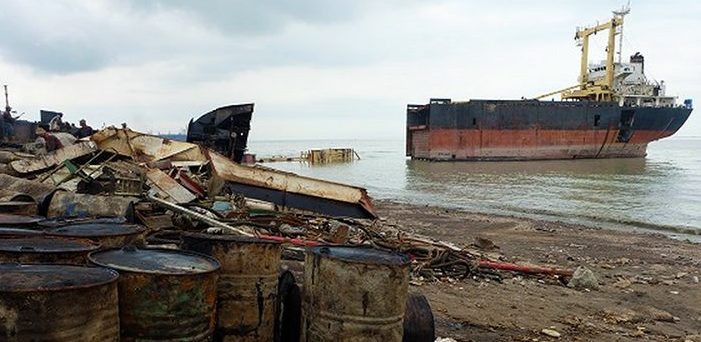
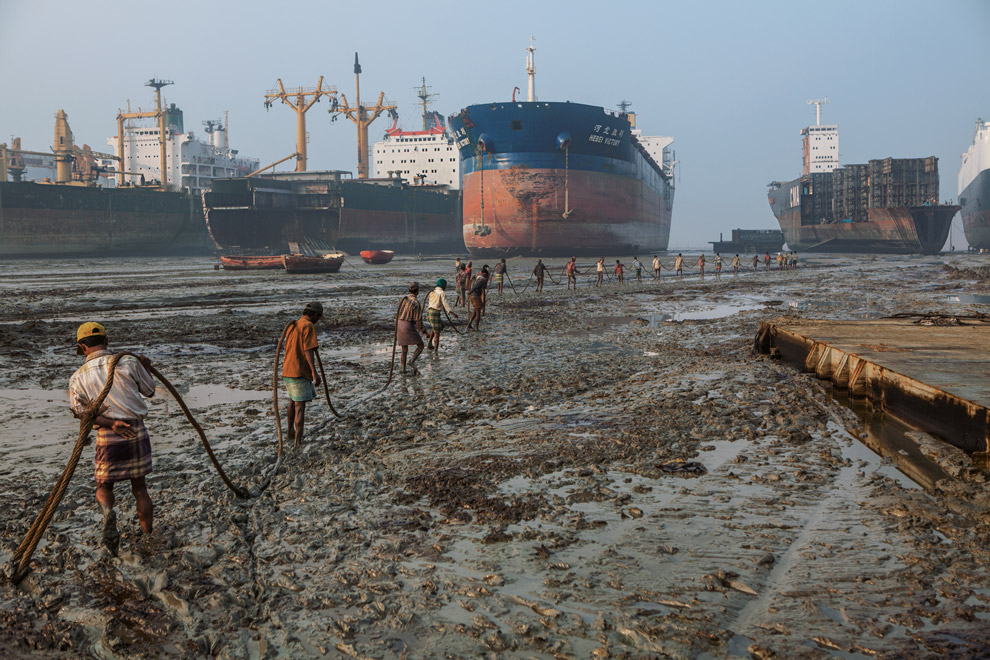
In accordance to a report from Human Rights Watch (HRW), numerous European maritime corporations are allegedly sending their outdated and dangerous ships to be demolished. The “Trading Lives for Profit” study was released on September 28, 2023, in cooperation with the Shipbreaking Platform, a group of NGOs fighting to put an end to hazardous and unsustainable shipbreaking activities. European shipping firms have come under fire for leaving their old ships to be demolished in hazardous and dangerous ways on Bangladeshi beaches. As per the Human Rights Watch (HRW), it is said that the Sitakunda beaches of Bangladesh have developed into one of the largest shipbreaking yards in the world, offering cheap sources of steel for the nation’s construction industry.

Since 2020, 520 ships have been sent by shipping companies from Europe to the facility where thousands of workers disassemble ships without safety gear. According to HRW stated that “companies scrapping ships in Bangladesh’s hazardous and polluting yards are profiting at the expense of Bangladeshi lives and the environment.” Additionally, the report asserted that since 2019, at least 62 workers have died in accidents in Sitakunda’s shipbreaking yards, and many more have been hurt or become ill. According to the research, poisonous materials from the ships that are being broken up flow into the soil and water, severely harming the environment.

The Basel Convention on the Control of Transboundary Movements of Hazardous Wastes and their Disposal forbids the shipment of hazardous waste from wealthy countries to developing countries. International law is broken when hazardous ship waste is dumped in Bangladesh. The Bangladesh Ship Breakers Association (BSBA), which speaks for yard owners, reported that its members have taken action to improve safety in advance of a new international agreement on safe and environmentally sound scrapping, which is scheduled to go into effect in 2025. Mohammad Abu Taher, president of the BSBA said, “We are turning our shipbreaking yards into green yards even though it is expensive, we are working on it and to supply protective equipment to workers.”

To conclude, the issue of toxic ship dumping in Bangladesh requires more attention and financial assistance from the international community. This would entail offering support to the Bangladeshi government so that it can enforce the rules and legislation and request that European companies cease ship dumping to protect human lives and the environment.


Saudi Arabia and Brazil: Growing Ties in Trade and Investment

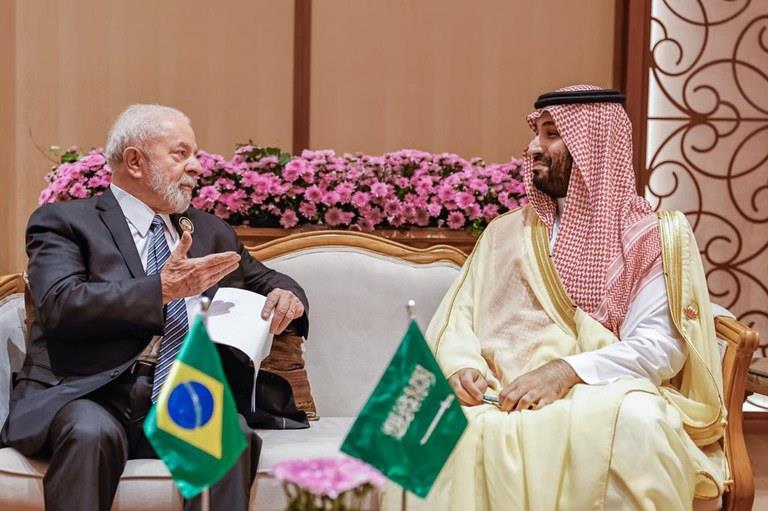
Saudi Arabia and Brazil have had strong bilateral relations for many years. Both countries are key actors in the global economy, and they have many mutual interests, including the need to secure energy security and encourage economic growth. The two countries have reached a number of bilateral agreements in trade and investment. In July 2023, the Federation of Industries of the State of Sao Paulo and the Saudi Ministry of Investment jointly held the Brazil-Saudi Arabia Investment Forum. More than 500 business executives from both countries attended the meeting. Khalid Al-Falih, the Saudi Arabian minister of investment, attended the meeting. He spoke with Brazilian government representatives and business executives about potential investment prospects between the two nations. Al Falih said, “Brazil and Saudi Arabia, two proud members of the G20 and energy producers, are well positioned to be strategic partners, with us being the economic leaders of our respective regions.” Over 25 Memorandums of Understanding (MoUs) between Saudi Arabian and Brazilian businesses were signed in sectors including infrastructure, agriculture, technology, and energy as a result of the forum.

Despite the fact that the two countries have long been trading partners, the kingdom’s most recent investments in Brazil are in line with its ambitious “Vision 2030” reform project, which intends to diversify the Saudi economy and reduce its reliance on oil revenues. Brazil and Saudi Arabia are major trading partners and their trade volume is constantly increasing. According to the Arab-Brazilian Chamber of Commerce, Brazilian exports to Saudi Arabia increased significantly in the first seven months of the year 2023 and reached to $1.87 billion, the biggest amount among all Arab nations. Brazil also imported $1.98 billion from the Kingdom, which was the most amount from any Arab nation. Moreover, Saudi and Brazilian government officials are visiting each other’s countries to discuss increased trade and investment potential. In addition, the Russia-Ukraine war and the escalating hostilities between the U.S. and China have increased interest of Gulf nations in one of the emerging economies i.e. Brazil and opened up new trade and investments prospects for the country, which also reflect broader geopolitical shifts in the world. Saudi-Arabia and Brazil are well-positioned to complement each other’s economies, therefore, the trade between the two countries is expected to expect to increases significantly in the years to come.


Israel’s Long-Range Strikes Drill in Greece

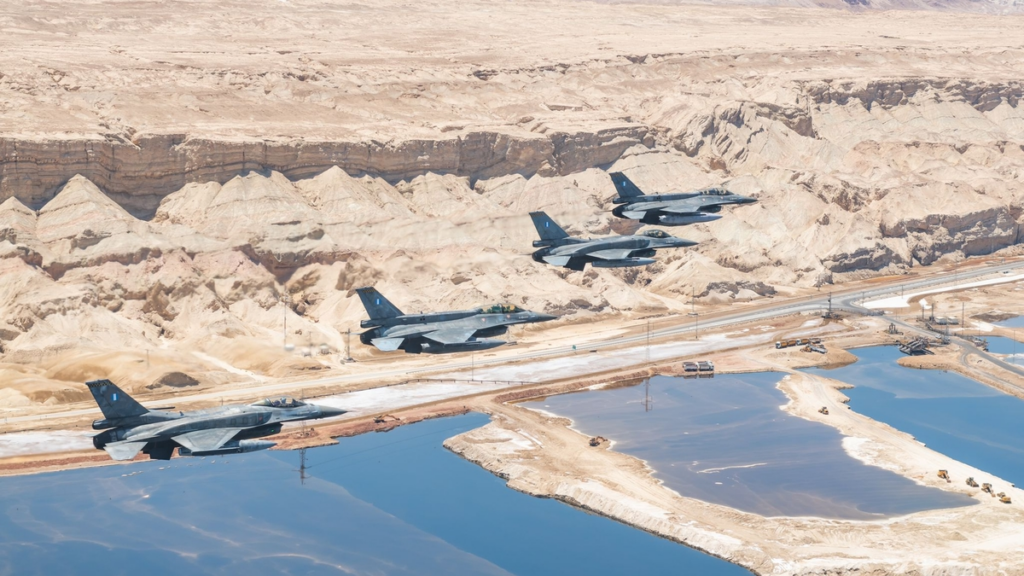
On September 13, 2023, the Israeli Air Force (IAF) conducted a significant long-range strike drill in Greece in preparation for a potential attack on Iran and its nuclear facilities. This drill was the most recent in a series of such exercises. The two-day long joint exercise between the Israeli military and the Hellenic Air Force of Greece involved low-altitude and long-distance flights, aerial refueling, as well as the use of live ammunition, according to the Israeli military. During the drill, the Israel Defense Forces claimed that dozens of fighter airplanes, spy planes, and refueling aircraft flew thousands of kilometers between Israel and Greece. According to the Times of Israeli, the drill had two main objectives. The first one was cooperation with Greece that includes learning from one another whereas, improving IAF readiness was the second goal, while coping with extremely complex challenges such as long-distance flights, weather difficulties, and a lack of intelligence.

The Israel Defense Forces (IDF) stated, “The exercise is one of a series of exercises and models carried out by the IAF in the past year. Their purpose is to improve operational and mental competence for long-range flights, refueling, attacks in the depth of enemy territory, and achieving air superiority.” The recent combined drill between Greece and Israel are evidence of the two nations’ expanding collaboration. This collaboration extends beyond joint exercises, Israel handed two M-346 advanced training aircraft to Greece in May, and Greece has contracted Elbit Systems of Israel to give virtual avionics for the M-346 aircraft as well as to establish an International Flight Training Center at 120 TW Kalamata in Greece. Earlier, in September 2023, the leaders of Cyprus and Greece met with Israeli Prime Minister Benjamin Netanyahu to discuss trilateral relations. This is yet another indication of how closely the three nations are working together. Israel, Greece, and Cyprus are working with an aim to cooperate in areas such as energy, military, economics, and academia and to improve the security in the region. In addition, the IDF is reportedly planning to conduct a series of significant joint military exercises with the United States in the upcoming months, as a message to Iran. Israel and Iran are bitter enemies and share hostile relations, both countries are locked in a threatening standoff and the situation is expected to deteriorate between them.