China-Venezuela elevated ties to “All Weather Strategic Partnership”

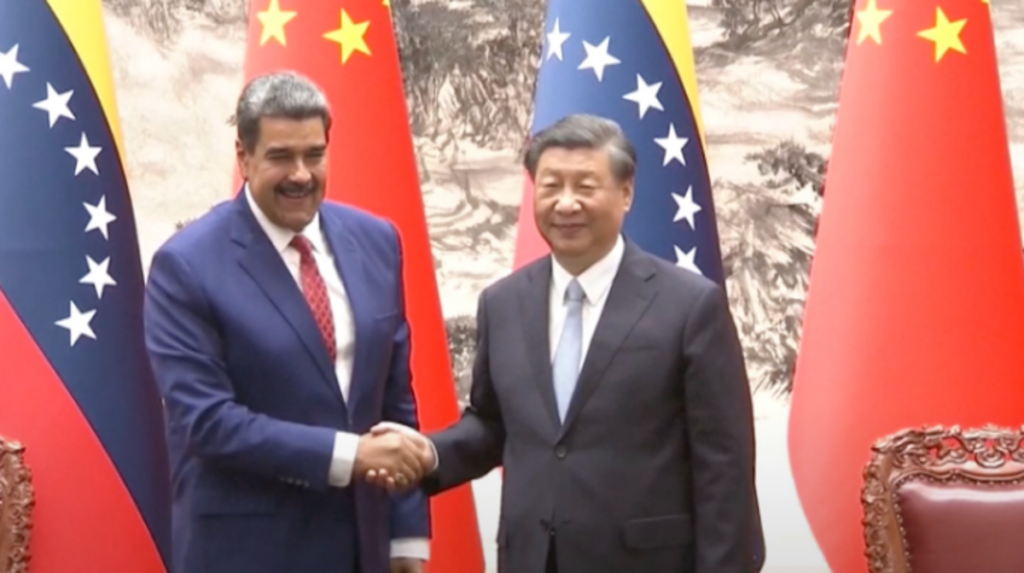
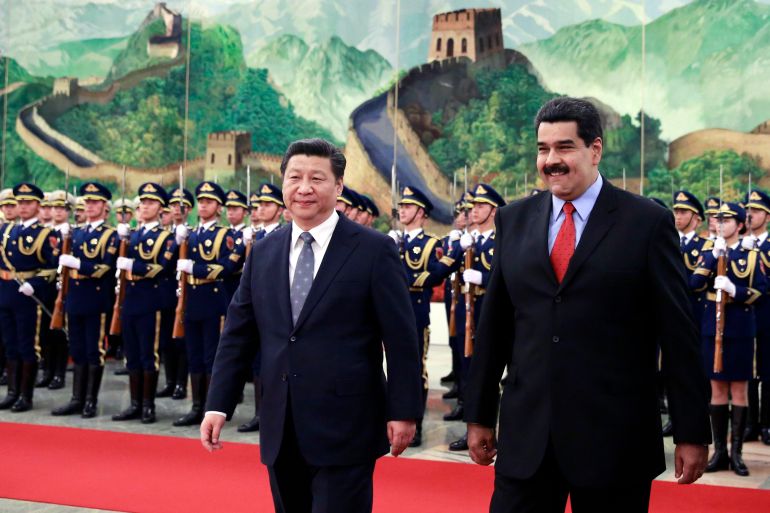
There are strong political and economic links between China and the South-American country Venezuela. In 1974, the two nations established diplomatic ties, and since then, their relationship has progressively improved. China is Venezuela’s largest creditor, lending the nation billions of dollars in return for oil exports. However, the United States sanctions imposed on Venezuela have had a substantial impact on the country’s economy and made it harder to export oil. But stills, China has made significant investments in Venezuela’s infrastructure, energy, and agriculture to help the country. On September 12, 2023, Chinese President Xi Jinping and Venezuelan President Nicolás Maduro met and held bilateral talks. The Chinese President praised the relationship between the two countries and said, “China steadfastly supports Venezuela’s efforts to safeguard sovereignty, national dignity, and social stability.” During the meeting the two leaders has decided to upgrade their relations, and highlighted that China-Venezuela are good friends with mutual trust. Xi Jinping said, with Venezuela, China would elevate the ties to “all-weather strategic partnership,” a title only given to few of China’s diplomatic allies.

On behalf of the Chinese foreign ministry, Mao Ning, has also praised relations with Venezuela as “rock solid” and referred two countries as comprehensive strategic partners. The President of Venezuela, Nicolas Maduro, throughout his time in power, has developed relationships with China and was able to secure loans, cash, and investments for his nation. Before his meeting with Xi Jinping in Beijing, a week earlier, he said on social media that his visit is intended to “strengthen cooperation and the construction of a new world order.” During his visit, Maduro stated that Venezuela is determined to work closely with China within frameworks like the United Nations and the BRICS. Therefore, Venezuela is actively courting membership in the BRICS, a group of significant emerging economies that recently supported expansion and welcomed new members. In order to improve the infrastructure for international trade, Venezuela ensured its supports for China’s Belt and Road Initiative. Following their discussions, the two leaders also signed several bilateral cooperation agreements spanning the fields of economy and trade, education, tourism, science and technology, health, civil aviation, and aerospace. China has welcomed Venezuela as it is the first nation from Latin America to join the International Lunar Research Station (ILRS), which is led by China. The two countries are committed to work together and the relationship between the two nations will continue to improve in the years to come due to mutual interests.


Australia’s $965M Investment to upgrade Maritime Surveillance Fleet

Introduction

The requirement of maritime surveillance is in more limelight and crucial than ever before, with the center of gravity of conflict veering towards the waters and oceans. Australia has the third-largest marine jurisdiction in the world, with an 8.2 million square kilometers exclusive economic zone (EEZ). This area has significant economic and conservation value because it is home to oil and gas fields, fisheries, and shipping channels. Australia is situated close to important maritime powers like China, India, and Indonesia and is surrounded by some of the busiest shipping lanes in the world. For the purpose of extensive maritime interests and preventing foreign attacks and keeping track of local ship and aircraft movements, maritime surveillance is important.

Significance of Maritime Surveillance for Australia

The Australian government’s investment in maritime surveillance is a reflection of the growing importance of the Indo-Pacific region. The Australian government’s investment in maritime surveillance is also a signal of its commitment to working with its allies and partners in the Indo-Pacific region. Australia is a member of the Quadrilateral Security Dialogue (QSD) commonly known as Quad, including four countries i.e. Australia, India, Japan, and the United States that are committed to cooperating on security issues in the Indo-Pacific. The Quad has been working to strengthen maritime cooperation in the region, therefore, the Australian government’s investment in maritime surveillance will complement these efforts. A well-protected maritime domain is not only essential for Australia’s trade and commerce but also for deterring foreign aggression and responding to maritime emergencies.

Australia to boost Maritime Surveillance Fleet

The Australian government’s decision to buy a new drone and upgrade existing patrol and response aircraft in a 1.5 billion Australian dollars ($965 M) deal is a significant investment in its maritime surveillance capabilities. The new drone, a MQ-4C Triton, is a high-altitude, long-endurance unmanned aerial vehicle (UAV) that can fly for up to 24 hours at a time. It is equipped with a powerful radar system that can detect and track ships and aircraft over large areas of ocean. The Triton will be based in Australia’s Northern Territory, which is closer to Asia and the Pacific Islands than the country’s southern coastline. The upgrades to the existing patrol and response aircraft, which include 14 P-8A Poseidon maritime patrol aircraft, will focus on improving their anti-submarine warfare, maritime strike, and intelligence collection capabilities which is anticipated to be completed by 2030. To conclude, the new investment and upgraded maritime surveillance will give Australia the ability to better monitor and protect its maritime interests which is also important for both economic and security reasons.


Nagorno-Karabakh Conflict: Warring Neighbors Azerbaijan and Armenia Reached Ceasefire Deal

Introduction

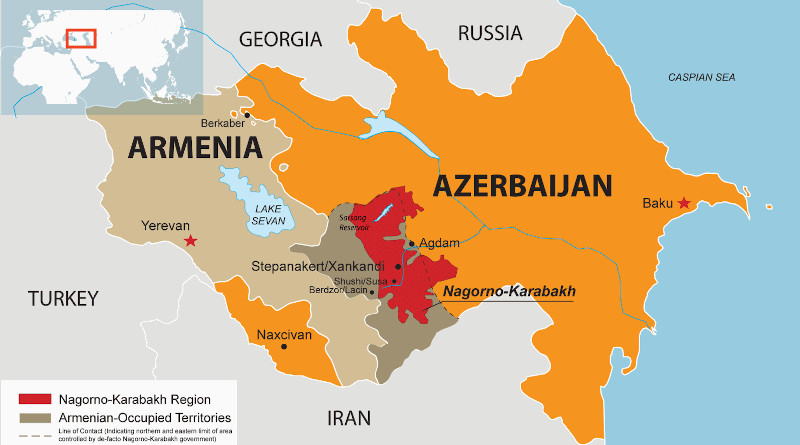
Nagorno-Karabakh is a hilly region in the South Caucasus Mountains of Armenia. The region is primarily inhabited by Armenians, but there is a sizable Azerbaijani minority. Around 120,000 ethnic Armenians live in the region, which is officially recognized as part of Azerbaijan. The conflict in Nagorno-Karabakh is complicated, and there are numerous opposing viewpoints on it. The region of Nagorno-Karabakh, according to Azerbaijan, is a legal extension of its own territory and is not occupied by Armenia. On the other side, Armenia is of the view that the Armenian population in the territory has the right to live in peace and security as well as the right for Nagorno-Karabakh to exercise its right to self-determination.

Historical Background

The Nagorno-Karabakh conflict between Azerbaijan and Armenia dates back to the early twentieth century, when both nations were part of the Russian Empire. Following the fall of the Russian Empire in 1917, the two countries fought a brief war over Nagorno-Karabakh, which ended with a cease-fire in 1920. Nagorno-Karabakh was integrated as an independent province into the Azerbaijan Soviet Socialist Republic by the Soviet Union in 1923. Tensions between Azerbaijan and Armenia over Nagorno-Karabakh intensified in the late 1980s, and a full-fledged war broke out in 1992. The Organization for Security and Co-operation in Europe (OSCE) launches the Minsk Group process in 1992 to promote a peaceful, negotiated resolution to the conflict between Azerbaijan and Armenia over Nagorno-Karabakh. Nearly 30,000 people were killed and nearly 1 million were displaced during conflict. A cease-fire was signed in 1994, but the issue remained unsolved. The April conflict, sometimes referred to as the four-day conflict, started in 2016 between Azerbaijan and Armenia. Since then, various attempts to end the dispute through dialogue have been attempted, but none have been successful.

Following that, the Nagorno-Karabakh conflict between Azerbaijan and Armenia then erupted again in September 2020, leading to the worst conflict since the 1994 truce. Over 6,000 people, both military personnel and civilians, died during the 44-day conflict. A new cease-fire deal was agreed in November 2020, cementing important achievements for Azerbaijan.

Significant Developments

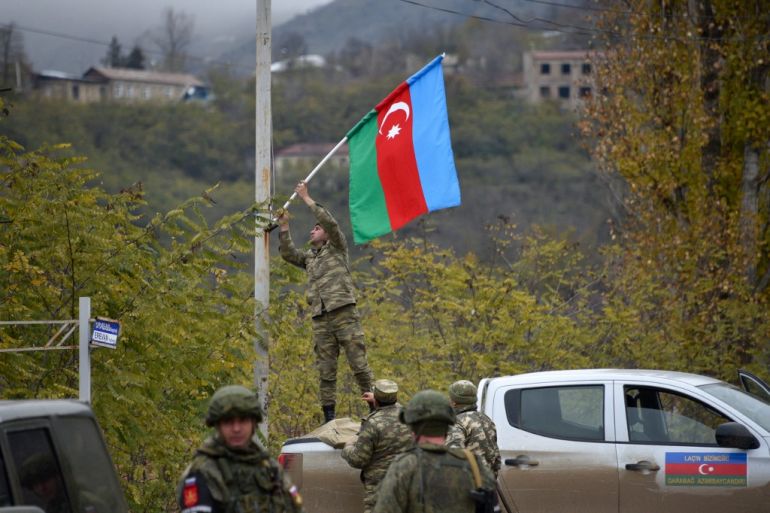
In 2021, the European Union (EU) launched a new monitoring mission to Armenia, and Russia deployed about 2,000 Russian peacekeepers to Nagorno-Karabakh as part of the ceasefire agreement. Armenia and Azerbaijan also held their first direct talks since the 2020 war. In 2023, tensions remained high as both sides continued to build up their militaries. The Lachin corridor, the only road connecting Nagorno-Karabakh to Armenia, was blocked by Azerbaijan’s Government in December 2022, causing severe shortages of food, medicine, and other essential supplies in Nagorno-Karabakh. Azerbaijan accused Armenia of bringing in military supplies via the road, which Armenia denied.

The most recent development is, Azerbaijan began a military operation against the Nagorno-Karabakh area on September 19, 2023. This escalation occurred when Russia, a leading power broker in the area, is busy in Ukraine conflict. The military operation in Azerbaijan had the full endorsement of Turkish President Recep Tayyip Erdogan. Turkey, a longtime supporter of Azerbaijan, sees Armenia as one of its major adversaries in the region. In an online statement, Erdogan stated, “We support the steps taken by Azerbaijan with whom we act together with the motto of one nation, two states to defend its territorial integrity.” According to Azerbaijan, the operation objectives were to “disarm and remove” Armenian forces that were operating inside the enclave unlawfully while also defending local ethnic Azerbaijani minority. Armenia’s Defense Ministry responded and denied the presence of its forces in the region.
Azerbaijan-Armenia Ceasefire Deal

A day after commencing an operation to seize control of the enclave, Baku declared that it had accepted a proposal for a truce after the Nagorno-Karabakh region’s separatist troops from Armenia accepted the terms of a cease-fire that indicated Baku would retake control of the region.. On September 20, 2023, a cease-fire deal was reached between the two countries. According to the Russian Defense Ministry, the deal was brokered by Russia. Before both sides announced a total cease-fire, the Azerbaijani army claimed it had taken more than 90 sites from the ethnic Armenians. However, the next day, on September 21, 2023, Armenians from Nagorno-Karabakh accused Azerbaijan of breaking a truce as peace negotiations got underway. Baku denied and dismissed the accusations as completely false. Earlier, protestors gathered in the capital to demand the resignation of Armenia’s Prime Minister and protest the government’s alleged failure to back Armenian separatists.

A day after commencing an operation to seize control of the enclave, Baku declared that it had accepted a proposal for a truce after the Nagorno-Karabakh region’s separatist troops from Armenia accepted the terms of a cease-fire that indicated Baku would retake control of the region. On September 20, 2023, a cease-fire deal was reached between the two countries. According to the Russian Defense Ministry, the deal was brokered by Russia. Before both sides announced a total cease-fire, the Azerbaijani army claimed it had taken more than 90 sites from the ethnic Armenians. However, the next day, on September 21, 2023, Armenians from Nagorno-Karabakh accused Azerbaijan of breaking a truce as peace negotiations got underway. Baku denied and dismissed the accusations as completely false. Earlier, protestors gathered in the capital to demand the resignation of Armenia’s Prime Minister and protest the government’s alleged failure to back Armenian separatists.

Conclusion

The conflict over Nagorno-Karabakh remains a major source of tension between the two countries, and there is no easy solution. The September clashes were the most serious outbreak of violence since the signing of the 2020 ceasefire agreement which raised the risk of a new conflict between the two countries. Future relations between Azerbaijan and Armenia will be influenced by a variety of factors, including how both countries are willing to talk. In this situation, the international community must play its role to establish peace and end the dispute. If Azerbaijan and Armenia are unable to negotiate diplomatically, this could have catastrophic consequences for the peace and stability of both countries as well as the region.


Africa Climate Summit: Accelerating Green Growth and Climate Finance Solutions for Africa and the World

On September 4-6, 2023, Nairobi, Kenya hosted the Africa Climate Summit, it coincided with Africa Climate Week. The Africa Climate Summit (ACS) brought international leaders, intergovernmental organizations, Regional Economic Communities, UN agencies, the private sector, civil society organizations, local communities, farmer organizations, children, youth, women, and academia to discuss Africa’s climate change challenges and develop sustainable solutions. The theme of the Africa Climate Summit 2023 was “Driving Green Growth and Climate Finance Solutions for Africa and the World.” The summit intended to accelerate climate action in Africa and mobilize the financial resources required to promote a just and equitable transition to a low-carbon, climate-resilient future. Also, to consider ways to cut greenhouse gas emissions while also preparing for the growing effects of the climate catastrophe. On the last day of an important climate summit, African political and corporate leaders adopted a declaration to address climate concerns in Africa.

“Africa’s youth is precisely the attribute that has inspired African leaders to imagine a future where Africa steps on to the stage as an economic and industrial power, an effective and positive actor in the global arena,” said Kenyan President William Ruto. He said that the continent is ideally situated to take the lead in combating climate change, according to a number of factors. Ruto added, “Africa is the continent with 60% of the continent’s renewable energy assets, including solar, wind, geothermal and hydropower.” The President of the African Development Bank, Adesina, said “The Africa Climate Summit will shape the future pathway of Africa’s development” and also praised Ruto for taking the initiative for organizing a conference.

The significance of climate justice for Africa was also emphasized at the conference. Despite making very little contribution to the world’s greenhouse gas emissions, African nations are disproportionately impacted by the climate problem. The leaders of Africa urged that developed countries take immediate action to cut carbon emissions and recommended a new financial framework to restructure Africa’s debt and unleash funds for climate change. African leaders present at the inaugural Africa Climate Summit in Nairobi, Kenya, emphasized the necessity of decarbonizing the global economy for equity and shared prosperity in a call to action. In order for the continent to move to low carbon development and make a contribution to global decarbonization, they asked for investment to support the sustainable use of Africa’s natural resources. As a means of increasing climate funding and motivating nations to reduce emissions, the implementation of a worldwide carbon tax system is required

From the United States, John Kerry, the special Presidential Envoy for climate change, as well as representatives from the Department of Energy, the U.S. Agency for International Development (USAID), the U.S. International Development Finance Corporation (DFC), and the U.S. Department of Agriculture (USDA) attended the Africa Climate Summit. At the Summit, the United States announced significant investments. According to the United States Department of State, U.S. intends to provide $30 million to initiatives under President’s Emergency Plan for Adaptation and Resilience (PREPARE) in Africa. An additional total of $45 million will be given to the Africa Adaptation Initiative (AAI) Food Security Accelerator, which will accelerate and scale up private sector investments in climate resilient food security in Africa. The United States has also made a commitment to mobilize investments in African climate solutions, ecosystem conservation, and urban resilience. Through DFC and USAID initiatives, more than $200 million in funding will be provided to increase access to renewable energy in Africa.

Global leaders utilized the Climate Summit to announce funding commitments for sustainable development and green growth. A wide spectrum of stakeholders was present at the conference to debate and make pledges regarding climate action in Africa. Now is the moment to put words into action. Aside from increasing political will for climate action, the Africa Climate Summit 2023 has the ability to increase awareness of the continent’s climate action. There is a hope that the process of cutting greenhouse gas emissions will accelerate to tackle the effects of climate change, and creating a future for Africa and the world that is more climate resilient.

United Nations Chief Offers New Proposal to Russia to Combat Global Food Crisis

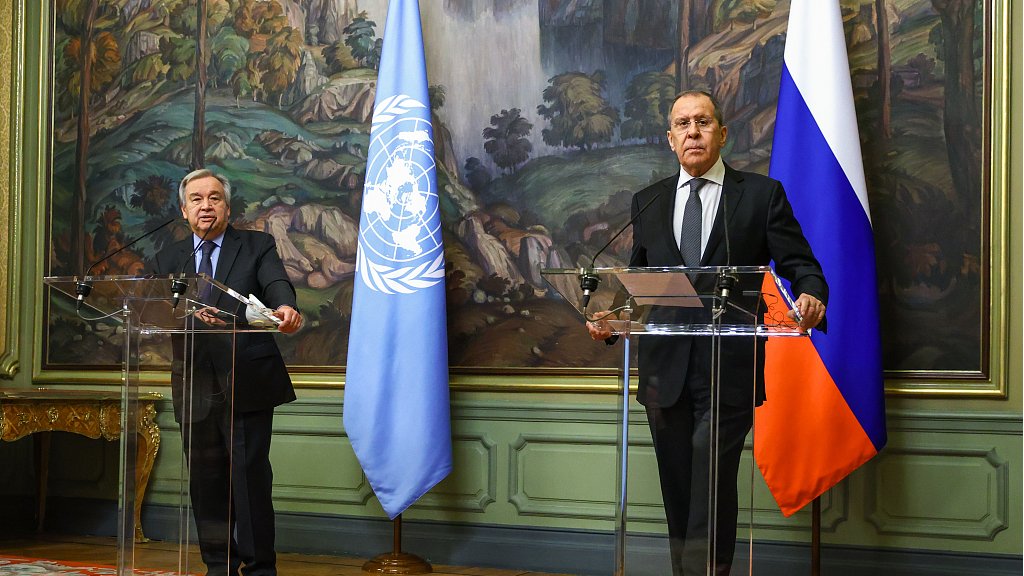
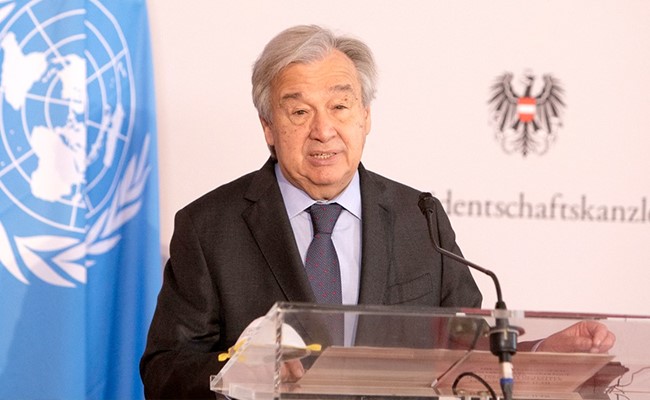
UN Secretary General António Guterres sent a new proposal to Russia on August 31, 2023, in an attempt to revive the Black Sea grain deal. The deal, which was brokered by the UN and Turkey in July 2022, allowed Ukraine to export grain from its Black Sea ports despite the ongoing Russian invasion. However, the deal collapsed in July 2023 after Russia accused Ukraine of not fulfilling its commitments. Guterres’ new proposal includes a number of changes to the original deal, including the creation of a UN-led monitoring mechanism to oversee the safe passage of grain ships through the Black Sea. A “green corridor” will be established for ships carrying grain, as well as the lifting of sanctions on Russian and Ukrainian food and fertilizer exports. The Secretary General has said that he is hopeful that Russia will accept his new proposal. He added, “We have some concrete solutions, allowing for more effective access of Russian food and fertilizers to global markets at adequate prices. I believe that, working seriously, we can have a positive solution for everybody.”

However, it is unclear whether Russia will be willing to do so. Russia has previously accused the West of imposing sanctions that have made it difficult for it to export food and fertilizer. The Black Sea grain deal is important because it could help to alleviate the global food crisis that has been caused by the war in Ukraine. Ukraine is a major exporter of wheat, corn, and sunflower oil, and the war has disrupted its exports. This has led to a sharp increase in food prices, which has put a strain on food security in many countries. Although Western sanctions implemented after Russia’s invasion of Ukraine do not apply to Russian exports of food and fertilizer, Moscow claims that restrictions on payments, logistics, and insurance have hampered shipments. If the Black Sea grain deal can be revived, it would help to get grain out of Ukraine and onto the global market. This would help to lower food prices and ease the global food crisis.

Russia has stated that it would consider reviving the Black Sea Agreement if requests to enhance its own exports of grain and fertilizer were met. Reconnecting the Russian Agricultural Bank to the SWIFT global payments network is one of Moscow’s top requests. It was cut off by the EU in June 2022. It is still too early to say whether the new proposal will be successful. However, it is a positive step in the right direction to find a solution that will allow grain to flow out of Ukraine and help to avert a global food crisis.


BRICS Countries Unite for Sustainable Development

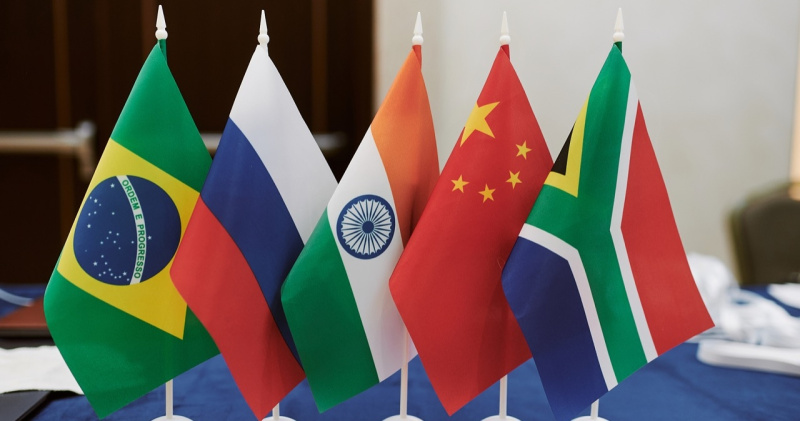
The BRICS countries including Brazil, Russia, India, China and South Africa have expanded their partnership for sustainable development. They are all major emerging economies, and they have been working together to promote sustainable development. At the 2023 summit, the BRICS countries agreed to expand their partnership for sustainable development. They will cooperate on a number of areas, including climate change, clean energy, sustainable agriculture, water conservation, disaster risk reduction, and poverty alleviation which covers SDG 1,2,3,4,13 and 17. Sustainable development is important for BRICS because it can help them to address the challenges of economic growth, poverty, and environmental degradation. Dealing with challenging situations requires collaborative approach from BRICS nations in order to ensure successful solutions. Sustainable development can help them to address these issues by promoting economic growth that is both environmentally and socially responsible. In terms of partnerships for sustainable development, the leaders recognize the importance of implementing the SDGs in an integrated and comprehensive way, highlighting the SDG Summit in September 2023 and the Summit of the Future in 2024 as significant opportunities for renewing international commitment to the 2030 Agenda.

The BRICS nations reiterated the significance of putting into practice the Paris Agreement of the United Nations Framework Convention on Climate Change (UNFCCC), as well as the principle of Common but Differentiated Responsibilities and Respective Capabilities (CBDR-RC) for achieving sustainable development. This includes enhancing the transfer of low-cost climate technology, building capacity, and mobilizing new additional financial resources that are affordable, adequate, and timely delivered for environmentally sustainable projects. They agreed that cooperation is required to ensure the 28th Conference of the Parties of the United Nations Framework Convention on Climate Change is effective and that it is necessary to preserve, promote, and strengthen the multilateral response to climate change. The leaders are aware of how crucial it is for BRICS nations to cooperate in order to address threats to the global economy and foster sustainable growth. In order to achieve a robust, sustained, balanced, and inclusive economic recovery, reaffirmation of the commitment to improving macroeconomic policy coordination and deepening economic cooperation was made. The BRICS countries considered the significance of continuing to implement the BRICS Economic Partnership Strategy 2025 in all relevant ministerial tracks and working groups, and to look for the ways that can speed up the implementation of the 2030 Agenda for Sustainable Development.

The expansion of the BRICS partnership for sustainable development is a positive step. It shows that the BRICS countries are committed to working together to address the challenges of sustainable development. The partnership has the potential to make a significant contribution to the global effort to achieve sustainable development. The BRICS countries have taken specific initiatives and are committed to share ideas and research on sustainable development particularly in clean energy, water conservation, and sustainable agriculture. They realize the gravity of global food insecurity and as one-third of the world’s food is produced by the BRICS nations, emphasis was given on the importance of progressing toward a fair and market-oriented agricultural trading system, eradicating hunger, attaining food security and enhanced nutrition, supporting sustainable agriculture and food systems, and implementing resilient agricultural practices.

The BRICS countries have worked together to develop a common position on climate change. They have called for ambitious action to reduce greenhouse gas emissions. At the summit, the countries emphasized the importance of developed countries in supporting the emerging economies like BRICS to gain access to low-emission technology and solutions that prevent, reduce, and eliminate GHG emissions and improve adaptation to climate change. In addition, the BRICS countries have launched a number of initiatives to promote sustainable development in Africa. These initiatives include the BRICS-Africa Partnership for Development to improve technology, innovation, and employment opportunities for sustainable and inclusive growth, as well as to unlock the potential of agriculture, and use renewable energy to transform Africa. The BRICS countries are still at the early stages of their partnership for sustainable development. However, they have made significant progress in a short period of time. The partnership has the potential to make a major contribution to the global effort in order to achieve sustainable development.


China’s New Map Sparks Concerns and Heightened Tensions among Neighboring Countries

Introduction

China has recently unveiled an updated version of its territorial map, encompassing its disputed claims in various regions. The release took place on August 28, 2023, coinciding with the “National Mapping Awareness Publicity Week” hosted by the Ministry of Natural Resources of the People’s Republic of China. According to Chinese state media, the map was formulated using the established method of delineating national boundaries utilized by China and other countries across the globe. On the other side, Wu Wenzhong, China’s Ministry of Natural Resources’ chief planner, said at the map’s unveiling that surveying, mapping, and geographic information play a significant role in supporting the management of natural resources, advancing the development of ecology, and fostering civilization. Wu said in an interview with China Daily, “The next step will be to accelerate the application of geographic information data such as digital maps and navigation and positioning in the development of the digital economy, such as location-based services, precision agriculture, platform economy and intelligent connected vehicles.”

Changes in the New Map

The new map incorporates several regions, such as the Indian state of Arunachal Pradesh, which China has consistently maintained as the southern region of Tibet. Furthermore, the map includes Aksai Chin, an extension of Ladakh, which has been under China’s control since the 1962 Sino-Indian War. In addition, the new map differs from the version of the South China Sea provided by China to the United Nations in 2009, which contained nine-dash line. The most current map covered a bigger geographical area and includes a line with ten dashes encompassing democratically controlled Taiwan, similar to a depiction of China from 1948. China also released a map with a tenth dash in 2013. The map also showed numerous small islands and islets that are also claimed by Southeast Asian nations, including Vietnam, the Philippines, Brunei, Malaysia, and Indonesia.

Response of Different Countries

After China published an official map showing Indian lands in the Himalayas as its own, India raised a strong diplomatic complaint with Beijing. Subrahmanyam Jaishankar, the foreign minister of India, slammed the Chinese chart as absurd and remarked, “Just by putting out maps with parts of India, this doesn’t change in anything. Our government is very clear about what our territory is, making absurd claims does not make other people’s territories yours.” Also, only a few days have passed since Mr. Xi and Narendra Modi, the Prime Minister of India, met informally during the BRICS summit in South Africa and decided to ease border tensions. While Chinese claims are not entirely groundbreaking, the timing of the release is crucial which coincides with the G20 summit and ASEAN summit. The President of the United States Joe Biden, Turkish President Recep Tayyip Erdogan, and other world leaders will attend the multilateral event. However, there are concerns regarding Xi Jinping’s anticipated trip to Delhi for the G20 summit. It is scheduled to start next week, which will take place against the backdrop of a long-standing border dispute between the two nuclear neighbors, which has only strained their diplomatic ties.

Taiwan, the Philippines, Malaysia, and Vietnam have all rejected China’s recently released map, in a joint response to Beijing’s recent territorial claims. In highlighting China’s obligations under international law, the Philippines cited the 2016 arbitral decision that deemed China’s U-shaped boundary to be legally unjustified. Malaysia simultaneously lodged a diplomatic objection to the Chinese map. In response, Malaysia said the map was non-authoritative over its territory, recognizing the complexity and delicate nature of the South China Sea dispute. By joining ASEAN neighbors, Vietnam’s foreign ministry dismissed China’s claims based on the map as meaningless and illegal under both Vietnamese and international law. Whereas, Taiwan’s Foreign Ministry spokesperson, Jeff Liu, emphasized Taiwan’s independence in answer to questions about the map by claiming that “Taiwan absolutely was not a part of the People’s Republic of China regardless of what China say.” The countries are protesting against the release of China’s new map and have rejected the map, claiming that it is illegitimate and violates international law. They have also threatened to take action to protect their own claims. If the governments’ responses become more aggressive, it could lead to more violent encounters in the disputed territory and escalated tensions between the countries. Moreover, The ASEAN countries have maintained same stance over China’s maritime claim, it remains to be seen whether any specific action or strategy will emerge at the upcoming ASEAN summit.



BRICS 2023: Strengthening Cooperation and Expanding Membership

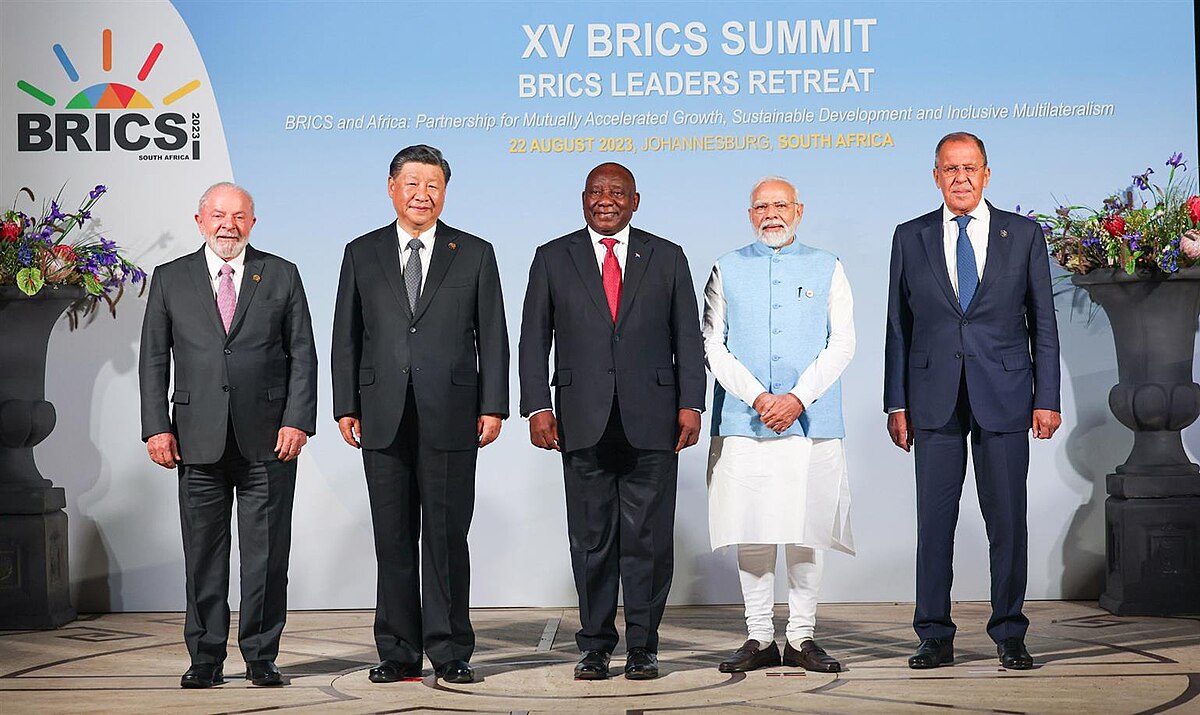
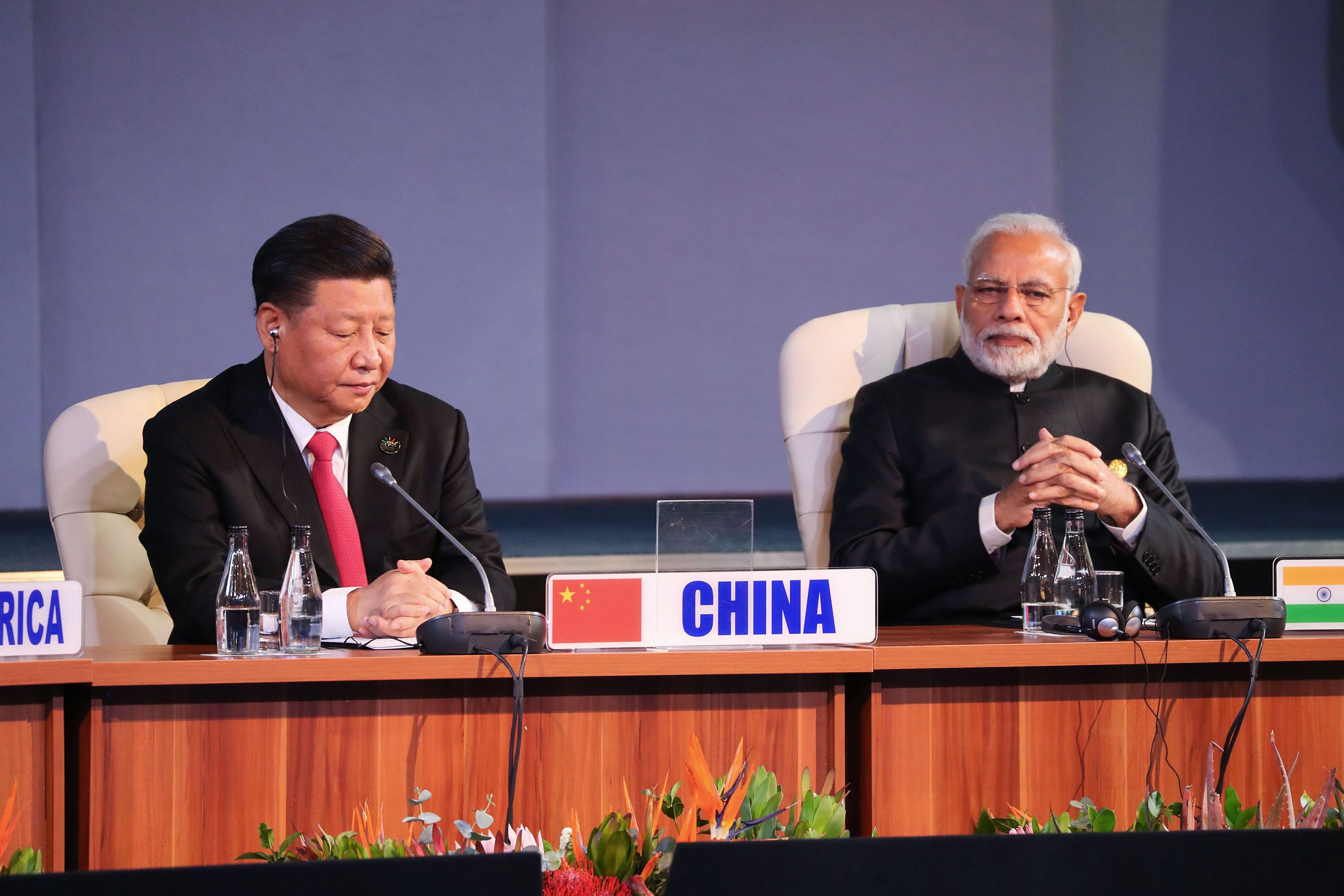
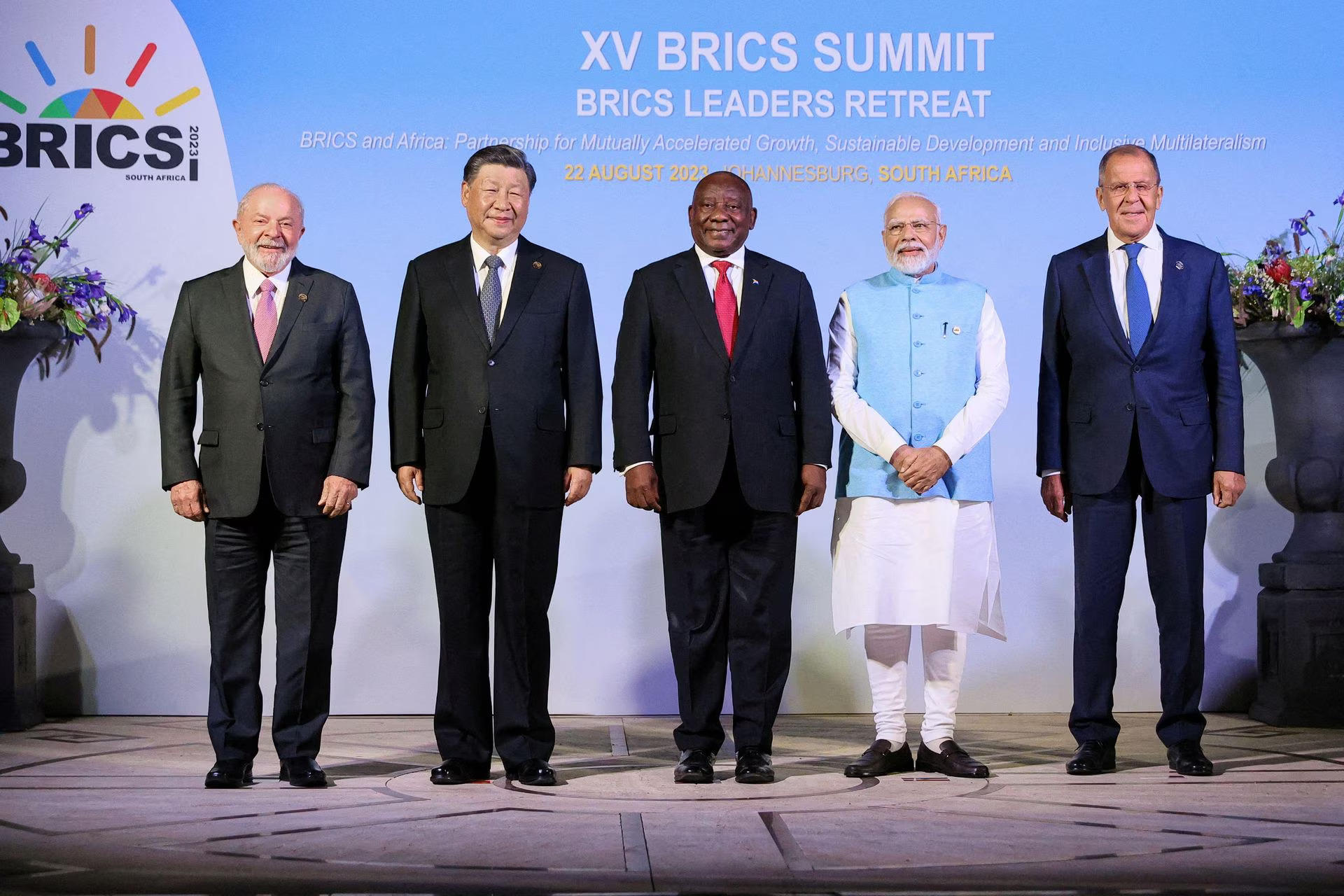
The leaders of the BRICS countries met in Johannesburg, South Africa on August 22-24, 2023 to discuss ways to strengthen cooperation and expand membership. The BRICS countries are Brazil, Russia, India, China, and South Africa. They account for 40% of the world’s population and 25% of the global economy. The summit was hosted by South Africa, which is the current chair of BRICS. The South African President, Cyril Ramaphosa, said that the summit was an opportunity to “strengthen our cooperation and partnership and to address the challenges facing the world today.” The Chinese President, Xi Jinping, called for strengthening BRICS cooperation in areas such as trade, investment, finance, and technology. He also said that BRICS should play a more active role in global governance. The Russian President, Vladimir Putin, also called for strengthening BRICS cooperation. He said that BRICS countries should “work together to build a more just and equitable world order.” The Indian Prime Minister, Narendra Modi, said that India is committed to expanding BRICS membership. He said that BRICS should be open to all countries that share its values and goals. The Brazilian president, Luiz Inácio Lula da Silva, also expressed support for expanding BRICS membership. He said that BRICS should be a “forum for all countries that want to work together for a better future.”

The BRICS summit ended with a joint statement in which the leaders agreed to strengthen cooperation in a number of areas, including trade, investment, finance, and technology. They also agreed to work together to address global challenges such as climate change and poverty. In addition, the BRICS organization of developing countries, which is expanding for the first time in more than ten years, has extended an invitation to oil powers Saudi Arabia and the United Arab Emirates. While concluding the group’s annual conference in Johannesburg, the President of South Africa, Cyril Ramaphosa, announced that Iran, Egypt, Ethiopia, and Argentina will all join the following year. All the invited nations had already expressed a desire to take part. The BRICS summit highlighted the growing importance of the BRICS countries in the global economy. The leaders of the BRICS countries agreed to strengthen cooperation in a number of areas and to work together to address global challenges. The BRICS countries are poised to play an increasingly important role in global governance in the years to come.


The Persistent Threat of Racial Discrimination in the United States

Introduction

Racial discrimination has been a persistent issue in the United States throughout its history. While progress has been made in the fight for racial equality, there are still instances of discrimination that exist in various aspects of American society. Racial discrimination is a serious problem in the United States that has a profound impact on the lives of people of color. It can lead to poverty, unemployment, poor health, and even death. There are many factors that contribute to racial discrimination in the U.S. The U.S. has a long history of racism, which has created a system of inequality that benefits white people and disadvantages people of color. Whereas, white people in the United States enjoy a number of advantages, such as higher incomes, better education, and more opportunities, simply because of their race. Many people hold implicit biases against people of color, even if they do not consciously realize it. These biases can lead to discrimination in everyday interactions, provision of the facilities and experiencing problems in hiring, lending, and housing.

Background

The International Convention on the Elimination of All Forms of Racial Discrimination (ICERD) was ratified by the United States in 1966. It has been over 50 years since the U.S. signed the ICERD, nearly 30 years since its ratification, and more than 20 years since identifying obstacles to effective implementation. However, progress towards compliance remains insufficient in key areas such as reparative justice, discrimination in the criminal legal system, use of force by law enforcement, migration control, economic opportunity, and healthcare. Structural racism continues to persist as an influential force in American society.

Killing of Black Americans by Police and Protests

The killing of Black Americans by police and the resulting protests have ignited a national and global conversation about racial inequality and police reforms in the U.S. High-profile cases, such as the killing of George Floyd in 2020, prompted widespread outrage and demands for justice and accountability. Protests have called for an end to systemic racism, police violence, and greater transparency and accountability within law enforcement. The movement has led to discussions on police reform, use of force policies, and the impact of systemic racism. Although there are varying opinions on the best path forward, the events have undeniably highlighted the urgent need for change and sparked ongoing conversations about social justice. Moreover, according to data published online in the Journal of Epidemiology & Community Health, the rate of fatal police shootings of unarmed Black persons in the United States is three times higher than the rate for unarmed White people.

Recent Incident of U.S. Soldier who crossed into North Korea
On August 16, 2023, North Korea claimed that a U.S. soldier, Travis King had fled across the strongly fortified Korean border. For the first time, North Korea made an official remark regarding a U.S. soldier who entered the country illegally approximately a month ago. They asserted in the statement that he sought safety there because of the racism and poor working circumstances he experienced in the Army of the United States. Pvt. Travis King, 23 years old, who had served in South Korea and ran into the North on July 18 while on a tour with the general public of a border town, was detained, according to an official statement from North Korea. He became the country’s first confirmed detainee of an American in the region in almost five years. The racism in the American military was also brought to light by this incident.

To conclude, racial discrimination is a complex problem that will not be easy to solve. A comprehensive approach is required to address the issue. There is a need of regulations, frameworks, and the laws that prohibit discrimination and hold responsible individuals accountable for their discriminatory practices. By raising awareness about the history and impact of racism can help to reduce individual bias. There are many organizations that are working to combat racism in the United States. The Government of the United States can support these organizations, in order to make a difference and to create a more just and equitable society for all.


Taiwan to Receive $500 Million Arms Deal as U.S.-China Tensions Rise

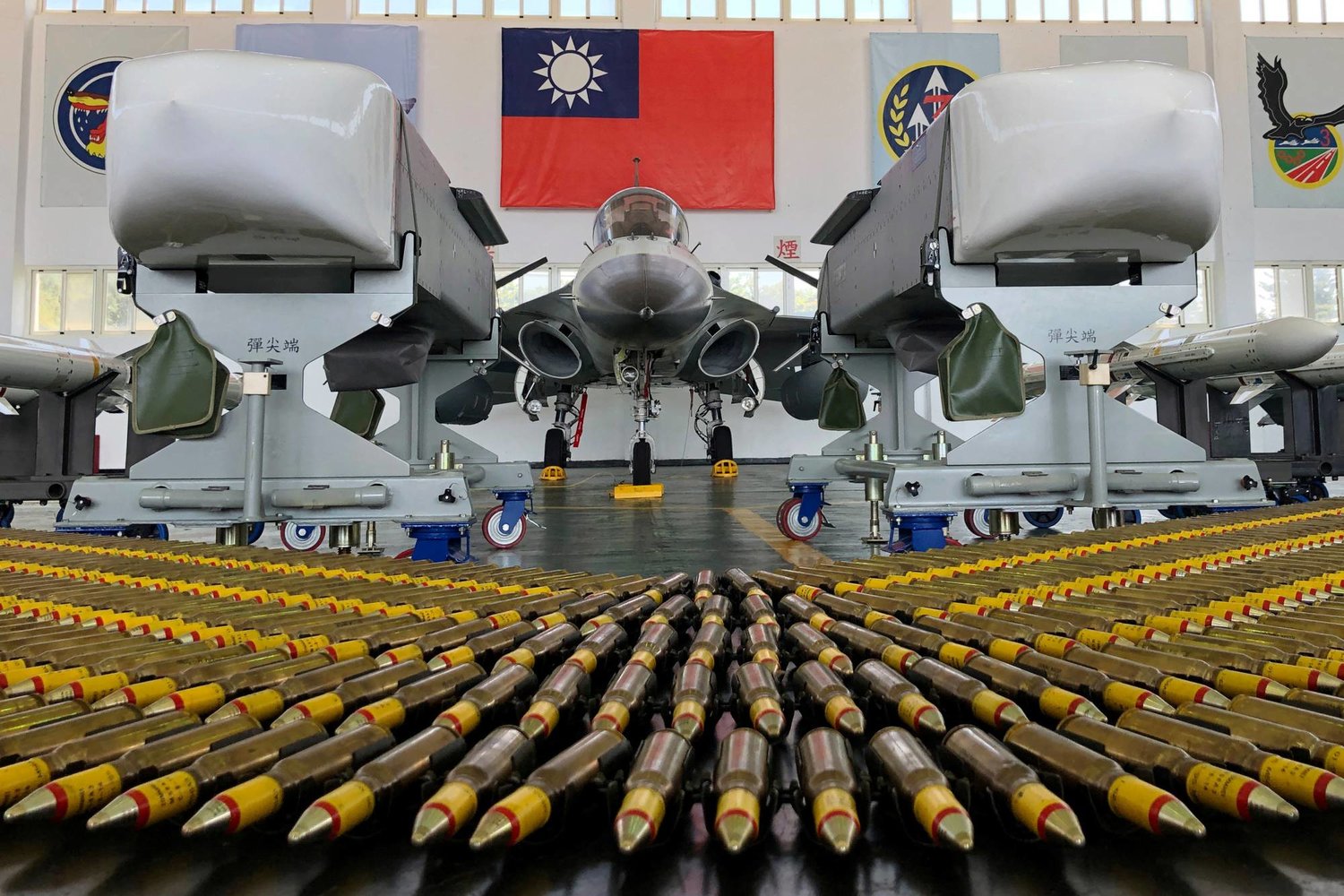
The United States has announced that it will sell $500 million worth of military equipment to Taiwan, including F-16 Infrared Search and Track (IRST) and related equipment. The Pentagon stated that the main contractor would be Lockheed Martin Corp (LMT.N), which manufactures the F-16. The announcement was made shortly after Taiwan’s President Tsai Ing-wen reaffirmed her commitment to bolster Taiwan’s self-defense while visiting a memorial where Taiwan and China fought during the Second Taiwan Strait Crisis in 1958. Tsai paid tribute to those who perished during a visit to the remote islands of Kinmen. At the ceremony, she gave remarks that “In order to keep the peace, we need to strengthen ourselves. As such, we need to continue to reform the national defense, push for self-reliance, and strengthen our defense capabilities and resilience.” According to President Tsai Ing-wen, Taiwan’s military budget would increase by 3.5% annually and reach a record high in 2024.

The arms sale move has been met with anger from China, which claims the island nation as its own territory, urged Washington to halt the sale in order to safeguard its national sovereignty and territorial integrity. The sale is the latest in a series of arms deals between the United States and Taiwan, and it comes at a time of heightened tensions between the two countries. China has been increasing its military activity around Taiwan, and there is growing concern that it may be preparing to take military action. The United States has said that the sale is necessary to help Taiwan defend itself, and that it does not change the United States’ one China policy. The Taiwan’s Defense Ministry has said that, the newest F-16 aircraft will be equipped with the new technology which would “greatly improve the effectiveness of air operations” and increase the aircraft’s capacity to track and detect long-range targets. The ministry also expressed its gratitude to the United States for the sale, noting that China’s persistent entry of military aircraft and drones into airspace close to Taiwan poses a major threat to the island.

According to the Defense Security Cooperation Agency of the United States, the planned sale will help the recipient country to sustaining regional political stability, military parity, and economic growth while also enhancing security. Moreover, Taiwan’s ongoing efforts to modernize its armed forces and to preserve a credible defensive capability are supported by this proposed sale, which advances United States national, economic, and security objectives. The particular sale will help the recipient protect its airspace, offer regional security, and boost interoperability with the U.S. through its F-16 program, which will help the country to deal with present and future challenges, and the recipient will have no trouble integrating this equipment into its military. Before that, in July 2023, the United States approved $345 million in military funding for Taiwan in July. In a move similar to what was done for Ukraine, the U.S. President Joe Biden utilized his presidential drawdown authority for the first time to send military equipment from the Pentagon to Taiwan.
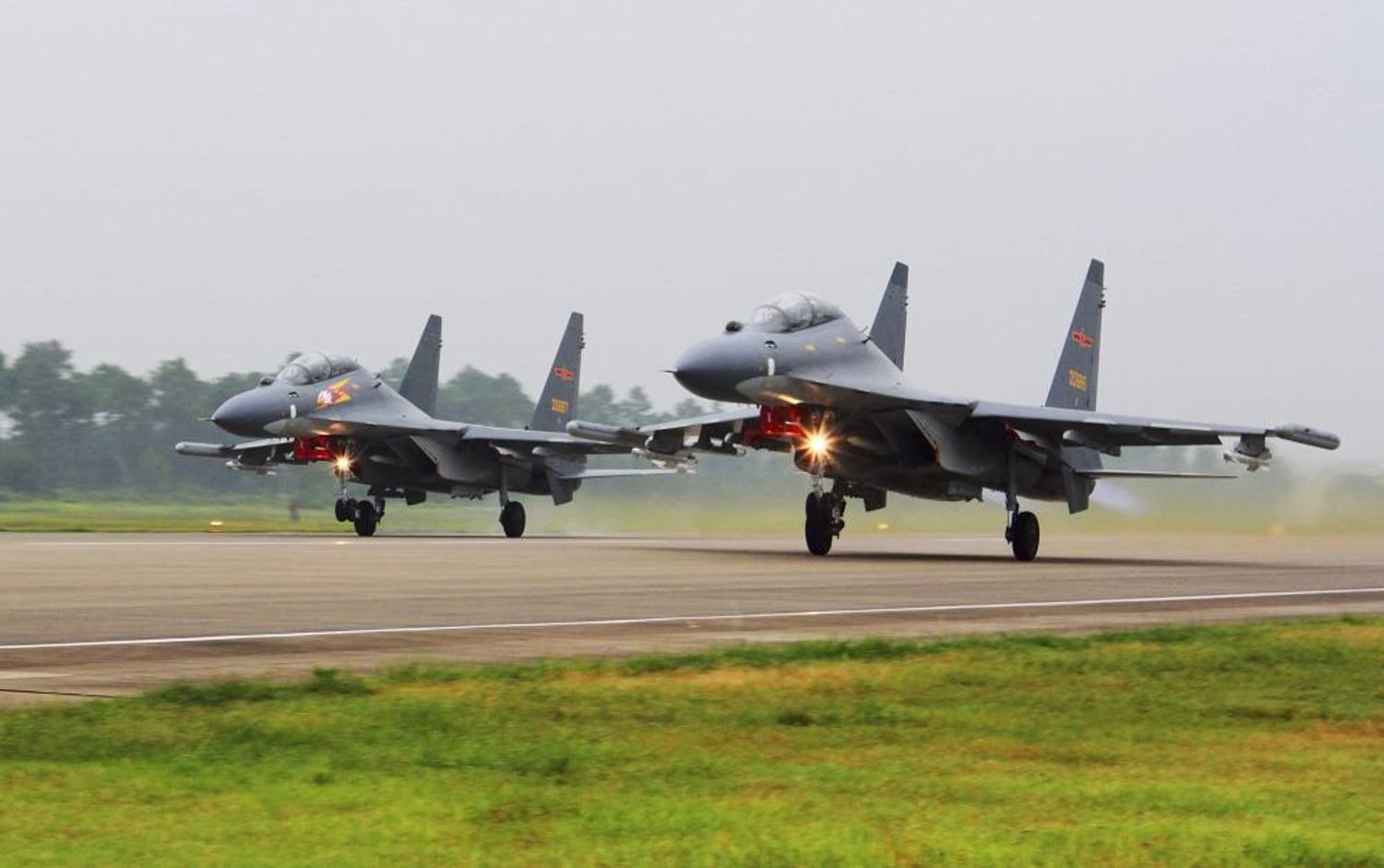
China has condemned the sale, saying that it is a serious violation of its sovereignty.
In addition, China’s Foreign Minister Wang responded to the sale by saying, “Beijing will take resolute, powerful measures to safeguard its national sovereignty and territorial integrity.” The situation in the Taiwan Strait is complex and delicate. It is important that all the involved countries consider all of the potential consequences before making a decision. The sale is likely to further strain relations between the United States and China. The two countries are already at odds over a number of issues, including trade, human rights, and the South China Sea. The sale of arms to Taiwan could further complicate the situation, and could even lead to a conflict between the two countries. The implications of the sale are far-reaching, it could lead to a military build-up on both sides of the Taiwan Strait. The sale could also further destabilize the region, and could even lead to a conflict between the United States and China. The United States and China must tread carefully on the Taiwan issue in order to avoid any miscalculation that could lead to a serious conflict between the two countries.