US-Japan-South Korea Trilateral Summit to Deepen Security Cooperation and Economic Ties

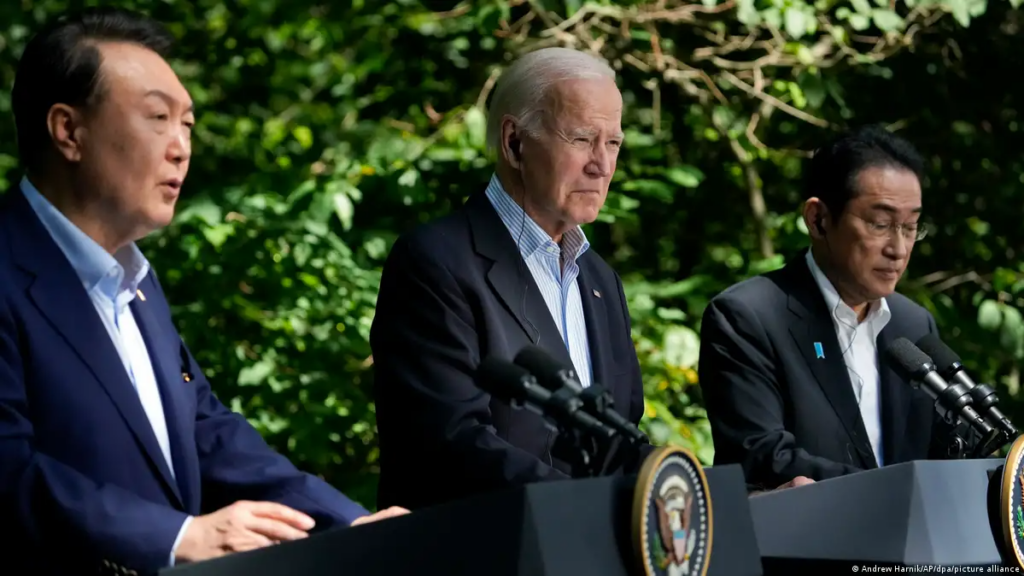
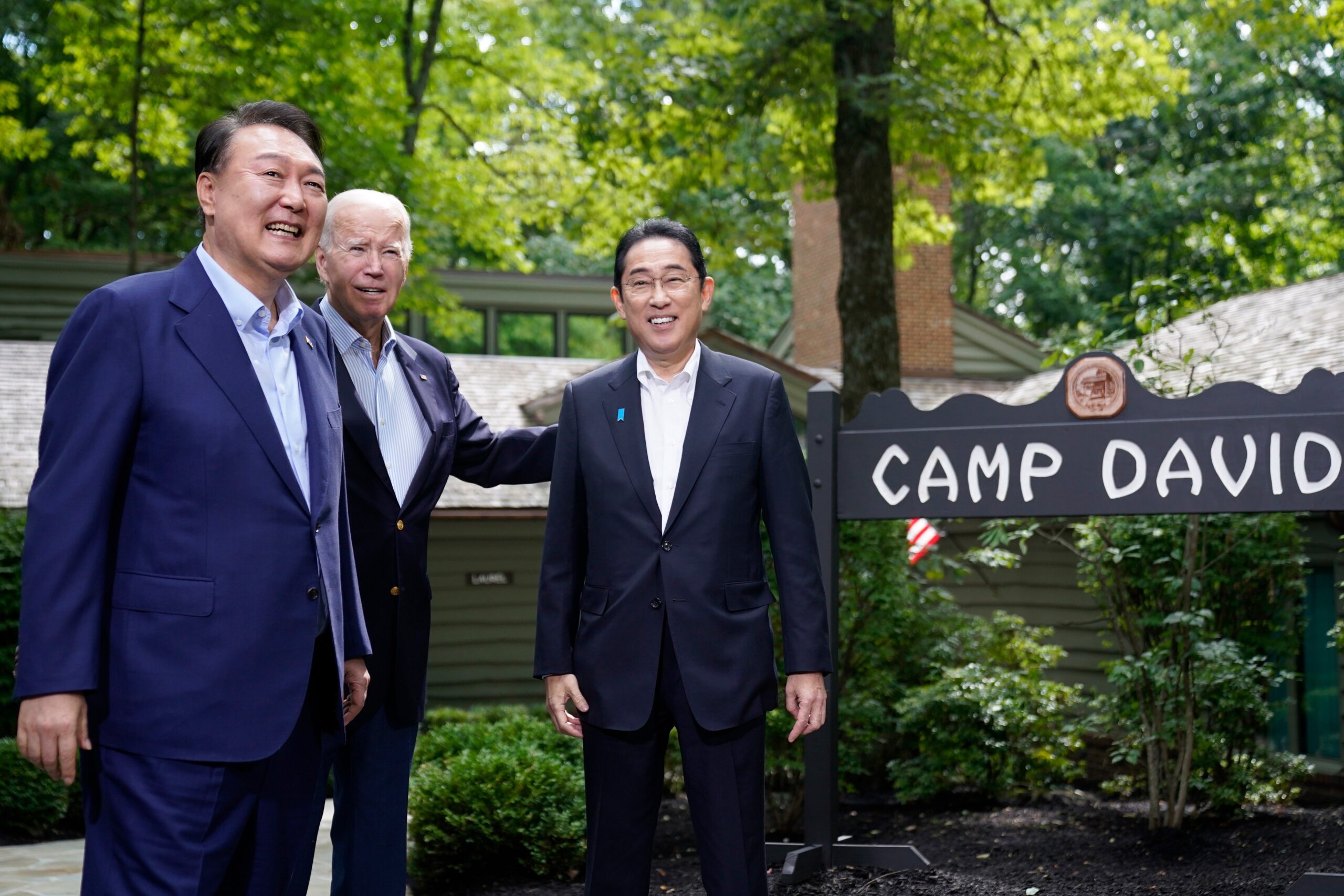
The leaders of the United States, Japan, and South Korea held a summit at Camp David on August 18-19, 2023, to discuss ways to strengthen their trilateral alliance and cooperation on a range of issues, including the North Korean nuclear threat, China’s growing military power, and economic security. The summit resulted in a joint statement in which the three leaders agreed to deepen security cooperation, including through joint military exercises and intelligence sharing. The three countries will coordinate efforts to deter and counter North Korea’s nuclear and missile programs. The US, Japan and Korea will work together to promote peace and stability in the Indo-Pacific region as well as to strengthen economic cooperation, through the creation of a new trilateral supply chain resilience initiative. The summit was seen as a major step forward in strengthening the trilateral alliance between the United States, Japan, and South Korea. It also sent a strong message to North Korea and China that three countries are united in their commitment to peace and stability in the region.

Key Takeaways from the Summit

  • The three leaders agreed to hold annual trilateral summit and to establish a new trilateral security dialogue.
  • They also agreed to work together to develop new technologies, hold military trainings and share information on North Korean missile launches.
  • The summit also addressed the issue of economic security, with the leaders agreeing to work together to strengthen trade.

The US-Japan-South Korea summit was a major step forward in strengthening the trilateral alliance between the three countries. It also sent a strong message to North Korea and China that the United States, Japan, and South Korea are united in their commitment to peace and stability in the region. The summit was also seen as a way to boost the new Yoon administration in South Korea. Yoon, who took office on May 10, 2023, has made strengthening the US-South Korea alliance a top priority. The summit was an opportunity for Yoon to meet with Biden and Kishida and to discuss ways to further strengthen the alliance.

To conclude, the North Korean nuclear threat remained a major focus of the summit. The three leaders condemned North Korea’s nuclear and missile programs and reiterated their commitment to work together to deter and counter them. They also called on North Korea to return to dialogue and to denuclearize. Moreover, the three leaders also discussed the growing military power of China and expressed concern about China’s presence and growing influence in the East and South China Seas.


From National to Global: Evaluating the Implications of Cyber-security in the Interconnected World

Introduction

As the world becomes increasingly interconnected through digital technologies, the incidence of cyber threats continues to rise. With each passing year, organizations, governments, and individuals face the growing menace of attacks such as malware, data breaches, phishing and cyber-warfare. The online threats not only pose risks to personal privacy and financial security but also have profound global implications. The implications of online threats are far-reaching, that can impact individuals, businesses, and governments in a number of ways, including loss of privacy, financial losses, and disruption of critical infrastructure.

The Growing Cyber-security Landscape

In recent years, the scale and complexity of cyber-attacks have expanded exponentially, creating a pressing need for robust cyber-security measures. Malicious actors, ranging from individual hackers to sponsored groups, leverage advanced techniques to infiltrate networks, steal sensitive data, and disrupt the smooth functioning of different systems. The steadily increasing number of connected devices across countries and industries offers cyber criminals an expanded attack surface to exploit. Consequently, this necessitates a worldwide response to ensure the protection of digital assets.

Personal and Financial Risks

Online threats pose significant personal and financial risks to individuals and businesses alike. Identity theft, wherein personal information is stolen, can lead to devastating consequences, including financial loss, damage to one’s credit history, and reputational harm. Additionally, cyber-criminals often target financial institutions, aiming to gain unauthorized access to banking systems or compromise payment platforms, resulting in substantial financial losses for both individuals and organizations. The impact of these attacks can extend beyond borders, affecting individuals and businesses from different countries. This emphasizes the need for international collaboration and unified cyber-security measures.

 

Cyber Threats and National Security

Cyber-security has emerged as a critical component of national security in the digital age. Nation-states are facing multitude of cyber threats that can have profound implications for their political stability, economic prosperity, and military capabilities. The interconnectedness of critical infrastructure, such as power grids, transportation networks, and communication systems, exposes vulnerabilities that can be exploited by malicious actors. The potential consequences of cyber-attack on these systems can range from disruption of essential services to compromising sensitive national defense information. Therefore, ensuring robust cyber-security measures becomes vital for preserving national security and protecting the interests of a nation. In an era where cyber warfare and cyber espionage have become prevalent, national security depends on effective cyber-security strategies. The countries must invest in developing and maintaining advanced technologies, skilled workforce, and partnerships to defend against cyber threats. Additionally, implementing comprehensive legislation and regulations that address cybercrime and provide the necessary authorities for effective response and prosecution is essential. By recognizing the significance of cyber-security in national security planning, countries can take proactive measures to protect critical infrastructure, safeguard sensitive information, and maintain the integrity of national defense capabilities.

Global Interconnectedness and Interdependencies

The modern world is increasingly interconnected, and as a result, the consequences of cyber threats are not limited to individual countries. The disruption of global supply chains, which are heavily reliant on digital systems, can have far-reaching implications. A cyber-attack on a crucial infrastructure provider, such as a port or logistics company, can cause cascading effects that result in delays and shortages of essential goods and services across multiple countries. Additionally, interconnected financial systems mean that a cyber-attack targeting one country’s banking sector can have ripple effects on the global economy. The interdependencies created by globalization amplify the urgency for international cooperation in tackling cyber threats.

International Collaboration in Cyber-security

Pakistan’s agricultural sector is a significant contributor to the country’s economy. Circularity in agriculture can reduce the overuse of resources, improve soil health, and minimize waste generation. The utilization of locally sourced and seasonal products can pave the way for a more sustainable and circular agriculture sector. Furthermore, practices such as organic farming, water-efficient irrigation techniques, and establishing circular food supply chains can enhance the sustainability and resilience of Pakistan’s food systems.

Innovation and Collaboration

Addressing the global implications of cyber threats requires international collaboration and cooperation. No single country or entity can effectively combat cybercrime alone. Governments, private sector organizations, and international bodies must work together to develop frameworks, share information, and implement robust cyber-security measures. Sharing best practices, threat intelligence, and technological expertise can bolster defenses and minimize vulnerabilities globally.

Conclusion

Cyber-security is a critical global issue, with online threats posing risks at personal, financial, national, and international levels. As technology continues to advance, it is essential to prioritize cyber-security efforts and resilience to mitigate the potentially devastating consequences of cyber-attacks. The interconnectedness of the digital landscape necessitates global collaboration and coordination to combat cyber-crime effectively.



Circular Economy in Pakistan: Promoting Resource Efficiency and Waste Reduction

Introduction

In recent years, the concept of a circular economy has emerged as a viable solution to address the resource depletion and waste generation challenges in Pakistan. A circular economy focuses on maximizing resource efficiency and minimizing waste by adopting sustainable practices and promoting a closed-loop system. The circular economy is a model of production and consumption that aims to eliminate waste and pollution, circulate products and materials at their highest value, and regenerate nature. It is different from the traditional linear economic model, which is based on a take-make-consume-throw away pattern.

Understanding the Circular Economy in Pakistan

Pakistan faces significant environmental challenges due to rapid urbanization, population growth, and industrialization. The principles of circular economy can help the country transition towards achieving sustainable development. By reducing waste generation, optimizing resource use, and promoting sustainable production and consumption patterns, the circular economy can bring positive changes. Moreover, Pakistan’s commitment to global initiatives, including the Sustainable Development Goals (SDGs) and the Paris Agreement, highlights the country’s dedication to promoting sustainable development and addressing environmental challenges. To fulfill these international obligations effectively, Pakistan must prioritize transitioning to a circular economy.

Resource Efficiency for Sustainable Development

Pakistan is rich in natural resources, but they are being exploited at an unsustainable rate. Therefore, adopting resource-efficient practices in sectors such as agriculture, manufacturing, and energy can help conserve resources and minimize environmental impacts. Encouraging eco-friendly technologies, practicing water and energy conservation, and implementing sustainable measures are crucial factors for achieving resource efficiency.

Waste Reduction and Management

Pakistan faces significant challenges in waste management, with inadequate infrastructure and inefficient systems leading to widespread pollution and environmental degradation. Implementing a circular economy approach can help address these issues by prioritizing waste reduction and proper waste management. This includes strategies such as recycling, composting, and implementing advanced waste-to-energy technologies. For that matter, strengthening waste collection and segregation systems, promoting public awareness, and involving local communities in waste management initiatives are some of the essential steps towards reducing waste.

Promoting Circular Business Models

It is a high time to encourage businesses in Pakistan to adopt circular business models for the successful implementation of a circular economy. This involves rethinking traditional linear models and promoting practices such as sharing knowledge, resource recovery and reuse, and responsible production. Providing incentives, fostering collaboration between businesses and stakeholders, supporting circular start-ups, and creating a conducive environment for circular business models can drive sustainable economic growth and innovation.

Sustainable Agriculture and Food Systems

Pakistan’s agricultural sector is a significant contributor to the country’s economy. Circularity in agriculture can reduce the overuse of resources, improve soil health, and minimize waste generation. The utilization of locally sourced and seasonal products can pave the way for a more sustainable and circular agriculture sector. Furthermore, practices such as organic farming, water-efficient irrigation techniques, and establishing circular food supply chains can enhance the sustainability and resilience of Pakistan’s food systems.

Innovation and Collaboration

Promoting innovation and collaboration in research and development is crucial for the successful implementation of a circular economy in Pakistan. The development and adoption of sustainable technologies, supporting research initiatives focused on resource efficiency and waste reduction, fostering collaboration between public and private stakeholders can result in innovative ideas, solutions, and sustainable business models as well as accelerate the implementation of circular economy strategies.

Conclusion

In Pakistan, the principles of a circular economy hold immense potential for promoting resource efficiency, reducing waste, and driving sustainable development. By adopting resource-efficient practices, enhancing waste management and recycling systems, promoting circular business models, and prioritizing sustainable agriculture. It is essential for the government, businesses, and society as a whole to realize the importance of the principles of circular economy, and understand the nexus of sustainability and economic growth. Collaboration between different stakeholders, including policymakers, industry leaders, researchers, and communities, is needed to create the necessary frameworks, infrastructure, and support systems for the implementation of circular economy strategies. By embracing circular economy, Pakistan can preserve its valuable resources, protect the environment, create new job opportunities, and contribute towards mitigating the impacts of climate change. It is time for Pakistan to tap into the potential of a circular economy and work towards promoting resource efficiency and reducing waste for a sustainable and resilient future.


Insights from the HLPF: Collaborative Efforts to achieve Sustainable Development

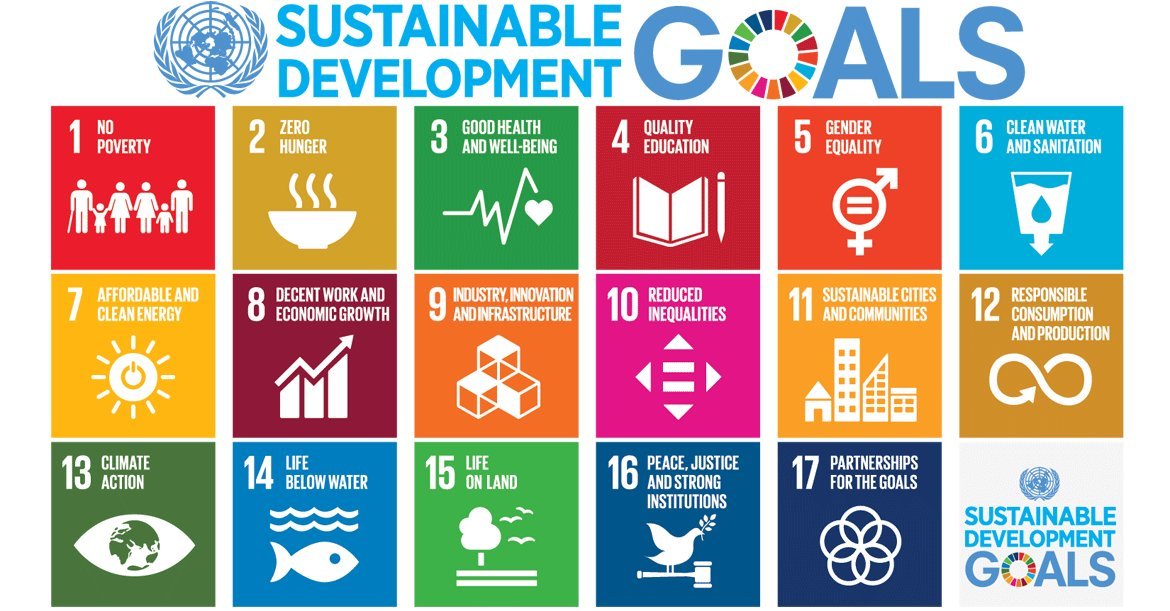
The High-Level Political Forum (HLPF) on Sustainable Development was held in New York from 10-19 July, 2023. The forum was the first major meeting of world leaders on sustainable development since the COVID-19 pandemic began. For the HLPF, “Accelerating the recovery from the coronavirus disease (COVID-19) and the full implementation of the 2030 Agenda for Sustainable Development at all levels” was the main theme this year. Goals 6 on clean water and sanitation, Goals 7 on affordable, clean energy, Goals 9 on industry, innovation, and infrastructure, Goals 11 on sustainable cities and communities, and Goals 17 on partnerships for the Goals were all thoroughly reviewed. It served as a pre-summit for the SDG Summit, which will take place in September 2023.

The HLPF 2023 was an important opportunity for the world leaders to discuss the challenges and opportunities of sustainable development. The forum highlighted the need for accelerated action, strong partnerships, and a focus on addressing the root causes of inequality. Additionally, the HLPF called for urgent action to protect the environment and mitigate climate change. The event brought together participants to engage in a wide range of discussions, dialogues, and reviews. These discussions included high-level panels, interactive dialogues, and Voluntary National Reviews, with 38 countries providing data on their progress towards achieving the SDGs. Notably, the European Union (EU) presented its review for the first time at the HLPF. The highlight of the HLPF was the recognition that achieving the SDGs requires a collective effort involving governments, civil society, businesses, and individuals. It is crucial to foster partnerships among different stakeholders and mobilize resources to accelerate progress towards the goals. The private sector has a particularly important role to play in driving sustainable and inclusive economic growth through responsible business practices and investments.

All the participants acknowledged that the COVID-19 pandemic has set back progress on the SDGs, and many countries are now facing even greater challenges in achieving them. There is a need for urgent action to accelerate progress on the SDGs, and the HLPF called on all countries to enhance their efforts. The SDGs cannot be achieved by governments alone. There is a need for strong partnerships between governments, businesses, civil society, and other stakeholders. The HLPF called on all stakeholders to work together to achieve the SDGs. Moreover, inequality is a major obstacle to sustainable development. The HLPF called on countries to address the root causes of inequality, such as discrimination, poverty, and lack of access to education and healthcare. It is a fact that the climate change and other environmental challenges are major threats to sustainable development. Therefore, the HLPF called on countries to take urgent action to protect the environment and mitigate climate related issues and challenges. In conclusion, by encouraging multi-stakeholder collaborations and mobilizing resources to speed up progress toward the SDGs, the High-Level Political Forum (HLPF) will play a critical role in accelerating sustainable development.


Algeria and China Seal 19 Agreements to Deepen Cooperation and Strengthen Partnership

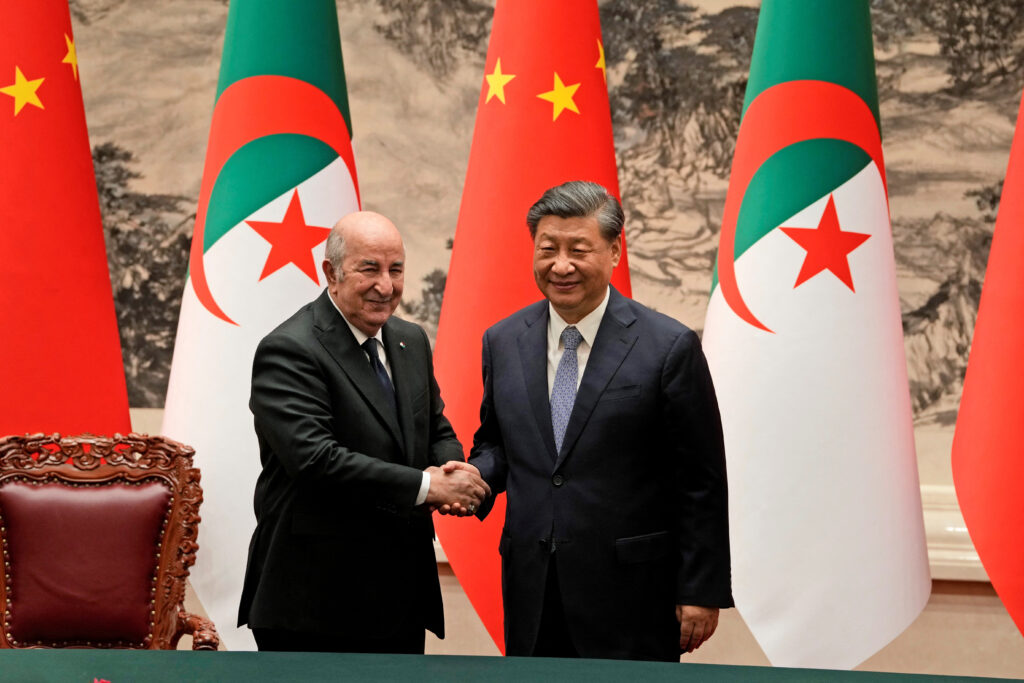
Algeria and China signed 19 cooperation agreements on July 19, 2023, during Algerian President Abdelmadjid Tebboune’s official visit to China. It is being reported that China will invest $36 Billion in view of the agreements that cover a wide range of areas, including energy, technology, infrastructure, trade, and investment. A number of MoUs were signed between the two countries, such as joint construction of the Belt and Road Initiative, the cooperation in the field of energy, including the development of oil and gas fields, the construction of power plants, and the promotion of renewable energy. Moreover, an agreement on the cooperation in the field of technology, including the development of telecommunications, the production of electronic products, and the promotion of scientific research were also signed to promote bilateral trade. The signing of these agreements is a significant step in the deepening of the strategic partnership between Algeria and China.

The Ministry of Foreign Affairs of China said in a statement that the agreements were in sectors including aerospace, agriculture, energy, railway transportation, science and technology. There were also agreements in education and sports, as well as telecommunications, sustainable urban development, trade, and inspection and quarantine. The agreements will help to boost trade and investment between the two countries, and they will also help to promote cooperation in a wide range of areas. The signing of the agreements was welcomed by both sides. Algerian President Tebboune said, “The projects and agreements concluded with the Chinese side are huge and mutually beneficial to both countries.” He added, “Algeria seeks to bring economic relations with Beijing to the level of good historical political relations and that his visit opened “all horizons of investment between the two countries.” On the other side, Chinese President Xi Jinping said that the agreements would “deepen the friendship between the two countries and promote their common development.” Algeria and China have been allies for a very long time, and Algerian imports from China have increased significantly in recent years, going from $400 million in 2003 to $8 billion in 2022.

Due to its location in the Mediterranean Sea, the North African country is strategically significant to China. Both Algeria and China are committed to safeguard each other’s sovereignty and territorial integrity. The signing of the agreements is a major step forward for both countries to advance their comprehensive strategic relationship and support mutual interests.


Global Flooding Crisis: Climate Change’s Widespread Devastation in Every Region

Introduction

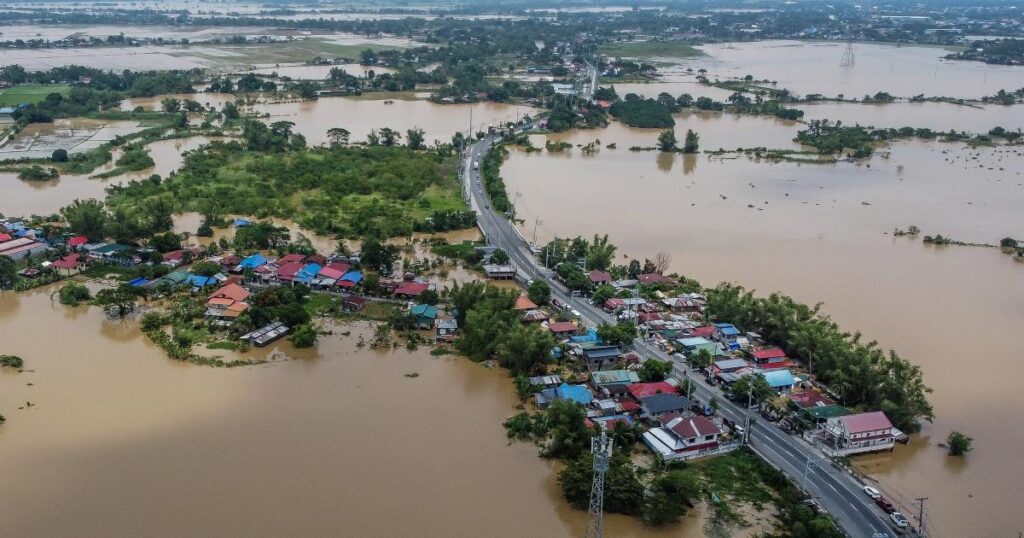
Climate change is a global phenomenon that has given rise to a countless of environmental concerns, one of the most prominent being an increase in the frequency and intensity of floods. These catastrophic events, brought about by rising global temperatures and subsequent changes in rainfall patterns, are no longer confined to certain regions of the world. Instead, they now emerge as a major threat, consistently affecting multiple countries across the globe. From Asia to Africa, Europe to the Americas, floods have become a universal consequence of climate change, which is disrupting livelihoods, displacing communities, and devastating ecosystems. Consequently, understanding the causes, impacts, and potential solutions of climate change-induced floods becomes paramount as humanity faces the urgent need to mitigate and adapt to this pressing global crisis.

The Most Affected Countries across Regions due to 2023 Floods

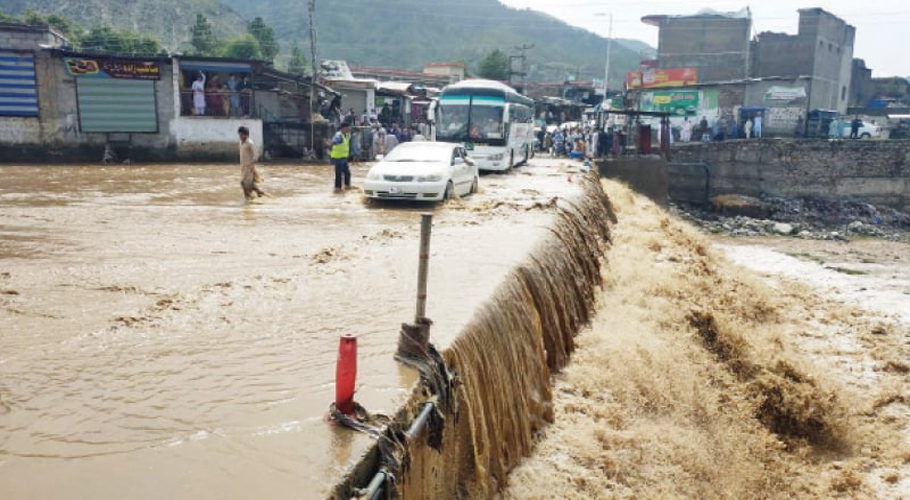
In Asia, the most affected countries by floods in 2023 were China, India, and Pakistan. In China, heavy rains caused flooding in southwestern China in July, killing at least 15 people and displacing thousands. In India, heavy rains caused flooding in the northeastern states of Assam and Meghalaya. As of July 21, 2023, the death toll from the 2023 floods in India has reached at least 108 people. The worst-hit state is Himachal Pradesh, where at least 88 people have died. Other states that have been affected by the floods include Uttar Pradesh, Punjab, Jammu and Kashmir, and Uttarakhand. The floods have also caused widespread damage to infrastructure and have destroyed thousands of houses. In Pakistan, heavy rains caused flooding in the northwestern provinces of Khyber Pakhtunkhwa and Punjab in July, killing at least 80 people and displacing thousands.

In addition, South Korea and Japan in East Asia, were hit hard due to floods, resulting in a tragic loss of life. At least 41 people lost their lives in South Korea and 12 in Japan due to these catastrophic events. Meanwhile, the Philippines in Southeast Asia was also severely impacted, with a death toll of at least 216. These floods left countless people displaced and in need of assistance.

In Africa, the most affected countries by floods in 2023 were Rwanda, Ethiopia, and Mozambique. In Rwanda, torrential rains caused flooding in western and northern parts of the country, killing more than 130 people and resulted in displacement of huge number of people. In Ethiopia, heavy rains caused flooding in the Oromia and Somali regions due to which 240,000 people were impacted and, at least 120 people died. In Mozambique, heavy rains caused flooding in the Zambezi River basin in February, killing at least 70 people and displacing over 100,000 individuals.
Europe: The most expensive natural hazard in Europe is flooding. Climate and socioeconomic developments are expected to make it worse in the future. In Europe, the most affected countries by floods in 2023 were Italy, Germany, and Belgium. In Italy, the deadly flooding that devastated much of northern Italy in late May, killing at least 15 people and displacing 40,000. In Germany, heavy rains caused flooding in the western state of North Rhine-Westphalia in July, killing at least 180 people and displacing over 100,000. In Belgium, heavy rains caused flooding in the eastern part of the country in July, killing at least 30 people and displacing over 10,000. The latest report by the European Commission lists the European cities and nations with the largest anticipated losses from future floods. Germany was reported to have the highest danger of flooding for residential structures, followed by France, Italy, and Spain.

Americas: The floods have affected a number of countries in the Americas, including the United States, Canada, Mexico, Brazil, Colombia, Venezuela, and Ecuador. In North America, the most affected countries by floods in 2023 were the United States and Canada. In the United States, a series of storms caused flooding in the northeastern states of New York, New Jersey, and Pennsylvania in July, killing at least 11 people and causing widespread damage. There is also emergency in Kentucky due to flash flooding. In Canada, heavy rains caused flooding in the western Canada and caused forced evacuations.

To conclude, the global flooding crisis caused by climate change is devastating every region. Increased rainfall, rising sea levels, and melting glaciers have worsened the situation. This has resulted in loss of lives, infrastructure destruction, displacement, and damage to ecosystems. Mitigation and adaptation measures are needed to address this crisis, and it requires a collective effort. This includes reducing emissions to mitigate climate change and implementing resilient infrastructure to adapt to the increasing risks of global flooding. It is imperative that governments, communities, and individuals work together to tackle this widespread devastation and protect the planet Earth.


Iran’s President Advances Ties with Africa

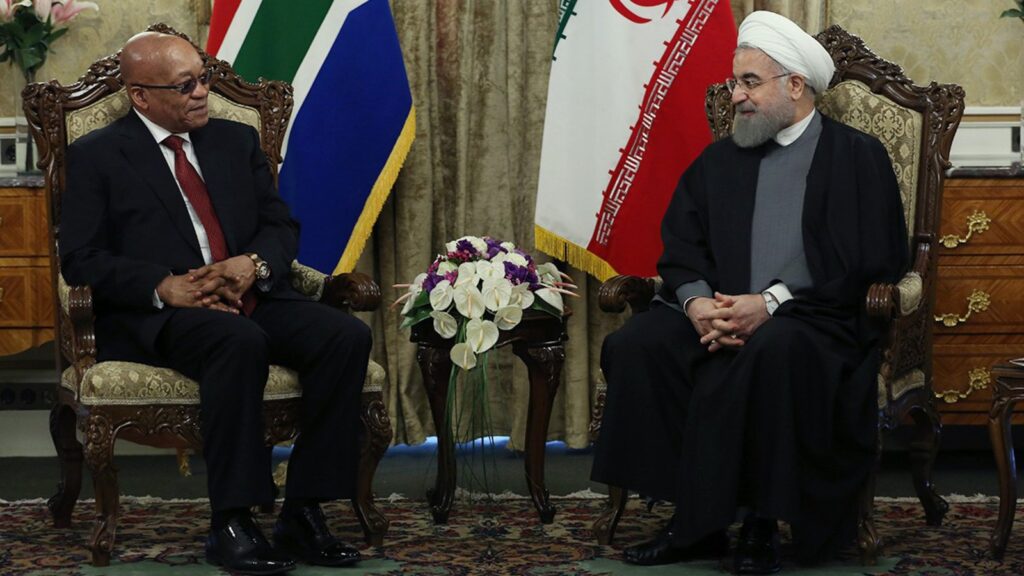
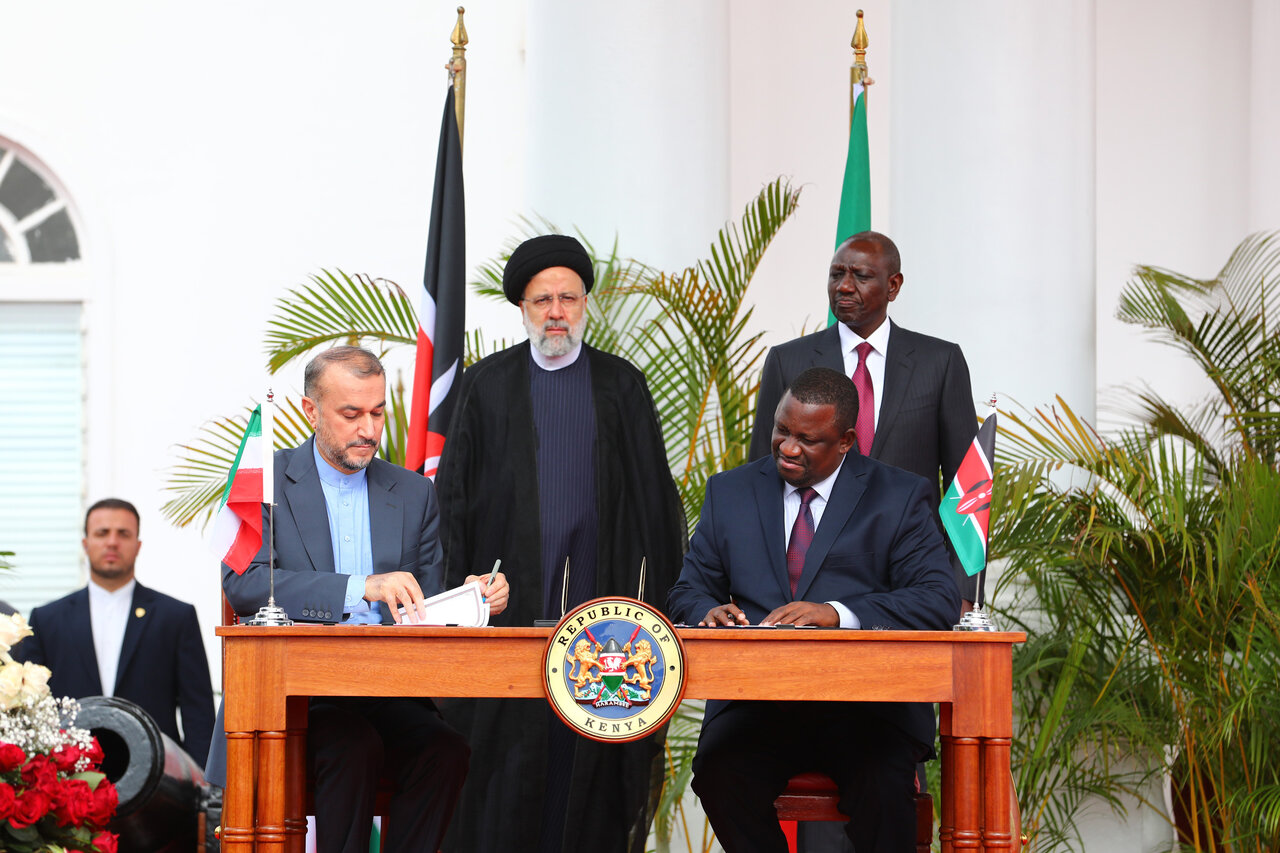
Iranian President Ebrahim Raisi visited Kenya, Uganda, and Zimbabwe in July 2023, marking the first visit by an Iranian president to Africa in over a decade. In 2013, Mahmoud Ahmadinejad, was the last leader of Iran who visited Africa. The recent trip is being considered as an Iran’s attempt to broaden its economic relationships in the face of severe U.S. sanctions. Iran’s Foreign ministry has said in a statement, “Iran’s trade with African countries will increase to more than $2 billion this year.” During his visit, Raisi signed a number of agreements with the three countries. Iran signed a total of five memorandums with East Africa’s economic powerhouse, Kenya, for information technology, fisheries, animal products, and investment promotion. As per Kenya’s foreign ministry, “Iran’s President trip to Kenya will provide the two countries an opportunity to review and re-energize their bilateral relations for the mutual benefit of the people of the two countries.” Furthermore, Iran and Zimbabwe have signed 12 agreements in areas of research, science and technology initiatives as well as in the fields of energy, agriculture, medicines, and telecommunications.

The visit by Raisi to Africa was a significant event, and it is likely to have a lasting impact on relations between the two sides. It remains to be seen how these relations will develop in the years to come, but the potential for closer cooperation is certainly there. Iran is increasing its diplomatic outreach to developing countries, in order to bolster support with friends who were also subject to US sanctions, Raisi travelled to three Latin American countries in June 2023. The latest agreements signed during Raisi’s visit to Africa are being contemplated as a step towards strengthening relations between Iran and Africa. However, it remains to be seen how much these agreements will actually translate into increased trade and investment. The future of relations between Iran and Africa will likely depend on a number of factors, including the outcome of the ongoing nuclear negotiations between Iran and the United States. If the negotiations are successful and the sanctions are lifted, Iran will be able to more easily trade with African countries. However, even if the sanctions are not lifted, Iran is likely to continue to seek closer ties with Africa as a way to diversify its economy and reduce its reliance on the West.


25 Years of Strategic Partnership: Franco-Indian Ties Continue to Strengthen

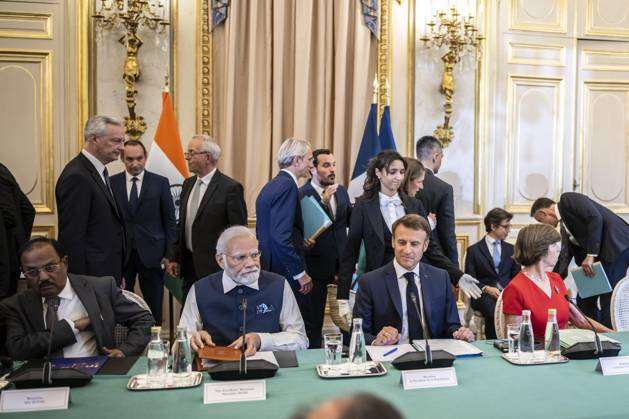
India and France have a long and close relationship, the two countries have a strong cooperation in areas of defense, security, and trade. Indian Prime Minister visited France on 13-14, July 2023, at the invitation of the President of France, Emmanuel Macron. The visit coincided with the 25th anniversary of the India-France Strategic Partnership and the two countries have considered a roadmap for their future bilateral cooperation. During his visit, PM Modi attended the Bastille Day Parade as the Guest of Honour, met with President Macron for formal talks. The grand cross of the Legion d’Honneur (Legion of Honour), the highest rank of France’s order of merit, was presented to Modi by President Macron. According to a statement from the presidency, the award “salutes the role of the prime minister in the excellent relations of friendship and confidence that unite France and India.” Furthermore, Macron said in a speech, India is a giant in the history of the world which will have a determining role in our future, it is also a strategic partner and a friend.”

As Indian Prime Minister Modi visits Paris, the Indian government announced that it would purchase from France’s Dassault and Naval Group 26 Rafale Marine fighter jets and three Scorpene military submarines. The military deal comes at a time when the two countries are looking for partners in the Indo-Pacific region. Also, France is stepping up its diplomatic and business connections with India in an effort to win the Asian powerhouse away from Russia, which is now its major arms supplier. In addition, India and France agreed to increase collaboration in key sectors such as sustainable development, space, science, and cooperation at institutional level. Total Energies and Indian Oil Corporation Limited have signed a long-term LNG Sale and Purchase Agreement (SPA). For joint research initiatives and the exchange of technological and scientific expertise, a Memorandum of Understanding (MoU) in the field of scientific collaboration was also signed. The India-France relationship is a vital partnership for both countries, the relationship is poised to grow even stronger in the years to come. The two countries have a number of shared interests, and they are committed to working together to address future challenges,

India, France agree to enhance cooperation in strategic areas, space, science, sustainable development
Read more At:
https://www.aninews.in/news/world/europe/india-france-agree-to-enhance-cooperation-in-strategic-areas-space-science-sustainable-development20230715092208/


Turkey Takes the Spotlight: Key Takeaways from the 33rd NATO Summit

Introduction

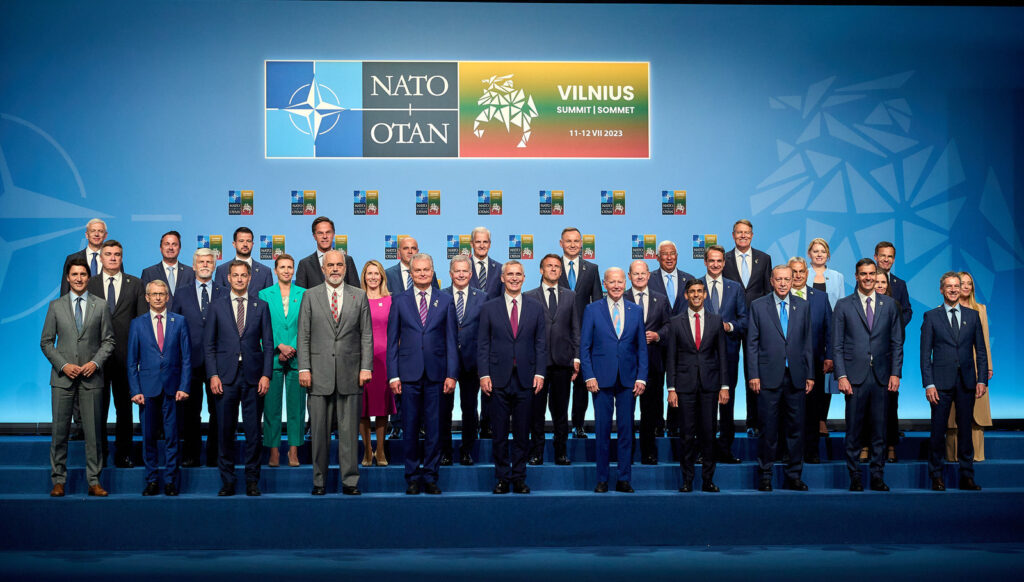
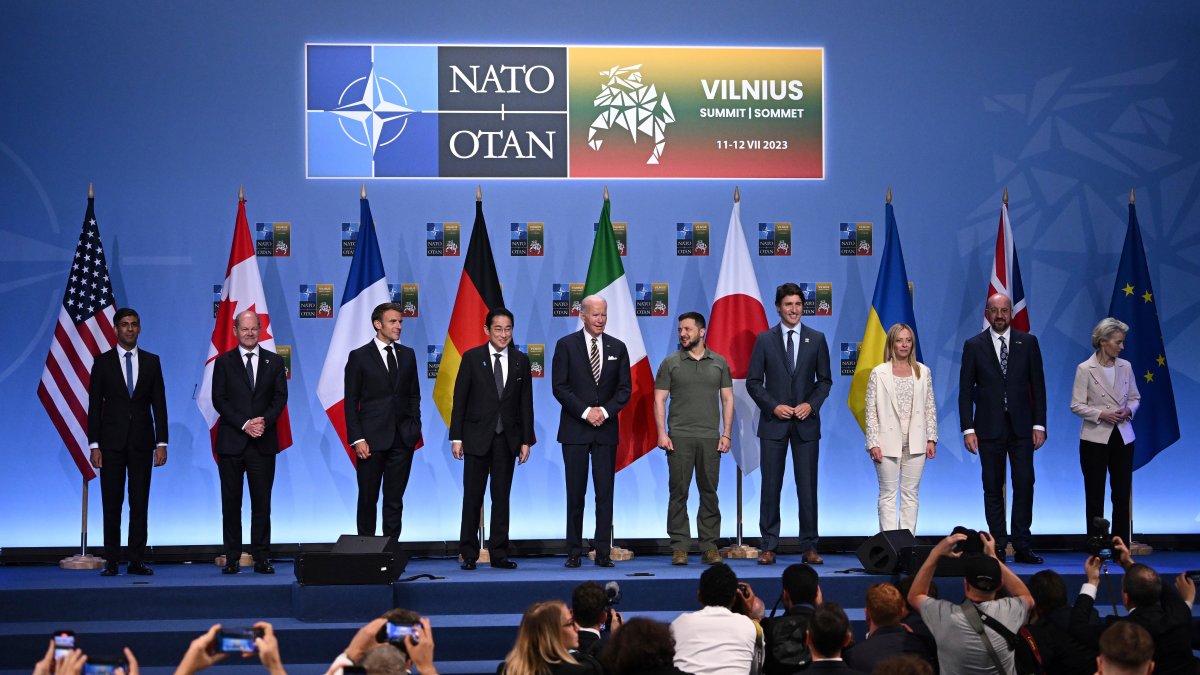
The 33rd NATO summit took place in Vilnius, Lithuania on July 11-12, 2023. The summit was hosted by Lithuanian President Gitanas Nausėda. The main topics of discussion were the ongoing war in Ukraine, NATO’s deterrence and defense posture, and the alliance’s cooperation with partners. The summit resulted in a number of decisions, including the adoption of a new Strategic Concept, which outlines NATO’s goals and objectives for the next decade. It was decided to establish a new NATO-Ukraine Council, which will provide a forum for more regular dialogue between NATO and Ukraine. Also, the decision was also made to invite Sweden and Finland to join NATO.

Turkey’s Role at NATO Summit

At the NATO summit, Turkey played a significant role and remained a prominent player because of the following reasons.

Sweden’s NATO Membership

Turkish President Recep Tayyip Erdoan had first refused Sweden’s membership requests to join NATO. Following two rounds of trilateral talks with Swedish Prime Minister Ulf Kristersson and the NATO Secretary General Jens Stoltenberg, Erdogan declared that he will submit the Swedish application for ratification to the Turkish parliament. Nevertheless, Erdoan ultimately consented to remove his veto after the two nations made a number of concessions, including the removal of defense arms embargoes and the extradition of PKK suspects. The decision by Turkey to remove its veto was viewed as a significant win for NATO since it paves the way for Sweden to join the organization. The position of NATO in Northern Europe would be greatly strengthened by the Sweden’s acceptance, which is a major issue in light of Russia’s invasion of Ukraine. Erdogan discussed a number of Turkish concerns during a press conference held in Vilnius, the capital of Lithuania, after the summit. These included Turkey’s ratification of Sweden’s NATO application, its agreement with the United States for F-16 jets, and the continuing balancing act it maintains between Russia and Ukraine.


Greece-Turkey Ties

During the NATO leaders’ summit, Recep Tayyip Erdogan, the president of Turkey met Kyriakos Mitsotakis, the prime minister of Greece. The two neighbors have been at odds for many years over a variety of problems, including energy resources, over-flights above the Aegean Sea, and the ethnically divided island of Cyprus. Last year, in a dispute over airspace violations, Erdogan halted bilateral negotiations and blamed Greece with exerting pressure on the United States to prevent the delivery of F-16 fighter fighters to Ankara. But now, the leaders of two countries have decided to resume negotiations, confidence measures, and welcomed a new positive climate in their tense relations. In a statement, the two leaders said, “It is to the benefit of both countries that the positive climate formed in bilateral relations over recent months has continuity and consistency.” Also, it was stated, the two countries decided that in the coming time, they would build on their current progress, open up a variety of channels of communication, and express their willingness for more regular communication at all levels. This is a really positive development for regional stability considering the tight relations between the two countries.

Turkey-U.S. Fighter Jets Deal

The Turkish President met U.S. President Joe Biden for the first time since taking office. The ties between the two countries were not so good prior to their meeting. It is expected that the recent meeting will result in better bilateral ties between both countries. The both leaders spoke favorably about the future of ties between the U.S. and Turkey. Erdogan even called the American counterpart my dear friend while addressing the media. Another significant turning point in their relationship came when, following months of debate, it was decided that the U.S. would supply Turkey F-16 fighter jets. Erdogan stated that he was hopeful than ever that the jets will be purchased, while U.S. President Joe Biden also expressed confidence that the deal will move forward. In addition, Erdogan also said at the summit that Turkey could serve as a mediator between Moscow and Kyiv to put an end to the war in Ukraine. Thus, the summit was a clear demonstration of Turkish diplomacy’s triumph at the international level.


Global Energy Security: Insights from the 8th OPEC International Seminar

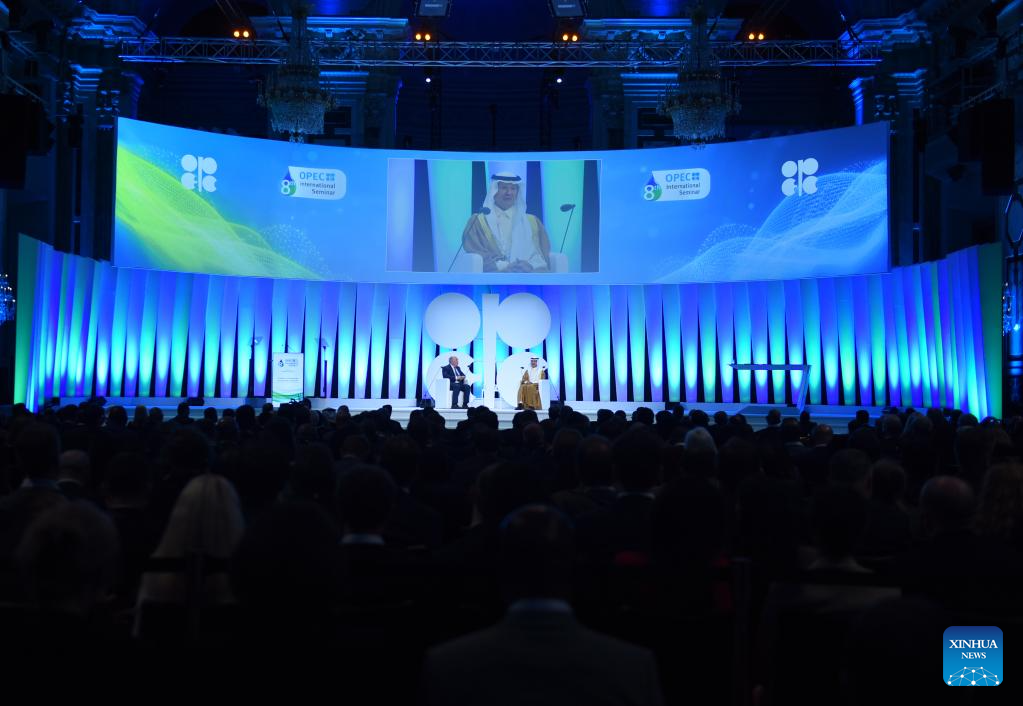
The 8th OPEC (Organization of the Petroleum Exporting Countries) International Seminar, which was held in Vienna, Austria on 5-6 July, 2023, it focused on the theme of “Towards a Sustainable and Inclusive Energy Transition.” A wide range of topics related to the energy transition i.e. development of energy sector, stability of energy markets and financing problems, the energy trends and diversification of the economies considering climate change. The 8th OPEC International seminar was attended by a large number of participants including, ministers from OPEC member countries, the countries participating in the Declaration of Cooperation as well as other oil-producing and energy consuming nations. In addition, heads of international organizations, chief executives of national and international oil companies, energy policy makers, analysts, and energy experts also attended the event.

One of the key topics of discussion at the seminar was global energy security. The participants at the seminar agreed that global energy security is essential for the world economy and for the well-being of the people around the globe. All the stakeholders acknowledged that the energy transition must be managed in a way that ensures that global energy security is not compromised. There was a consensus among the participants that oil and gas will continue to play an important role in the global energy mix for many years to come. However, the world needs to invest in renewable energy and other clean technologies in order to reduce greenhouse gas emissions and mitigate the effects of climate change.

The participants at the seminar discussed a number of ways to ensure global energy security in the context of the energy transition such as investing in new technologies that can help to reduce emissions from fossil fuels. There is a need to diversify energy supplies by developing new sources of oil and gas, as well as renewable energy. Moreover, building strong international cooperation on energy policy can play a significant role in this regard. The member countries were agreed on the fact that global energy security is a complex issue, but it is an issue that must be addressed to ensure a sustainable future for the world. The seminar highlighted the importance of oil and gas to the global economy and the need for a smooth and orderly energy transition. The seminar concluded with a call for international cooperation on energy policy in order to ensure global energy security which is the need of rapidly changing global energy landscape. To conclude, the 8th OPEC seminar was an important opportunity to discuss the challenges and opportunities of energy transition and to reaffirm the importance of global energy security.