The Maritime Cooperation between European Union and Philippines

The EU-Philippines subcommittee on maritime cooperation was established on June 30, 2023, during the third EU-Philippines Joint Committee meeting in Brussels. Mr. Gunnar Wiegand, the Managing Director for Asia and the Pacific at the EEAS, was the leader of the EU delegation. Hon. Ma. Theresa P. Lazaro, the Department of Foreign Affairs Acting Undersecretary for Bilateral Relations and ASEAN Affairs, served as the delegation’s head. The European Commission, EU Member States, and representatives from Philippine government agencies also joined them. The EU-Philippines subcommittee is tasked with strengthening cooperation between the two countries on maritime matters, including maritime security, and ocean governance. Apart from that, they emphasized the need for more cooperation in the areas of cyber-security, trade, multilateralism, and the rules-based international order. According to post-meeting report it is stated that, “The EU and the Philippines agreed to continue to work together closely and stand up for the rules-based international order, the principles of sovereignty, territorial integrity and non-aggression.” The EU’s strategy for cooperation in the Indo-Pacific and the ASEAN outlook on the region were also assessed by two countries. Before that, Richard Tibbels, the EU’s special representative to the Indo-Pacific, said during a trip to Philippines that the EU has “a strong interest in making sure that freedom of navigation and over flight continue and that the global trading system is not affected by increasing tensions in the region.”

Due to the strategic location of Philippines in the Indo-Pacific region, the country is being considered as an Asian security anchor not only by EU but also by the United States. The EU is interested in working with the Philippines to counter China’s growing influence in the region. On the other side, the United States is also interested to enhance ties with Philippines. For that reason, the two countries successfully revived Enhanced Defense Cooperation Agreement (ECDA) in February 2023. The United States was also in negotiations with Manila in March 2023 to conduct joint patrols in the South China Sea with the Philippines, Australia, and Japan. Nine military bases in the Philippines are now accessible to the U.S. under the ECDA, including four new bases that have been identified in April 2023. Additionally, a number of European fleets have participated in freedom of navigation drills in the South China Sea, and Germany announced in May that it will send a two-ship task force to the region in the coming year.


The Hong Kong Convention and Role of Bangladesh and India

Introduction

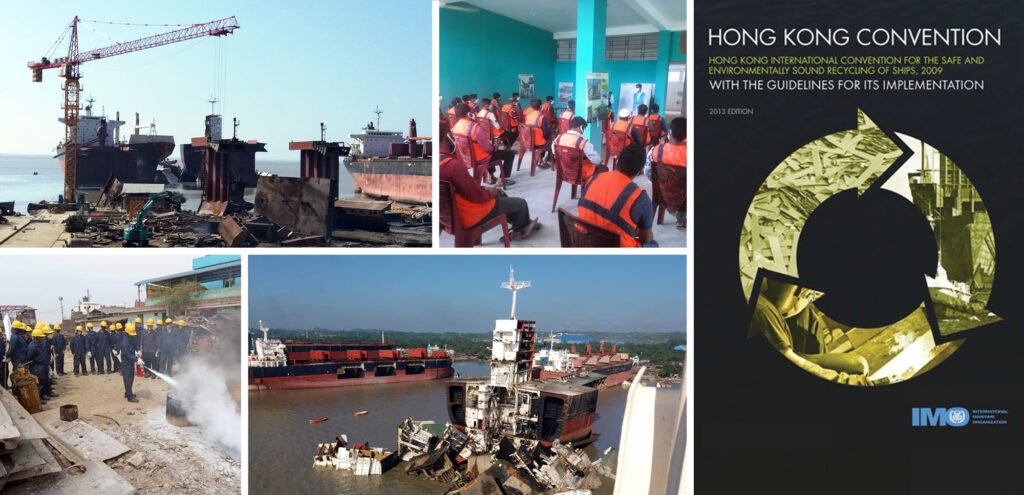
The Hong Kong Convention (HKC) for the Safe and Environmentally Sound Recycling of Ships is an international treaty that sets standards for the recycling of ships at the end of their operational lives. The HKC was adopted in May 2009 by the International Maritime Organization (IMO) and entered into force on June 26, 2023. It means that the convention is now legally binding on the countries that have ratified it. The HKC was developed in response to concerns about the environmental and safety risks associated with shipbreaking. Shipbreaking is the process of dismantling ships at the end of their operational lives, the ships are dismantled and processed to recover materials, primarily steel. It is a complex and hazardous process, and it can release hazardous materials into the environment, including asbestos, heavy metals, and other pollutants. The HKC aims to address these concerns by setting standards for the recycling of ships. Moreover, as per the convention, the ships will be recycled in facilities that have been approved by the recycling state or the flag state. The role of Bangladesh and India, two of the world’s top ship breaking or recycling countries, is given here.

Role of Bangladesh

Bangladesh ratified the Hong Kong Convention for the Safe and Environmentally Sound Recycling of Ships (HKC) on June 26, 2023. By ratifying the Hong Kong Convention, Bangladesh, one of the world’s major ship recyclers, will play a crucial role in paving the path for safe and responsible ship recycling practices. The ship recycling sector has significantly boosted Bangladesh’s economy. In the northern coastal region of Chittagong, there are approximately 150 shipbreaking yards, of which 50 to 60 yards are active throughout the year, according to Shipbreakingbd. Additionally, the sector is giving thousands of individuals in the nation’s poor regions access to jobs. Through its Ship Recycle Act, which incorporates the terms of the HKC into national legislation, Bangladesh committed in 2018 to ratify the Convention by 2023. The act also mandates shipbreaking yards in Bangladesh to have safety equipment and to train workers in safe shipbreaking environment. After ratification, Bangladesh has begun the process of improving its recycling capacity with the adoption of the Ship Recycle Act. The government has also announced plans to invest in new technologies for ship recycling. These investments will help Bangladesh to meet the requirements of the HKC and to become a more sustainable and safer shipbreaking country which will also help in economic growth.

Role of India

India is one of the world’s leading ship recycling countries. India ratified the Hong Kong Convention for the Safe and Environmentally Sound Recycling of Ships (HKC) on November 28, 2019. This made India one of the first countries to ratify the convention. After ratification, the Recycling of Ships Bill, 2019, was passed by India and, on 13 December, 2019 upon the President of India’s approval it became an Act. The government made the decision to introduce this Act to regulate ship recycling by establishing specified international criteria and establishing the legal framework for their enforcement. Ship recycling laws are important not only to protect human health and the environment, but also to improve the safety of shipbreaking workers.

The Indian shipbreaking industry is concentrated in Gujarat and Alang, which is known as the shipbreaking capital of the world. India’s role in the HKC is important because it is one of the world’s leading shipbreaking countries. As of 2020, the country accounted for about 35% of the global shipbreaking tonnage. But, the country has been criticized for its environmental and safety practices. Therefore, the Indian Government should increase its enforcement efforts to ensure that shipbreaking yards are complying with the law. As a ratifying country, India can play a crucial role in the effective implementation of the Hong Kong Convention. With its significant share in the global shipbreaking tonnage, India has the opportunity to lead by example and set safety measures for shipbreaking workers as well as high standards for ship recycling practices in order to make a significant positive impact in shipbreaking industry.

Conclusion

The Hong Kong Convention has the potential to make a significant positive impact in global ship recycling industry. India and Bangladesh are two of the world’s leading shipbreaking countries, and their ratification of the Hong Kong Convention (HKC) is a significant step towards ensuring that ships are recycled in a safe and environmentally sound manner. By joining the Hong Kong Convention, both India and Bangladesh have committed to improve their ship recycling practices to align with international standards. This development is expected to bring about positive changes in the industry. Also, the future of the global ship recycling industry will depend on factors like, the willingness of governments, ship-owners, and ship breakers to comply with the HKC’s provisions, the development of new technologies for ship recycling. The convention provides a framework for ship recycling practices on a global scale, and ensure that every country follow same standards and regulations. To conclude, the Hong Kong Convention will promote global coordination and collaboration in the exchange of best practices and the resolution of common ship recycling issues. The future of the ship recycling industry, the health of shipbreaking workers, protection of the environment, and the advancement of sustainable resource management will all depend on the successful implementation of the Hong Kong Convention.


Saudi-France Partnership: Accelerating the Digital Economy

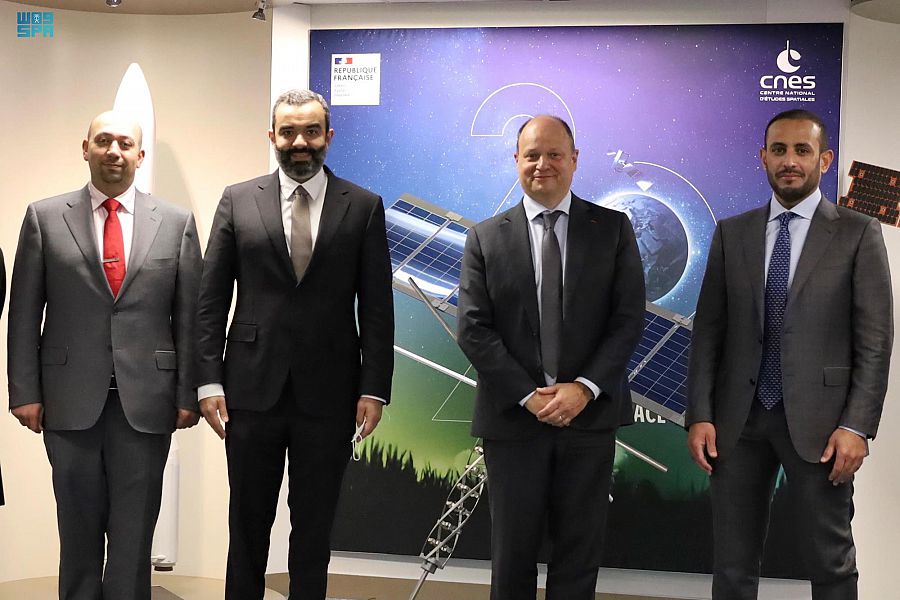
Saudi Arabia and France have discussed ways to boost the growth of their digital economies. On 21st June 2023, the Saudi Minister of Communications and Information Technology, Eng. Abdullah bin Amer Al-Swaha, met with the French Minister for Digital Transition and Telecommunications Jean-Noel Barrot in Paris to discuss the areas of expanding Saudi-French partnership and cooperation in the digital economy that support growth through technology, innovation, and digital entrepreneurship. Al-Swaha emphasized that with over 340,000 human technology skills, the Kingdom is the most attractive location for digital talent. He also looked at entrepreneurship support programs like the Garage and the National Technology Development Program (NTDP). There are a number of reasons which have enhanced the importance of digital economy most recently, it is a major driver of economic growth. The digital economy is estimated to account for about 10% of global GDP, and it is growing at a rate of about 7% per year. This is faster than the growth of the overall economy.

The ministers of Saudi Arabia and France discussed a number of areas of cooperation, including the development of digital skills. Both countries agreed to work together to develop digital skills in their respective countries. This includes training people in the latest digital technologies and providing them with the skills they need to succeed in the digital economy. In addition, the two countries will work together to promote innovation in the digital economy i.e. supporting start-ups and small businesses, and creating a favorable environment for innovation. The two countries also discussed the development of digital infrastructure such as building high-speed internet networks and ensuring that everyone has access to digital services. The meeting between the two ministers was seen as a positive step towards boosting the growth of the digital economies of Saudi Arabia and France. The two countries have a number of shared interests in the digital economy, and they are motivated to work together to achieve their goals.

The cooperation between Saudi Arabia and France in the digital economy will help to increase investments because cooperation between the two countries will attract investment in the digital economy which will help to create jobs and boost economic growth. The two countries will share knowledge and expertise in the digital economy, this would help to accelerate innovation and improve the quality of digital services. The cooperation between Saudi Arabia and France in the digital economy is in its early stages, but it has the huge potential to be very beneficial for both economies.


The Urgent Need for Clean Energy Surge in Global South

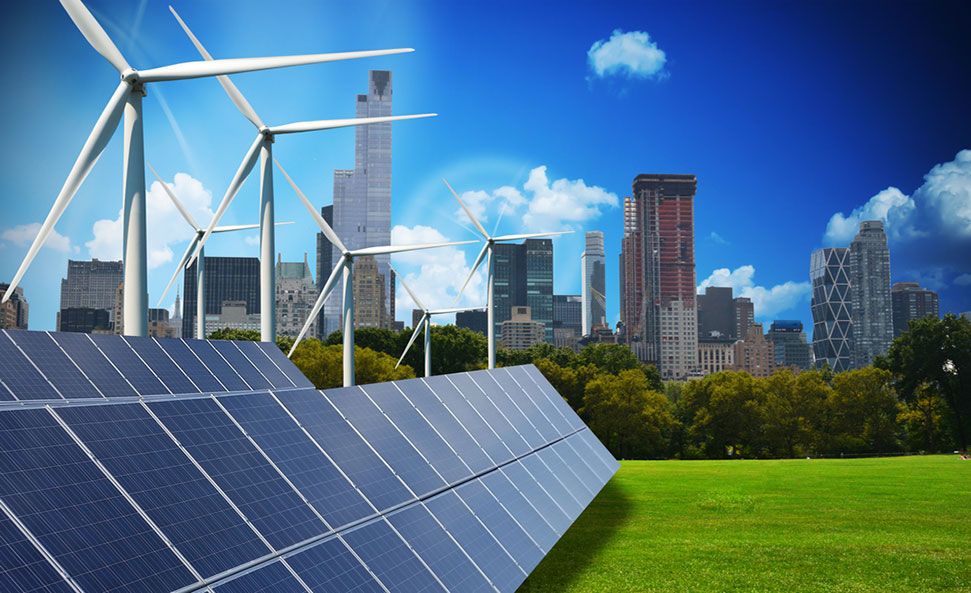
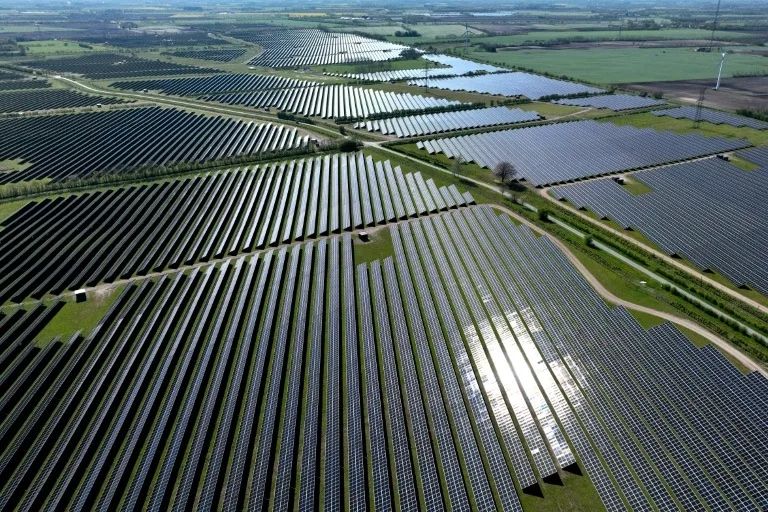
The International Energy Agency (IEA) published a report on June 21, 2023, titled as “Desperate need for clean energy surge in the Global South.” The report was made public at the two-day Summit for a New Global Financing Pact in Paris, which aims to gather support for modernizing the mid-20th century framework guiding financial flows from rich to developing countries. The Global South refers to the developing countries of Africa, Asia, Latin America, and the Caribbean. The countries of Global South are facing multiple issues including social, political, economic and environmental. Climate change is a major challenge faced by the Global South. The region is experiencing effects of climate change, such as more extreme weather events, rising sea levels, and droughts. These effects are having a devastating impact on the lives of people in the Global South, and they are likely to get worse in the future. According to the International Energy Agency (IEA), if global warming is to be kept at manageable levels, financing for renewable energy in developing and emerging economies aside from China must grow seven-fold within a decade. The report found that annual investments in non-fossil fuel energy in developing countries will need to jump from $260 billion to nearly $2 trillion by 2030 in order to keep global warming below 1.5 degrees Celsius

The International Energy Agency (IEA) is an intergovernmental organization that works to promote energy security and sustainable energy. The IEA has a number of programs and initiatives that are focused on helping the Global South address the challenges of climate change. One of the IEA’s key programs is the Clean Energy Access Program (CEAP). The CEAP works to help developing countries increase their access to clean energy. The program provides technical assistance, financial support, and policy advice to help countries develop and implement clean energy projects. The IEA is also working to help the Global South develop its renewable energy potential. The agency has published a number of reports on the potential for renewable energy in the region, and it is providing technical assistance to countries that are developing renewable energy projects. But, in order to ensure global development, stability, and peace, the international community must work together to address the critical issues of the Global South. The G20 countries historically account for 80% of the carbon emissions that are destroying the climate on Earth, therefore, these countries should make investments in order to reduce global warming levels. IEA Executive Director Fatih Birol has said, “Financing clean energy in the emerging and developing world is the fault line of reaching international climate goals.”

Over 2.4 billion people, the majority of whom live in developing and underdeveloped nations, lack access to clean cooking fuels and nearly 800 million do not have access to electricity. The IEA has warned that burning fossil fuels is the primary cause of global warming, and it will account for one-third of the increase in energy demand in these countries over the next ten years if current policy trends continue. These are extraordinary circumstances that necessitate reconsidering the structure of the global financial system. Developed countries should increase their financial commitments to developing countries to help them transition to clean energy. The international financial system should be reformed so that it is more supportive of clean energy investment in developing countries. Developing countries should improve their policies and regulations to create a more favorable environment for clean energy investment.

The role of IEA’s on climate change in the Global South is important because it is helping to address the challenges that the region is facing. The IEA programs and initiatives are providing developing countries with the resources they need to transition to clean energy and build a more sustainable future. To achieve sustainable development and the global climate goals, private investments should accelerate for transitioning to clean energy, which will also aid the Global South in coping and reducing the catastrophic effects of climate change. There is a need to implement the recommendations of the report “Desperate need for clean energy surge in the Global South” as it will boost renewable energy spending in Global South and will also assist the countries in meeting their climate targets.


The Major Outcomes of Blinken’s Trip to China

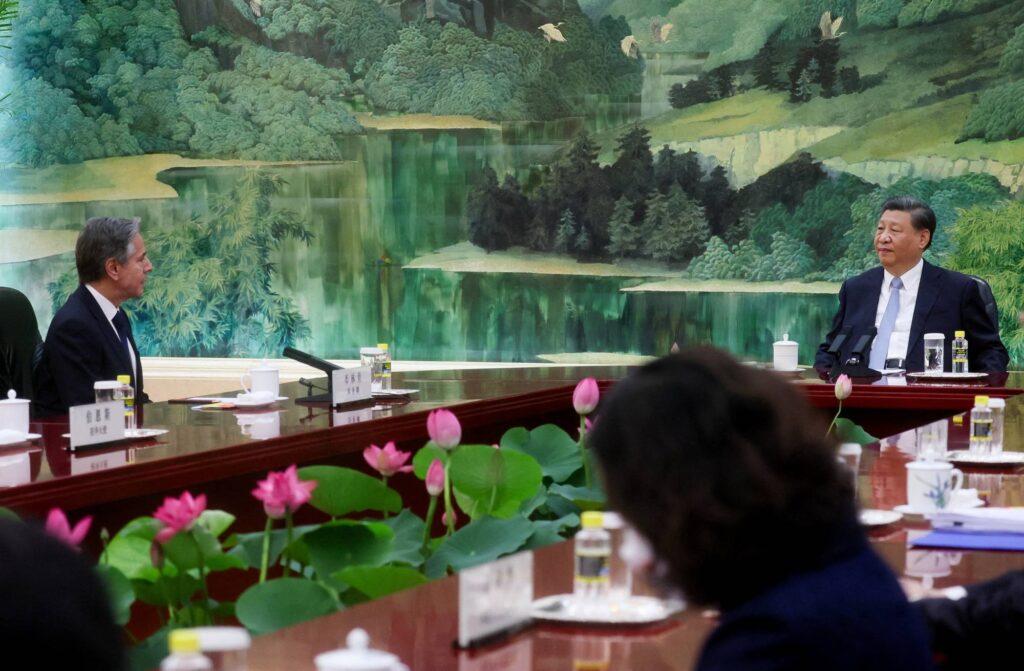
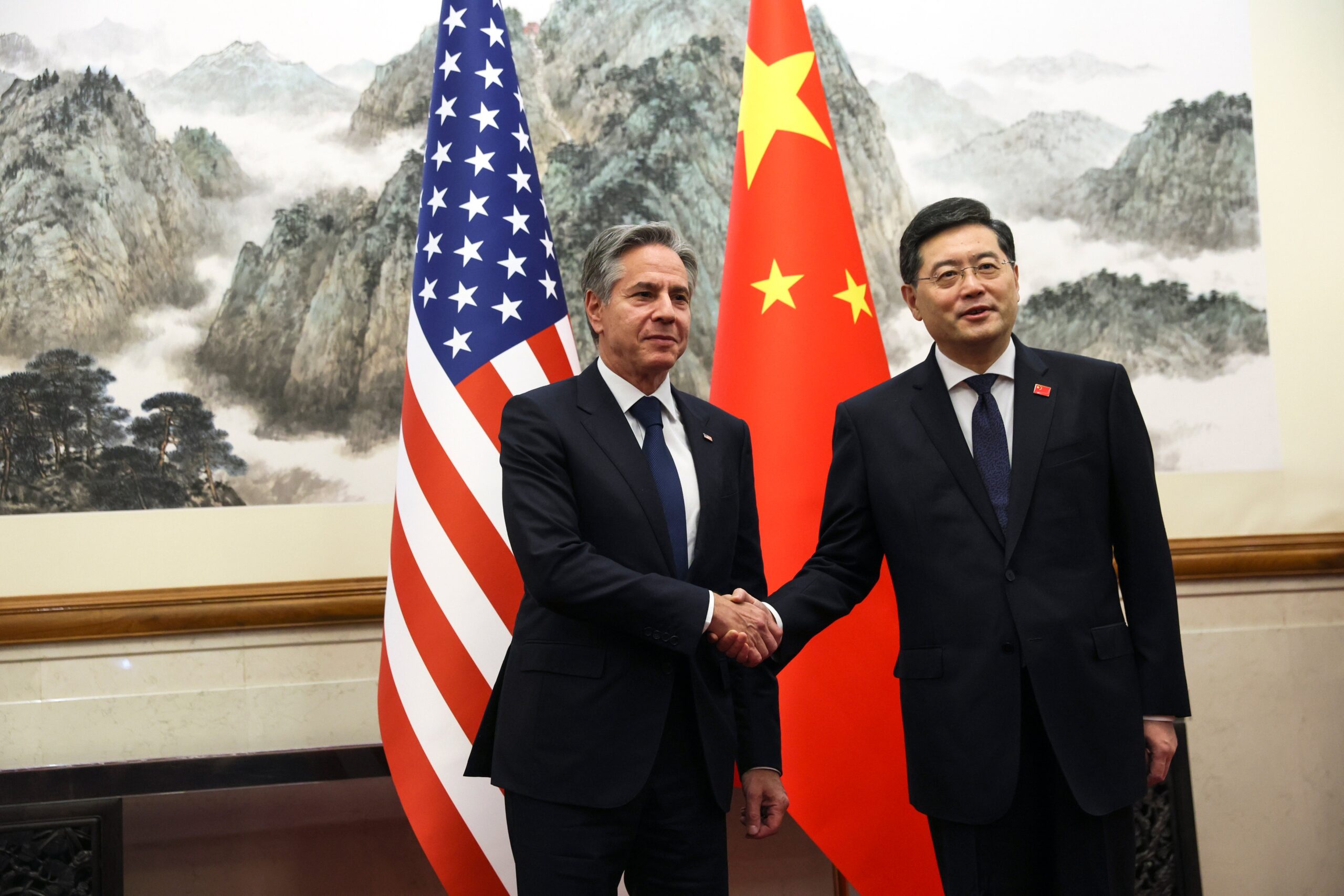
At the meeting, the two sides also discussed trade and economic issues. Blinken called on China to lower tariffs on US goods, and Xi said that China was willing to work with the US to stabilize global economic growth. The meeting ended with a commitment from both sides to continue dialogue. During meeting, the Chinese President, Xi Jinping said, “The two sides have also made progress and reached the agreement on some specific issues. This is very good.” On the other hand, as a response, Blinken said “the two countries have an obligation and responsibility to manage their relationship and that the United States was committed to doing that.” Furthermore, China’s ministry of foreign affairs said in a statement Blinken’s visit “coincides with a critical juncture in China-US relations.” Therefore, Blinken said that his trip to China has achieved its goal because the two countries managed to restore some senior-level communications. Blinken also stated during his trip to China, “If we want to make sure, as we do, that the competition that we have with China does not veer into conflict, the place you start is with communicating.” In addition, according to a statement by the US State Department, during his meeting with minister of foreign affairs of China, the US secretary Blinken “emphasized the importance of diplomacy and maintaining open channels of communication”. The department added that the regular talks would reduce the risk of misperception and miscalculation.

Despite the lack of progress on some issues, the meeting is being considered as a positive step by both the countries. It was the first high-level meeting between the US and China since the start of the war in Ukraine, and it showed that the two countries are making some efforts to talk to each other. The two sides agreed to continue dialogue on a number of issues, and the United States and China have reiterated that they would work to avoid miscalculations that could lead to conflict. They also agreed to cooperate on issues of common interest, such as climate change.

The meeting is being seen as a sign that the US and China are committed to finding ways to manage their differences. In spite of that, the prospects for US-China relations in the future are uncertain. It is because, the two countries have a number of issues that divide them. The outcome will likely depend on the progress that is made on the issues that are currently dividing the two countries such as the outcome of the war in Ukraine, the future of Taiwan, the rise of China’s economic and military power, and the domestic political situation in both countries. In conclusion, Secretary of State Antony Blinken’s much awaited visit to Beijing demonstrates that the two countries are eager to revive diplomatic path and infuse some stability into their interactions. But, more political will and effort will be required to restore some sort of stability and balance. Therefore, it remains to be seen whether this will lead to any significant improvement in US-China relations.

OSCE Conference: Enhancing Economic and Environmental Security through Sustainable Development

Introduction

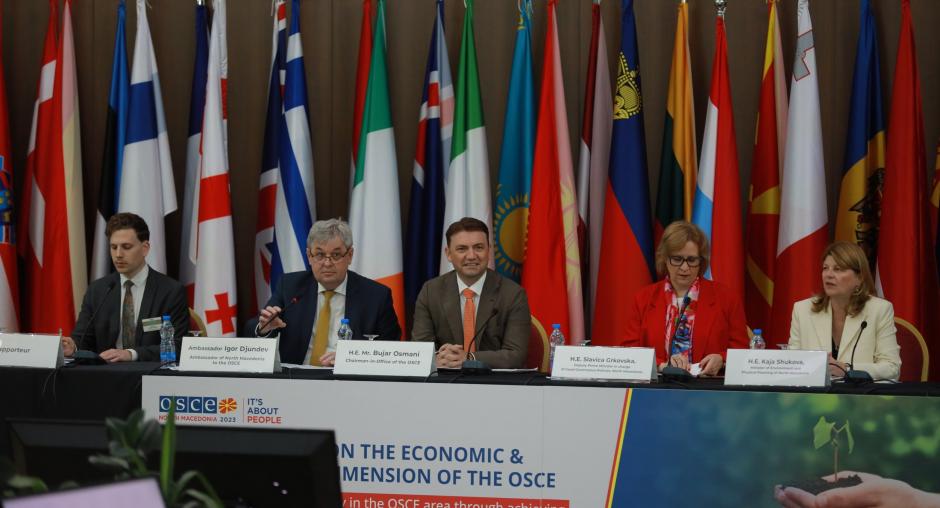
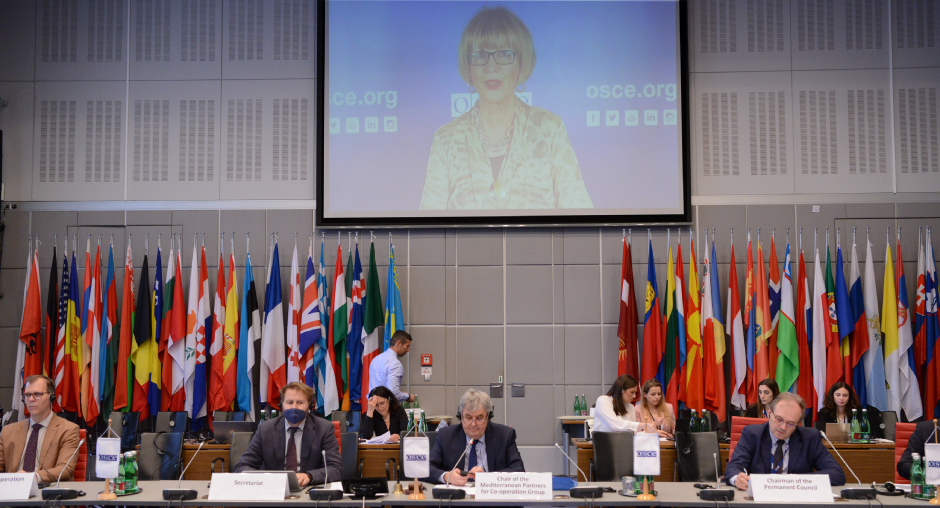
The Organization for Security and Cooperation in Europe (OSCE) Conference on the Economic and Environmental Dimension of Security was held in Struga, North Macedonia, on June 13-14, 2023. The conference brought together representatives from the OSCE’s 57 participating States, the private sector, academia, civil society, and international organizations to discuss economic and environmental aspects of security in the OSCE region. The conference focused on three key themes i.e. good governance and anti-corruption, energy security and climate change, and connectivity through transport and trade facilitation. Climate change remained in focus as it is a major threat to sustainable development and economic growth, and it is also a threat to environmental security in the region.

Importance of Sustainable Development for Economic and Environmental Security

Sustainable development is essential for economic and environmental security of a country because it strives to ensure a balance between economic growth, environmental protection, and social development. Sustainable development is a key factor in creating jobs, reducing poverty, and achieving economic growth. In fact, sustainable development and economic growth are two concepts that are linked. Sustainable development is a process of meeting human needs in a balanced way, preserving natural and social capital, and utilizing resources in a manner that does not compromise the needs of future generations. Economic growth is the process of increasing the size of an economy by expanding production and consumption. The importance of the interconnectivity of sustainable development and economic growth for a country’s economic and environmental security cannot be understated. Sustainable development allows countries to achieve economic growth without damaging the environment. This enables development to be achieved in a manner that is beneficial to all members of society, preserves the natural environment, and does not come at the cost of future generations. Economic growth in turn is necessary for a country to achieve its sustainability goals. Without economic growth, the resources necessary to fund the development of technology, infrastructure, and policies required for sustainable development are not available. Economic growth also increases employment opportunities and helps to improve the quality of life of citizens, which directly impacts the environmental security of a country. By combining sustainable development and economic growth, a country can ensure a balance between environment and economic security, as well as foster both economic development and environmental protection in a holistic manner.

Economic Growth, Sustainable Development and Environmental Security

Economic growth is determined by an increase in economic output, such as through increased production of goods and services, while sustainable development focuses on promoting a healthy environment and a thriving society. Sustainable development is necessary to ensure that economic growth is balanced with environmental concerns and social equity, while economic growth is necessary to ensure that there is the money to fund long-term sustainable development projects and programs. Environmental security is an important aspect of sustainable development and economic growth. To achieve sustainable development, it is very important to maintain a balance between economic growth and environmental security. Economic growth is vital for individuals and communities prosperity, and to improve their livelihoods and living standards. Economic growth can be used to encourage environmental security in a number of ways. For instance, governments can tax pollution, invest in clean energy, and provide incentives for businesses to reduce their environmental impacts. Additionally, businesses can be encouraged to adopt green practices, such as reducing their greenhouse gas emissions and using more sustainable materials. The key to achieving a balance between economic growth and environmental security lies in understanding the link between them. Ultimately, both are necessary to ensure the long-term sustainability of our environment and quality of life. Therefore, all the stakeholders must work together to find solutions that support economic growth and ensure economic and environmental security.

Recommendations from OSCE Conference for Economic and Environmental Security

The recommendations for action that were given in the conference by the OSCE participating States and other stakeholders are mentioned below:

  • Strengthening good governance and anti-corruption measures:The OSCE participating States will strengthen good governance and anti-corruption measures in their countries. This includes measures to increase transparency and accountability, to strengthen the rule of law, and to combat corruption.
  • Promoting energy security: The OSCE participating States seek to promote energy security in the region in sustainable way. This includes measures to diversify energy sources, to improve energy efficiency, and develop new renewable energy technologies.
  • Addressing the challenges posed by climate change:The OSCE participating States will address the challenges posed by climate change in the region. This includes measures to reduce greenhouse gas emissions, to adapt to the effects of climate change, and to promote sustainable development.
  • Promoting connectivity:The OSCE participating States will work together to promote connectivity in the region. This includes measures to improve transport and trade links, to develop information and communication technologies, and to promote regional cooperation in a sustainable manner.


China Imports More Oil From Russia Than At Any Time Since 2022

The importance of oil imports cannot be overstated, as it plays a crucial role in shaping the global economy and powering various sectors of industry. Oil is a vital energy source, serving as the lifeblood of transportation, manufacturing, and electricity generation. Countries that heavily rely on oil imports recognize its significance in ensuring their economic stability and growth. Access to affordable and reliable oil supplies is essential for maintaining industrial productivity, facilitating international trade, and meeting the energy demands of growing populations. However, it is important to note that the over-reliance on oil imports can also pose challenges, such as vulnerability to price fluctuations and geopolitical tensions. Therefore, it is crucial for nations to pursue diversified and sustainable energy strategies to reduce dependence on oil and promote the development of alternative energy sources for a more secure and resilient future.

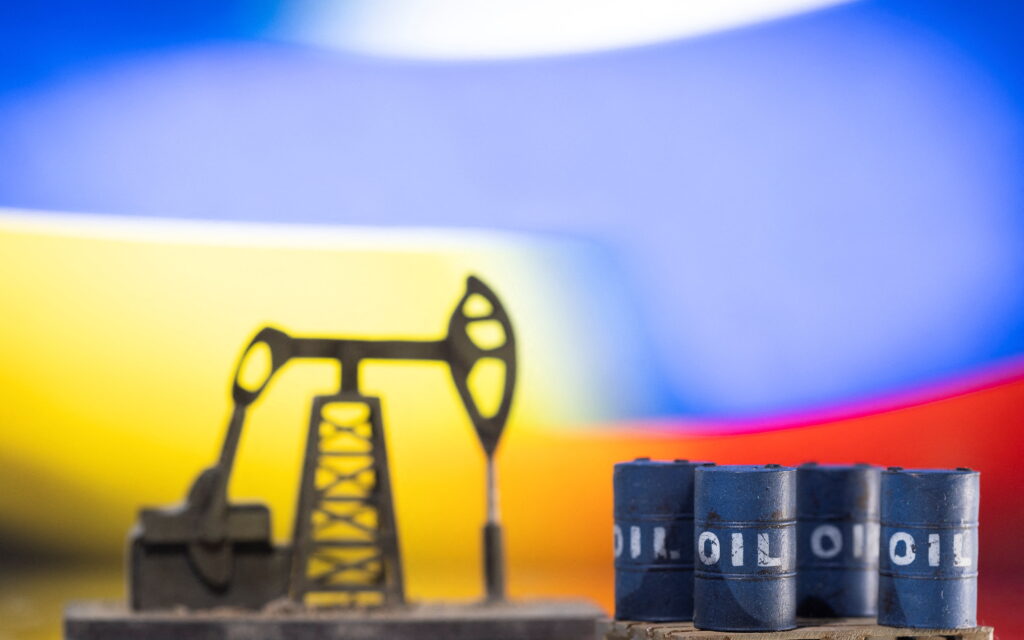
At the Priobskoye field in the Khanty-Mansi autonomous region of Siberia, crude oil is kept in storage. Chinese imports of Russian oil in the previous month reached their greatest level since the Russian special military operation began in Ukraine in February 2022, according to Beijing’s customs data, which showed that their annual commerce was $190 billion. They are consistent with trade statistics that were made public this month and indicated a sharp increase in China’s trade with Russia to levels not seen since February 2022. 5 billion, with imports from Russia totaling $11 billion, according to figures from the Chinese capital.

At a summit in March, Chinese President Xi Jinping and Russian President Vladimir Putin announced their “no limits” alliance and committed to increasing commerce to $200 billion by 2023. Beijing claims to be a neutral party in the Ukraine war, but Western nations have attacked Beijing for failing to denounce Moscow and for maintaining a close strategic alliance with Russia. Analysts pointed out that China had the upper hand in its interactions with Russia and that as Moscow’s international isolation widens, China’s influence is expanding. The two leaders announced that relations were “entering a new era” during their summit in Moscow in March, during which Xi invited Putin to visit Beijing. Additionally, during the highest-level visit by a Russian official to China since the Ukraine War, the Chinese leader gave Moscow’s prime minister, Mikhail Mishustin, his “firm support” on Moscow’s “core interests” last month.

NATO’s Largest-Ever Air Force Drills in Europe

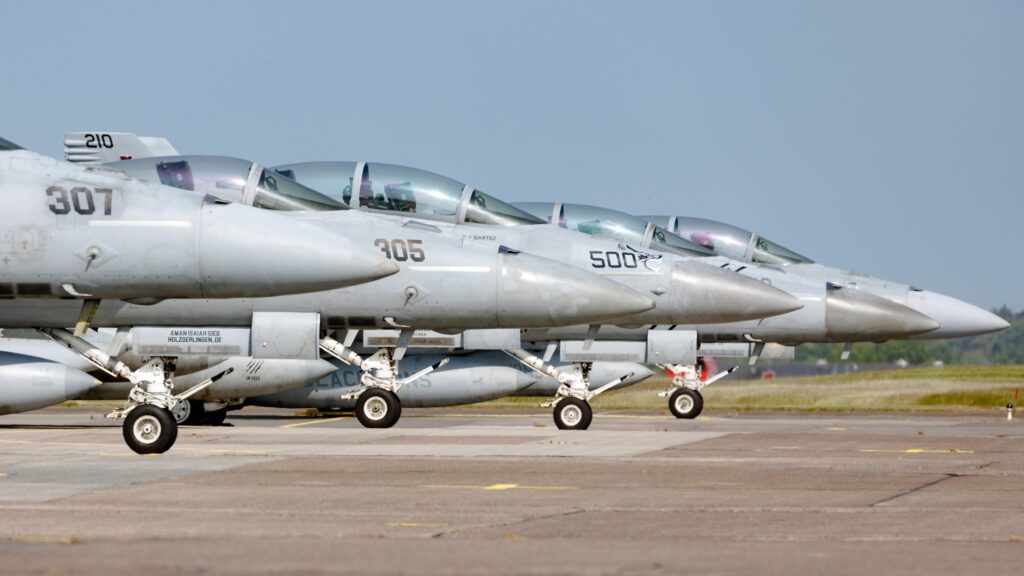
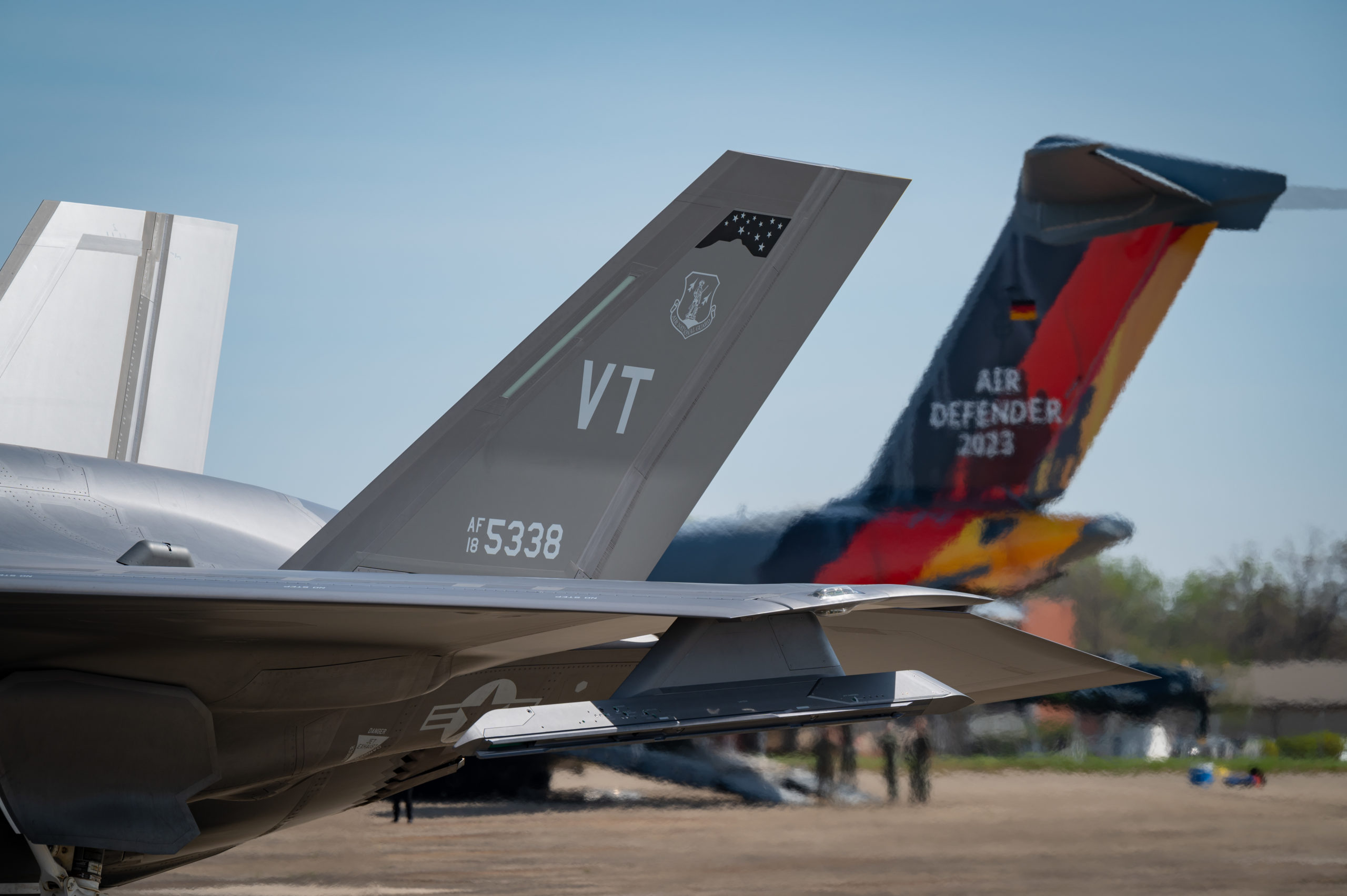
NATO began its largest ever air force deployment exercise in Europe on June 12, 2023. The exercise, called “Air Defender 23,” involves over 250 aircrafts from 25 NATO and partner countries, with around 10,000 personnel taking part in it. The exercise is being held in Germany, Poland, Romania, and the Baltic states. The goal of the exercise is to test NATO’s ability to respond to a wide range of air threats, including air attacks, ballistic missile attacks, as well as cyber-attacks. The exercise will also test NATO’s ability to coordinate air operations with its partner countries. The exercise comes at a time of heightened tensions between NATO and Russia. Russia has been amassing troops on its border with Ukraine, and NATO has been strengthening its presence in Eastern Europe in response. The exercise is seen as a way for NATO to demonstrate its readiness to defend its members against any threat. An attack on one member of NATO is considered an attack on all members, and all members must consent to membership applications under NATO’s Article Five.

The exercise is being conducted in three phases. The first phase, which began on June 12, was focused on training and familiarization. The second phase will begin on June 19 and will focus on air defense and air interdiction. The third and final phase will begin on June 26, and focus will remain on large-scale air operations. The exercise is a significant show of force by NATO, and it is a clear message to Russia that NATO is prepared to defend its members against any threat. The exercise is being led by the German Air Force, and it is the largest air force exercise that NATO has conducted since the Cold War. Lieutenant General Ingo Gerhartz, Chief of the German Air Force said in a statement “The significant message we are sending is that we can defend ourselves.”

According to Germany’s Defence Minister Boris Pistorius, the NATO air forces are “of central importance in the event of an attack because they are first responders to secure the population and also their own armed forces.” According to Pistorius, the goal of the drill is to make it clear that NATO and the German Air Force are ready to defend themselves. Additionally, he said, this applied to Russian President Vladimir Putin and to anyone “who threatens our freedom and our security.”


World Bank Provides $200 Million Aid to Support Flood-Damaged Pakistan

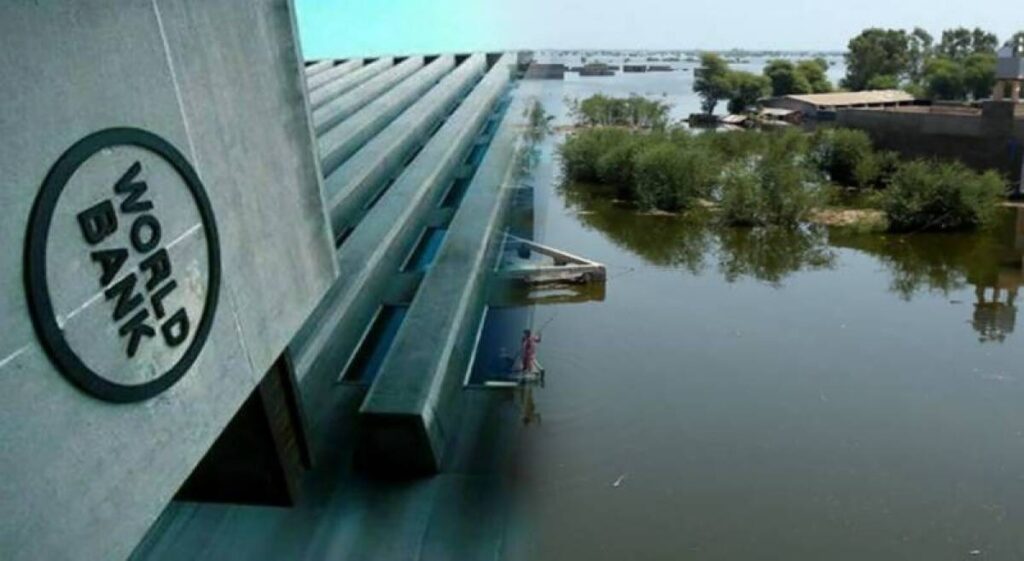
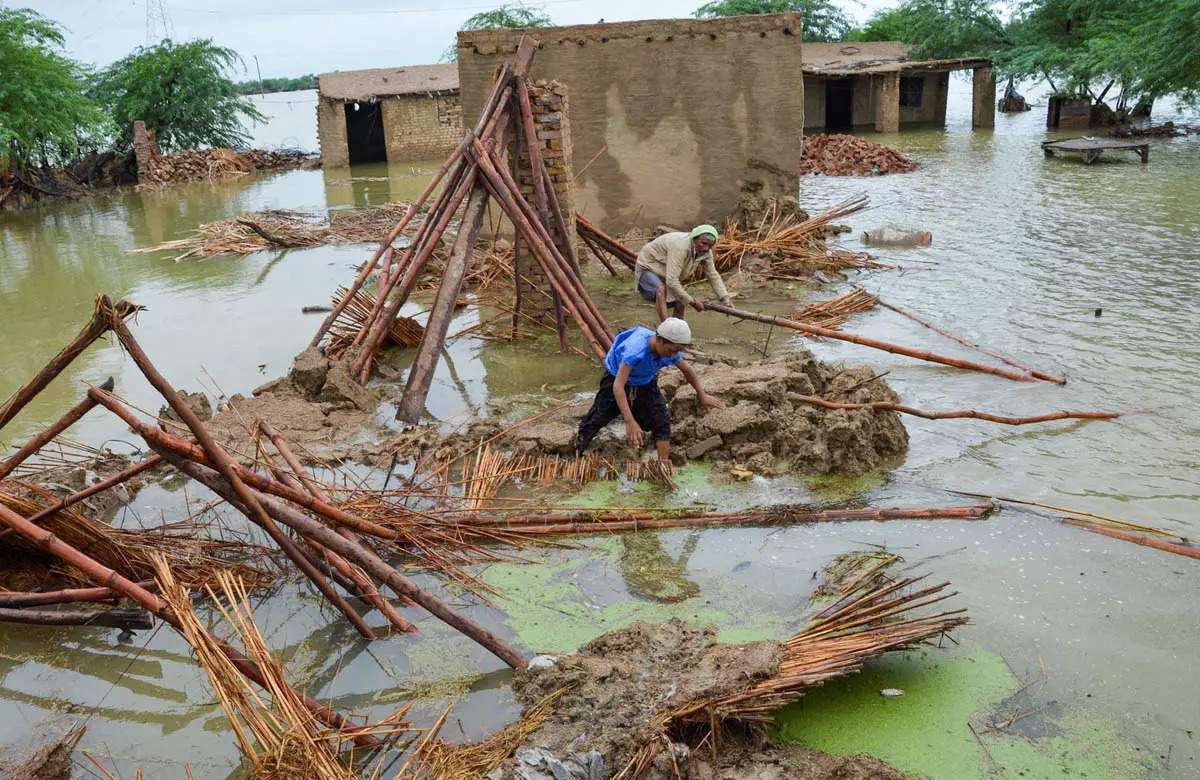
The World Bank approved $200 million in aid for Pakistan on June 15, 2023, to help the country recover from the devastating floods that have affected millions of people. In coming days, the amount would be deposited into the State Bank of Pakistan’s account. The aid will be used to provide food, water, shelter, and medical care to those who have been affected by the floods. The World Bank’s assistance is a vital lifeline for the people of Pakistan, and it will help them to rebuild their lives and their country. The floods, which began in July 2022, have affected more than 14 million people in Pakistan. The floods have destroyed homes, businesses, and infrastructure, and have left millions of people without food, water, or shelter. The World Bank’s aid will help to provide these essential services to those who have been affected by the floods.

The World Bank’s assistance is part of a broader international effort to help Pakistan recover from the floods. Following the severe floods of the previous year, Pakistan made request for financial aid from international lenders such as the International Monetary Fund (IMF), World Bank (WB), Asian Development Bank (ADB), and others. The global financial institutions received a joint report from the NDMA, finance, and planning and development ministries regarding damages due to the floods, according to the sources. The country is about to enter monsoon season again, therefore, the importance of the recent aid is particularly acute considering the ongoing weather and infrastructure conditions in Pakistan. According to a United Nations report, Pakistan is one of 20 nations that could experience excessive rainfall. In Pakistan, there is a chance of heavy rain and flooding this year as well, according to a report by the Food and Agriculture Organization’s (FAO) Global Information and Early Warning System (GIEWS).

In addition, the country’s infrastructure is already in poor condition, which will make it more vulnerable to damage from flooding. For that reason, the World Bank’s aid is a critical part of the international effort, and it will help to ensure that the people of Pakistan are able to rebuild their lives and their country. The role of the Government of Pakistan is crucial here to provide relief to the victims and effectively use the aid to prepare for the upcoming weather conditions. The aid can be used to provide food, shelter, medical services, sanitation services, capacity building, and investments can be made to rebuild infrastructure. The aid is being considered as a positive step for the people of Pakistan, as it will boost the relief efforts in flood-affected areas. To conclude, the assistance from the World Bank will not only help to provide essential services, and the reconstruction of damaged infrastructure but will also support economic development in the country.


Pathway to Peace: Colombia Reaches Ceasefire Agreement with ELN Rebels

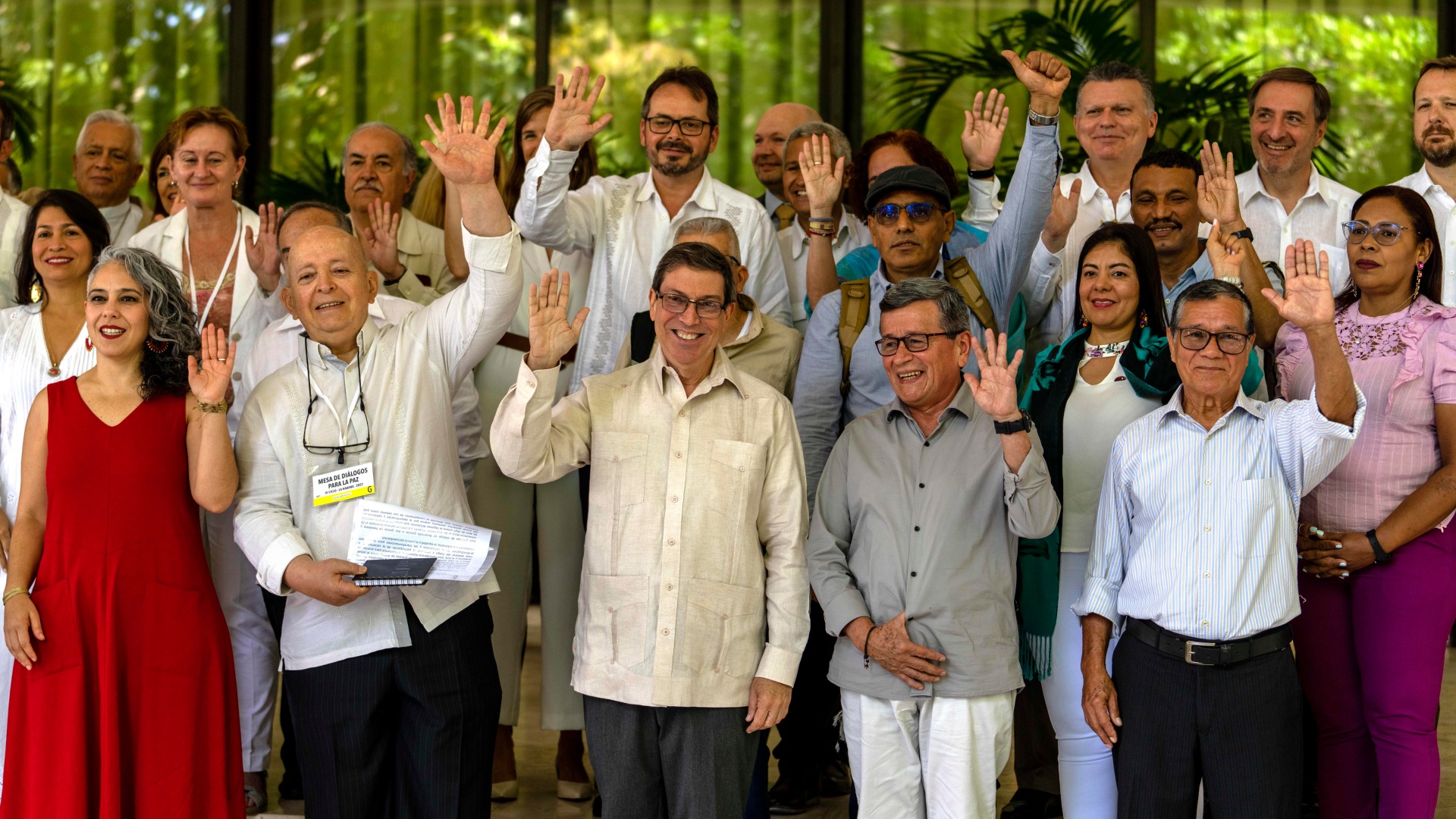
After countless efforts, Colombia and the ELN rebels have finally signed a ceasefire agreement on 9th June, 2023. The ceasefire agreement calls for an immediate end to hostilities and the start of a process of political dialogue. The national bilateral ceasefire will go into effect on August 3 and will be in effect for six months, while both parties aim to establish confidence. The agreement was signed in Havana, Cuba, and marks a major milestone in President Gustavo Petro’s campaign for “total peace”. The ELN is a Marxist-Leninist guerrilla group that has been fighting the Colombian government since the 1960s. The group has been considered responsible of carrying out bombings, kidnappings, and other acts of violence. The ELN has a long history of violence, and it remains to be seen whether the group will abide by the terms of the agreement.

The ceasefire agreement is a major victory for President Petro, who made peace a central focus of his campaign. Petro traveled to Havana for the signing ceremony, which was also attended by ELN commander Antonio Garca and Cuban authorities. Petro said at the ceremony, “Here, a new world is born, and a phase of the armed insurgency in Latin America ends.” The ceasefire agreement is the culmination of months of negotiations between the Colombian government and the ELN rebels. For that matter, it is crucial to implement the deal and address the root causes of the conflict, the Colombian government and the ELN rebels will need to collaborate.

This particular agreement is a positive development for Colombia, which has been plagued by violence for decades. The Colombian conflict has been going on for over 50 years and has caused widespread death, displacement, and poverty. The ceasefire agreement is a chance for Colombia to finally put an end to this violence and start rebuilding its country. Therefore, it can be proved a major step forward in the Colombian peace process and offers hope for a more peaceful future for the country.

The potential advantages of the agreement between Colombia-ELN rebels, if effectively implemented, include:

Reduced Violence: The ceasefire deal will lead to a reduction in violence in Colombia. This will allow people to live in peace and security while also aiding in the rebuilding of the country.

Economic Development: Peace will foster an environment suitable to economic development. This will enhance infrastructure, economic opportunities and will raise living standards of people of Colombia.

Social Advancement: The peace will allow Colombia to make progress on social issues such as education, healthcare, and poverty eradication.