Trilateral Cooperation: Pakistan, Iran and China’s efforts for Counter-terrorism and Regional Security

China has decided to work with Pakistan and Iran to fight the regional threat posed by terrorism and also to improve regional security. The three countries held their first trilateral counterterrorism and regional security consultations in Beijing. The meeting was hosted by Chinese State Councilor and Foreign Minister Wang Yi. Iranian Foreign Minister Hossein Amir-Abdollahian and Pakistani Foreign Minister Bilawal Bhutto Zardari also attended the meeting. According to the spokesperson of Foreign Office, Pakistan “The delegations held detailed discussions on the regional security situation, particularly the threat of terrorism faced by the region. Based on the outcome of these consultations, the three sides have decided to institutionalize the trilateral consultations on counter-terrorism and security.”

The meeting came at a time of growing concerns about the security situation in Afghanistan. The Taliban’s takeover of Afghanistan has led to a resurgence of terrorist groups in neighboring countries which needs to be regulated. In order to assist the Taliban leaders in addressing the threat and restoring economic stability to the country, the three nations have increased diplomatic engagement with the nation that has been devastated by war. Moreover, the three countries agreed to strengthen intelligence sharing and cooperation on border security and have agreed to work together to combat terrorism and extremism. The trilateral meeting is being considered as a sign of growing cooperation between China, Iran, and Pakistan and a common interest in the fight against terrorism to ensure regional stability and security. The three countries also agreed to hold regular consultations on counterterrorism and regional security.

This particular trilateral meeting is a sign that China along with other countries in the region is making attempts to address common security challenges. The meeting is also a sign that China is willing to play a more active role in regional security. Here are some of the specific measures that the three countries agreed to take:

  • Strengthen intelligence sharing and cooperation on border security.
  • Work together to combat terrorism and extremism.
  • Share information on terrorist groups and their activities.
  • Coordinate security operations in border areas.
  • Work together to prevent terrorist attacks.
  • The next trilateral meeting is expected to be held in Iran.

Pakistan and Iran are making collective efforts and are committed to work together for security cooperation and joint border safety. Despite the various challenges, a number of security initiatives are being considered. In the month of May, Iranian President Ebrahim Raisi and Pakistani Prime Minister Shehbaz Sharif traveled to the nearly 900-kilometer border between the two countries, where they jointly inaugurated a rare marketplace and power transmission line. The two counterparts also discussed the ways to strengthen border security cooperation. The Prime Minister of Pakistan, Shehbaz Sharif, said “We have exchanged proposals to make our joint border security mechanism more coherent and robust.”

China, Iran, and Pakistan are all affected by terrorism and have suffered from terrorist attacks in the past. The trilateral consultations provide an opportunity for the three countries to share their experiences and expertise in dealing with terrorism and to develop a coordinated approach to counterterrorism. The future of the Pak-Iran, China trilateral partnership against terrorism is promising. The three countries have a shared interest in regional stability and security, and they have already made significant progress in terms of cooperation. Overall, the first trilateral counterterrorism and regional security consultations between China, Iran, and Pakistan are a positive development in the fight against terrorism and the promotion of regional security. The three countries have demonstrated their commitment to work together for common security challenges and to enhance cooperation in the future.


Chinese Business Conference: Strengthening Saudi Arabia-China Economic Relations

Introduction

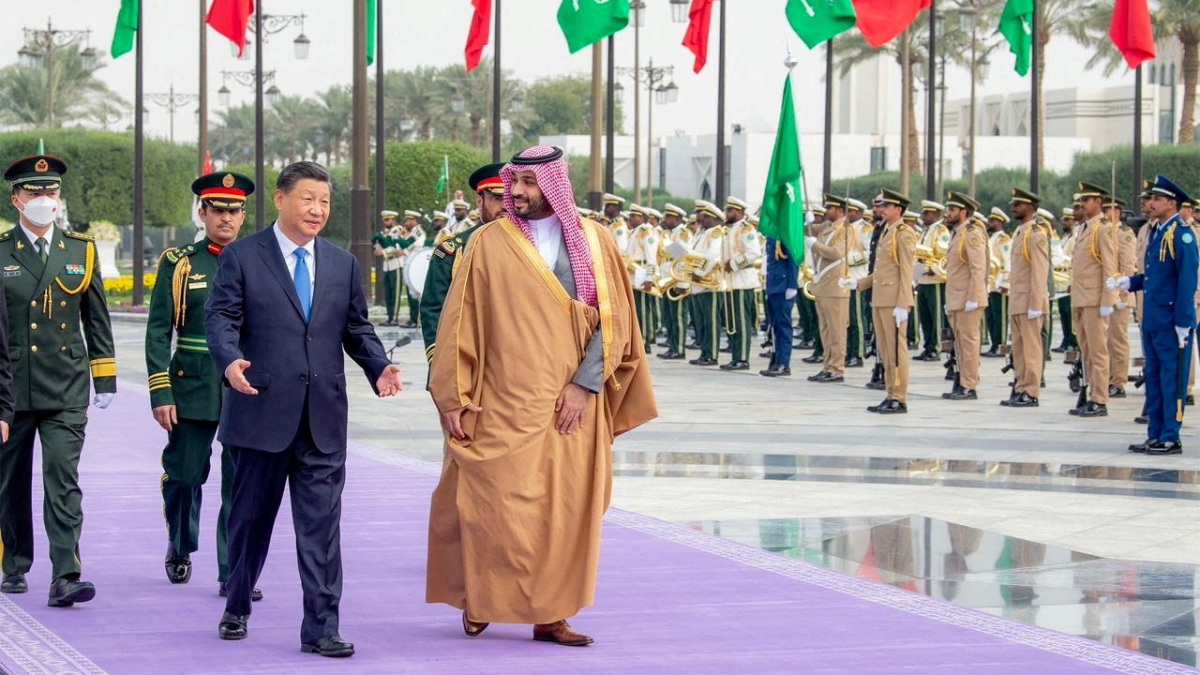
The highly anticipated 10th session of the Arab-Chinese Business Conference was held in Riyadh, Saudi Arabia. The Chinese Ministry of Commerce and the Saudi Ministry of Investment jointly hosted the conference. The conference’s main theme was “Collaborating for Prosperity.” Moreover, the Ministry of Investment, Ministry of Foreign Affairs, the Honorable Secretary-General of the Arab League, the Chinese Council for the Promotion of International Trade, and several other government agencies also worked together to organize this distinguished event on 11-12 June, 2023.

Over a thousand business executives from Saudi Arabia and China attended the conference. The discussion focused on strategies to boost investment and trade between the two countries. They also looked into potential areas of collaboration, like technology, energy, and infrastructure. The conference resulted in signing of trade and investment agreements of worth more than $10 billion. These agreements will help to increase economic expansion and provide new opportunities in both regions. The China-Saudi Arabia Business Conference is a crucial platform for advancing business collaboration between China and the Arab region. New trade and business opportunities have been made possible because of the conference, which has also aided in fostering stronger ties between the two regions.

Reviving the Silk Route for Regional Growth

On the sidelines of the China-Saudi Arabia Business Conference, Saudi Arabia announced the revival of the Silk Route in an effort to further strengthen trade ties with China. While speaking at the event, Saudi Arabia’s investment minister, Khalid Al-Falih, said that while China looks to strengthen its trade relations with the Arab world, the Kingdom may act as its gateway.
The revival of the Silk Route between China and Saudi Arabia is a major initiative that has the potential to boost trade and investment between the two countries. The Silk Route was an ancient trade route that connected China with the Middle East and Europe. A number of factors are driving the Silk Route’s revival, including China’s Belt and Road Initiative, Saudi Arabia’s Vision 2030, and the two countries’ developing economic and political relations. The Belt and Road Initiative is a worldwide infrastructure project launched by China that aspires to connect Asia, Africa, and Europe by a network of roads, railroads, and ports. The project is viewed as a means for China to increase its political and economic influence in the region. On the other side, Vision 2030 is Saudi Arabia’s strategy to diversify the country’s economy away from oil and gas. A number of attempts to attract foreign investment are included in the plan, including the creation of new industrial and tourism projects.

Sino-Saudi Relations

The Sino-Saudi relations are growing politically and economically, and have become stronger than ever before. China is the largest trading partner of many Arab countries, and it is investing heavily in infrastructure projects in the region. Saudi Arabia and China have signed a number of agreements in recent years, including a free trade agreement and a memorandum of understanding on cooperation in the fields of energy, infrastructure, and telecommunications. In 2016, China surpassed the United States as Saudi Arabia’s largest commercial partner. Trade between the two countries has increased in recent years, reaching a record high of $87.31 billion in 2022. China is also a significant investor in Saudi Arabia. Chinese firms invested $29.6 billion in Saudi Arabia in 2022, making China the country’s top foreign investor. Other sectors of collaboration between the two countries have expanded, including energy, infrastructure, and technology. China and Saudi Arabia agreed to build a $20 billion oil refinery in Saudi Arabia in 2022. The two countries are also collaborating on a number of infrastructure projects, including a high-speed rail route between Riyadh and Jeddah.

The growing ties between Arab countries and China are a sign of the changing global order. It is because, the United States is no longer the only superpower, and China is increasingly playing a major role in the Middle East. Moreover, China and Saudi Arabia have common economic and political interests in the region. Therefore, despite the concerns of the West, Saudi Arabia and China are sharing valuable partnership, and the close relationship between the two countries is expected to deepen in the coming years.


Climate Change: A Threat to Global Food Security

Introduction

Climate change poses a serious danger to the global food security, due to its direct and indirect effects on food availability and production. Crop yields are declining as a result of rising temperatures and extreme weather events, which are causing a rise in food insecurity. Extreme weather conditions, natural calamities, and economic and social unrest can have a severe impact on food availability. It is crucial to lessen the effects of climate change in order to alleviate global food insecurity by lowering emissions, using more effective and sustainable agricultural techniques and funding initiatives that advance food security.

Global Food Insecurity

Food insecurity (FI) describes the lack of consistent access to enough food for every person in a household to live an active, healthy life. A significant problem the world is currently confronting is global food insecurity. It is a condition that is characterized by a lack of economical, nutritious, and safe food options, which can cause hunger and malnutrition. The number of people impacted by global food insecurity increased from 135 million in 53 nations in 2019 to 345 million in 82 countries in 2022, according to an article published by the World Economic Forum. Global food insecurity is exacerbated by climate change, which has an impact on food production and delivery systems by increasing food prices while reducing the availability of food. According to the World Bank, as a result of the conflict in Ukraine, supply chain disruptions, and the ongoing economic effects of the COVID-19 pandemic, the number of people experiencing acute food insecurity has increased significantly. There are approximately two billion malnourished people in the globe, and by 2050, it is predicted that humanity will need 60% more food to feed everyone. To fulfill the expanding demand, however, the agriculture sector still lacks the necessary resources.

Impacts of Climate Change on Food Security

Food security is significantly and directly impacted by climate change. Due to changes in weather patterns, environmental disruptions and extreme weather events like floods and droughts, not only causes crop failure and famine, but also impacts and challenges the food security. The impacts of climate change on the global food supply are extensive. Food production is impacted by a variety of climate change-related factors including increased temperatures, more frequent droughts, decreasing soil fertility, floods and storms. Before the situation gets worse, action must be taken to curb food insecurity brought on by climate change. Governments and organizations on a local, national and international level must take proactive measures to develop food strategies that can better withstand climate variability in order to reduce the negative effects of climate change on food security. It can be accomplished through increasing investment in climate-resilient agriculture, promoting sustainable food systems i.e. including regenerative agriculture, improving food waste management and encouraging local food production. Furthermore, it is important to invest in adaptation and mitigation strategies that can help to reduce the impacts of climate change on global food insecurity.


Another Rounding of Severe Weather in the United States

Introduction

In recent years, extreme weather storms have been increasingly common and violent in the United States along with droughts, tornadoes, and other severe weather phenomena. Extreme weather events are likely to become more frequent and more severe in the future due to the consequences of climate change, such as rising temperatures and higher levels of moisture in the atmosphere. In the United States, especially in the central and southern regions of the country, tornadoes, a weather phenomenon which is difficult to predict but occur frequently. The most recent powerful storm system and tornado caused damage to at least eight states and prompted at least 50 early reports of tornadoes. The affected states are Alabama, Indiana, Iowa, Illinois, Arkansas, Tennessee, and Mississippi.

Destructive Tornado in Mississippi

At the end of March 2023, a powerful storm swept across the state of Mississippi in the southern United States. It left a trail of destruction that stretched more than 160 km (100 miles) throughout the state, resulted in deaths of more than 25 individuals while leaving dozens of people injured. Mississippi is one of the poorest states, so recovery will be difficult since poverty will make it harder to deal with the effects of current storm.

Biden visited the devastated state of Mississippi, while speaking to the hard-hit Mississippi community of Rolling Fork, President Joe Biden announced that the federal government would pay for the full cost of the state’s emergency measures for 30 days in response to the storm on March 24. Moreover, United States President Joe Biden issued a declaration of an emergency for Mississippi in response to the severe storm. According to a White House statement, Biden directed federal assistance to support regional recovery efforts led by state, and local bodies.

Emergency Situation in Other States

On April 5th, 2023, a tornado tore across southeast Missouri, leaving five people dead and extensive damage due to which Joe Biden assured the Missouri government of federal support. Before that, Joe Biden declared on April 2, 2023, that a major disaster designation would be accelerated in order to send aid to Arkansas. He added that the federal organizations are collaborating closely with Indiana and other affected states. At least 63 people have died as a result of the storms’ numerous tornadoes, which mostly occurred in the South and Midwest. According to official sources, residents of the Mid-Atlantic States suffered the largest number of power outages and over 200,000 consumers were without power. Nearly 110,000 people lack access to power in the Great Lakes states of Ohio, Indiana, and Minnesota. As this year’s severe storm season starts early, forecasters are keeping a cautious eye on all the weather events. There is still a risk of severe weather that is why the U.S. is preparing to deal with these patterns i.e. tornadoes and strong storms, which are likely to occur on a wide scale in the coming days.

Climate Change and Extreme Weather Patterns

Climate change is causing increasingly frequent and extreme weather events in the modern world. There is growing evidence that warming waters are causing stronger tropical storms than in the past. In addition, as a result of atmospheric instability brought on by warmer temperatures, thunderstorms may occur more frequently and on a greater scale. According to the Intergovernmental Panel on Climate Change (IPCC), climate change will lead to an increase in frequency and intensity of extreme weather events, including thunderstorms. Many scientists believe that there is a significant connection between the two i.e. extreme weather and climate change but there is no immediate solution for it. However, to lessen the threats of climate-related destruction and relocation, developing and under-developed countries in the Global South urgently require assistance by developed countries. The assistance can be provided in the form of technology transfer, capacity building, technical and financial transfers for climate mitigation and adaption strategies so that these countries can become more resilient to the impacts of climate change. Moreover, a worldwide comprehensive, urgent and collaborative response is required due to the severity and nature of climate change issues and catastrophic weather patterns that are being experienced globally.


Heightened Tensions: North Korea’s Stern Warning over US-South Korean Drills

Introduction

On 6th April, 2023, North Korea asserted that joint military exercises by the United States and South Korea have heightened the tensions and brought the Korean Peninsula to the brink of a nuclear war. Additionally, as President Joe Biden’s special envoy for North Korea travelled to Seoul for discussions with allies over the North Korea’s escalating nuclear threat, Pyongyang warned to take “offensive action” in response to the expansion of United States military drills with South Korea. The Korean Central News Agency (KCNA), state media outlet, denounced the ongoing drills as a source for pushing the situation on the Korean peninsula to the point of explosion.

Background

Last month, South Korea and the United States have conducted their largest joint military exercises (Freedom Shield) in five years, despite Pyongyang’s warning that such actions can be regarded as a declaration of war. In response to mounting threats from North Korea, which has recently conducted a number of missile tests in last few months, Washington and Seoul have increased defensive cooperation. The annual springtime exercises featuring United States nuclear-powered aircraft carrier, B-1B and B-52 bombers, as well as the two countries first significant amphibious landing drills, have been carried out by the United States and South Korean military. The North Korean leader Kim Jong Un’s sister issued a warning the day after a B-52 bomber flew over the peninsula on 6th March 2023. She said her nation was prepared to take “quick and overwhelming action” against the United States and South Korea.

But, on April 5th, 2023, for the first time in a month on the peninsula, B52s were also deployed. In response to concerns that North Korea would conduct a nuclear test, the United States sent nuclear-capable B-52 bombers to the Korean Peninsula as a show of force. The Defense Ministry of South Korea confirmed that long-range bombers participated in collaborative aerial exercises. According to Lt. Gen. Park Ha Sik, the commander of the South Korean air force operation command, the drills “show the strong resolve of the South Korea-U.S. alliance and its perfect readiness to respond to any provocation by North Korea swiftly and overwhelmingly.”

Joint Submarine Drill by the U.S., South-Korea and Japan

On April 3, 2023, the navies of the three countries i.e. South Korea, the United States and Japan started their first anti-submarine drill in six months in order to improve their coordination against the growing North Korean missile threats. The nuclear-powered USS Nimitz aircraft carrier and naval destroyers from South Korea, the U.S., and Japan participated in maritime drills in international waters off the southern island of Jeju, according to a statement from the South Korean Defense Ministry. The two-day exercises coincide with fears that North Korea may perform its first nuclear test since 2017 following the country’s recent display of smaller nuclear warheads.

Military Activities of North Korea

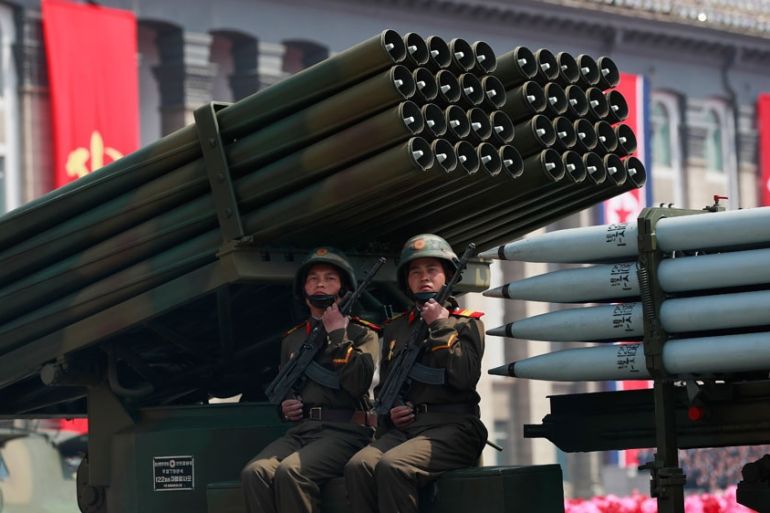
As a response to U.S.-South Korea joint military drills, Pyongyang has decided to increase production of more weapons-grade nuclear material for the expansion of country’s arsenal. On March 28, 2023, KCNA published images of the warheads, known as Hwasan-31s, as leader Kim Jong Un visited the Nuclear Weapons Institute. In addition to increasing its military action in recent weeks, North-Korea conducted a record number of nuclear tests last year. It has not only launched cruise missiles from a submarine but also tested an underwater drone with nuclear weapons capability and displayed new smaller nuclear warheads. It has also launched the Hwasong 17, its longest-range intercontinental ballistic missile. The Hwasong-17, is also called as the “monster missile” of North Korea. State media in North Korea confirmed the ICBM launch and stated that it was done in a response to the “provocative and aggressive” military drills in order to show a tough response posture. It was the one of the major weapons tests that have taken place around Freedom Shield, the massive joint military exercises between the United States and South Korea, which was considered as an invasion drill by Pyongyang. Despite claims to the contrary, the United States and South Korea have emphasized that their drills are defensive in nature.


China Warns of Consequences as Taiwan’s President Visits the United States

Taiwanese President Tsai Ing-wen set out on a 10-day trip to Central America on March 29, 2023, passing through the United States twice. Tsai’s visit to Central America came after Honduras’ decision to sever diplomatic ties with Taipei in favor of Beijing as well as it is anticipated that Paraguay will do the same following the upcoming elections in April. Tsai Ing-wen said after arriving in New York City that relations between Taiwan and the United States have “closer than ever.” The White House’s national security spokesman John Kirb said, the United Stated wanted a “normal, uneventful transit,” he added that this is Tsai’s seventh transit through the United States while serving as Taiwan’s President.

During her transit in US, Tsai Ing-wen praised the island’s ties with the United States. Earlier, Tsai praised Taiwan as a beacon of democracy in Asia and proclaimed that despite the enormous problems it faced, the island would not be left cut off. Tsai said, “We have demonstrated a firm will and resolve to defend ourselves, that we are capable of managing risks with calm and composure and that we have the ability to maintain regional peace and stability.”

On Tsai’s way back to Taiwan, she is expected to meet with Speaker of the House of Representatives Kevin McCarthy in Los Angeles, making it the first time a Taiwanese leader met with a House Speaker in the United States. China denounced any such meeting and warned that it could result in “serious confrontation” if it goes forward. Moreover, Taiwan Affairs Office and China’s Ministry of Foreign Affairs both have condemned the visit of Taiwanese President. According to China’s charge d’affaires Xu Xueyuan, Tsai’s transit through the United States might result in a serious dispute between the US and China and have a “severe impact” on bilateral relations between the two countries. As per Xu, ‘What the United States has done seriously undermines China’s sovereignty and territorial integrity,” and the US should bear “all consequences” for its actions. Previously, when Nancy Pelosi, the House Speaker at the time, visited Taiwan in August last year, China retaliated by conducting several days of extensive military exercises in the Taiwan Strait, which included firing ballistic missiles. Due to the complicated nature of the conflict between China and US over Taiwan, it is believed that tensions will continue to grow and become more complex in the future.


United Nations’ Climate Justice Resolution: Outlining Legal Responsibilities around Climate Change

Introduction

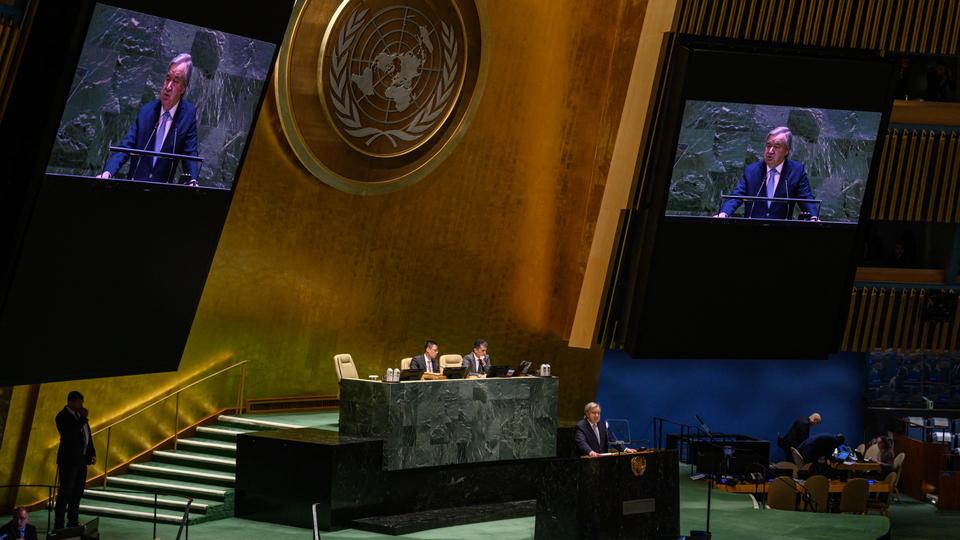
On March 29, 2023, at the UN headquarters in New York, the UN General Assembly passed a historic resolution inviting the world’s highest court to issue a consultative opinion regarding the obligations nations have to address the climate problem. The adoption of the resolution marks an important step in the fight against climate change because it clarifies what responsibilities nations have under current international law to protect the rights of present and future generations from the negative effects of climate change. Vanuatu, a Pacific island nation was the driving force behind the resolution, which has experienced the effects of climate change and has declared its intention to request an advisory opinion from the International Court of Justice (ICJ), which was adopted by consensus and co-sponsored by more than 130 member countries. The adoption of the resolution came after a week of the UN’s Intergovernmental Panel on Climate Change (IPCC) warned that global average temperatures could rise by 1.5 degrees Celsius above pre-industrial levels by 2030-2035, which demands serious climate action this decade.

Background

Developing nations and Island nations like Vanuatu, have made the least contributions to global greenhouse gas emissions, but they bear the brunt of unpredictable and extreme weather events like hurricanes, floods, droughts and extreme heat and floods that are impacting water and food security and driving forced migration. Last month, two category 4 hurricanes struck Vanuatu, an archipelago of islands 500 miles west of Fiji with around 325,000 inhabitants. This resulted not only in the displacement of residents but also extensive damage to infrastructure as well as water and power outages for many days. After a campaign started by a group of students from a Fiji institution in 2019, the Vanuatuan government began advocating for policy measures in 2021. Ishmael Kalsakau, the Prime Minister of Vanuatu appreciated the resolution and said, “Today we have witnessed a win for climate justice of epic proportions.” He added, “The historic resolution is the beginning of a new era in multilateral climate cooperation, one that is more fully focused on upholding the rule of international law and an era that places human rights and intergenerational equity at the forefront of climate decision-making.”

Significance of Climate Justice and the Role of ICJ
Climate justice is an important component to combat climate change because it emphasizes the disproportionate impact of climate change on the world’s most vulnerable communities. It underlines the need of dealing with the root causes of climate change and ensuring that those most impacted have a part in the whole process. Climate justice can contribute in a more equitable and just transition to a sustainable future. The International Court of Justice (ICJ) can play an essential role in achieving climate justice by serving as a legal platform for governments to address climate-related disputes and by providing advisory opinions on the issues. The United Nations chief Antonio Guterres of the General Assembly while addressing the delegates said, “Advisory opinions of the Court, the principal judicial organ of the United Nations, have tremendous importance and can have a long-standing impact on the international legal order. Advisory opinions can provide much-needed clarification on existing international legal obligations.”

Therefore, the resolution for global climate action is crucial as it urges that the International Court of Justice (ICJ) outline nations’ legal obligations relating to climate change and global warming. in addition, the resolution calls on that the ICJ issue an advisory opinion on the legal obligations of all the states to address the climate catastrophe, particularly their obligations to decrease emissions, assist vulnerable nations and take steps to protect human rights and nature. Moreover, the role of international organizations and other stakeholders must be considered to develop both global and regional solutions for addressing the climate related crises.

Conclusion

To conclude, the proponents of climate justice resolution believe that it may provide some avenues for enforcing climate regulations. The latest resolution will not only aid in bringing together various stakeholders to deal with the issues of climate change with strengthen collaboration, but it will also support local and international efforts that are aimed at climate justice.


Ecuador in Crisis: A State of Emergency is Declared

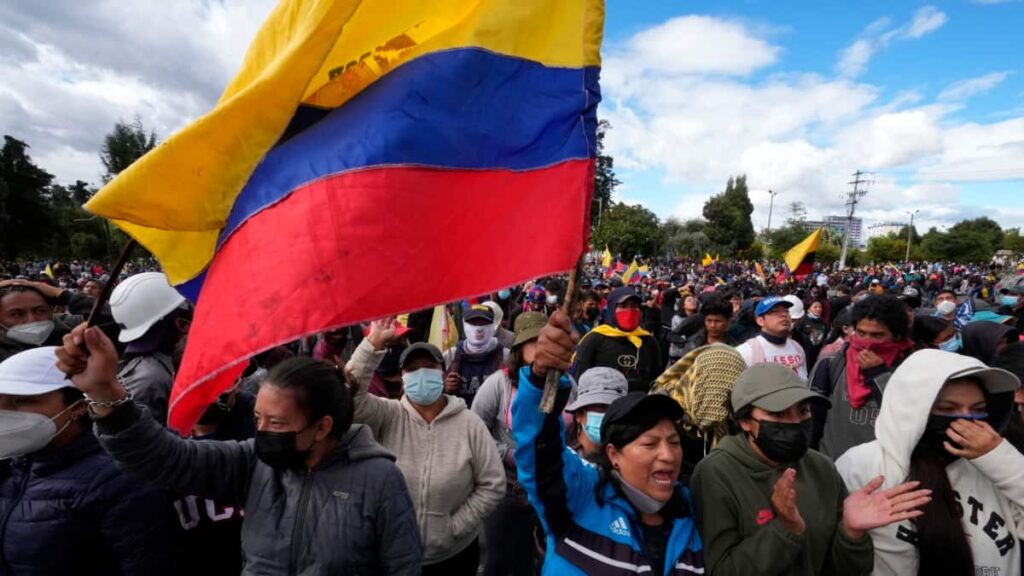
Guillermo Lasso, the president of Ecuador, issued an emergency declaration for 14 of the provinces that were hardest hit by a massive earthquake of 6.8 magnitude and harsh weather conditions, a small city named Balao in the province of Guaynas served as the epicenter of earthquake. The emergency declared by President, will remain in effect for 60 days starting on March 20, 2023, which will assist authorities to mobilize financial resources, to support the population and rebuild infrastructure. Lasso spent the day after the earthquake touring the worst-hit regions, noting that El Oro, Guayas, and Azuay were particularly hard hit. In a statement, President of Ecuador, Guillermo Lasso said, “We are carrying out an evaluation of the damage caused by the earthquake. The institutions were immediately activated, and contingency teams are mobilizing to provide full support to those who have been affected.”

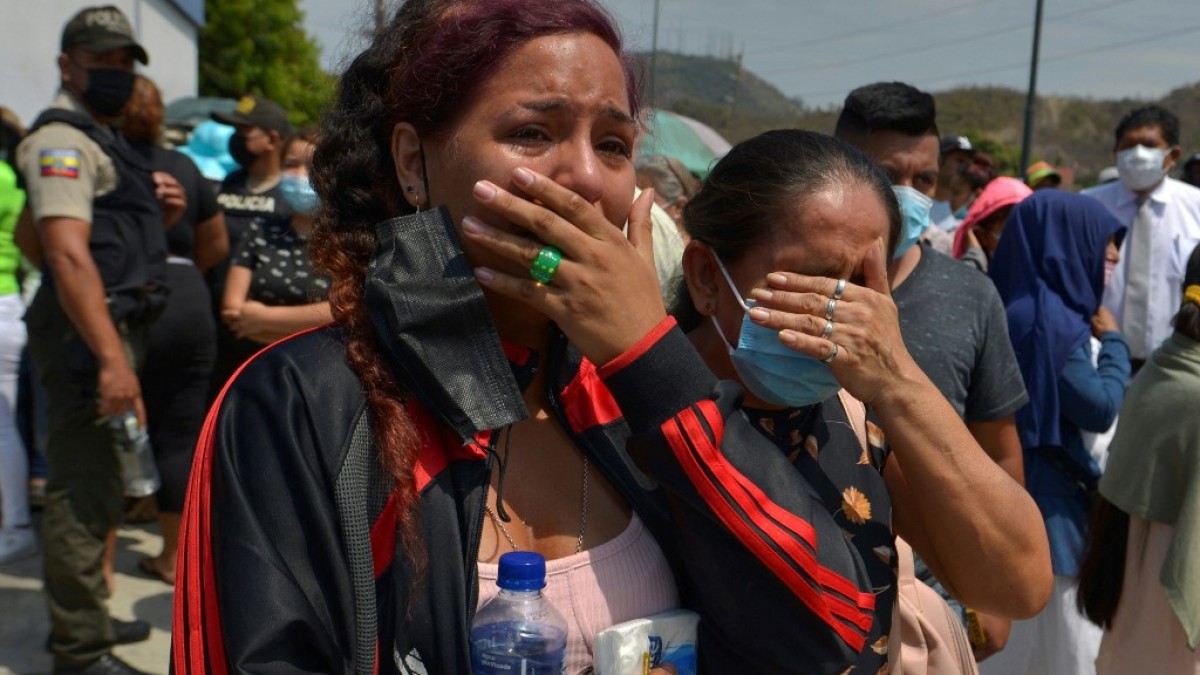
Most of Ecuador is expected to experience severe weather through at least March 24. The National Institute of Meteorology and Hydrology of Ecuador (INAMHI) has issued a weather warning for rain and thunderstorms in several parts of the country. Red alerts, the highest level on a three-tier scale, have also been issued in several areas. It was noted that about 16 people died and 460 suffered injuries due to the earthquake in the country. Initial reports indicated that the majority of the fatalities occurred in El Oro which also suffered 29 aftershocks, a southern province bordering Peru. As per authorities, at least 235 homes were affected in the wake of the earthquake which severely damaged the nation’s infrastructure. Furthermore, official sources also reported that 148 schools, 48 health facilities and 17 other public buildings felt damages in varying degrees, in addition to 90 houses that demolished completely.

According to a statement from the Ministry of Economics and Finance, financial aid would be provided to the government agencies so they can deal with the needs of earthquake-affected individuals more efficiently. Moreover, the most affected areas will be given access to the full network of disaster protection and bonds. The decision by the Ecuador’s Government to activate an emergency response plan is commendable, but its execution is more crucial to help the country’s citizens. Since the weather forecasts indicate worsening conditions which can have an impact on a significant number of people, therefore, immediate action is imperative to ensure the safety of lives and the provision of basic needs.


Strengthening Alliances: China’s President Xi Jinping’s Visit To Russia

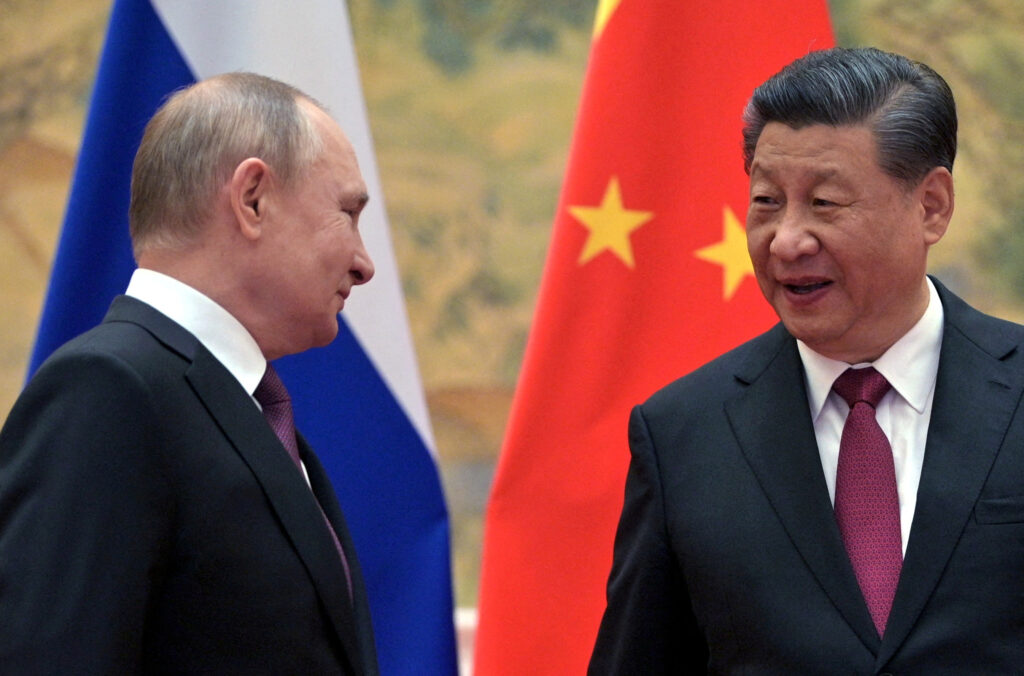
On March 22, 2023, Chinese President Xi Jinping returned to China after his first trip to Russia since the start of the war in Ukraine last year. The two leaders of China and Russia, Xi Jinping and Vladimir Putin, have made announcement on a range of issues after their meeting. Moreover, they discussed the conflict in the Ukraine, the influence of the United States and NATO, economic cooperation and military cooperation. A deal was reached by the two nations, which marked the beginning of a new era of cooperation in ties between Russia and China. Furthermore, to end the Ukraine conflict, the two leaders urged for a “responsible dialogue.” In this regard, Russian President Putin hailed President Xi Jinping for a peace plan for Ukraine that he introduced last month.

Vladimir Putin, the President of Russia, and Xi Jinping, the president of China, have signed several documents on strategic cooperation between Moscow and Beijing following what Putin referred to as successful and constructive meetings at the Kremlin. The discussions between the two counterparts were aimed to strengthen the no limits alliance that the two leaders had announced in February 2022, just before the Russia-Ukraine war started. “We signed an agreement on deepening the strategic partnership and bilateral ties, which are entering a new era.” Xi said after the discussions with Putin on March 21, 2023.

Xi appreciated constructive talks, pointing to an increase in trade and economic cooperation with Russia, which included the shipment of more Chinese electronic products. According to Putin, further gas shipments to China have been agreed upon, and the two nations intend to improve their transportation connections by constructing new highways and bridges. Putin also emphasized the importance of agricultural cooperation in particular and said that Russia was prepared to increase grain and meat exports to China. Additionally, he said that by working together, the two nations might overtake rivals in IT and AI. Media sources indicate that Xi and Putin agreed in a joint statement that Russia and China “will build a closer energy partnership, supporting companies from both countries in advancing cooperation projects in oil, gas, coal, electricity and nuclear energy.” The two leaders decided to “expand bilateral trade, cooperation in energy and food security and development of rail and other cross-border logistics infrastructure”. In their joint statement, Xi and Putin also decided to “further deepen military mutual trust” between the two countries.


The UN Water Conference 2023 amid threat of Global Water Crisis

Introduction

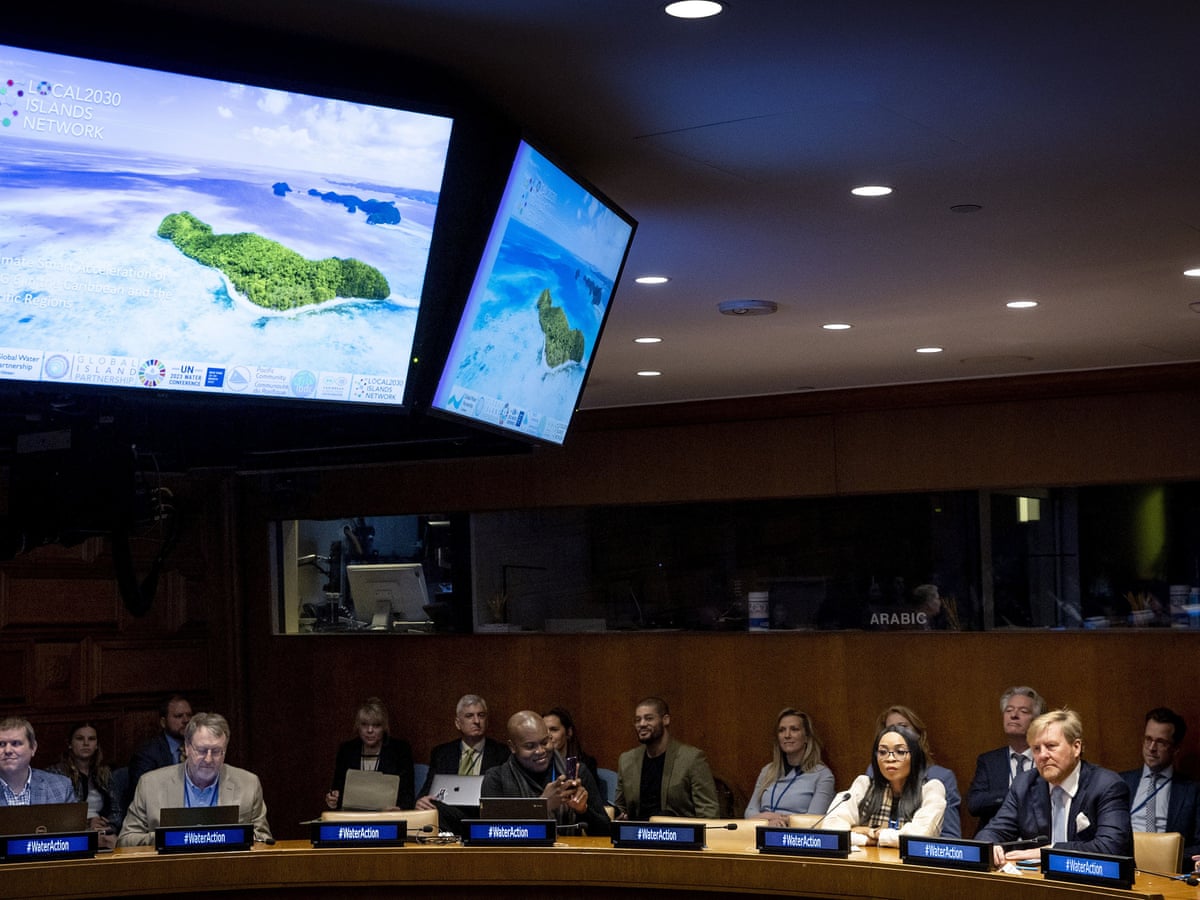
The UN Water Conference 2023, which took place from March 22-24 at UN Headquarters in New York co-hosted by Netherlands and Tajikistan, is being hailed as a special opportunity because it is the first of its kind event in almost five decades to speed up the process of achieving universal access to clean water and sanitation by the year 2030. The UN Water Conference has been welcomed as a chance to increase global cooperation to handle water issues, challenges and prevent an impending crisis. The overarching themes of the conference included water for health, sustainable development, cooperation, climate resilience and Water Action Decade in order to strengthen and accelerate action in key areas of water and to address current water-related challenges.

Background

In 1977, Mar del Plata, a city in Argentina, hosted the first UN Water Conference. Over the course of a 12-day meeting, representatives from 118 nations introduced the Mar del Plata Action Plan, in order to attain universal access to clean water and sanitation by 1990 so that a global water crisis can be prevented by the end of the twentieth century. A research on how to finance water projects was suggested when numerous low-income countries requested financial assistance for that reason but were turned down, as reported in Nature article at that time.
The eight Millennium Development Goals (MDGs) were adopted by the UN in September 2000 intended to be achieved by the year 2015. It was determined that actions would be implemented under the MDGs goal 7 i.e. “Ensure Environmental Sustainability” for sustainable access to clean water for drinking and basic sanitation. But, MDGs lacked monitoring, evaluation and multiple concerns, therefore, they were replaced by the SDGs as new international development goals. Under the UN Sustainable Development Goals (SDGs) in 2015, the countries set a 2030 aim for ensuring that everyone has access to clean water and sanitation.

Threat of a Global Water Crisis

Water sustains all facets of life on Earth, having access to clean and safe water is a fundamental human right. But decades of poor management and misuse have made water stress worse, endangering many facets of life that depend on this important resource. Water is still inaccessible to billions of people worldwide. It is estimated that each year, over 800,000 people die from illnesses directly linked to contaminated water, poor sanitation and unsafe hygiene habits. According to a report issued at the UN 2023 Water Conference in New York and produced by UNESCO on behalf of UN-Water, 2 billion people worldwide (or 26% of the population) lack access to clean drinking water, and 3.6 billion (or 46% of the population) lack access to properly managed sanitation. Water is necessary for healthy ecosystems, the production of food and energy, (gender equality and the decrease of poverty as per the SDGs). Since water and climate are closely connected, the effects of climate change on water can be seen and felt at an accelerating rate, including rising floods, heavy rainfalls and droughts. Both sustainable development and biodiversity are at risk from these effects.

According to UNESCO, between two and three billion people go at least one month without access to water per year, which poses serious dangers to their livelihoods, particularly in terms of food security and access to energy. In 2050, the number of urban population who will face water scarcity is expected to double, from 930 million in 2016 to 1.7–2.4 billion. Extreme and protracted droughts are becoming more common, which is stressing ecosystems and having negative effects on both plant and animal species.

Conclusion

People all around the world are being affected by the growing issue of the global water crisis. It concerns both the availability and quality of water. As the demand for water is rising due to population expansion and climate change, therefore, water scarcity is also becoming a more serious issue. Moreover, lack of access to clean drinking water as well as poor sanitation services are contributing to diseases like cholera and diarrhea. Together with deforestation, soil degradation and water logging, poor water management is a contributing factor to the devastation of the ecosystem. To deal with crisis, Governments, corporations, international organizations and individuals must take immediate action in response to the global water crisis to make sure that everyone has sustainable access to clean water. For this matter, collaboration of all the stakeholders at the international level can play a vital role in the formulation, adoption and implementation of water management policies and that is the only way to avoid a global water disaster in the coming decades.