China’s Warning: Potential for Conflict and Confrontation with the US over Taiwan is rising

Introduction

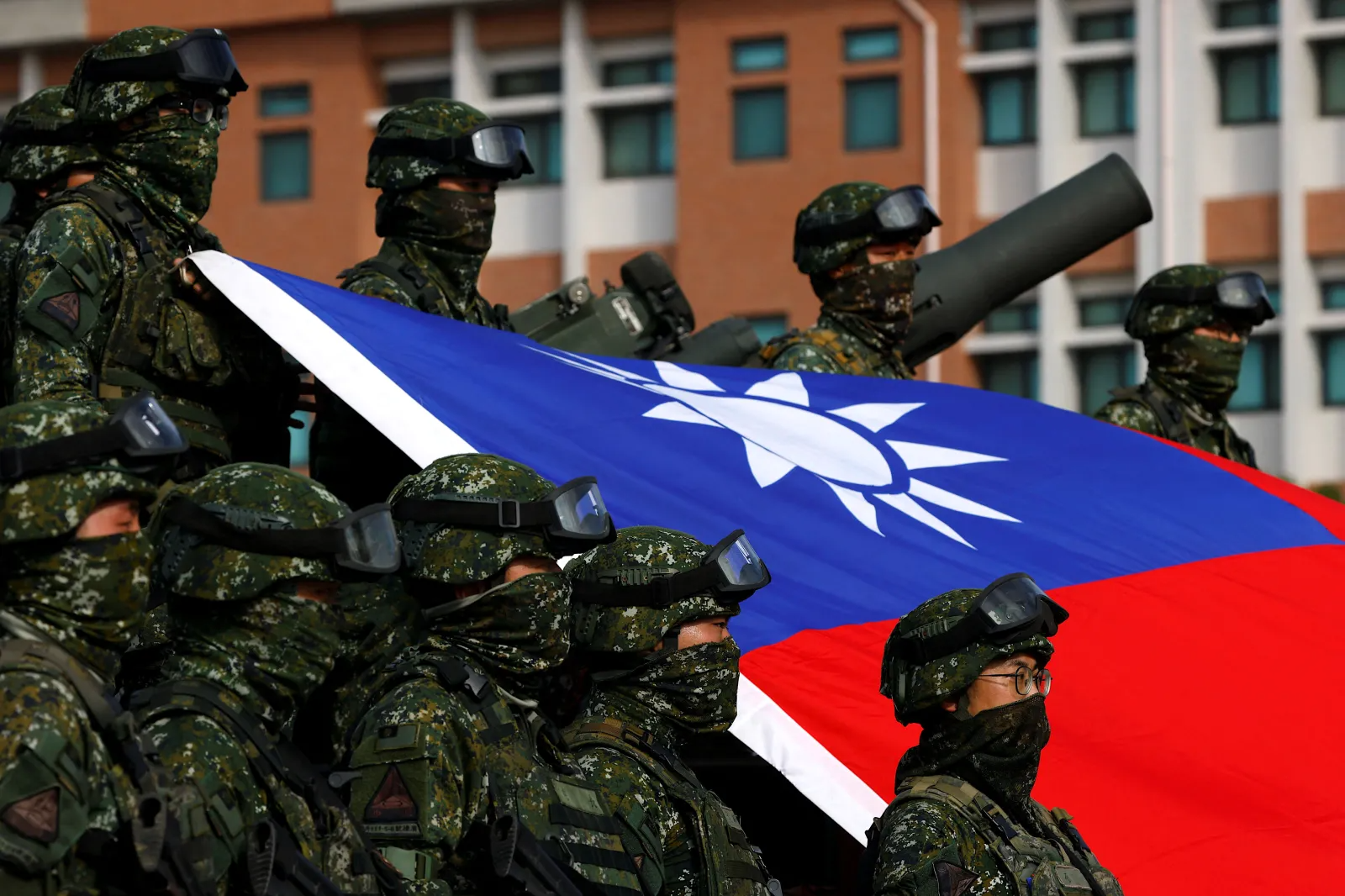
The Taiwan issue has complicated the US-China relationship. By maintaining a robust arms sales program, the United States has consistently supported Taiwan diplomatically and militarily. The U.S. has recently approved a potential sale of $619 million for weapons to Taiwan which also includes missiles for F-16 fleet. As a response, on 3rd March, 2023, the Chinese military spokesperson said in a statement “We demand that the U.S. to stop selling arms to Taiwan, stop military contact with Taiwan, stop meddling in the Taiwan question and exacerbating tensions across the Taiwan Strait.” It is because the delivery of American weapons to Taiwan not only constitutes open interference in Chinese internal affairs but also is a serious violation of the one-China principle.

Background

Taiwan, Ukraine-Russia war and technical dominance are just a few of the problems where the interests diverge between the two countries, the United States and China. However, tensions increased last month after an alleged Chinese spy balloon was shot down by American fighter jets while flying over North America, bringing relations between the two powerful economies in the world to a record low followed by the United States increased support for Taiwan’s military training. China announced that its military spending would increase at the quickest rate in four years because of escalating external threats.
China’s Foreign Minister warns of conflict with U.S.

On 7th March, 2023, China’s new Foreign Minister Qin Gang delivered a sweeping rebuke of American policies at his first news briefing in the new role, and made a warning that “conflict and confrontation” with the United States is inevitable if Washington does not change the direction. He added “The U.S. claims that it seeks to outcompete China but does not seek conflict. Yet in reality, its so-called competition aims to contain and suppress China in all respects and get the two countries locked in a zero-sum game.” He also said that “Washington’s approach toward Beijing is a reckless gamble with the stakes being the fundamental interests of the two peoples and even the future of humanity.”

Conclusion

To conclude, Taiwan is a crucial island but its future is uncertain. At the moment, China, Taiwan and the United States all have a very little margin for miscalculation as the smallest mishap by any country can lead to an instant escalation or serious armed confrontation. To avoid conflict, the three countries should maintain diplomatic connections, encourage communication and dialogue to achieve effective results. Also, the international community must play its role in maintaining the peace and stability of the Taiwan Strait.

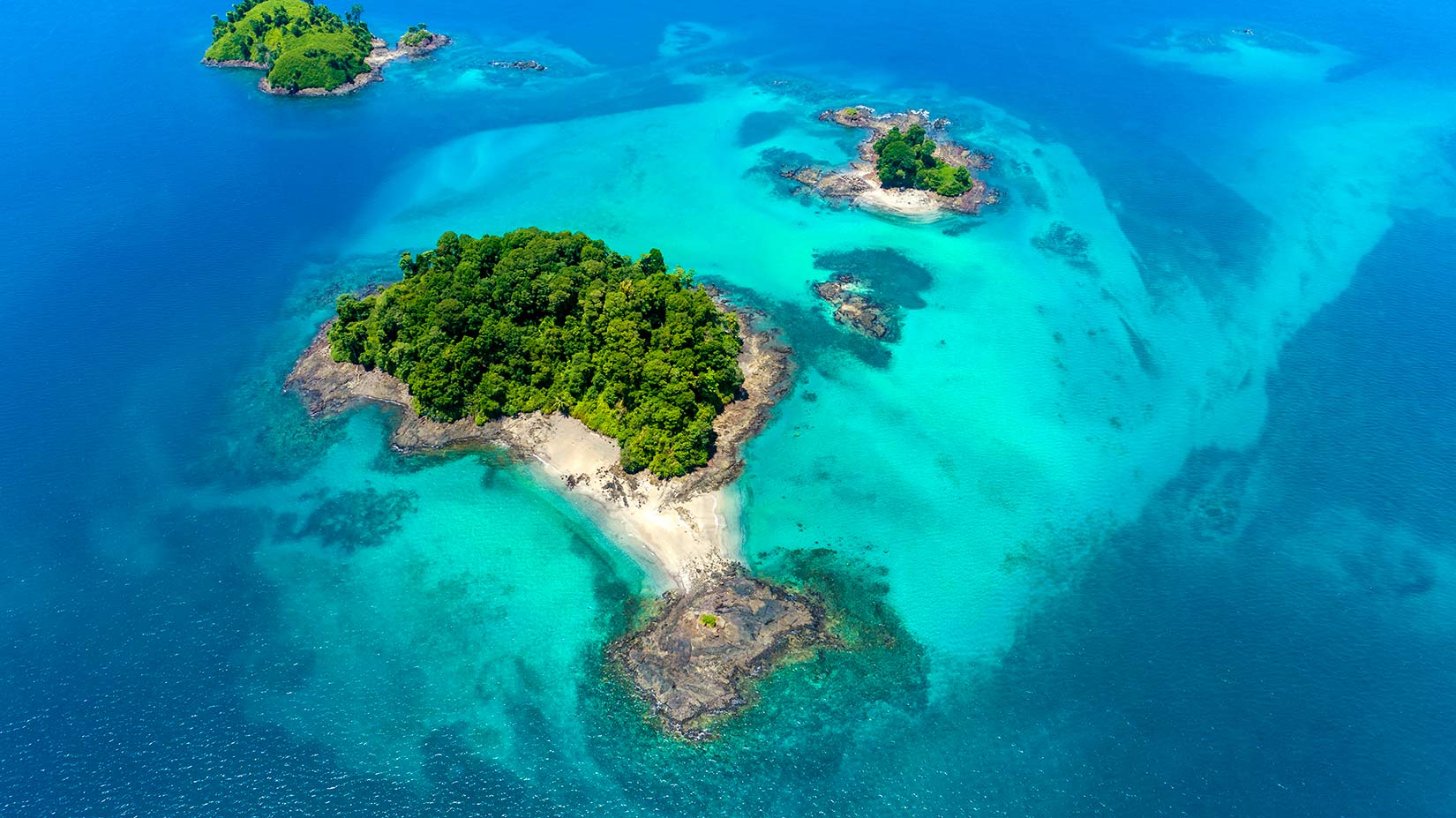


Key Takeaways From the “Our Ocean Conference (OOC), 2023”

Introduction

The Republic of Panama, the first Central American country, hosted the 8th edition of “Our Ocean Conference” in March 2023. The conference’s main theme was, “Our Ocean, Our Connection,” provided a forum for collaborative discourse between heads of state, the private sector, civil society and academia on marine resource conservation and sustainable usage, as well as ocean awareness among the general public. The core objective was to draw attention to the crucial significance of setting up interconnected networks of efficient area-based management practices, such as Marine Protected Areas, developing the global blue economy and suggesting creative solutions to the problem of marine pollution.

New Programs by United States

According to a press statement from the United States Department of State, the country highlighted fresh and recently initiated international projects totaling more than USD 800 million to protect ocean and assist developing countries during the Our Ocean Conference (OOC) in Panama. These programs included measures like encouraging the creation of marine protected areas, supporting partner nations in protecting and managing the marine resources, as well as boosting coastal areas overall ability in context with climate change. In addition, as part of the efforts to address the climate crises and safeguard ocean health and security, USAID is launching and expanding on twelve programs worth over $84 million, subject to funding availability and Congressional approvals.

Ocean Protection Commitments by the European Union
The European Union (EU) announced 39 commitments for the year 2023 during the Our Ocean Conference in Panama, reiterating its strong support for global ocean governance. The €816.5 million has been allocated for these initiatives. Since the beginning of the Our Ocean Conferences in 2014, this is one of the largest amounts the EU has ever committed. Moreover, EU also joined Illegal, Unreported and Unregulated (IUU) Fishing Action Alliance.

Conclusion

Around 71% of the surface of the Earth is comprised of oceans and seas which are under high pressure due to global warming, unsustainable practices, illegal fishing, pollution and the loss of marine habitats, these are just a few of the issues that are disturbing the oceans. Till now, more than 1,800 commitments totaling around $108 billion have been made, protecting more than 5 million square miles of ocean, since the Our Ocean Conference started in 2014. But there are still many issues that need to be addressed. Globally, ocean conservation is essential for both economic and environmental reasons. Oceans are crucial for maintaining a stable climate, supporting the blue economy, lowering temperatures, absorbing carbon dioxide, and generating oxygen. Therefore, countries must collaborate to safeguard the oceans by enforcing regulations and formulating policies and strategies that support the sustainability and health of the oceans.


A Momentous Summit in Tokyo: Japan and South-Korea agree to Restore Relations

Introduction

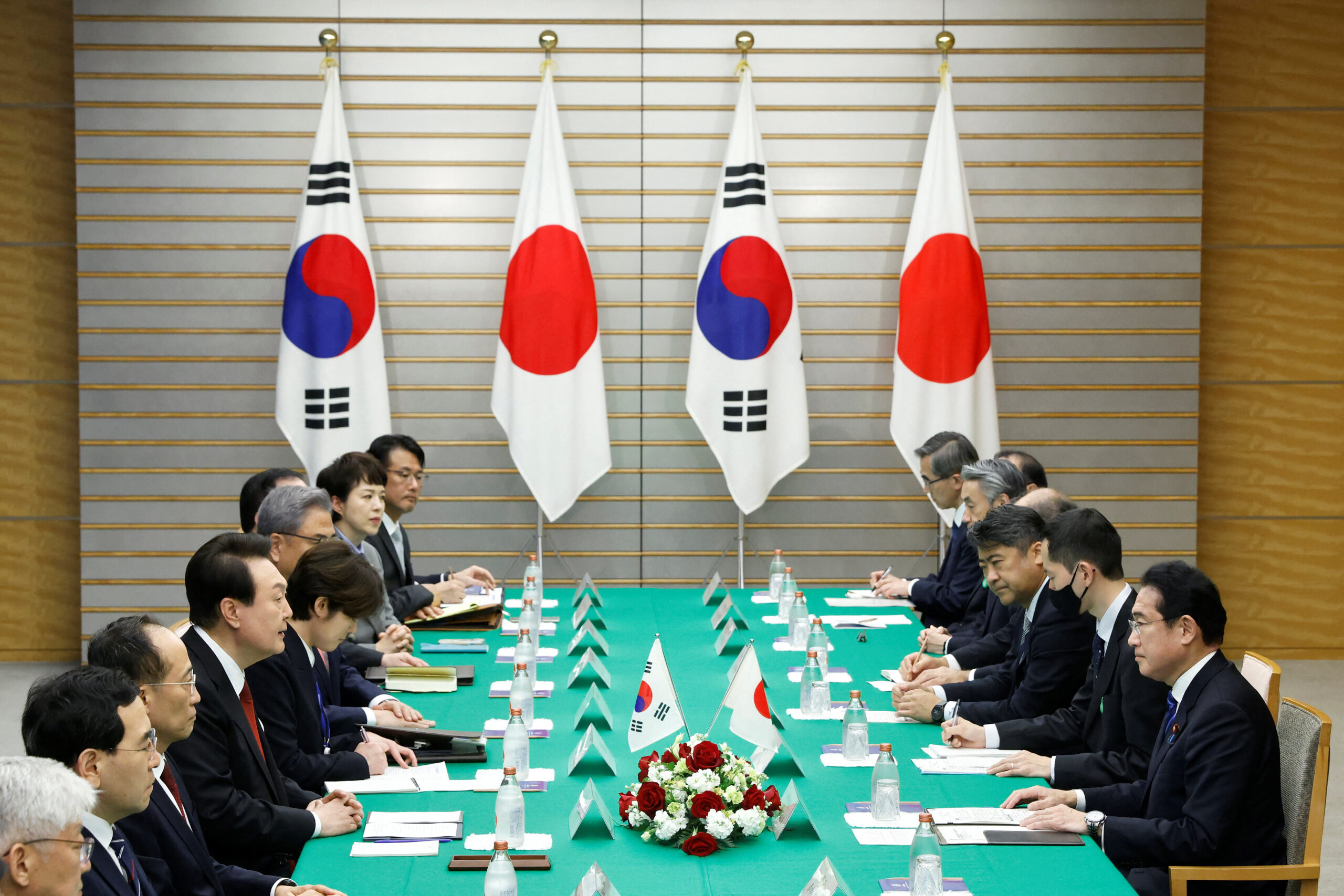
The two leaders, Japanese Prime Minister Fumio Kishida and South Korean President Yoon Suk Yeol, met in Tokyo after 12 years for talks that have been hailed as a turning point in their tense relationship. The two countries have decided to put a century of difficult history behind and work together to resolve regional security issues. In an effort to overcome a hard period of history, the Prime Minister of Japan described their meeting as a “big step” towards rebuilding the security and economic connections between the two countries. During a long-awaited summit, the two countries agreed to resume routine bilateral visits and the security conversation that had been put on hold in 2018 in order to resolve problems, making the summit highly significant. An intelligence-sharing agreement known as General Security of Military Information Agreement (GSOMIA), from which Seoul had threatened to withdraw in 2019, was completely normalized, according to Yoon. A four year trade dispute over several high-tech materials used in semiconductors was also announced to be resolved. Moreover, according to South Korea’s trade ministry, Japan will lift restrictions on its exports to South Korea of vital components for smartphone screens and semiconductors in exchange for Seoul dropping its World Trade Organization (WTO) lawsuit against Tokyo.

Background

There are a number of disputes such as territorial issues, economic rivalry, historical resentments i.e. colonial period from 1910 to 1945, have all contributed to the tensions between the two nations. In past years, efforts were being made by Japan and South-Korea to strengthen diplomatic ties, but many issues remained there that kept dividing the two nations which resulted in high level of tensions. Also, the two nations have been engaged in a contentious dispute regarding forced labor for many years. Yoon has made it obvious that improving relations with Japan is a key goal since his victory last year. Prior to the first formal summit between the two nations, the two leaders previously had side-by-side meetings at multiple diplomatic engagements. A trilateral summit between the leaders of South Korea, Japan and the United States was also conducted in Spain last year on the sidelines of NATO summit.

Japan’s Prime Minister Fumio Kishida and South Korea’s President Yoon Suk Yeol attend a meeting at the prime minister’s official residence in Tokyo, Japan, March 16, 2023. Kiyoshi Ota/Pool via REUTERS

North-Korea’s Response to Japan-South Korea Summit

The summit between South-Korea and Japan was coincided with U.S. and South-Korea’s military exercises that have previously angered Pyongyang. North Korea has launched several missiles as a response to the drills. Just hours before South Korea’s President was scheduled to fly to Japan for the first summit between the two countries in years, with the situation in nuclear-armed North Korea a primary worry, North Korea launched an intercontinental ballistic missile into its eastern waters. Before the summit Yoon, South- Korea’s President said in an interview, “There is an increasing need for Korea and Japan to cooperate in this time of a poly-crisis with North Korean nuclear and missile threats escalating and global supply chains being disrupted.” According to President’s office, Yoon held an emergency security meeting on the launch before leaving for Tokyo and gave instructions to the South Korean military to continue its joint training exercises with United States’ forces. He asked to conduct the planned joint drills intensively, in order to strengthen security relationship between Seoul, Washington and Tokyo. The President also said that North Korea would pay a clear price for its reckless provocations. The Prime Minister of Japan, however, stated that “We must further strengthen cooperation among the allies and like-minded countries.” He opted not to give remarks on what North-Korea could have wanted to accomplish with the launch.

Conclusion

Since the 2022 elections and taking office, Yoon has consistently worked to restore relations with Japan and has referred to Tokyo as a “partner that shares universal principles with South-Korea.” Additionally, he stated that trilateral collaboration between South Korea, Japan, and the United States “has become more important than ever to overcome the serious nuclear threats posed by North Korea.” The United States has worked to improve relations between South Korea and Japan by mediating issues between the two nations. Because of their strategic importance in the Asia-Pacific region, the United States has an interest in maintaining good relations with South Korea and Japan. The threats from North Korea will continue to hold the trilateral relationship together. The alliance between the South Korea, Japan and the United States will help to deepen and broaden ties as well as advance interests in the Indo-Pacific region.


Positive Development in Second Round of Colombia-ELN Rebels Peace Talks

Introduction

During a second round of peace talks held in Mexico City, both the Colombian government and the left-wing National Liberation Army (ELN) rebel group have welcomed the progress in their efforts to put an end to decades of armed conflict in the South American country. President Gustavo Petro is engaging in negotiations with armed group in order to reach a complete ceasefire and peace. The President, Petro is the Colombia’s first left-wing leader who is making efforts to bring “total peace” to end six decades of violent conflict that killed almost 450,000 people and devastated the country. The ELN negotiator, Pablo Beltran, said in a statement, “We took the first steps to firm up a bilateral, national and temporary ceasefire which will create better conditions for Colombians’ mobilization and participation in the peace process.” The next round of negotiations, which will take place in Cuba, will focus on securing a ceasefire, according to Otty Patino, the leader of the Colombian side. According to a tweet from Cuban President Miguel Diaz, Cuba was honored to accept the request to host the next round of talks with the ELN. Meanwhile, Norway and Mexico, who have facilitated the talks, applauded the latest advancement. Norway’s foreign affairs ministry welcomed the talks and said “Congratulations to the Colombian government and the ELN guerilla on substantial progress in the peace talks in Mexico, on key topics like participation, humanitarian relief and future cease fire.”

Background

The ELN, was established in 1964 and it is the only largest surviving rebel group in the country. About 2,500 of the ELN’s fighters are still active today and the group has been charged with using kidnapping, illegal mining and drug trafficking to support its operations. In 2017, when Juan Manuel Santos served as president of Ecuador, negotiations with the ELN first began. In 2018, they were taken to Cuba. The talks were halted in 2019 by Ivan Duque, a former President, one day after the group bombed a police academy in Bogota, Colombia, that killed 21 policemen. After three years, the first round of negotiations initiated which took place in Venezuela’s capital in November and December 2022. It was successful and served as a ray of hope in extreme conflict and destabilizing tensions as two sides reached a four points agreement. The violence in the Colombian districts of Choco and Valle del Cauca and the requirement for immediate assistance were highlighted by the two sides in the joint statement. Additionally, there were continued demands for the measures to improve circumstances for prisoners and for the return of indigenous communities i.e. members of the ELN, therefore a partial agreement was announced.

Petro’s “Total Peace” Plan in Colombia
Total Peace is a policy that seeks to end the nation’s long-standing armed conflict through talks with various armed groups, including the ELN and FARC, which pose the greatest threats to the Colombian government. Since taking office in August 2022, it has remained one of Gustavo Petro’s main priority on political agenda, he wanted to initiate the 2016 FARC peace agreement’s implementation and talks with the ELN and other armed organizations. For achieving “Total Peace” the Petro administration asserted that it will concentrate its strategy on protecting civilians while first attempting to negotiate humanitarian treaties with armed groups. Furthermore, Petro said he would give up the militarized and hardline strategy which is considered as a source of exacerbated conflict and violence in the country by human rights organizations. He has attempted to normalize relations with neighboring country Venezuela as a part of his efforts to strengthen trade ties and deal with border region unrest.

Conclusion

After the first round of peace negotiations between Colombia and ELN, divergent statements emerged as a result, which were held in the Venezuelan capital of Caracas at the end of the previous year. The ELN denied accepting any such deal, stating a ceasefire “was merely a proposal to be considered” as the Colombian government reported a truce had been achieved. Now, there is a hope for peace at the end of the second round of talks as the two sides have already reached an informal ceasefire.


Anti-Inflation Plan: Mexico and Latin American Allies Unite Against Inflation

Introduction

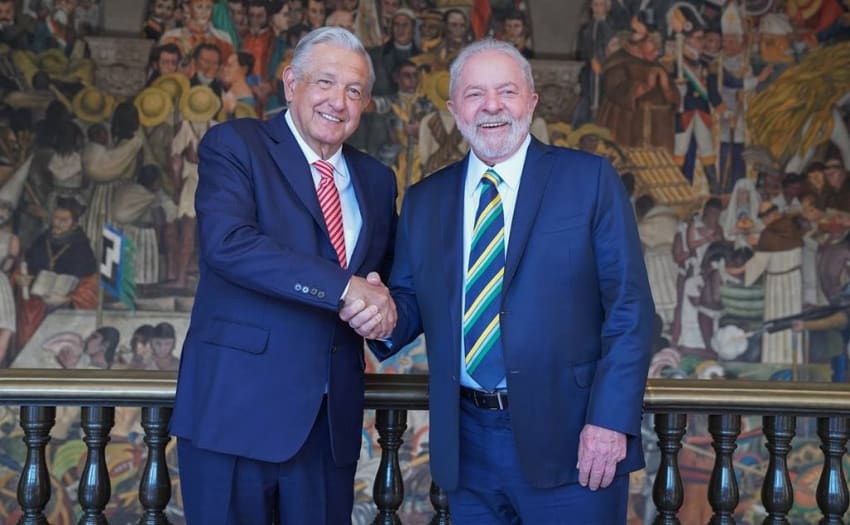
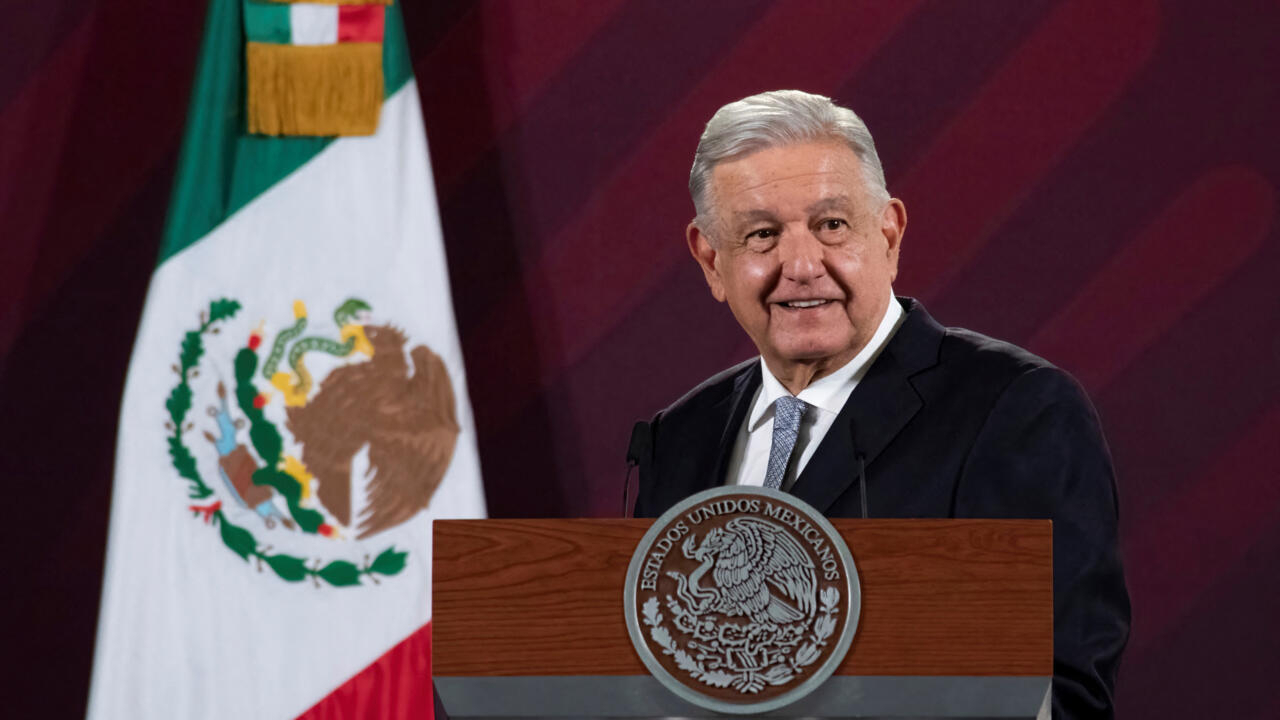
Andres Manuel Lopez Obrador, the President of Mexico, has declared intentions to conduct cooperative anti-inflationary measures with other Latin American governments. To tackle product shortages and keep prices low in the face of rising inflation, the alliance aims to boost economic trade and deal with tariffs. President Lopez Obrador said during the news conference, “We are going to carry out a mutually beneficial anti-inflation plan for growth and for economic and commercial exchange with the countries of Latin America.” He added “There will be a teleconference between the presidents on April 5 and then an in-person meeting to discuss the plan.” The statement by Mexican President came after the phone call with President of Brazil Lula da Silva, Colombian President Gustavo Petro, President of Argentina Alberto Fernandez and Cuban President Miguel Diaz Canel.

Background

Many people in the region have been experiencing economic difficulty due to Latin America’s severe inflation crisis. The region has suffered significant inflation over the past few decades, where different countries are experiencing inflation at higher rates. A number of factors have contributed to this, including structural problems including unsound economic policies, rising global commodity prices and significant budget deficits. Latin American officials have used a variety of policies, including price controls and fiscal and monetary policies to fight inflation and encourage economic growth. In an annual report, Preliminary Overview of the Economy of Latin America and the Caribbean, ECLAC estimated that the region’s growth rate for the following year would be a third of that predicted for 2022. Despite regional limitations and global worries, the economies of Latin America and the Caribbean will expand by 3.7% in 2022, just over half of the 6.7% rate recorded in 2021. Economic growth is expected to slow down even more in 2023, reaching a ratio of 1.3%.

Latin America’s Inflationary Landscape and the New Anti-Inflation Plan

For Latin America as a whole, 2023 is probably going to be a tough year. Growth will only reach 2% this year, according to IMF forecasts, as a result of rising interest rates and falling commodity prices. Consumer and corporate confidence are declining along with a slowdown in employment creation and consumer spending on goods and services. Growth will also be constrained with trading partners, particularly with the United State and the Europe. However, there are still a lot of downside risks, brought on by financial conditions and Russia-Ukraine war. Climate change is another factor, according to a Moody’s Analytics estimate, the effects of climate change might cost Latin America 16% of GDP this century if new policies are not put in place for mitigation. After a projected 3.3% increase in GDP in 2022, it is anticipated that regional GDP will grow by only 1.5% in 2023. Negative external conditions and monetary tightening intended to combat excessive inflation will be the main causes of the slowdown. The anti-inflation plan, according to the president of Mexico will be apply gradually at first before being extended to include neighboring nations like Bolivia, Chile and Honduras. This plan will be implemented by inviting wholesalers, merchants, importers and other people will be called who deal in and understand food, can set pricing and eliminate obstacles like tariffs that make it challenging to purchase it at a fair price.

Conclusion

As inflation remains a major challenge in the region, continued efforts are required to ensure long-term economic stability. Due to the current development in regional integration, it is important that all the countries work together to formulate and implement shared policies and strategies to lower inflation. Governments of Latin American countries should increase support through carefully targeted strategies to mitigate the effects of inflation on the poor, i.e. by implementing supply-side policies which increase productivity. Furthermore, to boost economic activity in the region and to satisfy social concerns, it is important to take steps that can generate employment opportunities which will contribute in reducing inequality and poverty. Moreover, innovative governmental policies on productive, financial, trade and social issues are required not only to deal with inflation, but also for overall economic growth and long-term socio-economic stability in the region.


Impacts of Historic Drought in Argentina and other parts of South-America

Introduction

According to the definition of World Health Organization (WHO), “Drought is a prolonged dry period in the natural climate cycle that can occur anywhere in the world. It is a slow-onset disaster characterized by the lack of precipitation, resulting in a water shortage. Drought can have a serious impact on health, agriculture, economies, energy and the environment.” In many parts of South America, especially in the arid and semi-arid regions, drought has become a serious issue. Due to the severe consequences of drought, there are major threats to economy, the environment, and human health. The factors, such as altered climatic patterns, rising water demand and excessive use of water resources are all contributing in occurrence of the drought. As a result of more intense weather patterns because of climate change, some regions are experiencing persistent drought situation. Additionally, as a result of huge demand, there is a greater need for water, which causes resources to be used excessively. Devastating effects of the drought in South America include health-related issues, soil erosion, decreased crop yields and a higher risk of wildfires.

Crippling Effects of Drought in Argentina

In Argentina, drought has become a common issue. Argentina has been hit by multiple severe droughts over the past few years, which have caused considerable crop losses and water shortages. With less than half the typical amount of precipitation falling in the last four months of 2022, the lowest rainfall in 35 years. In recent years, large portions of Argentina and its neighbors have been suffering from drought conditions since 2019. Argentina is one of the top exporters of wheat globally, but the exports of agricultural goods from the country are predicted to fall by additional 28% in 2023 as compared to the 2022 figures. Argentina is an important country in the global food market. But, according to the National Drought Monitoring Board, in just Argentina, the drought in October 2022 threatened 3.5 million hectares of crops and more than 18.5 million livestock. In year 2021–2022, wheat production in Argentina was recorded at 22 million tons. However, production is predicted to drop to almost half of this level by 2023, resulting in $10 billion losses in production of corn, wheat, and soybean as well as a two points reduction of the country’s GDP this year. Moreover, other countries of South-America are also struggling due to drought, in October 2022, Uruguay also declared an agricultural emergency because 60% of the country’s land was affected by drought. As per official estimates Uruguay’s farming industries will lose $1.1 billion in revenue as a result of the drought, adding to Argentina’s possible $15 billion losses in agricultural exports.

In addition to climate change, the La Nina weather pattern, during which stronger than usual winds sweep warm water away from the South American zone of the Pacific, is thought to be the cause of the drought conditions by experts. The drought and prolonged dry spells have not only rattled the agriculture sector of South-American countries but also shaken up the energy markets and water shortages. Water levels of the Paraná River, South America’s second-longest river, have dropped to their lowest point in almost 80 years, posing a threat to freshwater supplies for about 40 million people in Argentina, Brazil, and Paraguay as well as hydropower generation and food imports through river. In July 2021, the Argentinean government declared the water emergency in context of Parana basin.
Conclusion

According to WHO estimates, droughts affect 55 million people worldwide each year and pose the greatest threat to livestock and crops in almost every region of the world. The livelihoods of people are in danger, risk of diseases has also raised and mass migration is sparked by drought. Almost 40% of the world’s population suffers from water scarcity and by 2030, 700 million people could be at risk of being relocated due to drought.

Governments in South America have put in place a number of measures to lessen the effects of drought by spending money on water management and conservation as well as on innovative farming techniques. Governments have also taken steps to lower emissions and improve air quality, both of which can help to lessen the effects of drought. But still a comprehensive strategy is needed to be solved the complicated issues of drought that can lessen the effects while safeguarding the environment and people’s health through effective regulations and policies.


North Korea Shot Ballistic Missiles as South Korea-U.S. prepare for Joint Military Drills

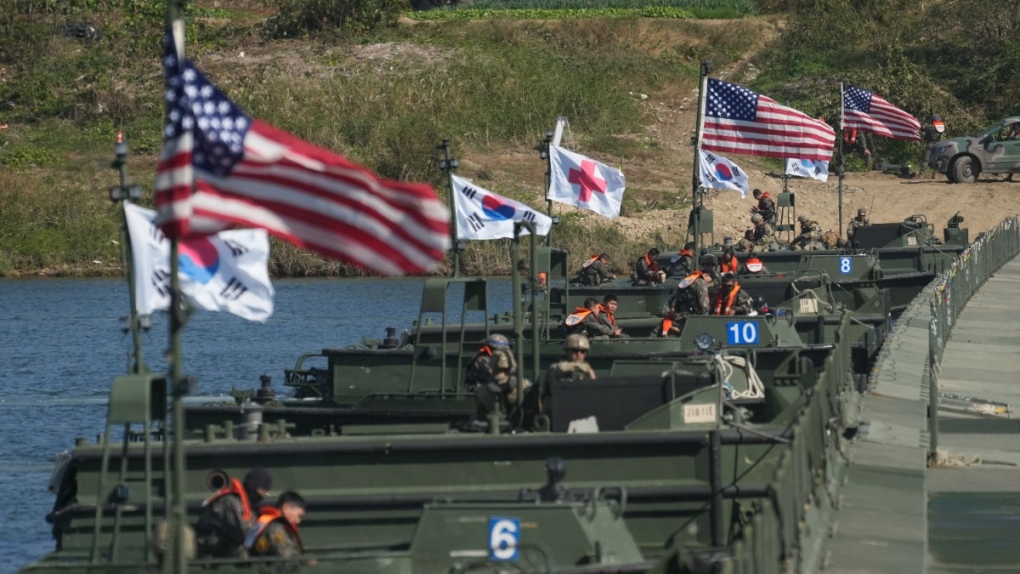
Kim Jong Un, the leader of North Korea, supervised the fire drills in which his country’s military fired six alleged short-range ballistic missiles. In addition, he instructed the military to prepare for “real war” after the drills. Ahead of the missiles launch, North Korea issued a warning to the United States, claiming that joint military exercises between the U.S. and South Korea would cause tensions to rise and that any effort to shoot down one of its test missiles would be seen as a declaration of war. Prior to the tests, the United States and South Korea conducted combined air drill with a long range Bomber and fighter aircrafts in a show of force against the Pyonyang. According to the South Korean ministry of defense, the drill’s goals were to practice coordination and demonstrate Washington’s “extended deterrence” against North Korean threats. As a response, Kim Jong Un’s sister issued a warning that her country is prepared to take quick and overwhelming action against the United States and South Korea. North Korea strongly resists allied drills as an invasion practice and a direct threat.

North-Korea Urged UN to halt South Korea-U.S. Joint Military Drills

The most recent North-Korean missiles launch took place a week before the start of the Freedom Shield exercises, a major military exercises involving the U.S. and South Korea. The ten-days long “Freedom Shield” and the “Warrior Shield” joint exercises between South Korea and the UN will take place from March 13 to 23. The U.S.-South Korea exercises are going to be the largest drill the two allies have in recent years, since the two countries conducted a similar drill during Trump’s era in 2017. North Korea has requested the United Nations to immediately halt joint military drills between the U.S. and South Korea. North Korea’s vice Foreign Minister Kim claimed that the drills and the rhetoric from the allies have raised tensions to an “extremely dangerous level” in a statement on official media. It is disappointing that the United Nations has maintained its silence on the exercises, which have a clear aggressive element, he added. Moreover, he said that the United Nations and the international community “will have to strongly urge the United States and South Korea to immediately halt their provocative remarks and joint military exercises.”


A Joint Alert System: Colombia and Ecuador to work to Protect Indigenous People

Introduction

A joint alarm system between Colombia and Ecuador has been established to safeguard indigenous people (Awa communities) from attacks by armed organizations that operate near their shared border. The new system, which is intended to notify government and military officials in each country of possible threats, was unveiled at a news conference in the Colombian capital Bogota by human rights ombudsmen of the two countries. The office of the Colombian ombudsman, Carlos Camargo said “the presence of illegal armed groups and organized crime in the cross border area of Ecuador and Colombia has caused humanitarian consequences, especially against the nearly 29,000 members of the great Awa family who live in the area.”

Flashback

Prior to the “Joint Alert System” the two countries Ecuador and Colombia made an effort for the protection of hared border. There is approximately 586 kilometers of porous border between Colombia and Ecuador, which is used for drug trafficking and smuggling by criminal gangs and illegal armed groups. President Gustavo Petro’s administration in Colombia urged bordering nations to work together against illegal armed organizations in November 2022. Therefore, at the end of December 2022, the authorities of Ecuador and Colombia announced that the military forces of two countries signed a “Border Protection Plan” to stop drug trafficking and organized crime in the cross border area. The two countries decided that the plan activities will be implemented on different levels i.e. on an operational, tactical and strategic level. For that matter, the military’s general commander, General Helder Giraldo of Colombia said in a statement “Efforts currently under our responsibility to eliminate drug trafficking, environmental crimes, smuggling, and other areas will not decline.”

The Ongoing Challenge

One of the biggest challenges along the Colombia-Ecuador border is armed groups. Dissidents from the Revolutionary Armed Forces of Colombia (FARC) and National Liberation Army (ELN) rebels operating close to the Ecuadorian border are among these groups, along with drug trafficking gangs. Despite the 2016 peace accord between Colombia’s government and the major armed group, the Revolutionary Armed Forces of Colombia (FARC), violence has continued to wreak havoc in the countr. According to Colombian ombudsman, communities in the Awa region have reportedly experienced murders, evictions and the threat of landmines. Children are a target for recruitment by these armed groups. Additionally, 14 members of an indigenous village were murdered last year and 10,000 people were either displaced or imprisoned as a result of the violence.

In the conclusion, both the plan of action i.e. Joint Alert System and the Border Protection Plan are commendable to deal with the armed groups that are causing humanitarian consequences. These plans will help to protect the indigenous and local communities particularly. Therefore, effective implementation of these plans is crucial to attain the desired results.


The Wrath of Wildfires in Cuba’s Eastern Region

Introduction

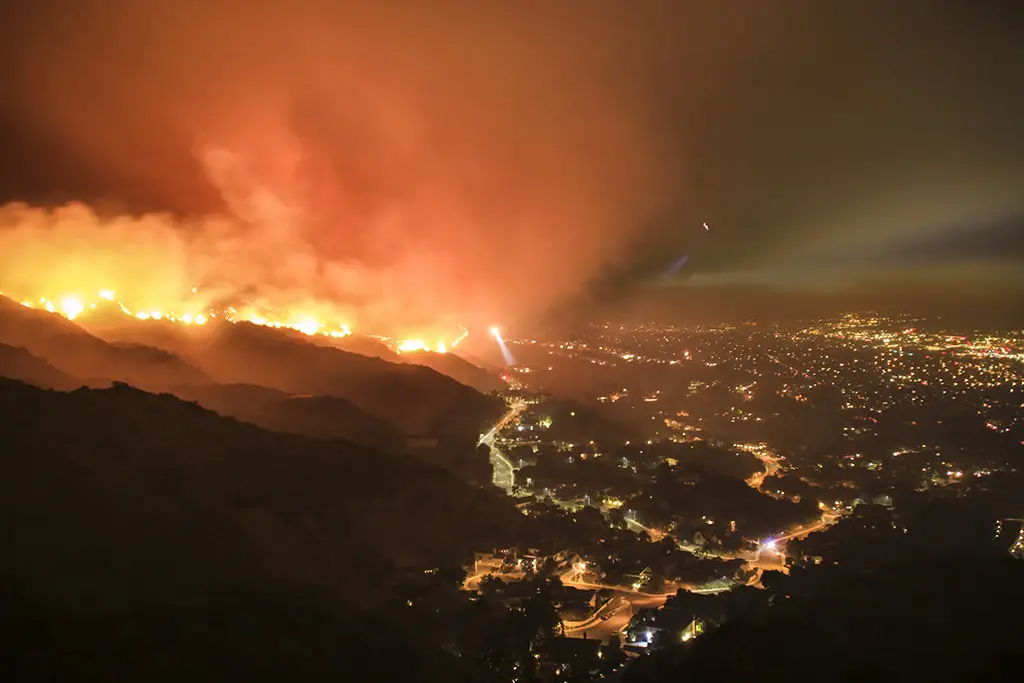
Since the start of the year 2023, a large number of forest fires have affected Cuba, an estimated 80 wildfires have been reported from January to March as per statistics and local authorities. On 19th February, 2023, the flames of disaster initiated from Holguin and intensified because of ongoing strong wind and drought conditions on the island. The most recent fire destroyed over 6,000 hectares of forest in the eastern region as fire had not a single focus point and was spread over a large area, therefore, the Cuban President said that the situation will be monitored by himself. It took more than two weeks to curb the spread of fire on 8th March, 2023, which was announced by Diaz-Canel, the President of Cuba. Using a social media platform, he announced “the spread of the forest fire in the territory of Santiago de Cuba has been stopped.”

Background

The Mensura-Piloto National Park in Cuba, which covers 6,046 hectares, which is also renowned for its forested mountains and flowing waterfalls, had previously been endangered by the fires. The latest large scale forest fires that was observed on the island’s east coast for more than two weeks was managed by Cuban firefighters, planes and Defense Force helicopters. Cuban President appreciated the efforts of firefighters and considered it as a “heroic fight.” Diaz-Canel said, “the courage and sacrifice of the firefighters, forest guardians and residents who face the fires devouring the beautiful and valuable forests of the eastern region in Pinares de Mayarí is great.”

Impacts of Wildfires on Economy
In the mountains of Pinares de Mayari, a pine forest region, in the province of Holguin of Cuba, the wildfire severely damaged forest plantations and coffee crops while causing serious damage. It is being said that the devastation caused by forest fires in Cuba could take several years to recover. The country is experiencing one crisis after another, COVID-19 pandemic has caused a sharp fall in the country’s tourism industry, one of its primary sources of income, resulting in the biggest economic crisis in the decades. The Gross Domestic Product (GDP) dropped by 11% in 2020 alone. Additionally, the country’s economy struggled a lot due to the sanctions imposed by the U.S. in Donald Trump’s era. Trump used maximum pressure on Cuba and also abandoned the measures taken by his predecessor, Barack Obama, to ease relations between the two countries. However, last year in 2022, Biden administration made few relaxations in Trump era sanctions on Cuba. The country’s fragile economy is still enduring hardships, the current economic distress in Cuba has exacerbated the situation in the form of the worst migration crises in its history, as well as shortages of food and other essentials.

Wildfires have become a serious issue in recent years due to the devastating economic, ecological and social effects they can have on communities. The consequences can be particularly severe for communities that rely heavily on tourism. Wildfires can have a devastating economic impact as the cost of fighting and suppressing forest fires is enormous. On the other side, the costs of evacuating people from the area, lost wages and business revenues, and the cost of rebuilding homes and businesses all have an indirect impact on the economy.

Conclusion

The wildfire is one of the most destructive and devastating natural disasters. The number of wildfires has increased in recent years as a result of climate change, human activity, and natural causes. As a result, it is critical to develop methods to reduce the risk of wildfires and mitigate their effects. The forest fires are becoming more frequent and intense as a result of climate change. This means that more areas are vulnerable to wildfires and the intensity of the fires is increasing, resulting in more destruction and loss of life and economic losses. To address this, governments and communities must collaborate to build more resilient landscapes for better managing existing fire risks through fuel reduction and other fire management strategies. Furthermore, it is the great time to adopt the policies for the mitigation and adaptation of climate change. Moreover, the governments of the countries that are more prone to forest fires should work together to foster a culture of fire safety by developing evacuation plans and educating residents about wildfire risks. Finally, investing in research and technology to improve early warning systems and firefighting capabilities is critical for all the stakeholders to be better prepared to respond to wildfires.


The United States to provide an additional $2 Billion in Security Aid to Ukraine

Introduction

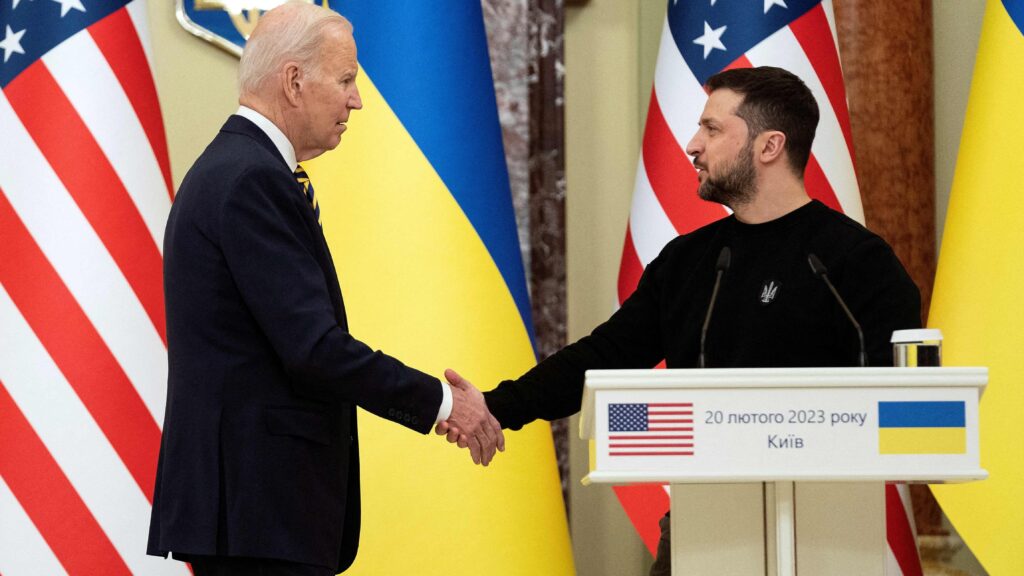
According to White House national security adviser Jake Sullivan, on February 23, 2023, the United States will give Ukraine an additional $2 billion in security aid. The announcement was made a day before the completion of one year since the war in Ukraine erupted. While announcing the additional aid, security adviser said, “We are going to continue to look at what is necessary, and make sure that we supply what is necessary so that Ukraine has what it needs to succeed on the battlefield.” The announcement was made after few days of President Joe Biden visit to Kyiv where he reaffirmed America’s support to Ukraine. Moreover, Biden reassured President of Ukraine Volodymyr Zelensky that “Americans stand with you, and the world stands with you.” In addition, according to a statement from the White House on February 24, 2023, said “G7 countries will continue to keep Russia’s sovereign assets immobilized until there is a resolution to the conflict that addresses Russia’s violation of Ukraine’s sovereignty and integrity.”

Pentagon’s Announcement

The security assistance, according to the Pentagon, includes equipment to detect electronic warfare, weapons to block Russian unmanned systems, and a variety of drones, including the upgraded Switchblade 600 Kamikaze drone. The United States will send a range of small, modern technology drones and more ammunition to Ukraine. The aid also includes money for additional artillery rounds, laser-guided rocket system ammunition, and High Mobility Artillery Rocket System ammunition. The money, according to the Pentagon, will also be used to pay for training, maintenance and support for Ukraine’s armed forces as well as communications and mine-clearing equipment. Since Russia-Ukraine war, including the most recent installment the U.S. has given Ukraine security assistance of worth more than $32 billion.

Conclusion

Since the Ukraine war, the United States has provided extensive military aid to Ukraine in the form of financial, material or technical assistance to strengthen the country’s military capabilities. According to the U.S. the security aid is being provided by Washington with an aim to help Ukraine to maintain its territorial integrity, protect its citizens from Russian threats. On the other side, Russia has warned the United States of its direct and indirect involvement in the war and hinted an escalation of force. The ongoing war has devastated millions of people, brought economic and political impacts around the world, but still there are no signs of peace in the near future as the situation continues to deteriorate.