Conflict and Cooperation in South Asian Water Resources
Talks about the supremacy of India in South Asia. India is the center of South Asia having the biggest Military budget and trying to suppress its neighbors through its power. From the start of the partition, India receives bigger resources than the rest of the South Asian states which means she requires more to run the country. According to the analysts Pakistan will face water shortage by 2025, but the water shortage came much earlier as expected in Pakistan, the reason is that the whole South Asian region will have 2,737 Billion Cubic meters of water & Pakistan will be the only county having a shortfall because of the lack of Dams and the involvement of India in the Indus water treaty that was signed in 1960. Pakistan is facing double the digits in climate change as rest of the world. Pakistan is among top 10 vulnerable countries facing water crisis. Emission of carbon has dire affects upon the glaciers that are melting that leads to glacier led outburst flooding. Climate change has many implications to the environment including cyclones, drought and irregularity in rain. Monsoon rain has now shifted to the northern part of Pakistan adding 25 districts and the intensity of rainfall is very disastrous. Pakistan has witnessed 19-20b $ damage to national economy due to this climate change phenomenon. Pakistan is under the severe influence of climate change as 39 million people got displaced due to flooding during 2010-2015. World Bank has also suggested that there’s a direct impact of climate change related disasters on GDP which is why taking effective measure to protect water sector is needed. There are some serious challenges to the water sector including growing population, inefficient water resources, water intrusion and institutional capacity and constrains in water management. . Water sector can be protected through integrate water resource management. We need to have a data bank for the comparison every year. This is the time we should make combine efforts to manage the crisis. If temperature continues to increase we will lose 36% of our glaciers because as glaciers melt, important water components are also lost. We need to revamp the existing system, enhance resource capacity and good policies.
There is no trust in South Asia in water & the problem is in the international watercourse. India had water issues with Pakistan, Nepal, Bhutan & even with Bangladesh. We had an example of the Koshi River of Nepal that originates from china touches India, and Nepal & falls into the Bay of Bengal. India is suppressing Nepal on its border signing different treaties & promoting its interest. Nepal is a poor country having rich water resources with no techniques to save it & generate more energy from it. Furthermore describes the agreements on the water between both states. Koshi and Gandak were made to facilitate Nepal but only 11,300 hectors of land get benefit from it on the other hand 6,12,000 hectors of the land of India is getting the benefit that is not it 356610 hectors of agricultural land get benefit from Koshi and Gandak & this project was mainly for the people of Nepal. Gandak was a treaty of constructing 2 canals at Bhaisaloton and mainly favored Indian land.
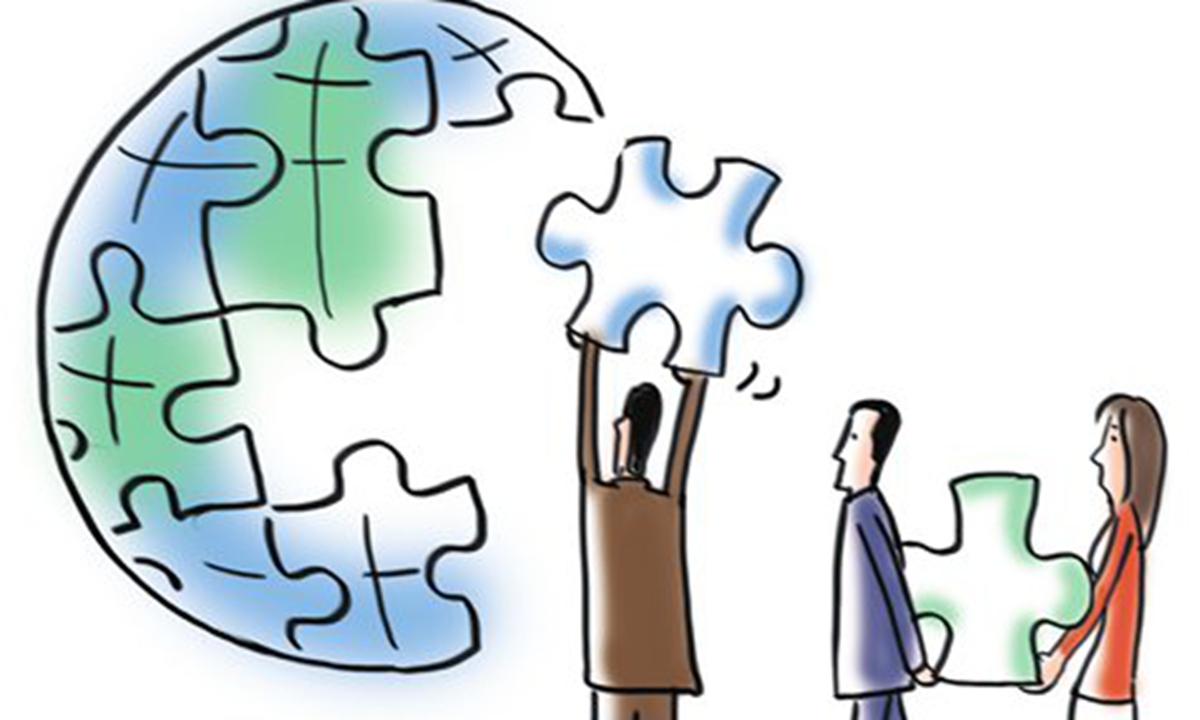
Nepal has access to water and resources but importing electricity from India on higher rates. The same is the case with Bangladesh, India and Bangladesh share many rivers, and the clash is still the same from 1951 when the Farakka Barrage agreement was signed all water grabbed by Indians this issue was resolved in 1996 & still Bangladesh receives a low flow of water of his water. There are a lot of examples of Indian brutality & pressuring neighboring states for water and other purposes. India is also trying to stop Pakistan’s water and violating the Indus water treaty that was signed in 1960, according to the treaty Eastern Rivers Sutlej, Baes & Ravi belong to India & the rest of the three rivers Indus, Jhelum & Chenab belong to Pakistan. India has value in the international market and that is the only reason India is violating Laws without any hesitation. Bhutan is also very much dependent on India and most of the decision-making of Bhutan came from India they have a huge influence on Bhutan. In many states, two countries are sharing the same river but in the case of South Asia situation is very much different because of India. India is also known as the center of SAARC having a big share. Most of the rivers originate from Tibet which is a part of china Again, the Kabul River, a tributary of the Indus River originates from Afghanistan. Therefore, a comprehensive agreement among Afghanistan, Bangladesh, Bhutan, China, India, Nepal, and Pakistan needs to be worked out. Such an agreement will ensure compliance with international law, and, at the same time, make cooperation among the parties smooth, reasonable, and equitable. All South Asian States have to be on one table for peace and a better economy as the 21st century will be the Asian century.

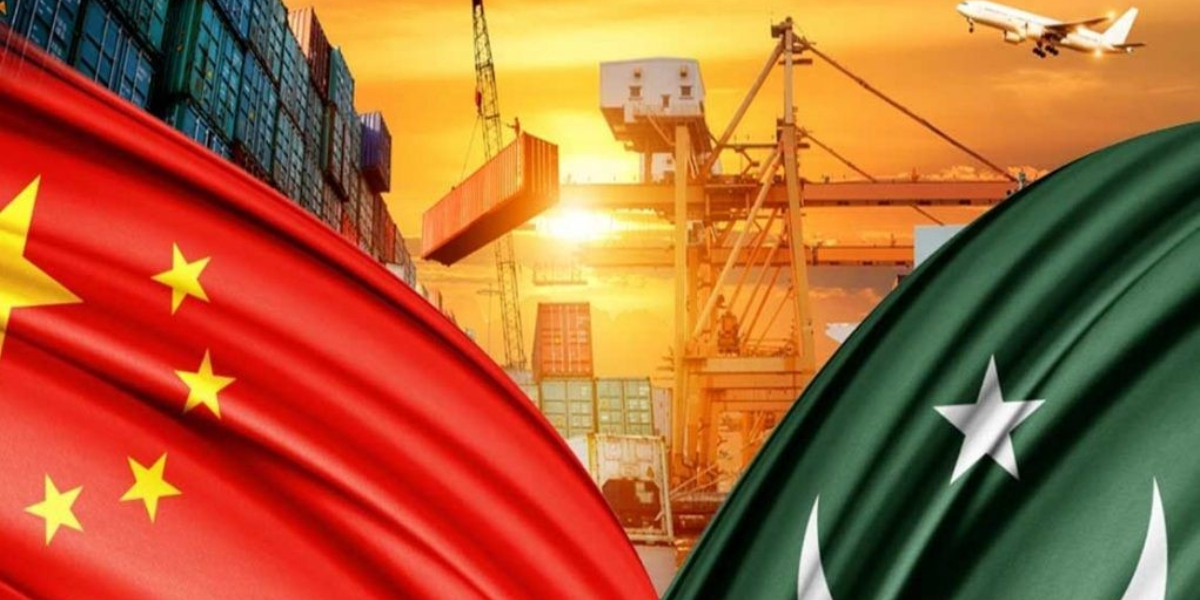
Pakistan’s proposal on China Pakistan Economic Corridor (CPEC) to include Turkey: A beneficial step?

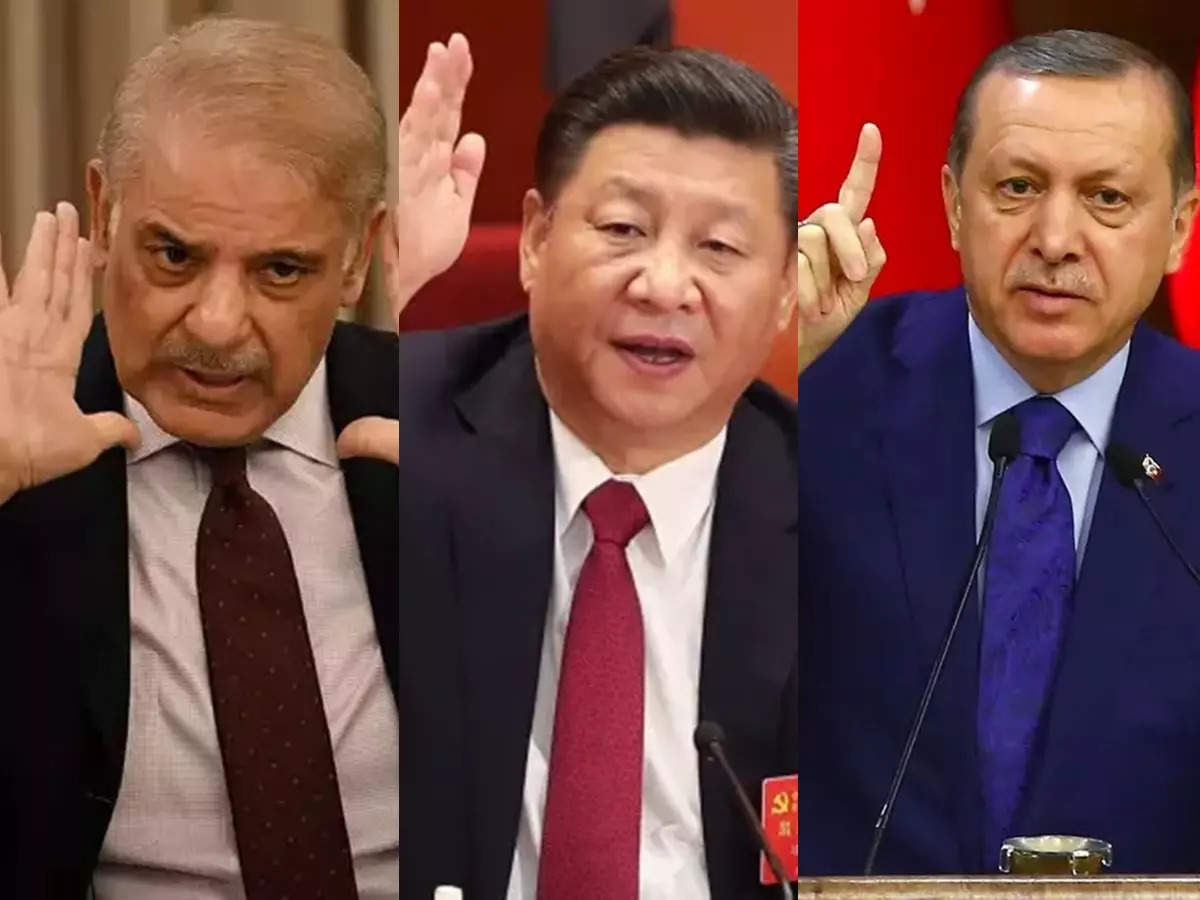
According to Pakistan’s Prime Minister Shehbaz Sharif, an ambitious China-Pakistan Economic Corridor (CPEC) can be transformed into a “trilateral partnership” between China, Pakistan, and Turkey. This will enable all three friendly nations to benefit from its prospects. He also said that with the development of financial and industrial activities, trade activities have the potential to increase massively. The current CPEC project will help us achieve our purpose of maximizing regional connectivity and increasing trade. “Turkiye and Pakistan as ‘one nation living in two countries and even before the creation of Pakistan, the Muslims of the sub-continent supported the cause of their Turkish brethren,” said the Prime Minister of Pakistan. China and Turkey are ready to accept this proposal say both the countries’ presidents.

Pakistan and Turkey has a very strong, friendly and harmonious relationship since past 70 years. Turkey and its ideological partnership with Pakistan is significant not only for the peace in the region of South Asia, but also for Europe and the Gulf. On the other hand, China’s and Turkey’s relation has had ups and downs but now, both have been establishing Sino-Turkish strategic cooperation and economic partnership. CPEC would further deepen their economic partnership. This multilateral CPEC project is also leading China towards becoming an economic hegemon and would increase the global relevance of China. Also, Turkey is a key junction to connect China with Europe. This will be very favorable for China.

The partnership will not only be beneficial for economic purposes but, it will strengthen the internal situation of all the member countries and will prevent the external influence from the regions. The new strategic and economic alliances will be built. This Turkey, Pakistan and China relationship can also be helpful for taking a stand on Kashmir issue against India’s atrocities, Palestine issue and making Afghanistan’s circumstances better since they do depend on peace, security, and stability in South Asia and the Middle East. A Pakistani senator Mushahid Hussain Sayed has truly stated: ‘’The policies of “Muslim middle powers” can no longer be dictated by Western nations, while these nations should focus on connectivity, boosting their economies, and coming together for “mutual interests.” Pakistan and Turkey relationship in terms of CPEC will indeed build up a strong position of the two Islamic states in the Muslim world and internationally as well. CPEC is a multi-million project and the largest foreign investment so, it will definitely boost energy resources and increase international trade through its convenient routes balancing geopolitics and economics.


Globalization and its Impacts on Democracy

The process of globalization has been involved all over the world be it any form of government. It is very hard to stay disconnected from the world. Countries aim to progress in science and technology and it is very difficult to progress while being isolated. Every country, especially after COVID 19 and amid international conflicts, is striving for an economy. China is the biggest trading bloc of the world and trades in every corner of the world. Hence, globalization plays an integral role. It is not only limited to the economic changes but it also affects political changes as well. It would not be wrong to say that globalization has helped in the spread of democracy. The process of globalization can be defined as the international interaction or connection of economy, politics, science, technology, culture and etc. There are two major groups of globalization i.e. Pro Globalists and Anti-Globalists. The Pro Globalists believe that every country is involved in it one way or another and the favors that it offers are just inevitable. Scholars argue that the benefits of globalization cannot be avoided and that is why there is no particular reason for countries to stay isolated in this country. On the other hand, Anti globalists believe that globalization has proved to be a vital threat to democracy. Globalization impacts on democracy, elements of democracy are not possible to be practiced with the entry of globalization. In terms of the economy, it is said that the process of trade and border control is no longer in the hands of the states because of international intervention. It is visible that the tariffs and embargos have an impact on not only the economy but on the political culture as well. This undermines the sovereignty of the state. Now, the state is limited to having full control over these factors. If the state does not have good relations with other states, it is going to suffer especially in the context of the economy. Therefore, globalization is mandatory and does have an impact on the political culture. Another drawback mentioned by the anti-globalists is that globalization is threatening the process of democracy and creates a class difference. Rich are becoming richer and the poor are becoming poorer.

:

The continuous process of globalization impacts democratization. Democratic factors are being spread around the world with the help of globalization. For example, sometimes trade is one of the main sources of connection that states have with each other. If a trade violation by any one of the states is done, it will affect the economy. Similarly, if the bordering countries get into a conflict, not only the trade but the security also gets affected and this is where the true elements of democracy are challenged. It will not only affect the countries involved in the conflict but the other neighboring countries in the region as well. Globalization has become a means to explore different kinds of markets in the world economy. It has provided the world with the concept of foreign direct investments leading firms in the world to expand their products and services. This is done in a free market economy which is one of the elements supported by democracy. Similarly, China is not a democratic country but because of globalization, it does practice certain elements of democracy. This proves that there are a lot of benefits of globalization that cannot be ignored. The involvement of the Chinese in the International arena is itself a democratic principle for globalization. States have realized that it is not possible for them to grow without International interaction. Therefore, it is visible that democratization is promoted through globalization and in some cases it has been imposed as well. For example, the U.S tried to impose democracy in Afghanistan, Libya, and Iraq.

Globalization has had both beneficial and negative effects on democratization. It has encouraged a free market economy over the world, which has resulted in innovations that are driving humanity forward at rapid speed. However, it has increased state reliance rates, which has a negative influence on the economy, borders, and international relations. The efficiency of the governing system has been harmed as a result of this dependency. Similarly, democracy has spread around the world without the aid of globalization.

CLIMATE CRISIS: A CHALLENGE FOR BOTH NEIGHBORING COUNTRIES, PAKISTAN AND INDIA

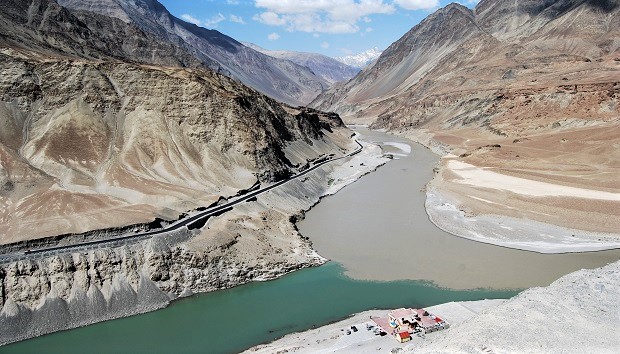
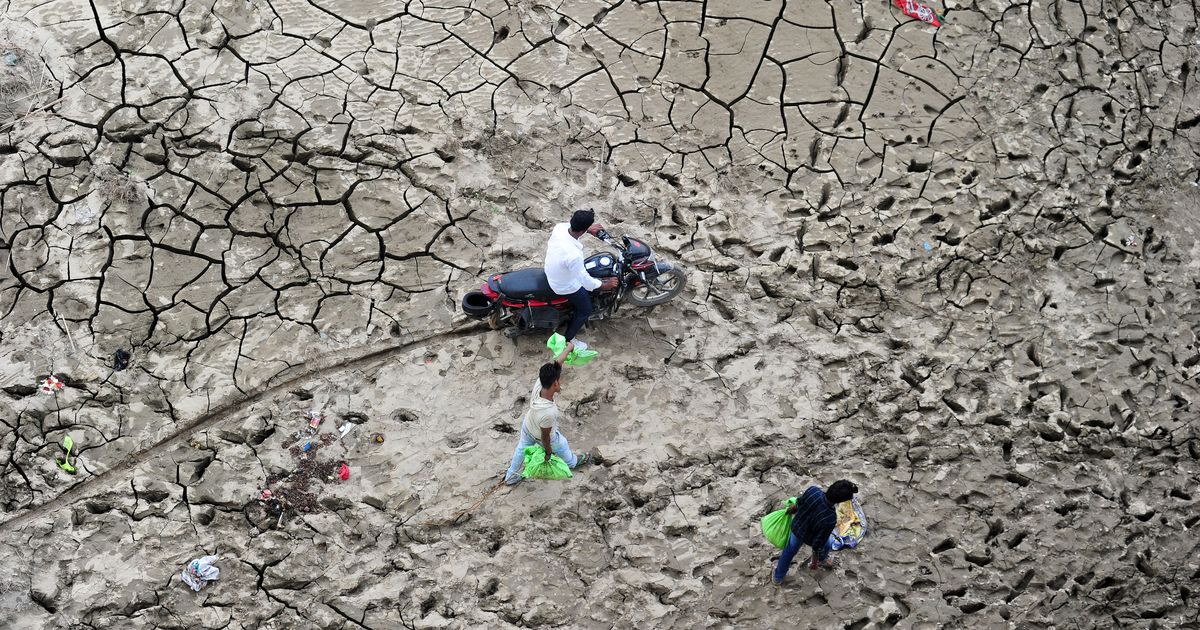
Extreme heat has continued to scorch both the neighboring countries, Pakistan and India. It has been the hottest April in Pakistan in the past years. The record-breaking heat waves caused by climate change occurred in India as well. The heat wave has had severe repercussions. It is not only causing the climate problems but is equally affecting all the living things. Climate change is not only a threat to environment and human’s health but is affecting the animals, plants, crops as well. This can also cause the economic crisis for both the countries since their economies also depends on the agriculture. It is also surging electricity demand and stressing on the power grid since people need the artificial cooling the most right now.

The hot weather has also elevated dust and ozone levels, allowing air pollution to increase in major cities throughout the region. The heat caused mountain glaciers to melt more quickly than in the past, causing in flash floods in Pakistan. At the same time, internal political turmoil and the economic fallout from the Covid-19 outbreak are attempting to make the reaction to the heat wave even harder. The heat wave in South Region is anticipated to extend to other countries. Hot temperatures are harming wheat growth, possibly going to drive up already high cost of food all around world. . Extreme heat is very dangerous for the people of India and Pakistan. Agricultural sector employs over 60% of India’s workforce and 40% of Pakistan’s workforce, with the task being done outside. Both countries are in the midst of their wheat farming season, leaving millions of people in the terrible situation of having to choose between working in harmful weather or quitting their jobs.

Climate change is not something which will remain limited to a specific region, in fact, it has impact on the neighboring regions as well. India today, is the world’s third-largest emitter of greenhouse gases. Pakistan also run on electricity from burning fossil fuels and this also emit greenhouse gases which heat up the planet. Both the countries, for the sake of their own interests shall take collaborative decision to slow down the climate crisis. Other countries and international bodies shall also help them mitigate the climate crisis. There are ways to safeguard people in South Asia from heat waves, but governments in Bangladesh, Sri Lanka, India, and Pakistan will have to take the issue more urgently than they have before.


Gender and Media: Pakistan As An Example

Introduction:

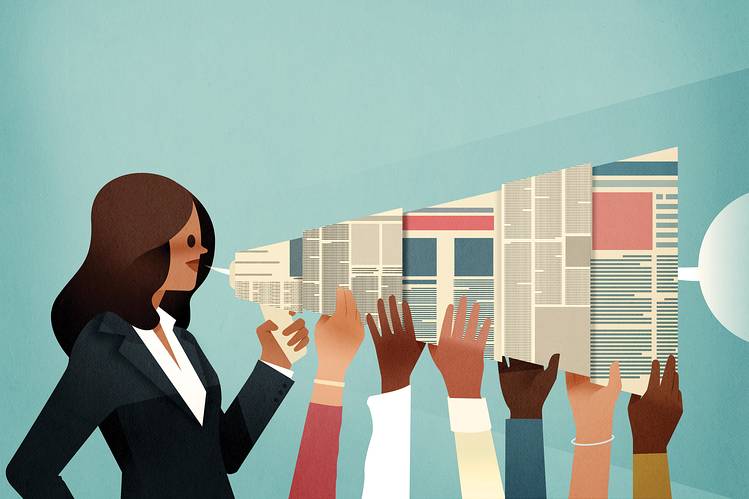
Media now a days, plays such an important role in the socialization of humans and has become an integral part of everyone’s life. There is a powerful influence of media on the formation of socio-cultural norms related to the gender and women specifically. Simultaneously, existing current social and cultural standards have a great impact on women’s image and position in media. According to the studies, the number of women involved in media organizations, making of news and the decision making processes of media organizations are lower than males all around the world. The studies also show that there is a dominant existence of male in media corporations and even the whole organizational structure has the masculine culture. If this is the case everywhere, then Pakistan being a developing country, faces the same issue. Women and transgender should have an equal access to media, as it offers every gender a platform to practice their right to freedom of expression and let them participate in the public life. It also gives women politicians and candidates a space to present themselves and their political, social and cultural programs. In Pakistan, gender stereotyping still exists which makes the participation of women in media difficult. Sometimes, media promotes and prevents these kind of stereotypes which stops or let every gender participate in media. Women in media are not encouraged to talk freely because of the cultural norm. Though, women are there in the entertainment media industry of Pakistan and are also using social media but, less number of women are seen to be in mainstream media. One of the reasons behind this is that, mostly people find it culturally unacceptable for their women to participate in media.

Analysis:

There are less number of girls who study media studies as compare to the boys. Women of rural areas have almost no access to participate and express themselves even through social media. There is a fear of getting harassed. The role of genders is also determined by media. Media plays a vital role to determine that how women and men are perceived by society. It also shapes up the values. Gender biasness begins in media through the options and choices made by media managers and other media professionals. Women in media are frequently portrayed as the home-makers, objects of beauty, vulnerable, soft targets, victims of violence, etc. Stereotypes are negative and destructive since they neglect people’s individuality and uniqueness and results in judgments against specific gender.

Media houses in Pakistan lack strategies or policies in order to deal with the challenge of women who are just doing soft beat reporting. Hard beats which include politics, economic issues and sports are usually assigned to men. Females are mostly assigned with social issues. This is the case with mainstream electronic media. This creates an unequal power balance between the genders which leads to the discrimination against their rights, unequal opportunities at work places. When women are not given opportunity to join mainstream media, they raise their voices through social media. Girls from rural areas don’t use social media and if something traumatic happens with them, such as domestic violence, sexual harassment, they are not aware of how to raise their voices. There are so many examples in case of Pakistan where through social media, different genders got justice. There are so many cases where women face domestic violence, and still chose to stay away from media because they are worried about their reputation. In Pakistan, the continuous social and cultural norms tend to stop female journalists in the domain of soft stories.

If women will participate in media, they shall be aware of their rights and would know how to speak for others who are not able to speak for themselves. This will lead towards gender sensitive reporting and peace journalism. Most of the Transgender are unaware and uneducated so, they are incapable of participating in mainstream media. There should be proper training and space for them as well so that they can express themselves and fight for their rights through media. Some of the transgender did become social activists by using social media, as a channel to express themselves and address the problems of their community in Pakistan. A woman can understand and feel another woman better than a man. A level of comfort would be there. A female journalist can easily address the struggles of women and raise the issues related to them.

Conclusion and suggestions:

Equality agenda is needed to be set by the collaboration of media and government and this should have measures in order to deal with content, employment, the lack of women in the positions of decision-making, technological design, and media literacy skills. Training and awareness of gender roles is needed and the issues of gender role at managerial level in media has to be addressed.

Government should have some laws of protection for the women working in mainstream media. Men and Women both face threats while working in this field but, both should be protected. Gender sensitive journalists are needed to cover this issue in media positively and frequently. Another solution for equal participation can be that quota system for news beats can be proposed for male and female reporters. Every gender should be involved at all levels in media houses .Women and transgender should also be involved in decision making positions. Then information which is being disseminated should be sensitive towards both men and women. There is a lack of gender policies in media houses. Everyone has the right to develop their abilities and choose opportunities in life without being restricted by their gender roles which are determined and given to them by society. Media houses should make strategies and policies in order to promote gender equality, mentoring, career counselling and promotions. Media houses should take measures to encourage women to join media organizations. Stereotypical and negative image which is portrayed of women in media should be minimized. Stories of women in media and the success stories should be brought forward in order to inspire and encourage other women.

A gap should be filled among the NGOS and media in order to promote improved coordination. Women’s groups and women’s activities should be supported and given coverage positively. Links should be built with mass communication departments and media studies departments in different Pakistani universities to include women’s problems and concerns in their curriculum. Awareness should be created for the importance of gender sensitive reporting and training. All the journalists should take the training of gender sensitization. Transgender should also be given a representation in media. Every gender can help in rebuilding and reconstructing the society and can lead towards betterment, if the work is being done sincerely.


Israel-Palestine Conflict; Towards Escalation

The current situation:

The deadly violence against Palestinians continue by the Israelis. Israeli Police has entered Mosque Al-Aqsa and has killed many innocent Palestinians in this holy month of Ramadan, at the holy place. Protests have taken place in Gaza as Israeli raided the Mosque calling out the Arab and the whole international community for help. The violation of human rights has seen to be flared up by the Israelis in the last two months of 2022 (March and April). Israel has also carried out air raids in the central Gaza Strip. It is for the second time in the two weeks that Israel is attacking.

Israel-Palestine Conflict under a legal perspective:

According to the Resolution 181, adopted by United Nations General Assembly in 1947, led to the creation of two independent states in the territory of Palestine. One, the Jewish state of Israel, other the Arab state of Palestine.

Article 1 of the Montevideo Convention states “the state as a body of international law should possess the following characteristics:

A permanent population

A defined territory

Government

Sovereignty and Capacity to enter into relations with other states

Israel and Palestine both attained these characteristics but the sovereignty of Palestine has been compromised after the Israel’s creation. Palestine does have a definitive and permanent population and Palestinians reside in both, the West Bank and the Gaza Strip. It even has the government but still the Israel’s violations and occupation in the Palestine’s territory hurt its sovereignty. This theory of state supports for Palestinian claims to statehood and Palestine meets the criteria of statehood if other states recognize its statehood. Such a formal acknowledgement may have come in the form of the UNGA’s 2012 resolution on the status of Palestine’s statehood. The resolution received 138 votes in favor, 9 against, and 41 abstentions. In result the Palestine was granted non-member observer state status in the United Nations.

The development of Israeli settlements in the Israeli-occupied areas is considered illegal by the international community for violating Article 49 of the Fourth Geneva Convention and international declarations. The Fourth Geneva Convention is applicable to the Israeli-occupied areas, according to the United Nations Security Council, the United Nations General Assembly, and the International Committee of the Red Cross, the International Court of Justice, and the High Contracting Parties to the Convention. Israeli settlements in the West Bank, East Jerusalem, and the Golan Heights are considered illegal under international law.

Conclusion:

International community and the Muslim world are also against the Israeli’s settlements and violations of international law and human rights, but no legal action has ever been taken. Protests against the Israeli’s violations take place in many states but, the international community has always given a muted response because of its own parochial interests. Yet, Israel continues to illegally violate human rights and other international legal decisions even without any sanctions. This shows the International community’s failure of enforcing UN resolutions, in the Israeli-Palestinian conflict. It lacks to provide protection to Palestinians nor can it guarantee justice for them. This repeated failure of enforcement questions the precedence of UN Charter. Thus, the conflict will not transform towards de-escalation.


African Union and European Union Digital Cooperation: A Step Towards Sustainable Development In Africa

According to the United Nations, European Union has been a largest trading partner of the Africa. Not only EU but China is also enhancing its trade in this region as well. The new digital 2030 joint vision partnership between EU and African Union has recently been announced this year. This partnership is the different one and is done to boost the continent’s digital transformation. China’s trade is growing in Africa day by day, as it is already ahead in digital transformation of Africa. Many people in Africa are already using 3G and 4G networks which are being run by Chinese companies.

Since after the pandemic COVID 19, the importance of digital technologies is realized. It is now important for the survival of any state. Both, European Union and African Union jointly realized that the digital technologies, data and innovation leads towards the creation of opportunities of the jobs and sustainable development. Both sides established the EU-AU Digital Economy Task Force in December 2018, with the goal of developing clear policy proposals and proposing tangible steps to remove the main impediments to digital connectivity. The Task Force’s proposals have inspired the design of cooperation initiatives sponsored by the EU and its Member States, and are repeated in the African Union’s Digital Transformation Strategy for Africa 2020- 2030. EU aims to increase the internet usage in Africa from at least 33 percent to 60 percent.

There is a possibility that this is more of the political interest of the European Union, in order to counter the China’s economic influence in the region but this will positively affect Africa. It will support the digital rights of the African people. It will also create the technical support to improve provincial and global institutions’ capabilities to produce and implement digital transformation programs. It will also provide a platform for African and European stakeholders to share knowledge experiences, skills, and expertise. Dialogues amongst digital ecosystem actors, participatory policymaking alliances will be promoted. Inclusion, productivity, poverty reduction, and job creation can all benefit from digital technologies. Investing in proper rules and regulatory frameworks will allow citizen participation while safeguarding freedoms, rights, and security is necessary to ensure that everybody benefits. The European Union will support a human-centered digital transformation that will help to bridge the digital divide and accomplish the Sustainable Development Goals. Women, rural populations, and youths, in particular, will gain from the digital transformation if they cooperate together. A secure, long-term, and inclusive digitalization has the potential to help the economy recover and become more durable.


Houthis attack on Saudi Arabia’s oil field: The Consequences

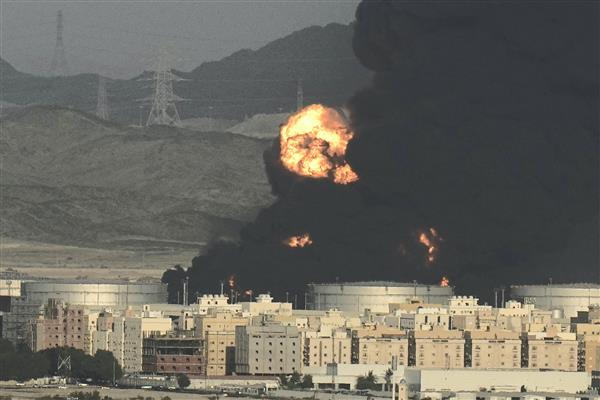
Saudi Arabia has been at war with the Houthis since 2015, when Saudi Arab intervened in Yemen’s civil war to fight the Houthis. The official media in Saudi Arabia reported rocket and drone strikes targeting an oil station in Jeddah and other sites in Riyadh, Yemen’s Houthis rebels have confessed to a series of attacks on the country in March, 2022. Houthi Military spokesman confirmed the attack and said that it was a response to the escalation of aggression in Yemen of Saudi’s coalition. This also increased tensions in the Persian Gulf, which were already strong due to a stalemate between the US and Iran. The major concerns remained unanswered though, such as, where the drones were launched from and how were the Houthis able to reach structures 500 miles from Yemeni land. Iran is being suspected for backing the Houthis and according to some reports, Iran made Cruise Missiles were used. Houthis have also rejected the talk’s proposal and this can escalate the conflict. This will also worsen the situation in Yemen since the population can face the consequences if Saudi Arabia attacks back at Yemen. People in Yemen are already dying from hunger and violence.

These attacks on the Saudi’s oil field will impact the world economy. As, the global oil prices are on fire. There are ongoing energy crisis because of the Ukraine-Russia war as well. So, the point here is that U.S could have availed the chance to have better relations with Arab, but it remained to stay away from this matter. U.S had already cut off the supplies of weapons to KSA for the war against Yemen. Saudi Arabia is looking forward to deal with Iran and Yemen itself. Bin Salman is also pushing for the direct engagements with Iran. This shows the decline in the influence of the superpower in one more region, Arab.

Re-building ties with U.S is one option for the Saudi’s to deal with Houthis. It also needs to boost up its defense system and rebuilding ties with U.S can help it from the shortage of its missiles and defense capabilities. On the other hand, close ties with U.S can also influence King Salman’s decision of direct engagements with Iran. If the Houthis violence continues against Saudi Arabia, this will badly affect the Saudi-Iran relations as there is this one perception that the Houthis are an Iranian proxy.


Role of Artificial Intelligence: Importance for Countering Cyber-Terrorism Threats

In this era of proxy wars, it is important to understand that Artificial intelligence plays an important role in fighting the indirect wars. The world has shifted towards technological advancements and a state can give enough damage to the other state by destroying the technology. Threats like these can be identified by the help of AI. Artificial Intelligence based cyber security systems have evolved to enhance information security teams efficiently and effectively eliminating breach risk, and improving their security posture. It plays an important role for state’s intelligence bureaus. Since the previous few decades, technology’s ability to compress data and extract sensitive details from billions of sources in milliseconds has grown massively. It is characterized by advancements in new technology, Artificial Intelligence, Robotics, Internet, Broadband, 3D printing, Autonomous Vehicles, Biotechnology etc. are all examples of technological advances. Instead of closely checking for malicious threats, cyber security professionals may utilize Artificial Intelligence to strengthen cyber security best strategy to reduce the attack surface. Cybercriminals, on the other hand, can use the same AI systems for destructive reasons.

As the modern world becomes more reliant on cyber-technology, a new threat emerges on the digital frontier. Everyday facts of life are increasingly getting digitally integrated, and as our nation’s infrastructure strengthens, it also becomes more vulnerable. The opinions of cyber-terrorism exist. Terrorism has taken new dimensions with the increased role of internet. Individuals and groups use cyberspace to threaten anonymously. Cyber Terrorism can be described as the internet based attacks in terrorist activities, including acts of deliberate, large scale disruption of computer networks. It is also used by terrorists to spread their messages, their propaganda, and fear. Internet has become ideal place for the terrorists as they have evolved from a hierarchal structure to independent terrorist cells working and communicating together to achieve their goals. It does not cost much and is efficient to use available internet for their purpose. Several terrorist incidents took place over the past 20 years and that resulted in a large amount of concern against acts of terrorism within our cyber space. The threat posed to nations now from terrorists is no longer just physical, but has expanded to the digital world. Some of the features of cyber terrorism are that the attackers are difficult to identify. It remains difficult to identify that who was the initiator of the attack. There are no boundaries and attacks can be originated from anywhere from the world and multiple locations simultaneously. The speed of the development of cyber terrorism is very rapid. The technology used in attacks is simple to use, inexpensive and widely available. The methods of attack have become modern, resulting in more damage from a single attack. In the future cyber terrorism may become a feasible option to traditional physical act of violence. Effects of cyber-terrorism in future are air traffic control towers or airlines infrastructure could be hacked. Banking systems could be violated, all of the money can be stolen and can be used into terrorism. The state may suffer and would be held responsible for providing financial aid to terrorists in sight of International world. Bombs and other explosives could be set off by remote. Hospitals can also lose all their information. Government’s plans and secrets can be exposed. If the nuclear system is not manual and totally dependent on cyber, it can also get attacked and cause huge damage.

Artificial Intelligence is a new trend in geopolitics. It will play an important role in power relations between nations. Many countries are investing significantly in the development of this technology, and it has become a significant part of their economic, military, defense and foreign policy strategies. Japan is the most advanced country in Artificial Intelligence. Artificial Intelligence is a well-known phenomenon now. It is being taught in different Universities all around the world. Country like Pakistan needs to encourage more students to opt for AI. In order to deal with terrorism and the immediate neighbor’s threats, AI can play an important role. AI is very important and vital for any state’s national security. As the whole world uses AI, it will create more economic facilities for the youth as well. AI intelligence is not only useful for countering the threats but AI has been used throughout the world in time of COVID for the pandemic management. AI improved the COVID-19 screening, diagnostics, and prediction and resulted in better scale-up, timely and reliable response, and efficient outcomes. It can also be used to further public policy objectives and help the public to communicate with the government.


ISRAEL- ARAB REAPPROACHMENT: A RISK OF MOBILIZATION IN MIDDLE EAST

Due to the history of colonial rule as well as internal factors in the Middle-East, it has always been an unstable region. The establishment of Israel, which many Arab countries saw as illegitimate and infringing on Palestinian rights, has been one of the most aggravating points in the Middle East. These grievances ignited major conflicts, such as the Arab-Israeli conflicts of 1948, 1956, 1967, and 1973, as well as the emergence of a number of non-state violent actors who carried out terrorist attacks against Israel.

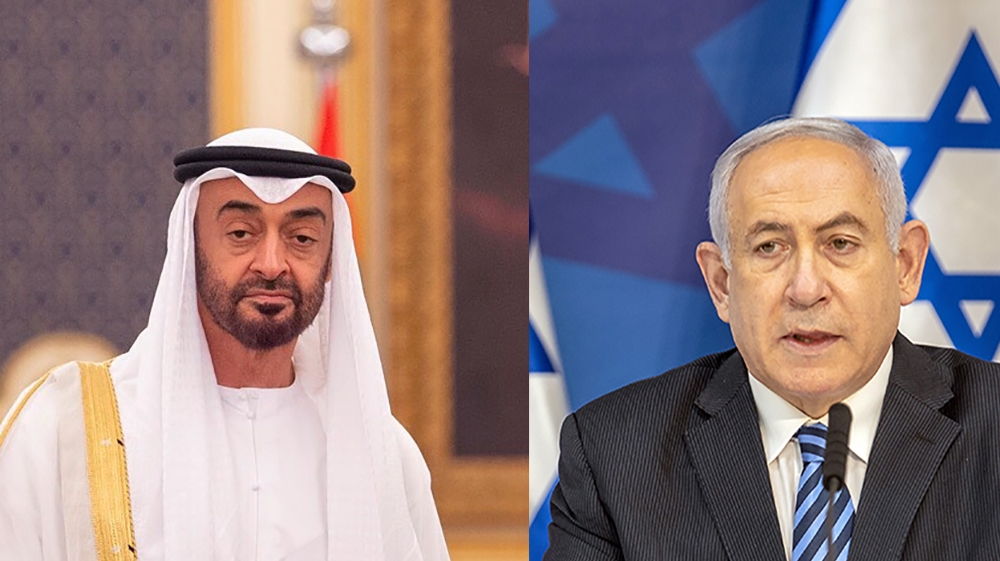
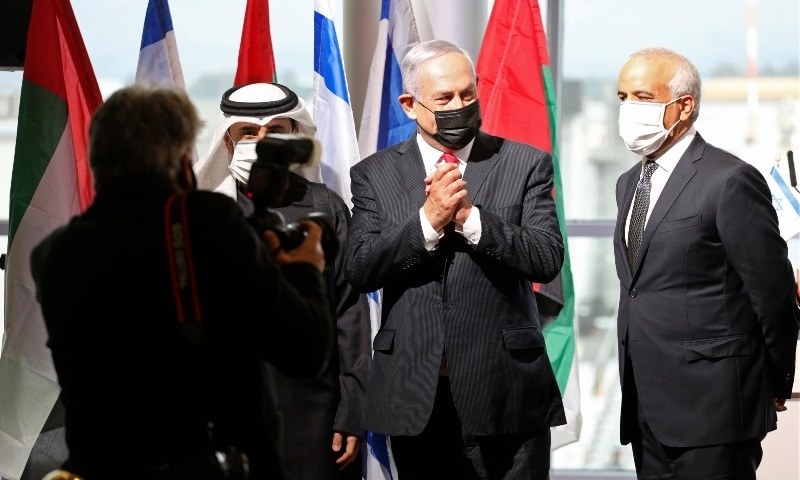
In the current times, the emergence of friendly relations between Israel and some Gulf Arab states is an important new dynamic in the Middle East. This dynamic has taken on a powerful strategic obligation for the Gulf side, in particular. A region that has been troubled by widespread turmoil and civil war is now shifting geopolitical links, and competition between rival coalitions in order to grow their areas of influence and accomplish goals in weak and fragmented states of the region. While, the insensitivity of the Israeli-Palestinian issue has long kept a formal relationship with Israel at away. The Palestinian national movement’s weakened ability to influence regional politics has allowed Gulf states more flexibility to emphasize their own national parochial interests over Arab ones.

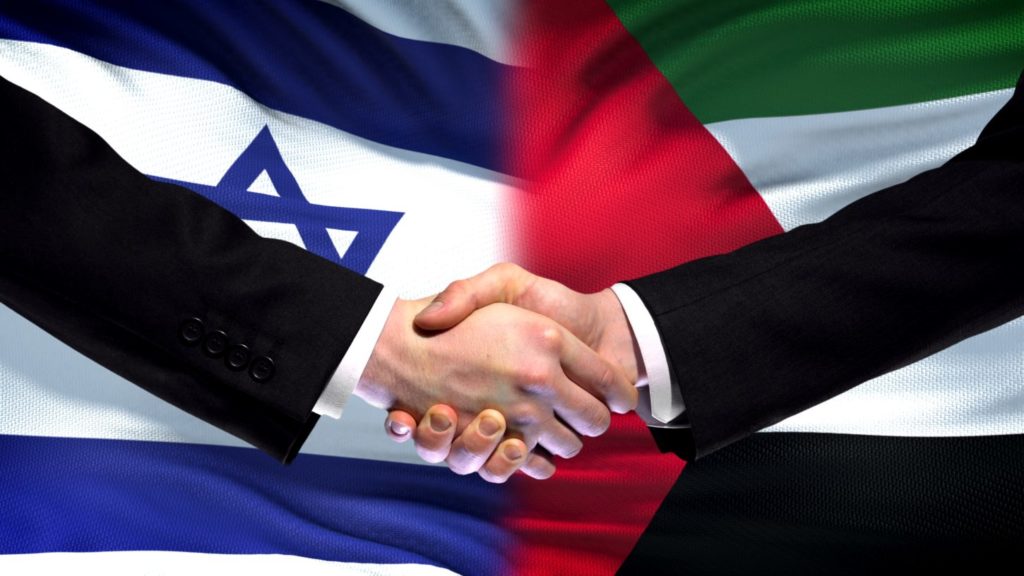
Israel and Palestine handshake, international friendship policy, flag background

The question arises here that will the friendly relations between the Arabs and Israel cause stability or instability in the Middle-East? Since the Israel’s independence, it has gained more diplomatic recognition than at any other period in the recent years. Netanyahu’s outreach in the Middle East aims to show that Israel can do deals with main Arab neighbors without even surrendering on their violations in Palestine. The connection has a risk attached to it. Backing for the Palestinian cause is one of the last remaining areas of agreement and unity among Arab states, which is an important element in a region that is not seen. The Arab Peace Initiative is also notable for bringing together the Arab world’s commitment to normalize relations with Israel by compromising the protection of the Palestinians. Even if it had failed to acquire support during the past couple of decades, abandoning Palestine is a serious mistake. The loss of cohesive support for the Palestinian people is also a sacred duty for the region and the humanity, as safeguarding their freedom and rights remains a moral duty for the Arab region and the world.

So, this is quite obvious that normalization of Arab relations will not bring peace in the Middle-East rather there is a risk of mobilization. Israel is openly doing violations in Palestine and Gaza knowing that Arab world will not condemn or speak against it because of their deals. Also there will be instability in a region because not all the countries in the Middle East are pro-Israel. Israel can indeed destabilize the region of Middle-East by building friendly relations with Arab.