Rising Death Tolls In Turkey And Syria Due To Earthquake

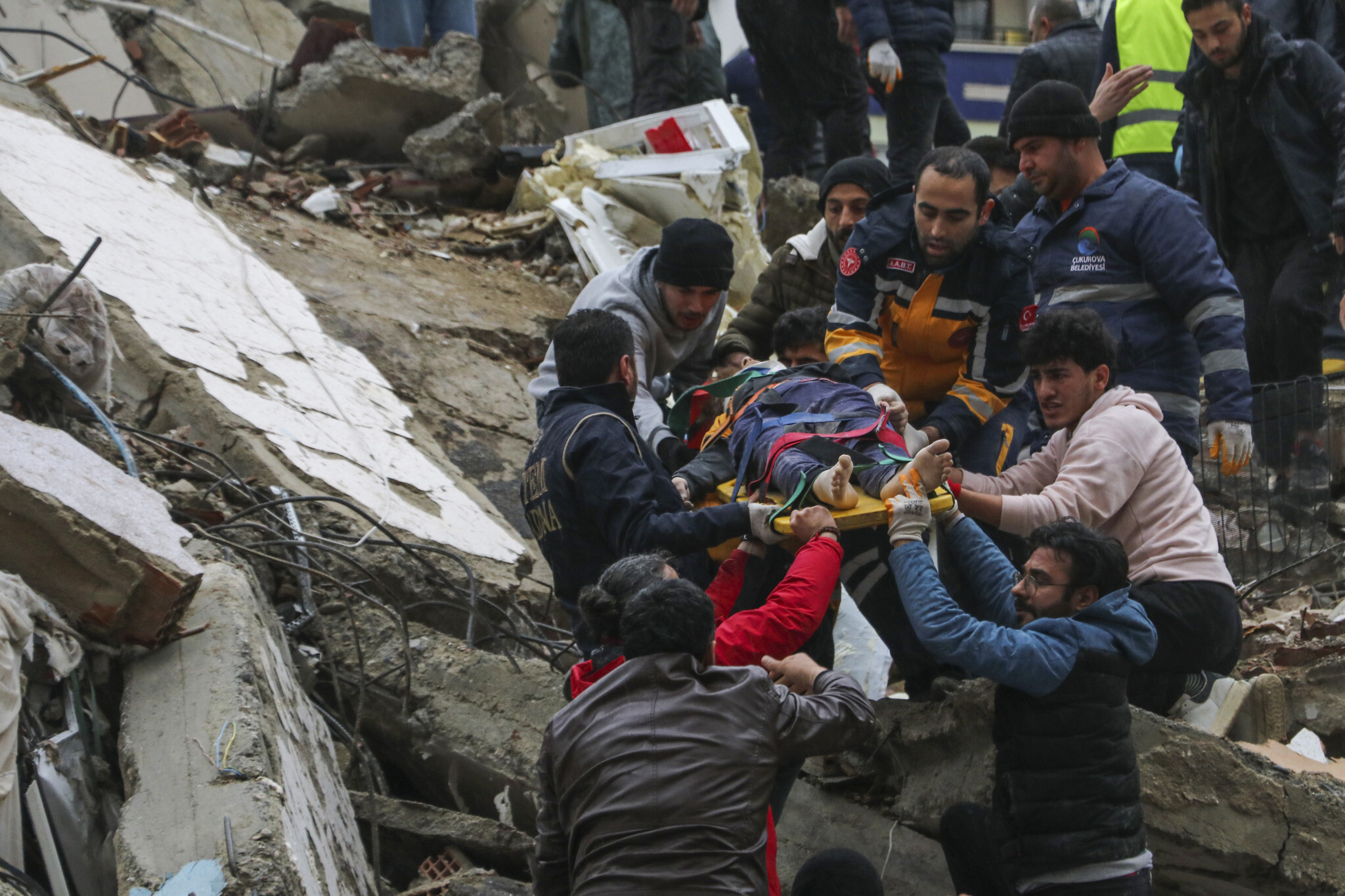
41,000 dead in Turkey and Syria, as the UN calls for earthquake relief. As the United Nations made a $1 billion plea to confront a worsening humanitarian catastrophe, the dead toll from the earthquake that has ravaged sections of Turkey and Syria surpassed 41,000 on Friday. A 17-year-old girl and a lady in her 20s were rescued from the wreckage by Turkish rescuers eleven days after the earthquake, which is now one of the ten worst in the previous 100 years. Many people in the impacted areas are in a desperate situation as they attempt to pick up the pieces in frigid weather, without access to food, water, or toilets—raising the possibility of a double calamity brought on by illnesses. There is no time to waste because of the overwhelming demands and suffering of the people, according to the UN secretary-general. Now among the ten worst earthquakes in the previous 100 years, according to AFP

The United Nations made a $1 billion appeal on Friday as the dead toll from the earthquake that has ravaged areas of Turkey and Syria reached 41,000. Yet the likelihood of discovering survivors has virtually diminished. Authorities and medical personnel said that a total of 41,732 fatalities from the tremor on February 6 were confirmed, including 38,044 fatalities in Turkey and 3,688 in Syria. In one of the seismically active regions of the world, the quake struck when many people were sleeping in homes that were not designed to withstand such strong ground vibrations. Tayyip Erdogan, the president of Turkey, has vehemently denied claims that his administration made mistakes in handling the nation’s biggest natural disaster in modern times.

There are stories of disappointed dreams of rescue loved ones who slowly perished amid the debris for every amazing account of survival. Rescue efforts have been put on hold in certain locations by Turkey and the government of war-torn Syria in its held territory. Particularly grave conditions exist in the rebel-held northwest of Syria, where help is sluggish to reach the area that has been devastated by years of fighting.


Importance Of Disaster Risk Management And Mitigation In 21st Century

Disaster risk management and mitigation is a process used to identify, assess and reduce the potential impacts of a disaster on a community or organization. This process involves analyzing the potential risks associated with a disaster, developing plans to reduce the potential impacts of the disaster, and implementing those plans. The process of disaster risk management and mitigation begins with the identification of potential risks associated with a disaster. This includes analyzing the physical risks of the disaster, such as the potential for flooding, landslides, or other natural disasters. It also includes looking at the social risks associated with the disaster, such as the potential for displacement or loss of livelihoods. After the risks have been identified, the next step is to assess the potential impacts of the disaster. This involves looking at the potential economic, social, and environmental impacts of the disaster. Once the potential risks and impacts of the disaster have been identified and assessed, the next step is to develop plans to reduce the potential impacts of the disaster. This can include developing evacuation plans, strengthening existing infrastructure, or creating emergency response plans. In addition, the plans should include measures to reduce the potential risks of the disaster, such as early warning systems, community preparedness programs, or disaster risk reduction programs. Once the plans have been developed, the next step is to implement them. This includes ensuring that all stakeholders are aware of the plans and have access to the necessary resources to implement them. In addition, it includes monitoring the implementation of the plans and making necessary adjustments as needed. Disaster risk management and mitigation is an important process for any community or organization. It can help to reduce the potential impacts of a disaster, as well as reduce the potential risks associated with it. By taking the time to identify, assess, and reduce the potential risks and impacts of a disaster, communities and organizations can help to ensure that they are prepared for any potential disasters that may occur.
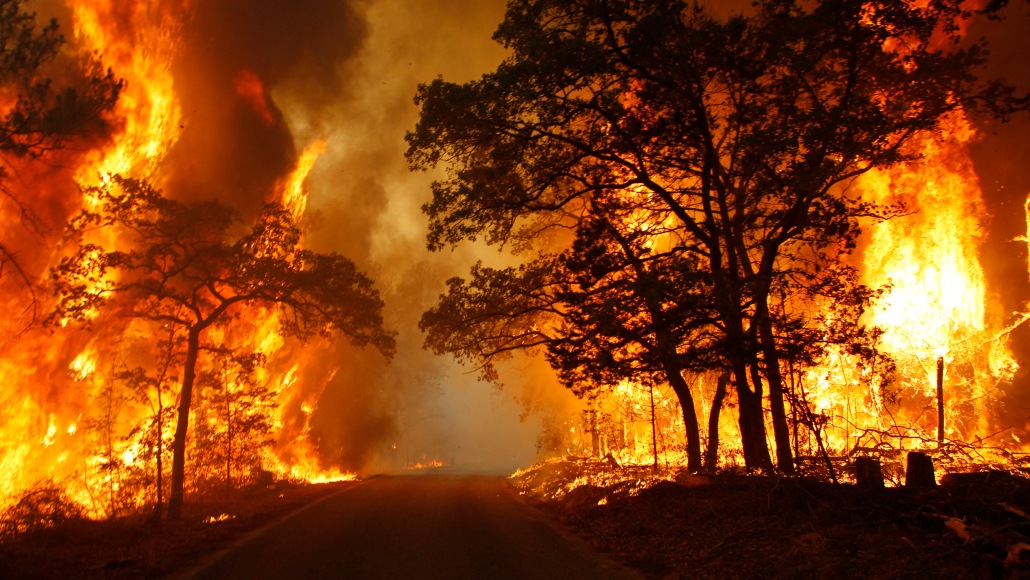
As the world continues to face an ever-increasing number of natural disasters, the importance of disaster risk management and mitigation in the 21st century cannot be overstated. Whether it is a hurricane, an earthquake, a flood, or a wildfire, disasters can cause extensive damage to infrastructure, property, and human life. As such, it is essential for governments, businesses, and individuals to take steps to reduce the potential impacts of disasters. Disaster Risk Management Disaster risk management (DRM) is the process of assessing, understanding, and reducing the risks posed by natural disasters. This includes identifying the potential hazards, assessing their likelihood of occurrence, and developing strategies to mitigate their impacts. The process also includes developing disaster management plans and creating awareness among the public about disaster preparedness and response. Mitigation is the process of reducing the likelihood and severity of disasters by taking measures to prevent, limit, or reduce the impacts of natural disasters. This includes engineering solutions such as constructing seawalls to protect against storm surge, strengthening buildings to resist earthquakes, and creating early warning systems to inform the public of approaching hazards. Mitigation also includes non-structural measures such as public awareness campaigns, evacuation plans, and disaster insurance. Benefits of Disaster Risk Management and Mitigation Disaster risk management and mitigation can help reduce the impacts of disasters and save lives. By taking the necessary steps to reduce the potential impacts of disasters, governments, businesses, and individuals can save money that would otherwise be spent on emergency response and recovery. Furthermore, with effective DRM and mitigation measures in place, the public can be better prepared to respond to disasters and recover more quickly.

The importance of disaster risk management and mitigation in the 21st century cannot be overstated. By taking the necessary steps to reduce the potential impacts of disasters, governments, businesses, and individuals can save money, save lives, and increase the public’s preparedness for disasters. Through effective DRM and mitigation measures, we can all work together to make the world a safer and more resilient place.

The New Sanctions On Tehran

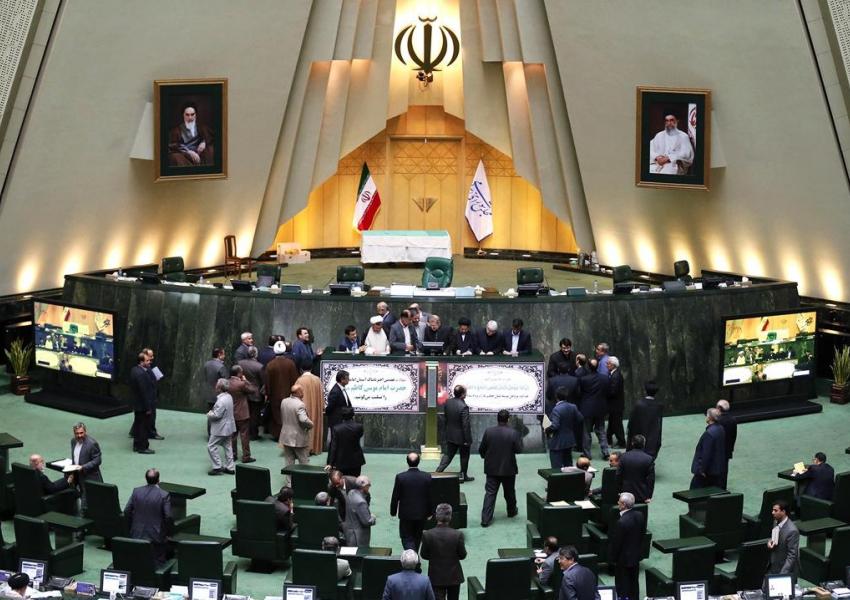
Relations among Iran and Europe have weakened forcefully, with the EU and England inclining up sanctions against the Islamic republic over its reaction to over four months of fights. Iran’s binds with the West have for quite some time been tense, over issues going from its argumentative atomic program to its job in local contentions and the confinements of outsiders and double nationals. The EU on Monday sent off its fourth round of approvals against Tehran since the fights began, putting 37 additional Iranian authorities and substances on a resource freeze and visa boycott. The 27-country EU has up to this point, notwithstanding, avoided boycotting Iran’s Islamic Progressive Watchman Corps as a fear monger bunch, regardless of calls from Germany and the Netherlands to do as such. Iran has cautioned the coalition against such a stage, and some EU authorities are vigilant that it could kill off slowed down endeavors to restore the 2015 arrangement on Tehran’s atomic program. Belgium and France, which both have residents in the slammer in Iran, on Monday criticized what they marked Iran’s “arrangement of prisoner taking”. The view from Iran Tehran has been maddened by areas of strength for Europe starting from the beginning of the dissent development ignited by the passing of Iranian Kurd Amini. The Islamic republic’s senior authorities on Sunday blamed the Europeans for pursuing “a crossover battle against the Iranian country” on mental, media and monetary fronts. Iranian unfamiliar service representative Nasser Kanani charged that “a few European nations, including Germany, have picked the way of incitement to impel the fights and mobs” to “work up shakiness” in Iran. Iran’s top representative Hossein Amir-Abdollahian on Sunday differentiated the position of its long-term curve enemy the US with what it considers a more unfriendly position taken by England, France and Germany.

The United States, United Kingdom, and Europe have imposed various economic sanctions on Tehran in an effort to pressure the Iranian government to end its nuclear program and halt its support for terrorism. These sanctions have included restrictions on the import and export of goods and services, financial transactions, and investments. The sanctions have had a significant impact on the Iranian economy, leading to a significant reduction in its oil exports, a sharp devaluation of its currency, and a rise in unemployment. The sanctions have also had a negative effect on the Iranian people, making it difficult for them to access basic goods and services. Despite the negative impact of the sanctions, the Iranian government has refused to back down from its nuclear program, leading to a further escalation of tensions between the US and Iran.


Rising Islamophobia In Europe

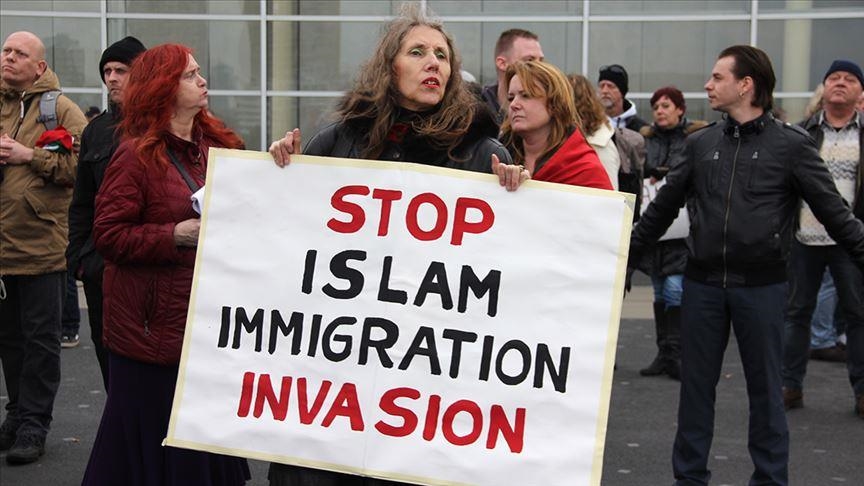
With the influx of immigrants entering Europe in recent years, there has been an increase in anti-Muslim sentiment, often referred to as Islamophobia. Numerous negative effects, like as hate crimes, discrimination, and political tensions, have been brought on by the growth of Islamophobia in Europe. The fundamental reasons of the problem must be addressed, and tolerant and inclusive policies must be promoted, if European governments are to stop this spike in anti-Muslim prejudice. Along with offering education and job training, this entails expanding the economic options for refugees and immigrants. Additionally, it entails combating hate speech and encouraging a more accepting and inclusive community. Last but not least, it entails resisting those who want to exploit the fear of terrorism as justification for their xenophobic and anti-immigrant policies.

The conflict in Syria, as well as instability in other parts of the Middle East and North Africa, has resulted in a large number of refugees seeking safety and security in Europe. This has led to an increase in anti-immigrant rhetoric in many countries, with some politicians and members of the public calling for stricter immigration policies and targeting refugees as potential criminals and terrorists. The involvement of governments and other public institutions is also important. To preserve Muslim rights and to ensure that hate crimes are vigorously punished, legislation must be put in place. Additionally, they must make sure that everyone, regardless of race or religious affiliation, has access to all public facilities and services. The increasing tide of Islamophobia in Europe can only be stemmed after that. The main cause of Islamophobia in Europe is a lack of understanding and knowledge about the religion and culture of Muslims. This is exacerbated by media reporting which often portrays Muslims in a negative light. Additionally, the presence of extremist groups such as Daesh and Al-Qaeda has led to a negative perception of all Muslims. In order to address this issue, there needs to be a concerted effort to counter prejudice and promote understanding. Education is essential, both in terms of teaching people about the true nature of Islam and helping them to understand the diversity within the Muslim communities in Europe. Interfaith dialogue and initiatives are important, as are programs which aim to promote social cohesion and mutual understanding.

Finally, it is crucial that everyone, regardless of religion, collaborates to combat Islamophobia. We must all speak out against racism and intolerance as well as dispel false preconceptions. We must appreciate the excellent contributions that Muslims make to our society and acknowledge the variety that exists within the Muslim community. Then and only then will we be able to effectively dispel the suspicion and anxiety that have formed around the Muslim population in Europe.


Pakistan And Recent Energy Crisis

Pakistan now has among of the highest fuel costs in the area after recently increasing. The most recent hike in gasoline and diesel prices was in January 2023, following multiple price increases in the previous few months. Fuel cost increases are mostly a result of increased global oil prices. Since the beginning of 2020, oil prices have increased as a result of a number of causes, including the ongoing US-China trade war, the crisis in Russia and Ukraine, the coronavirus epidemic, and the production cuts by OPEC and its allies. Because of this, the price of imported crude oil has been continuously rising, pushing up the cost of fuel in Pakistan. In addition to rising global oil prices, the government of Pakistan has also increased fuel taxes several times in an effort to raise revenue. The administration has underlined the necessity to raise money to support budget deficit reduction and infrastructure development. The Pakistani economy has suffered as a result of the rising fuel prices, which have raised the cost of other goods and services as well. Because of this, consumer purchasing power has decreased, increasing inflation. In order to lessen the burden on customers, the government has implemented several steps, such as subsidizing fuel prices and establishing a fuel subsidy program. . The government has cautioned that additional price hikes are inevitable in the near future, but these steps are probably not enough to counteract the spike in fuel prices. The Pakistani economy continues to face difficulties due to the rise in fuel prices, and these issues are anticipated to get worse over the next few months. To lessen the effects of rising fuel prices, the government will need to take additional steps, such as stepping up its efforts to decrease the budget deficit and looking for methods to boost revenue. Consumers will need to prepare for future fuel price hikes in the interim.

An energy crisis can arise from a lack of fuel in a number of ways. First off, a scarcity of fuel may result in less energy being available, which may raise costs and result in less energy being used. As a result of the inability of industry and other energy-intensive activities to function, this fall in energy consumption may result in a decrease in economic production. A lack of fuel can also cause power outages because power plants can’t produce enough energy to fulfil the requirements of the people. Finally, a fuel shortage can cause an increase in emissions of pollutants, as burning of traditional fuels such as coal and oil releases more pollutants into the environment. The crisis is a result of a number of factors, including a lack of investment in the energy sector, mismanagement of existing resources, and a lack of political will to address the issue. The lack of investment has been a major issue for some time, with the country failing to build new power plants for many years. As a result, the existing power plants have aged and become increasingly inefficient. In addition, the government has been unable to purchase new power plants from foreign countries, resulting in a lack of capacity to meet the growing demand.

Numerous issues might arise in a nation due to a gasoline shortage. This may include rising fuel prices and more competition, heightened energy insecurity, and a potential recession in the economy. A fuel shortage can also affect other industries, such as transportation, and raise the likelihood of blackouts and other energy-related issues. The inadequate management of available resources has contributed to the energy crisis. Due to ineffective government management of the energy resources, there has been a decrease in resource efficiency and an increase in energy losses. This has led to an increase in energy costs, as well as an increase in the cost of electricity. The lack of political will to address the energy crisis has also been a major factor in the crisis. The government has failed to implement the necessary reforms to improve the energy sector, resulting in a lack of investment and an increase in energy costs. The energy crisis in Pakistan is a serious issue, and the government needs to take action to address it. It needs to invest in the energy sector and take steps to improve the efficiency of existing resources. In addition, the government needs to develop a long-term strategy to ensure that the energy crisis does not become worse in the future.


Climate Change And The Winter Weather

Climate change is causing winter weather to become increasingly unpredictable. As temperatures rise, winter storms are becoming more frequent and intense, leading to more severe flooding, blizzards, and other extreme weather events. The National Oceanic and Atmospheric Administration (NOAA) has found that winter temperatures in the United States have risen by 1.5 degrees Fahrenheit since 1895, and that the warming trend is expected to continue. Warmer temperatures mean that snowfall is decreasing, and snow cover is shrinking in many parts of the country. This means that winter storms are becoming more intense and unpredictable. In addition to increased winter storms, climate change is also causing more extreme winter weather. Blizzards are becoming more frequent and intense, and they are lasting longer. This is because warmer temperatures are creating more moisture in the atmosphere, which leads to more snowfall. Climate change is also causing more flooding in the winter. Warmer temperatures lead to more precipitation, which can cause rivers and streams to overflow. This can lead to property damage and even loss of life. Finally, climate change is causing more extreme winter weather events. In the past, extreme weather events such as blizzards and ice storms were rare. Now, they are becoming more frequent and intense. This is because warmer temperatures are leading to more moisture in the atmosphere, which can cause more extreme weather events. Climate change is having a dramatic impact on winter weather. Warmer temperatures are leading to more extreme winter storms, flooding, and other extreme weather events. This is why it is so important to take action to reduce our emissions and slow the effects of climate change.

Winter weather in Pakistan is highly variable from year to year. While some winters are mild and dry, others are cold and wet. Over the past few decades, the winter weather in Pakistan has been changing, with more extreme weather events occurring more frequently. The most noticeable change in winter weather in Pakistan has been the increased frequency of extreme cold weather events. Winters in Pakistan are now becoming colder and lasting longer, with temperatures dropping below freezing in some parts of the country. This extreme cold can have serious impacts on human health, as well as on the agricultural sector. Another noticeable change in winter weather in Pakistan has been the increase in extreme rainfall events. Heavy rain and snowfall can cause flooding and landslides, leading to destruction of property and loss of lives. The frequency of these extreme rainfall events has been increasing in recent years, causing significant damage to infrastructure and livelihoods. In addition to the increased frequency of extreme weather events, Pakistan is also experiencing changes in its winter season. Winters are now becoming shorter, with the cold season lasting only a few months instead of the traditional six months. This is leading to a decrease in the amount of snowfall in the northern parts of the country, and a decrease in the amount of rainfall in the south. These changes in winter weather in Pakistan are having a significant impact on the country’s economy and environment. The increased frequency of extreme weather events is leading to increased costs for the government and individuals, as well as increased risk of damage to infrastructure and livelihoods.

Additionally, the shorter winter season is leading to a decrease in agricultural production, as crops are not able to survive the shorter growing season. Overall, winter weather in Pakistan is changing, and these changes are having a significant impact on the country’s economy and environment. It is important for the government and individuals to take steps to mitigate the risks associated with these changes and to prepare for the future. Also, there is already the shortage of gas globally and in Pakistan as well and during winters it is indeed a complex issue with many contributing factors. The most significant factor is the increased demand for gas during the winter months due to increased heating needs. In addition, the production of gas can be hindered by colder temperatures, which can make it more difficult to extract gas from the ground. Additionally, the transportation of gas can be impacted by inclement weather, which can lead to supply shortages in certain areas. Finally, the global demand for gas has been increasing in recent years due to the growth of the global population, which further contributes to the shortage of gas in the wintertime.


The Trade Relationship Between Brazil And Argentina

The trade relationship between Brazil and Argentina is a strong one. Both countries are major players in South America and have a long history of mutual economic cooperation. In recent years, trade between the two countries has grown substantially, making them major trading partners in the region. Brazil is Argentina’s largest trading partner, accounting for almost one-fifth of its total imports and exports. In 2018, two-way trade between the two countries amounted to US$37.9 billion, with Brazil being the largest exporter to Argentina and Argentina being the largest importer from Brazil. The two countries are heavily interdependent, with Brazil being a major supplier of agricultural products and Argentina being a major supplier of industrial goods. Brazil is the main supplier of soybeans, corn, and wheat to Argentina, while Argentina is the main supplier of automobiles, machinery, and chemicals to Brazil. The two countries have also established strong ties in the energy sector. Brazil supplies Argentina with oil and natural gas, while Argentina provides Brazil with hydroelectric power. Brazil is also a major investor in Argentina’s energy sector, having acquired a stake in the Argentine oil company YPF in 2018.

The trade relationship between Brazil and Argentina is mutually beneficial. Brazil-Argentina also had a summit on 23rd, January 2023 to focus on trade and economic integration. Luiz Inacio Lula da Silva, the president of Brazil, had arrived in Argentina for a conference where the two nations aimed to strengthen their trade relations. Lula’s presence on 23rd january, 2023 followed the publication of a joint article by him and Alberto Fernandez, in which they stated that research on a common South American currency were part of their goal for deeper economic unity. Fernando Haddad, Brazil’s finance minister, downplayed the prospect of an Argentine and Brazilian currency being used interchangeably.

Both countries have benefited from increased trade, as it has helped to reduce poverty and create jobs. The two countries have also worked together on a number of projects, such as the Mercosur trade bloc and the South American Community of Nations. The strong trade relationship between Brazil and Argentina is an example of how countries can cooperate to achieve mutual economic benefit.


Blue Economy And Its Importance

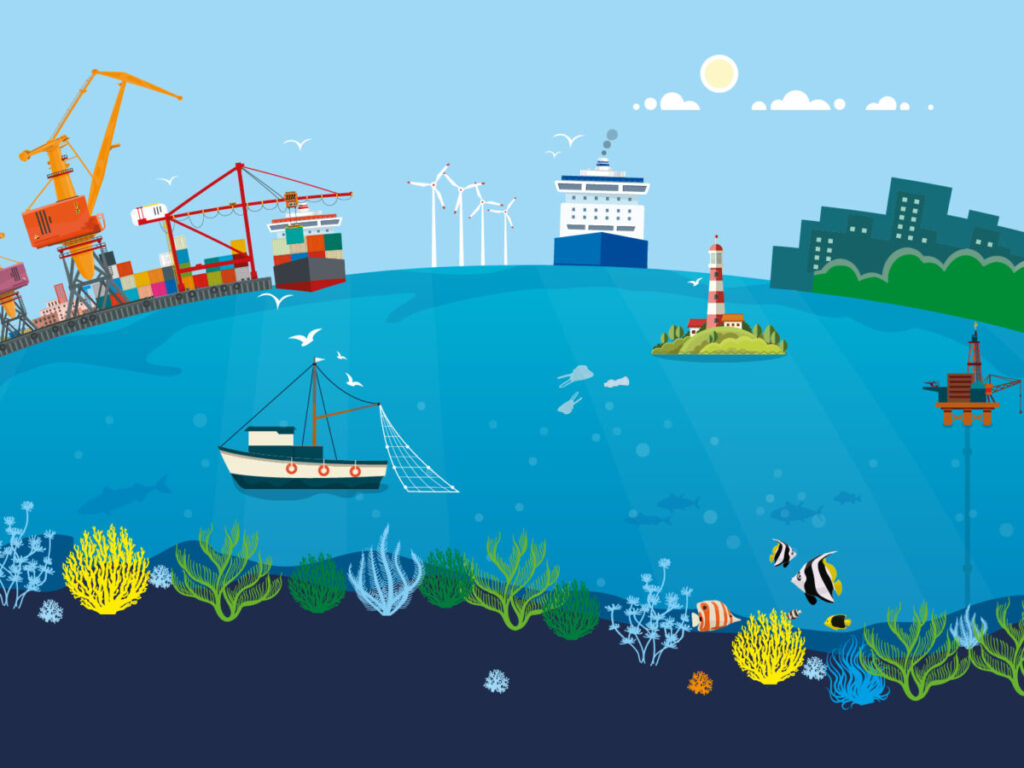
Blue Economy is an emerging concept that has become popular in recent years as an alternative to traditional economic models. It’s an approach to managing our relationship with the ocean and its resources in a sustainable and equitable manner. Blue Economy focuses on the use of the ocean’s natural resources in ways that benefit society and the environment, while respecting the limits of the ocean’s ecosystem. The blue economy is a new economic concept that is gaining traction as a possible alternative to the current economic system. It focuses on the sustainable use of the world’s ocean resources, and is designed to create a resilient and sustainable economy that is better able to cope with the effects of climate change. By looking at the ocean in a holistic, integrated way rather than simply as an economic resource. It seeks to ensure the long-term sustainability of marine ecosystems and the people who depend on them. The core of the blue economy is the notion of ‘blue growth’, which seeks to identify and create economic opportunities that are based on the sustainable use of marine resources and the services they provide. This includes activities such as sustainable fisheries, tourism, aquaculture, offshore renewable energy, shipping, and coastal and maritime infrastructure development. By taking a holistic view, the blue economy also looks at the social, environmental and economic benefits of these activities, in order to ensure that the benefits are shared across stakeholders. The blue economy is an ambitious concept but it has the potential to provide a significant economic boost to coastal and island nations, while also helping to protect the environment and reduce poverty. It is also an important concept for those countries that have already experienced

In Pakistan, the Blue Economy is of utmost importance. This is because the country has a large coastline of about 1046 km, which is home to a wide variety of marine and coastal ecosystems and resources. The country is also blessed with a large fishing and aquaculture industry, which is an important source of livelihood for many. Pakistan is also a major player in the maritime trade of the region. The Blue Economy is important for Pakistan for several reasons. Firstly, it can help to sustainably manage the country’s marine resources, which are vital to the livelihoods of millions of people. Secondly, it can help to reduce the pressure on the environment, as the use of sustainable practices can help to reduce pollution and the over exploitation of resources. Thirdly, the Blue Economy can help to create jobs and promote economic growth. Finally, it can help to promote the development of new technologies and services related to the ocean, such as marine tourism and renewable energy. The Blue Economy can be promoted in Pakistan through various measures. Firstly, the government should invest in research and development to better understand the ocean’s ecology and resources. Secondly, the government should create policies that ensure sustainable management of the ocean’s resources. Thirdly, it should promote the development of the fishing, aquaculture and maritime sectors, as these are key to economic growth. Fourthly, it should invest in the protection of marine ecosystems, through effective marine conservation and protection policies. Finally, the government should educate the public about the importance of the Blue Economy and its benefits, in order to create awareness. The Blue Economy has the potential to be a great source of prosperity and growth for the people of Pakistan. It is thus important that the government invests in the right measures and policies to promote it. This will help to ensure that the ocean remains a source of food and other resources, while also creating jobs and promoting economic growth.

In conclusion, the Blue Economy is of utmost importance to Pakistan. It can help to sustainably manage the country’s marine resources, reduce environmental pressures, create jobs, and promote economic growth. It can also help to foster the development of new technologies and services related to the ocean. Ultimately, the Blue Economy has the potential to bring economic and environmental benefits to the people of Pakistan.


The Role Of Technology For States

Technology plays an increasingly important role in the success of a state. Technology can be seen as a great equalizer, as it provides a level playing field to all citizens regardless of their background, wealth, or location. From the smallest local businesses to the largest global corporations, technology has enabled individuals and organizations to reach out to a larger audience and establish a larger presence in the marketplace. Technology has revolutionized the way we communicate and connect with one another. From the invention of the telephone to the development of the internet, communication has become more efficient and effective. This has enabled businesses to reach new markets and customers, while providing a means for citizens to stay connected with family and friends around the world. Technology has also provided access to a wealth of information. From the web, citizens can access news, entertainment, educational materials, and more. This has enabled citizens to stay informed and become more knowledgeable about their community, state, and country. Technology has also enabled states to become more efficient and effective in their operations. From the development of computer systems to the use of artificial intelligence, states can now automate processes and streamline operations, reducing costs and increasing efficiency. In addition, technology has enabled states to better analyze data and trends, allowing them to make more informed decisions and develop better policies. Finally, technology has enabled states to become more secure. With the development of sophisticated cyber security systems, states can protect their citizens and their data from malicious actors. This has enabled states to ensure the safety of their citizens and their data, while also protecting their economies from cyber-attacks.

Technology influenced every aspect of human life, including conflict. The economic study of capitalism and its connection to technology by Schumpeter provides evidence of the accelerated speed of technological progress. In his opinion, the Industrial Revolution’s four extensive economic cycles resulted in fundamental shifts in the method of production in little more than a century. Technology has also changed the dynamics of wars and conflicts. In his theory of war, Clausewitz neglected to consider the significance of technology as a factor. 7 One of the most critical writers on the link between war and state, Tilly, was similarly doubtful about the role that technology played in this process and instead concentrated on the economics of going to war. 8 The exclusion is acceptable given that the history of war has been marked by protracted periods of technical static mixed with sudden bursts of revolutionary change brought about by a number of factors. The threat to the state’s ability to maintain its monopoly on violence will be the most basic element of the technology-war relationship. It has been predicted that the state’s monopoly on the use of force will eventually vanish, but the pace of technological advancement today makes this threat more real and imminent. Technology is enabling new chances and techniques to attack other governments, as well as enabling the state to try to resist internal threats to its authority. Developments in biology, materials technology, nanotechnology, and, of course, the information revolution. According to Stephen Graham, a key development in the fight against terrorism has been the blending of civilian and military uses of control, surveillance, communications, simulation, and targeting technology.

In conclusion, technology has revolutionized the way we communicate, access information, and operate. It has enabled states to become more efficient and effective in their operations, while also providing citizens with access to a wealth of information and opportunities. As technology continues to evolve, states will need to ensure that they are taking full advantage of its potential to maximize the success of their state.The circumstances for conflict, especially civil war, have indeed been produced by technical advancement, but it has also increased this threat by globalising the use of violence and empowering non-state actors.


Providing “More Heavy Weaponry” To Ukraine

Ukraine has long lobbied for more powerful weapons, such as tanks, but Western countries have been reluctant due to concerns about getting sucked into the conflict or aggravating Russia. According to Stoltenberg, “the recent commitments for heavy military weaponry are significant, and I anticipate more in the near future.” The remarks were made in advance of this week’s meeting of the Ukraine Defense Contact Group at the German air base of Ramstein, which oversees military shipments to Kiev. Since the invasion, the Ukrainians have gained strength, and Western countries have increased the kind of armaments they are supplying. The allies are being pressed harder, nevertheless, to accept the supply of combat tanks. On Saturday, British Prime Minister Rishi Sunak promised to provide 14 Challenger 2 tanks to Ukraine, making his nation the first Western nation to send the heavy tanks Kyiv had requested. By attacking Ukraine, Russian President Vladimir Putin, according to Stoltenberg, erred. He exaggerated the power of his own military. The Russians, meanwhile, “have shown that they are willing to endure enormous losses in order to achieve their aims.” The conflict is now at a turning point, according to Stoltenberg. Therefore, it’s crucial that we provide Ukraine the tools it needs to triumph.

Heavy armaments, including as tanks, have long been demanded by Kiev, but Western countries have been hesitant due to concerns about being sucked into the conflict or aggravating Russia. Chancellor Olaf Scholz and his coalition government in Germany are under more strain now that Poland and Finland have also shown their willingness to supply Ukraine with Leopard 2 tanks built in Germany. For European allies, who have avoided openly arming Ukraine with heavy weaponry ever since Russia’s invasion started on February 24, 2022, the trend signals a potential larger shift. Following months of losses and stalemate, Russia’s defense ministry declared last week that it had “completed the liberation” of Soledar, a city near the transportation hub of Bakhmut in the eastern Donetsk region. This announcement came amid Russian claims of its first meaningful battlefield success. Hence it’s a new stage in the conflict in Ukraine with the Battle of Soledar.