China’s Military and Economic Interests
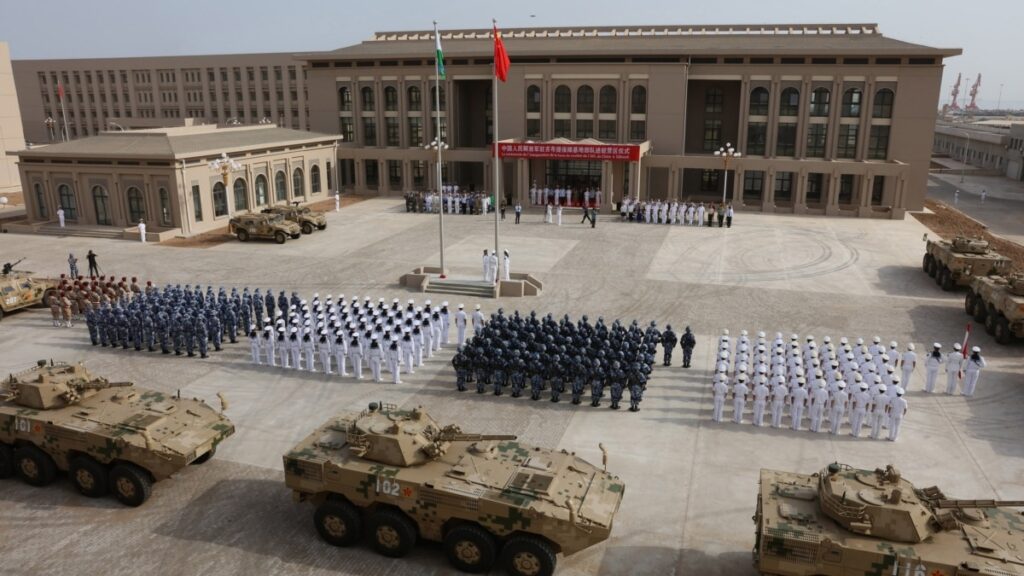
In recent years, China has made significant strides towards modernising and expanding its military capabilities, which has attracted increased attention from around the world and raised questions about the repercussions of these developments. This article takes a constructive stance on China’s military advancements, highlighting their potential for regional stability and exploring the vital role that the United States can play in managing this evolving landscape. This article takes a constructive stance on China’s military advancements, highlighting their potential for regional stability.

The Modernization of China’s Armed Forces

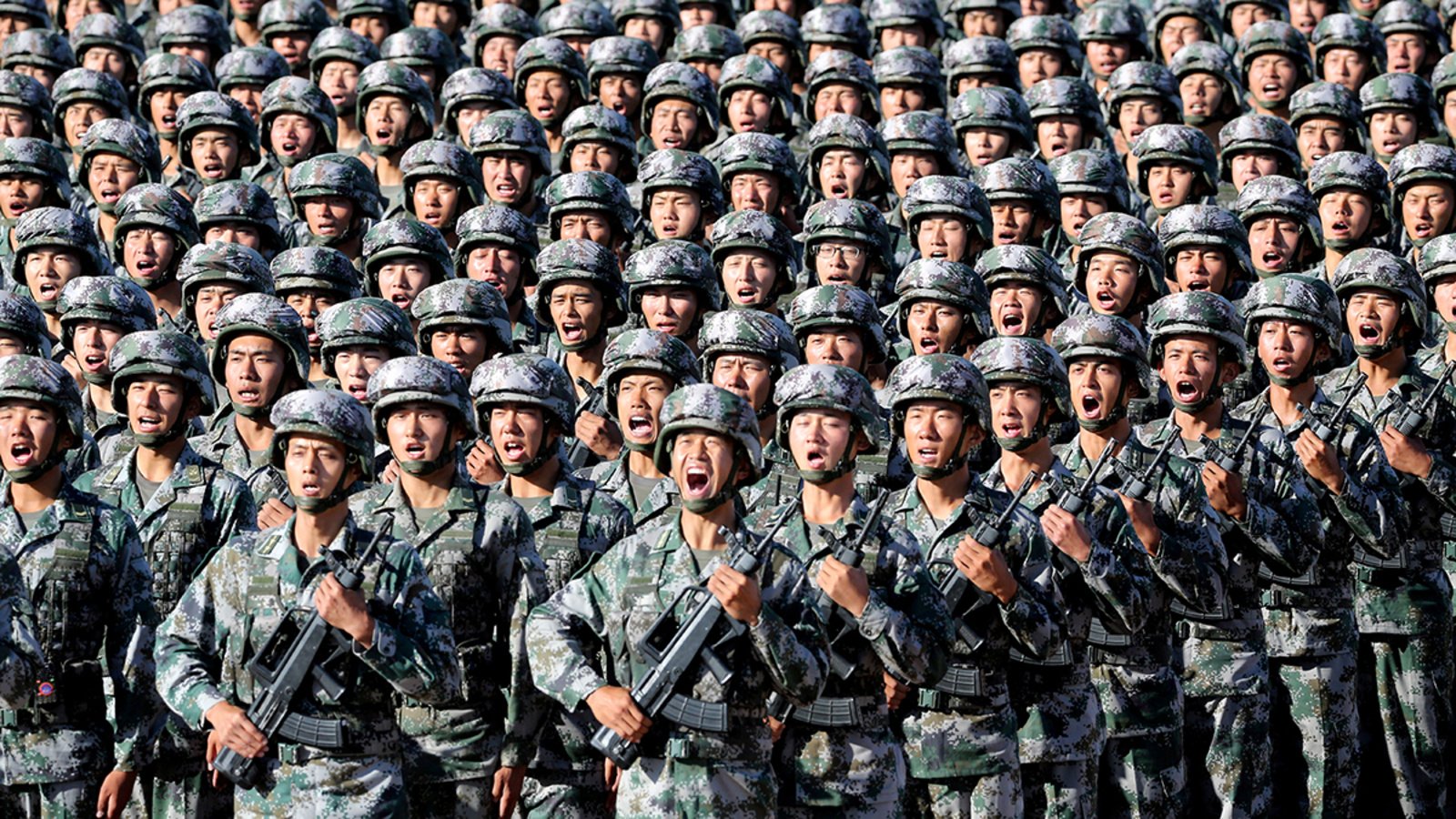
The fundamental requirement for China to preserve its national sovereignty and protect its security interests is the driving force behind its efforts to modernise its military. Over the course of the last few decades, China has made significant investments in order to improve the capabilities of its conventional armed forces. This investment includes updating weaponry and equipment as well as improving training methods and developing new curriculum. It is essential to point out that while this modernization has unquestionably improved China’s military capabilities, it has also made it possible for the country to positively participate in global initiatives such as disaster relief, peacekeeping missions, and humanitarian efforts. For this reason, it is important to note both of these facts.

The Integration of Nuclear Weapons

Concerns have been raised as a result of recent reports that China has added nuclear warheads to its arsenal. Nevertheless, placing these new developments within the context of China’s long-standing policy of preserving a minimum deterrence strategy is of utmost importance. In contrast to other countries that possess nuclear weapons, China has never wavered in its stance that it will adhere to the “no-first-use” policy. This policy reflects a responsible approach to nuclear weapons, placing a higher priority on offensive capabilities than on the ability to deter attacks. In addition, it is of the utmost importance to acknowledge that China’s nuclear arsenal is still quite modest in comparison to those of the United States and Russia.

The Function of the United States of America

The United States of America plays an extremely important part in the management of China’s military advancements. When interacting with China, the United States should place a greater emphasis on diplomatic engagement and dialogue rather than taking a position that is antagonistic towards China. These kinds of efforts can lead to a better understanding on both sides of the security concerns and goals of each nation’s perspective. Both countries have the ability to improve their relationship with one another by concentrating on issues that are of mutual concern, such as arms control, the fight against terrorism, and climate change.
Advancing the Cause of Regional Stability

Recent developments in China’s military have the potential to make a sizeable contribution to maintaining peace in the region. As China continues to improve its military capabilities, it will be in a better position to act as a stabilising force in the Asia-Pacific region by discouraging potential conflicts and fostering a power dynamic that is more balanced. A stable environment is not only in China’s best interest, but also in the best interest of its neighbouring countries, including those that have close ties to the United States. China’s neighbours stand to benefit the most from such an environment.

Contributions Made by China Towards International Safety

China’s role in maintaining global security goes well beyond its own regional interests. The nation has been very active in international efforts to keep the peace and help those who have been affected by natural disasters. One of the most notable examples of its positive engagement on the global stage can be seen in the contributions it has made to the fight against piracy off the coast of Somalia and to the provision of humanitarian assistance during natural disasters. These actions demonstrate China’s dedication to working towards a more secure and stable global environment.

Striking a Balance Between Security Concerns

It is essential for both China and the United States to strike a balance between their security concerns and broader global interests in order to deal with the ongoing modernization of China’s military by China. Neither country can afford to ignore this imperative. Cooperation between these two major powers can be facilitated through the use of collaborative strategies to address common challenges, such as the prevention of the spread of nuclear weapons. Through their cooperative efforts, China and the United States can serve as a model for other countries and make significant contributions to the maintenance of peace and order on a global scale.

In conclusion, it is essential to evaluate China’s efforts to modernise its military, which includes the recent addition of nuclear warheads, in the context of their dedication to preserving national security. The United States and China can increase their level of trust in one another and their level of understanding of one another by engaging in diplomatic engagement, engaging in constructive dialogue, and focusing on areas of common interest. It is essential to place an emphasis on these positive aspects in order to effectively manage this shifting geopolitical landscape. By doing so, both countries will be able to address their legitimate concerns about national security while also contributing to the maintenance of regional and global stability.
African Migrants and Europe’s Response to the Canary Islands’ Migration Conundrum

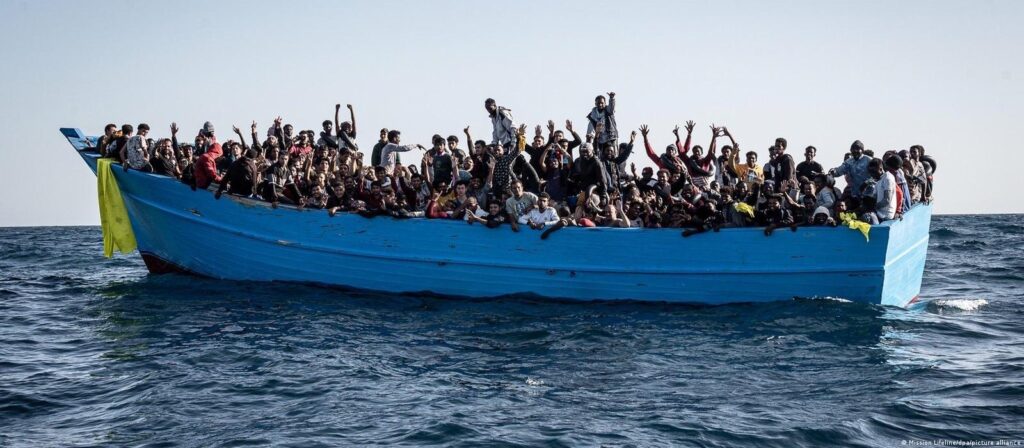
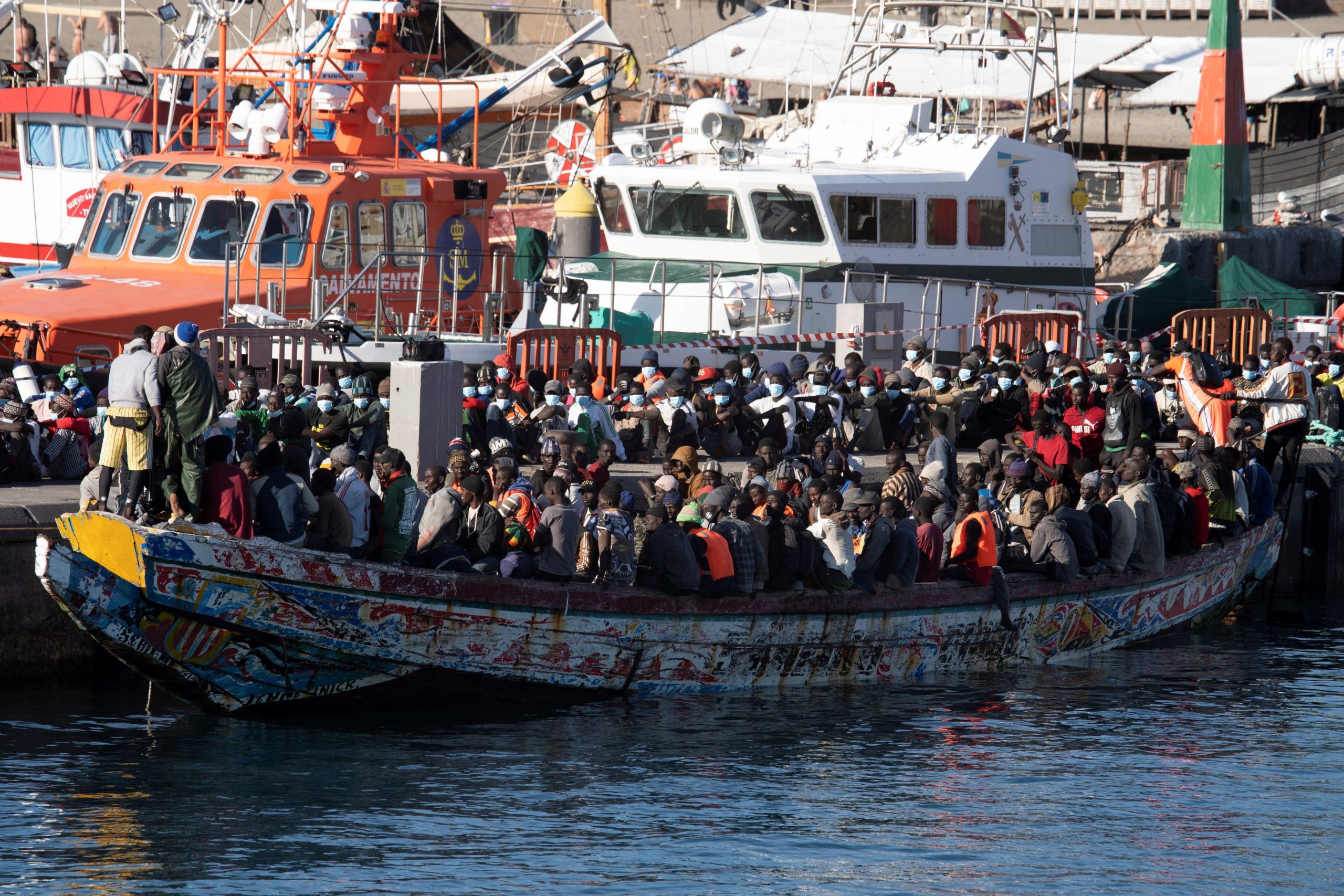
Canary Islands, which are part of Spain, have become a significant destination for African migrants who are attempting to reach the shores of Europe in recent years. These migrants, who are driven to migrate by a complex mix of economic, environmental, and sociopolitical factors, are frequently willing to endure perilous sea journeys in the hopes of finding a better future for themselves and their families. Many people find it difficult to resist the allure of Europe because of the significant economic disparities that exist between certain parts of Africa and Europe, as well as the frequent conflicts, political unrest, and significant environmental challenges, such as desertification. In addition to this, the possibility of reuniting with members of one’s family who have already settled in Europe serves as yet another powerful pull factor.


More than 1,200 African migrants arrived in Spain’s Canary Islands over the weekend, with one vessel breaking the record for the most people brought by a single boat with 321 passengers. In total, 1,235 migrants had arrived on the Spanish islands located off the coast of western Africa, contributing to the recent surge in the number of migrants who arrived. According to the sources, it displayed images of a multicoloured vessel that was packed to capacity with passengers who were smiling and waving as it approached the port. The most recent statistics available from the Spanish Ministry of the Interior show that 23,537 migrants arrived in the Canaries between January 1 and October 15.

In response to this influx, the European Union (EU) has developed an approach that incorporates multiple facets. The framework for the protection of asylum seekers and refugees is a demonstration of the European Union’s dedication to upholding international protection standards. For example, the Dublin Rule outlines who is responsible for processing asylum claims. This rule generally stipulates that it is the first EU nation a migrant sets foot in, which is typically Spain for those who arrive via the Canary Islands. On the other hand, this is counterbalanced by the increasingly stringent border control measures implemented by the EU. Increased resources are being allocated to border security agencies such as Frontex as a result of increased investments in border wall construction. The ‘externalisation’ strategy, in which the EU works with countries that are not members of the EU to manage migration flows prior to their arrival on European territory, has also been prominent.

However, because of their limited infrastructure, the Canary Islands face enormous logistical challenges when it comes to accommodating and processing the migrants who arrive there. And at the very centre of the EU, political divisions continue to exist. As a result of an increase in support for right-wing ideologies, some member states are advocating for a unified and compassionate approach to migration, while others are leaning towards a more restrictive stance. This internal contention is further complicated by pressing humanitarian concerns, which have been brought to light by reports of migrants tragically losing their lives while travelling by sea or facing harsh conditions in holding facilities.


BRICS and Its Prospects for the Future

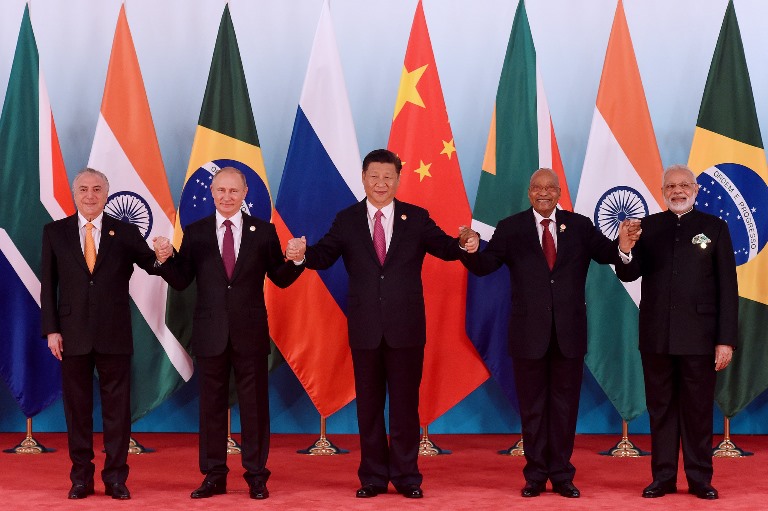
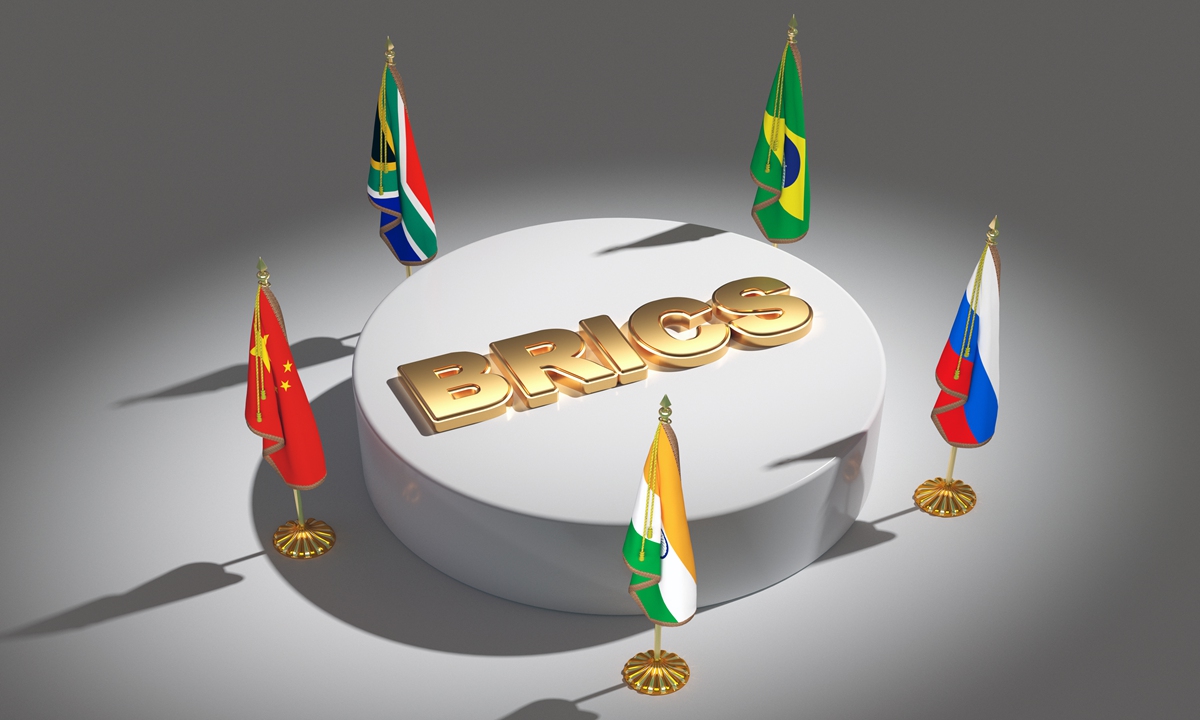
The acronym BRICS refers to a grouping of five major economies that are still in the process of developing. These countries are Brazil, Russia, India, China, and South Africa. Over forty percent of the world’s population and approximately 25 percent of global GDP are represented by the BRICS group, which was established to challenge the economic hegemony of developed nations. As the world continues to change, more and more thought is being put into the potential future of BRICS and the nations that could become members of the organization.

Current Situation and Past Accomplishments

Since the beginning of the millennium, when the idea was first conceived, the BRICS group has been working hard to establish itself as a significant participant in the international economy. They have promoted reform within international financial institutions and have launched initiatives such as the New Development Bank, which aims to finance infrastructure projects in developing countries. The BRICS nations have also emphasized their shared interests in areas such as the liberalization of trade, the promotion of sustainable development, and the reduction of the impacts of climate change. As a result of these partnerships, their collective influence in global fora has increased, and economic cooperation has been facilitated.

Perspectives on the Future

Economic Growth: The BRICS nations are still regarded as having significant growth potential despite facing challenges such as economic slowdowns and political uncertainties. This is due to the fact that these nations are considered to have significant growth potential. As a result of demographics, natural resources, and technological advancements, it is anticipated that their economies will continue to expand at a faster rate than the average growth rate for the entire world. Influence on Politics: As the economic balance of power in the world continues to shift, it is possible that the BRICS nations will play an even more decisive role in the formation of international norms and regulations. The global order that is dominated by the West could be challenged by their combined voice in organisations such as the United Nations, the World Trade Organisation, and the International Monetary Fund.

Goals of Sustainable Development: It is very likely that the future of BRICS will become increasingly intertwined with those of sustainable development. Their commitment to working together to address issues such as climate change, the reduction of poverty, and equitable economic growth has the potential to contribute to global solutions and further enhance their standing on the international stage.

Possibilities for Growth: The idea that BRICS could grow to incorporate additional countries is one that has been the focus of on-going debate. The direction that future expansion takes could be influenced by things like the potential for economic growth, political alignment, and regional representation. The following are some potential candidates:
Indonesia: Thanks to its robust economic growth and advantageous location in Southeast Asia, Indonesia has the potential to bolster the presence of the BRICS nations in the region.
Turkey: The geopolitical importance of Turkey, along with its status as an emerging market, makes it a strong contender. The incorporation of this idea has the potential to reduce the gap between Asia, Africa, and Europe.
Mexico: As one of the largest economies in Latin America, Mexico has the potential to bolster the collective economic clout of the BRICS nations and increase Latin American representation within the organisation.
Nigeria: As the country with the largest economy in Africa, Nigeria has the potential to expand the BRICS initiative’s focus on Africa and provide insightful commentary on the opportunities and challenges facing the continent.

Concerns and Things to Take Into Account

Tensions in the Geopolitical Arena the countries that make up the BRICS bloc have a diverse set of geopolitical interests, and these interests can sometimes be at odds with one another. Managing contentious issues like border disputes, trade wars, and divergent objectives in foreign policy requires a delicate touch.

Disparities in Economic Systems the BRICS countries all have significantly different economic systems, which may make it difficult to formulate unified policies. In order to bring the interests of countries as economically distinct as China and South Africa into alignment, careful negotiation and compromise are required.

Problems Associated with Expansion In order to expand BRICS, all of the current members will need to give their blessing and be in agreement with the organization’s overarching goals. The addition of new members ought to enhance rather than dilute the framework that is already in place for the coalition’s operations.

BRICS’s future holds a great deal of potential, with opportunities to further influence the economic and political dynamics of the world. Because of their shared emphasis on inclusive growth, sustainable development, and international reform, these countries are uniquely positioned to play an important role in the emerging multipolar world order.

The process of expansion needs to be approached with caution and foresight, with the goal of ensuring that any new members will both contribute to the group’s goals as well as align with those goals. As a reflection of the dynamic nature of global development, countries such as Indonesia, Turkey, Mexico, and Nigeria offer intriguing possibilities for expansion.

The future of BRICS will be determined by the group’s capacity to innovate, adapt, and take the lead in an ever-evolving global landscape. Their continued success has the potential to offer a new model of cooperation and growth, which will help promote a global order that is more balanced and inclusive.


Reforms in Pakistan’s Economy

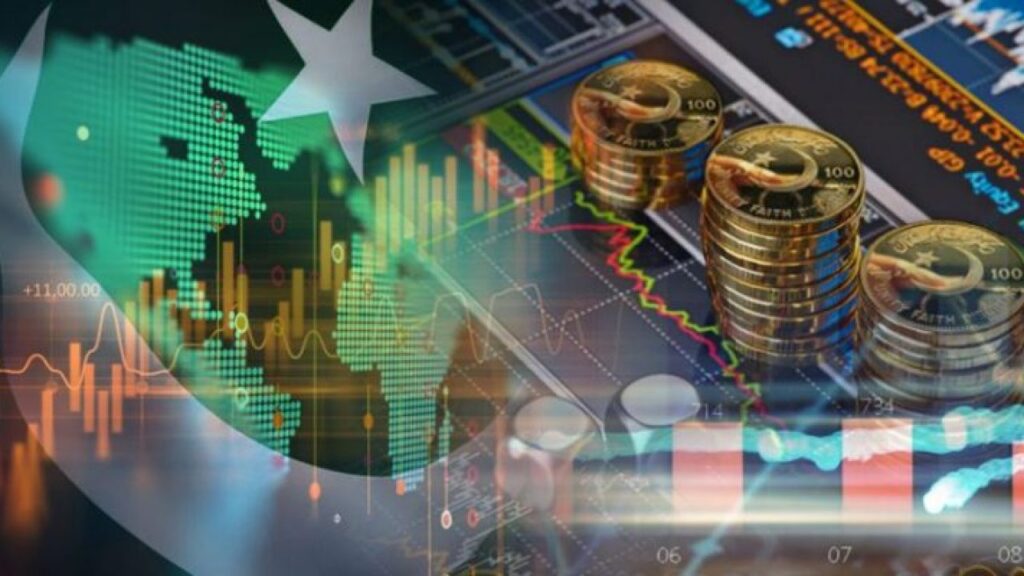
The historic high inflation in Pakistan is hitting the poor and creating “unprecedented” hardships for the low-income groups, the situation has forced the masses to spend much of their income on food. Some causes with recommendations are as follows:

Increase in money supply: The government of Pakistan has been printing more money in recent years in order to finance its budget deficit. This has led to an increase in the money supply, which has put upward pressure on prices. The government can reduce the money supply by increasing interest rates or by selling government bonds. Increasing interest rates makes it more expensive for businesses and individuals to borrow money, which reduces the amount of money in circulation. Selling government bonds also reduces the amount of money in circulation, as the government uses the proceeds of the sale to pay off its debt.

Depreciation of the Pakistani rupee: The Pakistani rupee has depreciated against the US dollar in recent years. This is due to a number of factors, including the country’s large trade deficit and political instability. The depreciation of the rupee has made imported goods more expensive, which has also contributed to inflation. The government can strengthen the Pakistani rupee by reducing the trade deficit or by increasing foreign exchange reserves. Reducing the trade deficit means exporting more goods and services than importing them. Increasing foreign exchange reserves means accumulating more foreign currency, which can be used to buy rupees.

Supply shocks: Pakistan has been affected by a number of supply shocks in recent years, such as the COVID-19 pandemic and the war in Ukraine. These have disrupted the supply of goods and services, which has also contributed to inflation. The government can address supply shocks by improving infrastructure or by providing subsidies to farmers. Improving infrastructure can help make transporting goods and services easier, which can help reduce shortages. Providing subsidies to farmers can help reduce food costs, which is a major component of the inflation basket.

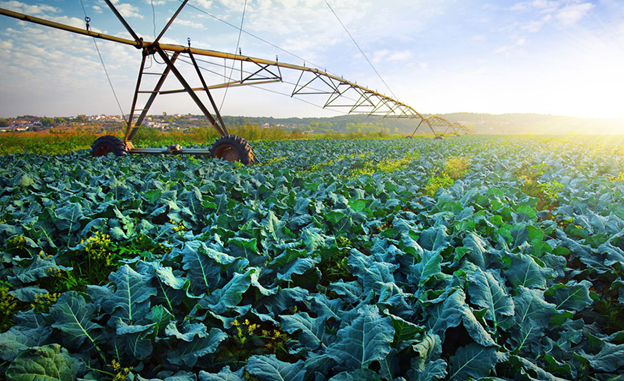
Increase agricultural productivity: Pakistan is a net importer of food, so any increase in the cost of food will have a significant impact on inflation. The government can increase agricultural productivity by providing farmers with access to better seeds, fertilizers, and irrigation systems. This will help to increase crop yields and reduce the cost of food.

Promote exports: Promoting exports will help to increase foreign exchange earnings, which will help to strengthen the Pakistani rupee. The government can promote exports by providing exporters with tax breaks and subsidies. It can also negotiate trade deals with other countries, giving Pakistani exporters preferential access to their markets.

Improve governance: A stable and predictable economic environment is conducive to investment and economic growth. The government can improve governance by reducing corruption and by strengthening the rule of law. This will help to attract foreign investment and create jobs, which will help to reduce poverty and inequality. By taking these measures, the government of Pakistan can help to reduce inflation and improve the lives of its citizens.


Exploitation in Africa

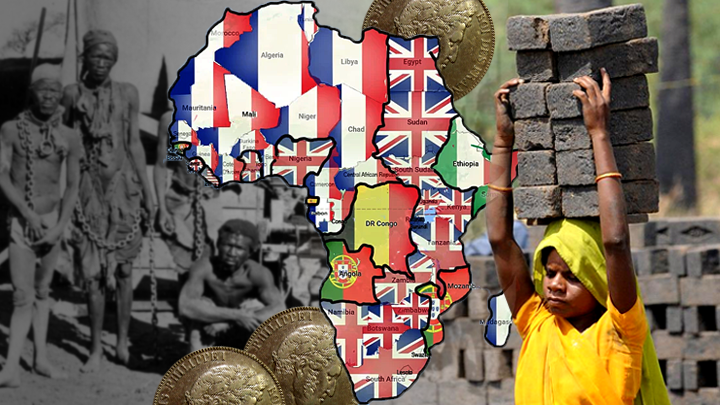
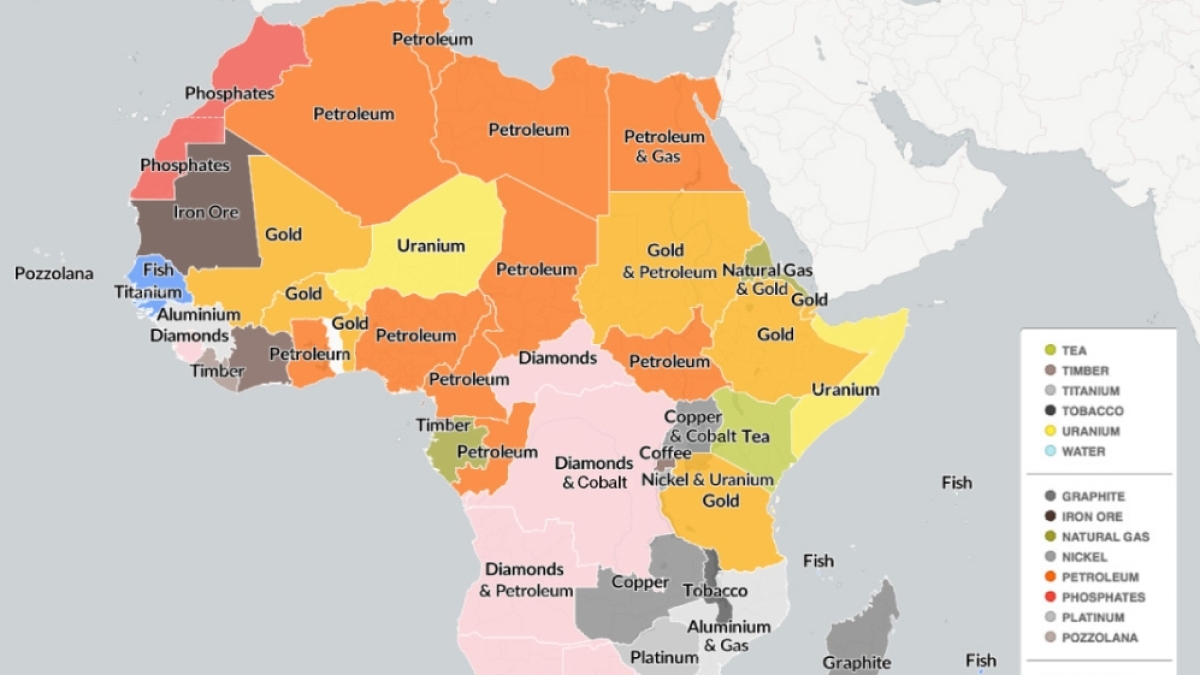
The exploitation of African natural reserves, particularly in the presence of European and American companies, has been a contentious issue with deep historical roots and ongoing concerns. This exploitation involves various facets, including environmental degradation, labor exploitation, unequal profit sharing, and disregard for indigenous rights and local community interests.

Historical Context

The exploitation of Africa’s natural resources by European powers dates back to the colonial era when European countries exerted control over vast territories across the continent. This control often led to the extraction of valuable resources such as gold, diamonds, and other minerals without just compensation to local communities. During the colonial era, European powers established mining and agricultural enterprises that disproportionately benefited European interests at the expense of local populations. These operations often ignored local customs, land rights, and environmental considerations.

Modern Challenges

Even after gaining independence, many African countries continue to face challenges related to the exploitation of their natural reserves. European and American corporations, sometimes in collaboration with local elites, continue to dominate sectors like mining, oil, and forestry. The issues include:

Environmental Degradation: Unregulated extraction and processing of resources have led to significant environmental problems, including deforestation, pollution, and destruction of ecosystems.

Labor Exploitation: Workers in mining and other extractive industries often face poor working conditions, low wages, and inadequate safety measures.

Unequal Profit Distribution: While international corporations reap significant profits from resource extraction, local communities frequently see little benefit. This inequality contributes to poverty and underdevelopment in many resource-rich areas.

Displacement and Indigenous Rights: Resource extraction projects sometimes displace local communities without adequate compensation or disregard traditional land rights, leading to conflict and social unrest.

Lack of Transparency and Corruption: In some cases, deals between international corporations and local governments lack transparency and are fraught with corruption, undermining trust and social cohesion.

Recommendations

Strengthen Regulations: Governments must enforce stringent environmental and labor regulations that align with international standards to protect both human rights and the environment.

Promote Fair Trade Practices: Implementing and enforcing fair trade agreements can help ensure that profits are more equitably distributed among local communities.

Enhance Transparency: Encouraging transparency in contracts and revenue management can reduce corruption and ensure that the benefits of natural resource exploitation are shared more widely.

Empower Local Communities: Supporting community engagement in decision-making processes related to resource extraction can lead to more sustainable and socially just outcomes.

Conclusion

The exploitation of natural reserves in Africa by European and American entities is a complex issue with deep historical roots and multifaceted modern implications. Addressing this challenge requires a concerted effort on the part of governments, corporations, international organizations, and civil society to ensure that natural resource extraction is conducted responsibly and equitably, respecting both the environment and the rights and interests of local communities.


The Potential Implications of a New Indo-French Defense Deal

In order to maintain regional security and address global challenges, India and France have a long-standing defense partnership. They have entered into a number of defense agreements over the years, strengthening their strategic alliance and promoting regional stability.

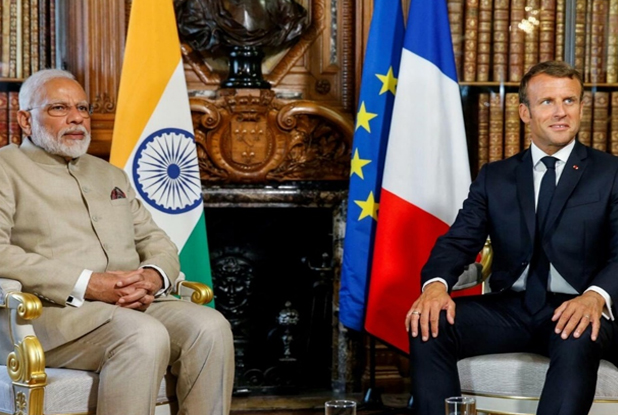
Recently on 15 July 2023, Prime Minister Narendra Modi asserted that defense ties are the basic pillar of India’s bilateral relationship with France, the two countries agreed on the construction of three additional submarines and the co-development of fighter jet engines. However, both sides remained silent on the sale of additional 26 Rafale-M fighter jet planes

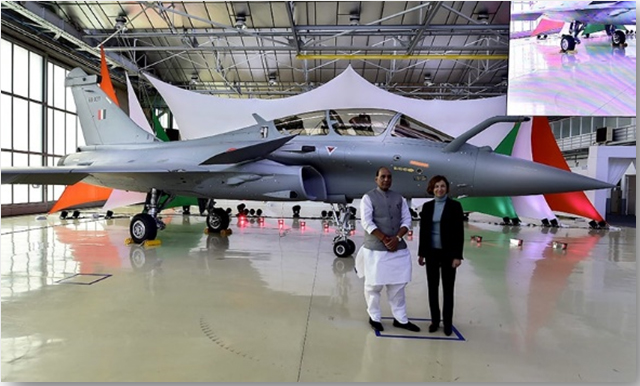
The Rafale fighter jet deal is among the most notable agreements between the two countries. The agreement to purchase 36 Rafale fighter jets from Dassault Aviation in France, signed in 2016, marked a significant turning point in Indo-French defense cooperation. For India to modernize its air force and improve its defense capacity, this deal was essential.

The 2006 Scorpene submarine deal, in which France’s Naval Group (formerly DCNS) agreed to build six Scorpene class submarines in India, was another historic agreement. The agreement placed a strong emphasis on technology transfer and domestic manufacturing, supporting India’s “Make in India” initiative. These agreements are a part of a larger trend that shows increased cooperation. France has emerged as one of India’s most dependable allies in Europe, with collaborations in a variety of fields, such as civil nuclear energy, space exploration, and defense.

Given this background, the size and scope of a new defense agreement between the two nations could potentially have significant effects.

First off, a new agreement would probably strengthen the strategic alliance between France and India. Increased defense cooperation would highlight their shared vision for regional and global security as both countries agree on the significance of a multipolar world and freedom of navigation in international waters.

The second benefit is that it might greatly improve India’s defense capabilities. Depending on how the agreement is structured whether it calls for the purchase of more sophisticated equipment, the transfer of technology, or joint development and production it could aid in the modernization of India’s armed forces and the expansion of its defense industry.

Third, the agreement might have broader geopolitical repercussions. Stronger ties with France could support India’s position in the Indo-Pacific region as it seeks to counteract China’s rise and maintain its strategic independence. Stronger defense ties with India could increase France’s role and influence in the Indo-Pacific, where it has territories and strategic interests.

Fourth, a new defense agreement might open the door to more cooperation in fields like space, cybersecurity, and civil nuclear energy. Defense cooperation frequently sparks wider strategic and technological cooperation, fostering a more profound and all-encompassing bilateral relationship.

It’s important to be aware of any potential difficulties. Any defense deal must be handled carefully to prevent inciting regional unrest. Additionally, a focus on transparency would be necessary to allay any domestic worries about the agreement’s costs and advantages in both countries.

In conclusion, a new Indo-French defense agreement would build on a solid foundation of defense cooperation, but it could have far-reaching effects. The two countries’ strategic alliance would probably be strengthened, India’s defense capabilities would be improved, the Indo-Pacific region’s geopolitical dynamics would change, and more cooperation in other strategic areas might result. Both countries will have to carefully navigate the agreement, balancing domestic issues with regional sensitivities, while concentrating on their shared interests and vision for regional security and global stability.


Role Of United Nations And Broken Global Food System

It will take an enormous effort from all global stakeholders to fix the world food system. The system is intricate and includes many different components, including those related to food production, processing, distribution, consumption, and waste management. Complex social, economic, and environmental contexts are interwoven with it. A stable food system is built on sustainable agriculture. We can strike a balance between the need for food production and the preservation of natural resources by promoting sustainable agricultural practices. The “Zero Budget Natural Farming” (ZBNF) initiative in India is a good illustration of this. It encourages chemical-free farming methods that are not only economical but also sustainable, improving farmer livelihoods. The ZBNF project has been successful in fusing conventional wisdom and cutting-edge scientific understanding.

Regenerative farming methods, another crucial component, place an emphasis on crop diversity, soil health, and livestock integration. Such methods can result in the production of food that is more nutrient-dense, significant carbon repossession, and improved farmer livelihoods. One admirable example is the work done by The Savory Institute all over the world. To improve the health of the grasslands, the institute advocates holistic management and regenerative agriculture, which in turn boosts biodiversity and increases the adaptability of nearby communities. Food waste is a serious problem that affects the environment and the economy. To address this issue, the United Nations Environment Programme (UNEP) launched the global “Think.Eat.Save” campaign. In order to minimize waste, the campaign offers helpful tips and doable actions to consumers, retailers, and the hospitality sector. Reducing food waste can support more sustainable consumption patterns and lessen the strain on the environment’s resources.

The solution to repairing the broken global food system lies in local food systems as well. They can increase local economies while at the same time minimizing the environmental damage caused by long-distance food transportation. For instance, vacant lots in Detroit, USA, have been turned into productive farmland by urban farming initiatives, improving community development and local food security.

Another significant issue is the local and international inequities in the food system. By ensuring that small-scale farmers and producers are fairly compensated for their goods, fair trade practices can advance justice and equity in the food system. A nonprofit organization called Fair Trade International has played a key role in developing widely accepted fair trade standards and assisting producers in the Global South.

The development of food systems is significantly influenced by governmental policies. The effectiveness of food systems can be significantly impacted by policies like subsidies for environmentally friendly farming methods, strict laws against food waste, and the promotion of wholesome diets. Government policies in nations like the Netherlands actively support circular agriculture, reducing waste, and effectively using resources. With its numerous specialized agencies, the United Nations (UN) is instrumental in addressing these issues. The UN’s Food and Agriculture Organization (FAO) seeks to ensure that everyone has regular access to nutritious food so they can lead active, healthy lives. It works to promote dietary diversity, lessen food loss and waste, support sustainable agricultural practices, and increase resilience to economic and climatic shocks.

Strong food systems are also developed with assistance from other UN organizations like the UNEP and the World Health Organization (WHO). For instance, WHO has led the charge in promoting a healthier diet and way of life on a global scale.

These problems are inadvertently addressed in the UN Charter, which sets the organization’s policies. Hunger, poverty, and sustainable development are all covered by the Charter’s goals and guiding principles of promoting peace, human rights, and development. The majority of the Charter’s modifications, though few and unrelated to the food system, deal with membership and representation in UN bodies. All UN Member States agreed upon the Sustainable Development Goals (SDGs) in 2015, and they offer a common road map for peace and prosperity. In particular, Goal 2 of the SDGs aims to promote sustainable agriculture, achieve food security, and improve nutrition.

In conclusion, improving the world’s food system is a difficult task that needs the cooperation of all parties involved, including farmers, consumers, governments, and international organizations. The UN contributes significantly to this effort through a number of its various bodies. It relentlessly pursues the goals of achieving food security and sustainable agriculture by promoting environmentally friendly practices, pushing for legislative changes, and other means. Repairing the world food system is a difficult journey, but it can be completed with cooperation. It is possible; all that is required now is the will to act. The world has the knowledge, resources, and examples to make this possible.


Artificial Intelligence

Artificial intelligence (AI), the ability of a digital computer or computer-controlled robot to perform tasks commonly associated with intelligent beings. The term is frequently applied to the project of developing systems endowed with the intellectual processes characteristic of humans, such as the ability to reason, discover meaning, generalize, or learn from past experience.

All but the simplest human behaviour is ascribed to intelligence, while even the most complicated insect behaviour is never taken as an indication of intelligence. What is the difference? Consider the behaviour of the digger wasp, Sphex ichneumoneus. When the female wasp returns to her burrow with food, she first deposits it on the threshold, checks for intruders inside her burrow, and only then, if the coast is clear, carries her food inside. The real nature of the wasp’s instinctual behaviour is revealed if the food is moved a few inches away from the entrance to her burrow while she is inside: on emerging, she will repeat the whole procedure as often as the food is displaced. Intelligence conspicuously absent in the case of Sphex must include the ability to adapt to new circumstances.

The ideal characteristic of artificial intelligence is its ability to rationalize and take actions that have the best chance of achieving a specific goal. A subset of artificial intelligence is machine learning, which refers to the concept that computer programs can automatically learn from and adapt to new data without being assisted by humans. Deep learning techniques enable this automatic learning through the absorption of huge amounts of unstructured data such as text, images, or video.

KEY TAKEAWAYS

  • Artificial intelligence refers to the simulation of human intelligence in machines.
  • The goals of artificial intelligence include learning, reasoning, and perception.
  • AI is being used across different industries including finance and healthcare.

Weak AI tends to be simple and single-task oriented, while strong AI carries on tasks that are more complex and human-like. Things might have changed in the time

TO UNDERSTAND ARTIFICIAL INTELLIGENCE

When most people hear the term artificial intelligence, the first thing they usually think of is robots. That’s because big-budget films and novels weave stories about human-like machines that wreak havoc on Earth. But nothing could be further from the truth. Artificial intelligence is based on the principle that human intelligence can be defined in a way that a machine can easily mimic it and execute tasks, from the most simple to those that are even more complex. The goals of artificial intelligence include mimicking human cognitive activity. Researchers and developers in the field are making surprisingly rapid strides in mimicking activities such as learning, reasoning, and perception, to the extent that these can be concretely defined. Some believe that innovators may soon be able to develop systems that exceed the capacity of humans to learn or reason out any subject. But others remain skeptical because all cognitive activity is laced with value judgments that are subject to human experience.

Applications of Artificial Intelligence

The applications for artificial intelligence are endless. The technology can be applied to many different sectors and industries. AI is being tested and used in the healthcare industry for dosing drugs and different treatments in patients, and for surgical procedures in the operating room. Other examples of machines with artificial intelligence include computers that play chess and self-driving cars. Each of these machines must weigh the consequences of any action they take, as each action will impact the end result. In chess, the end result is winning the game. For self-driving cars, the computer system must account for all external data and compute it to act in a way that prevents a collision.

Categorization of Artificial Intelligence

Artificial intelligence can be divided into two different categories: weak and strong. Weak artificial intelligence embodies a system designed to carry out one particular job. Weak AI systems include video games such as the chess example from above and personal assistants such as Amazon’s Alexa and Apple’s Siri. You ask the assistant a question, it answers it for you. Strong artificial intelligence systems are systems that carry on the tasks considered to be human-like. These tend to be more complex and complicated systems. They are programmed to handle situations in which they may be required to problem solve without having a person intervene. These kinds of systems can be found in applications like self-driving cars or in hospital operating rooms.

Four types of artificial intelligence?
Arend Hintze, an assistant professor of integrative biology and computer science and engineering at Michigan State University, explained in a 2016 article that AI can be categorized into four types, beginning with the task-specific intelligent systems in wide use today and progressing to sentient systems, which do not yet exist. The categories are as follows:
Type 1: Reactive machines. These AI systems have no memory and are task specific. An example is Deep Blue, the IBM chess program that beat Garry Kasparov in the 1990s. Deep Blue can identify pieces on the chessboard and make predictions, but because it has no memory, it cannot use past experiences to inform future ones.

Type 2: Limited memory. These AI systems have memory, so they can use past experiences to inform future decisions. Some of the decision-making functions in self-driving cars are designed this way.

Type 3: Theory of mind. Theory of mind is a psychology term. When applied to AI, it means that the system would have the social intelligence to understand emotions. This type of AI will be able to infer human intentions and predict behavior, a necessary skill for AI systems to become integral members of human teams.

Type 4: Self-awareness. In this category, AI systems have a sense of self, which gives them consciousness. Machines with self-awareness understand their own current state. This type of AI does not yet exist.


Education Under Attack in Afghanistan

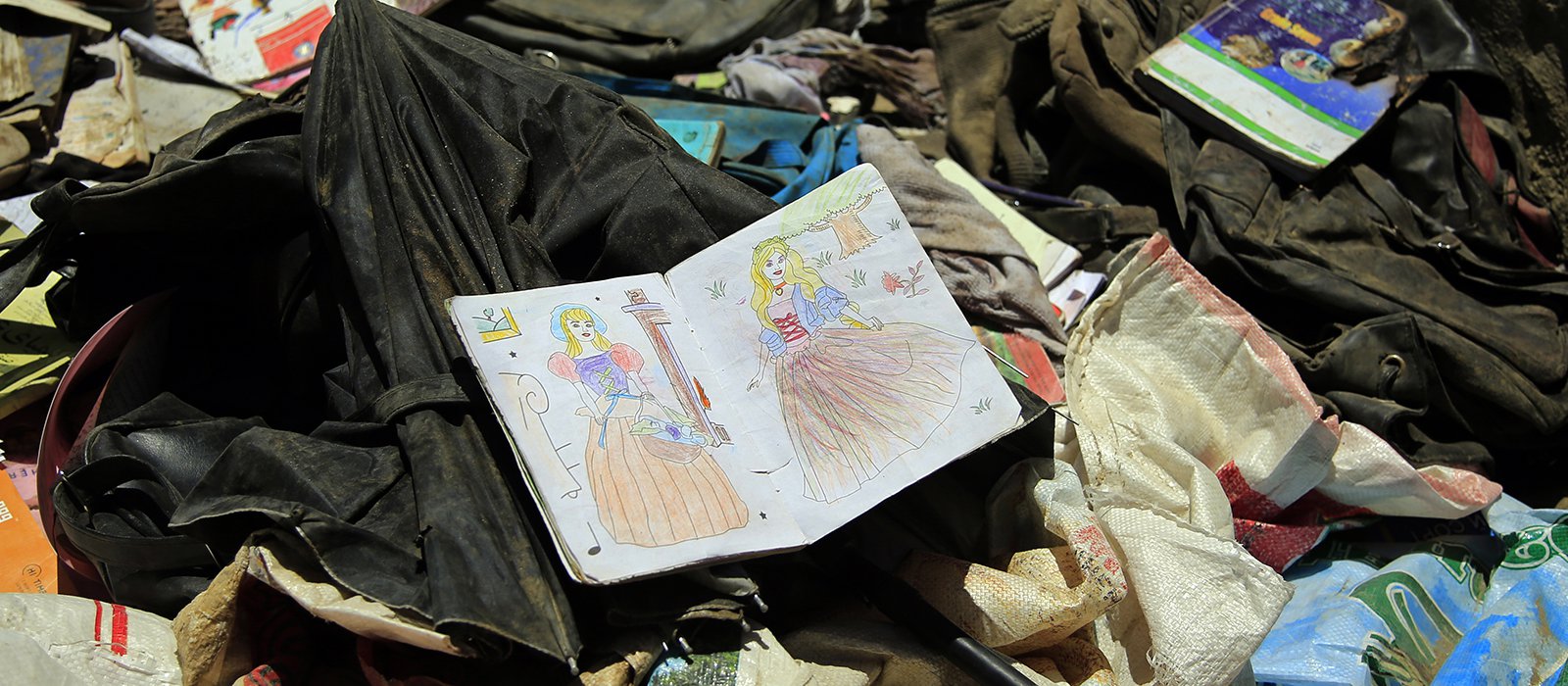
As we all know that the education is the base of human. In the 21st century is totally unbelievable to image a person without education. In Afghanistan the new Taliban government banned the education on girls. Almost three week has passed since the Taliban reneged on its promise to reopen schools for girls from the sixth grade. The international community has sharply condemned the Taliban for the U-turn, and teenage girls have taken to the streets of the Afghan capital in protest, demanding a right to education. After the Taliban swept back to power last August, the group banned most girls aged 12 and above from attending school.

The Women Rights campaigners while expressing their views say that the ban on girl’s education will not only taking the Afghanistan into more economic crisis. Afghanistan is already going through serious humanitarian crisis and the world is helping them in different ways at multiple points. People of Afghanistan are facing huge food shortage and also the shortage of educated persons. According to UNICEF More than 1 million Children’s under the age of five are acutely malnourished. U.N. refugee agency said that more than 24 Million Afghans are in need of vital humanitarian aid they are living their lives below poverty line. The Taliban have banned women from most forms of paid employment, with the main exceptions being teaching girls and providing health care to women. Girls and their families have little incentive to make the major sacrifices often required for them to pursue and complete education when the career they dreamed of is off limits.

The Taliban’s reversal on schools, seen as a bid to appease hard-liners within its ranks, will likely disrupt its efforts to win recognition from international donors. Given the humanitarian crisis, the U.N. agreed to pay the salaries of school teachers though that did not seem to be enough to convince the Taliban to keep to its word. Afghanistan Ministry of Education published a notice and expressed their views on ban of girl’s education, the schools for girls would be closed until a plan was drawn up in accordance with Islamic law and Afghan culture. Girls and boys will be educated according to the Islamic way nor the international way. This is alarming situation for the Afghans banning the education system will directly impact their economy. This is clearly showing the Taliban’s misogyny and demagoguery. It’s obvious that over the years that economic hardship, insecurity and conflicts decrease in areas that have higher levels of girls’ education. Of course, the Taliban will continue to negotiate, but they will face backlash. They have lost even more credibility and not taking the economic disaster seriously.


Russian Intercontinental Nuclear Capable Missile

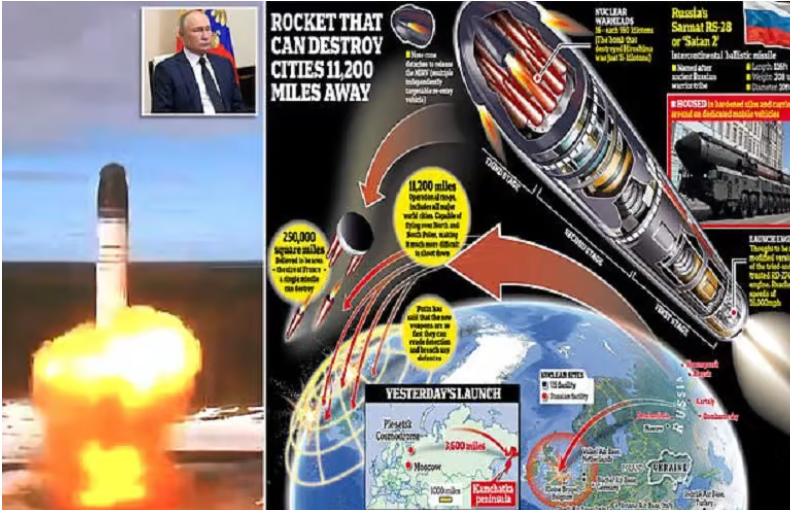
Russia had conducted a first test launch of its Sarmat intercontinental ballistic missile, a new addition to its nuclear arsenal which President Vladimir Putin said would give Moscow’s enemies something to think about. The Sarmat has been under development for years and so its test-launch is not a surprise for the West, but it comes at a moment of extreme geopolitical tension due to Russia’s eight-week-old war in Ukraine. The new complex has the highest tactical and technical characteristics and is capable of overcoming all modern means of anti-missile defence. It has no analogues in the world and won’t have for a long time to come.

This truly unique weapon will strengthen the combat potential of our armed forces, reliably ensure Russia’s security from external threats and provide food for thought for those who, in the heat of frenzied aggressive rhetoric, try to threaten our country.” The Sarmat is a new heavy Intercontinental Ballistic Missile which Russia is expected to deploy with 10 or more warheads on each missile, according to the US Congressional Research Service. The Sarmat super heavy intercontinental ballistic missile is designed to elude anti-missile defence systems with a short initial boost phase, giving enemy surveillance systems a tiny window to track. Weighing more than 200 tonnes and able to transport multiple warheads, Putin says the missile can hit any target on Earth.

Sarmat is the most powerful missile with the longest range of destruction of targets in the world, which will significantly increase the combat power of our country’s strategic nuclear forces. A senior fellow for military aerospace at the International Institute for Strategic Studies, said the launch was an important milestone after years of delays caused by funding issues and design challenges. He said more tests would be needed before Russia could actually deploy it in place of ageing SS-18 and SS-19 missiles. Sarmat’s ability to carry 10 or more warheads and decoys, and Russia’s option of firing it over either of the Earth’s poles, posed a challenge to ground and satellite-based radar and tracking systems. Editor in chief of Russia’s National Defence magazine, told RIA news agency it was a signal to the West that Moscow was capable of meting out “crushing retribution that will put an end to the history of any country that has encroached on the security of Russia and its people”. Ukraine has mounted stiff resistance and the West has imposed sweeping sanctions to try to force Russia to withdraw forces Moscow says are on a special operation to degrade its southern neighbour’s military capabilities and root out people it calls dangerous nationalists.

The RS-28 Sarmat (NATO name Satan-II) is reported to be able to carry ten or more warheads and decoys and has the capability of firing over either of the earth’s poles with a range of 11,000 to 18,000 km. It is expected to pose a significant challenge to the ground-and-satellite-based radar tracking systems of the western powers, particularly the USA. The world is entering in a new arm race and it will badly effect the state to state relations.