Anti-Inflation Plan: Mexico and Latin American Allies Unite Against Inflation

Introduction

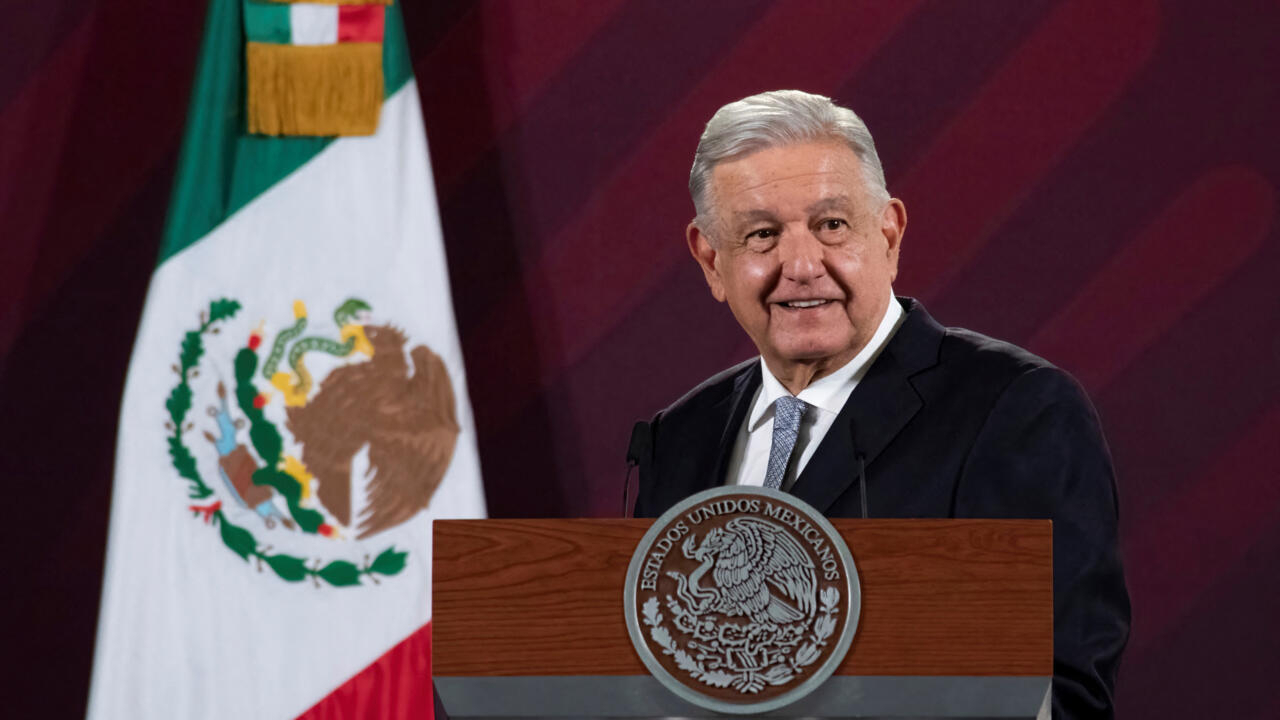
Andres Manuel Lopez Obrador, the President of Mexico, has declared intentions to conduct cooperative anti-inflationary measures with other Latin American governments. To tackle product shortages and keep prices low in the face of rising inflation, the alliance aims to boost economic trade and deal with tariffs. President Lopez Obrador said during the news conference, “We are going to carry out a mutually beneficial anti-inflation plan for growth and for economic and commercial exchange with the countries of Latin America.” He added “There will be a teleconference between the presidents on April 5 and then an in-person meeting to discuss the plan.” The statement by Mexican President came after the phone call with President of Brazil Lula da Silva, Colombian President Gustavo Petro, President of Argentina Alberto Fernandez and Cuban President Miguel Diaz Canel.

Background

Many people in the region have been experiencing economic difficulty due to Latin America’s severe inflation crisis. The region has suffered significant inflation over the past few decades, where different countries are experiencing inflation at higher rates. A number of factors have contributed to this, including structural problems including unsound economic policies, rising global commodity prices and significant budget deficits. Latin American officials have used a variety of policies, including price controls and fiscal and monetary policies to fight inflation and encourage economic growth. In an annual report, Preliminary Overview of the Economy of Latin America and the Caribbean, ECLAC estimated that the region’s growth rate for the following year would be a third of that predicted for 2022. Despite regional limitations and global worries, the economies of Latin America and the Caribbean will expand by 3.7% in 2022, just over half of the 6.7% rate recorded in 2021. Economic growth is expected to slow down even more in 2023, reaching a ratio of 1.3%.
Latin America’s Inflationary Landscape and the New Anti-Inflation Plan

For Latin America as a whole, 2023 is probably going to be a tough year. Growth will only reach 2% this year, according to IMF forecasts, as a result of rising interest rates and falling commodity prices. Consumer and corporate confidence are declining along with a slowdown in employment creation and consumer spending on goods and services. Growth will also be constrained with trading partners, particularly with the United State and the Europe. However, there are still a lot of downside risks, brought on by financial conditions and Russia-Ukraine war. Climate change is another factor, according to a Moody’s Analytics estimate, the effects of climate change might cost Latin America 16% of GDP this century if new policies are not put in place for mitigation. After a projected 3.3% increase in GDP in 2022, it is anticipated that regional GDP will grow by only 1.5% in 2023. Negative external conditions and monetary tightening intended to combat excessive inflation will be the main causes of the slowdown. The anti-inflation plan, according to the president of Mexico will be apply gradually at first before being extended to include neighboring nations like Bolivia, Chile and Honduras. This plan will be implemented by inviting wholesalers, merchants, importers and other people will be called who deal in and understand food, can set pricing and eliminate obstacles like tariffs that make it challenging to purchase it at a fair price.

Conclusion

As inflation remains a major challenge in the region, continued efforts are required to ensure long-term economic stability. Due to the current development in regional integration, it is important that all the countries work together to formulate and implement shared policies and strategies to lower inflation. Governments of Latin American countries should increase support through carefully targeted strategies to mitigate the effects of inflation on the poor, i.e. by implementing supply-side policies which increase productivity. Furthermore, to boost economic activity in the region and to satisfy social concerns, it is important to take steps that can generate employment opportunities which will contribute in reducing inequality and poverty. Moreover, innovative governmental policies on productive, financial, trade and social issues are required not only to deal with inflation, but also for overall economic growth and long-term socio-economic stability in the region.




Impacts of Historic Drought in Argentina and other parts of South-America

Introduction

According to the definition of World Health Organization (WHO), “Drought is a prolonged dry period in the natural climate cycle that can occur anywhere in the world. It is a slow-onset disaster characterized by the lack of precipitation, resulting in a water shortage. Drought can have a serious impact on health, agriculture, economies, energy and the environment.” In many parts of South America, especially in the arid and semi-arid regions, drought has become a serious issue. Due to the severe consequences of drought, there are major threats to economy, the environment, and human health. The factors, such as altered climatic patterns, rising water demand and excessive use of water resources are all contributing in occurrence of the drought. As a result of more intense weather patterns because of climate change, some regions are experiencing persistent drought situation. Additionally, as a result of huge demand, there is a greater need for water, which causes resources to be used excessively. Devastating effects of the drought in South America include health-related issues, soil erosion, decreased crop yields and a higher risk of wildfires.

Crippling Effects of Drought in Argentina

In Argentina, drought has become a common issue. Argentina has been hit by multiple severe droughts over the past few years, which have caused considerable crop losses and water shortages. With less than half the typical amount of precipitation falling in the last four months of 2022, the lowest rainfall in 35 years. In recent years, large portions of Argentina and its neighbors have been suffering from drought conditions since 2019. Argentina is one of the top exporters of wheat globally, but the exports of agricultural goods from the country are predicted to fall by additional 28% in 2023 as compared to the 2022 figures. Argentina is an important country in the global food market. But, according to the National Drought Monitoring Board, in just Argentina, the drought in October 2022 threatened 3.5 million hectares of crops and more than 18.5 million livestock. In year 2021–2022, wheat production in Argentina was recorded at 22 million tons. However, production is predicted to drop to almost half of this level by 2023, resulting in $10 billion losses in production of corn, wheat, and soybean as well as a two points reduction of the country’s GDP this year. Moreover, other countries of South-America are also struggling due to drought, in October 2022, Uruguay also declared an agricultural emergency because 60% of the country’s land was affected by drought. As per official estimates Uruguay’s farming industries will lose $1.1 billion in revenue as a result of the drought, adding to Argentina’s possible $15 billion losses in agricultural exports.

In addition to climate change, the La Nina weather pattern, during which stronger than usual winds sweep warm water away from the South American zone of the Pacific, is thought to be the cause of the drought conditions by experts. The drought and prolonged dry spells have not only rattled the agriculture sector of South-American countries but also shaken up the energy markets and water shortages. Water levels of the Paraná River, South America’s second-longest river, have dropped to their lowest point in almost 80 years, posing a threat to freshwater supplies for about 40 million people in Argentina, Brazil, and Paraguay as well as hydropower generation and food imports through river. In July 2021, the Argentinean government declared the water emergency in context of Parana basin.
Conclusion

According to WHO estimates, droughts affect 55 million people worldwide each year and pose the greatest threat to livestock and crops in almost every region of the world. The livelihoods of people are in danger, risk of diseases has also raised and mass migration is sparked by drought. Almost 40% of the world’s population suffers from water scarcity and by 2030, 700 million people could be at risk of being relocated due to drought.

Governments in South America have put in place a number of measures to lessen the effects of drought by spending money on water management and conservation as well as on innovative farming techniques. Governments have also taken steps to lower emissions and improve air quality, both of which can help to lessen the effects of drought. But still a comprehensive strategy is needed to be solved the complicated issues of drought that can lessen the effects while safeguarding the environment and people’s health through effective regulations and policies.


The Wrath of Wildfires in Cuba’s Eastern Region

Introduction

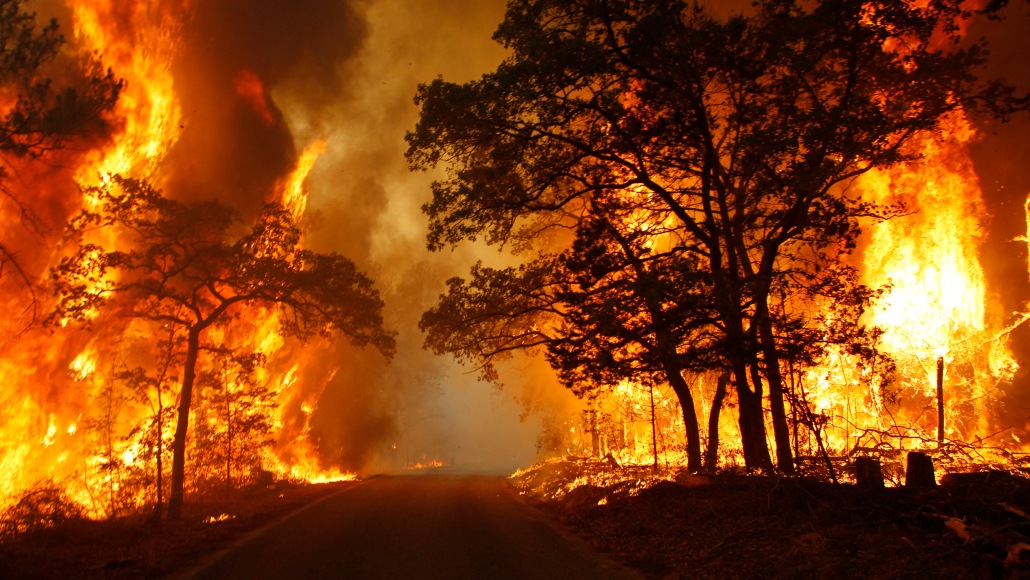
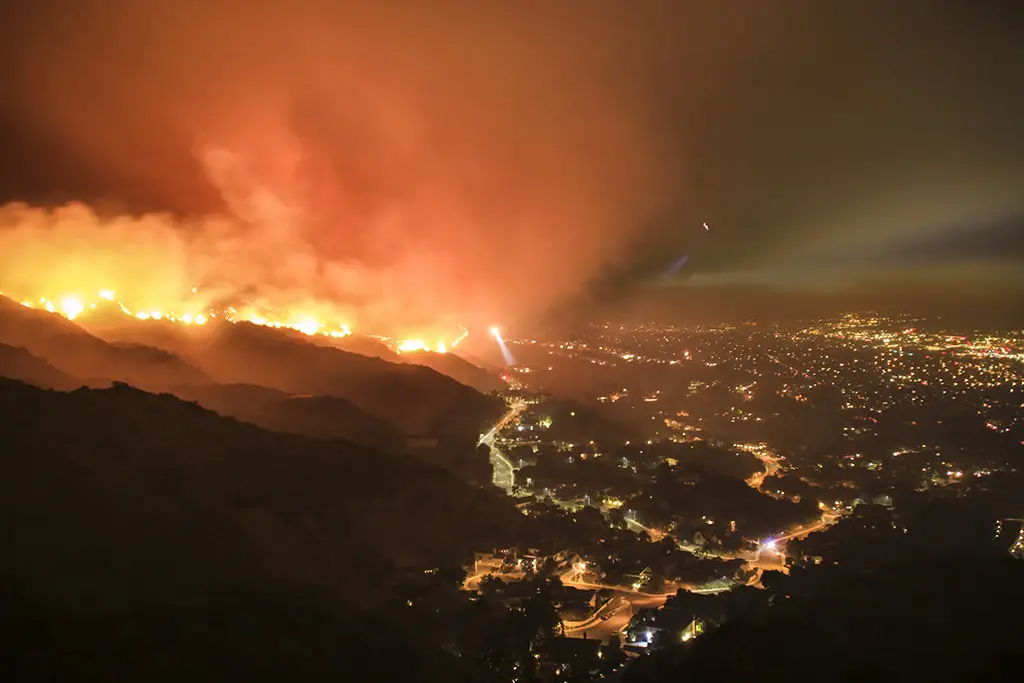
Since the start of the year 2023, a large number of forest fires have affected Cuba, an estimated 80 wildfires have been reported from January to March as per statistics and local authorities. On 19th February, 2023, the flames of disaster initiated from Holguin and intensified because of ongoing strong wind and drought conditions on the island. The most recent fire destroyed over 6,000 hectares of forest in the eastern region as fire had not a single focus point and was spread over a large area, therefore, the Cuban President said that the situation will be monitored by himself. It took more than two weeks to curb the spread of fire on 8th March, 2023, which was announced by Diaz-Canel, the President of Cuba. Using a social media platform, he announced “the spread of the forest fire in the territory of Santiago de Cuba has been stopped.”

Background

The Mensura-Piloto National Park in Cuba, which covers 6,046 hectares, which is also renowned for its forested mountains and flowing waterfalls, had previously been endangered by the fires. The latest large scale forest fires that was observed on the island’s east coast for more than two weeks was managed by Cuban firefighters, planes and Defense Force helicopters. Cuban President appreciated the efforts of firefighters and considered it as a “heroic fight.” Diaz-Canel said, “the courage and sacrifice of the firefighters, forest guardians and residents who face the fires devouring the beautiful and valuable forests of the eastern region in Pinares de Mayarí is great.”

Impacts of Wildfires on Economy
In the mountains of Pinares de Mayari, a pine forest region, in the province of Holguin of Cuba, the wildfire severely damaged forest plantations and coffee crops while causing serious damage. It is being said that the devastation caused by forest fires in Cuba could take several years to recover. The country is experiencing one crisis after another, COVID-19 pandemic has caused a sharp fall in the country’s tourism industry, one of its primary sources of income, resulting in the biggest economic crisis in the decades. The Gross Domestic Product (GDP) dropped by 11% in 2020 alone. Additionally, the country’s economy struggled a lot due to the sanctions imposed by the U.S. in Donald Trump’s era. Trump used maximum pressure on Cuba and also abandoned the measures taken by his predecessor, Barack Obama, to ease relations between the two countries. However, last year in 2022, Biden administration made few relaxations in Trump era sanctions on Cuba. The country’s fragile economy is still enduring hardships, the current economic distress in Cuba has exacerbated the situation in the form of the worst migration crises in its history, as well as shortages of food and other essentials.

Wildfires have become a serious issue in recent years due to the devastating economic, ecological and social effects they can have on communities. The consequences can be particularly severe for communities that rely heavily on tourism. Wildfires can have a devastating economic impact as the cost of fighting and suppressing forest fires is enormous. On the other side, the costs of evacuating people from the area, lost wages and business revenues, and the cost of rebuilding homes and businesses all have an indirect impact on the economy.

Conclusion

The wildfire is one of the most destructive and devastating natural disasters. The number of wildfires has increased in recent years as a result of climate change, human activity, and natural causes. As a result, it is critical to develop methods to reduce the risk of wildfires and mitigate their effects. The forest fires are becoming more frequent and intense as a result of climate change. This means that more areas are vulnerable to wildfires and the intensity of the fires is increasing, resulting in more destruction and loss of life and economic losses. To address this, governments and communities must collaborate to build more resilient landscapes for better managing existing fire risks through fuel reduction and other fire management strategies. Furthermore, it is the great time to adopt the policies for the mitigation and adaptation of climate change. Moreover, the governments of the countries that are more prone to forest fires should work together to foster a culture of fire safety by developing evacuation plans and educating residents about wildfire risks. Finally, investing in research and technology to improve early warning systems and firefighting capabilities is critical for all the stakeholders to be better prepared to respond to wildfires.


Twelve Years To The Protracted War In Syria

15th March, 23, marks the 12 years to the protracted war in Syria. Syrian protestors first dared to come to the streets to express their frustration with the government and president, Bashar al-Assad, twelve years ago. The demonstrations swiftly evolved into a revolution, calling for the “fall of the dictatorship,” but as the government responded violently, the uprising turned into a war, enlisting the help of many foreign countries, uprooting millions of people, and killing hundreds of thousands.

According to the World Food Programme, Syria’s economy has worsened, and 90% of the country’s people are now living below the poverty line. More than 306,000 people have been murdered in the nation since March 2011 according to UN estimates, or around 1.5% of the total population. An estimated 610,000 people have died in total, according to the Syrian Observatory for Human Rights, a war monitoring organization. The UN had estimated that 14.6 million Syrians needed humanitarian help before the earthquakes that wreaked havoc on northwest Syria in February, with 6.9 million people internally displaced and more than 5.4 million Syrian refugees residing in neighbouring countries. Meanwhile, hundreds of thousands applied for refuge in Germany and other countries throughout the EU.

Effects of the prolonged conflict in a region:
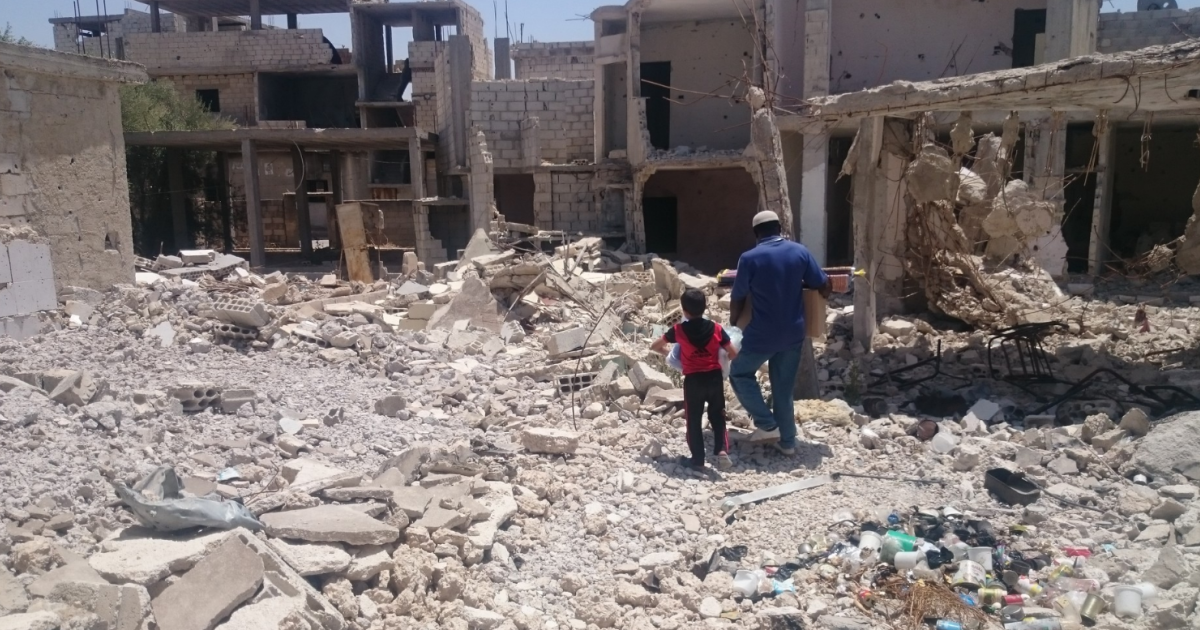
The war in Syria, which began in 2011, has resulted in a humanitarian crisis that has left millions of people displaced and devastated the country’s infrastructure. The prolonged war has had far-reaching effects on Syria and its people, with many experts warning that the consequences of the conflict could be felt for generations.

One of the most significant effects of the war in Syria has been the displacement of millions of people. According to the United Nations, more than 13 million Syrians have been displaced since the conflict began. This has led to a massive refugee crisis, with many Syrians fleeing the country to seek refuge in neighboring countries and beyond. The displacement of so many people has had a profound impact on Syria’s social fabric, with communities being uprooted and families being separated. The war in Syria has also had a devastating impact on the country’s infrastructure. Hospitals, schools, and other essential facilities have been destroyed, leaving many Syrians without access to basic services. The destruction of infrastructure has also made it challenging for humanitarian organizations to provide aid to those in need, exacerbating the already dire situation.

Another significant effect of the war in Syria has been the loss of life. According to the United Nations, over 400,000 people have been killed since the conflict began. The loss of so many lives has had a profound impact on Syrian society, with families being torn apart and communities being decimated. The long-term effects of this loss of life are difficult to quantify, but it is clear that the impact will be felt for generations. The war in Syria has also had a significant economic impact. The conflict has disrupted trade and commerce, resulting in a decline in economic activity. The destruction of infrastructure has also made it challenging for businesses to operate, further exacerbating the economic situation. The decline in economic activity has led to high unemployment rates and increased poverty, further compounding the humanitarian crisis.

Finally, the war in Syria has had an impact on regional stability. The conflict has spilled over into neighboring countries, with many Syrians seeking refuge in Turkey, Lebanon, and Jordan. The influx of refugees has put a strain on these countries’ resources and has led to social tensions. The conflict has also created opportunities for extremist groups to gain a foothold in the region, further destabilizing the area.
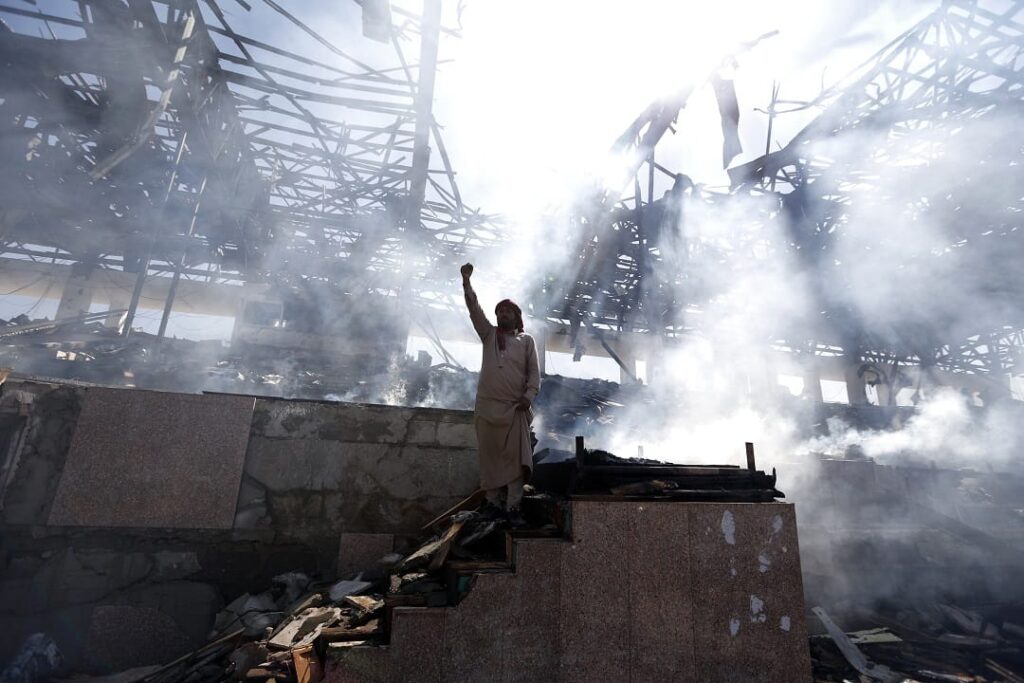
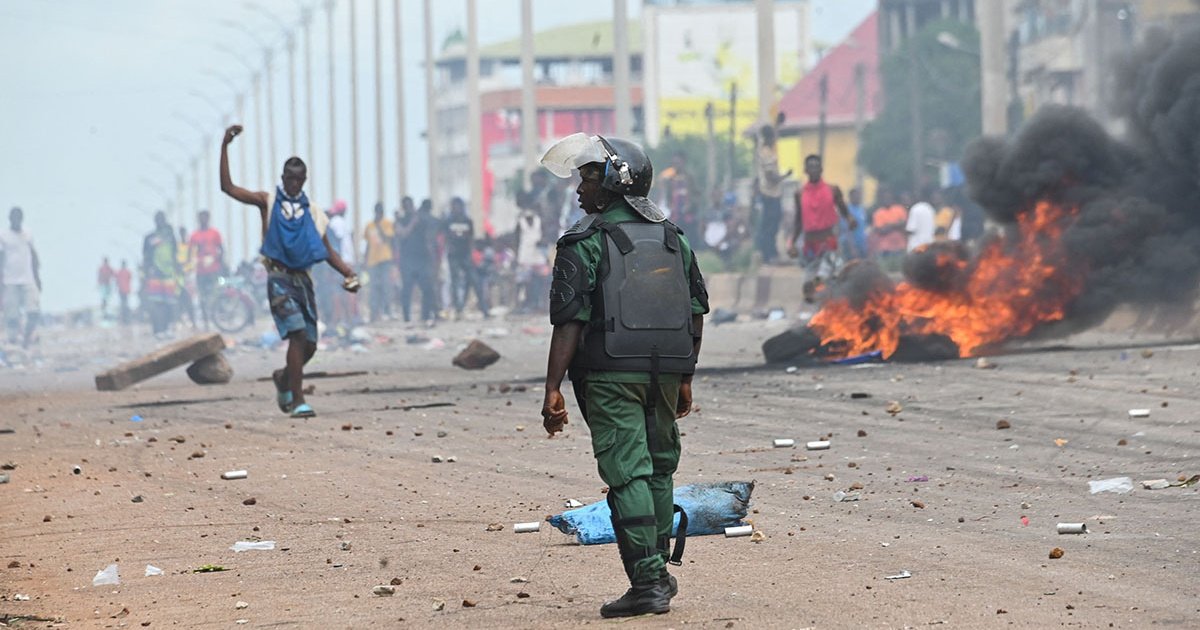
In conclusion, the war in Syria has had far-reaching effects on the country and its people. The displacement of millions of people, the destruction of infrastructure, the loss of life, the economic impact, and the impact on regional stability are just some of the consequences of this prolonged conflict. It is clear that the effects of the war in Syria will be felt for generations, and the international community must continue to work towards a peaceful resolution to the conflict.


Prolonged Political Conflicts And Its Adverse Effects

Protracted political conflicts are a common occurrence in many countries around the world. These conflicts arise when different groups or individuals have differing opinions on how the country should be run, or how resources should be distributed. These conflicts can lead to a range of negative effects on the country, from economic and social instability to violence and war. Let us explore the effects of protracted political conflicts on the country, and why it is essential to find a solution to these conflicts.

One of the most significant effects of protracted political conflicts is economic instability. When there is political unrest, investors tend to shy away from investing in the country. This lack of investment can lead to a decrease in economic growth and development, as well as a decline in the standard of living for citizens. Additionally, the lack of economic opportunities can lead to an increase in poverty, which can lead to further unrest and conflict. Another effect of protracted political conflicts is social instability. When there is conflict between different groups, it can lead to a breakdown in social cohesion, as people begin to identify more with their group identity than with their identity as citizens of the country. This can lead to an increase in discrimination, xenophobia, and even violence. Moreover, people tend to lose their trust in the government and other institutions, leading to further social instability. Protracted political conflicts can also lead to violence and war. When conflicts between groups are not resolved through peaceful means, they can escalate into violence, and in extreme cases, even civil war. This can have devastating effects on the country, including loss of life, destruction of infrastructure, displacement of people, and a breakdown in the rule of law. Even when conflicts are not violent, they can still lead to a sense of mistrust and bitterness between groups, which can have long-lasting effects on the country’s social fabric.
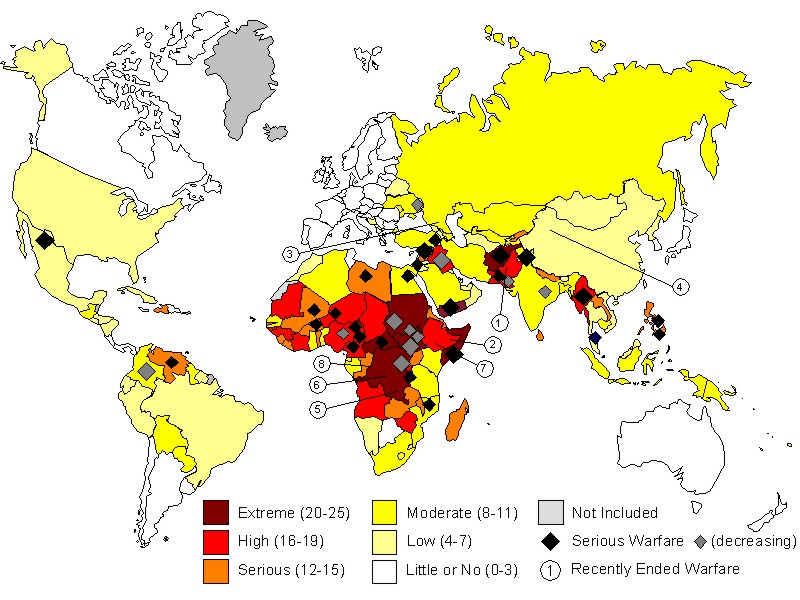
Protracted political conflicts can have a range of negative Political conflicts are a common occurrence in many countries, and in some cases, they can become protracted, lasting for extended periods of time. Protracted political conflicts are those that continue for years, if not decades, and are characterized by deep-seated differences and intractable positions held by the parties involved. Such conflicts can have far-reaching effects on the country, including social, economic, and political implications. One of the primary effects of protracted political conflicts is the erosion of social cohesion and trust. When conflicts persist for long periods, they tend to polarize societies, with each side becoming increasingly entrenched in their positions. As a result, people tend to identify more with their political affiliations than with their common nationality, religion, or ethnicity. This can lead to a breakdown in social cohesion, as people become more distrustful and intolerant of those with different views.

Protracted political conflicts also have significant economic consequences. Such conflicts often result in instability, uncertainty, and a lack of investment, which can harm the country’s economy. Businesses and investors are hesitant to put money into a country that is characterized by conflict, as they fear their investments will be lost. This can lead to a decline in economic activity, job losses, and a reduction in the standard of living for the people. Another effect of protracted political conflicts is the erosion of democratic institutions and values. In countries where conflicts persist for long periods, it is common for political leaders to use authoritarian tactics to maintain power. This can lead to a decline in the rule of law, the suppression of free speech, and the curtailing of civil liberties. Over time, such actions can undermine the foundations of democracy and lead to a culture of fear and repression. Furthermore, protracted political conflicts can result in a loss of life and displacement of people. In some cases, conflicts can escalate into full-blown wars, leading to significant loss of life and the destruction of infrastructure. Even in cases where conflicts do not turn violent, they can still result in the displacement of people from their homes, causing significant hardship and suffering.
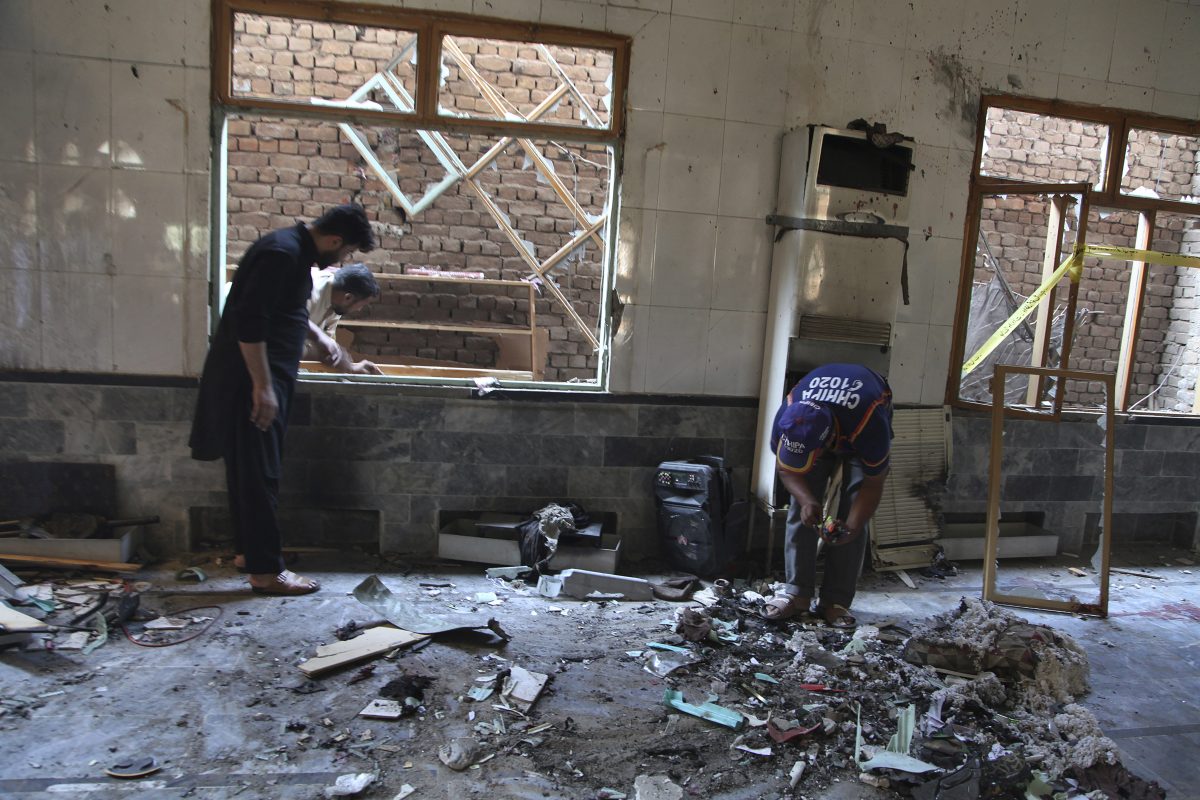
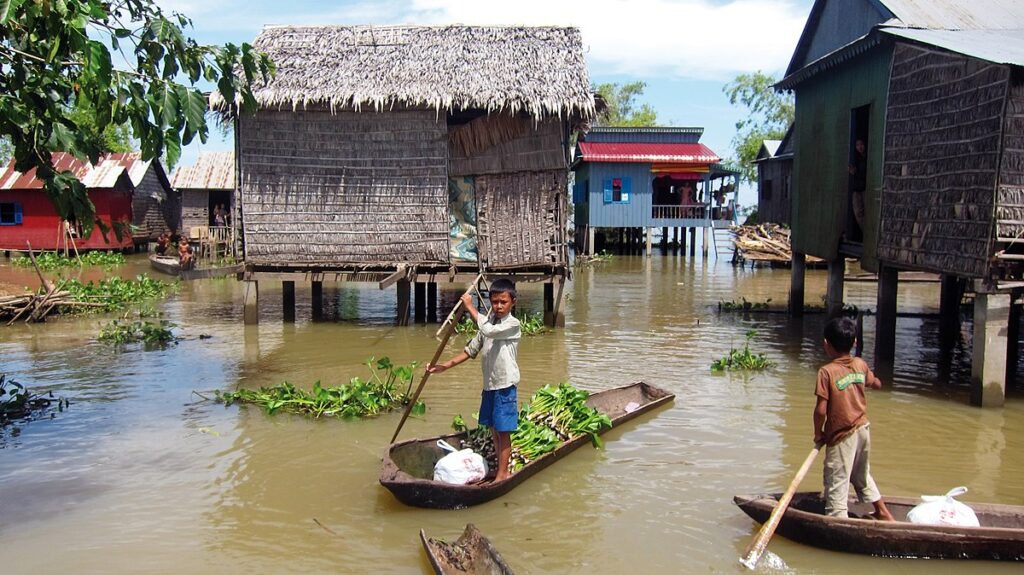
In conclusion, protracted political conflicts can have devastating effects on a country. They can erode social cohesion, harm the economy, undermine democratic institutions, and lead to loss of life and displacement of people. Therefore, it is essential for political leaders to work towards resolving conflicts quickly and peacefully, to prevent them from becoming protracted and causing long-term harm to the country and its people.


Pakistan: Rise Of Terrorism Due To The Porous Border And Regional Instability

The Taliban’s takeover of Afghanistan in 2020 has caused a great deal of concern among the international community, particularly with regards to the potential for a rise in terrorism in neighboring Pakistan. The Taliban’s history of support for extremist groups and the presence of numerous Pakistan-based militant organizations provide cause for alarm. As such, it is important to consider the implications of the Taliban’s takeover for Pakistan’s security and stability. The most immediate concern is that the Taliban could provide a safe haven for extremist groups in Afghanistan, allowing them to operate and train more freely than before. This could lead to an influx of terrorists into Pakistan, as well as increased support for existing militant organizations. Moreover, a Taliban-controlled Afghanistan could provide a more attractive base of operations for those seeking to carry out terrorist attacks in Pakistan. The Taliban’s takeover of Afghanistan could also lead to increased financial and material support for extremist groups in Pakistan, including through the provision of weapons and ammunition. In addition, the Taliban’s victory in Afghanistan could embolden militant groups in Pakistan, leading to an increase in terrorist activity.

The Taliban’s takeover could also create a more permissive environment for extremist ideologies in Pakistan, leading to an increase in radicalization and recruitment. Furthermore, the Taliban’s victory could provide a morale boost to militant groups in Pakistan, further intensifying the threat of terrorism. Finally, the Taliban’s takeover of Afghanistan could have a destabilizing effect on Pakistan’s security situation. One of the recent attacks in Peshawar on a Mosque , that too in Police lines is a proof that terrorism has a chance to rise again in Pakistan after destabilization in Afghanistan. The Pakistani government is already facing a number of internal security threats, including from Baloch separatists, and a Taliban-controlled Afghanistan could further exacerbate these problems. Additionally, a Taliban-controlled Afghanistan could lead to increased regional tensions, as regional actors seek to protect their interests in the region. Pakistan has suffered greatly from the threat of terrorism due to its porous borders. The porous borders have allowed terrorists to move freely between countries and use Pakistan as a base for their activities. To overcome this threat, the Pakistani government needs to take a comprehensive and holistic approach to tackling the problem. The first step is to strengthen the security and surveillance of its borders.

This includes increasing the number of border patrols, installing surveillance technology, and improving border infrastructure. In addition, the government should work with neighboring countries to ensure that there is better coordination and communication between the two countries to prevent terrorists from crossing the border. The second step is to improve the intelligence gathering capabilities of the security forces. This includes the creation of a unified intelligence system that can track and monitor potential terrorist activities. Additionally, the government should invest in training and equipping its security forces to better detect and respond to terrorist threats. The third step is to strengthen the legal and judicial system. This includes the implementation of strict anti-terrorism laws and the prosecution of those involved in terrorist activities. Additionally, the government should work with international partners to ensure that suspected terrorists are brought to justice. Finally, the government should take steps to strengthen social cohesion and reduce radicalization of the population. This includes providing economic opportunities for the youth, investing in education and increasing access to mental health services. Additionally, the government should work to ensure that all citizens receive equal rights and respect. By taking these steps, the government of Pakistan can significantly reduce the threat of terrorism and make its borders more secure.

In conclusion, the Taliban’s takeover of Afghanistan could lead to a rise in terrorism in neighboring Pakistan, as well as greater regional instability. It is therefore essential that the international community takes steps to mitigate the potential risks posed by the Taliban’s victory, including through increased support for counter-terrorism efforts in Pakistan and diplomatic efforts to reduce regional tensions.


Importance Of Disaster Risk Management And Mitigation In 21st Century

Disaster risk management and mitigation is a process used to identify, assess and reduce the potential impacts of a disaster on a community or organization. This process involves analyzing the potential risks associated with a disaster, developing plans to reduce the potential impacts of the disaster, and implementing those plans. The process of disaster risk management and mitigation begins with the identification of potential risks associated with a disaster. This includes analyzing the physical risks of the disaster, such as the potential for flooding, landslides, or other natural disasters. It also includes looking at the social risks associated with the disaster, such as the potential for displacement or loss of livelihoods. After the risks have been identified, the next step is to assess the potential impacts of the disaster. This involves looking at the potential economic, social, and environmental impacts of the disaster. Once the potential risks and impacts of the disaster have been identified and assessed, the next step is to develop plans to reduce the potential impacts of the disaster. This can include developing evacuation plans, strengthening existing infrastructure, or creating emergency response plans. In addition, the plans should include measures to reduce the potential risks of the disaster, such as early warning systems, community preparedness programs, or disaster risk reduction programs. Once the plans have been developed, the next step is to implement them. This includes ensuring that all stakeholders are aware of the plans and have access to the necessary resources to implement them. In addition, it includes monitoring the implementation of the plans and making necessary adjustments as needed. Disaster risk management and mitigation is an important process for any community or organization. It can help to reduce the potential impacts of a disaster, as well as reduce the potential risks associated with it. By taking the time to identify, assess, and reduce the potential risks and impacts of a disaster, communities and organizations can help to ensure that they are prepared for any potential disasters that may occur.

As the world continues to face an ever-increasing number of natural disasters, the importance of disaster risk management and mitigation in the 21st century cannot be overstated. Whether it is a hurricane, an earthquake, a flood, or a wildfire, disasters can cause extensive damage to infrastructure, property, and human life. As such, it is essential for governments, businesses, and individuals to take steps to reduce the potential impacts of disasters. Disaster Risk Management Disaster risk management (DRM) is the process of assessing, understanding, and reducing the risks posed by natural disasters. This includes identifying the potential hazards, assessing their likelihood of occurrence, and developing strategies to mitigate their impacts. The process also includes developing disaster management plans and creating awareness among the public about disaster preparedness and response. Mitigation is the process of reducing the likelihood and severity of disasters by taking measures to prevent, limit, or reduce the impacts of natural disasters. This includes engineering solutions such as constructing seawalls to protect against storm surge, strengthening buildings to resist earthquakes, and creating early warning systems to inform the public of approaching hazards. Mitigation also includes non-structural measures such as public awareness campaigns, evacuation plans, and disaster insurance. Benefits of Disaster Risk Management and Mitigation Disaster risk management and mitigation can help reduce the impacts of disasters and save lives. By taking the necessary steps to reduce the potential impacts of disasters, governments, businesses, and individuals can save money that would otherwise be spent on emergency response and recovery. Furthermore, with effective DRM and mitigation measures in place, the public can be better prepared to respond to disasters and recover more quickly.

The importance of disaster risk management and mitigation in the 21st century cannot be overstated. By taking the necessary steps to reduce the potential impacts of disasters, governments, businesses, and individuals can save money, save lives, and increase the public’s preparedness for disasters. Through effective DRM and mitigation measures, we can all work together to make the world a safer and more resilient place.


A signal to China: The United States increases support for Taiwan’s Military Training

Introduction

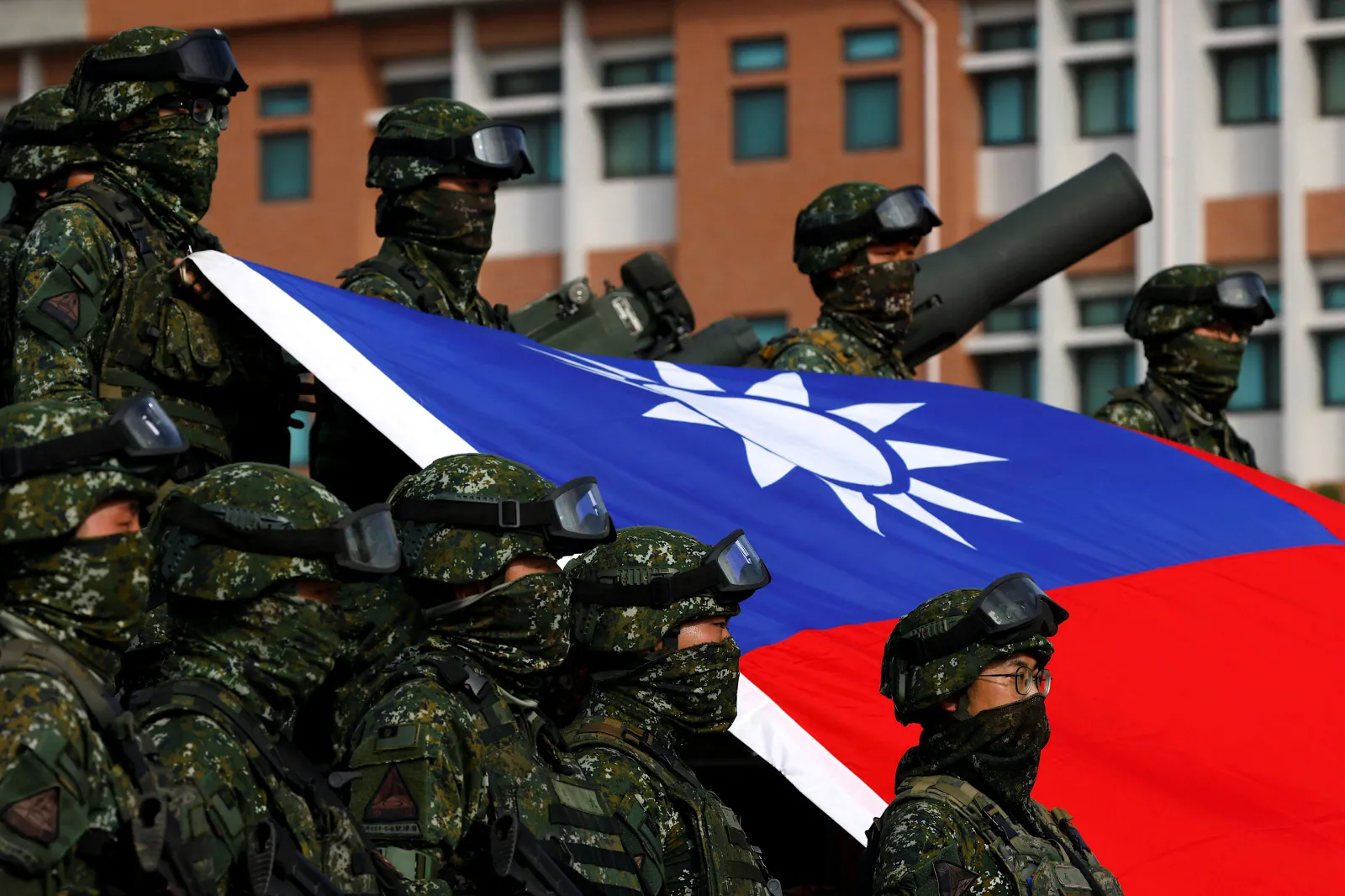
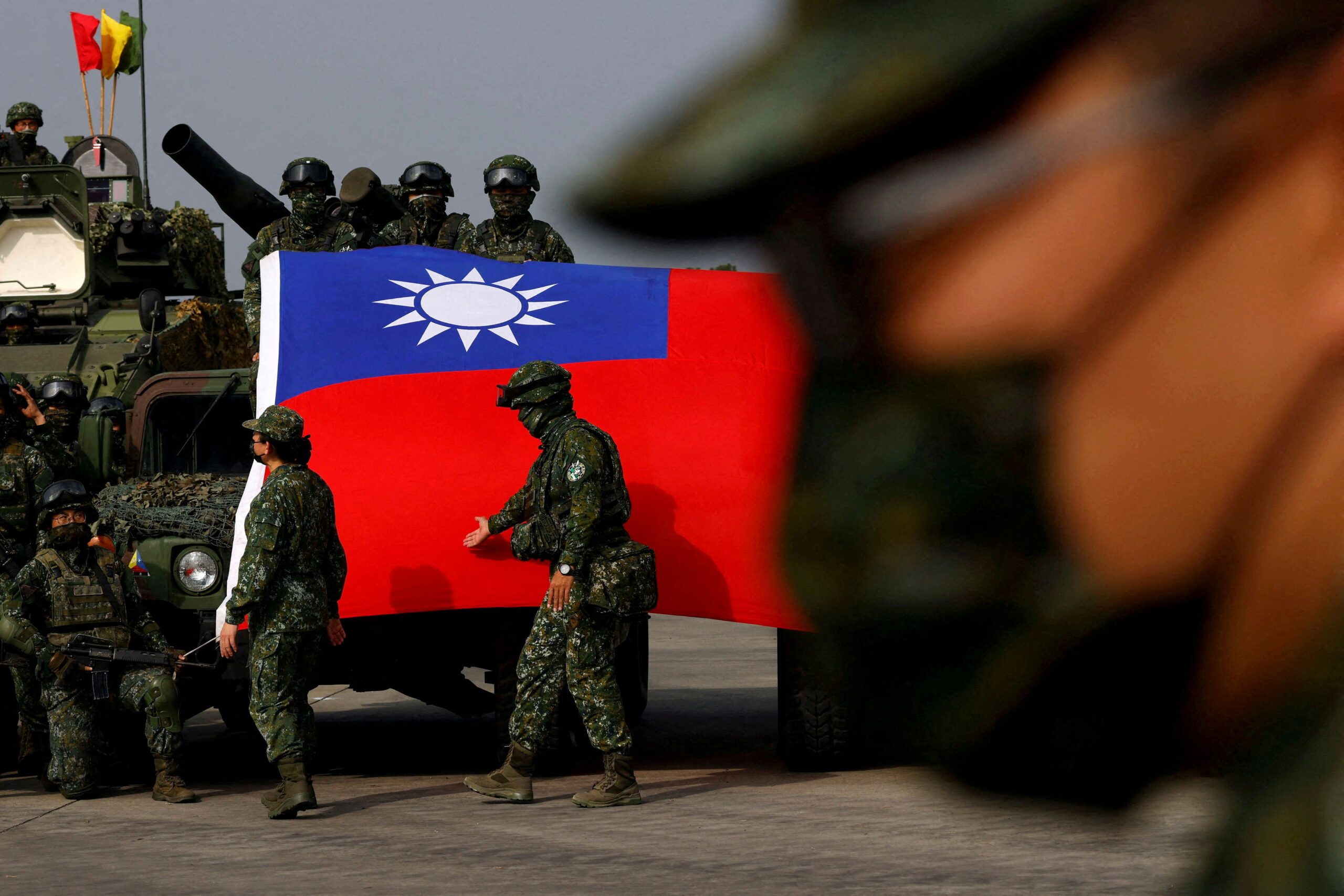
At a time of increased tensions between Washington and Beijing, two U.S. officials announced on February 23, 2023, that the United States is planning to increase the number of troops assisting in training Taiwanese forces. According to U.S., the troops will be charged with instructing Taiwanese forces not only on American weaponry but also on strategic exercises to defend against Chinese invasion at any time. It is said that in response to China’s growing threat, the U.S. is doubling the number of troops stationed in Taiwan, which is more than the current deployed number of troops to support a military training program on the island. In contrast to the 30 troops that were stationed in Taiwan a year ago, the U.S. aims to send between 100 and 200 troops to the island in the upcoming months. According to Pentagon, in an effort to provide Taipei the tools it needs to protect itself without inciting Beijing, the larger force will broaden its training program.

Flashback to Recent U.S.-Beijing’s Tensions

Earlier in February 2023, the United States accused China of launching a spy balloon over its territory. Chinese officials initially refused to respond, but later admitted ownership of the object, describing it as a “civilian airship used for research, primarily meteorological purposes” which was shoot down by the United States Air Force as it was clearly declared as a Chinese spy for intelligence surveillance. The balloon sparked political outrage in Washington, due to which Secretary of State Antony Blinken canceled his trip to Beijing that both countries had hoped to improve the bumpy relations.
A Pentagon spokesman said “We do not have a comment on specific operations, engagements, or training, but I would highlight that our support for, and defense relationship with, Taiwan remains aligned against the current threat posed by the People’s Republic of China.” Also, as per United States officials, the recent move of U.S. to expand troop presence in Taiwan for training against China threat is unrelated to recent tensions between the two countries.

Expansion of Military Training in Taiwan

In the fragile relationship between Beijing and Washington, Taiwan is undoubtedly the most critical point. Washington and Beijing are constantly at odds over US military aid to Taiwan, which includes massive sales of cutting-edge weapons worth billions of dollars. Recently, the decision by the United States to bolster its force in Taiwan has raised serious concerns. The U.S. would be deploying more forces on Taiwan than at any other time in recent times, as per the two countries the United States and Taiwan they want to deal with China’s expanding military might around the island. Therefore, according to a statement from Taiwanese President Tsai, it is said that the two militaries will work together “even more closely,” who also announced to “bolster military exchanges.” President Tsai of Taiwan revealed in 2021 that U.S. troops were stationed on the island for training purposes. During annual drills with several nations held at Camp Grayling in northern Michigan, the Michigan National Guard trains Taiwanese military personnel too. In addition, Taiwanese troops took part in the last year’s Northern Strike drill, which was led by the Michigan National Guard. The yearly two-week exercise was staged in August following then house speaker of the U.S. Nancy Pelosi’s visit to Taiwan which sparked China’s enraged response and led to a military display over the island.


Conclusion

With the Ukraine crisis, the United States has boosted its military efforts in Taiwan due to which the conflict in the Indo-Pacific is increasing significantly. China has become enraged by the Biden administration’s expanded military and diplomatic assistance for Taiwan. Now, even a slight increase in the number of troops stationed in Taiwan might heighten the tensions with China, which has been keeping track of the Washington’s recent efforts who has not only enhanced its military presence but also bolstered forces around the island. China is considering the latest development by United States as a source of endangering regional stability and peace. For the foreseeable future, Taiwan will probably continue to play a significant role in US-China relations.


Pakistan And Recent Energy Crisis

Pakistan now has among of the highest fuel costs in the area after recently increasing. The most recent hike in gasoline and diesel prices was in January 2023, following multiple price increases in the previous few months. Fuel cost increases are mostly a result of increased global oil prices. Since the beginning of 2020, oil prices have increased as a result of a number of causes, including the ongoing US-China trade war, the crisis in Russia and Ukraine, the coronavirus epidemic, and the production cuts by OPEC and its allies. Because of this, the price of imported crude oil has been continuously rising, pushing up the cost of fuel in Pakistan. In addition to rising global oil prices, the government of Pakistan has also increased fuel taxes several times in an effort to raise revenue. The administration has underlined the necessity to raise money to support budget deficit reduction and infrastructure development. The Pakistani economy has suffered as a result of the rising fuel prices, which have raised the cost of other goods and services as well. Because of this, consumer purchasing power has decreased, increasing inflation. In order to lessen the burden on customers, the government has implemented several steps, such as subsidizing fuel prices and establishing a fuel subsidy program. . The government has cautioned that additional price hikes are inevitable in the near future, but these steps are probably not enough to counteract the spike in fuel prices. The Pakistani economy continues to face difficulties due to the rise in fuel prices, and these issues are anticipated to get worse over the next few months. To lessen the effects of rising fuel prices, the government will need to take additional steps, such as stepping up its efforts to decrease the budget deficit and looking for methods to boost revenue. Consumers will need to prepare for future fuel price hikes in the interim.

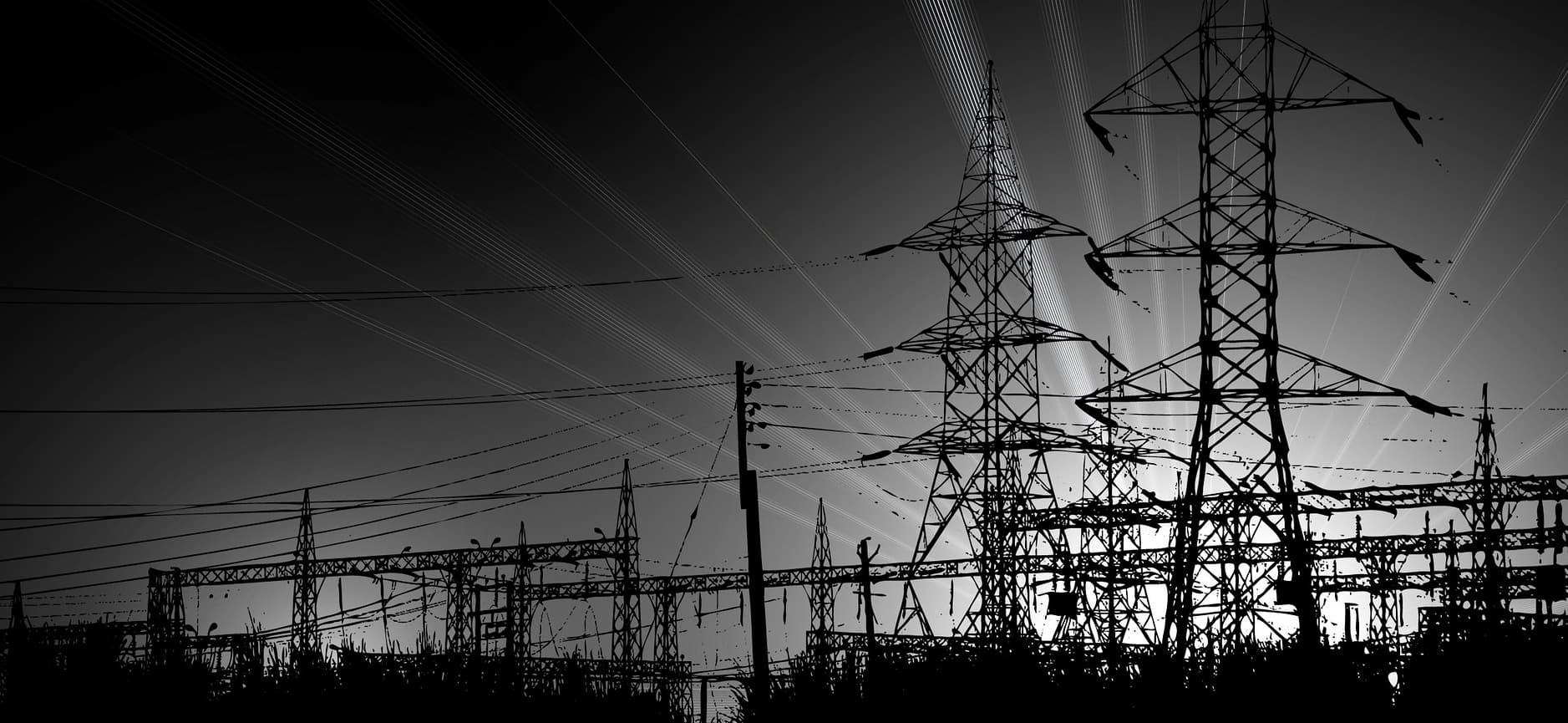
An energy crisis can arise from a lack of fuel in a number of ways. First off, a scarcity of fuel may result in less energy being available, which may raise costs and result in less energy being used. As a result of the inability of industry and other energy-intensive activities to function, this fall in energy consumption may result in a decrease in economic production. A lack of fuel can also cause power outages because power plants can’t produce enough energy to fulfil the requirements of the people. Finally, a fuel shortage can cause an increase in emissions of pollutants, as burning of traditional fuels such as coal and oil releases more pollutants into the environment. The crisis is a result of a number of factors, including a lack of investment in the energy sector, mismanagement of existing resources, and a lack of political will to address the issue. The lack of investment has been a major issue for some time, with the country failing to build new power plants for many years. As a result, the existing power plants have aged and become increasingly inefficient. In addition, the government has been unable to purchase new power plants from foreign countries, resulting in a lack of capacity to meet the growing demand.

Numerous issues might arise in a nation due to a gasoline shortage. This may include rising fuel prices and more competition, heightened energy insecurity, and a potential recession in the economy. A fuel shortage can also affect other industries, such as transportation, and raise the likelihood of blackouts and other energy-related issues. The inadequate management of available resources has contributed to the energy crisis. Due to ineffective government management of the energy resources, there has been a decrease in resource efficiency and an increase in energy losses. This has led to an increase in energy costs, as well as an increase in the cost of electricity. The lack of political will to address the energy crisis has also been a major factor in the crisis. The government has failed to implement the necessary reforms to improve the energy sector, resulting in a lack of investment and an increase in energy costs. The energy crisis in Pakistan is a serious issue, and the government needs to take action to address it. It needs to invest in the energy sector and take steps to improve the efficiency of existing resources. In addition, the government needs to develop a long-term strategy to ensure that the energy crisis does not become worse in the future.


Climate Change And The Winter Weather

Climate change is causing winter weather to become increasingly unpredictable. As temperatures rise, winter storms are becoming more frequent and intense, leading to more severe flooding, blizzards, and other extreme weather events. The National Oceanic and Atmospheric Administration (NOAA) has found that winter temperatures in the United States have risen by 1.5 degrees Fahrenheit since 1895, and that the warming trend is expected to continue. Warmer temperatures mean that snowfall is decreasing, and snow cover is shrinking in many parts of the country. This means that winter storms are becoming more intense and unpredictable. In addition to increased winter storms, climate change is also causing more extreme winter weather. Blizzards are becoming more frequent and intense, and they are lasting longer. This is because warmer temperatures are creating more moisture in the atmosphere, which leads to more snowfall. Climate change is also causing more flooding in the winter. Warmer temperatures lead to more precipitation, which can cause rivers and streams to overflow. This can lead to property damage and even loss of life. Finally, climate change is causing more extreme winter weather events. In the past, extreme weather events such as blizzards and ice storms were rare. Now, they are becoming more frequent and intense. This is because warmer temperatures are leading to more moisture in the atmosphere, which can cause more extreme weather events. Climate change is having a dramatic impact on winter weather. Warmer temperatures are leading to more extreme winter storms, flooding, and other extreme weather events. This is why it is so important to take action to reduce our emissions and slow the effects of climate change.

Winter weather in Pakistan is highly variable from year to year. While some winters are mild and dry, others are cold and wet. Over the past few decades, the winter weather in Pakistan has been changing, with more extreme weather events occurring more frequently. The most noticeable change in winter weather in Pakistan has been the increased frequency of extreme cold weather events. Winters in Pakistan are now becoming colder and lasting longer, with temperatures dropping below freezing in some parts of the country. This extreme cold can have serious impacts on human health, as well as on the agricultural sector. Another noticeable change in winter weather in Pakistan has been the increase in extreme rainfall events. Heavy rain and snowfall can cause flooding and landslides, leading to destruction of property and loss of lives. The frequency of these extreme rainfall events has been increasing in recent years, causing significant damage to infrastructure and livelihoods. In addition to the increased frequency of extreme weather events, Pakistan is also experiencing changes in its winter season. Winters are now becoming shorter, with the cold season lasting only a few months instead of the traditional six months. This is leading to a decrease in the amount of snowfall in the northern parts of the country, and a decrease in the amount of rainfall in the south. These changes in winter weather in Pakistan are having a significant impact on the country’s economy and environment. The increased frequency of extreme weather events is leading to increased costs for the government and individuals, as well as increased risk of damage to infrastructure and livelihoods.

Additionally, the shorter winter season is leading to a decrease in agricultural production, as crops are not able to survive the shorter growing season. Overall, winter weather in Pakistan is changing, and these changes are having a significant impact on the country’s economy and environment. It is important for the government and individuals to take steps to mitigate the risks associated with these changes and to prepare for the future. Also, there is already the shortage of gas globally and in Pakistan as well and during winters it is indeed a complex issue with many contributing factors. The most significant factor is the increased demand for gas during the winter months due to increased heating needs. In addition, the production of gas can be hindered by colder temperatures, which can make it more difficult to extract gas from the ground. Additionally, the transportation of gas can be impacted by inclement weather, which can lead to supply shortages in certain areas. Finally, the global demand for gas has been increasing in recent years due to the growth of the global population, which further contributes to the shortage of gas in the wintertime.