Blue Economy And Its Importance
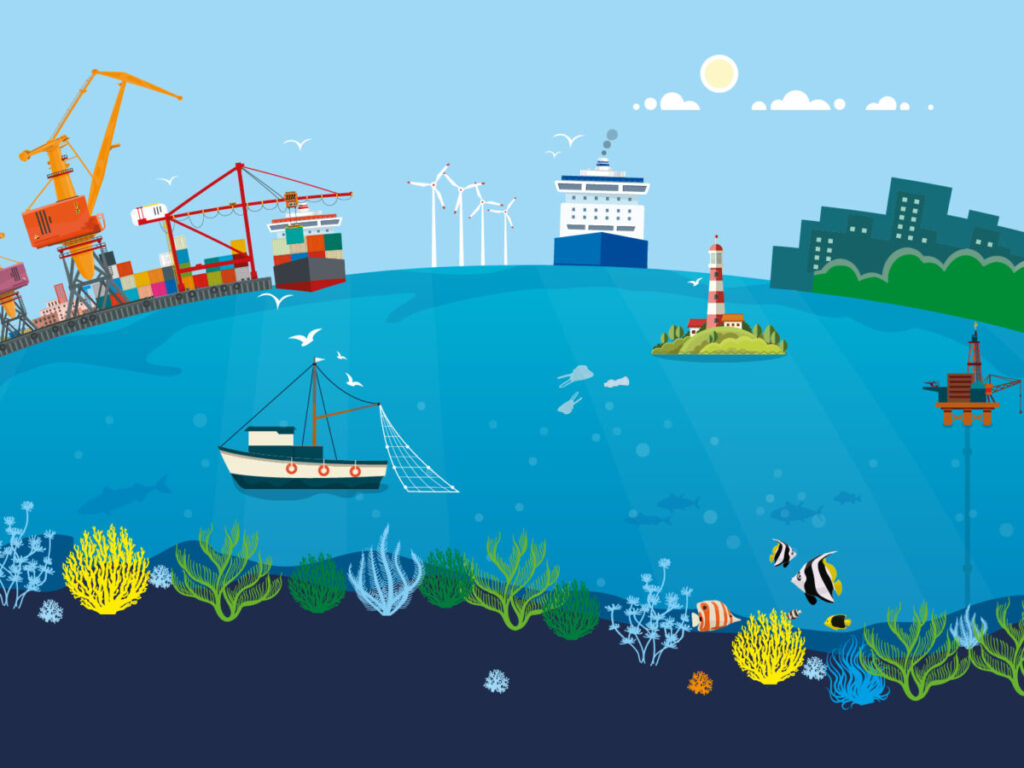
Blue Economy is an emerging concept that has become popular in recent years as an alternative to traditional economic models. It’s an approach to managing our relationship with the ocean and its resources in a sustainable and equitable manner. Blue Economy focuses on the use of the ocean’s natural resources in ways that benefit society and the environment, while respecting the limits of the ocean’s ecosystem. The blue economy is a new economic concept that is gaining traction as a possible alternative to the current economic system. It focuses on the sustainable use of the world’s ocean resources, and is designed to create a resilient and sustainable economy that is better able to cope with the effects of climate change. By looking at the ocean in a holistic, integrated way rather than simply as an economic resource. It seeks to ensure the long-term sustainability of marine ecosystems and the people who depend on them. The core of the blue economy is the notion of ‘blue growth’, which seeks to identify and create economic opportunities that are based on the sustainable use of marine resources and the services they provide. This includes activities such as sustainable fisheries, tourism, aquaculture, offshore renewable energy, shipping, and coastal and maritime infrastructure development. By taking a holistic view, the blue economy also looks at the social, environmental and economic benefits of these activities, in order to ensure that the benefits are shared across stakeholders. The blue economy is an ambitious concept but it has the potential to provide a significant economic boost to coastal and island nations, while also helping to protect the environment and reduce poverty. It is also an important concept for those countries that have already experienced

In Pakistan, the Blue Economy is of utmost importance. This is because the country has a large coastline of about 1046 km, which is home to a wide variety of marine and coastal ecosystems and resources. The country is also blessed with a large fishing and aquaculture industry, which is an important source of livelihood for many. Pakistan is also a major player in the maritime trade of the region. The Blue Economy is important for Pakistan for several reasons. Firstly, it can help to sustainably manage the country’s marine resources, which are vital to the livelihoods of millions of people. Secondly, it can help to reduce the pressure on the environment, as the use of sustainable practices can help to reduce pollution and the over exploitation of resources. Thirdly, the Blue Economy can help to create jobs and promote economic growth. Finally, it can help to promote the development of new technologies and services related to the ocean, such as marine tourism and renewable energy. The Blue Economy can be promoted in Pakistan through various measures. Firstly, the government should invest in research and development to better understand the ocean’s ecology and resources. Secondly, the government should create policies that ensure sustainable management of the ocean’s resources. Thirdly, it should promote the development of the fishing, aquaculture and maritime sectors, as these are key to economic growth. Fourthly, it should invest in the protection of marine ecosystems, through effective marine conservation and protection policies. Finally, the government should educate the public about the importance of the Blue Economy and its benefits, in order to create awareness. The Blue Economy has the potential to be a great source of prosperity and growth for the people of Pakistan. It is thus important that the government invests in the right measures and policies to promote it. This will help to ensure that the ocean remains a source of food and other resources, while also creating jobs and promoting economic growth.
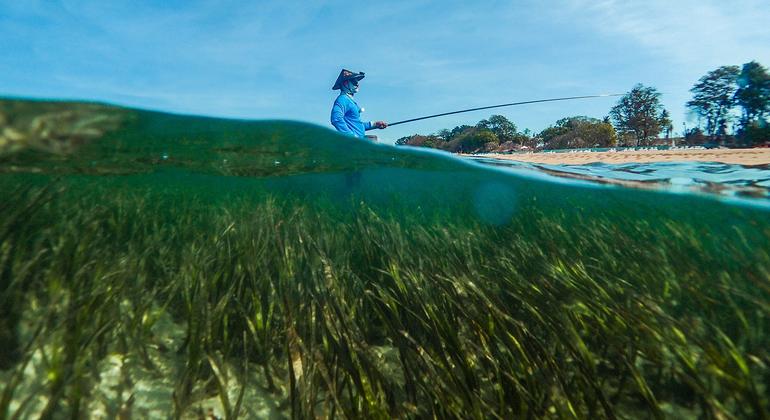
In conclusion, the Blue Economy is of utmost importance to Pakistan. It can help to sustainably manage the country’s marine resources, reduce environmental pressures, create jobs, and promote economic growth. It can also help to foster the development of new technologies and services related to the ocean. Ultimately, the Blue Economy has the potential to bring economic and environmental benefits to the people of Pakistan.
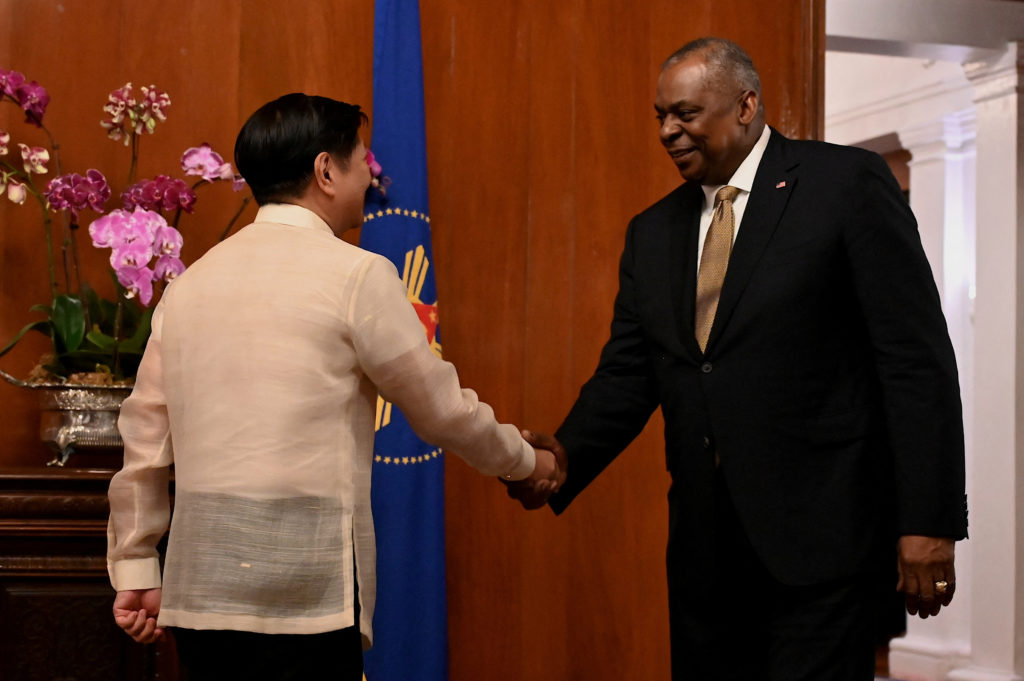

United States Military Alliance with the Philippines to Counter China

Introduction

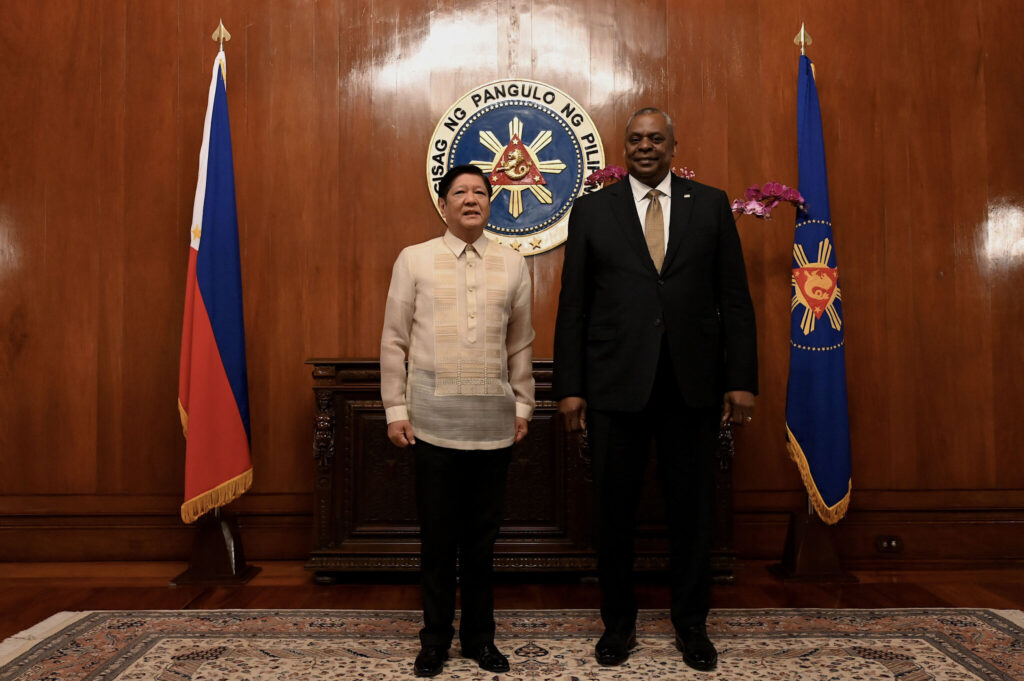
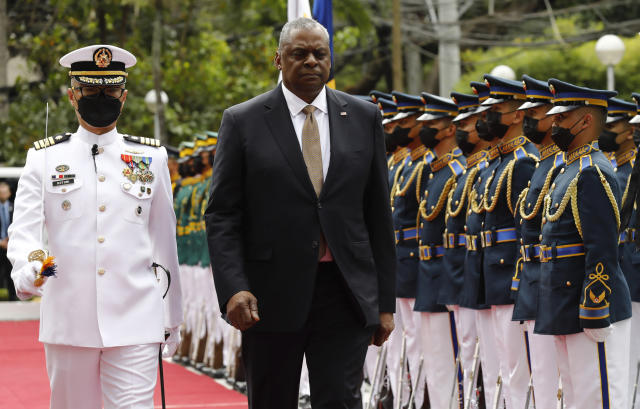
According to a joint statement from the defense departments of the two nations, the Philippines and the United States have agreed to strengthen their defense agreement, giving the United States access to four military bases in the Southeast Asian country, a highest level military presence in decades. It is said in the joint statement, “The Philippines and the United States are proud to announce their plans to accelerate the full implementation of the Enhanced Defense Cooperation Agreement (EDCA), with the agreement to designate four new Agreed Locations in strategic areas of the country and the substantial completion of the projects in the existing five Agreed Locations.” The deal was announced by the United States Defense Secretary Lloyd Austin during his visit to Manila for negotiations with newly elected Philippine President Ferdinand Marcos. Despite the agreement not creating a permanent U.S. military presence, which is against Philippine law, Defense Secretary Lloyd Austin termed it a “big deal.” While rotating in and out of the Philippines, the U.S. soldiers will have a check of two crucial locations, the Taiwan Strait and the South China Sea disputed areas. The United States is increasing its military presence in Asia as part of a series of actions meant to counter Beijing, expand access to military bases near Taiwan and South-China Sea as well as reassure its support to Indo-Pacific allies against Chinese and North Korean threats.

Defense Ties between U.S. and the Philippines

The United States and the Philippines signed the U.S. and Philippines Enhanced Defense Cooperation Agreement (EDCA) in 2014. The EDCA is a component of the U.S. and the Philippines’ long-standing security partnership agreement and permits a higher rotating presence of American personnel to move through five Philippine facilities including those close to contested maritime areas on non-permanent basis. It is because it is against the Constitution of the Philippine for foreign forces to be stationed permanently in the country. Furthermore, the defense agreement permits the U.S. military to keep defense supplies and equipment on certain facilities. Former President Duterte urged for a review of EDCA in 2016 and delayed its implementation in 2018 but the improvement in relationship between the two countries resulted in 2021 with which work related to EDCA also intensified.

U.S. Defense Secretary Lloyd Austin III shakes hands with Philippines President Ferdinand “Bongbong” Marcos Jr. at the Malacanang presidential palace in Manila, Philippines, February 2, 2023. Jam Sta Rosa/Pool via REUTERS

In accordance with the 1951 Mutual Defense Treaty (MDT), the United States and the Philippines are obliged to help one another against any armed assault. Representatives of the Biden Administration affirmed that MDT is applicable to “any armed attack on the Philippine military.” There is a close relationship exists between the United States and the Republic of the Philippines which is characterized by a bilateral security alliance, military cooperation and a wide range of common strategic and economic objectives and interests. As a close and oldest security ally, the Philippines, located in east of the South China Sea and south of Taiwan have long been significant player in the United States’ Asia policy and a key component of the Biden Administration’s Indo-Pacific strategy. According to the joint statement released on the websites of the United States Department of Defense and on the Philippines’ Department of National Defense it is said that the recent deal will “accelerate upgrading of our joint military capabilities,” and make the partnership between the two nations “stronger and more resilient,”

China’s Response

In the resource-rich South China Sea, China and the Philippines are also engaged in heated territorial and maritime disputes. Although Washington makes no claims in the strategic waterways but it has sent out its warships, fighter jets and surveillance aircraft on patrols that it claims support the rule of law and freedom of navigation, but this has enraged Beijing. Military cooperation between the United States and the Philippines has long been viewed by Beijing as an effort to limit China’s expanding influence in region. As a response to the new deal between the United States and Philippines, China’s Foreign Ministry spokesperson Mao Ning said that the new agreement was “an act that escalates tensions in the region and endangers regional peace and stability,” while accusing the U.S. of pursuing “its selfish agenda” with it. Additionally, she said the United States is increasing its military presence in the region while maintaining a Cold War mentality. To conclude, the U.S.-Philippines agreement is a sign of improving relations following a challenging six-year period between two countries. But, the agreement would have serious strategic consequences and implications if a conflict broke out in Taiwan or the South China Sea.


Haiti in Crisis!

Introduction

Haiti, a Caribbean country, is gripped by chronic violence and political instability. The situation has failed to improve during the previous months. Haitians have been dealing with an increase in gang attacks and kidnappings, fuel and electricity shortages, a worsening political deadlock and a lethal cholera outbreak. The political crisis has worsened in the country as Senate terms expired officially which left the country without any democratic institution. The Senate was the last democratically elected institution in Haiti, but due to the country’s failure to organize legislative elections in 2019 to fill vacant seats, its membership has been reduced to just 10 people. Since then, these ten senators were representing a nation of about twelve million people.

 (Photo by Richard Pierrin / AFP) (Photo by RICHARD PIERRIN/AFP via Getty Images)

Background

The country has been suffering electoral and constitutional upheaval ever since President Jovenel Moise was assassinated in 2021. Haiti has not hosted free and fair elections since the 2019 elections and the country has been in instability ever since the 2010 earthquake that have killed up to 300,000 people. In case of political crisis in the country, international intervention in the country has also remained a reality. Currently, the famine is at its worst ever level, 4.7 million people are currently being hungry and facing extreme food crisis in Haiti. The situation is not getting in control after former President of Haiti, Jovenel Moise’s death in July 2021 and a subsequent earthquake. Moise was replaced by Ariel Henry, as an acting president who was viewed as illegitimate for the Government, therefore, he had to suffer legitimacy crisis.

Gang Violence in Haiti

Gang violence is something which is not new in the country but it has increased to new levels after the Moise’s death which increased the political instability and has created a power vacuum in the country. The G9 gang coalition by using different tactics blockaded the main port and fuel terminal when Henry announced a cut in fuel subsidies in September 2022, escalating the crisis and doubling the prices. The blockade caused six weeks of shortage of water and energy across Port-au-Prince, capital of Haiti, including in hospitals trying to treat cholera patients. Each problem aggravated the others, and a United Nations representative warned that Haiti was in danger of a “cholera time bomb” because of the violence and unrest that had cut off entire neighborhood. In order to fill the void left by the lack of a functioning Government, gangs have controlled the situation. Over 100 gangs control various areas of the country, they are in conflict with each other. This has resulted in a terrible war that has killed several civilians and caused numerous kidnappings in the capital of Haiti.

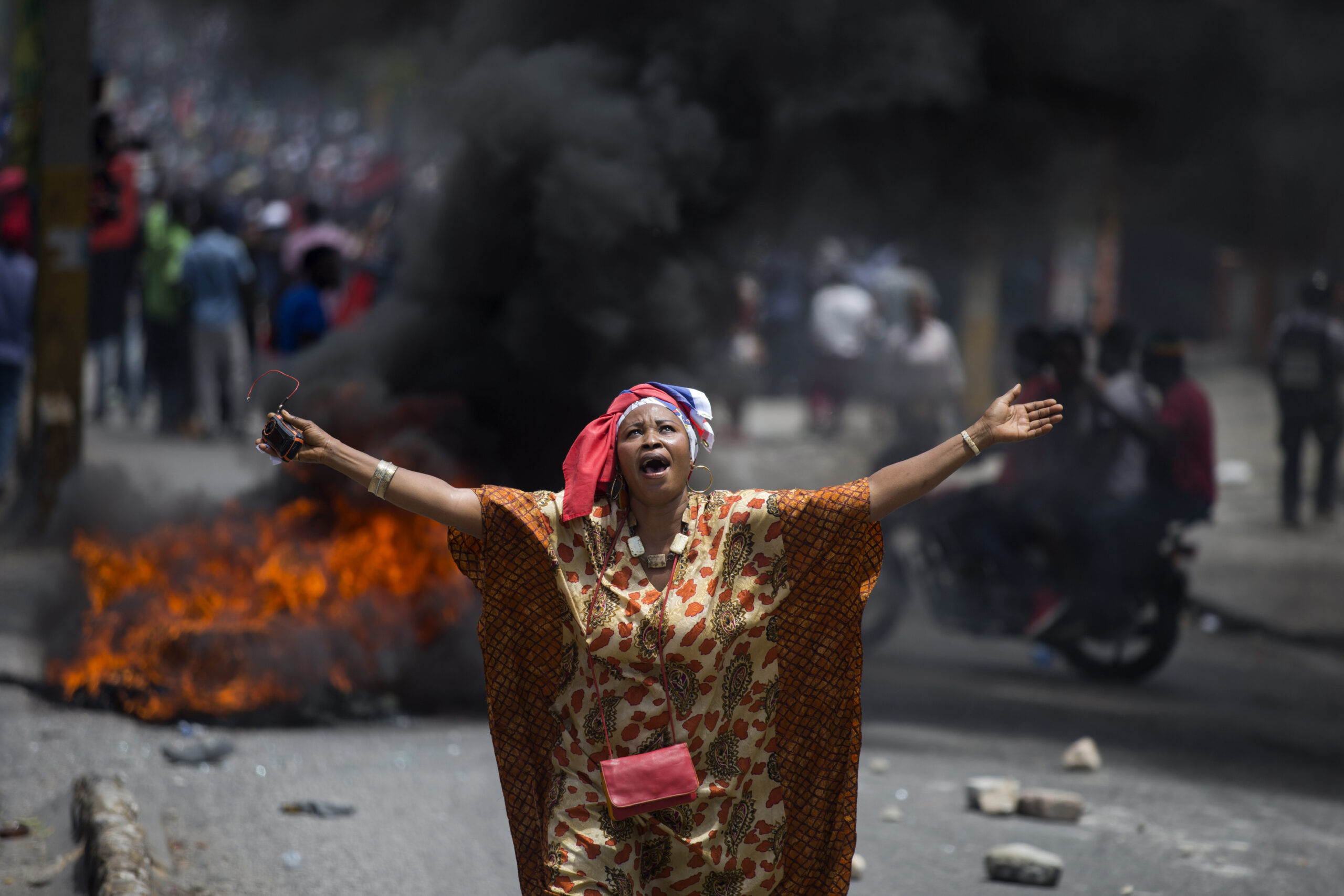
A protester yells anti-government slogans in Port-au-Prince, Haiti,June 9, 2019. Protesters denouncing corruption paralyzed much of the capital as they demanded the removal of President Jovenel Moise. ( Photo/Dieu Nalio Chery)

Latest Development

The Canadian Foreign Ministry said, “Canadian military aircraft made the delivery to the Haitian National Police in the capital of Port-au-Prince. Also, Canada has delivered armored vehicles to Haiti to help combat criminal gangs as the Caribbean nation faces a humanitarian crisis.” Apart from this, Canada has also imposed sanctions on Haitian elites. Additionally, at the North American Leaders Summit (NALS) in Mexico City, Canadian Prime Minister Justin Trudeau and President Joe Biden discussed the ongoing unrest in Haiti. The Prime Minister of Canada, Justin Trudeau said that “We are all very aware that things could get worse in Haiti and that is why Canada and partners, including the United States, are preparing various scenarios if it does start to get worse.” He emphasized that Canada will continue to offer assistance but the Haitian situation must be resolved domestically.

The White House said in a statement “The two leaders are committed to continue coordination with partners on the U.N. Security Council on next steps to support stability to Haiti, including support to the Haitian National Police.” The two leaders discussed the security and humanitarian crisis in the Caribbean nation and highlighted recent coordinated efforts to aid Haitian people, such as the delivery of armored vehicles that the Haitian government had purchased to help the police fight off gangs and the imposition of sanctions to hold those accountable who provoke violence.
The humanitarian situation in Haiti is getting worse at an unprecedented level that is why it requires immediate attention. Gangs have had a significant impact on Haitians’ access to basic necessities and impacted their quality of life. A growing number of Haitians have left the country over the past years in search of safe environment in other parts of Latin America and the United States. To conclude, international organizations and other countries need to step up and consider options that can help Haiti and its people in overcoming challenges and crises.


North American Leaders’ Summit

Introduction

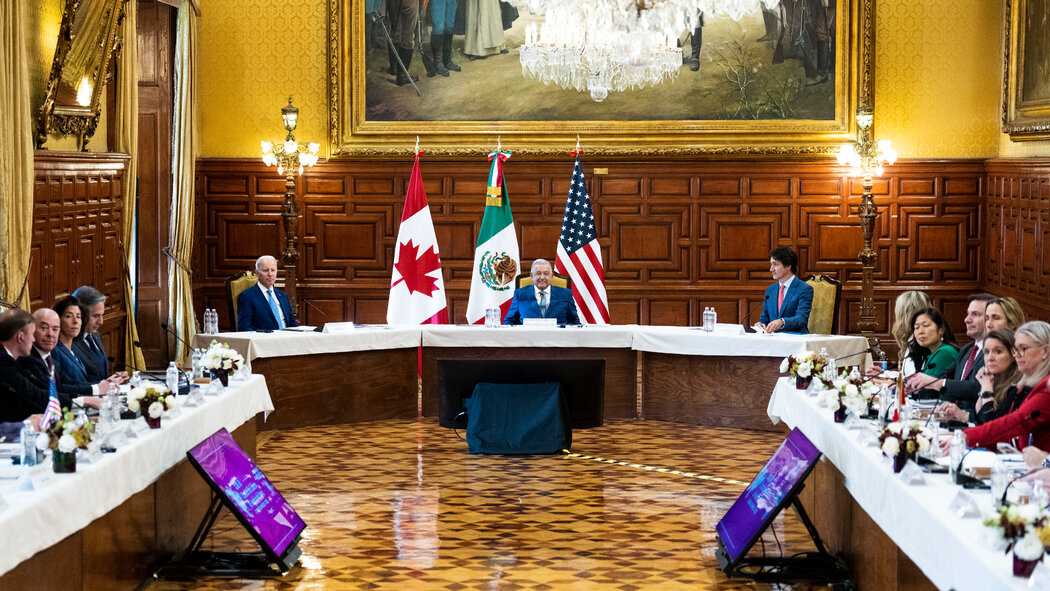
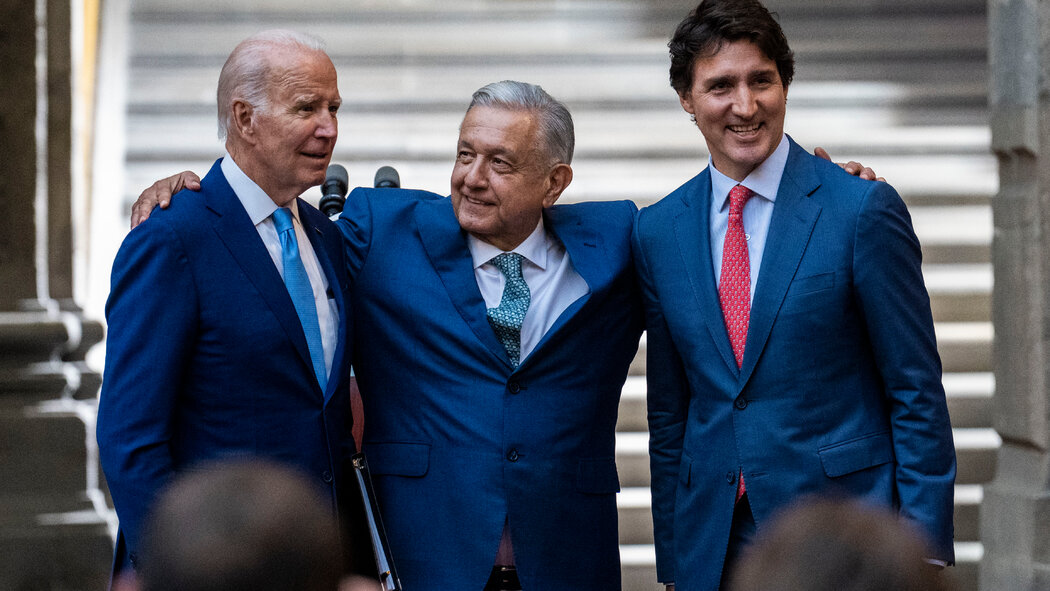
The North American Leaders’ Summit also known as “Three Amigos” Summit was held in Mexico City. At the trilateral summit, the leaders of North America including the United States, Mexico and Canada met in Mexico City and pledged to work together on issues such as trade conflicts, energy regulations and the region’s rising migration flows. President Biden and Mexican President Lopez Obrador met after nearly two years of politically tense interactions between the two countries. The first trip to Mexico by a U.S. president since 2014 was a crucial one with an aim to make efforts to warm up chilly relationship with a significant economic partner and improving the alliance as a mandate of U.S. foreign policy. The three-way meeting’s and summit closed with a joint news conference and with a positive outcome as the three leaders intended to create a regional supply network in North America that is independent of other countries. It is because the COVID-19 pandemic caused interruptions in the global supply chain for goods required in manufacturing which significantly hindered the North American trade.


Background

Following the cancellation of the triangular meeting between the regional partners by his predecessor Donald Trump, Biden resurrected the “Three Amigos” discussions in 2021 in an effort to normalize relations between the three countries. Since the North American Free Trade Agreement was passed in 1994, the three countries have been formally trading partners, becoming an economic giant that accounts for nearly one-third of the world’s GDP. In the first ten months of 2022, the United States traded goods worth more than $3 million each minute with Mexico and Canada. Together, the nations can find solutions to mutual concerns including trade, immigration, human trafficking and other associated problems.

President Biden’s Meeting with Canadian Prime Minister

At the sidelines of the North American Leaders’ Summit, the United States President Joe Biden met with Canada’s Prime Minister Justin Trudeau in Mexico City. A wide variety of bilateral and global topics were discussed by the Prime Minister and the President. President Biden was invited to Canada by Prime Minister Trudeau. In March, the President will travel to Canada, the White House has also confirmed the news. The crucial significance of North American trade, competitiveness and supply chains, particularly essential minerals and semiconductors was discussed by the two leaders. The Prime Minister emphasized the advantages of free trade between Canada and the United States in particular with regards to trade. Moreover, the shared commitment of defense and security of North America also come under the talks.

President Biden’s Meeting with Mexico’s President

In order to improve bilateral ties between the United States and Mexico as well as to build a more economic and secure future for North America, President Biden also met with President Lopez Obrador of Mexico. According to the White House statement, the meeting was based on 200 years of bilateral ties between the United States and Mexico, a strong alliance that the reflection reflection of our shared ideals as well as the ties that bind the two nations familial and cultural bonds. The Bicentennial Framework for Security, Public Health and Safe Communities was reviewed by the two Presidents and highlighted the importance of increasing collaboration to prosecute drug traffickers. The two leaders underlined their commitment to tackle the underlying causes of migration as well as to use effective strategies in order to deal with irregular migration.

Outcomes of the Summit

As per White House release, the three leaders look in to the options that promote a common vision for North America. In order to boost North America’s economic competitiveness and encourage inclusive growth and prosperity, President Biden and other leaders has used North American Leaders’ Summit (NALS) as a great opportunity. The three nations will strengthen their economic ties encourage investment and will support innovation, competition and adaptability in different fields with the help of private sector. Another important thing is, the need for quick, coordinated and ambitious action to create clean energy economies and address the climate issue is acknowledged by the United States, Mexico and Canada. The three leaders made a commitment to address the climate catastrophe at the NALS by devising Climate Action Plan and reducing gas emissions at least 15% by 2030. Additionally, efforts will be made to coordinate policies and activities to combat human, drug and arms trafficking which pose a threat to all three countries and regional peace and security.


The Role Of Technology For States

Technology plays an increasingly important role in the success of a state. Technology can be seen as a great equalizer, as it provides a level playing field to all citizens regardless of their background, wealth, or location. From the smallest local businesses to the largest global corporations, technology has enabled individuals and organizations to reach out to a larger audience and establish a larger presence in the marketplace. Technology has revolutionized the way we communicate and connect with one another. From the invention of the telephone to the development of the internet, communication has become more efficient and effective. This has enabled businesses to reach new markets and customers, while providing a means for citizens to stay connected with family and friends around the world. Technology has also provided access to a wealth of information. From the web, citizens can access news, entertainment, educational materials, and more. This has enabled citizens to stay informed and become more knowledgeable about their community, state, and country. Technology has also enabled states to become more efficient and effective in their operations. From the development of computer systems to the use of artificial intelligence, states can now automate processes and streamline operations, reducing costs and increasing efficiency. In addition, technology has enabled states to better analyze data and trends, allowing them to make more informed decisions and develop better policies. Finally, technology has enabled states to become more secure. With the development of sophisticated cyber security systems, states can protect their citizens and their data from malicious actors. This has enabled states to ensure the safety of their citizens and their data, while also protecting their economies from cyber-attacks.

Technology influenced every aspect of human life, including conflict. The economic study of capitalism and its connection to technology by Schumpeter provides evidence of the accelerated speed of technological progress. In his opinion, the Industrial Revolution’s four extensive economic cycles resulted in fundamental shifts in the method of production in little more than a century. Technology has also changed the dynamics of wars and conflicts. In his theory of war, Clausewitz neglected to consider the significance of technology as a factor. 7 One of the most critical writers on the link between war and state, Tilly, was similarly doubtful about the role that technology played in this process and instead concentrated on the economics of going to war. 8 The exclusion is acceptable given that the history of war has been marked by protracted periods of technical static mixed with sudden bursts of revolutionary change brought about by a number of factors. The threat to the state’s ability to maintain its monopoly on violence will be the most basic element of the technology-war relationship. It has been predicted that the state’s monopoly on the use of force will eventually vanish, but the pace of technological advancement today makes this threat more real and imminent. Technology is enabling new chances and techniques to attack other governments, as well as enabling the state to try to resist internal threats to its authority. Developments in biology, materials technology, nanotechnology, and, of course, the information revolution. According to Stephen Graham, a key development in the fight against terrorism has been the blending of civilian and military uses of control, surveillance, communications, simulation, and targeting technology.

In conclusion, technology has revolutionized the way we communicate, access information, and operate. It has enabled states to become more efficient and effective in their operations, while also providing citizens with access to a wealth of information and opportunities. As technology continues to evolve, states will need to ensure that they are taking full advantage of its potential to maximize the success of their state.The circumstances for conflict, especially civil war, have indeed been produced by technical advancement, but it has also increased this threat by globalising the use of violence and empowering non-state actors.


Israel Palestine Conflict Or The Israel’s ‘’Illegal Occupation And Violence Against Palestinians’’?

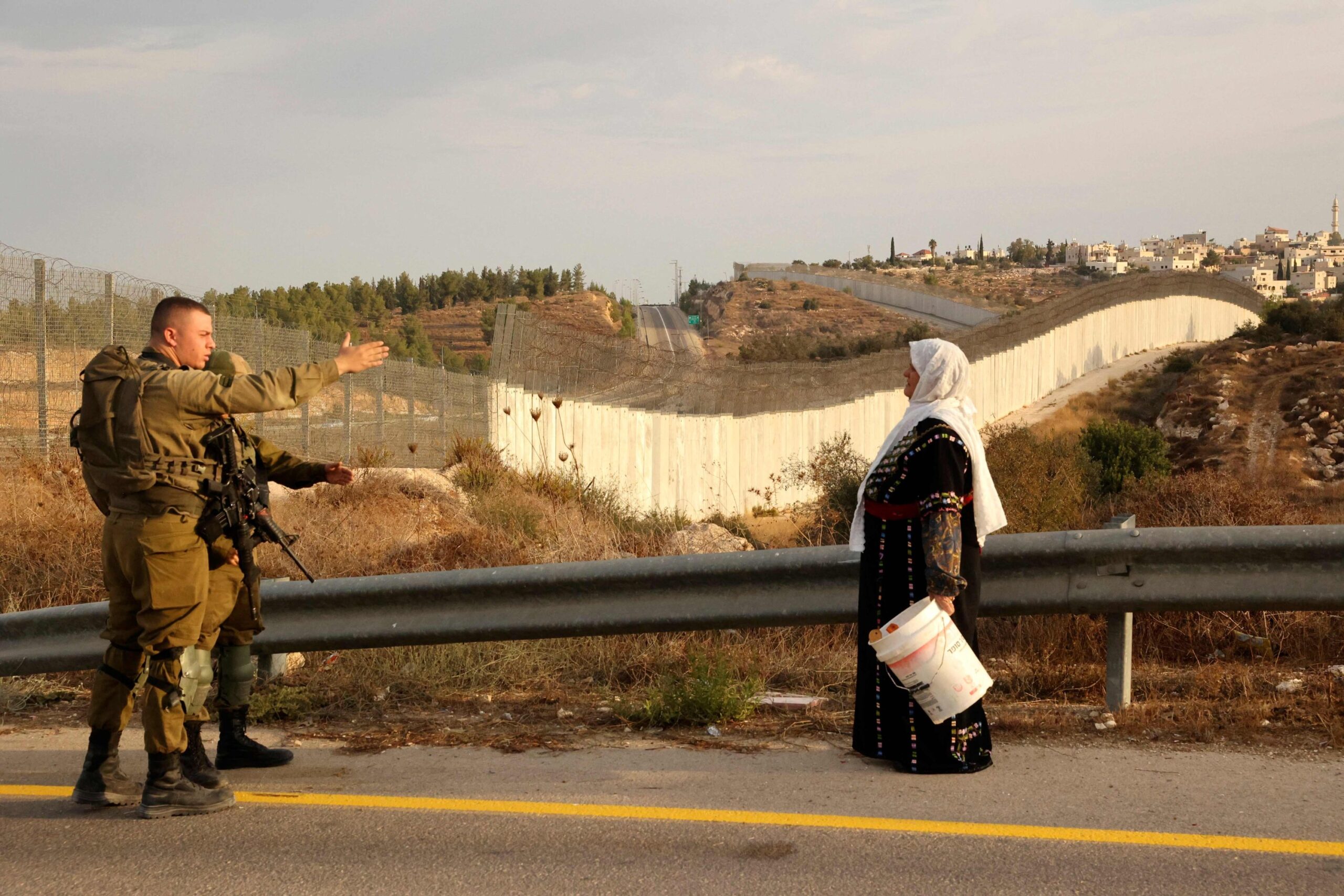
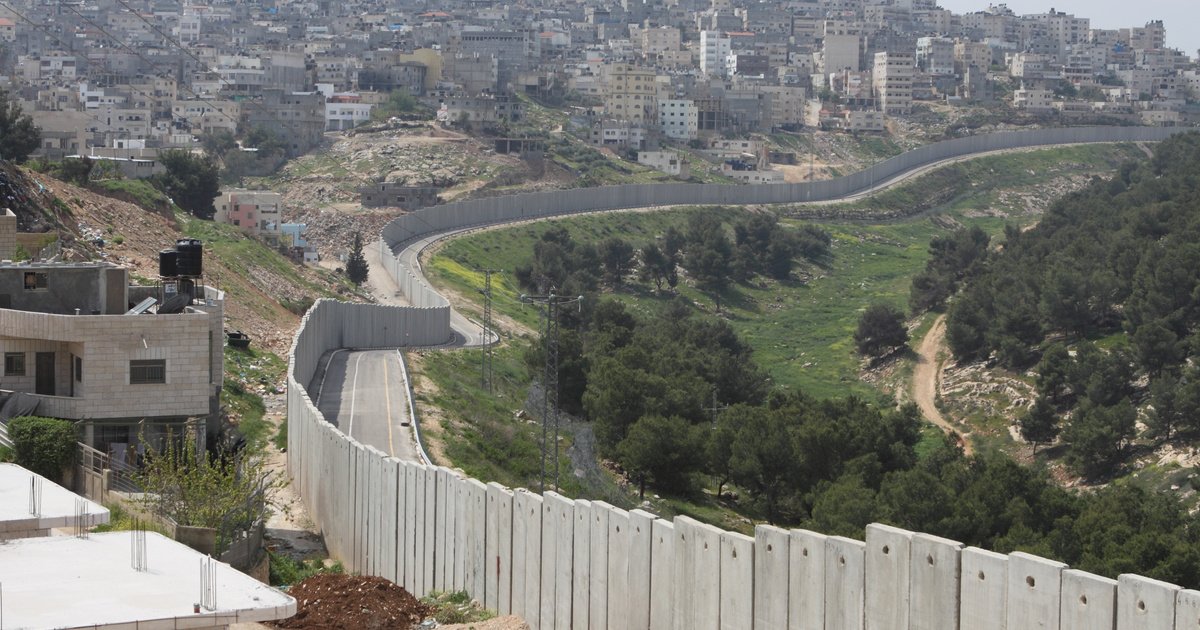
International law is crystal clear: annexation and territorial conquest are prohibited by the Charter of the United Nations. Since 1967, Israeli forces have ruled over the occupied Palestinian territory. Gaza, the West Bank, and East Jerusalem are among the territories that have been divided. Gaza Strip is a little coastal region that shares a border with Egypt to the south. The kidney-shaped region to the east is known as the West Bank. It is named after the Jordan River since it is located west of its banks. On the Palestinian side of the 1949 Green Line is East Jerusalem. In the West Bank and East Jerusalem, there are three million Palestinians living. Israeli settlements are Jewish neighbourhoods erected on Palestinian territory. In the occupied West Bank and East Jerusalem, there are between 600,000 and 750,00 Israeli settlers residing in at least 250 settlements. According to international law, Israeli settlements are unlawful because they infringe on the Fourth Geneva Convention, which forbids an occupying force from relocating its people within the territory it occupies. Under Donald Trump’s administration, the US announced in 2019 that Israeli settlements on occupied Palestinian territory were “not necessarily unlawful,” reversing decades of US policy. Compared to Israel’s population, the number of Israeli settlers in the West Bank and East Jerusalem is increasing more quickly. In the West Bank there were 463,535 registered settlers as of 2020, while in East Jerusalem there were 220,200. More over five million Palestinian refugees are officially registered, the majority of whom live outside of these camps. The world’s oldest unsolved refugee issue is the predicament of Palestinian refugees.

In the past, Israel has annexed two areas by itself. Israel refers to the territory it has annexed as ‘’applying Israeli sovereignty’’. The annexation of the Golan Heights by Israel was recognized by the US in 2019. Israel has been enforcing a maritime and air embargo on the Gaza Strip since 2007. Israel has attacked the Palestinian territories three times since 2008, killing thousands of people—mostly civilians. According to the Palestinian Ministry of Health, Israeli soldiers murdered at least 170 Palestinians in the West Bank and the occupied East Jerusalem in 2022, including more than 30 children. There have also been at least 9,000 injuries. Observers, diplomats, and rights organisations have expressed alarm over Israel’s excessive use of lethal force in the West Bank in 2022, which has resulted in the high death toll. Israeli soldiers frequently “use guns against Palestinians on mere suspicion or as a precaution, in contravention of international standards,” according to the Office of the UN High Commissioner for Human Rights.

Shireen Abu Akleh, an experienced journalist for Al Jazeera, was killed by gunfire on May 11 when she was documenting a military attack on the Jenin refugee camp. Abu Akleh, a 51-year-old Palestinian-American TV reporter for Al Jazeera Arabic, has spent more than 25 years covering Israel’s occupation of the Palestinian lands. Her murder sparked a global uproar and caused shockwaves throughout the globe. Israeli legislative elections were conducted for the seventh time in less than four years in 2022. The results have led to the formation of the most far-right administration in the nation’s 74-year history, even if they appear to have momentarily put a stop to Israel’s protracted political instability. 2022 marks the sixth year in a row that the number of Israeli settler assaults in the occupied West Bank has increased.
It is 2023 and very much clear that this cannot be called as the Israel-Palestine ‘’conflict anymore’’. It is the unlawful act by the Israel and illegal annexation accompanied with the human rights viltions. The world should no more remail silent.


Colombia-Venezuela Ties and the Reopening of Shared Border

Introduction

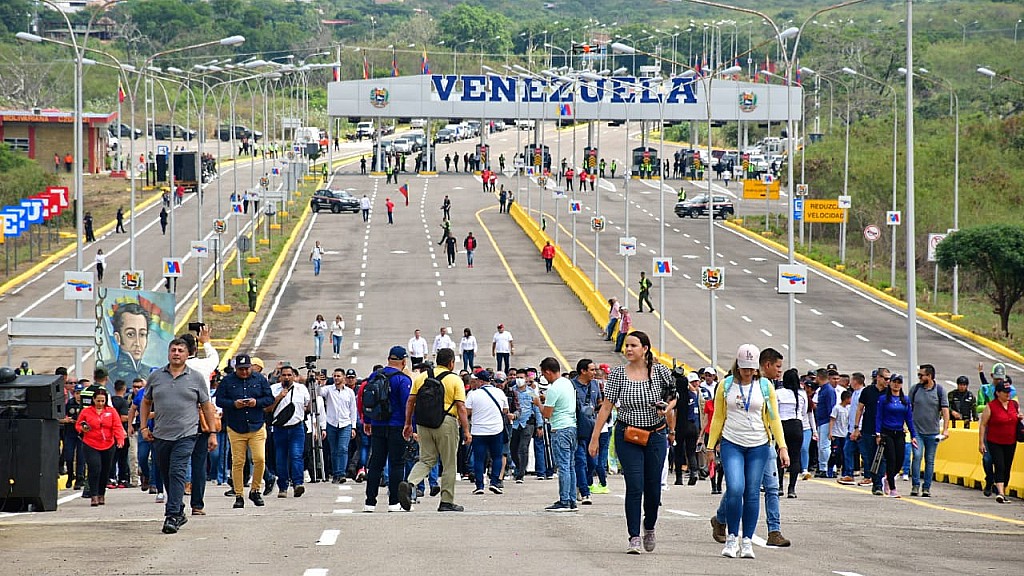
There is a great importance of bilateral relationship between the neighboring countries due to the shared concerns and security challenges. But, the relations between Colombia and Venezuela have remained strained for a number of years due to multiple factors including mutual accusations and an increase in the number of migrants from Venezuela who cross the shared border as a result of socio-economic and political crisis in the country. It is one of the major interstate conflicts in Latin America which resulted in greatest humanitarian crisis along the both sides of Colombia-Venezuela border. With a length of more than 2,000 kilometers, the border between the two countries served as a point for organized crime and guerrilla movements, notably on the Colombian side. Additionally, clashes between armed groups including the National Liberation Army (ELN) and dissidents of the Revolutionary Armed Forces of Colombia (FARC) have also taken place along the border. Recently, the two countries have formally announced to fully reopen the border after a diplomatic conflict of three years.


Background

During the former Colombian President Ivan Duque’s term, the leaders of Colombia and Venezuela have accused one another of involvement and interference across the border to support terrorism and create instability in their respective country. The ties were completely disintegrated between the two countries by Venezuelan President Nicolas Maduro in early 2019. As a response, Venezuela’s President Maduro said in a speech “Patience is exhausted, I cannot bare it anymore, and we cannot keep putting up with Colombian territory being used for attacks against Venezuela. For that reason, I have decided to break all political and diplomatic relations with Colombia’s fascist government.” On the other hand, Colombian diplomatic staff and ambassadors were also asked to leave Venezuela immediately after the announcement.
The ties started to improve when the Colombian President Gustavo Petro assumed office in August 2022, he pledged to rebuild ties with Venezuela and it was witnessed in the same month when two countries agreed to restore full diplomatic relations. Formal border opening was declared and for the first time in 9 years Colombian President made an official visit to Venezuela.

Prospects of Colombia-Venezuela Ties

According to the estimates by the Chamber of Venezuelan-Colombian Economic Integration, the reopening of border to vehicular traffic will result in a major increase in commercial trade, from $406 million last year to $1.2 billion this year. As a result of complete restoration of the border, the Venezuelan government predicts an increase of $4 billion in economic activity within a year. The improved ties will help to attain peace and security along the border which was deteriorated significantly in both the countries, since the diplomatic ties cut in 2019. This resulted in state clashes with armed groups which brought on forced and voluntary displacement of people as well as lucrative trade in people and goods as a consequence of armed groups competition. There is a hope for peace with armed groups along the border, if both countries make serious efforts and deal with the issues at negotiation table for the sake of people, country and regional stability. Until now, approximately seven million Venezuelans have left their country due to the deteriorating economic conditions and the vast majority of them travelled to Colombia. The formal opening of the border will aid in preventing the mistreatment of refugees and migrants. In addition, it will help with the effective management and administration of the migrant issue, enabling people with better economic opportunities in order to improve their livelihoods and wellbeing. Additionally, there will not be any fear of crossing the border illegally, which in the past made people exposed to killing, torture and forced recruitment by the armed groups.

Conclusion

Both Colombia and Venezuela have suffered greatly as a result of broken ties at all levels. Now it is the time that the two neighbors take the opportunity and act quickly to reduce the potential of escalating violence and instability along the border. For that matter, there is a need of greater action to avoid border miscommunications for avoiding fatal consequences. The border should be jointly monitored and controlled by Colombia and Venezuela, it can be done by developing a framework that effectively assist in resolving situations related to the shared border. The international community must take steps to settle the influx of Venezuelan migrants and refugees. In addition, humanitarian relief must be given to the people of two countries as they have suffered greatly because of social, political and economic crisis.


A Step for U.S. Border Security: Biden announced New Immigration Restrictions

Introduction

On January 5th, 2023, President Joe Biden announced that the United States would start immediately deporting individuals from Cuba, Haiti, Nicaragua and Venezuela who attempt to enter the country without authorization along the border with Mexico. President Joe Biden said “these four countries account for most of the people now travelling into Mexico to try to start a new life by crossing the border into the United States of America.” The White House announced that it will grant two year work authorization to 30,000 individuals each month from the three countries including Venezuela if they have sponsors in the United States and can qualify the background checks. Anyone attempting to cross the border illegally will not be eligible for the program and will sent back to Mexico. According to the data, a huge number of migrants from the above mentioned countries have been encountered more than 82,000 times in November only who tried to enter the United States through different means. As a result of the new policy, almost 360,000 individuals from these four countries can enter the United States legally each year. Speaking about the security, Biden told the reporters, “We anticipate that this action is going to substantially reduce the number of people attempting to cross our southwest border without going through a legal process.”


Background

Since March 2020, migrants have been denied the opportunity to apply for asylum 2.5 million times at the U.S.-Mexico border as a result of Title 42 restrictions that President Trump enacted as an urgent health action to stop the COVID-19 outbreak from spreading. Republicans filed a legal action to defend the Title 42 limits against Biden’s motion to eliminate them. For the past few months, asylum seekers have been arriving in greater numbers at the United States’ southern border with Mexico for safe and better life in the United States. This resulted in Republicans call for more action from the Biden administration to secure the border. Biden made efforts to reverse the anti-immigration measures taken by his predecessor Donald Trump.

Biden Administration and Title 42

Biden has suffered a lot politically due to the border security and the immigration chaos. During his presidency, Biden canceled the Trump’s declaration of a national emergency and halted construction on the southern border wall, additionally, the zero-tolerance policy was also abandoned formally. However, the Title 42, in-spite of being controversial, remained in place during Biden administration so that border can be prevented from becoming unmanageable. Despite criticism from rights groups who said the policy puts the lives of asylum seekers in danger, the Biden administration has worked to prevent migrants and refugees from crossing the border and has also defended Title 42 in court. The majority of migrants were sent back by the administration under Title 42 and Title 8 with the help of Border Patrol authorities. Biden is expanding Title 42 and made a legal path for some migrants. Before that, an emergency six-point plan unveiled for the anticipated termination of Title 42 by the Department of Homeland Security. The newly border enforcement actions has been referred by White House as “fair, orderly, and humane immigration system.”

Asylum seeking migrant families with children from Central America take refuge in a makeshift U.S. Customs and Border Protection processing center under the Anzalduas International Bridge after crossing the Rio Grande river into the United States from Mexico in Granjeno, Texas, U.S., March 6, 2021. Picture taken on March 6, 2021. REUTERS/Adrees Latif

New Policy to Curb Illegal Immigration

The new measures will not only curb illegal immigration but will make it simpler for border authorities to swiftly deport immigrants who enter the country outside of authorized crossing points. Another action is the restoration of bilateral accords that require asylum seekers who enter the country through a third country to provide evidence that they have not received protections before requesting asylum at the US-Mexico border. However, under the humanitarian parole authority which is already being utilized to accept some refugees from countries like Afghanistan and Ukraine, anyone from the four mentioned countries will be able to apply for legal immigration to the United States. The expanded humanitarian parole program for the nationals of these countries is welcomed by Amnesty International U.S. This program will permit the people to enter the United States but does not give them a permanent status. The strategy is a part of a larger initiative to stop record numbers of border crossers and manage with the political and humanitarian challenges posed by mass migration. It is recommended that implementation of new enforcement measures for border security must be implemented considering a humanitarian perspective.


Japan’s New National Security Strategy Comes Forward

Introduction

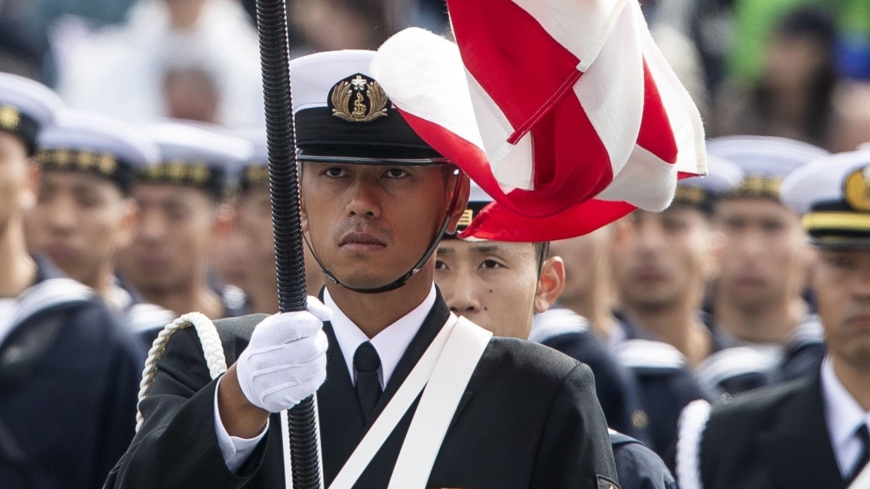
Japan has increased its military power in response to the region’s shifting security dynamics in the twenty-first century. China’s growing diplomatic and military influence in the area, North Korea’s growing nuclear capability, and a resurgent Russia are all posing increasing security concerns to Japan. Japan outlined its plan to increase national security budget and strengthen its military force in response to these challenges.
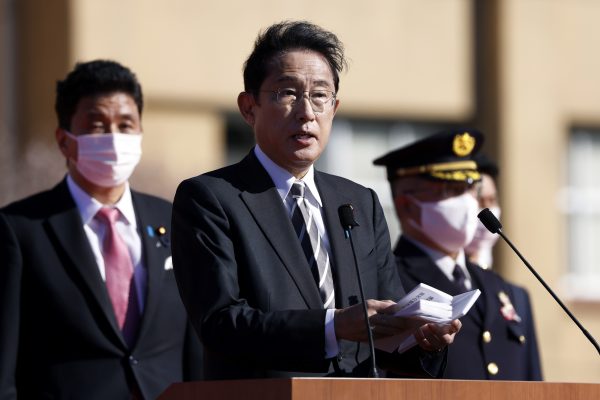
The Prime Minister of Japan, Fumio Kishida said, “Unfortunately, in the vicinity of our countries are carrying out activities such as enhancement of nuclear capability. Activities for the rapid military build-up and unilateral attempt to change the status quo by force is also being witnessed”.
To help Japan’s military force strengthen its capabilities, three documents have been released by Japan.

Documents ensuring Japan’s national security

Three documents—the National Security Strategy, the National Defense Strategy, and the Defense Buildup Program would serve as the foundation for Japan’s defense strategy and its goals to secure national security.

“Under the concept of a Free and Open-Indo Pacific, it is vital for Japan’s security to collaborate with friends and like-minded countries to ensure peace and stability in the region,” the National Security Strategy states. Over the next five years, it will also influence Japan’s diplomacy, defense, economic security, cyber, technology, and intelligence. Second, the three components of the Self-Defense Force will be shaped by the National Defense Strategy, with a focus on developing counterstrike capabilities and strengthening space and cyber capabilities. Thirdly, arrangements for defense spending will be shown in the Defense Buildup Program. This five-year plan will allocate almost $320 billion for national defense.

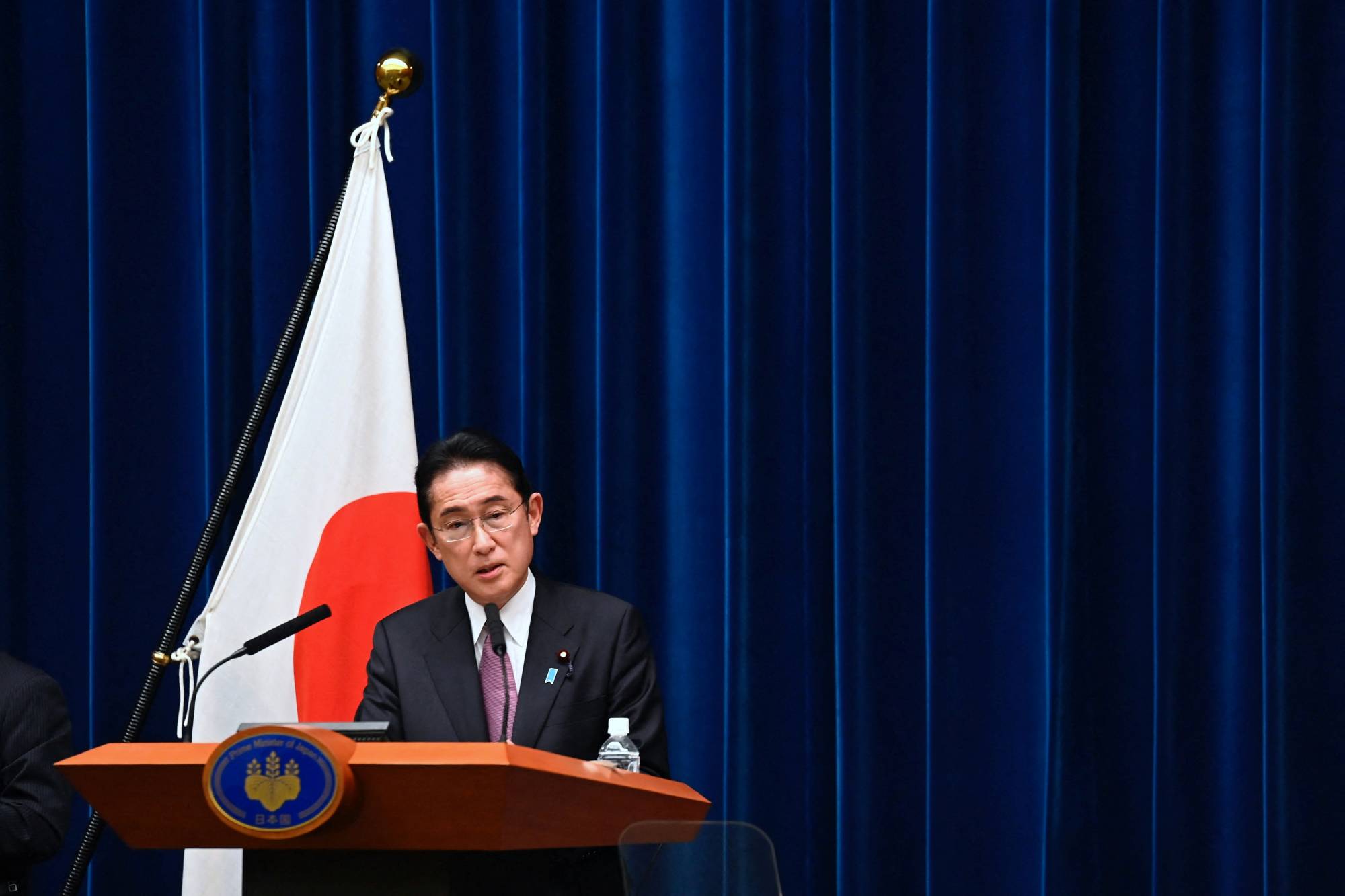
Japan’s Prime Minister Fumio Kishida attends a press conference in Tokyo, Japan, on December 16, 2022, addressing some topics such as National Security Strategy, political and social issues facing Japan in today’s World crisis. David Mareuil/Pool via REUTERS

Japan’s defence budget

Japan’s Ministry of Defense will reserve a budget for innovation in civilian research and development and spending. On December 23, the Japanese government approved a record 6.8 trillion yen (about 51 billion dollars) defense budget for the coming fiscal year.
The cabinet of Japanese Prime Minister Fumio Kishida approved a budget at 114.4 trillion yen ($863 billion). This was mainly brought on by an increase in social security costs due to an aging population and an increase in military spending. According to the proposal, Tokyo will purchase US long-range missiles that can destroy enemy launch locations in the event of an assault. It also intends to improve its capacity for cyberwarfare.
Kishida added that by 2027, Japan’s defense spending would account for 2% of GDP.

China’s concern about Japan’s increasing budget

The considerable increase in Japan’s defense spending worries China. They disagree with Japan’s position on national security. Wang Wenbin, a spokesman for China’s foreign ministry, encouraged the Japanese side to use caution while speaking and acting in the military and security spheres.
According to Wang, Japan is escalating regional tensions while pursuing military advances. This is viewed as harmful and has caused its Asian neighbors to have serious worries. The international community has also expressed concern over it. They worry that Japan would not follow a policy and course of peaceful development that is solely focused on defense.
Wang stated, “The Japanese side should seriously reflect on its history of aggression. They should speak and act prudently in the military and security fields to not lose further credit with its Asian neighbours and the international community”.

Security threats to Japan

Japan’s national security is under danger due to China’s rapid military modernization and a number of military drills. China is referred to as “the greatest strategic challenge” for Japan in the new national security plan. Japan still views China as the second-largest economy in the world after the US, and continues to engage it in trade based on norms recognized worldwide.
Furthermore, the dangers to Japan’s national security from North Korea’s reckless acts and ongoing nuclear operations are unparalleled. The most significant threat to Japan, according to the national security plan, is North Korea’s aspirations.
Moreover, Japan perceives the Russian invasion of Ukraine as a danger, which has forced several nations, particularly in Europe and East Asia, to strengthen their militaries. Japan and the West worked together to impose sanctions on Russia for its invasion of Ukraine. Near Japan’s borders, the Russian military has increased military exercises.

US-Japan alliance

The US applauded Japan’s action because it will increase regional deterrence. The US Secretary of State also thinks that the agreement shows an important convergence of the goals of the two countries. Japan was referred to as “the indispensable partner” in maintaining global stability by the US Secretary of State. The national security policy is the culmination of “the Abe Doctrine” to secure the nation and a fantastic chance for the US-Japan alliance to effectively solve regional concerns.


China’s Journey Towards Globalization Under Xi Jinping

Introduction

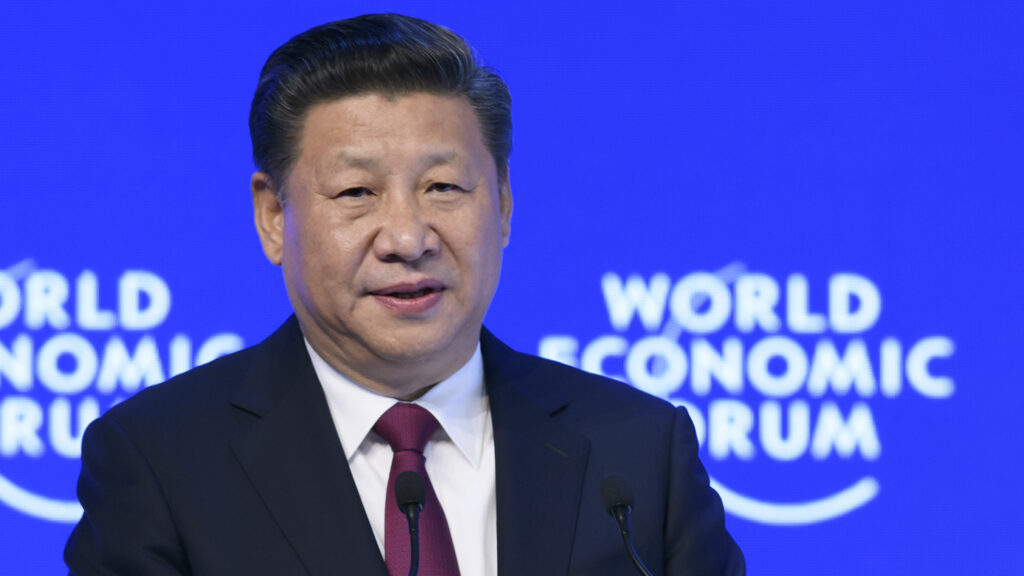
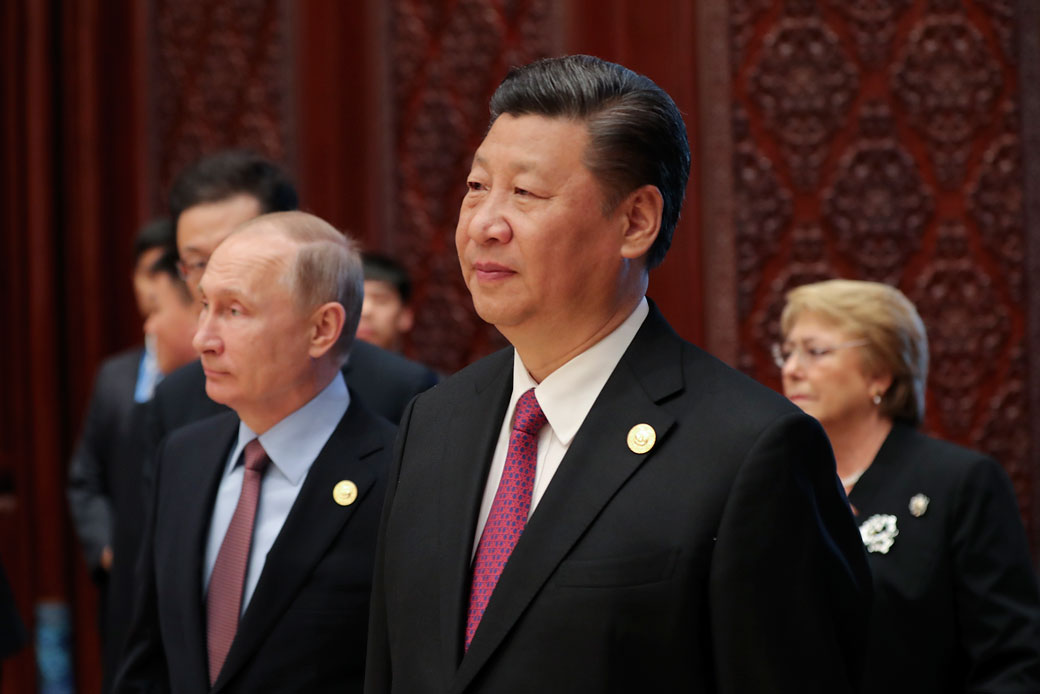
China has seen phenomenal progress over the last decade more of which is economic and technological. Under President Xi Jingping, the trend of Chinese globalization and China’s interaction with the world market increased manifold. Xi Jingping is not China’s President by any luck, he had a great political skill and thought for this which he is now showing in China’s foreign policy and economic statecraft. It has invested huge in infrastructure and trade in developing states as well as partner states through its Belt and Road Initiative.

Despite the challenges imposed by the US, China continues to grow its economic influence and market as well as in the field of technology. China will become world’s largest economy by 2030 and one of the leader states in the field of technology with an access to a greater world market through President Xi’s initiatives of ‘New Economic Policy’, ‘Made in China 2025’, ‘Belt and Road Initiative’ and many other collaborations with foreign states.
China’s expanding economic influence and President Xi Jingping’s economic aims pursuing strategic goals has gathered the world’s focus towards China’s economic statecraft.

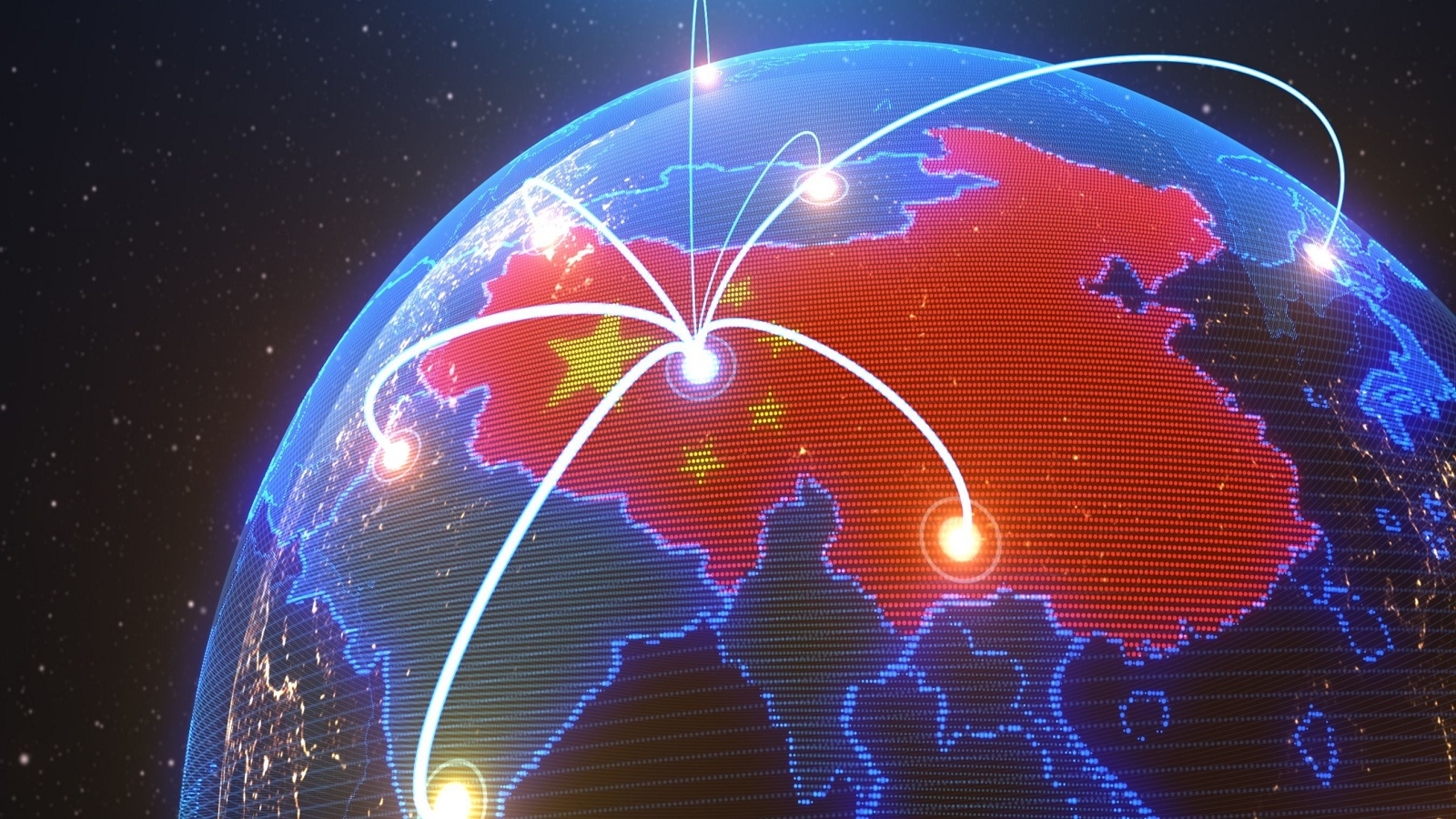
Economic Diplomacy became an integral part of the foreign policy of China since last two decades. The Chinese government re-structured and reformed its international economic policy by bringing an effective and proactive leadership to exercise greater influence in the international sphere. Under President Xi Jingping, these trends have accelerated in the form of more concrete initiatives and the development of a more aggressive economic statecraft . China’s “going out” strategy of encouraging outward investments by Chinese firms was repackaged into the sweeping Belt and Road Initiative (BRI) which is now part of the Party’s constitution and is seen as Xi Jingping’s signature foreign policy initiative.


Chinese Globalization and OBOR:

China is advancing in the liberal capitalist order and accepts the free market phenomenon because this continues to bring prosperity for the country. Many developments are made for the promotion of economic liberalism which supports the idea of free market and laisse faire economic policies. One Belt One Road (OBOR) is among the developments made by China to give a boost to economic liberalism. China have shaped its new economic model on the lines of neoliberal ways and OBOR is successfully fulfilling this criterion. China’s prosperity depends on the continuation of the existing order i.e. the liberal capitalist order, which allows it to trade and invest. Similarly, OBOR is a project which is compatible with the existing order and drives trade and investment which ultimately lead towards globalization.

China and the Developing World:

China’s role in the developing countries gained its momentum in the early 21st century. Its economic interests proved to be a driving force for their involvement. This economic drive led China to have a have a grip on its political and strategic interests in these parts of the World. Although Chinese economic interests are global, but it is more active in its neighbor developing countries where its strategic interests are most prominent. China have shown interest in some of the regions of the World which mostly consists the developing countries, namely South Asia, Southeast Asia, Central Asia, Africa, Middle East and the Latin America.
In its early period of reform and opening, China affirms its identity as the developing country but as the developments progressed in the country it evolved and considers itself as the leader of the developing countries as it continues to assist them and simultaneously trying to fix its image in the global World for greater supremacy.


China’s Technological Progress:

Since past two to three decades’ China is constantly achieving mile stones in almost every field and setting new records of growth. But specifically in case of technology, China has been through a long journey till now by becoming the emerging superpower in technology sector. In recent times it is said that China may be the new global technological leader. China has a great plan to make China a global leader in artificial intelligence by 2030, taking the AI related industry up to 1trillion yuan. China expects the major benefits of AI in military sector as well as digitally planned cities.

Conclusion:

China’s progress under Xi Jingping has been phenomenal and it is successfully on its way to be World’s largest economy, World’s Technological Hub and a Super Power Challenging the US hegemony. Xi’s attitude towards US policies regarding China has been of a political statesman. Clearly China’s authoritarian regime has no danger and its policies of free trade outward and capital control inward has given her unimaginable success. The concerns that we see is what China is now, will it be the same in future? Does the agenda of peaceful economic rise will be the same in future or it will turn strategic? In the field of international relations, there is always room for new possibilities, challenges and threats but as for now China has brought positive sum game with economic progress and prosperity for herself and for its trading partners. What is most important is that other great powers digest this rise and find new cooperative and interactive ways for peace and stability of the world avoiding war and conflict and preserving the universal values so that the nobody will lose and the world will gain.