Global Warming Prevention As A New Year Resolution
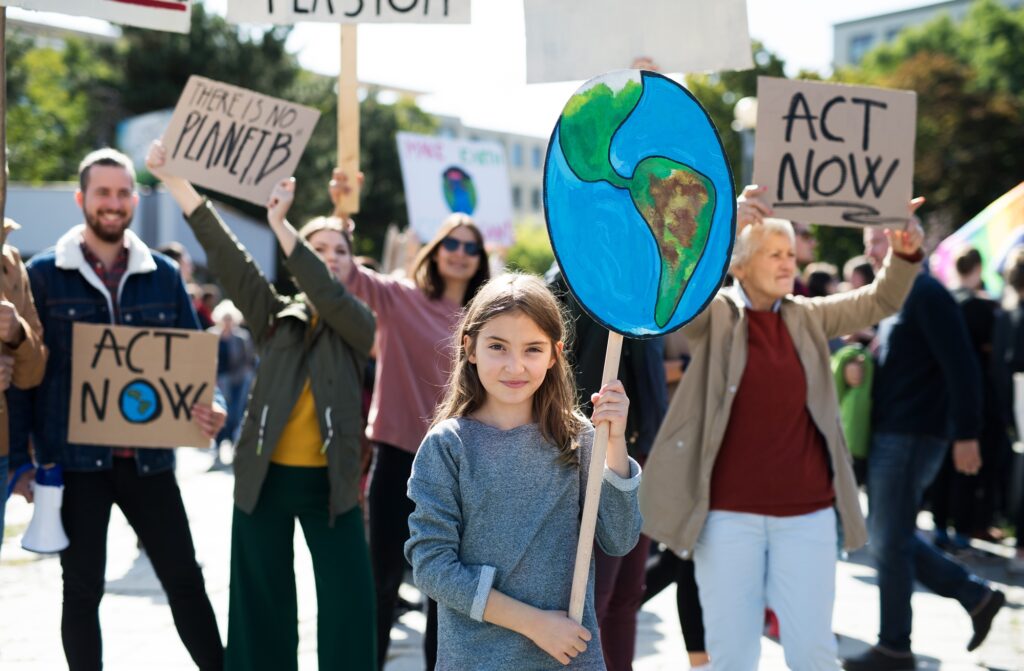
Global warming prevention should be a New Year resolution for every country around the world. Global warming is one of the most pressing issues of our time. It is a phenomenon caused by the accumulation of greenhouse gases in the atmosphere, trapping heat and leading to an increase in the Earth’s average temperature. This has a wide range of impacts, from rising sea levels to more extreme weather events. The main cause of global warming is human activity. Burning fossil fuels such as coal, oil and gas releases carbon dioxide and other greenhouse gases into the atmosphere. These gases trap heat, leading to an increase in the Earth’s average temperature. This is known as the ‘greenhouse effect’. The effects of global warming are already being felt around the world. Sea levels are rising as the oceans warm and glaciers melt. This is leading to increased flooding in coastal areas and the displacement of people living in low-lying areas. Warmer temperatures are also leading to more extreme weather events, such as heat waves, droughts and hurricanes. The good news is that global warming is a problem that can be solved. The most effective way to reduce emissions is to switch to renewable energy sources such as solar and wind power. Governments around the world are also introducing policies to reduce emissions, such as carbon taxes and emissions trading schemes. Individuals can also make a difference. Simple steps such as reducing energy consumption, eating less meat and using public transport can all help to reduce emissions. By taking action now, we can help to slow the effects of global warming and create a more sustainable future.

As the world continues to grapple with the effects of global warming, the situation is expected to worsen in 2023. The Earth’s average temperature is projected to increase by 1.5°C by the end of the decade, leading to a number of alarming consequences. One of the most immediate effects of global warming is an increase in extreme weather events. In 2023, this could mean more frequent and intense hurricanes, floods, and droughts. These events can cause significant damage to infrastructure, homes, and businesses, as well as disrupt food supplies and cause displacement of people. The rising temperatures will also cause sea levels to rise, threatening coastal cities and small island nations. This could lead to flooding, erosion, and the destruction of habitats. In addition, the warming ocean temperatures will cause coral bleaching, leading to the death of coral reefs and the loss of biodiversity. The warming climate will also have a major impact on agriculture. Higher temperatures will cause crops to fail and lead to food shortages. This could lead to an increase in malnutrition and poverty, as well as conflict over resources. Finally, global warming will also have a major impact on human health. Warmer temperatures will lead to an increase in air pollution, which can cause respiratory illnesses. In addition, the spread of diseases such as malaria and dengue fever will be exacerbated by the warmer climate. The effects of global warming in 2023 will be far-reaching and devastating. It is essential that we take action now to reduce emissions and mitigate the effects of climate change.
It is a global phenomenon that has been caused by human activities, and if left unchecked, it could have devastating consequences for the planet. Fortunately, there are a number of actions that can be taken globally to prevent global warming. The first step is to reduce our reliance on fossil fuels. Fossil fuels are the primary source of greenhouse gas emissions, which are the main driver of global warming. By transitioning to renewable energy sources such as solar, wind, and geothermal, we can reduce our emissions and help to slow down the process of global warming. Governments around the world should invest in renewable energy sources and incentivize businesses to switch to renewable energy sources. Another important step is to reduce deforestation. Deforestation is one of the leading causes of global warming, as it reduces the amount of carbon dioxide that is absorbed by trees and plants. Governments should invest in reforestation initiatives and create policies that encourage sustainable forestry practices. In addition, we must reduce our consumption of animal products. Animal agriculture is one of the leading causes of global warming, as it produces large amounts of methane, a powerful greenhouse gas. Governments should incentivize people to reduce their consumption of animal products and switch to more sustainable plant-based diets. Finally, we must reduce our waste. Waste production is a major contributor to global warming, as it releases large amounts of greenhouse gases into the atmosphere. Governments should invest in waste management systems that reduce the amount of waste that is produced and encourage people to reduce their consumption and recycle more. By taking these actions, we can make a real difference in the fight against global warming. It is up to us to take action and ensure that our planet is protected for future generations.



Global Economic Instability

Global economic instability refers to a situation where there are significant fluctuations or disruptions in the global economy, which can have negative impacts on countries, businesses, and individuals. Some common causes of global economic instability include:
Financial crises: A financial crisis is a sudden and severe disruption in the financial system, which can be caused by a variety of factors such as asset bubbles, high levels of debt, or financial fraud. Financial crises can lead to economic downturns, high unemployment rates, and other negative impacts.
Trade disputes: Trade disputes between countries can lead to economic instability, especially if they involve major trading partners. For example, a trade dispute between the United States and China could have significant impacts on the global economy.

Geopolitical tensions: Political tensions or conflicts between countries can also lead to economic instability. For example, if there is a threat of military conflict between two countries, businesses may be reluctant to invest in those countries, leading to economic downturns.
Natural disasters: Natural disasters such as earthquakes, hurricanes, and floods can disrupt economic activity in affected regions, leading to economic instability.
Pandemics: Pandemics such as COVID-19 has lead to economic instability as they disrupt global trade and supply chains, and also lead to reduced demand for goods and services due to lockdowns and other measures.

The world is going through these all situations right now at the same time which eventually has caused global recession. The current global recession is a result of the economic downturn caused by the COVID-19 pandemic. The pandemic has had a devastating impact on the global economy, resulting in a sharp decline in economic activity, rising unemployment, and a sharp rise in poverty. The global recession has been particularly hard on developing countries, where the economic impact of the pandemic has been compounded by the lack of access to healthcare and other essential services. In many countries, the pandemic has caused a rapid increase in poverty, with millions of people unable to access basic necessities such as food and shelter. The economic impact of the pandemic has been felt across the world, with the United States, Europe, and China all experiencing a sharp decline in economic activity.

In the US, the unemployment rate has risen to 14.7%, the highest level since the Great Depression. In Europe, the Eurozone economy has contracted by 12.1% in the second quarter of 2020, the largest decline since records began in 1995. In China, the economy has contracted by 6.8% in the first quarter of 2020, the first contraction since 1976. The global recession has had a significant impact on global trade, with many countries experiencing a sharp decline in exports. This has resulted in a decrease in global demand for goods and services, leading to a decrease in global economic growth. The global recession has also had a significant impact on global financial markets. Stock markets around the world have experienced a sharp decline in prices, with many investors losing significant amounts of money. In addition, the value of the US dollar has declined significantly, resulting in a decrease in the purchasing power of many countries. The global recession has had a devastating impact on the global economy, and it is likely to take some time for the economy to recover. Geo-political tensions among the countries are going side by side and this has the great impact on the economies. One of the biggest example is of Russia-Ukraine conflict.

Governments around the world are taking measures to mitigate the economic impact of the pandemic, such as providing financial support to businesses and individuals, and implementing measures to stimulate economic activity. However, it is likely that it will take some time before the global economy returns to pre-pandemic levels. To mitigate the impacts of global economic instability, governments and international organizations may implement measures such as fiscal and monetary policy interventions, trade agreements, and emergency aid. It is important for countries to have strong economic policies and institutions to help them weather economic downturns and recover from them. Also, In addition, governments and businesses need to focus on creating jobs. This can be achieved through investment in infrastructure and education, as well as providing incentives for businesses to hire more workers. This will help to increase consumer spending and business investment, which will help to stimulate economic growth.


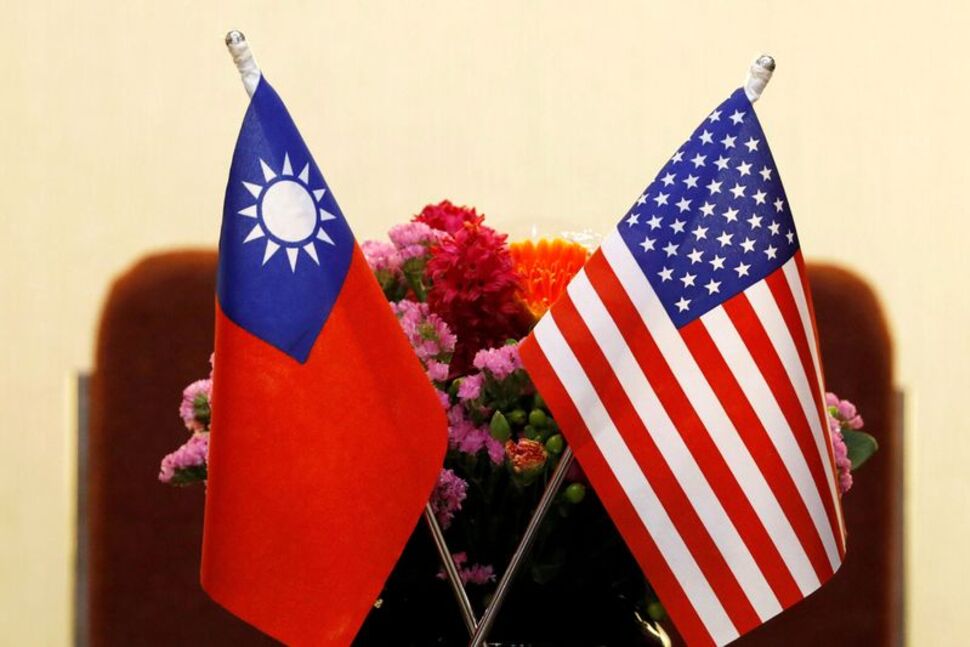
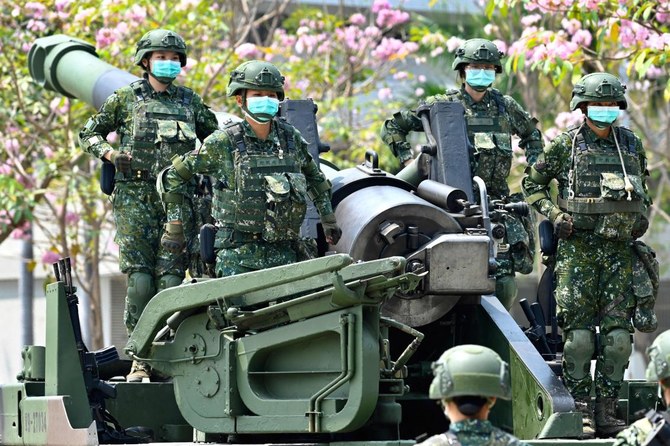
U.S. approved $180 Million arms sale: The Conflict between US-China over Taiwan Continues

Introduction

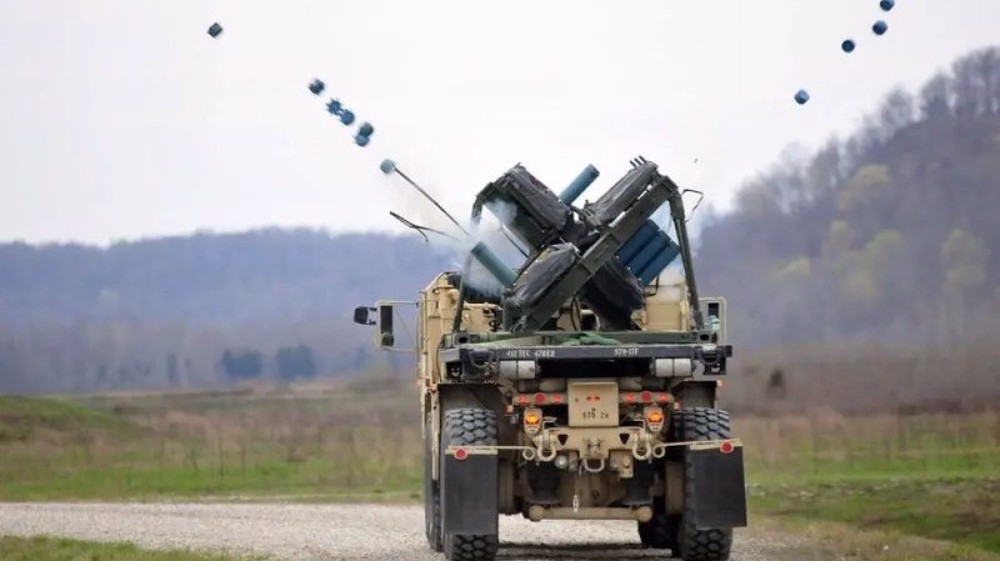
The State Department announced on 28th December, 2022, that the Biden administration has approved a potential $180 million arms sale to Taiwan amid the continued hostilities between Taiwan and Beijing. The administration informed Congress that Taipei Economic and Cultural Representative Office, Taiwan’s diplomatic mission in the United States get a clearance for a potential sale of vehicle-launched anti-tank munitions-laying systems and the myriad of associated equipment and services. According to the State Department statement, “This proposed sale serves the US national, economic, and security interests by supporting the recipient’s continuing efforts to modernize its armed forces and to maintain a credible defensive capability, the proposed sale will help improve the security of the recipient and assist in maintaining political stability, military balance, and economic progress in the region.”


Background

Under the provisions of the Taiwan Relations Act, Washington has traditionally provided the island with arms, and bipartisan support also exists for doing so currently. Following Nancy Pelosi, the speaker of the US House, visit to Taiwan in early August 2022, resulted in the highest level of tensions in many years between the two countries, China and the US. The following month, in September, the administration approved the largest arms sale to Taiwan during President Joe Biden’s presidency of more than $1.1 billion worth of weapons, including up to 60 anti-ship missiles and up to 100 air-to-air missiles. The most recent US defense spending bill that includes up to $10 billion in military aid to Taiwan was signed into law by the US President Joe Biden on 23rd December, 2022. In order to support Taiwan from 2023 to 2027, the bill will provide up to $2 billion assistance annually. Beijing has strongly disagreed with the aspects of a new US defense law in view of the content related to China and urged Washington to give up its Cold War mindset and biases. Additionally, China has made it clear that the country will take “resolute and forceful actions” to firmly preserve its sovereignty, security and development interests.

U.S-China Relations in 2022

Undoubtedly the most volatile and revolutionary year for US-China relations was 2022. China was regarded by the US as a superpower challenge. The Biden administration named China as its greatest security threat in the October release of the U.S. National Security Strategy. To give the US-China relationship some stability, Biden and Xi met in Bali during the G20 conference in November 2022 for their first talks since the former became president. Taiwan, remained a major bone of contention among the two countries. After the visit of Nancy Pelsoi to Taiwan, China increased its military pressure on Taipei and conducted military exercises around the island for a week. The increase in the military from Taiwan was also noticed which increased the possibility of encounter between the militaries of two countries. When Taiwan is seen as the main flashpoint between the United States and China, it puts Taiwan’s security in greater jeopardy because every action is viewed as a win or loss for one side or the other. Taipei would be under more pressure to choose an ally between the United States and China as long as Taiwan is drawn into becoming the primary flashpoint of major powers’ conflict. In the era of US-Chinese rivalry, Taiwan represents the highest risk of a great power war with unclear escalation dynamics in terms of both geographic expansion and use of weapons. The whole situation has not only put the two countries relations at the lowest point in 50 years but now the world peace and security are also at stake.


Conclusion

In the coming years, the relationship between the United States and China are considered to remain tense and a real crisis like Taiwan will continue to destabilize politics and people of the two nations. The competition for global influence and tensions between the two superpowers over economic policies, territorial conflicts in the South China Sea, and Taiwanese independence has increased, that is why war is not an option to deal with the conflicting issue. It requires efficient measures, negotiations and policy execution by both the US and China, as this will not only influence the relations between US-China but will also determine the political situation in the Strait of Taiwan in coming years.


China-Arab States Summit Marks a New Era for Sino-Arab Relations

Introduction

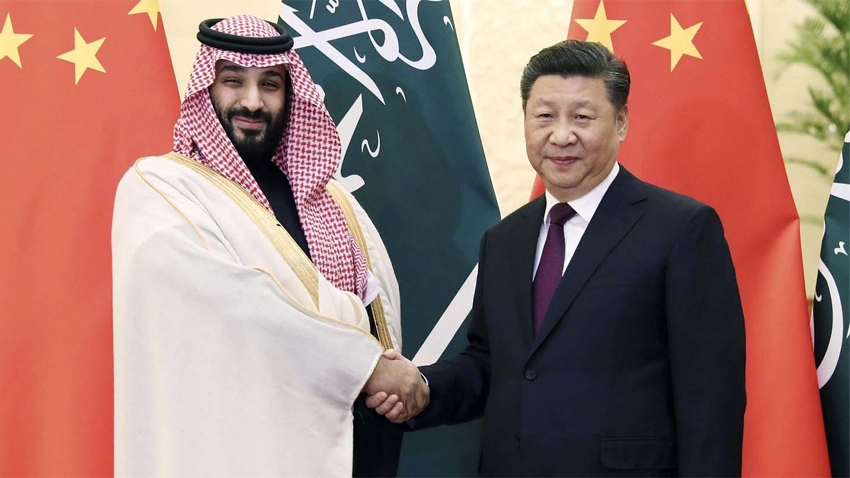
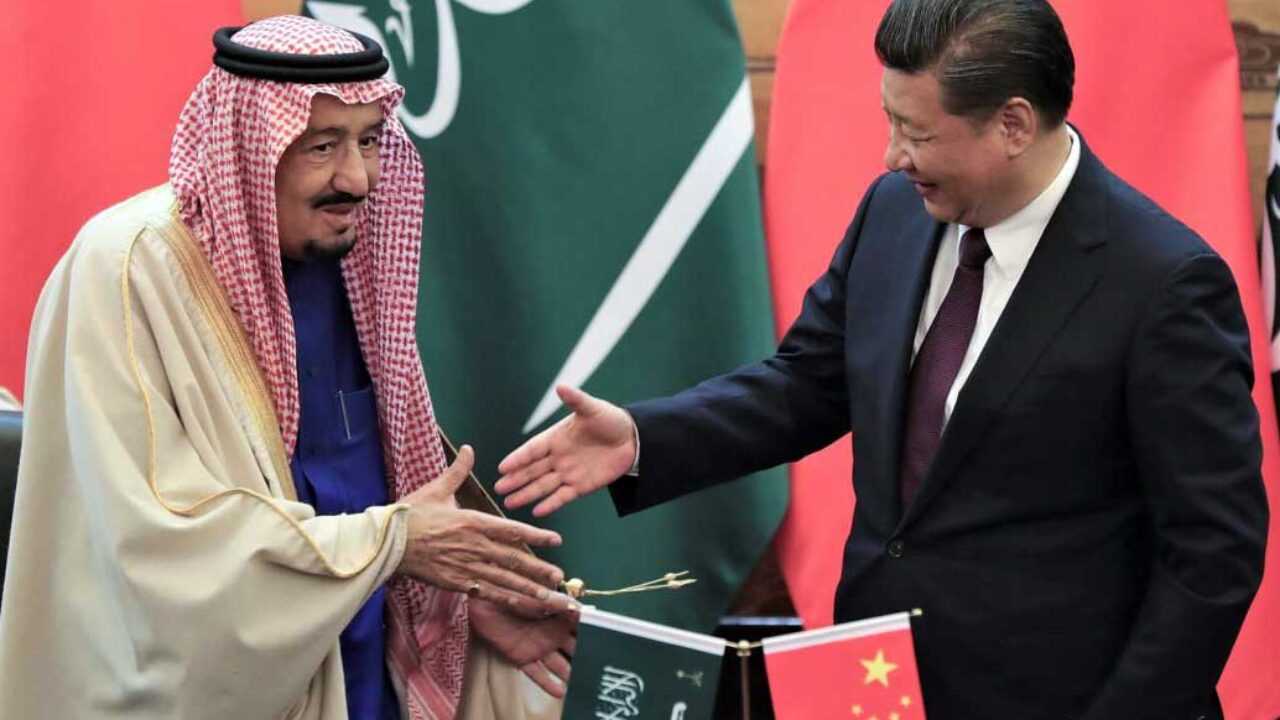
Despite being distant neighbours, China and the Arab states share a long history that dates back about 2,000 years. Relations between China and the Arab states have improved significantly over the past ten years, with collaboration extending into a variety of fields. Relations between China and Arab states will improve following Chinese President Xi Jinping’s recent official visit to Saudi Arabia for the China-Arab States Summit.
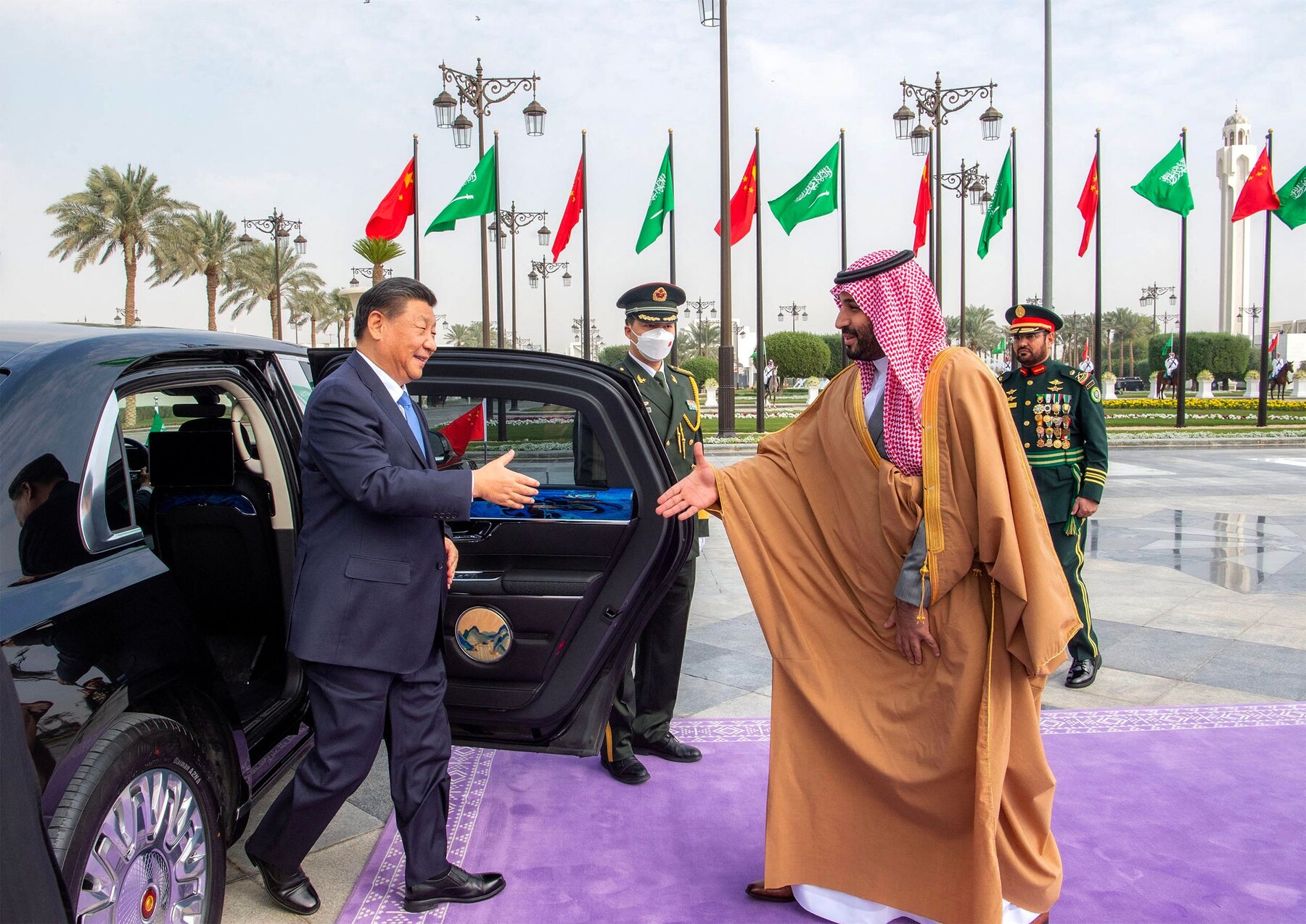
At the invitation of King Salman bin Abdulaziz Al Saud of the Kingdom of Saudi Arabia, Chinese President Xi Jinping went to Saudi Arabia from 7 to 10 December. This visit welcomed the first China-Arab States Summit which was held in Riyadh, Saudi Arabia.
The China-Arab States Summit was attended by President Xi Jinping and other Arab states. Xi held meetings with representatives of Saudi Arabia, Kuwait, Palestine, Egypt, Sudan, Iraq, Morocco, Algeria, Lebanon, and other Arab nations during his visit. China emphasised its support for the autonomous development paths taken by these Arab partners during these discussions, and both China and Arab states expressed their strong belief in international multilateralism.


China-Arab Cooperation

Chinese Foreign Ministry’s Spokesperson Hua Chunying released a report on China-Arab cooperation in the new era prior to the summit. The report considers the summit a historic occasion and mentioned that Beijing will use it as an opportunity to create a China-Arab community with a shared future in the new era.

President Xi Jinping’s Keynote Speech

At this summit, Chinese President Xi Jinping delivered a keynote speech entitled “Carrying Forward the Spirit of China-Arab Friendship and Jointly Building a China-Arab Community with a Shared Future in the New Era”. During the speech, President Xi underlined various topics of discussion including the relationship between the two sides, regional security and stability, cooperation and agreements.
President Xi emphasised that China and Arab countries have had friendly relations for a very long time. As strategic allies, they ought to sustain the spirit of friendship. They should strengthen their ties of solidarity and collaboration and endeavour to forge a more cohesive China-Arab community with a shared future.
Xi also emphasised that China is ready to expand its strategic alliance with Arab countries and safeguard each other’s sovereignty, territorial integrity, and national dignity. The importance of cooperation in the trade, infrastructure, and energy sectors was also stressed.
China calls on the international community to respect the rights of the Middle Eastern people, who are sovereign over their own lives.
President Xi also emphasised the need for both parties to encourage the sharing of government experience, reinforce inter-group ties, and boost personnel exchange. He also said that both parties should cooperate to fight Islamophobia, advance deradicalization, and reject the notion that any one racial or religious group is to blame for terrorism.


Eight Major Cooperation Initiatives

During this keynote address, Xi Jinping emphasised that China will collaborate with the Arab side to advance eight significant cooperation measures across a range of sectors. These include youth development, inter-civilizational discourse, food security, public health, green innovation, energy security, and stability and security.
The speech also emphasised that it is unacceptable to keep ignoring the historical wrongs done to the Palestinian people. China, according to Xi, would continue to support the livelihood programmes in Palestine and provide the country with humanitarian aid.

Made In India

Indian policy is to increase its military, air, and naval enhancement along with technological development as a goal towards indigenization and promoting “Made in India”. India has already started exporting its weapons to other Middle Eastern and African states. It also wants to overcome its trade deficit with China and has banned several Chinese company’s access to its market. Moreover, to counter increased Chinese investments, India and Japan have launched Asia-Africa Corridor to facilitate access to African states as far as in the East Asian region.

China-Arab Community

Both countries’ decision to establish a China-Arab community with a common destiny in the new era marked a historic turning point in China-Arab relations during the summit. In this regard, the eight significant ideas for collaboration that President Xi proposed were warmly reiterated by the Arab leaders present at the meeting. The “Outline of the Comprehensive Cooperation Plan Between the People’s Republic of China and Arab States” was also released at the summit.
China and Arab leaders signed a number of cooperative agreements during Xi’s visit to Saudi Arabia that covered energy, infrastructure, banking, education, technology, and other crucial areas. Also, future collaboration between China and Arab states would see fresh waves of prospects with these recently concluded agreements and MOUs.

China as a Reliable Partner

Prince Abdulaziz bin Salman, the energy minister for Saudi Arabia, said that Saudi Arabia will remain China’s reliable and trustworthy energy partner. President Xi’s state visit to Saudi Arabia will also advance the comprehensive strategic relationship between China and Saudi Arabia. Prince Faisal bin Bandar Al Saud, the governor of Riyadh, Prince Faisal bin Farhan Al Saud, the foreign minister, and Yasir Al-Rumayyan, the governor of the sovereign Public Investment Fund (PIF), all received President Xi Jinping upon his arrival.
The China-Arab States Summit will mark a turning point in the evolution of China-Arab ties. This represents a fundamental shift in the policies of the Arab governments, giving China the power to meet its energy needs. By strengthening its economic and geopolitical relations with one of the largest economies in the world, China, the Arab states will also be assisted in taking advantage of the shifting global order.


India’s Increasing Influence in the Indian Ocean Region

Introduction

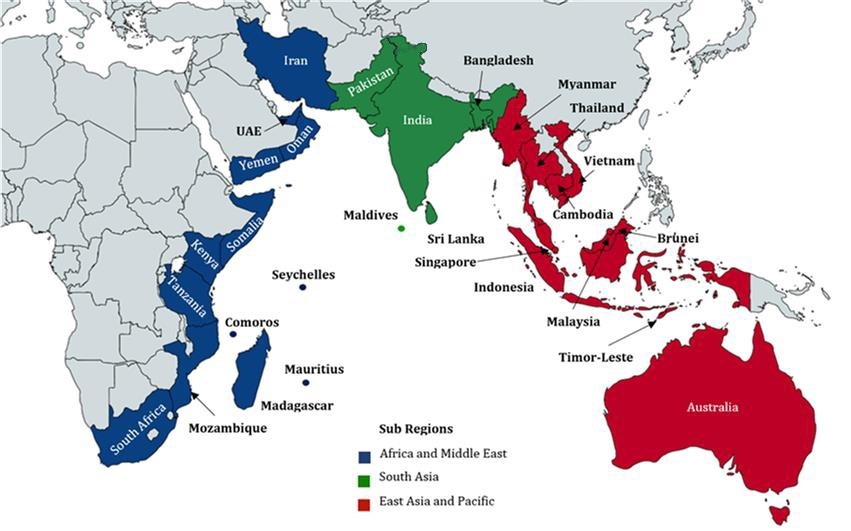
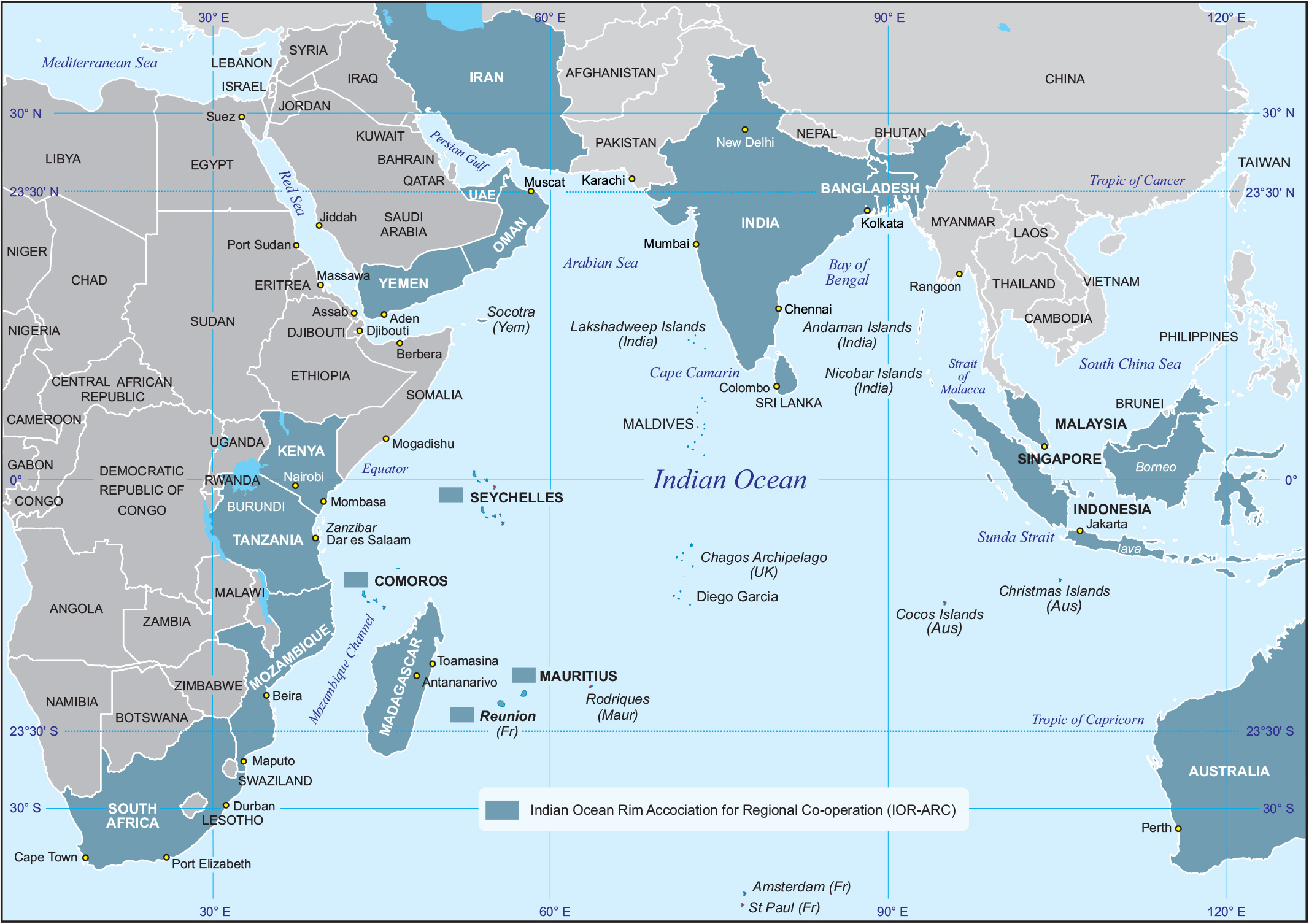
India sits in the middle of the Indian Ocean. It defines the region as “extending from African littoral to Southeast Asia”. With the world’s geopolitics shifting towards the Indian Ocean, India has also started stretching its maritime muscles in the Indian Ocean. India has considered the Indian Ocean as its traditional sphere of influence and aspires to achieve regional power status. However, the rise of China and its increasing footprints in the Indian Ocean has alarmed India. Beijing’s initiatives and power projection in the region threaten India’s maritime interests and power aspirations. Moreover, India wants the US presence in the region but to a limited point. An increased presence would tarnish India’s status in the region as a ‘net security provider’ and the ‘preferred security partner’. It is also concerned that increased US presence in the region could shrink India’s sphere of influence in the neighbourhood.


Significance of the Indian Ocean

The Indian Ocean has gained strategic importance as world politics has shifted towards Asia in all aspects. As it connects three continents, the Indian Ocean is a maritime bridge for trade. It connects energy-rich states of the Middle East and North Africa with the consumer and energy-deficient states of East Asia. The region comprises geo-strategically important sea arteries namely, the Strait of Hormuz, Strait of Malacca, and the Horn of Africa. These are Sea Lines of Communication, which ensure the smooth functioning of global trade. Politically, the Indian Ocean region has the presence of emerging power and major powers like the USA and China. The importance of this region is immense for the world powers to establish or maintain their global power status at large.

India’s Maritime Power

India has historically been unable to project its power in the Indian Ocean because of economic insufficiency and domestic political division marked by several separatist movements. In recent years, however, India has embarked on the path of economic development and has emerged among the world’s top 10 economic powers. India and China both are the biggest crude oil importers and depend heavily upon the Indian Ocean for trade. India feels threatened by the Chinese developments in the Indian Ocean Region and regards it as the ‘strategic encirclement of India’. To counter Beijing’s influence India has adopted many policies and strategies.


India’s Act East Policy

In 2014, Prime Minister Narendra Modi changed India’s Look East Policy to Act East Policy. The vision underlying this policy is Security and Growth for All in the Region (SAGAR). The SAGAR initiative is part of India’s greater proactive foreign policy. It is a strategic move to protect its national interest in the Indian Ocean Region. Under this policy, India has entered into various regional agreements, multilateral and multilateral agreements. It has become part of various regional forums such as ASEAN, Bay of Bengal Initiative for Multi-Sectoral Technical and Economic Cooperation, Mekong-Ganga Cooperation, Asia Cooperation Dialogue, and Indian Ocean Rim Association. In terms of trade connectivity, India-Myanmar-Thailand Trilateral Highway and Kaladan Multi-modal Transit Transport Project are the major initiatives taken by India. Moreover, India has enhanced strategic and economic cooperation with East Asian nations such as Vietnam, Japan, the Philippines, Singapore, and Thailand.

Made In India

Indian policy is to increase its military, air, and naval enhancement along with technological development as a goal towards indigenization and promoting “Made in India”. India has already started exporting its weapons to other Middle Eastern and African states. It also wants to overcome its trade deficit with China and has banned several Chinese company’s access to its market. Moreover, to counter increased Chinese investments, India and Japan have launched Asia-Africa Corridor to facilitate access to African states as far as in the East Asian region.

India’s Changing Naval Posture

India has changed its strategic orientation from a ‘brown water navy’ to an expanding ‘blue-water power projection capability. Under this initiative, many new projects are launched to make India a blue-water navy by 2030. Under this policy, India aims to become a Net Security Provider in the Indian Ocean Region.

Indian Defense Involvement in the Indian Ocean

Moreover, under the Made in India Policy, India is also modernizing its navy and is taking several initiatives in the Indian Ocean Region. These include upgrading the Indian Navy, building ports in many island nations in the region, conducting bilateral and multilateral military exercises, building coastal radar networks and strengthening relations with Island nations in the region.

Conclusion

The Indian Ocean is the future of world politics. Since India became the 6th largest country in the globe, bypassing France, it has inevitably started to establish itself in the region. Chinese interest in the region expresses a concern for India. Moreover, considering the geostrategic and geoeconomic significance of the region, the US has been keen to maintain its presence in the Indian Ocean. Previously, it was in the form of Obama’s ‘Pivot to Asia’ or “Rebalancing Strategy” and now it is the “Free and Open Indo-Pacific Strategy”. All this has raised security concerns for India. Keeping this in context, India is expanding its maritime power in the Indian Ocean to secure its interest and maintain regional dominance.


2023: Will The Inflation End

As we all know that 2022 has been a period of instability and insecurity, It is an unfavorable combination that perfectly captures the state of the globe as 2023 begins. The Ukraine Russia Conflict has triggered the worst land conflict in Europe since 1945, the greatest nuclear threat ever since Cuban missile crisis, and the broadest set of sanctions since the 1930s. Rising food and energy prices are to blame for many nations’ greatest inflation rates since the 1980s and the largest macroeconomic problem of the contemporary age of central banking. Long-held convictions in the sovereignty and territorial integrity of borders, the non-use of nuclear weapons, low inflation, and the continuity of electricity in developed nations have all been challenged at once. This chaos is a result of the events combining together such as, geopolitical is the largest. The American-led post-war international order is under threat, most clearly from Mr. Putin and most significantly from the steadily deteriorating relationship between the US and China under President Xi Jinping. The steadfastness with which the United States and other European nations reacted to Russia’s assault may have given the West, and especially the transatlantic alliance, new life. The gulf between the West and the rest, however, has become wider. Most people on Earth reside in nations that oppose Western sanctions against Russia. The universal principles that underpin the Western system are explicitly rejected by Mr. Xi. The two largest economies in the world are beginning to economically decouple from one another. The impact of this will be globally.

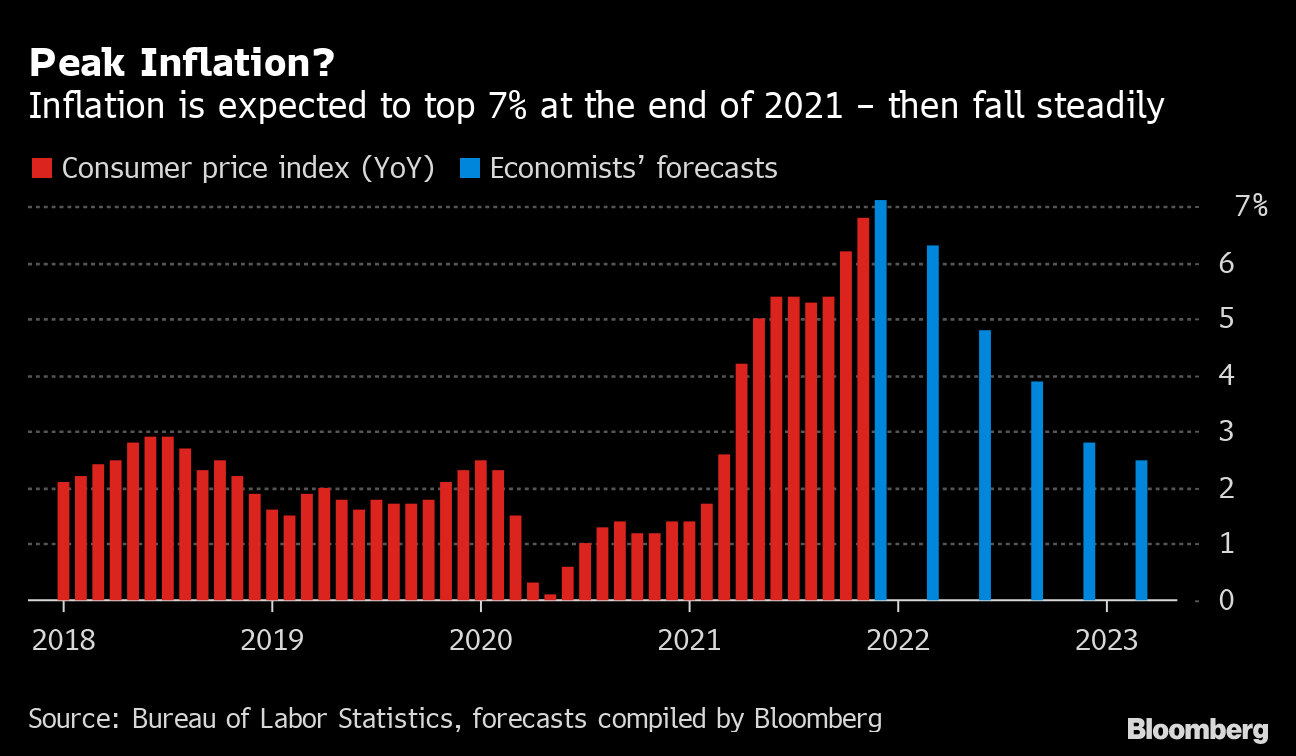
In near future, it is possible to prevent a recession, but it’s extremely improbable. The only policy measures that could prevent a recession would raise inflation, creating the conditions for a future downturn that would be considerably worse. Today, it is even more crucial to seek value from planning rather than just making plans since the economic climate is still quite atypical and appears to be more susceptible to shocks. After the pandemic shock and the following policy reaction, the economy is still struggling. It seems doubtful that we will soon experience calm waters due to new problems brought on by a collision of setbacks and challenges such as strong labour markets, geopolitical energy shocks, and aggressive policy tightening. As the cost of necessities rises, people throughout the world are experiencing inflation at levels not seen in decades. The consequences could still worsen. Global inflation has been caused by a pandemic and conflict. According to the World Food Programme, an additional 70 million people globally have been pushed toward hunger. The consensus estimate for core inflation in 2023 increased from 3.1% to 3.5%. Officials predict that unemployment will increase higher than it did in September of this year.

One of 2022’s most significant headlines was the rise of inflation. A new global recession has been brought about by a number of interconnected problems, including rising oil and food costs, fiscal instability following the epidemic, and consumer uncertainty. It is predicted that worldwide inflation will reach 7.4 percent in 2022. Since 1996, the inflation rate has increased annually at its greatest rate. In many nations, the increase in energy costs was the primary cause of inflation. Household spending on goods and services is being constrained by rising costs. This may make it difficult for those who are less wealthy to pay for necessities like food and housing. In the world economy and international finance, the US dollar has a significant influence. And at this moment, it is stronger than it has been in the past 20 years. The dollar is viewed as a secure investment in any economic environment. During a turbulent time, a worldwide pandemic.


Impacts of Climate Change in North America

Introduction

North America, the third-largest continent is suffering multiple challenges due to climate change. According to macro-trends, in 2022, North America’s population was recorded at 376,870,696, with an increase of 0.42% from 2021. A large number of people are at a risk because of the ongoing climate change situation in the region. If essential actions are not implemented, the region will continue to endure a wide range of climate change-related consequences of greater intensity. It is a fact that North America will be negatively impacted by climate change but it is also true that that this region has historically produced more greenhouse gas emissions than any other continent and is still actively contributing in global warming and climate change. The United States is mostly responsible for this as it is one the region’s largest single emitter of greenhouse gases due to human activities. Just behind China, the United States is currently the second-largest emitter of greenhouse gases worldwide. Changes in rainfall patterns and a sharp increase in the warming of the region are depicting how climate change is already influencing North America.


Trends of Climate Change in North America

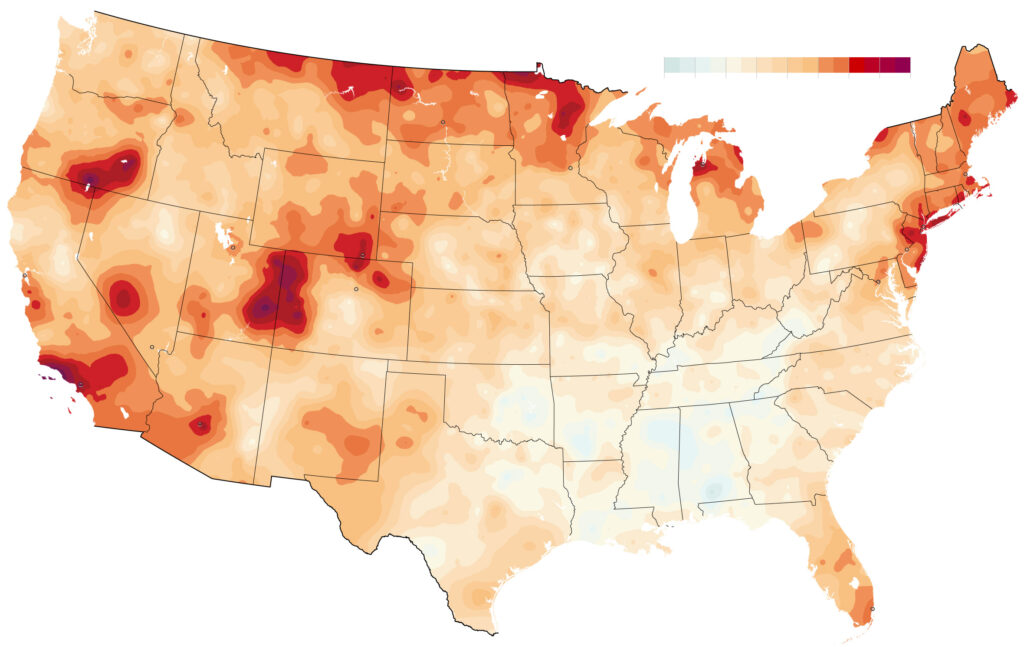
In North America, numerous impacts of climate change are being seen, since 1995 the average air temperature is increasing with the majority of the warming occurring in Alaska, northwest Canada, and the interior of the continent as a result of human-related activities and natural factors. Additionally, the majority of North America’s yearly precipitation of rain and snow has increased. North America has warmed by around 0.7°C over the previous century. If the emissions are low, the warming of the region could stay at 1-3°C over the next century. On the other hand, if emissions are greater, they temperature could rise by as much as 3.5-7.5°C. Accordingly, by the middle of the century, major dangers to North America are anticipated to increase quickly if the overall global warming exceeds 1.5°C. These dangers will have a negative impact on the environment and will cause changes to ecosystems, increased damage to houses and infrastructure, stress on the economy, disruption of livelihoods and well-being of the individuals as well as severe health issues and disorders.

North American Summer 2022

Extreme temperatures were experienced by several countries in the summer of 2022, numerous temperature records at the local, state, and regional levels have been broken due to a series of early heat waves that occurred around the world. Hundreds of millions of people have been impacted by the effects of these heat waves, which have had a particular impact on natural ecosystems, food supplies, energy prices and demand. It is because the agro-ecosystem of North-America has negatively impacted due to climate change and extreme weather patterns in the region. North-America in particular Texas’ temperature was unusually high in May 2022. After a “heat dome” that affected an estimated 100 million people settled in the area, the area saw another warm spell in the middle of June. In spring, the temperature was higher than average in certain areas of Mexico. The heat waves in summer 2022 proved to be the worst, when compared with the average temperature between 1991 and 2020. This demonstrates that during the past few years, climate change impacts have increased in frequency and intensity across North America.


Climatic Facts of North America

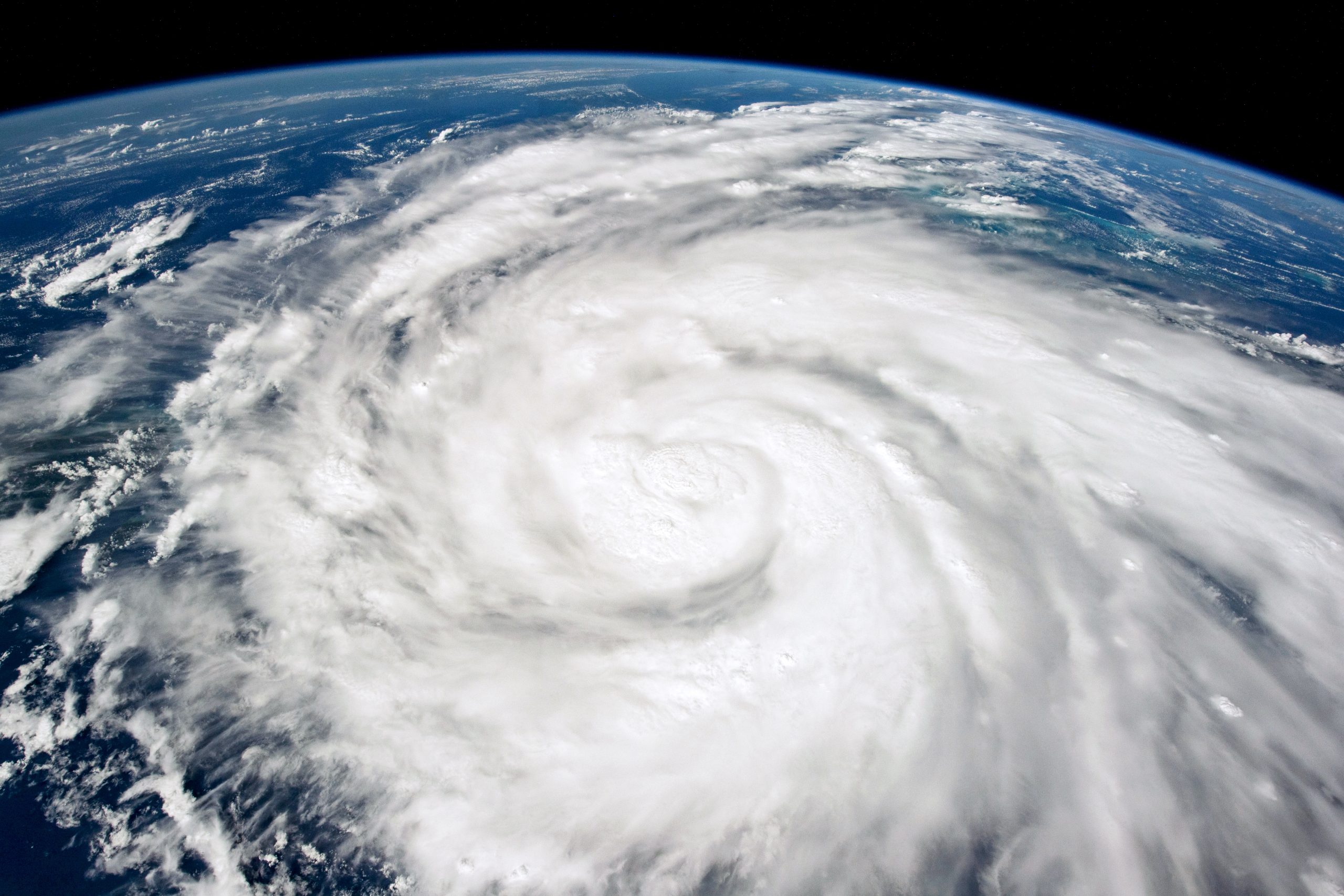
According to projections, climate change will affect North America as a whole, which will create specific problems for risk management and adaptation. These climatic changes in the region grow more evident with rising greenhouse gas emissions and increased levels global warming. The majority of the region is constantly influencing due to greater than average temperature changes which are attributed to human impact. In future, these temperatures are expected to increase at extreme levels in any way. Most coasts are expected to see an increase in relative sea level rise, which is related to more frequent coastal flooding and erosion. Both marine heat waves and ocean acidification are expected to get worse. In a warming planet, there are already losses in glaciers and snow cover and the trend will continue to do so because of the weather patterns affected by global warming. Extreme tropical cyclones, powerful storms and dust storms are anticipated in following areas i.e. Caribbean, USA Gulf Coast, East Coast, Northern and Southern Central America.

Conclusion

To conclude, there is a need to understand the importance of adaptation in North American region. For climate change, Governments has a crucial role to play. Through decision-making process, Governments can involve professionals, policy makers, international institutions, organizations and all other concerned stakeholders, in this way it is possible to mainstream climate adaptation. Furthermore, taking into account the role of private-sector can support adaptation efforts through new and innovative ideas. Planning with equitable solutions, efficient management and effective implementation of the policies along with integrated approaches and coordination are much needed as they will not only recognize the climate risks, challenges and issues but will also help to address them.


Bicentennial Anniversary of US-Mexico Diplomatic Relations

Introduction

The diplomatic relations between the United States and Mexico marks the 200th anniversary. Over the years, the two countries have experienced ups and downs in their relationship, apart from conflicts on issues like migration, trade and border confrontations, they have managed to develop strong cultural, political and economic ties. Considering the major obstacles, Mexico and the United States have worked together on important bilateral matters, such as supply chain flow and border management. Unlike Donald Trump, who frequently emphasized his ambitions to construct a border wall and threatened tariffs if Mexico did not make efforts to deter migrants from trying to cross. There are greater chances for economic integration and stronger political connections under the new Biden government.


President Biden’s Statement on Bicentennial Anniversary

The President Biden’s statement was released by White House on December 12, 2022 for the 200th anniversary of Mexico and United States diplomatic relations. It is said by the President “the United States and Mexico celebrate 200 years of bilateral relations. As the closest of neighbors and friends, we share a set of values that form the root of our strength. We share an enduring commitment to freedom, democracy, and rule of law. And we share a strong and deepening economic and security partnership that has made North America the most competitive and dynamic region in the world.” Additionally, he said “Over the course of our shared history, Mexico and the United States have demonstrated that we are stronger and safer when we stand together. Our futures are irrevocably connected. And today, as we embark on the next century of our partnership with mutual respect and commitment to our shared aspirations, we remember that nothing is beyond our reach if we continue to work together.”

Flashback of U.S. and Mexico Ties

The two countries have long-standing economic, cultural, and historical ties, but the bilateral relationship between the United States and Mexico is among the most complicated one. Mexico has a population of 110 million people and is the 15th largest economy in the world. Mexico is one of the main economic partners of the United States and a significant source of energy for the country, in addition to sharing a border with it that spans almost 2,000 miles. However, since 1830s, migration has remained the one of the major points of contention between the United States and Mexico.

Diplomatic Relations after Biden Administration

Building a stronger institutional foundation for the two-way partnership has been a priority for the Biden administration. Despite disagreements over topics including labour rights, the energy industry, climate change, and investor protections, collaboration between the U.S. and Mexican governments has increased in a variety of areas, including the economy, security, and migration. The beginning of 2021 saw a number of difficult problems between the Mexican and American governments on the economic front. The trade conflicts and the uncertainty in the energy sector appeared to result in a tense relationship between the two nations. However, the Biden Administration collaborated with its Mexican counterparts throughout the year to rebuild economic ties. The United States-Mexico-Canada Agreement (USMCA) and the first North American Leaders Summit (NALS) in first in five years, both made headlines on both sides of the border. But during the first year of the Biden Administration, the High-Level Economic Dialogue (HLED) was revived, which has been considered a major accomplishment.

Conclusion

The Biden and Mexican administrations continue to encounter a number of difficulties as they manage the bilateral relationship after one year. Cross-border ties are on a trial because of number of complex issues including energy, the environment, investor relations, and the humane treatment of migrants. All of these topics are conflicting in both countries, but the Biden team has collaborated with its Mexican counterparts to design strategies and options that ties the two governments together and creates predictable patterns of interaction and areas for the discussion and negotiation on major conflicts. To improve the bilateral relations, there is need that both the countries make efforts to combat cross-border crime, improve law enforcement cooperation,, address human rights challenges, strengthen rule of law and implement the policies particularly for irregular immigration and border management in order to resolve major trans-boundary issues.


16 Days of Activism against Gender-Based Violence

The world’s most common human rights violation is still violence against women and girls. The COVID-19 pandemic already had an impact on its prevalence, which is currently being exacerbated by the intertwining problems of climate change, world war, and economic instability.
In response to this situation, there is a global pushback against women’s rights. Anti-feminist movements are expanding, assaults against female human rights advocates and defenders are increasing, and the position of women’s rights in many nations’ legal systems is deteriorating. Governments are deploying force against femicide and gender-based violence protestors, regressive new laws are making it easier for those who commit domestic abuse to get away with it, and organisations that support women’s rights are being sidelined more.
Evidence suggests that a powerful and independent women’s movement is the most significant force behind the policy change, making feminism’s mobilisation in the face of anti-rights backlash a literal matter of life and death.

16 Days of Activism against Gender-Based Violence

Everyone will be encouraged to participate in these 16 Days of Activism. The voices of survivors and activists will be amplified as a result, bolstering feminist movements and supporting women’s groups. It will also strengthen survivors, lessen and stop violence against women and girls, and defend the rights of women.
An annual global campaign called the 16 Days of Activism against Gender-Based Violence begins on November 25, the International Day for the Elimination of Violence Against Women, and lasts until December 10, Human Rights Day.
Activists launched the initiative at the Women’s Global Leadership Institute’s opening in 1991. The Center for Women’s Global Leadership has continued to organise it each year. People and groups all across the world utilise it as an organising tactic to demand the prevention and elimination of violence against women and girls.
The UN Secretary-General announced the UNiTE by 2030 to End the Violence Against Women campaign in 2008 to promote this civil society movement. This campaign runs parallel with the 16 Days of Activism.

Theme 2022

The UNiTE Campaign has a different topic every year. “UNITE! Activism to stop violence against women and girls” is the theme for 2022. Everyone is encouraged to take part in the effort to put an end to violence against women and girls, to support and stand in solidarity with those fighting for their rights, and to oppose any attempts to restrict those rights.

Say No-Uniting Since 2009

Say NO-UNiTE to End Violence Against Women is a social mobilisation platform that UN Women launched in 2009 to assist the system-wide UN campaign and increase public engagement.
A global petition calling on the world to give priority to eradicating violence against women received more than 5 million signatures during its initial round. The campaign generated over 5 million actions between 2009 and 2013 in collaboration with more than 900 civil society organisations worldwide.
Actions demonstrated advocacy initiatives by governments, activists, civic society, and the UN system. These varied from grassroots national awareness-raising activities to online petitions, social media campaigns, and more. Involving young people and faith-based organisations, reaching out to schools, getting governments to make specific national commitments, and more were all part of it.

COMMIT initiative

Before the 57th Session of the Commission on the Status of Women in 2012, which had as its main topic the eradication of violence against women, the COMMIT campaign was started by UN Women. This urged nations to take a stand against violence against women and girls by pledging new, significant national commitments.
By the end of 2013, 63 countries, including the European Union, had signed on to the initiative and announced particular initiatives to address and prevent violence against women and girls. These included enacting new laws or amending existing ones, ratifying international treaties, starting public awareness campaigns, offering survivors free legal representation, and safe houses, as well as supporting educational initiatives that address gender stereotypes and violence. Additionally, it has increased the proportion of women working in front-line services, peacekeeping, and law enforcement.

Ending gender-based violence in the context of COVID-19

The UN Secretary-General urged all states to include the prevention and reparation of violence against women and girls as a major component of their national pandemic response plans in 2020 to address the rise of violence against women and girls in the context of the COVID-19 pandemic. 146 Member States and Observers responded to the appeal with a statement of strong support.
To spur commitments and action to end gender-based violence in the framework of COVID-19, the Secretary-Executive General’s Committee developed a “Political engagement strategy” for the UN system.
The four primary action areas of Fund, Prevent, Respond, and Collect are what all governments are expected to commit to and do.

A global network to end violence against women and girls

UN Women creates bi-monthly action circulars that are distributed to partner groups and women’s rights activists all over the world to keep the network updated on significant developments and advocacy opportunities.

United Nations Population Fund

By 2030, the United Nations Population Fund (UNFPA) aims to stop all types of violence against women and girls as well as other detrimental behaviours.
Under the theme UNiTE! “Activism to End Violence Against Women & Girls” this year, UNFPA will emphasise digital violence and all other forms of gender-based violence (GBV) that are made possible by technology to make online environments safe. Furthermore, the ability to fuse art and activism to stop violence in both the actual and virtual worlds will be emphasised, along with breakthroughs in GBV prevention and response strategies.

Conclusion

Violence against women and girls is arguably one of the most pervasive, persistent, and severe violations of human rights in existence today. Furthermore, it is still often disregarded because of the impunity, quiet, stigma, and humiliation associated with it. Therefore, such initiatives are necessary now more than ever to raise awareness of gender-based violence and to encourage people to speak out against it.


UN Environment Programme Announces Champions of the Earth Award 2022

The UN’s highest environmental honour is the Champions of the Earth award, given annually. Outstanding leaders from the public, private, and non-profit sectors are honoured. The United Nations Environment Programme (UNEP) Champions of the Earth programme recognises people, organisations, and groups whose deeds have a significant positive influence on the environment.

Host

The Champions of the Earth award is hosted by UNEP. 50 years of groundbreaking scientific research that has shaped international environmental policy have helped UNEP earn its status as the world’s non-partisan authority on environmental matters.
In 2022, the United Nations Environment Programme received a record-breaking over 2,200 nominations for its annual Champions of the Earth award. The UN’s top environmental award honours people and groups from a variety of sectors, including civil society, academia, and the commercial sector, that are breaking new ground in their efforts to safeguard our natural environment.

Categories of the Award

This year, there were three categories for the Champions of the Earth award. The categories were Entrepreneurial vision, Inspiration and Action, and finally Science and Innovation. The prize honours people and organisations that are working to better the world.

2022 Champions

The UN Environment Programme announced the 2022 Champions of the Earth on November 22, 2022.
The champions who were awarded belonged to various backgrounds. These were a wildlife biologist, an environmentalist, a business that manages trash sustainably, an economist, and a woman’s rights advocate. They were chosen out of 2,200 nominations.

Inspiration and Action Category

One of the winners was the cutting-edge environmental non-profit organisation, Arcenciel. It was given the honour of assisting Lebanon for 20 years in trash management. According to Robin Richa, general manager of Arcenciel, “We found many issues affecting the environment and particularly the community and the health of society.” We have made an effort to be strategic in determining the activities where we may have a long-lasting impact.
The second choice was Cécile Bibiane Ndjebet. She is the co-founder of Cameroon Ecology and the head of the African Women’s Network for Community Management of Forests. She has received acclaim for her work in reversing the damage caused by unsustainable rates of river pollution, wetlands drainage, and forest destruction. Ndjebet stated, “I discovered that women were struggling a lot, and I wanted to speak for these rural women, to improve their lives.
Additionally, in 2000, scientist Constantino Aucca Chutas created the group Asociación Ecosistemas Andinos. It has protected 30,000 hectares of land and nearly three million trees in Peru. “We give something back to Mother Earth when we plant a tree. According to Aucca, “We are certain that the more trees we plant, the happier people will be.

Entrepreneurial Vision Category

Purnima Devi Barman, the “Hargila Army’s” leader and a wildlife biologist, is also among the awardees. The greater adjutant stork was saved from extinction by an all-female grassroots conservation initiative. It generates entrepreneurs, improves livelihoods, and gives thousands of women more authority. She recalls being taken by her grandmother as a young girl to the neighbouring wetlands and rice fields where she “saw storks and many other species.” Barman claimed, “I fell in love with the birds.

Science and Innovation Category

Last but not least, Partha Dasgupta was also included in the winners. He has improved economics by informing people about the value of protecting ecosystems and the natural world. Forecasts for the economy include growth, employment rates, and factory investment. “They never discuss the state of the ecosystems,” asserted Dasgupta. “We need to think about it right away, it’s incredibly urgent.”
As of this writing, 106 honorees have received the title of Champions of the Earth, including heads of state, community activists, business leaders, and pioneering scientists. The Sea Women of Melanesia, Gladys Kalema-Zikusoka from Uganda, Maria Kolesnikova from the Kyrgyz Republic, and Barbados Prime Minister Mia Mottley were also among the winners from the previous year.
Every day, people from all around the world take action to invent new ways to restore nature and ensure a healthy planet for future generations. This effort is led by the Champions of the Earth. Their programmes address the triple global issue of climate change, loss of biodiversity and the natural world, and pollution and waste. They serve as a reminder that sustainable growth depends on maintaining the environment.