Bicentennial Anniversary of US-Mexico Diplomatic Relations
Introduction
The diplomatic relations between the United States and Mexico marks the 200th anniversary. Over the years, the two countries have experienced ups and downs in their relationship, apart from conflicts on issues like migration, trade and border confrontations, they have managed to develop strong cultural, political and economic ties. Considering the major obstacles, Mexico and the United States have worked together on important bilateral matters, such as supply chain flow and border management. Unlike Donald Trump, who frequently emphasized his ambitions to construct a border wall and threatened tariffs if Mexico did not make efforts to deter migrants from trying to cross. There are greater chances for economic integration and stronger political connections under the new Biden government.
President Biden’s Statement on Bicentennial Anniversary
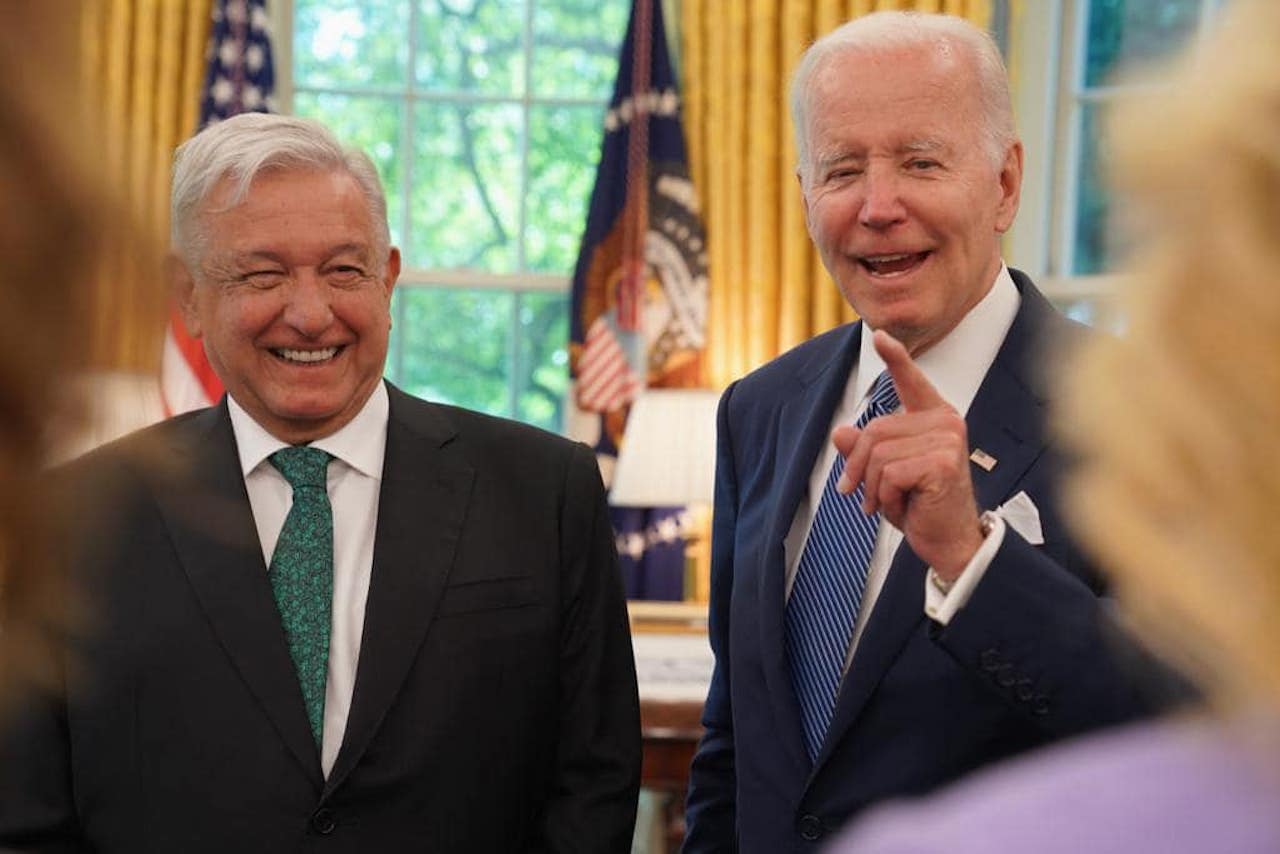
The President Biden’s statement was released by White House on December 12, 2022 for the 200th anniversary of Mexico and United States diplomatic relations. It is said by the President “the United States and Mexico celebrate 200 years of bilateral relations. As the closest of neighbors and friends, we share a set of values that form the root of our strength. We share an enduring commitment to freedom, democracy, and rule of law. And we share a strong and deepening economic and security partnership that has made North America the most competitive and dynamic region in the world.” Additionally, he said “Over the course of our shared history, Mexico and the United States have demonstrated that we are stronger and safer when we stand together. Our futures are irrevocably connected. And today, as we embark on the next century of our partnership with mutual respect and commitment to our shared aspirations, we remember that nothing is beyond our reach if we continue to work together.”
Flashback of U.S. and Mexico Ties
The two countries have long-standing economic, cultural, and historical ties, but the bilateral relationship between the United States and Mexico is among the most complicated one. Mexico has a population of 110 million people and is the 15th largest economy in the world. Mexico is one of the main economic partners of the United States and a significant source of energy for the country, in addition to sharing a border with it that spans almost 2,000 miles. However, since 1830s, migration has remained the one of the major points of contention between the United States and Mexico.
 Diplomatic Relations after Biden Administration
Building a stronger institutional foundation for the two-way partnership has been a priority for the Biden administration. Despite disagreements over topics including labour rights, the energy industry, climate change, and investor protections, collaboration between the U.S. and Mexican governments has increased in a variety of areas, including the economy, security, and migration. The beginning of 2021 saw a number of difficult problems between the Mexican and American governments on the economic front. The trade conflicts and the uncertainty in the energy sector appeared to result in a tense relationship between the two nations. However, the Biden Administration collaborated with its Mexican counterparts throughout the year to rebuild economic ties. The United States-Mexico-Canada Agreement (USMCA) and the first North American Leaders Summit (NALS) in first in five years, both made headlines on both sides of the border. But during the first year of the Biden Administration, the High-Level Economic Dialogue (HLED) was revived, which has been considered a major accomplishment.
Conclusion
The Biden and Mexican administrations continue to encounter a number of difficulties as they manage the bilateral relationship after one year. Cross-border ties are on a trial because of number of complex issues including energy, the environment, investor relations, and the humane treatment of migrants. All of these topics are conflicting in both countries, but the Biden team has collaborated with its Mexican counterparts to design strategies and options that ties the two governments together and creates predictable patterns of interaction and areas for the discussion and negotiation on major conflicts. To improve the bilateral relations, there is need that both the countries make efforts to combat cross-border crime, improve law enforcement cooperation,, address human rights challenges, strengthen rule of law and implement the policies particularly for irregular immigration and border management in order to resolve major trans-boundary issues.

 Say No-Uniting Since 2009
 2022 Champions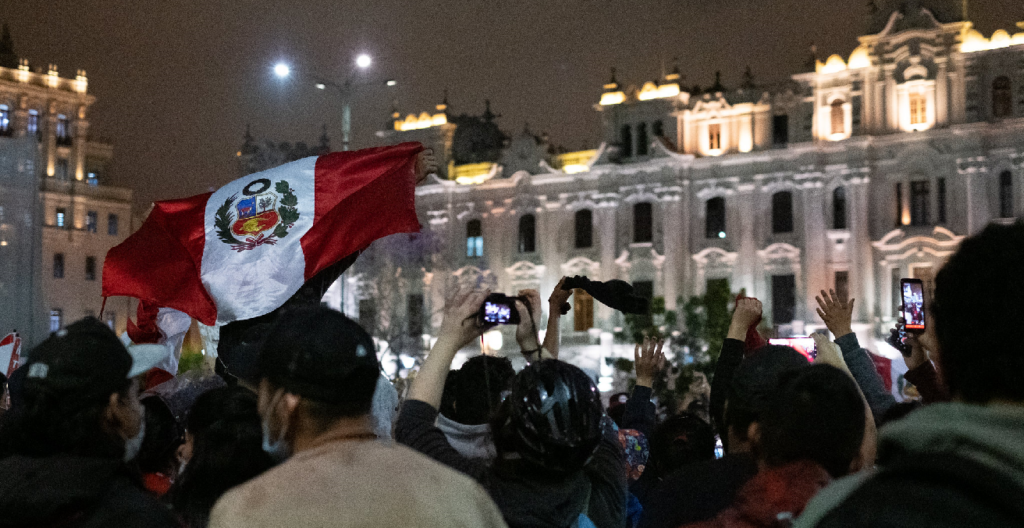

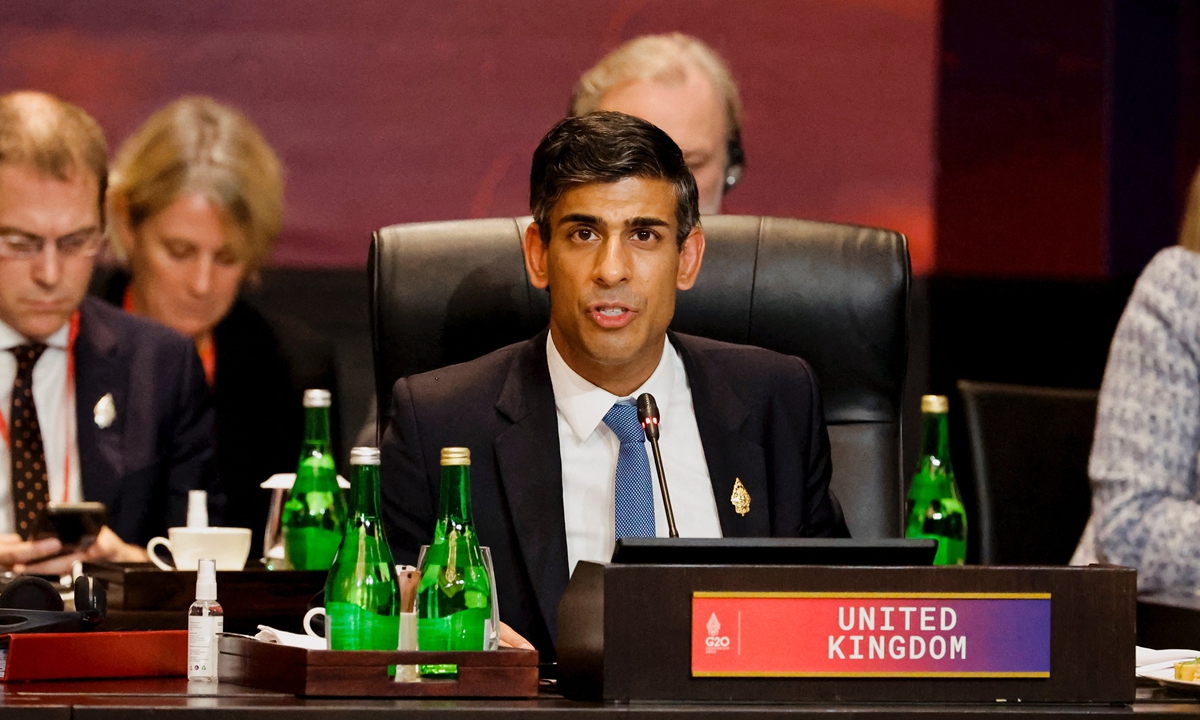
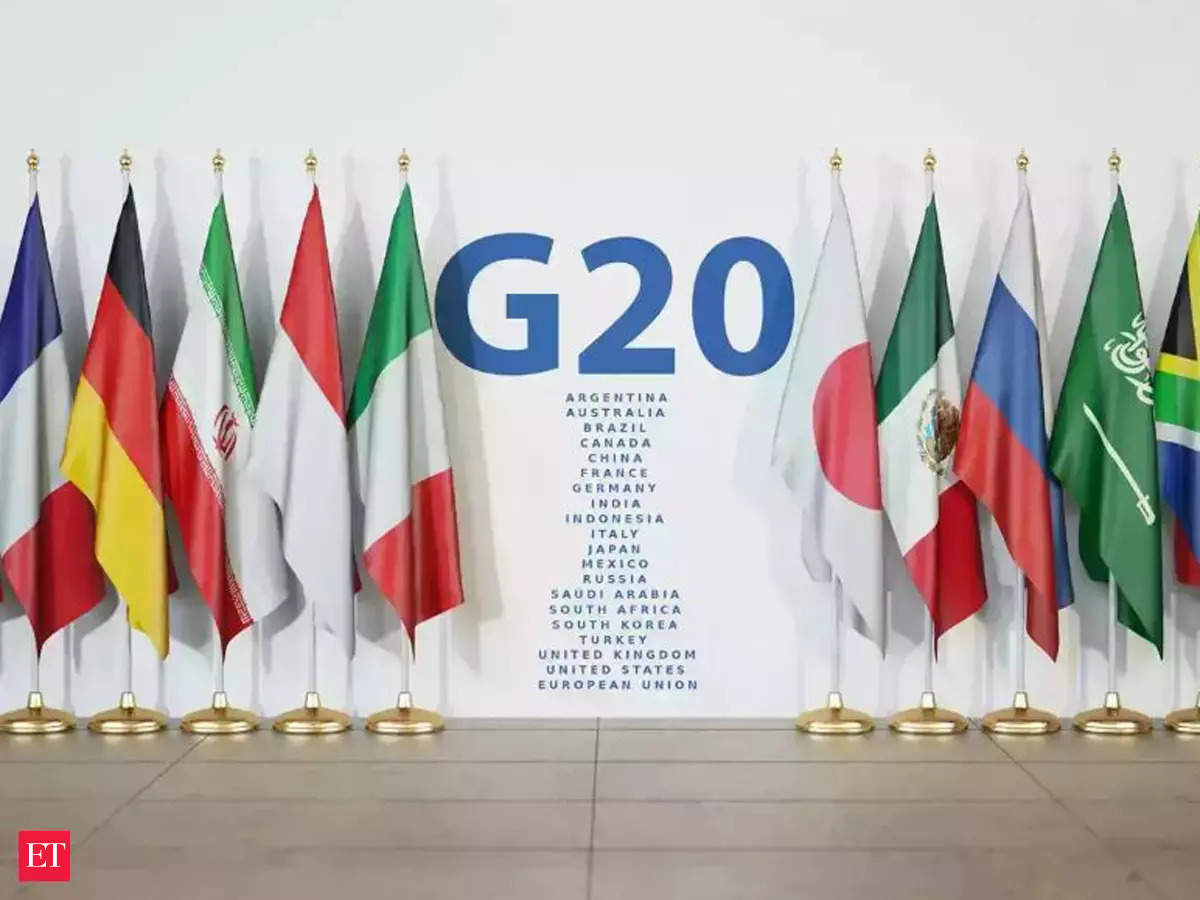 G20 Presidency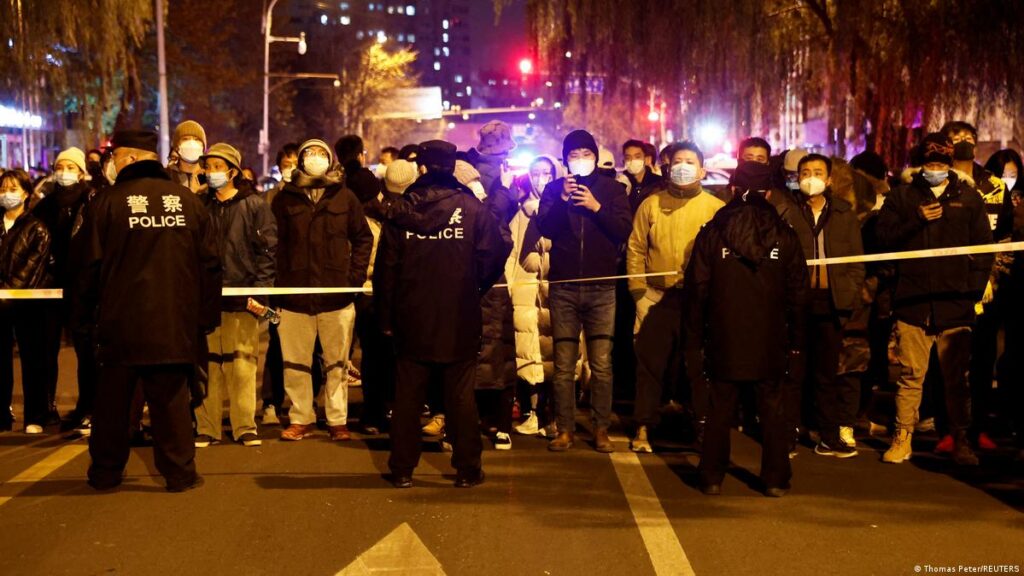
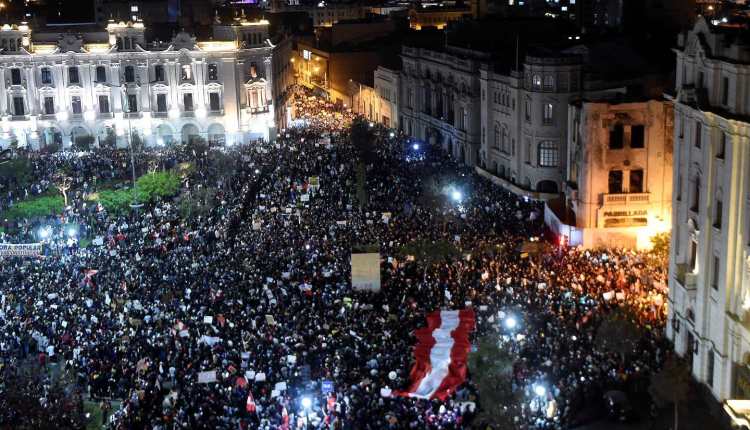
 Where have protests erupted?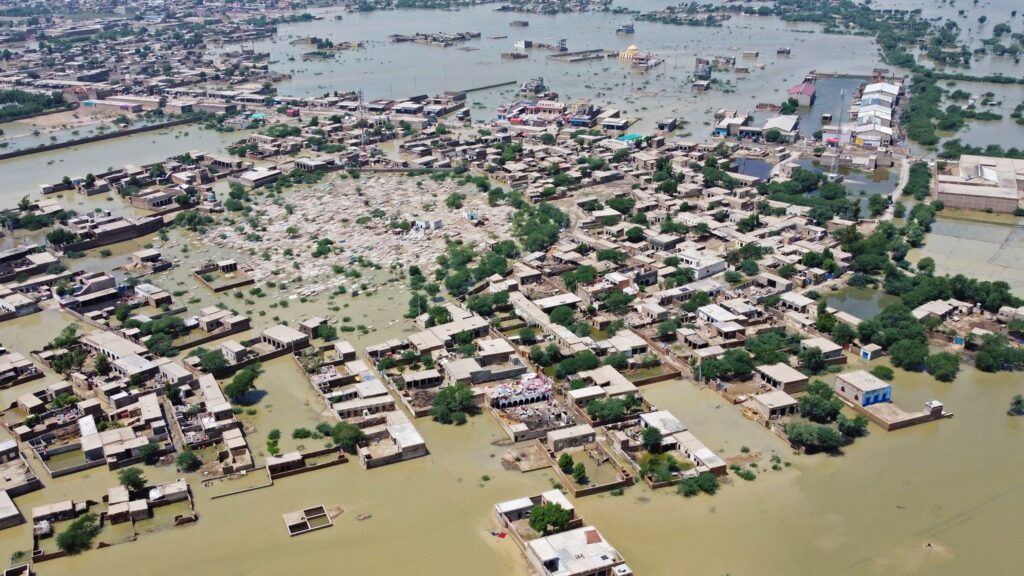
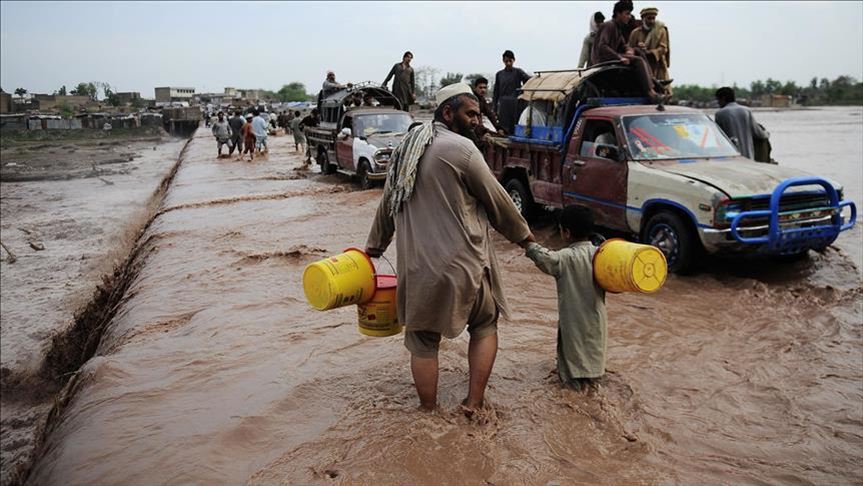
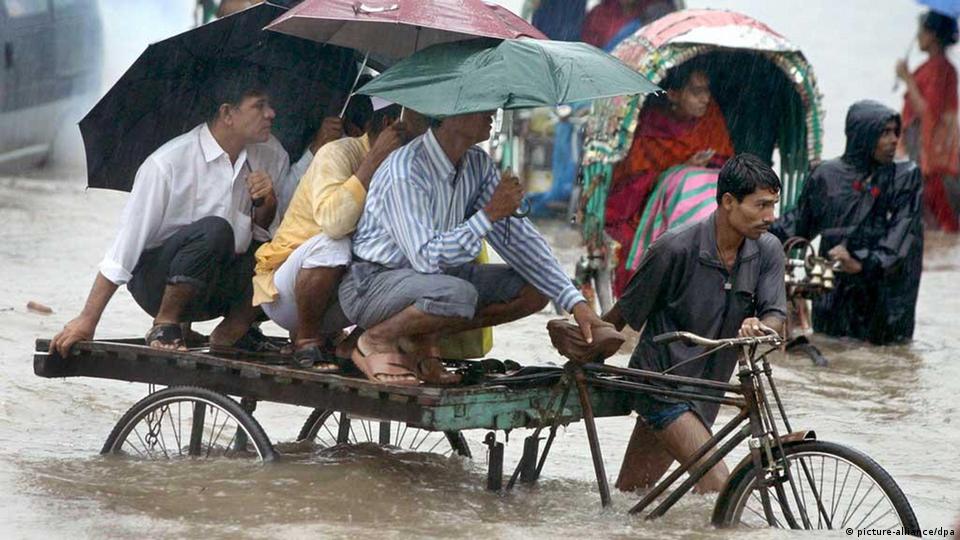
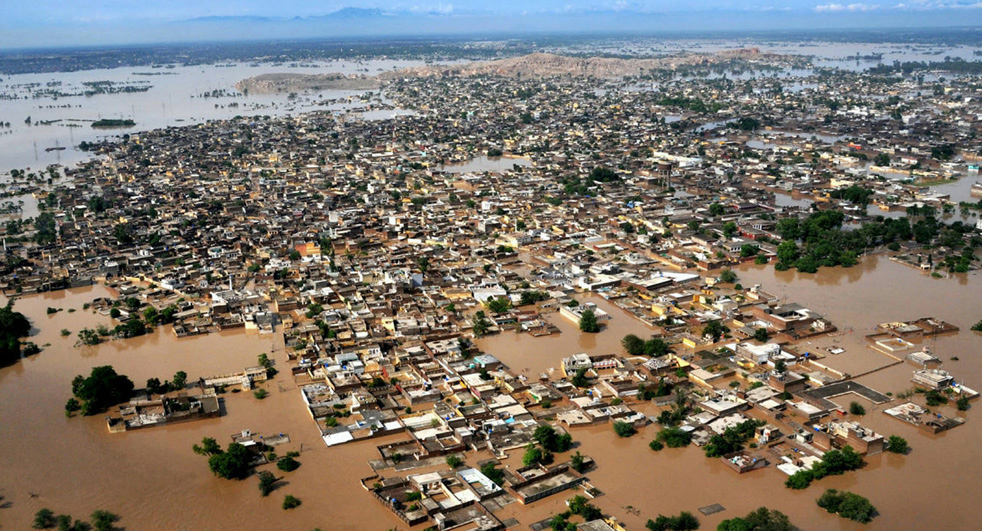 According to how the Pakistani government has handled the flood situation so far, it is clear that our policymakers and the appropriate state institutions did not adequately reflect on the super-floods of 2010. Pakistan requires a lot of assistance from the international community, especially the biggest climate change contributors, but there is also much that has to be done domestically to make the nation more resilient to various climate-related disasters. The colonial administration actually increased the probability of moderate frequency-high intensity flood occurrences by constructing a complex water management system. Pakistan must enhance water drainage, but it cannot deconstruct its irrigation infrastructure. To reduce the intensity of flooding, obstructions that prevent natural drainage of waterways should be eliminated. Flood risk due to heavy rainfall will last for shorter periods of time because to improved drainage. This will thus minimise the severity of evictions, water-borne illnesses, and the loss of human and cattle life. In order to ease drainage and reduce flood damage, it is crucial that important infrastructure, such as highways and railway lines, have functional drainage ditches or other relevant architectural features.
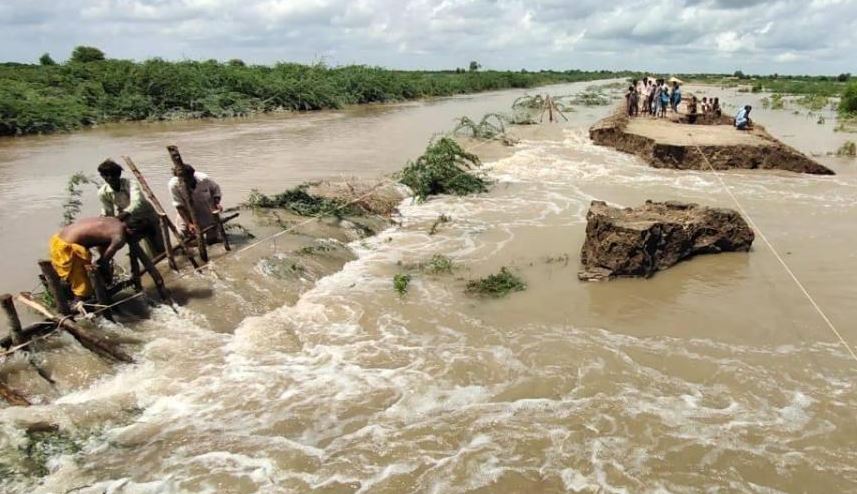 Clearly, Pakistan has given very less attention to disaster-resistant infrastructure development. Smaller dams in Balochistan, for example, and other towns and cities’ already sparse infrastructure and community resources have apparently been destroyed or severely damaged. In its place, the nation is having uneven development with housing societies, hotels, and other infrastructure that encroaches on the floodplains. It is past time for our administrators and officials to stand up to pressure or enticement from influential vested interests and steadfastly reject any real estate developments on floodplains, like the profitable but problematic Ravi River project. Rather than playing a blame game, more attention should be given to preventive measures, risk analysis disaster management and mitigation. Despite the creation of national and provincial disaster management bodies, the nation’s institutional capacity to deal with climatic disasters remains poor. In order to enhance disaster management and preparedness efforts and make them more reactive, local areas must be involved, according to academics and development practitioners. To enable more effective early warning and vulnerability analysis, civil society and other local institutions can play a crucial role in data collection and information sharing.

 CONCLUSION: