Economic Issues The Country Is Going Through
Political unrest undermines economic growth and leads to poor governance, which eventually controls all governmental institutions and brings on recurrent financial crises. Pakistan is the latest victim of this political instability, which could unfortunately spread to other countries. Although this political drama was nothing less than a movie plot, the economic consequences of these events can be dire for the common man and the government as well. The current fiscal year, which ends in June 2023, is forecast to see barely a 2% growth in Pakistan’s GDP. The slower development would be driven by damages and disruptions brought on by catastrophic floods, a tight monetary policy, rising inflation, and an adverse global environment. Not only has this, the political clashes the country is facing also effected its economy. The extent to which political instability permeates the country and the time is quite surprising given its negative impact on economic performance. If Prime Minister takes populist steps like reducing energy prices, Pakistan could go down the same path as Sri Lanka. Economic Impact of Pakistan’s Political Crisis political instability, economic uncertainty and social unrest are developing in Asia and Latin America, Africa and even Europe. Recent significant regional and global shocks, including as growing inflation, the effects of the worldwide food, fertilizer, and fuel shortages, the economic crisis in Sri Lanka, and the devastation caused by the floods in Pakistan, have slowed growth in South Asia. Additionally, it examines how COVID-19 could further affect migration and how free movement of labor and migration might aid in economic growth.

Food prices recorded a year-on-year increase of 14.5 to 15.5 percent this year, and experts have already warned of a looming threat to food security. The country’s reserves fell by an incredible $5 billion. With alarmingly low reserves, Pakistan is expected to service $2.5 billion in liabilities in the current quarter alone. In this scenario, the new government led by Prime Minister Shehbaz Sharif faces a dilemma. Should it use populist measures, such as further cuts in energy prices, to win votes in next year’s general election, or take drastic and necessary steps that would immediately make it unpopular. There is a sudden need to increase the prices, especially of petrol and oil levies, which will provide much needed funds to the government. The existence of panic in commodity and financial markets, the global inflationary spiral, rising food prices and the surge in protests especially in emerging markets show that this process is not limited to Pakistan or Sri Lanka.

According to how the Pakistani government has handled the flood situation so far, it is clear that our policymakers and the appropriate state institutions did not adequately reflect on the super-floods of 2010. Pakistan requires a lot of assistance from the international community, especially the biggest climate change contributors, but there is also much that has to be done domestically to make the nation more resilient to various climate-related disasters. The colonial administration actually increased the probability of moderate frequency-high intensity flood occurrences by constructing a complex water management system. Pakistan must enhance water drainage, but it cannot deconstruct its irrigation infrastructure. To reduce the intensity of flooding, obstructions that prevent natural drainage of waterways should be eliminated. Flood risk due to heavy rainfall will last for shorter periods of time because to improved drainage. This will thus minimise the severity of evictions, water-borne illnesses, and the loss of human and cattle life. In order to ease drainage and reduce flood damage, it is crucial that important infrastructure, such as highways and railway lines, have functional drainage ditches or other relevant architectural features.

Given Pakistan’s economic issues, only sound data analysis would allow for effective and long-lasting policy creation and reform. Policymakers need to identify the reasons why the economy of Pakistan is not expanding at the appropriate rate and create a comprehensive development strategy to execute sustainable growth free from political influence. On the administrative front, a number of challenges need to be resolved; for example, even the finest policies won’t work if they aren’t properly enforced, which is one of Pakistan’s largest concerns. Pakistan requires stability at the same time. Though the concept is sound, it is currently politically impossible. What is more crucial is for Pakistan’s current federal and provincial governments to move beyond putting out fires and advance crucial reforms that are crucial to ensuring the country’s political and economic stability and long-term growth prospects, including in local governance, agriculture, energy, and other areas. In fact, doing so serves their political interests. Many mass protests and rallies on different matters are taking place throughout Pakistan’s regions. In some ways, the protests reflect the state’s unsatisfactory and divisive policies. Pakistan is already dealing with a strange mix of political events. The ruling class in Pakistan needs to understand that this is a unique time in the nation’s history and a political and economic turning point. A significant proportion of Pakistan’s political history is composed of choices that were taken without putting the economic effects into effect. Furthermore, a lot of prior administrations struggled economically because they lacked a competent group of economists who could create long-term economic plans. The need for raising health and education standards as well as streamlining the police and legal systems must be prioritized.

The COP27 Climate Summit

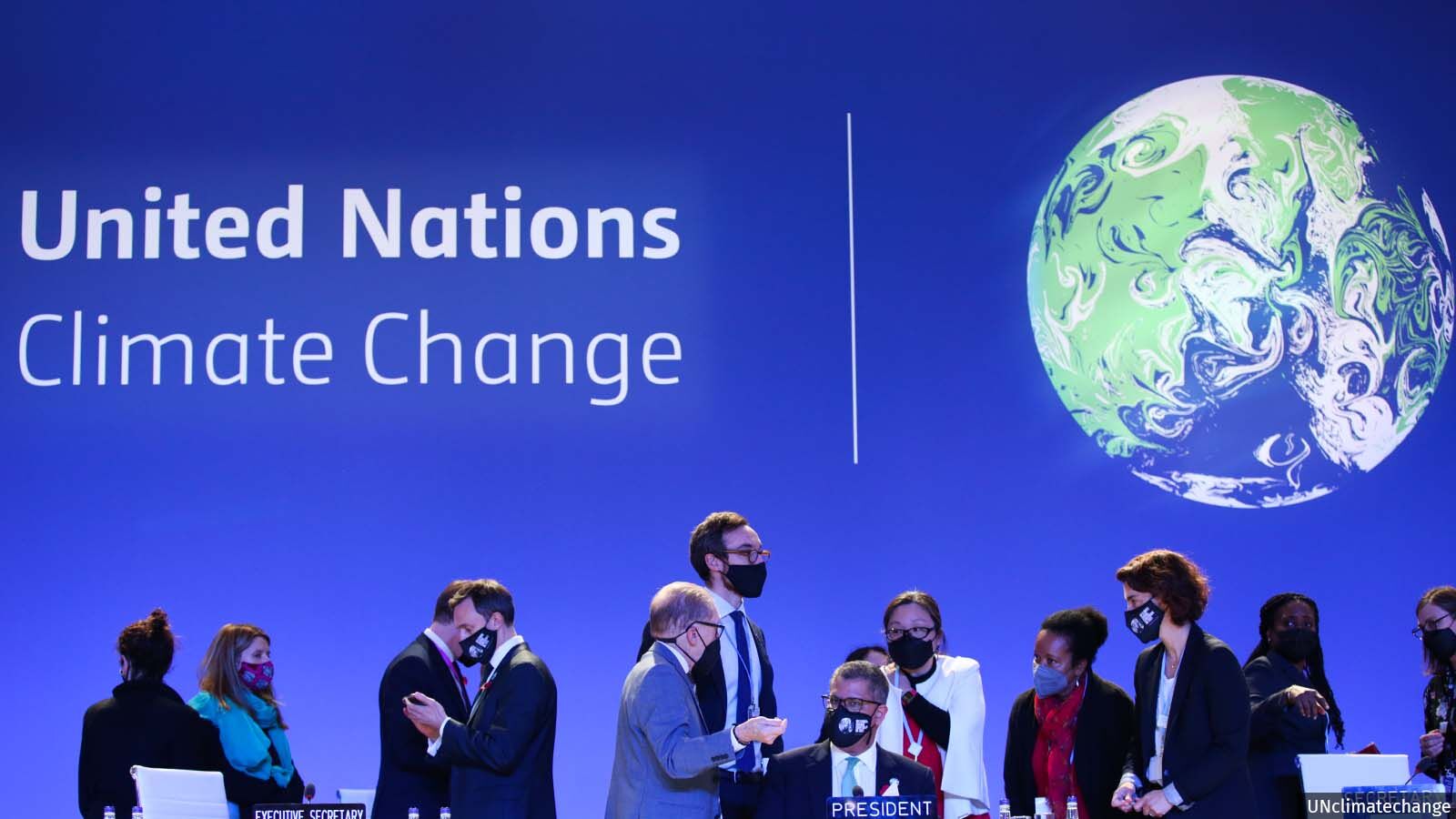
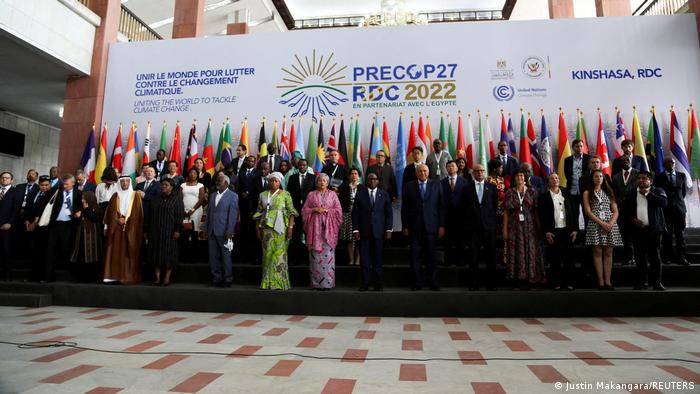
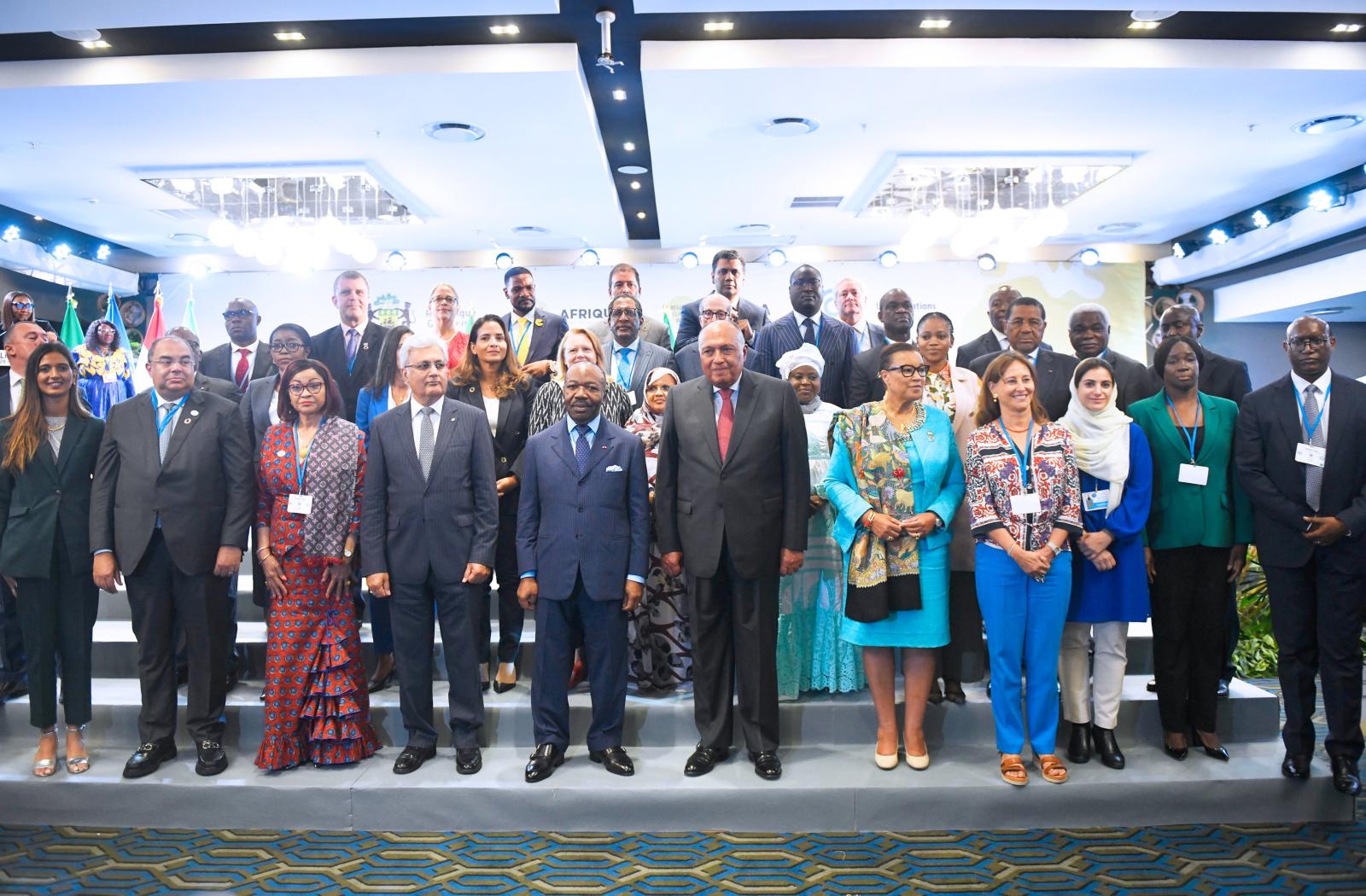
The Conference of the Parties (COP), often known as the United Nations Climate Change Conference, began on 6 November 2022. Global leaders converged on Sharm el-Sheikh, Egypt, where they are debating and negotiating action on issues related to climate change. This summit is anticipated to centre on how countries should allocate financial responsibility for the crisis after a year of terrible climate impacts felt most keenly in developing countries.

About COP27:

197 countries that have ratified the United Nations Framework Convention on Climate Change (UNFCCC), a global environmental agreement, are represented at the climate summit. Leaders from these nations formally gather each year to bargain, decide, and develop solutions to climate issues that are caused by humans.
In March 1995, the first of these seminars took place in Berlin, Germany. Nations decided to keep global warming to 2.7 degrees Fahrenheit over pre-industrial levels during the 21st summit, which was held in Paris in 2015. That was the first COP where nations came to a legally-binding agreement on climate change. The conference has held its 27th session this year.
The two-week conference this year is taking place from November 6 to November 18 in Sharm el-Sheikh, Egypt. The conference will take place in Africa for the first time since 2016 at this time.

Participants of the Summit:

Nearly 200 nations will have representatives there, including President Joe Biden, who is expected to show up on 11 November following the midterm elections. The conference is open to academics, activists, the media, and members of the public.
Vladimir Putin, the president of Russia, Xi Jinping, the leader of China, and Narendra Modi, the prime minister of India, are all absent. Greta Thunberg, a Swedish environmental activist who has previously attended conferences, will also not go this time. As another opportunity for influential people to get away with “greenwashing, lying, and cheating,” she has rejected the event.
The new Prime Minister of the United Kingdom, Rishi Sunak, made national news last week when he declared he would not go “because of other pressing domestic duties. However, he changed his mind and is now present. On the other hand, Charles III would not be there.

Agenda of the Summit:

This year, there will be a lot of discussion about climate financing, or how to pay for tackling and coping with the effects of climate change. “We are going to see huge conversations around finance for adaptation, mitigation, and for loss and damage,” says Lily Odarno, director of the Clean Air Task Force’s Energy and Climate Innovation Program for Africa. “But I also think that we are going to see developing economies try to assert their voices more in the climate debate,” Odarno adds. “Every day, we see the tangible effects of climate change all around us. Therefore, there will be an increased drive for rich nations to accept responsibility for historical emissions.”
Food production, biodiversity, water, gender, climate change, and energy are further discussion points.

Climate Reparations:

The summit agenda now includes financing for loss and damage, also known as climate reparations. The unavoidable social and financial effects that countries are now experiencing as a result of climate change are referred to as loss and damage.
While impoverished nations are most harmed by climate change-related extreme weather, developed nations are the main contributors to carbon dioxide emissions. By the end of this decade, developing countries may need to spend an estimated $340 billion annually on climate change adaptation.
The first U.N. member state to provide loss and damage compensation was Denmark. It committed more than $13 million, or 100 million Danish crowns, to the Sahel region of Africa and other affected areas.

Current Climate Goals:

The newest U.N. emissions gap report sets the world to warm by between 4.3 and 4.7 degrees Fahrenheit by the end of the century, exceeding the Paris conference goal of 2.7 degrees Fahrenheit. This increase is based on countries’ present pledges.
All nations agreed to reinforce and update their pledged carbon reductions during the meeting held in Scotland last year. However, according to the Climate Action Tracker, just 27 out of 193 had actually sent updated plans to the U.N. as of November 8th. A smaller group of nations ratified the Global Methane Pledge, a strategy to cut methane emissions by 30% by 2030, also during COP26. As part of the Inflation Reduction Act, the United States “approved its first-ever charge on methane,” marking one of several countries that have made progress in this direction.
Developed nations pledged to provide developing nations with $100 billion in climate financing annually by 2020 in 2009. It is estimated that this goal would not be achieved until at least 2023.


Israel-Jordan make headway with “Water for Energy Deal”

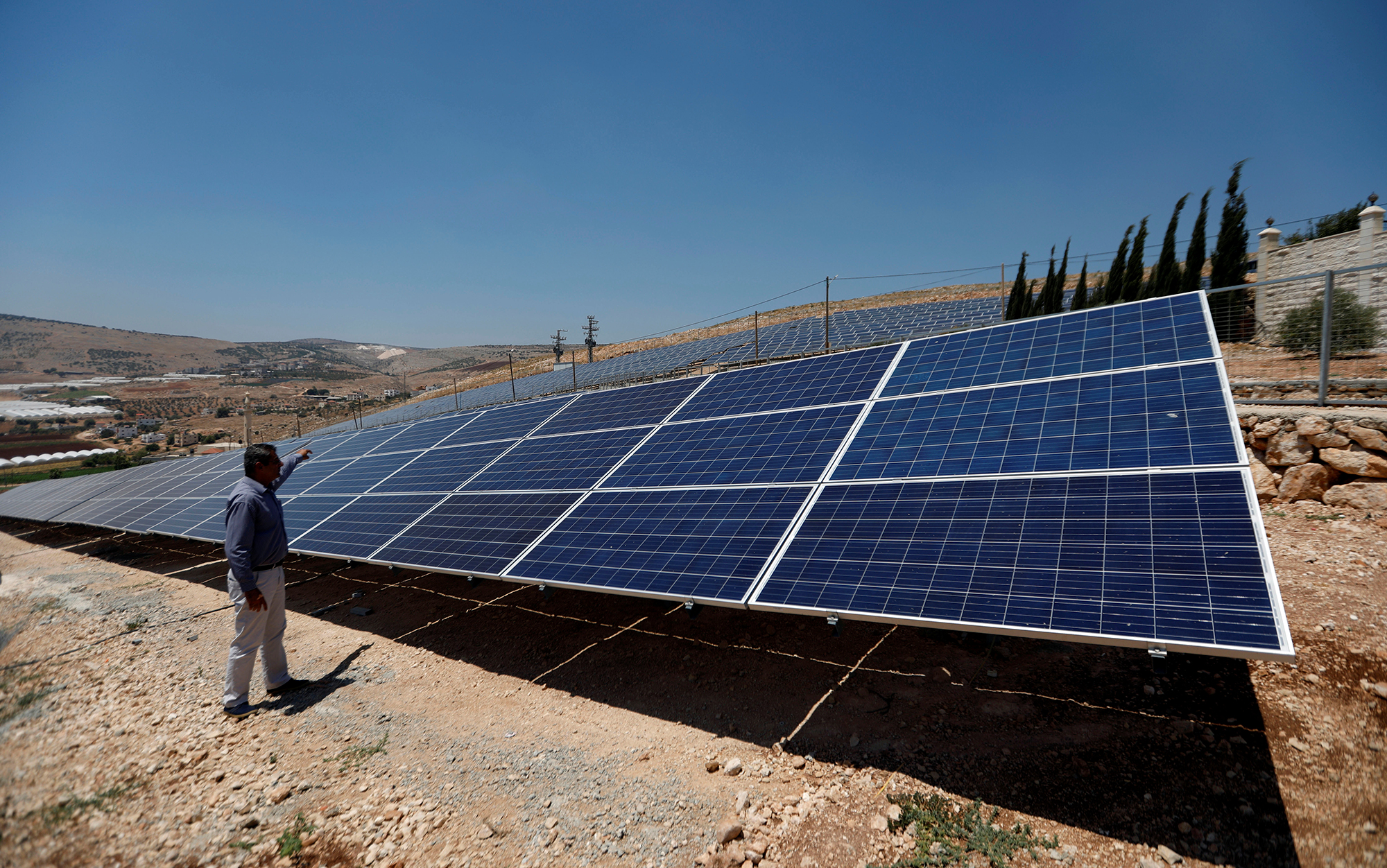
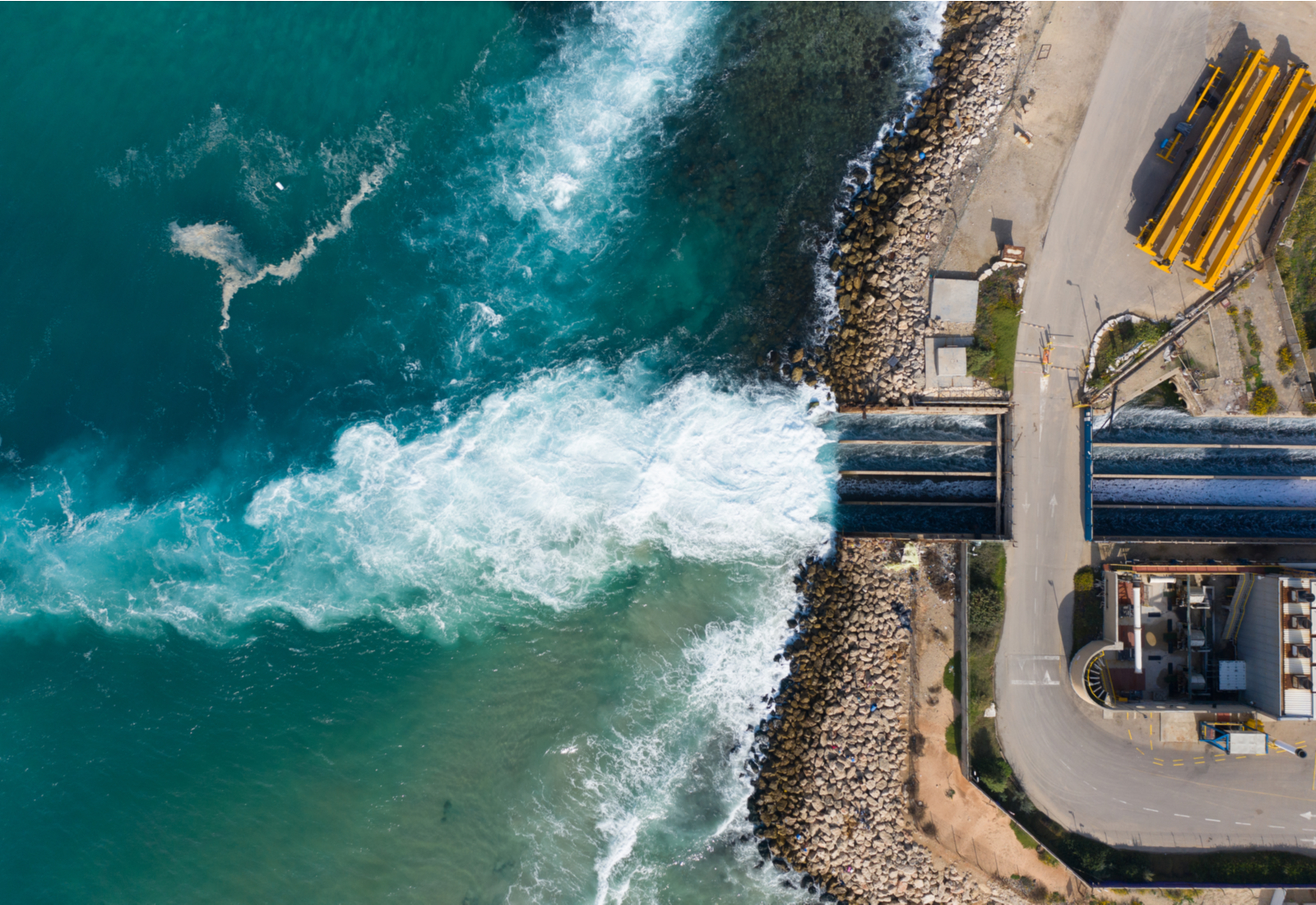
After an early analysis of the project revealed its viability, Israel and Jordan signed a memorandum of understanding (MOU) to proceed with a water-for-energy deal. Jordan is supposed to develop 600 megawatts of solar power generating capacity that would be transferred to Israel, according to the plan, which was first revealed a year ago. Israel would give Jordan 200 million cubic meters of desalinated water in exchange for Jordan’s water. The United Arab Emirates, which in 2020 became the first Gulf state to normalize relations with Israel and has been a partner in the project, held an event during the COP27 climate summit in Egypt where the MOU was signed. This will be the first time that the nations have worked together on such a project. The Middle East is particularly sensitive to climate change. Considered one of the largest energy projects between Jordan and Israel since the Wadi Araba Treaty was signed in 1994, the recently proposed “water-for-energy” agreement is a significant energy project between Jordan and Israel. Through this agreement, regional collaboration on environmental issues could be strengthened.

Although political institutions signed the pact, Ecopeace Middle East, an environmental NGO that operates in Palestine, Israel, and Jordan, is the organization that came up with the proposal. According to the director of Ecopeace Jordan, “in 2020, we produced the Green Blue Deal for the Middle East report which included exchanging renewable energy and desalinated sea water between Jordan, Israel and Palestine.” The parties have agreed to carry out feasibility studies related to the development of the solar power plant and the necessary infrastructure in Israel to desalinate water from the Mediterranean Sea and transport it to Jordan, as per the declaration of intent (DOI), which was finalized last year in Dubai. According to the director of Ecopeace Jordan, “Jordan has the potential to become a regional powerhouse for creating renewable energy, while Israel possesses an advanced desalination technology.” As climate change and population growth are likely to exacerbate water scarcity in the region, the likelihood of conflicts may also rise. “The main benefit of this project is that it enables the parties to meet their carbon reduction commitments and to secure extra quantities of water and renewable energy at relatively cheap prices.” The new proposed deal is supposed to capitalize on the natural resources of each country. According to UNICEF, Jordan’s agricultural output could be seriously hampered by reduced water availability, lower crop yields, and possibly crop failures. Although it only makes up about 5% of Jordan’s GDP, agriculture uses more than 50% of the country’s freshwater. The demand for water is rising as Jordan experiences rapid urbanization and an influx of immigrants and refugees. Water is a resource that spans across sectors and necessitates cooperation from different stakeholders. In this situation, the subsidy and tariff system, whose implementation should be gradual, can be proved helpful. In the meanwhile, it is crucial to encourage the adoption of water-efficient methods and technology, notably in agriculture sector.

Historically, war and unemployment drive more migration within MENA than water-related events such as drought. But in the region, political conflicts over water resources have a long history. These are more the outcome of a lack of collaboration over unequally distributed common resources than a true dearth of water in the area. Jordan, a downstream nation, depends substantially on collaboration with its upstream neighbors because it receives 40% of its water from trans-boundary basins. Effective cooperation over shared water resources remains difficult despite years of discussion. However, creative initiatives could pave the road for increased collaboration, such as the water-energy accord between Jordan and Israel. Jordan has yearly renewable water resource availability per person of fewer than 100 cubic meters, which is already far below the 500 cubic meters mark of “absolute water scarcity.” Without strong actions, the situation is likely to get worse as Jordan’s water resources are rapidly running out. If the “water for energy” deal between Israel and Jordan is successfully implemented, it may assist to alleviate some of the problems with water and energy security brought on by climate change in Middle East, as well as to promote the renewable energy sources, sustainable water supply and stability in the region.


Alliance for International Drought Resilience

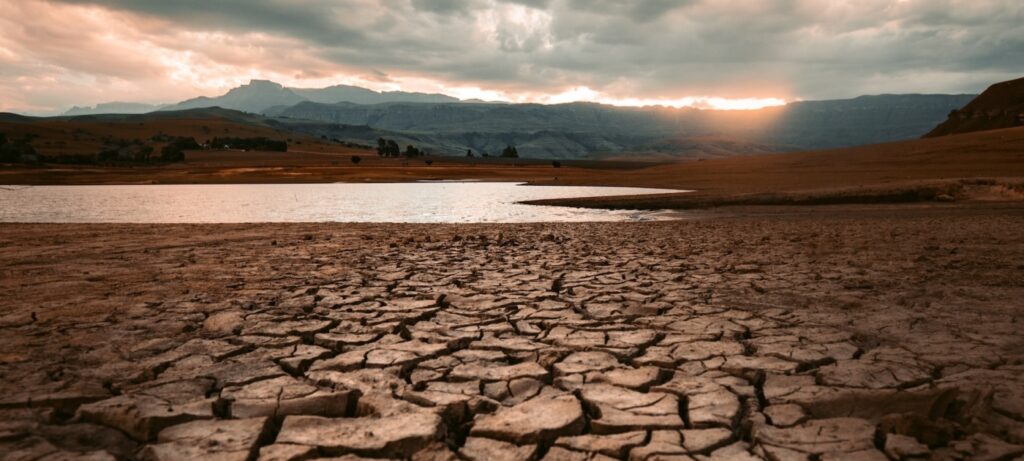
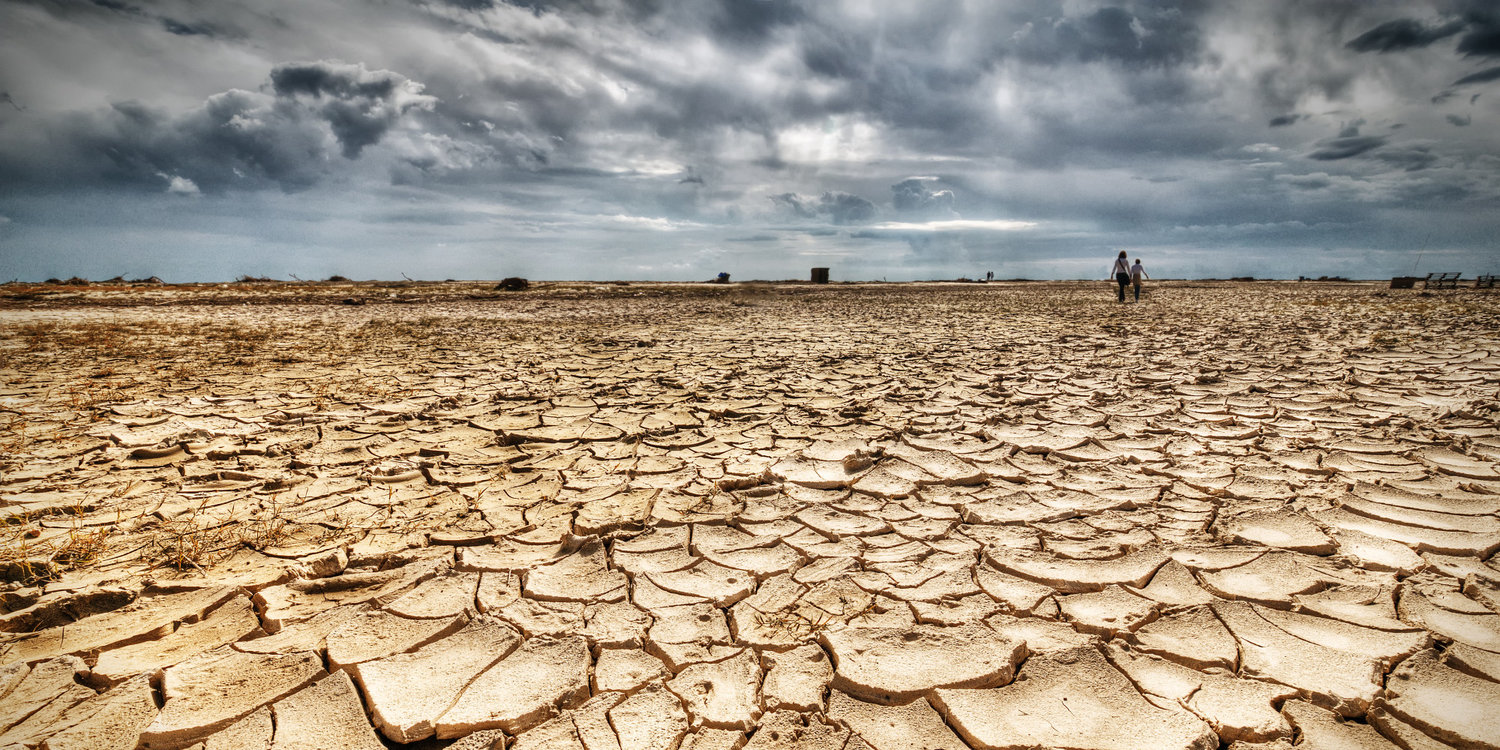
Almost every country is impacted by drought, including its implications on energy, food and water security as well as forced migration and resource based conflicts. In addition to the loss of life and human suffering between 1998 and 2017, drought resulted in economic losses of almost 124 billion US dollars. These extreme droughts have a big influence on human health, agriculture, energy, transportation, and tourism. The 2022 droughts in Europe, United States, Australia, Chile and southern Africa, showed that no country or region is immune to their impacts. While considering the drought situation, leaders from around the world agreed that there is need for an international platform for cooperation with the highest degree of political engagement, and a network to deal with the challenges associated to drought. It is projected by the Intergovernmental Panel on Climate Change (IPCC) droughts are expected to occur more frequently and last longer in the near future as a result of climate change. By 2050, according to the IPCC, three out of every four people on earth would be residing in drier, water-scarce environments. Worldwide, 2.7 billion people were affected by droughts between 1900 and 2019, and 11.7 million people died as a result. By 2050, up to 216 million people may be compelled to migrate, mostly as a result of drought combined with other issues like water scarcity, declining food production, sea-level rise and overpopulation.

Drought is a typical element of the climate, despite the perception that it occurs infrequently and without warning. Drought has a substantial impact on both developed and developing countries, while the effects vary greatly depending on the circumstances of each situation. In response to drought, Spain was the first country to announce the International Drought Resilience Alliance during the 77th UN General Assembly in September 2022, and it was decided to present formally in November 2022 at the 27th session of the Conference of Parties. For COP27, world leaders, delegates and policymakers gathered in Egypt. The International Drought Resilience Alliance (IDRA) was established on November 7, 2022 at the 27th COP to the United Nations Framework Convention on Climate Change (UNFCC) by Spain and Senegal led 30 countries and 20 organizations. The alliance is meant to serve as a forum for collaboration that will aid in igniting political action and momentum in support of countries, towns, and communities. By promoting effective and efficient preparation and adaptive measures, it attempts to go beyond disaster response to minimize the countries and the communities’ vulnerability to drought. According to the UN Convention to Combat Desertification’s executive secretary “Drought is a natural hazard but does not have to lead to human disaster. The solutions are available, and we can create a drought-resilient world by increasing our ambition, harnessing the political will, and joining forces to act together.” The Alliance will get benefit from the recent political pledges, such as the seed funding of 5 million euros made by Spain to support the alliance’s activities and launch a process to gather more resources for this objective. One of the alliance’s key objectives is to assist the integration of the regional initiatives so that technology can be transferred, innovations can be shared, and resources can be mobilized swiftly. The International Drought Resilience Alliance (IDRA) urges decision makers to give drought resilience the highest priority in national cooperation and development, particularly through strengthening participation of concerned stakeholders.

Drought

In order to control the risk of a drought and gain political support, effective policies and proper governance is of utmost importance. The role of policy makers is significant regarding this situation, they should consider drought risk assessments which can help to develop coping mechanisms and management strategies. There is a need of strong political commitment, community participation, and consideration of local realities and indigenous knowledge. The coordination of efforts, the dissemination of knowledge, the support for implementation of the projects and the facilitation of efficient and affordable practices are all key roles that the regional and international communities are required to play. All the countries should work to increase awareness of the drought and manage knowledge to lay the groundwork for a society that reduces the danger of drought and builds resilient communities. As a result of climate change, droughts are becoming a greater threat to societies. They have enormous impact on a significant population and a large territory. In addition to resulting in financial losses, droughts have the potential to damage ecosystems and jeopardize food security in countries that are most vulnerable. Additionally, in order to lessen the potential negative consequences of drought, it is essential to develop efficient drought mitigation and preparedness strategies and shift from policies to practices.


Sports Diplomacy

New types of diplomacy, including digital, health, cultural, and, most significantly, sports diplomacy, have evolved as a result of increased globalization brought about by commerce, travel, and media. Sports diplomacy is unrestricted, in contrast to other types of diplomacy, since they are an international phenomena that cuts beyond language, national, and cultural barriers. True sportsmanship encourages camaraderie, respect, and tolerance among other universal qualities, much like the goals of conventional diplomacy. As a result, utilizing sports as a diplomatic instrument is natural and effective in fostering international understanding.

A new name for an ancient tradition, sports diplomacy refers to the special ability of sport to unite people, communities, and nations through a common love of physical activity. Due to the lack of a solid theoretical foundation, this power to bring disparate people together, further foreign policy objectives, or support sport for developmental activities elusive. However, there are different theoretical frameworks like traditional sports diplomacy, modern sports diplomacy, sport-as-diplomacy, and sports diplomacy which are starting to take shape. These new frameworks help to clarify the complicated terrain where sport, politics, and diplomacy collide as well as the drawbacks of utilizing sport as a tool to bridge and mediate gaps between individuals, no state actors, and governments. There has never been a more crucial time for sport. The 21st century has so far been characterized by fragmentation, reflection, and the nation-withdrawal states from the globalization agenda. In such a setting, international relations academics, students, and practitioners are starting to reevaluate how sport may be utilized to address issues like gender inequality, climate change, and the UN Sustainable Development Goals, among others. Focusing on the diplomacy, diverse networks, and processes associated with the role sport may play in addressing the enormous conventional and human security concerns of our day will help to strengthen these integrative, beneficial activities.

Although a country’s government often engages in sports diplomacy on a bigger scale, a variety of actors, including individual athletes and professional or amateur teams, can advance the idea. Additionally, think tanks, NGOs, and other private ventures within the private sector can help a government’s efforts and adopt sports diplomacy within their fields of specialization. To engage in this form of diplomacy, you don’t need to be a diplomat. Sports are borderless and transcends cultural barriers. Sports diplomacy may therefore take place whenever and whenever. Along with major sporting events, sports diplomacy may also take place in educational institutions as part of exchange programmers for athletes or through seminars that focus on sports and can be offered by both public and private sector projects. Sports may not cause significant changes in geopolitics, but they do promote interpersonal communication, which can change attitudes and perspectives. Meeting, or competing against, individuals from nations that have been unfairly stereotyped by the media or the government humanizes the opponents, creates chances for understanding, fosters connection through shared interests, and makes friendships easier. A more recent instance of sports diplomacy happened when the national soccer teams of Turkey and Armenia were scheduled to compete against one another in a 2008 World Cup qualifying game. Armenians have sought formal, worldwide acknowledgement of the 1915 ethnic purge and deportation of more than one million ethnic Armenians by Turkish Ottoman forces as a genocide for more than a century. Other than that Pakistan and India play many games together like cricket is also a gesture of sports diplomacy. His Olympic Games are the earliest and maybe finest example of sport diplomacy. The Olympic Truce has been a part of the Olympic Games since they first began in Ancient Greece. The purpose of the Olympic Truce is to guarantee the security of athletes’ and fans’ transit to the Games in conflict zones. People are able to set aside their differences and join together during the Olympic Games in the spirit of global collaboration. People come together via sports at international contests such as the Olympic Games.


Maritime Security And Its Importance

One of the biggest industries on the globe is maritime, and maintaining activities at sea while keeping everyone safe calls for a concerted effort. In order to increase security enforcement without impeding timely international trade, marine security must be implemented. This demands expertise and alertness. Security officers must employ best practices to protect their boats from both internal and external threats since maritime security is a specialized field in the marine industry. These dangers take many various forms, and each calls for a unique defensive approach. Even though security concerns aren’t always bad, keeping ships secure is always a top priority. A greater emphasis has been placed on safeguarding the marine industry against terrorism and other similar assaults after 9/11. The unrestricted seas would resemble the Wild West more if there was no maritime security. The maritime sector would be chronically unable to operate at full capacity, global economies would be hindered, and employees would be unable to perform their tasks. Furthermore, marine commerce accounted for around 70% of trade value and 80% of trade volume between 1994 and 2019. In other words, marine transport has been a crucial facilitator of commerce, a growth engine, and a driver of economic progress. It has also been connecting global economies.

One of the newest buzzwords in international relations is maritime security. The major players have begun to incorporate marine security into their mandates or have adjusted how they are going about their operations. The phrase “maritime security” draws attention to fresh problems and builds support for solutions. However, there isn’t a global agreement on what maritime security means. When there is no unanimity, buzzwords allow for worldwide coordination of activities. However, they also constantly run the risk of having their disagreements and political issues hidden. There is limited chance of definitively defining marine security, hence frameworks are required to pinpoint areas of agreement and dispute. The first step in understanding marine security is to look at how it relates to other ideas like blue economy, resilience, maritime power, and security. In order to uncover political interests and diverse ideologies, it is also possible to investigate how maritime dangers are produced and what various political claims result from them according to the securitization framework. Third, the examination of what actors really do when they assert to improve maritime security is made possible by security practice theory. These frameworks work together to map maritime security.

Shipments and ships represent great monetary and symbolic value and can therefore become the target of security threats such as robbery, piracy or terrorist attacks. For merchant ships and civilian vessels, a risk analysis is required which will ultimately lead to the development of a security plan. A security plan outlines strategies to mitigate risk and reduce the likelihood and consequences of an attack. Marine industry Maritime security is a specialist area in the maritime sector and ship security officers must use best practices to defend their vessels against both internal and external threats. Maritime Safety and Security relates to the regulation of shipping, port security, seafarer safety, the provision of search and rescue and the protection of the marine environment. Maritime security is a broad and sometimes not fully understood concept for many observers. Safety is the responsibility of the crew as a whole and not just the work of the ship’s safety officers, which is why it is so essential for ship operators to educate and train their staff in accordance with mandated regulations. Therefore, there is a need for merchant, civilian and naval ships to analyze the threat and reduce the possible harmful effects of an attack. The purpose of naval ships is to protect (both offensively and defensively) national interests from threats during war or other types of crises. There is therefore a need for commercial, civilian and naval vessels to analyze the threat and reduce the possible harmful effects of an attack. The public sector is also urged to develop laws that may promote joint ventures between private and international investors in the marine sector. It would entail ongoing maintenance and upgrading of marine infrastructure to be able to capitalize on the advantages and possibilities offered by the current maritime transport system and grow the amount of commerce. The country’s economic growth and trade volume may benefit from this.


Democracy’s Struggles: Modern Conflicts within Democracy

In crisis is democracy. The principles it upholds, notably the freedom of the press, the rule of law, and the right to select one’s government through free and fair elections, are being attacked and are deteriorating on a worldwide scale. At the end of the Cold War a quarter of a century ago, authoritarianism seemed to have finally lost the great ideological conflict of the 20th century to liberal democracy. Today, democracy is the structure that is damaged and weakened. According to Freedom in the World, nations that saw democratic setbacks outpaced those that recorded improvements for the 12th year in a row.

The most powerful democracies in the world are afflicted by issues at home that appear unsolvable, such as social and economic inequality, party division, terrorist attacks, and a wave of migrants that has fractured bonds and increased mistrust of the “other.” Democratic regimes provide citizens the opportunity to shape the laws that everyone must follow and to have a role in how their lives and jobs are conducted. This encourages a greater regard for harmony, justice, and tolerance. If this is not the case then the conflicts start igniting. As, the relationship of the state with its people is a that of a parental relation in which people obey and follow the rules of the state and government and perform their duties expecting state to fulfill their rights in return. The conflict over democracy’s place and influence in the international system is at the centre of the new age of geopolitical rivalry. Since the global financial crisis of 2008, this dynamic has quickly evolved. China and Russia have been engaged in regional and international power struggles. Although they are larger, their foreign initiatives are often meant to be moves to develop spheres of influence. Nothing less than the future democratic nature of the international system is at stake when large nations compete. Three objectives are pursued by both Russia and China, albeit via various methods and to varying degrees of strength. They face internal legitimacy challenges as a result of the emergence of military and economic spheres of influence in their territories that erode democratic institutions and standards. The West has not yet responded to this issue in a suitable manner. The year 2019 marks the third decade in which there has been little chance of a direct superpower clash. Thirty years ago, the collapse of the Berlin Wall and the establishment of democracy in Central and Eastern Europe not only signalled the end of the Soviet Union, but also represented the broad public demand for a democratic form of government. The subsequent 25 years were unprecedented in world history. For the first time, democracies ruled the global power structure without having to cope with an equivalent military rival or a rival form of government. Particularly, the United States held an unmatched position on the international scene and wielded a worldwide unipolar reach. Today, it is customary to emphasize America’s Middle East conflicts almost entirely and to look back on the era of American hyper power as one of over-extension and overreach. This time had larger and more nuanced dynamics. It was a time when terrorism persisted despite the fact that multilateralism grew and conflicts of all kinds decreased. The fraction of the world’s population living in absolute poverty decreased while the global GDP increased. There was cautious optimism on developments away from proxy warfare and toward great power cooperation, optimism that was disrupted but not overturned by 9/11 and the Iraq War.

Democracies seem to be among the wealthiest, most tolerant, least transparent, and most protective of individual liberty civilizations in the world. People all throughout the world support democracy’s values, including fair elections, freedom of expression, transparent administration, and effective legal restraints on the police, military, and other institutions of authority. But in this century, it gets harder and harder to maintain these characteristics in one nation while disregarding them in another. Democracies’ citizens and leaders must also acknowledge the converse is also true: in order to preserve their own liberties, they must battle for the rights of their counterparts worldwide. The interconnectedness of our fortunes is a truth of globalization.


Egypt’s Initiative for Climate Change Monitoring in Africa

On November 3rd, 2022, at a conference on Egypt’s efforts to develop space capabilities was held where the Chairman of the concerned space committee, Dr. Muhandes Ahmed Faraj has said “Egypt will soon launch two new satellites, one of them is an African development satellite that will monitor climate changes in Africa, and the second is a plasma satellite that will monitor the climate properties in the upper layers of the atmosphere.” He added that the conference’s purpose was to “determine the role of satellites in monitoring climate changes and temperature differences, using specialized satellites with sensors capable of providing details of climate change in the coming years.” The first ever satellite specifically made to detect the climate change across Africa will be launched, as per the plan revealed by the Egyptian Syndicate of Engineers’ Space Committee in collaboration with China. The choice to launch this satellite coincides with the COP27 UN Climate Change Conference, which will start officially on November 6th, 2022. In order to better control the repercussions before they become too harmful, the satellite will monitor the effects of the climate crisis across the African continent including erosion, sea levels, and desertification. This is an important step in addressing climate issues, especially in the countries that are most vulnerable to the adverse effects of climate change. During the meeting, the head of the Egyptian Syndicate of Engineers’ Space Committee announced that a prototype of the satellite would be on exhibit during COP27 in order to disclose the plans and the objectives of the new project.

Prior to the announcement, the Egyptian Space Committee of the Syndicate of Engineers conducted a conference on October 22nd, 2022, to talk about the country’s efforts to build its space capabilities for combating climate change and assuring Egypt’s sustainable development. In order to provide an update on Egypt’s space and satellite development initiatives aimed at combating climate change and success stories from the country’s current space initiatives, the conference with the theme “Space Science and Technology for Climate Actions” brought together key personnel within the space science and technology space. The conference mentioned that Egypt will launch a second satellite in 2023 to measure the amount of plasma in the upper atmosphere using specialized sensors and high-quality thermal cameras. This satellite would also be sent to Mars to carry out a number of tasks, including measuring infrared and violet rays, figuring out how much water is present on Mars and determining whether life could possibly exist there. He continued by saying that one of the goals of the General Syndicate of Engineers’ Space Committee is to promote the field of space science and technology research in order to counteract the unfavorable weather conditions that are currently occurring and are expected in the future due to climate change.
One of the most important concerns facing us in the future decades is climate change. There is an urgent need for coordinated measures because the disastrous effects of climate change, including longer droughts, more frequent wildfires, loss of sea ice and an increase in the frequency, duration, and intensity of tropical storms, are being felt on a global scale. Cyclones that ravaged Malawi, Mozambique, and Zimbabwe in Southern Africa in March and April 2019 claimed hundreds of lives while hurting thousands more and uprooting tens of thousands of people. Over 1.9 million people across the region were impacted by the natural disaster, according to the UN Office for the Coordination of Humanitarian Affairs (OCHA). Climate Change is one of the biggest human and environmental crises of the twenty-first century being faced by Africans, their governments, and the African Union (AU). It has been stated that intense conflicts are a direct result of climate change, making it crucial to develop a thorough understanding of the phenomena throughout Africa.

The initiative taken by Egypt will help to monitor the effects of climate change that are being felt in the form of more climate variability, shifting rainfall patterns, higher temperatures and increasing sea levels, which are resulting in negative impacts on a large portion of the regional population. When the satellite will be launched it will assist gather information about Africa’s climate system. The satellite will contribute to the provision of precise measurements of the atmosphere and land temperature, so that necessary steps can be taken. According to a report, using satellites to monitor changes in water, land, construction, and vegetation can possibly transform economies and generate more than $2 billion in benefits annually for Africa alone. This satellite initiative can be proved as one of Africa’s most significant assets, that can help to address issues like food security, deforestation, water scarcity and other problems associated with climate catastrophe in the region.


Clean Energy Partnership between UAE and the U.S

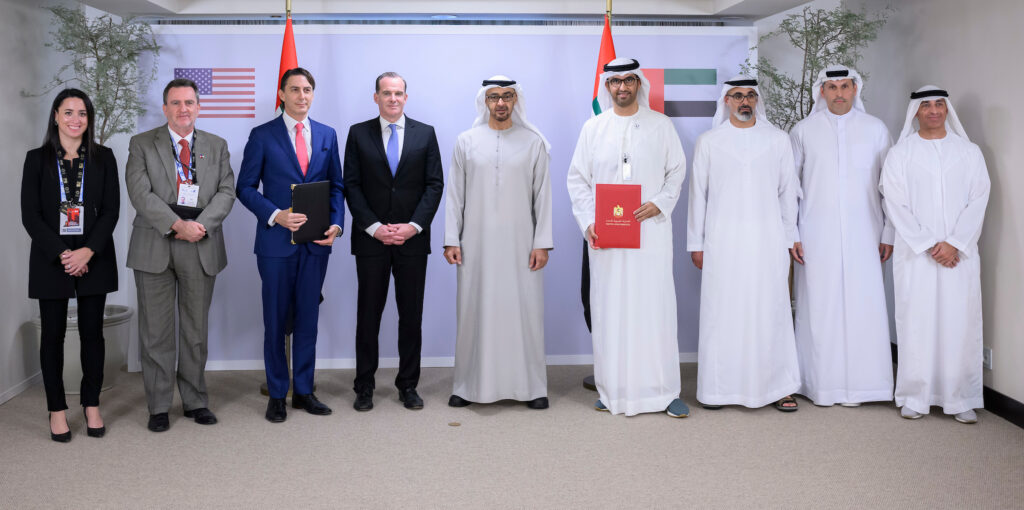
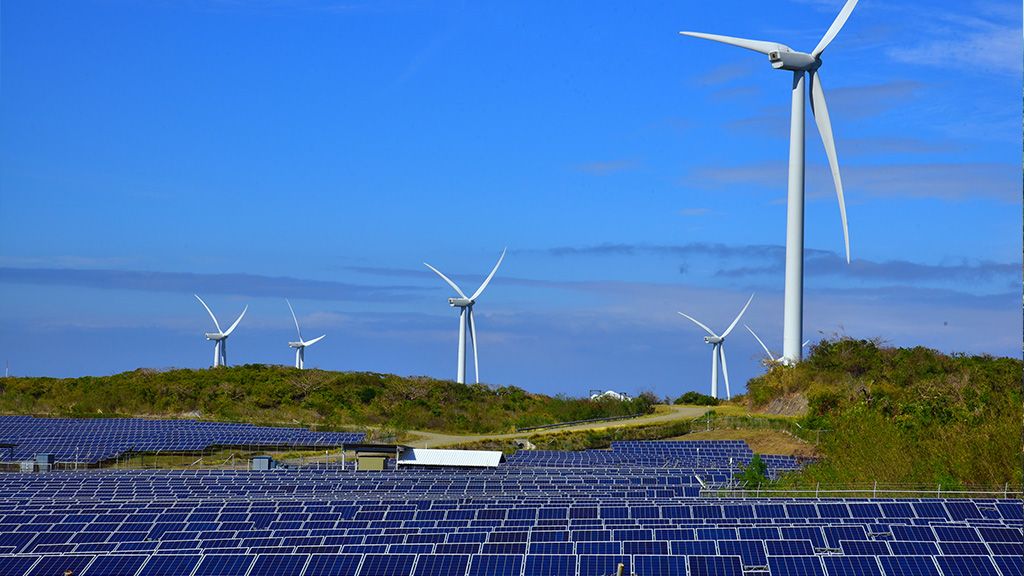
The United States and the United Arab Emirates (UAE) on November 1st, 2022 have signed a major agreement for energy transition in Abu Dhabi. Through the US-UAE Partnership for Accelerating Clean Energy (PACE), $100 billion financial support will be made available for clean energy projects in the UAE, the US and other countries across the world. This framework aims to produce 100 additional gigawatts of energy by 2035 globally. The UAE’s Minister of Industry and Advanced Technology said in a statement “In line with the vision of the wise leadership to unify and join efforts to enhance global energy security, we are pleased to conclude this agreement, which is an essential possibility to achieve this goal, advance climate action efforts, and provide sustainable energy supplies at reasonable prices in each of the UAE, the USA and around the globe.”

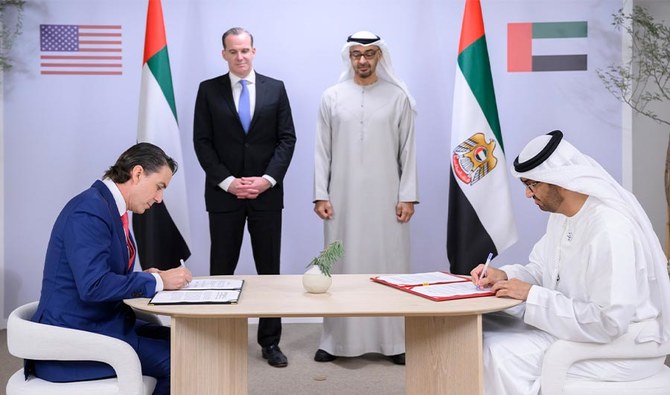
The United States and UAE will concentrate on scalable development and specifically on four areas including supply chains, clean energy innovation, carbon and methane management, decarbonization in industrial and transport sectors. The comprehensive Memorandum of Understanding (MoU) was signed by the President of the UAE and Amos Hochstein, the Special Presidential Coordinator for the United States. “The close and strategic alliance between the United States and the United Arab Emirates will now join forces to drive the global energy transition to a cleaner and more sustainable future,” said Amos Hochstein, the U.S. presidential coordinator, at the MoU ceremony. He added that the agreement is an evidence of the shared commitment of the two countries for addressing the climate change crisis urgently. The PACE will contribute to ensure a reliable and secure global energy system that would be able to sustainably and effectively power the planet Earth in coming years.

The United States and the United Arab Emirates also emphasized on closing the energy transition gap between developed and emerging economies. The press secretary for the White House stressed on the need of “robust commercial investment and other support for the emerging economies whose clean development is both underfunded and essential to the global climate effort”. The two countries want to achieve climate action goals by pursuing and encouraging investment in renewable energy in under developed countries. It is visible from the Partnership for Accelerating Clean Energy (PACE) that the United States and the United Arab Emirates are well aware of the need to reduce the disparity between developed and developing countries investments and importance of use of clean energy in order to reduce carbon emissions. They intend to work together to assist the countries through financial and technical help.

The PACE calls for the creation of energy systems that support sustainable development and the serious consideration of energy security, as well as medium and long-term integrated energy planning strategies, decarbonization goals as well as fundamental legislative and regulatory changes. It is also the appropriate time to move from fossil fuels to renewable energy in order to reduce carbon footprint for the sake of problems related to climate change. To enable the integration of renewable energy sources, promote connection and trade between worldwide power grids, and further reduce costs through economies of scale, steps should also be taken to build regional energy markets. Additionally, efforts should be made to create regional energy markets in order to facilitate the integration of renewable energy sources, promote connection and trade amongst global power grids, and making it affordable for all economies. To conclude, US-UAE clean energy partnership seems promising, but its implementation is importance in order to attain the intended objectives and goals.


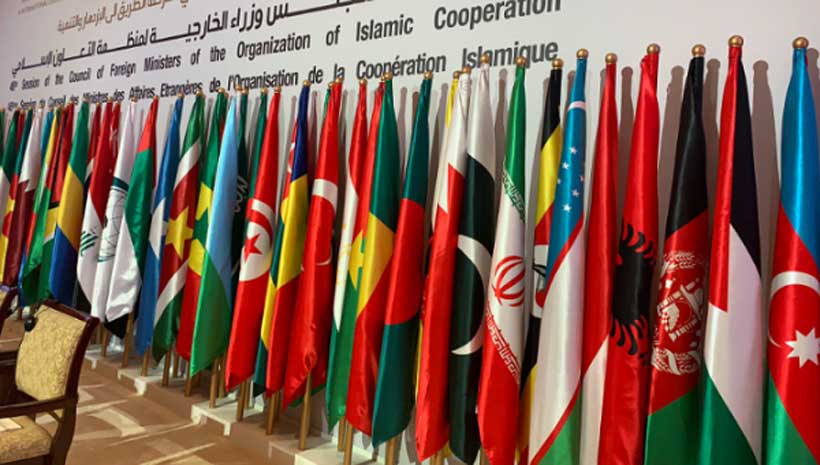
Role of OIC: Why The Muslim World Has Never Been Able To Emerge As A Single Bloc?

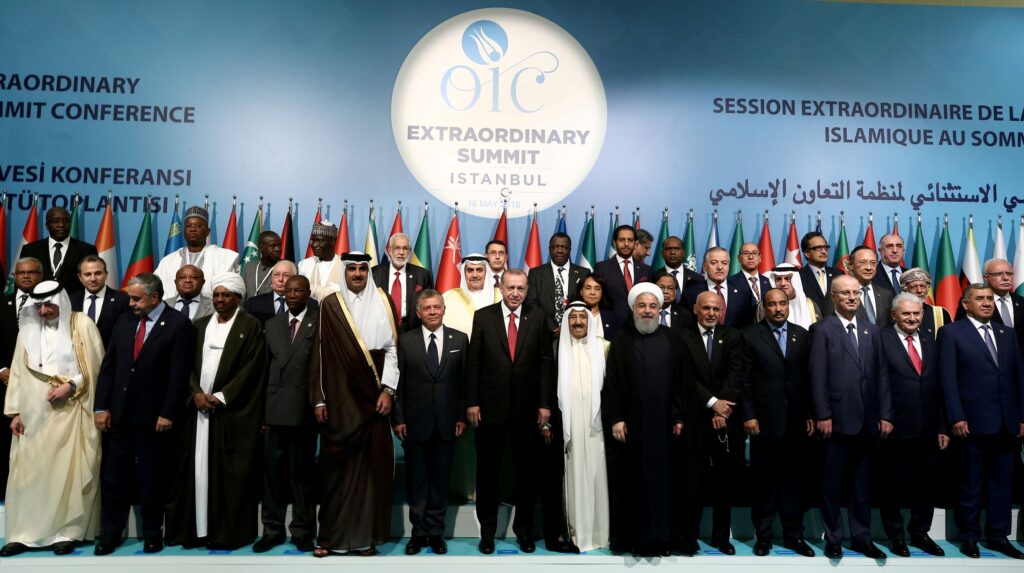
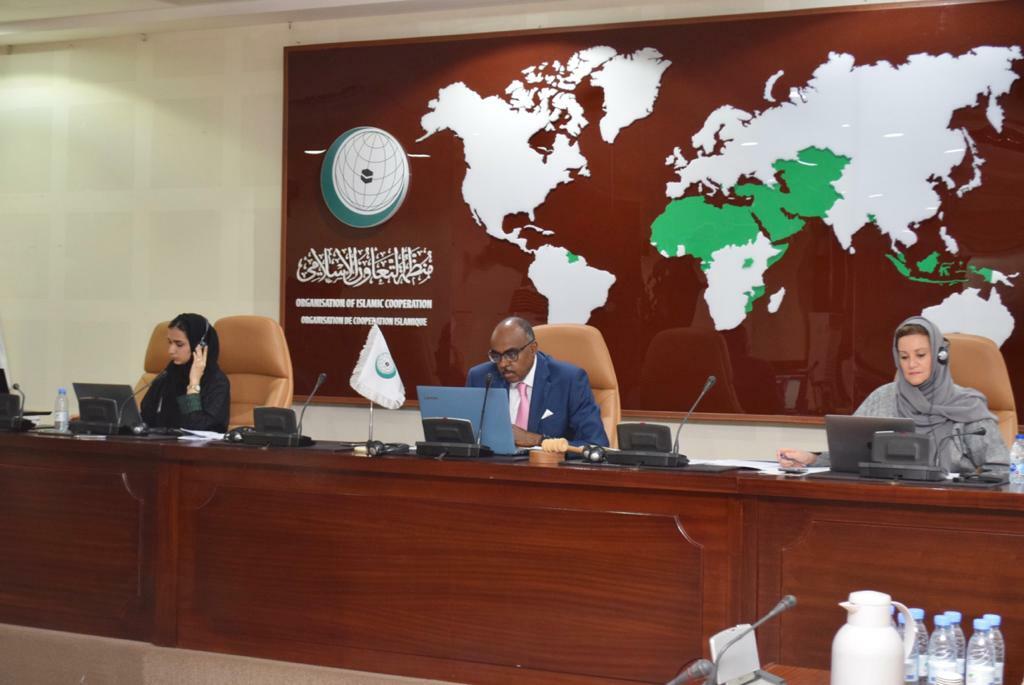
The Organization of Islamic Countries (OIC) is the sole representative organization of the Muslim world. It is an inter-governmental organization consisting of fifty-seven states which represent one-quarter of the members of the United Nations.

The main objectives of the Constitutional Charter of the Islamic Cooperation are aimed at improving and strengthening solidarity among Member States, protecting Islam’s true image and preventing its defamation, promoting dialogue among civilizations and religions, striving to get integrated and sustainable human development, and ensure the development of the Members in the organization. Despite these objectives, the Muslim world is still witnessing a threat to their unity and is unable to emerge as a single bloc.

Failures of OIC on Political Issues:

Among the main failures of OIC includes lack of cohesion and unity, as there are inter-state differences among the member states, there are Shia-Sunni conflict, antagonistic foreign policy with major Western world influence and territorial disputes. Likewise, there is rising Islamophobia as in the western world Islam is perceived as a threat to Western values such as liberalism, democracy, individualism and women emancipation. Moreover, there is terrorism that has given bitter image of Islam. The growing incidence of violence and suicidal attacks, sectarian violence and increasing growth of religious-political parties, which has depicted negative Western approach about Islam.

Israel-Palestine issue:

With OIC backing, the Palestine Liberation Organization (PLO) received recognition from the international community to represent stateless Palestinians. Israel became even more aggressive in fighting against the Palestinians and establishing its legitimacy in Palestine. In this conflict Israel defeated not only the Palestinians, but all the OIC countries.

Kashmir issue:

Like the conflict in Palestine, the Kashmir dispute is another of the oldest unresolved conflicts at the United Nations. The OIC has adopted numerous resolutions with little impact in reality in resolving the crisis. Overall Kashmir has become another source of constant difficulty for Muslim societies today.

Human rights:

The OIC has been criticized for not discussing the treatment of ethnic minorities in member countries, such as the oppression of the Kurds in Syria and Turkey, the Ahwaz in Iran, the Hazaras in Afghanistan, the ‘Al-Akhdam’ in Yemen, or the Berbers in Algeria.

Role of OIC in Conflict Resolution:
Iran-Iraq War

The Iran-Iraq war of the 1980s was a testing ground for OIC’s ability to resolve intra-Muslim conflict. The OIC played a mediating role as war broke out in September 1980. The Iranian leadership did not seem to trust the OIC.
The OIC formed an “Islamic Peace Committee” and continued its mediating role. It proposed a cease-fire with the withdrawal of Iraqi troops from Iranian territories. It urged both countries to exchange declarations of non-interference in the internal affairs of the other country. But both did not paid attention to these proposals. The Iranians were of the view that the OIC first identify the aggressor in the conflict and punish them. Iran wanted the OIC to do this without participating in its meetings. Thus, the OIC lost its credibility as a mediator.

September 11 Attack:

Muslim internal disputes have gotten worse since the attacks of September 11, 2001. As a result, the OIC General Secretariat in Jeddah, Saudi Arabia, established a dedicated unit known as the “Peace, Security and Mediation Unit (PSMU). It was stated that the PSMU would initially concentrate on creating capacity, after which it would primarily operate by monitoring actual and potential crisis situations in order to recognise and assess the main causes of conflicts and decide how to settle them. However, the OIC has not done a very good job of handling these situations.

The Prospects of OIC:

Following a discussion of the organization’s failings, the issue of whether the OIC has any chance of success inevitably emerges. When it first existed and even now, the OIC had the capacity to play a significant role in world politics. The OIC is unfamiliar to most people, despite being the second-largest intergovernmental body after the United Nations. This is as a result of its poor execution. When it first appeared, it gave many people reason for hope, but since then, their hopes have been dashed by its failure. This concept can be discovered by conducting a brief analysis of the Afghan conflict.
Al-admission Qaeda’s of guilt in the 9/11 attacks and the Taliban’s steadfast defence of al-Qaeda leadership led the United States and its allies to consider invading Afghanistan. The U.S. failed to completely eliminate either al-Qaeda or the Taliban, despite the civilian deaths that allowed it and its allies to take control of the entire country. It is reasonable to assume that the OIC will be able to permanently reduce antagonism.

Conclusion:

On the international map, the OIC has served as the only voice of the Muslim Ummah, speaking for 57 different countries, however this organisation has fallen short of what the Muslim Ummah had hoped for. The OIC’s weakness stems from a lack of internal coherence. It is unrealistic to expect an organisation that has served as little more than a debate forum and a platform for making meaningless announcements for almost four decades to suddenly transform into a proactive international entity. Regarding the main issues facing the Muslim Ummah, such as Palestine, terrorism, and globalisation, the OIC merely established contact groups and passed resolutions without taking any concrete action that would pose a significant threat to aggressors. The difficulties thus remained the same.
OIC should develop a mode to act practically worldwide. For this purpose, OIC should follow the footsteps of other successful organizations of the world like EU and Council of Europe. OIC needs to create a strategy for acting practically everywhere. OIC could emulate other globally successful organisations like the EU and Council of Europe for this goal.