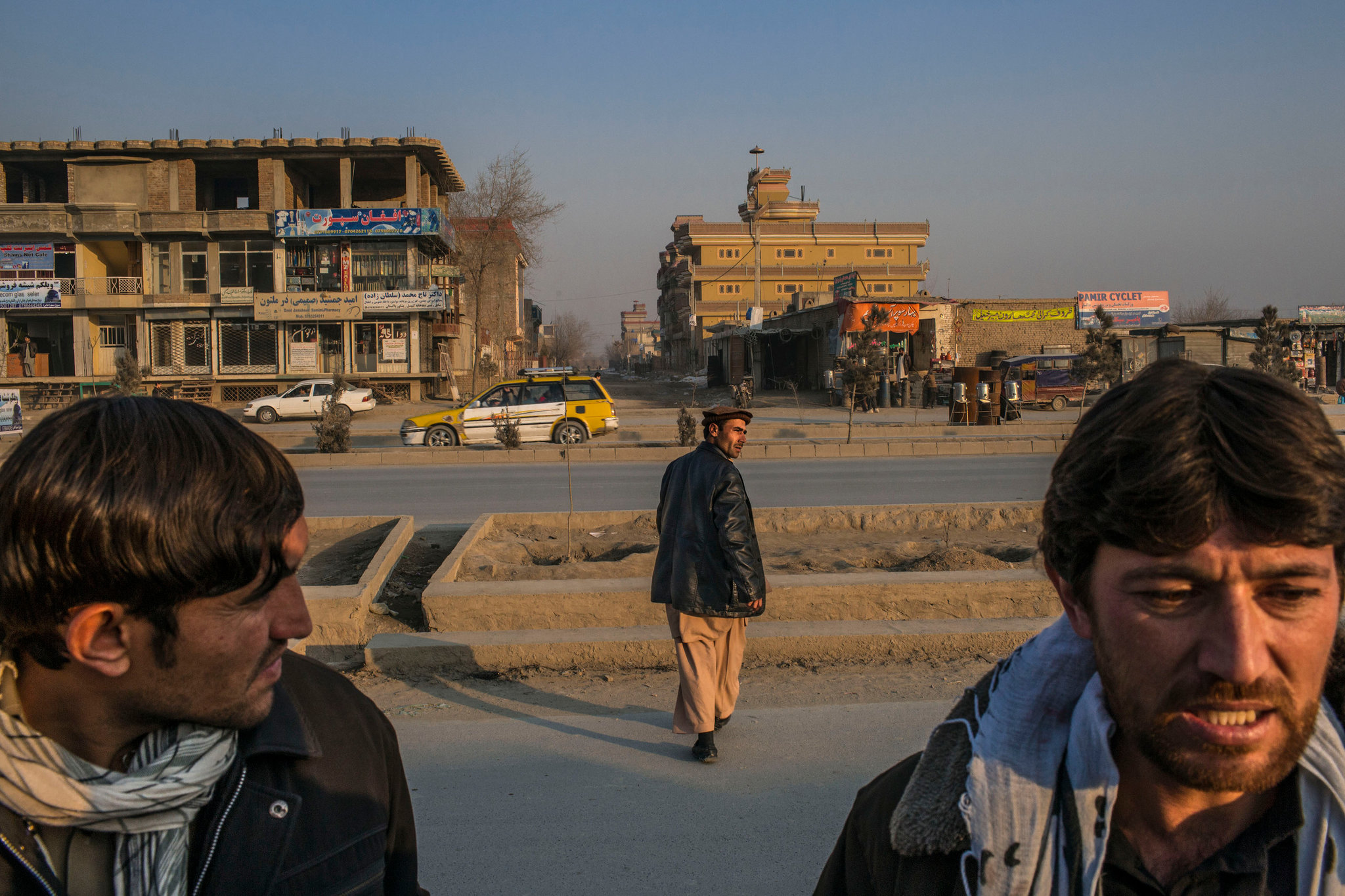
The Historic Lebanon-Israel Maritime Border Agreement

Introduction

The long-disputed issue between Lebanon and Israel over the maritime border and gas fields has finally reached a landmark decision. It has been decided by both Governments to make a permanent maritime border as well as uplift the production of natural gas in the Mediterranean.
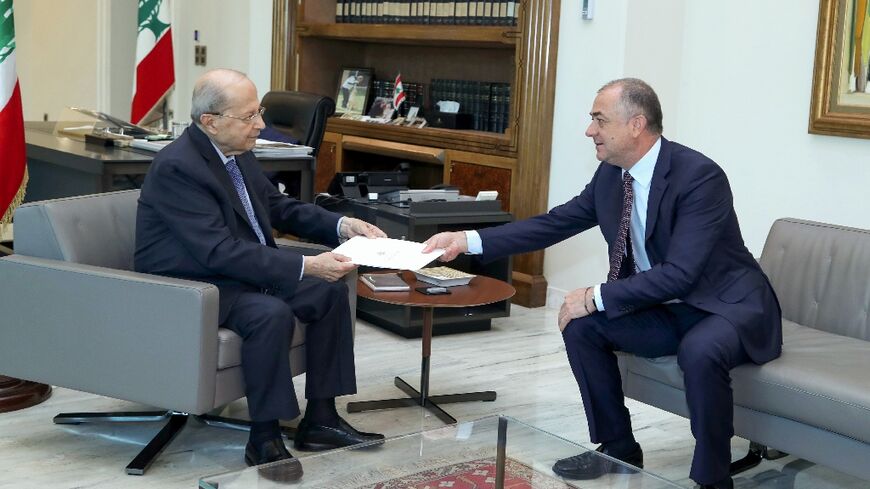
After years of stalled negotiations, the deal has been brokered by the United States Department of State’s energy envy. This is being considered as a diplomatic achievement, the Prime Minister of Israel, Yair Lapid called it a “historic agreement” as the two nations was in a state of disagreement since 1948. The Israeli Prime Minister emphasized the importance of the new accord which will not only aid the economy but will also help strengthen Israel’s security and bring stability for the northern border. On the other hand, the office of Lebanese President, Michel Aoun issued a statement that the newest agreement “satisfies Lebanon, meets its demands, and preserves its rights to its natural resources.” It means that it will become a key source of income for the country’s crippled economy.

Flashback

The territorial dispute among Lebanon and Israel have seen many highs and lows, the conflict flared up badly in 2010, when massive deposits of gas found near the Israel’s northern border. The two sides claimed the 330 square miles region covering the Qana and Karish gas fields and submitted the proposals of border claims to the United Nations in 2011. The United Nations started the round of negotiations for the division maritime border in 2020, later on it turned into a stalemate. But when the gas extraction process started in Karish field by Israel in 2017, the situation worsened as the treat of military escalation emerged significantly and gas field talks reached a knife-edge in July 2022. The recent talks of October 2022 and the finalized deal, sponsored by the United Nations and mediated by the U.S., represent a rare compromise between the rival neighbors. Lebanon and Israel has reiterated the groundbreaking agreement is made not for the normalization of ties but only for paving the way for offshore oil production that could help the economy of each country which means that Lebanon and Israel is still technically at war.

Reaction to the Maritime Border Agreement

The newly clinched deal between Lebanon and Israel has been applauded by the UN Security Council and the member states. In a press statement issued in a response to the agreement between Lebanon and Israel the members appreciated each side for ending the long running dispute of maritime boundary. The UN Security Council said “the deal is a major step, which would contribute to the stability, security, and prosperity of the region. The agreement will benefit both the countries and their people and will allow them to benefit equitably from energy resources in the eastern Mediterranean.” Meanwhile, the President of the United States, Joe Biden hailed the agreement and congratulated heads of Lebanon and Israel separately.
Analysis

The role of the United States remained prominent in an agreement between Lebanon-Israel for demarcating a disputed border in the Mediterranean that has massive deposits of oil and natural gas. Recently, the west is struggling due to limited gas flows and sky-rocketing gas prices because of crunched global supply as a result Russia-Ukraine war. This has forced Europe to look for alternatives to Russian oil and gas as it has remained heavily dependent on the Russian energy sector. Europe is facing the worst “Energy Crisis” ever, as Russia has cut the gas supply because of the sanctions imposed by EU and the United States. Later on, the crisis was exacerbated as a consequence of Europe’s main source of Russian gas i.e. Nord Stream leaks which completely halted the gas supply.
Following previous failed attempts, US mediation efforts are being considered to help Israel and Lebanon reach a maritime agreement. Israel is an important ally of Washington, the maritime border agreement is mutually beneficial for both stakeholders. It is because the greatest supply cut since the COVID-19 pandemic was announced by the oil cartel OPEC+, which is led by Saudi Arabia and Russia. The reduction in oil production increased the pressure on Biden administration. According to Israel, it would start extracting gas and oil from its Karish field at earliest possible and export it to Europe within a few weeks. Therefore, the United States and Israel’s western allies appreciated the development, even though the reservoirs of Karish field are relatively minor in terms of global oil production but it will support EU energy needs. Parallel to the agreement, it is reported that Israeli President Lapid was successful in attaining number of economic and security guarantees from the United States. The prospects of the agreement in terms of regional stability have to be seen yet as security threats are not eliminated completely.


The Global Economy Is On The Brink Of Recession

The one week (10th Oct-16th Oct 2022) “Annual Meetings” of the International Monetary Fund (IMF) and the World Bank held in Washington DC amid the multiple crises and challenges due to the Ukraine war. In a meeting on 11th Oct, 2022, IMF highlighted the Global Economic Outlook and warned that “the worst is yet to come” for global economy. According to the International Monetary Fund, growth will be 3.2% this year and 2.9% in the next. It is predicted that more than a third of the global economy will shrink in 2023 as the world is already suffering from the highest inflation in decades, by 2026 the economic growth will be lower by $ 4 trillion. According to the IMF managing director, the world’s economy has been transitioning from a setting with low-interest rates and low inflation to one that is “more volatile and more fragile.” At the meeting World Bank, the International Monetary Fund and other leading economists identified a number of causes for the global economic downturn. They emphasized that the likelihood of a recession has been increased by the war in Ukraine, the COVID-19 pandemic, strong dollar, inflation, China’s slow growth and climate change.

The IMF has projected that most of the problems will rise in the financial system’s that have more fragile markets, such as in developing countries. But it is also concerning that less secure lenders like the major Western banks and financial services could also experience a crisis. The IMF report is the most recent distinctive alert that the global financial system is not only having the risk of recession but also of a financial meltdown. To combat inflation and the growing demands for greater wages, almost all the central banks around the world are increasing interest rates at serious levels. Many central banks throughout the world are tightening monetary policy, similar to how the Federal Reserve raised interest rates in the United States. Although the tightening of monetary policy is not a mistake, but was done too late that is causing greater economic harm than the benefit. The United Nations Conference on Trade and Development (UNCTAD) urged the central banks to make decisions in order to prevent a global recession, warning that financial tightening ran the risk of sending the world into a prolonged period of stagnation. The IMF predicts that despite concerted efforts by central banks to bring it under control, global inflation will peak late this year and “stay elevated for longer than previously predicted.”

The inflation and recession needs wide ranging demand and supply side policies, policymakers should consider the measures that can help to follow a path during the challenging times. Monetary policy must be constantly applied to the demand side in order to quickly restore price stability. Medium-term debt sustainability must be given top priority in fiscal policy, along with providing special assistance to the most vulnerable ones. Policymakers must be prepared to handle any potential repercussions of the simultaneous worldwide removal of growth-promoting policies. On the supply side, steps must be put in place to loosen the restrictions on trade networks, energy markets and labor markets.

Since the beginning of the year, there has been discussion about the risk of a worldwide recession due to a sharp decline in growth forecasts, rising prices, and tightening financial conditions. Inflation is lowering living standards around the globe and Europe in particular. The world is struggling price increases that are mostly due to the catastrophic shocks of COVID-19, followed by the trade disruptions brought on by Russia’s invasion of Ukraine. Food and energy security have gotten worse due to the disruptions in global supply chains and people are now experiencing food and energy insecurity. This has brought an urgent need for countries to move swiftly in order to fix their problems, safeguard their economies and take advantage of their ability for recovery. To support economic growth while reforming economies to manage risks and become more resilient, sustainable, diversified and inclusive, it requires innovative governance that accelerates structural reforms. Through public and private investments in the economy, climate change, technology and social infrastructure, Governments of respective countries should put their attention on reducing global supply shortages. These investments will keep the macroeconomic environment stable while increasing employment and increased productivity. All the countries should consider the urgency of the situation from which global economy is passing and make serious and extensive efforts that can help to avert the global recession.


The Future of Food Security in Middle East

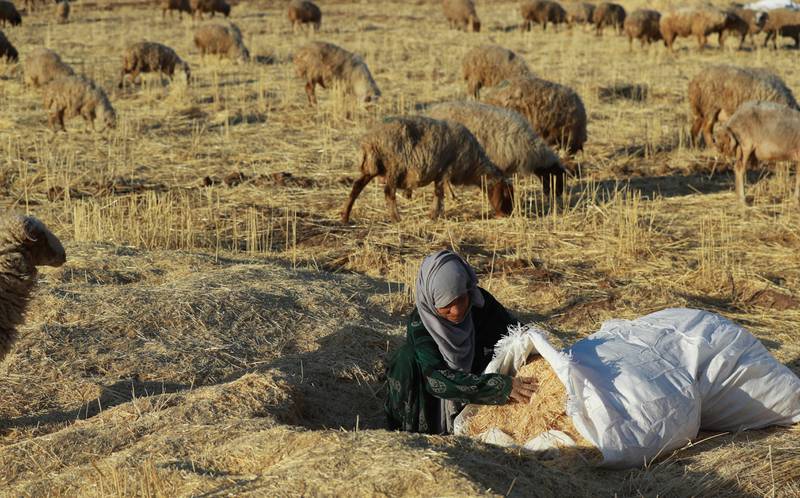
Before COVID-19, UN agencies predicted that more than 55 million of the 456.7 million people living in MENA countries were undernourished. Food insecurity is still prevalent due to the pandemic, extended conflict, and other circumstances. In contrast to its 6% share of the world’s population, MENA had a 20% percentage of those who were severely food insecure in 2020. The ongoing conflict in Ukraine has made the situation worse now. While approving a new food shock borrowing window for vulnerable nations, managing director of the International Monetary Fund (IMF), Kristalina Georgieva, stated in Riyadh that more than 141 million people in the Arab world are at risk of food insecurity. As a result of Russia’s invasion of Ukraine, she continued, crop supplies are being choked off in 48 nations around the world, which has made them particularly vulnerable to the food crisis.

In September 2022, the secretary general of the League of Arab States, Ahmed Aboul Gheit, urged for the activation of integrated management of the Arab region’s issues regarding food, water and energy security, he warned that food security in particular is “deteriorating” alarmingly which requires a holistic approach for building national capacities in particular areas. After the statement of secretary general a positive development was observed when the agriculture ministers of Jordan, Lebanon, Iraq and Syria have decided to support a regional effort to boost food security in the region amid the ongoing complex global events. The ministers also endorsed the recommendation from the World Food Program (WFP) to look into the establishment of a regional center for food security in Jordan. According to a statement, they also decided to establish partnerships in agricultural marketing and to improve interstate cooperation and integration in the food production sector. That plan will also support to forge agreements, support unconventional agriculture as well as the exchange of goods.

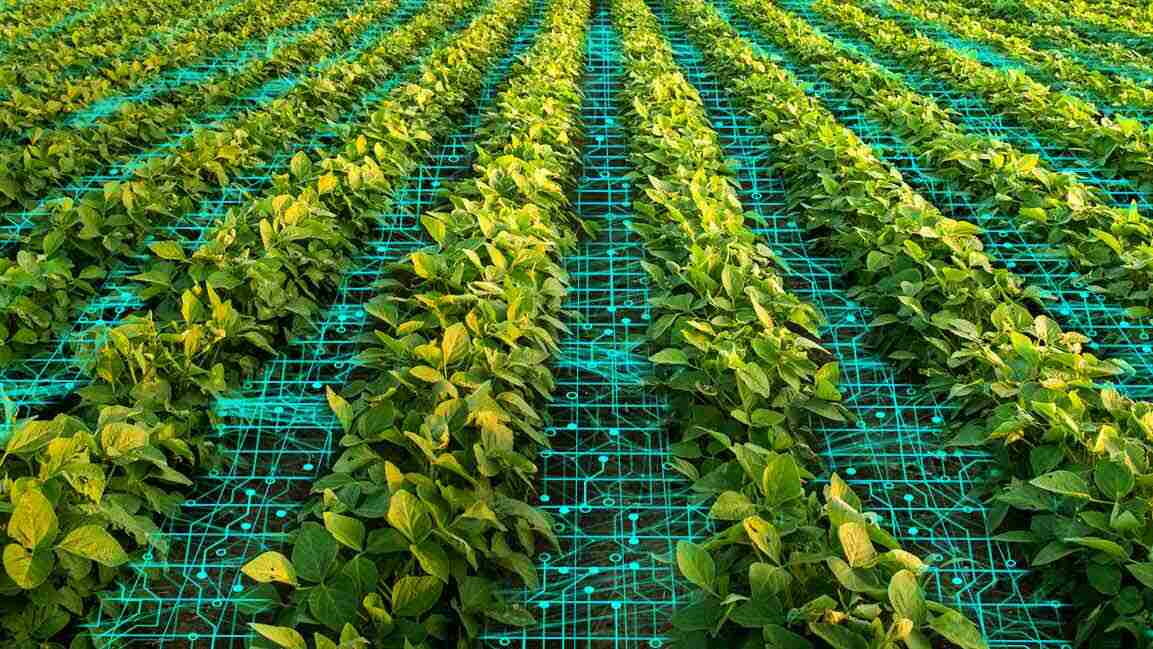
There are numerous threats to the Middle East’s food security, it is extremely complicated because of the region’s stability and development. Large-scale hunger is becoming more likely as a result of conflicts that are hurting agricultural productivity in several Middle-Eastern countries. In addition, the area’s low agricultural output is caused by a lack of agricultural land, lack of water and climate-related shocks. More than half of the people in the area struggle to pay for nutritious food. Food systems are pressurized as a result of high food import levels, food quality and wastage, economic shocks, global food crises, and fluctuating oil costs. If government funding and other policies on agriculture are reviewed, the situation can be addressed by employing digital technologies in the agriculture sector which will also attract private investment. Interventions in development are required to help farmers adopt more sustainable, productive systems that are resistant to threats like drought and flooding. Apart from the mentioned factors, there is extreme food reliance on other countries for basic commodities. According to reports, the Middle East will continue to be one of the most “import-dependent regions in the world,” with over 50% of its food coming from other countries. The Middle East can play a significant role in providing its population with a sustainable, affordable, nutritious, and inclusive food system by making serious efforts and working with international players to bring up the necessary changes for the current situation of food insecurity.


Currently, the wide-ranging impacts of Russia’s invasion of Ukraine on food prices and food supplies around the world are being experienced. Domestic food price inflation was significant at the beginning of October 2022, with low-income nations experiencing an increase of 88.2%, lower-middle-income countries experiencing an increase of 91.1%, and upper-middle-income countries experiencing an increase of 93%. About 82.1% of high-income nations now have high food price inflation, a sharp rise in the proportion of high-income countries with high inflation. If this situation continues and gets worse, it might have disastrous repercussions for a region like Middle-East. Countries in the Middle East will have many difficulties in responding and dealing to the escalating food insecurity, as the United Nations have asserted that the global food crisis might endure for a longer time if it is not handled. To conclude, Middle Eastern countries should reconsider their development strategies and start economic and social reforms to ensure food security in the region while considering the needs of the people and the food systems in the context of world’s rapidly changing and escalating problems.


Repercussions of OPEC’s Decision: Major Supply Cut to Oil Production

Introduction

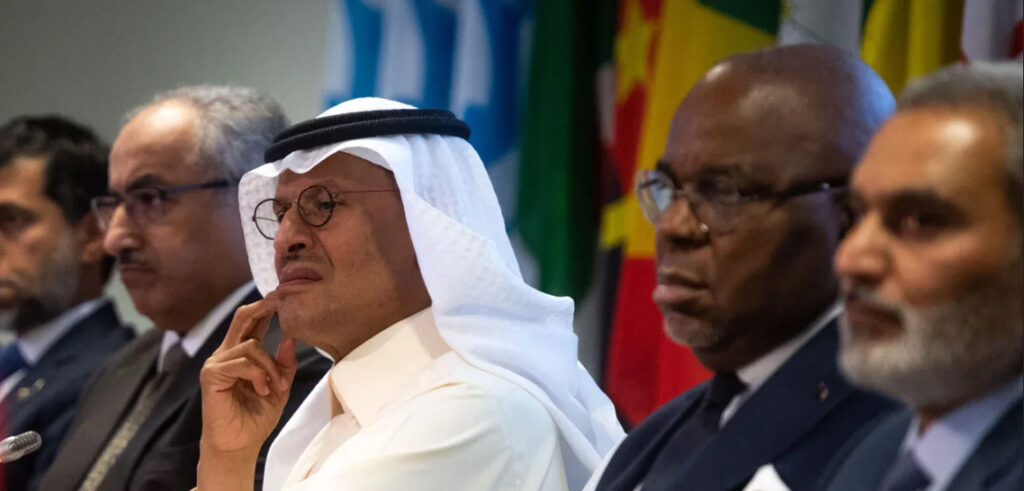
The OPEC+ group of countries have agreed upon largest cut to oil output, since the beginning of coronavirus outbreak in 2020, limiting oil supplies in a market that is already strained, despite of the pressure from the United States and others to produce more oil. The world’s oil producing nations said in a statement that they would produce 2 million fewer barrels per day following at 33rd Organization of the Petroleum Exporting Countries (OPEC) meeting held in Vienna on 5th October, 2022. It has raised the concerns over skyrocketing inflation which is likely to increase as the world’s oil supply is expected to tighten. The action is taken before Russian energy economic sanctions by the European Union due to the ongoing war in Ukraine. Following the meeting, Prince Abdulaziz bin Salman, the Saudi Arabian energy minister, claimed that OPEC+ was acting in response to warnings of a global economic slowdown that may reduce demand for oil and drive down the prices.

US’ Disappointment at the Decision

In recent months, as Russia tightened its grip on Europe’s energy supply, natural gas prices skyrocketed, plunging Europe and much of the world into a severe energy crisis that resulted in unrest and compelled Governments to declare emergencies and make efforts to stabilize markets. For this reason, three months ago, when President Biden visited the Middle East he asked the Crown Prince Mohammed Bin Salman, to increase the oil production because Saudi Arabia controls nearly one-third of OPEC’s oil reserves. After the decision made by OPEC, it seems like the President Joe Biden’s advice for taking measures to increase oil production have been ignored. Quickly after the decision was made, the White House criticized it as “shortsighted” and charged the oil cartel as for suporting Russia. The United States’ Secretary of State Antony Blinken stated after OPEC’s statement that his Government was working “to ensure that energy is available on the market and the costs are kept low.” This was also quoted by the US National Security Advisor and Director of the National Economic Council (NEC), they said in a statement “At a time when maintaining a global supply of energy is of paramount importance, this decision will have the most negative impact on lower and middle income countries that are already reeling from elevated energy prices.” According to some analysts, in order to counteract what OPEC’s recent decision, the US may try to release part of its oil reserves. In order to increase American energy output and weaken OPEC’s grip over energy prices, Biden urged his administration and Congress to look into possible solutions. The White House added that Biden has requested another 10 million barrels oil release from the American Strategic Petroleum Reserve in an effort to bring down oil costs and ensure energy security. Moreover, in light of recent development, the White House accused “it was obvious that OPEC+ was aligning with Russia.” Following the establishment of OPEC+ oil output agreement in 2016 and Saudi King Salman bin Abdulaziz historic trip to Moscow in October 2017, Moscow’s relations with Saudi Arabia and other Gulf Cooperation Council (GCC) members have progressively improved. It is once again in the highlights, because of the OPEC’s deal, it is being said that Saudi Arabia is favoring Russia.

Response by the Organization of the Petroleum Exporting Countries (OPEC)

The accusations made by the United States have been rejected by saying that the decision is technical not a political one which was purely made for the global economy and the energy market. In response, the Organization of the Petroleum Exporting Countries (OPEC) energy ministers dismissed claims of the US that the most recent oil output cut was “endangering the global energy market” and contributing to “energy poverty in the West.” The output cut by OPEC+ was also supported by the OPEC Secretary General Haitham Al Ghais, who claims that the decision aims to give the energy market “security and stability.”


The blame game is persisted for energy weaponization, as the West accused Russia to spark a crisis in Europe that might lead to gas and power shortages this winter. In contrast, Moscow accused the West of turning the dollar and financial systems into weapons as a reaction to the Ukraine war initiated in February. The global humanitarian and economic effects of the Ukraine war are being felt at all levels, the energy sector is the most vulnerable which has put Europe in a difficult situation too. The state of global economy is already not good, high inflation is one of the biggest challenges that the world is facing. A possible recession is on the horizon as a result of the recent OPEC oil cut decision, therefore, it needs to be dealt in a responsible and responsive way to avoid any devastating situation that people and Governments cannot handle.


Intelligence And International Security

Since, it is known that International Security is in one of the grand strategies of foreign policy of every state. The role of intelligence in the policy making of the state has been defined. By role of intelligence in policy making, it means the importance of intelligence agencies or the spies in shaping up the country’s foreign policies. Along with strategic intelligence which is needed to enhance the decision making process, states’ intelligence institutes and spies are equally important for shaping up the long term plan of the states. Policy making is the process of developing and identifying the ideas, options and long term policies in order to achieve the objectives and national interests of the state. State’s individuals like leaders, policy makers and state’s institutions like political, military,economic plays role in foreign policy. So, similarly intelligence also has its role also. So it has been analyzed that if the intelligence of the states work effectively this will help the policy makers to shape up the state’s strategies which will support the security and survival. The data and information which is collected by the intelligence is very important because the country’s strategy is based on that and even sometimes decision/policy makers or strategists blame their wrong decisions on the intelligence that correct information was not given to them due to which the there was an error in the strategy. One of the examples of this which is also given in the article says, that when United-States waged ‘’War on Terror’’ in Iraq and justified it by telling the whole world that there are weapons of mass destruction, which later on were not found. Intelligence was blamed for not giving the correct information. There are some more examples related to it given in this article such as, the fall of the Soviet Union and the end of the Cold War, intelligence services were questioned.

Three parts of intelligence operations are used: strategic (sometimes called as national), tactical, and counterintelligence. Strategic intelligence, which covers knowledge of the capabilities and intentions of other nations, is the widest of these categories. Military field commanders need tactical intelligence, often known as operational intelligence or battle intelligence. Political leaders frequently must consider data from tactical and strategic intelligence when making decisions due to the great destructive force of contemporary weapons; significant field commanders frequently require many levels of intelligence. The difference between these two degrees of intelligence may therefore be fading. The appropriate determination of what needs to be known is the first step in effective intelligence management. Without assessment, data will be gathered haphazardly and the decision maker will be eventually left without relevant information regarding which to act. The collected data must be analysed and formatted for usage (and sometimes stored for future use). Since a large number of many sources have questionable credibility, evaluation is crucial. The accuracy of the information they offer is predicted using a defined system that rates the sources’ dependability (e.g., information may be classified as confirmed, probably true, possibly true, or unlikely to be true).

Intelligence does not only play role in shaping up the country’s policies but also helps to implement those policies as well. Intelligence can play a role in building narratives in people’s mind to accept the policy of the state and make people accept the long term plans of their country. Ordinary people and their interests must also be treated as citizens rather than subjects, so this can cause complexity to formulate and implement strategies so for this, intelligence is also required. Intelligence cannot make real world easy, but it can give awareness and intuition with respect to the objectives or strategies, resources, leadership and priorities. Intelligence can keep an eye on that who can ruin the policy of the states. Covert actions can be used to influence political, military, or economic conditions or situations abroad, here the role of intelligence is equally important. Policy makers should not only solely rely on the intelligence because sometimes there can be the false information or sometimes the information could not be found for example intelligence of U.S failed to detect the 9/11. Though, intelligence-free strategy is surly less possible in this century. Strategies can become more successful if they incorporate information from intelligence. This is even more vital for the process of implementation.


Disaster Management And Mitigation: A Case Of Pakistan’s Floods

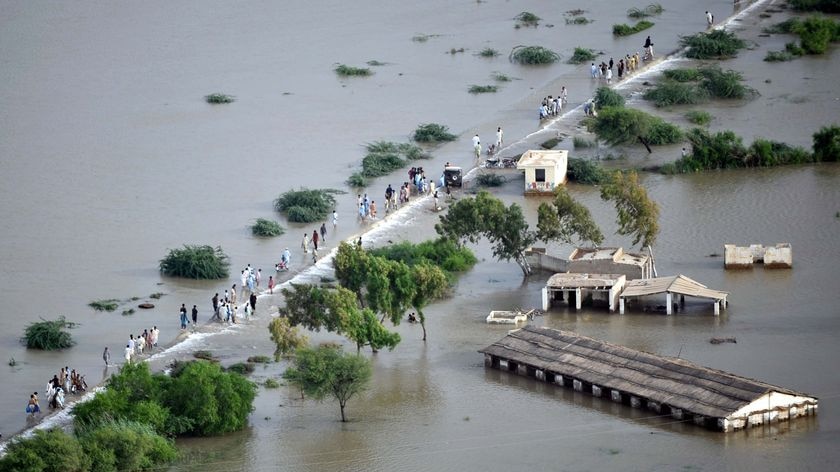
To avoid disasters is not completely in our control, but their preparedness and addressing is. Disasters can be prevented and their effects on communities are minimized by coordinated responses. Disaster management experts are vital in reducing suffering, maintaining people’s means of subsistence, and enhancing social recovery. Disaster management: What is it?

Disasters can come in different forms. Industrial explosions or structural failures are examples of human-made disasters that are caused by errors made by humans. Earthquakes and floods are examples of physical events that result in natural disasters. Epidemics and armed conflicts are examples of complicated disasters. Whatever their shape, disasters cause community disruption and can have a significant negative impact on people, property, businesses, and the environment. They frequently exceed a community’s capacity for adjustment. The practice of efficiently anticipating and reacting to calamities is known as disaster management. In order to reduce the damage caused by disasters, resources should be strategically organized. The management of the duties associated with catastrophe prevention, readiness, response, and recovery also entails a systematic approach. It is now common knowledge that all hazards are natural and all disasters are the result of unfair anthropogenic interactions with nature. Although the latest flood has a different character compared to the one in 2010 the latter was a flash flood, while the current one is a river flood in both cases it can be argued that the damage caused by both disasters is a result of change.in demography and also ill-advised development policies throughout Pakistan. Some of the more immediate consequences of the latest disaster will be in the form of displacement, increase in illiteracy, unemployment, health crises, water and food shortages, infrastructure damage, loss of life, crop destruction, loss of livestock, water-borne diseases, urban migration and loss of social capital. Faced with these multifaceted challenges in such a short period of time, aid and humanitarian agencies must act and adapt quickly to alleviate the problems facing the millions of people who have been affected in recent weeks. Pakistan is vulnerable to most natural hazards. It is prone to floods, earthquakes, droughts and cyclonic storms. It is prone to famines and heavy monsoons. And let’s not forget the other kinds of disasters its residents inflict on each other the scourge of terrorism. With its second major flood in less than ten years, Pakistan is still having difficulty with the relief phase. It will be time to consider about disaster mitigation after this initial phase of assistance is finished.
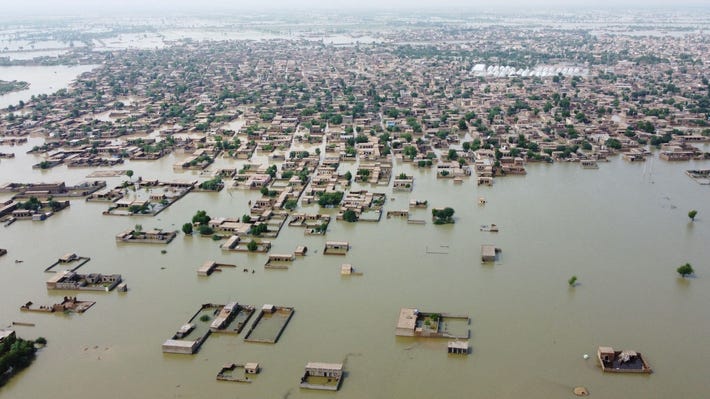
According to how the Pakistani government has handled the flood situation so far, it is clear that our policymakers and the appropriate state institutions did not adequately reflect on the super-floods of 2010. Pakistan requires a lot of assistance from the international community, especially the biggest climate change contributors, but there is also much that has to be done domestically to make the nation more resilient to various climate-related disasters. The colonial administration actually increased the probability of moderate frequency-high intensity flood occurrences by constructing a complex water management system. Pakistan must enhance water drainage, but it cannot deconstruct its irrigation infrastructure. To reduce the intensity of flooding, obstructions that prevent natural drainage of waterways should be eliminated. Flood risk due to heavy rainfall will last for shorter periods of time because to improved drainage. This will thus minimise the severity of evictions, water-borne illnesses, and the loss of human and cattle life. In order to ease drainage and reduce flood damage, it is crucial that important infrastructure, such as highways and railway lines, have functional drainage ditches or other relevant architectural features.

Clearly, Pakistan has given very less attention to disaster-resistant infrastructure development. Smaller dams in Balochistan, for example, and other towns and cities’ already sparse infrastructure and community resources have apparently been destroyed or severely damaged. In its place, the nation is having uneven development with housing societies, hotels, and other infrastructure that encroaches on the floodplains. It is past time for our administrators and officials to stand up to pressure or enticement from influential vested interests and steadfastly reject any real estate developments on floodplains, like the profitable but problematic Ravi River project. Rather than playing a blame game, more attention should be given to preventive measures, risk analysis disaster management and mitigation. Despite the creation of national and provincial disaster management bodies, the nation’s institutional capacity to deal with climatic disasters remains poor. In order to enhance disaster management and preparedness efforts and make them more reactive, local areas must be involved, according to academics and development practitioners. To enable more effective early warning and vulnerability analysis, civil society and other local institutions can play a crucial role in data collection and information sharing.


Culinary Diplomacy: Has it been successful in bringing a positive impact on the bilateral relations between States?

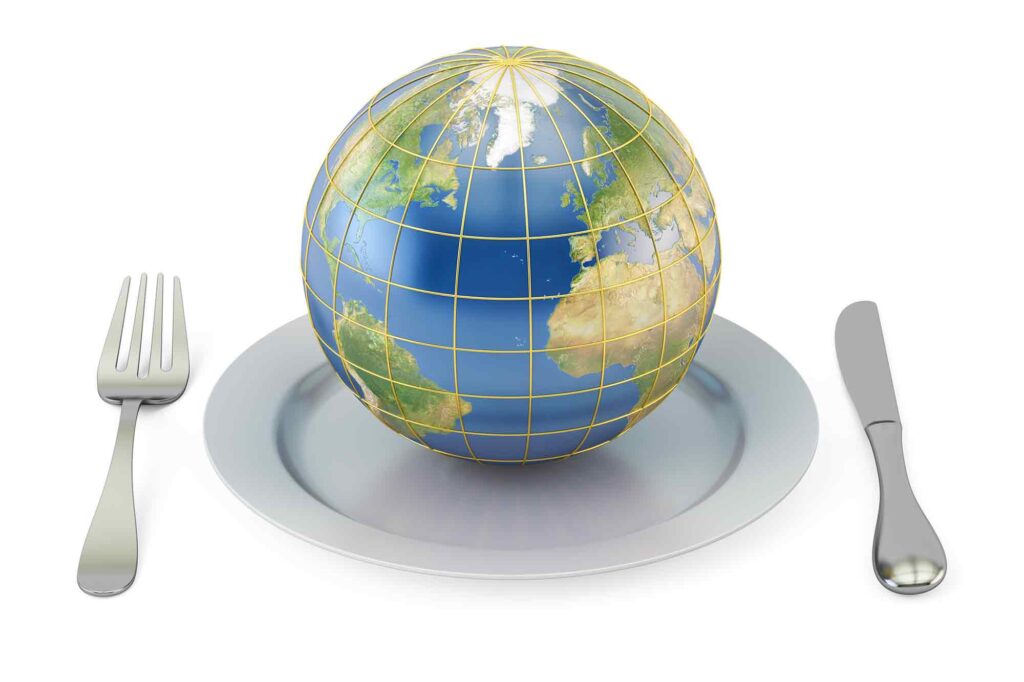
Food can be considered an ambassador in itself. In addition, food has played a part in maintaining peaceful relations between the states. The Romans used this strategy and shared their food with their adversaries with the aim of peacebuilding. This sharing of meals and eating together which is known as commensality drive people to become more open toward each other and an environment of mutual understanding is developed. This initiates a diplomatic bond, which leads countries to resolve their differences.


The idea of “Culinary Diplomacy” means that food and cuisines are utilized to build cross-cultural understanding in order to drive the countries towards cooperation, settlement, and improving interactions. Culinary diplomacy promotes cultural understanding among states as food allows access to cultures of different countries. Under this context, food not only enjoys the status of a meal but also paves the way between countries and individuals. It is also said that this culinary diplomacy can efficiently resolve conflicts way better than normal or traditional diplomacy.

Becoming a culinary diplomat is considered very simple. This can be done by having meals with different people. This can initiate a global society which will lead to peace between cultures of different countries. Through food, new friendships can be initiated by means of commonality.
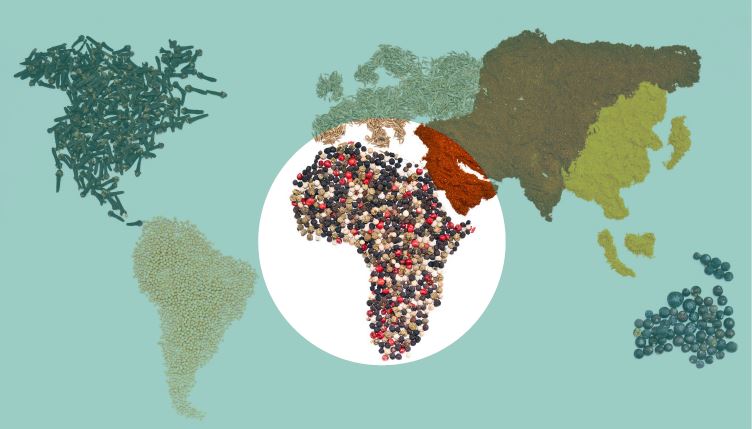
Many governments sponsor such culinary diplomacy programs in various countries like Taiwan, Thailand, South Korea, Malaysia, Peru, and the United States.
Thailand’s government has initiated the “Global Thai Program” which not only aims to introduce spicy foods to thousands of people across the world, open restaurants, and increase tourism in Thailand but also they aim to increase cordial relations with other countries. Improving relations will lead to conflict resolution between the states and thus improve foreign policy goals.

The United States have also progressed in the sector of culinary diplomacy as well. Through programs such as the Diplomatic Culinary Partnership and educational culinary diplomacy exchanges the Department of State has asked food experts to make meals for visiting diplomats, has sent American chefs abroad to introduce American culture, or asked foreign chefs to visit the U.S. to share their culture with Americans.
Conflict Kitchen also serves as a source of culinary diplomacy in the United States. This café serves foods and cuisines of the countries which are considered adversaries of the United States. This aimed at making its customers understand that even the enemies eat the same food as Americans do. This step aimed to reduce tensions between the states and intended at conflict resolution eventually leading to cooperation and settlement between the American countries and other states.

We can witness many examples of culinary diplomacy being practiced in the international arena. One of them is the “Hot Dog Diplomacy”. Franklin D. Roosevelt invited the king and queen of England. This was called as the “Hot Dog Summit”. This summit is of great importance in the American-Anglo relationship and led to their cooperation. At the picnic, the king and queen were served hot dogs. These hot dogs became a source of protection of the western world from the Nazis.
As we have seen that food can serve as a means to send gestures of love to other countries with the intention of improving relations. But this act can also lead to unintended results and bitter relations between the states.

Relations between Serbia and Croatia deteriorated because of chocolate. In the year of 2016, Croatian President Kolinda Grabar visited Dubrovnik on an occasion. Besides the meetings and celebrations, the President also visited the local children and gave them some presents. When these presents were opened, some of the parents showed displeasure as the presents included some Serbian chocolates. This was not cherished by anyone. Consequently, the president apologized for the Serbian chocolates but this was not liked by the Serbs, both internationally and locally. Therefore, this apology created grievances between the two countries. The presents were unable to produce the intended results and instead led to a bitter relationship between Serbia and Croatia.
So, diplomacy between the states is essential in this international world. Without diplomacy, it is possible that states become isolated. However, many states practice traditional diplomacy, which at times does not prove to be successful. Therefore, non-traditional forms of diplomacy should be considered which assist the state while using soft power to maintain relations with other states while settling disputes and agreements and avoiding conflict. Culinary diplomacy is one such form. This diplomacy revolves around food and culture, which mostly leads to cooperation and settlement. Food nurtures bilateral ties and as food is a vital necessity, culinary diplomacy will not diminish and continue to cater to states as is evident today in International Relations. Historically, this diplomacy has proven successful in many instances.


Opportunities of Blue Growth in Pakistan

The term of blue growth or blue economy was coined in 2010 by Gunter Pauli in 2010. Just 2 years later in 2012, it become debuted successfully at the United Nations Conference on Sustainable Development.

“A blue economy is a long-term strategy aimed at supporting sustainable economic growth through oceans-related sectors and activities, while improving human well-being and social equity and preserving the environment.”

Wu Hongbo, Secretary-General of the Ocean Conference and Under-Secretary-General of UN DESA


For the Islamic Republic of Pakistan, the blue economy earns around $450 million, which is meagre taking into context the resources available to us. Experts put the value of Pakistan’s blue economy well over $100 billion if a proper blue growth future plan is implemented.
When looking into the current situation and future opportunities for Pakistan, there are multiple sectors in which Pakistan have the potential to prosper.

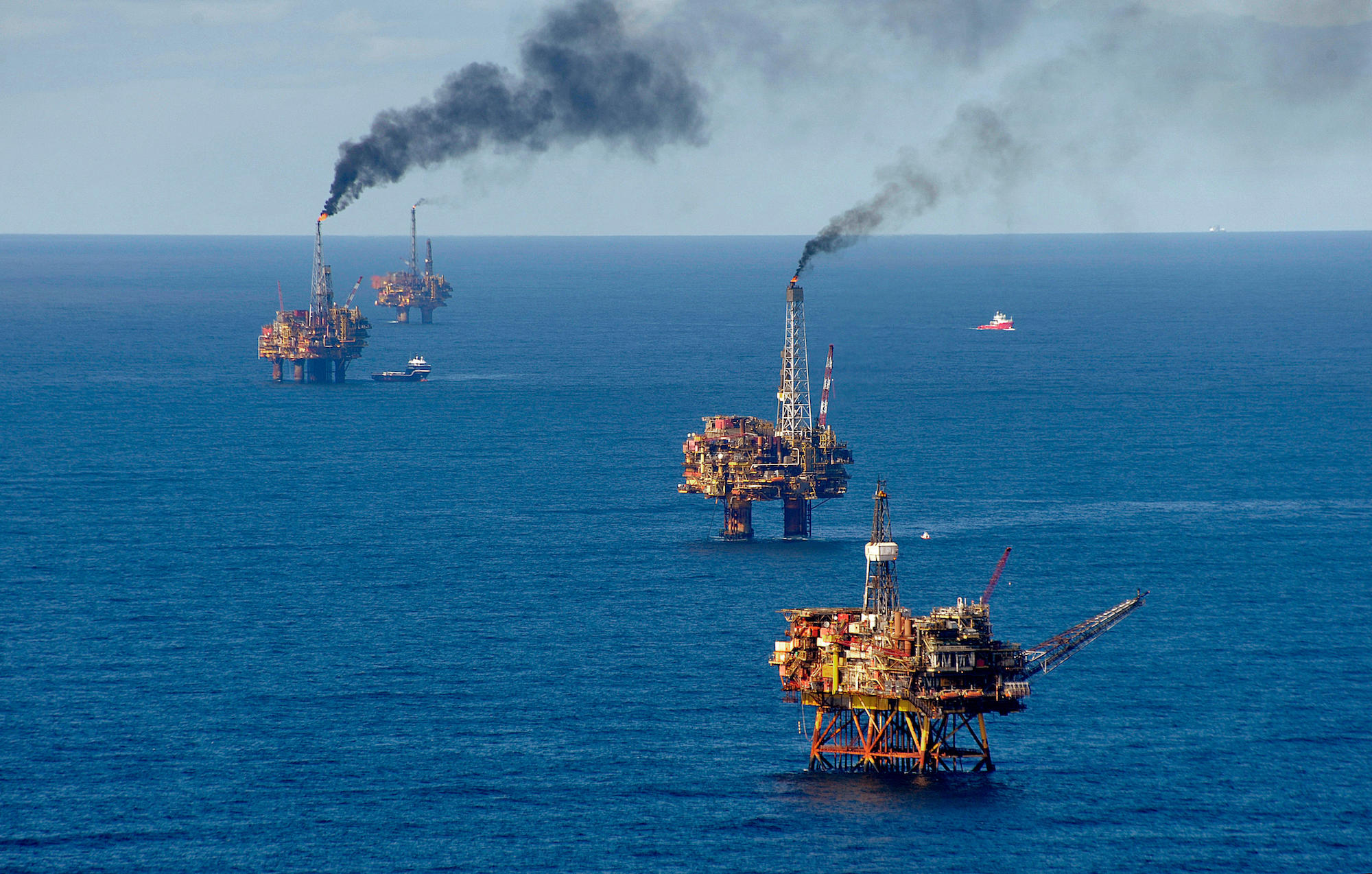
KRT18T North Sea, Oil production with platforms. Aerial view. Brent Oil Field.

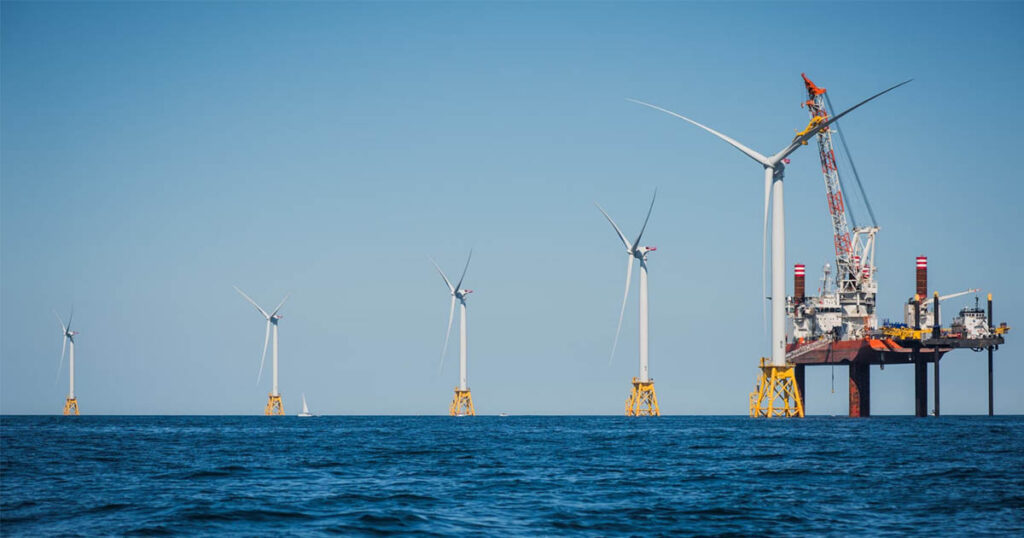
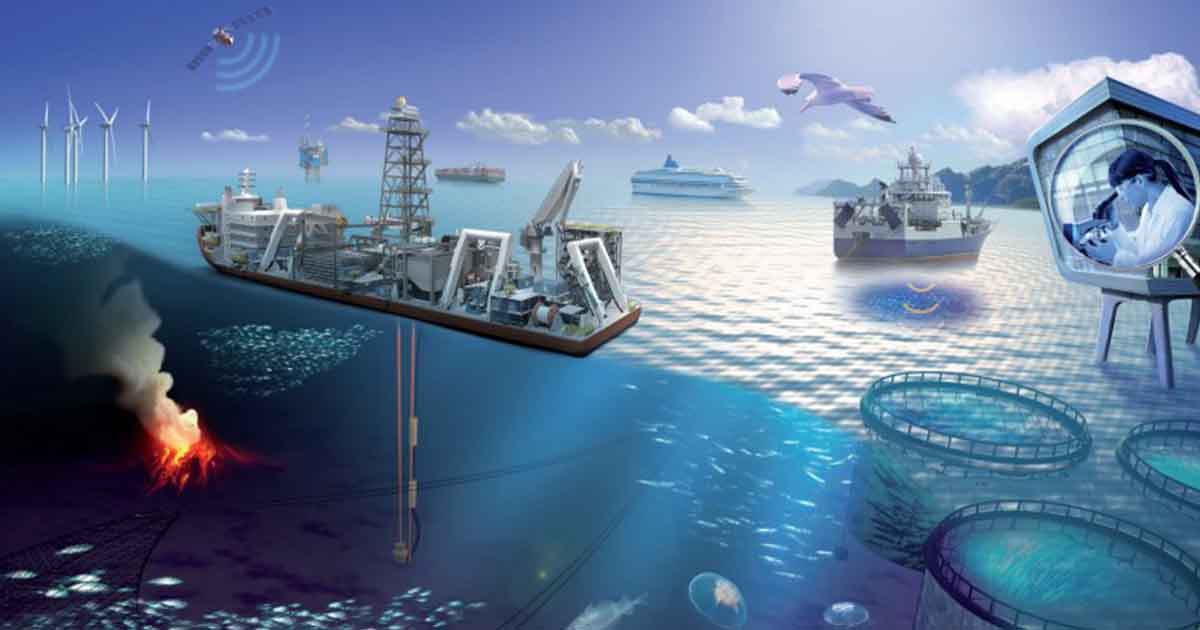
One of the sectors is Tidal and Wind Energy. Pakistan’s blue economy can greatly benefit from energy production from its seas and coast. One form of energy called tidal energy is gaining great interest. Tidal energy produces electricity from the kinetic energy of the oceans waves. Utilizing this energy could be a renewable source of energy for its coastal cities of Gwadar, Karachi etc. Many countries, even China have successful projects. Pakistan’s National Institute of Oceanography (NIO) in 1988, identified 17 coastal creeks for tidal energy. In present day, the technology to measure and efficiently produce this type of energy has increased manifold. It’s all a matter of initiative. Similarly, wind energy near coastal areas, especially Balochistan are plump with strong winds. A survey identified an 18 MW energy potential on 1 km of land near the coastal belt. Considering this, a small initial investment in this regard would yield better and longer term results.

Furthermore, the Shipping Industry of Pakistan can also advance Pakistan’s blue growth. The former shell, the Pakistan National Shipping Corporation (PNSC) currently has only 12 ships under its name. 99% of Pakistan’s oil imports are shipped by these 12 ships, meanwhile, their contribution of the rest of Pakistan’s trade is a meagre 7%. It is well known that 80% – 90% of the world’s trade passes through the oceans. In the case of Pakistan, estimates put it at an astounding 95%. This means that the rest of the trade which does not come via the PNSC is subjected to foreign ships which charge additional money, which goes in other countries pockets. The shipping industry of Pakistan makes only $183 million. Compared to our South Asian neighbours, India makes $5.6 billion and Bangladesh makes $6 billion. $3.5 billion of Pakistanis money goes into freight charges from using foreign ships. If Pakistan inducts more ships and bridges the gap, a vast potential is present to decrease cost of imports as well as employ more Pakistanis and earn more money into the exchequer.
Moreover, the prospects for blue growth also lie in Ports. Ports in Pakistan are plenty but the main two ones are Karachi and Gwadar. Most of Pakistan’s trade passes through Karachi, but the development of Gwadar port under CPEC has been a game-changer. China wishes to de-securitize its sea trade, especially its oil imports. Gwadar lessens the distance and achieves this problem by lessening the distance from more than 10,000 km to 2000 km – 3000 km. Soon afterwards, the rest of Chinese trade will go through Gwadar and Pakistan can profit greatly from all the traffic and tax. Similarly, China’s Linear Shipping Connectivity Index (LSCI), measuring ease of doing port shipping, is the highest in the world with 151 points. Pakistan stands at only 34 points. Under an agreement in CPEC, Pakistan can get Chinese expertise and improve the attractiveness of their ports. This can help ease congestion and speed up port activities as well.

Shipbreaking yard is another sector to be considered for blue growth. NGO Shipbreaking Platform is a shipbreaking monitoring organization originating from the European Union and afterwards going global (now focuses mostly on South Asia). According to its 2018-2019 2-year report, 70% of all ships went to South Asia i.e. Pakistan, India and Bangladesh. Unfortunately, Pakistan only received 115 ships in its yards meanwhile Bangladesh and India got 4 times the number of ships. According to reports, we earn $100 million from our ship-breaking yards meanwhile the potential stands at $3 billion. The main issue lies with our Gadiani ship-breaking yard. Its Pakistan’s main and major ship-breaking yard, however, it is plagued with accidents, fires and deaths every few months. After each accident, the yard is closed for months and then the cycle continues. Low wages, poor equipment, government negligence and bad conditions pave way for an inefficient and danger prone environment. The government instead of focusing on Gadiani have set their eyes on building another ship-breaking yard at Gwadar. Though that is a welcomed move, it is not the correct one. The money should be diverting to Gadiani ship-breaking yard’s upgradation and infrastructure so we can become a top ship-breaking nation and earn profits by recycling etc.

Furthermore, the Fishing Industry of Pakistan cannot be neglected when taking blue growth into discussion. Pakistan’s 990 km coastal belt with a 320 nautical mile ocean claim covering 290,000 square km has a variety and excess of fish and marine life present. Yet the statistics tell us that our blue growth is minimal. A mere $351 million is earned by the fishing industry compared to the $2 billion estimated potential. Pakistan’s Fish and Agriculture Organization (FAO), which counts the statistics and regulates them, said that only 771,608 tons of fish were captured in 2018. India and Bangladesh both produced 26 and 10 times more than us respectively. The main aim for the future should be incentivizing, investment and modernization of the fishing vessels. Our 10,000 strong fishing vessels are nothing compared to India. Even Bangladesh has more than 60,000 fishing vessels. The government needs to tap this industry as it will prove effective for exports and domestic sales as well.

Along with the other sectors, Marine tourism also promotes Pakistan’s blue growth. Marine tourism is an internationally beloved industry attracting billions worldwide. South Asia already makes $31 Billion from marine tourism. However, Pakistan only adds $50,000 to the GDP from this industry. Pakistan’s main issue is development and infrastructure. It should look at examples of other countries both in the West (US, Spain, France) and in Asia (Maldives, Sri Lanka, Philippines) to develop the God gifted beautiful beaches. Many activities and events can be produced. The total potential stands at $5 Billion for Pakistan.
Pakistan has begun to strive toward a blue economy, and the ambition of long-term growth and development will only be realized if the political elite shows strong commitment and seriousness to this sector. Pakistan must invest in both intellectual and physical resources as well as needs to take ironclad measures. At last, the poor infrastructure, red tape inside the system, bureaucratic bottlenecks, regional instability, particularly a severe law and order situation in Balochistan, and a lack of cooperation and knowledge between departments and ministries must all be addressed.


Social Contract Theories: An Analysis

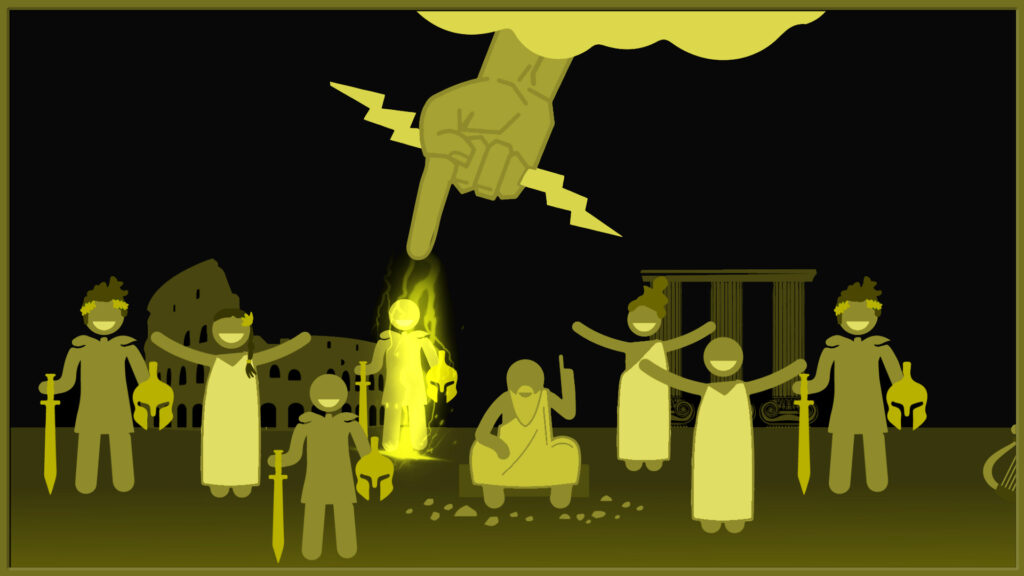
These three philosophers Hobbes, Locke and Rousseau were the main thinkers of philosophy. They helped men evolve this social contract theory to what it is now, in this modern day. Socrates believed that if you live in the society you agree to follow the rules. Then the idea of social contract theory was given by Hobbes. Their ideas depends on the social issues of their time and are influenced by the era in which they used to live. A main similarity in their work is that all three of them believed that there should be a sort of social contract, a constitution of a supreme power, such as government in order to govern the rights of man, but they have different views on how social contract should be established and how the government should be formed.

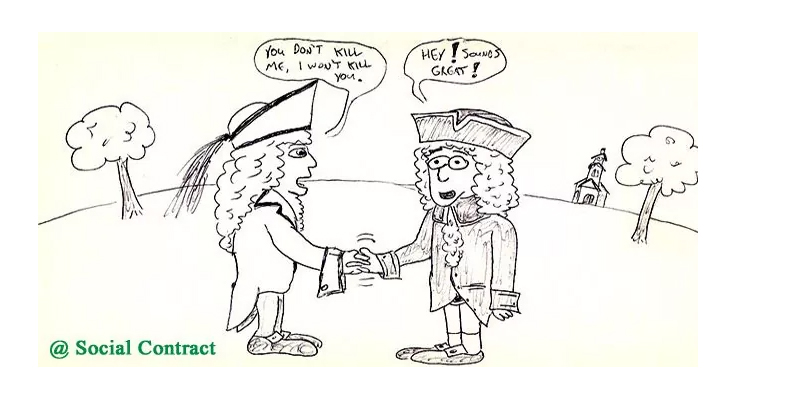
Social contract is an agreement between the members of the community or between the legal sovereign authority and its people. In order to understand the Social Contract Theories Expounded by these philosophers, we have to understand their state of nature. According to Hobbes human nature is selfish and must be controlled while according to Locke humans are rational and Rousseau thinks humans are good and compassionate but have a tendency of corruption in them. Hobbes first imagined that if there is a state of nature where is no law, there would be chaos as war in in the nature of man. A state of nature is a dangerous place according to him. So this thought gave him an idea of social contract theory. Hobbes felt that the man’s power hungry nature and the state of war is controlled by social contract. As when there is one visible power, it keeps the men in awe and tie them by fear of punishment to the performance of their promises and observations of these laws of nature. Locke feels the same that the purpose of law is not the restriction of man’s freedom but is rather to grant man liberty. If there is no law there is no freedom because liberty has to be free from violence from others and laws help up with this. Laws promote the idea of popular sovereignty. He (Locke) also believed that laws are made to establish man’s natural rights. Rousseau also thought the same that the creation of social contract secures man’s rights. He thinks that it’s the people who are sovereign. For Hobbes if there is a social contract people are going to live in peace, without rights under the control of monarch. According to John Locke natural rights would be enforced by government created with consent. For Rousseau life is going to fare for everyone. As as we look to the benefits of everyone .Rousseau begins on social contract with his famous quote “Man is born free, and everywhere he is in chain” Also he said that social contract is essential if a man has an intention to survive.

Hobbes perception was that man is evil and government is needed to protect public. Government should be powerful and cannot be overthrow. Power should not be shared and executive is absolute. While Locke had this idea that government desires the benefit of public and can be overthrown on some conditions. Power should be shared on legislative and executive. And Rousseau has this point that man nature is good but society screws it up. Government is needed to enforce social contract and power is shared and direct and there is no need of representatives. Hobbes placed moral obligations on the sovereign who shall be bound by natural law. Hence, it can be concluded that, Hobbes was the supporter of absolutism. According to Locke man lived in the State of Nature. It was reasonably good and enjoyable, but the property was not secure. He considered State of Nature as a “Golden Age”. It was a state of peace, goodwill, mutual assistance, and preservation. In that state of nature, men had all the rights which nature could give them. Jean Jacques Rousseau gave a new interpretation to the theory of Social Contract in his work “The Social Contract” and “ Emile”. According to him, social contract is not a historical fact but a hypothetical construction of reason and before the Social Contract, the life in the State of Nature was happy and there was equality among men. As time passed, however, humanity faced certain changes. As the population increased, the means by which people could satisfy their needs had to change. People slowly began to live together in small families, and then in small communities. Divisions of labour started, both within and between families, and discoveries and inventions made life modern and much easier giving rise to leisure time. This all lead people to make comparisons between themselves and others, resulting in public values, leading to shame and envy, pride and contempt. The most important thing he invented was the private property.
Hobbes believed that without subjection to a common power of their rights and freedoms, men are necessarily at war. Locke and Rousseau disagrees to this and set forth the view that the state is to preserve and protect the natural rights of its citizens. When government fails in that task, citizens have the right to withdraw their support and even The social contract that has been evolved today is because of these political philosophers.


Afghanistan and Ethnic Conflict

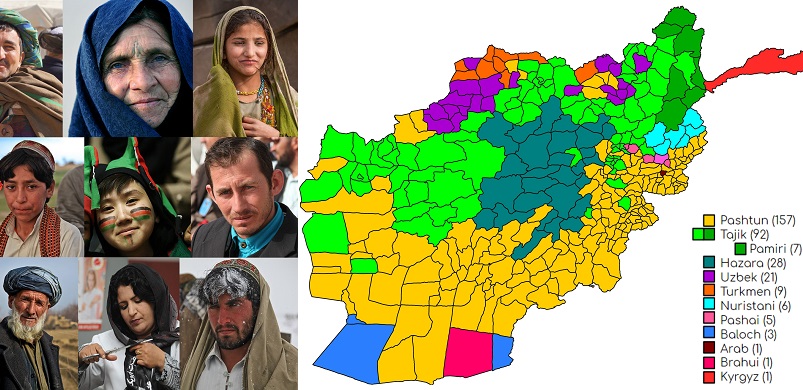
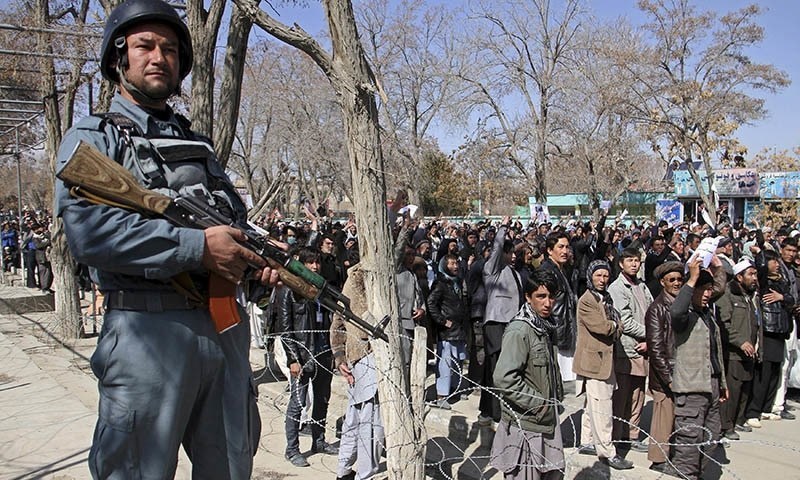
Afghanistan has different ethnic groups resulting in the major struggles between them, which lead towards violence, and hatred. Even to this day, Afghanistan faces ethnic and religious diversity’s that put a risk of religious and ethnical conflicts due to its geographical position, There are so many ethnic groups in Afghanistan and the most prominent ones are Pashtuns, Tajiks, Hazara’s, and Uzbek’s (Greens). Pashtun and Tajik’s are the Sunni group while Hazara’s are the Shias. Hazara’s are in minority. After the Afghan- Anglo wars and Soviet invasion, Ethnic rivalries increased. Now if we talk about the Taliban there, they are also the followers of Sunni ideology and are against Shias. When Taliban rose to power in the mid-1990s, they started committing atrocities against their opponents, the Shias Hazaras, Tajiks and Uzbeks. Afghanistan is already a fragmented state and is in a warzone, what more worse it can face. For most of this decade, US, NATO and other allied troops, have been indulged in counterinsurgency campaigns in Afghanistan. The Islamic concept of jihad seems to be the motivating factor and the main ideology behind the insurgency. However, Afghanistan is a diverse society with multiple ethnic and sectarian cleavages, and parallel with the insurgency and the predominantly Pashtun character of the insurgency suggests ethnic grievances behind the ideological veil as well. Once it happened in Afghanistan that the Pashtuns established a movement of Pashtunistan, which means greater Afghanistan and wanted its neighbouring countries such as Pakistan to be in Afghanistan, but failed.

Theory of constructivism will give a better understanding as Constructivism has proved to be a more effective approach to viewing international relations. Constructivists say that neither identity nor interests can be detached from a world of social meaning. The necessity to devise the right policy options when dealing with such complicated situations often prompts decision makers to base their solution on what they perceive as the “dominant” side of the conflict, i.e., either the ideological or the ethnic character. Furthermore, Afghanistan is a war affected and under developed country. The country relies on foreign aid for its development, infrastructure, and human welfare. If it gets disintegrated, a lot of resources will be needed for that which the people of Afghanistan does not have. However many Hazara accuse the Government of not distributing this fairly to the provinces where they form a majority. If we look at the current situation of Afghanistan, it is facing an intra Afghan conflict as well.

All the elites have their own parochial self-interests, their interests are not state centric. Also, whenever the political parties are formed, the leader social identity affects the decision on how much on how much resources he has to contribute, for what and where.
Afghanistan is already a fragile state with lack of sovereignty and democratic values and culture as well. Afghanistan and Hazaras the minorities will be mis-treated. Well Taliban’s and its government is of Pashtuns and are in majority, while the other ethnic groups are in minority. The largest ethnic group in Afghanistan, estimated at around 45% of the population and mostly concentrated in the south and east of the country, are the Sunni Muslim Pashtuns. The Pashtun population is split in half by the Pakistan-Afghanistan border, the Durand Line, and has a long history of challenging state power and the legitimacy of official borders in both countries. Until recently, when Pakistan built a fence on the border, Pashtun tribesmen and fighters crossed the border as if it did not exist. Pashtuns are often characterized as fiercely independent and protective of their country, honor, traditions and faith. The Taliban pose a threat to the civil and political rights of Afghans, which are enshrined in the constitution drafted by the government with U.S. support. The Taliban have acted in a manner reminiscent of their ruthless rule in the late 1990s since regaining power. Numerous abuses of human rights have been recorded by the UN mission in Afghanistan. unequal rights for every ethnic group residing in Afghanistan is also the violation of human right and when there violation of human rights, there is a high chance of conflict or civil war.