Hurricane Ian: A Story Of Disaster

Introduction

Southwest Florida witnessed the landfall of Hurricane Ian, a Category 4 hurricane with winds of up to 155 mph (250 kms per hour). As a result, it ranks among the five strongest storms to ever affect the United States as a whole and the state of Florida. Over 2 million individuals lacked access to electricity throughout the state. Hurricane Ian is the type of storm that weather experts have long warned about that a hurricane may impact Florida’s western coast, where construction and population growth have taken place despite the greater risk of hurricane in recent years. There are chances that a significant area can be destroyed by catastrophic winds, severe rainfall, and storm surge caused by low pressure systems that force ocean water barriers offshore. Hurricane impacts in the United States are getting stronger due to multiple factors including climate change and human involvement through industrial carbon pollution which are making weather events more intense and weather patterns more complicated. Scientists are now unsure of whether the frequency of storms will change or not, but they are convinced that hurricanes strength and severity will keep on rising. Due to these tendencies, storms are becoming stressful in terms of material losses and human casualties.
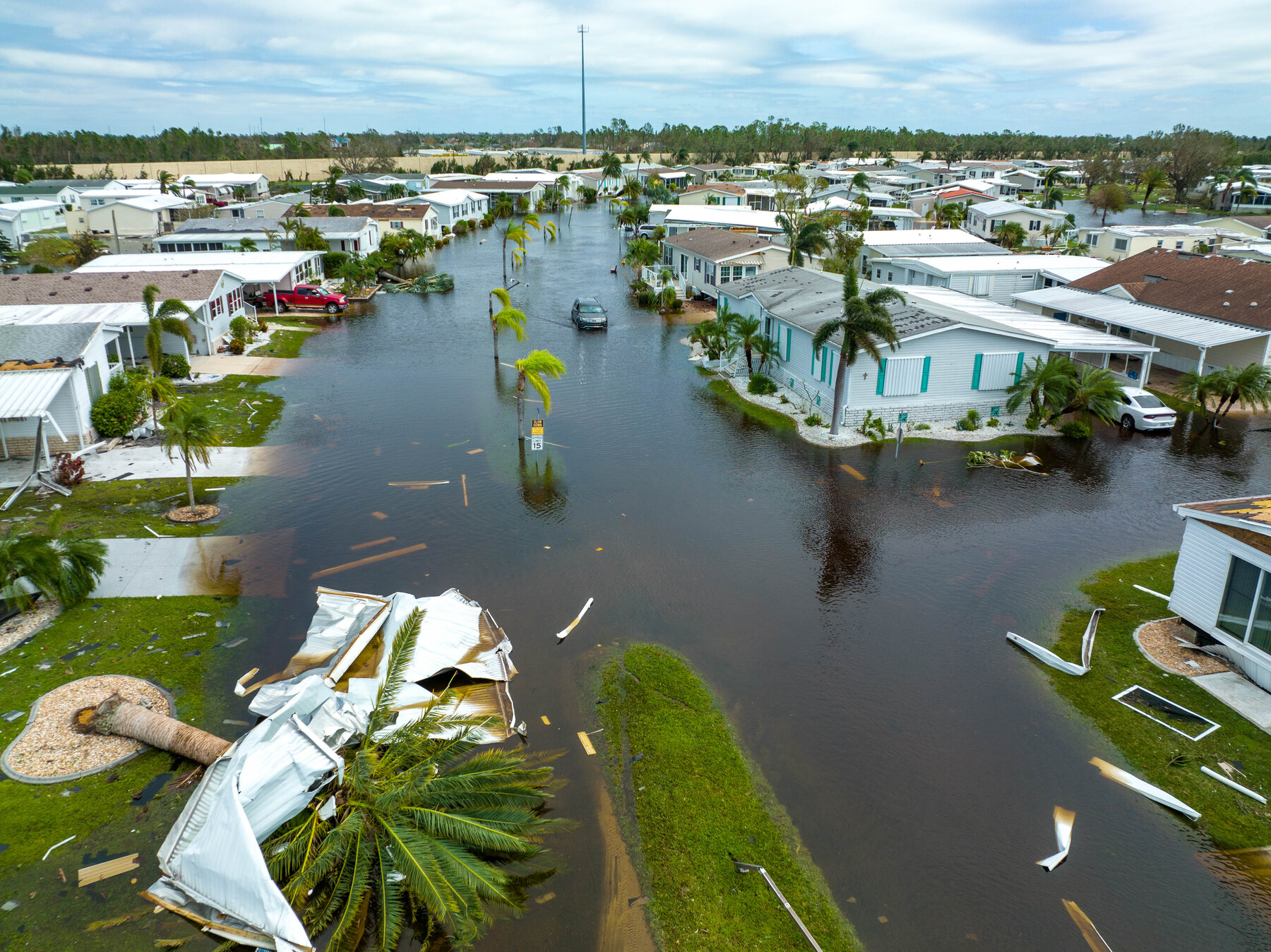
The situation on the Ground

According to National Oceanic and Atmospheric Administration (NOAA) tidal gauge data, sea levels in the areas of South Florida have already increased by nearly eight inches since 1950. As a result, the water base level is higher, allowing hurricane surge to extend a few inches higher and cover a larger area. As polar ice sheets melt more quickly due to warmer temperatures, researchers anticipate an acceleration of sea level rise in future. Hurricane Ian has claimed the lives of more than 100 people. In addition to human casualties, infrastructure has been severely damaged and the recovery is anticipated to cost insurers a heavy amount and $67 billion damage as per Bloomberg reports, which would make it the most expensive since Hurricane Andrew in 1992. While authorities in South Carolina started evaluating the damage from Hurricane Ian’s impact, rescuers looked for survivors among the wreckage of Florida’s homes that had been flooded. According to President Joe Biden, Hurricane Ian could end up being the deadliest hurricane in Florida history and may have caused “substantial loss of life.” In addition to causing damage to the area, hurricanes undermine public health, transportation, energy, water and sewer systems, as well as structures for manage flooding. The provision of vital services to communities and the maintenance of business continuity depend on these systems which are completely halted due to frequency and occurrence of hurricanes while affecting different dimensions of human security.
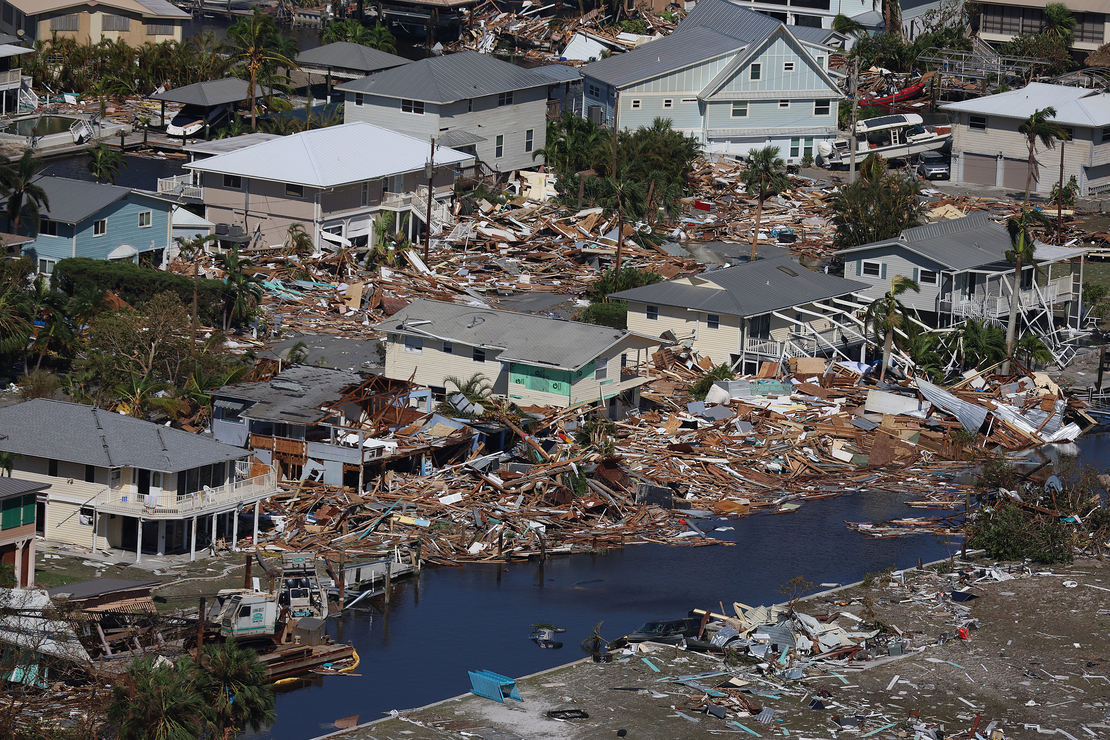
Factors Affecting Hurricanes

There is a consensus that storms like Ian have already been impacted by the sea level rise and increased temperatures over the past century, and that this impact may persist in the future. Weather that is hotter causes oceans to get warmer and strengthens hurricanes. The temperature of oceans is rising because of climate change, in addition to this greenhouse gases released into the atmosphere, as well as other factors such as excessive levels of physical air pollution can be attributed to human activities that have resulted in extreme weather conditions. Rapid intensification, which occurs when a storm’s highest wind speeds increase by 35 mph or more in a single day, is one of the most destructive characteristics of hurricanes. Early studies suggest climate change has already made rapid intensification more common. According to an IPCC study from 2021, “during the past four decades, the global frequency of fast intensification occurrences has probably increased.” Furthermore, despite the fact that hurricanes occur less frequently nowadays, but climate change has increased their intensity about 25% since 1979 as per NOAA report of 2020.
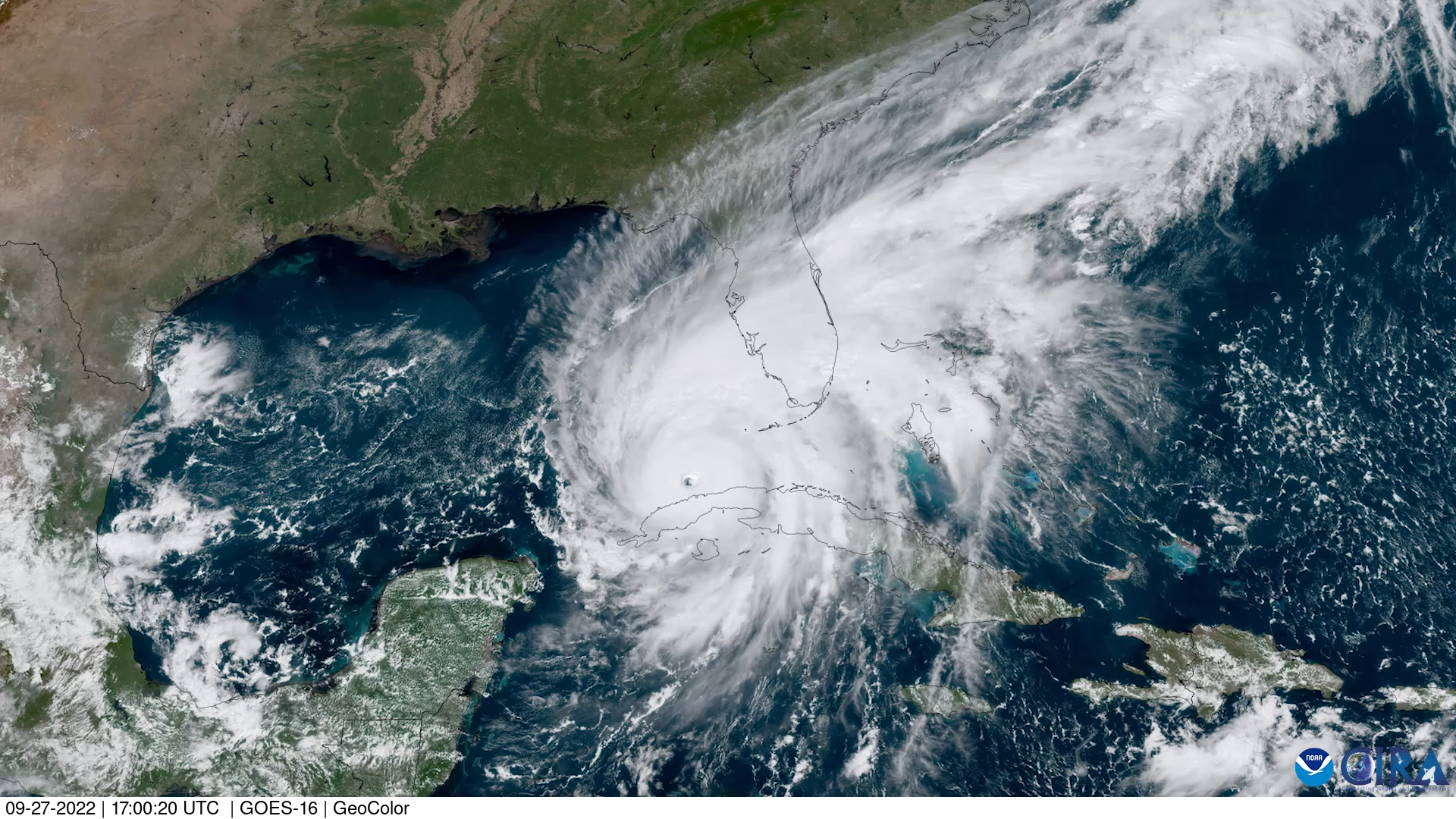

A threat from climate change originally appeared far off which is not true anymore. We are all too familiar with its appearance now. Every hurricane, intense downpour, flood, heat wave, wildfire, and drought demonstrates it more vigorously. Even the daily weather reflects climate change situation. The oceans and air are getting warmer, there is more water vapor in the atmosphere, and sea levels are higher as a result of climate disruption. These changes have altered the background conditions in which all weather happens. Here, Ian Hurricane is a good example. In order to lower the probability of the strongest hurricanes in the future, it is imperative to make immediate reductions in greenhouse gas emissions with an aim of halting global warming. Therefore, it has become crucial than ever before to develop resiliency and adapt to the changes that are unavoidable while also taking all reasonable precautions to save our globe from the disastrous effects of climate change resulting in bigger and destructive events.

Nord Stream Attacks Could Create A Gas Crisis For Europe This Winter

Introduction

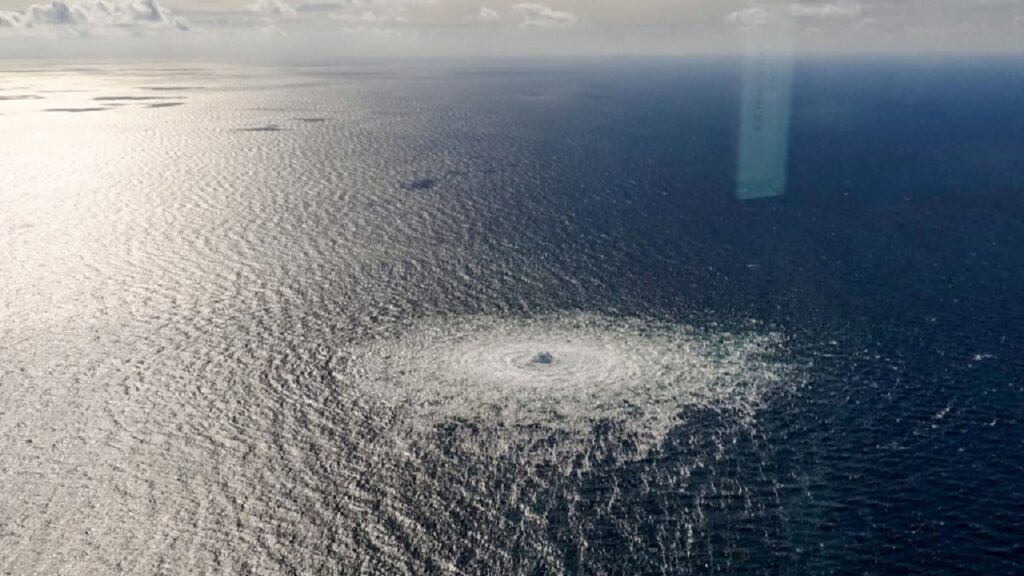
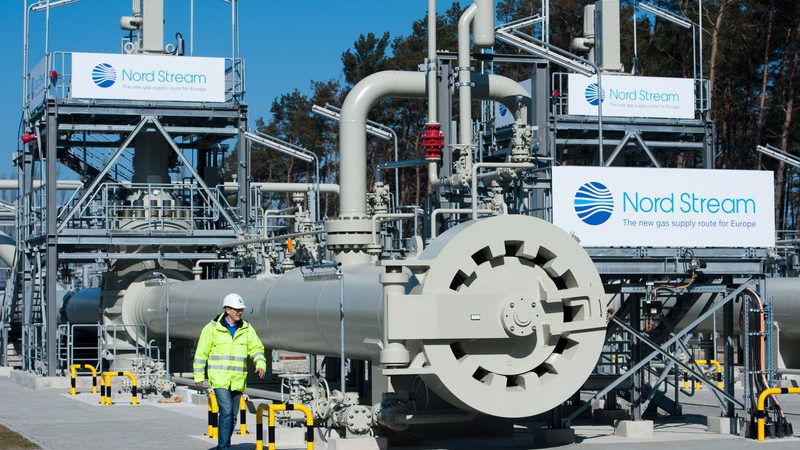
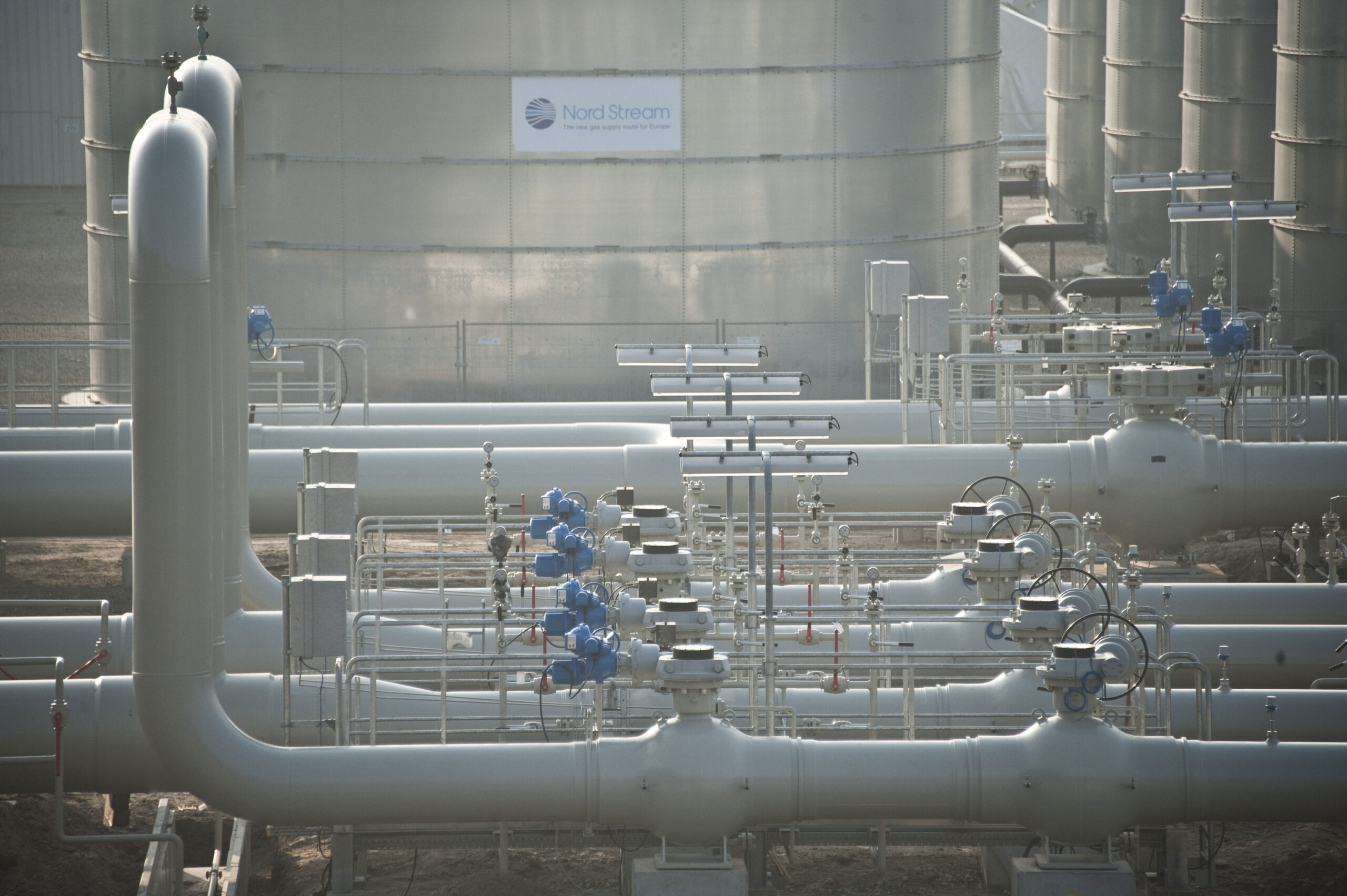
The Nord Stream gas pipelines, which cross the Baltic Sea from Russia to Europe, experienced a heavy leakage due to pipeline explosions. The size of a leak poses a serious risk not only to public safety but also can be proved catastrophic for the environment. A significant debate was sparked by the explosions that tore through the Nord Stream 1 and Nord Stream 2 pipelines across all platforms. Off the coast of Denmark, multiple under sea explosions were observed by Swedish seismologists. Following the attacks, pressure dropped in the Nord Stream 1 as well as Nord Stream 2 pipeline by 94%, according to German pipeline monitoring administration. However, because of the dispute between Russia and European Union erupted as a result of Ukraine war, the two pipelines were not operational but they still had main component of natural gas i.e. methane. As shipments in Nord Stream 1 were stopped in September by Russia and Nord Stream 2 was halted as a result of cancellation of certification procedure by Germany. In only one day, three distinct leaks occurred in the pipelines that transport Russian natural gas to German consumers. As per reports, it is statistically not possible to have three explosions on the same day, which makes sabotage appear certain that also resulted in accusations. The causes of explosions were not certain, when the leaders of Denmark and Poland, indicated sabotage the most likely cause in a joint letter sent to the UN Security Council.

Dueling Accusations: West vs. Russia

It is not obvious who might be responsible of any sabotage of the Nord Stream pipelines that Russia and European allies spent billions of dollars in constructing while gas leaked out under the Baltic Sea for a week after it was first reported. Europe, the U.S. and Russia are trading accusations about leaks on the Nord Stream gas pipelines. NATO accuses Moscow of sabotage and warned of a military response, despite Moscow’s denial of any involvement. NATO, the European Union, and officials like Fatih Birol, director of the International Energy Agency are not holding back on identifying the responsible of the incident, and on September 29 he said that “It is very obvious who was behind this issue.” At the same time, Russian authorities have blamed the West and called for a meeting of the UN Security Council to discuss the situation. Russian officials called accusations baseless and claimed Washington has a motive to increase its sale of liquefied natural gas (LNG) to Europe. President Vladimir Putin said that the United States and its allies had destroyed Nord Stream. He asserted that the Anglo-Saxons turned to sabotage since the sanctions were insufficient for them, it was an attempt to destroy Europe’s energy infrastructure. On the other hand, the White House rejected the statement and President of the United States Joe Biden said that sabotage was intentionally used rather than a technical issue to affect Nord Stream. According to European leaders, oil and gas security across Europe is at risk as a result of the Nord Stream pipeline leaks which will further increase the economic burden as Europe is already struggling with high energy and gas prices.

Unprecedented Winter In Europe

The Nord Stream pipelines are thought to be unlikely to transport any gas to Europe this winter due to the degree of damage occurred to gas pipelines. This winter, Europe will likely experience its worst energy crisis due to record low oil and gas reserves. For the normal usage, households will only have a little supply of gas. Europeans relied significantly on Russian energy for its 40% needs. Because of the conflict in Ukraine, Russia is subject to sanctions from the West, and Moscow is using its energy as a response. In September 2022, Russia completely halted its energy supply and the current Nord Stream attack will further escalate the crisis. It will be the Europeans who will be most affected by rising energy prices and depleting energy supplies. Moreover, European economies are already suffering severe economic losses as a result of the interruption of Russian gas deliveries, which could eventually outweigh the effects of the global financial crisis. A tough winter is approaching not only for households but also for chemical makers, steel factories and auto manufacturers that have joined consumers in raising concerns about skyrocketing energy costs. With a continent-wide recession now appearing to be imminent, these industries are suffering for vital raw materials. It is being highlighted by sabotage of Germany’s main gas pipeline from Russia that Europe will have to survive by without any large Russian shipments and gas supply in coming winter. This incident may result in increased finger-pointing between Russia, Europe and the West, escalating already high tensions over the war in Ukraine.


A New Chapter of Turkey-Israel Diplomatic Ties

Turkey was the first Muslim country to recognize Israel in 1949. But under Erdogan leadership, since 2003 ties between Turkey and Israel have deteriorated. The last meeting Turkey held with an Israeli Prime Minister was in 2008. In 2010, an Israeli strike on the Turkish Mavi Marmara ship resulted in death of ten Turkish civilians which caused a severe deterioration in relations. Turkey withdrew its ambassador from Israel in 2018 and gave the Israeli envoy the order to do the same in retaliation for Israel’s killing of several Palestinians during demonstrations near the Gaza border. After a four-year break, Turkey and Israel decided to fully resume diplomatic relations in August and re-appoint ambassadors and consuls general. Following years of harsh relations, both countries have recently increased bilateral cooperation and diplomatic efforts.

Israeli Prime Minister Yair Lapid and Turkish President Recep Tayyip Erdogan met in New York on the sidelines of the 77th session of the UN General Assembly. It is a first high-level exchange in 14 years since the two countries restored ties officially. This is the latest indication of improving relations between the two regional countries. Mevlut Cavusoglu, the foreign minister of Turkey, stated in a statement to the media following the meeting that both bilateral and regional concerns were discussed while taking into account all facets of the relations between the two nations. On the other hand, the Israeli Prime Minister’s office issued a statement saying that Lapid brought up the problem of missing and prisoner Israelis and the urgency of returning them home. Additionally, the Prime Minister expressed worries about Iran, Israel’s longtime adversary, and “thanked President Erdogan for intelligence collaboration.” The statement also added that the leaders addressed energy cooperation. Erdogan has stated a preference for Turkey to access Israel’s Mediterranean offshore natural gas reserves.

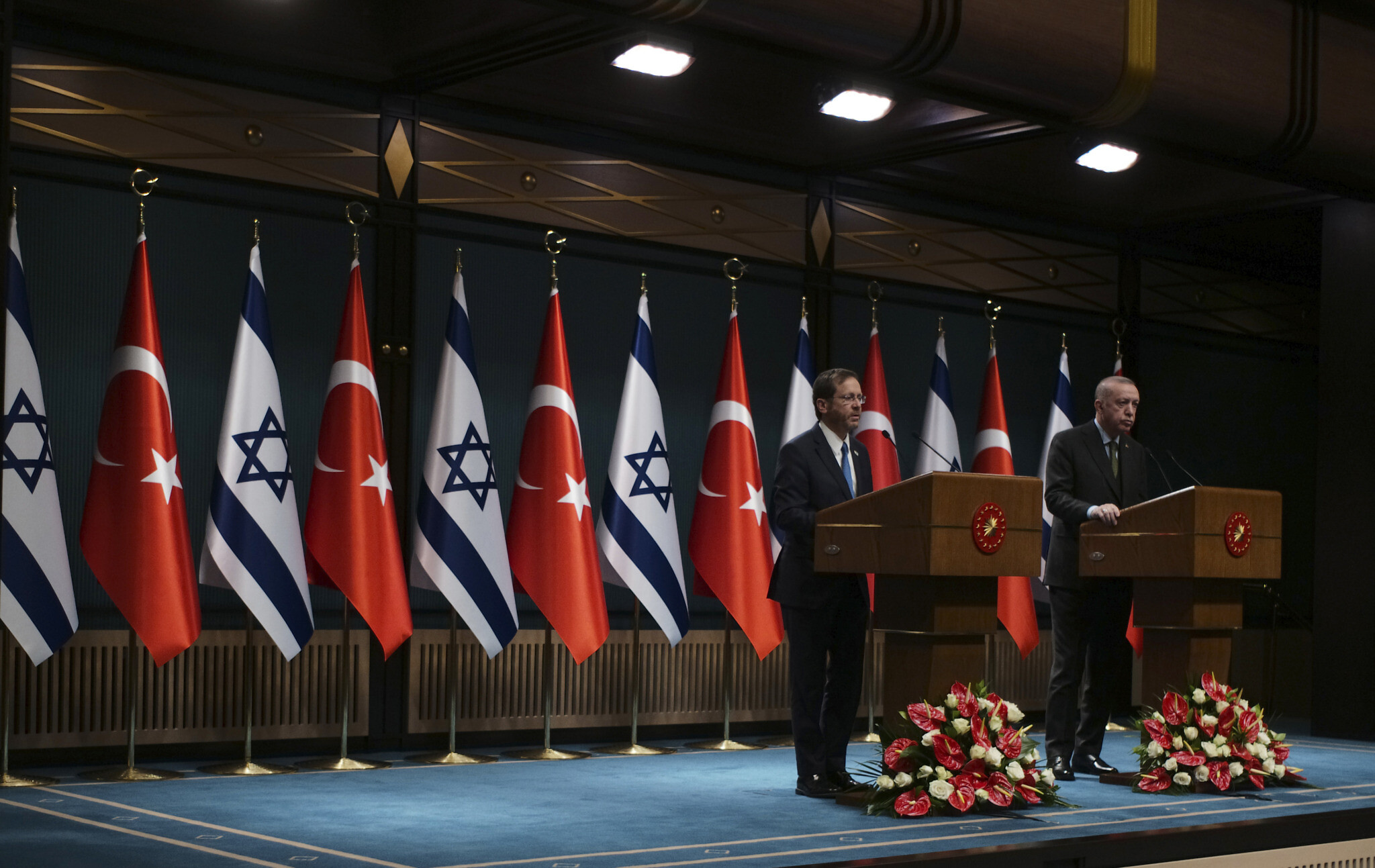
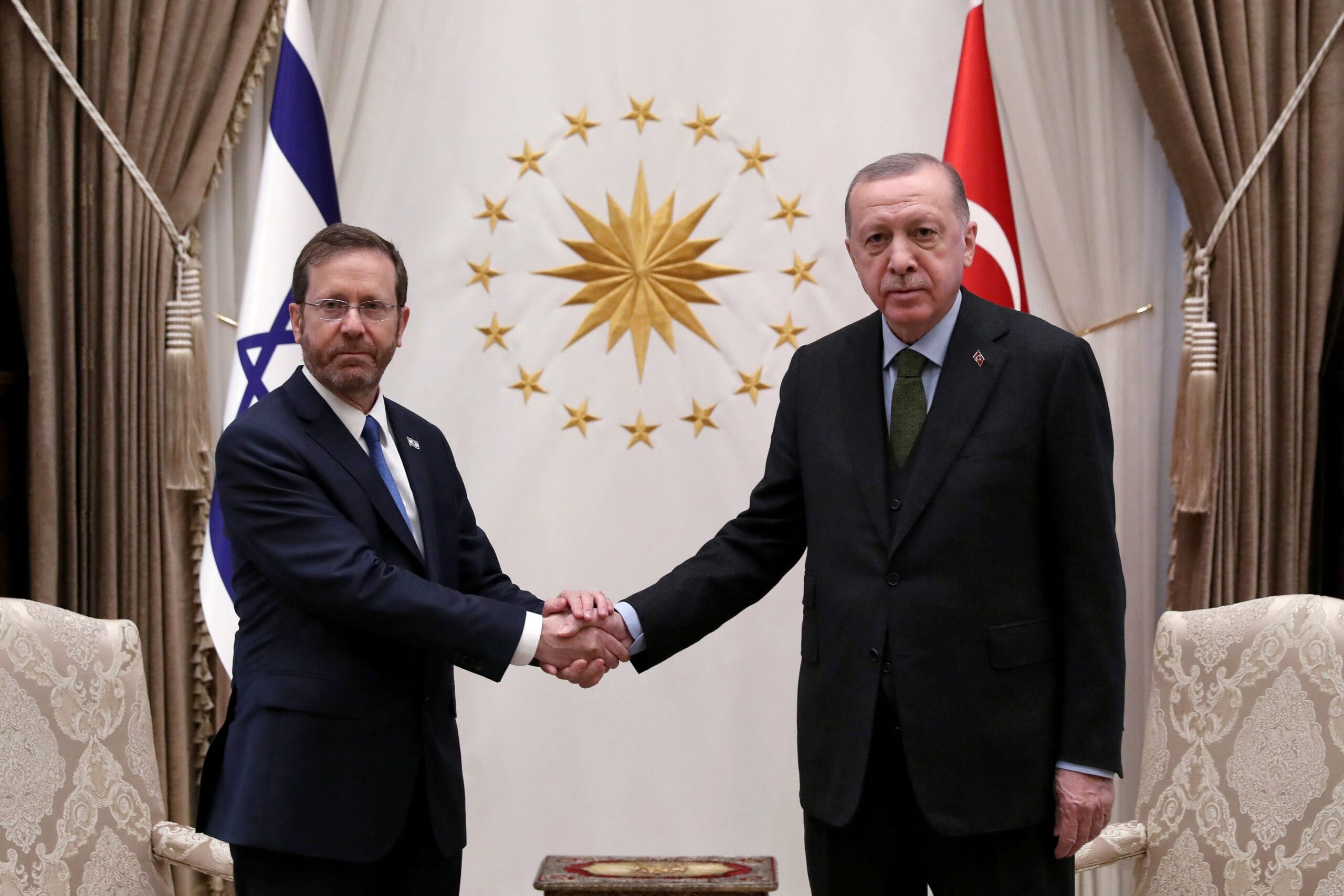
Turkish President Recep Tayyip Erdogan, right, and Israel’s President Isaac Herzog speak to the media after their talks, in Ankara, Turkey, Wednesday, March 9, 2022. Israeli President Isaac Herzog arrived in Turkey Wednesday for talks with President Recep Tayyip Erdogan, becoming the first leader from Israel to visit in 14 years as the two countries move to turn a new page in their troubled relationship.(AP Photo/Burhan Ozbilici)

Turkish President Erdogan reiterated calls for the creation of a Palestinian state with East Jerusalem as its capital in his speech to the UN General Assembly. He did, however, add that Turkey is committed to continue develop relations with Israel for the future, peace and stability of not just the region but also of Israel, the Palestinian people and ours. Marking the most recent step in improving relations between the two nations after a prolonged rift, Israel will have an ambassador in Turkey for the first time in four years, an important development to be considered. The ambassador will be Irit Lillian, a senior diplomat who has overseen the Israeli embassy in Ankara for the past two years, according to Israel’s foreign ministry.
The restart of relations took place as Turkey is facing diplomatic and economic challenges. Even now, there are still many areas where Israel and Turkey share interests. Both nations share the goal of maintaining Gaza’s stability, and natural gas production is still a possibility. It remains to be seen whether Israeli views against Turkish President and disagreements between the two nations over Syria’s future and the Israeli-Palestinian conflict will keep relations cold. Ankara recognized relations with Israel as an opportunity to strengthen its role as a route for energy to Europe while also gaining commercial advantages from a gas pipeline linking Israel’s gas reserves to its pipeline network. This could help to subtle the financial crisis in Turkey because of the President Recep Tayyip Erdoan’s monetary policy and a sharp drop in tourism as a result of the coronavirus outbreak as well as aid the Europe’s energy needs. On the other hand, due to Turkey’s position as a regional power, Israel has continuously shown a willingness to forge positive relations with it. Turkey is one of the three largest Middle Eastern countries and has the second-largest NATO military behind the United States. Turkey’s location halfway between Europe and Asia is strategically important. Turkish industry is excellent, and the country’s economy is among the top 20 in the world. Relationship building with non-Arab nations in and around the Middle East has long been crucial for Israel, both for economic and security reasons. The Israelis want a stronger relationship with Turkey for exerting pressure on Hamas. Also, Israel’s security depends on Turkey in part because it enables closer Israeli intelligence monitoring of Iran. The relationship between the two countries has enormous potential in order to counter other regional alliances and axis of power, normalizing relations between Turkey and Israel is anticipated. Depending on the circumstances, both parties would aim to maximize their gains and benefits either independently or bilaterally.


Key takeaways from 77th Session of UNGA

Introduction

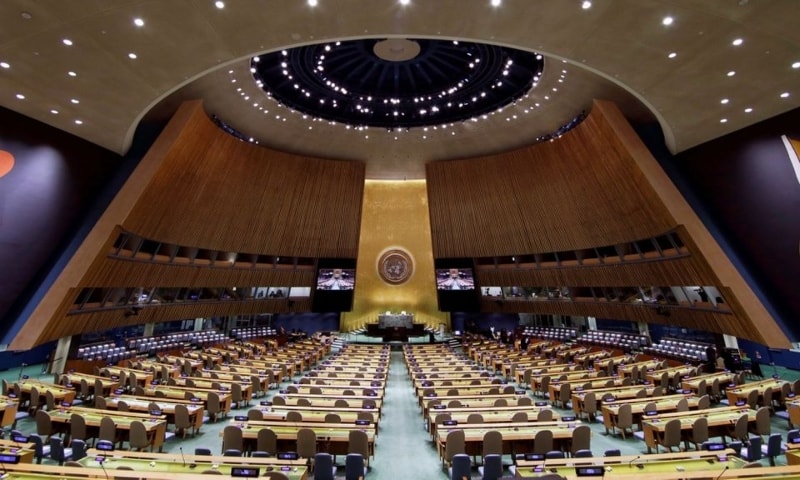
The United Nation’s primary policy making body is the UN General Assembly (UNGA). The UN General Assembly provides a platform for international cooperation to address the most important issues the world confronting today. The 77th UNGA and High-Level Week initiated from September 19-23. The greatest annual meeting of world leaders rescheduled in person to a globe torn apart by numerous crises, the most pressing of which is the conflict ongoing in Ukraine. The 77th session of the UN General Assembly, which began on September 20, 2022, was forewarned by UN Secretary-General Antonio Guterres that the world is in “great peril and paralyzed”. The theme for this year is “A watershed moment: transformative solutions to interlocking challenges,” which recognizes the shared causes of crises like COVID-19, climate change, and conflict and the necessity for solutions that increase global sustainability and resilience.

Ukraine Remained in Focus at 77th UNGA

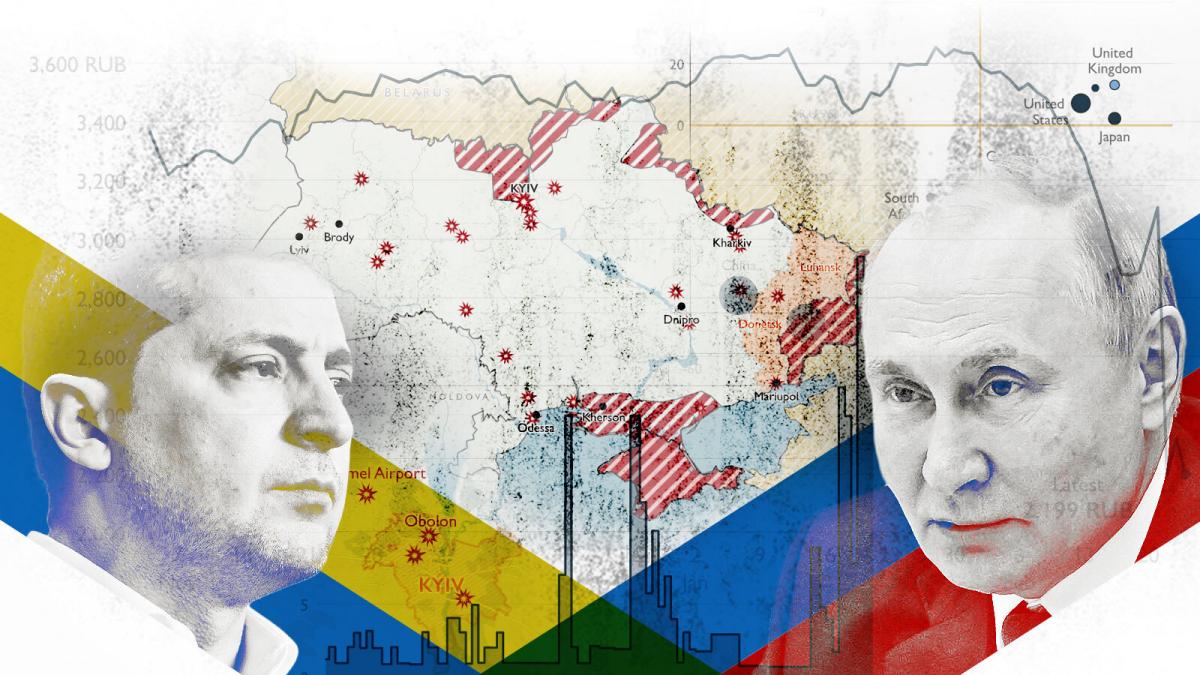
World leaders at the 77th UNGA in New York discussed Russia’s invasion of Ukraine and a worldwide food crisis exacerbated by the war. As the United States and its allies in the West fight with Russia for diplomatic influence, geopolitical divisions that have been resulted because of the conflict, therefore, at the UN General Assembly, the Russian invasion of Ukraine has taken center stage. Russia and Ukraine are key exporters of grains and fertilizers, the UN and other countries are trying to manage the food crisis from getting worse, which was already fueled by climate change and the COVID-19 epidemic by playing significant and due role in the situation. Along with a COVID-19 global action plan meeting and a replenishment conference for the Global Fund to Fight AIDS, Tuberculosis, and Malaria, the United States will co-host a food security summit alongside the European Union and the African Union on the sideline of the UNGA event. Meantime, Germany and France have denounced Russian President Vladimir Putin’s and condemned the war launched by Russia, while Qatar, Senegal, and Turkey have called for immediate peace talks and Lithuania has called for the creation of a war crimes tribunal for accountability. According to US Secretary of State Antony Blinken, Washington will keep helping Ukraine defend itself. In Russia’s War, France and Turkey presented themselves as key mediators in the ongoing conflict. During his speech to the 77th U.N. General Assembly on the first day, French President Macron referred to Russia’s war as a return to “imperialism”, and asked other countries to play their part for resolution of crisis between Russia and Ukraine. Whereas the President of Turkey stated “We need to find a dignified way out of this situation through a diplomatic process that is reasonable, fair and applicable.”

Russia at UN General Assembly

Ukraine has dominated debates at the UN. Russia’s Foreign Minister, Sergei Lavrov, claimed that Ukraine is posing challenges to Russian security and “brazenly trampling” on the rights of Russians and Russian speakers in Ukraine. However, a key development has been witnessed i.e. on September 21, Russia and Ukraine carried out an unexpected prisoner swap involving around 300 prisoner of war, the largest since the start of the war. Ukraine said that 215 Russian servicemen had been freed, including soldiers who had commanded the defence of the Azovstal steelworks in Mariupol. Viktor Medvedchuk, a former Ukrainian politician and Putin loyalist, was among the 55 inmates that Kyiv handed over to Russia in exchange.
UN Secretary-General Antonio Guterres did not perceive an immediate light at the end of the tunnel with regards to putting an end to the war, according to a statement from UN spokesman Stephane Dujarric. However, United Nations believe that there are ways to lessen suffering in Ukraine, and the UN is quite active with humanitarian support in Ukraine, as well as considering ways to manage the effects of the war at regional and global level particularly in the form of food and energy crisis experiencing by number of countries and Europe.


International Body United Nations Emphasis On International Aid For Pakistanis Flood Victims

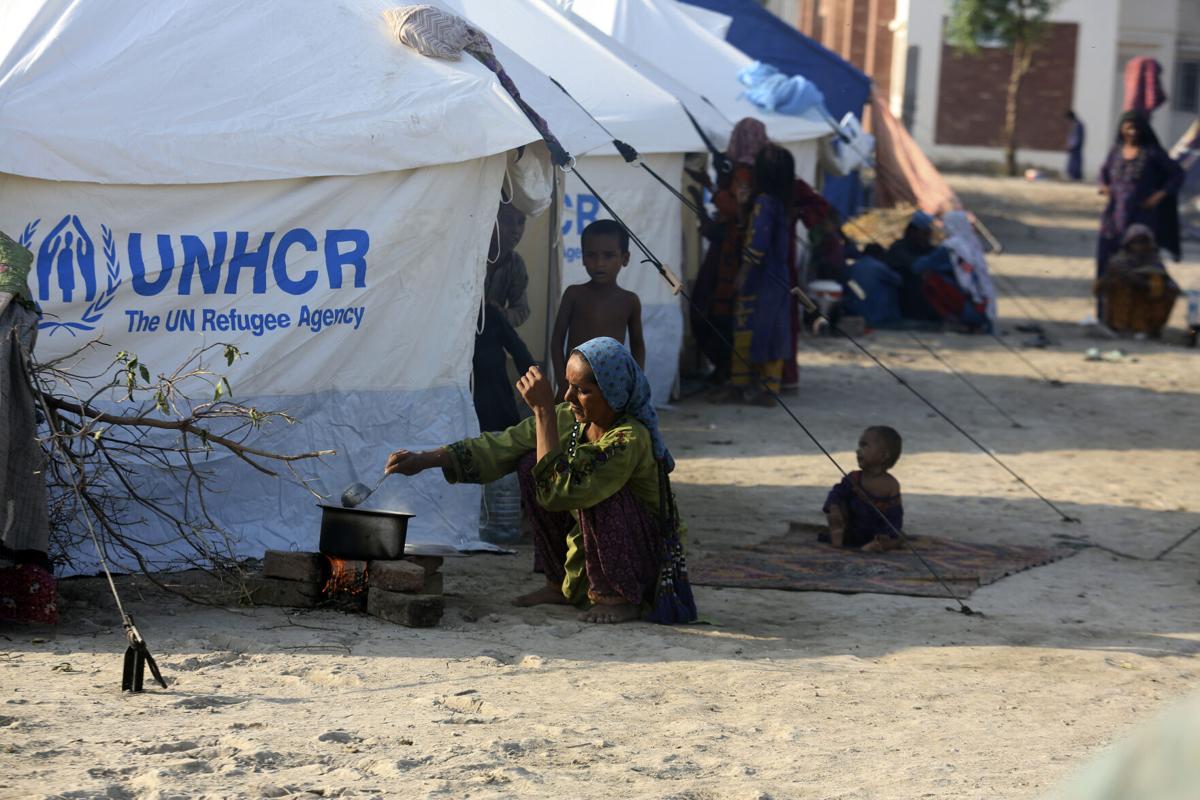
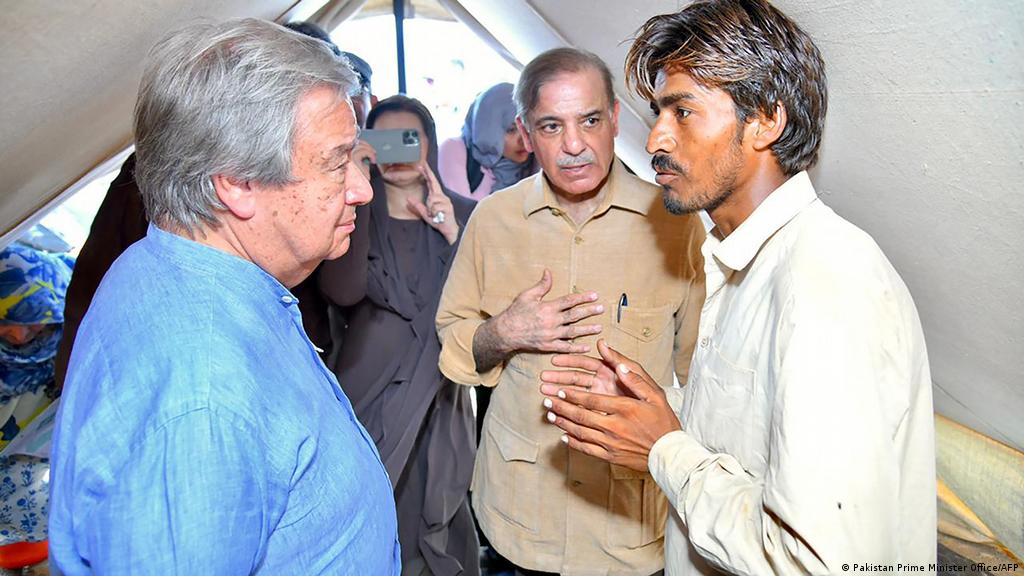
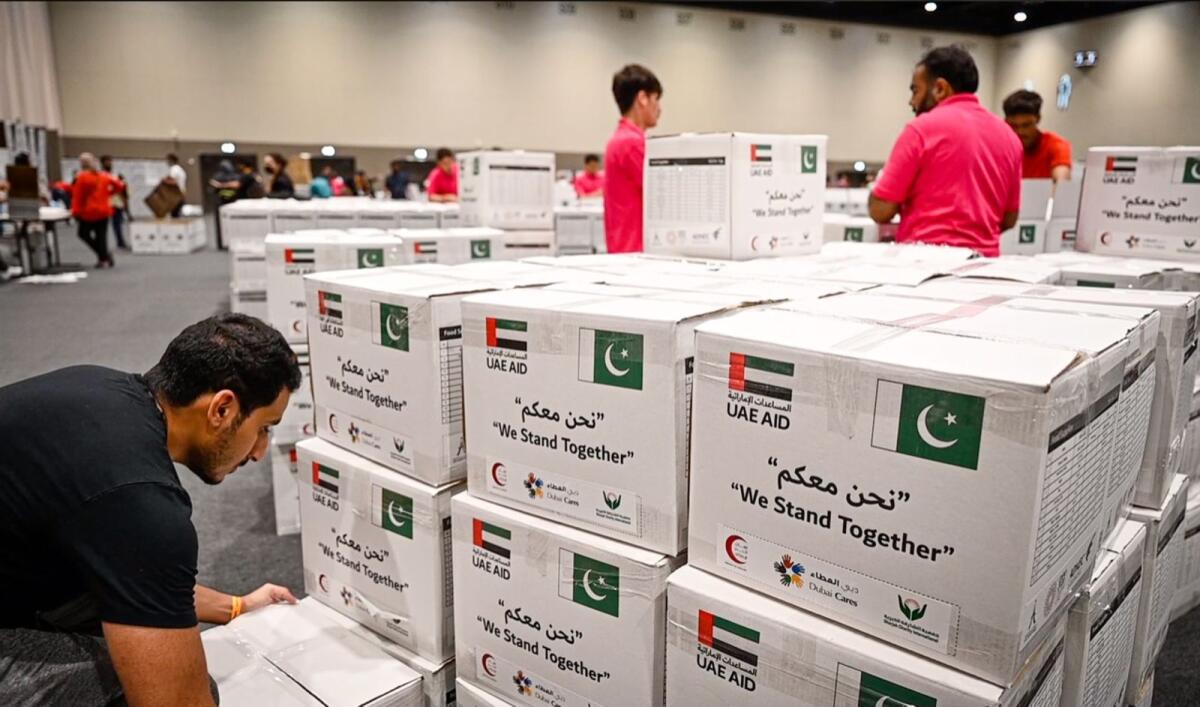
A number of UN human rights experts have encouraged nations to aid Pakistan after the country was struck by floods, referring to it as an “international obligation.” These dreadful floods and the immense human suffering they have wreaked in Pakistan are both a result of the global climate disaster. All nations that have contributed to the international climate disaster have a duty to help Pakistan recover, according to a group of UN experts who released a joint statement on Wednesday in Geneva. Nearly 33 million of the country’s 220 million citizens have been impacted by the devastating floods, which have ruined an already vulnerable infrastructure to the tune of over $30 billion.

Islamabad: Eight senior UN human rights experts urge countries around the world to step up aid to victims of Pakistan’s monsoon floods and ensure international recovery efforts are guided by human rights laws and norms called. “We join those seeking international solidarity with the flood victims in Pakistan,” said the expert. Cecilia Jimenez-Damary, Special Rapporteur on the Human Rights of Internally Displaced Persons. Ian Fry, Special Rapporteur on promoting and protecting human rights in the context of climate change. As it houses people displaced by climate change-induced monsoon floods, Pakistan needs to pay renewed attention to land rights and land tenure security,” the expert said.

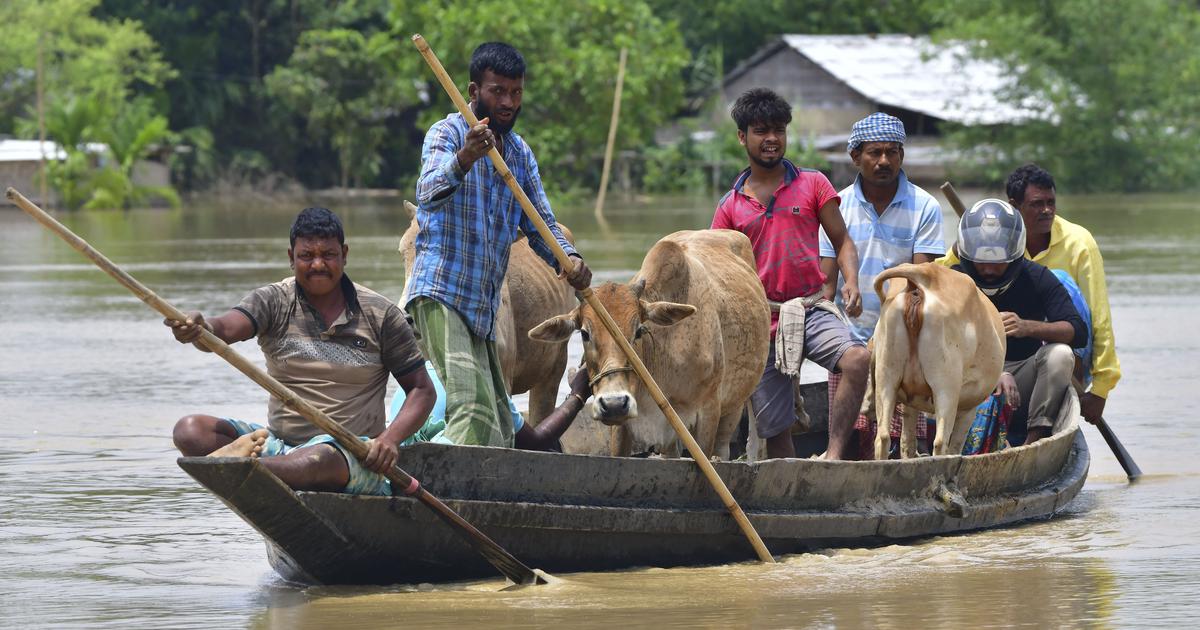
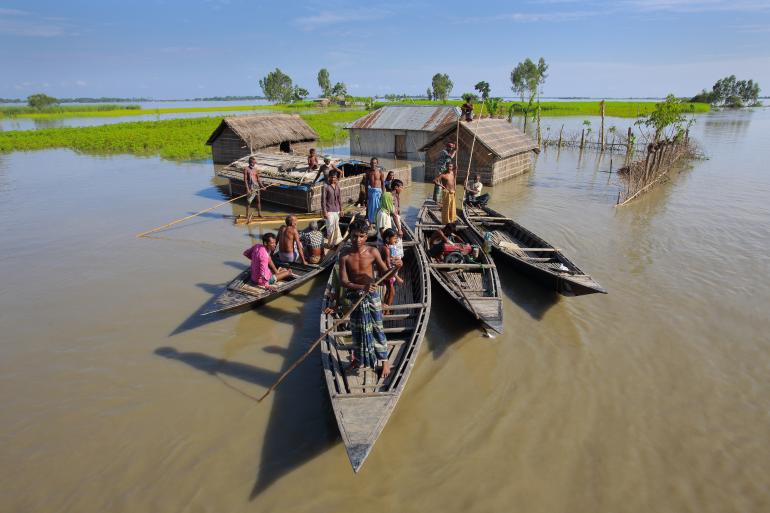
Almost 45% of the country’s arable land has already been destroyed by floods, posing a serious threat to food security and further contributing to already skyrocketing inflation. The death toll from the floods has risen to 1,569 since mid-June, according to the latest figures from the country’s National Disaster Management Authority. In addition, the total number of damaged houses across the country has exceeded two million, official estimates suggest. UN experts have said that Pakistan and its people have contributed only marginally to global warming, which results in extreme weather events and climate change. “It is important that international humanitarian efforts are guided by human rights and prioritize humanitarian aid and assistance to the most vulnerable. In re-housing those displaced by climate change-induced monsoon floods, Pakistan must renew attention to land rights and security of tenure,” they said. These experts said practices such as forced evictions and uncontrolled deforestation could exacerbate the effects of climate change. “Many people who have been affected by the floods are not entitled to land and homes, so they choose to stay closer to where they live, putting themselves and their families at risk,” they added. They suggested that Pakistan legalize informal housing as a bulwark of building a society equipped to withstand the impacts of climate-induced events.

In order to make nations more resistant to such shocks, the experts also highlighted the importance of measures to boost international support for the creation of welfare support floors, such as through the global fund for social protection recommended by the International Labor Conference. The international community shall continue to provide help, not only for the urgent recovery and relief efforts but also for the following phase of reconstruction and rehabilitation, as Prime Minister Shehbaz Sharif stressed. It is not possible for Pakistan to get out of this situation withut the international help. Islamabad estimates that even though the UN and other countries have contributed hundreds of millions of dollars in relief for Pakistan, it will still cost at least $10 billion to restore everything that has been lost. The process of rehabilitation is going to be a long one as many remote areas in the provinces are still under water and authorities have not rescued the residents there.


Floods And Climate Induced Migration

The geological record clearly demonstrates the fact that the climate has undergone great variation throughout the planet’s history. The process of climate change, however, has been more a result of human activity than of natural factors ever since the Industrialization, when fossil energy consumption expanded dramatically and, consequently, the production of greenhouse gases. Currently, there is big scientific opinion that the unprecedented global climatic change in human history is caused by our present system of production and energy use. Even though it is already having an adverse effect on the environment and the global economy,
Human migration is fueled by extreme water events that alter the availability of water for drinking, cooking, washing, and agriculture. Floods also are one example of the catastrophic water disasters that will occur more frequently and negatively as rainfall intensify due to climate change. By 2050, more than a billion people will have migrated due to water extremes and climate change. According to the International Organization of Migration, people who migrate due to any environmental problem or climate disaster are called environmental migratnts and they perform climate induced migration. It has defined as: ‘’The term “environmental migrants” refers to individuals or groups of individuals who are compelled to relocate either domestically or internationally because of an abrupt or gradual change in their environment that negatively impacts their lives.’’ Climate induced migration can be both temporary and permanent.

Climate Induced Migration Due To Floods In Pakistan And Its Affects:

As one third of Pakistan is drowned in flood and because of this disaster people in affected areas have to move for the survival. Floods have already caused enough of the life loss and economic loss as well. Whenever the migration occurs locally, government is responsible to take care of the needs of the migrants but government itself is facing economic issues. It is not possible for Pakistan to look after the needs of the migrants without the assistance of the NGO’S and international assistance. If the migrants are not taken care of while they have already been gone through the trauma caused by the floods, their frustration can lead towards the conflict as well. Their foremost need is survival and for that they can go to any extent. The government has to take care of all their needs or else they will have grievances. People are moving towards the urban areas and especially towards the main cities. If there needs will not be fulfilled then there is a high chance of high crime rates as well.

Conclusion:

To date, this mobility has been largely internal and increasingly an urban phenomenon, with many of those displaced and migrating moving to urban areas. Although the majority of people displaced or migrating as a result of climate impacts remain in their countries of origin, the accelerating trend in climate-related global displacement is also increasing cross-border movement, particularly where climate change is linked to conflict and violence. Understanding the underlying causes of migration and developing proactive, humane management strategies are crucial as the effects of climate change worsen. These strategies should also take into account any geographic or environmental factors that would disproportionately contribute to the destabilization of economically or politically significant regions. Climate migration or climate displacement are terms that describe a large number of migration scenarios related to climate change. However, each has a more specific meaning and both are different from planned relocation. Migration might be driven by increasingly severe conditions or it can happen proactively in response to climate impacts on livelihoods and well-being. It can be temporary, seasonal, cyclical, or permanent. An entire community is typically shifted as part of a planned relocation, which is carried out by the relevant governments, ideally in collaboration with the affected communities.


Impacts of Russia-Ukraine Conflict on Turkey

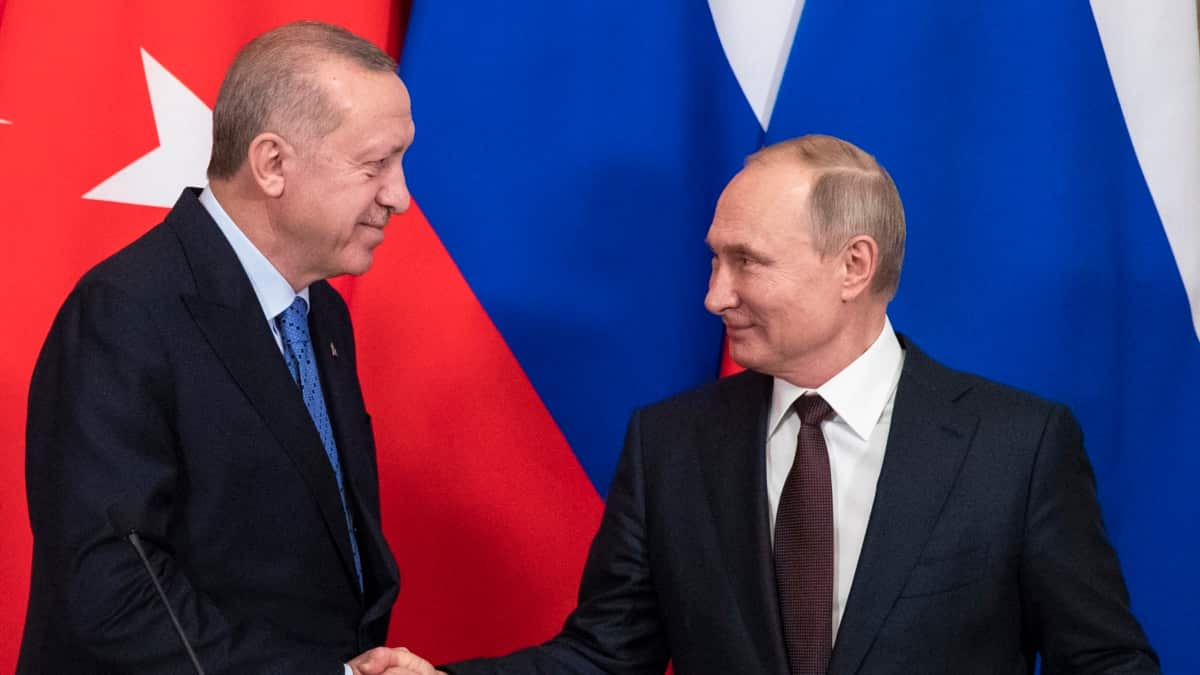
Presidents Vladimir Putin and Recep Tayyip Erdoan’s relationship dynamic, preference, and mutual trust are a major foundation for Russian-Turkish relations. These interpersonal ties have been put to the test by Russia’s invasion of Ukraine. Although Turkish and Ukrainian military links are strong and President Erdoan maintains a good working relationship with Ukrainian President Volodymyr Zelenskyy, it is evident that Erdoan is unwilling to sacrifice his relationship with Putin for Zelenskyy’s benefit. Moreover, Putin has either refused or ignored Erdoan’s attempts to arbitrate between the two presidents.

The return of Crimea to Ukraine, of which it is an integral part, is essentially a requirement of international law. It was an indicator of the opportunities Turkey is looking for to push the boundaries of its ties with Russia at a time when the Kremlin is stuck in Ukraine. Whether in Syria or the South Caucasus, Ankara is poised to fill the gap as Moscow’s influence appears poised to decline. After Russia’s aggression against Ukraine, Turkey acted as a mediator, as seen in a July deal it brokered with the help of the United Nations for Ukrainian grain ships to leave Odessa. Yet Erdogan has remained consistent in his support for Kiev, including in Crimea, the historic home of the Crimean Tatars (a community that sees Turkey as a kin state). Syria was the focus of his trilateral summit with Russian President Vladimir Putin and Iranian President Ebrahim Raisi in Tehran in July, as well as Erdogan’s meeting with Putin in Sochi in August.

Getting Russia and Iran to sign off on his plans for an all-out offensive postpones the prospect of restoring relations with the government of Syria’s Bashar al-Assad as a quid pro quo. Fear of Turkey was a key reason for Armenia’s alignment with Russia in terms of foreign and security policy. The common threat in Syria and Armenia is that Turkey is methodically pushing Russia out of its neighborhood and regions where Moscow has had a strategic advantage over its geopolitical rivals in recent years. Still, anyone who thinks that the war in Ukraine is, at the end of the day, a conflict involving Moscow, Kyiv and Western capitals would do well to look further.
Turkey’s economic situation worsens even further and all of Erdoan’s and his administration’s promises to boost the economy are kept. Given the impact of economic sanctions imposed by the EU, the U.S., Canada, and other like-minded nations on Turkey, Russia is unable to immediately facilitate financially. Nevertheless, it sends tourists and expands its markets to Turkish businesses, including those in the construction industry, assisting in uplifiting some of Erdoan’s economic woes.


The SCO 2022 Follow Up

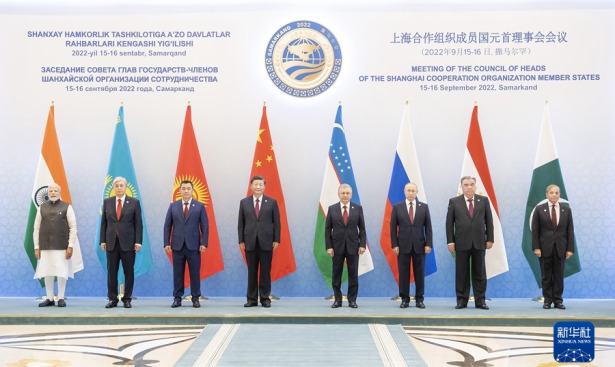
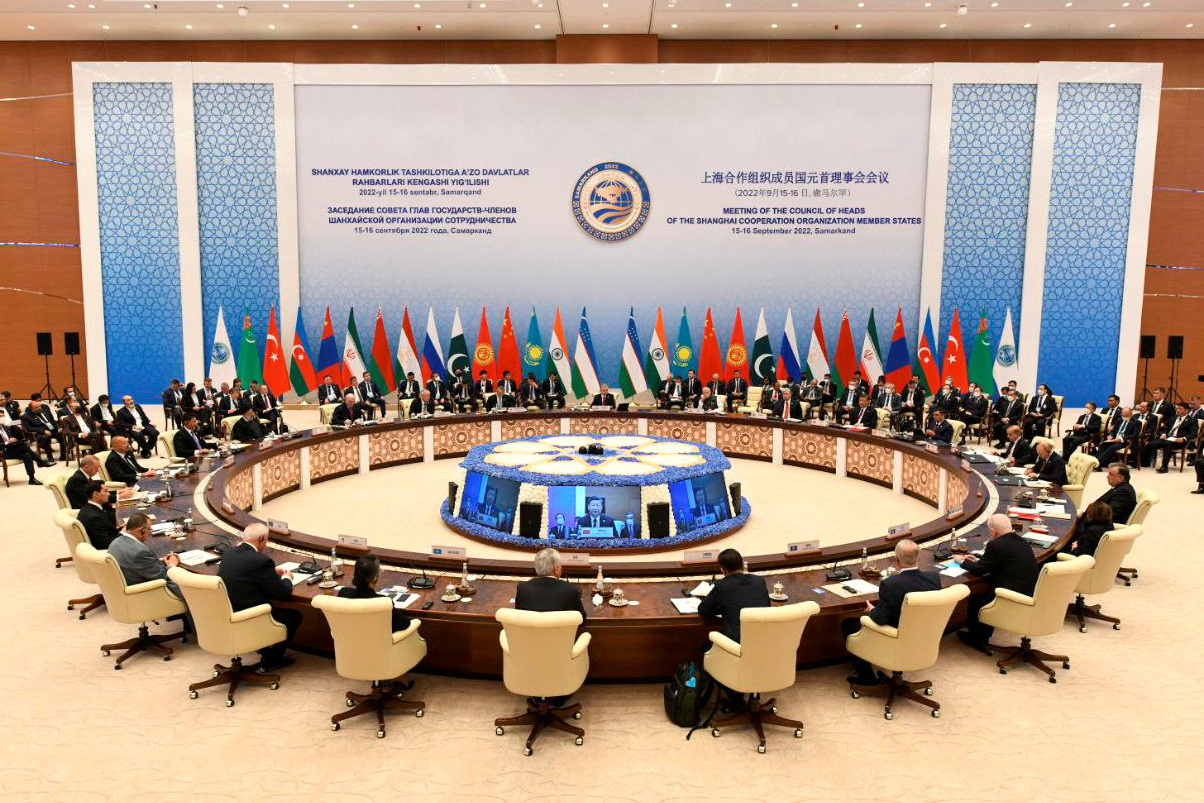
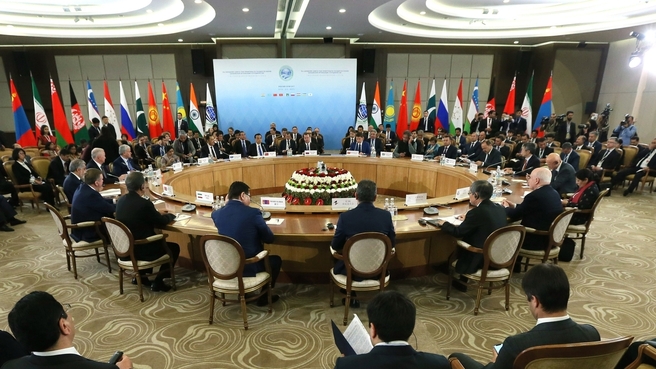
It is the first face-to-face meeting of the SCO Council of Heads of State since 2019 and comes in the shadow of the Russia-Ukraine war and rising tensions between the United States and China. The previous two had only been virtually, and this one has occurred in the wake of three notable events: the pandemic, the Russia-Ukraine conflict, and the Taiwan Straits conflict. Meanwhile, the end of the US war and the return of the Taliban government in Afghanistan, which has observer status in the eight-member SCO and have significantly affected regional geopolitics. Prospects for multilateral cooperation are being discussed in the meeting but the main interest is what happens in the side meetings. The event is the first time in a long time that Pakistani and Indian leaders have met face to face. Bilateral negotiations on the sidelines of the conference can also break the ice. After the Samarkand meeting, the SCO Presidency will go to India, which will also host the next summit in 2023. The inclusion of Iran in the group would also broaden the scope; given that the country has been under US sanctions for a very long time, it would support any move to strengthen economic ties between the SCO countries. It is not possible for the Taliban regime to gain full membership of the group. The Samarkand Conference is being held at a very critical time in an atmosphere of rapidly changing geopolitics. An expanded membership confer greater legitimacy on the SCO and yield security and economic benefits for its members.

Participants attend an extended-format meeting of heads of the Shanghai Cooperation Organization (SCO) member states at a summit in Samarkand, Uzbekistan September 16, 2022. Foreign Ministry of Uzbekistan/Handout via REUTERS ATTENTION EDITORS – THIS IMAGE WAS PROVIDED BY A THIRD PARTY. NO RESALES. NO ARCHIVES. 

The globe has almost been divided into pro-NATO and pro-Russian camps, despite the fact that certain countries, like India and Turkey, emphatically claim to be neutral. In a comment written on the eve of the Samarkand Summit outlining Uzbekistan’s perceptions and plans for the SCO, Uzbekistan’s President Shavkat Mirziyoyev said, “The basis of the SCO’s international appeal is its non-block status. China is clearly in the strongest position and attending the summit will be a confident Xi Jinping, his first overseas expansion since the pandemic began. All Central Asian member states (Kazakhstan, Kyrgyzstan, Tajikistan, Uzbekistan) have varying degrees of close ties with China, all participate in the Belt and Road Initiative and maintain close ties with China have an economic relationship. The countries of Central Asia and the countries that may join at a later date, such as Mongolia and Armenia, will continue to seek good relations with the United States as part of a “multi-vector” policy. Tajikistan, a close friend and ally of Russia and China, is conducting recent military exercises with the United States as a case in point. India is one of the few members of the group that maintains good and close relations with the United States. 3% of Kyrgyzstan’s external debt, but the recent establishment of Chinese military bases is widely believed to be the result of Tajikistan’s huge debt to China. Another advantage India has is in the cultural and religious sphere. India’s religious pluralism is the antidote to the extremism and fundamentalism of Afghanistan and member state Pakistan.

However, on the first day of conference, Shanghai Cooperation Organization (SCO) members were urged by Pakistan’s Prime Minister, Shehbaz Sharif, to develop country-specific climate change programs in light of Pakistan’s vulnerability to the effects of the natural disaster. He also discussed the fight against terrorism and showed his support and commitment for the high quality development of CEPEC. The prime minister also stated Pakistan supports Azerbaijan’s right to defend its territorial integrity and conveyed his sorrow over the loss of 70 Azerbaijani troops in an unprovoked attack by Armenia. This all predicts the strengthening of multilateral ties.


Significance Of Blue Economy For Pakistan And The Role Of CPEC

Introduction

In reaction to the shifts in the international environment and the desire to pursue greater economic and geopolitical aspirations, the world is progressively moving towards a maritime order. In this way, the evolving global maritime order finds its epicenter in the Blue Economy. Pakistan is considering options that can expand its economic development and growth footprint as a result of the global shift to maritime sector and blue economy. Unfortunately, the Governments in Pakistan previously ignored and neglected the enormous potential of the ocean economy while leaving its maritime resources untapped and unexplored. However, the recent shift toward a Sino-Pak “blue partnership” under the CPEC project will enhance the economic activity in Pakistan and would serve as the primary driver to investigate the blue economy’s potential in the country.

Significance of CPEC

It cannot be disputed that the oceans will rule the future. The maritime industry is more than a single industry; it is a parallel economy that connects all other industries. Despite having a huge oceanic region at its disposal, Pakistan has not fully utilized it. But the dream of utilizing the Pakistan’s blue economy for a sustainable growth can now come true with the launch of CPEC and the building of Gwadar port. The China Pakistan Economic Corridor (CPEC) will be a breakthrough for Pakistan’s blue economy as well as a lifeline for the country’s traditional economy. CPEC, which is a multi-sector direct Chinese investment in Pakistan and not simply a single road project, has sparked growth in a number of economic sectors. Along with improving regional connectivity, the CPEC’s strengthened maritime connection between China and Pakistan can guarantee long-term economic progress for Pakistan and regional stability as a whole. Pakistan has already chosen the route of Blue development by adopting Agenda 2030 and is following different targets of Sustainable Development Goals (SDG-14) to attain the desired objectives. However, Pakistan may transform its relationship with China on the basis of the “Blue Partnership” under the framework of CPEC in addition to learning from China’s maritime development. The best alternative for Pakistan to manage its unstable economy is through the development of blue economy and through the exploitation of the marine resources which are offered by the country’s geography and its extensive maritime sovereignty. For that matter, the building of the Gwadar Port under the China’s Belt and Road Initiative (BRI), is being contemplated as a turning point for Pakistan because the maritime sector is constantly changing due to technical improvements and shifting geopolitical realities.

Analysis

Pakistan’s unique geostrategic position presents both opportunities and challenges. In the development of marine trade and ports, geographic location, investment and timely implementation of policies are crucial factors for the success of blue economy in Pakistan. The China-Pakistan Economic Corridor (CPEC) roads and rail networks have the potential to increase economic activity for Pakistan and its neighboring countries, and the ports along the Arabian Sea will provide access to markets across the major regions of the world. Trade operations in Pakistan’s waters and specifically Gwadar port will result in an increase in workload for the shipping and shipbuilding industries. Growing in each of these areas will help Pakistan’s economy and open the way to financial independence. The GDP of Pakistan will increase as a result of this sector’s contribution and self-sufficiency will result from the expansion of the ship and shipbuilding industries, through which reasonable foreign exchange savings will be possible. Additionally, maritime tourism can produce $1 to 2 billion in domestic and international tourism revenue each year and bring employment opportunities for the residents of coastal communities. The blue economy is one of the main pillars of the economic system, and it needs a suitable regulatory authority to monitor and evaluate the functioning of the activities that are necessary for economy. It will have a major effect on how Pakistan’s economy develops. A number of the challenges this sector is now dealing with including inadequate institutional capabilities, poor governance and lack of proper investment. To improve the ship fleet and boost GDP, the government must play a significant role. To conclude, the maritime sector requires well-considered government policies that make it easy to conduct businesses for all the stakeholders and promote blue economy in Pakistan.


Russia’s Joint Military Exercises with China and India

Introduction

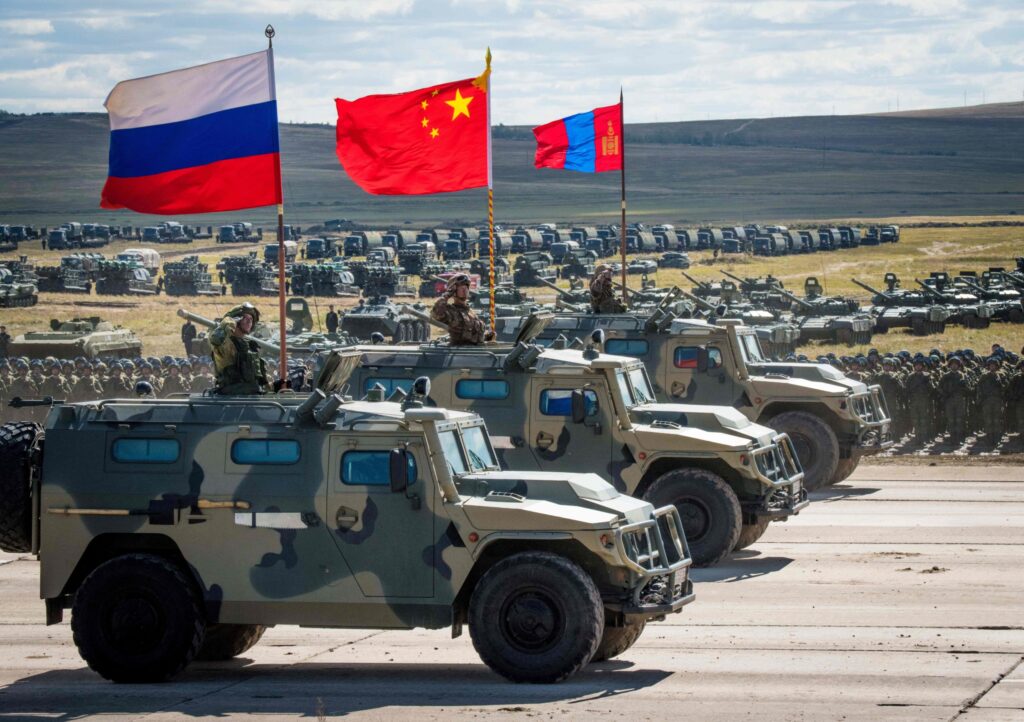
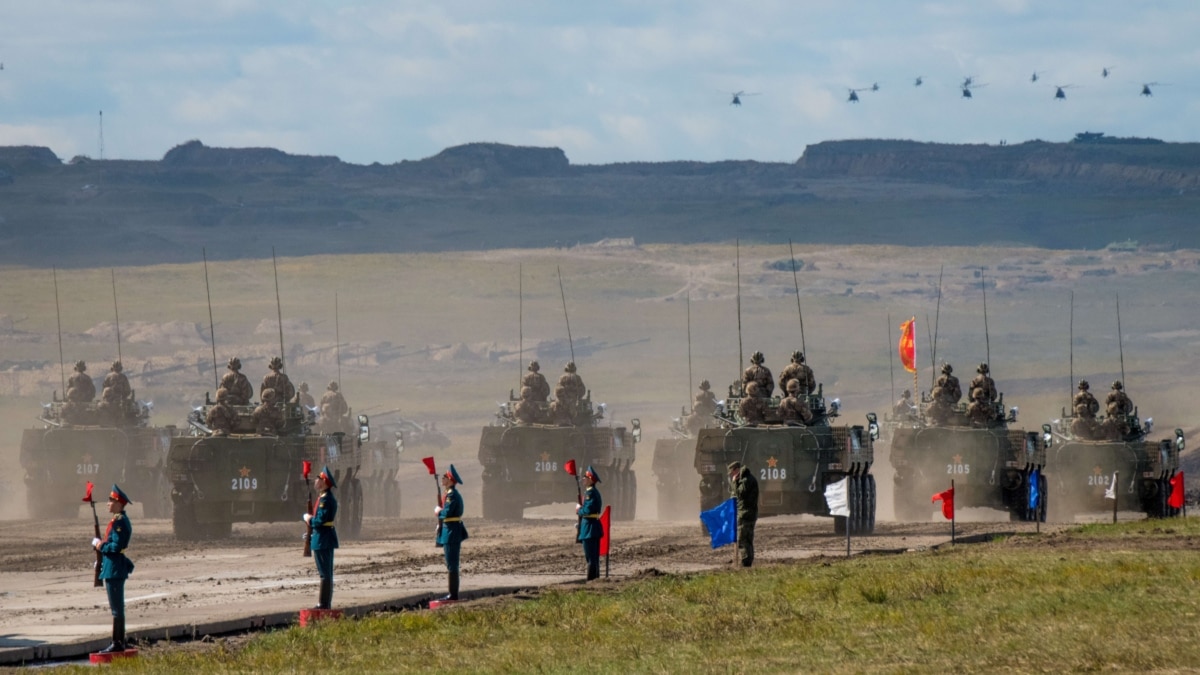
Amid the tensions between Moscow and Beijing with the United States, Russia has launced a week long joint military exercises involving forces from different countries. The Vostok exercises are the second joint military drills this year including forces from both Chinese and Russian side. The Vostok 2022 exercise, which runs until September 7, will show the expanding ties and defense cooperation between Russia and the other countries, including China and India. The exercise includes more than 50,000 soldiers and 5,000 weaponry units, including 140 planes and 60 warships which will take place at seven shooting ranges in Russia’s Far East and the Sea of Japan according to the Russian Defense Ministry. Apart from this, the Defense Ministry also announced that in the Sea of Japan, the Russian and Chinese navies will practice coordinated operations to secure maritime communications, regions of marine economic activity and aid for ground troops in the coastal areas.

China’s Participation

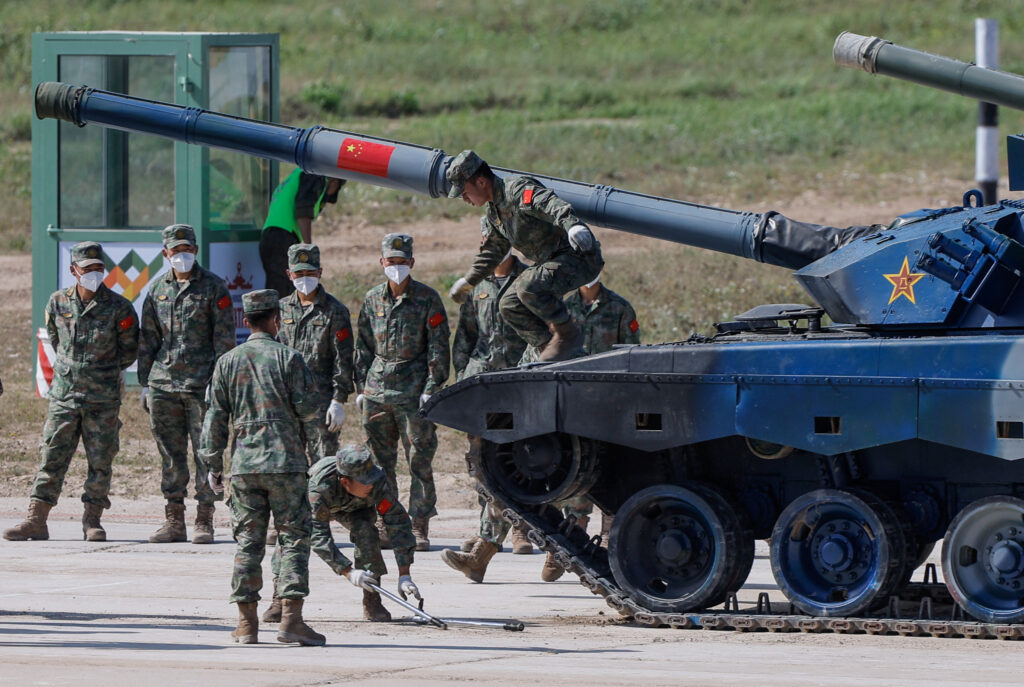
According to a statement from the Chinese Defense Ministry, it is said that China’s participation in drills “aims to deepen pragmatic and friendly cooperation between the militaries of the participating countries, increase the level of strategic cooperation among all participating parties, and enhance the ability to jointly respond to various security threats.” As per Chinese media, Beijing sent around 2,000 troops, 300 military vehicles, 21 combat planes, and three vessels to participate in the drills. The joint drills are a significant event where the first time China dispatched forces from three branches of its military i.e. army, air and naval forces to participate in a single Russian drill, demonstrating the breadth and depth of China-Russia military cooperation and mutual trust. The United States has served as the common factor for the Russian President Vladimir Putin and Chinese President Xi Jinping to forge close personal ties and strengthen a “strategic partnership” in order to respond US threats. Putin has stated that a military alliance between Beijing and Moscow cannot be ruled out, despite Moscow and Beijing previously rejected the idea. Additionally, he pointed out that China and Russia are working on sensitive military technologies, which will considerably boost the country’s defense capacity. In a round of increasingly aggressive actions against the two countries’ alliance, the West has stepped up and claimed that China and Russia’s military cooperation is a direct threat to regional stability. The Chinese Ambassador to Russia has stated that the military cooperation between the two countries does not target any third party and will not be subjected to any outside forces. Over the past ten years, the two nations have developed closer relationships and accomplished a number of ground-breaking, innovative, and institutional results despite the West’s hostile actions against China-Russian relations and partnership.

India’s Participation

India participated in international military exercises in Russia in September 2021, where a group of Indian forces took part in the Zapad military drills. It is being considered that India’s participation in the ongoing Vostok-2022 military drills during Russia’s invasion of Ukraine is a reaffirmation of New Delhi’s good relations with Moscow despite a strong strategic cooperation with the United States. Prior to the drill, when asked about India’s participation, White House press secretary stated that the US is concerned about India’s plans to participate in the joint military exercises with Russia. In contrast, New Delhi has made it clear that it will continue to uphold the independent stance that was adopted in the wake of the Ukraine crisis and will maintain its neutrality towards both the United States and Russia. . India has not joined Western sanctions against Moscow and has refrained from denouncing Russia’s invasion of Ukraine. Oil imports from Moscow have increased significantly this year as India takes advantage of heavy discounts and justifies its oil purchases as required for an energy-scarce developing nation like India. This trend shows that India has prioritized its national interests. As tensions between the United States and Russia increase, it is unclear how India will continue to manage the middle-ground between the two powers.

Conclusion

In spite of the ongoing military standoff between the two neighboring countries along the Line of Actual Control (LAC) in eastern Ladakh, Indian soldiers are participating alongside the Chinese People’s Liberation Army (PLA) counterparts in the Vostok drills. It is because India and China both have interests in maintaining ties with Moscow, both the countries buy Russian oil and heavily rely on Russian arms sales, which include fighter jets and modern weapons. Therefore, the ongoing drills are significant since China has gotten closer to Moscow as a result of its conflict with the United States and the exercises illustrate the growing defense relations between Moscow and Beijing, which have intensified since the beginning of the Ukraine War. The other key player i.e. India, one of Washington’s most important allies, adopted a neutral stance regarding Russia’s invasion of Ukraine. India is too crucial to the U.S. strategy against China, to push back too strongly since it would weaken U.S. policy toward the other. Despite having serious reservations about drills, the US has avoided direct opposition of India participating in the joint exercises.