Repercussions of OPEC’s Decision: Major Supply Cut to Oil Production
Introduction

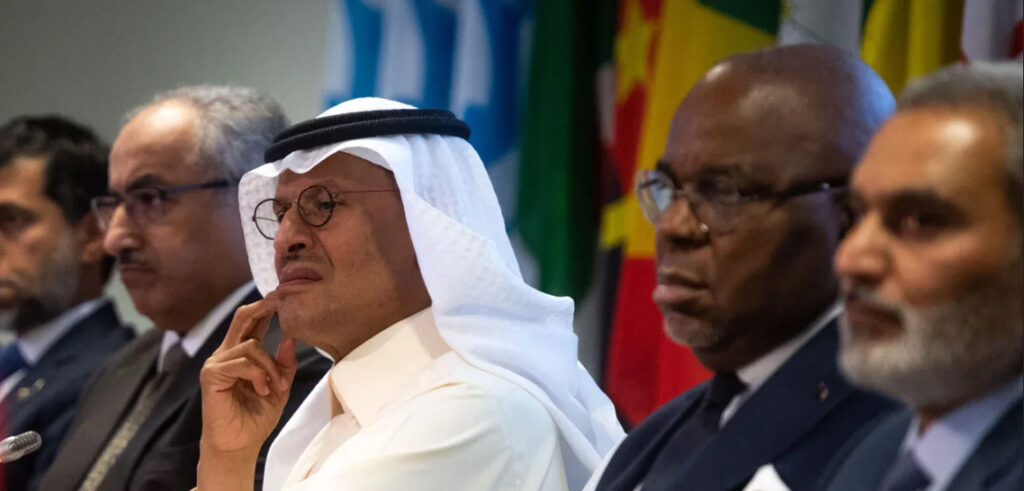
The OPEC+ group of countries have agreed upon largest cut to oil output, since the beginning of coronavirus outbreak in 2020, limiting oil supplies in a market that is already strained, despite of the pressure from the United States and others to produce more oil. The world’s oil producing nations said in a statement that they would produce 2 million fewer barrels per day following at 33rd Organization of the Petroleum Exporting Countries (OPEC) meeting held in Vienna on 5th October, 2022. It has raised the concerns over skyrocketing inflation which is likely to increase as the world’s oil supply is expected to tighten. The action is taken before Russian energy economic sanctions by the European Union due to the ongoing war in Ukraine. Following the meeting, Prince Abdulaziz bin Salman, the Saudi Arabian energy minister, claimed that OPEC+ was acting in response to warnings of a global economic slowdown that may reduce demand for oil and drive down the prices.
US’ Disappointment at the Decision

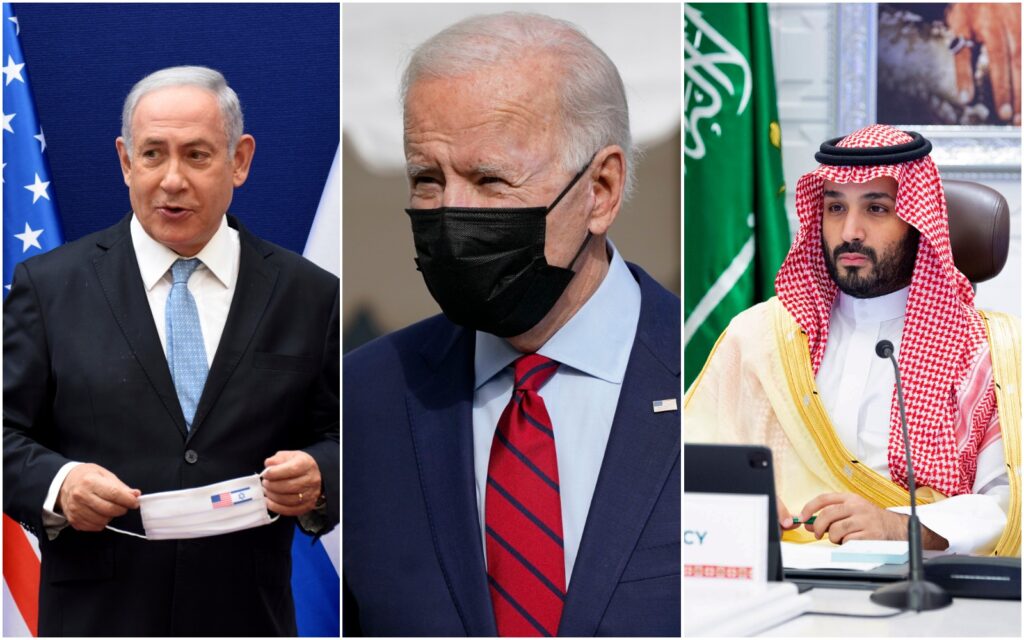
In recent months, as Russia tightened its grip on Europe’s energy supply, natural gas prices skyrocketed, plunging Europe and much of the world into a severe energy crisis that resulted in unrest and compelled Governments to declare emergencies and make efforts to stabilize markets. For this reason, three months ago, when President Biden visited the Middle East he asked the Crown Prince Mohammed Bin Salman, to increase the oil production because Saudi Arabia controls nearly one-third of OPEC’s oil reserves. After the decision made by OPEC, it seems like the President Joe Biden’s advice for taking measures to increase oil production have been ignored. Quickly after the decision was made, the White House criticized it as “shortsighted” and charged the oil cartel as for suporting Russia. The United States’ Secretary of State Antony Blinken stated after OPEC’s statement that his Government was working “to ensure that energy is available on the market and the costs are kept low.” This was also quoted by the US National Security Advisor and Director of the National Economic Council (NEC), they said in a statement “At a time when maintaining a global supply of energy is of paramount importance, this decision will have the most negative impact on lower and middle income countries that are already reeling from elevated energy prices.” According to some analysts, in order to counteract what OPEC’s recent decision, the US may try to release part of its oil reserves. In order to increase American energy output and weaken OPEC’s grip over energy prices, Biden urged his administration and Congress to look into possible solutions. The White House added that Biden has requested another 10 million barrels oil release from the American Strategic Petroleum Reserve in an effort to bring down oil costs and ensure energy security. Moreover, in light of recent development, the White House accused “it was obvious that OPEC+ was aligning with Russia.” Following the establishment of OPEC+ oil output agreement in 2016 and Saudi King Salman bin Abdulaziz historic trip to Moscow in October 2017, Moscow’s relations with Saudi Arabia and other Gulf Cooperation Council (GCC) members have progressively improved. It is once again in the highlights, because of the OPEC’s deal, it is being said that Saudi Arabia is favoring Russia.

Response by the Organization of the Petroleum Exporting Countries (OPEC)

The accusations made by the United States have been rejected by saying that the decision is technical not a political one which was purely made for the global economy and the energy market. In response, the Organization of the Petroleum Exporting Countries (OPEC) energy ministers dismissed claims of the US that the most recent oil output cut was “endangering the global energy market” and contributing to “energy poverty in the West.” The output cut by OPEC+ was also supported by the OPEC Secretary General Haitham Al Ghais, who claims that the decision aims to give the energy market “security and stability.”

The blame game is persisted for energy weaponization, as the West accused Russia to spark a crisis in Europe that might lead to gas and power shortages this winter. In contrast, Moscow accused the West of turning the dollar and financial systems into weapons as a reaction to the Ukraine war initiated in February. The global humanitarian and economic effects of the Ukraine war are being felt at all levels, the energy sector is the most vulnerable which has put Europe in a difficult situation too. The state of global economy is already not good, high inflation is one of the biggest challenges that the world is facing. A possible recession is on the horizon as a result of the recent OPEC oil cut decision, therefore, it needs to be dealt in a responsible and responsive way to avoid any devastating situation that people and Governments cannot handle.

Conflict between Turkey and Greece

Introduction

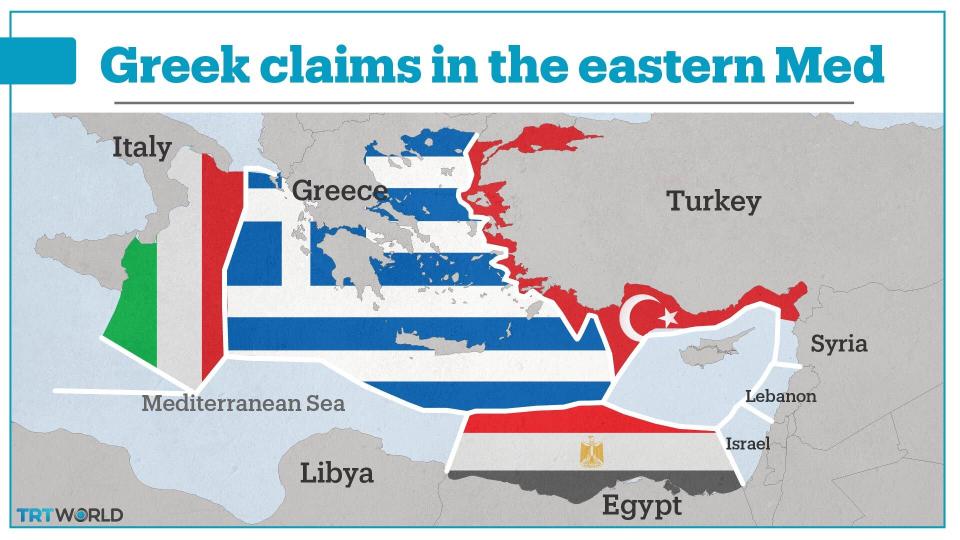
Greek and Turkish claims coexist on islands in the Eastern Mediterranean and Aegean. Concerning this issue, the two NATO members are at odds over islands in the Aegean Sea. One particular issue that Turkey takes with is Greece’s militarization of various islands. The Turkish ambassador to Greece claims that Greece and Turkey disagree on a number of matters pertaining to the Aegean Sea, such as the size of territorial seas, the definition of the continental shelf, the demilitarization of islands, and the length of airspace. Even though all of the issues are related, Greece only acknowledges the continental shelf dispute. From the Greece perspective, Turkey is asserting things that neither the current situation nor international law justify. Given the numerous Greek islands and people that reside there, Greece views the Aegean Sea as an integral part of its territory. The Aegean Sea, together with the Black Sea, serves as Europe’s southern border with the Middle East and Asia, giving it significant geopolitical and strategic importance for Greece.

Turkey Warned Greece

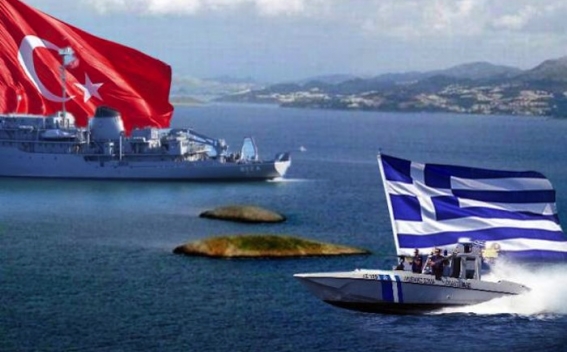
The long-standing territorial disputes between Turkey and Greece are being affected by the conflict in Ukraine. In response to Germany’s diplomatic actions, Turkey has taken a more hostile position towards Greece as a result conflicts over the eastern Mediterranean islands are frequently turning violent. It involves opposing claims to maritime borders, energy disputes and resources like oil and gas. The two nations resumed their consultative talks in 2021 after a five-year break in order to find diplomatic solutions to their differences. But recently, the tensions have been escalated among the two countries. According to experts, Turkey’s interpretation consequently presents a complicated scenario with regard to sovereign rights in the East Aegean. Legally speaking, the status of the Aegean islands in relation to their demilitarization is a complicated matter, and the two sides have quite different interpretations of the duties resulting from these treaties. It is challenging to see how a bilateral dialogue can be reached and will be successful in the atmosphere of mistrust existing. Recently, Recep Tayyip Erdogan the President of Turkey, warned Greece earlier this month over what Ankara described as recent “harassment” of Turkish fighter jets in the Aegean and eastern Mediterranean. Greece is allegedly breaking international treaties by maintaining a military presence on islands close to the Turkish shore in the Aegean Sea, according to Ankara. Additionally, during NATO exercises over the eastern Mediterranean, it has claimed that Greek air defenses closed on to Turkish fighter jets. He asserted that occupying the islands does not bind us. We will do what is necessary when the time comes.


Greece is looking toward its Allies

Greece is urging its partners to denounce Turkey for its recent provocative rhetoric, in which Turkish President Recep Tayyip Erdogan has suggested that tensions between the two nations may escalate to an open battle. Greek Foreign Minister Nikos Dendias has addressed letters to NATO, EU, and the UN urging them to condemn Ankara for Erdogan’s remarks. Dendias, who appeared to be alluding to the crisis in Ukraine, stated that allowing Turkey to continue to threaten Greece would increase the likelihood of yet another battle in Europe. The top Greek diplomat said in a letter to NATO Secretary General Jens Stoltenberg that Turkey’s position is a destabilizing element for NATO’s unity and cohesiveness, undermining the southern flank of the alliance at a time of crisis. Greece has modernized its armed forces and arming islands close to Turkish coastline.

Conclusion

Greece and Ankara have been able to stay out of war for decades despite having serious disagreements over a number of issues. A military war in the region would also have a negative impact on Turkey and Greece politically and economically due to the uncertainty brought on by the conflict in Ukraine. Domestic problems in both countries, nevertheless, might compel political leaders to take bold actions and make serious decisions. Not only is war between Greece and Turkey is possible, but it can also happen at any point with serious implications. Therefore, both the countries should handle the concerns diplomatically and learn from the continuing Ukraine conflict by considering that the possibility of war cannot be underestimated.


Role Of Media In Israel-Palestine Conflict

Israel’s assaults on Gaza has been increasing day by day. The situation there has been worsening even more since May 2021. Protests took place nationwide against the brutal Israel’s attacks and this led to a temporary cease fire for the time being. This became possible because people got to know about the killings of Palestinians by Israelis through social media. The violence has flared up now. There is no proper media coverage given in case of Israel Palestine conflict. Media plays a very important role in any violent conflict. It can also help in transforming the violent conflict into the non-violent one by giving it a nonbiased coverage.

Palestinian protesters carry a wounded man who was shot by Israeli troops during a protest near the Gaza Strip border with Israel, in eastern Gaza City, Saturday, March 31, 2018. (AP Photo/ Khalil Hamra)

Role of mainstream media is not prominent in case of Israel-Palestine conflict. There is a very minimal role of social media but that is not enough. Media should unleash the world about the atrocities committed in Gaza strip by the Israel. The world know very less about what is happening in Gaza. There are apparent war crimes being committed in Gaza which needs to be covered by the digital media. Very few reports are there on the war crimes and that too are on the print media. Israel’s behavior is represented less negatively. Their human rights violations and war crimes are not labeled as that what they are but, in fact, they are just considered as the violence in conflict.


Biden Administration Approved $5.3 Billion Arms Sale to UAE and Saudi Arabia

On 2nd August, 2022, the US State Department approved $5 Billion arms deal with Saudi Arabia and United Arab Emirates (UAE). The deal includes the sale of Patriot missile to the Kingdom of Saudi Arabia of worth $3.05 billion and the Terminal High Altitude Area Defense (THAAD) systems to UAE having worth of $2.25 billion. The Pentagon said that the sale of 300 MIM-104E Guidance Enhanced Missile-Tactical Ballistic Missiles (GEM-T) for the Patriot missile defense system, as well as supporting equipment, replacement parts, and technical support to the Kingdom of Saudi Arabia, has been approved by the U.S. State Department. Furthermore, it has been authorized to sell 96 THAAD missile defense system interceptors to the United Arab Emirates, along with spare parts and technical support. The State Department in a statement has said “These missiles are used to defend Saudi Arabia’s borders from recurrent cross-border attacks by the Houthis on civilian and critical infrastructure using unmanned aerial systems and ballistic missiles”.

The deal came after Biden administration suspended arms sale to Saudi Arabia and UAE in February 2021 because of the two country’s involvement in Yemen war. Earlier, Donald Trump agreed upon the arms sales, defense equipment and transfers as a step to normalize relations with key Middle–East partners as part of “Abraham Accords”. Recently, it was in news that US is considering policy change towards Riyadh regarding weapons sale. Biden’s trip to Middle-East and Saudi Arabia in July has made it clear in the form of current announcement for massive arms sale. The aim of the US is to promote relations with Gulf States amid of Ukraine war for the sake of reducing dependency on Russian oil and gas, because these states can be proved a potential alternative to Russia. On the other hand, the latest development between the three countries is being seen as a measure to counter and defend against Iran. Few months back, US-led missile defense pact between Israel and several Arab countries known as Middle-East Air Defense Alliance (MEAD) has also been established. Under this arrangement, sensors and shooters from several countries will be connected together to counter threat from Iran. Considering the whole scenario, any defense deals such as US to resupply Saudi and UAE missile defense systems that are moving into the region are important to note. It is because Middle East has multiple existing challenges such as conflict within governments, civil wars, and serious humanitarian crises, undermining the regional order. Iran has remained a prominent actor in shaping up the region’s politics that is why Israel and the Arab nations pushed closer together more quickly considering Iran’s nuclear expansion as a common threat. The United States is also actively playing its role in Middle-East that is changing the dynamics of strategic and political landscape as well as threatening the already sensitive situation of security in the region.


US-Japan Economic Security Dialogue

Economic Security

As per United Nation’s Department of Economic and Social Affairs, economic security is the key element for maintaining well-being and livelihoods of the people. The overall dynamics in terms of the state security has changed. In the new security paradigm, economic security has significant importance for the sake of protecting national security interests. The powerful economies including United States, European countries as well as China have taken economic security on the forefront making it synonymous with national security. This is why countries are working together and at country level to achieve the objectives of economic security and for a strong economy which have improved industrial infrastructure and technological breakthroughs that ensures service delivery to the public.

US-Japan Talks

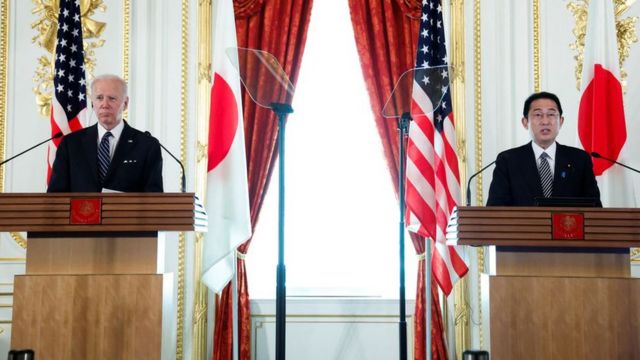
During a virtual meeting in January, US President Joe Biden and Japanese Prime Minister Fumio Kishida decided to establish an economic framework. In the presence of China’s expanding financial influence, the priority of the two countries will be on increasing economic security such as through creating robust supply chains for essential commodities like semiconductors. On July 29, in Washington, the foreign and industry ministers of the United States and Japan will engage in their first economic discussion, according to a representative of the U.S. Commerce Department. According to deputy assistant secretary for Asia at the Commerce Department, the meeting is timely because both countries are struggling right now with the reality that economic security is national security, in the wake of supply chain disruptions caused by the Russia’s conflict in Ukraine.

Japan’s Economic Security Law

In view of the constantly shifting global security environment, Japan intends to gradually implement its new law for enhancing economic security at the start of August. The schedule is a part of the government’s proposed law implementation strategy, which the administration received permission for at a meeting of the task force on economic security. To promote economic activity, the government of Japan has determined priority based 20 technological disciplines in order to give preference while providing funds including biotechnology, Artificial Intelligence (AI) and quantum information science. The government will make an effort to ensure supplies of strategically significant products like semiconductors and will assist the development of critical technologies in an integrated way.
To conclude, the upcoming meeting, officially known as the “U.S-Japan Economic Policy Consultative Committee” will be used to find solutions for promoting economic growth and addressing threats to the global economic order, improving economic security and resilience in the intensely competitive global market. It is appreciable that Japan has realized the economic vulnerabilities and is making efforts through different measures and by implementing new laws at national level and is also engaging with other countries for the promotion of economic security.


Tehran Summit: Turkey’s New Operation in Syria

Historical Background

Syria has been in a civil war since 2011 which has devastated the country. The militant group ISIS took the hold of Syria’s majority ethnic group i.e. Kurds territory who located in the northern part of Syria. It happened in 2013 as a result of power vacuum left by protests emerged against authoritarian Government. However, Kurdish militant groups (SDF) in north Syria managed to push back ISIS with the help of the United States support which also resulted in the expansion of Kurdish-led territory. By 2019, US started patrolling across the Syrian-Turkish border. The rise of Kurds in Syria is viewed as a threat by Turkey. It is because of Kurdistan Worker’s Party (PKK) group in Turkey fighting for more than a decade with an objective of self-autonomy. The conflict between Kurds and Turkish Government has taken lives of thousands of people. Turkey is of opinion that PKK is aligned with Syrian Democratic Forces (SDF) which comprises Kurdish and non-Kurdish militant groups in Syria and can trigger formation of illegitimate zone in Turkey. Therefore, Turkey has launched at least four military operations between 2016 and 2021 with an ultimate goal to establish “safe zone” in north-Syria.

Involvement of Different Stakeholders

Russia, Iran and Turkey along with other countries such as US, UK, France, Israel as well as Gulf states have remained prominent stakeholders since the start of Syrian war. Russia and Iran is supporting Syria’s Government whereas Turkey is a significant ally of the opposition. The focus of Turkey remained on deploying rebel groups to restrain the dominant Kurdish YPG militia in Turkey which is considered identical to SDF and is banned Kurdish rebel group in Turkey. In order to prevent the forces from launching an attack on Idlib which is the final stronghold of the opposition, Turkish troops and rebel allies have taken control of large areas along Syria’s northern border.

New Operation

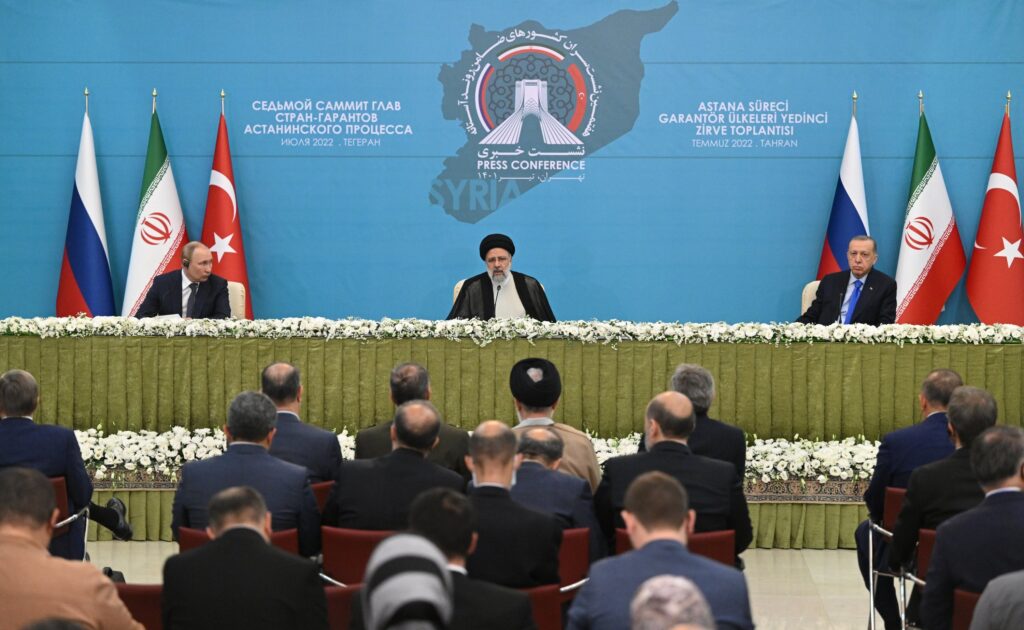
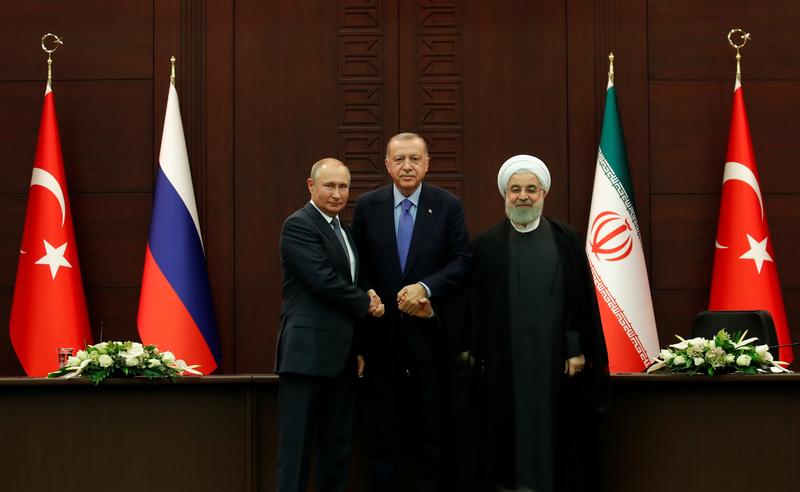
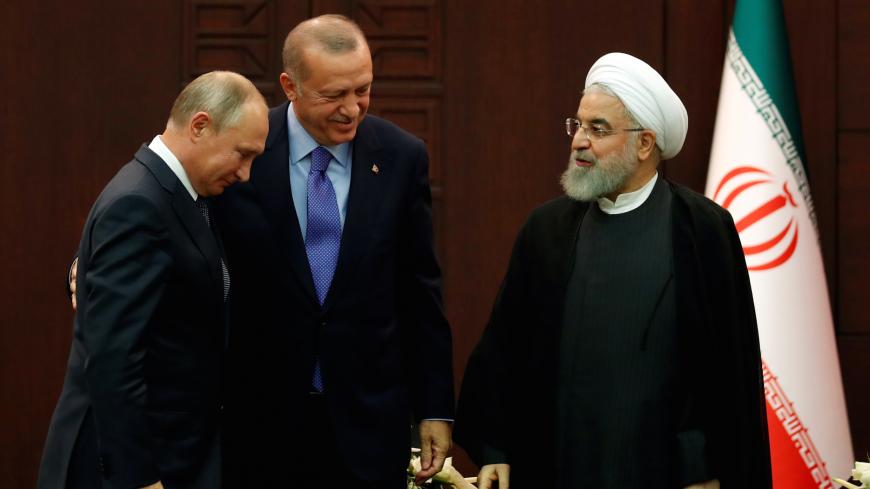
Recently, the leaders of Russia, Iran and Turkey met for a tri-lateral summit in Tehran over Syrian issue where three vowed to continue cooperation. Turkish President Tayyip Erdogan has said “Turkey would continue its plans for a new military attack in neighboring Syria until its security concerns are resolved”. On 19th July, 2022, Erdogan met with his Russian and Iranian counterparts in Tehran to discuss Syria after announcing earlier this year that Turkey will conduct a new offensive operation against the Kurdish People’s Protection Units (YPG) in northeast Syria. On the other hand, United States is opposing the idea of operation in view of ISIS as a threat to United States’ stability and interests. This could escalate the tensions between both the countries and military options can be contemplated by both the sides. In any case, Syria has to suffer the most because it will weaken the security situation in northern Syria and would impact a large number of vulnerable groups living in the country which are already suffering due to numerous issues such as health, economic and security crisis.


Saudi Arabia and Israel: New Security Arrangement

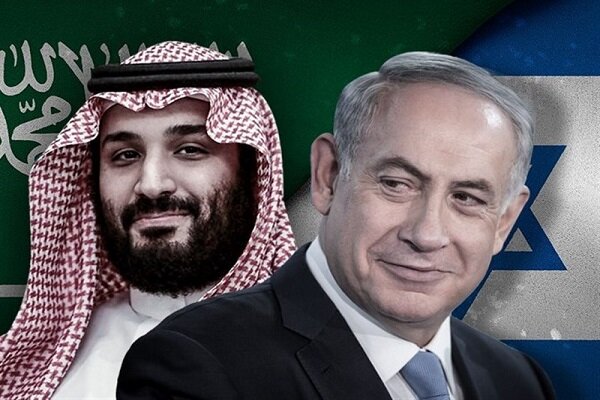
US President Joe Biden is anticipated to announce that Israel has agreed to new security arrangements that will allow Egypt to hand over management of two islands in the Tiran Straits to Saudi Arabia. A multinational force is now stationed on the islands of Tiran and Sanafir, which Saudi Arabia does not want once the islands are under their authority. Israel will agree to post its military on what will remain Egyptian soil, several kilometers distant, in a soon-to-be-announced accord. As Middle Eastern countries reposition themselves to face a new potential threats, a major new alliance, long thought unlikely, appears to be forming with this security agreement between Israel and Saudi Arabia.

Background:

Egypt announced the handover of two strategic islands Tiran and Sanafir in the Red Sea to Saudi Arabia in April 2016. While the Egyptian Parliament and Supreme Court have approved the transfer of the islands to Riyadh, Israeli consent is also necessary under the 1979 Israeli-Egyptian peace deal. No advancements on the islands are permitted without Israel’s agreement, according to Israel’s peace pact with Egypt. Fearing that Israel would capture the islands, Riyadh handed them to Egypt in 1950. Israel conquered the islands for a few months in 1956. After the Six-Day War in 1967, when Egypt disrupted Israeli traffic routes, Israel seized the islands. After a few years, a peace accord was signed in 1982, and the islands, as well as half of the Sinai Peninsula, were handed back.

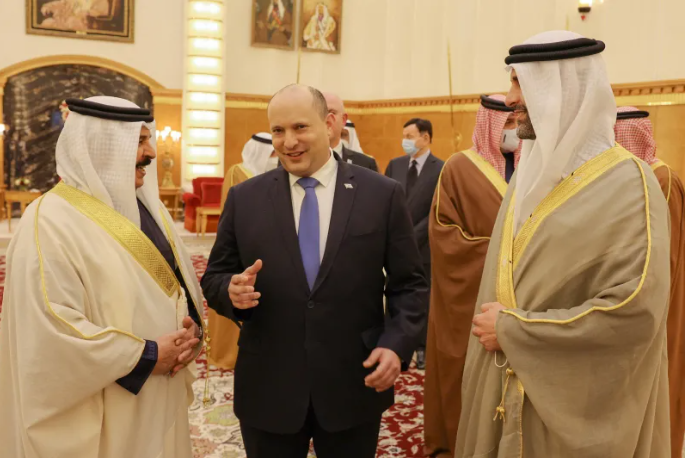
The Biden administration believes that concluding an agreement will increase confidence between the two countries and pave the way for cordial relations between Israel and Saudi Arabia. It would be the most major US Middle East foreign policy victory since the Abraham Accords which were arranged by the Trump administration and resulted in normalization agreements between Israel, the UAE, Bahrain and Morocco. Official diplomatic relations between Israel and Saudi Arabia do not exist, but informal ties have grown in recent years as Saudi Crown Prince Mohammad bin Salman has reportedly considered Israel as a crucial partner in the fight against Iranian dominance in the area. As per reports, after getting a special visa, Saudi Arabia is allowing Israeli businesspeople to enter the country with their Israeli passports.

According to a Globes report, a number of Israeli IT entrepreneurs and executives recently travelled to Saudi Arabia for advanced talks about Saudi investments in Israeli companies and investment funds. With this agreement, Israel is concerned about the safety of shipping lines that run through the islands. Saudi Arabia has pledged to respect the routes and to retain the islands demilitarized by ensuring full freedom of navigation for all ships, but it wanted the international observers to leave the islands. Also, Saudi Arabia will allow Israeli planes to operate across its airspace in exchange. Only Israeli flights to the United Arab Emirates and Bahrain, as well as Air India flights to and from Israel, can currently fly over Saudi Arabia. Both the countries are stressing over the agreement because of the economic benefits and security interests at stake. If the agreement is reached, it will also be a major foreign policy success for the Biden administration in the Middle East. The official announcement is said to be made by US President Joe Biden who is expected to visit Israel and Saudi Arabia this month.


Anticipated Outcomes of OIC meeting in Pakistan

Overview:

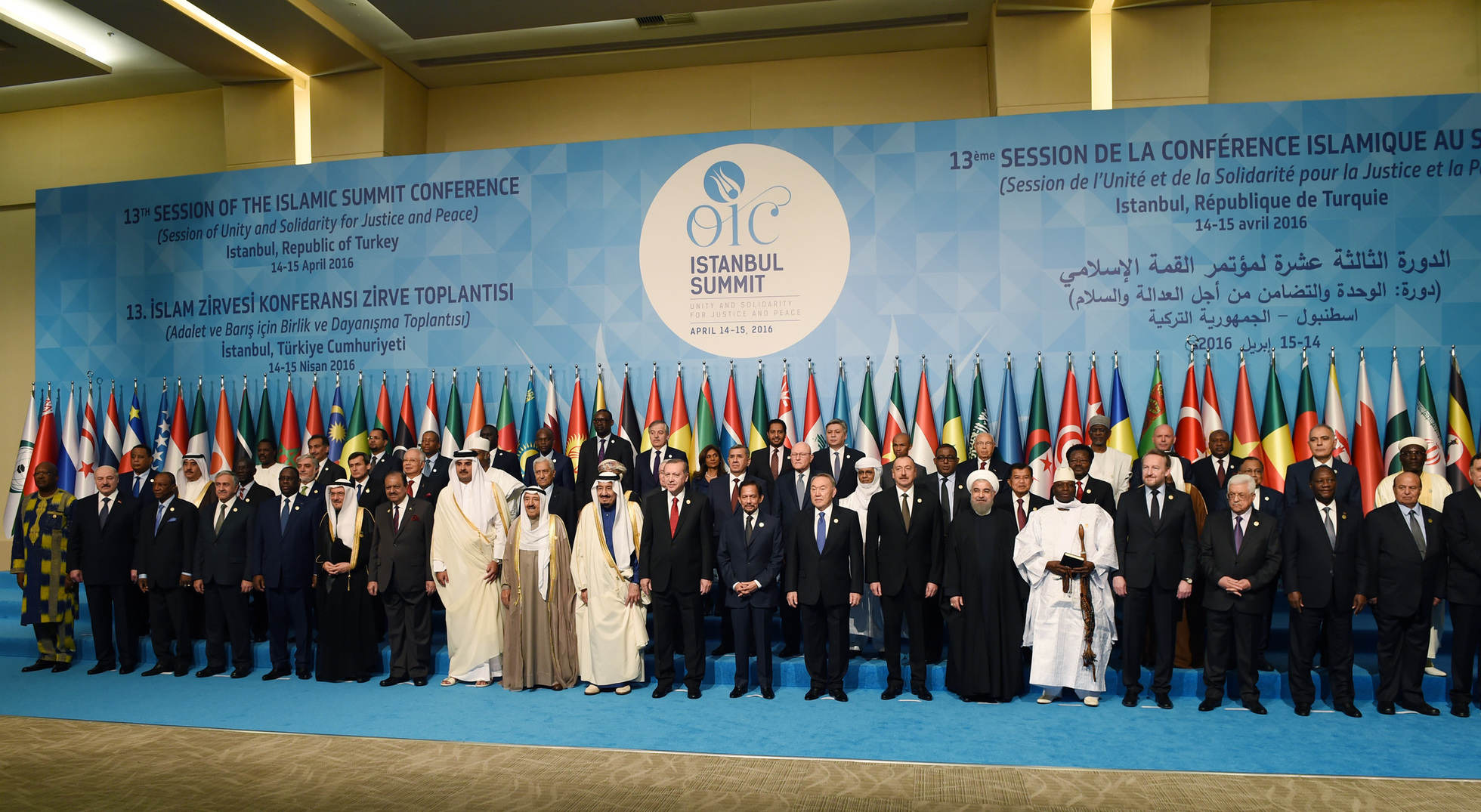
During the past time, Pakistan remarkably has hosted a number of major Organization of Islamic Cooperation’s (OIC) events. Last year in December 2021, Pakistan held an extraordinary 17th session of OIC exclusively on Afghanistan. This year, Pakistan will again host OIC’s 48th session of Council of Foreign Ministers (CFM) on 22-23 March, in Islamabad and that is a matter of great honor. For the particular session, Pakistani officials have confirmed the participation of the 48 Muslim countries’ foreign ministers until now. The Chinese Foreign Minister, Wang Yi has been invited for the event as a “guest of honor”. Apart from that, a high-level Russian delegation would also take part in it. The meeting will be coinciding with the celebrations of Pakistan’s 75th Independence anniversary and the ministers will attend the 23rd March Pakistan Day parade.

Theme of the Meeting:

The session will be conducted under the theme of “Building partnerships for Unity, Justice and Development”. The General Secretariat will address the implementation of activities, projects and resolutions adopted on different issues in the Islamic world including Kashmir and Palestine. In addition, issues of Islamophobia, terrorism as well as developments in Afghanistan and its humanitarian consequences for the Afghan people will be the important part of meeting’s agenda. Cooperation issues with international community, specifically the United States, the Russian federation and the European Union will be discussed while considering the ongoing Russia-Ukraine crisis.

Prospects:

As the host country, Pakistan seeks to foster unity among OIC members, advance the cause of justice for Muslims, and accomplish the mutually reinforcing goals of prosperity and development for all OIC members. Right now, the majority conflicts in the world including Yemen, Libya, Sudan, Somalia, Syria, Palestine and other regions depict that Muslim communities are at high risk, which implies the urgency of OIC’s function and position more crucial than ever. Issues such as peace, security, economic development, cultural and scientific collaboration and the role of the OIC will be discussed. Over the last few years, the organization’s activities particularly in relation to Kashmir and Palestine have received notable attention. The forthcoming CFM will be a great chance for member states to establish a common ground that will help to build ‘partnership’ and work as a bridge to address the variety of challenges that Muslim Ummah is facing. In OIC, Pakistan has taken a leadership role for countering Islamophobia which resulted in a good conclusion. On March 15th, United Nations General Assembly approved a resolution that was introduced by Pakistan on behalf of the Organization of Islamic Cooperation. In the imminent meeting, OIC will focus on Islamophobia and associated aspects such as hate speech, discrimination, intolerance and negative stereotyping against Muslims. This time OIC would be a significant platform and a voice for Muslim countries regarding their concerns that are needed to be heard in the international arena.

Kashmir will be the part of extensive agenda, ahead of the 48th session; Pakistan has drafted a resolution seeking adoption with the goal of directing its anti-India rhetoric at Kashmir. Hurriyat Conference members are also invited at the conference that will highlight the humanitarian challenges and will remind the world to look upon the stance of Kashmiris. The last OIC’s summit which held in Pakistan, ended with the establishment of the OIC-led Humanitarian Trust Fund for Afghanistan to channel aid, as well as the designation of the OIC Secretary General’s Special Envoy to work alongside the UN in the war-torn country. Moreover, the members will review the previous decisions on Afghanistan in this session.

In the view of contemporary challenges, OIC will be a unified voice not only for member countries but for the Muslims around the world. The world is going through difficult times and experiencing a renewed cold war due to Ukraine crisis. Therefore, the upcoming meeting holds importance for Pakistan along with other members in this regard. The OIC meeting will have the opportunity to examine increasing threats and the options available for the Islamic world to deal with the ongoing issues. Also, it will provide an opportunity to build a common attitude in attaining peace and stability at regional and global level.


Pakistan is looking forward for a productive session and has become a center stage of attention. Its efforts as well as contributions are being acknowledged and appreciated by the member countries. In the following event, brotherhood and unity which are also core Islamic values will be portrayed and this will create an image of cooperation and strong bonding of Muslim states worldwide.


Role of Digital Media in Projecting Kashmir Issue

We are living in the digital era where media is playing a prominent role in our daily lives from individual to statecraft. Media has its own atmosphere which impacts on human minds. So, in that realm of the digital world, we cannot ignore the presence of digital media and its influence in politics.

Digital media is the main source of information from common to upper classes, when states and regimes controlling the flow of information. According to data provided by “Our World”, it is estimated that one in three people uses social media worldwide, more than 2.3 billion people out of seven billion use the social media to access information. The use of social media for manipulation is commonly increasing in different parts of the world which is quite evident. Many political and non-state actors use social media to proliferate their ideologies in general population. Their activities range from disinformation campaigns to rumors over transit options and hate speech around different groups. Social media is leading to overloaded distrust information, critical gaps as well as confusion over news and information.

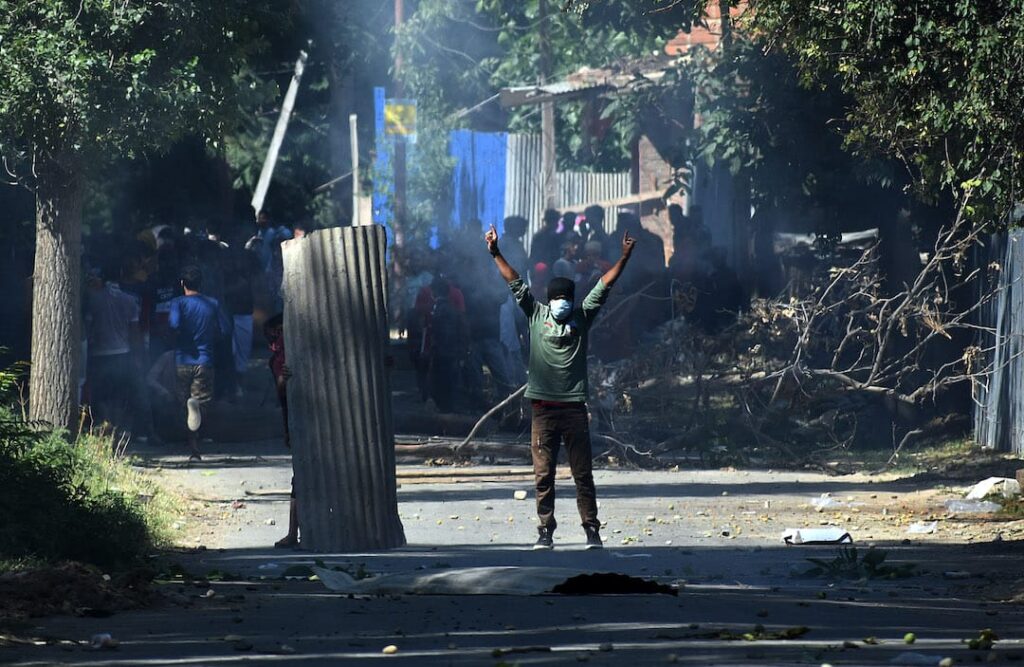
In the context of conflicted areas, social activists, international organizations, independent news agencies use social media as a weapon to report human rights violation.  State organized violence and mass killing highlights the stories of oppressed ones. In the region of Kashmir which is disputed territory between India and Pakistan. The social media have played an effective role during recent mass mobilization for “right to self-determination”. Indian administration imposed some serious censorship over digital and main stream media to cover up the human rights violations in the valley. Social media activism is posing a major challenge to the Indian state in Kashmir; most people are tending towards use of soft-power to empower their cause of right to self-determination.
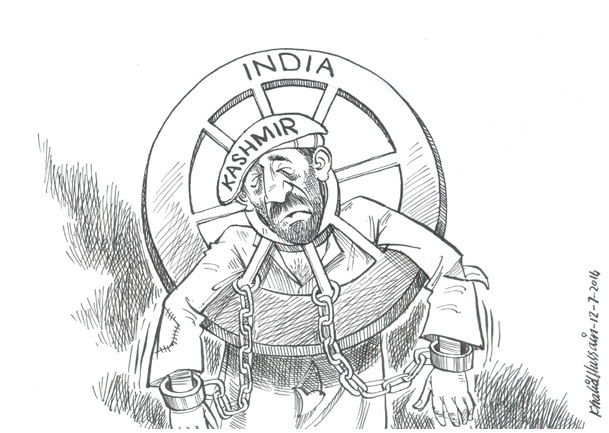
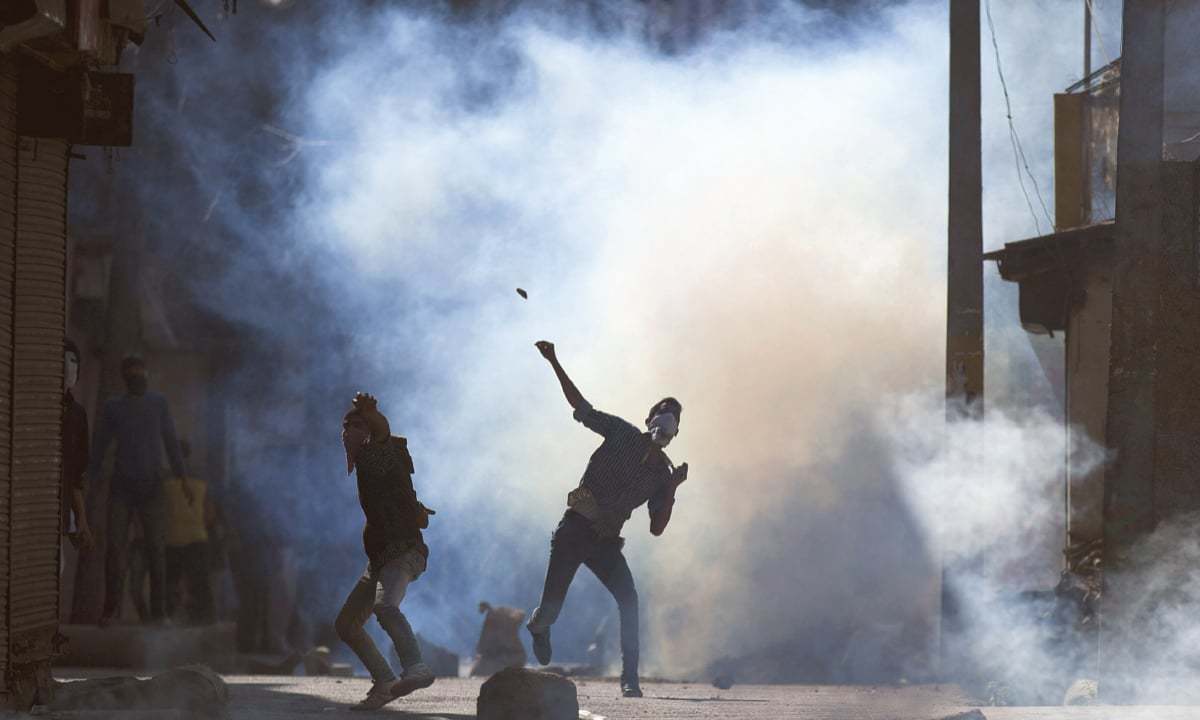
Ground realities from conflicted area portrayed through digital media has helped international organizations, NGO’s and government institutions to pressurize the Indian occupation forces to stop violence. Frequent internet bans in Kashmir territory have been widely criticized by international organizations like UNO and Amnesty International. Many political analysts across the world as an arbitrary act to sabotage dissent and to serve as a form of ‘collective punishment’ for Kashmiri people in the region.

After the killing of Burhan Wani, a young social media activist with a fundamental ideological approach towards Kashmir movement, by Indian Armed forces inspired a whole generation of young people to raise their voices against Indian government and their atrocities in the region. This particular event and Burhan has become a symbol of both the youthful defiance on streets and the oppression of the Indian security forces by using Camera and Gun at the same time.

On August 5, 2019, India abrogated Article 370 and 35 A, which further more destabilized the valley of Kashmir. When the Indian government scrapped the region’s semi-autonomous status, and declared Kashmir as part of Indian union territory against all international and bilateral agreement with Pakistan, this created the political instability in the region and people started chanting on the streets against the unlawful act by the Indian Administration. In response to that, Indian authorities imposed a sweeping communication and internet shutdown in the region. The internet shut down continued for months, the longest internet suspension that took place in a democracy. According to an international organization “Access Now”, social media giants like Facebook, Twitter and YouTube joined hands with Indian government to remove the content related to Kashmir, which is projecting the freedom struggle of Kashmiri people.  Kashmiri voices in the digital spaces through the frequent suspension of the accounts of artists, academics, and journalists based in and outside the disputed region, a move termed by experts as “inacceptable in free world”.  Geeta Seshu, co-founder of Free Speech Collective group stated that, “Successive governments have censored and silenced voices of dissent in Kashmir for decades now but when social media companies do so too, it becomes all the more reprehensible.”

Kashmiri activists and artists came with new ideas to cope up with this situation and initiated campaigns using the instrument of Music, Culture and Poetry to support Kashmiris against the oppression of India.  On September 20th 2019, Kashmiri artists, highlighted the theme of “Resist to Exist” with the collaboration from British-Kashmiri artist Sumaya Teli and Kashmiri-American artist, Nouf Bazaz. Through the collaboration of artists, the event shared stories of the Kashmiri struggle against Indian occupation and militarization and for the right to Kashmiri self-determination. It went viral in different parts of the world, and help youth to understand the Kashmir situation and Indian mistreatment of Kashmiri people. In the recent six to seven years, we have seen, how digital media revolutionized the Kashmir Conflict and created the environment where young researchers and activists can access the information to understand the conflict and to advocate the worth of freedom for the next generations.


Pakistan and Oman take part in Naval Drills in North Arabian Sea

Oman is the nearest Arab country to Pakistan, because of this, they both share a maritime boundary with each other. Pakistan and Oman cooperate in diverse sectors to enhance the bilateral economic, military and trade relations. Pakistan and Oman share common interests in ensuring maritime security and free flow of commerce through the region. Accordingly, navies of the two countries have been cooperating on a wide range of issues in maritime domain. Both navies have been regularly participating in Maritime Security Operations at sea. In the area of human resource, PN is providing officers and men on deputation to Omani Navy to support RNO in fulfilling its maritime and naval obligations. The two navies have also been closely collaborating in the field of training of respective officers and men.

This year The Pakistan Navy and Royal Navy of Oman (RNO) participated in the naval exercise ‘Thamar Al Tayyib 2021’ (TAT-21) in the North Arabian Sea. The exercise conducted in Pakistani territorial waters from December 13-18 included the participation of surface and air units, besides special operations forces from both navies. The Omani Navy Task Group comprised RNO ships Al Dhaferah and Al Seeb. Maritime patrol aircraft of Royal Air Force of Oman also participated in the exercise. The sea phase of the exercise comprised counter-terrorism, anti-air and anti-surface warfare operations with an overall aim to curb illicit activities at sea. Exercises between the two navies have regularly been conducted since 1990. The last exercise in the TAT series was conducted in Oman waters in 2019. During the harbour phase of the exercise, operational and tactical-level discussions and pre-exercise conferences were conducted. The sea phase of the exercise included counter-terrorism training, anti-air and anti-surface warfare operations with a focus on curbing illicit activities at sea, according to the official statement. Gwadar Port and Salalah Port can be used to create efficient communication channels between the two countries because both ports possess excellent infrastructure and other facilities.  Regular conduct of bilateral naval exercise between the Pakistan Navy and the Royal Navy of Oman are indicative of long-standing brotherly relations between the two countries in general and both navies in particular.