Tougher Year Ahead?

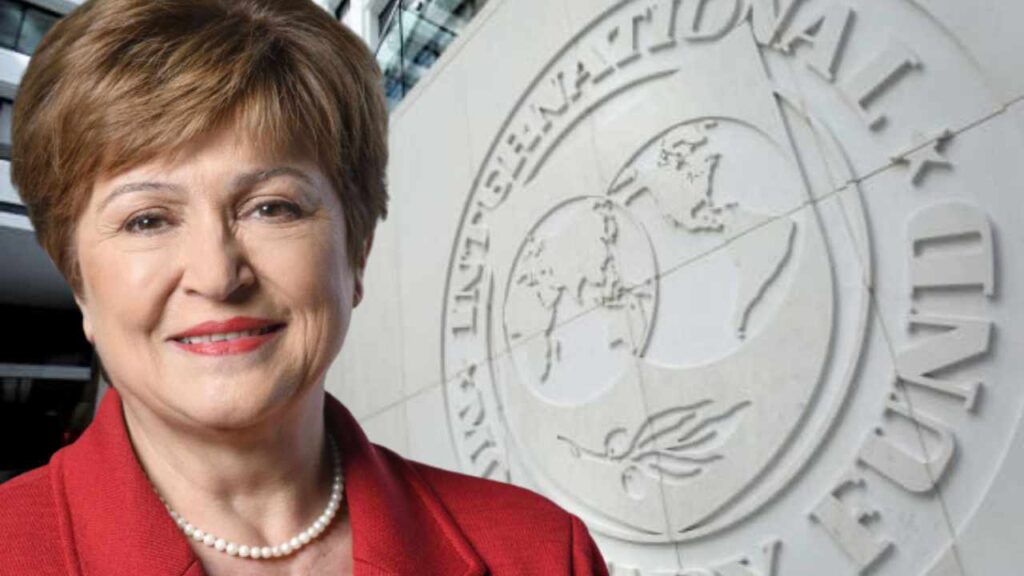
According to the chief of IMF, 2023 is going to be a tough one. He says 2023 to be tougher for global economy than 2022. The International Monetary Fund (IMF) chief has warned that this year would be more difficult than 2022 for the majority of the global economy because of the sluggish growth in the United States, the European Union, and China. IMF’s October drop of its global GDP outlook from 2.9 percent to 2.7 percent due to factors such as the conflict in Ukraine and significantly rising interest rates, keeping this in view these remarks were passed. Although there are concerns about China’s longer-term trajectory, Georgieva stated that she predicted China’s growth to improve before the end of the year. According to Georgieva, the conflict in Ukraine has deeply upset the EU, with half of the bloc anticipating a recession this year. However, the head of the IMF noted that the US economy has distinguished itself for its durability and may completely avoid contraction this year. 2023 will be a challenging year for most of the global economy as the primary drivers of global growth, the United States, Europe, and China, all see diminishing activity. Many analysts and investors are concerned that a U.S. recession is inevitable in 2023 due to geopolitical concerns, energy market imbalances, consistently high inflation numbers, and rising interest rates. The chance of a recession has increased throughout 2022 as a result of the Federal Reserve raising interest rates in an effort to combat inflation.

Considering reducing exposure to volatile stocks and increasing cash holdings may help. Cash may not be the most exciting play, but it reduces market risk and provides financial flexibility if a recession creates potential buying opportunities in 2023. Countries face a high risk of instability if there is political instability. The important factors in determining the countries’ instability are undergoing political transitions constraints on ruling elites and the degree of public participation in polity. So, in order to overcome inflation, states should also take diplomatic steps also help. The whole world is together in this phase of recession and can altogether stop it from the economic depression through various diplomatic efforts.
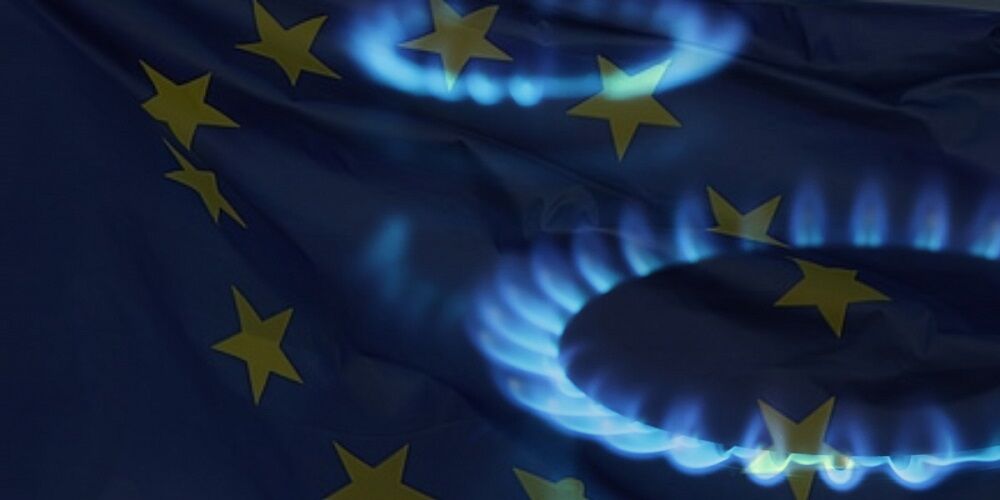


Energy Crisis In Europe: Impact Of Russia-Ukraine Conflict

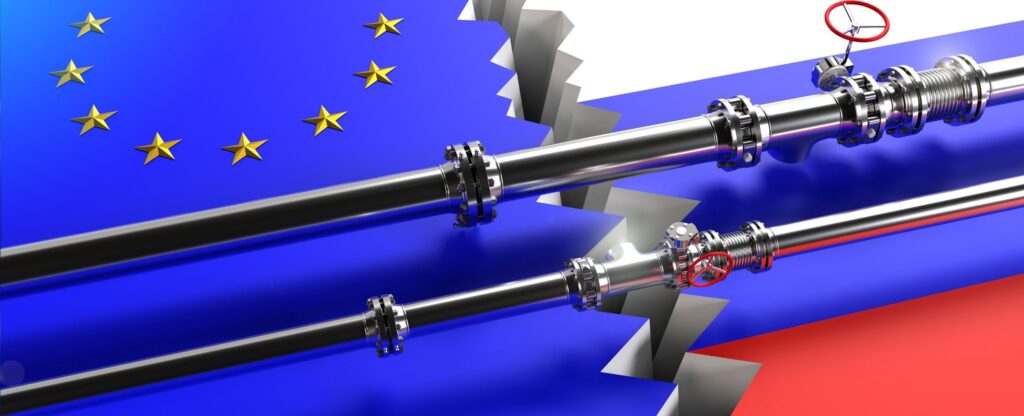
The ongoing conflict between Russia and Ukraine has had a significant impact on the energy crisis in Europe. The crisis has been caused by a combination of factors, including the disruption of natural gas supplies from Russia, the closure of nuclear power plants in Ukraine, and the increasing demand for energy in Europe. Economic sanctions imposed by the European Union and the United States, which have had a significant impact on the energy sector in both countries. In particular, the sanctions have led to a disruption of natural gas supplies from Russia to Ukraine and Europe. Russia is the largest supplier of natural gas to Europe, providing around 30% of the continent’s total gas supply. This has resulted in a significant disruption to the energy supply in Europe, with some countries having to resort to alternative sources of energy. The crisis has also been exacerbated by the closure of several nuclear power plants in Ukraine. The closure of these plants has resulted in a significant reduction in the country’s energy production, which has had a knock-on effect on the energy supply in Europe.

The increasing demand for energy in Europe has also contributed to the energy crisis. As the population of Europe continues to grow, so does the demand for energy. This has led to a shortage of energy in some parts of Europe, with some countries having to resort to alternative sources of energy. The energy crisis in Europe has had a significant impact on the economy of the region. Many countries have had to increase their energy prices in order to make up for the shortfall in energy supply. This has had a negative impact on businesses and consumers, as well as on the environment. The energy crisis in Europe has been caused by a combination of factors, including the disruption of natural gas supplies from Russia, the closure of nuclear power plants in Ukraine, and the increasing demand for energy in Europe. It is essential that the conflict between Russia and Ukraine is resolved in order to prevent further disruption to the energy supply in Europe.


Winter Storm Hits America: Extreme Weather Is A “New Normal”

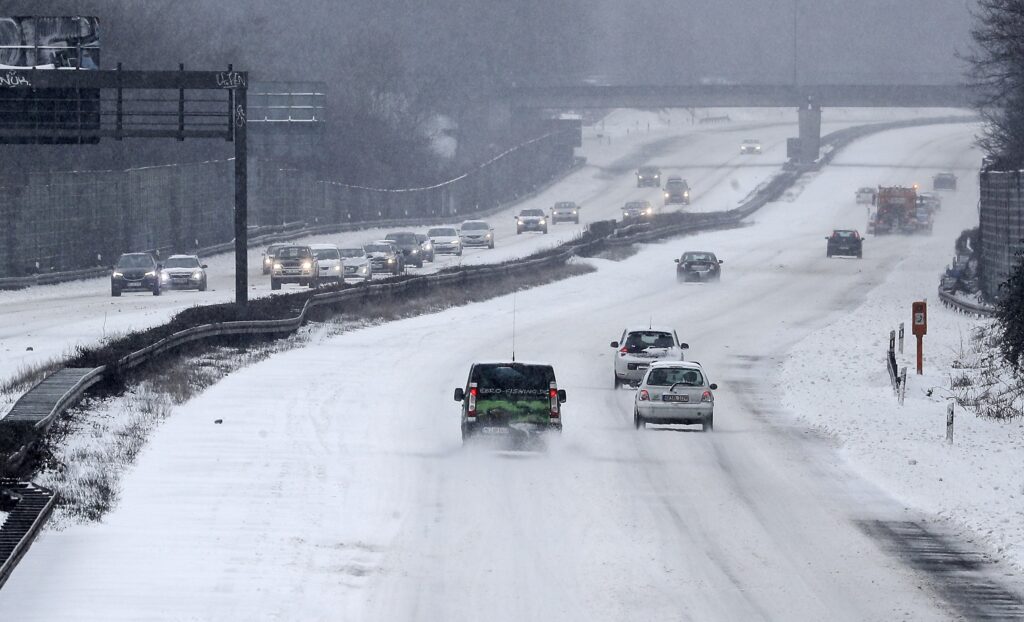
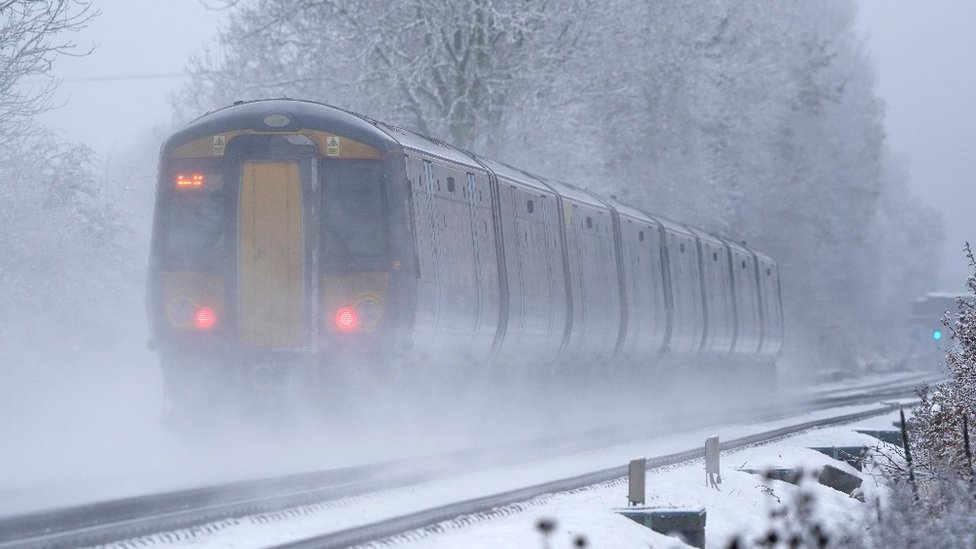
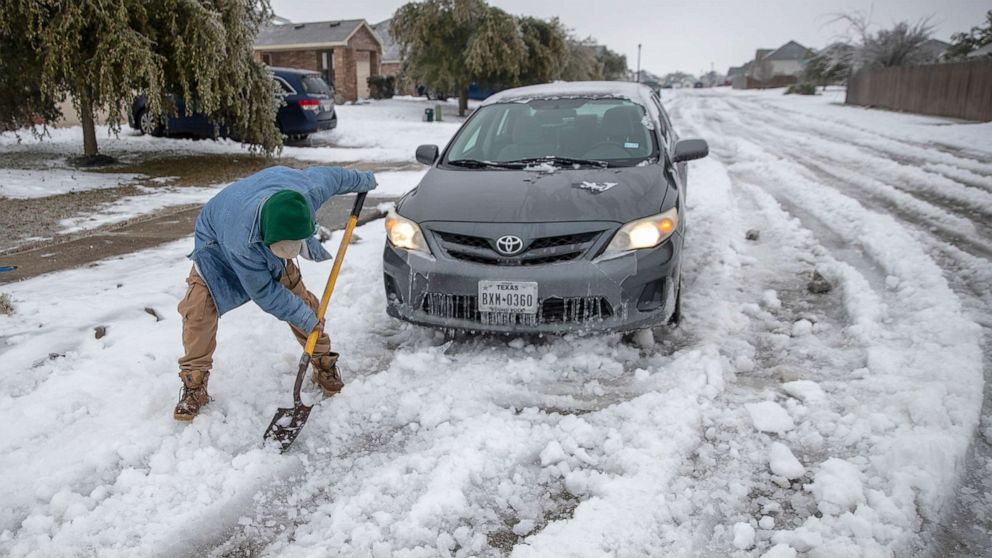
Due to impacts of climate change, the year 2022 has experienced devastating weather events in the form of a terrible flood that drowned a third of Pakistan, one of the three costliest hurricanes to ever hit the United States, severe droughts in Europe and China, a famine in Africa brought on by a drought, and fatal heat waves around the world. The year is ending and the world once again witnessed an extreme weather i.e. deadly winter storm in North America which took lives of dozens of people. Forecasters referred to the icy winter storm that hit the United States as a “bomb cyclone” and it produced travel chaos, life-threatening flooding, flash freezing, and blizzard conditions in many parts of the country. Thousands of homes and businesses across the United States lost power due to the increased demand as a result of “bomb cyclone” storm, which is being considered as one of the most violent in recent decades. It has caused fatal car accidents on frozen roads and exposure to extreme storm, thousands of US flights were also cancelled, according to the data. In “one of the greatest extents of winter weather warnings and advisories ever” the National Weather Service (NWS) reported that more than 200 million people were under some type of winter alert.

It is anticipated that the prolonged extreme cold, blizzards and catastrophic winter storm conditions that have affected most of the United States, Canada, and even spread down to northern Mexico, will be an expensive event for many years. Given the wide geographic footprint of the cold and storm, which spread from Canada down to as far as northern Mexico, the overall effects and costs of the extreme winter weather event are anticipated to be relatively significant. At this point, it is far too early to conclude any precise estimates of losses, but according to some sources, this could be one of the most expensive winter weather outbreaks in the past ten years. The weather conditions have become unprecedented which are influencing people and their well-being at highest levels. Undoubtedly, climate change and global warming has played their role in it, but the fact of human activities in climate change cannot be denied. The climate change, a non-traditional threat, has impacted human security on a global scale. The situation of weather events and climate change demands attention from authorities at local, national and international level. In addition, result-oriented approaches and policies are needed in order to deal with climate crisis efficiently as humanity cannot tolerate and adapt to the extreme weather conditions as a new normal.


Appointment of Spain’s Ambassador to Venezuela: A new era of Diplomatic Relations

Introduction

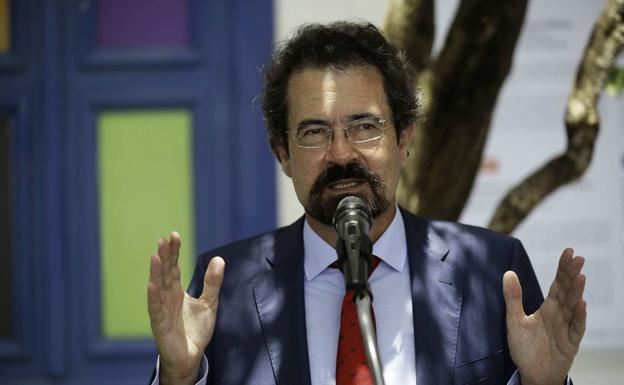
Spain has made a significant step toward improving relations with Venezuela with the appointment of a new ambassador on 28th December, 2022. Since the tensions between two nations erupted in 2020, Ramon Santos has been named as the first ambassador to the Spanish mission in Venezuela, which depicts a new era of bilateral and diplomatic ties between the two countries. Spanish Foreign Minister José Manuel Abares emphasized the significance of Spain’s ties with the Latin American nation in his remarks regarding the decision, claiming that Spanish representation in Venezuela is unquestionably required. The hint was already given for the appointment of the ambassador at the start of November when the talks between the nations improved.


Background

Spain and Venezuela have maintained bilateral relationships and diplomatic ties ever since the Treaty of Peace and Friendship was signed in 1845, the year the South American nation gained its independence. The two nations’ unique connection has been maintained consistently despite going through numerous significant crises as a result of a number of political disputes that seriously threatened common interests and understanding. However, the relations deteriorated in context of the generally regarded as fake elections in November 2020 that also caused extreme poverty. To protest, Spain withdrew its former ambassador, Jess Silva. But now, Santos, who has served as the acting head for diplomatic mission in Caracas since November 2021, is appointed as the newest ambassador two years later. A foreign ministry spokesperson has said in a statement that the government of Spain’s Prime Minister Pedro Sanchez wants to ensure that the upcoming 2024 presidential election in Venezuela is “more democratic and allows the opposition to play the role it was unable to exercise at the time.”

Crisis in Venezuela

For more than ten years, Venezuela has been gripped by a serious national crisis. Hugo Chavez’s “economic war” that actually began in 2010 evolved under Nicolas Maduro’s leadership into a political, socioeconomic, and humanitarian crisis of unexpected magnitude in 2020. Due to this, the once prosperous Latin American nation suffered from hyperinflation, famine, shortages of essential goods, widespread emigration, high crime and death rates. The international community is actively participating in Venezuela’s development of peace and prosperity. The European Union (EU), which carefully assessed the dire situation and made every effort to advance peace and democracy in Venezuela. Spain, a member of the EU, is particularly concerned about the situation in Venezuela as the Venezuelan crisis has affected the internal politics of Spain. Apart from this, the Venezuelan community is the fourth largest ethnic group in Spain, the presence of migrants in Spain is one of the major concerns of the Government. The appointment of a new ambassador by Spain is a positive step but in order to ensure sustainable peace process in Venezuela, both the countries should make efforts and play their due role that is required for good relations, political stability and economic prosperity.


China Condemns the Kabul Hotel Attack

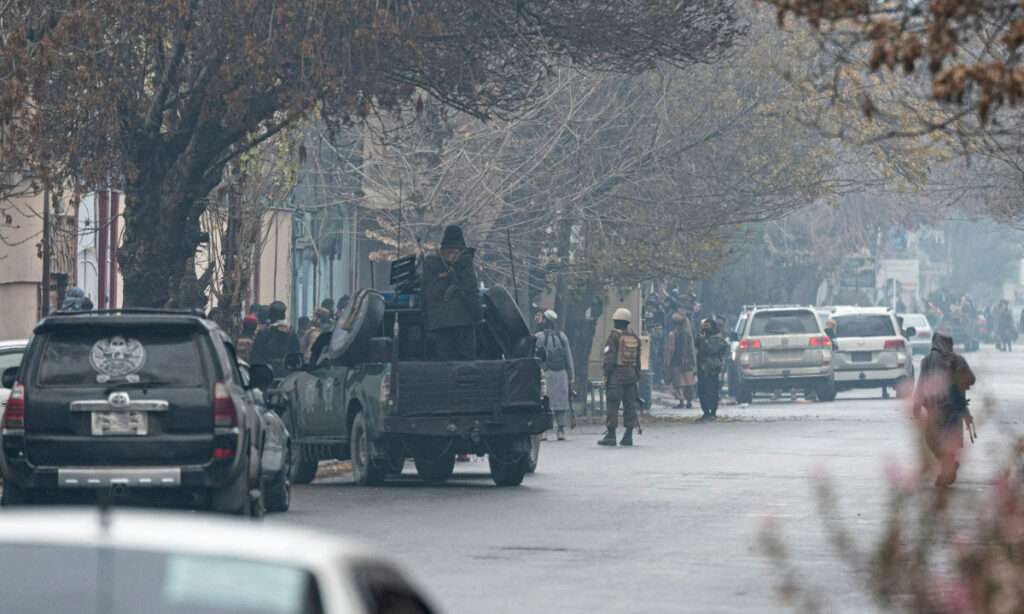
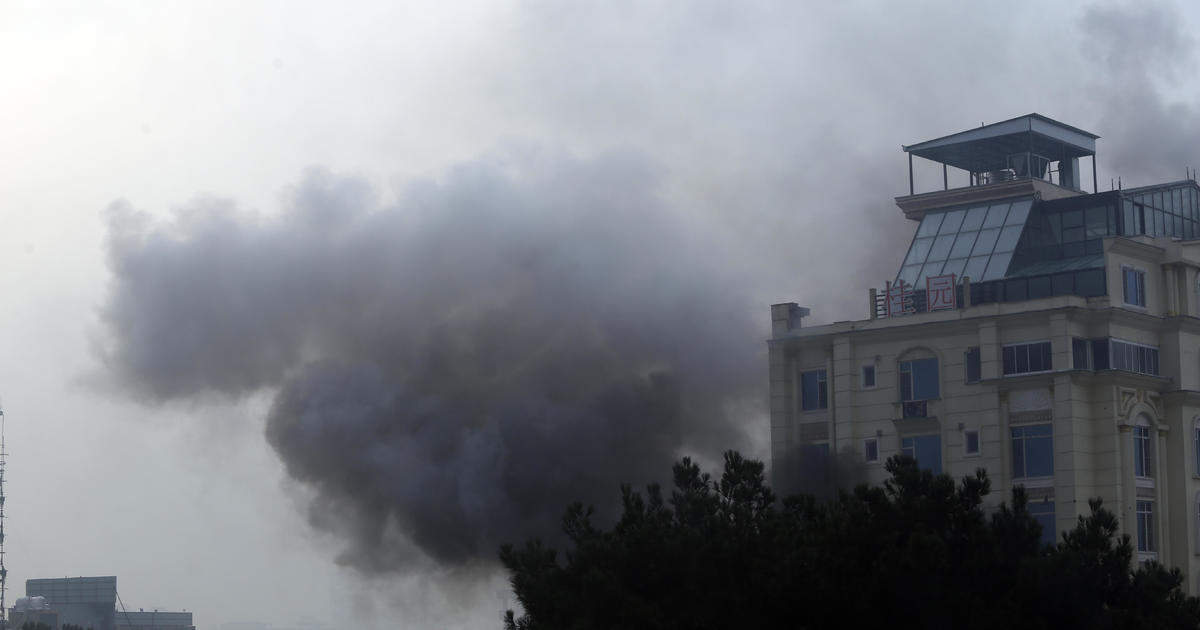
On 12 December 2022 in Kabul, Afghanistan, a terrorist attack occurred on a hotel building having a majority of Chinese nationals. In this incident, five Chinese nationals were injured and some Afghan security officers were killed. The government of Afghanistan reported that a branch of the ISIS extremist group in Afghanistan claimed responsibility for the attack.
This incident was of great concern to the Chinese government. Chinese Foreign Ministry condemned the terrorist attack and told the Afghan government to take steps to protect Chinese nationals in Afghanistan.

In response to this incident, Wang Wenbin, the Foreign Ministry’s Spokesperson, said that the Chinese side considers the terrorist activity unacceptable. Wang emphasised that China vehemently opposes terrorism in all its manifestations. Furthermore, he noted that the Chinese Embassy in Afghanistan immediately complained to the Afghan interim administration following the attack. The embassy asked them to take all necessary steps to identify and save Chinese people.
Additionally, the Chinese embassy urged the Afghan side to fully investigate the attack and punish those who are guilty. They also demanded that security measures for Chinese nationals and institutions in Afghanistan be greatly enhanced.
We extend our condolences to the members of the Afghan security forces who lost their lives in this incident, as well as our sympathies to those who were hurt, Wang said. It was also reported that China applauds the Afghan security forces’ prompt response to the attack and their attempts to save Chinese nationals.

In this regard, China pays great attention to Afghanistan’s security situation. They assist Afghan efforts to protect national security and stability, as well as to combat all forms of terrorism and violence.
The Foreign Ministry spokesperson asked the Afghan interim government to act quickly to protect Chinese citizens, organisations, and projects in Afghanistan.
Furthermore, the task force of the Chinese Embassy in Afghanistan also came to the site of the incident. Together with the Afghan side, they carried out rescue operations, provided medical attention, and located housing for the injured.


Border Clash between China and India on Arunachal Pradesh

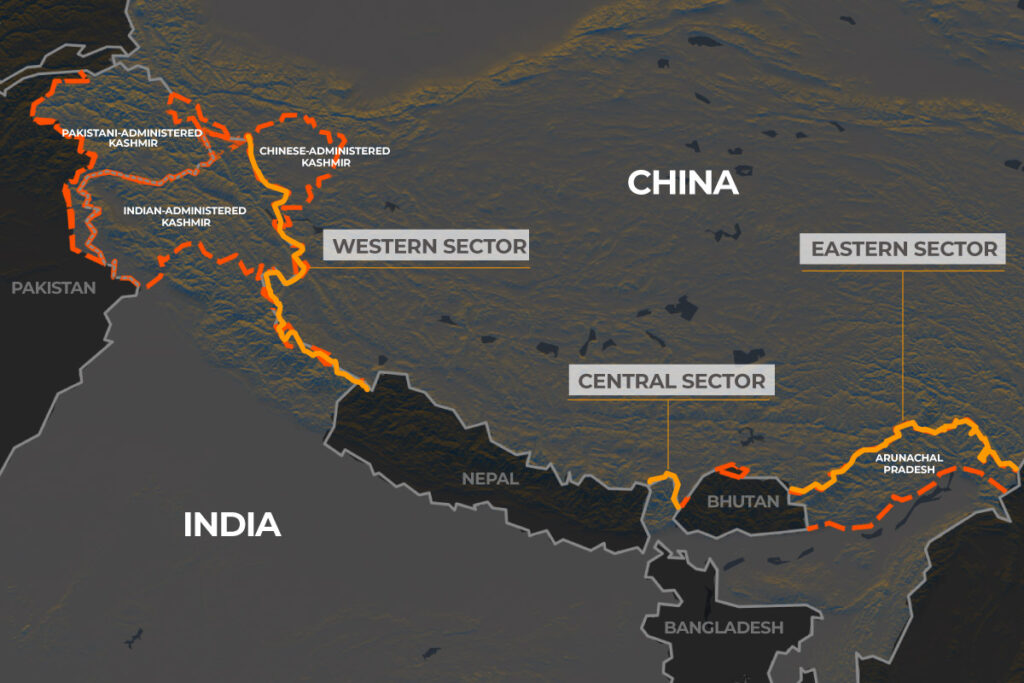
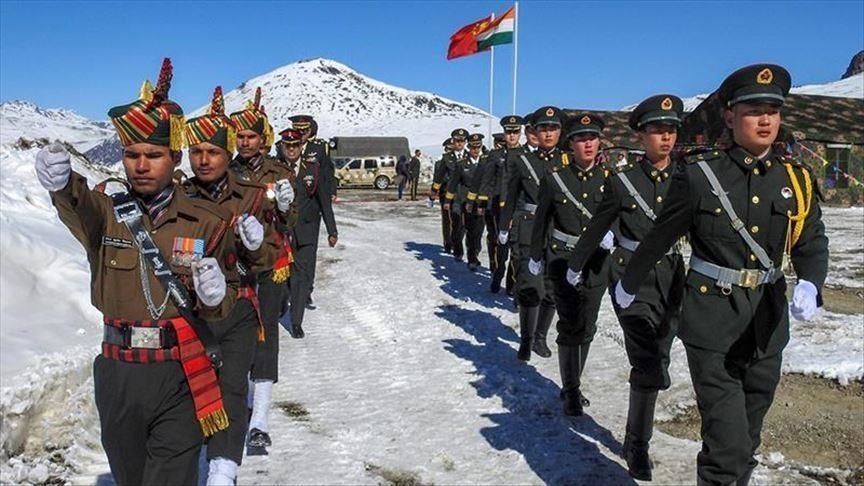
On December 9, 2022, a clash broke out between Indian and Chinese forces in the Tawang area of Arunachal Pradesh, a state in far-northeast India that is claimed by China. Since the tragic clashes of June 2020, when Chinese and Indian soldiers fought in hand-to-hand combat in the Galwan Valley of Ladakh, this incident is considered to be the first between the two countries.
The Indian army said on 12 December 2022 that this clash had resulted in injuries, making it the most serious event along their disputed Himalayan frontier since the soldiers from the two major countries were killed and captured in June 2020. They believe that People’s Liberation Army PLA forces approached the border in the Tawang district of Arunachal Pradesh. The Indian army’s statement further emphasised that local commanders met to discuss the conflict as both parties swiftly evacuated the region.

Rajnath Singh, the Defence Minister of India, while addressing the Indian Parliament, accused Chinese troops of entering Indian Territory. He claimed that China is “unilaterally altering the status quo.”
The spokesperson for the Chinese Foreign Ministry, Wang Wenbin, on the other hand, emphasised that he had no details while responding to India’s charges. He described the border situation as “stable”.

“Through diplomatic and military channels, the two sides have consistently maintained effective communication on border-related matters”, Wang emphasised.
Additionally, the incident resulted in the deaths of twenty Indian and four Chinese soldiers. Tens of thousands of soldiers from both countries were deployed along the Line of Actual Control, supported by artillery, tanks, and fighter jets.
However, China and India, for a long time, have had a variety of conflicting claims along their border, which stretches nearly the entire Himalayan range. During the deadly, high-altitude struggle between the two countries in 1962 over the disputed territories, Arunachal Pradesh was taken over by China before being returned to India. Arunachal Pradesh, according to China, is a part of South Tibet.


Uk, Italy And Japan’s Joint Venture On Fighter Jets: Global Combat Air Programme (GCAP)

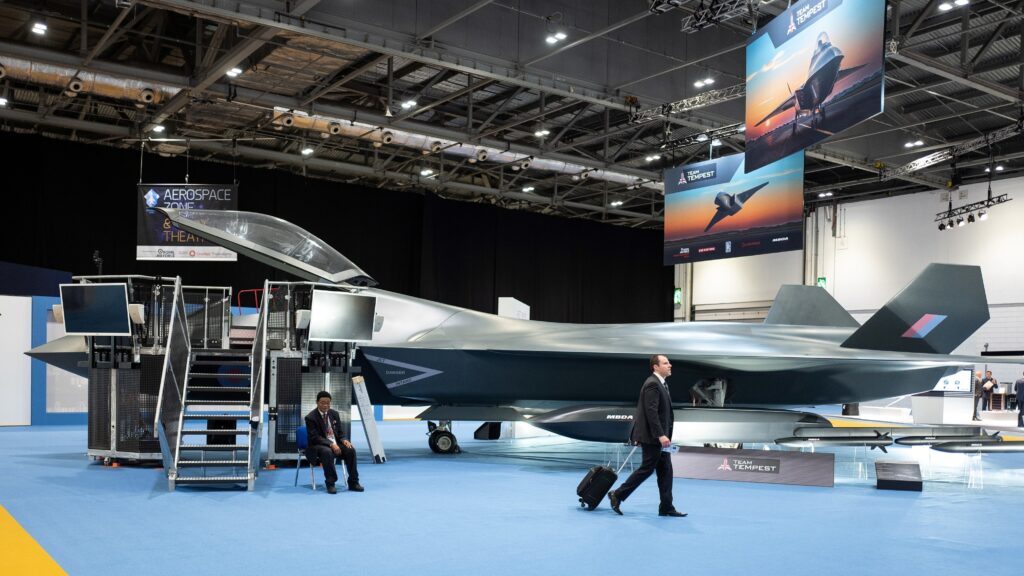
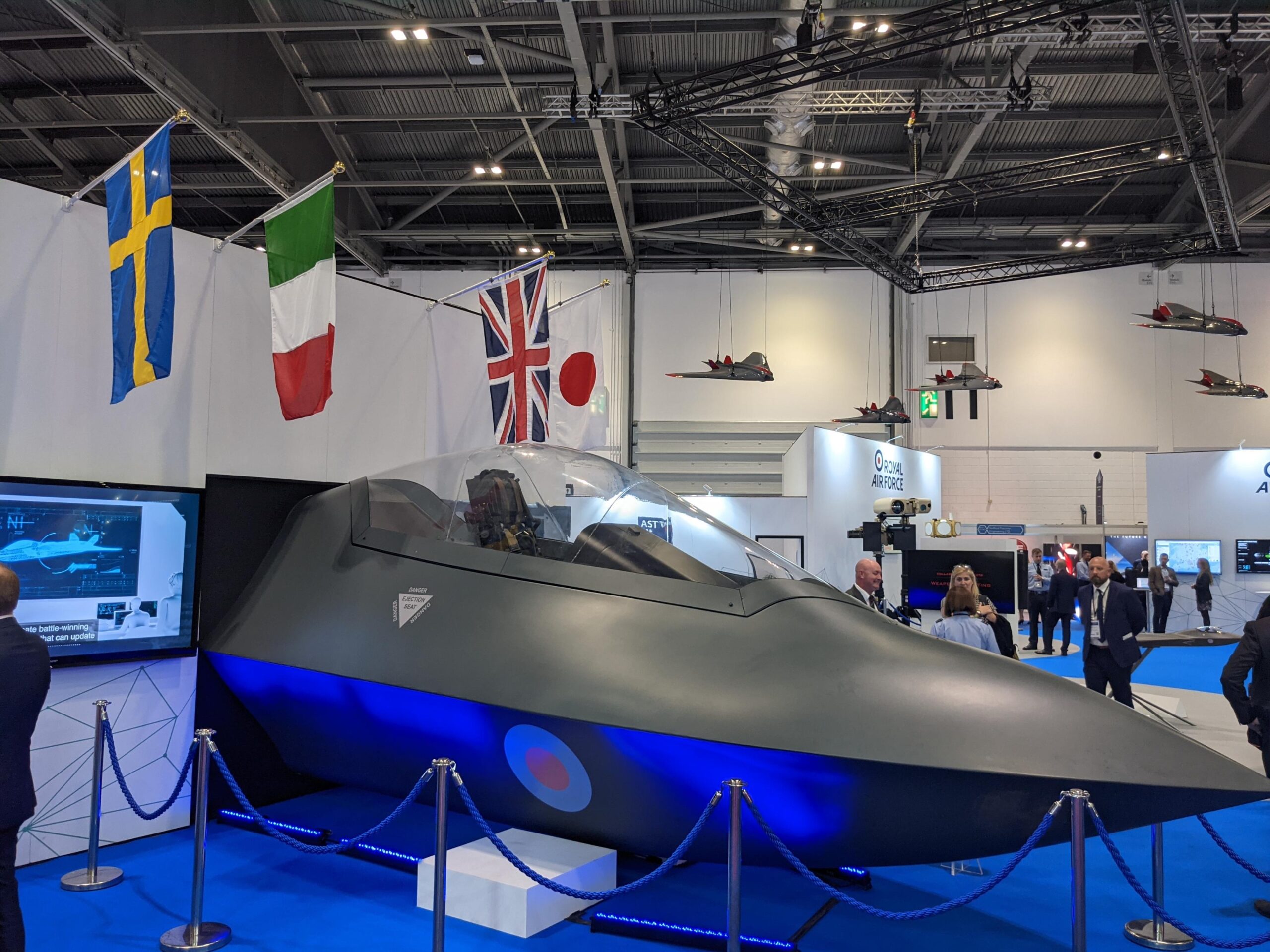
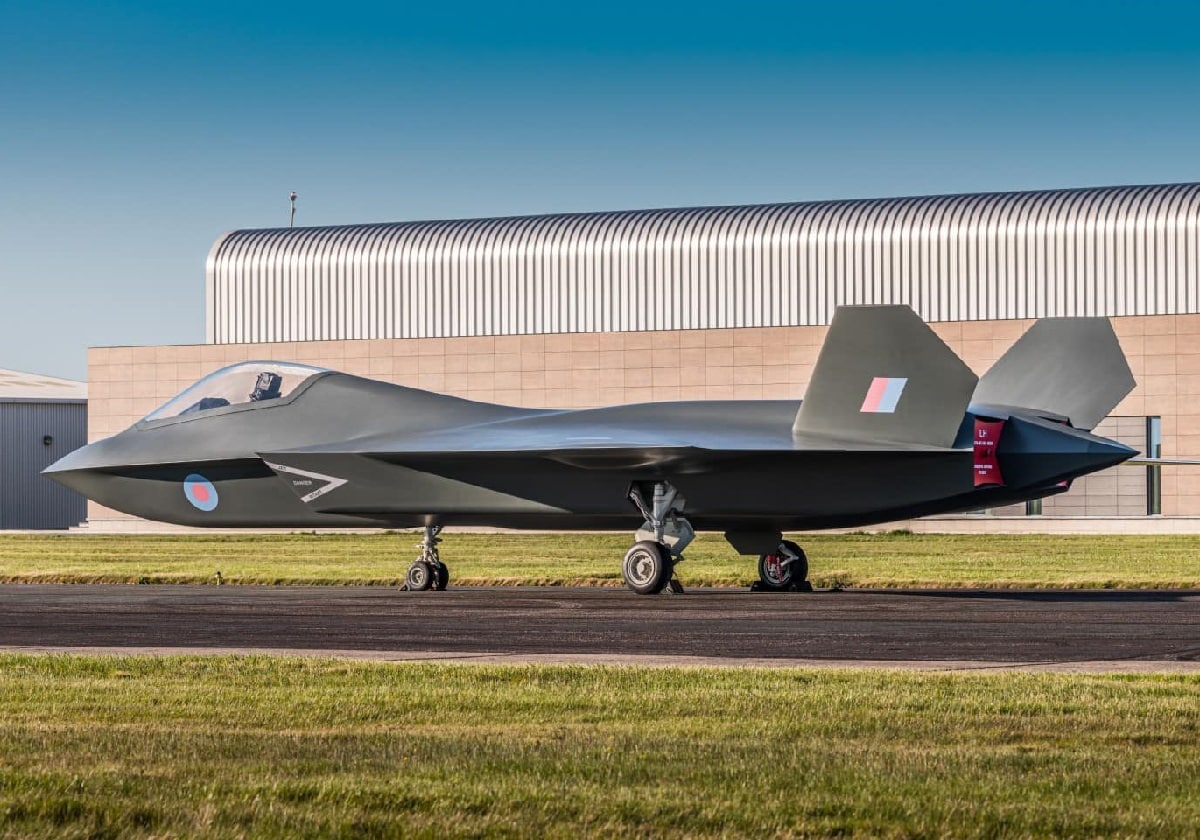
Japan, Britain, and Italy said that they will work together to create a next-generation fighter jet, opening the door for potential future collaboration with allies like the United States. By 2035, the new jet, which is expected to be completed, is anticipated to combine international research into cutting-edge air warfare technologies, from stealth capability to cutting-edge sensors. During a time when “threats and hostility are rising” globally, the three nations said in a joint statement that the ambitious endeavor will accelerate our advanced military capabilities and technology edge.

Their declaration was joined by a bunch of pictures showing a craftsman’s impression of the smooth new planes going by Mount Fuji and over London and Rome. However the three nations are as of now emptying billions of dollars into innovative warrior stream improvement, endeavors that will meet up under the joint task, called the Worldwide Battle Air Programme.”We share desire for this airplane to be the focal point of a more extensive battle air framework that will work across numerous spaces,” the assertion said. That incorporates “future interoperability with the US, with NATO and with our accomplices” in Europe, Asia and around the world, it made sense of. The US Division of Safeguard said it upheld the undertaking in a different joint proclamation with Japan’s protection ministry.”We have started significant cooperation through a progression of conversations on independent frameworks capacities, which could supplement Japan’s next warrior program among different stages,” the US-Japan explanation said. The declaration accompanies Japan ready to make the biggest update to its security system in many years. The public authority intends to increase guard spending – a disputable move in a country whose constitution limits military ability to apparently self-defensive measures. Be that as it may, the conflict in Ukraine, rehashed rocket dispatches from North Korea and developing tension from China have assisted form with supporting for a greater financial plan. A Japanese guard service official said the new warrior stream meant to surpass the capacities of existing models like the US’s F-35.

While the all out cost has not been finished, it won’t be borne exactly similarly between the three nations, the authority added. Japan’s Nikkei business day to day said that organizations Mitsubishi Weighty Enterprises, BAE Frameworks and Leonardo would administer the new undertaking, which is Tokyo’s second joint improvement after its SM-3 rocket made with Washington. The undertaking is the most recent high-profile illustration of partnered nations teaming up on an impromptu premise to foster protection hardware. Such moves demonstrated disputable last year, notwithstanding, when the US grabbed a worthwhile agreement to supply Australia with submarines from under French noses and sent off another US-UK-Australia collusion in the Pacific, named AUKUS.
Hungary’s Rising Play On Russian Nuclear Energy

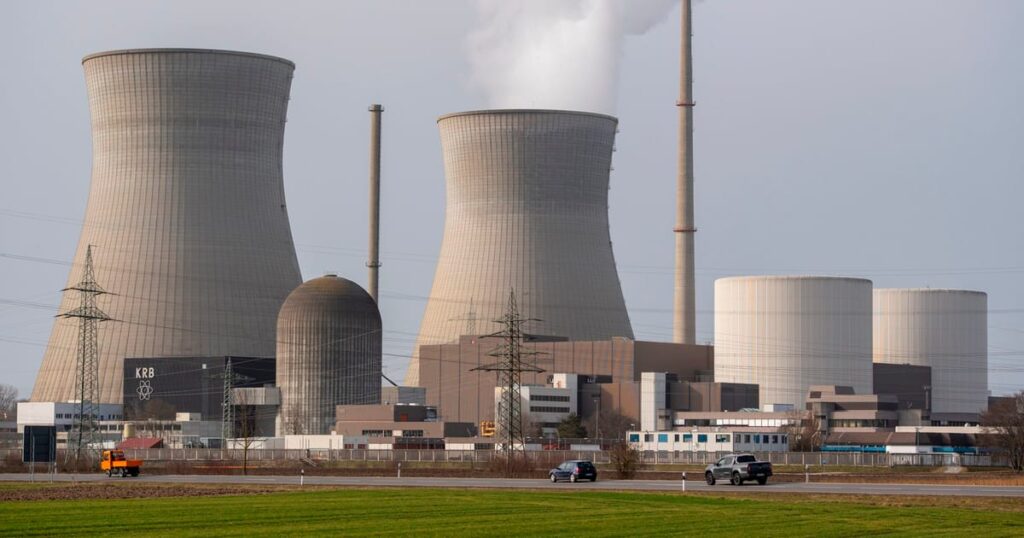
Regardless of the Hungarian government’s unswerving obligation to the Paks 2 venture, in spite of the Russian obligation to supply the money and innovation, the Russian conflict in Ukraine is making the new influence station more uncertain continuously. The public authority claims it will make the country less subject to Russia, from which Hungary gets a large portion of its oil and gas. Paks 1 thermal energy plant, on the shore of the Danube and an hour’s drive south of Budapest, was worked by the Soviet Association during the 1980s, its four reactors actually supply around 40% of Hungary’s power needs. Russia will fund the plant with a 10bn credit, which Hungarian buyers ought to repay in their power bills, beginning in 2026, when the plant was because of come on line. While Hungary has squeezed ahead with Paks 2, last May Finland dropped a comparative, Russian-fabricated plant on the Hanhikivi promontory in mid-development, in view of the Russian intrusion of Ukraine. The Fidesz government has likewise made breeze power for all intents and purposes inconceivable, by prohibiting the development of turbines inside 10km of a settlement. “We could show up where Paks 2 can’t be built however there is no other option,” says Mr Javor.”Then Hungary will generally disapprove of the security of supply”.

The rundown of difficulties from the conflict in Ukraine is long. Many significant parts of the plant should be underlying Russia, and shipped overland. What’s more, the plant isn’t just a Russian one. Under EU tension, it is currently a half breed, utilizing Russian equipment and a control framework to be worked by the Siemens-drove, French-German consortium Framatome. The turbines should be worked by GE Hungary, an auxiliary of US firm Broad Electric. It is difficult to envision US, German and French designers working side by side with their Russian friends, 400 km from the boundary of a country the Russians shell constantly. Also, will the EU at last stretch out authorizations to atomic innovation and workers of Russian state atomic firm. Brilliant new blocks of pads are almost completed for the Russian designers to be utilized here. While he is hopeful Russia will follow through on its commitments, the hesitance of Hungary’s EU accomplices to chip away at any Russian energy project in view of the conflict is probably going to cause Budapest future migraines.


Renewed Peace Talks between Colombia and ELN Rebels

Introduction

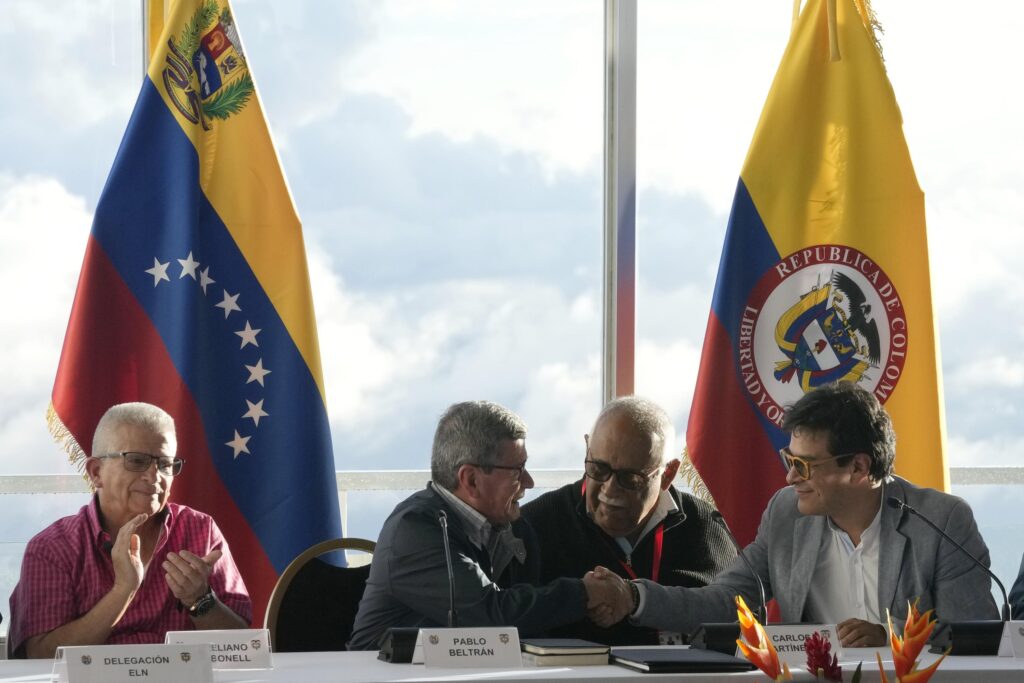
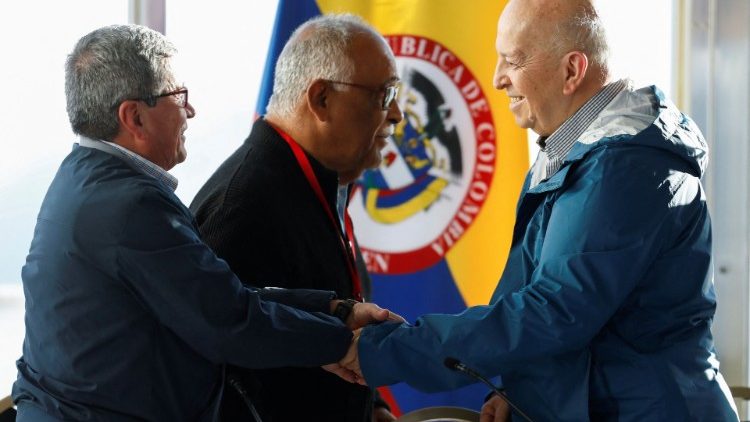
The ELN, also known as National Liberation Army, is a leftist and an anti-government group of more than 2000 fighters and militias which is based in the countryside of Colombia. The group has become a serious threat for Colombia that is why it is considered as terrorist group by Colombian and a number of other governments including European Union and the United States. The current President of Colombia, Petro, who assumed office in August, has pledged to negotiate with rebels in order to restore “total peace” to Colombia. The first significant step in President Gustavo Petro’s efforts to put an end to nearly 60 years of violence has been the beginning of new peace talks between the Colombian government and the leftist National Liberation Army (ELN) guerrilla group.


Background

As a result of the ELN’s refusal to end hostilities and the bombing that resulted in the deaths of 22 police cadets, talks between the ELN and then President Santo’s government began in Ecuador in 2017 and eventually moved to Cuba. However, Santos’s successor, Iván, cancelled the peace talks abruptly in 2019 because of a vehicle bomb incident in Bogota that left 22 people dead and 68 injured. The day after his inauguration, on August 8, Petro declared the resumption of talks with the ELN. The ELN leaders and the Petro government agreed to restart the negotiations on October 4. Additionally, they decided to resume agreements and developments made prior to the suspension of negotiations. President of Venezuela agreed when Petro requested him in September 2022 to mediate in the peace negotiations with the ELN. Recently, the talks has been initiated between the two parties as a part of the “total peace” agenda since January 2019.

First Round of “Successful Talks”

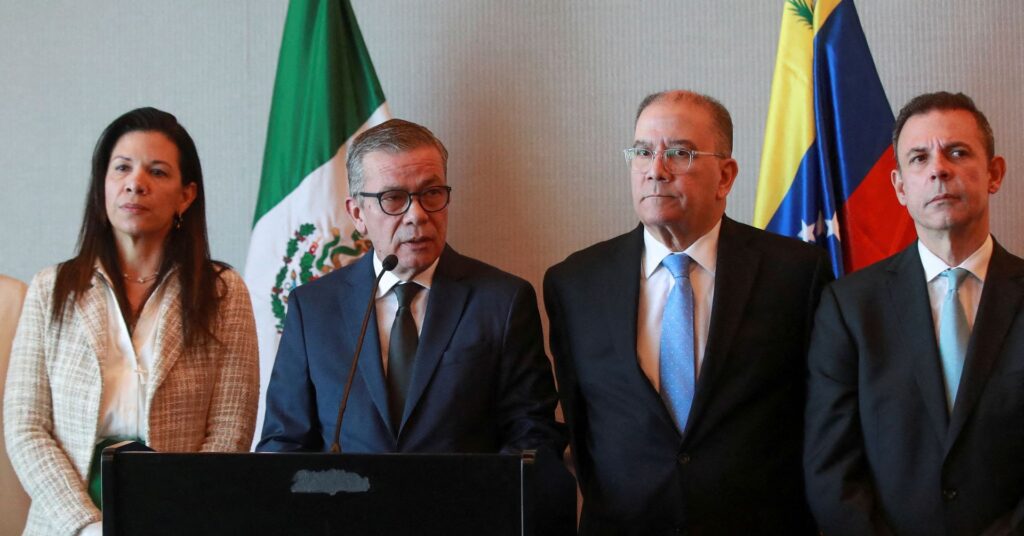
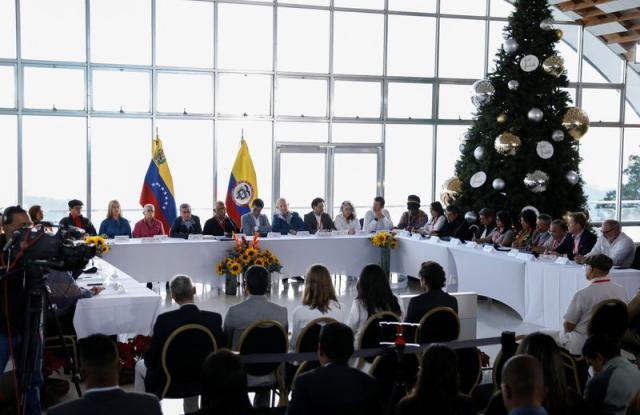
The Colombian government and the National Liberation Army have finished their initial round of peace negotiations. Representatives for Bogota and the ELN announced in a joint statement on December 12, 2022 that the talks, which took place in Caracas, Venezuela has “ended successfully” and served as “a beacon of hope in a world immersed in war and destructive tension.” The two sides agreed to “implement a partial agreement for emergency care” to start in January in the most violent areas, even though a ceasefire has not yet been achieved. The Mexican ambassador in Caracas, announced that the country had agreed to serve as an official guarantor for the peace talks and that the next round of negotiations would begin the following month in Mexico.


Anwar Ibrahim Takes The Office Of Malaysia’s Prime Minister

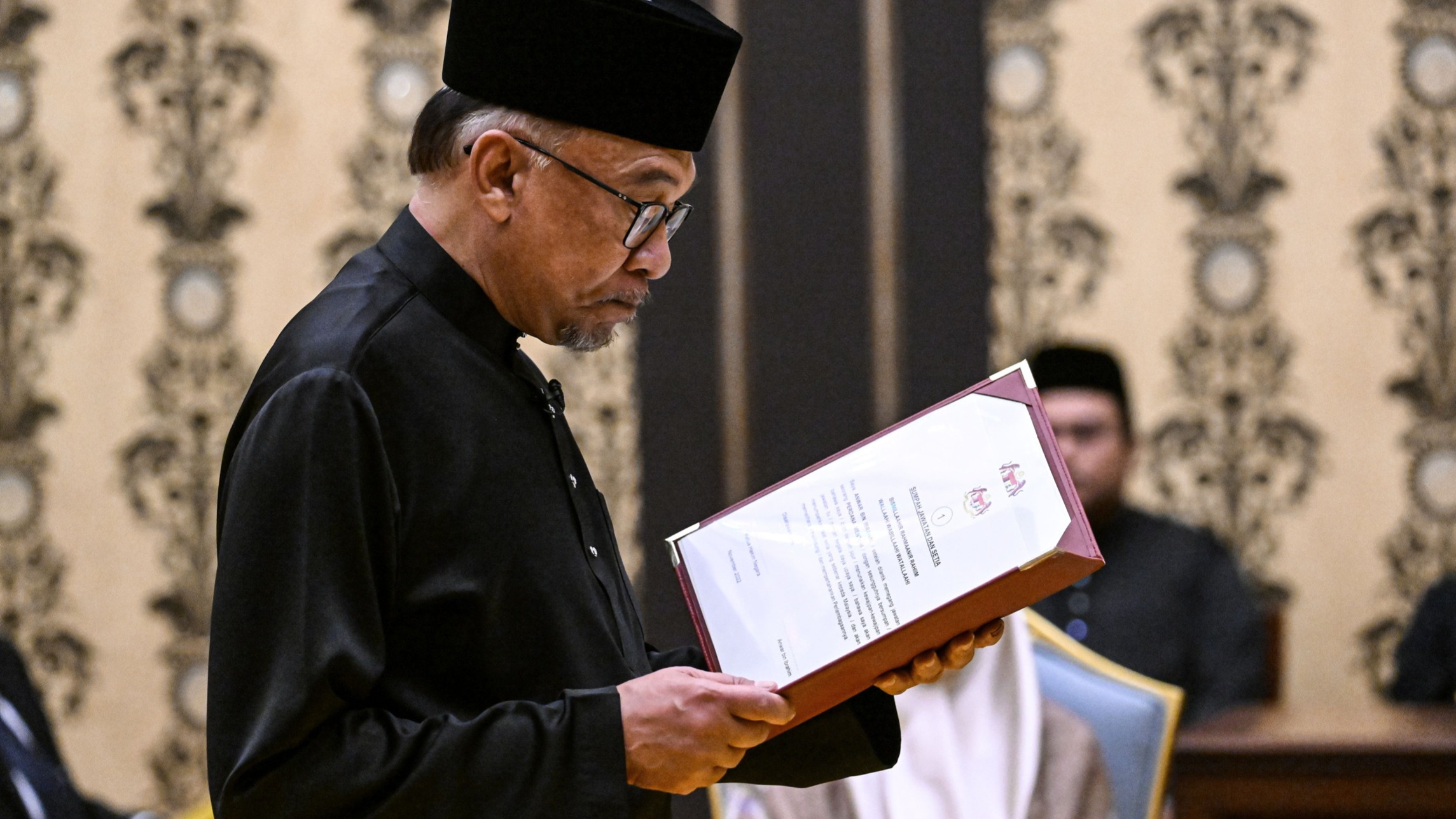
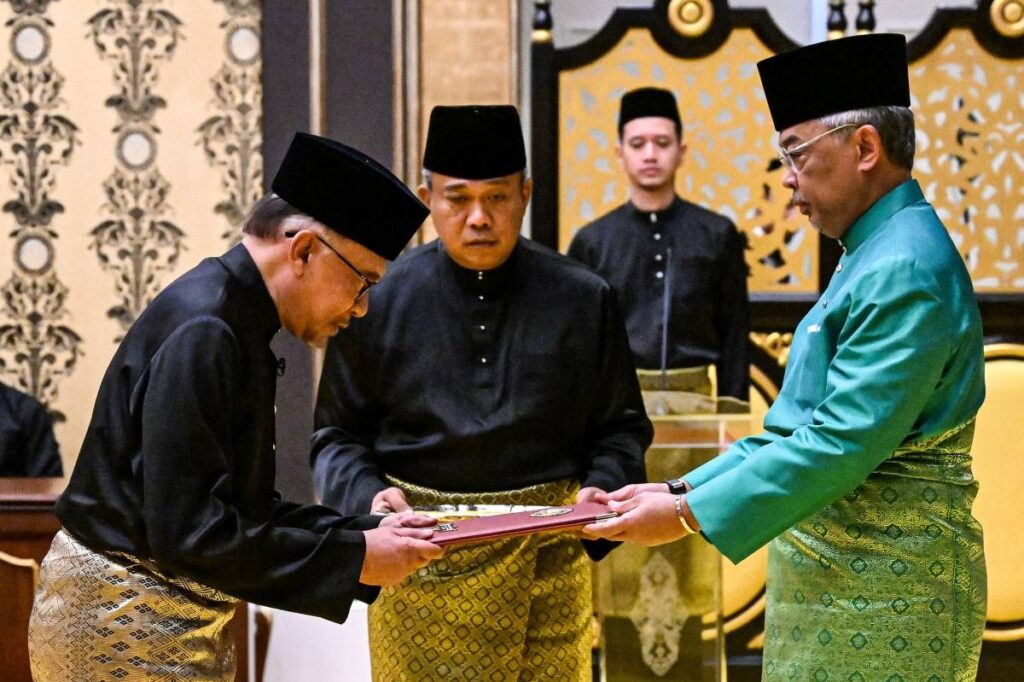
Malaysia’s tenth Prime Minister, Anwar Ibrahim, has taken the oath of office. On November 24, 2022, at the palace in Kuala Lumpur, the 75-year-old senior politician took the oath of office in front of King Sultan Abdullah Sultan Ahmad Shah.
After Anwar’s Pakatan Harapan (PH) coalition won the most seats in the weekend election, King Sultan Abdullah assumed leadership of the process of selecting a new government. Both PH and the rival conservative Malay-Muslim Perikatan Nasional (PN) coalition, which had the second-highest number of MPs and was led by former Prime Minister Muhyiddin Yassin, started discussions to establish a government.

In order to get their opinions on who should head the new administration, the King met with Anwar, Muhyiddin, and recently elected members of parliament. Anwar was named as the leader following a gathering of the royal houses on November 24 because the monarch believed he had the backing of Malaysia’s 222 members of the parliament.
King Sultan Abdullah urged all politicians to cooperate for the good of the nation, saying that there are “no absolute winners and no absolute losers.” Anwar promised to carry out the responsibilities assigned to him with “utmost humility” following his inauguration. According to the ambitions of the people, “I will carry out this enormous obligation based on the people’s aspirations,” he declared.

Reforms

PH supporters continued to chant “reform” at rallies, hoping for a government that will combat corruption, uphold democratic freedoms, and guarantee the independence of crucial institutions like the legislature and the judiciary.
In response to a potential economic slowdown, Anwar promised supporters that his administration would also reduce the size of the cabinet and lower ministerial pay and benefits.

Votes

A great number of Malaysians were present in the election, according to official results. PH received 5.81 million votes, followed by PN with 4.67 million and BN with 3.43 million.
A constitutional amendment that gave 18-year-olds the right to vote and established automatic voter registration resulted in an expansion of the electoral roll, which made the conclusion even more uncertain.
Beginning in 1971, when he founded the Muslim Youth Movement of Malaysia, Anwar Ibrahim began his political career as a student activist. He later led demonstrations against rural poverty and other socioeconomic issues. When Malaysia gained independence in 1957, the United Malays National Organisation (UMNO), which has been in power since then, saw his activism and convinced him to join.
Anwar had a reputation as a charming, ambitious, and reform-minded politician as he advanced swiftly through the ranks to become Finance Minister and deputy Prime Minister.