Indonesia-Pacific Forum for Development
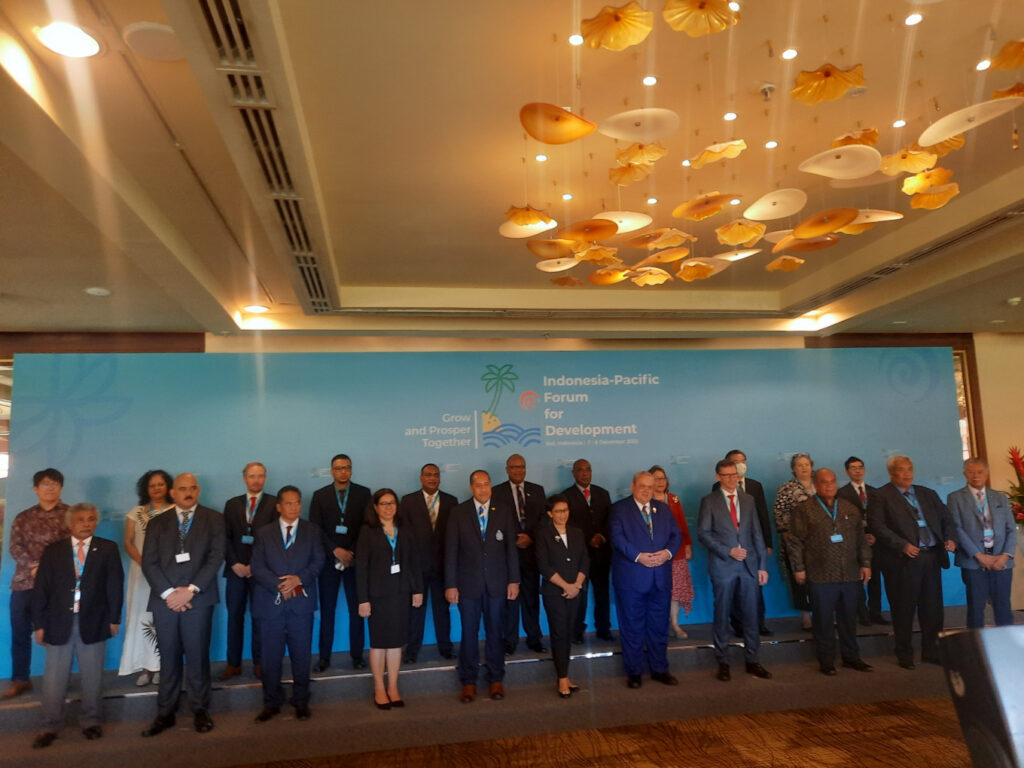
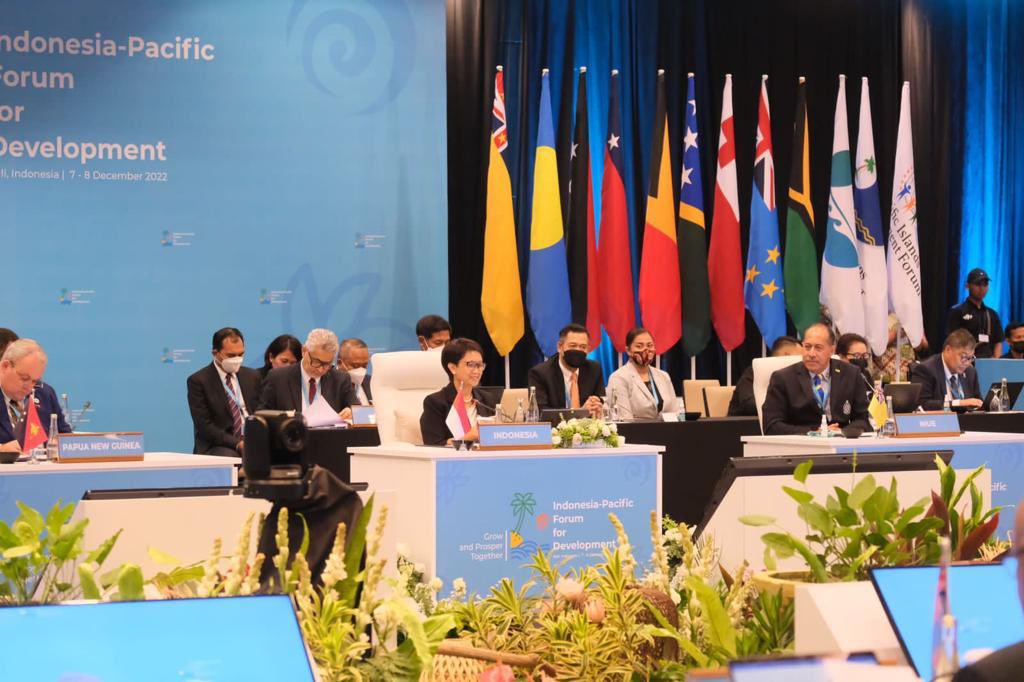
Bali, Indonesia hosted the Indonesia-Pacific Forum for Development (IPFD) from December 7–8, 2022. Ministers, senior officials, and ambassadors from several nations participated in the IPFD, which was hosted by Indonesia.
Under the banner of “Grow and Prosper Together,” the Participants spoke on how they perceived the Pacific as a region of collaboration and solidarity.
Additionally, they emphasised the significant regional potential and common issues, such as minimising the Covid-19 pandemic’s consequences and hastening the economic recovery following the pandemic. The forum considered how to enhance collaborations for infrastructure development. They concentrated on ways to increase connectivity between people as well as between regions and islands.
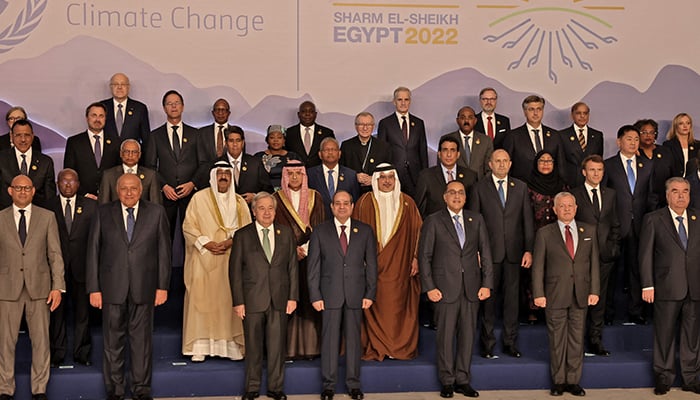
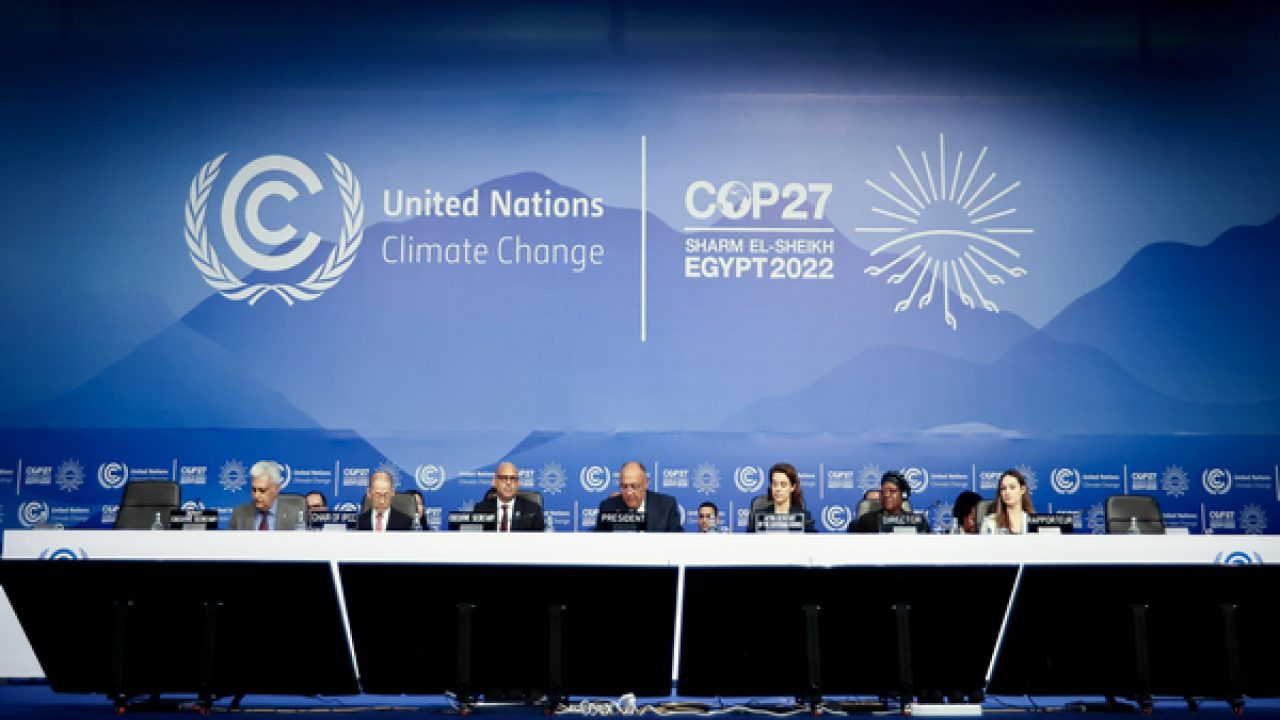
Furthermore, it was acknowledged that climate change poses an existential threat to the area right now. The attendees applauded the commitments made at COP27, particularly the decision to fund “loss and damage” for weaker countries. They reiterated the need for technological development in this direction in order to establish a low-carbon economy.
The importance of strengthening ocean preservation measures was also acknowledged by IPFD because the ocean is a significant source of food and livelihood. A coordinated effort to stop illegal, unreported, and unregulated (IUU) fishing was also demanded by the participants.
During an IPFD workshop on disaster management, the Participants stressed the necessity of increasing collaboration in disaster risk reduction.

Participants also considered strategies to strengthen collaborations to promote the area’s digital transformation, particularly by developing affordable, high-quality digital infrastructure and boosting digital literacy and skills.
The representatives stated a desire to increase women’s participation and roles in all areas of society. They held a session on women’s empowerment during IPFD.
The Participants were aware of the connection between education and the potential for independence in the next generation. They emphasised the need for collective action to ensure that everyone has access to education. The IPFD also talked about how to cooperate to combat the growing threats posed by global organised crime and non-traditional security challenges.
However, IPFD emphasises the tremendous opportunity for collaboration between Indonesia and the countries and territories of the Pacific area.
IPFD is a platform for developing partnerships between Indonesia and the countries of the Pacific, with the aim of assisting them in cooperating to create a prosperous, peaceful Indo-Pacific region.


The Global Humanitarian Overview: Latin America and the Caribbean

In a report of the United Nations titled as “Global Humanitarian Overview 2023”, it is reported that the region of Latin America and the Caribbean would have 29.2 million people in need by 2023. Critical humanitarian assistance is now needed by one million more individuals in Northern Central America than the previous year. There are 300,000 more people in need in Haiti than there was in 2022. In 2023, it is expected that several vulnerabilities, interconnected protection risks, and humanitarian needs will persist and perhaps even get worse. Food insecurity, recurrent natural catastrophes exacerbated by climate change, internal and external migration, and persistent conflict will continue to exacerbate demands for food access, nutrition, safety, water, sanitation and hygiene (WASH) and health. According to UNICEF, 16.5 million children in Latin America and the Caribbean will need humanitarian assistance in 2023 amid rising migration flows, violence, and climate risks. As a result, UNICEF is attempting to raise US$723 million to provide vital aid to children and families throughout the region.

Additionally, the region is also experiencing economic woes, Latin America is seeing worse annual growth rate since 1980s. According to Jose Manuel Salazar-Xirinachs, the new head of the UN Economic Commission on Latin America and the Caribbean (ECLAC) “the stagnation of the last ten years contrasts not only with the 5.9% annual growth of the 1970s but also with the 2% achieved in the 1980s, a turbulent decade for Latin America marked by a wave of debt crises.” He also added “weak investment, low productivity and inadequate education have condemned Latin America to a period of economic failure even worse than the “lost decade” of the 1980s.” In order to deal with the issue and increase the productivity of Latin America which is flattening since the 1970s, Salazar-Xirinachs said “In the past, regional integration was seen as an alternative to insertion in the world economy, now it is clear that it is more complementary. For Latin America to successfully become part of global value chains, it needs regional chains of production.”

The region is in the state of complex humanitarian issues, it is crucial to realize the urgency of the situation and therefore strengthen the international cooperation and coordination among all the stakeholders as well as implement strong frameworks and policies to meet the humanitarian needs.


Mongolia-Japan Special Strategic Partnership

President of Mongolia U. Khurelsukh on 29 November 2022, held official talks with Japanese Prime Minister Fumio Kishida as part of his state visit to Japan. Both parties agreed to adopt the “Special Strategic Partnership for Peace and Prosperity” as the framework for advancing Mongolia-Japan relations.
The two parties discussed collaboration in both global and regional contexts as well as future goals and opportunities during the formal meetings.

The President of Mongolia reaffirmed his commitment to advancing ties and collaboration with Japan and expressed gratitude to the Japanese government for continuing to support Mongolia’s democracy, reforms, and sustainable development.
Moreover, during the formal discussions, the two sides reviewed the 50 years of cooperation between Japan and Mongolia since the two nations’ diplomatic ties were established and exchanged opinions on future objectives and prospects, as well as cooperation in both global and regional contexts.

The President of Mongolia thanked the Government of Japan for continuing to support Mongolia’s democracy, reforms, and sustainable development and reaffirmed his commitment to deepening ties and cooperation with Japan, which Mongolia shares similar values with in terms of democracy, human rights, and the market economy.
Furthermore, the parties also concurred to intensify collective efforts to solve issues affecting the global community while fostering human-centred interactions based on the shared values of democracy, freedom, human rights, and a market economy.

The “Special Strategic Partnership for Peace and Prosperity” between Japan and Mongolia was founded, and its 10-year Action Program’s objectives include enhancing bilateral cooperation in commerce, investment, human-centred development, and citizen exchange. The Mongolia-Japan Strategic Partnership’s Medium-Term Program, which has acted as a road map for the two countries’ relations and collaboration, was also reaffirmed.
In this regard, to diversify Mongolia’s economy, increase domestic production, ensure food security, and improve business and legal conditions, the two parties decided to collaborate. The parties decided to continue collaborating to foster youth exchanges and human resource development.

Within the framework of the UN and other international organisations, both parties reaffirmed their dedication to continuing to work together in coordination.
In order to support the “One Billion Trees” national movement, led by the Mongolian President, and advance cooperation in environmental protection and climate change mitigation, the Japanese side pledged to plant 50,000 trees in Mongolia and arrange training for 20,000 Mongolian children and youth in the areas of environment, desertification, and disaster prevention.


Sanctions on North Korea by the US and its Asian Allies

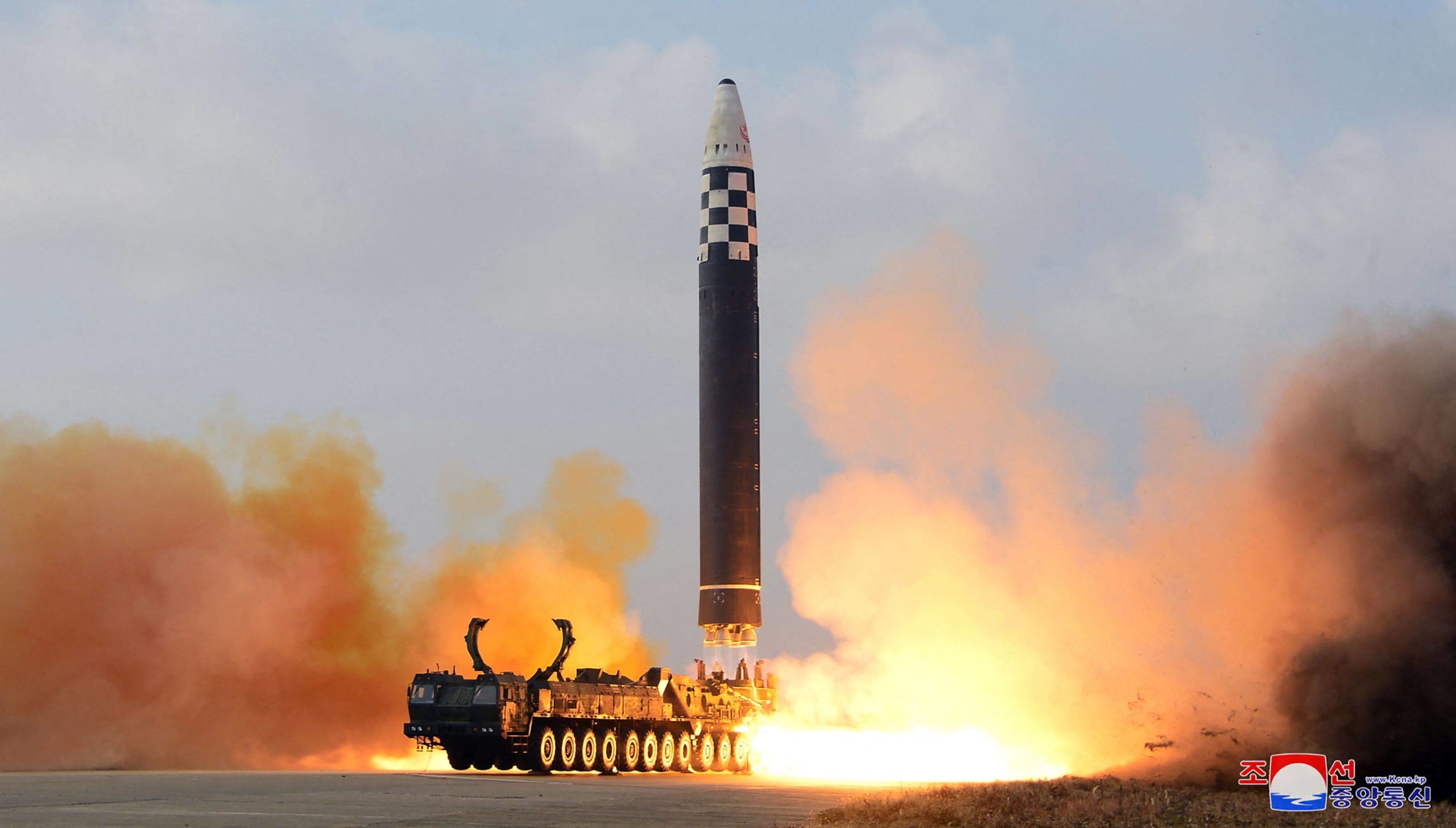
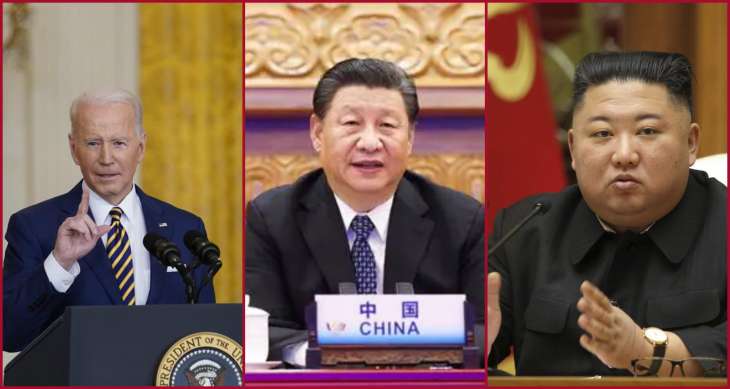
On 1 December 2022, the United States and its Asian allies Japan and South Korea imposed fresh sanctions on North Korean officials involved in the country’s nuclear programs after Pyongyang’s most recent and greatest intercontinental ballistic missile test on 18 November 2022. The North Korean government conducted an intercontinental ballistic missile test on November 18 as part of a record-breaking string of over 60 missile launches this year, raising fears that Pyongyang may soon resume nuclear weapons testing, which has been halted since 2017.

The representative of Washington, Antony Blinken, believes that the recent missile tests by North Korea, including the launch of an intercontinental ballistic missile with the capability of striking the US mainland, “pose grave security risks to the region and entire world.” Consequently, the US Treasury Department sanctioned three individuals named Jon Il Ho, Yu Jin, and Kim Su Gil.

Earlier, the US efforts to impose tougher sanctions on North Korea were blocked by North Korea’s closest allies China, and Russia. Washington then needed to concentrate on trilateral diplomacy to restrain Pyongyang’s belligerence with South Korea, Japan, and European allies. Japan and South Korea both reacted in support of the US and put sanctions on North Korea. Sanctions against various North Korean officials and entities were announced by the foreign ministry of South Korea.

This latest development, according to South Korea’s foreign ministry, was a part of its measures to firmly counter North Korea’s increasing nuclear and missile threats. Similarly, Japan has frozen the assets of three North Korean entities—Korea Haegumgang Trading Corp., Korea Namgang Trading Corp., and Lazarus Group as well as one individual, Kim Su Il.

The highly sophisticated missile and nuclear weapon initiatives of North Korea have not been stopped by decades of US-led sanctions. Anthony Ruggiero, who oversaw North Korea sanctions efforts under former President Donald Trump, said, “Targeting senior officials inside North Korea responsible for WMD and missile activities and working with South Korea and Japan are important, but it is an inadequate and symbolic response to 60+ missile tests, including 8 ICBM tests.

The White House National Security Council spokesperson, however, claimed that sanctions had been effective in “slowing down the development” of the weapons programmes. He further added, “The DPRK’s decision to continue ignoring our outreach is not in their best interest, or the interest of the people of the DPRK.”


Energy Security: Qatar and Germany’s Gas Deal

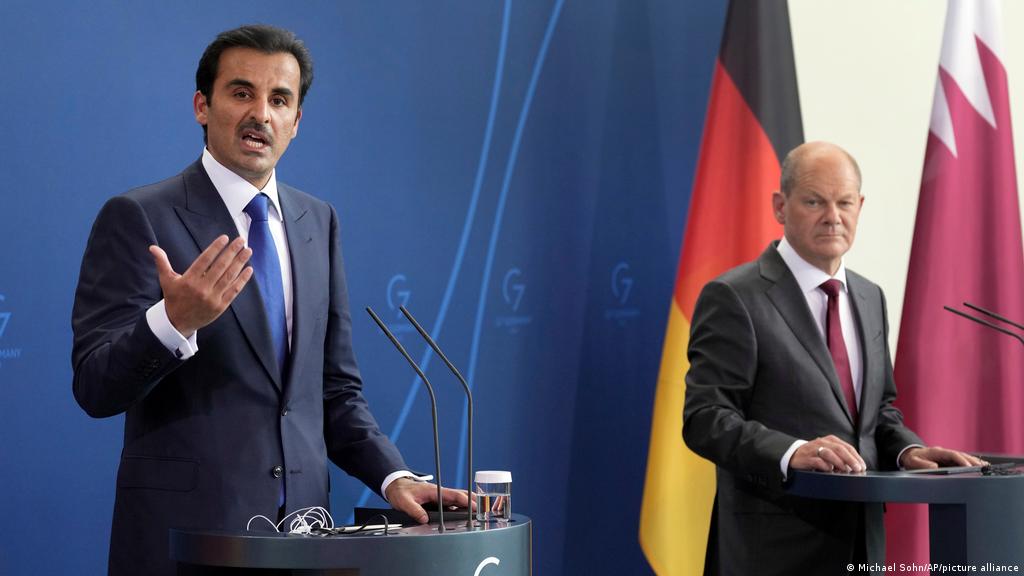
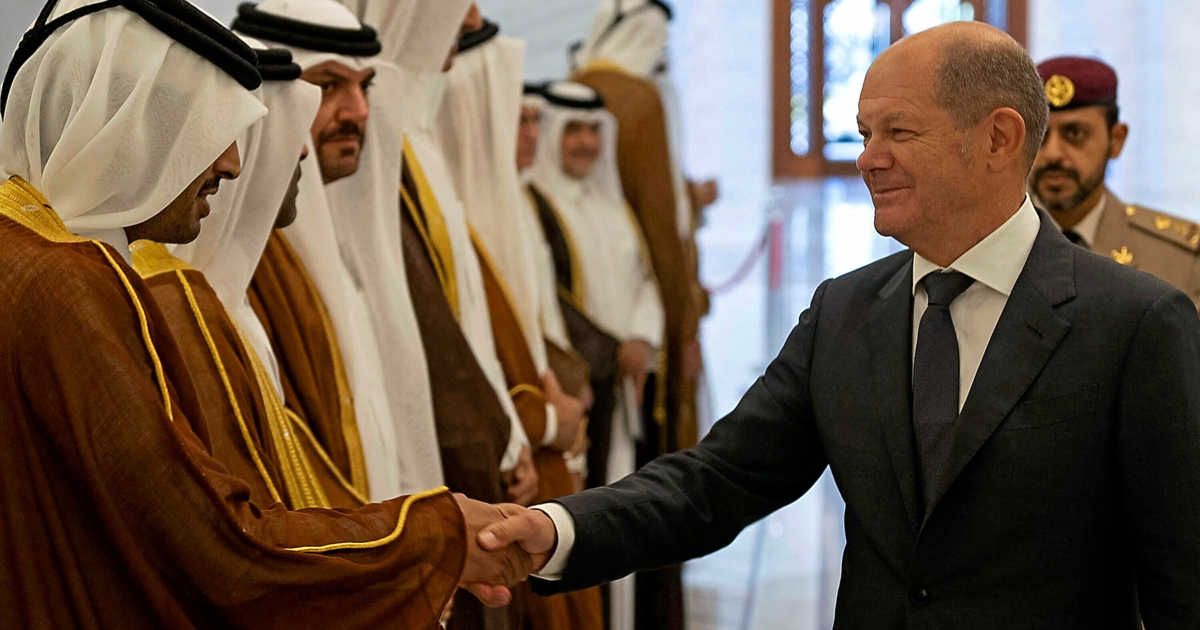
In order to supply Germany with liquefied natural gas as the Europe attempts to find alternatives to Russian energy sources, Qatar announced the signing of its first major LNG agreement on November 29, 2022. The energy minister for Qatar, Saad Sherida al-Kaabi, announced that up to two million tonnes of gas would be transported yearly beginning in 2026 for a minimum of 15 years. The state-run QatarEnergy was looking for other possible deals for the largest economy in Europe. He added, Qatar will sell the gas to ConocoPhillips of the United States, who will subsequently transport it to the LNG facility in Brunsbuttel. To unload liquid gas, Germany is constructing four temporary emergency floating LNG facilities. Permanent terminal work that was about to begin but was delayed by planning is finally moving forward, increasing Germany’s capacity to diversify its energy supplies away from Russian pipelines. Additionally, according to the QatarEnergy CEO, there are not enough negotiators to meet the demand for natural gas from so many countries in Europe and Asia. The new deal’s negotiations dragged on for several months because Germany resisted signing the lengthy contracts that Qatar typically requires to support its large investment in the sector.

German Chancellor, Olaf Scholz welcomed a new agreement for liquefied natural gas (LNG) from Qatar as a “building block” towards that country’s energy security and as evidence that Berlin had access to gas supplies from various nations. For a number of reasons, Germany has remained critical of Qatar but the country has made the agreement to fulfill the country’s needs, as said by the economics minister and Green party member Robert Habeck “Germany must obtain its energy from a variety of sources in order to disassociate itself off of Russian gas supplies.” Habeck travelled to Doha in March, but disagreements about the contract’s duration prevented an agreement from being reached. One of the biggest LNG exporters in the world is Qatar, after Russia and Iran, the emirate possesses the third-largest gas reserves in the world. The deal between Qatar and Germany has the potential to prove as a building block in Germany’s energy security as this will help to avoid energy shortages in coming winters and ensure energy security that was threatened and has pressurized the German government to find new sources of energy as a result of Russia’s invasion in Ukraine.


New Sanctions imposed on North Korea by US and Asian Allies

After Pyongyang’s most recent and largest intercontinental ballistic missile launch (ICBM) last month, the United States, South Korea, and Japan placed fresh sanctions on North Korean officials involved in the country’s nuclear weapons programs. The most recent sanctions come after North Korea conducted an intercontinental ballistic missile test on November 18 as part of a record-breaking string of over 60 missile launches this year, and amid worries that it may soon begin nuclear weapons testing, which has been halted since 2017. The US Treasury Department named the individuals that are already under sanctions by European Union since April. Sanctions against eight entities and seven additional people, including a Singaporean and a Taiwanese, were announced by South Korea’s foreign ministry. According to the ministry, all are already subject to US sanctions that were put in place between January 2018 and October 2022. According to the foreign ministry of Japan, three entities and a person were also designated for fresh sanctions. The penalties freeze the blacklisted persons’ American-based assets and prohibit American citizens from transacting with them.

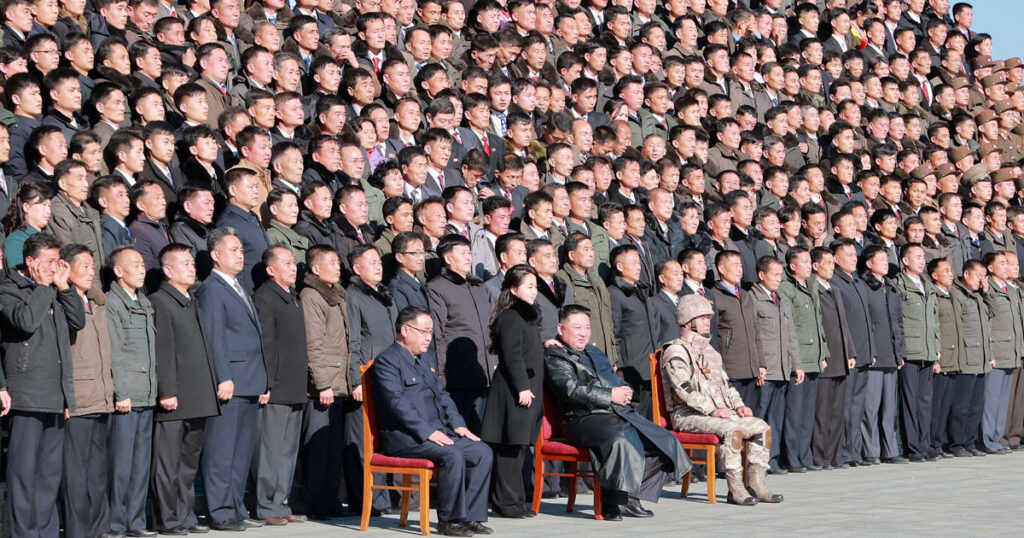
This picture taken on November 18, 2022 and released from North Korea’s official Korean Central News Agency (KCNA) 

On the other hand, China and Russia have obstructed recent attempts to apply additional UN sanctions, arguing that they should be reduced in order to jump-start discussions and prevent humanitarian harm. After this, Washington is concentrating on trilateral cooperation with South Korea, Japan, and European allies. Between 2006 and 2017, Pyongyang carried out six nuclear tests, concerns have also grown that Pyongyang may conduct its first nuclear test since September 2017 which will be its seventh nuclear test that too in the not so distant future. Additionally, it is being claimed that North Korea is enhancing its conventional military capabilities and short-range missile arsenal. In the statement, the U.S. Department of the Treasury under-secretary for terrorism and financial intelligence, Brian Nelson, “The treasury is taking action against officials who have played key roles in the Democratic People’s Republic of Korea (DPRK)’s illegal WMD and ballistic missile programs in close trilateral coordination with the Republic of Korea and Japan.” To conclude, it is the time to understand that sanctions by different countries have not helped to change the North Korea’s behavior and have failed to make a real impact, therefore, all the stakeholders should consider the options i.e. initiation of talks that can actually help to deal with the situation.


The Current U.S Stance On Terrorism

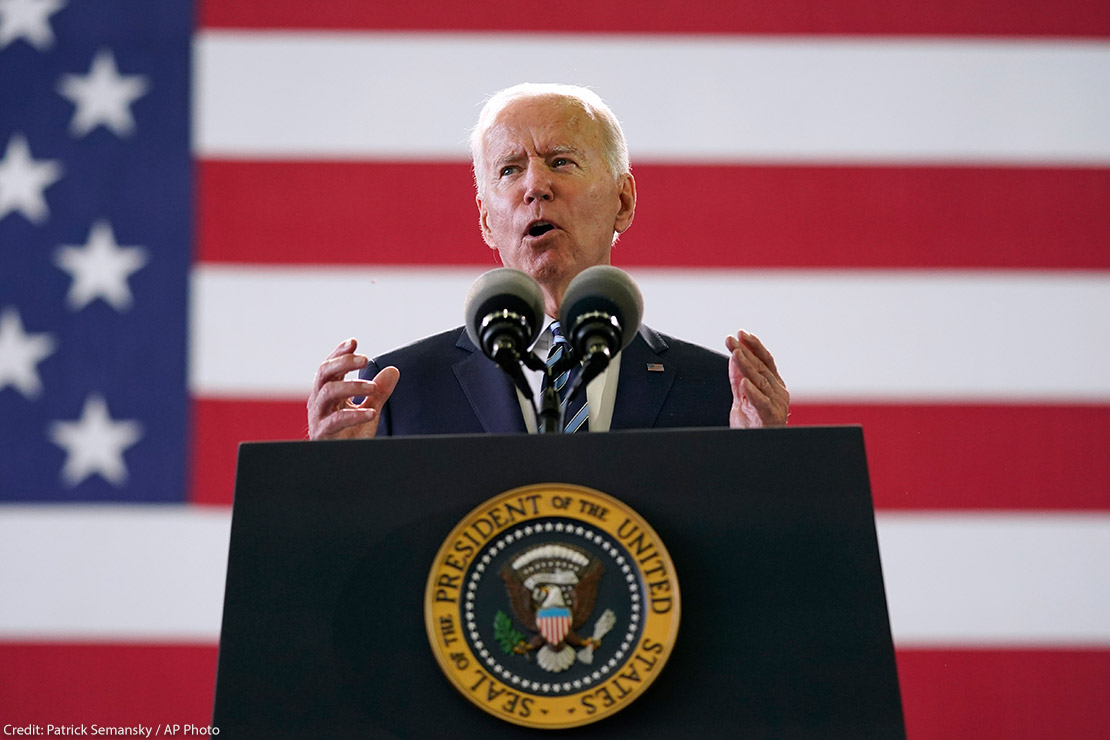
After 20 years, President Joe Biden announced the withdrawal of US troops from Afghanistan, claiming that no further progress could be made and that the country could battle extremists without ground forces. Now, again the concern is shifting towards the Taliban. Ayman al-Zawahiri, the commander of Al-Qaeda, was assassinated by two missiles fired by the United States on July 31 when he was inside Kabul. After the September 11, 2001 attacks, the United States accused the Taliban of breaking promises that it would not provide refuge to Al-Qaeda. However, the Taliban has also had its own disputes with the far more radical Islamic State organization. The warning came in response to news reports that Al Qaeda, the Islamic State militant organization known as ISIS in the United States and other terrorist groups had been revived in Afghanistan following the Taliban takeover and were gradually becoming a big threat to the United States and its allies.

The militants who were targeted included Osama Mahmoud, the self-styled “emir,” and four other leaders of Al-Qaeda in the Indian Subcontinent, a regional affiliate of the terrorist network. In addition, the United States named Mufti Hazrat Deroji, also known as Qari Amjad, as the second-ranking member of the Pakistani Taliban and said that his 15-year campaign of terror has intensified since the Taliban gained power in neighboring Afghanistan last year. One of the two border regions that has been the target of violent attacks, according to US sources, Deroji has been in charge of operations in Khyber Pakhtunkhwa. Secretary of State Antony Blinken stated in a statement that ‘’the designations are part of our relentless efforts to ensure that terrorists do not utilize Afghanistan as a foundation for global terrorism.”

When asked what Washington was doing to address these dangers, State Department spokesman Ned Price responded, “We’ve been very clear that the United States and our allies around the world will not let Afghanistan to become a safe haven for international terrorists who constitute a threat to the United States, to our friends around the world.” The Taliban took control of Kabul on August 15, 2021, after the United States abruptly left Afghanistan. President Joe Biden supported the decision to withdraw all American soldiers by claiming that Al Qaeda had left Afghanistan.
On the other hand, Ned Price, a spokesman for the US State Department stated ‘’Washington expects Islamabad to take “sustained action” against all terrorist organizations and that a newly proposed $450 million military sale package for the maintenance of Pakistan’s F-16 fleet would assist achieve this goal.’’ However, this shows the kind of coercive diplomacy U.S is trying to do.


COP27: Forest and Climate Leaders Partnership

At COP27 in Sharm el-Sheikh, Egypt, the Forest and Climate Leaders’ Partnership (FCLP) was officially established. This represented a significant development in the protection and management of sustainable forests. Over 140 countries agreed to eliminate forest loss and land degradation by 2030 as part of the COP26 agreement in Glasgow last year, and the Partnership aims to make this goal a reality.
In an important research published this year, the UN’s Food and Agriculture Organization (FAO) emphasised the need for more action to achieve forests’ full potential in halting climate change and biodiversity loss.
Only by stepping up efforts to combat deforestation and putting other mitigating measures in place in the forest sector will it be possible to fulfil the Paris Agreement goal of limiting global average temperature rise to 1.5 degrees above pre-industrial levels.

27 countries have already committed to the new alliance and are committed to raising the bar in one or more of the FCLP’s focus areas. These countries are responsible for 33% of the world’s forests and more than 60% of the worldwide GDP. Securing public and donor funds to aid in implementation, supporting local communities’ and indigenous peoples’ initiatives, and promoting the preservation of high-integrity forests are some of the action areas.
“This partnership is an opportunity to implement solutions that reduce deforestation, that increase forest restoration, and that strengthen the livelihoods of individuals living in forest areas,” said Gustavo Manrique Miranda, Ecuador’s Minister of Environment and Water.
The European Commission’s Ursula von der Leyen stated that “only with healthy forests can we deliver on our shared climate goals under the Paris Agreement.” “Only if our woods are healthy and undamaged can we handle biodiversity.”

To ensure accountability, the FCLP will have annual meetings and publish an annual Worldwide Progress Report that includes impartial assessments of the progress made by the entire world toward the 2030 target.
Poor nations are nonetheless making significant efforts to protect forests through the Reducing Emissions from Deforestation and Forest Degradation (REDD+) programme. REDD+ provides a thorough framework for climate action in the forest with the aid of results-based incentives for emissions reductions made in the forestry industry.
The initiative is gaining new life thanks to the growing political and financial support for REDD+ that was shown at COP27.


Asia-Pacific Economic Cooperation Summit condemns Russia-Ukraine War

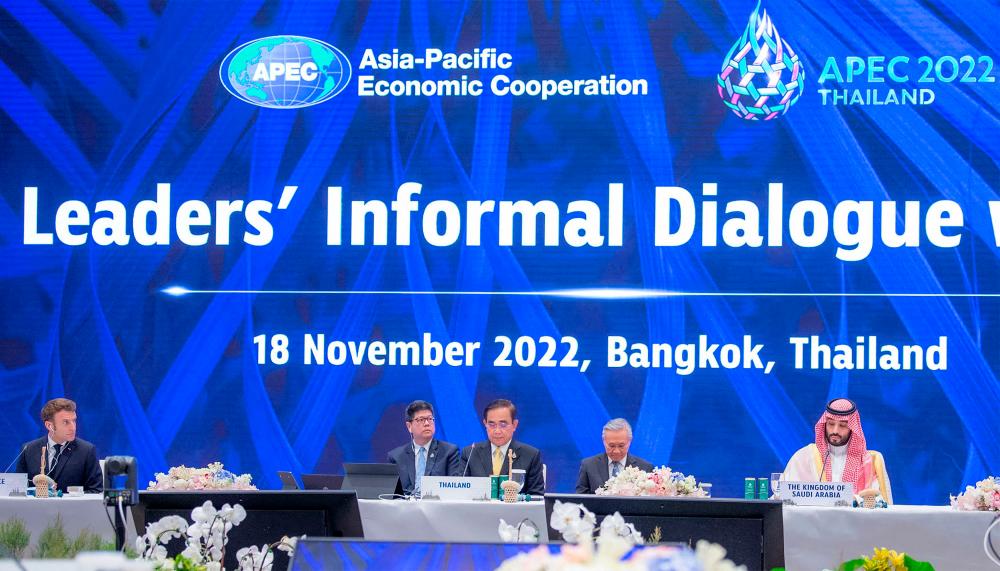
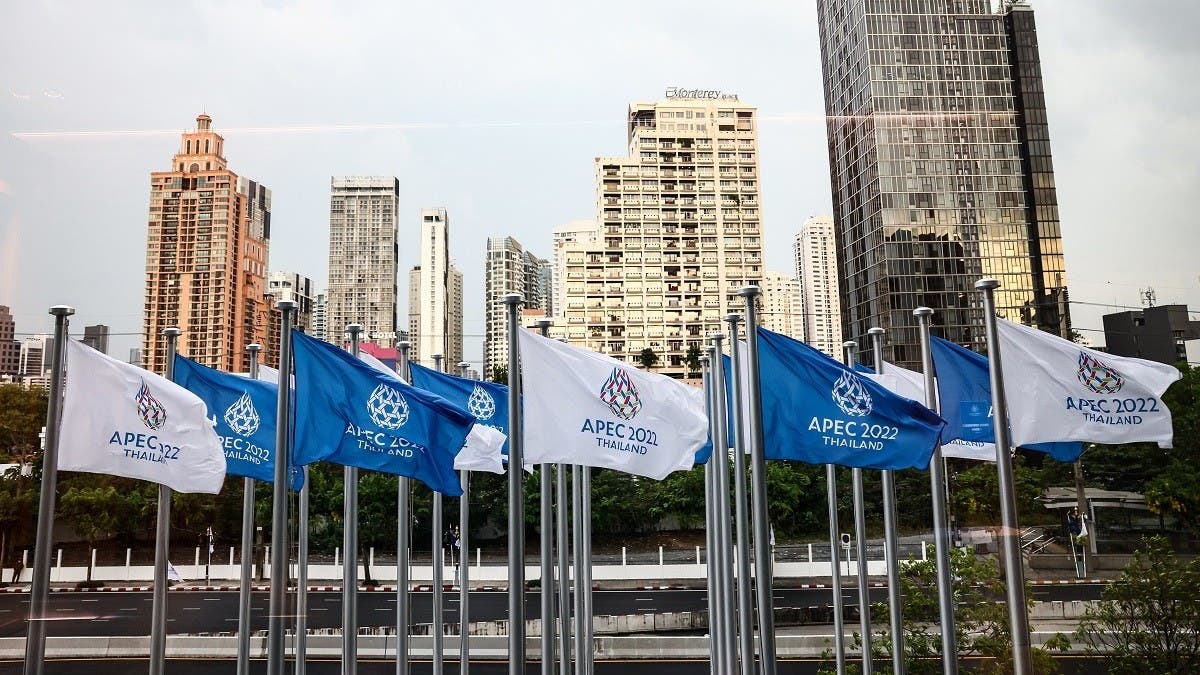
On 19 November 2022, the last day of the APEC (Asia-Pacific Economic Cooperation) Summit 2022 in Bangkok, Thailand, Asia-Pacific regional leaders urged an end to Russia’s invasion of Ukraine. The majority of the leaders were adamantly opposed to the fighting and the resulting economic unrest.
In a statement, the APEC ministers demanded a total withdrawal. At the APEC Summit, Andrei Belousov, the first deputy prime minister of Russia, however, refrained from acknowledging this.
It was emphasised that the conflict had caused “immense human misery” and had severe deleterious repercussions on the world economy, such as rising prices, energy and food insecurity, and supply chain disruption.

Additionally, Kristalina Georgieva, the President of the International Monetary Fund, spoke to the leaders in Bangkok. Events that none of us foresaw have changed the world, she claimed. When discussing the incidents, she brought up the COVID-19 pandemic and the crisis in Ukraine. “The epidemic has resulted in an irreparable loss of economic output amounting to up to 5.3% of the world GDP. The GDP decreased by 9% in Asia, a tightly integrated region, making the situation even worse. She added that the war in Ukraine caused oil prices to experience a huge shock.
The host and Prime Minister of Thailand, Prayuth Chan-Ocha, also urged the APEC leaders. In order to further the APEC aim of promoting free trade in the Pacific, he said, we must prioritise putting this policy into action.
The next APEC summit is expected to be held in San Francisco in the following year.


Re-Opening Of Pak-Afghan Border

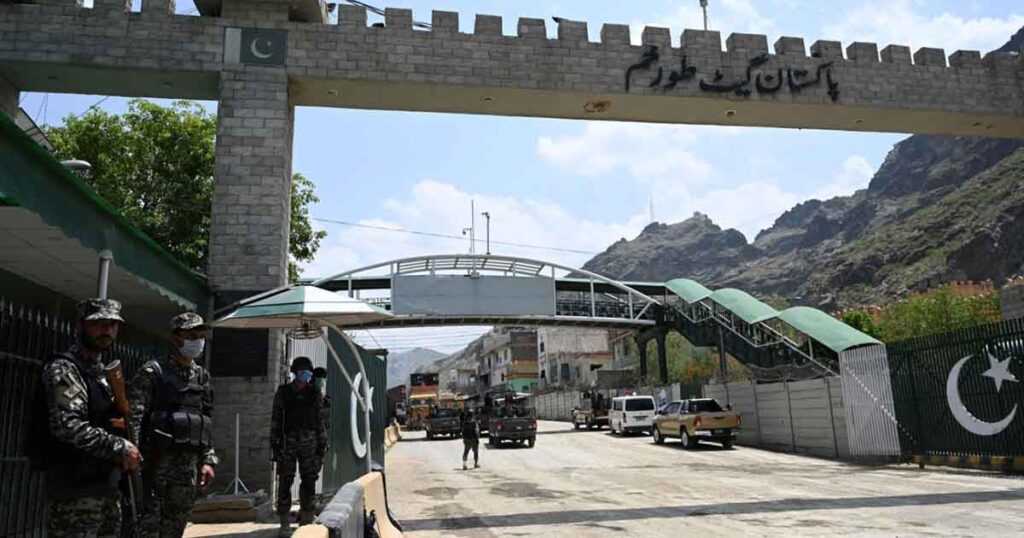
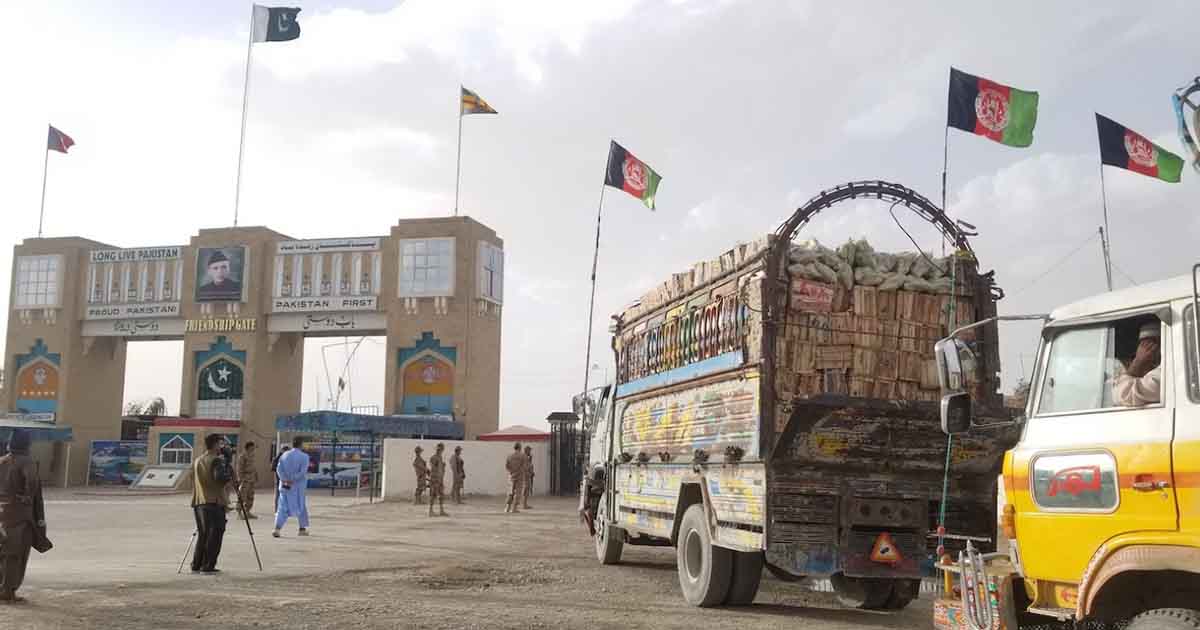
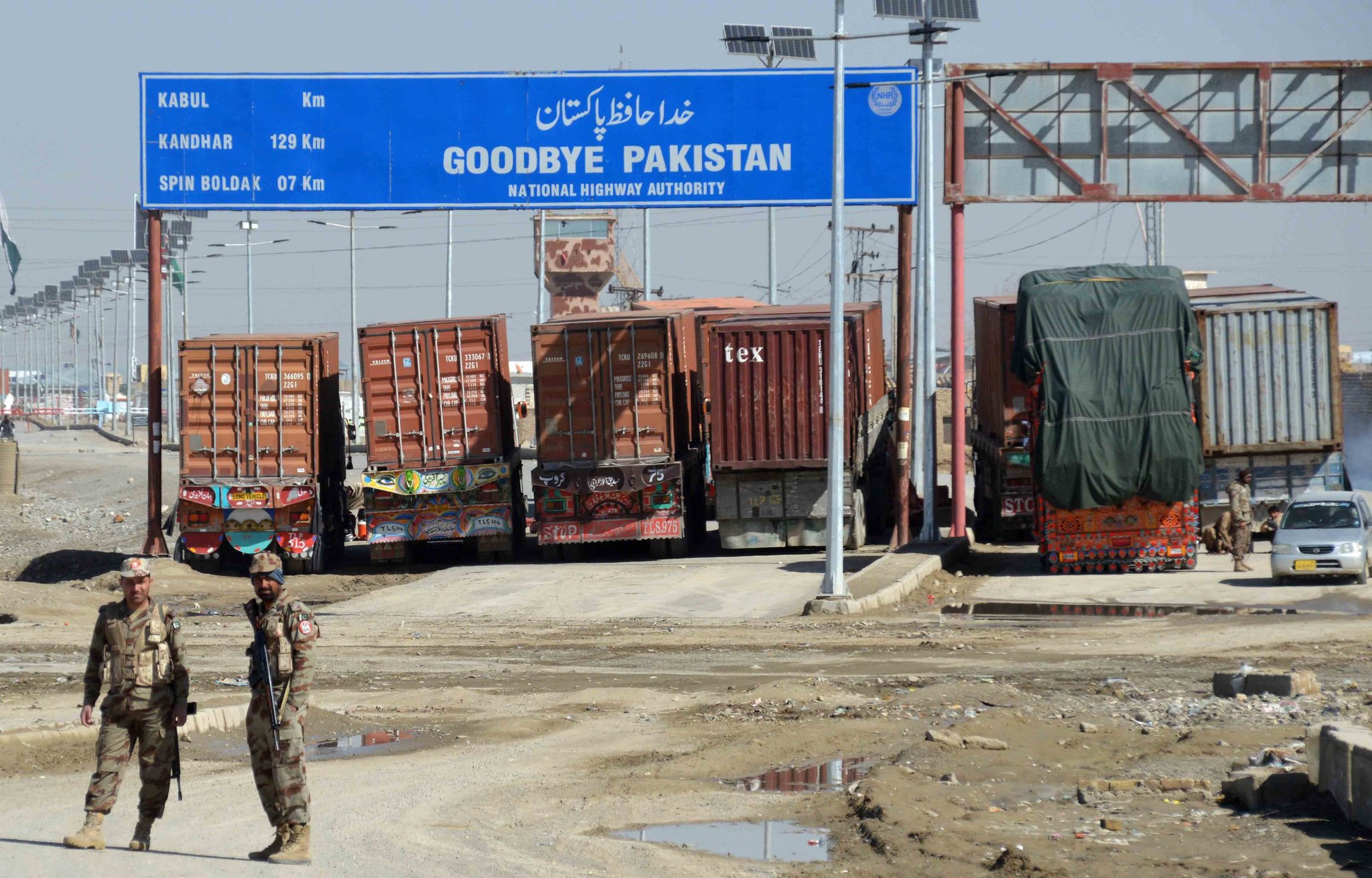
After being closed for a week, Pakistan on Monday allowed commercial and human movement to resume at a crucial border crossing with the neighboring country of Afghanistan, according to officials. One of the two major border crossings between the two nations, the southwest Chaman border, was blocked on November 13 as a result of the murder of a Pakistani border troop by an armed Afghan. The Friendship Gate border crossing was reopened as a result of many “flag meetings” between the leaders of the two border forces. Aside from trade, thousands of individuals, mostly Afghans, enter the two neighboring countries every day for work and medical reasons. Even after the Taliban retook Afghanistan in August of last year, there have been ongoing clashes between the two border soldiers, mostly near the Chaman border.

Border tensions between the neighbors have increased since the Taliban retook control last year, with Pakistan charging that terrorist organizations were plotting strikes from Afghan territory. The Durand Line, a 2,700-kilometer (1,600-mile) boundary that was drawn up during colonial times and is currently being built by Islamabad, has angered the Taliban, who deny harboring Pakistani fighters. After an armed Afghan apparently infiltrated into Pakistan and fired on the security forces on Sunday, killing one soldier and injured two more, the southern Afghan province of Kandahar was shut down. Following the assault, border guards from Pakistan and Afghanistan exchanged fire for many hours, forcing the important commercial crossing between the two nations to be closed. The closure of the border highly affects the trade activities,

A request for response from the Pakistani military was not answered, but a Pakistani security official said that routine border management communication with Afghan authorities had taken place. The official also indicated that Pakistan will be informed in due course of the results of the Afghan investigations into last week’s hostilities. The Taliban administration in Afghanistan issued a statement last week condemning the incident and directing the issuance of a fact-finding body to look into it. Conflicts involving the extensive border have been a source of tension between the neighbors for many years.