US Defense Strategy Declares China as a “Pacing Challenge” for US Security
The People’s Republic of China (PRC) continues to be the United States’ most “consequential strategic competitor for the coming decades,” according to the National Defense Strategy (NDS), which was published on October 27, 2022. This report, which is created every four years, identifies dangers to the US and provides the Department of Defense with long-term direction.
China is cited by the Pentagon as the most “comprehensive and serious challenge” to US security in the National Defense Strategy that lists threats. China was identified by US Secretary of Defense Lloyd Austin as the biggest threat to the US, followed by Iran, North Korea, and Russia. Pentagon also demanded an immediate increase in deterrence against Beijing. The People’s Republic of China’s coercive and increasingly aggressive endeavour to redefine the Indo-Pacific region and the international system to accommodate its interests and authoritarian preferences, the report said, is “the most extensive and significant challenge to US national security,” and it goes on to say that China’s People’s Liberation Army (PLA) is developing its conventional as well as cyber and space capabilities.

In order to be able to project military power worldwide, the report stated that the PRC is also increasing the PLA’s worldwide footprint and aiming to develop a more comprehensive overseas and basing infrastructure. The PRC is speeding up the upgrading and expansion of its nuclear capabilities concurrently.

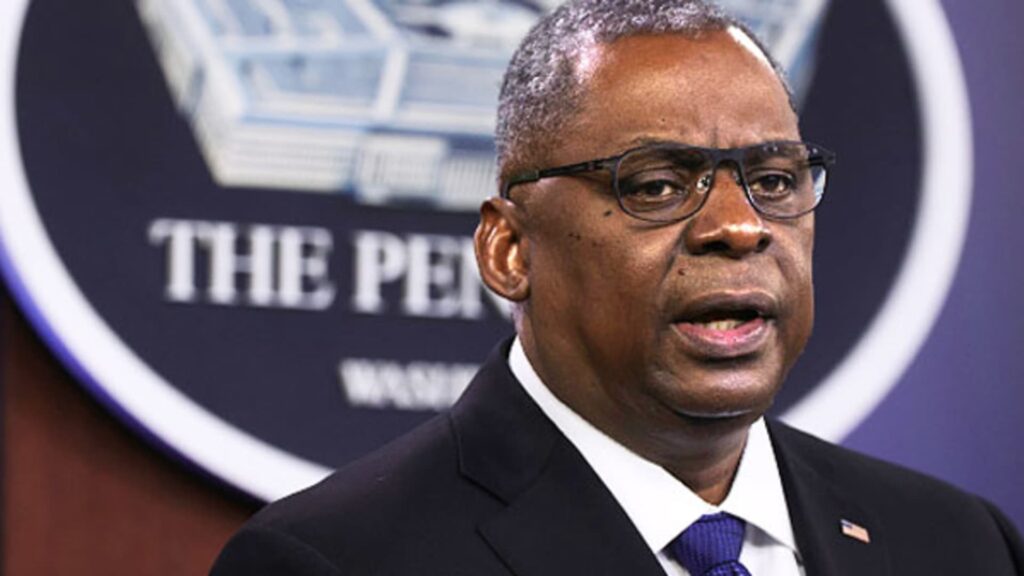
According to Lloyd Austin, the secretary of Defence, “All three of the department’s key strategic reviews—the NDS, the nuclear posture review, and the missile defence review—were undertaken simultaneously for the first time in its history. The United States is committed to updating its nuclear triad, a military posture that maintains launchable nuclear weapons on platforms in the air, sea, and land. According to Austin, the main purpose of US nuclear weapons is to prevent nuclear attacks on the US, US allies, and US partners. One programme for nuclear-armed, sea-launched cruise missiles has been halted by the Pentagon because Austin deemed it unnecessary.

Austin forewarned that if Russia did use tactical nuclear weapons in Ukraine, there would be a “very strong response from the international community.” This follows the emergence of such fears. Russian President Vladimir Putin has suggested using nuclear weapons, but US officials have stated they do not perceive a change in Moscow’s nuclear posture and called Putin’s suggestion of using nukes as irresponsible. Russia was referred to as a “acute threat” to the US in the National Defense Strategy. Austin remarked, “We chose the term ‘acute’ with consideration.” He added, “Unlike China, Russia cannot pose a sustained systemic threat to the US. However, Russian aggression does present a direct challenge to our principles and interests. And Putin’s rash war of choice against Ukraine has made it obvious, posing the biggest threat to European security since the end of World War II.
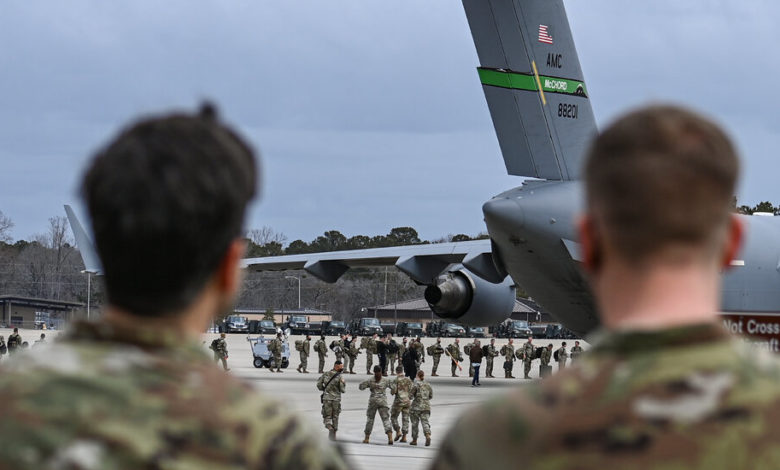
The report cited dangers from Iran, North Korea, and violent extremist organisations in addition to those from Russia and China. It stated that “Iran is taking steps that would increase its ability to produce nuclear weapons should it decide to do so, even as it develops and exports extensive missile forces, uncrewed aircraft systems, and advanced maritime capabilities that threaten chokepoints for the free flow of energy resources and global trade.” On the contrary, Iran denies wanting a nuclear weapon despite ongoing anti-government demonstrations. Iranian and American diplomatic efforts to revive the 2015 nuclear agreement, which saw Iran curtail its nuclear programme in exchange for the lifting of international sanctions, have stalled lately.

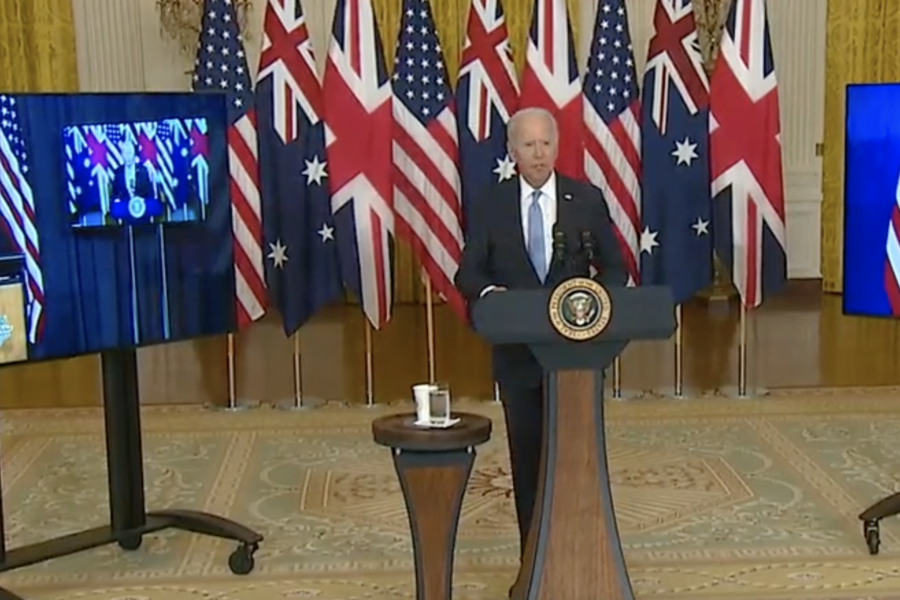
The assessment was nevertheless published two weeks after the White House issued a report of a similar nature in its National Security Strategy, in which it was stated that China was the only rival with the intention and, increasingly, the financial, diplomatic, military, and technological clout to alter the international order. It may be claimed that US President Joe Biden, like his predecessor Donald Trump, sees China as the US’s biggest geopolitical adversary. Additionally, relations between Beijing and Washington have deteriorated recently due to a number of causes of contention, such as trade disputes, Taiwan’s legal status, maritime claims in the South China Sea, and a continuous US campaign against expanding Chinese dominance in the Indo-Pacific.

Israel and Turkey to Renew their Defence Ties

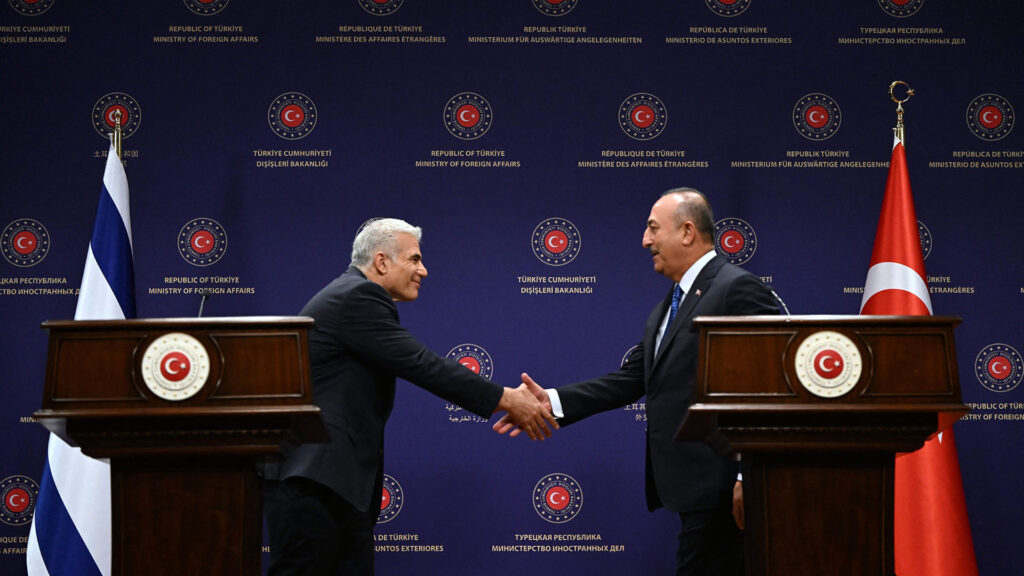
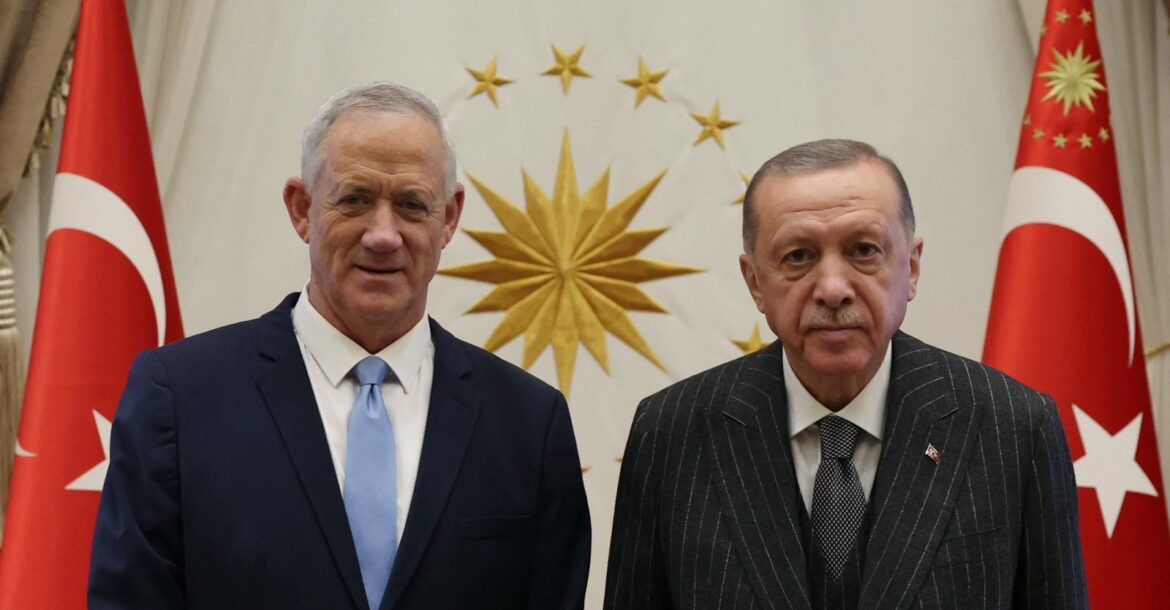
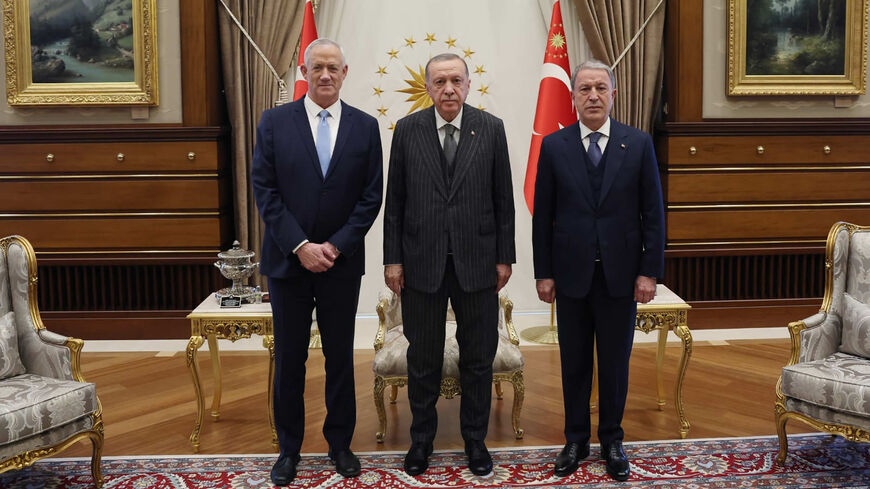
Benny Gantz, the Israeli Defence Minister, has announced a new era in security ties with Turkey as the two nations work to repair a relationship that has been strained for ten years. Gantz made his remarks on October 27, 2022, two months after Israel and Turkey reestablished diplomatic relations and during a one-day visit to the significant NATO member. After talks with the Turkish president Recep Tayyip Erdogan and the defence minister Hulusi Akar in Ankara, Gantz declared that there had been no formal security relations for more than ten years. He added, “Today, we’re changing it responsibly and gradually in a way that benefits Israel.”

Similarly, Turkish response is also positive as Turkish Defence Minister Akar said that deepened relations will also aid in “finding answers to some current subjects we think differently about, such as Palestine.” The defence minister added, “We believe that the growth of our relations and collaboration with Israel would also contribute to regional peace and stability.”

In response to the Palestinian movement’s presence in Turkey, Gantz stated that “the topic came up in our meetings” and that Israel was continuously in contact with Turkish security agencies. After a long period of time, “this is the first strategic security gathering,” he declared. He remarked that one shouldn’t consume too much of what you bring to one meeting. Gantz further added, “A lot more can be done collectively to lessen the effect of those who destabilise our regions by supporting or engaging in terrorism against innocent citizens.” He clarified that it equally applies to the Palestinian arena.

It is crucial to remember that Israel and Turkey were previously close allies in the military. Israeli air force pilots were able to practise across Turkish airspace because to agreements made in the mid-1990s. Israel sent drones and other cutting-edge weaponry as well as updated Turkish military tanks and aircraft.

Israel recently commended Turkey for helping them gather intelligence to thwart Iranian attempts to launch attacks in Turkey. According to Gantz, this year Israel was able to eliminate an alarming number of threats against Turkish Jews and Israeli citizens as a result of the close, clandestine contact between the two states. He congratulated the security agencies, Minister Akar, and President Erdogan for their vital, life-saving collaboration.

The two countries’ relations were also being rekindled due to economic and security concerns. Turkey will hold its presidential election in a year, thus, Ankara wants to attract investment from its neighbours, but with inflation at over 70%, this is difficult. Security issues also exist in Syria and the eastern Mediterranean region. Turkey sees Israel as a strong actor in a region where Iran is a concern, while Israel sees Turkey as a source of stability.


In regard to Putin’s statements, South Korea denies supplying arms to Ukraine

South Korean President Yoon Suk-yeol has denied that Seoul has provided Ukraine with any lethal weapons after Russian President Vladimir Putin said such a decision would destroy their bilateral ties. Putin made the remarks at a conference in Moscow on Thursday, where he accused the West of fueling the war in Ukraine and stressed that South Korea’s decision to supply weapons to Ukraine would destroy relations, which he likened to Moscow sending weapons to North Korea. “We have provided humanitarian and peace aid to Ukraine in solidarity with the international community, but we have never provided lethal weapons or anything like that,” Yoon told reporters on Friday, according to South Korea’s Yonhap news agency.

“But in any case, it is a matter of our sovereignty and I would like you to know that we are trying to maintain peaceful and good relations with all countries around the world, including Russia,” he said. Seoul has sent body armor, helmets and other non-lethal military and medical supplies to Ukraine, rejecting Kiev’s requests for weapons, Yonhap reported. South Korea, an ally of the United States, has said it will not provide lethal aid to Ukraine and has sought to avoid hostilities with Russia, both for economic reasons and because of the leverage Moscow can exert over North Korea.

Putin had earlier threatened that such measures will sever their ties and that Russia is aware of Seoul’s decision to give Ukraine deadly weapons and ammunition. Volodymyr Zelenskyy, the president of Ukraine, asked South Korea for weapons systems in April of this year though. South Korea, a U.S. ally, has been steadfast in its refusal to offer the Ukraine lethal assistance and has made efforts to avoid enraging Russia, both for pragmatic reasons and due to the influence Moscow may have over North Korea. This shows that how Seoul is trying to remain friendly with both, Washington and Moscow.


Pakistan And China Plans To Sign A Memorandum To Overcome Poverty

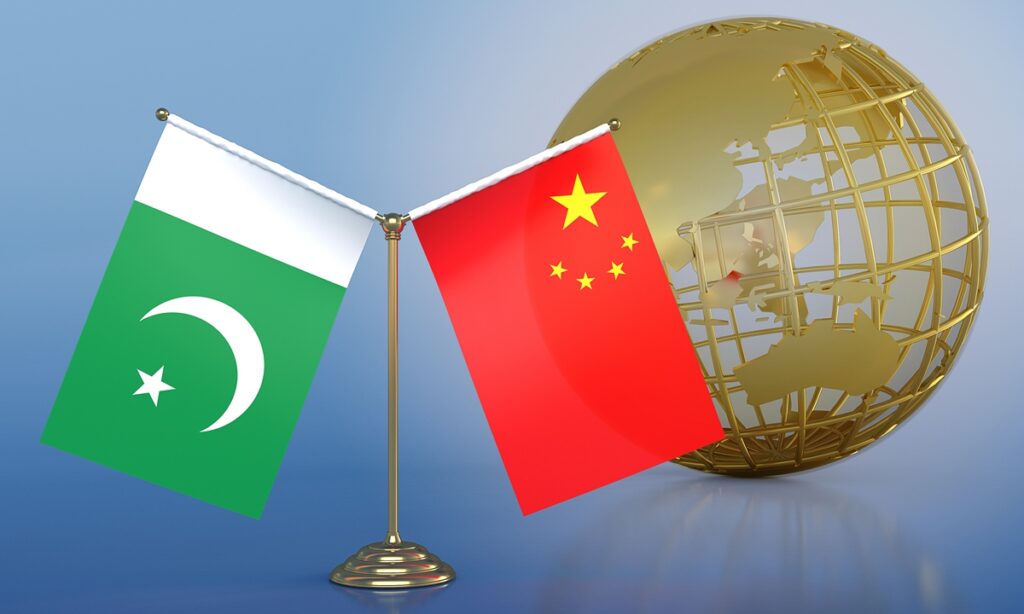
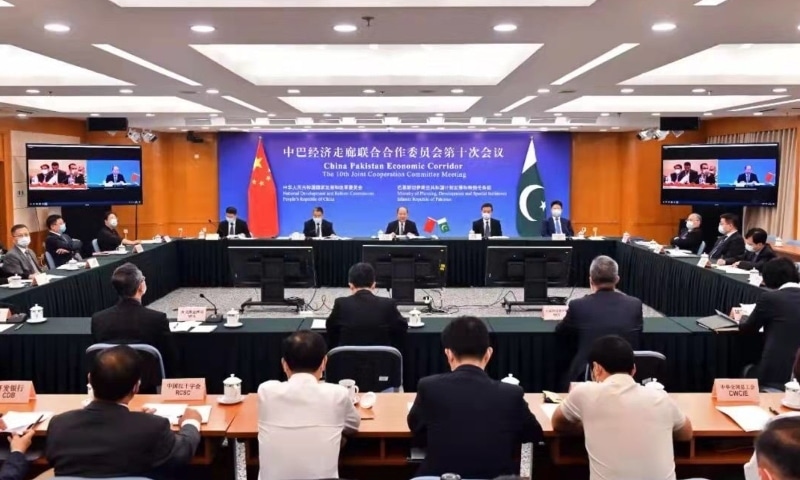
Pakistan’s Prime Minister will visit China in November and it is expected that both the countries will sign an MOU Global Development Initiatives (GDI) in order to overcome the poverty and explore specific development cooperation projects by using Chinese grants and interest-free and concessional loans. According to the MoU, the China International Development Cooperation Agency and the Economic Affairs Division have committed to enhance the execution of the Global Development Initiative and strengthen development cooperation following friendly talks (GDI). Both parties acknowledge that China and Pakistan are inseparable allies as well as all strategic partners, and that their long-standing relationship has become stronger over time. Both parties agree that the world’s developments have reached a turning point and that fulfilling the 2030 Sustainable Development Goals would be extremely difficult for developing nations.

Both parties have come to a mutual consensus on the following areas: poverty reduction, health, education, infrastructure, agribusiness, management and consulting, culture and sports, collaboration in law enforcement, development of human resources, research institute exchanges, and other GDI initiatives. The exchanges in the think-tanks research would Provide a deeper understanding of the challenges and opportunities. Both parties plans to set up for consultation and hold frequent in-person or virtual meetings. Each year, directors will go to the each other’s countries to further share and explore ideas, resolve issues, and advance the effective execution of development cooperation.

These are the steps which do play a huge role in sustainable development. These are doable and are going to be quite affective. This involves the collective steps and collective efforts that will further drive towards the collective action for the SDG’s. It will also help in building a resilient and sustainable recovery. These steps will indirectly create a sustainable environment and sustainability would automatically help in reducing poverty. It will also create more job opportunities along with economic development.


World Facing Dangerous Decade, Says Putin

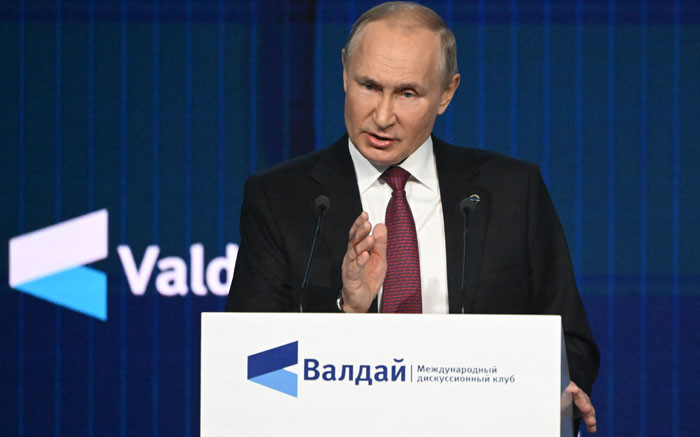
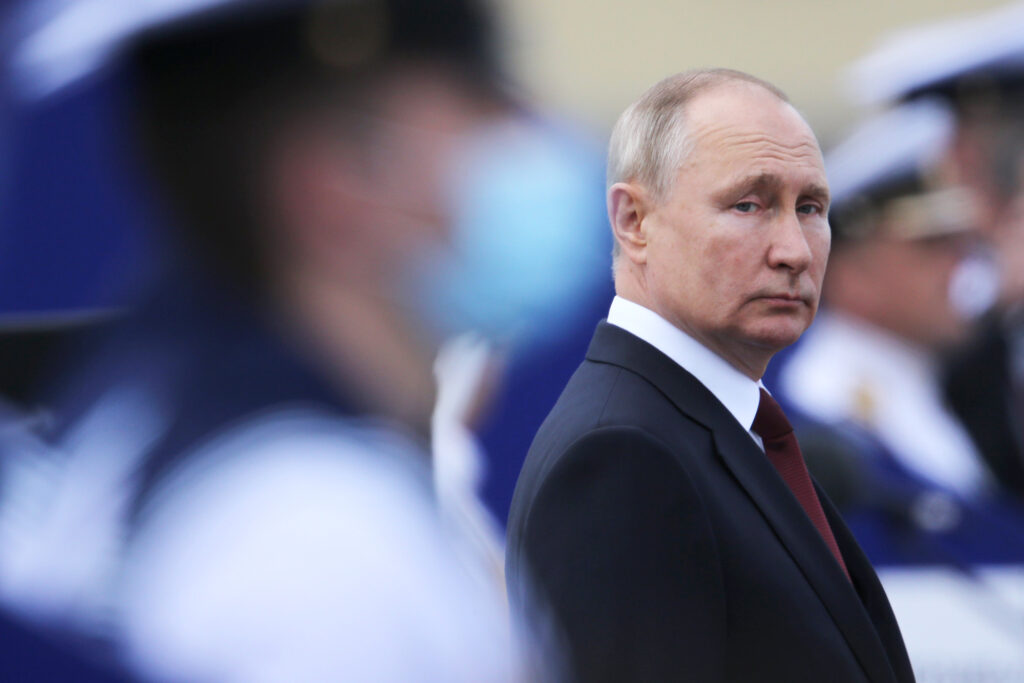
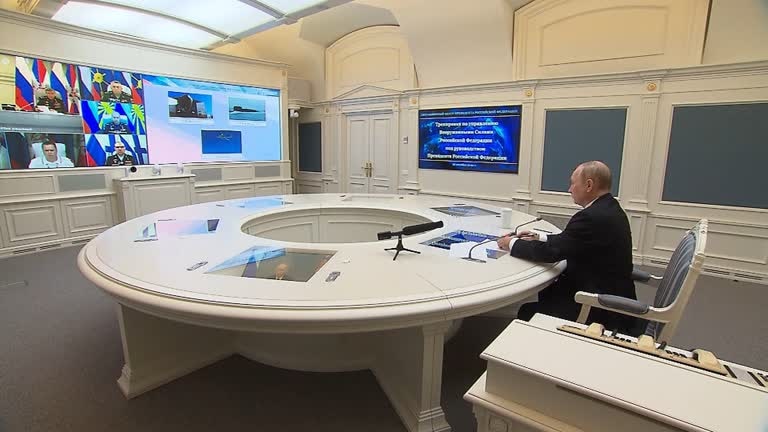
The globe is in the midst of the most dangerous decade since World War II, according to President Vladimir Putin, as Western elites, American and its allies are fighting to for its power dominance over the world. In one of the recent speeches since sending soldiers into Ukraine, Putin indicated he had no regrets about what he termed “a special operation” and accused the West of inciting the conflict. Russia has strongly opposed to Ukraine joining NATO and the North Atlantic Treaty Organization’s (NATO) policy of expansion to the east. The Russian President said that the next decade is likely to be the most hazardous, unexpected, and significant decade since the end of WWII, he added that “we are standing at a historical frontier.” According to Vladimir Lenin, a Russian revolutionary and politician, “There are decades where nothing happens, and there are weeks where decades happen.” One such decade is currently taking place in the world as a rapid breakdown in global order is being seen, similar to historical times. But considering the magnitude of recent problems when compared to the historical problems, the deterioration poses a major threat than ever before. It is because, the globe is currently witnessing a resurgence of the elements of conventional geopolitics, including rivalry between major powers, imperial ambitions, and conflict over resources.

Due to the fact that they do not have anything to exchange that could enable peace negotiations to end the war, Russia and Ukraine have left little space in present policy discussions for the consideration of a peace process. Ukrainian and Russian forces have been preparing for what may be one of the most important confrontations, since the largest confrontation with the West during the 1962 Cuban Missile Crisis, when the Soviet Union and the United States came the closest to nuclear war. Putin and other officials have regularly threatened to use nuclear weapons to defend Russia’s claimed annexation of areas of Ukraine.

Whereas, the West and the United States has also made it clear that there will be no hindrance in using power against Russia in case of any escalation. The world cannot afford nuclear collision by any state, the United States should keep its involvement in the crisis to minimum in order to prevent further escalation. The international community needs to make efforts to expand and broaden the scope of peace process. To end the conflict in Ukraine before it worsens, all the stakeholders should be involved in the talks including NATO, Europe, and the United States, in addition to Russia and Ukraine so that everyone can put their grievances on the front including sanctions imposed on Russia, global economic recession and Europe’s energy crisis in order to negotiate and find solutions to prevent future conflicts.


U.S Saudi Arabia Relations And Saudi Support For Oil Production Cuts

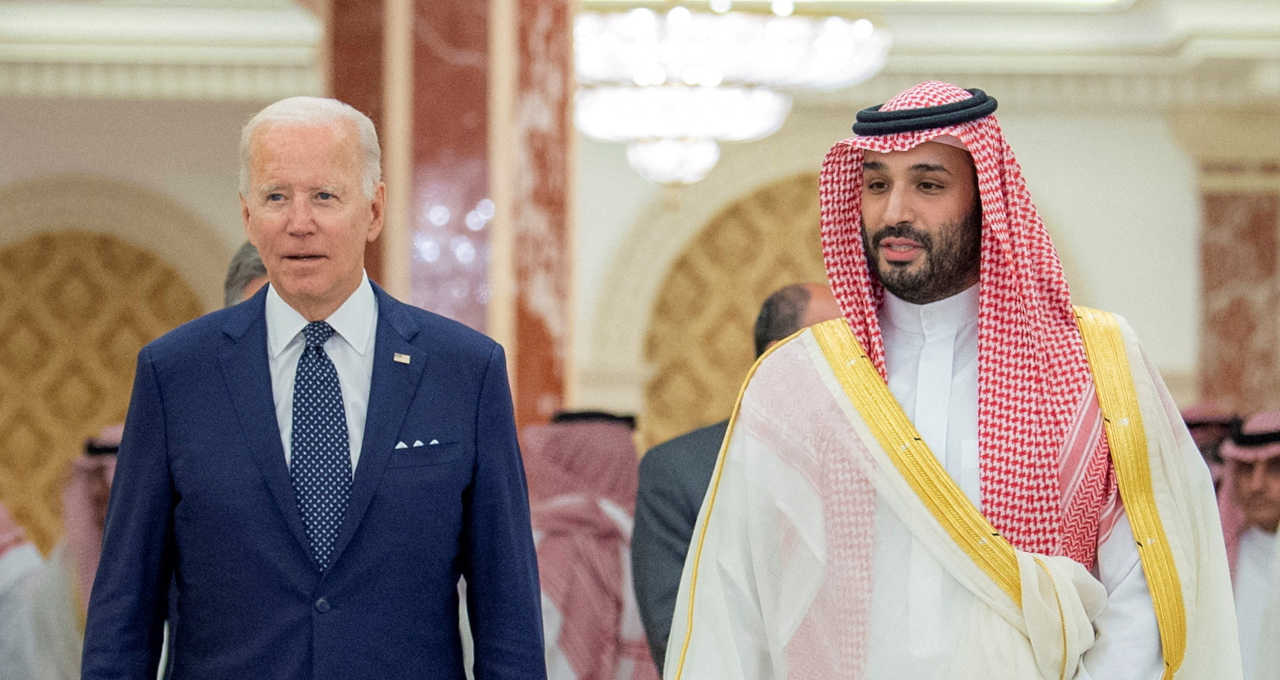
There is a turbulence in US.Saudi relations as president Joe Biden does not plan to meet Saudi Crown Prince Mohammed bin Salman on the sidelines of the G20 summit. According to the US national security adviser Jake Sullivan, President Joe Biden has not indicated to have a meeting with Saudi Arabia’s Crown Prince Mohammed bin Salman at the upcoming G20 summit in Indonesia. The move last week by OPEC made up of the Riyadh-led OPEC+ cartel and another group exporters led by Russia would cut global output by up to two million barrels a day from November. That could send energy prices soaring amid an energy crisis sparked by the war in Ukraine and inflation-weary American voters gearing up to cast ballots in midterm elections.

The move was widely seen as a diplomatic step, as Biden traveled to Saudi Arabia in July and have met the crown prince despite vowing to make the kingdom an international outcast after the 2018 murder of journalist Jamal Khashoggi. The Biden administration has expressed openness in Congress to retaliation from outraged fellow Democrats. But Sullivan said Sunday that the president would not “act hastily” but he will act methodically, and strategically, and will fix a time for consultation with the members of both parties, and he will also have the opportunity to return to Congress to sit down with them personally and discuss options. The US-Saudi dispute initiated after meetings of G20 finance ministers and central bankers in Washington, which ended without communication. The group was already split due to the conflict in Ukraine. G20 heads of state and government are due to meet in Bali.

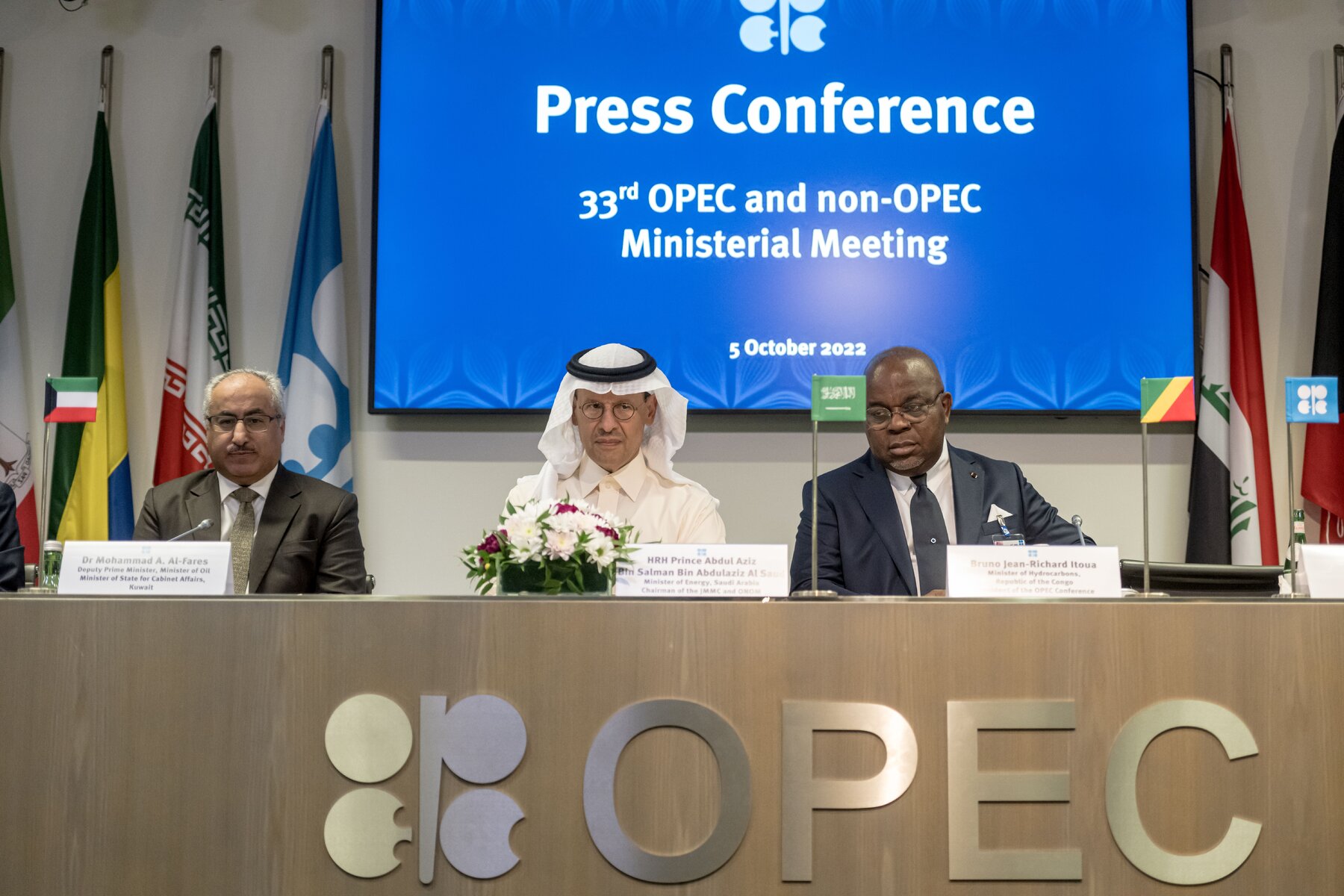
The largest oil producers, led by Saudi Arabia, have resolved to reduce production of oil by 2 million barrels per day, though the real reduction will likely be less as many of them were already falling short of their output goals. U.S. President Joe Biden had earlier supported increasing production to drive down prices and undermine Russia’s economy, which are dependent on the proceeds from oil exports. This indicates that the both parties are taking steps motivated by economics more than politics. There is a shift being observed in the Saudi Arabia’s foreign policy that it is purely focusing on the economy and on strengthening relations with Russia. This has indeed alarmed the allies.


Artificial Intelligence And Counter Terrorism

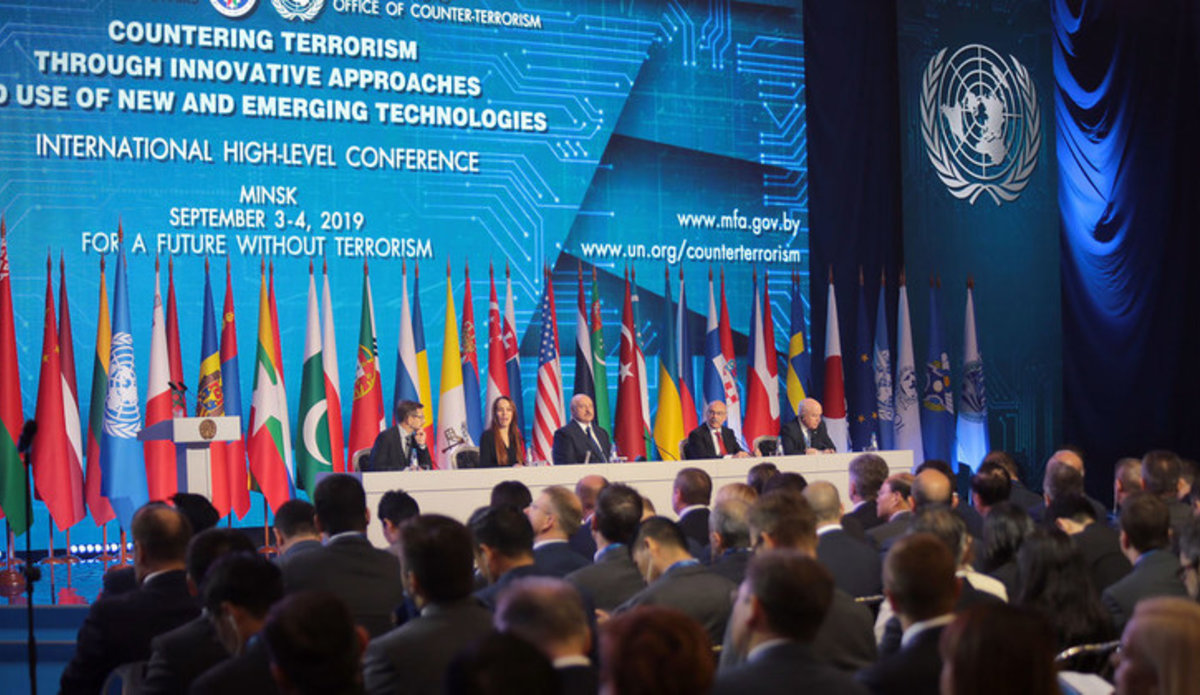
Artificial intelligence has changed dramatically over the last ten years, which has led to its adoption by organizations, businesses, and people for a range of purposes, from financial planning to mass monitoring. While countries compete to employ cutting-edge technology in military, law enforcement, and intelligence applications, its potential implications when used in counterterrorism strategy have only recently been investigated. Attention is also drawn to the many moral and ethical issues that need to be resolved before technology can be effectively employed to counteract terrorism and extremism.

New technologies may have been able to control the riots since they can improve the performance of tools used in many different fields. Artificial intelligence is specifically regarded as one of the most adaptable developing technologies having the ability to drastically boost the production and efficiency of various aspects in a variety of industries, such as medical, agriculture, policing, and counterterrorism. Domestic terrorist organizations constantly seek to undermine the governments of democracies. These organizations and movements frequently employ strategies like assaulting civilian targets in an effort to highlight the weak security of the government they are trying to overthrow.

Technology is not just used by the officials but the terrorists so acquire modern ways. The use of AI-powered technology to identify individuals who are at risk of radicalization in online communities in order to facilitate well reporting and intervention is another example of how it can be used to fight terrorism online. As has already been mentioned, radicalization is becoming an increasingly relevant phenomenon online. Additionally, it is one that cannot be found using normal law enforcement tactics. So indeed, artificial intelligence plays a very important role in countering terrorism by helping the officials gain accurate information. The proper use of artificial intelligence in countering terrorism can help in the prevention of home grown terrorism as well. It is important for keeping check and balance. The use of artificial intelligence has a lot of potential to help with online terrorism prevention. By classifying new entries, extracting patterns, flagging relevant information, developments, or relationships, and displaying outcomes, AI can benefit law enforcement in dealing with the massive amounts of collected data. It can assist in locating, identifying patterns and relationships that might otherwise go undetected can significantly assist law enforcement and to alter the direction of the fight against internet terrorism, counterterrorism organizations.


China’s Intention Towards Taiwan: An Alarm For The US

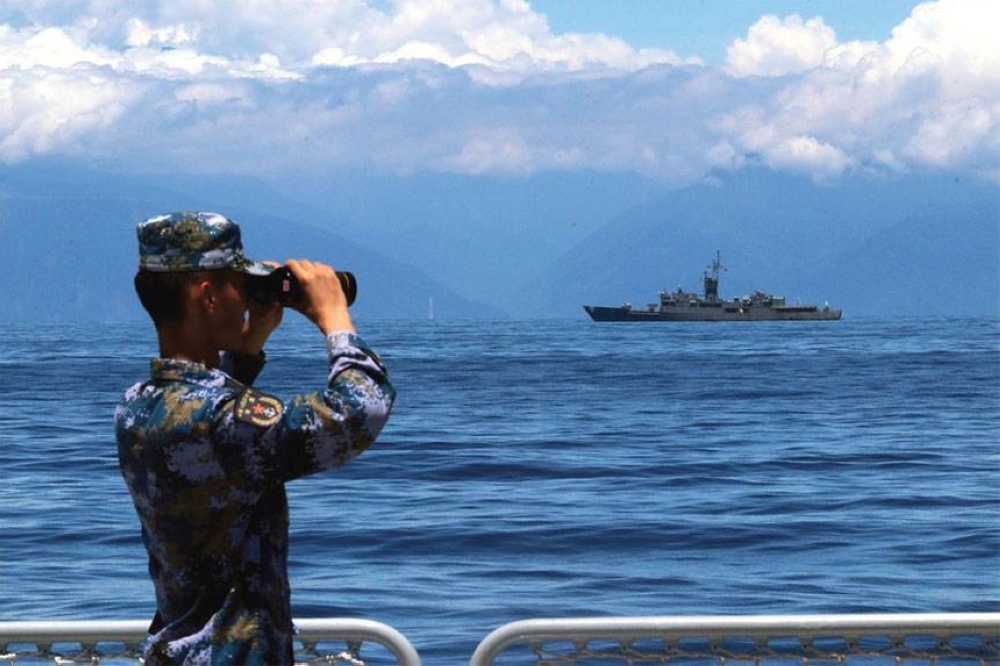
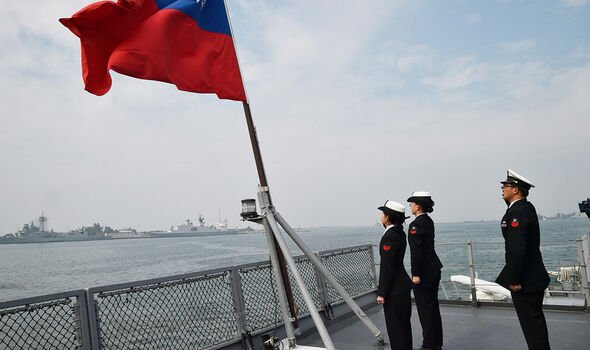
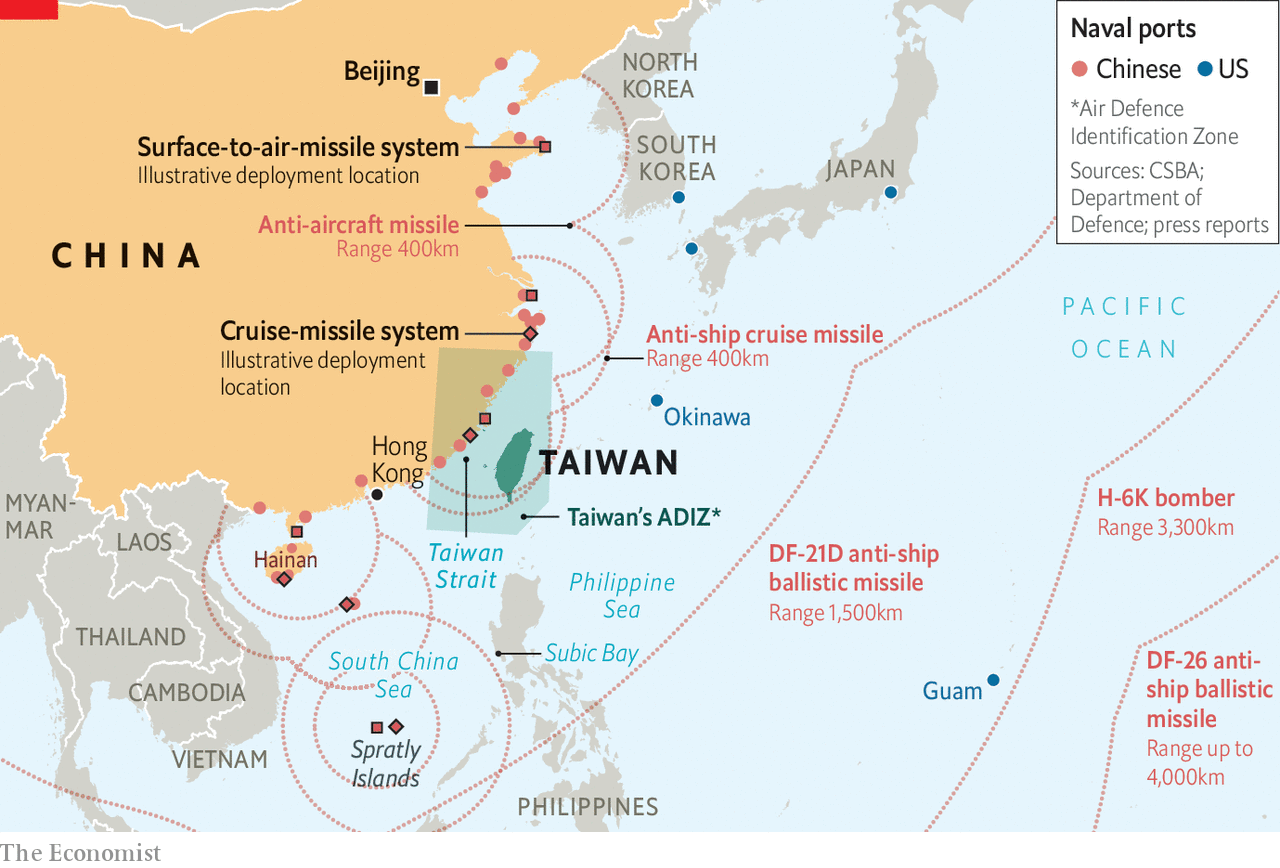
Admiral Michael Gilday, chief of US naval operations, on 19th October 2022 raised concerns that China’s President Xi Jinping may be much more eager than previously expected to take hold of Taiwan. The US military must be ready to counter a potential invasion of Taiwan.
Admiral’s statement came as Taiwan’s top security official informed any attempt to invade Taiwan would fail and turn China into an “international pariah”. On the other hand, China’s President Xi is at the point of securing a third five-year term at the helm of the world´s most populous nation, delivering a landmark Communist Party Congress speech on 16th October 2022 where he reiterated his vow to one day “reunify,” or forcefully take, Taiwan.

In a dialogue with a think tank, Admiral Michael Gilday was asked to comment on President Xi’s speech and whether he thinks that China will manage to seize Taiwan by 2027. On replying, Gilday was of the view that “It is not just what President Xi says, it is how the Chinese behave and what they do”. And what we’ve seen over the past 20 years is that they have delivered on every promise they have made earlier than they said they were going to deliver on it. So when we talk about the 2027 window in my mind, that has to be a 2022 window or potentially a 2023 window. I cannot rule that out. I don´t mean at all to be alarmist by saying that. It’s just that we can’t wish that away.”

Taiwan’s national security chief Chen Ming-tong upon considering the situation warned Xi Jinping. He said, “I want to solemnly tell the Beijing authorities that there is no chance of winning to attack Taiwan by force. It would lead to international economic sanctions and diplomatic isolation, ruining his (Xi’s) ‘great rejuvenation of the Chinese nation and making him a sinner of the Chinese nation.”

Moreover, US Secretary of State Anthony Blinken addressed that China’s designs to seize Taiwan “on a much faster timeline” than previously thought, adding that “a very different China” had emerged under Xi. Blinken also raised awareness regarding global trade that any instability over Taiwan would have an “enormous” impact on the trade flows.

However, Taiwan is not considered a treaty ally of US but Congress is compelled by law to sell Taipei defensive weapons and there is bipartisan support for protecting what has become a progressive democracy and vital global trade partner. China’s viewpoint is that it wants to pursue “peaceful reunification” with Taiwan and also holds the right to use force if needed, especially if Taiwan formally declares independence.


Hamas Delegation Resumes Syria Ties After 10 Years

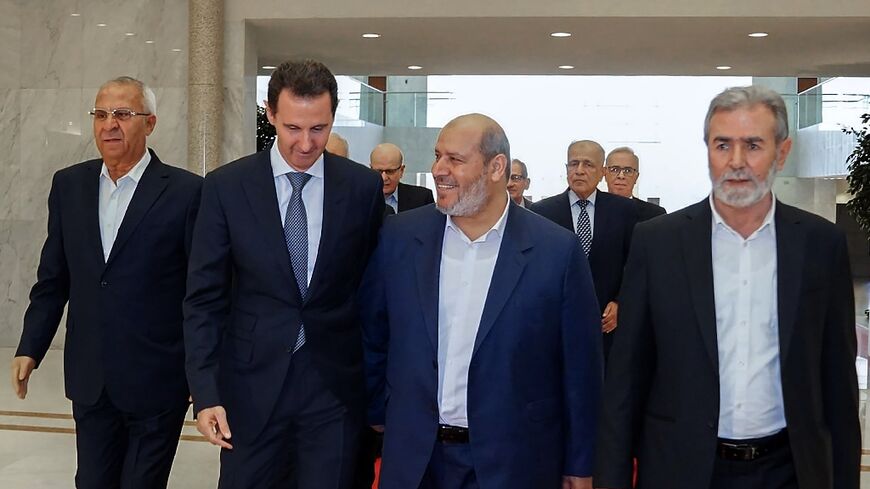
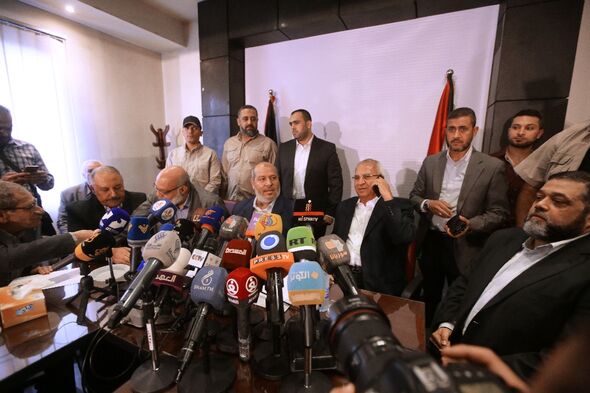
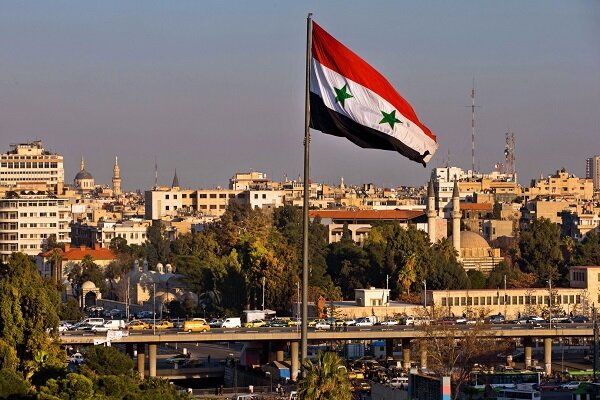
On 19th October 2022, the Palestinian movement Hamas restored its relations with Syria after the delegation visited President Bashar al-Asad in Damascus. This was followed by a historic meeting between the two entities. Hamas was once Syria’s closest ally due to their common enmity against Israel. But in the year of 2012, this group left Syria after strongly condemning the Assad regime’s brutal suppression.

Hamas chief of Arab relations Khalil al-Hayya told reporters in Damascus that “this is a glorious and important day, in which we come back to our dear Syria to resume joint work, Hamas and Assad have agreed to “move on from the past and look to the future”. Al-Hayya revealed that this move was backed by Hamas leadership and the Palestinian group’s foreign sponsors. “All the states we notified of our decision were welcoming and supportive of the move, including Qatar and Turkey, who encouraged us to take the step,” al-Hayya said.
A Hamas leader is reported to have said that the organization’s headquarters which was located in Syria before its departure, aims to restore its Damascus office. But the official also informed that it will be too early to give confirmation regarding this development.

Maha Yahya of the Carnegie Middle East Centre claimed that the meeting with Assad “is in line with the broader rapprochement between Hezbollah and Hamas evident in Lebanon over the past year or more”. The Syrian presidency said Assad met a delegation of Palestinian leaders without mentioning the resuming of ties with Hamas. But the presidency aired a video of Assad and Al-Hayya holding hands as they came along with other Palestinian officials.

The two-day Hamas visit to Syria comes after the organization signed a reconciliation deal with its Palestinian rival Fatah in Algiers, promising to conduct elections by next October in a bid to settle a 15-year intra-Palestinian rift.

The restoration of relationship between Hamas and Syria came amid significant changes in Middle East relationships. This comprises Hamas’s long-time ally Turkiye resuming a full diplomatic relationship with Israel in August 2022.
Charles Lister, Director of the Syria Programme at the Middle East Institute, said rapprochement is the “only logical move” Hamas could take. “Given the prevailing regional trend of Arab engagement with Israel, it’s not surprising to see Hamas’ leadership in Gaza seeking to re-enhance and amplify their role within the Axis of Resistance,” he said.
This restoration of ties with Syria paved the way for Hamas to secure its part within the “axis of resistance” in opposition to its arch-rival Israel.


The U.S. “confident” in Pakistan’s Ability to Protect Nuclear Arsenal

Introduction

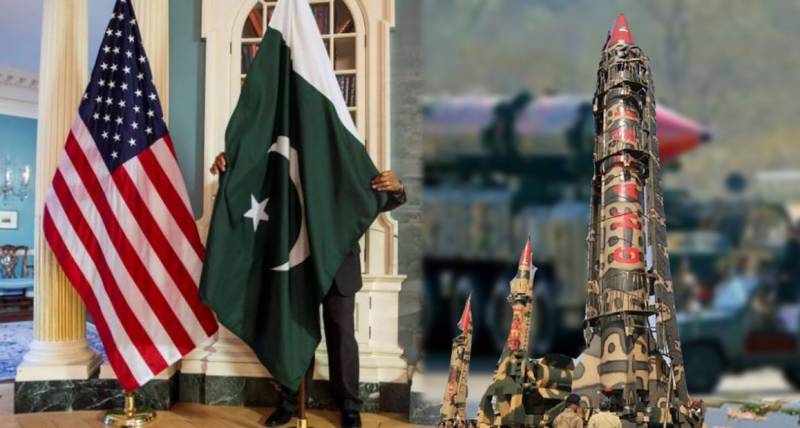
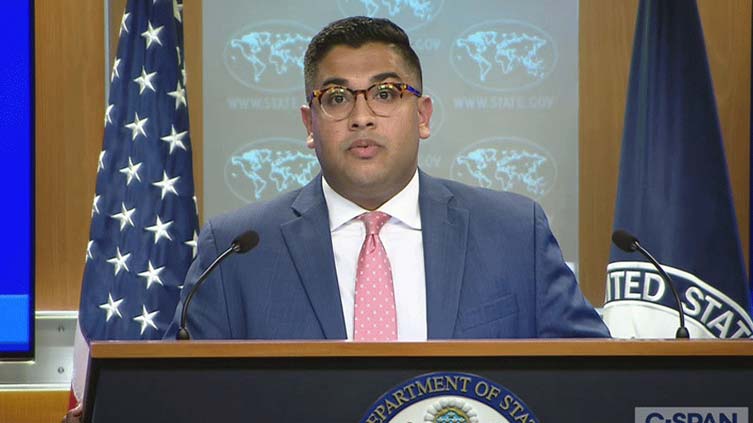
While addressing the Democratic Congressional Campaign Committee on 13th October 2022, Joe Biden, the President of the United States, gave remarks that Pakistan may be “one of the most dangerous countries in the world” as the country has “nuclear weapons without any cohesion.” This episode highlighted when the White House released the transcript on 15th October. The President Joe Biden’s statement prompted Pakistan to summon the United States’ ambassador for Biden’s unnecessary remarks. President Biden’s statement triggered concerns and response from the Government officials and all other political parties. Following this, the States Department spokesperson, Vedant stated “United States has always seen Pakistan as a secure and prosperous country as important to US interests. The U.S. feels confident in Pakistan’s commitment and ability to protect its nuclear assets.” He added that Washington looks forward to work closely with Pakistan to counter both global and regional terrorism.

Pakistan’s Reaction to Joe Biden’s Statement

In reaction to Biden’s comments, Pakistan’s Prime Minister Shehbaz Sharif tweeted that Pakistan was a “responsible nuclear state” and that it took safety procedures “with the utmost seriousness”. Additionally, Pakistan’s Foreign Minister, Bilawal Bhutto Zardari said “We are completely capable of safeguarding our nuclear weapons, and they meet every international standard in accordance with the IAEA (International Atomic Energy Agency) as far as security and safety are concerned.” During a Corps Commander’s Conference on 18th October 2022, the military leadership expressed great confidence in Pakistan’s nuclear command and control system and security procedures for protecting the nation’s strategic assets. It is also added, “As a responsible nuclear weapon state, Pakistan has taken all essential efforts to reinforce its nuclear security regime, at line with international best practices.” On 19th October 2022, at UNGA debate on weapon of mass destruction, the ambassador for Pakistan assured the world that country had a reliable command and control system and that its nuclear weapons are perfectly secure. Pakistan, however, issued a warning to the world, saying that “nuclear hazards are increasing and the prospects of a nuclear war are once again within the realm of possibility.”

Conclusion

In past years, China has remained the prominent regional ally of Pakistan having mutual cooperation on multiple themes including defense and economic cooperation, which was a major concern for Washington. But in last few months, senior officials from Pakistan and the United States have gradually increased their communication and official visits, which were being contemplated as an improvement towards bilateral ties between Pakistan and the United States. Pakistan was not mentioned by the U.S. in its new “National Security Strategy 2022,” it implies that Pakistan is not in the United States security calculations. Additionally, the military establishment and foreign policy circles in Pakistan have legitimate concerns about the recent remark made by President Joe Biden against Pakistan. Therefore, a strategy should be formulated that can help the U.S. and Pakistan to fulfill their distinctive wide-ranging interests in different areas, considering the geopolitical environment which is rapidly evolving.