Role Of Media In Israel-Palestine Conflict

Israel’s assaults on Gaza has been increasing day by day. The situation there has been worsening even more since May 2021. Protests took place nationwide against the brutal Israel’s attacks and this led to a temporary cease fire for the time being. This became possible because people got to know about the killings of Palestinians by Israelis through social media. The violence has flared up now. There is no proper media coverage given in case of Israel Palestine conflict. Media plays a very important role in any violent conflict. It can also help in transforming the violent conflict into the non-violent one by giving it a nonbiased coverage.

Palestinian protesters carry a wounded man who was shot by Israeli troops during a protest near the Gaza Strip border with Israel, in eastern Gaza City, Saturday, March 31, 2018. (AP Photo/ Khalil Hamra)

Role of mainstream media is not prominent in case of Israel-Palestine conflict. There is a very minimal role of social media but that is not enough. Media should unleash the world about the atrocities committed in Gaza strip by the Israel. The world know very less about what is happening in Gaza. There are apparent war crimes being committed in Gaza which needs to be covered by the digital media. Very few reports are there on the war crimes and that too are on the print media. Israel’s behavior is represented less negatively. Their human rights violations and war crimes are not labeled as that what they are but, in fact, they are just considered as the violence in conflict.


Afghanistan Back To The Gloomy Days

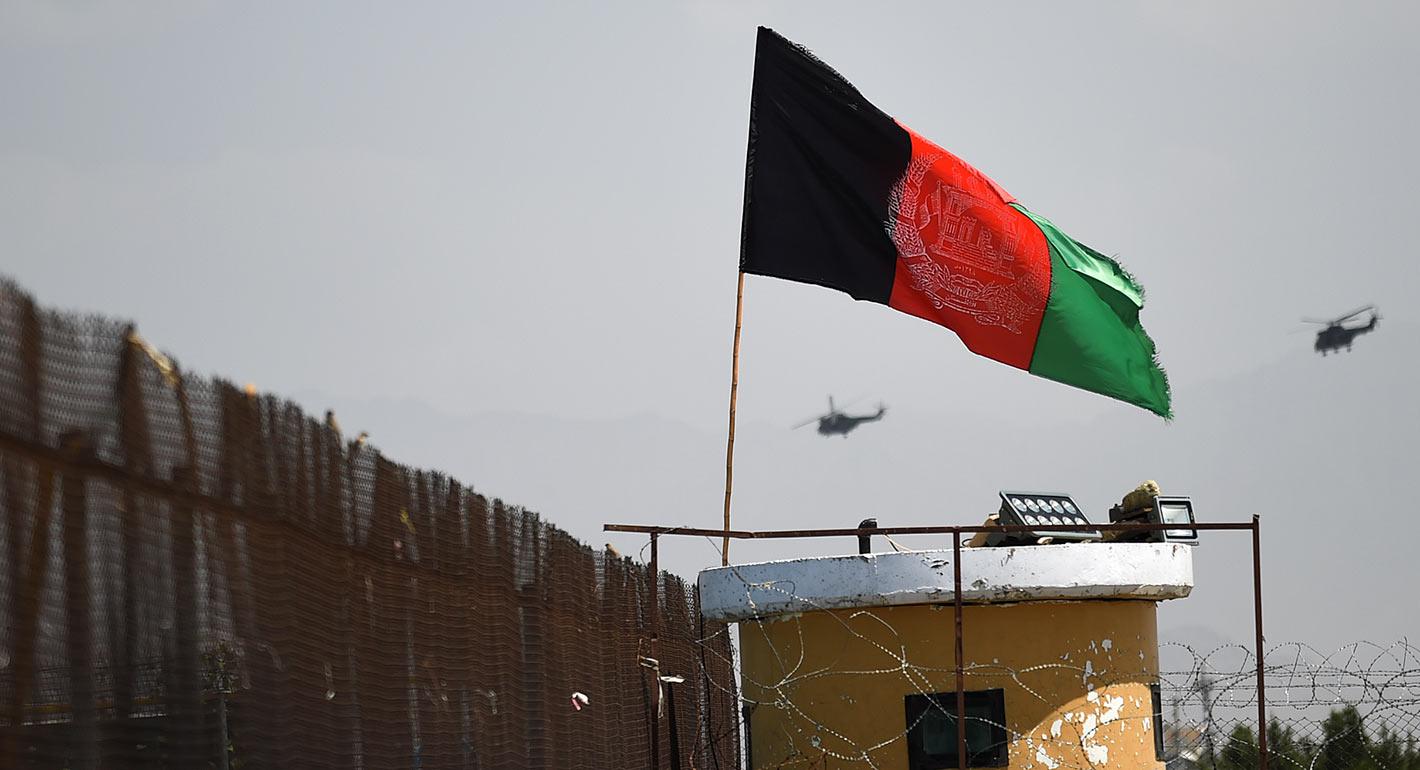
Afghanistan is undergoing a major shift backward as basic human rights are restricted there, despite the fact that the war is over and there is relatively peaceful environment. The decade long armed conflict is over but it has left long lasting affects in the region. The Taliban government may still be in contact with the outside community, but there is no indication that they have received official recognition. Even those nations that had been in favor of a more lenient approach to them have demonstrated deep concern over the Taliban because of their own inflexibility, which was encouraged by the hard-liners among them, regarding women and other human rights as well.

As Taliban did not get recognition and there have been no proper diplomatic relations between the Afghanistan and the other countries, so, the Taliban continued to follow their same old rigid policies. Things would have been different if the Taliban government was not into isolation. While Afghanistan remains cut off from the rest of the world, and is unable to accept a progressive rule that curtails equal rights for women and basic human rights, there is a realization that Taliban challenges being faced by the nation cannot be properly be resolved if the country and the government remains isolated. Not only this, reports of transnational militant groups reappearing in Afghanistan and posing a serious danger to regional security are even more worrisome. Militant organizations like Al Qaeda, Tehreek-i-Taliban Pakistan (TTP) and the East Turkestan Islamic Movement also use Afghanistan as a base for their illegal activities. These organizations are a major source of concern for the regional countries as well

Now, Taliban radicals have no hesitation about marginalizing the more moderate Taliban members in order to promote their obscurantist beliefs over international participation. Such a policy will undoubtedly lead to disaster for a nation already battling with serious economic, social, and political issues.Back are the days in Afghanistan where the minority groups and women rights were sidelined and Afghanistan had existential crisis. Taliban government alone cannot take out Afghanistan from this chaos.


Ukraine War: The Blame Game Continues

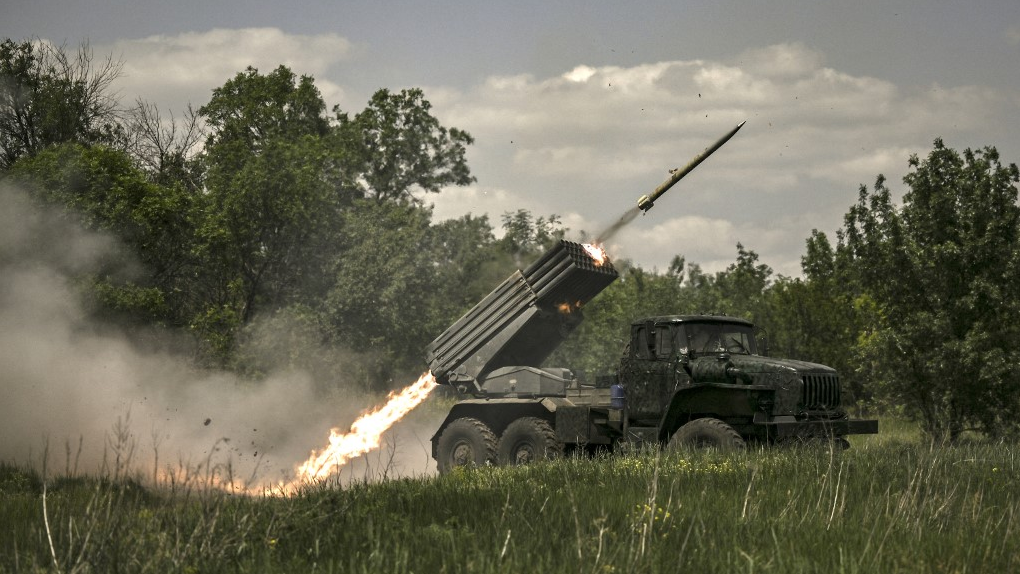
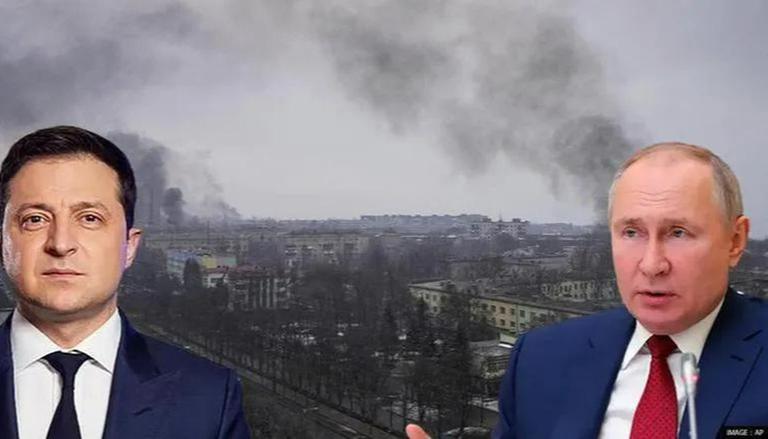
Right after the war initiated in Ukraine, the US’ Secretary of State, Antony Blinken in March 2022 accused Russia of committing war crimes in Ukraine which were denied by Russia. The United States is the key player in the ongoing crisis in Ukraine and its actions are of significant importance since it is a major super power. For Russia, security is the main concern, which is why Russia has accused the White House of providing targeting data used by Kyiv to launch long-range missile strikes, the role of American intelligence in the war in Ukraine is being closely examined. After the launch of war by Russia in February, the Biden administration has provided more than $8 billion in security assistance to Ukraine, despite strongly denying any involvement in the conflict or war with Russia. Moreover, the Biden administration recently announced on August 8, 2022, that it was sending $1 billion aid in the form of rockets, ammunition, and other material to Ukraine from Defense Department stockpiles as part of its largest direct delivery of weapons to that nation yet as it gets ready for a potentially decisive counteroffensive in the south against Russia. Russian Defense ministry in a statement said, Washington is “directly involved” in the conflict that had resulted in “mass fatalities of civilians”. It is added by the ministry, that Washington is directly involved in the fighting in Ukraine, contrary to allegations made by the White House and Pentagon.

There are different narratives of each country regarding current Ukraine war depending upon their interests. According to the Chinese envoy to Moscow, the “main instigator” of the war in Ukraine is United States of America who has already warned to destroy Russia. The US, according to Ambassador Zhang Hanhui, backed forces aiming to link Ukraine with the European Union rather than Moscow and repeatedly expanded the NATO defense alliance. US have imposed unprecedented sweeping sanctions on Russia while continuing to provide Ukraine with armaments and military hardware as the primary and starter of the Ukrainian issue as per Chinese Envoy in an interview which was reported by TASS, a Russian state news agency. This statement came after the visit of Nancy Pelosi to Taiwan, before this China warned US of severe consequences, but Pelosi made a visit and as a result China halted military ties with the United States. The issue with the Ukraine war is that the country is not able to control its own destiny, even though it is an independent entity but it is being treated as an object by the major powers of the world. Therefore, it is likely that external powers rather than the Ukrainian government will define the conditions of the conflict’s resolution in coming time. The involved countries and the major powers should allow Ukraine to decide its future by playing a positive role instead of blaming and fulfilling their own interests. The situation in Ukraine has intensified into a significant economic and political standoff between Russia and the West, which is being experienced by all the countries, and if it does not stop it will have a lasting effect on world peace, security and stability.


New Zealand’s Effort for Environmental Security

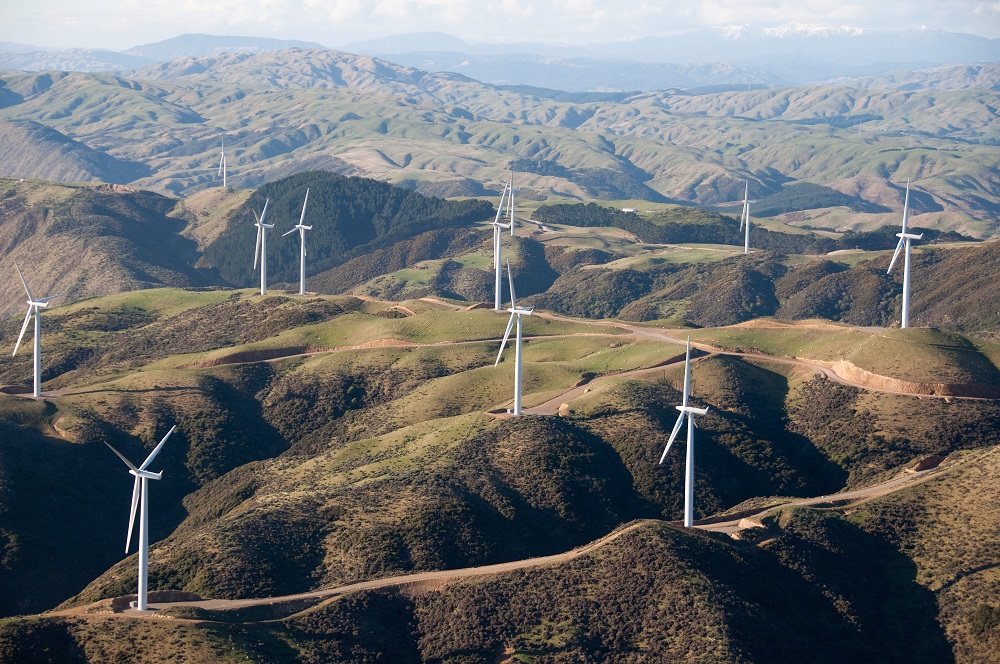
Massive harm as a result of climate change problems associated with global warming is being experienced by New Zealand. In order to address these issues, New Zealand has formulated its first six-year national action plan, as more extreme storms, flooding and wild fires are brought on by climate change. James Shaw, New Zealand’s minister for climate change, stated that extreme weather events that had previously thought unimaginable are today happening at a rate and an intensity that we have never witnessed before. It is also the first long-term plan to assist New Zealand in strengthening its resilience and adaptability to a fast changing environment. The evacuation of 70,000 homes near coastal areas will be contemplated as a possible solution to the increasing sea levels. The key idea behind the action plan is to make country ready for negative outcomes in advance rather than after they happen. The plan can be considered as a great effort by New Zealand to ensure environmental security. Before moving forward, it is important to understand the importance of environmental security, as the current discourse on security has been shifted from traditional security to non-traditional security threats such as climate change, human security, food security, environmental security etc. but unfortunately it is not getting enough attention. Environmental security is the condition of safeguarding the important interests of the individuals, society, and natural environment against risks brought on by anthropogenic and natural events. The dynamics and connections between people and natural resources make environmental security essential to national security paradigm. Thus, environment is the subject matter and maintaining its protection is crucial for maintaining peace, national security, and human rights.

The natural environment of New Zealand is an important component of its culture and a driving force behind the country’s tourism industry that help economy. The natural resources of New Zealand, which make up a sizable portion of its exports, are very important to the country’s economy. These natural resources must be thoughtfully managed for the benefit of current and future generations in order to achieve sustainable economic growth. The items like dairy, beef, timber, fruit, vegetables, and fish assist the food security of countries like China, Australia and the United States that receive these products, are maintained by the natural environment. Therefore, it is crucial for New Zealand to implement the National Adaptation Plan on urgent basis in order to preserve its environmental sustainability and economic growth. It can be done enhancing environmental governance and management, also by strengthening collaboration among all the stakeholders in order to make sure significant engagement with communities at local level to adapt and mitigate the effects of climate change in the country.


Biden Administration Approved $5.3 Billion Arms Sale to UAE and Saudi Arabia

On 2nd August, 2022, the US State Department approved $5 Billion arms deal with Saudi Arabia and United Arab Emirates (UAE). The deal includes the sale of Patriot missile to the Kingdom of Saudi Arabia of worth $3.05 billion and the Terminal High Altitude Area Defense (THAAD) systems to UAE having worth of $2.25 billion. The Pentagon said that the sale of 300 MIM-104E Guidance Enhanced Missile-Tactical Ballistic Missiles (GEM-T) for the Patriot missile defense system, as well as supporting equipment, replacement parts, and technical support to the Kingdom of Saudi Arabia, has been approved by the U.S. State Department. Furthermore, it has been authorized to sell 96 THAAD missile defense system interceptors to the United Arab Emirates, along with spare parts and technical support. The State Department in a statement has said “These missiles are used to defend Saudi Arabia’s borders from recurrent cross-border attacks by the Houthis on civilian and critical infrastructure using unmanned aerial systems and ballistic missiles”.

The deal came after Biden administration suspended arms sale to Saudi Arabia and UAE in February 2021 because of the two country’s involvement in Yemen war. Earlier, Donald Trump agreed upon the arms sales, defense equipment and transfers as a step to normalize relations with key Middle–East partners as part of “Abraham Accords”. Recently, it was in news that US is considering policy change towards Riyadh regarding weapons sale. Biden’s trip to Middle-East and Saudi Arabia in July has made it clear in the form of current announcement for massive arms sale. The aim of the US is to promote relations with Gulf States amid of Ukraine war for the sake of reducing dependency on Russian oil and gas, because these states can be proved a potential alternative to Russia. On the other hand, the latest development between the three countries is being seen as a measure to counter and defend against Iran. Few months back, US-led missile defense pact between Israel and several Arab countries known as Middle-East Air Defense Alliance (MEAD) has also been established. Under this arrangement, sensors and shooters from several countries will be connected together to counter threat from Iran. Considering the whole scenario, any defense deals such as US to resupply Saudi and UAE missile defense systems that are moving into the region are important to note. It is because Middle East has multiple existing challenges such as conflict within governments, civil wars, and serious humanitarian crises, undermining the regional order. Iran has remained a prominent actor in shaping up the region’s politics that is why Israel and the Arab nations pushed closer together more quickly considering Iran’s nuclear expansion as a common threat. The United States is also actively playing its role in Middle-East that is changing the dynamics of strategic and political landscape as well as threatening the already sensitive situation of security in the region.


North Korea’s Nuclear Threat to US and South Korea

Background

The Korean War of the early 1950s took place in the early stages of the Cold War. The United States’ support forces in the southern part of the peninsula against communist forces in the north that received military assistance from China and the Soviet Union is the origin of American military involvement in the Korean peninsula. According to the terms of the Mutual Defense Treaty between the United States and the Republic of Korea, the United States is now committed to defend South Korea, for that the US has about 29,000 troops deployed on the Korean peninsula. Along with U.S. personnel, the Demilitarized Zone (DMZ) is one of the most heavily armed borders in the world, it has a large number troops including of South Korean 630,000 soldiers and North Korea’s 1.2 million military personnel. Every other day, one country threatens the other with nuclear deterrence while neglecting the consequences and its implications for the world’s peace, security and stability.

Kim Jong-un Statement

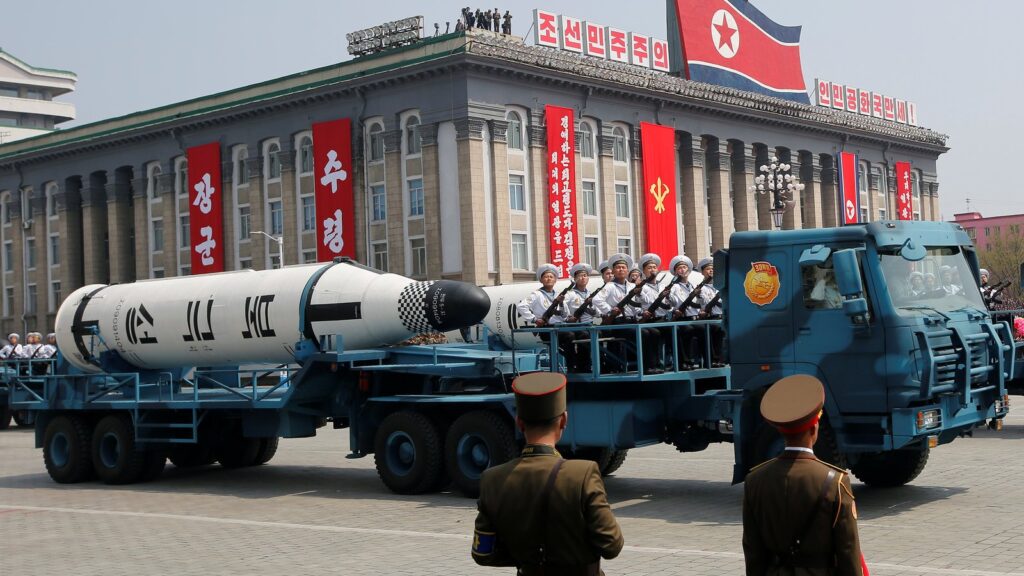
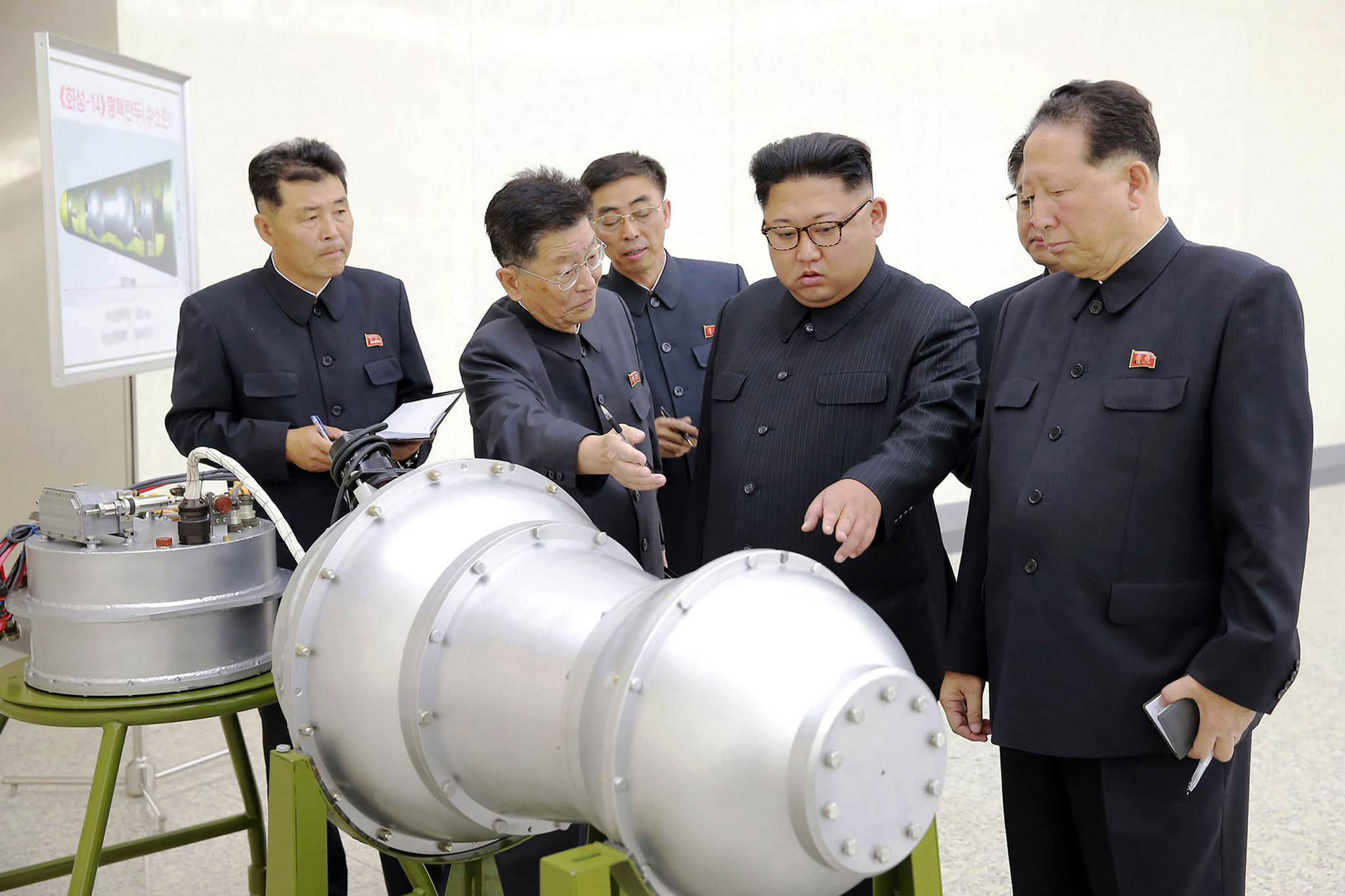
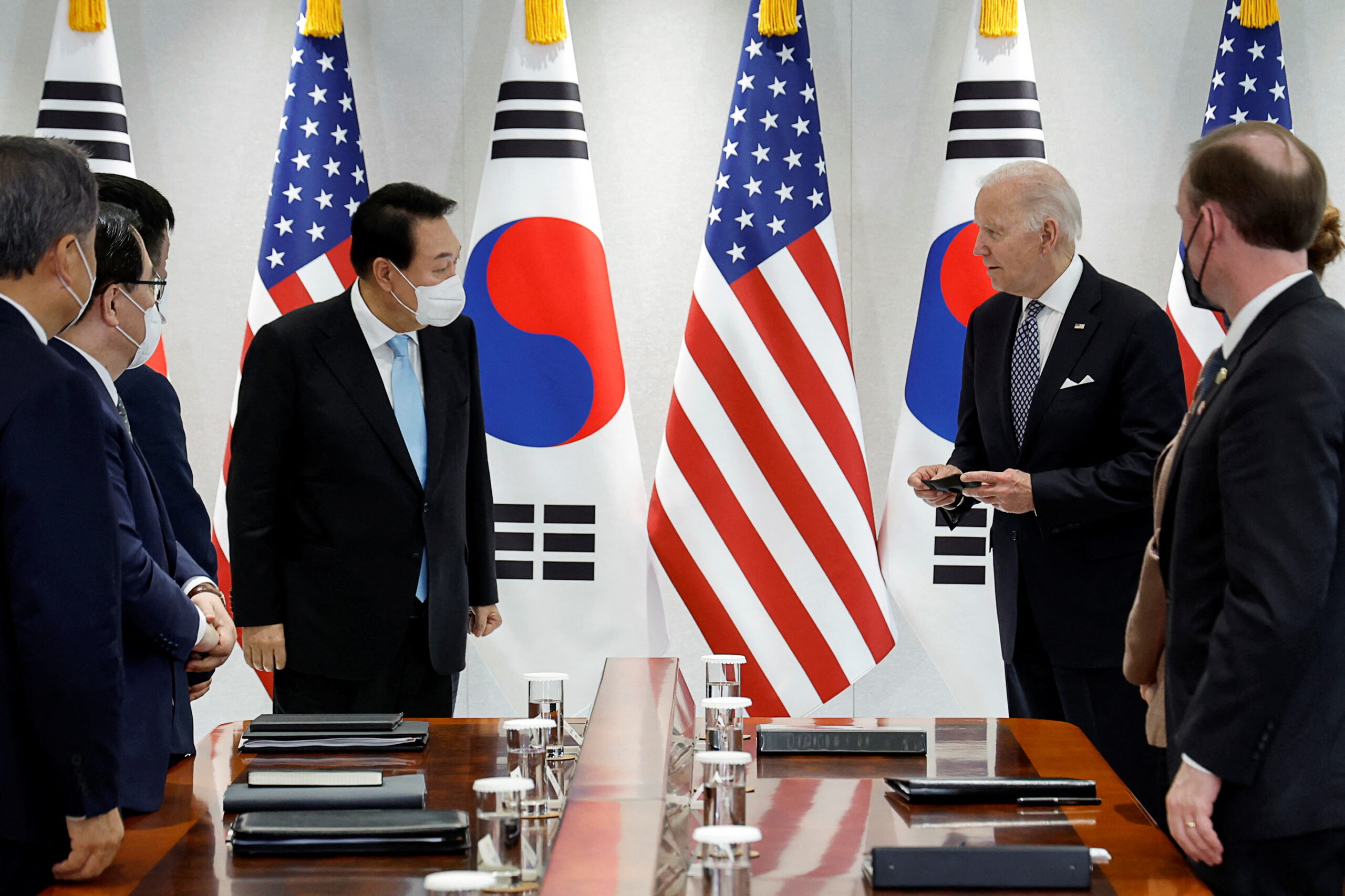
At the Korean War anniversary, Kim Jong-un in a statement has said that North Korea is ready to mobilize nuclear forces and also ready for a nuclear deterrent and military confrontation with the United States. The statement came when US has warned of a seventh nuclear test that Pyongyang could conduct at any time. Earlier, South Korean President Yoon has outlined a new more robust defense policy since taking office. Yoon has said, if it is felt that Pyongyang is about to launch a nuclear attack on it, it would allow South Korean forces to strike the North before Pyongyang could. In response to this, Mr. Kim also responded that South Korean President Yoon Suk-yeol’s Government and military would be devastated into pieces if he launched any strike before North Korea. It is really unsettling to hear warnings from both the sides of the Korean peninsula and it seems like Korea is on the verge of war.

U.S. President Joe Biden interacts with South Korean President Yoon Suk-youl during a bilateral meeting at the People’s House in Seoul, South Korea, May 21, 2022. REUTERS/Jonathan Ernst

However, North Korean rhetoric has remained quite aggressive especially around the important anniversaries and even in normal days. There is the responsibility of the heads of each side to consider the issue seriously as it is not going to be a regular conflict between the states. It will be a nuclear war fought with nuclear weapons and other weapons of mass destruction which will affect the whole world. To achieve a diplomatic reconciliation, North and South Korea should cooperate with each other. Otherwise, threats of full-scale military deployment and cyber provocations pose serious concerns because occurrence of each of these events has the potential to escalate further and resulting into uncontrollable circumstances.


Central Asia: A Zone of Peace

Introduction

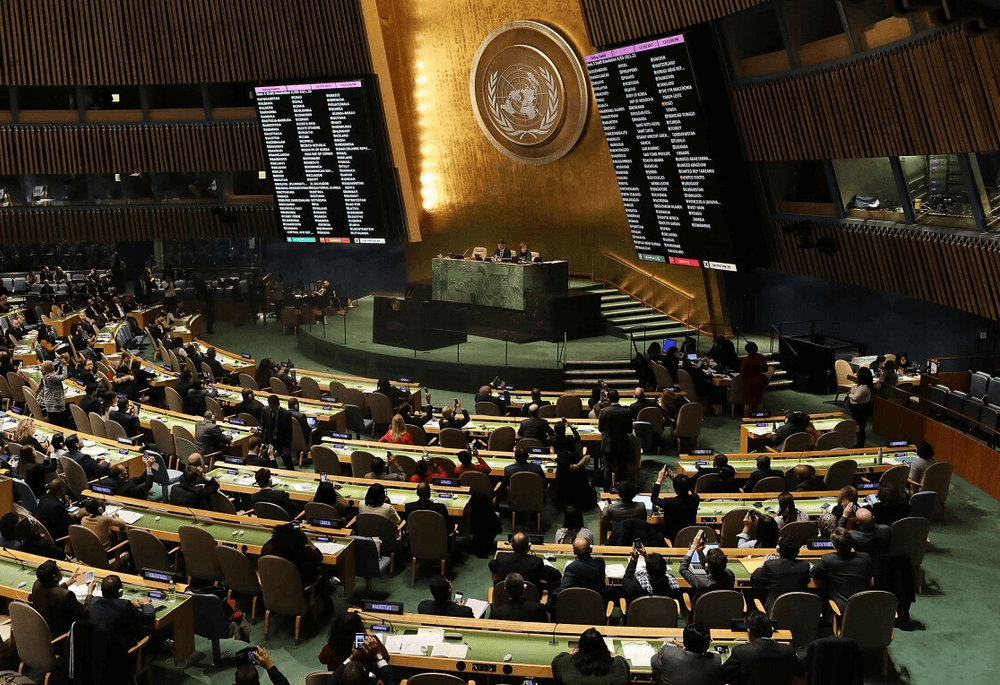
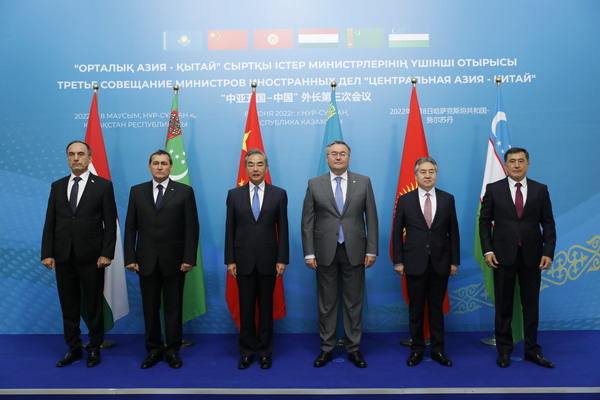
On 28th July 2022, a resolution was introduced by the ambassador of Turkmenistan on behalf of other central Asian countries. The United Nations General Assembly has adopted the resolution and declared Central Asia as a zone of peace, trust and cooperation. It is said that the all the five countries of the region including Turkmenistan, Kazakhstan, Kyrgyzstan, Tajikistan and Uzbekistan have a great potential for development. Pakistan’s UN ambassador also supported the resolution and its objectives while considering it a timely step. He said that Pakistan is dedicated to increase connectivity and collaboration with its Central Asian neighbors in trade, business, transport, energy and other sectors. The region is of utmost importance geographically and in terms of transnational cooperation as it is rich in natural resources as well as gas and oil resources making it as a prominent player in the regional and global markets. As the world is going through Russia-Ukraine crisis, the United States and European countries are the one which are most impacted due to the existing war. United States has welcomed the resolution and expanded warm wishes to the five Central Asian countries on the adoption of resolution. Central Asia is a region which could help the US and EU in terms of energy supplies and can work as an alternative to Russia’s dependency for oil and gas. This will also benefit the region while bringing investments, infrastructure development and growth opportunities in Central Asia. The resolution has also emphasized on the greater cooperation among the Governments for a peaceful and prosperous society, sustainable development, peace, security, human rights and the rule of law. United States consider this resolution to maintain security within the region and promote international peace and security.
CARs Summit

Recently, the heads of Central Asian countries attended the CARs (Central Asian Republics’) Summit in Kyrgyzstan in order to explore the opportunities and potential prospects of the cooperation among the Republics. The leaders seek to make independent foreign policy choices and to take governance measures without any involvement of external powers which is a positive step towards to deal with the political and economic risks. The summit was exclusively held for regional discussions, regional problems and their solutions. This shows the commitment of all five countries for strengthening peace and security as well as to promote socio-economic development in the region. The fourth Consultative meeting of CARs summit is a depiction of a collective regional approach toward multilateral cooperation. The meeting’s outcome was an agreement between the participants to establish shared Border Trade Zones with uniform regulations and straightforward processes to promote domestic manufacturing and import competition. With the CARs having significant potential and a population of roughly 80 million, there is a strong desire to look for opportunities for combined trade and economic development. All parties also urged to start a Concrete Action Plan for Green Development and Forum of the Regions in view of the growing risk of climate change. Additionally, all parties agreed to encourage science and technology collaboration, tourism, and culture. Also, the five countries have decided to provide humanitarian aid to Afghanistan as part of efforts to foster good relations with the neighboring country. The development of a new principle has been included in the meeting which means that the Central Asian republics are attempting to communicate their shared position in case of foreign and external threats. The recommendations and key decisions made in the meeting show the efforts of Central Asian countries to emerge as significant player without the involvement of any foreign actor.
Recent Economic Development

China has been focused on transport connection with Central Asia and seeks to deepen cooperation of connectivity, this highlights Central Asia’s importance for China. Shanghai’s China-Europe freight train service was discontinued due to the COVID-19 pandemic, but it has continued in response to a significant increase in demand from trade businesses. The First China-Europe freight train from Shanghai to Central Asia is launched on 28th July 2022. According to Shanghai Customs, a China-Europe freight train loaded with more than 980 tons of cargo left Shanghai for Almaty, Kazakhstan. To conclude, the latest developments such declaration of Central Asia as a peace zone has further increased the importance of the region internationally and particularly for major powers. The collective approach, regional cooperation, and strong partnership demonstrated in the fourth consultative meeting by all the heads of Central Asian Republics (CARs) show their common goals in the region and the measures are being taken individually for the country and collectively for the region’s prosperity.



Pakistan, China Seeking For Stability In Afghanistan

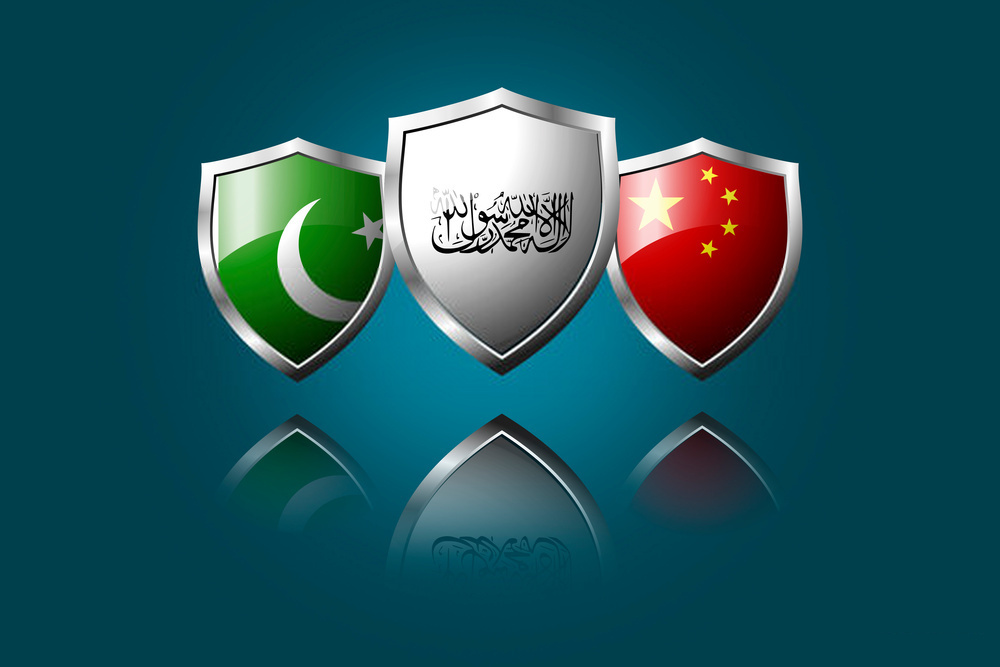
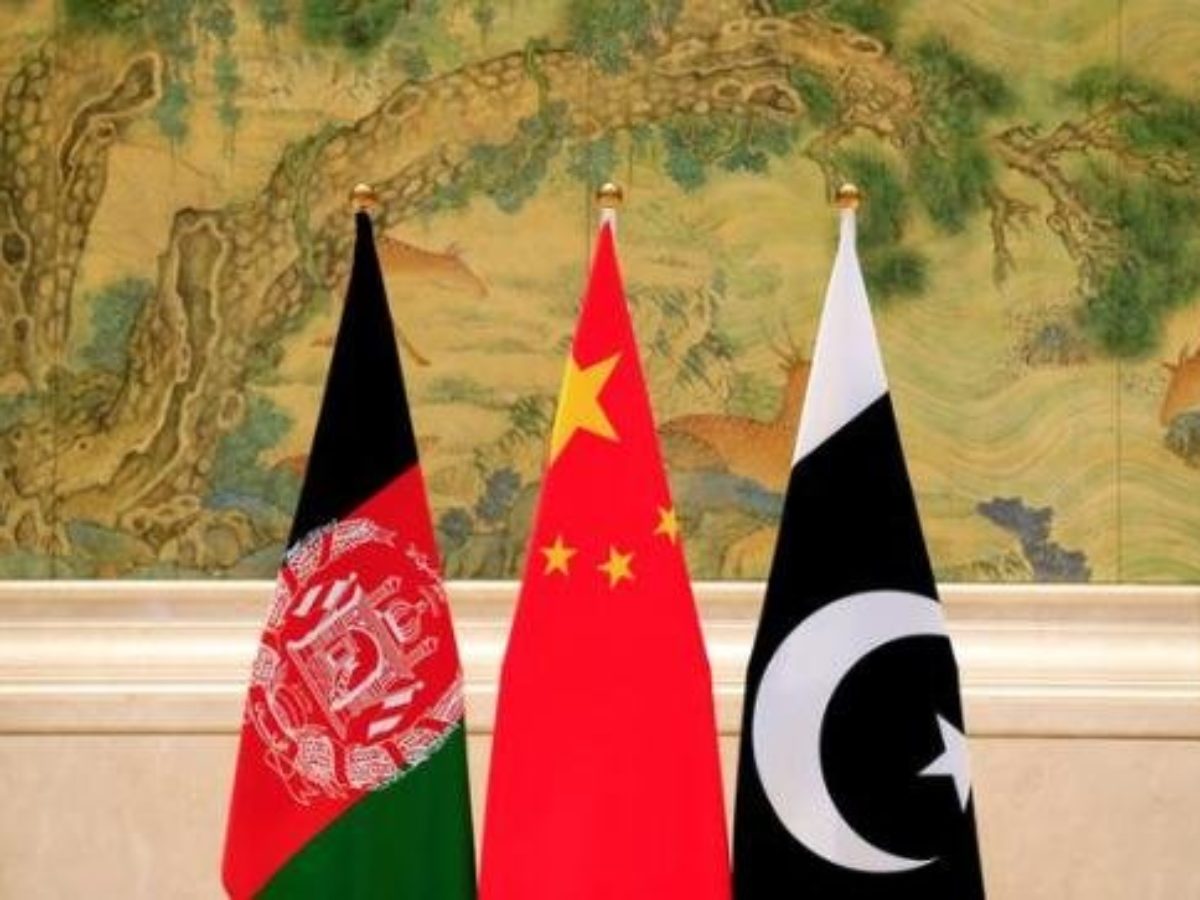
Recent discussions between Pakistan and China have concentrated on the idea of expanding the China-Pakistan Economic Corridor (CPEC) to also include Afghanistan. According to a formal statement, the two parties held discussions of mutual concern, including the political and security situation in Afghanistan, Pakistan’s and China’s humanitarian assistance to Afghanistan, and other topics. It is obvious that peaceful and stable Afghanistan would lead to regional development so both, Islamabad and China, noted that connected Afghanistan will also enhance regional trade. Geopolitical and economic concerns in Afghanistan are shared by Pakistan and China. Both had been released when the Taliban took control of the war-torn nation in August of last year. Both could be fine with the Taliban’s reign in Afghanistan, but their security considerations may prove challenging.

China and Pakistan have increased up their contacts with the Afghan interim Taliban government in previous months to look for opportunities to expand economic and humanitarian relations with the turmoil nation. China and Pakistan are two neighboring states which believe that if the unrest is not handled, it could lead to a large-scale migration of Afghan refugees and enable international terrorists to conduct cross-border operations on Afghan territory. CPEC is a component of China’s largest project, the “Belt and Road Initiative,” which aims to revive the nation’s ancient trading routes in the south-east Asian coastline nations.

Both parties underlined their strong support for one another’s policy objectives and top issues, as well as their commitment to deepen strategic communication, such as at the highest political level and through pragmatic cooperation. Fostering intercultural exchange, offering humanitarian aid, and boosting commerce and transportation capacity is also equally important. Now, India may have security concerns as a result of Pakistan and China’s consideration of expanding the China-Pakistan Economic Corridor (CPEC) to include Afghanistan. Taliban needs to cooperate as well to make things better and assure their engagement and security while China and Pakistan seek to bring stability in Afghanistan.


Global Recession And Sustainable Development

It is reasonable to assume that the global financial crisis and the ensuing economic downturn would have had at least the advantage of slowing down environmental degradation in the different nations. The slowdown in economic growth has some immediate advantages for the environment. These benefits include a decrease in the rate of air and water pollution due to less energy use, which directly affects the health of the urban underprivileged. The costs associated with several environment protection measures, like those linked to energy savings, the protection of natural resources, and water environment, are likely to be much greater than the limited gains to global and regional environments that result from the economic slowdown. Energy and environmental investments are impacted on both the supply and demand sides.

On the other hand, businesses and households pay less for energy efficiency measures. Decreasing credit and lowering prices have made investments in energy saving and environmental protection less economically attractive, and the economic crisis has caused end users to limit their spending in general. In addition, solution providers are expected to reduce their investment in research, development and commercialization of more efficient energy models unless they can obtain government financial support. It is a livelihood opportunity for the poor in rural areas. In addition, the development of wastewater treatment plans to limit the release of pollutants into rivers could be further delayed in many countries and is expected to harm the aquatic environment. Thus, in sum, the small benefits to the global and local environment from economic recession can be far less than the cost of many environmental protection measures to improve the living conditions of the poor.

The natural resources and ecosystem services provided by the environment are essential to support economic growth and better living conditions for the poor. Inaction on important environmental issues such as climate change can have serious economic consequences in the future. These concerns justify government actions to support investment in green growth measures and promote direct investment or financial incentives for low-carbon, energy-efficient and environmentally clean technologies. The investment required to put the national economy on a low-carbon green growth path is much higher than expected.


US-Japan Economic Security Dialogue

Economic Security

As per United Nation’s Department of Economic and Social Affairs, economic security is the key element for maintaining well-being and livelihoods of the people. The overall dynamics in terms of the state security has changed. In the new security paradigm, economic security has significant importance for the sake of protecting national security interests. The powerful economies including United States, European countries as well as China have taken economic security on the forefront making it synonymous with national security. This is why countries are working together and at country level to achieve the objectives of economic security and for a strong economy which have improved industrial infrastructure and technological breakthroughs that ensures service delivery to the public.

US-Japan Talks

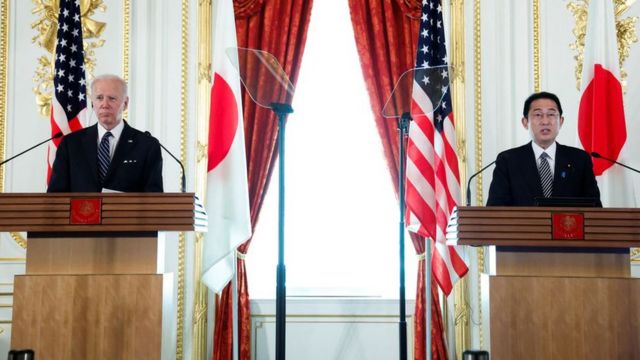
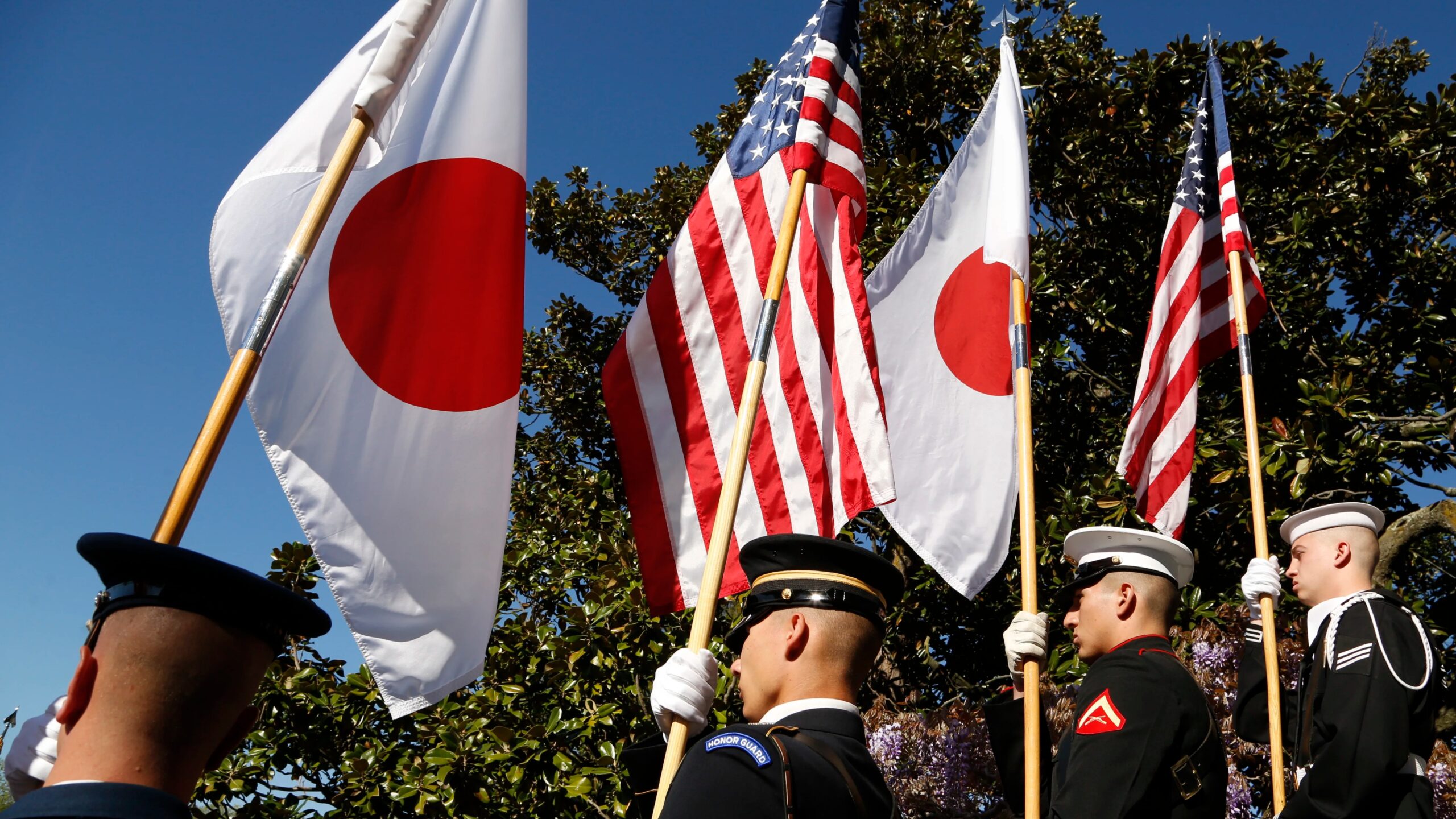
During a virtual meeting in January, US President Joe Biden and Japanese Prime Minister Fumio Kishida decided to establish an economic framework. In the presence of China’s expanding financial influence, the priority of the two countries will be on increasing economic security such as through creating robust supply chains for essential commodities like semiconductors. On July 29, in Washington, the foreign and industry ministers of the United States and Japan will engage in their first economic discussion, according to a representative of the U.S. Commerce Department. According to deputy assistant secretary for Asia at the Commerce Department, the meeting is timely because both countries are struggling right now with the reality that economic security is national security, in the wake of supply chain disruptions caused by the Russia’s conflict in Ukraine.

Japan’s Economic Security Law

In view of the constantly shifting global security environment, Japan intends to gradually implement its new law for enhancing economic security at the start of August. The schedule is a part of the government’s proposed law implementation strategy, which the administration received permission for at a meeting of the task force on economic security. To promote economic activity, the government of Japan has determined priority based 20 technological disciplines in order to give preference while providing funds including biotechnology, Artificial Intelligence (AI) and quantum information science. The government will make an effort to ensure supplies of strategically significant products like semiconductors and will assist the development of critical technologies in an integrated way.
To conclude, the upcoming meeting, officially known as the “U.S-Japan Economic Policy Consultative Committee” will be used to find solutions for promoting economic growth and addressing threats to the global economic order, improving economic security and resilience in the intensely competitive global market. It is appreciable that Japan has realized the economic vulnerabilities and is making efforts through different measures and by implementing new laws at national level and is also engaging with other countries for the promotion of economic security.