Sri Lankan Economic Unrest
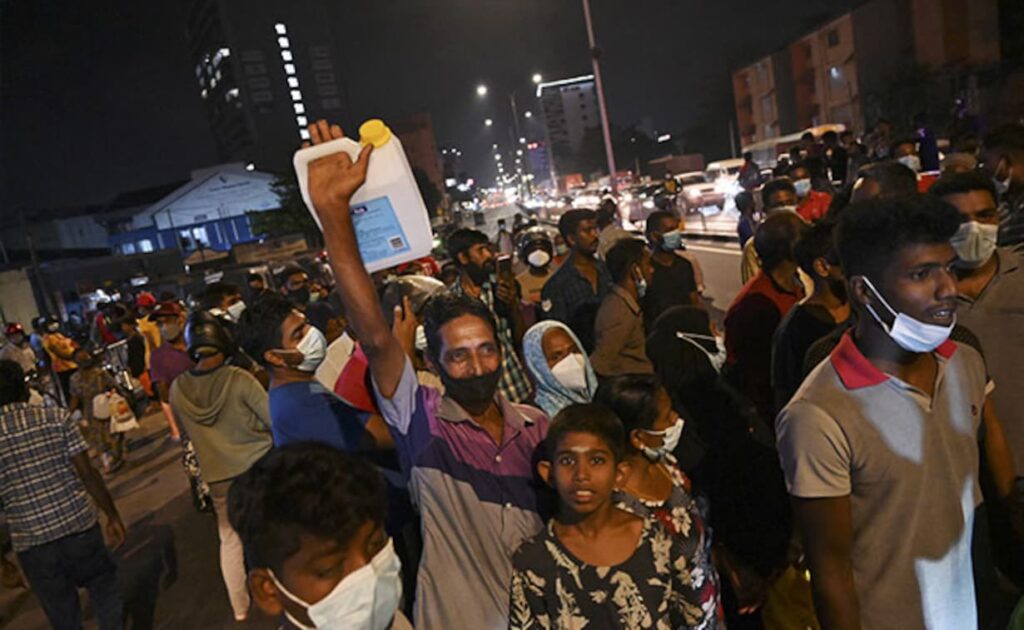
Sri Lanka is facing its worst economic crisis since its independence 1948. This is sparked by, lack of foreign currency reserves to pay most essential items of imports. In last two years Sri Lanka foreign currency reserves has fallen by 70%, this solution let to shutting down of three Embassies abroad. Authority has decided to extend cut of power supply due to unavailability of fuel to generate electricity. Therefore people of Sri Lanka will have to face 13 hours nationwide blackout. As result, most of the public sectors are in constant trouble to maintain their operations. Hospital are out of life saving drugs and suspending routine surgeries as well. The biggest medical facility in Sri Lanka, The National Hospital stared abandoning their patients and it has stopped routine diagnose testing. The economic crisis in Sri Lanka has forced the country to give up on its primary needs including healthcare. Everyone is talking about how bad things are in Sri Lanka inflation, high unemployment and shortage of everything from food to medicine. People are blaming current government over their corruption, bad governess and mismanagement of national resources.
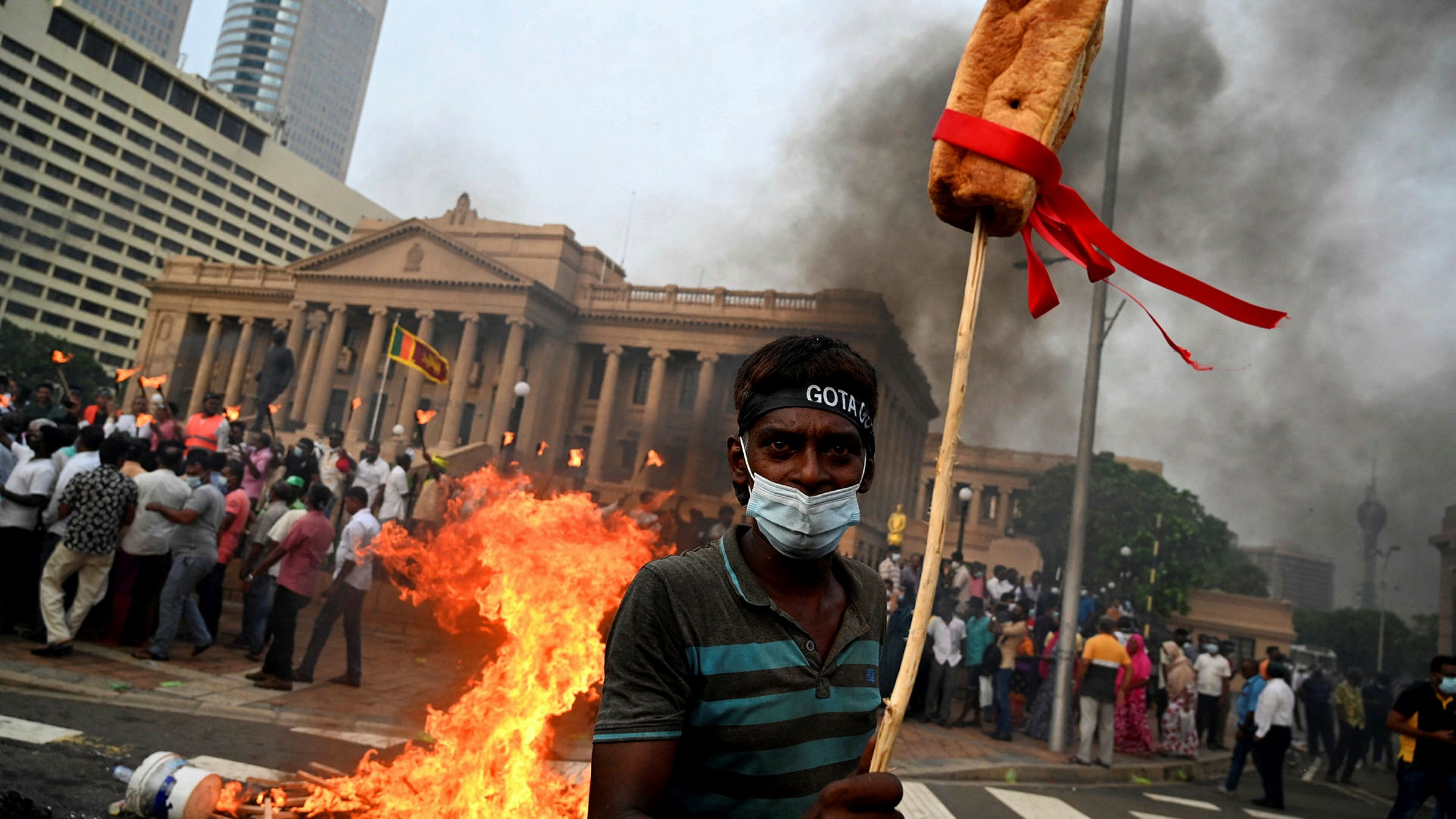
In political context, India-China rivalry in Sri Lanka has been playing out for years now but the unprecedented economic crisis in the island nation has given it fresh push. Over the last few months, New Delhi and Beijing have both been going out of their way to help Colombo through loans, credit lines and even medicines to ensure surgeries, hoping to gain more influence in return. On the other hand, Sri Lanka feeling hesitation to reach IMF and relaying on its neighboring countries in term of economic assistance. Earlier this month, New Delhi provided Colombo with a $1 billion line of credit (LoC) for procuring food, medicines and other essential items. A day after India announced the $1 billion LoC, China’s Ambassador to Sri Lanka Qi Zhenhong said that, Beijing is considering a request from Colombo for a $2.5 billion assistance package, including a $1.5 billion credit line and $1 billion loan. So in the competition between two regional powers, Sri Lanka is the one, who enjoying the relief package. China is also pushing Sri Lanka to immediately conclude the China-Sri Lanka Free Trade Agreement (FTA) which the Chinese claim will benefit Colombo’s local market and products. Now future will decide which countries economic policies prevail over starving Sri Lanka.

Presence of Foreign fighters in Ukraine: New methods to fight a War

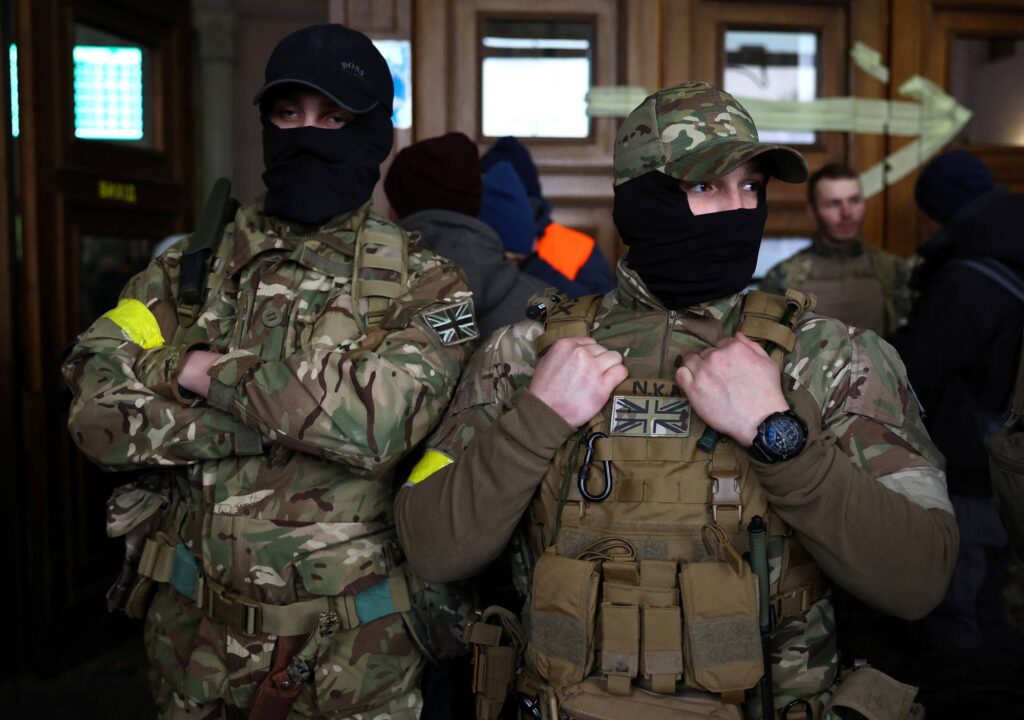
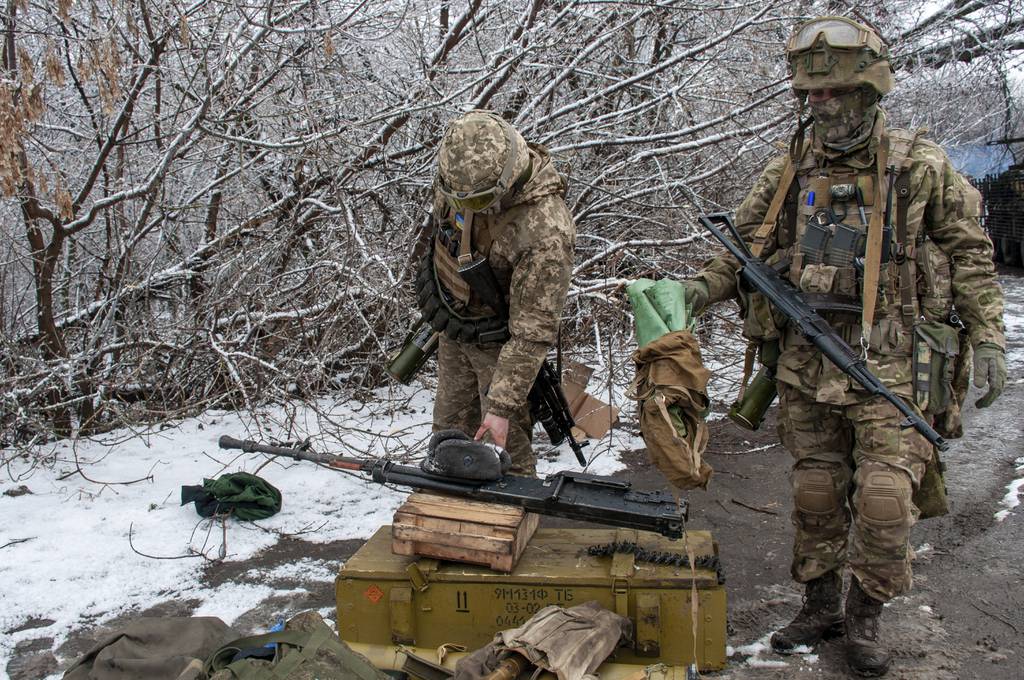
On 24, February 2022, Russia lunched a full scale war on Ukraine. Ukraine as compared to Russia is quite smaller in size having limited military resources, therefore it cannot hold their defence and doomed in a week. Ukraine as a favorite child to western democracies received lot of military aid to stop Moscow because they cannot put boots on the battle field for some political reasons. After the cold response from the NATO and the United States, Ukrainian President Volodymyr Zelenskyy’s appealed, “Anyone who wants to join the defense of Ukraine, Europe and the world can come and fight side by side with the Ukrainians against the Russian war criminals.” Ukrainian authorities are welcoming the international individuals in their “international legion” brigade. Dozens of Americans, Canadians, and other foreigners are already trying to take up arms on the name of democracy and even they are motivated by the right wing white supremacy.

Moreover U.K. foreign secretary, Liz Truss showed her support for British nationals. The privatization of war and its support by the elected government is not a new concept. In Iraq and Afghanistan, US had used private militaries against enemies fighter to overcome their loses in the war. “Black water”, “New Century” and many more were the private militaries who got the contract over that period. From the perspective of state, private militaries are cheap and above the international law which can operate freely in the conflicted zone. It also reduce the cost of war and it also provide a way to politician to not stand accountable in front of people. The foreign fighters and private militias are often more useful in an insurgency and civil war, Ukraine may become like Afghanistan, Syria or Iraq. For guerrilla conflicts, the foreigners’ dedication is vital and their limited firepower is less of a disadvantage. The main problem in the privatization of the military is regarding the human rights violations, discrimination between combats and non-combat is very tough to make during conflicts, greed and revenge also dictate private militias to miss-use their power over civilians. In this scenario, rational thinking should be prevail in Ukraine war and international community should discourage such irresponsible privatization of war, and take some necessary actions to prevent foreign fighters to enter the Ukraine for the sake of innocent people. They should learn lesson from the distractive war of Afghanistan and Middle East, where private militaries and non-state actors were used to gain political objective by the parties in the conflict.


India’s Uranium Theft Series: Role of IAEA

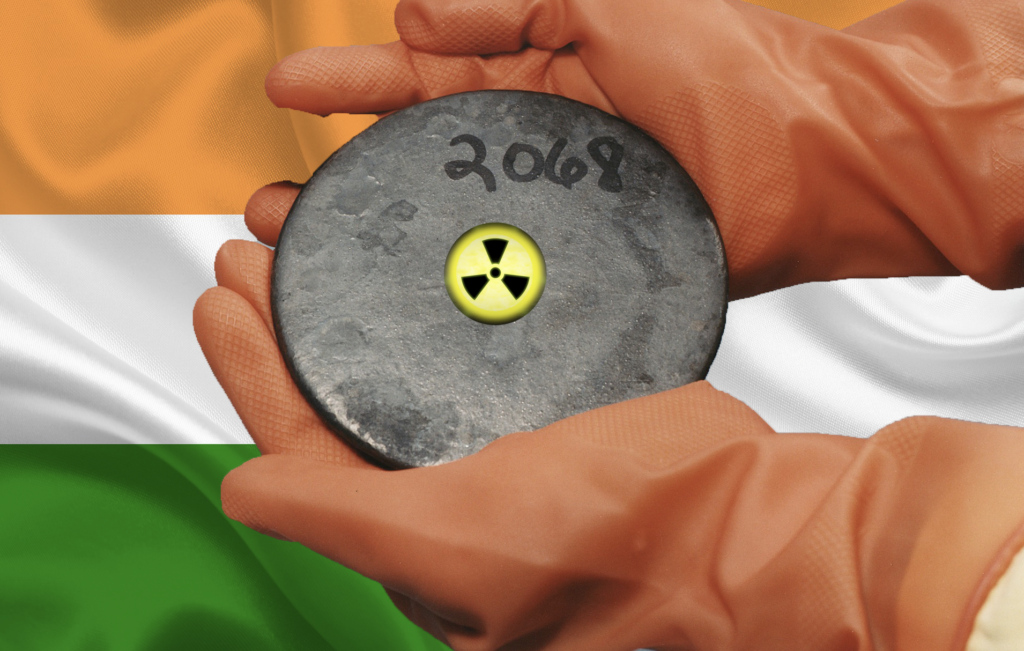
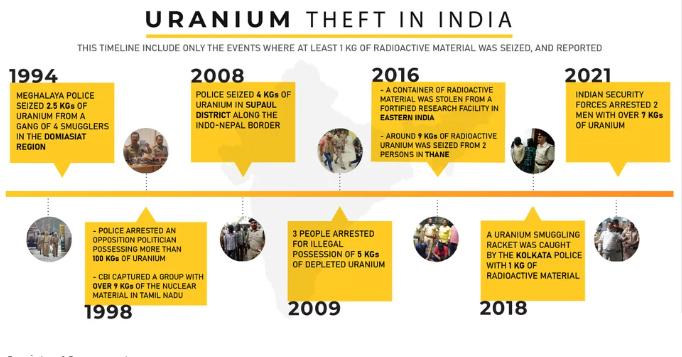
With the increase in trend of acquisition of nuclear weapons by states, the nuclear theft has become a serious threat to regional and global security. In February 2022, two Indians among eight has arrested by Nepal police for illegal trade of Uranium, last year two similar cases of the same nature were disclosed. It is not something new, since 1994; there are a number of cases that have been reported in which India found of stealing and smuggling radioactive material like Uranium. During the past two decades, an alarming amount over 200 kilograms of uranium have been stolen from Indian facilities. India has appeared as a potential spot of illegal trade of nuclear material and technology for state and non-state actors.  It poses serious risks of nuclear terrorism and concerns for state security.

Pakistan and China share borders with India have raised their concerns regarding recurring incidents of nuclear material theft in India. China has requested all the countries to work together for non-proliferation that focus nuclear safety. Pakistan has called out international community for rigorous investigation to guarantee nuclear safety and security. The trafficking and theft of Uranium can lead to manufacturing of improvised nuclear and exposure devices as well as nuclear proliferation. India is a member state of United Nations Security Council and International Atomic Energy Agency (IAEA), their core objective is to make states abide by the measures for the prevention of nuclear materials falling into wrong hands. The nuclear facilities in India are not following strict security standards and are vulnerable to black marketing. It is because there are not regulations within the country to acquire nuclear material for any puposes. In addition to that, India is not complying with IAEA requirements to secure its nuclear materials and reserves. The nuclear safeguard analysts have urged the agency to consider a strict monitoring system for radioactive materials in India.

India is also a major beneficiary of Nuclear Suppliers Group (NSG) and by intimation New Delhi must ensure a strong surveillance system over nuclear safety. Despite of the fact that India has failed to comply with the conditions, there is western silence over the issue which is dissatisfying. The role of the IAEA is of significant importance to play in India’s poor mechanism and the existence of a black market for nuclear materials within India. Nuclear security is a national issue but nuclear threats and the possible effects of nuclear terrorism can go beyond borders and also can be used by non-state actors for terrorism and harmful intentions. Therefore, IAEA must consider the grievances of India’s neighboring countries and respond to the occurrence of back to back India’s Uranium theft incidents. An accounting system must be implemented that maintains a check on Uranium exports for greater interests of global and nuclear security. International Atomic Energy Agency (IAEA) should follow its standards independently and a regulatory framework can be instigated for scrutinizing India’s nuclear activities in order to fulfill the gaps of nuclear safety and security.