The Maritime Cooperation between European Union and Philippines

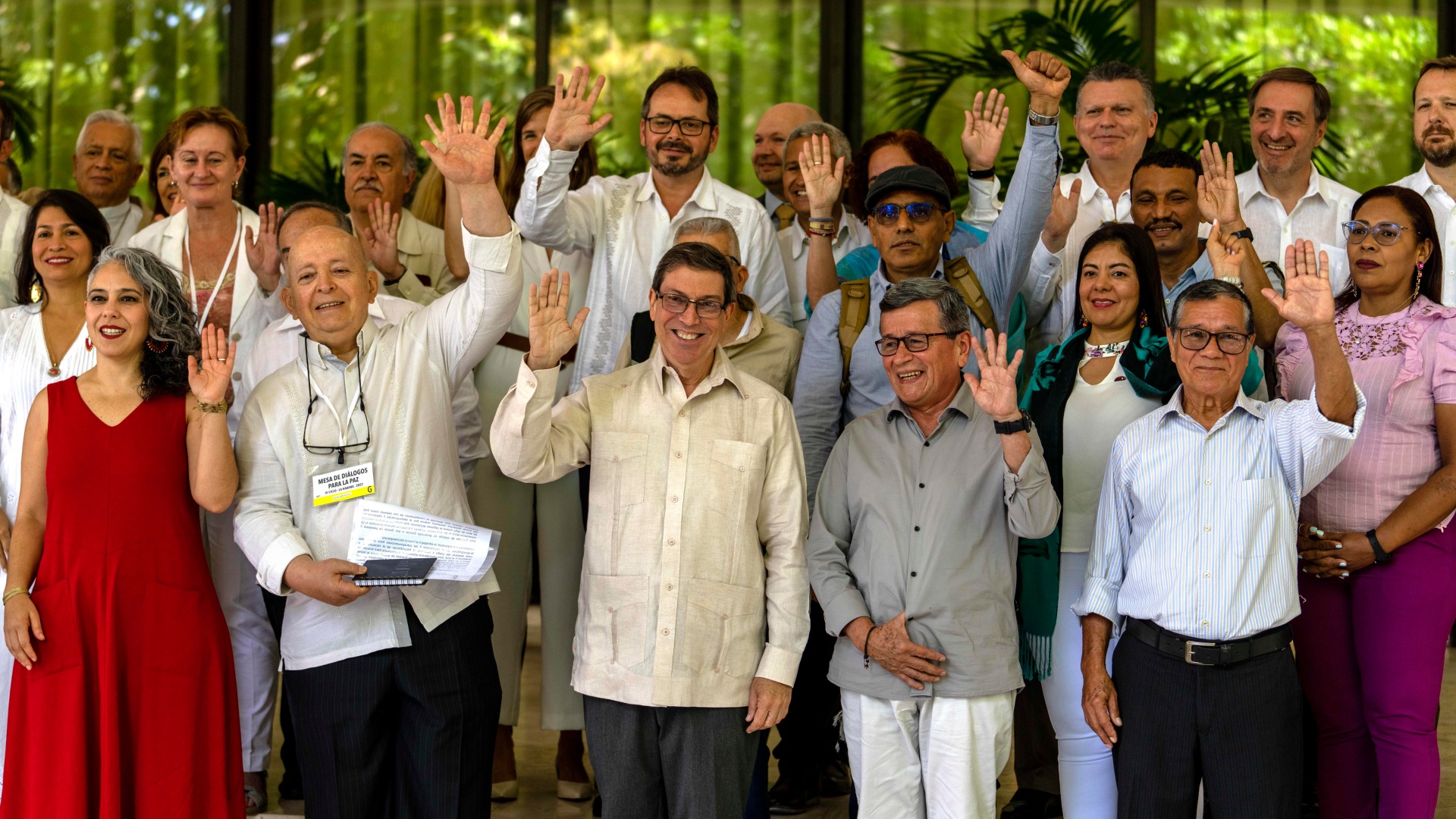
The EU-Philippines subcommittee on maritime cooperation was established on June 30, 2023, during the third EU-Philippines Joint Committee meeting in Brussels. Mr. Gunnar Wiegand, the Managing Director for Asia and the Pacific at the EEAS, was the leader of the EU delegation. Hon. Ma. Theresa P. Lazaro, the Department of Foreign Affairs Acting Undersecretary for Bilateral Relations and ASEAN Affairs, served as the delegation’s head. The European Commission, EU Member States, and representatives from Philippine government agencies also joined them. The EU-Philippines subcommittee is tasked with strengthening cooperation between the two countries on maritime matters, including maritime security, and ocean governance. Apart from that, they emphasized the need for more cooperation in the areas of cyber-security, trade, multilateralism, and the rules-based international order. According to post-meeting report it is stated that, “The EU and the Philippines agreed to continue to work together closely and stand up for the rules-based international order, the principles of sovereignty, territorial integrity and non-aggression.” The EU’s strategy for cooperation in the Indo-Pacific and the ASEAN outlook on the region were also assessed by two countries. Before that, Richard Tibbels, the EU’s special representative to the Indo-Pacific, said during a trip to Philippines that the EU has “a strong interest in making sure that freedom of navigation and over flight continue and that the global trading system is not affected by increasing tensions in the region.”

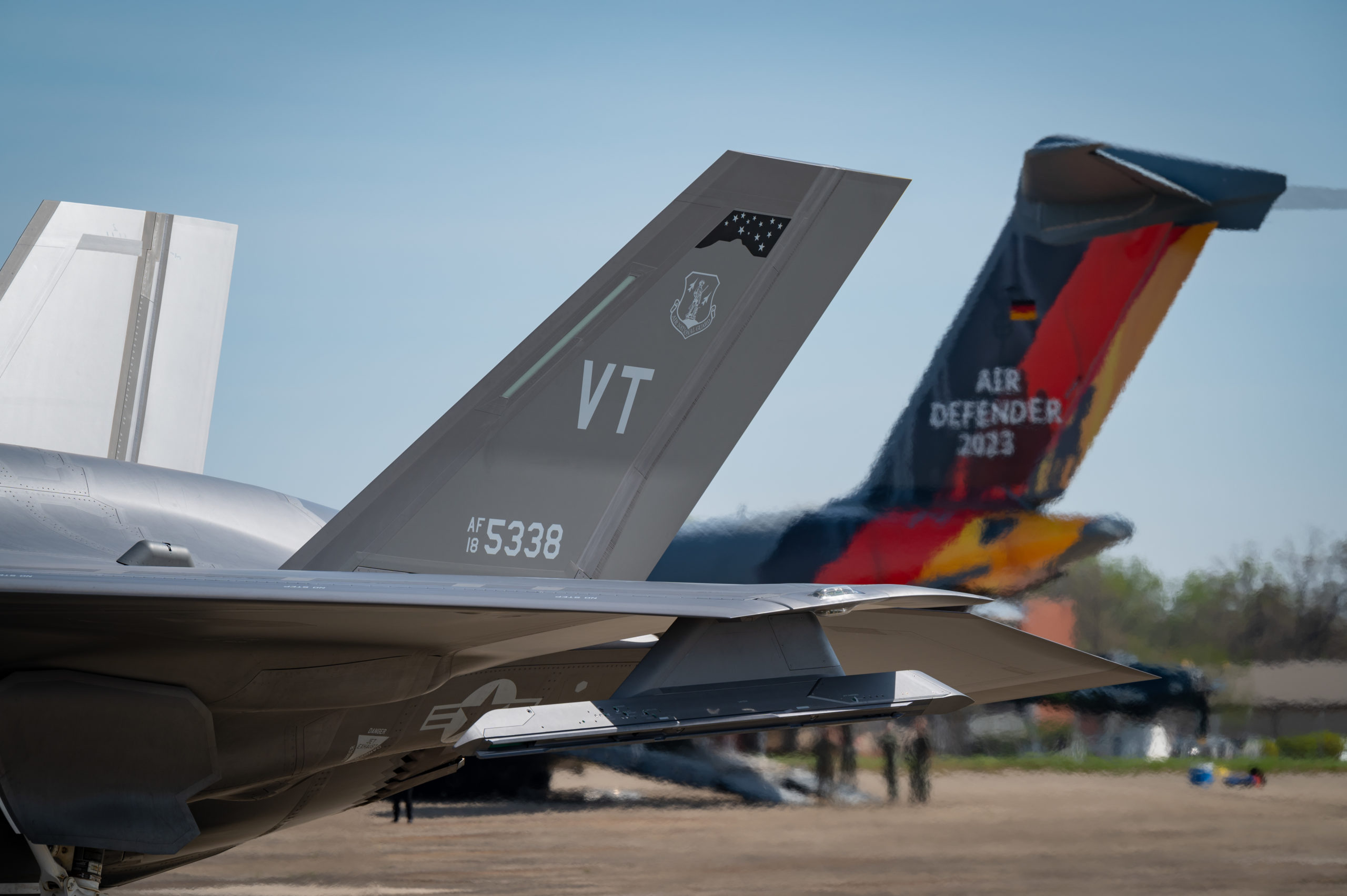
Due to the strategic location of Philippines in the Indo-Pacific region, the country is being considered as an Asian security anchor not only by EU but also by the United States. The EU is interested in working with the Philippines to counter China’s growing influence in the region. On the other side, the United States is also interested to enhance ties with Philippines. For that reason, the two countries successfully revived Enhanced Defense Cooperation Agreement (ECDA) in February 2023. The United States was also in negotiations with Manila in March 2023 to conduct joint patrols in the South China Sea with the Philippines, Australia, and Japan. Nine military bases in the Philippines are now accessible to the U.S. under the ECDA, including four new bases that have been identified in April 2023. Additionally, a number of European fleets have participated in freedom of navigation drills in the South China Sea, and Germany announced in May that it will send a two-ship task force to the region in the coming year.



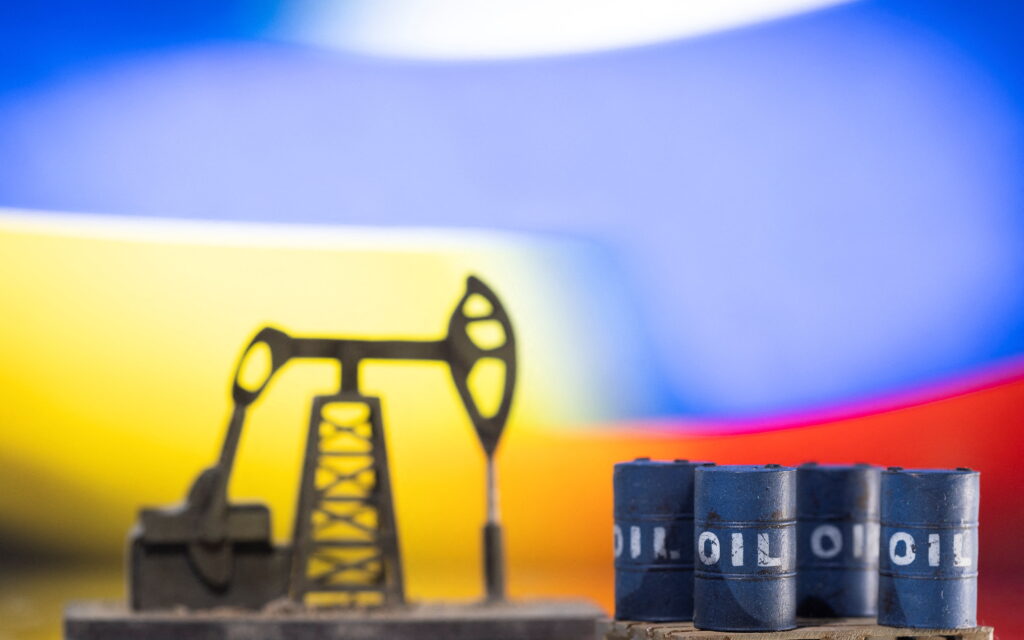
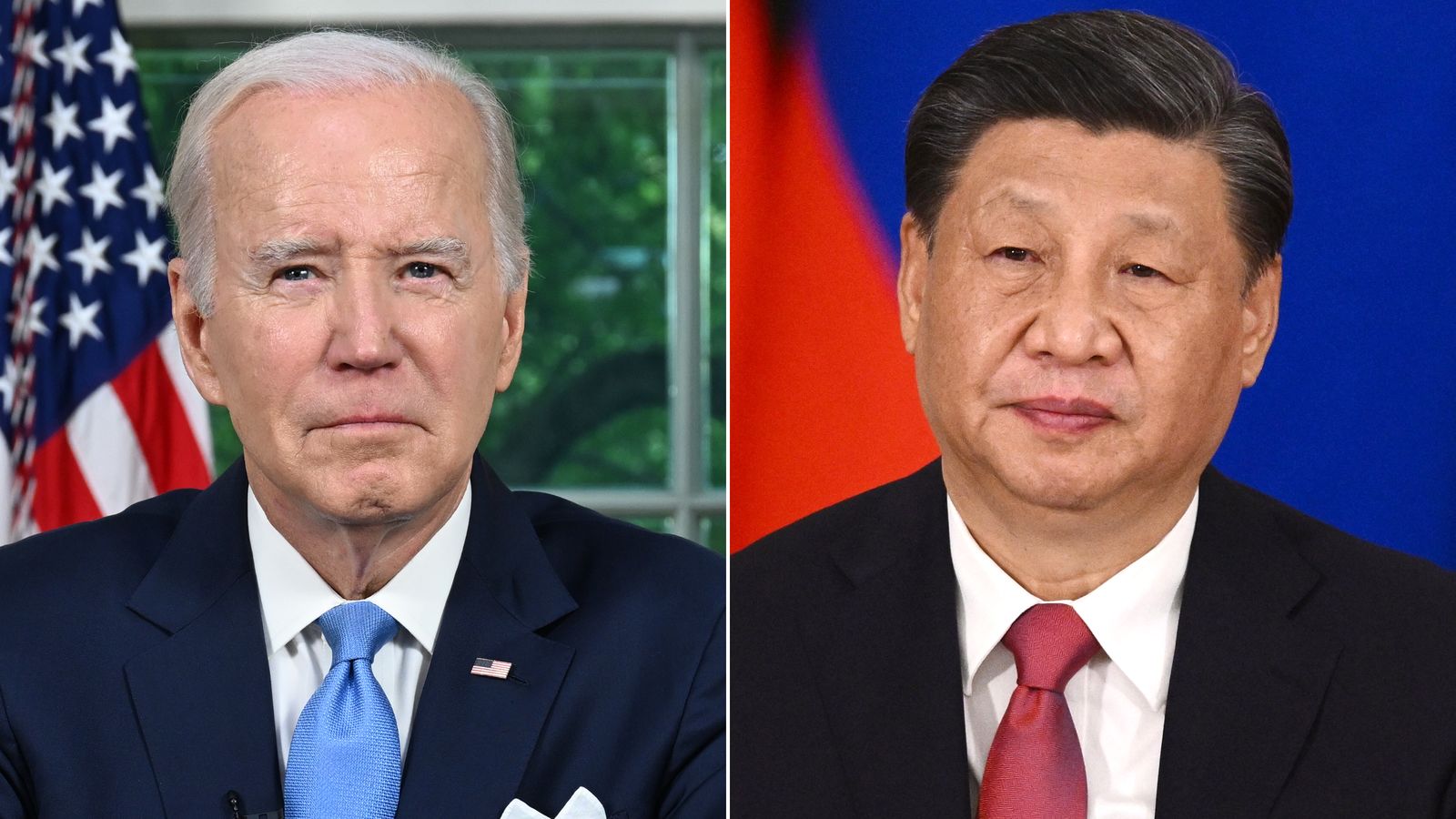
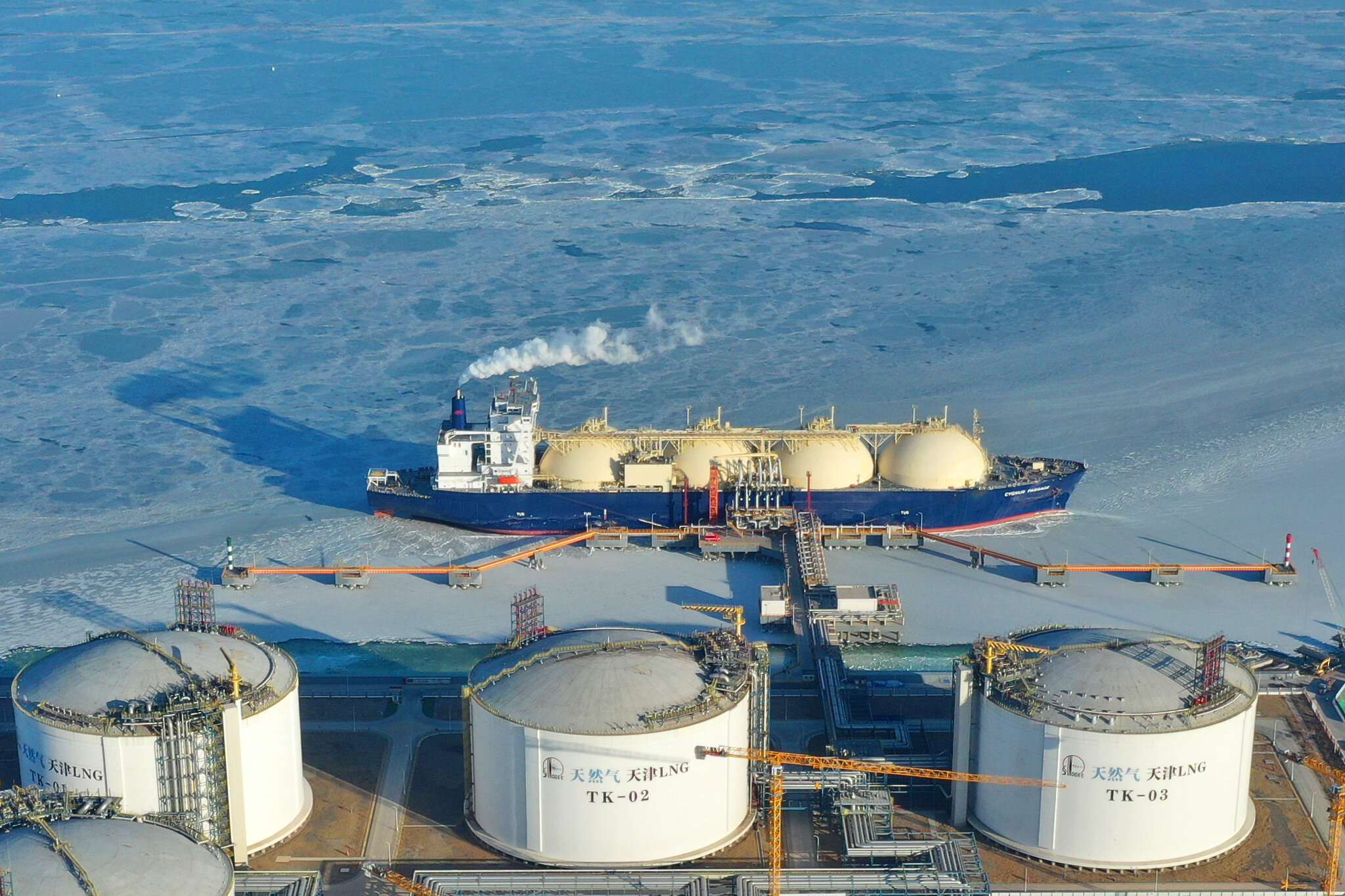 At a summit in March, Chinese President Xi Jinping and Russian President Vladimir Putin announced their “no limits” alliance and committed to increasing commerce to $200 billion by 2023. Beijing claims to be a neutral party in the Ukraine war, but Western nations have attacked Beijing for failing to denounce Moscow and for maintaining a close strategic alliance with Russia. Analysts pointed out that China had the upper hand in its interactions with Russia and that as Moscow’s international isolation widens, China’s influence is expanding. The two leaders announced that relations were “entering a new era” during their summit in Moscow in March, during which Xi invited Putin to visit Beijing. Additionally, during the highest-level visit by a Russian official to China since the Ukraine War, the Chinese leader gave Moscow’s prime minister, Mikhail Mishustin, his “firm support” on Moscow’s “core interests” last month.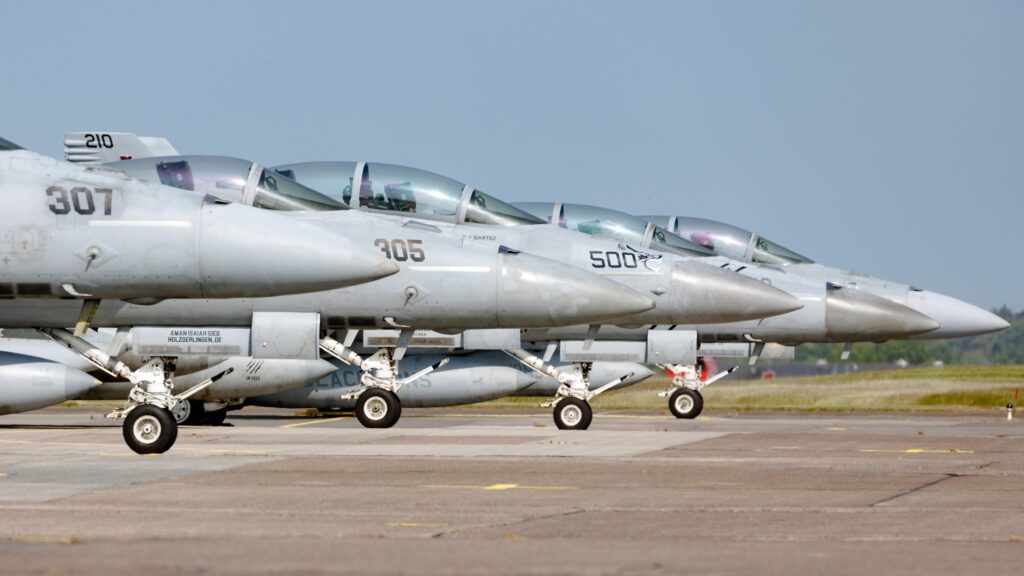
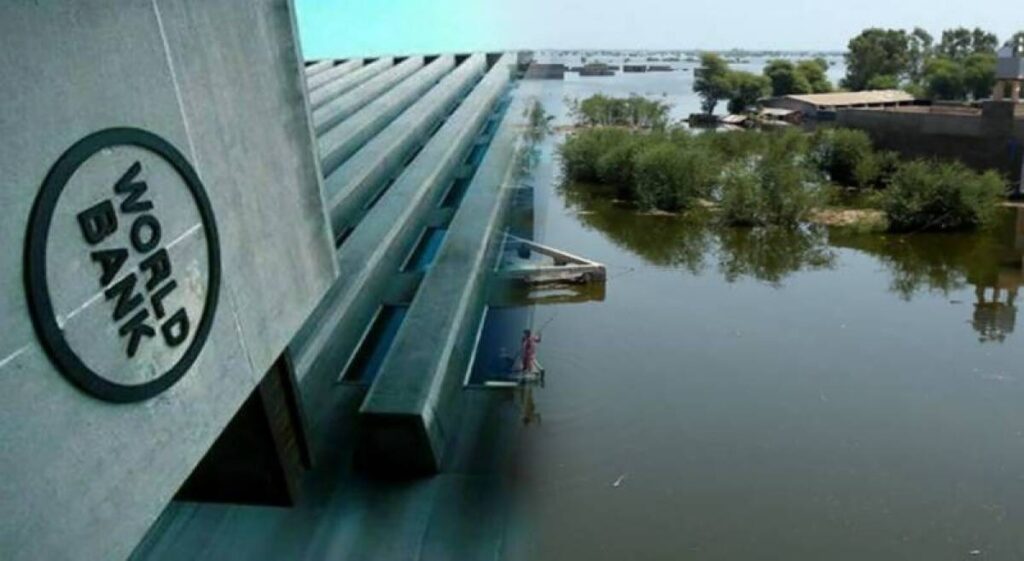
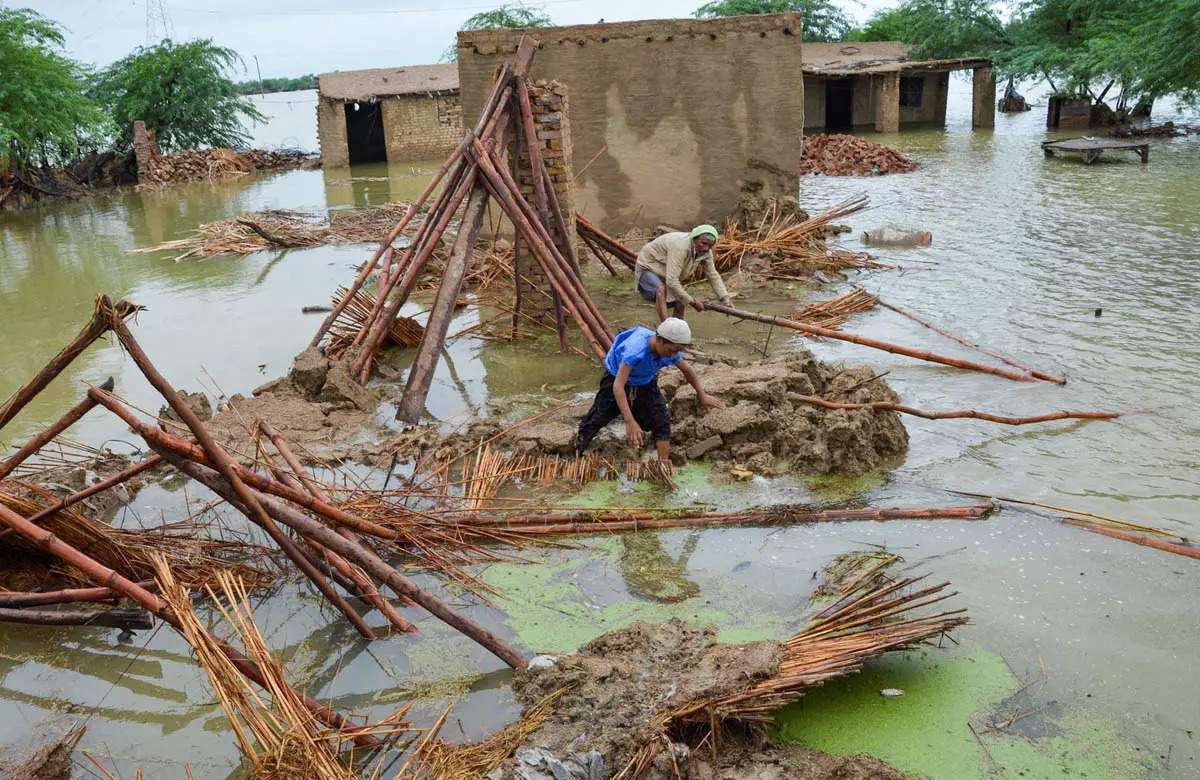 In addition, the country’s infrastructure is already in poor condition, which will make it more vulnerable to damage from flooding. For that reason, the World Bank’s aid is a critical part of the international effort, and it will help to ensure that the people of Pakistan are able to rebuild their lives and their country. The role of the Government of Pakistan is crucial here to provide relief to the victims and effectively use the aid to prepare for the upcoming weather conditions. The aid can be used to provide food, shelter, medical services, sanitation services, capacity building, and investments can be made to rebuild infrastructure. The aid is being considered as a positive step for the people of Pakistan, as it will boost the relief efforts in flood-affected areas. To conclude, the assistance from the World Bank will not only help to provide essential services, and the reconstruction of damaged infrastructure but will also support economic development in the country.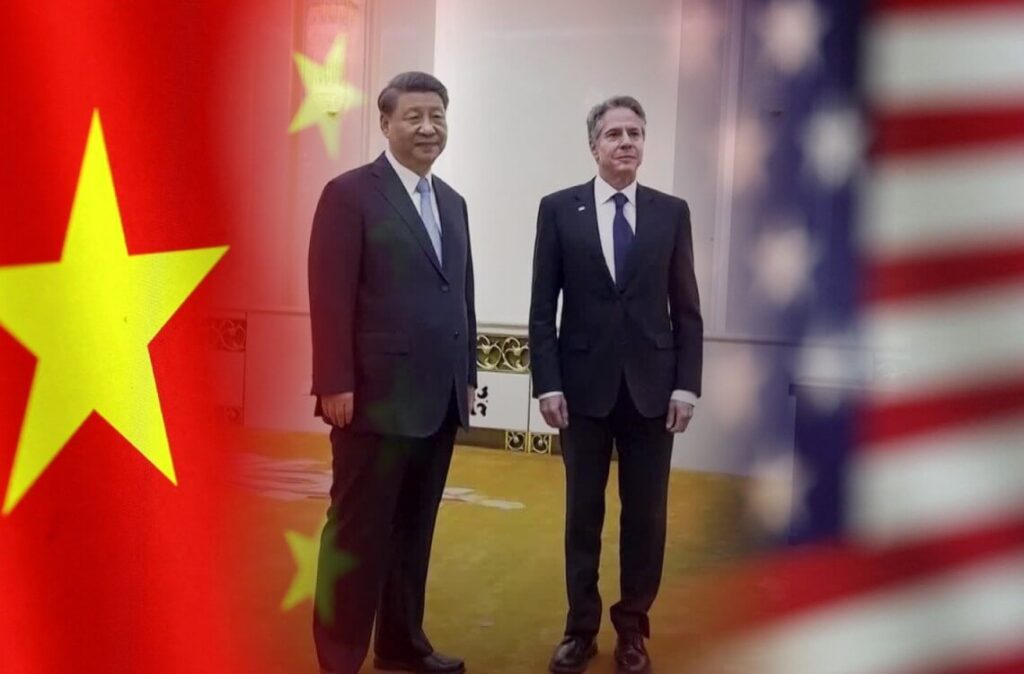


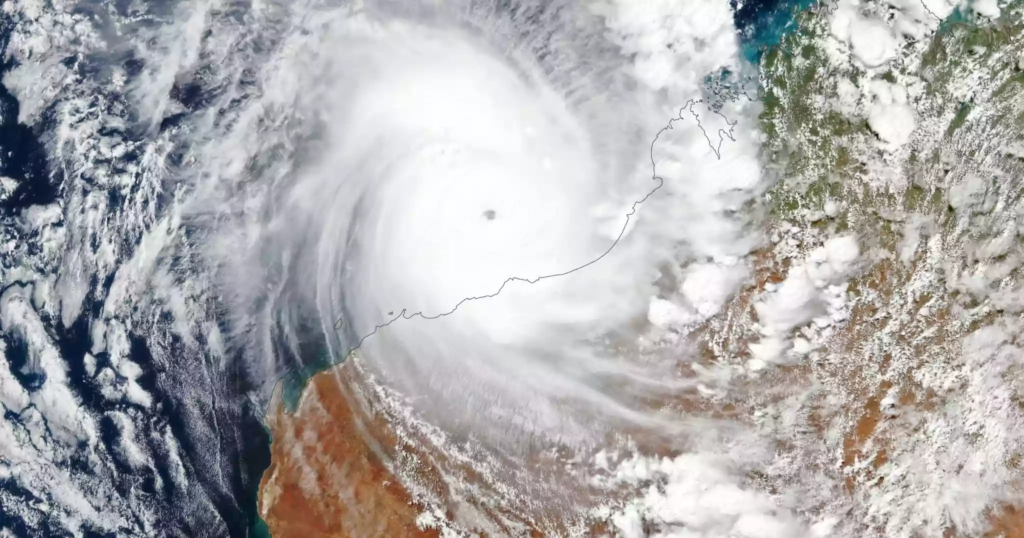
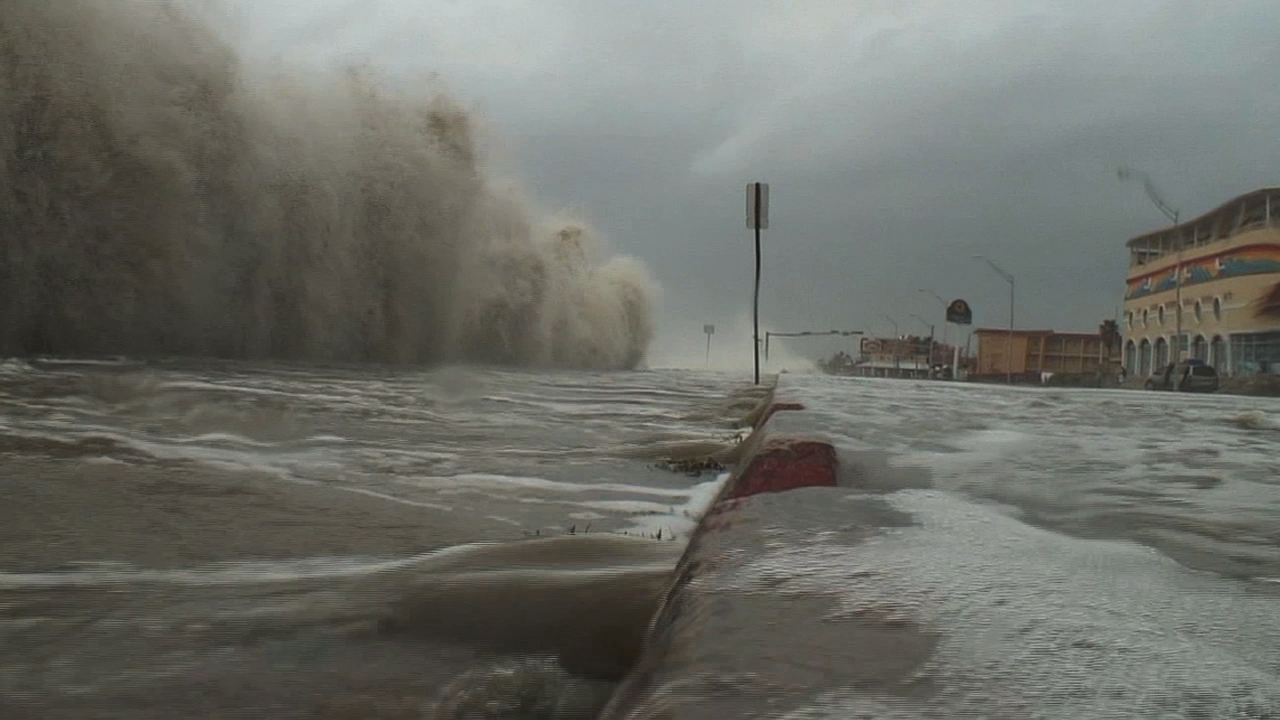 Cyclones pose significant threats to coastal regions around the world, leading to loss of life, widespread destruction, and socio-economic disruption. By understanding the causes of cyclones and implementing effective safety measures, we can minimize their impact and protect vulnerable communities. Early warning systems, evacuation plans, resilient infrastructure, coastal protection measures, community preparedness, and improved forecasting play crucial roles in ensuring the safety and resilience of cyclone-prone areas.