China’s Warning: Potential for Conflict and Confrontation with the US over Taiwan is rising

Introduction

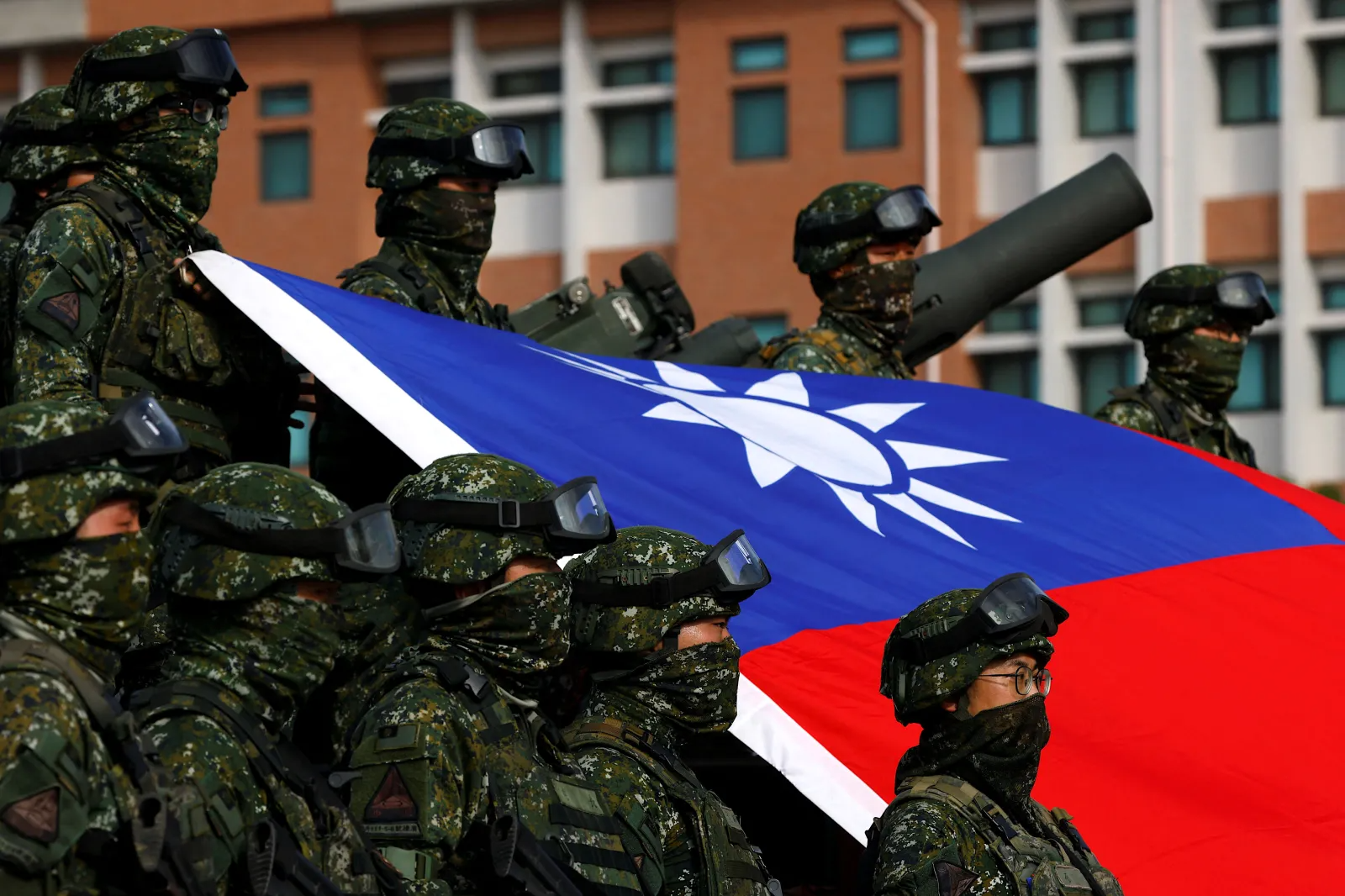
The Taiwan issue has complicated the US-China relationship. By maintaining a robust arms sales program, the United States has consistently supported Taiwan diplomatically and militarily. The U.S. has recently approved a potential sale of $619 million for weapons to Taiwan which also includes missiles for F-16 fleet. As a response, on 3rd March, 2023, the Chinese military spokesperson said in a statement “We demand that the U.S. to stop selling arms to Taiwan, stop military contact with Taiwan, stop meddling in the Taiwan question and exacerbating tensions across the Taiwan Strait.” It is because the delivery of American weapons to Taiwan not only constitutes open interference in Chinese internal affairs but also is a serious violation of the one-China principle.

Background

Taiwan, Ukraine-Russia war and technical dominance are just a few of the problems where the interests diverge between the two countries, the United States and China. However, tensions increased last month after an alleged Chinese spy balloon was shot down by American fighter jets while flying over North America, bringing relations between the two powerful economies in the world to a record low followed by the United States increased support for Taiwan’s military training. China announced that its military spending would increase at the quickest rate in four years because of escalating external threats.
China’s Foreign Minister warns of conflict with U.S.

On 7th March, 2023, China’s new Foreign Minister Qin Gang delivered a sweeping rebuke of American policies at his first news briefing in the new role, and made a warning that “conflict and confrontation” with the United States is inevitable if Washington does not change the direction. He added “The U.S. claims that it seeks to outcompete China but does not seek conflict. Yet in reality, its so-called competition aims to contain and suppress China in all respects and get the two countries locked in a zero-sum game.” He also said that “Washington’s approach toward Beijing is a reckless gamble with the stakes being the fundamental interests of the two peoples and even the future of humanity.”

Conclusion

To conclude, Taiwan is a crucial island but its future is uncertain. At the moment, China, Taiwan and the United States all have a very little margin for miscalculation as the smallest mishap by any country can lead to an instant escalation or serious armed confrontation. To avoid conflict, the three countries should maintain diplomatic connections, encourage communication and dialogue to achieve effective results. Also, the international community must play its role in maintaining the peace and stability of the Taiwan Strait.




Key Takeaways From the “Our Ocean Conference (OOC), 2023”

Introduction

The Republic of Panama, the first Central American country, hosted the 8th edition of “Our Ocean Conference” in March 2023. The conference’s main theme was, “Our Ocean, Our Connection,” provided a forum for collaborative discourse between heads of state, the private sector, civil society and academia on marine resource conservation and sustainable usage, as well as ocean awareness among the general public. The core objective was to draw attention to the crucial significance of setting up interconnected networks of efficient area-based management practices, such as Marine Protected Areas, developing the global blue economy and suggesting creative solutions to the problem of marine pollution.

New Programs by United States

According to a press statement from the United States Department of State, the country highlighted fresh and recently initiated international projects totaling more than USD 800 million to protect ocean and assist developing countries during the Our Ocean Conference (OOC) in Panama. These programs included measures like encouraging the creation of marine protected areas, supporting partner nations in protecting and managing the marine resources, as well as boosting coastal areas overall ability in context with climate change. In addition, as part of the efforts to address the climate crises and safeguard ocean health and security, USAID is launching and expanding on twelve programs worth over $84 million, subject to funding availability and Congressional approvals.

Ocean Protection Commitments by the European Union
The European Union (EU) announced 39 commitments for the year 2023 during the Our Ocean Conference in Panama, reiterating its strong support for global ocean governance. The €816.5 million has been allocated for these initiatives. Since the beginning of the Our Ocean Conferences in 2014, this is one of the largest amounts the EU has ever committed. Moreover, EU also joined Illegal, Unreported and Unregulated (IUU) Fishing Action Alliance.

Conclusion

Around 71% of the surface of the Earth is comprised of oceans and seas which are under high pressure due to global warming, unsustainable practices, illegal fishing, pollution and the loss of marine habitats, these are just a few of the issues that are disturbing the oceans. Till now, more than 1,800 commitments totaling around $108 billion have been made, protecting more than 5 million square miles of ocean, since the Our Ocean Conference started in 2014. But there are still many issues that need to be addressed. Globally, ocean conservation is essential for both economic and environmental reasons. Oceans are crucial for maintaining a stable climate, supporting the blue economy, lowering temperatures, absorbing carbon dioxide, and generating oxygen. Therefore, countries must collaborate to safeguard the oceans by enforcing regulations and formulating policies and strategies that support the sustainability and health of the oceans.


North Korea Shot Ballistic Missiles as South Korea-U.S. prepare for Joint Military Drills

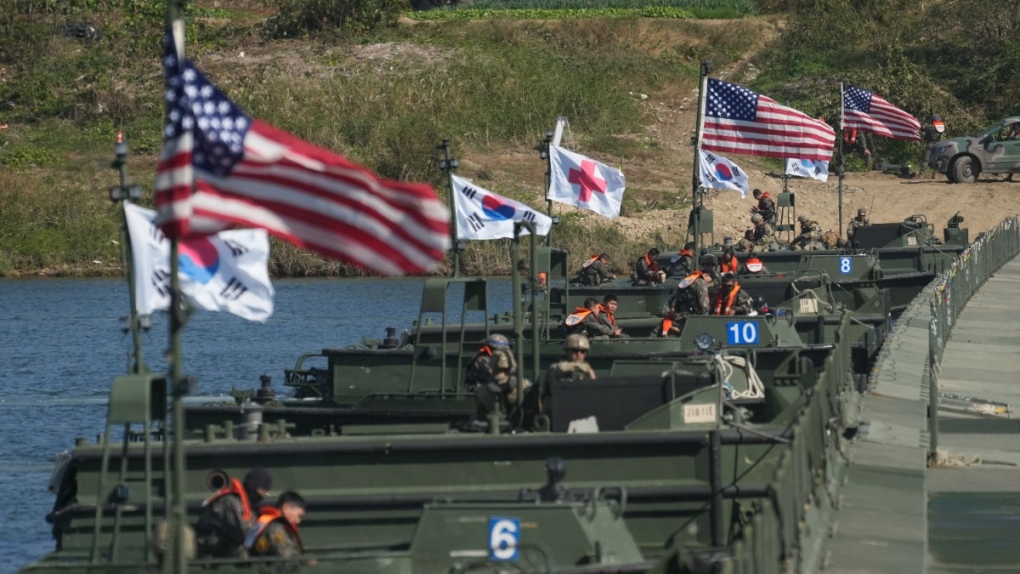
Kim Jong Un, the leader of North Korea, supervised the fire drills in which his country’s military fired six alleged short-range ballistic missiles. In addition, he instructed the military to prepare for “real war” after the drills. Ahead of the missiles launch, North Korea issued a warning to the United States, claiming that joint military exercises between the U.S. and South Korea would cause tensions to rise and that any effort to shoot down one of its test missiles would be seen as a declaration of war. Prior to the tests, the United States and South Korea conducted combined air drill with a long range Bomber and fighter aircrafts in a show of force against the Pyonyang. According to the South Korean ministry of defense, the drill’s goals were to practice coordination and demonstrate Washington’s “extended deterrence” against North Korean threats. As a response, Kim Jong Un’s sister issued a warning that her country is prepared to take quick and overwhelming action against the United States and South Korea. North Korea strongly resists allied drills as an invasion practice and a direct threat.

North-Korea Urged UN to halt South Korea-U.S. Joint Military Drills

The most recent North-Korean missiles launch took place a week before the start of the Freedom Shield exercises, a major military exercises involving the U.S. and South Korea. The ten-days long “Freedom Shield” and the “Warrior Shield” joint exercises between South Korea and the UN will take place from March 13 to 23. The U.S.-South Korea exercises are going to be the largest drill the two allies have in recent years, since the two countries conducted a similar drill during Trump’s era in 2017. North Korea has requested the United Nations to immediately halt joint military drills between the U.S. and South Korea. North Korea’s vice Foreign Minister Kim claimed that the drills and the rhetoric from the allies have raised tensions to an “extremely dangerous level” in a statement on official media. It is disappointing that the United Nations has maintained its silence on the exercises, which have a clear aggressive element, he added. Moreover, he said that the United Nations and the international community “will have to strongly urge the United States and South Korea to immediately halt their provocative remarks and joint military exercises.”


A Joint Alert System: Colombia and Ecuador to work to Protect Indigenous People

Introduction

A joint alarm system between Colombia and Ecuador has been established to safeguard indigenous people (Awa communities) from attacks by armed organizations that operate near their shared border. The new system, which is intended to notify government and military officials in each country of possible threats, was unveiled at a news conference in the Colombian capital Bogota by human rights ombudsmen of the two countries. The office of the Colombian ombudsman, Carlos Camargo said “the presence of illegal armed groups and organized crime in the cross border area of Ecuador and Colombia has caused humanitarian consequences, especially against the nearly 29,000 members of the great Awa family who live in the area.”

Flashback

Prior to the “Joint Alert System” the two countries Ecuador and Colombia made an effort for the protection of hared border. There is approximately 586 kilometers of porous border between Colombia and Ecuador, which is used for drug trafficking and smuggling by criminal gangs and illegal armed groups. President Gustavo Petro’s administration in Colombia urged bordering nations to work together against illegal armed organizations in November 2022. Therefore, at the end of December 2022, the authorities of Ecuador and Colombia announced that the military forces of two countries signed a “Border Protection Plan” to stop drug trafficking and organized crime in the cross border area. The two countries decided that the plan activities will be implemented on different levels i.e. on an operational, tactical and strategic level. For that matter, the military’s general commander, General Helder Giraldo of Colombia said in a statement “Efforts currently under our responsibility to eliminate drug trafficking, environmental crimes, smuggling, and other areas will not decline.”

The Ongoing Challenge

One of the biggest challenges along the Colombia-Ecuador border is armed groups. Dissidents from the Revolutionary Armed Forces of Colombia (FARC) and National Liberation Army (ELN) rebels operating close to the Ecuadorian border are among these groups, along with drug trafficking gangs. Despite the 2016 peace accord between Colombia’s government and the major armed group, the Revolutionary Armed Forces of Colombia (FARC), violence has continued to wreak havoc in the countr. According to Colombian ombudsman, communities in the Awa region have reportedly experienced murders, evictions and the threat of landmines. Children are a target for recruitment by these armed groups. Additionally, 14 members of an indigenous village were murdered last year and 10,000 people were either displaced or imprisoned as a result of the violence.

In the conclusion, both the plan of action i.e. Joint Alert System and the Border Protection Plan are commendable to deal with the armed groups that are causing humanitarian consequences. These plans will help to protect the indigenous and local communities particularly. Therefore, effective implementation of these plans is crucial to attain the desired results.


A Bold New Agreement; Australia To Acquire American Nuclear Submarines

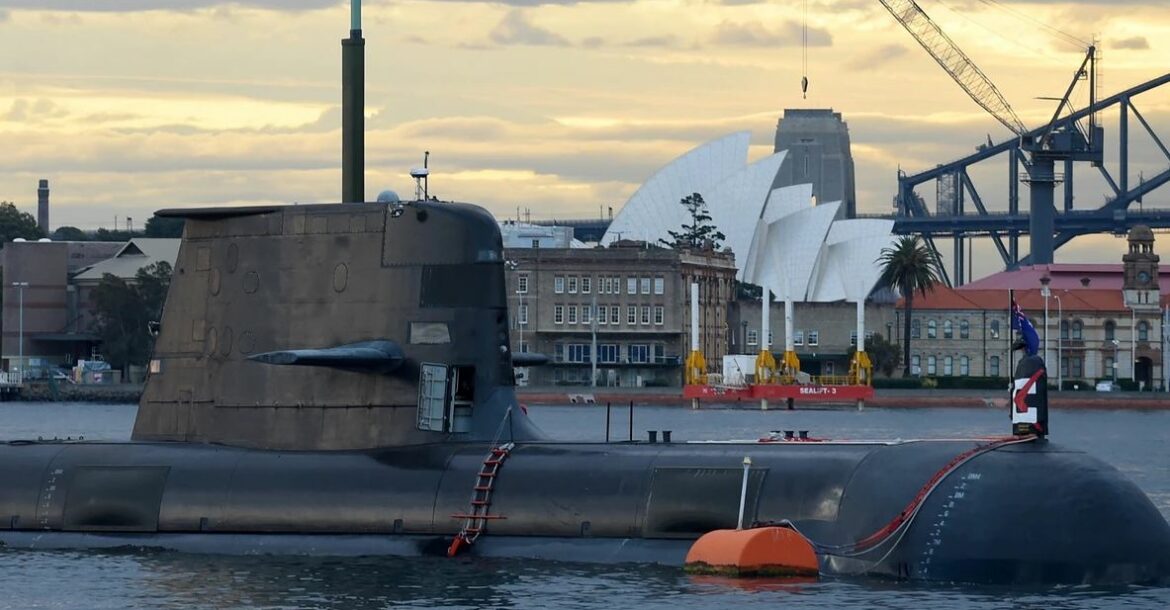
In an ambitious strategy to reinforce Western force throughout the Asia-Pacific in response to a growing China, Australia has announced intentions to purchase up to five nuclear-powered submarines from the US and then construct a new model using American and British technology. President Joe Biden made the announcement at a meeting with the prime ministers of Australia and the United Kingdom at a naval base in San Diego, California.

Australia, which joined the AUKUS alliance with Washington and London 18 months ago, won’t be receiving nuclear weapons, as Biden emphasized. Yet by procuring nuclear-powered stealth submarines, Australia joins an exclusive club and leads US-led efforts to counter China military growth. According to Albanese, the agreement is the largest single investment Australia has ever made in its defense capabilities. The submarines are anticipated to be outfitted with cruise missiles that may effectively discourage potential attackers by striking targets at a great distance. Albanese expected that the larger economic effects at home would be comparable to the country’s post-World War II introduction of the car sector.

The multi-decade project is expected to cost over $40 billion in the first 10 years and generate 20,000 jobs, according to the Australian government’s projections. Albanese emphasized that Australia had just surpassed Britain as the sole nation to have access to American naval nuclear secrets. The globe, he continued, “where peace, stability, and security promise greater wealth” is what binds us most. The sale of three nuclear-powered, conventionally armed Virginia class ships will take place “over the course of the 2030s,” with the “possibility of going up to five if that is needed,” according to Jake Sullivan, Biden’s national security adviser. Thereafter, Britain and Australia will start construction on a new design known as the SSN-AUKUS, which will also be nuclear-powered and carry conventional missiles. According to Sullivan, there would be “major investments in all three industrial bases” and this will be a British design using US technology.

While Australia has ruled out using nuclear weapons, the submarine proposal represents an important new development in the conflict with China, which has developed a highly advanced naval fleet and transformed man-made islands in the Pacific into offshore bases. Britain is also taking steps to strengthen its military capabilities in response to the Chinese challenge and Russia’s invasion of pro-Western Ukraine. Office of Sunak said. According to Downing Street, almost $6 billion in additional funds over the next two years will be used to restock and strengthen crucial ammunition stores, update the UK’s nuclear programme, and finance the AUKUS submarine program’s next stage. Australia had originally planned to purchase a $66 billion package of French warships with conventional engines to replace its outdated fleet of diesel-powered submarines.


Atmospheric Rivers in US

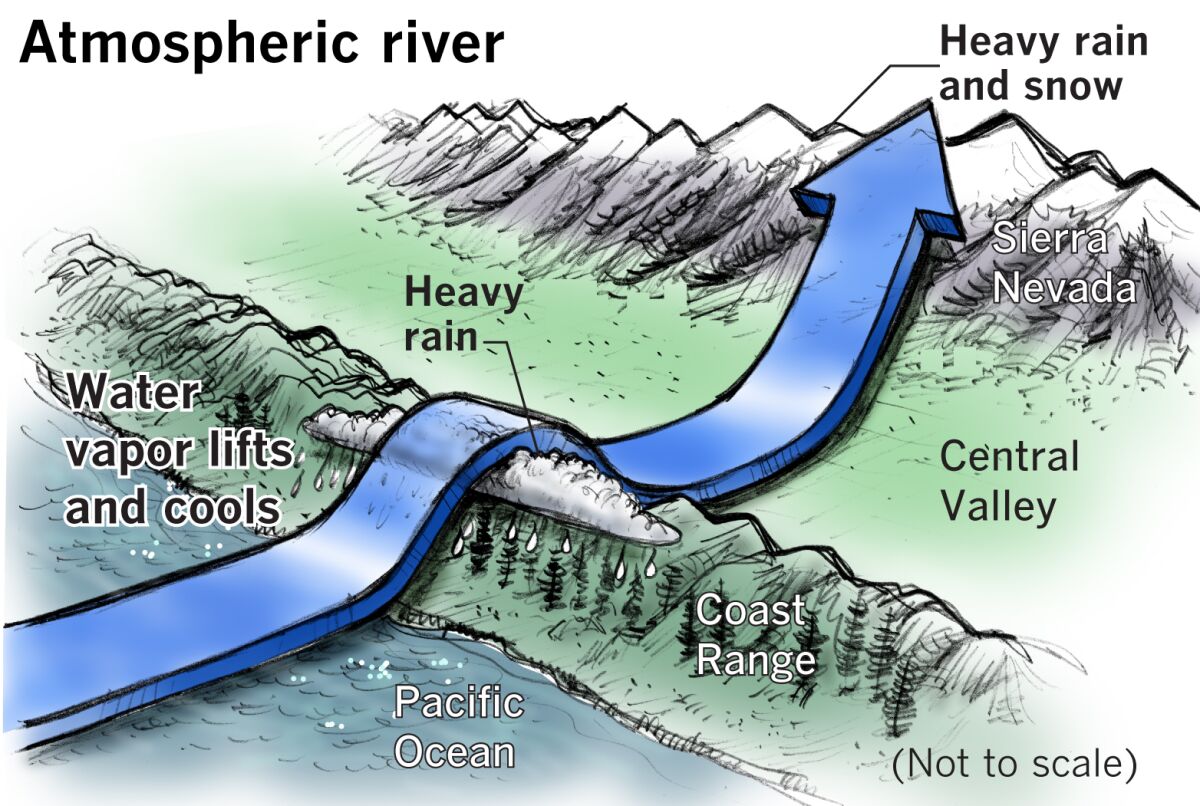
Atmospheric rivers are long, narrow regions in the atmosphere that transport large amounts of water vapor from the tropics to the mid-latitudes. These phenomena are often described as “rivers in the sky,” as they can bring enormous amounts of moisture to areas that are already prone to heavy precipitation.

In the United States, atmospheric rivers are a common weather pattern on the West Coast, particularly in California. These events can bring heavy rainfall and flooding, as well as snowfall in higher elevations. They can also contribute to the development of droughts by moving moisture away from other regions.In recent years, atmospheric rivers have become a more significant concern due to climate change, as warmer ocean temperatures can lead to more frequent and intense events. In early 2022, a series of atmospheric rivers hit the West Coast, causing severe flooding and mudslides in some areas.
With the most recent in a string of atmospheric river storms, California has been drenched, leading to floods and the forced evacuation of roughly 27,000 people in 10 counties. The National Oceanic and Atmospheric Administration (NOAA) estimates that these columns may transport 7.5 to 15 times the typical water flow near the Mississippi River’s mouth.

Effects of the atmospheric river:

These columns of water vapor frequently fall as rain or snow when atmospheric rivers reach land. In most cases, atmospheric rivers are safe. Stronger storms provide the water supply favorable quantities of rain. Based on how much moisture they carry from the tropics to the mid-latitudes, atmospheric rivers are rated on a scale of 1 to 5. Nonetheless, category 4 or 5 atmospheric rivers that deliver a lot of rain can inflict catastrophic harm to people and property by causing major flooding and mudslides. In 2021, an atmospheric river flooded British Columbia with a month’s worth of rain in only two days, causing deadly floods and landslides, destroying entire villages, and cutting off access to the country’s major port.

Are atmospheric rivers widespread?

According to NASA, there are around 11 of these “rivers in the sky” existing on Earth at any given moment. The majority of atmospheric rivers are weak and unartful. In reality, they can deliver much-needed snow or rain. In California, which is suffering from a severe drought, one such storm last year caused mudslides, collapsed power poles, and blocked roads, but it also replenished depleted reservoirs and decreased the danger of wildfires by wetting the dry vegetation there. Studies have previously demonstrated that due to the overheated Earth, atmospheric rivers are bringing less snow in the northern Sierra Nevada, which is instead falling as rain. Flooding may result from some rain that runs off into rivers. Rain may occasionally fall on top of snow, hastening the melting process.


Importance Of Diplomacy: U.S China Recent Diplomatic Action

Diplomacy is one of the most powerful tools available to any nation in the modern world. It is the process of resolving disputes and promoting understanding and cooperation between different countries and groups. By using diplomacy, nations are able to maintain and improve relationships between them, while avoiding potential conflict. At its core, diplomacy is about communication and negotiation. Diplomats are responsible for representing their country’s interests abroad, and engaging in dialogue with representatives of other nations. Through this process, they aim to build trust and understanding, and to resolve disputes in a peaceful manner.

United States preserving the dialogue with China despite the balloon rift is one of the examples of Diplomatic action. While the U.S. Navy investigated the remains of a suspected Chinese surveillance balloon it shot down earlier this month, China and the United States’ diplomatic split widened. Beijing accused Washington of shooting down high-altitude balloons that entered its territory and those of other nations. Before President Biden gave the order to shoot the Chinese balloon on February 4, it had been flying above the United States and Canada for a week. China disputes that it was a surveillance craft. A civilian weather-monitoring aircraft, as per China, was what brought the balloon down on February 4. America is allegedly launching its own balloons into Chinese airspace, according to Beijing. Since May 2022, U.S. balloons “flew across the world and unlawfully violated the airspace of China and other relevant nations at least 10 times,” according to a spokeswoman for the Chinese foreign ministry, Wang Wenbin. However, Wang Wenbin provided no more information or proof. The U.S. military argues it frequently acts in accordance with international law in the East and South China Seas, Taiwan, and other areas where China has asserted disputed territorial claims. A senior US ambassador said on Wednesday that despite a disagreement over a purported surveillance balloon, the US will strive to have open channels of contact with China. Notwithstanding the postponement of Antony Blinken’s visit this month, his deputy, Wendy Sherman, stated that the US and China “never ceased speaking and attempting to understand each other.” Sherman, using the abbreviation for the People’s Republic of China, stated, “We have, we are, and we will keep open lines of communication with the PRC so we can appropriately manage the competition between our countries. “With the PRC, we do not perceive any conflict. We trust in the ability of diplomacy to avert errors that may result in conflict, she added.

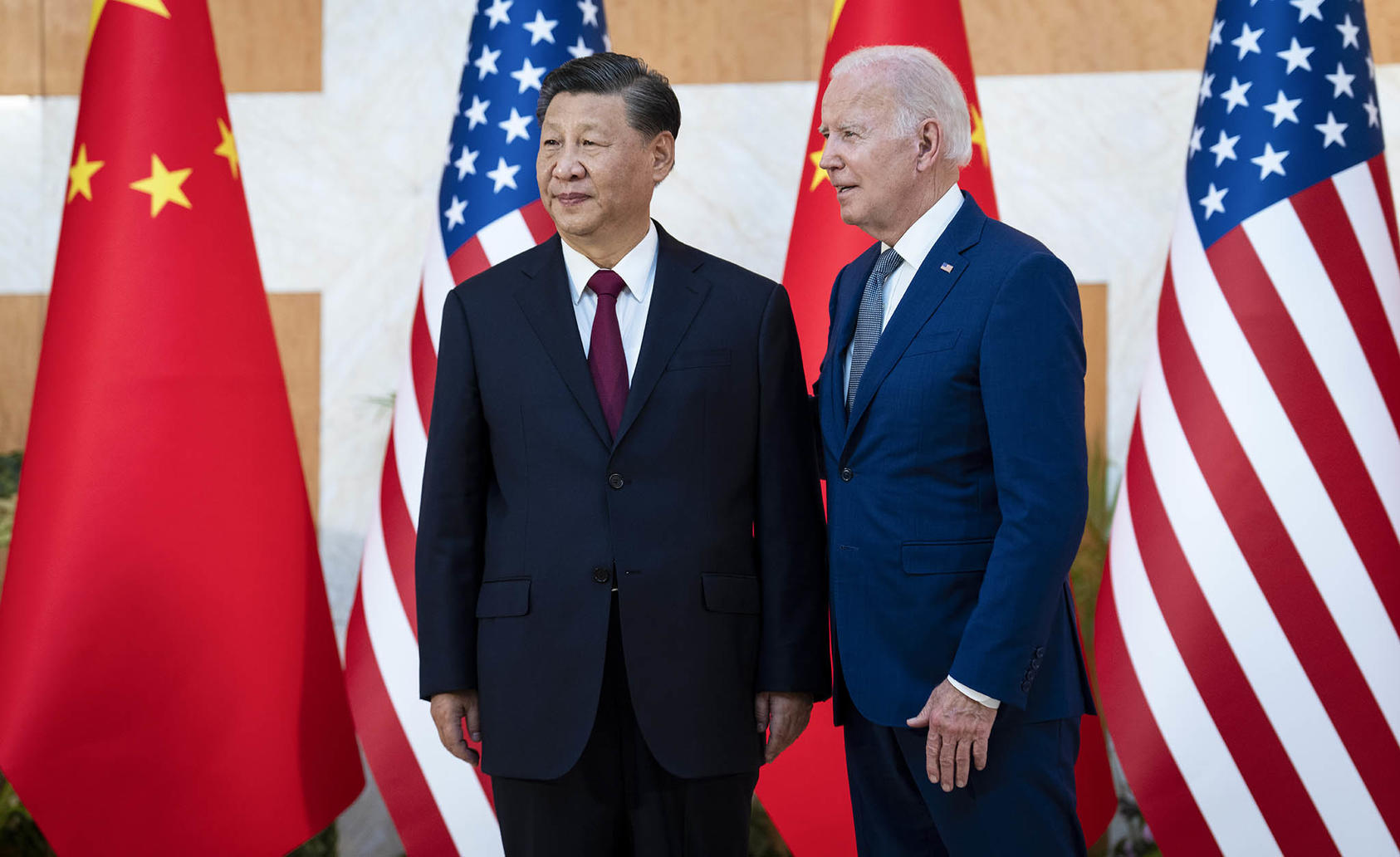
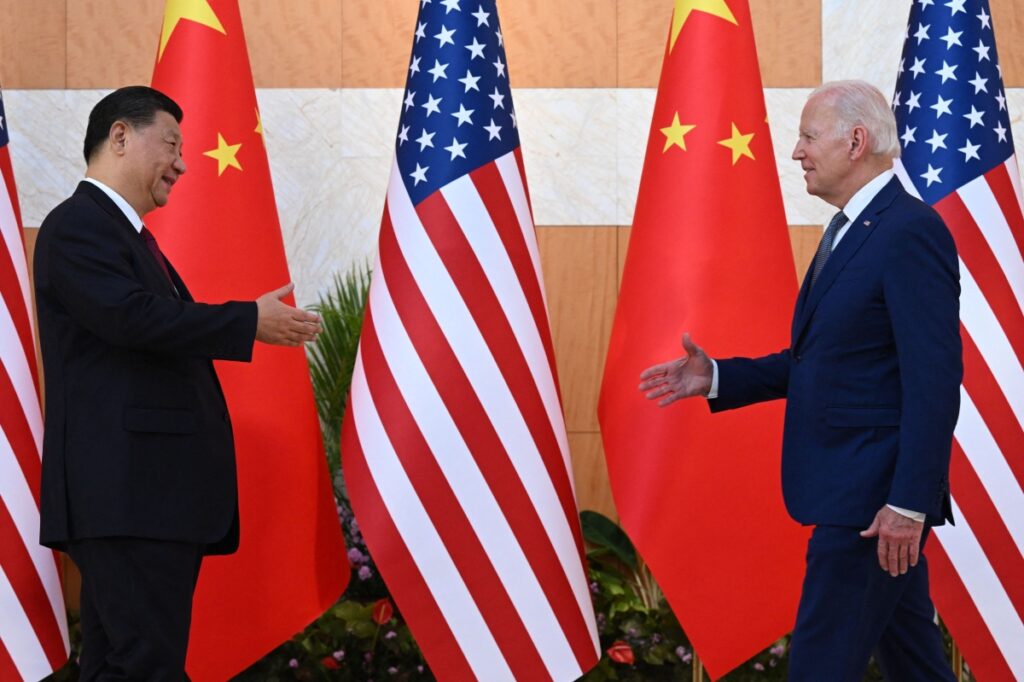
President Joe Biden meets with President Xi Jinping of China ahead of the G20 meeting in Bali, Indonesia, Nov. 14, 2022. At the meeting, China and the United States showed how global summits are an arena for great powers to compete, with implications for the war in Ukraine and Asia’s future. (Doug Mills/The New York Times)

This shows that the power of diplomacy is undeniable. It has been used to successfully end conflicts and build bridges between nations. In addition to resolving conflicts, diplomacy can also be used to promote economic growth and development. By engaging in trade negotiations and other economic agreements, countries are able to open up new markets and expand their businesses. This helps to create jobs and boost economic growth in both countries.


Rising Death Tolls In Turkey And Syria Due To Earthquake

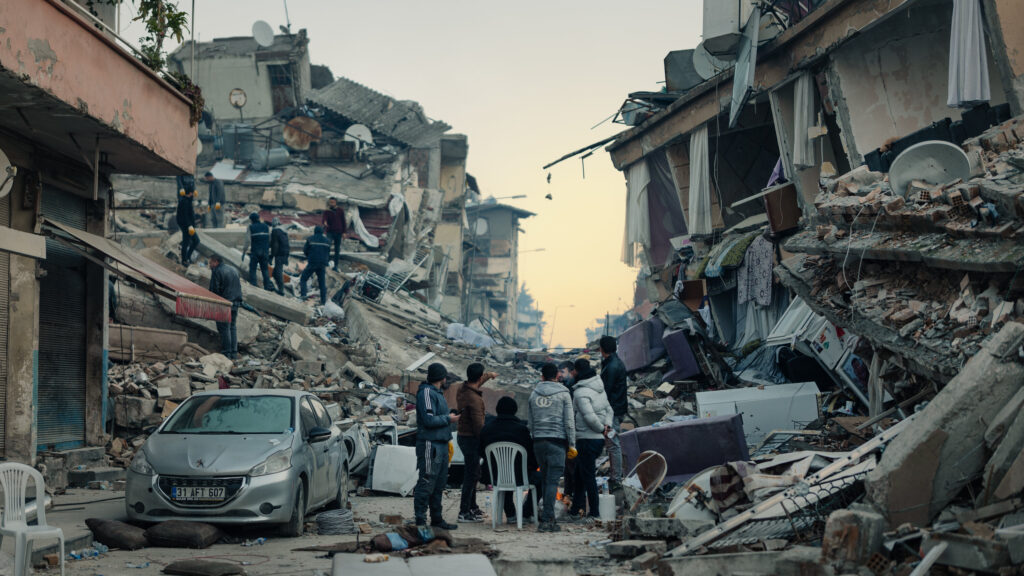
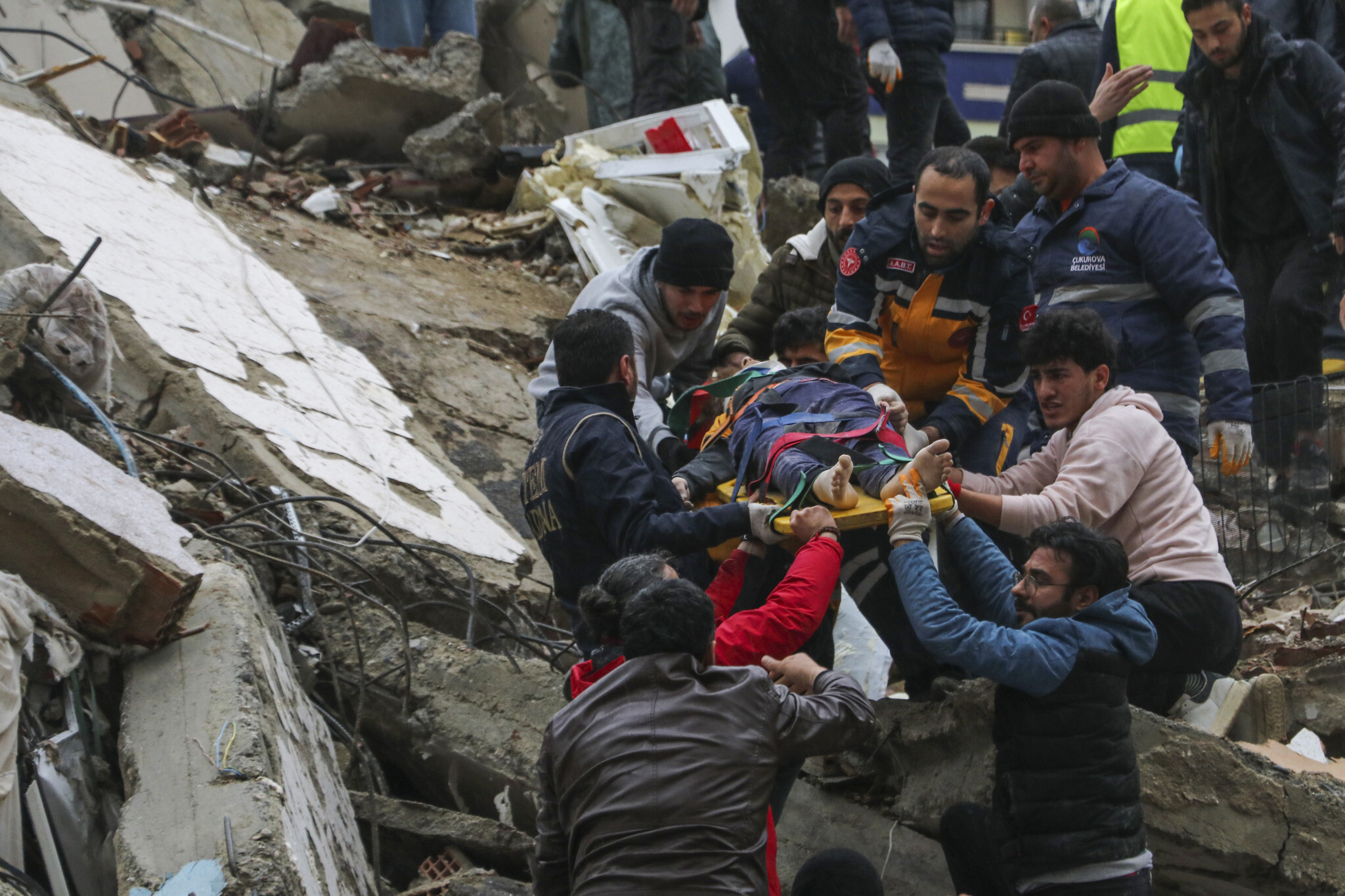
41,000 dead in Turkey and Syria, as the UN calls for earthquake relief. As the United Nations made a $1 billion plea to confront a worsening humanitarian catastrophe, the dead toll from the earthquake that has ravaged sections of Turkey and Syria surpassed 41,000 on Friday. A 17-year-old girl and a lady in her 20s were rescued from the wreckage by Turkish rescuers eleven days after the earthquake, which is now one of the ten worst in the previous 100 years. Many people in the impacted areas are in a desperate situation as they attempt to pick up the pieces in frigid weather, without access to food, water, or toilets—raising the possibility of a double calamity brought on by illnesses. There is no time to waste because of the overwhelming demands and suffering of the people, according to the UN secretary-general. Now among the ten worst earthquakes in the previous 100 years, according to AFP

The United Nations made a $1 billion appeal on Friday as the dead toll from the earthquake that has ravaged areas of Turkey and Syria reached 41,000. Yet the likelihood of discovering survivors has virtually diminished. Authorities and medical personnel said that a total of 41,732 fatalities from the tremor on February 6 were confirmed, including 38,044 fatalities in Turkey and 3,688 in Syria. In one of the seismically active regions of the world, the quake struck when many people were sleeping in homes that were not designed to withstand such strong ground vibrations. Tayyip Erdogan, the president of Turkey, has vehemently denied claims that his administration made mistakes in handling the nation’s biggest natural disaster in modern times.

There are stories of disappointed dreams of rescue loved ones who slowly perished amid the debris for every amazing account of survival. Rescue efforts have been put on hold in certain locations by Turkey and the government of war-torn Syria in its held territory. Particularly grave conditions exist in the rebel-held northwest of Syria, where help is sluggish to reach the area that has been devastated by years of fighting.


The United States to provide an additional $2 Billion in Security Aid to Ukraine

Introduction

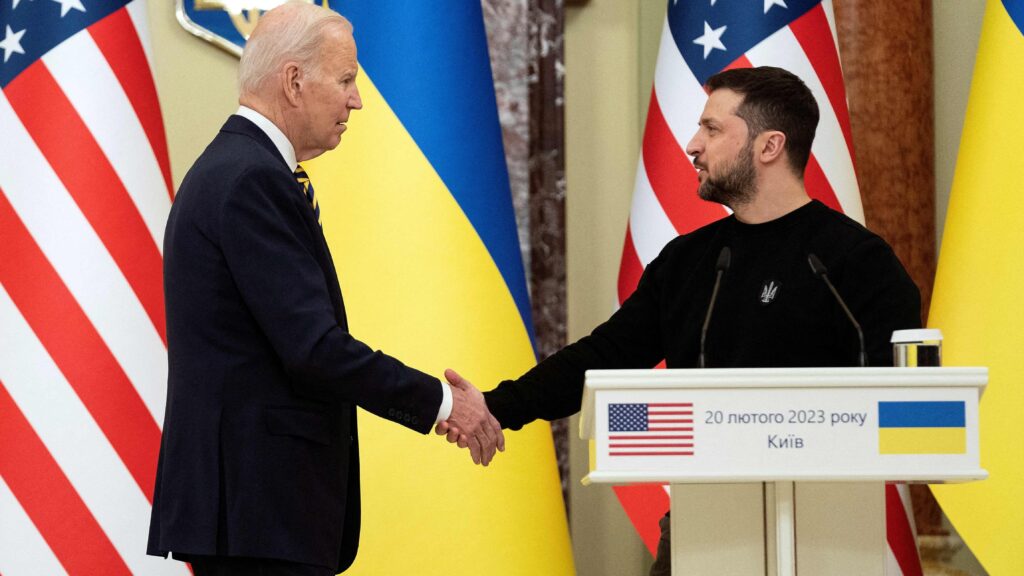
According to White House national security adviser Jake Sullivan, on February 23, 2023, the United States will give Ukraine an additional $2 billion in security aid. The announcement was made a day before the completion of one year since the war in Ukraine erupted. While announcing the additional aid, security adviser said, “We are going to continue to look at what is necessary, and make sure that we supply what is necessary so that Ukraine has what it needs to succeed on the battlefield.” The announcement was made after few days of President Joe Biden visit to Kyiv where he reaffirmed America’s support to Ukraine. Moreover, Biden reassured President of Ukraine Volodymyr Zelensky that “Americans stand with you, and the world stands with you.” In addition, according to a statement from the White House on February 24, 2023, said “G7 countries will continue to keep Russia’s sovereign assets immobilized until there is a resolution to the conflict that addresses Russia’s violation of Ukraine’s sovereignty and integrity.”

Pentagon’s Announcement

The security assistance, according to the Pentagon, includes equipment to detect electronic warfare, weapons to block Russian unmanned systems, and a variety of drones, including the upgraded Switchblade 600 Kamikaze drone. The United States will send a range of small, modern technology drones and more ammunition to Ukraine. The aid also includes money for additional artillery rounds, laser-guided rocket system ammunition, and High Mobility Artillery Rocket System ammunition. The money, according to the Pentagon, will also be used to pay for training, maintenance and support for Ukraine’s armed forces as well as communications and mine-clearing equipment. Since Russia-Ukraine war, including the most recent installment the U.S. has given Ukraine security assistance of worth more than $32 billion.

Conclusion

Since the Ukraine war, the United States has provided extensive military aid to Ukraine in the form of financial, material or technical assistance to strengthen the country’s military capabilities. According to the U.S. the security aid is being provided by Washington with an aim to help Ukraine to maintain its territorial integrity, protect its citizens from Russian threats. On the other side, Russia has warned the United States of its direct and indirect involvement in the war and hinted an escalation of force. The ongoing war has devastated millions of people, brought economic and political impacts around the world, but still there are no signs of peace in the near future as the situation continues to deteriorate.


The New Sanctions On Tehran

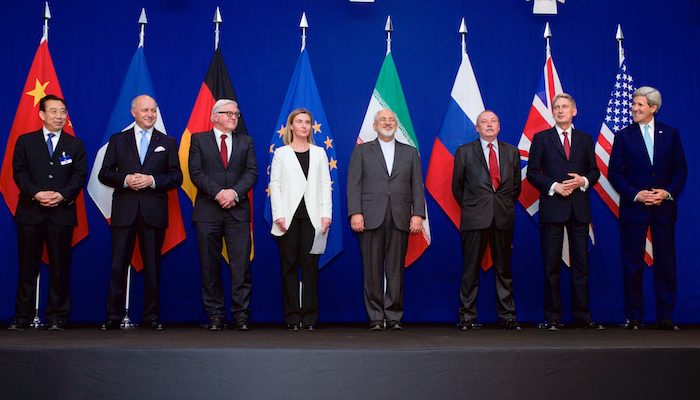
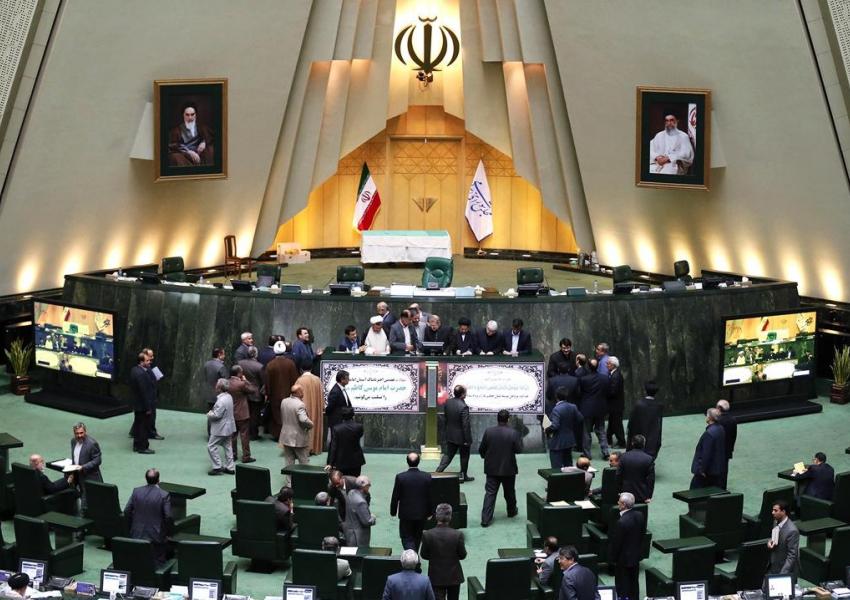
Relations among Iran and Europe have weakened forcefully, with the EU and England inclining up sanctions against the Islamic republic over its reaction to over four months of fights. Iran’s binds with the West have for quite some time been tense, over issues going from its argumentative atomic program to its job in local contentions and the confinements of outsiders and double nationals. The EU on Monday sent off its fourth round of approvals against Tehran since the fights began, putting 37 additional Iranian authorities and substances on a resource freeze and visa boycott. The 27-country EU has up to this point, notwithstanding, avoided boycotting Iran’s Islamic Progressive Watchman Corps as a fear monger bunch, regardless of calls from Germany and the Netherlands to do as such. Iran has cautioned the coalition against such a stage, and some EU authorities are vigilant that it could kill off slowed down endeavors to restore the 2015 arrangement on Tehran’s atomic program. Belgium and France, which both have residents in the slammer in Iran, on Monday criticized what they marked Iran’s “arrangement of prisoner taking”. The view from Iran Tehran has been maddened by areas of strength for Europe starting from the beginning of the dissent development ignited by the passing of Iranian Kurd Amini. The Islamic republic’s senior authorities on Sunday blamed the Europeans for pursuing “a crossover battle against the Iranian country” on mental, media and monetary fronts. Iranian unfamiliar service representative Nasser Kanani charged that “a few European nations, including Germany, have picked the way of incitement to impel the fights and mobs” to “work up shakiness” in Iran. Iran’s top representative Hossein Amir-Abdollahian on Sunday differentiated the position of its long-term curve enemy the US with what it considers a more unfriendly position taken by England, France and Germany.

The United States, United Kingdom, and Europe have imposed various economic sanctions on Tehran in an effort to pressure the Iranian government to end its nuclear program and halt its support for terrorism. These sanctions have included restrictions on the import and export of goods and services, financial transactions, and investments. The sanctions have had a significant impact on the Iranian economy, leading to a significant reduction in its oil exports, a sharp devaluation of its currency, and a rise in unemployment. The sanctions have also had a negative effect on the Iranian people, making it difficult for them to access basic goods and services. Despite the negative impact of the sanctions, the Iranian government has refused to back down from its nuclear program, leading to a further escalation of tensions between the US and Iran.