Defending Pakistan’s Future: Terrorism, Educational Targets and National Stability
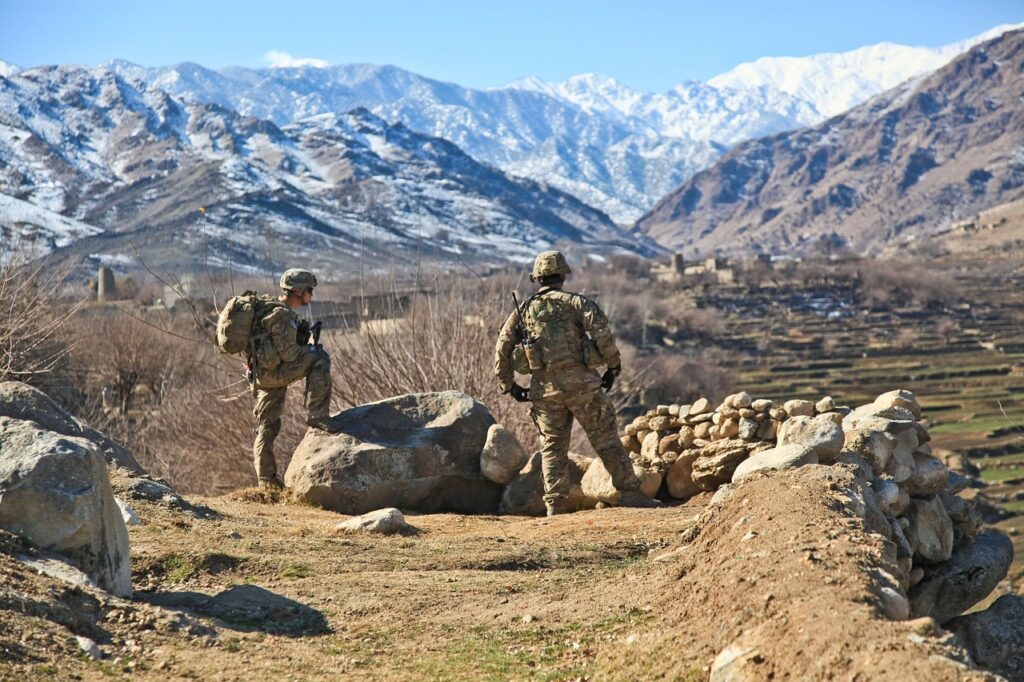
The new wave of violence is taking place on two fronts in Pakistan despite the state continuing to claim it desires peace and stability. In South Waziristan, Cadet College Wana was attacked by terrorists of Fitna al-Khawarij (linked to TTP and being a foreign-sponsored group, as defined by Pakistan). They attempted to replicate an APS-style massacre by driving a bomb-stuffed vehicle inside the main gate and then trying to go further into the campus. Police transformed to the rescue scene incredibly quickly and killed two of the attackers and surrounded three others in the administrative block, which allowed the hostels and classes of the cadets to remain untouched by the initial attack. Meanwhile, through Operation Azm-e-Istehkam, the army has killed some 20 militants in individual intelligence operations in North Waziristan and Dara Adam Khel, which demonstrates that they are not merely waiting to be attacked, but actively targeting these networks, disrupting their hideouts, supply chains, and channels of communication.
Collectively, all these events indicate a particular pattern: extremist organizations are aiming to strike sensitive targets such as schools and security installations to instill fear, and the state is attempting to push them back with specific anti-terror actions and enhanced security of civilians. The formal communication from Islamabad and Rawalpindi is that Pakistan does not desire a permanent war, but rather peaceful borders, secure cities, and the opportunity for students in regions such as the former tribal areas to study in peace. Through the use of military force with the power of the tongue, development and regional integration, Pakistan is attempting to demonstrate both to itself and the world that it is not combating terrorism to create more tension within the region but rather to achieve a stable, peaceful future.
The same day, the capital of the country also received another tragedy. There was a strong blast at a district court in G-11 area of Islamabad which killed up to 12 people and injured many others as reported by several media houses. Initial reports indicate that it was a car bomb or a suicide bomb close to the court entrance, an area that is normally full of lawyers, litigants and police. The attack has not been explicitly attributed to any group, although the government, once again, used innocent people and the justice system as the central targets of the capital city in Pakistan.
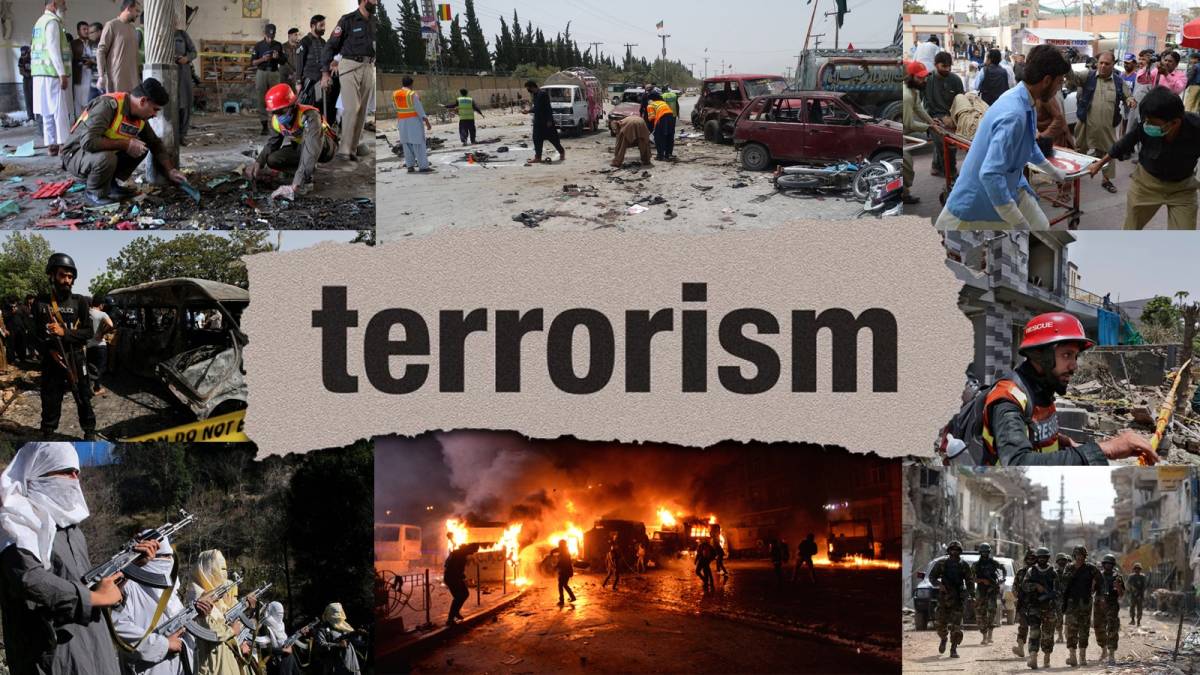
The Wana attack as well as Islamabad court blast can be included in a series whereby extremists and terrorists attempt to spread fear by targeting schools, courts and congested places. The leaders and security forces of Pakistan are attempting to convey the reverse message of what they desire, i.e. peace, good institutions and security of its youth. The state claims through Azm-e-Istehkam and the National Action Plan that it would continue with its accurate counter terror operations besides advocating education, development and enhanced security in the conflict areas. Its official statements insist that neither Pakistan nor any of its neighbours wants war or tension; the country aims at regional cooperation to allow its citizens to enjoy their lives, study and work without fear of bombs in schools and courts.