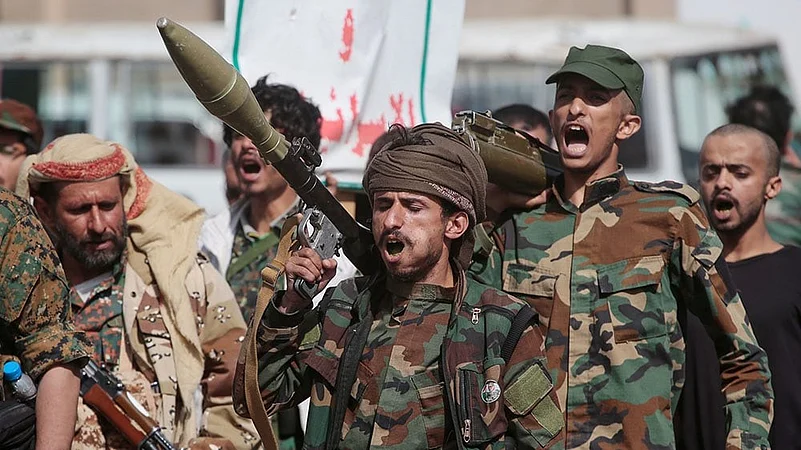
Iran War: Diplomacy Under Pressure as Regional Risks Deepen
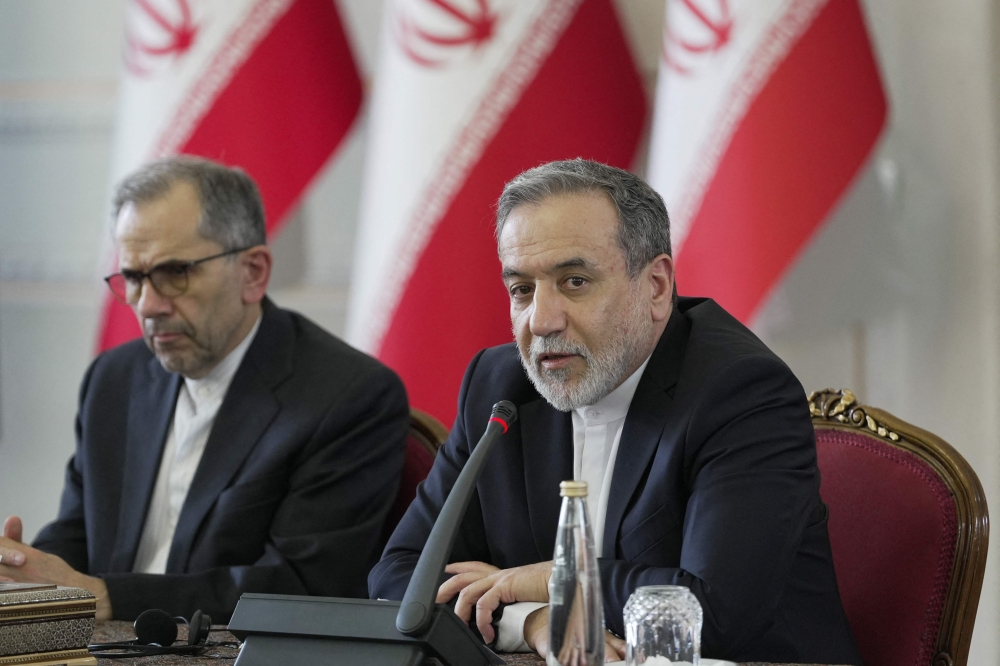
The Iran-USA standoff has turned into one of the pivotal geopolitical crises of 2026. The standoff, which started as a nuclear standoff, has become a security debate over the Gulf, global energy supply and demand and the Middle East’s diplomatic dynamics. The question no longer is whether Washington and Tehran can resume negotiations, but how they can do so by October 2026. It is whether diplomacy can still hold back a conflict that is spiraling its own escalatory cycle.
The immediate concern is the growing military pressure and political settlement. In 2026, Iran and the United States had intermittent diplomatic dialogue, including indirect and mediated negotiations, but these have been repeatedly halted by renewed military action and mistrust. Previous ceasefire efforts had opened up a brief window of opportunity for negotiations, but later strikes, sanctions and clashes squandered this opportunity for a lasting political deal. Even though Iran’s diplomatic ties were still in principle open, they were already preparing for larger retaliatory measures, should the American attacks resume in large scale in early October. This is a “dual track” negotiation, negotiating with the option to escalate.This is a “dual track” negotiation, negotiating with an escalation option in mind. Both parties don’t seem to be ready to give up on diplomacy as a whole, but they are not ready to cut down on the strategic pressure they feel it brings to the table. The sanctions, military buildup and limitation of Iranian capabilities are meant to bolster the hand of Washington’s negotiators. Tehran’s counter-leverage is to keep imposing “military and economic costs,” particularly in the Persian Gulf. This creates an atmosphere of negotiation where compromising is thought of as a sign of weakness.This clash is now clearly manifest in the Strait of Hormuz. The waterway is one of the world’s most significant energy traffic lanes and makes an international economic issue of a bilateral conflict. In 2026, shipments in the strait continued to drop in response to security challenges and attacks, and freight and tanker rates ticked up significantly. Attacks in September involving Iran and the United States led to one of the biggest disruptions in shipping since the war began.
October has continued risky conditions. However, three oil tankers were reportedly targeted by unknown objects while transiting the Strait of Hormuz on 1 October, even if it is not clear who actually targeted them. Uncertainty has a cost for global markets. Shipping companies will have to pay for more expensive insurance premiums, potential route disruption and security concerns, and energy importing economies will be more vulnerable to energy price volatility. This implies that control, access and security over the Strait of Hormuz is all important in the broader diplomatic struggle. The strait is a strategic asset and leverage for Tehran. By contrast, Washington is very resistant to any option that would let Iran exert any unilateral control over commercial transit. It is hard to resolve this disagreement, since it brings together issues of military security, economic coercion, territorial sovereignty and global energy supply in the same negotiation.The regional impacts are no less severe. The Gulf states have a strong interest in stopping the escalation of the conflict, as it could affect their infrastructure, trade, investment and energy exports. Saudi Arabia, Qatar, the United Arab Emirates and Oman, therefore, have strategic interests to favour diplomatic containment despite their different views on Iran. The renewed assaults on shipping, infrastructure and regional targets leave the Gulf governments with a dilemma: how to enhance their deterrent posture and maintain communication with Tehran.
There is greater regional interest in de-escalation, which opens the door for mediation. Pakistan and Qatar have played a key role in the efforts to maintain communication between Iran and the United States. In the July report, Pakistan’s Ambassador to Kabul presented a statement that it was “in talks” with Washington to resume stalled talks with Tehran, along with other components of a broader diplomatic push being backed by China. They had also had an extended involvement from both Pakistan and Qatar, who became part of the architecture with which indirect communication could continue, in earlier talks. But mediation is not a form of control of the conflict. Intermediary countries like Pakistan, Qatar can establish channels, convey proposals and minimize misinterpretation, however they can no longer ensure compliance of any dealings by either Washington or Tehran. The efficacy of mediation thus lies in the final assessment with the readiness of the two key players to accept the restraints of military force.
An important regional division in diplomatic work is also forming. Pakistan and Qatar are in a stronger position to solve issues of politics – ceasefire, sanctions, nuclear issues, security guarantees etc. Oman, given its geography and long history of playing a significant role in Gulf diplomacy, has thus been more directly engaged in technical talks on the Strait of Hormuz. The multi-track nature of the diplomatic process can be helpful since the conflict has grown beyond the capacity of a single negotiation to resolve it.The economic factor strengthens the case for a negotiated settlement. The Gulf’s stability is already beginning to impact oil prices, shipping charges, and investor confidence. The markets have been not very happy with the uncertainty in both negotiations and the flow of energy has led to an alternate route and sources search for states and companies in the region.
Iran, too, is under great pressure. Its economic situation has been weakened by long-term conflict, sanctions and limited trade, while causing a strain on its domestic resources. The war also imposes significant strategic and economic costs on the United States, as it will need to continue fighting in the region and resources, munitions, and commitments for the long haul. These pressures can in theory provide a motive to compromise, but it can also have the opposite effect if the political leaders decide that more pressure will lead to the other side making the first concession.Nuclear issue is entangled in the conflict. Any permanent settlement must take into account Iran’s nuclear programme, relief from sanctions, monitoring protocols and wider security assurances. A fragile ceasefire, with no resolution on these issues, is likely to be of little comfort. Similarly, a complete nuclear deal that is being negotiated in the midst of an ongoing military conflict might be unrealistic. A multi-stage process might thus be more feasible, starting with the military aspects, then the maritime aspects, and finally the deeper aspects of nuclear and regional security negotiations.
The crisis offers diplomatic opportunities and strategic threats to Pakistan. A successful mediation would enhance Islamabad’s role as a regional diplomatic player who can connect different blocs. Escalation is also in Pakistan’s economic and security interest. Avoiding instability along the border with neighbouring Iran is important for security, regional trade, energy cooperation, and Pakistan’s ties with its Gulf partners.But, Pakistan can’t claim more than it can deliver. It is a force of accessibility, communication and facilitation, and not one of leverage over either side. A sustainable Pakistani role would thus rather be on sustaining channels, assisting realistic confidence-building measures and coordination with other mediators than filling the exclusive shoes of the mediator.
The only problem now is to keep diplomacy from being permanently superseded by military actions. Each subsequent strike creates greater distrust, strengthens the public opinion of the right and right, and leads to higher political price of compromise. Also, there is a heightened risk of unintended escalation into maritime incidents in and around the Strait of Hormuz, especially if the blame is not clear.The Iran crisis thus calls for a more than temporary ceasefire. It requires a process along structured lines that can differentiate between immediate military de-escalation and the more complex negotiations concerning sanctions, nuclear policy and regional security. If this is the case, then calm will stay tactical and not a step towards peace.The main fact is that there are still diplomatic channels. Pakistan, Qatar, Oman and other regional actors remain avenues for communication and both Washington and Tehran have repeatedly proven themselves keen to communicate when circumstances are right. The risk is that these gaps could further close if there is a continued confrontation. The next step will therefore hinge on whether political leaders can translate diplomatic access into actual mechanisms that will be enforced before another round of revenge drives the region toward a far more and wider-reaching war.