Climate Emergency Pakistan

Climate refers to the long-term patterns and averages of meteorological conditions in a particular region. It includes temperature, humidity, precipitation, wind, and seasons over periods ranging from decades to millions of years. In Pakistan, over the past 2 decades we have witnessed an increasing number of natural disasters repeating themselves. These disasters include earthquakes, floods, heat waves, landslides and droughts. Each province is affected differently by the these natural disasters, impacting the livelihoods of the population inhibiting the regions. Not only are human lives at risk, but the economic stagnation in these areas persists for years after the disaster.
The question that arises here is, does Pakistan face a Climate emergency?
Yes as defined by this definition, “A climate emergency refers to the urgent and severe threat posed by climate change, requiring immediate and significant action to mitigate its impacts and adapt to its effects. It requires the critical need for rapid changes in policies, behaviors, and technologies to prevent catastrophic consequences for the environment, human societies, and economies”.
To support the above definition, if we define it in Pakistan’s context, Pakistan does face a climate emergency. The climate emergency appeal can be supported by the following justification;
Extreme Weather Events
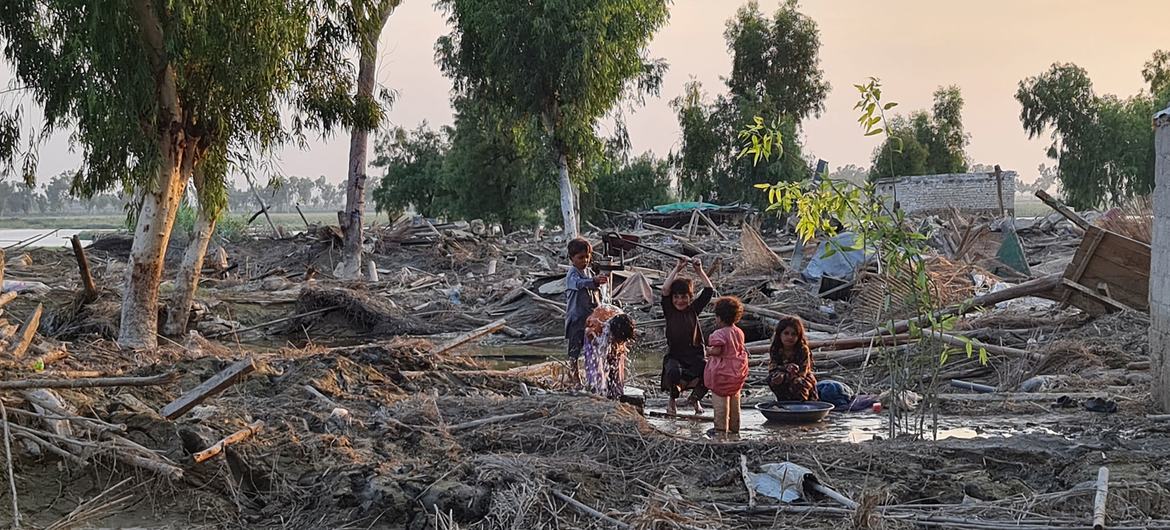
Pakistan has experienced a rise in the frequency and intensity of extreme weather events, such as heatwaves, floods, and droughts. For example, the devastating floods of 2010 and 2022 displaced millions and caused extensive damage. One-third of the population has been displaced from their homes, and the efforts to safely evacuate water from villages have been inadequate. These internally displaced people (IDPs) have found homes and shelters in other cities, as their own lands remain flooded. These areas have become uninhabitable due to the proliferation of waterborne diseases, algae, stagnant water, and contamination, along with the destruction of infrastructure and the depletion of essential resources.
Glacial Melt
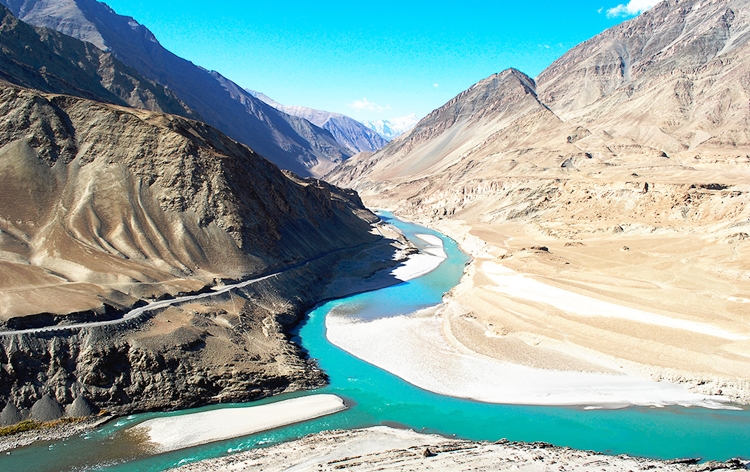
The Himalayas and the Karakoram range in Pakistan are home to some of the largest glaciers outside the polar regions. These glaciers are melting at an accelerated rate due to rising temperatures, leading to glacial lake outburst floods (GLOFs) and impacting water availability. Not only can this causes floods, but In the northern regions of Pakistan, glacial melt is severely endangering various wildlife species, including the iconic snow leopard, Himalayan brown bear, and Marco Polo sheep. These species rely on the unique high-altitude ecosystems sustained by glaciers for their habitat and food sources. The melting glaciers lead to habitat loss, reduced prey availability, and disrupted water sources, increasing the already sensitive existence of these animals.
Water Scarcity
Climate change is severely affecting water scarcity in Pakistan. Changes in rainfall patterns and the melting of glaciers are affecting the flow of the Indus River, which is crucial for the country’s agriculture and water supply. The aftermath of this can be seen in the water scarcity issues faced by metropolitan cities such as Lahore, Karachi and Islamabad, where citizens are now relying on the purchase of water tankers worth Rs. 4000. If you do not have ground water supply, you have to wait for the government’s water supply for up to 3-4 days. Many incidents have been reported where government supply was halted for upto 10 days in some sectors on the Capital, causing citizens to relocate.
Agricultural Impact
Agriculture, which employs a large portion of Pakistan’s population, is highly vulnerable to climate change. Changes in temperature and rainfall patterns, along with increased pest outbreaks and soil degradation, are affecting crop yields and food security. Wheat, a staple crop in Pakistan, has experienced yield reductions of up to 15-20% in some regions due to increasing temperatures and unconventional rainfall patterns. Rice, another critical crop, is similarly affected by these climatic changes. The agricultural sector, contributing around 19% to Pakistan’s GDP and employing about 42% of the labor force, faces significant economic losses due to climate change. Annual losses are estimated to be around $3.8 billion, primarily due to reduced crop yields and extreme weather events.
Urban Vulnerability
Rapid urbanization and inadequate infrastructure further complicate these challenges. When major private housing schemes cut down the forests in order to build urban housing societies, not only are they disturbing the quality of land but they release toxic waste which is harmful to the ecosystem and the water supply of the territory. These housing societies, under the umbrella of business are creating a problem for Pakistan’s government, because if a natural disasters strikes or if a disease spreads, the government will have to compensate for the loss of life, not these housing societies.
Health Issues
Climate change is contributing to a rise in health problems, including heat-related illnesses, respiratory issues from poor air quality, and the spread of vector-borne diseases. Lahore has one of the worst air qualities in the world, causing respiratory diseases among the inhabitants. According to a study, One day spent in Lahore is equal to smoking 30 cigarettes in a day. Increased temperatures and altered rainfall patterns contribute to the proliferation of waterborne diseases such as cholera and dysentery, which disproportionately affect children due to their weaker immune systems. Additionally, extreme weather events, such as floods, lead to the displacement of families, resulting in overcrowded and unsanitary living conditions that further spread infectious diseases like respiratory infections and skin diseases. Malnutrition is another critical issue, as climate change impacts agricultural productivity, leading to food shortages that primarily affect pregnant women and children, increasing the risk of stunted growth and maternal health complications.
Economic Losses
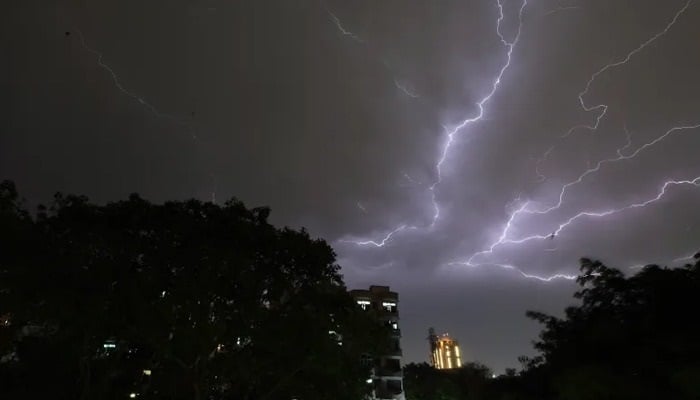
The economic impact of climate change is substantial, affecting various sectors such as agriculture, fisheries, and infrastructure. Natural disasters and changing climate conditions lead to significant financial losses and hinder economic development.
Pakistan has developed a National Climate Change Policy aimed at addressing and mitigating the impacts of climate change, focusing on adaptation, disaster risk reduction, and sustainable development. The National Disaster Management Authority (NDMA) coordinates disaster response and implements disaster risk reduction strategies, playing a crucial role in managing climate-related disasters. Initiatives like the Billion Tree Tsunami, launched in Khyber Pakhtunkhwa and expanded nationwide, aim to combat deforestation, restore ecosystems, and enhance carbon sequestration. Additionally, Pakistan is investing in renewable energy sources such as solar, wind, and hydropower to reduce its reliance on fossil fuels and lower greenhouse gas emissions. At the community level, local adaptation strategies involve changing agricultural practices, improving water management, and building resilient infrastructure. Numerous NGOs and civil society groups are actively working on climate change awareness, education, and community-based adaptation projects. However, these efforts are not enough. If not now, when will we take the comprehensive, immediate action necessary to protect our future and mitigate the severe impacts of climate change?