


1. Introduction
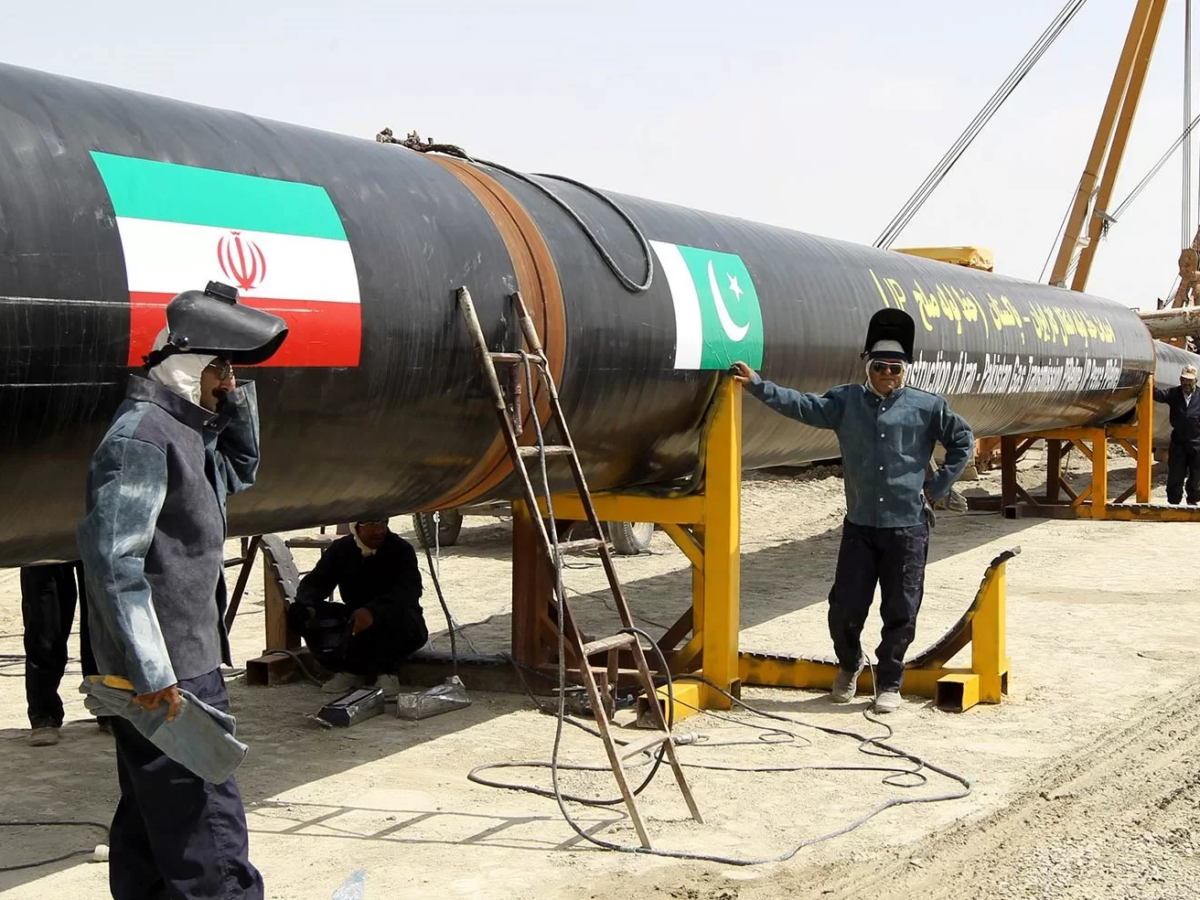
Energy-shortage solution through the Iran-Pakistan Gas Pipeline project underwent historical shifts from its strategic beginnings to become an intricate geopolitical matter plagued with economic limitations and legal complications. Pakistan struggles daily with increasing energy requirements also requiring greater LNG imports which the pipeline presents as an economical pipeline solution for affordable continuous gas delivery. The United States’ sanctions against Iranian energy operations halted the project thus stranding Pakistan between its economic requirements and diplomatic responsibilities. Iran finished building its pipeline section even though Pakistan needs to pay an $18 billion legal fine for missing deadlines. Pakistan must now determine whether its staff will secure sanctions waivers from the new US administration to continue with the project because Pakistan stands at risk of geopolitical conflict. This article evaluates the economic and political aspects of the pipeline while examining Pakistan’s strategic opportunities during its high-stakes energy confrontation.
The governments of Iran and Pakistan established an accord during 2009 to construct a 2,775-kilometer gas pipeline which would deliver fuel energy to Pakistan. The energy agreement between Pakistan and Iran aimed to solve Pakistan’s energy emergency by offering less expensive and steady natural gas supplies. The Iranian investment of $2 billion led to completion of their pipeline part in 2014 yet Pakistan has failed to commence its section work due to US sanctions affecting Iran’s energy sector. Due to these strict sanctions Pakistan finds itself unable to obtain international support or develop further projects as economic sanctions from the US remain a significant threat. During 2009 India withdrew from the project because of United States political pressure and selected to establish energy relations with both the United States and Gulf nation states instead. Pakistan faces a difficult situation due to its need for Iranian gas but its worries about US financial punishments against the project.
Pakistan’s Energy Crisis: Why the Pipeline is Essential
The energy crisis in Pakistan is severe since its gas production remains at 4 bcfd (billion cubic feet per day) while the demand averages between 6 to 8 bcfd. The deficient supply of gas causes severe consequences for both manufacturing industries and residential areas and business operations which results in continuous power outages and slower economic development. The purchase of expensive Liquefied Natural Gas (LNG) from Qatar combined with UAE proves unstable for Pakistan because of its high acquisition costs along with limited pipeline infrastructure. The two LNG terminals established in Karachi during 2015 and 2017 are unable to keep pace with rising market demand which has rendered Pakistan vulnerable to changes in global LNG prices and supply delivery interruptions. Iranian gas provides more budget-friendly and reliable energy supply to consumers since direct pipeline transportation eliminates the need for expensive LNG shipping by water. US sanctions on Iran prevent Pakistan from finishing the pipeline thus the nation remains compelled to pay high import prices. Pakistan faces an energy challenge because the nation stays trapped in an energy crisis which forces increased gas costs as it battles to fulfill rising energy requirements without adequate strategic solutions.
 US Sanctions & Geopolitical Challenges
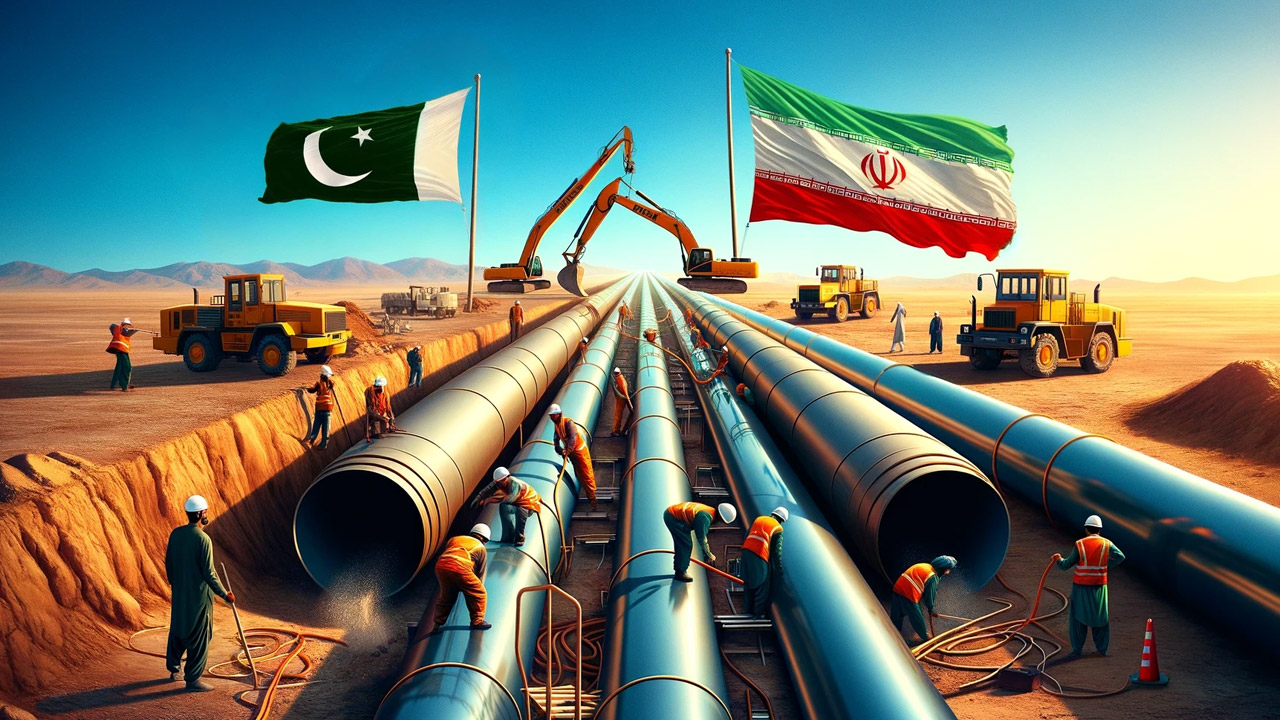
Under its “Maximum Pressure” stance towards Iran the United States actively challenges the Iran-Pakistan gas pipeline project. The USA established secondary sanctions that threaten countries and companies working in the Iran energy sector with economic consequences. The project suffers from a blockade because Pakistan lacks access to financial support from international banks and global payment systems. The diplomatic situation for Pakistan has become complex because it needs energy yet faces international pressure from U.S. actions. Despite their strong relations with the United States Pakistan still requires Iranian gas to resolve its current energy problems. Moving forward with the pipeline could lead Pakistan to face US sanctions but abandoning the project requires Iran to take legal action. Experts predict that Chinese financial support would enable Pakistan to avoid US economic restrictions. Through its extensive investments under CPEC China has established Gwadar port as a potential substitute for Pakistan. Any involvement from China would risk intensifying US sanctions against Pakistan which would require the country to decide between energy security and maintaining its present international relationships. The pipeline presents a complicated geopolitical problem for Pakistan because of its nature.
Pakistan faces severe legal and financial complications from postponements of the Iran-Pakistan gas pipeline project. The International Court of Arbitration now considers an Iranian legal action against Pakistan for non-completion of the pipeline and seeks payment as stated in the contract. A favorable court decision for Iran could push Pakistan to face an $18 billion financial obligation which would exhaust its weak economy and depleted foreign reserves. The energy sector suffers from financial mismanagement along with corruption problems while enduring the legal difficulties in Pakistan. Pipeline materials valued at Rs380 million have been stolen according to reports as OGDCL (Oil & Gas Development Company Limited) delayed payments and gas development fund mismanagement intensified inefficiency throughout the sector. Pakistan has aging pipelines which are deteriorating in their current state. The government does not support pipeline pressure relief through facility improvements nor does it address inefficient gas transmission equipment. In spite of rising fuel requirements Pakistan has received limited funding for prolonged energy solutions. Decision-making delays pose significant threats to Pakistan’s financial stability and energy security because they endanger the country against legal repercussions while creating substantial gas deficiency within upcoming years.
Possible Solutions & Recommendations
• To face the Iran-Pakistan gas pipeline obstacles Pakistan needs to create a comprehensive plan which handles political problems as well as financial needs and operational drawbacks. The government of Pakistan should approach the new US administration for energy-based exceptions to current sanctions. Government officials should establish the pipeline’s vital importance to resolve Pakistan’s critical energy emergency instead of presenting it as a political initiative. The government of Pakistan should request exemptions from US sanctions for essential projects that build vital infrastructure.
• Pakistan should pursue banking support from Russia besides considering financial alternatives within China. AIIB and BRICS Bank as two options emerging from China and Russia represent viable alternatives to finance the project after Western institutions refused the project because of sanctions. Pakistan has received past investments from these creditors for its energy sector which makes them convincing financial partners.
• To reduce dependency on a single energy supply Pakistan needs multiple sources of energy. Growing Russian LNG trade and establishing new wind turbines and solar and hydroelectric power facilities can construct an energetic blend.
• As a necessary step toward energy sector improvement Pakistan needs to control corruption and reduce operational inefficiencies. Effective transparency and strict embezzlement enforcement within Pakistan’s projects will protect investments so the energy sector becomes reliable and financially robust for lasting benefits.
Pakistan’s energy security depends critically on the Iran-Pakistan gas pipeline project which continues to face political obstacles from geopolitical tensions. The pipeline offers Pakistan affordable and stable gas energy but US economic restrictions prevent its development thus forcing Pakistan to choose between economic needs and international pressure. The ongoing energy emergency in Pakistan demands quick answers but proceeding with the pipeline construction would be problematic because it could lead to major political and monetary problems. Pakistan requires an exact combination of diplomatic negotiations with US authorities alongside Chinese and Russian financing alternatives and additional power resource exploration to adequately tackle current and future economic vulnerabilities. The lack of prompt action from Pakistan will result in multi-billion-dollar penalties from Iran as well as damage its bilateral relationship with the United States. Pakistan faces a decisive period ahead that will decide its ability to obtain an exemption to finish the project or if the pipeline will stay an unsatisfied energy dream.

Research Associate, Pakistan House