
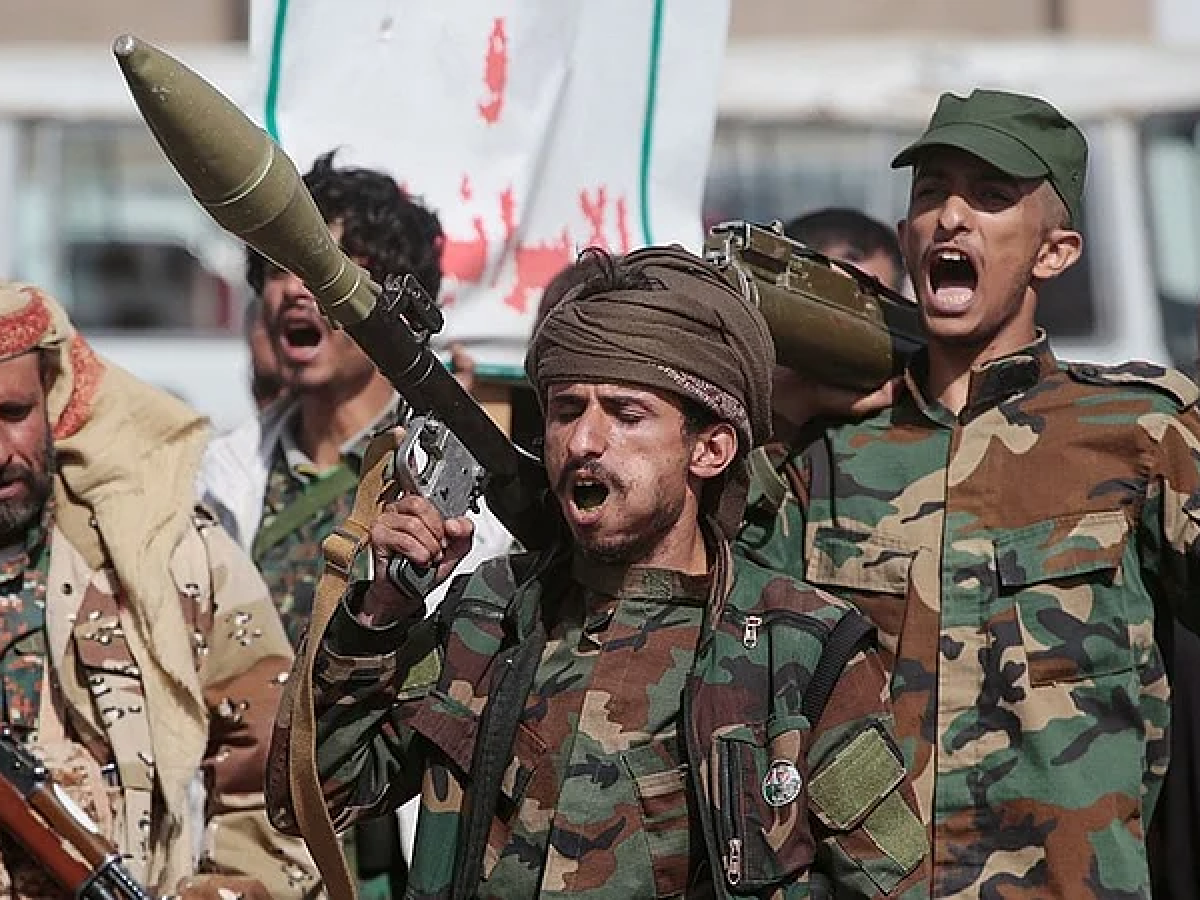


Yemen’s renewed conflict is threatening to spill over into a security crisis. Yemen’s conflict is linked to other regional tensions as the Houthis move along the Red Sea coast, attacks are made against Saudi Arabia and damage wrought to Saudi energy infrastructure. But for Riyadh the question is how to defend its territory and oil exports without getting drawn into another prolonged conflict. Being able to survive is the top priority for the Yemenis. This article suggests that the escalation highlights the restrictions of other export options and military assurances, and underscores the importance of civilian protection and diplomacy. The conflict in Yemen started in 2014 when the Houthis took over Sanaa and the internationally recognised government. In 2015, Saudi Arabia got involved to support that government. UN-brokered truce in 2022 ended heavy fighting, but the truce failed to tackle issues of political authority, territorial and security claims. The reports provided include descriptions of renewed fighting starting in July 2026 and a swift Houthis advance in September. This indicates that the violence reduction was an interim measure until the issue was addressed. To simply consider the escalation to be a continuation of the Iran war would thus ignore Yemen’s political polarization and divergent interests.
Concern about the security of the sea has risen after reports of Mokha and an island off the Bab al-Mandab being captured. This strait is a connection between the Red Sea and the Gulf of Aden and a gateway to the Indian Ocean. Any location near its approaches can help the Houthis keep track of ships and pose a threat to them. Coastal gains do not mean that control of navigation is established, however. Weapons, surveillance, operational capability and the reaction of naval forces and commercial operators are all important for effective disruption. But the key factor is not whether one military gain of a territory closes the whole water route, the fact is how territorial changes impact shipping and security.
Saudi Arabia is more at risk as it has an alternative route to the disrupted exports via the Red Sea. It is linked by its East-West Pipeline to oil going to Yanbu, for export to markets in the rest of the world. According to AP, the Saudi Arabia authorities had closed the pipeline after it was attacked by drones from Iraq. Reuters later said that the disruption could affect some 4 per cent of world oil supplies and could take days to weeks to fix. The estimates are still subject to uncertainty. However, the accident shows a structural problem: when the pipeline, terminal or shipping corridor for an alternative route can be compromised as well, there is limited protection.
Potential economic implications are not just lost production. Ships can be physically capable of sailing, but the risk is deemed to be too high by the operators. Threats may spur diversions, ship delays and escalating insurance and security expenses. These are possibilities of transmission and not actual metrics of the most recent escalation. The importance is that maritime insecurity can be a risk to trade before a full blockade is in effect. If disruptions continue, oil importing economies may be further affected, and companies that rely on timely deliveries might be uncertain. To assess the effects on the economy, one must have data on actual shipments, changes in routes, repair progress and freight costs, as well as military developments.
The choices that Riyadh must make are tough ones. A larger military operation may help the Yemeni government units and diminish specific threats, but may also lead to more attacks and help keep the fighting alive. Such talks could help reduce short-term tensions, but any accord would need to come with tangible pledges and plans for the process. Protection measures such as infrastructure protection and maritime co-operation can help to mitigate exposure without addressing the political conflict. These options need to be considered in combination since they solve a different problem. That the choices Saudi is making come with significant costs, as suggested by the reporting available, is true, but it doesn’t mean that it is certain they will be escalated or that diplomacy will not work. Iran’s ties with the Houthis also complicate things up. The Guardian quotes Reuters, which reported that the offensive was directly directed by Iran’s Islamic Revolutionary Guard Corps, and that Tehran has denied giving any military guidance. These statements must clearly be attributed. There are two types of relations: Iranian support, and shared interests and operational command, which are not interchangeable. Similarly, the Houthis also have internal agendas which are not solely dictated by Iranian preferences. From the standpoint of analysis, the escalation could increase the pressure on Saudi Arabia and international energy markets, while its political significance will rely on regional strategy and the developments within Yemen.
Saudi calculations are also influenced by U.S. involvement. The reports suggest the uncertainty about Washington’s willingness to increase its military action against the Houthis. AFP is repeating an Axios report that Saudi had asked for strikes, but got them denied. This is a report of what was said, and not an officially verified record of the entire discussions. The Houthis also claim 58 Saudi airstrikes in the past 24 hours, but Riyadh has not confirmed any such attacks, AFP reports. These reports demonstrate the importance of distinguishing between the accounts of different combatants, media reports, and independently established events when evaluating escalation. Washington’s decisions are not predetermined by its lack of certainty regarding external support, but it creates challenges for Saudi planning. AFP/France 24
Humanitarian impact is already dire. AP says at least 82,000 are displaced within Yemen since early September; AFP estimates close to 86,000. These figures should not be aggregated and the periods of reporting and cover should be checked. Over 2,000 arrivals are reported separately in Djibouti. Reports from Shelters in Aden mention spontaneous flight and issues related to school access and hospitals and markets. Displacement is more than the loss of temporary housing. Can make treatment, education and income difficult, and add to the burden of host communities. These interdependent needs must be addressed through assistance.
A helpful evaluation would focus on the increased fighting as well as the return of the pipeline and on-going displacement. It should also assess the efficiency of negotiations for the establishment of feasible arrangements for safe shipping and humanitarian access. Such indicators would help identify a temporary escalation from a long-term regional crisis and maintain an analytical focus on developments that are observable, and without a lot of confidence about outcomes, which are still far from certain. The reliving of the conflict in Yemen requires action that is both security- and civilian-protective. Reliable reporting and access to assistance and measures to minimise attacks impacting on communities and trade are immediate priorities. Political involvement with Yemeni actors and regional diplomacy are needed to achieve longer-term stability. The main takeaway is that export infrastructure protection can’t replace conflict resolution, which frequently exposes it to danger.

Research Associate, Pakistan House