


Introduction
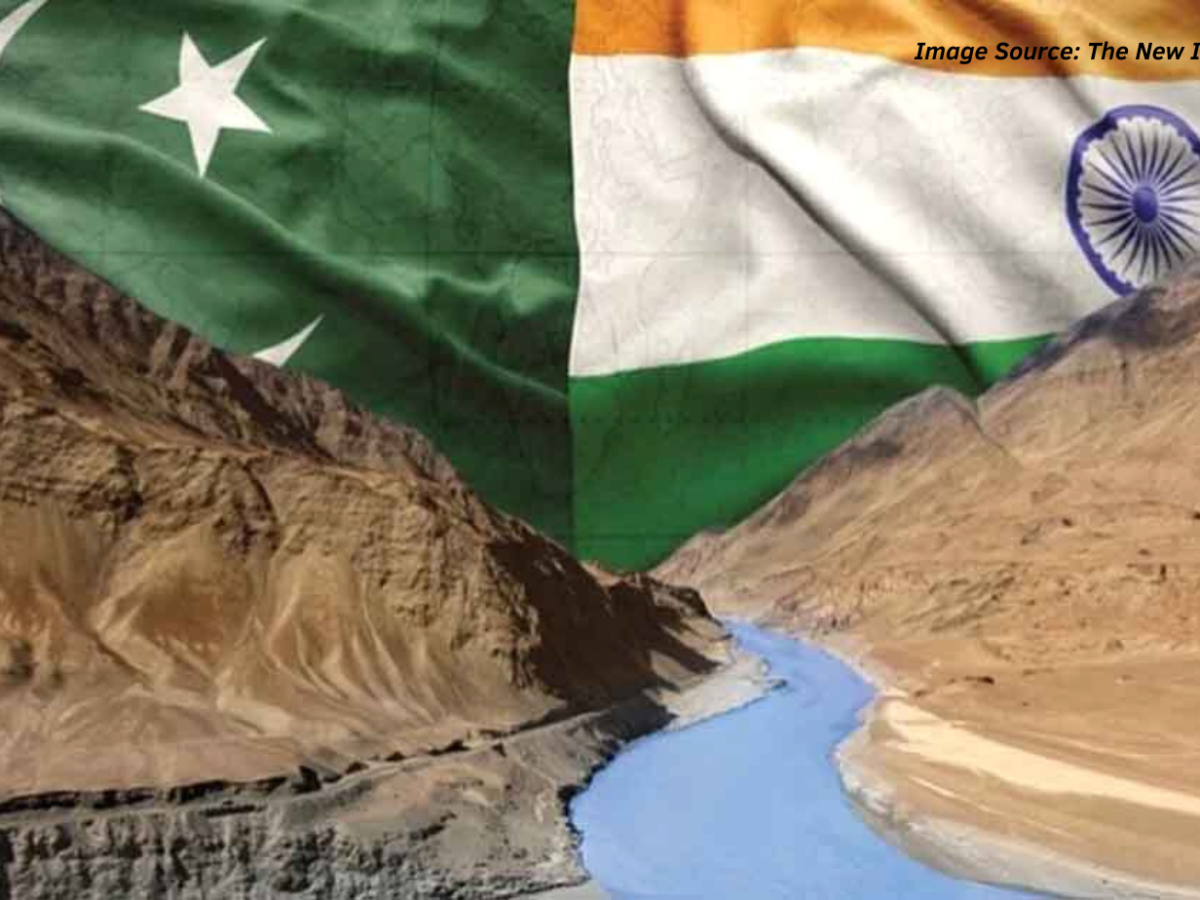
The Indus Waters Treaty (IWT) represents a historical example of international cooperation since its establishment in 1960 through World Bank mediation between India and Pakistan. The treaty between India and Pakistan mediated by World Bank divided the Indus River waters between both countries to create peaceful conditions within a context of historical political conflicts. This agreement has encountered its first major crisis during recent times. The terrorist attack in Pahalgam during April 2025 triggered India to pull out from the treaty which resulted in the rapid decline of relations between the two countries. The Pakistani government views this action as an aggressive violation which could trigger serious adverse effects when India interferes with its river water entitlements.
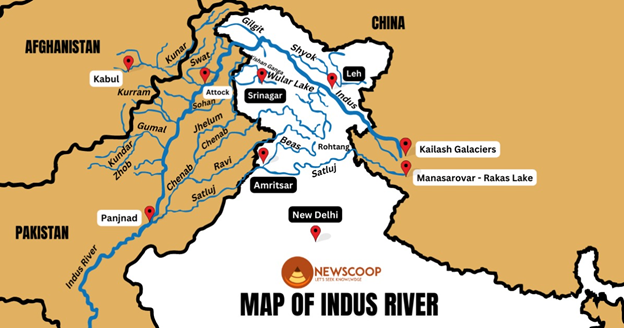
The roots of the Indus water dispute trace back to the partition of British India in 1947. After partition India obtained authority of the rivers Ravi, Beas and Sutlej while Pakistan received control of the rivers Indus, Jhelum and Chenab. The construction of eastern river dams by India created escalating tensions for Pakistan because it led to severe water shortages. The Standstill Agreement of 1948 maintained the existing water sharing status before its expiration in 1951 so a permanent solution was necessary. The IWT agreement took nine years to finalize before receiving its signature during 1960. The IWT divided the rivers between India and Pakistan by giving eastern rivers to India while Pakistan retained western rivers but enabled India to perform limited power generation operations on these rivers. The World Bank functioned as the main facilitator of the agreement that continues to endure various disputes between Pakistan and India.
A terrorist action in Pahalgam, Kashmir during April 2025 killed twenty-six people where twenty-five were Indian citizens and one was Nepalese. The Indian government blamed Pakistan-based militants for carrying out the attack so India cut off its participation in the IWT in response. India terminated the Indus Waters Treaty after asserting that sustained cross-border terrorism alongside essential changes in the situation necessitated this response. The government of Pakistan firmly opposed the move since it warned about treating water rights infringements as “an act of war.” Both countries exchanged multiple retaliatory actions after this crisis developed which brought border closings along with removing diplomatic personnel followed by trade suspension and airspace restrictions.
Consequences for Pakistan
Agriculture:
Approximately 80% of Pakistan’s cultivated land relies on water from the Indus River system. The suspension of the IWT threatens the irrigation of vast agricultural areas, potentially leading to crop failures and food shortages.
Energy Sector:
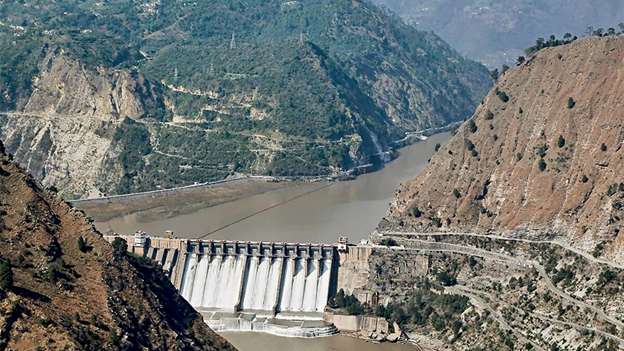
Pakistan’s hydropower generation is heavily dependent on the western rivers. Disruption in water flow could lead to power shortages, affecting industries and daily life.
Economic Impact:
The agricultural and energy sectors are vital to Pakistan’s economy. Any disruption could lead to significant economic losses, increased unemployment, and social unrest.
Environmental Concerns:
Reduced water availability could lead to environmental degradation, including the drying up of wetlands and loss of biodiversity.
The Role of International Law
International law sets out different methods to oversee shared water resources between nations. The 1997 UN Convention on the Law of the Non-Navigational Uses of International Watercourses contains principles for equitable and reasonable utilization and no harm and cooperation. The signed IWT demonstrates actual implementation of established international principles. When India unilaterally put the IWT on hold it sparked doubts regarding the compliance of international legal standards. These conduct challenges the credibility of United Nations’ treaties and establishes unhealthy practices for managing collective resources. Nations must use existing legal frameworks to start peaceful discussions because further escalation can be prevented by establishing resolution methods.
India and Pakistan have maintained a foundational accord of peace through cooperation regarding the Indus Waters Treaty since its establishment sixty years ago. The decision to suspend the treaty poses multiple risks which endanger both countries bilateral relationship as well as regional political stability. Both countries need to preserve their international legal obligations because they must find peaceful solutions. The protection of shared water resources requires international communities to perform active duties in order to help foster negotiations.

Research Associate, Pakistan House