
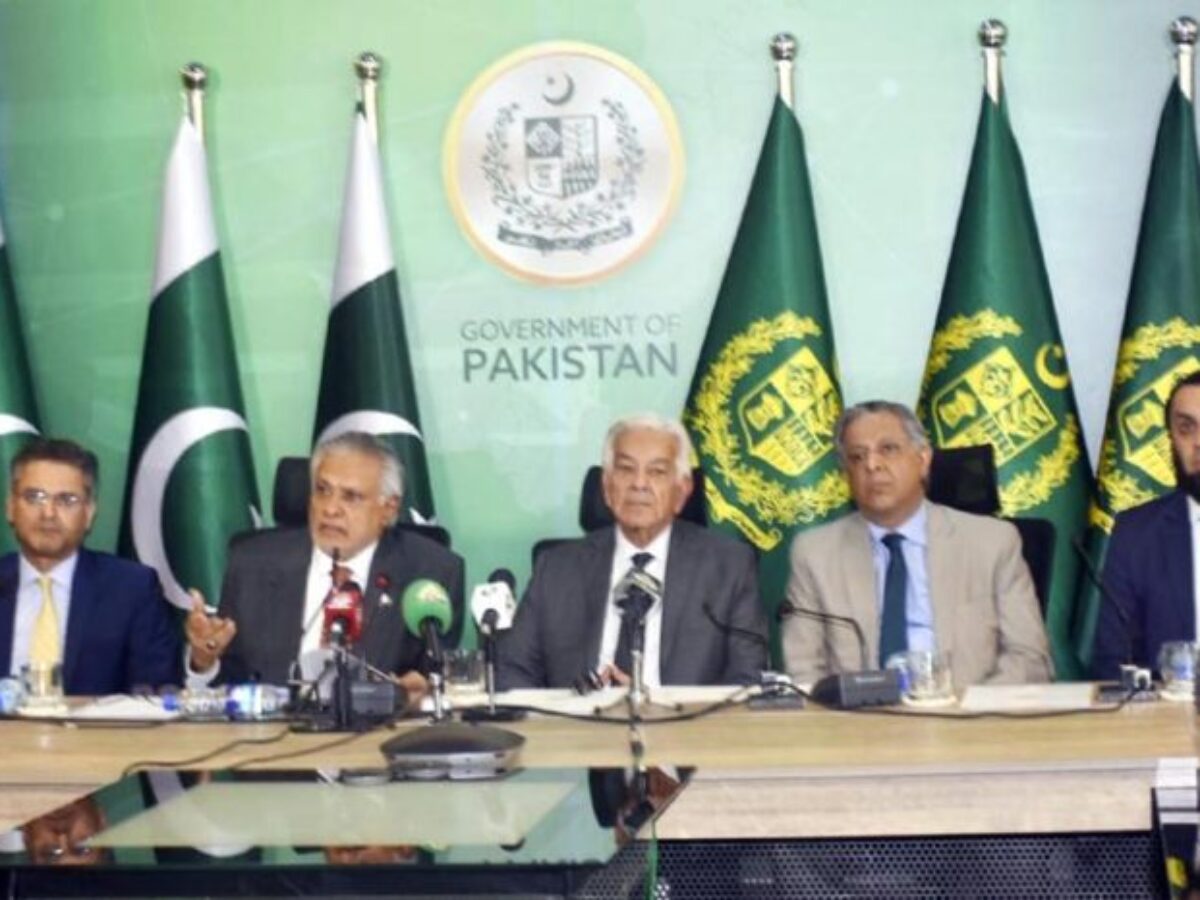


Since early May 2025, the two nuclear-armed neighbours have traded unprecedented missile and drone strikes, symbolically the deepest escalation in decades. Pakistan has always wished the conflict would end peacefully, ensuring its territorial integrity is respected. At the same time, official declarations state that a strong but calibrated response will meet any infringement of its sovereignty. In a coordinated air assault on May 7, 24 precision missile targets hit six districts in Pakistan’s Punjab province and Pakistan-administered Kashmir. Referring to the DG ISPR, Lieutenant General Ahmed Sharif Chaudhry, the overnight strikes devastated residential neighbourhoods and mosques and vital infrastructure, especially killing 26 civilians and wounding 46 of them, the injured women and children, a DGISPR statement said. The most deadly incidents were in Ahmedpur Sharqia close to Bahawalpur, where a mosque compound had been targeted, killing five, including a three-year-old girl, and in Muzaffarabad and Kotli, where two historic mosque structures had been razed to the ground.
Later on-ground evaluations updated the civilian death toll to 31 deceased and more than 50 injured, thereby revealing the human price of destroying populated areas. Pakistan’s air defences targeted the attackers and boasted of shooting down five enemy planes, an unconfirmed action by the opposing air force. The barrage severed electricity to four major power substations. It damaged two water treatment facilities, and thousands of households nationwide had their lights off and access to clean drinking water for over 24 hours. Pakistan closed its airspace for 48 hours and grounded all civil flights at Karachi, Lahore, and Islamabad airports. This action was announced by the Civil Aviation Authority under Section 144 of the Criminal Procedure Code and was suspended until noon on May 9. Airports on either side of the border were also limiting, a manifestation of a consensus between both governments on the issue of civilian safety and the general economic consequences of the cessation of air traffic.
At the same time, Pakistan launched a massive drone incursion, downing and destroying 77 drone Harop “suicide” (Israeli-made) drones allegedly fired to reconnoitre and attack civilian and military sites. The intact recovered wreckage with the manufacturer markings intact. Reaffirms Pakistan’s capability to destroy advanced loitering munitions high in the sky and out of range of common anti-aircraft guns. To protect high-density zones, the government banned all drone flights in Abbottabad for two months based on Section 144 of the Criminal Procedure Code, given increased security risks and the possibility of aerial surveillance of enemies. Pakistan had commenced precision strikes against 26 declared targets in northern India on the banner/flag of “Operation Bunyan Ul Marsoos” on 10 May. They also included vital airbases at Pathankot, Srinagar, and Udhampur, which were crucial to Pakistan’s military claims. The operation was explained as “swift and calibrated” targeting only confirmed military assets to cause no unnecessary civilian harm.
International actors have flocked to defuse tensions. On 9 May, the U.S. Secretary of State met with Pakistani military leaders and Indian counterparts separately, encouraged them to pursue de-escalation strategies, and offered U.S. support to enable constructive talks. During a recent visit to Islamabad, Saudi Arabia’s Minister of State for Foreign Affairs also demanded restraint and a peaceful dialogue on international law. China, the EU and the UN Secretary-General have also pressed both capitals to return immediately to the diplomatic world, warning that additional military exchanges may have unpredictable and broad repercussions.
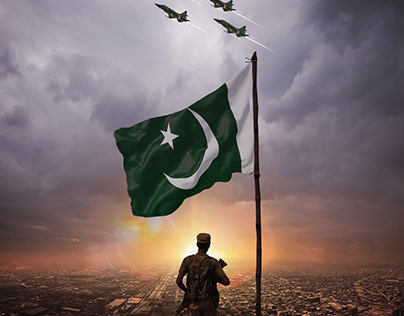
All through these developments, the Pakistani officials have echoed the same message: the country remains committed to peace on the understanding that its sovereignty and territorial integrity are properly respected. Concurrently, senior government spokespeople have emphasised that Pakistan has the authority under Article 51 of the U.N. Charter to retaliate, “at the time and the place of its choosing”; thus conveying a sense of (grownly) restrained deterrence rather than unbridled escalation. Government communiqués reinforce that diplomatic channels function normally with the existing military hotlines and national security adviser offices. There have been numerous meetings between the sides at the highest levels, with foreign counterparts willing to act as a broker. Domestically, a unanimous parliamentary declaration backed the armed forces’ right to defend national honour while demanding an immediate ceasefire. International allies such as the United States, the European Union, the United Nations and regional states have saluted Pakistan’s measured response. They are urging both parties to get back to the negotiating table. As each side draws back from the brink, Pakistan continues to nail two imperatives: shielding its citizens and resources from surprise attacks while offering India a hand of peace in a ceasefire and renewed negotiations. With regional stability on the line, Islamabad exhorts New Delhi to return the favour by de-escalating in good faith, thus paving the way for lasting peace and cooperative relations in the South Asia region, a result consistent with Pakistan’s higher-order strategic interests.

Research Associate, Pakistan House