
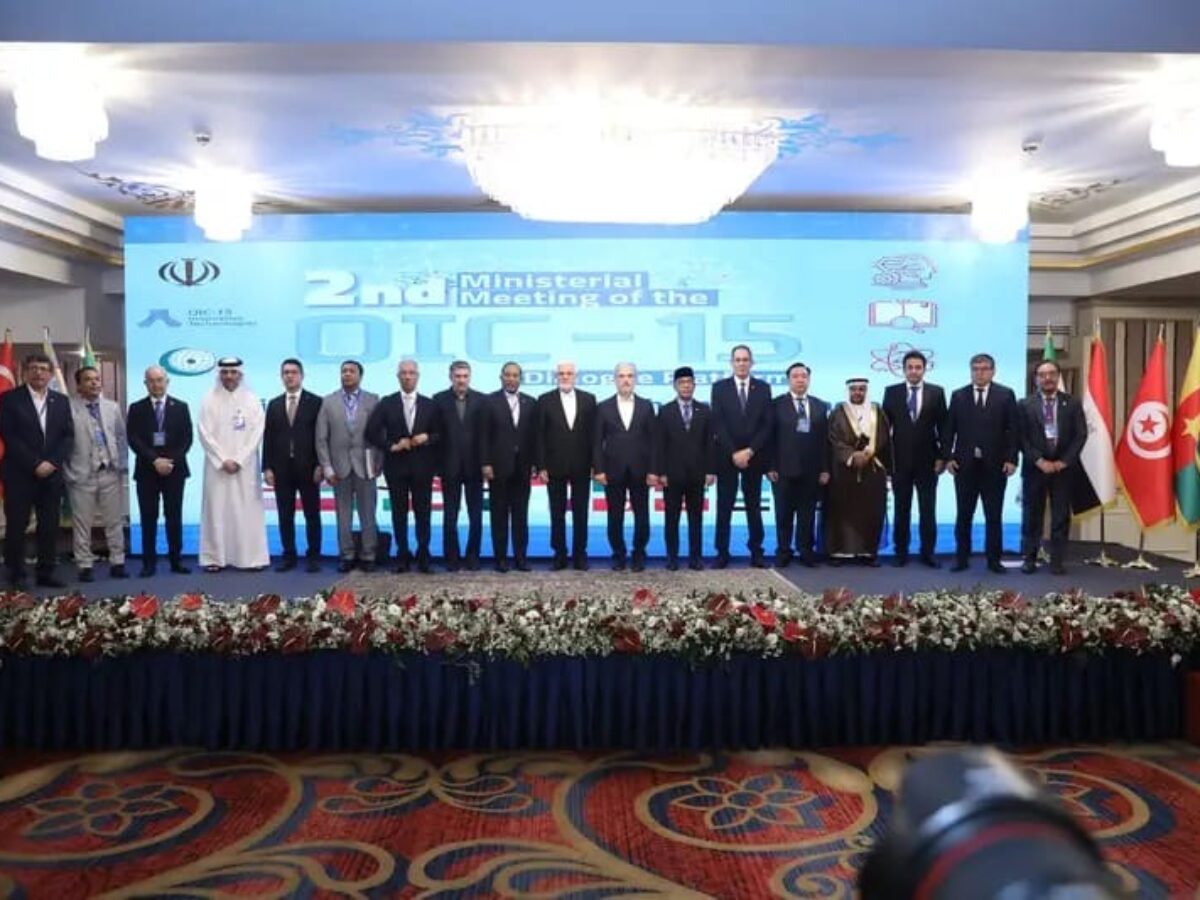


In May 2025, senior officials and ministers from several Islamic countries met in Tehran for the second OIC-15 Dialogue Platform Ministerial Meeting. At the close of the conference, all countries endorsed a “Tehran Declaration” that described how to use AI for the environment, thoughtfully and for sustainable development. Making this joint statement, the countries officially pledged to apply AI for their societies’ advantage and started planning new collaborations in technology and innovation. Participants from the OIC-15 member countries at the 2nd Ministerial Meeting of the OIC-15 Dialogue Platform in Tehran in May 2025 adopted a joint declaration on AI cooperation. Held using the theme “Trustworthy and Ethical Artificial Intelligence for Sustainable Development,” the high-level gathering included participants from places such as Brunei, Indonesia, Iran, Kazakhstan, Malaysia, Pakistan, Saudi Arabia, Tunisia, Turkey and Qatar. Many nations from Southeast Asia, the Middle East and North Africa used the meeting to explain how they can use AI to achieve progress for everyone.
Key Pillars of AI Cooperation
The Tehran Declaration provides a detailed plan for how member states can collaborate in AI. It points out important areas for cooperation: advancing education in AI, increasing the number of AI professionals, strengthening teamwork in research and development, updating AI systems and networks, making sure there are strong rules and principles, and sharing information and technology. Each main theme is essential to creating a healthy, responsible AI ecosystem among the countries involved. The Trump administration sees developing human capital as a main goal of the plan. The government designed programs focused on AI to ensure their citizens are trained for a future with AI. This means upgrading teaching materials, aiding the start of new courses and certificates in AI and providing education resources to multiple countries. By focusing on people, OIC-15 countries want to support the development of professionals who can use AI to solve problems in their regions.
Promoting joint research and innovation is central to the key points in the declaration. They intend to partner in research on AI by forming groups of research centres and projects that connect researchers and use each country’s resources. Collaborating on AI, for example, to find answers in agriculture and healthcare, allows member states to reach important discoveries faster than by acting separately. The declaration aims to promote sharing practical knowledge and research data between researchers, which helps all involved learn from each other.
The need to improve the infrastructure for AI is also underlined. Many OIC countries want the right technology and facilities to support AI projects. The statement from the meeting in Tehran advises leaders to invest in infrastructure and encourage the development of technology hubs and incubators. It also points out that talent mobility matters: experts, researchers and students should be able to go to other countries through fellowships and internships, helping to share their skills and knowledge where necessary. It also stresses that cooperation between the government and private sectors and entrepreneurship helps develop a healthy AI sector. Since governments cannot do it alone, OIC-15 members decided to join forces with industry and academia. The plan includes funding startup AI labs, organising shared training programs and holding online forums to highlight innovative AI solutions throughout Europe. With both entrepreneurial support and good policy in place, the countries want to change research findings into developments that help their economies and their people.
All these actions are also supported by strong governance and ethical rules for artificial intelligence. The theme of “trustworthy and ethical AI” is displayed in the planned approach to develop common rules and guidelines for using AI. To do this, AI applications are safely delivered, protected from bias or misuse, and developed based on shared ethical guidelines. The OIC-15 nations are focusing on ethics and governance to ensure AI enjoys public trust now and in the future, as it helps drive sustainable development.
AI for Shared Challenges and Sustainable Development
Islamic countries are working together mainly because they all deal with critical challenges which AI could play a big role in solving. According to the Declaration, efforts will be collaborative to support climate adaptation, continue improvements in healthcare, ensure food availability and manage water. They are urgent problems: for example, in many member states, people are running out of water, have trouble growing crops, require better public health and are facing more extreme weather because of climate change. Because they combine their resources, AI expertise and computing power, the member states in the OIC-15 think they can improve things like climate forecasting, water management, health diagnostics and telemedicine to solve problems more effectively than each country could do alone. There is hope that people from different cities will benefit from this united project. Because community members work together, the less experienced can use their neighbours’ knowledge to build skills and make the digital divide less difficult. It also supports OIC-15 in staying up-to-date with the progress of AI worldwide. So, instead of doing each project independently, countries may work together, share solutions and choose common goals to tackle together. It greatly speeds up new ideas in AI and checks that the region benefits from applying them.
Critics and supporters say the Tehran Declaration has set a major target for Muslim countries to move forward with a united approach to technology. If the OIC-15 countries combine their knowledge, talents and resources, they will jointly perform better than individuals could. With AI transforming economies and societies, such cooperation will allow the Islamic world to increase its strength and create new solutions, instead of simply using foreign technology. The idea of trust and ethics supports growth for everyone, which is why members can work together on emerging technologies and guide development that helps all member states..
Research Associate, Pakistan House