


Introduction:
The February 6, 2026 (Mosque at Khadija Tul Kubra Imambargah) in Tarlai area of Islamabad was a major terrorist attack with dozens of dead and hundreds injured. The fact that it occurred at a worship service is a demonstration of how unprepared the police and military are for responding to events that may occur during large gatherings of civilians.
It had been widely believed that Islamabad was one of the safest places in Pakistan because of the presence of law enforcement agencies and armed forces. However, this attack showed that critical elements have been neglected and that significant improvements need to be made in many facets of preventing major crime in these safe cities.
Incident Overview and Context
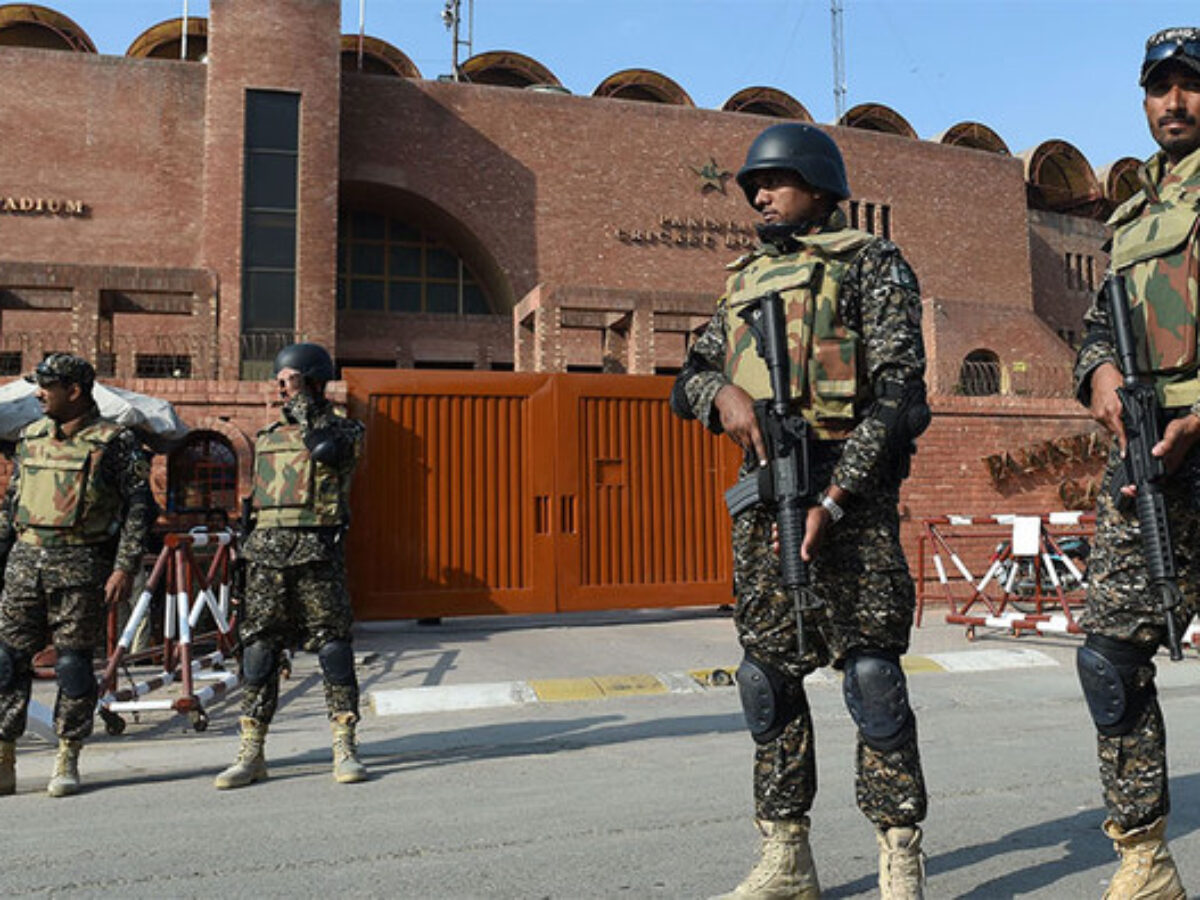
Although the attacker was stopped by security from getting into the Imambargah, he still was able to detonate an explosive device outside the building. Had there not been any security to try and stop him from getting into the Imambargah the number of deaths and injuries to people inside of the building would have been much greater.
The Islamic State has claimed responsibility for this attack; they have known ties to his training for this attack both in the region and overseas.
At the time of this attack the rest of the world was beginning to view Pakistan more positively, because of many cultural events taking place during the early spring, such as Basant, which showed the world’s values, traditions, and ways of living in a positive manner to the world. This attack has probably undone much of the progress of improving relations with other countries.
As a result of this attack, terrorism became a major focus of many media outlets around the world and continued to paint a negative picture of Pakistan because of its history of instability and lack of security.
Security Analysis and Counter-Terrorism Gaps
There were many issues in both intelligence and operation capabilities regarding the counter-terrorism response to the attack at Tarlai. The failure of officials to stop a suicide bomber at a religious site in the city showed a failure to detect and monitor this threat. Because the people killed during the religious service were present at a location where previous attacks had occurred, it suggested that there are other previous attacks at this type of event and therefore there were no appropriate security procedures to keep the people at this religious service safe from the sectarian threats that this site has experienced in the past.
Urban-based terrorist attacks are typically committed at or near locations where many people participate in normal civilian activities. Tarlai bomber fits with the theory of individuals and/or groups that are continually modifying their methods of operation and/or avoiding security measures.
International Reputation and Morale
The emotional fallout from this event for the Pakistani people can be measured by the fact that a number of different communities have united in their sorrow for the lost and have formed numerous amounts of support for one another, demonstrating that the loss experienced by those impact by this event extends well beyond just the communities which were actually impacted and include all citizens of Pakistan. As Pakistan was attempting to create a better image internationally through cultural activities and promoting tourism and supporting development and social initiatives, this attack greatly detracted from those activities by causing the global media to continue focusing on terrorism and security issues instead of showcasing the rich traditions of Pakistan and the peaceful social environment that exists in Pakistan. The long-lasting effect on foreign perceptions, potential tourism opportunities and diplomatic relations related to this attack will remain as long as the attack itself has lasted; however, based on the author’s assessment, the psychological effect will have as much impact as the destruction of the physical structure and will have resulted in the entire nation going into mourning and being in a state of collective shock for an extended period of time because this affected them all as children of the same group.
Recommendations
The Tarlai Incident reminds us that we need more counter-terrorism capacity, government monitoring of religion in your city, the public’s use of public police, and coordination with local law enforcement to monitor public-specific areas for terrorist activity. Therefore, police using intelligence-driven policing can be used as a resource to identify specific terrorist threats and monitor them while conducting monitoring of police across borders to combat terrorist networks and other organizations. A strategy would be to deploy law enforcement in a public safety manner that uses statistical analysis to identify the number of people that may be attending a particular event. This will enable a more accurate strategy for deploying law enforcement personnel based on the risk of violence at that event and allow law enforcement personnel to be placed in areas that would create a safe environment for people attending an event.
In order for Pakistan to achieve a balance between security enforcement and improving its reputation/image on a global basis, Pakistan should strive, like the United States has with Afghanistan, to create a cultural diplomacy and engage in clear communication with other nations to continue to maintain the international relations of Pakistan. In order for Pakistan to maintain incidents such as these, the protection of its citizens and the promotion of the citizens’ morale for the future of Pakistan will allow for Pakistan to maintain its current level of international standing.
Conclusion
The terrorist attack in Tarlai is proof that there is a serious, continuing urban terror threat to cities throughout the world, including Islamabad. Even with increased counter-terrorism measures and risk management strategies, major attacks continue.In this case, the hiding of deficiencies in both the pre-emptive counter-terrorist preparedness of the Islamabad Police and other security agencies, as well as poor risk management procedures. Over 98 lives were lost and more than 150 persons injured as a result.
Overall, the Tarlai bombing has caused an inordinate amount of suffering to people, has severely tarnished Pakistan’s global image and has created an urgent need for the Government of Pakistan to develop and implement a comprehensive plan to reform all counter terrorist systems inside its borders.
