
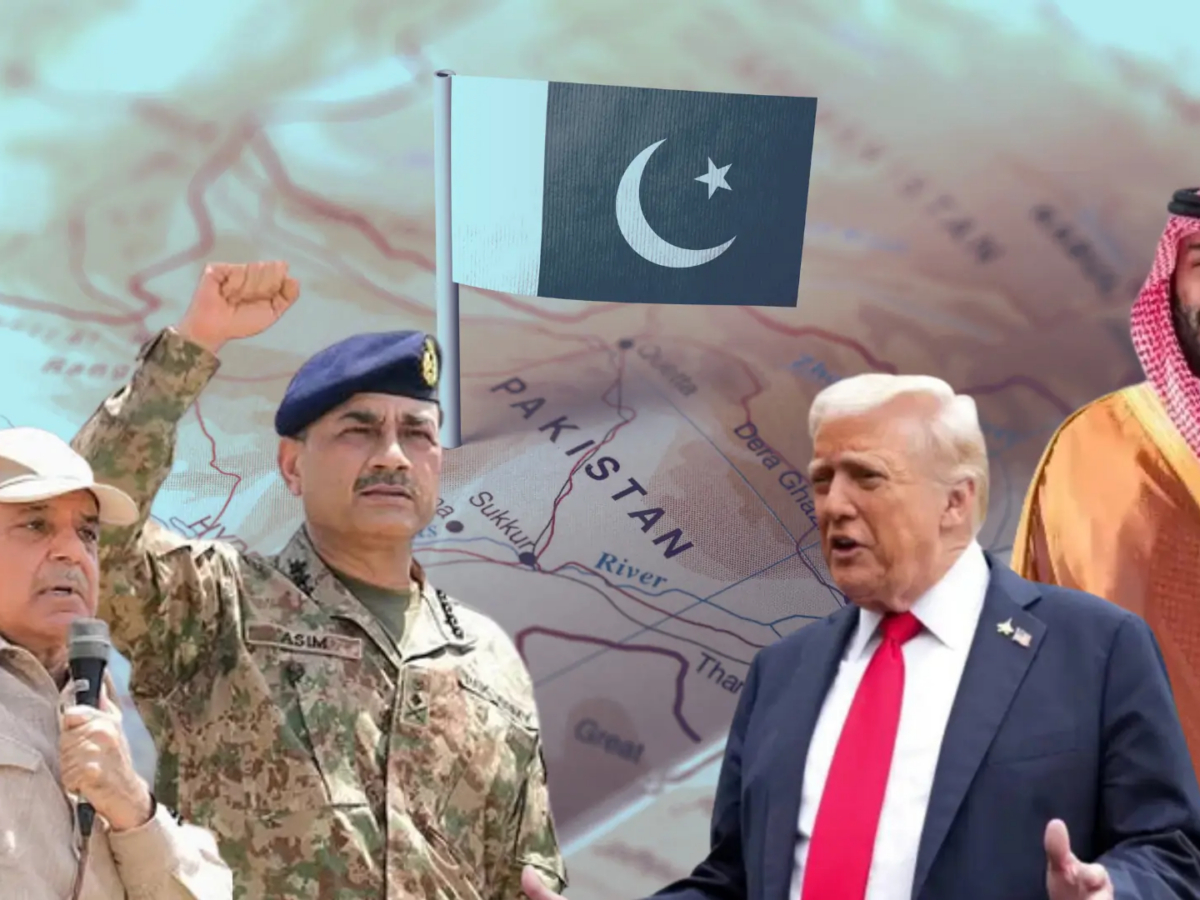


Early 2026 has been marked by a severe escalations of militant attacks and regional instability for Pakistan. Recent deadly suicide bombings, growing insurgent activity, cross border tensions has become a matter of serious concern.
Islamabad Terror Attack and Capital Security
The recent attacks on country’s capital has revealed security oversight and intelligence gaps. Islamabad’s recent suicide bombing on 6th February 2026 at Khadija Tul Kubra Shia mosque in Tarlai Kalan arear claimed lives of 30 people and injured over 170, marking it the deadliest attack on the capital since 2008. The Defence Minister alleged that it was planned and financed from across the Afghanistan border, allegations denied by Kabul. On Friday evening, the ISIL (ISIS) group claimed the responsibility for the attack on its telegram channel.
Another incident back in November 2025, at a district court in G-11 took lives of 12 people and injured 27 others. Jummat UL Ahrar, a splinter group of the Tehrik-e- Taliban (TTP) claimed responsibility. The condemnation came from various international partners, including U.S, China, EU, Russia, reflecting global concern over extremist spillover.
These incidents highlights the danger posed by regional affiliate of ISIS and heightened concerns about sectarian violence and militant reach within highly secured cities.
Balochistan Insurgency and Internal security
The militant violence and resistance in Balochistan is not episodic, it is structural. There is strong underlying resentment in Balochistan, which stems from long standing political marginalization, unequal distribution of resources, resources extraction without local ownership, demographic fears, identity and historical grievances, with CPEC seen as intensifying these existing injustices. The core objective behind these militant violence is greater autonomy and an independent Baloch state.
Balochistan has recently witnessed a rise in coordinated militant attacks, mainly by the Balochistan Liberation Army (BLA) and affiliated groups. Reports have indicated at least 177+ militant casualties in counter insurgency operations. These confrontations have led to dozens of civilian and security personnel deaths, necessitating a revamp of the counter terror strategies.
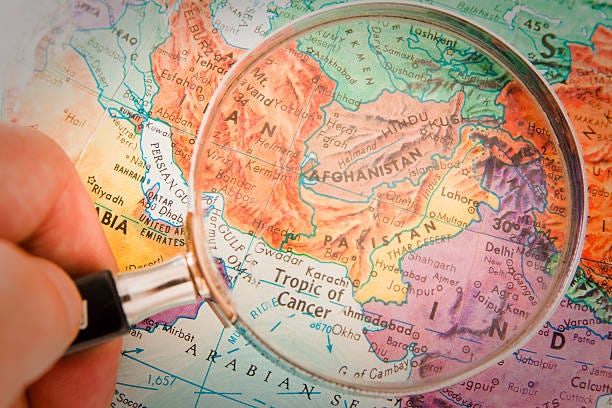
The government has declined negotiation initiative and instead prioritized a security-led, military response to restore stability. Since Baclochistan’s security dynamic directly affects the China Pakistan Economic corridor (CPEC) projects representing billions in investments, the focus is essentially on increasing military presence to protect mineral- rich areas and border routes with Afghanistan and Iran. Initiatives to expand CPEC in 2025 between Islamabad, Beijing and Kabul seeks to improve regional connectivity and economic cohesion while placing additional demands on Pakistan’s security to manage emerging vulnerabilities.
Afghanistan- Pakistan Border security
Pakistan foreign policy regarding Afghanistan has always been based on the principle of Muslim brotherhood. Despite shared geography, ethnicity, and faith, relations between Pakistan and Afghanistan have never been smoother, except for a short period of Taliban rule.
For Pakistan, the cross-border security has always remained a major concern. Although Kabul has publicly denied its involvement and support of anti-Pakistan militant, Pakistani authorities have continuously accused the Taliban-led government in Kabul of enabling anti-Pakistan groups including TTP and other extremists groups. Border tensions have sporadically escalated into violence in Kurram and Bajaur, with mutual accusations of provocations and cross-border militant activities.
Pakistan has taken strict measures to tightened border controls, including periodically closing formal crossings with Afghan border.
According to Centre for research and security studies, there has been significant increase in fatalities, the figure report for violence- related deaths reveals the jump form 2555 in 2024 to 3417 in 2025.
The recent diplomatic engagements of 2025, including Doha truce talks and Trilateral engagements involving China, Pakistan and Afghanistan, aims to mitigate tensions, boost regional cooperation and manage security challenges.
India- Pakistan Relations and regional Tensions
India and Pakistan has remained in deep-rooted historical and culture conflicts, resulting in complex security rivalries. There is a long list of events that has created hostility and security problems for Pakistan but the core issues is the Kashmir dispute.
India’s strategic stance in South Asia continues to overlap with Pakistan’s security concerns. The recent intense exchange of 2025 including missiles, drones and shelling followed by the suspension of Indus Waters Treaty have sparked serious concerns for regional security, stability and economic partnerships.
China-Pakistan strategic Partnership
China-Pakistan’s all weather strategic partnership remains a key aspect of Pakistan’s security and economic policies. Both countries share strategic cooperation to mitigate security threats, which includes counter-terrorism, intelligence sharing, and the protection of Chinese national and infrastructure under CPEC projects.
Despite these high level engagements, both countries faces security challenges from militant attacks, prolonged tensions with India and instability in Afghanistan. Pakistan’s Foreign Ministry and Chinese Embassy formally agreed to work together to counter extremism and expand security measure, including the establishment of a Special Protection Unit for Chinese personnel and cybersecurity cooperation in early 2026.
This highlights the intensity of China and Pakistan’s partnership, demonstrating shared interests in maintaining stability and Pakistan’s role in Asia’s evolving multipolar security dynamics.
