


Executive Summary
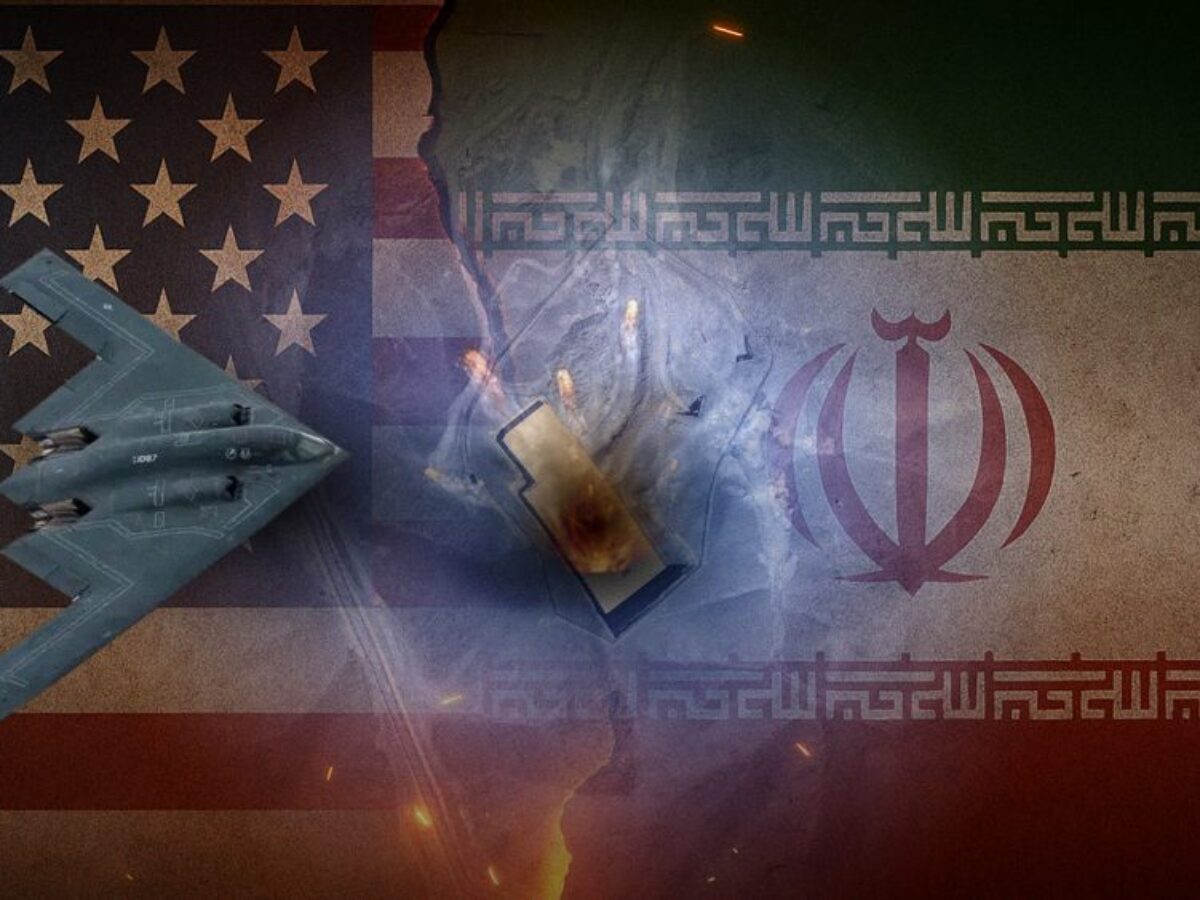
Since 2026, relations between Iran and the U.S. have significantly declined due to Iran’s nuclear ambitions, the expanding U.S. military presence throughout the Middle East, and President Trump’s use of coercive diplomacy towards Iran. Iran’s fledgling attempts to develop its own defensive capability, combined with Iran’s support for many proxy organizations throughout the region, will likely lead to an escalation of tensions between these two countries in ways that may seem impossible to imagine.
Strategic Context
Crisis Overview
- Diplomatic Deadlines and Pressure
If Iran cannot negotiate a substantive nuclear agreement (more detailed than the existing agreement) with the USA, it will face significant consequences. The US has repeatedly set deadlines for Iran to conclude negotiations with the US to create an updated nuclear agreement, which will include more stringent oversight of Iran’s nuclear programs; however, Iran views such deadlines as excessive and unreasonable requirements placed by the USA. Thus, during negotiations, both parties will treat each other equally and the US will lift all sanctions against Iran.
Iranian Countermeasures
Iran is enhancing its military and nuclear facilities in anticipation of possible conflict with the United States. The position of Tehran is that any military action by the United States will be deemed an act of aggression and will require a military response from Iran.
Iran is attempting to deter U.S. activity while making clear that U.S. military action will lead to disastrous consequences.
Primary Drivers of Escalation Risk
A. Nuclear Disputes
The continuing dispute between Iran and the United States centers on both parties’ approaches to nuclear armament and the degree of inspection by the United States of Iran’s nuclear capability. On the one hand, the United States insists that Iran has to allow for NATO inspections and have very stringent restrictions on the development of nuclear capability. On the other hand, the United States does not recognize Iran’s self-determination or any other rights to develop nuclear capability. The United States believes that permitting Iran to develop nuclear capability will fundamentally alter the United States’ strategic and economic interests in the Middle East, and grant Iran the rights to internationally develop military power under international law that will impact and harm the United States economically, politically, and militarily on a number of levels.
The IAEA recently reported that the inability of the IAEA to visit and inspect Iranian nuclear installations due to increasing tension and hostilities in the region is quickly becoming impossible. In the absence of a peaceful resolution, both sides would likely resort to military action as the only means to resolve their difference.
B. Naval Operations
1) Iranian forces and the U.S. Navy’s Sixth Fleet are operating in close proximity in the Persian Gulf. The small size of the Persian Gulf and the large number of naval vessels operating in the area creates a high risk of maritime accidents, therefore an increased opportunity for both the Iranian and American naval vessels to collide with each other or to be caused to collide by either side due to negligence. In the event of either nation’s negligence resulting in the collision of vessels, the perceived threat that exists for both nations’ militaries would be exacerbated significantly.
2) Incorrect interpretation of military drills intentions.
3) The rapid escalation of conflict scenarios due to a very minor incident.
The geographic location of the Strait of Hormuz also poses an ongoing threat. Any disruption by a major disruption in access to Jubail & Khobar Ports through the Strait of Hormuz could have major economic consequences worldwide. Potential DISRUPTION of oil flow will also cause strategic implications for the US if military force is used against those who would cause that disruption.
Thus, RISK LEVEL: SIGNIFICANTLY HIGHER THAN AVERAGE – LIKELIHOOD OF UNINTENTIONAL ESCALATION.
Escalation Possibilities:
There are various scenarios that will likely lead to escalation, and the most likely short-term escalation will be through “Precision Strikes”. The United States will execute limited air strikes on nuclear and missile facilities, and Iran will engage with calibrated proxies focused on limited proxy activity so as not to escalate into an all-out war. This will create a temporary escalation of tension, high regional tension, and a brief shock to energy markets. The overall risk to contain this situation will be Moderate.
The next Escalation Scenario will be through Limited Regional Warfare. Due to the U.S. initiating a strike on Iranian targets, including nuclear and missile facilities, Iran will engage to a broader extent than through the use of proxy engagement. This would include missile attacks against U.S. military installations, as well as disrupting maritime shipping via the Strait of Hormuz. These actions would result in Multi-Front Proxy Engagement with continuous air operations against Iranian targets, and global economic activity will be significantly disrupted. The risk of containment is expected to range from Low to Moderate.
Broader Implications:
- A) Regional Safety
The impact of increased tension between Iran and Europe has multiple implications for trade, but perhaps most importantly, the trade lines will also be affected negatively. With trade lanes being disrupted, it will make shipping more expensive and less efficient globally.
- B) Global Economy
Any disruption of energy (oil) supplies passing through the Hormuz Strait will cause a dramatic increase in the global price of oil, along with a variety of other ramifications such as increased global inflationary pressures and ramifications on the global supply chain..
Conclusion:
The current strain between the US and Iran serves as a unique scenario of both formulating forceful diplomatic events while planning for military deployments to enforce such acts of coercive diplomacy. Both the US and Iran exhibit their might without crossing the threshold of actual war.
The risk of trying to negotiate through this differences continues to be elevated due to known deadlines; the expanding build up of military forces on both sides; and both parties not trusting each other.
The most likely situation to occur will be several different occasions of limited military engagements between both countries rather than one major military conflict. Mistakes or unintended escalation associated with the existence of proxies, land configuration, and global nuclear weapons result in extreme instability until such time as the party implementing sanctions reaches an agreement on how those two issues (sanctions and regional nuclear programs) will be secured through a resolution to both issues. The only other options are to strategically limit the activities of each nation while the two will pursue continued negotiations until settlement is obtained.
