
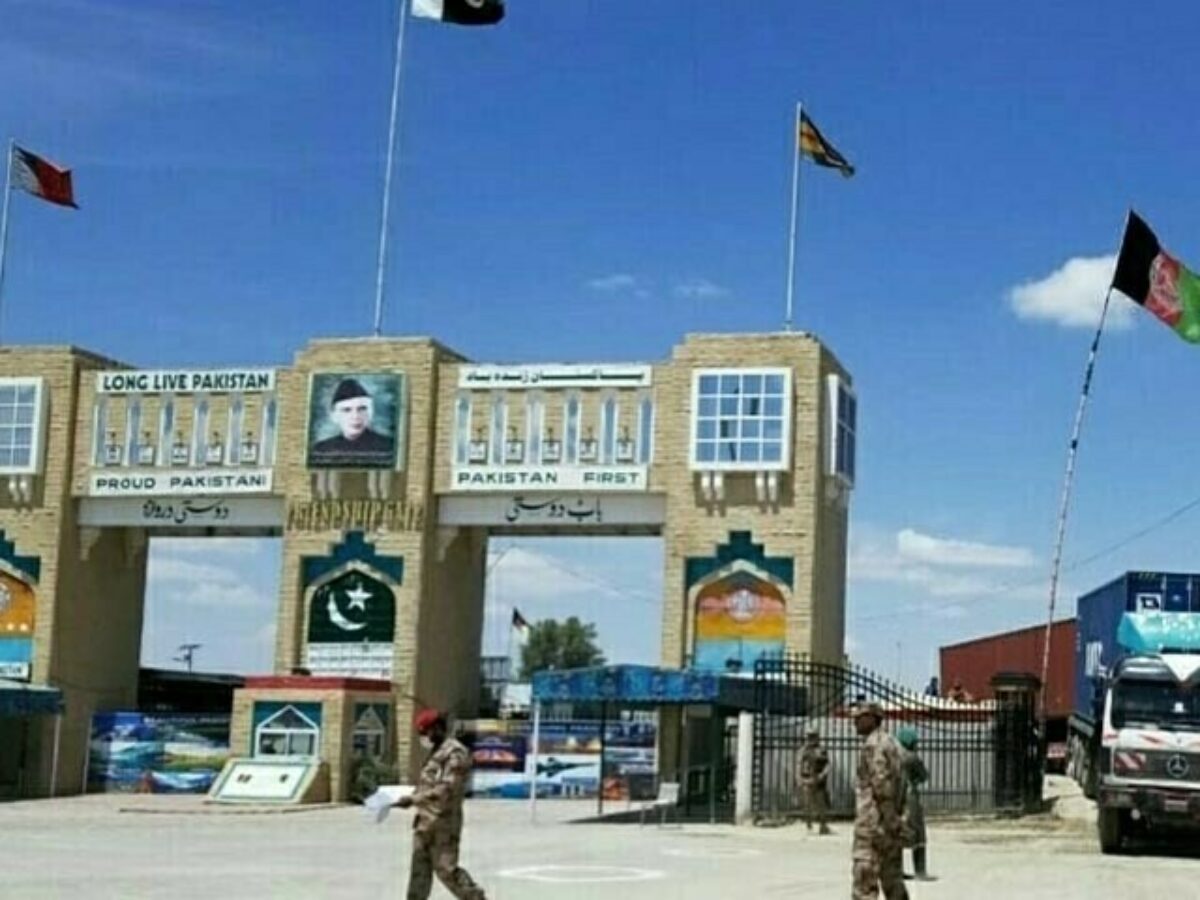


The most recent exchange of fire along the Spin Boldak -Chaman border once again leaves Pakistan on the edge of the unstable situation in the region, facing the challenge of a multifaceted, cross-border militancy, boundary conflict and humanitarian pressure. Although there has been a lot of shelling and even armed confrontations that have claimed the lives of several people on either side of the border, the Pakistani attitude has been essentially defensive: defend its land, protect people and maintain the delicate truce that had just been established, only weeks earlier, with the aid of international brokering. Pakistan is in a security environment where armed groups located on the opposite side of the border have consistently succeeded in attacking its security personnel and police in its western regions. These attacks have been perpetuated despite the painstakingly negotiated truces and therefore compel Pakistan to ensure the highest level of vigilance and at the same time keep its end of the bargain to de-escalation. Recent border violence has been the result of recent large-scale conflicts in October, which led to dozens of deaths and a move to mediate by the regionals to establish a ceasefire arrangement urgently.
That is why Pakistan’s response to the new fire across the border has been framed in a deterrence, not an escalation, framework. Its troops have also focused on responding to attacks rather than initiating indiscriminate attacks and on directing their fire at targeted enemy positions. Formal communication has always emphasised adherence to territorial integrity, the avoidance of civilian casualties, and the preservation of already agreed ceasefire agreements. This is in contrast to the claims made in the cross-border that artillery was utilised in a manner that hit houses and displaced the residents. This trend has been used to indicate how militant groups and rogue units across the border can transform local incidents into general crises. Another aspect that complicates the role of Pakistan is that there are various non-state actors based in the territory of Afghanistan, such as the groups that openly announce their involvement in suicide bombings and sophisticated attacks within Pakistan. The recent weeks have seen the organisations publicly celebrate the activities against Pakistani police and security institutions, which proves that they are active and emboldened. So long as these groups have the freedom to move and rear bases across the border, Pakistan is left with no option but to make its border a live theatre of security, whilst seeking dialogue. Although under these pressures, Pakistan has consistently opted to use the diplomatic route when possible. It has been engaged in various series of talks with regional partners, such as negotiations in the Gulf, aimed at providing the October ceasefire with a more lasting political basis. These talks are yet to bear a final solution. However, Pakistan has been urging to get definite security assurances, measurable actions to curb cross-border militancy and formalised means of ensuring local incidents do not escalate into overt hostilities. This method underscores a calculative tactic: the strategic establishment of peace on the frontier cannot be achieved by the sword alone, but only through mutual commitments and restraint.
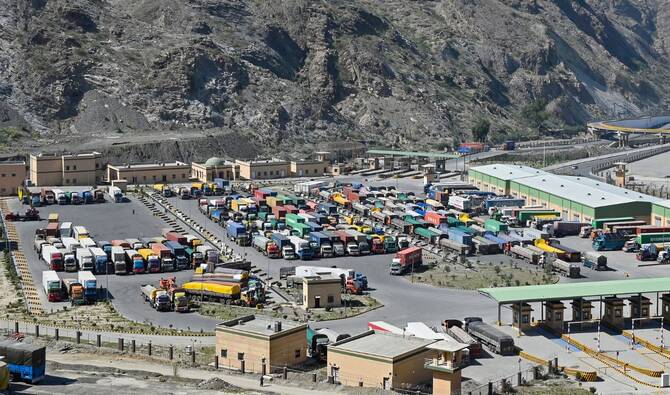
Simultaneously, Pakistan has been opening major crossings to humanitarian flows into Afghanistan despite the tension. Allowing United Nations aid and business goods to cross into the country is indicative of the fact that the everyday Afghans should not suffer the cost of the actions of the armed groups. To the state that has its own large refugee and returnee population, it is in its interest to ensure that the trade routes are operational and the basic relief channels are available so that they do not suffer further displacement and instability spills across the border. The recent confrontation in Spin Boldak should then be viewed as a larger trend: Pakistan taking in the repercussions of unresolved issues in its west, and attempting to protect its own people, who are attacked outside its borders. Pakistan is signalling that it is interested in stability and not confrontation by calling a collective response to militant networks, by accepting mediation, and by making its military posture one of deterrence and defence. Now it is up to all concerned to ensure that words are accompanied by action in the field, so that this sensitive frontier can no longer be a repeated flashpoint but a channel of legitimate trade, safe movement, and regional collaboration.

Research Associate, Pakistan House